I remember carefully reading articles I came across on renewable energy during my university years. I dreamed of entering the solar energy sector while working in the family business between 2001 – 2011. Of course, as we went through many challenges, I realized we couldn’t do it in the family business. After 10 years, I invested the loan I received from my father in solar energy. I’ve written about this in a previous blog post: http://www.serhansuzer.com/tr/15-yillik-is-hayatim-ve-gelecege-notlar
I was in the right sector, but I started off on the wrong foot. I first started in 2011 with CSP (Concentrating Solar Power) Parabolic Trough technology. Simply put, this involves generating heat at high pressure and temperature using mirrors and special alloy pipes, then combining it with water to produce steam. This steam is then fed into a steam turbine to generate electricity. During my first six months in the industry, I realized, based on my analysis, that CSP technology couldn’t compete with photovoltaic (PV) technology. This was because those in the CSP sector were persistently trying to generate electricity. However, the price of PV, a technology that generates electricity directly from solar radiation, was constantly falling. Its price had fallen by 70% in the last 3-4 years. This was why major players in the sector were exiting CSP, which was already quite expensive.
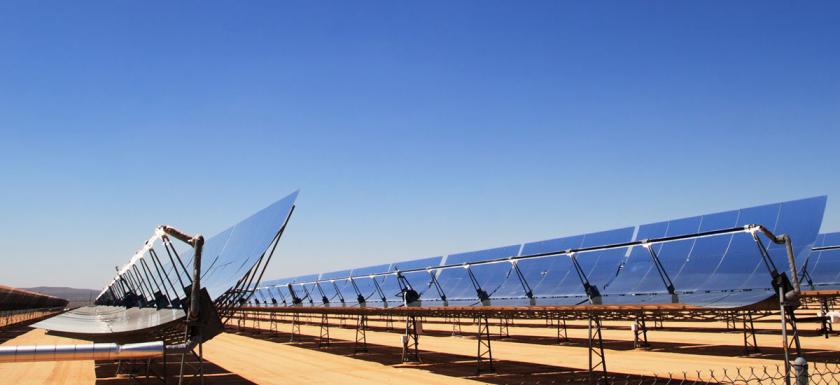
Here’s a cross-section of parabolic trough technology to help you visualize it. Here you can clearly see the CSP collectors.
CSP is a good technology and has a wide range of applications. I gave the same brief to my technical partner at the time. However, I couldn’t get him to agree. I emphasized that the correct business model for CSP was to focus on heat, CSP’s core product. This meant meeting the heat needs of factories or integrating absorption chillers into the system to heat and cool buildings. However, the CSP collectors needed to be smaller and reduce costs. This proposal was not accepted. Ultimately, I sold my shares in 2013 and exited. I will write about my Hitit Solar story in another article.
Transition from CSP to PV
When I left CSP, I always had in mind to enter the PV sector. Assuming I would sell the CSP company, I founded the company in 2012 for PV, and after the sale was finalized, I launched it in March 2013. Initially, like all players in the sector, we started with unlicensed projects. Unlicensed projects were beneficial for the entire sector. This is how we all got our start in the sector. As EkoRE, we developed, commissioned, and sold a portfolio of approximately 30 MW.
While achieving all this, and with my analysis, starting in 2014, I began to explain to everyone the strategic importance of having all production processes in Turkey. Following these conversations and exchanges, I rolled up my sleeves in 2015 and began researching. As a result of our research, I decided which technology to use. Crystalline technology was the right one. Compared to thin film technology, when you combine efficiency and price, it surpasses it in every aspect. Looking at the developments in the following years, thin-film technology never caught up with crystalline technology in these two key criteria (price and efficiency), and in fact, the gap between them widened. Of course, technology was constantly evolving. Polycrystalline, monocrystalline, monocrystalline with PERC, and finally heterojunction technologies began to be produced and used in the market. Production values and efficiencies steadily increased with the advancement of technology. We determined the technology and business model we would invest in and conducted our research accordingly. We will disclose the details of these studies later. For now, let’s keep these details to ourselves to ensure the smooth running of the business.
Our Reasons for Choosing Niğde for Investment
The strategic location of the production facility was also crucial. After conducting our research, we decided on Niğde. In my opinion, Niğde is one of Turkey’s provinces that isn’t in the position it deserves. It has great potential. Seeing that potential, we decided to invest there. I’d like to share the factors that led to this investment decision with you in more detail:
- Niğde is situated in the center of Turkey’s solar belt.
- It is 2 hours away from the Port of Mersin (for export purposes).
- A train station is planned for the Niğde Bor Organized Industrial Zone (with rail lines running through it).
- An airport is planned on the other side of the road passing by the Niğde Bor Organized Industrial Zone (Niğde-Aksaray Airport), where we will be investing.
- A massive 1,000 MW solar farm is planned next to the airport (the land where the second YEKA will be located).
- The administrative authorities there, including the Niğde Governor and the Mayor of Bor, have been very helpful in every way.
- A solar cell laboratory has been established at Ömer Halisdemir University, formerly known as Niğde University, by METU faculty.
- Niğde is a safe and comfortable place.
- The public is very enthusiastic about such a large investment.
I believe Niğde will become the center of solar energy in Turkey following our investment. Incidentally, the location we will be investing in is the Bor district of Niğde. In fact, it’s where the famous saying “Pass Bor’s market, ride your donkey to Niğde” originated. The Bor Market is on Tuesdays, and the Niğde (Central) Market is on Thursdays. Back then, a loaded person walking from Bor to Niğde would have traveled from Bor in a day and a half. Bor is a fairly large district, and there’s a friendly competition between them and the central district. The Niğde Organized Industrial Zone (OIZ) was relatively full, and we decided on Bor because we saw greater potential. I can also say that the current mayor of Bor’s approach was a factor in our choice of Bor.
Unfortunately, during the process we officially launched in 2016, we were unable to secure financial closure due to the challenging times in the sector and our country. The events of 15 July, the referendum, the state of emergency, and the terrorist attacks all played a role. Some investors even signed a letter of intent and then withdrew the next day. Of course, we never gave up on our project. We continued to do our best.
Our goal of a fully domestic solar panel is to develop a fully domestically produced solar panel.
Meanwhile, we continued to raise the issue of the need for all solar panel processes to be produced in Turkey with all relevant authorities. In fact, I believe we contributed to the YEKA initiative. We also provided the Ministry of Energy with a wealth of technical information during the YEKA tender process. We were not the first to participate in the YEKA tender, but we are delighted to have been able to contribute. Furthermore, our work caught the attention of the Ministry of Economy. Negotiations began approximately a year and a half ago. We completed the required work. According to reports, we were among the first to apply for and qualify for the ‘Project-Based Incentive System.’
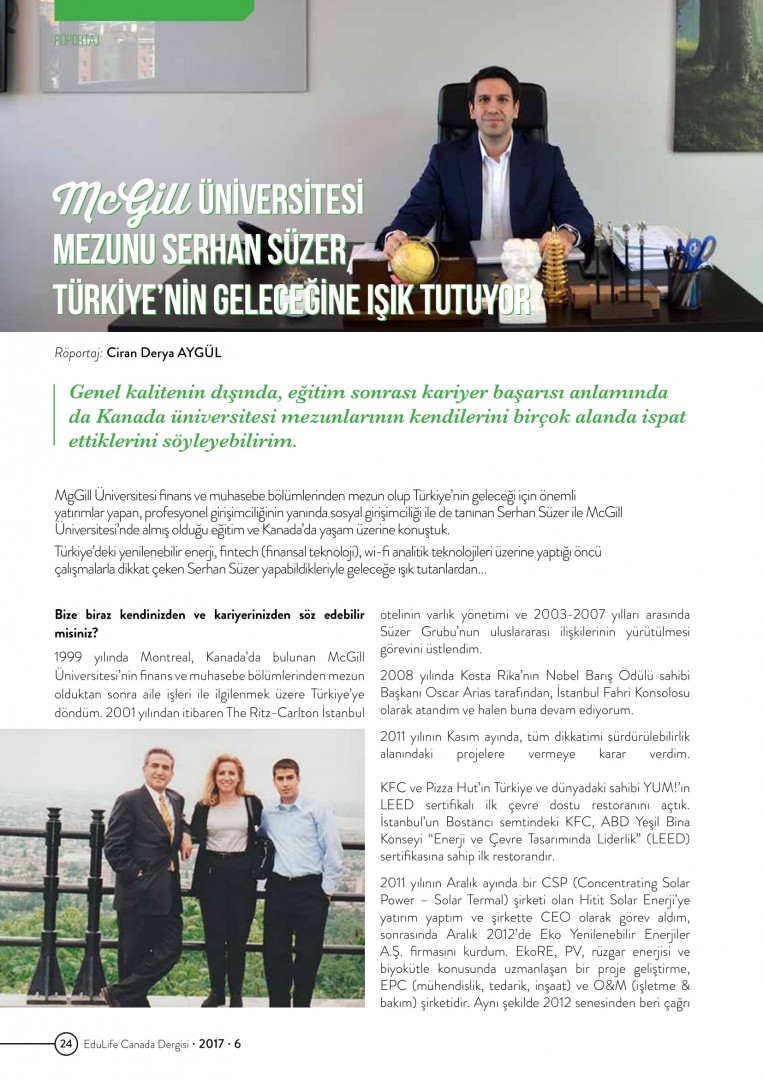
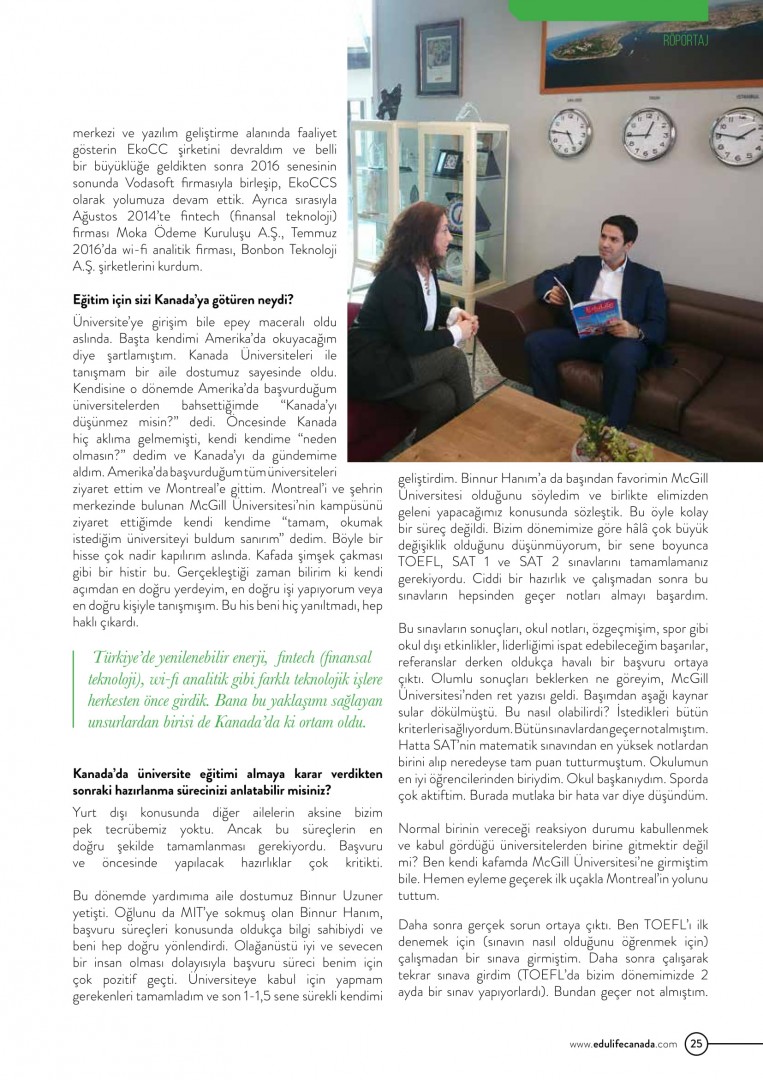
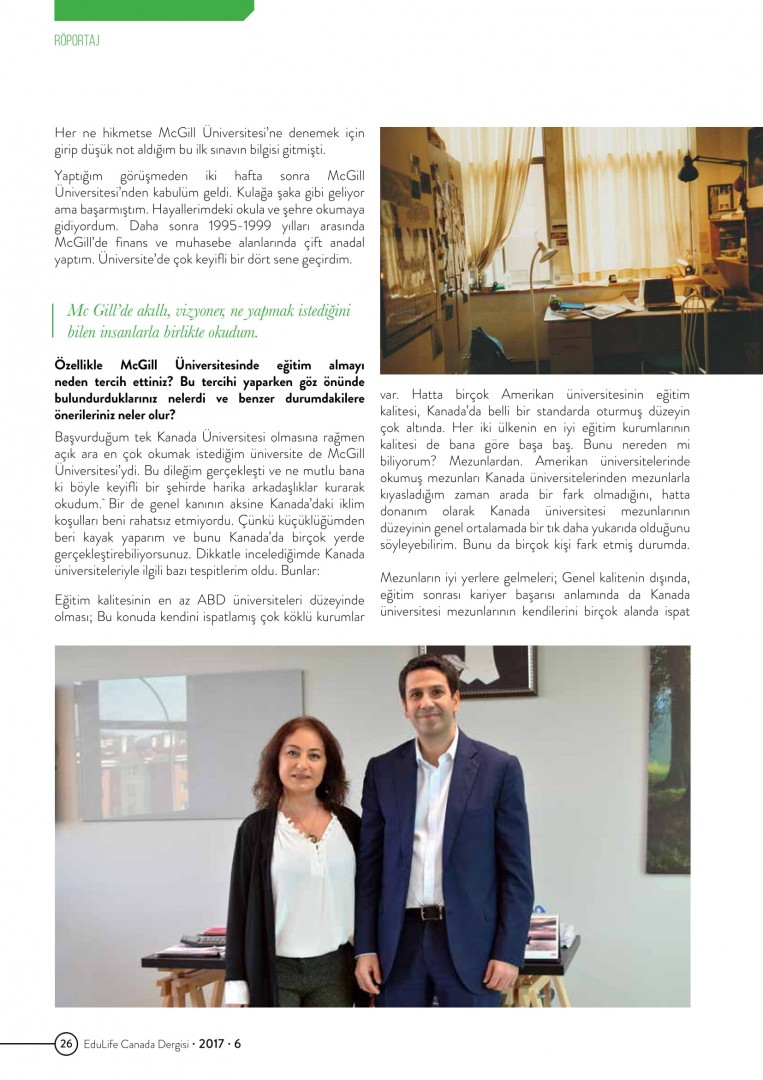
We were informed that the launch of this incentive would take place in the last week of March. 18 years after graduating, I received an offer from my university in Canada, McGill University, to serve as a judge and mentor for the Dobson Cup, an entrepreneurial event. It was an honor to receive such an offer from one of Canada’s top universities. However, due to conflicts with the launch dates, I was forced to cancel my plans in Canada (flight, hotel reservations, etc.). I was personally upset about this, but there was nothing I could do. Speaking of my university in Canada, I’d like to share a recent interview I published in Edu Life Canada (Canadian Education Magazine), a publication for Canadian educational institutions.
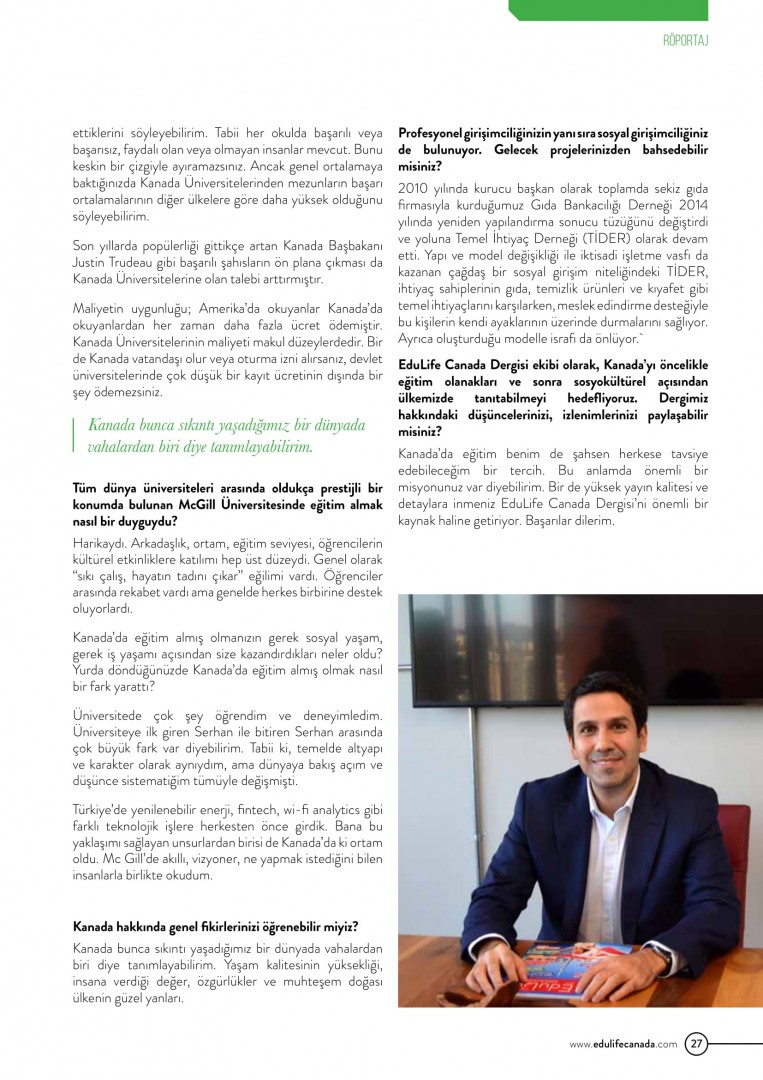
I had made all my preparations to attend the launch in the last week of March. However, two days before the launch, the Ministry of Economy called us and informed us that they had postponed the event until April due to a significant change in the President’s schedule. They called us again on Friday, April 6th, to confirm that the event would take place on Monday, 9 April.
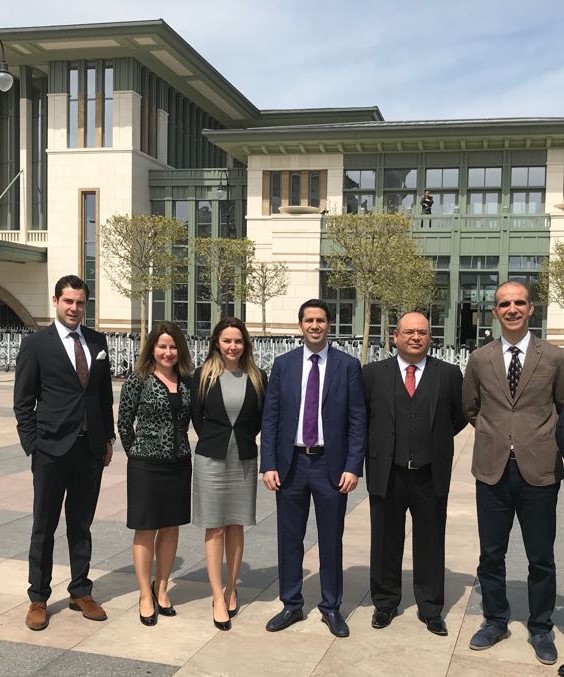
We also attended the launch as a team. You can see the photo we took outside the Presidential Complex below.
The program, which began at 2:00 PM on Monday, continued with the presentation of incentives after the speeches. You can find a video recording of the entire program below.
You can also find the relevant official document at https://www.tccb.gov.tr/anasayfa-haberleri/393/92094/icerik.html.
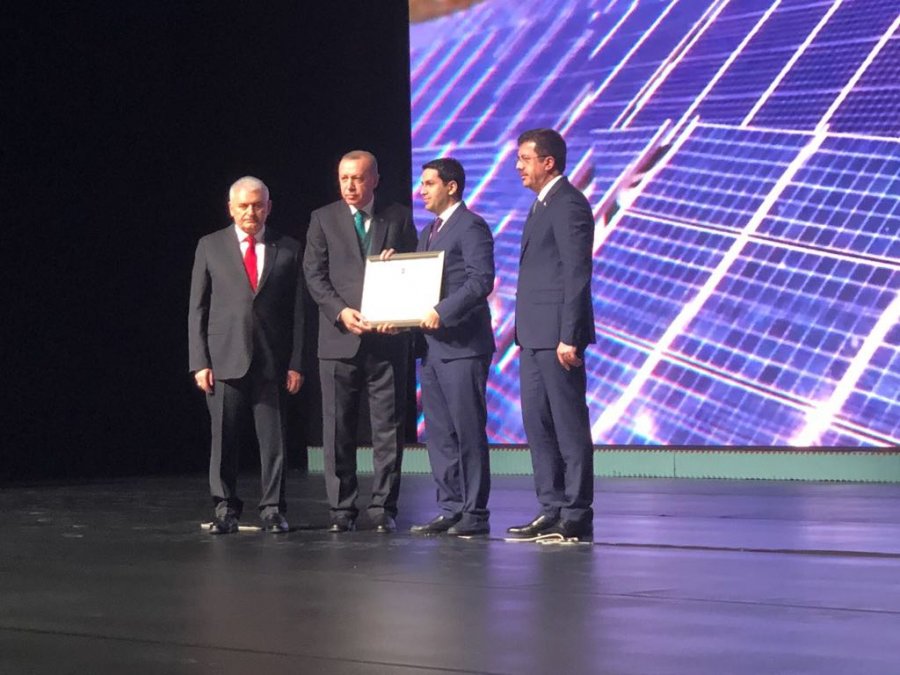
I’d also like to share the video of the moment I received my incentive certificate:
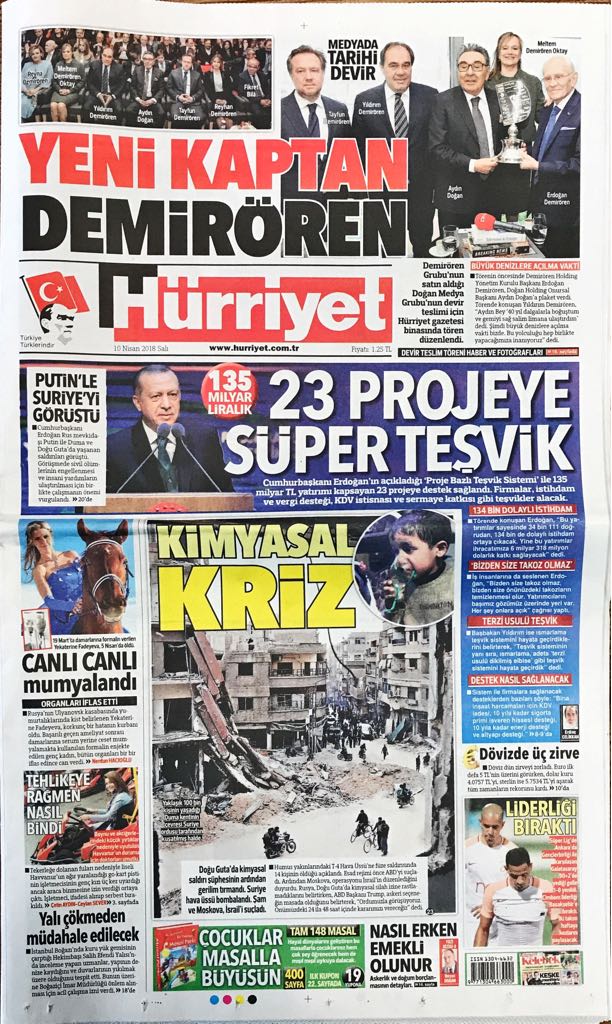
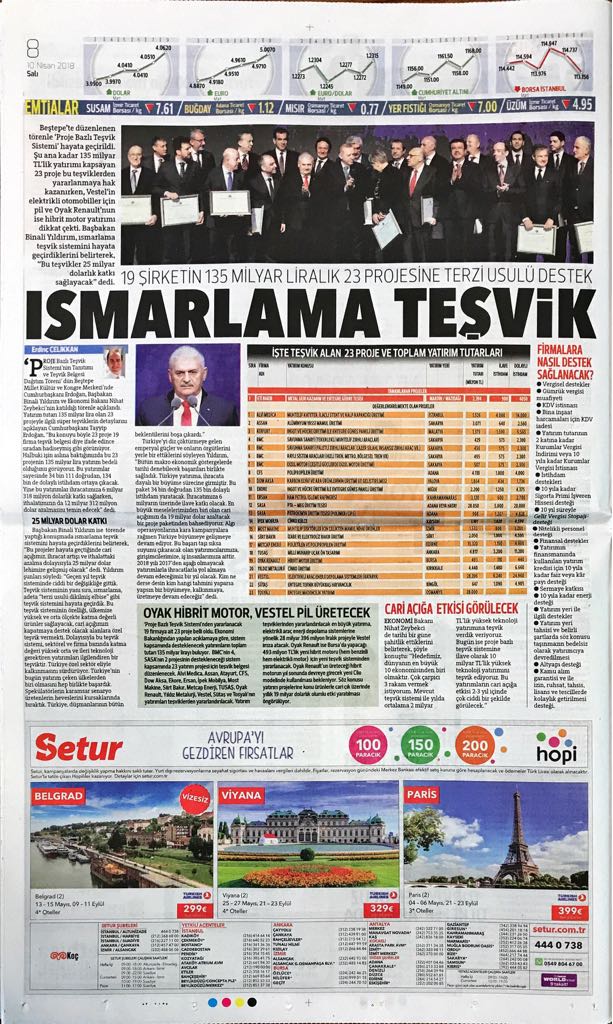
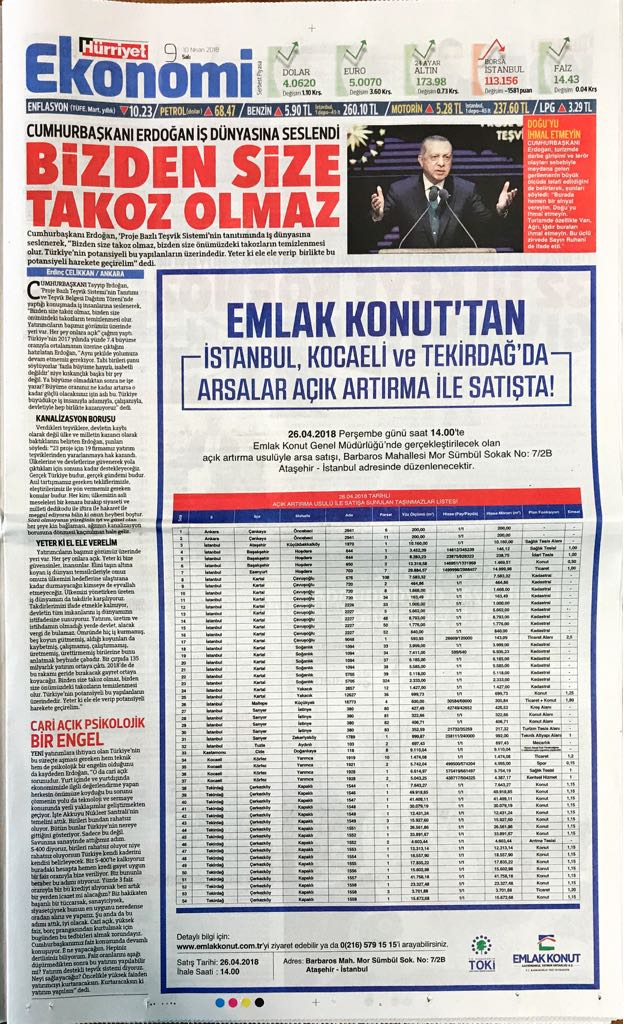
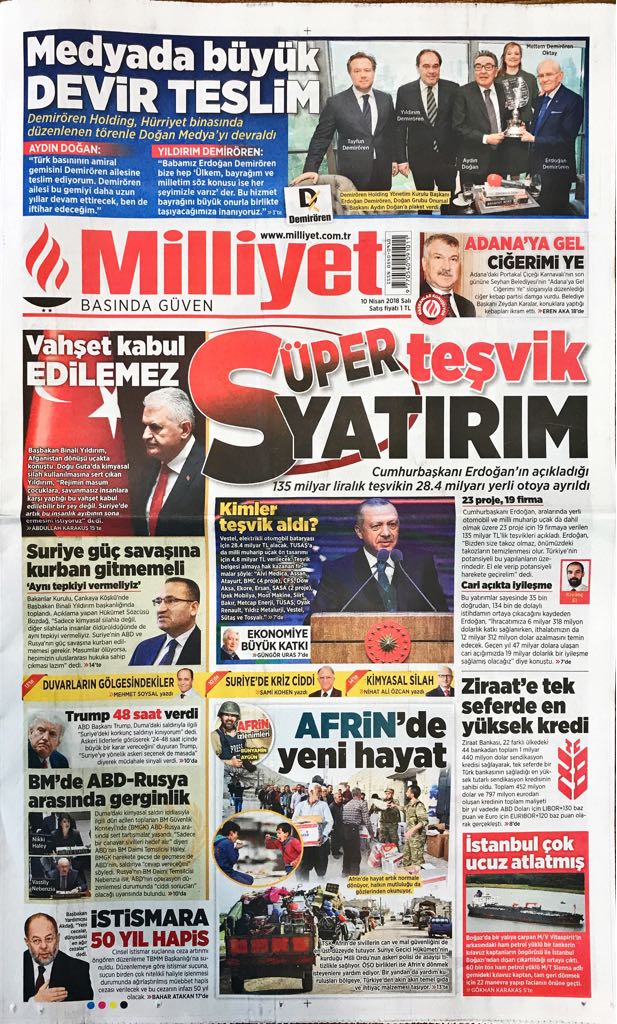
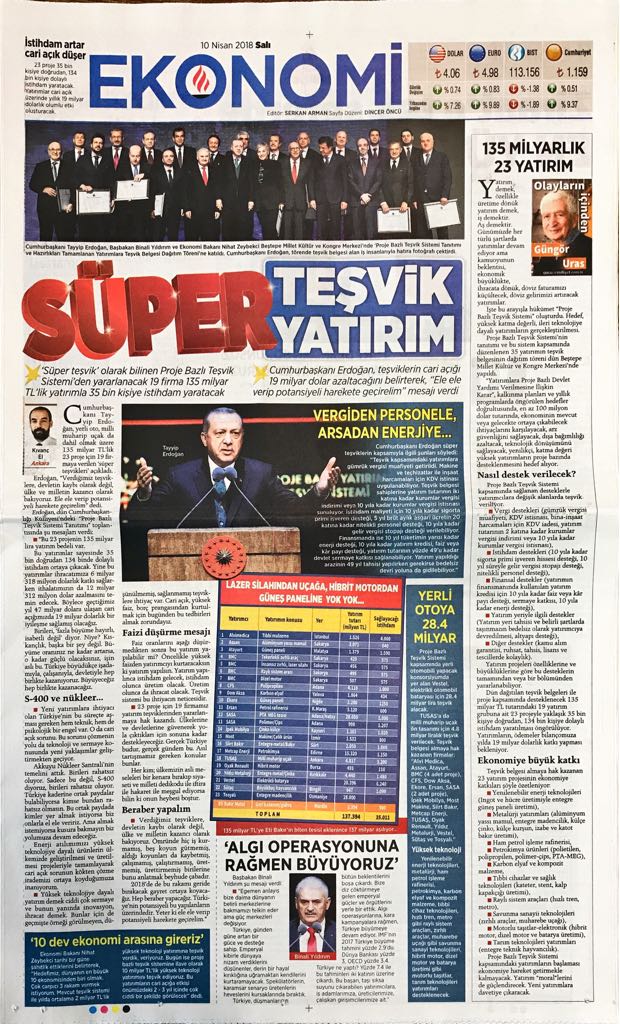
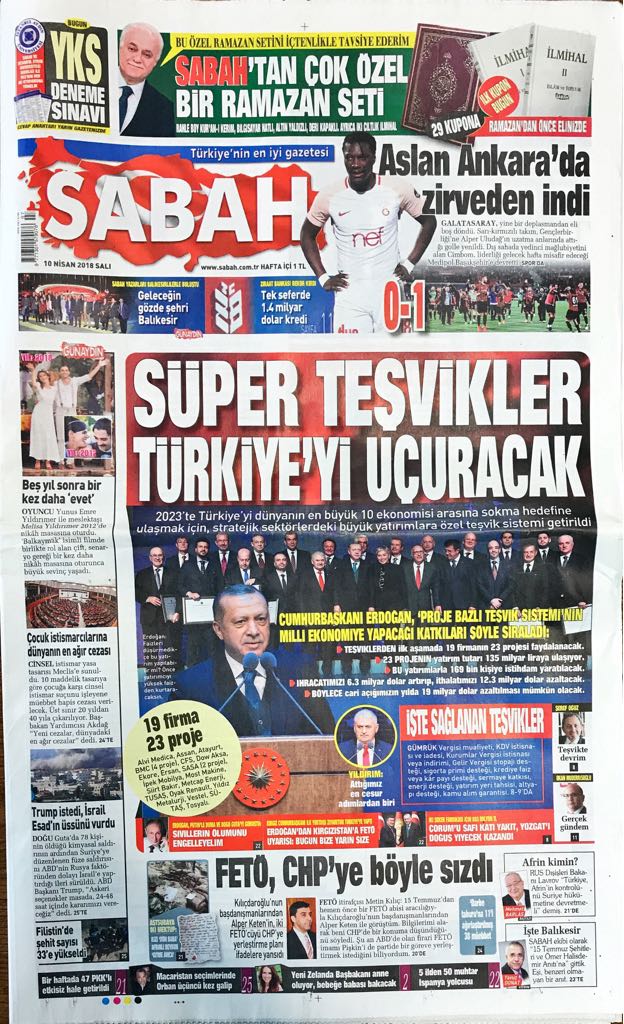
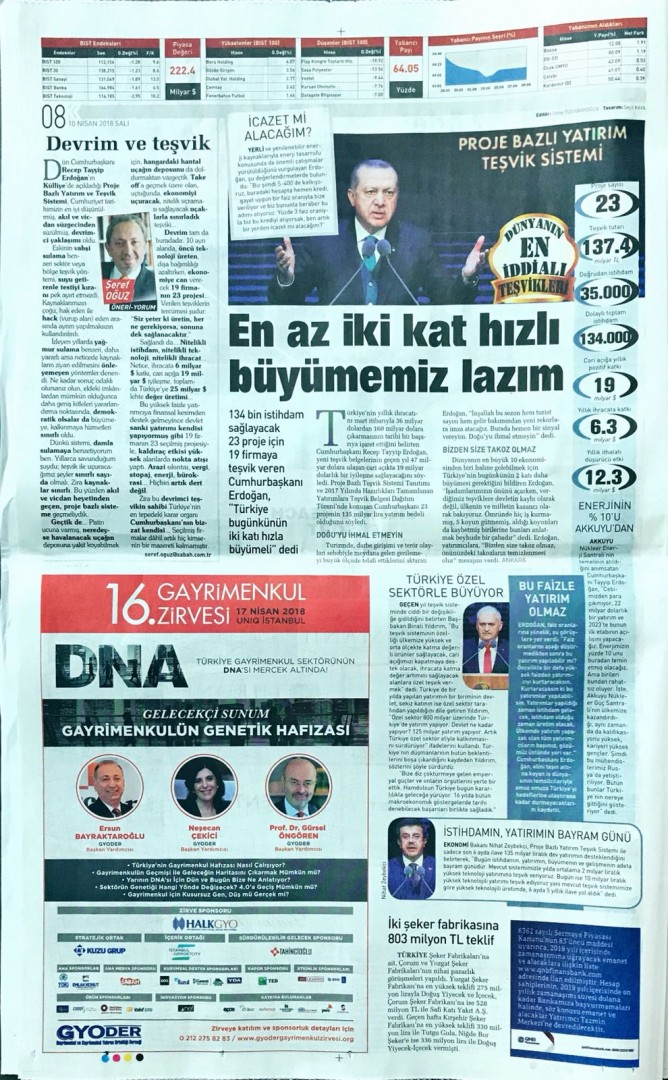
Other photos from the Project-Based Incentive System incentive certificate presentation ceremony are below.
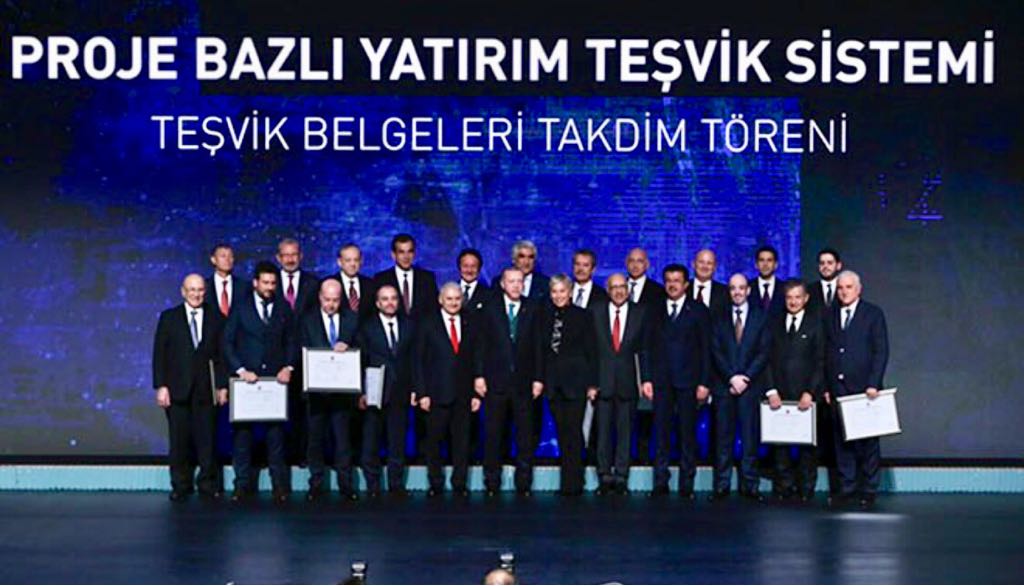
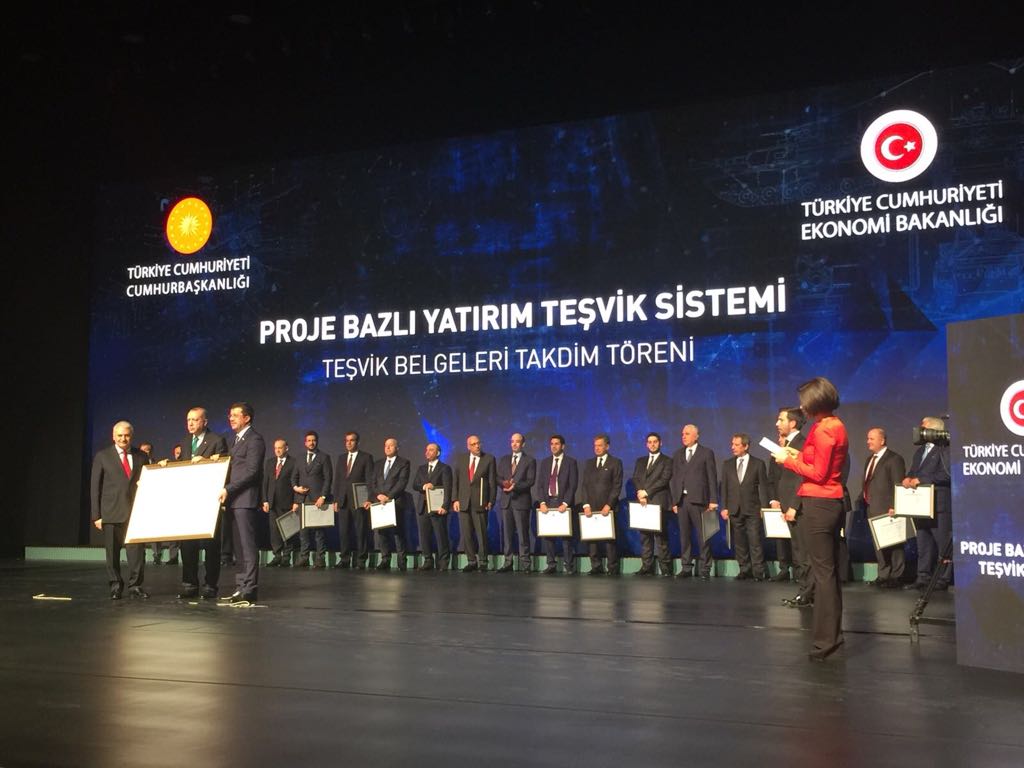
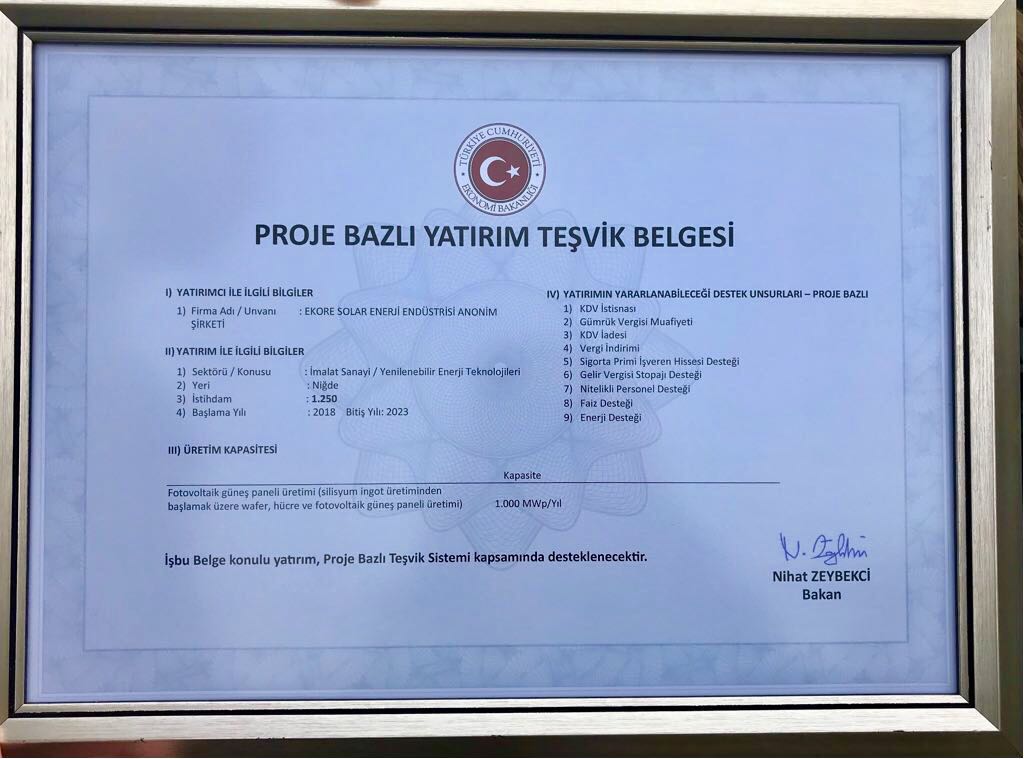
With firm steps towards energy independence…
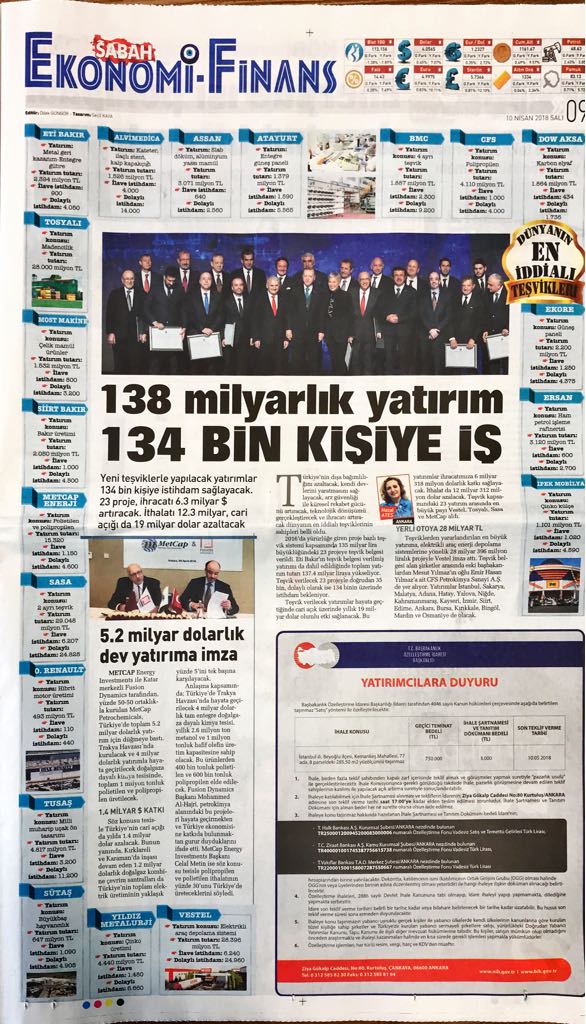
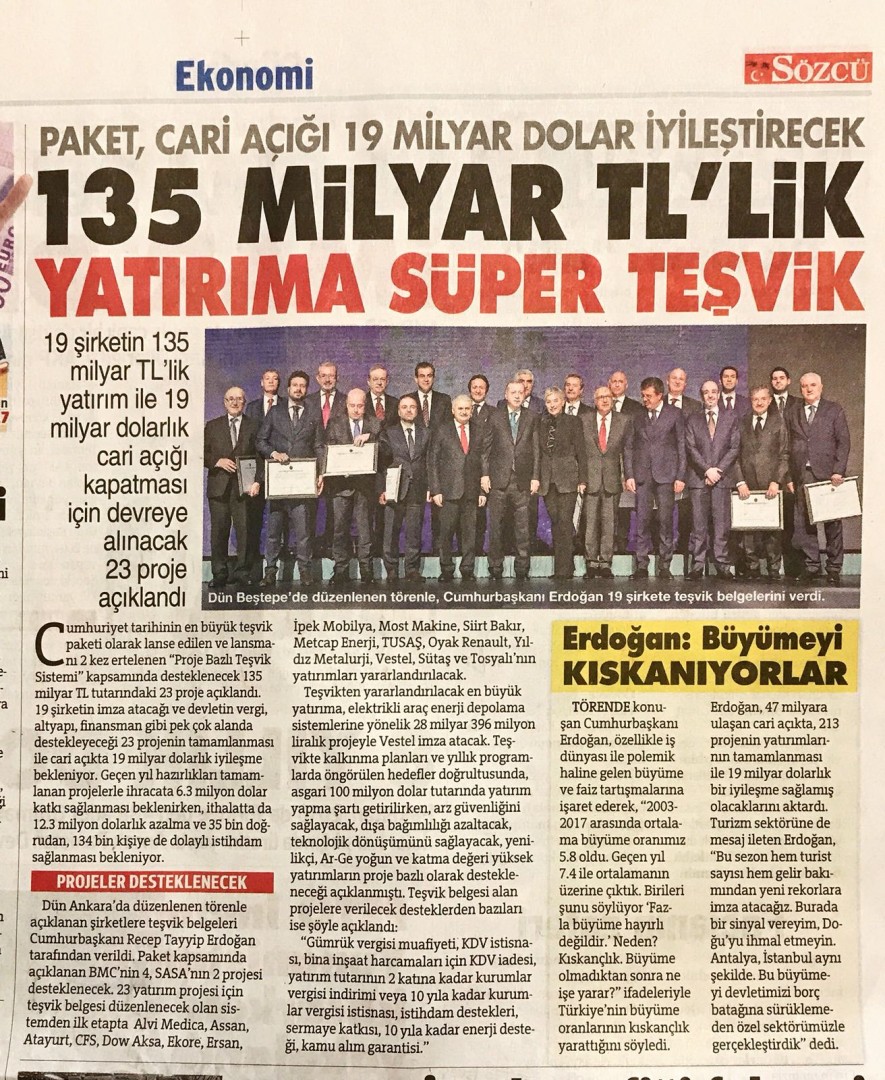
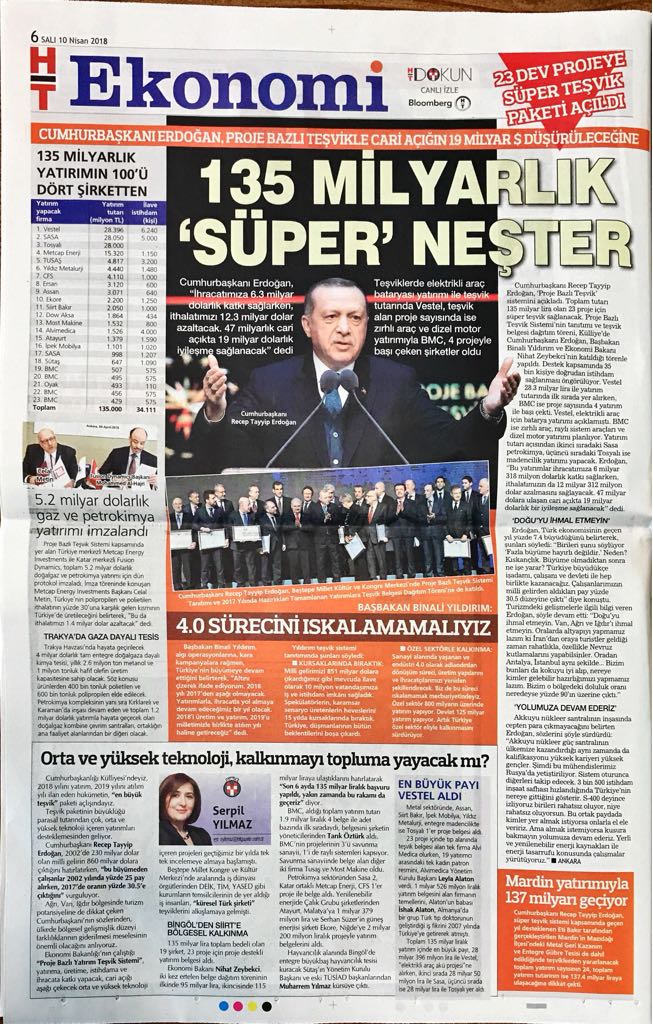
As a result, under the leadership of the Presidency, Prime Ministry, and Ministry of Economy of the Republic of Turkey, EkoRE has won a ‘Project-Based Incentive’ totaling 2.2 billion Turkish Lira. Approximately two years ago, I officially initiated the project as the originator of the entire PV panel production process in Turkey. This project, which I call ‘100% Domestic Solar Panels for Energy Independence,’ which we plan to implement in Niğde Bor, has borne fruit. I wholeheartedly thank everyone who supported and contributed to our efforts.
Our next task is to complete the financial closing of the project as soon as possible and begin construction this year. As a result of all these processes, I can say that we aim to commission the factory and begin production next year.
May it be beneficial for our country and nation.
Note: Since we are still at the beginning of this journey, I have not published an official thank you in this article. I will thank you individually in a post I will write when we open the factory. For your information.
http://antalyakorfez.com/turkiyeyi-%100-yerli-gunese-kavusturacagiz/
Tag: ecology