For those outside the sector, let me quickly explain YEKA. YEKA, or Renewable Energy Resource Areas, is the allocation of a large area for renewable energy through a tender process. The fact that certain areas, such as Organized Industrial Zones, will be allocated initially for solar energy and then for wind energy is a very positive development for the sector. The first YEKA tender, which will be held in Konya Karapınar for solar energy, is planned to be held later for wind energy in various regions across Türkiye. Let me share more information about the first YEKA, Konya Karapınar, which is currently hot on the agenda:
The tender was announced by our Minister of Energy, Berat Albayrak. Here’s the historic announcement: http://www.sabah.com.tr/webtv/turkiye/berat-albayraktan-gunes-enerjisi-mujdesi
You can download the slides from the presentation made by the Renewable Energy General Directorate team gathered at the World Energy Congress from GÜNDER (International Solar Energy Society – Türkiye Section)’s website: http://gunder.org.tr/karapinar-yeka-ihalesi/
Those who want to see all the details can read the “Karapınar Renewable Energy Resource Area (YEKA) Domestic Production Allocation Competition Announcement” in the Official Gazette: http://www.resmigazete.gov.tr/ilanlar/eskiilanlar/2016/10/20161020-4.htm#Ç03
First of all, I congratulate all the institutions and organizations that planned and prepared this tender, especially the Ministry of Energy and Natural Resources. The idea and vision are spot on. In an environment where our solar energy investments lag behind those of other countries, the announcement of a new 1,000 MW capacity is a significant development. Moreover, the world’s largest solar powerplant will be built on this single-unit site.
Furthermore, when we consider this from the perspective of industrial development in our country, the fact that this tender will be awarded only to a company making industrial investments is a particularly significant development. This is a move that will reduce dependence on foreign energy sources. It will also create employment and facilitate technological production.
All of this sounds excellent.
Matters Requiring Serious Discussion
However, I will provide an analysis of the issues that require further consideration in the tender, which will trigger such a large and strategic “billion-dollar” investment:
Ingot Production: Companies planning industrial production are required to begin their investments from the ingot stage if they intend to invest in crystalline technology. However, in practice, a more practical approach would be to initiate production from wafers rather than ingots. This is because ingot production will require significant electricity consumption. To put the numbers into perspective, a 500 MWp facility, as stipulated in the tender, would require approximately 100 MWe of installed capacity (approximately 350 GWh of energy annually).
Globally, ingot-producing companies are primarily located in Norway, the US, and China. These companies receive government support, providing near-free, uninterrupted power. Without such support in our country, the production facility will be unable to compete globally due to the cost of domestic ingots at the end of the YEKA process and will be doomed to closure. In other words, if no incentives are provided for electricity prices, the high cost of electricity will be reflected in the cost of the ingots, and therefore the panel itself, and the manufacturer will eventually choose to import ingots from various countries at much more affordable prices rather than produce them.
Another crucial issue regarding ingot production is the absolute absence of power outages at the facility. This is because production must continue uninterrupted. Power outages due to natural disasters or other reasons could completely disrupt the functionality of machinery and equipment.
- The difference between a “Technology Provider” and a “Panel Manufacturer”: Equipment manufacturers develop and supply technology worldwide. Manufacturers, in turn, purchase this technology at a specific point, manufacture the panels in the most suitable manner, and sell them to specific markets. The companies that provide the machinery and equipment technology for solar panel factories worldwide are generally based in Europe. Panel production, however, has shifted to the Far East. During the presentation given to us at the World Energy Congress, we realized these two concepts are intertwined. In fact, there is no need for partnerships or collaborations with Far Eastern companies to build production facilities in Türkiye. By purchasing machinery and equipment from Europe, a facility with higher standards than those of Far Eastern companies can be built in Türkiye.
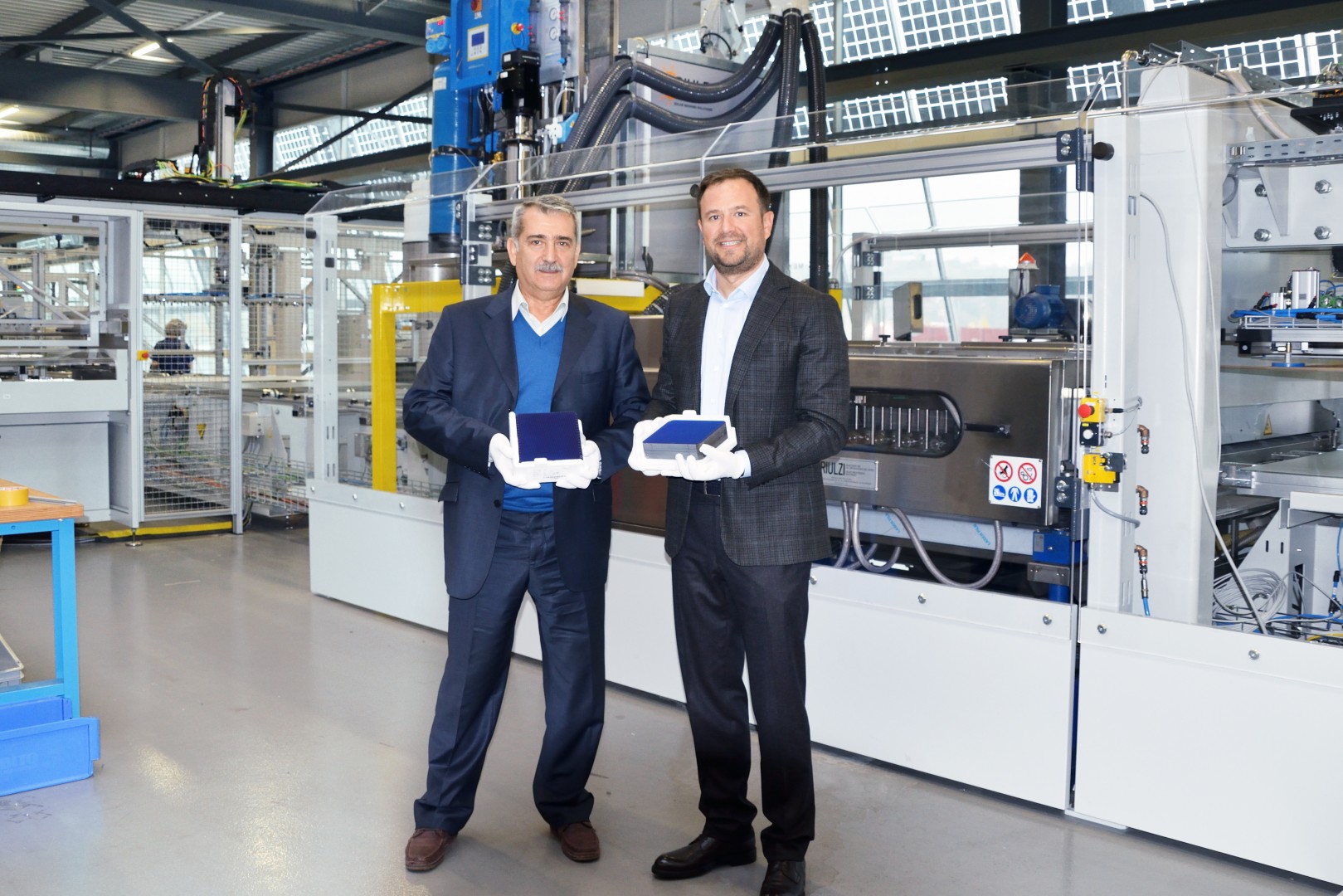
On the right, you can see Zorlu Yalnız, General Manager of EkoRE Solar Industry, and on the left, his assistant, Ömer Hayyam Özgüven, who currently serves as project manager and will take over the factory once it opens. This photo of Mr. Zorlu and Mr. Ömer, holding the high-efficiency cells we will produce in Türkiye, is a harbinger of better days to come in Türkiye.
- 25% Technology Provider Partnership Requirement: Systems where the technology provider shares production have been tested globally, and since the desired successes haven’t been achieved, all industry stakeholders have reverted to a “focus on their own business” model. Therefore, technology providers are unwilling to partner. If the technology provider refers to manufacturing companies, we believe there should be no obligation to “partner” with them. High-efficiency solar panel installations can easily be built with European technology providers. In other words, manufacturers, the vast majority of whom are in the Far East, will not benefit from the advanced technologies they will bring to our country.
- 1000 MW allocated to a single company: We believe that putting all our eggs in one basket is inappropriate at this point. Considering that such production is being started from scratch in our country and the future stages of YEKA, it would be more appropriate to implement two or more separate technologies and projects for competitiveness and to guarantee results.
- Lack of high-standard and reliable domestic inverters: The inverter is the heart of the system and a product that must be taken very seriously. Inverter manufacturing is a topic that will undoubtedly concern our sub-industry in the medium and long term. However, it seems highly unlikely that a product of the time and quality specified in the YEKA specifications will be produced in our country. Especially with a high installed capacity of 1000 MW, the lack of a reliable product will lead to serious problems.
- Environmental factors: I can say that this issue has hardly been discussed. Environmental factors must be considered in the technologies to be produced. For example, a technology banned in Europe due to its toxic and carcinogenic content should not be produced in Türkiye, and factories should be built with real attention to sensitive issues such as waste and groundwater, not just on paper.
Solar panel production requires significant know-how. As EkoRE, we are one of the most knowledgeable groups in Türkiye on this subject. We are relatively experienced in the Turkish solar energy sector. I wrote about our progress in a previous blog post: http://www.serhansuzer.com/tr/onur-duydugumuz-bir-yukselis-oykusu-ekore
Consequently, we’re ready to share our know-how regarding solar panel production processes and contribute to all institutions and organizations in need.
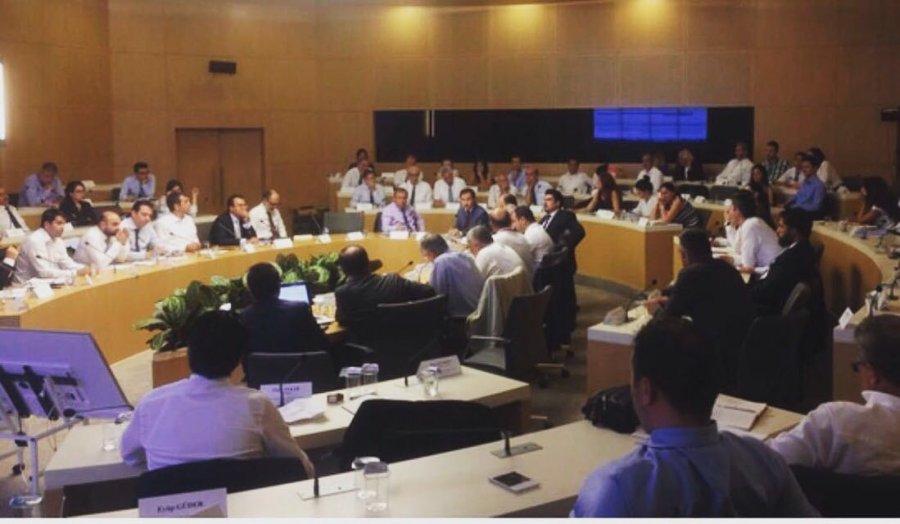
In fact, the YEKA tender was discussed in detail with all stakeholders in the sector during the planning phase. The first of these meetings was held in July at the Ministry of Energy and Natural Resources, and the second at the World Energy Congress in early October. We hope that the issues raised in these two meetings and those I’ve outlined above will be taken into consideration and certain revisions will be made.
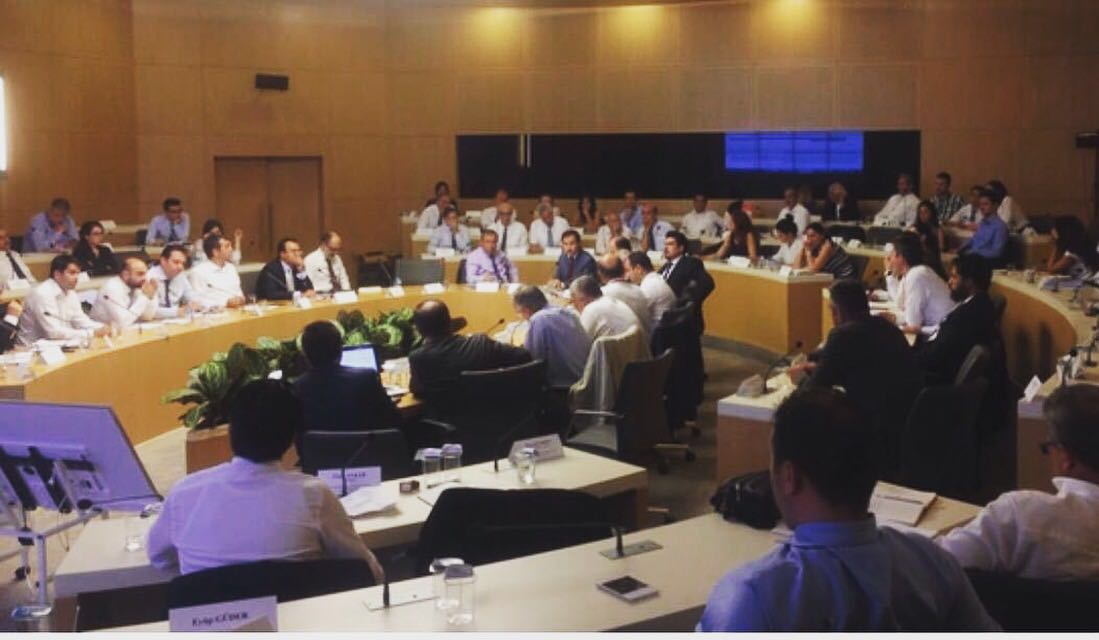
A well-attended meeting with all stakeholders in the sector held at the Ministry in July. You can see me in the lower left corner of the image.
The Most Advanced Technology and the Highest Efficiency
You may know that before the YEKA project was announced, we broke ground in the Niğde Bor Organized Industrial Zone for a high-efficiency solar panel production facility featuring wafer-cell-module processes. The investment process is ongoing on our side. Our factory, built on a 40,000 m² plot, will utilize the highest efficiency and most advanced technologies. We will provide more details on this later. The facility, which will take approximately 15 months to complete, will initially employ 120 people. This number will increase exponentially over time, and the goal of 100% domestic production will be adopted. R&D programs, which will be implemented from the very beginning of production, will continuously increase efficiency, material optimization, and the domestic production rate.
Furthermore, we commissioned our 4MW facility in Kulu, Konya, last week, the first leg of our 31 MW renewable energy investment. May it bring good fortune. Next up are our projects in Akören and Osmaniye, which we plan to complete this year. It’s a fortunate coincidence that our first large-scale facility is in Konya. Let’s hope the same good fortune befalls the YEKA tender.
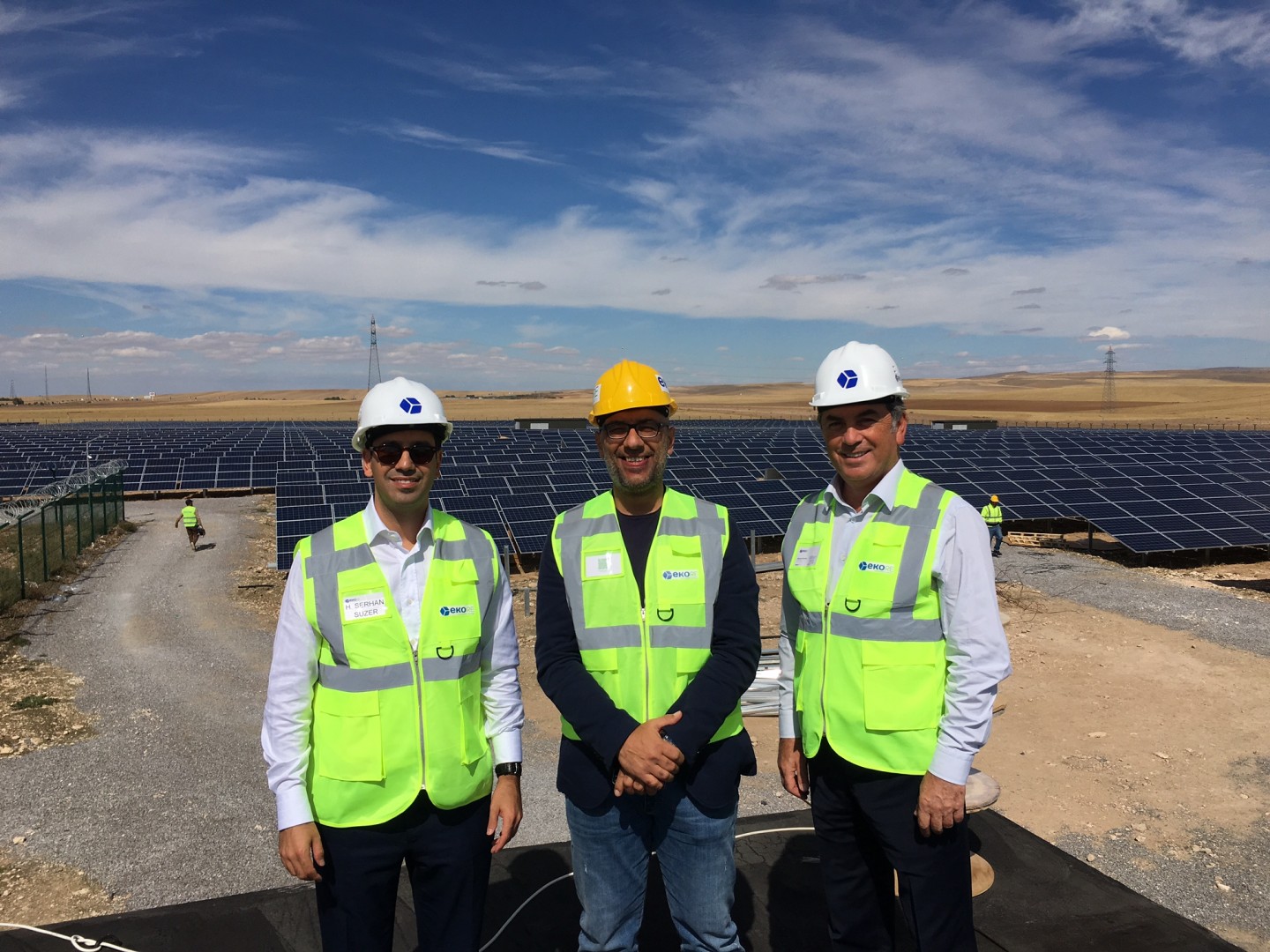
A photo from our visit to the facility in Konya Kulu. From right to left: EkoRE Solar General Manager Oğuzhan Haznedar, TEB Kozyatağı Branch Manager Murat Erensoy, who provided the project financing, and myself.
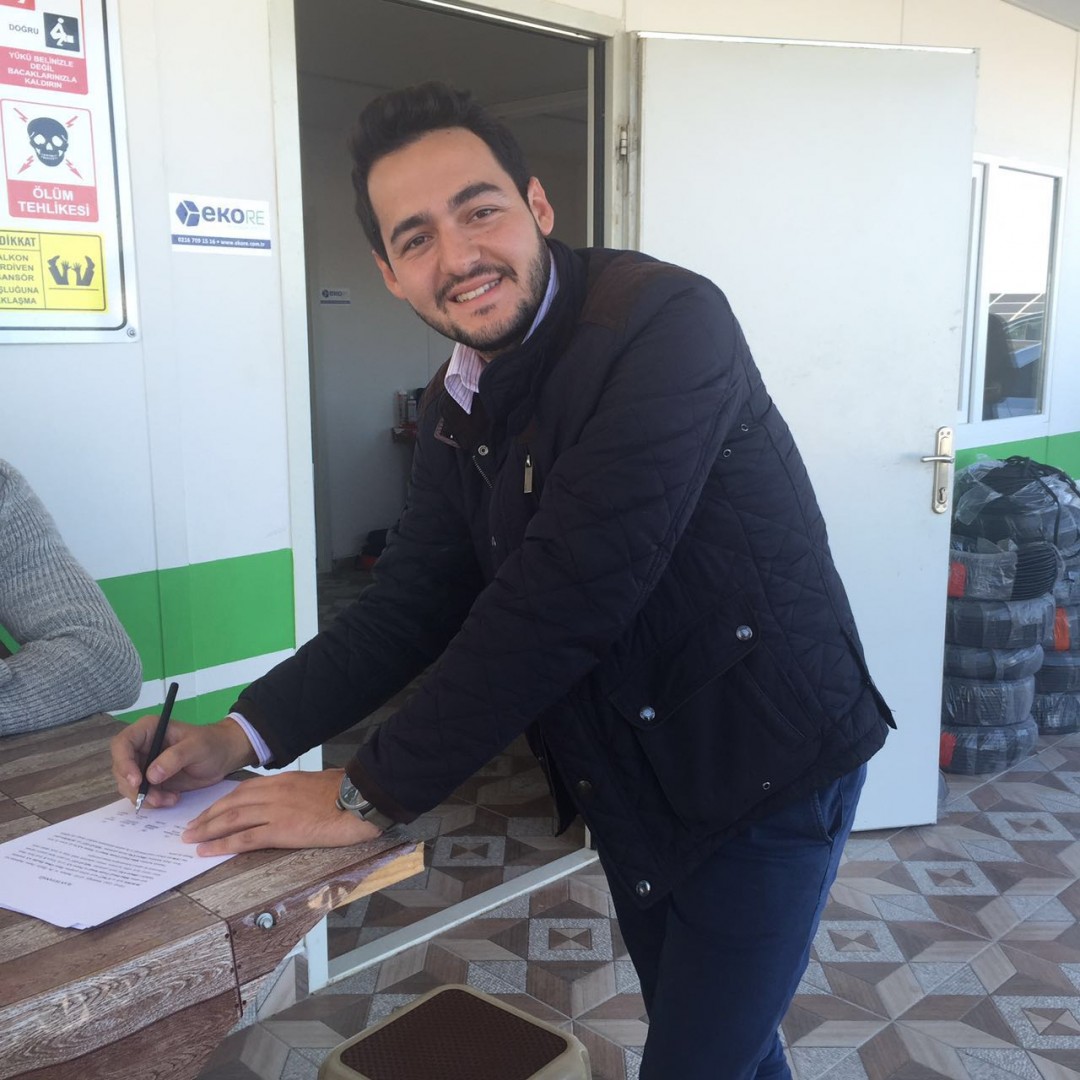
Our brothers, who rose from internships to engineers, form the backbone of the company. In this photo, our brother Alaattin, a graduate of ITU, is seen signing the commissioning documents on behalf of EkoRE at the Konya Kulu project.
As a company, we are ambitious: to produce high-efficiency panels in Türkiye under the EkoRE brand, sell them to global markets, and undertake technical installations in various countries. In other words, as EkoRE, we aim to create a global brand in Türkiye in the renewable energy field. Acquiring YEKA will accelerate our journey towards becoming a global player.
Stay well.
Tag: economy