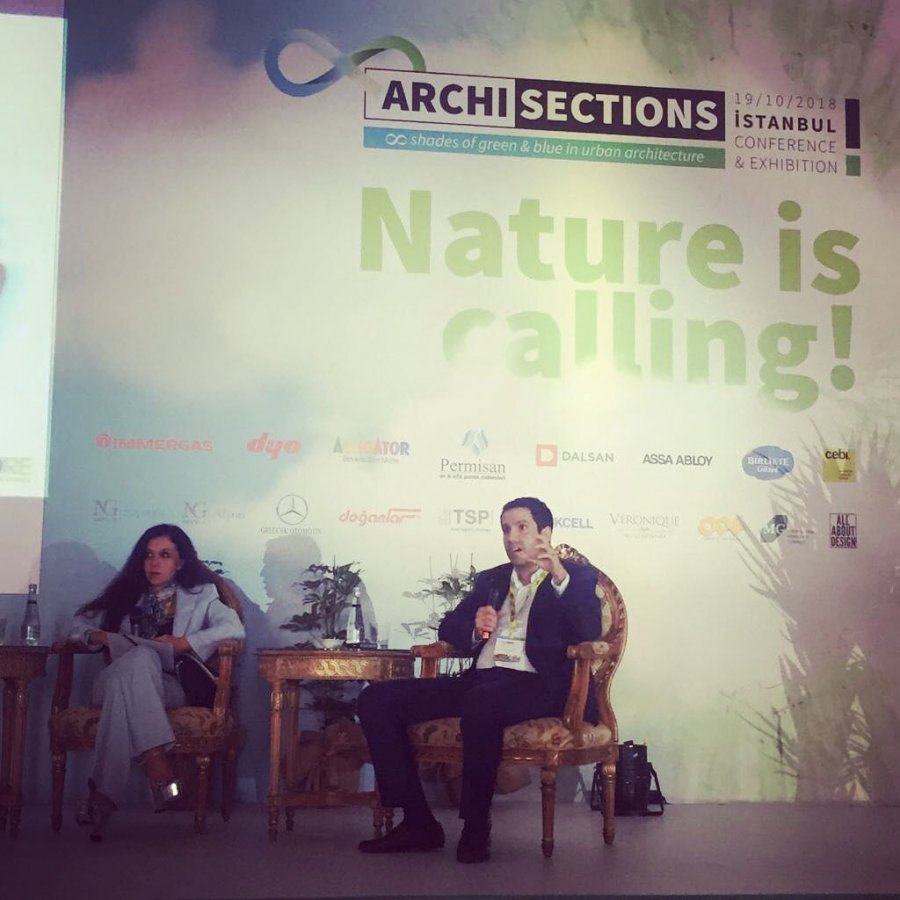
In my previous post, I mentioned that last week was quite busy, and in addition to my daily work, I attended three different conferences in the field of sustainability, giving talks on three important topics. In this post, I’m discussing “Self-Sufficient Buildings” at the Archisections conference. My participation in this conference dates to a period of months ago, when my dear Sevinç Ormancı visited me. I’ve known Sevinç for a long time and see her from time to time. I admire her perspective on life. She’s a friend who believes in positive culture, is well-versed in Far Eastern philosophies, and has some wonderful energy. When she visited me, she mentioned that they wanted to organize the Archisections they’d previously organized again this year and asked if I would speak. I told her that I focused on renewable energy but also had conceptual work on ecological buildings, and I accepted the offer, saying, “I’d be happy to give a talk.” For the sake of clarity, I named my talk Self-Sufficient Buildings.
Before I delve into the details, I’d like to inform you about Archisections. Using the official website as a reference, I can share the following:
I’ll be discussing my talk.

How will the environment and human health be affected if insufficient attention is paid to Green and Blue environmentally friendly buildings, the spaces where nature breathes into our lives?
Eco-friendly buildings save money by using less energy and water resources, reduce carbon emissions, and provide healthier living spaces for residents, employees, workplaces, and society. Considering that buildings contribute to approximately 30% of carbon emissions, the environmental, social, and economic benefits of green buildings, which minimize climate change, become even more evident.
The goal is to reach 15 million m2 of new green building area in Türkiye in the next five years.
– How is this goal possible?
– What criteria should be considered when designing new buildings and new residential areas to achieve this goal?
Green architecture has an active history in leading countries such as Western and Northern Europe and the US. However, it is a concept that is only recently being adopted in Türkiye. Global demand for smart green buildings is increasing exponentially every three years. The research, which reveals that the growing demand for green buildings has transformed the market into a trillion-dollar industry, demonstrates the need for green-blue buildings.
But is it just green? Why are shades of blue so important?
In 2017, UNESCO declared Istanbul a city of creative design. The Archisections Conference will also be held in Istanbul and will be part of the solution.
For more information you can visit the website: https://www.archisections8.com/tr/index
Shaman artist who gives me goosebumps
Everything about the event was delightful. The night before, Demet Sabancı hosted the speakers at her home. The speakers, who came from Los Angeles, were mostly architects with expertise in their fields. Around 20 guests were hosted at this dinner, and there was a lively conversation at the table. Everyone naturally assumed I was an architect. When I started explaining who I was and what I did, my work attracted a lot of attention, especially from the foreign guests. The pleasant conversation, the cultural exchange, the jokes, Ceylan Pirinçcioğlu’s guidance, Demet Sabancı’s hospitality, and the positive energy in the atmosphere boosted my joy and enthusiasm. One of the most captivating moments of the evening was the performance of Olena, a shaman artist from Yakutia. Olena, who creates music with the sounds of nature, brought us to experience the beauty of shamanism. Shamanism, the unique culture of Turks and those of Turkic descent, personally intrigues me. I’m even considering visiting other parts of Central Asia, including Yakutia, to learn more about shamanism, which is essentially based on integrating with nature. That night, Olena’s music gave me goosebumps.
Here’s the video of Olena’s music:
I’d like to share some photos from that night with you:
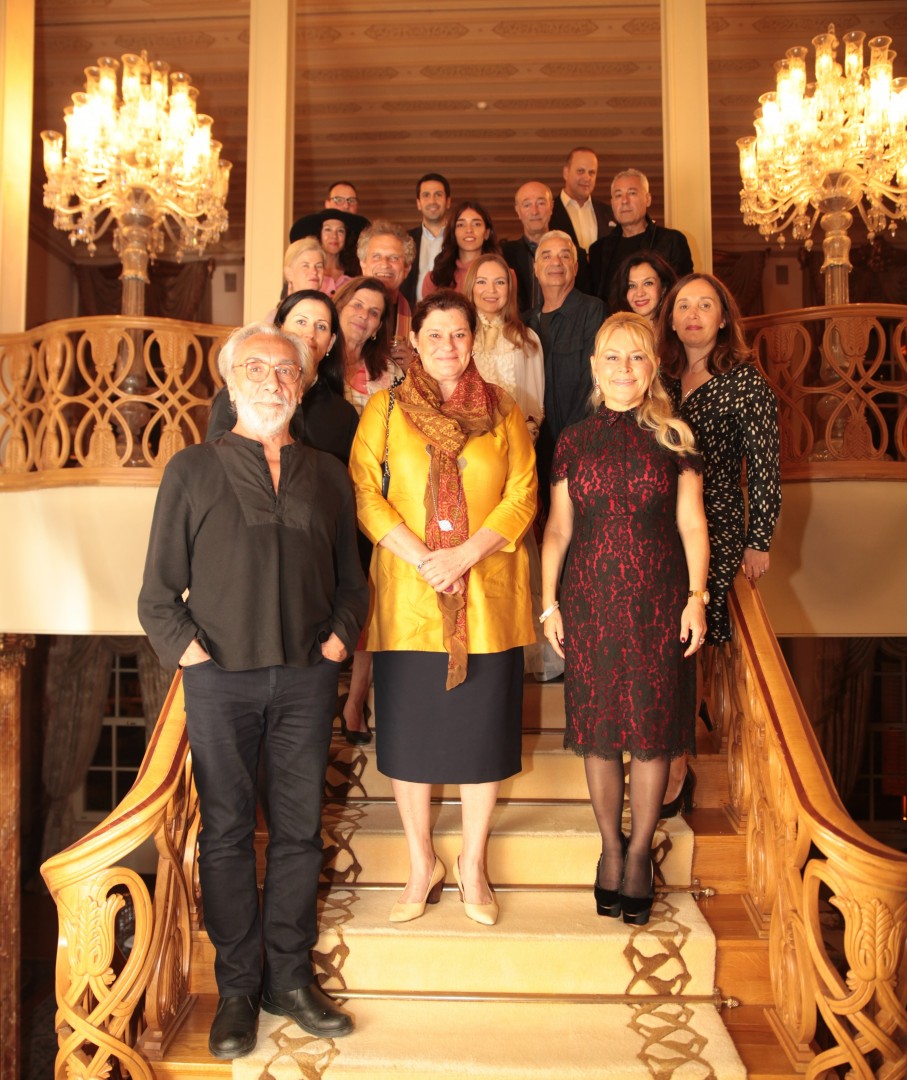
A group photo we took with the attendees of Demet Hanım’s invitation
Just as I was about to put the pastry in my mouth, the photographer said, “Look here, sir, I’m taking a picture,” and took it. This is the shot that emerged.
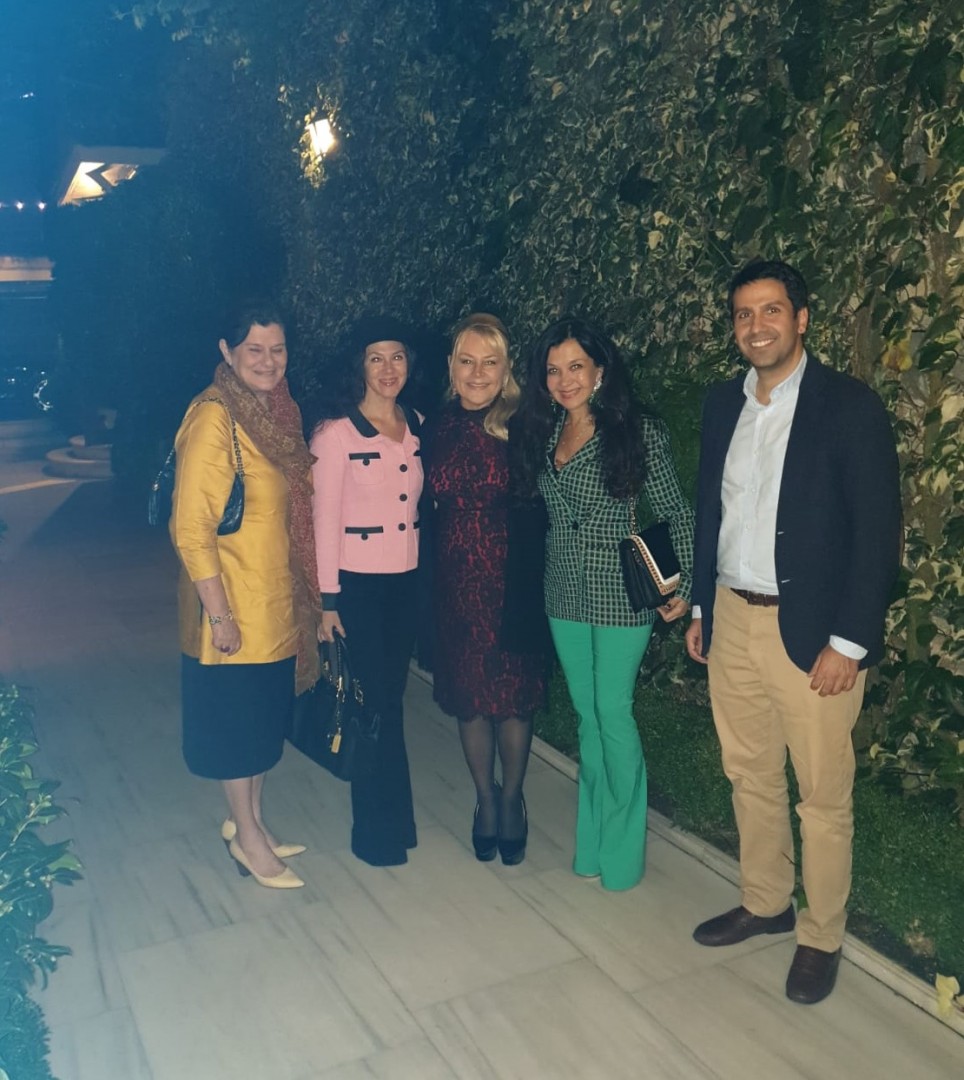
This is the last shot of the night, taken at the exit. From left to right: Yasemin Pirinçcioğlu, Ayşen Ormancı, Demet Sabancı, Sevinç Ormancı, and me.
Both hustle and bustle
The next day, I arrived at the event around 11:00 a.m., fully motivated. The fact that the speakers had known each other the night before automatically created a welcoming atmosphere. In such a warm atmosphere, at a conference where the largest hall in Çırağan Palace was packed, the only thing that went wrong was the timing. The conference was running two hours late, and interestingly, no one seemed to mind; the hall was packed.
From my experience, events in different sectors have different atmospheres. For example, energy conferences or events focusing on bilateral relations generally have very hustle and bustle. I find those environments quite enjoyable. Tourism events, on the other hand, are generally enjoyable and just right for me. At the architects’ conference, I felt a similar atmosphere to the tourism industry, which I personally appreciated.
The art of keeping up with the ‘slow’ conference 🙂
I gave my speech at 3:00 PM, which was supposed to be at 12:30 PM. Were there any problems for me? No, because I canceled one meeting and postponed another. Since the people I was supposed to be meeting with were people I liked, I had no problems.
Now, about my speech… Moderated by Sevinç, my speech lasted half an hour. She asked two questions at the beginning. After that, I moved on to the presentation. Then she asked another question, then we moved on to the Q&A session, and finally, we closed the session.
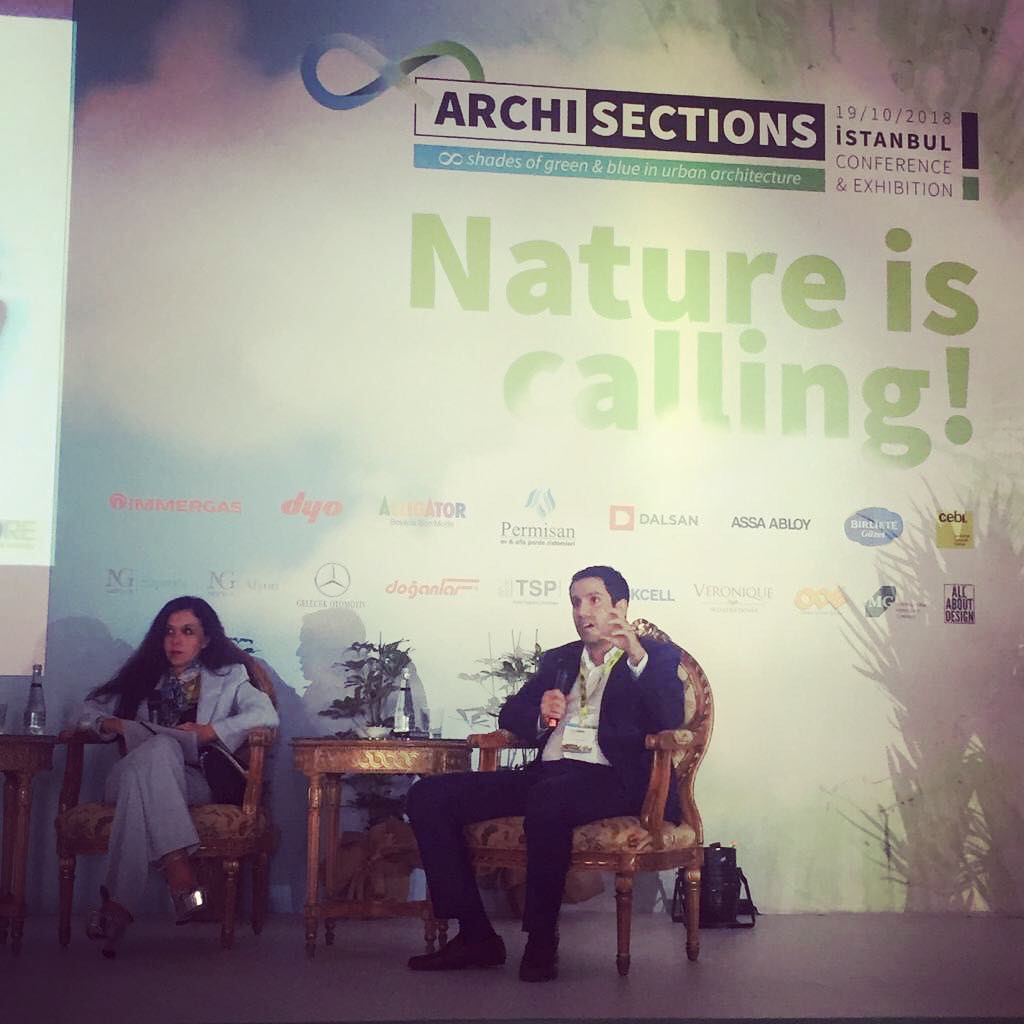
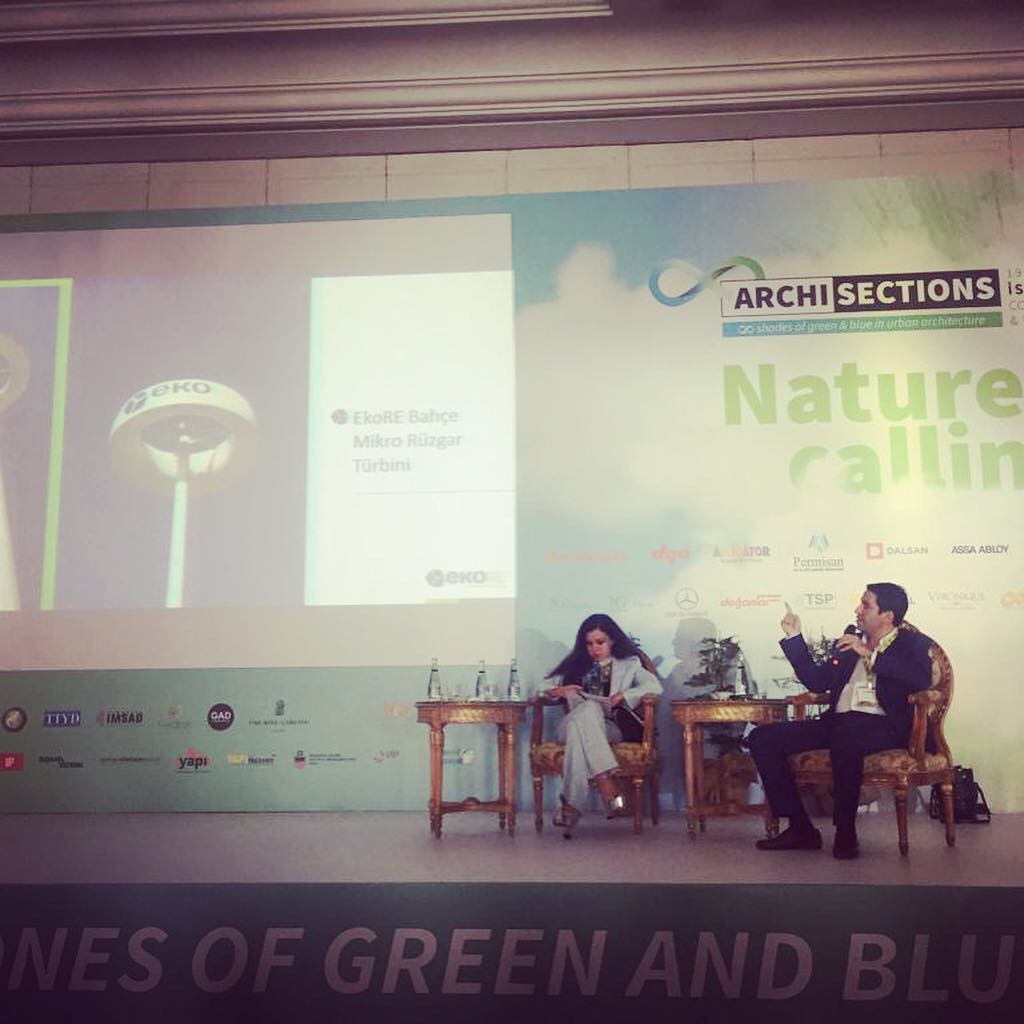
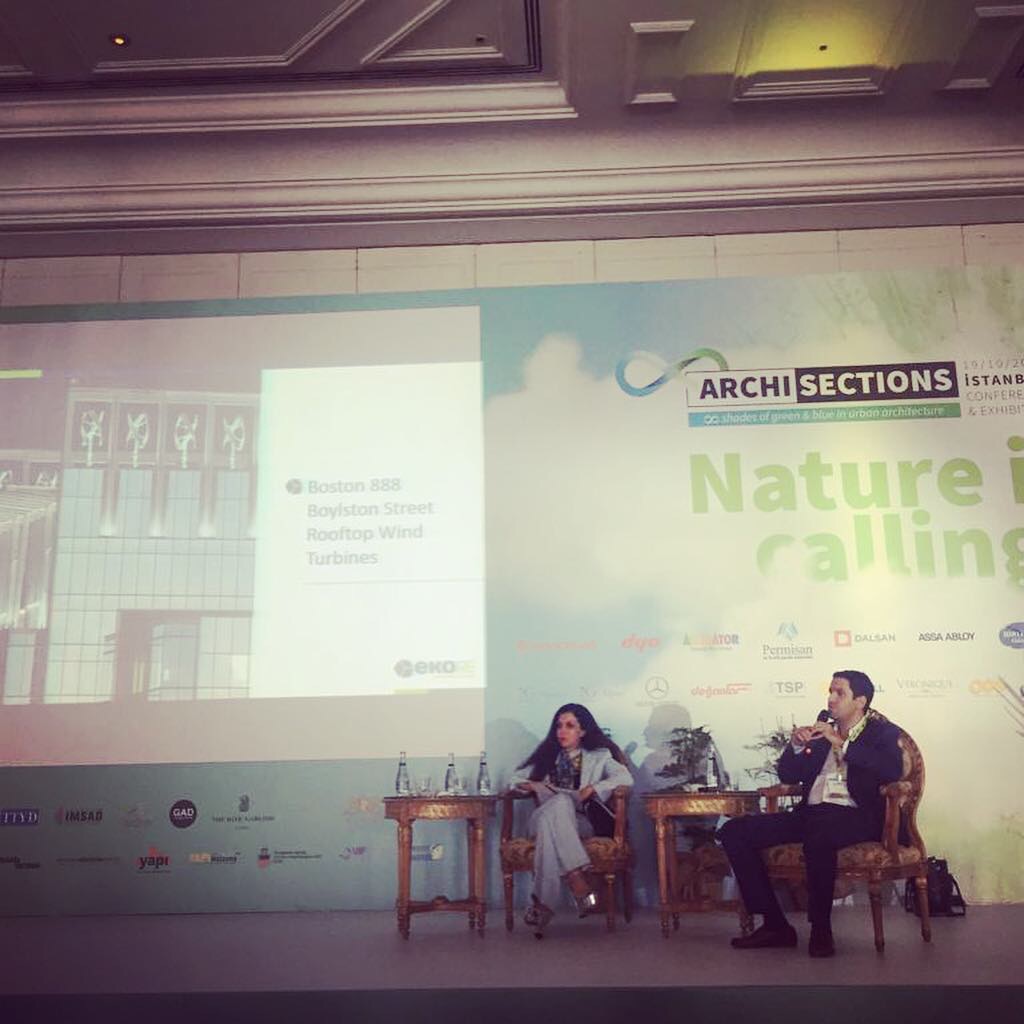
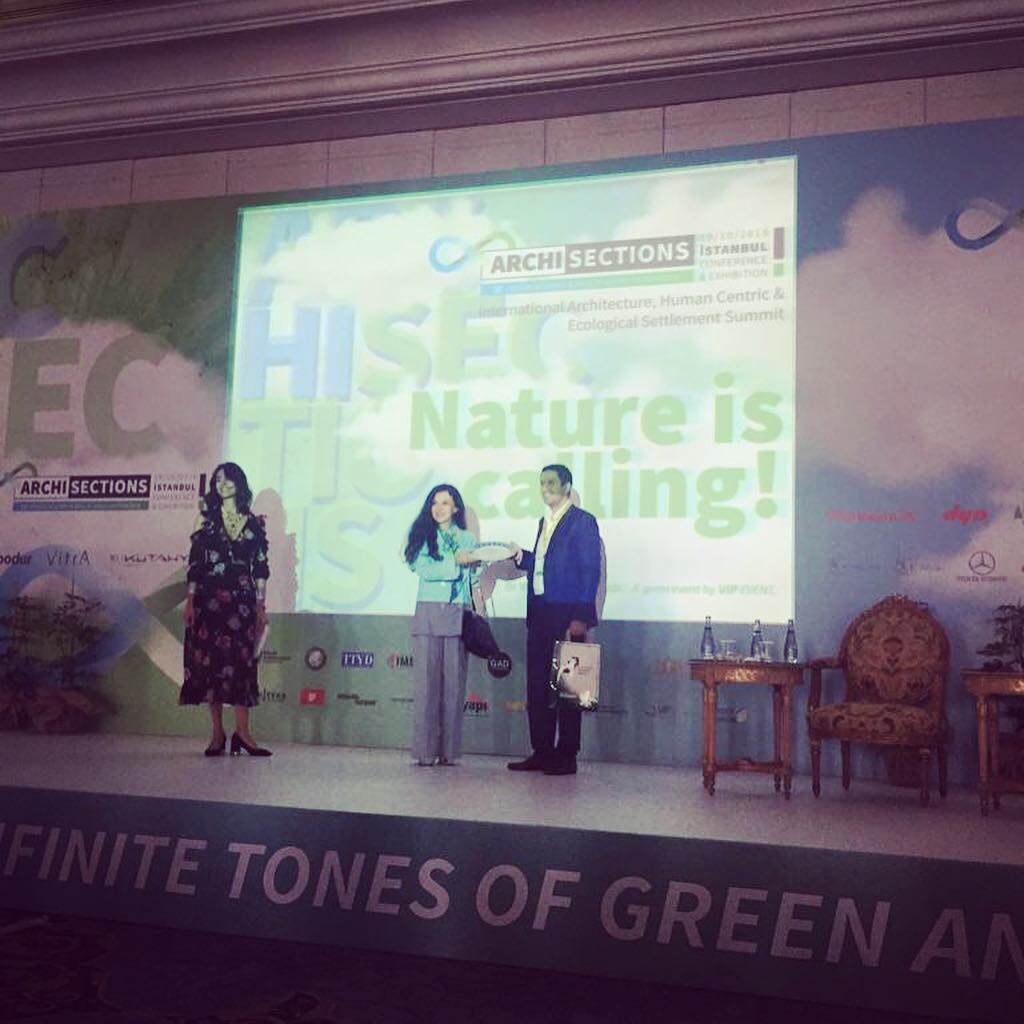
You can find the speech I gave and the presentation I shared below:
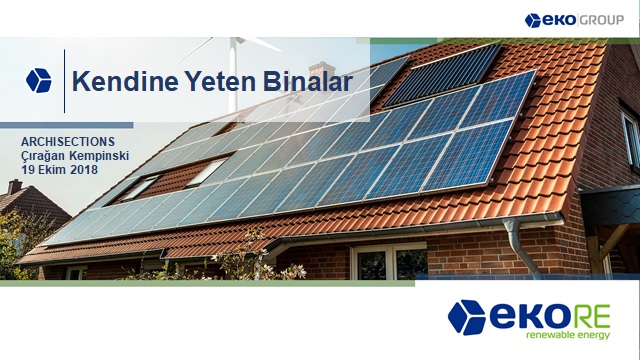
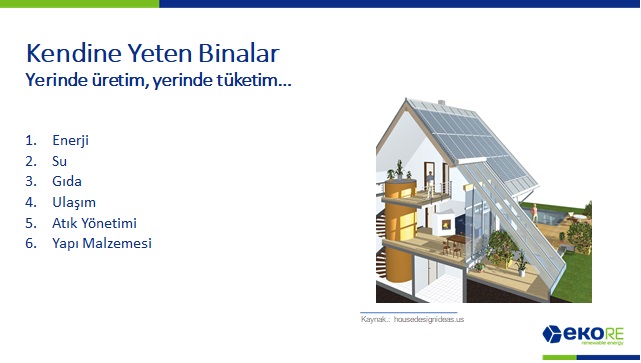
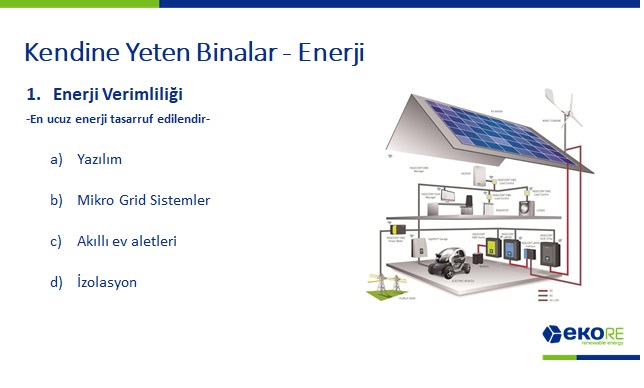
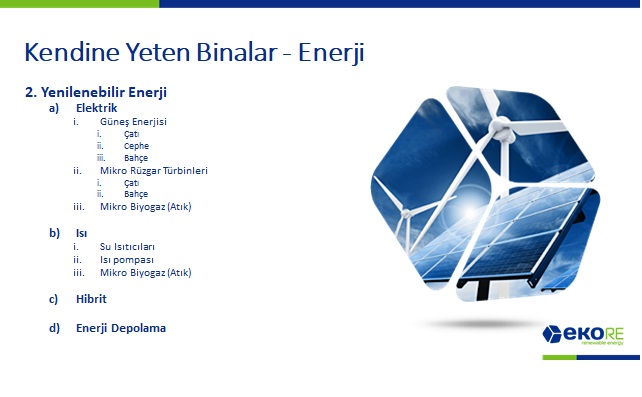
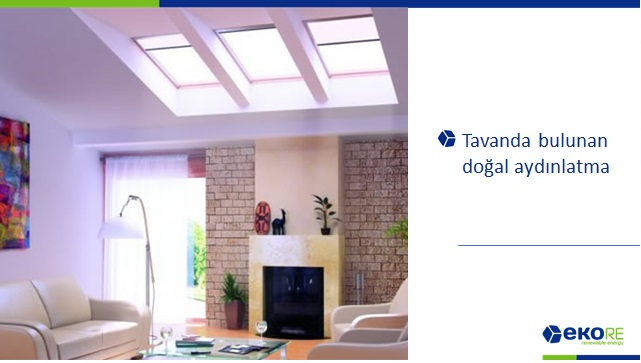
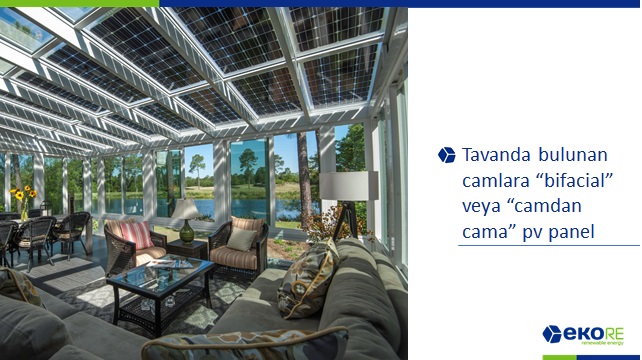
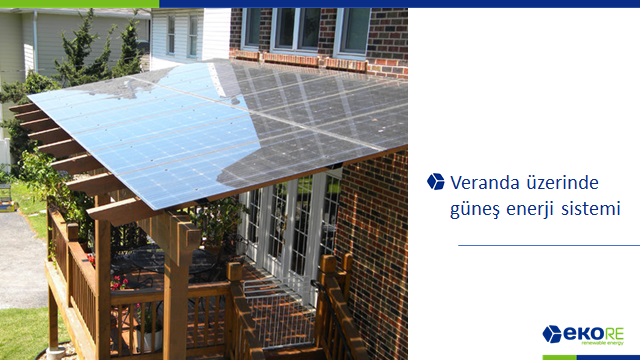
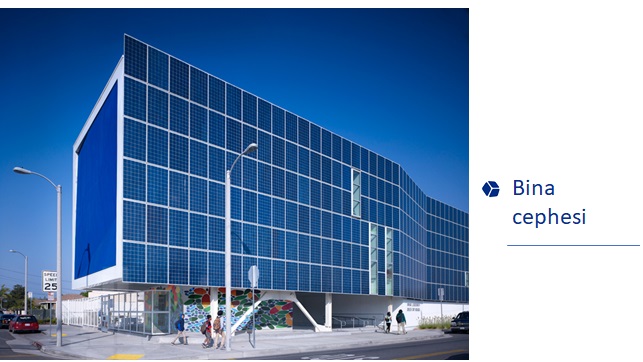
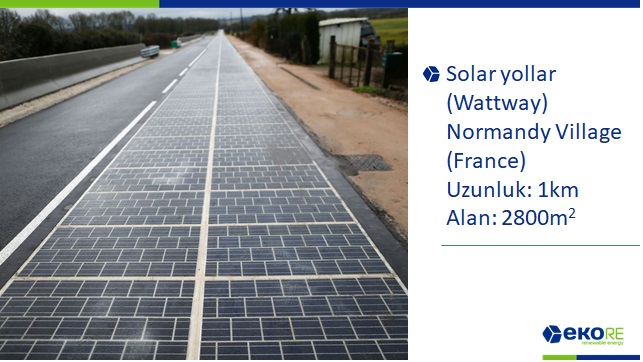
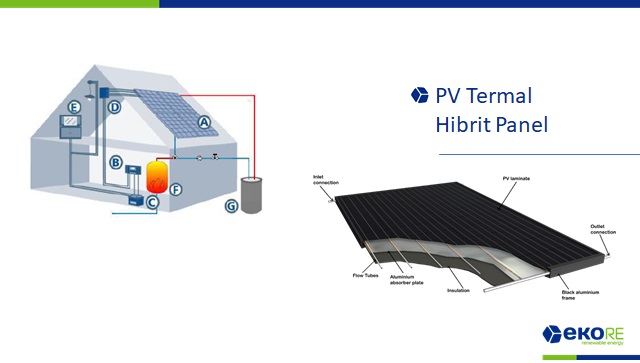
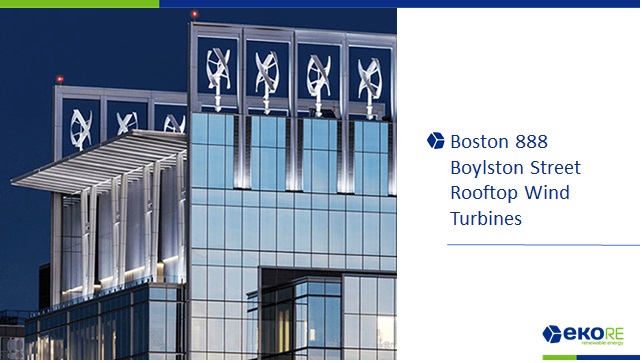
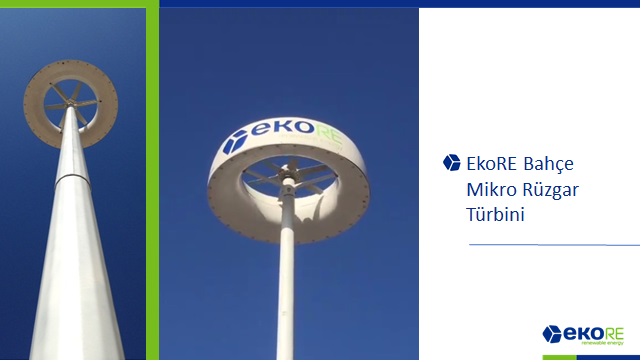
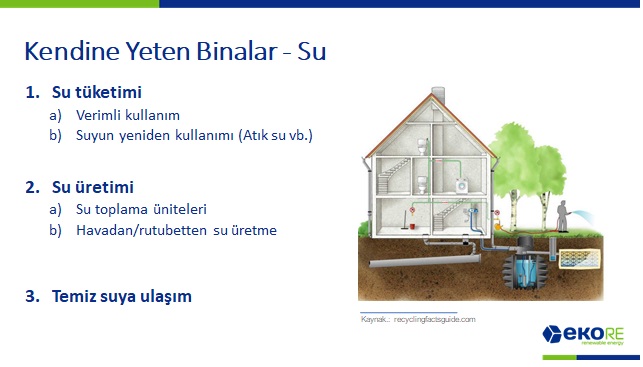
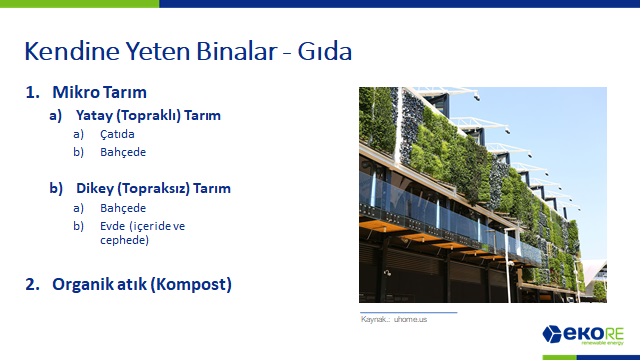
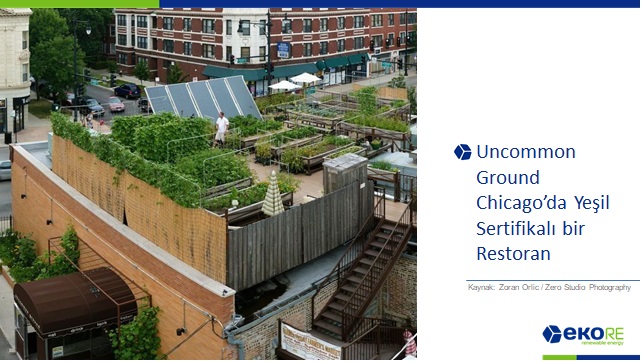
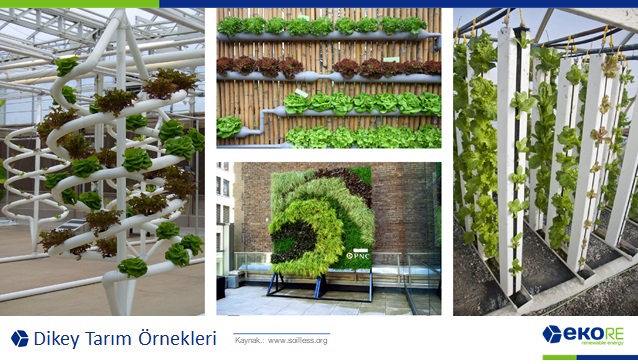
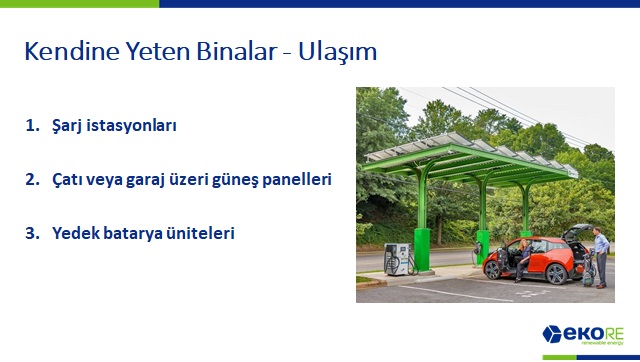
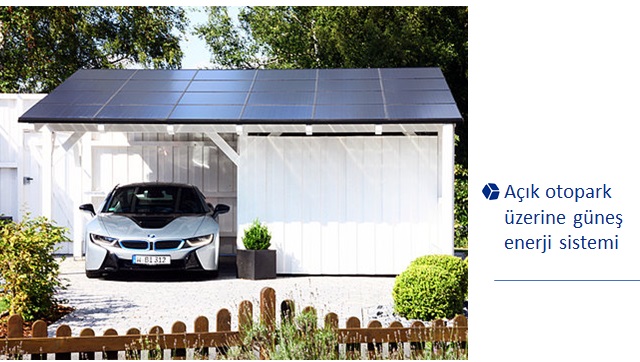
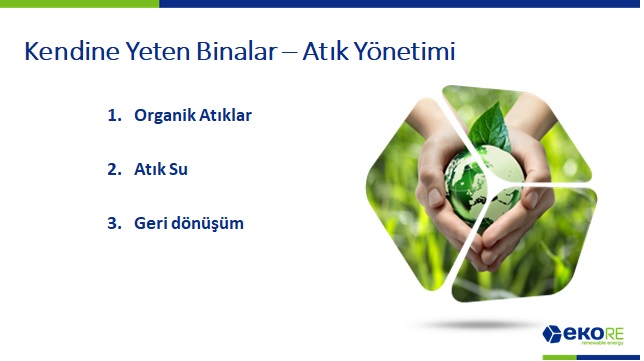
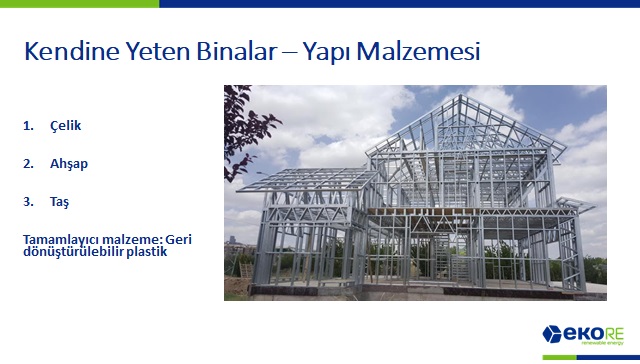
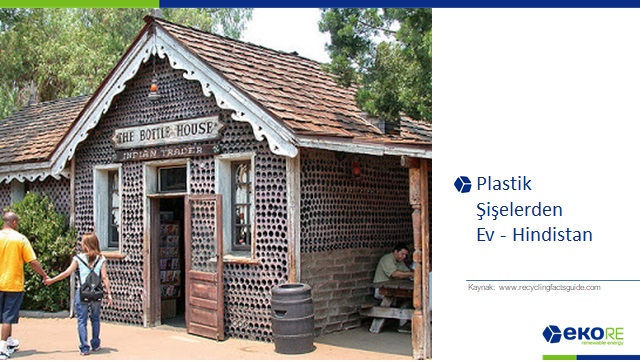
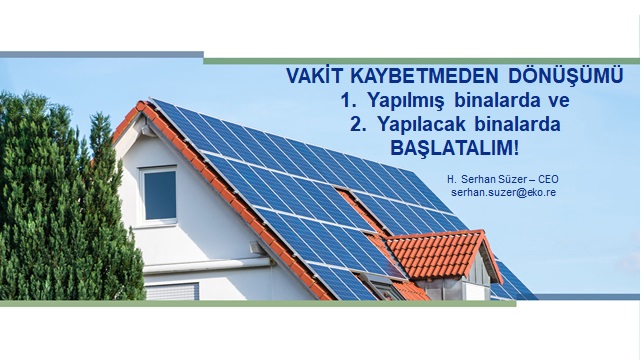
After my talk, I was delighted to see some members of the audience approach me, and others message me through various channels, saying, “You gave a rich, content-rich talk, like a lecture. It was very helpful for us. Thank you.” This suggests the message I wanted to convey resonated with some young architects.
My main message
The most important message I gave to young architects during my speech, and the main point of my explanation, was this:
Every building you design, and commission today will live on for generations to come. You have a responsibility to build these buildings in a sustainable manner. As we begin to feel the effects of climate change in this century, we must take steps now to address the problem. Therefore, everyone must internalize concepts like ‘sustainability,’ ‘distributed systems,’ ‘self-sufficient buildings,’ and ‘the most efficient use of natural resources’ and act accordingly. Do what is necessary now to leave a more livable world for future generations.
This message applies to everyone…
Tags: energy