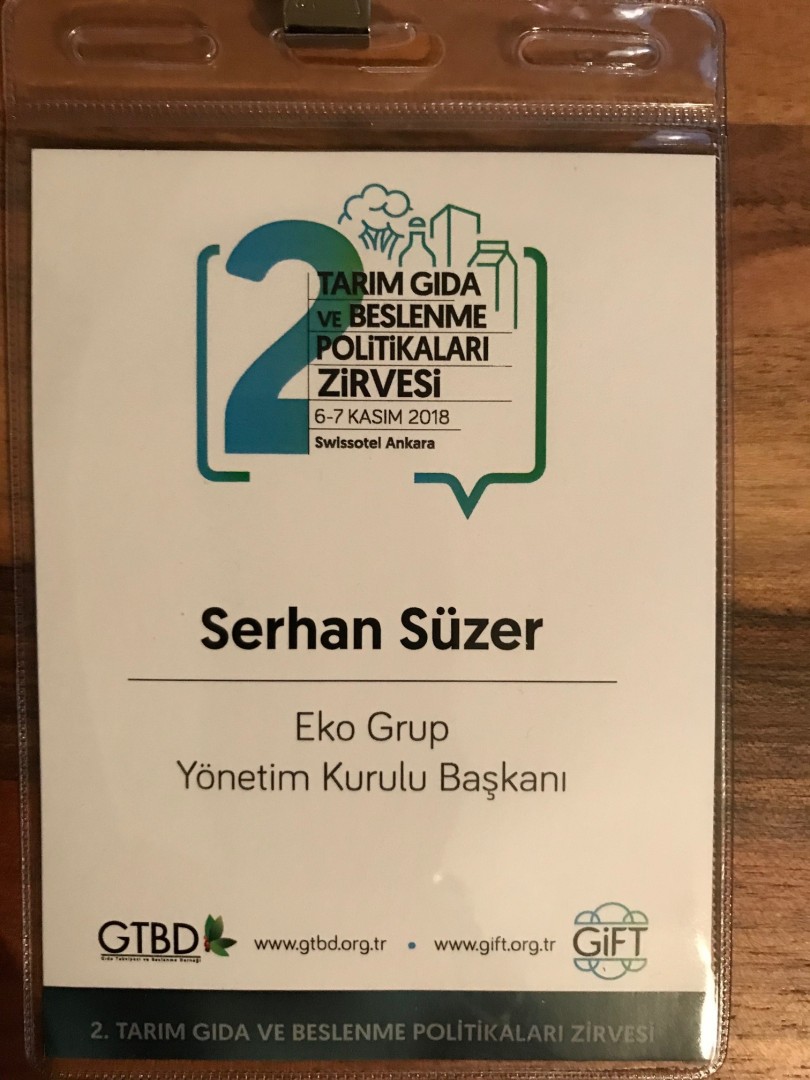
The 2nd Agriculture, Food, and Nutrition Policies Summit, organized in collaboration with the Food Supplement and Nutrition Association (GTBD) and the Center for Food, Beverage, and Agricultural Policy Research (GİFT), took place at the Swissotel in Ankara on 6-7 November 2018. The summit, attended by numerous experts and academics from Türkiye and abroad and bringing together academics with the public and private sectors, addressed the impacts of climate change and the main themes of obesity and malnutrition through presentations and panel sessions. Details can be found at the conference link:
http://gtbd.org.tr/2-tarim-gida-ve-beslenme-politikalari-zirvesi/
I would like to share the main topics discussed at this important conference:
Topics in agricultural policy
- The impact of climate change on water resources and agricultural yield
- The use of alternative energy sources in agriculture
- The impact of climate change on Turkish agriculture
- The use of smart technology in agriculture
- Conserving resources by preventing food waste and waste
- Farmers’ access to alternative financing sources that reduce producer costs
- Reducing farmer costs through digitalization in agriculture
- Increasing farmer welfare through input and marketing cooperatives
Topics in food and nutrition policies
- A holistic approach to developing nutrition and health policies
- Parameters that shape nutritional behavior
- Can nutritional behavior change? • Collaboration between the public, business, and academia in obesity prevention programs
- Facts and myths in nutrition
- Healthy living, sports, and nutrition
- The problem of balanced and adequate nutrition
- Food labels and health claims
- Consumers’ food and nutrition habits
- Functional foods and healthy living
- Nutrition by age groups
- Innovation and reformulation in food and nutrition
- Food advertising and consumers
Panel participants and topics
I arrived at the Ankara Swissotel, where the speech would be held, around 11:00 a.m. on 6 November. After registering for the conference and meeting with friends in the foyer, I attended lunch. Our panel, which was supposed to start at 1:30 p.m., started slightly later, around 2:00 p.m. This was the second panel of the conference. The topic of the panel was ‘Developing Agricultural Policies to Mitigate the Devastating Effects of Climate Change in Türkiye.’ Below you can find the panel participants and the titles of their speeches:
Prof. Dr. Levent Kurnaz, Director of the Boğaziçi University Climate Change and Policy Application and Research Center
“Has Turkish agriculture been affected by climate change? What future impacts should we expect?”
Dr. Mehmet Uğur Yıldırım, Head of Operations and Maintenance Department, General Directorate of State Hydraulic Works
“İklim değişimi karşısında nasıl bir sulama politikası izlenmelidir?”
Sara Marjani Zadeh, Water Specialist, UN FAO Central Asia Office
“İklim değişikliğiyle mücadelede BM FAO’nun rolü”
Yusuf Cemil Satoğlu, General Manager of TARSİM
“Çiftçi bütçesinin korunmasında risk yönetim araçlarının kullanımı”
My speech
“Tarımsal enerji ihtiyacını alternatif enerji kaynakları ile nasıl sağlayabiliriz?”
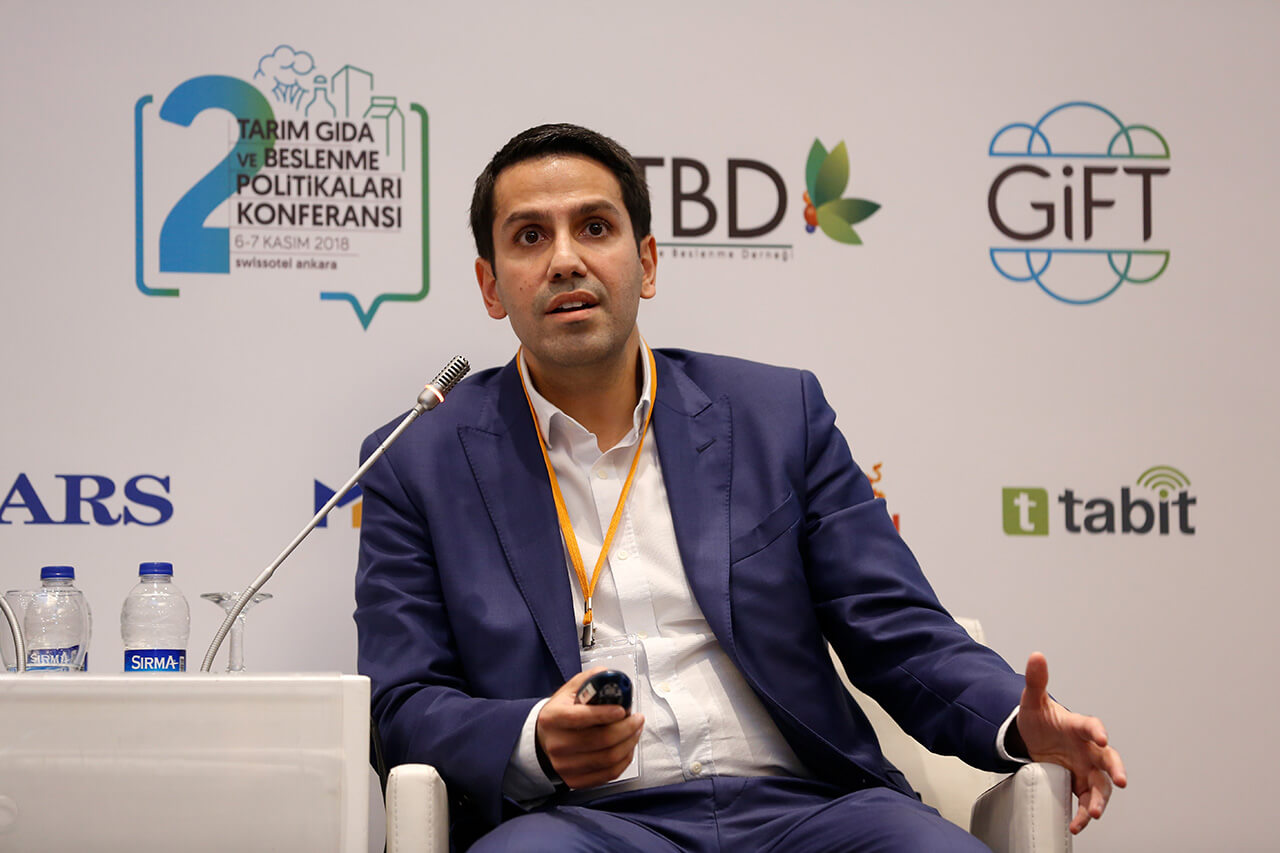
My Panel Presentation
Our panel moderator was Samet Serttaş, the originator of this conference and the chairman of the board of directors of both the Food Supplement and Nutrition Association (GTBD) and the Food, Beverage and Agricultural Policy Research Center (GIFT). He gave me the opportunity to speak first. Before delving into the details of the presentation, I’d like to provide some information about these two organizers:
Basic Information About the Two Regulatory NGOs
The Food Supplement and Nutrition Association (GTBD) set out to raise public awareness about food supplements and innovative approaches. Founded on 4 August 2016, the association’s primary goal is to bring together leading companies in the industry to contribute to the development of the food supplement, sports nutrition, functional foods, and similar innovative nutritional products sectors, to solve their challenges, and to enhance their reputation. For more information, please visit http://www.gtbd.org.tr. I’d also like to share the video from the Food Supplement and Nutrition Association: https://www.youtube.com/watch?v=Ape5PMZ45ao&feature=youtu.be
You can also find the following information about the Center for Food, Beverage and Agricultural Policy Research (GİFT) on the association’s website at https://gift.org.tr/ : The Center for Food, Beverage and Agricultural Policy Research (GİFT) is a civil society initiative established to meet the information and data needs of agricultural and food policymakers and decision-makers. Initially founded as a civil platform based on volunteerism and participation, GIFT is a think tank that has achieved legal entity status as an association through an organic growth process in line with the demands and expectations of its stakeholders. GIFT conducts its work using internationally recognized, science- and data-based policy instruments, incorporating all relevant stakeholders. Our mission is to be a leading think tank that contributes to national decision-making and policy-making processes as an impartial civil society initiative by generating data- and information-based policy alternatives in our areas of activity, with a multifaceted, holistic, and inclusive perspective of civil dialogue.
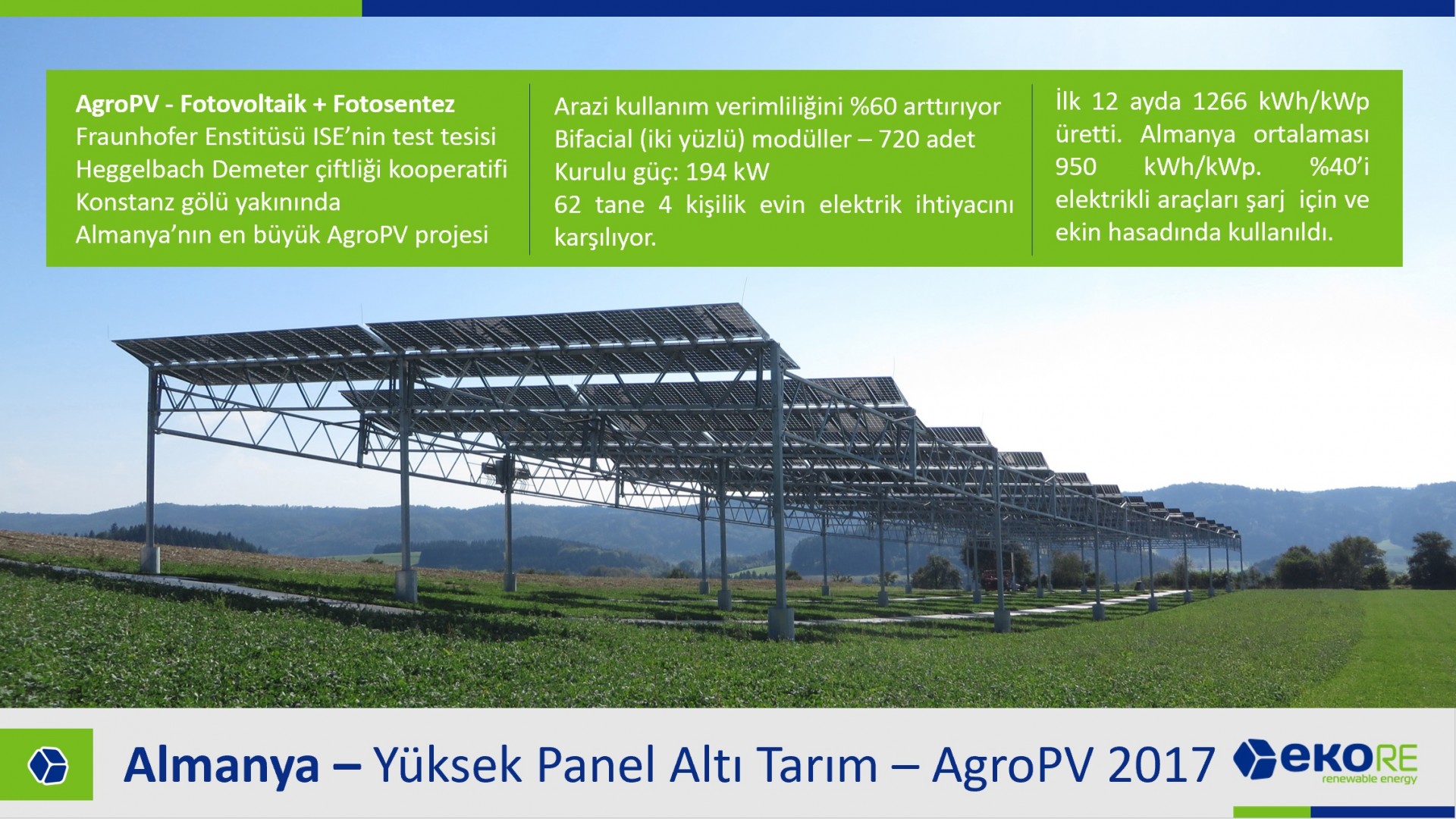
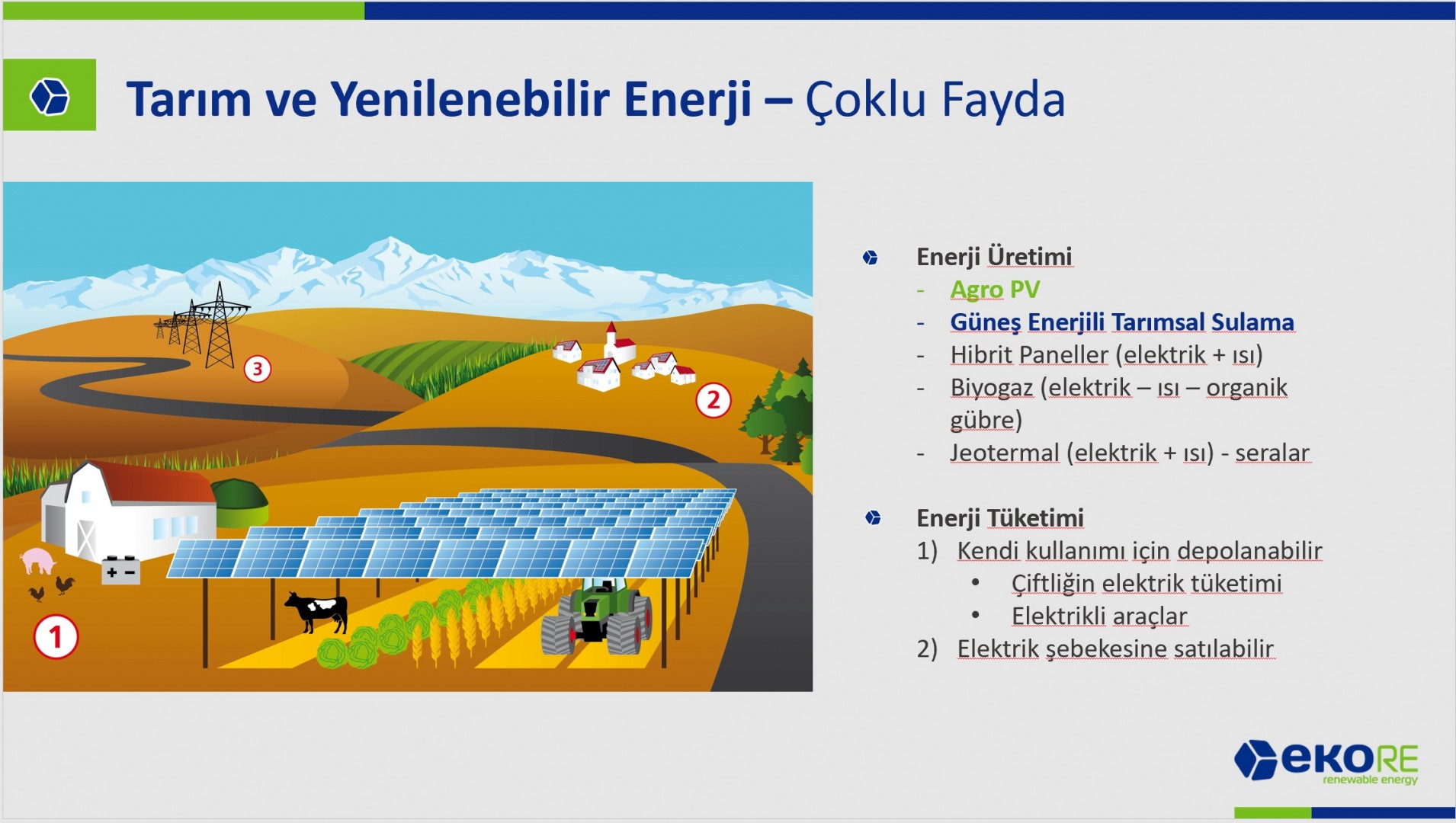
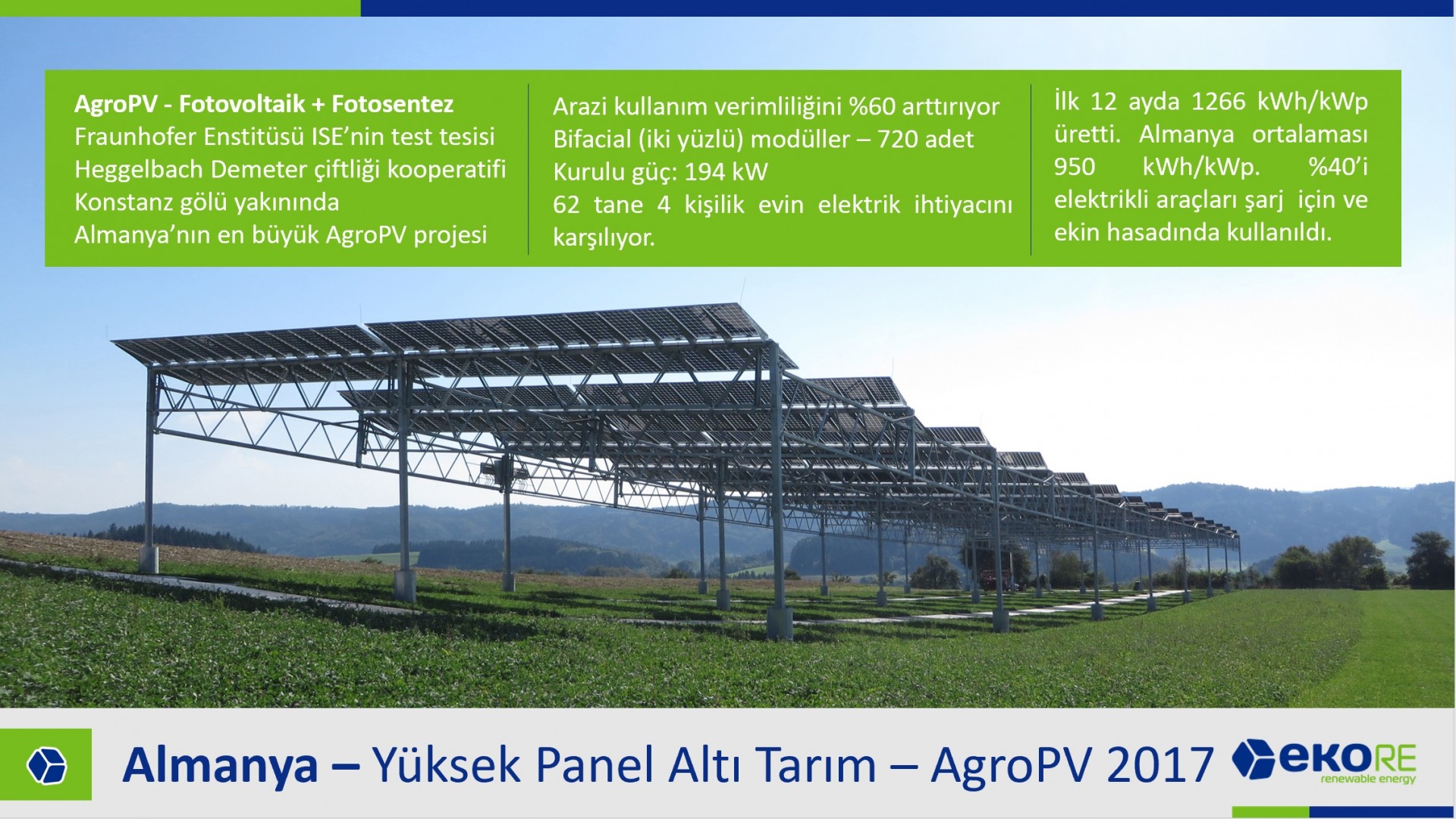
After sharing this information with you, I would like to share with you my presentation titled “How can we meet agricultural energy needs with renewable energy sources?”
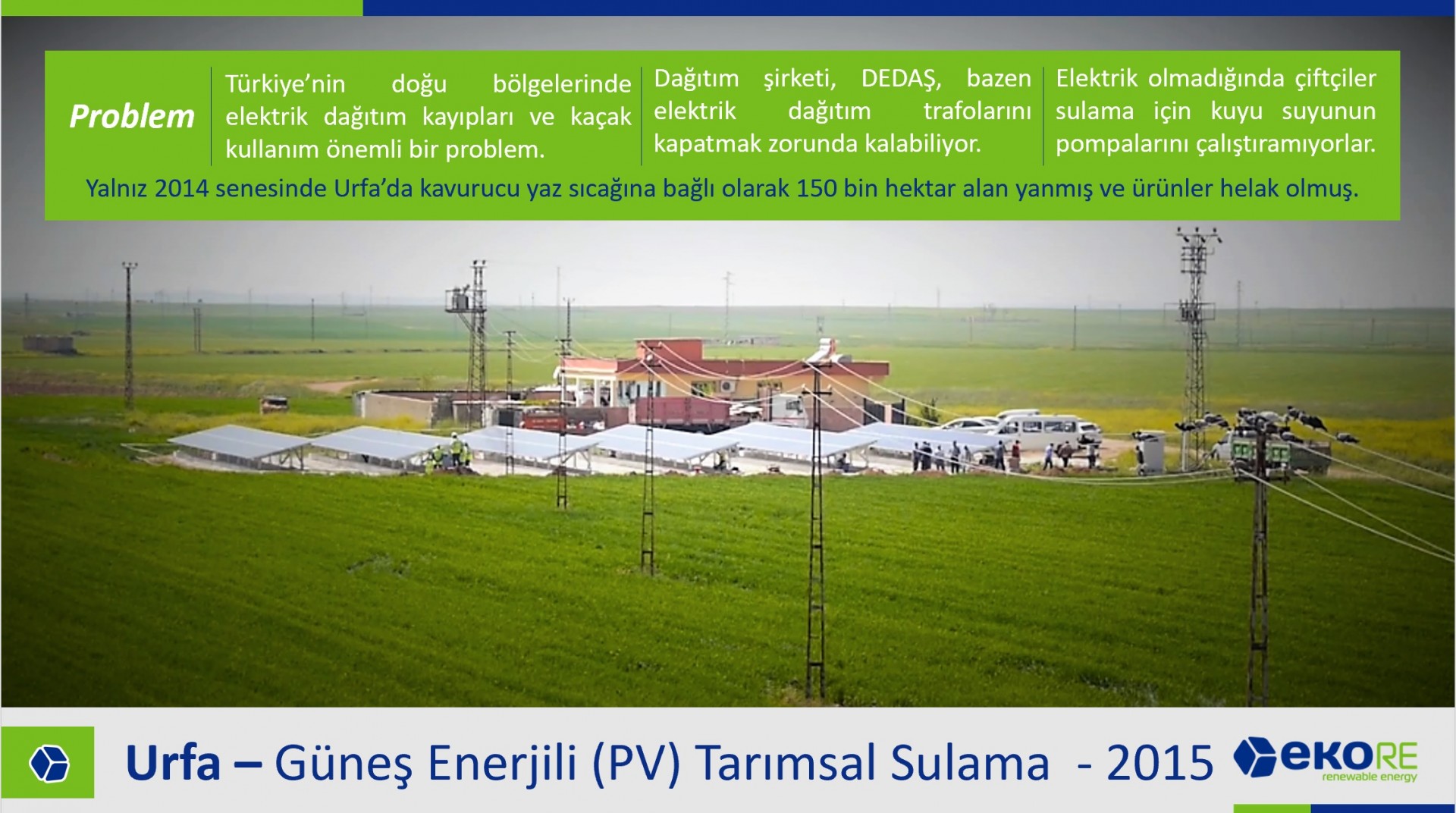
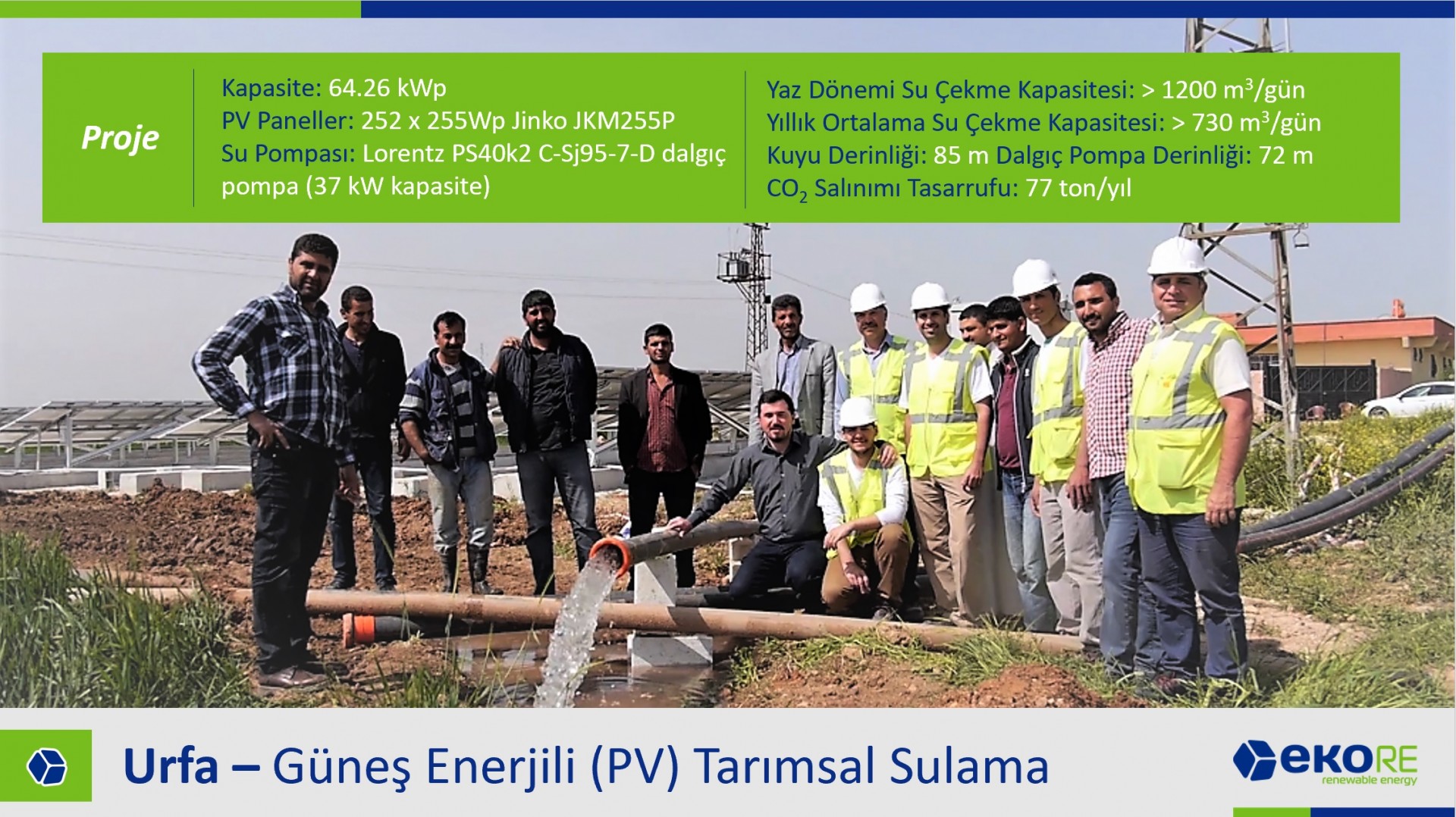

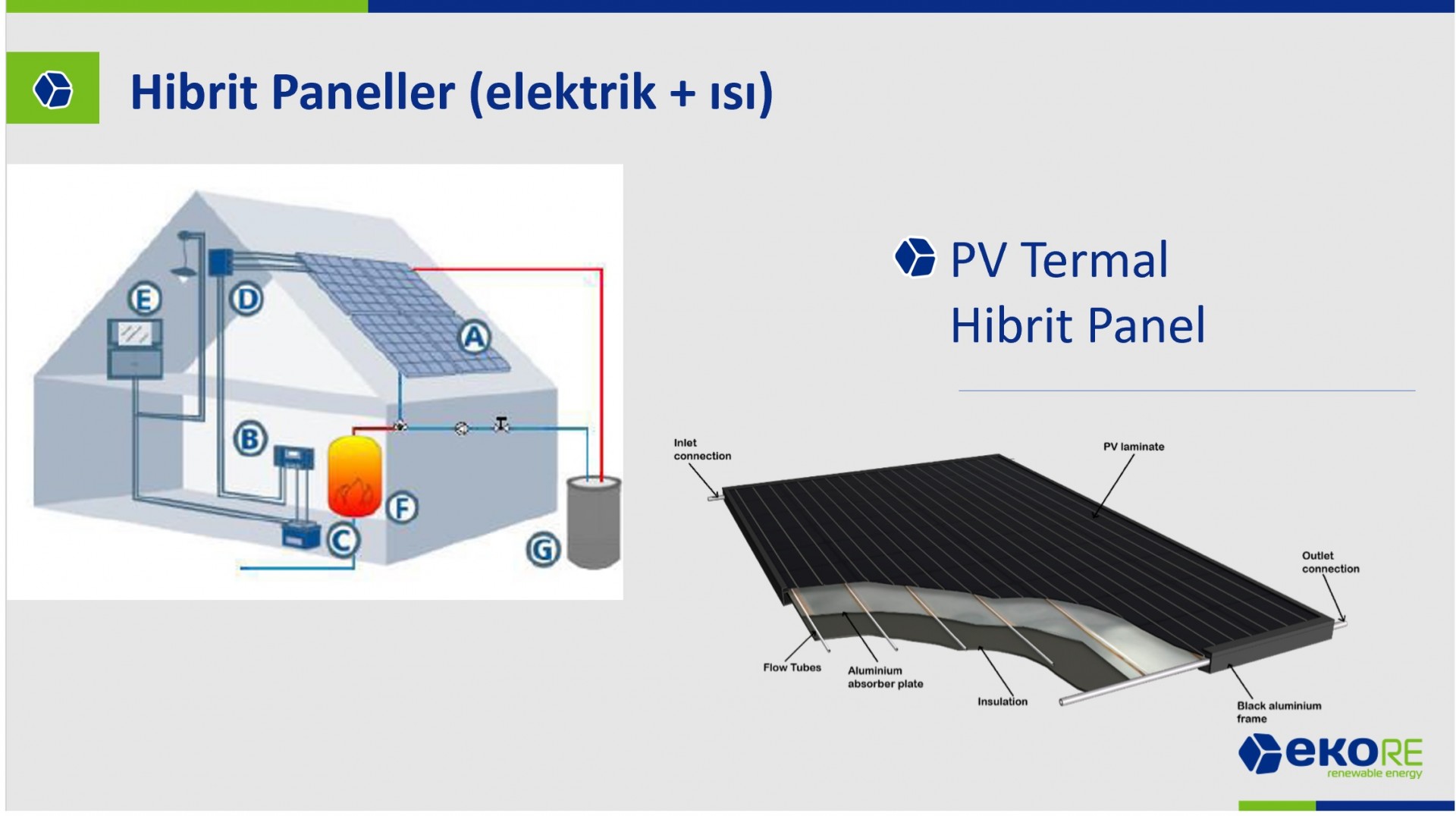
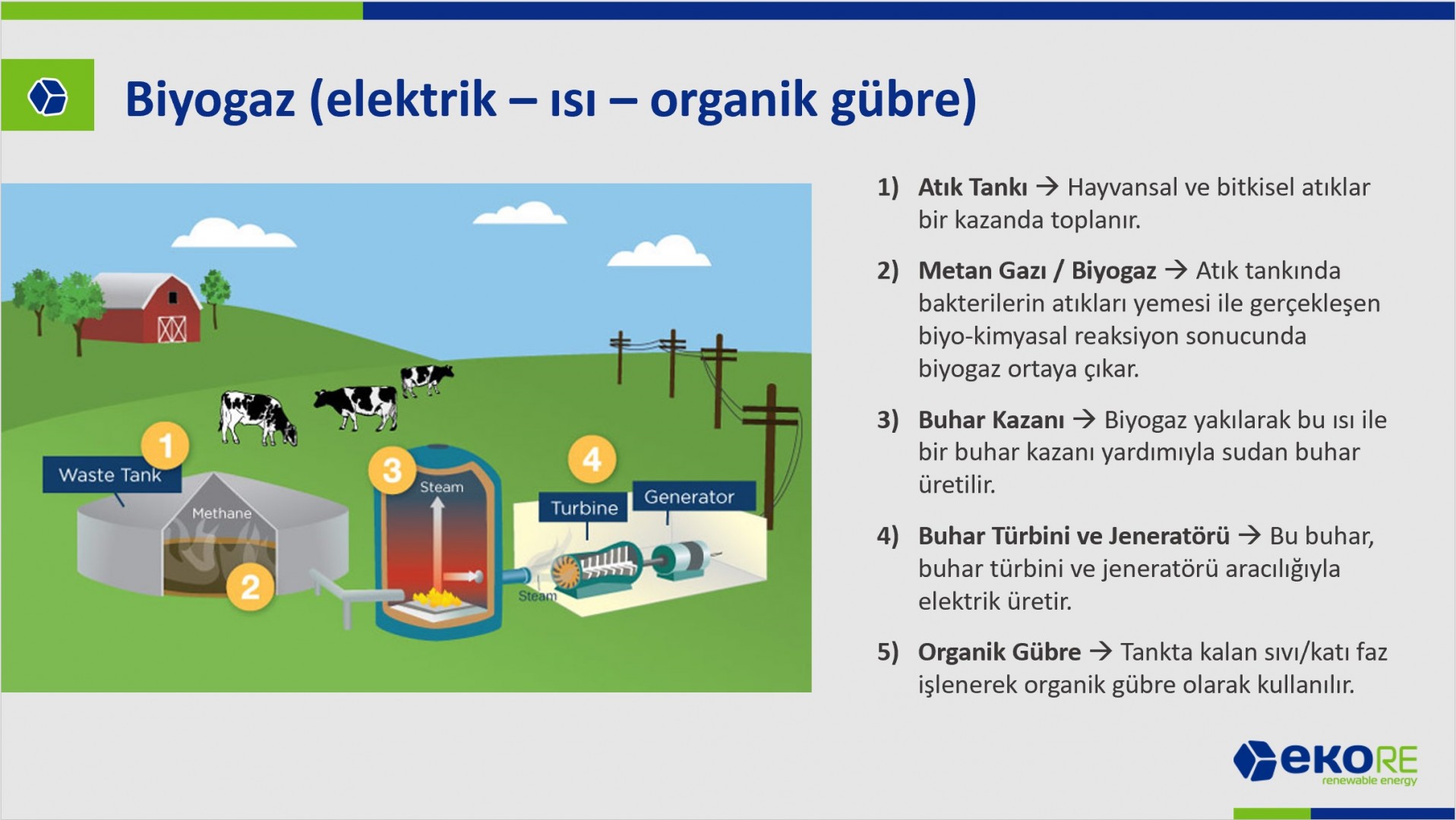
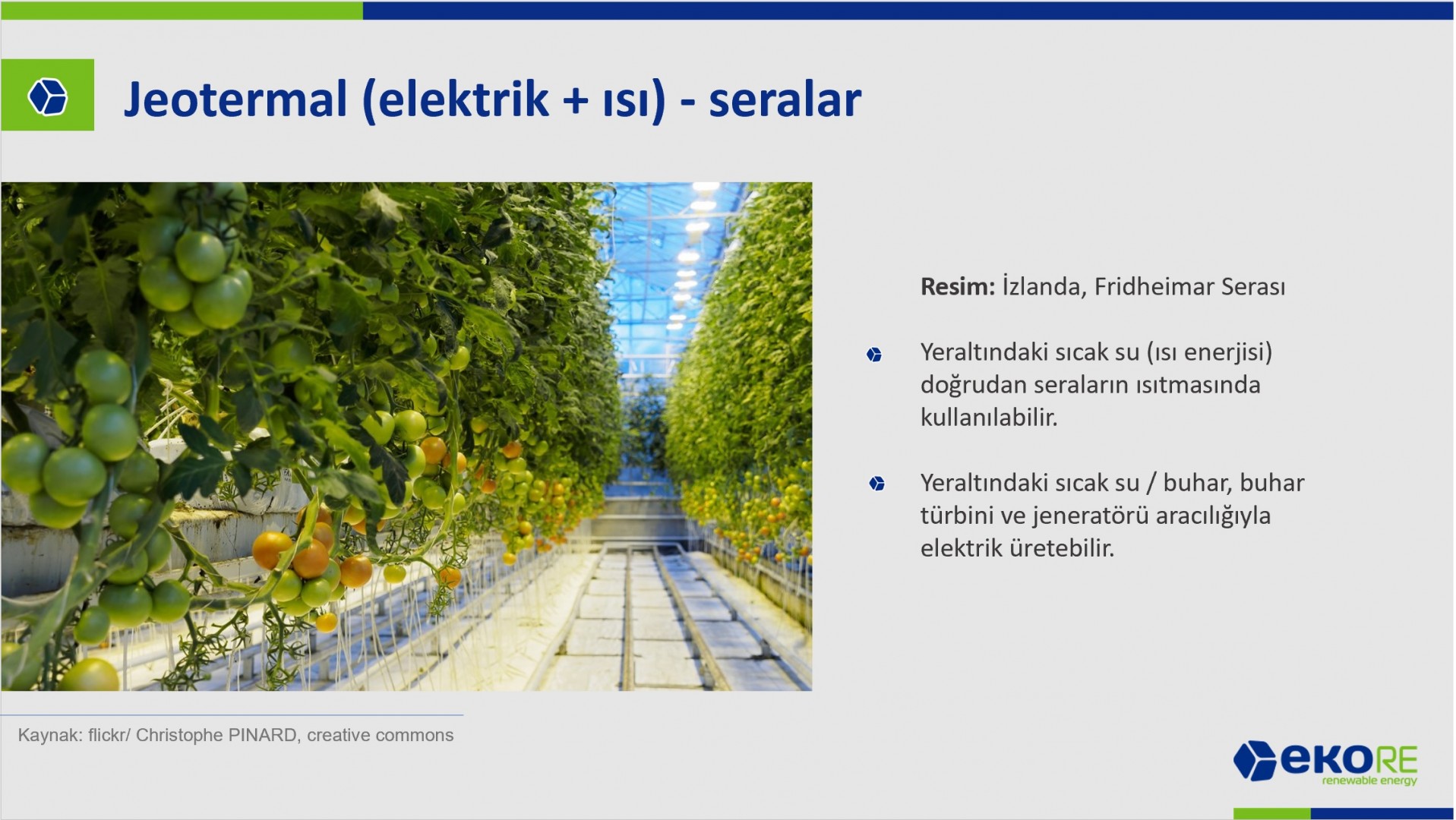

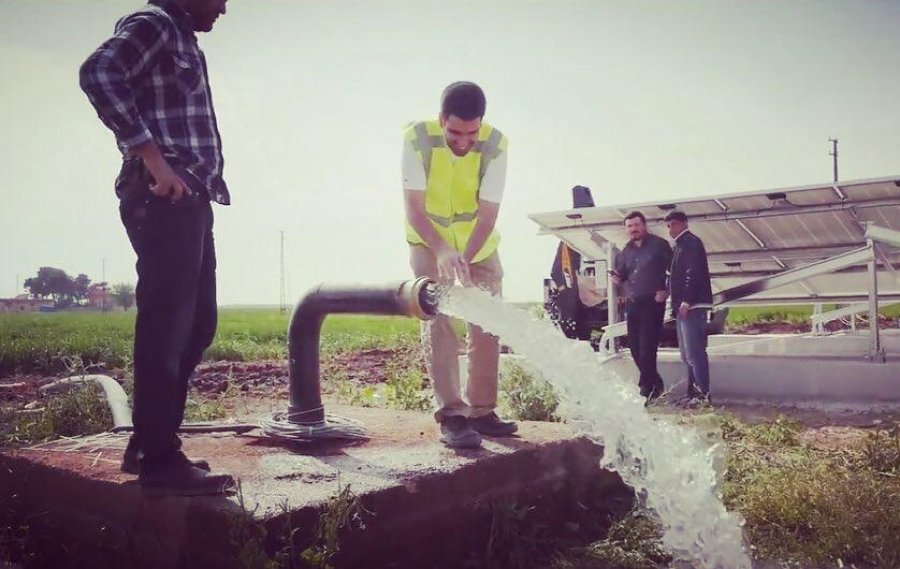
At the end of our speech, we showed a video of the solar power plant-fed agricultural irrigation project we implemented in Şanlıurfa:
The Need to Focus on Solutions
Following me, four other experts delivered their speeches. Their talks focused primarily on climate change and its impacts. My general observation was that everyone was talking about the problems. Apart from me, no one really touched on proposed solutions. Distinguished speakers spoke on our panel, but in my opinion, they all conveyed the same message: Climate change is becoming an increasingly significant problem in agriculture and the food chain.
We all know that climate change is happening. In my opinion, instead of just talking about it, we need to focus on concrete solutions.
As you can see from the speech above, I emphasized the need to promote renewable energy and fully integrate it with agriculture. I said, “Renewable energy is the greatest tool in combating climate change.”
After my presentation, I spoke twice more. First, after Mehmet Uğur Yıldırım, Head of the State Hydraulic Works (DSİ) Operation and Maintenance Department, spoke, and I asked him if they were utilizing water technologies. I told them that they could consider implementing technologies that generate water from moisture or air, especially in drought-stricken areas where water resources are depleted.
Taking action now, not later
A question came up during this time, and I couldn’t resist asking for the opportunity to speak again. The following comment was made: “We need to educate young people about climate change. Only by raising their awareness can we ensure a solution for this problem in future generations.”
I immediately spoke up and said, “If we leave this task to future generations, we will exacerbate humanity’s problems, and future generations will be unable to overcome them. Whatever we do today will be rewarded by future generations 20-30 years from now. Therefore, we need to take action on climate change sooner rather than later. For instance, we need to rapidly spread renewable energy, water, and agricultural technologies (drip irrigation, automation, artificial intelligence, etc.) everywhere.”
I stand by what I said during the panel. If necessary, we need to spread these technologies throughout Türkiye through laws and decrees. Everyone has a role to play in revolutionizing agriculture. Farmers, financiers, and technology developers all have important roles to play. We need to act immediately to revolutionize agriculture to reverse climate change, improve our economy, and achieve sustainable development. This is only possible with technology!
Tag: ecology