After a busy and tiring year, I wanted to unwind and go to a truly enjoyable country for New Year’s Eve. To that end, I was thinking of going back to Latin America. I consulted with my friends, and Peru stood out among the countries I could visit.
This was because it boasts a unique climate, combining desert and tropical climates, a rare combination in the world; it’s home to civilizations like the Incas, which I find deeply fascinating; and it boasts a unique cuisine that’s considered a benchmark in Latin America. In other words, whenever a Latin American cuisine is discussed, Peruvian cuisine is always the benchmark.
Although there were other options, we chose Peru without hesitation because of all these outstanding features. Of course, there was so much to do in a vibrant country like Peru. We organized the itinerary as follows:
The Lima Experience Begins
I flew to Lima on 27 December. We stayed one night in Lima and then traveled to Cuzco, Peru’s ancient city. On the 31st, we returned from Cuzco to Lima and spent New Year’s Eve in Lima. One day I spent in Lima, we rented a car and went to Ica. The very next day, I returned home.
In this post, I’ll discuss my time in Lima. Later, I’ll share two more posts about Cusco and Ica. Now, let’s explore Lima.
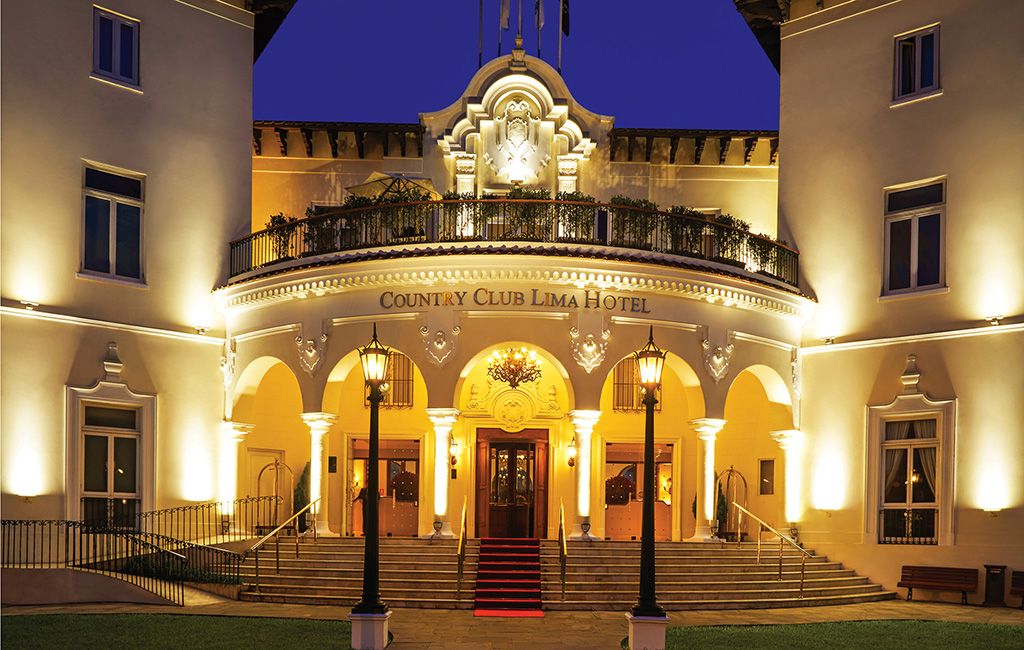
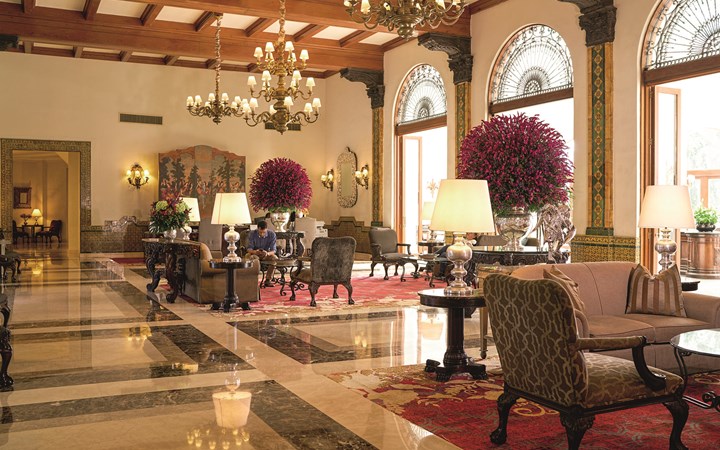
I arrived in Lima after a comfortable journey. However, as soon as I landed, I had a mishap: my luggage didn’t show up. Normally, a failure to show up in such a situation would cause a serious problem. Having traveled across the ocean many times over the years, I take this into account. So, I take a small suitcase with me containing clothes and essential items that will last me 3-5 days, and I also bring the larger suitcase on the plane. When the larger suitcase I had brought on board didn’t show up, I wasn’t too concerned. I had the smaller suitcase with me. Of course, I made the necessary reservations. Then I went to the Country Club Hotel, where I’d be staying for the first night. The Country Club Hotel (https://www.countryclublimahotel.com/ ) is one of Lima’s iconic hotels. It was founded in 1927. It has a magnificent building, high-quality service, and delicious food. It’s located in San Isidro, one of Lima’s best districts. Even though I only stayed one night at the hotel, and only six hours in total (I checked in at 9 p.m. and left at 3 a.m.), I was able to thoroughly evaluate it. I recommend it.
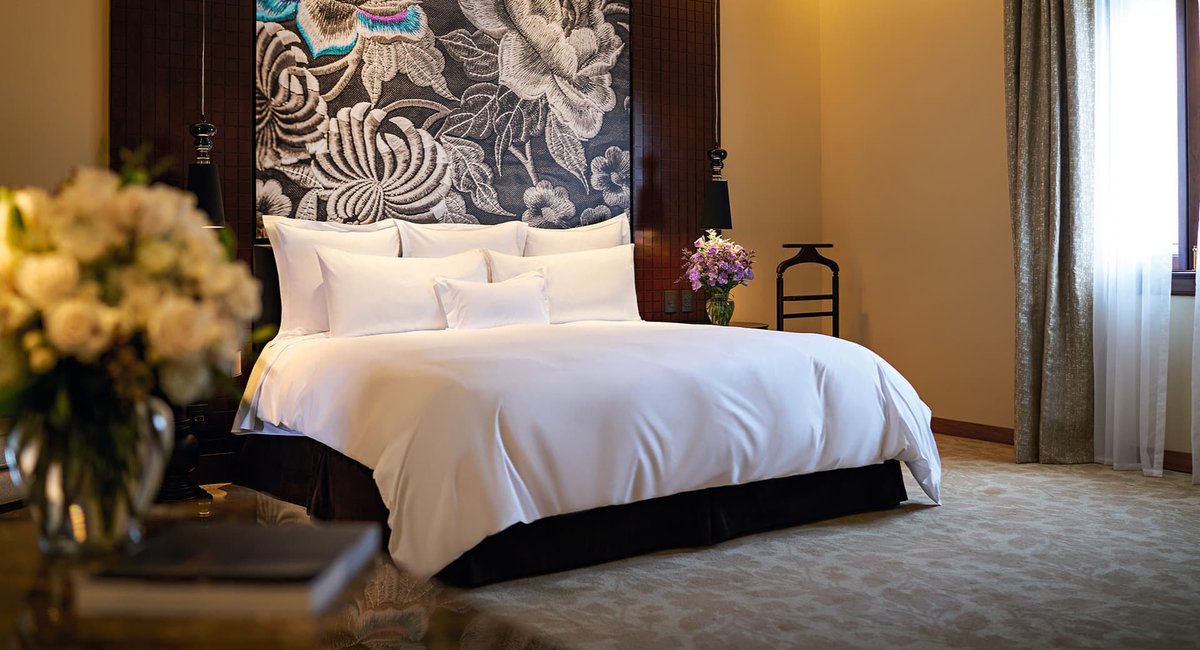
We had to leave at 3 a.m. for a 4:50 a.m. flight to Cusco the next day. I’ll cover my time in Cusco in my next post.
We returned to Lima from Cusco around noon on Monday, 31 December. Because I’m familiar with the Istanbul business, I booked at the Swissotel in Lima. The Swissotel Lima didn’t disappoint either; the staff and service were excellent.
The miracle of a small suitcase
I booked at Lima 27 for New Year’s Eve. I used the traditional method. I asked the hotel concierge, and they recommended this wonderful place within walking distance of the hotel. I quickly went to the airport, checked in, paid, and secured our seat. Up until that point, I’d assumed KLM had already sent my luggage to Swissôtel, only to discover it hadn’t. My luggage was at the airport, and they’d told me it would arrive at the hotel by 11 p.m. if they’d tried to send it that day. I’d be out celebrating New Year’s Eve, so I decided to go to the airport and pick it up myself. The small suitcase I’d brought with me had saved my trip to Cusco, but now I didn’t even have enough clothes for New Year’s Eve. With a bit of a grumble, I headed back to the airport in Lima. I picked up my luggage from KLM and returned to the hotel. I was now ready for New Year’s Eve. Here are two images of Lima 27:
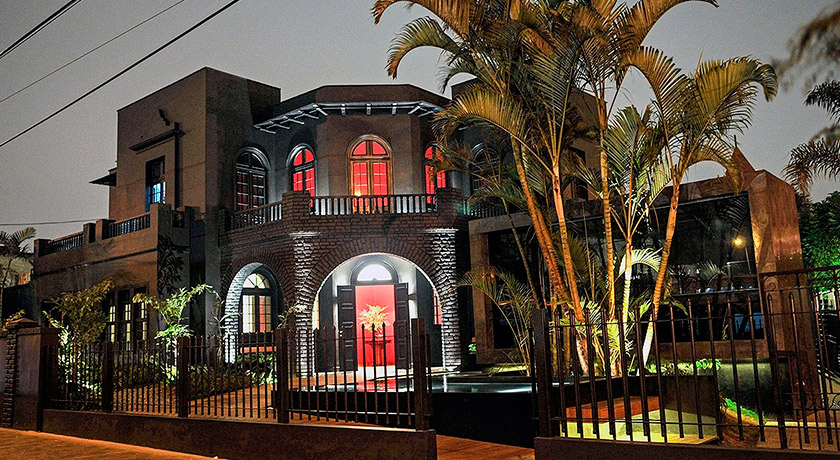
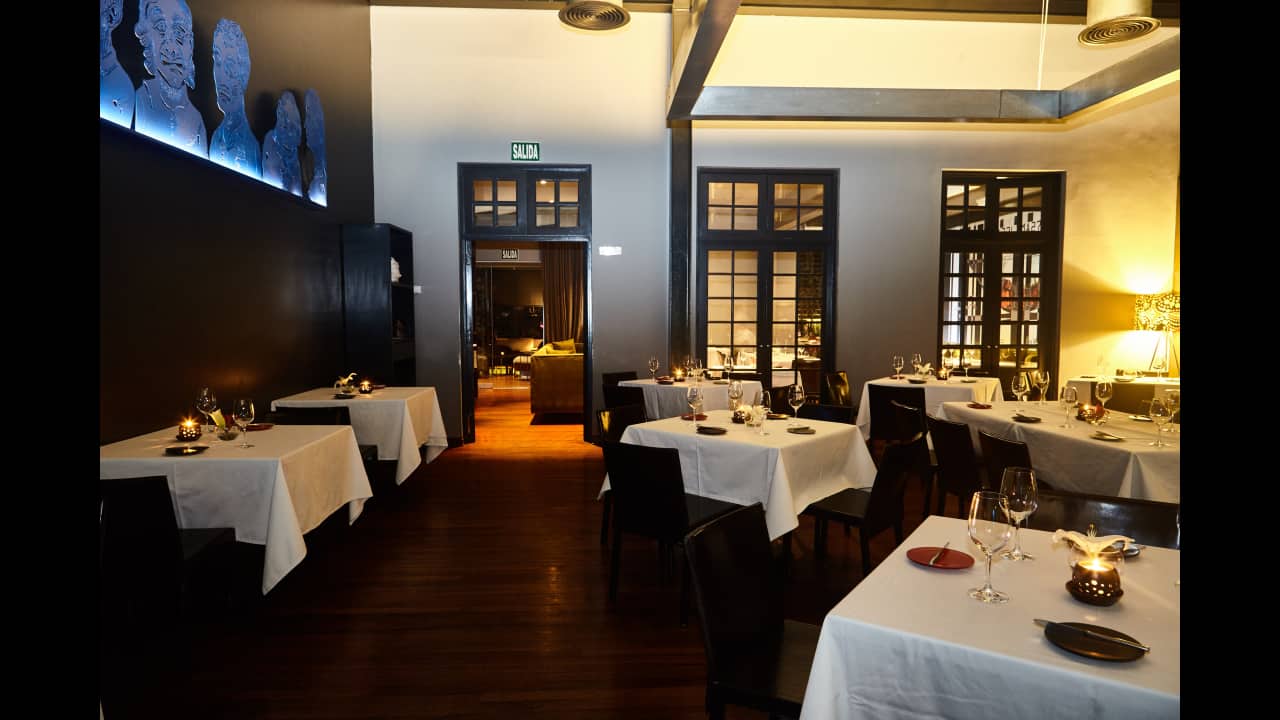
Although the price was quite steep, I realized how good a choice Lima 27 was when I got there. Since my father’s hometown is Gaziantep, the number 27 inevitably brought to mind the license plate number Gaziantep. In this sense, Lima 27 struck a chord with me. Of course, there were no Gaziantep dishes there. The set menu offered a variety of Peruvian cuisine, blending it with other cuisines. Adding to this feast of food was live jazz music, and we were delighted. We enjoyed the food and music until late into the night before returning to our hotel, which was within walking distance.
The next day, after a wonderful New Year’s Eve, we planned a relaxing day and organized a city tour.
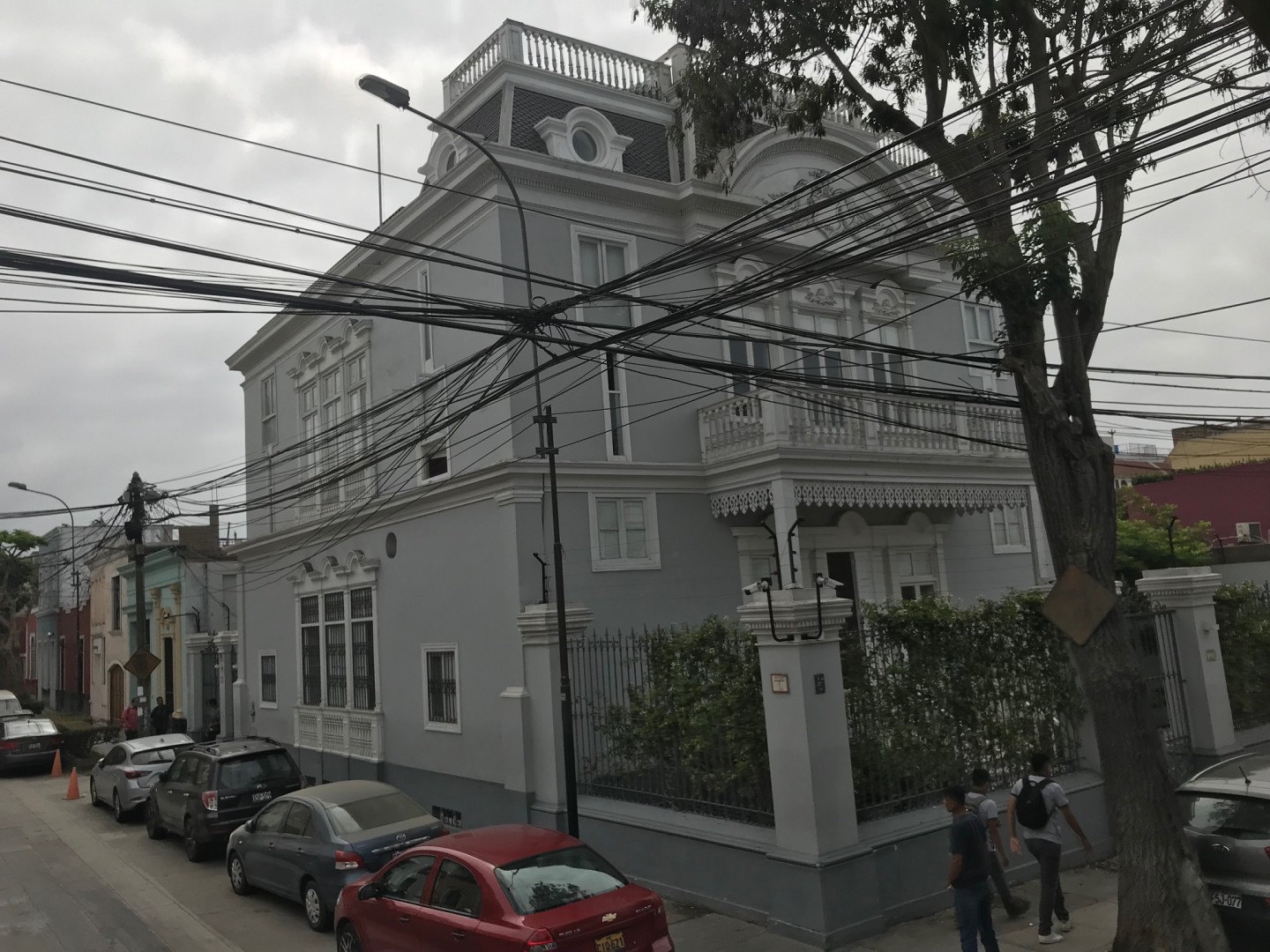
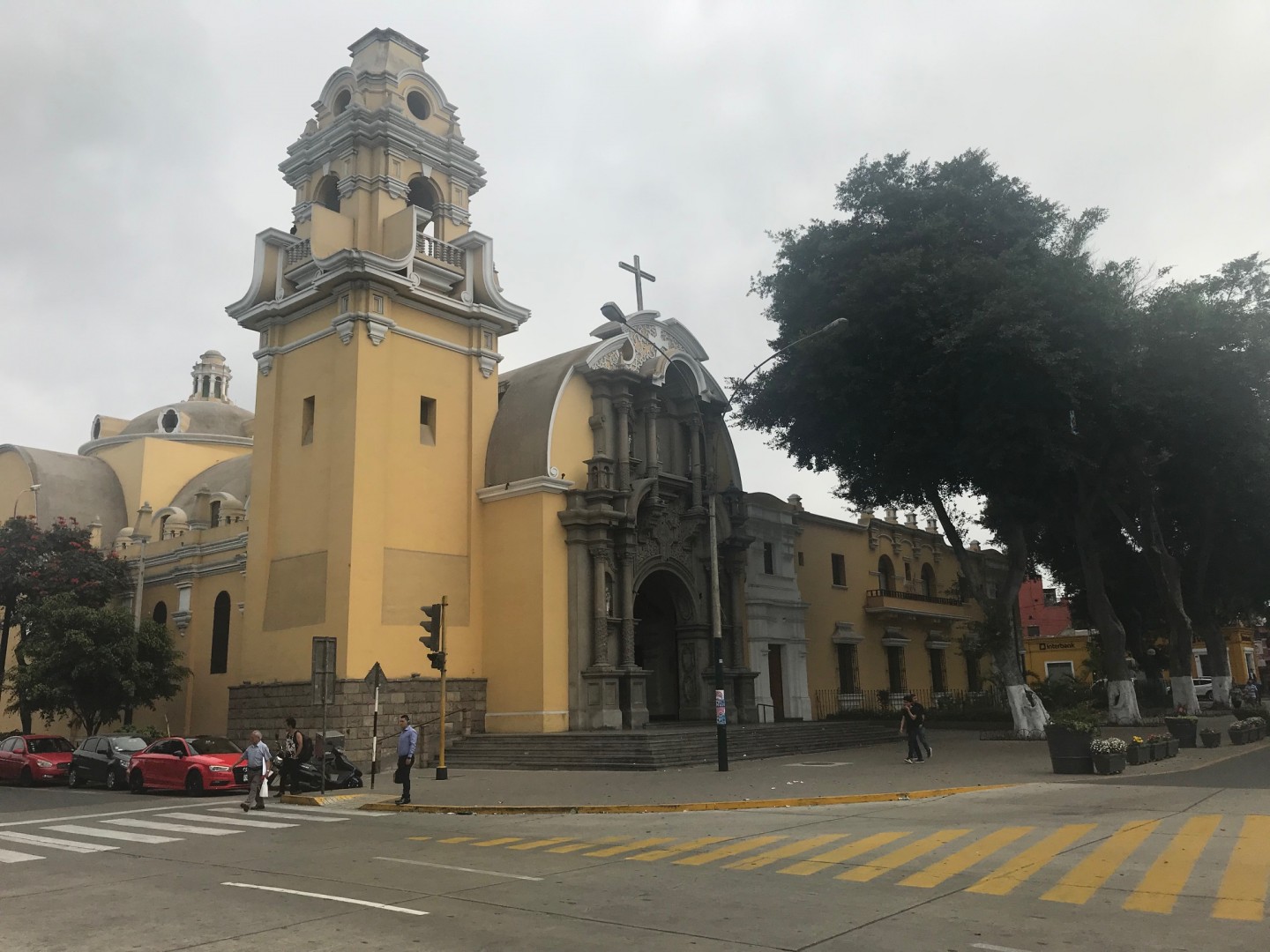
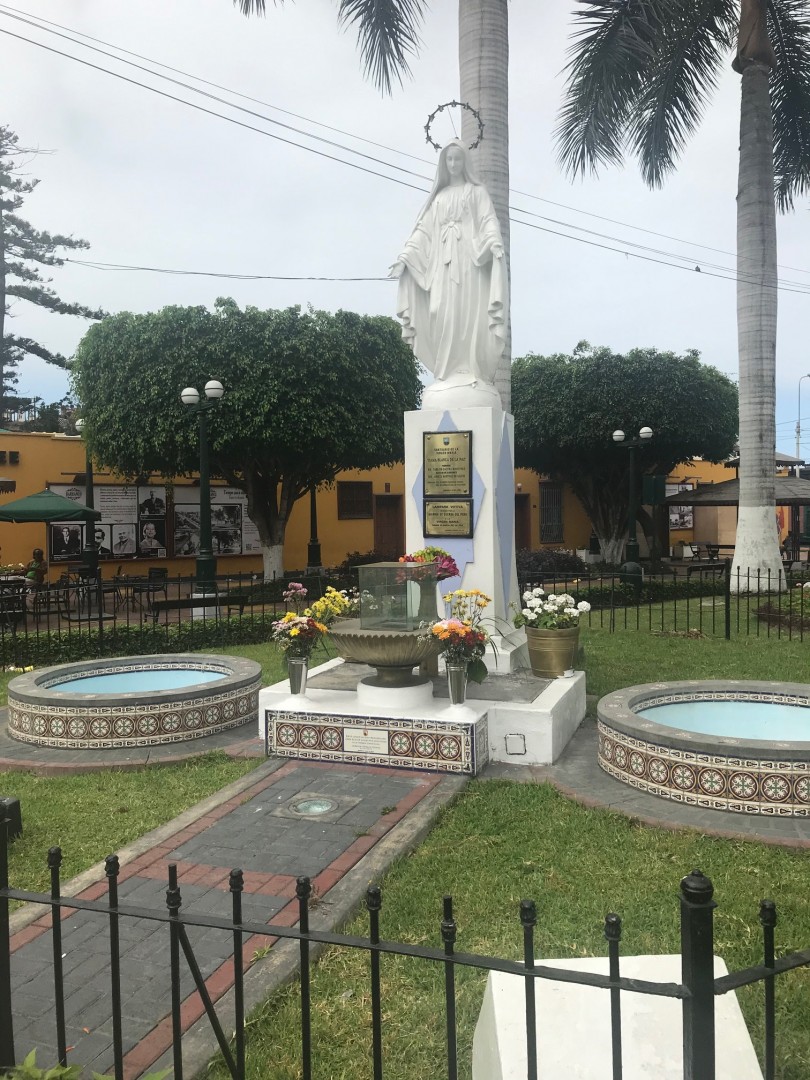
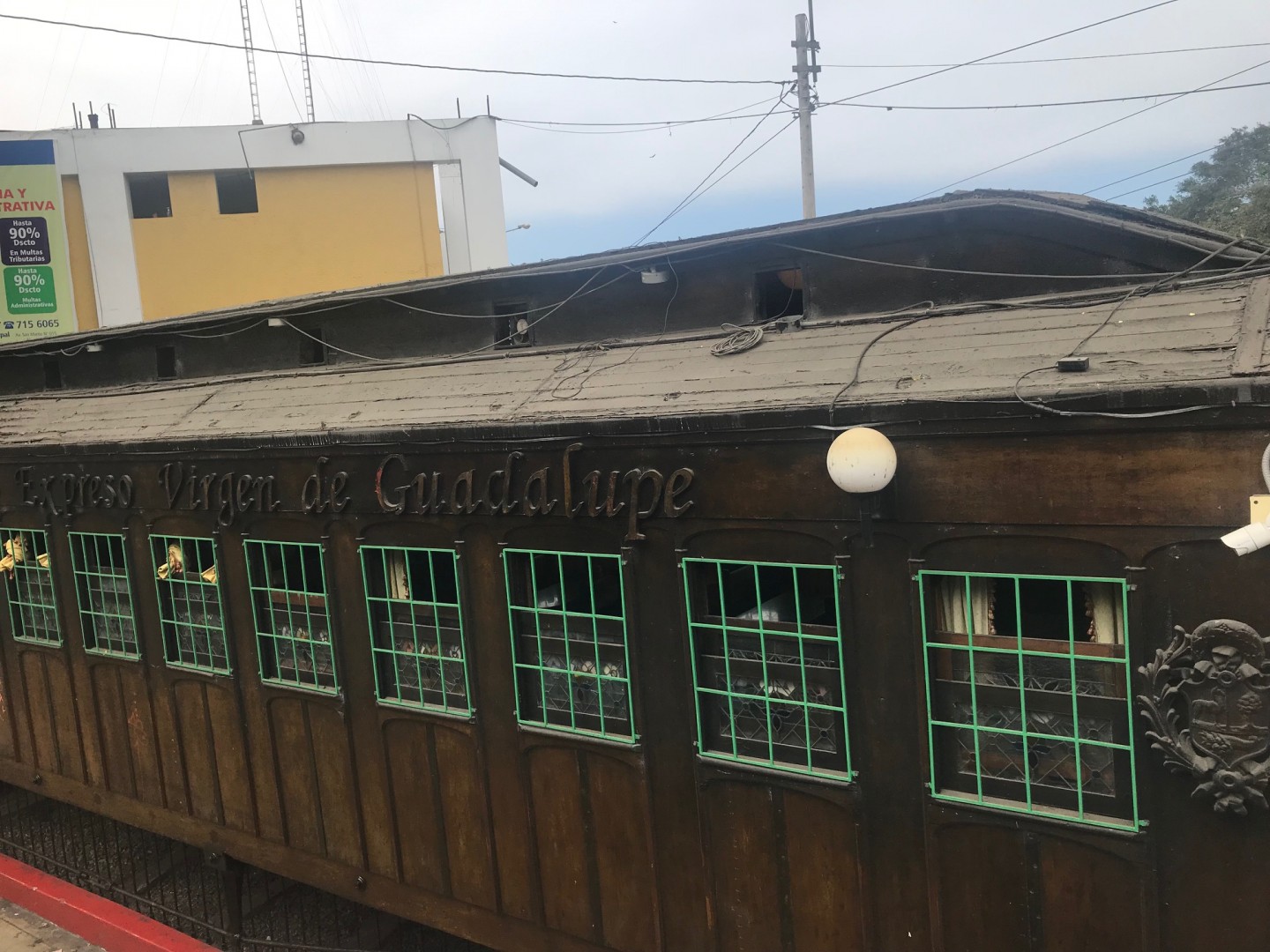
We split the week after New Year’s Eve into two tours. The first covered the Miraflores and Barranco districts to get to know our immediate surroundings. Getting to know the area was enjoyable. Of course, since my twin brother’s name is Baran, I felt like I was remembering him in Barranco. Barranco is one of Lima’s vibrant places worth seeing. Here are the photos I took in Barranco:
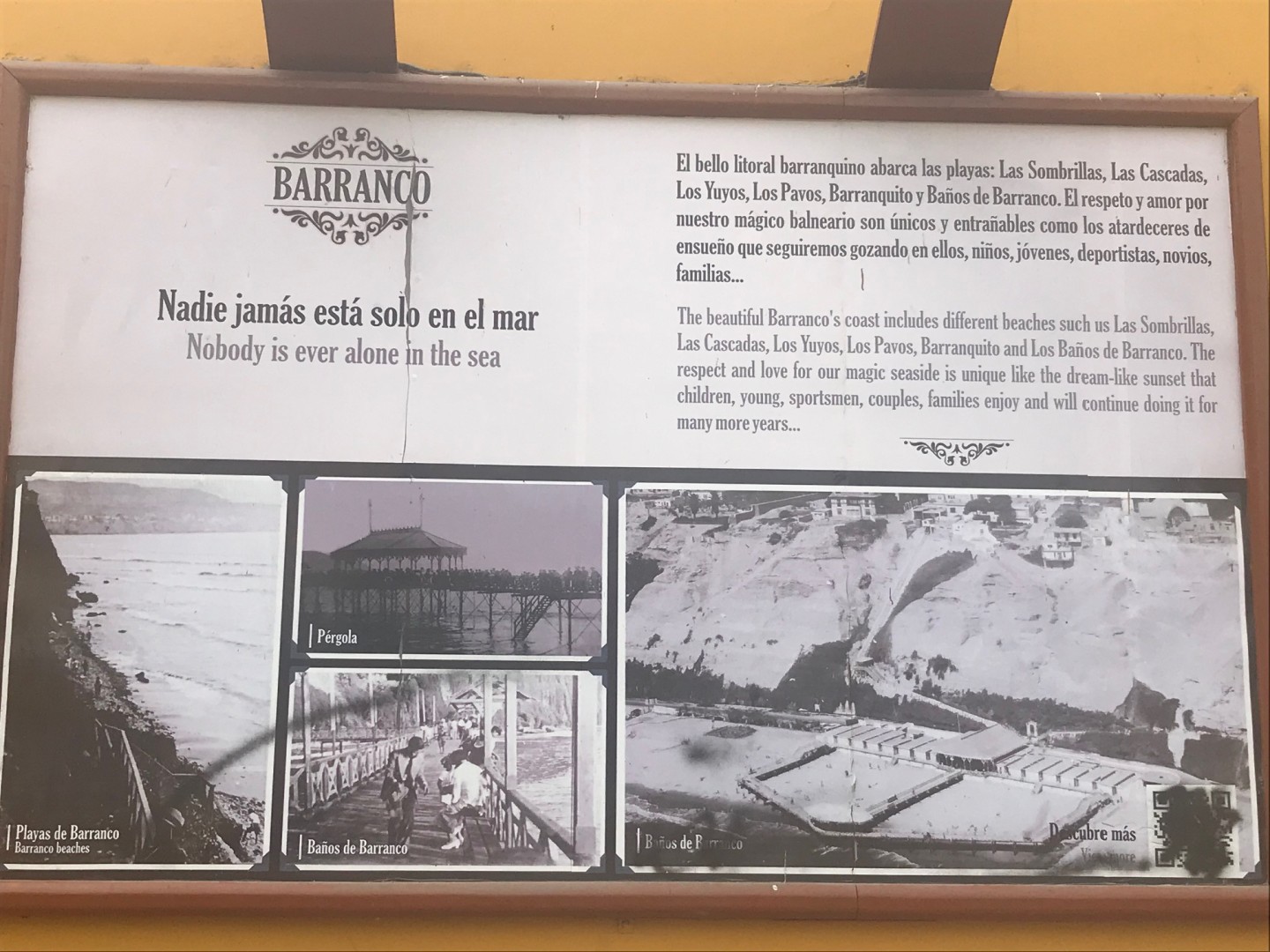
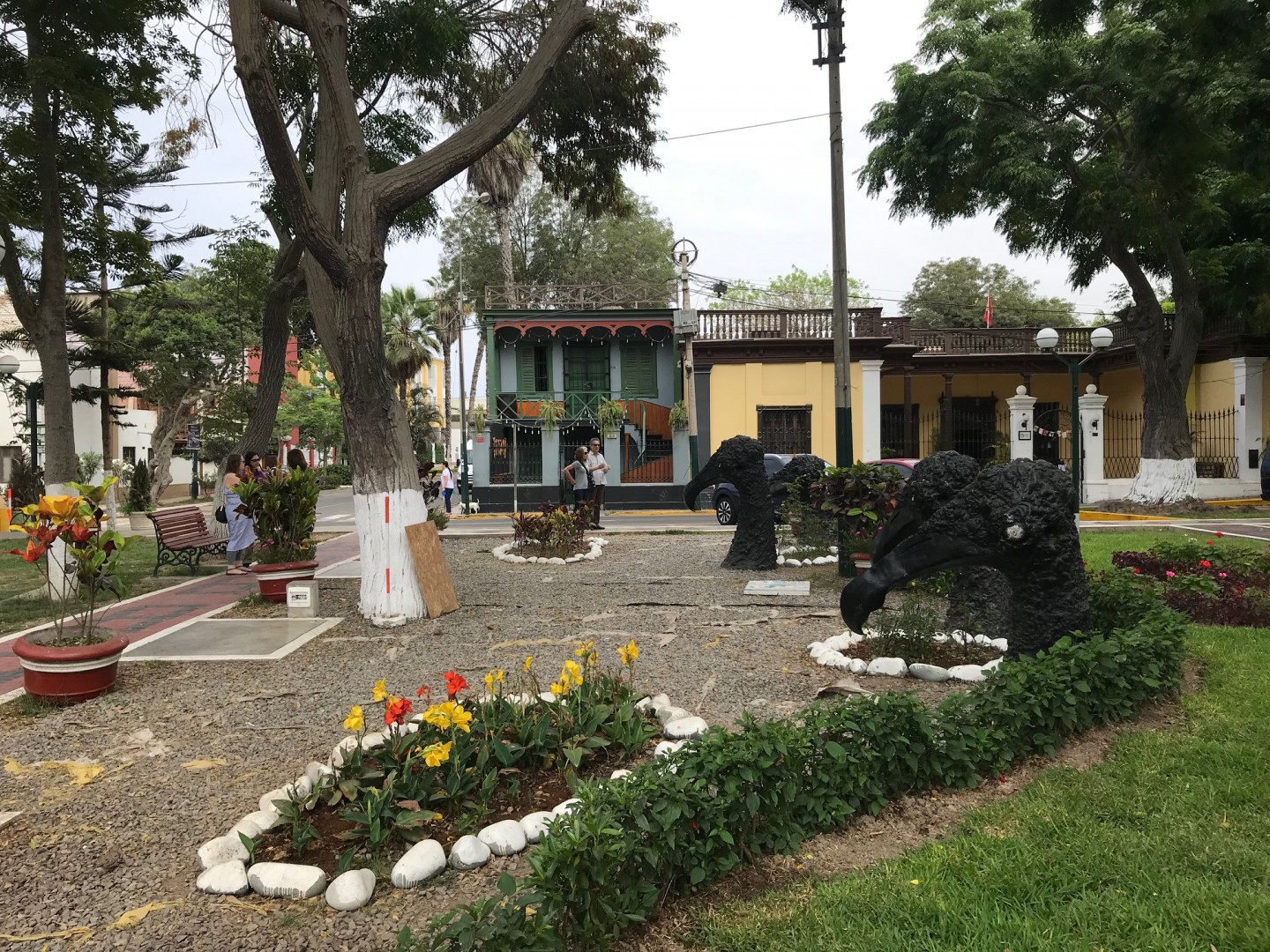
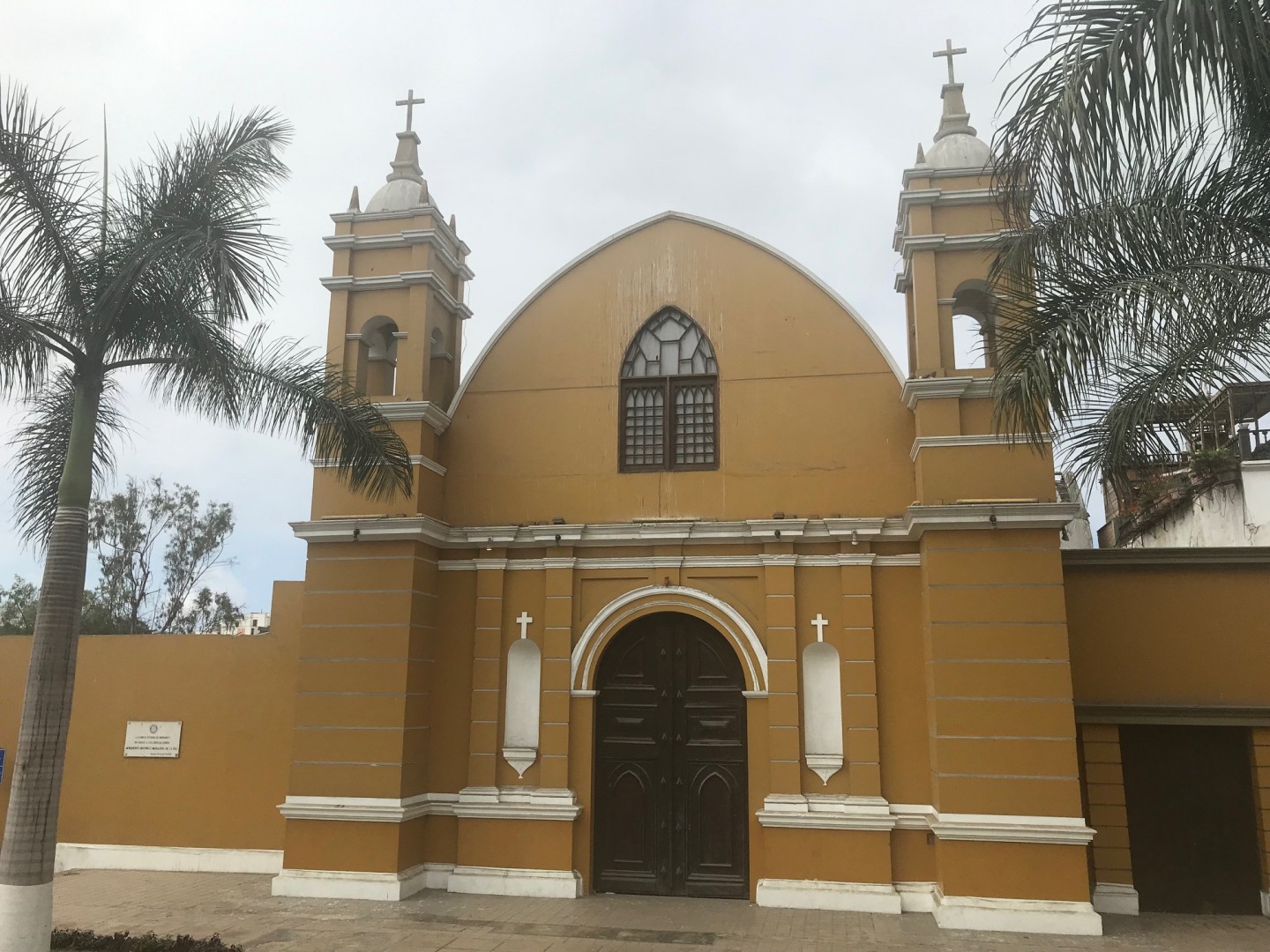
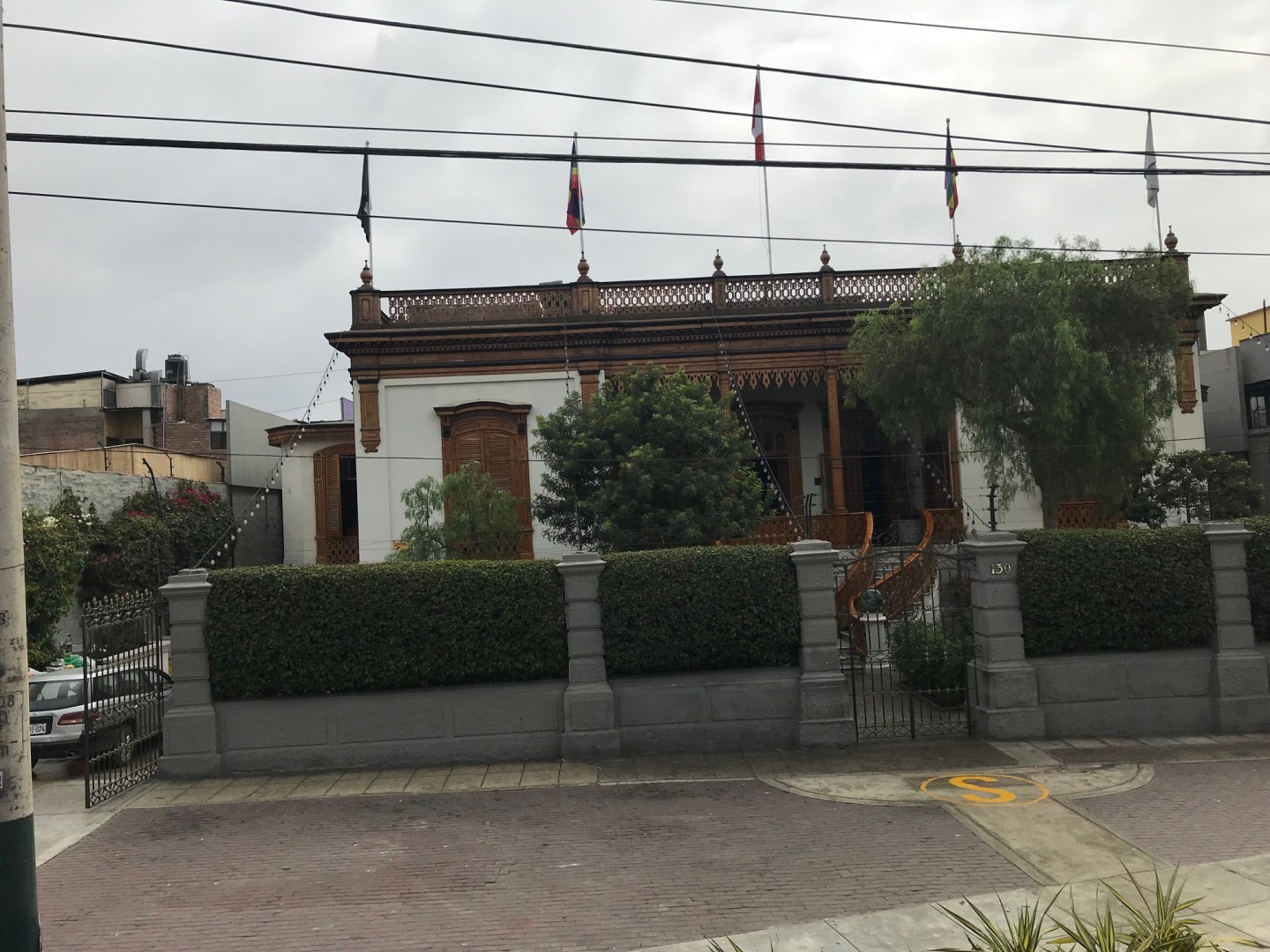
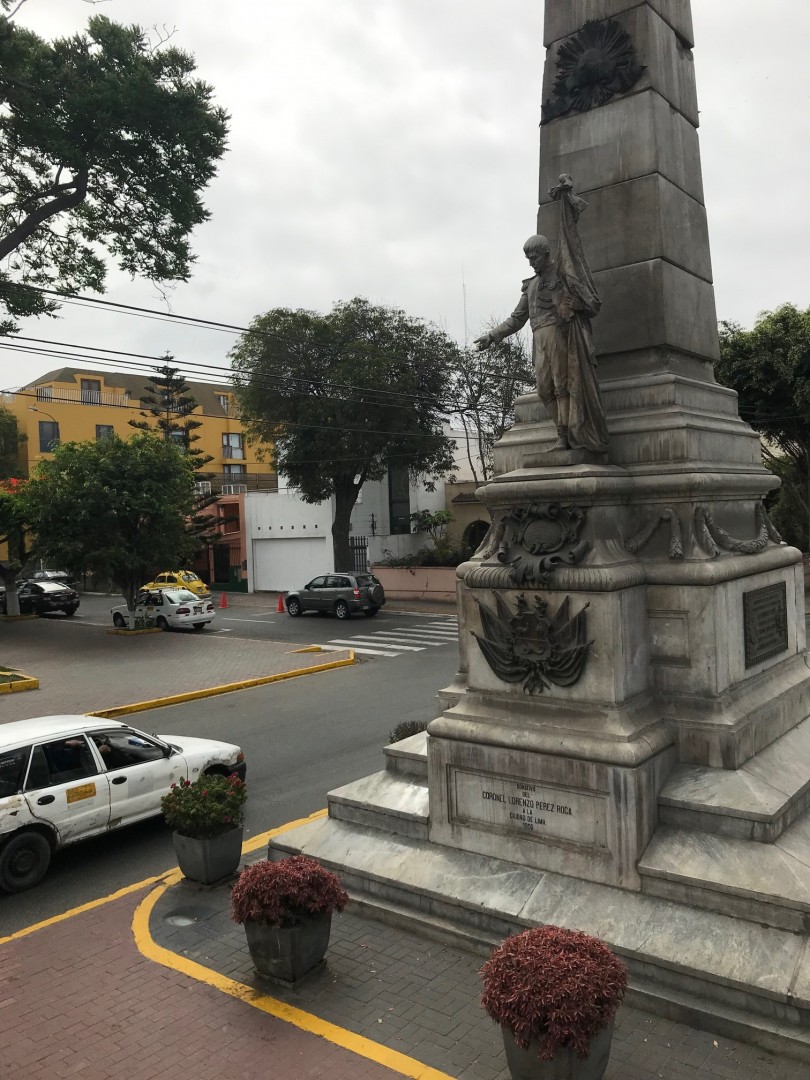
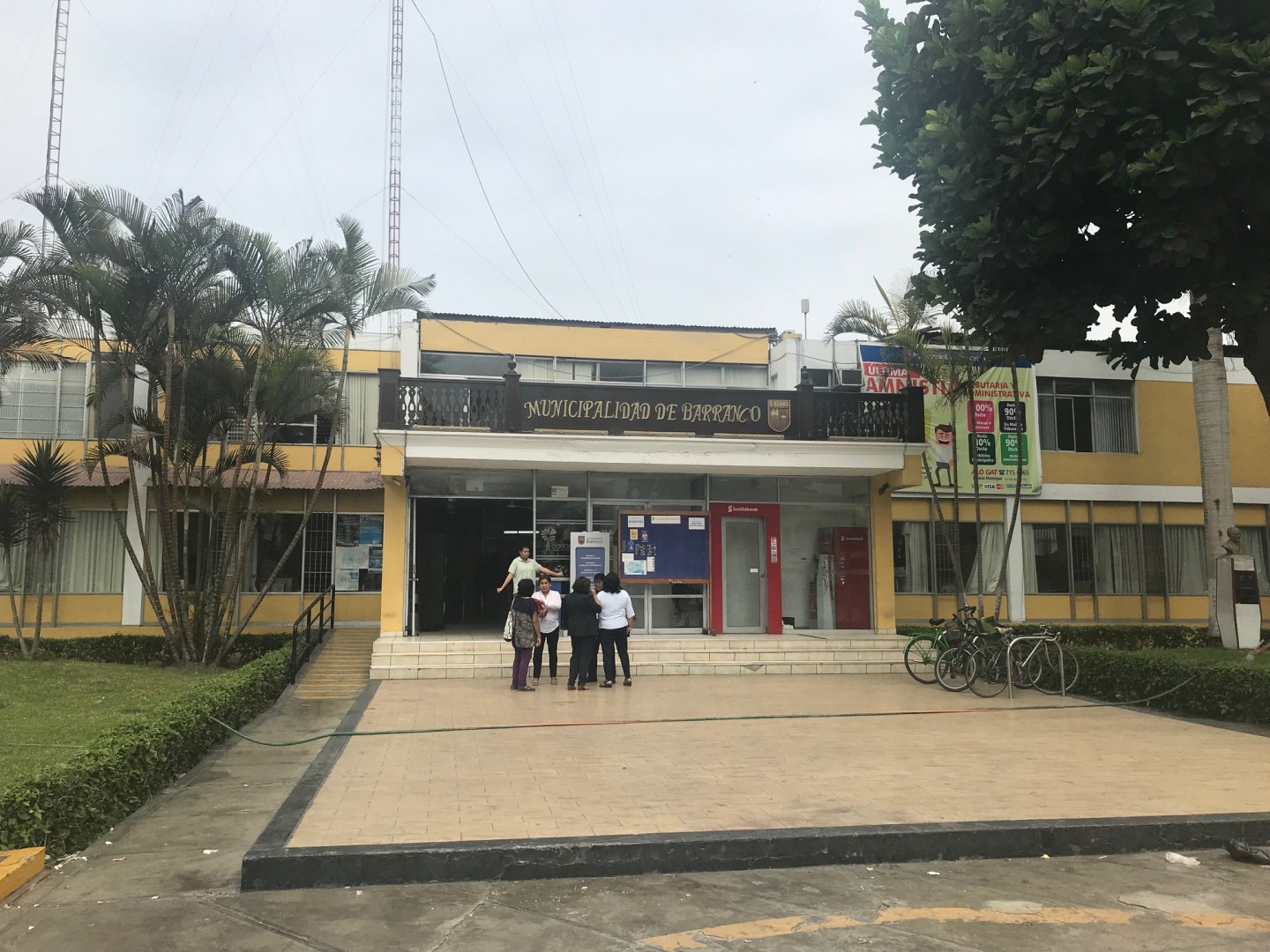
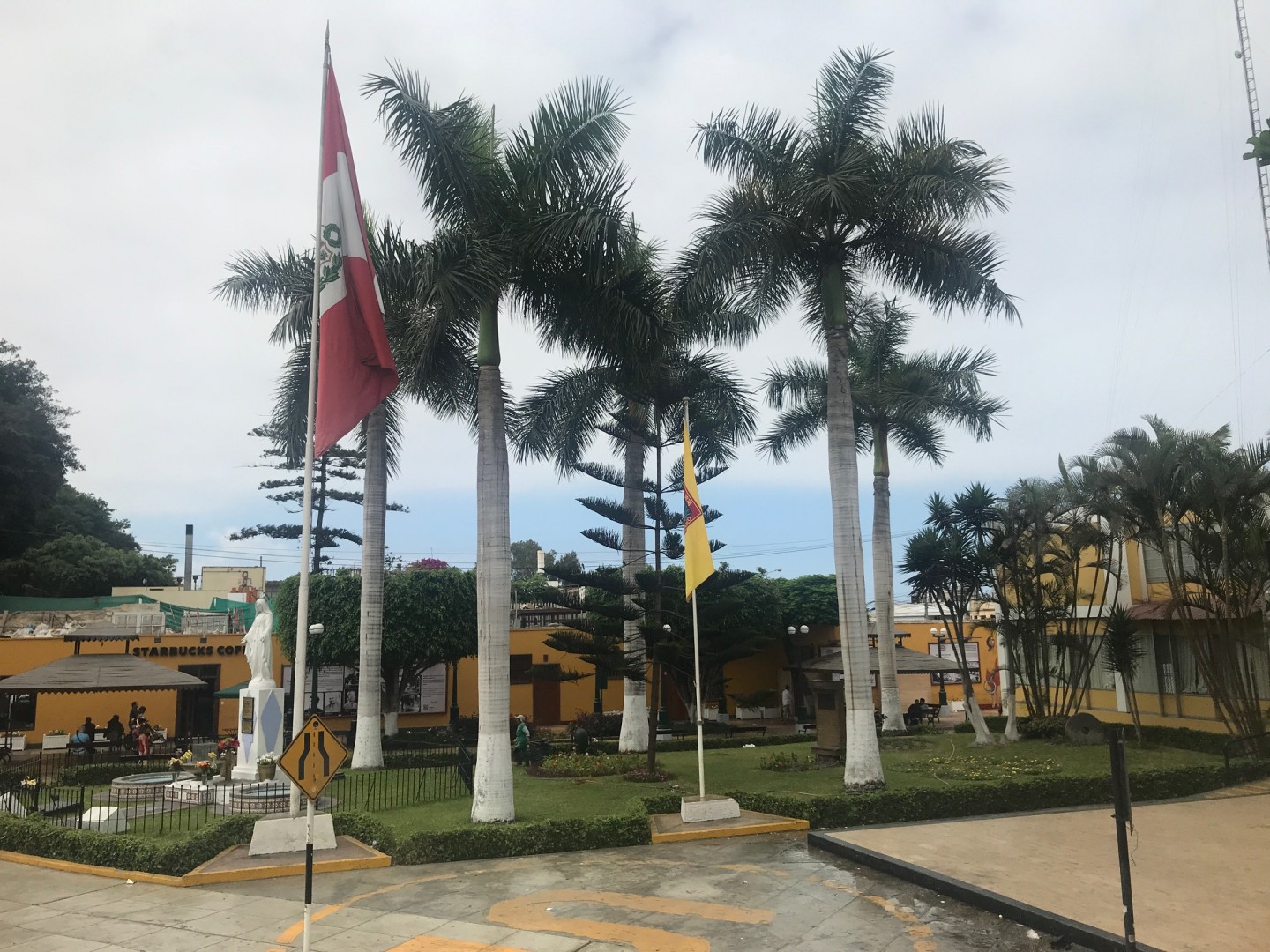
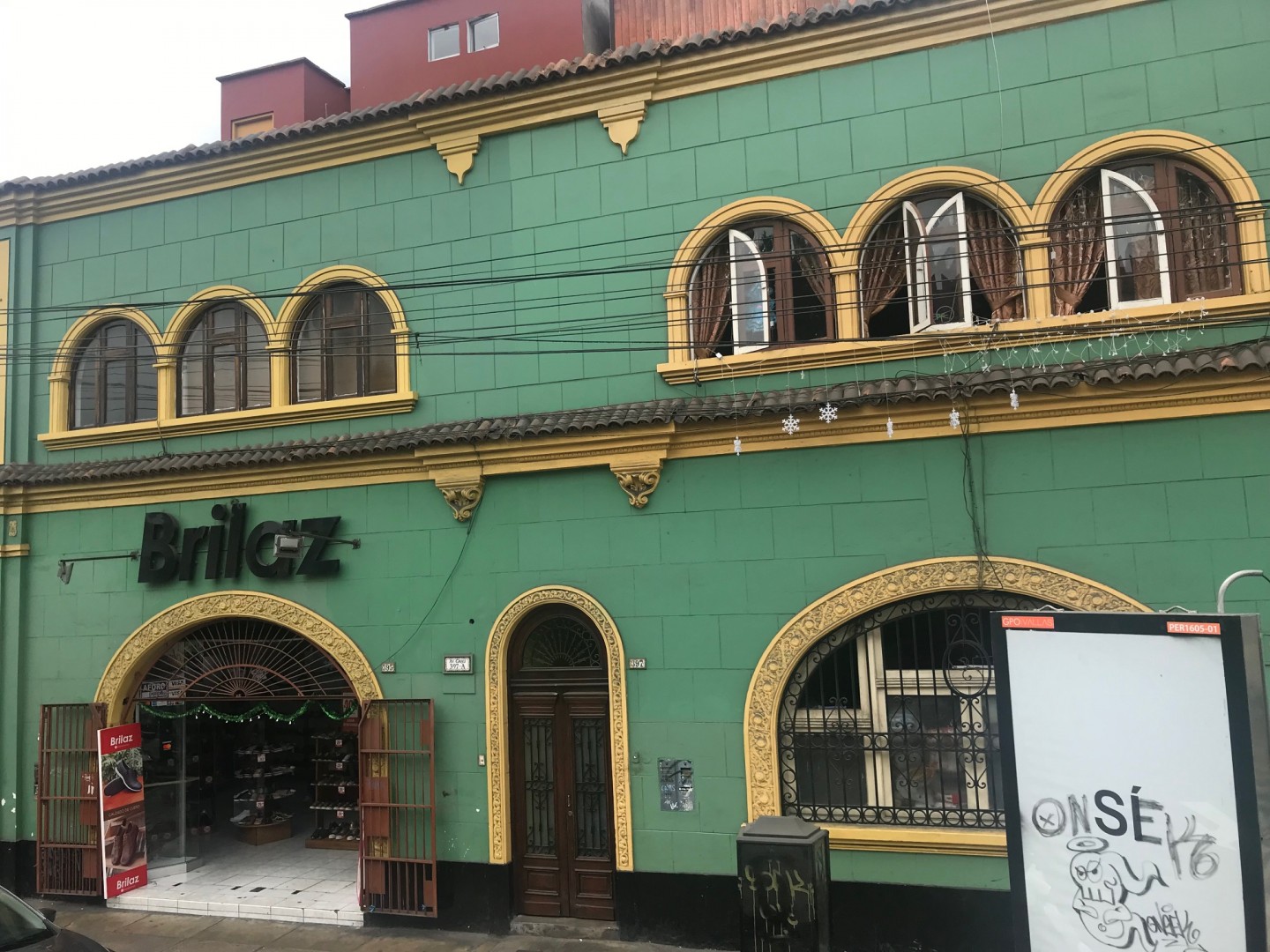
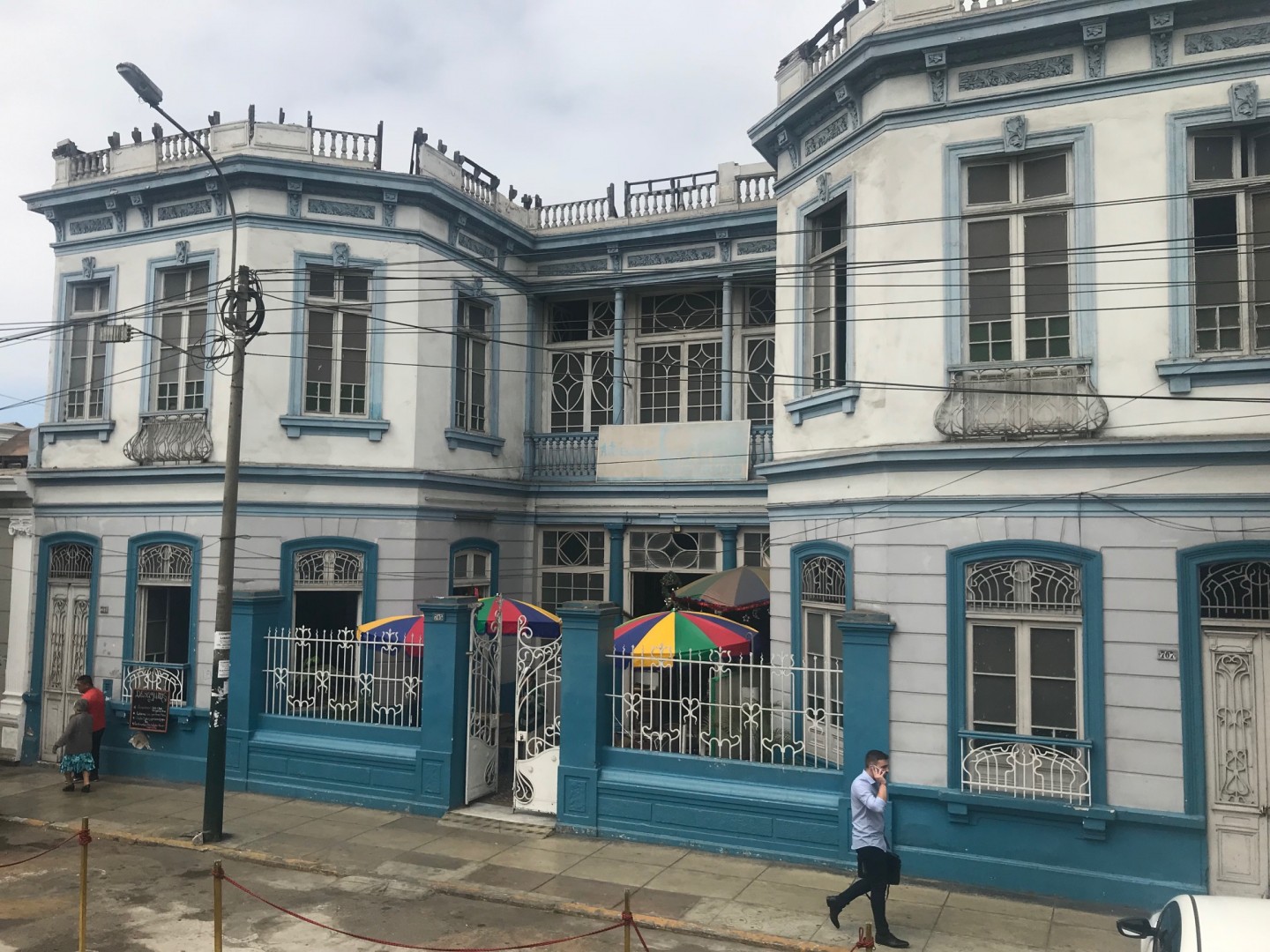
For example, there’s one on the Puente de los Suspiros (Bridge of Sighs). You make a wish, and when you manage to hold your breath and cross the bridge, your wish comes true. Although I thought such a thing was unlikely, I found myself crossing the bridge three times. I made three wishes in total: one for my health, one for my personal life, and one for my work. We’ll see how it turns out. This bridge is also known as the Bridge of Lovers and has inspired many artists.
Puente de los Suspiros
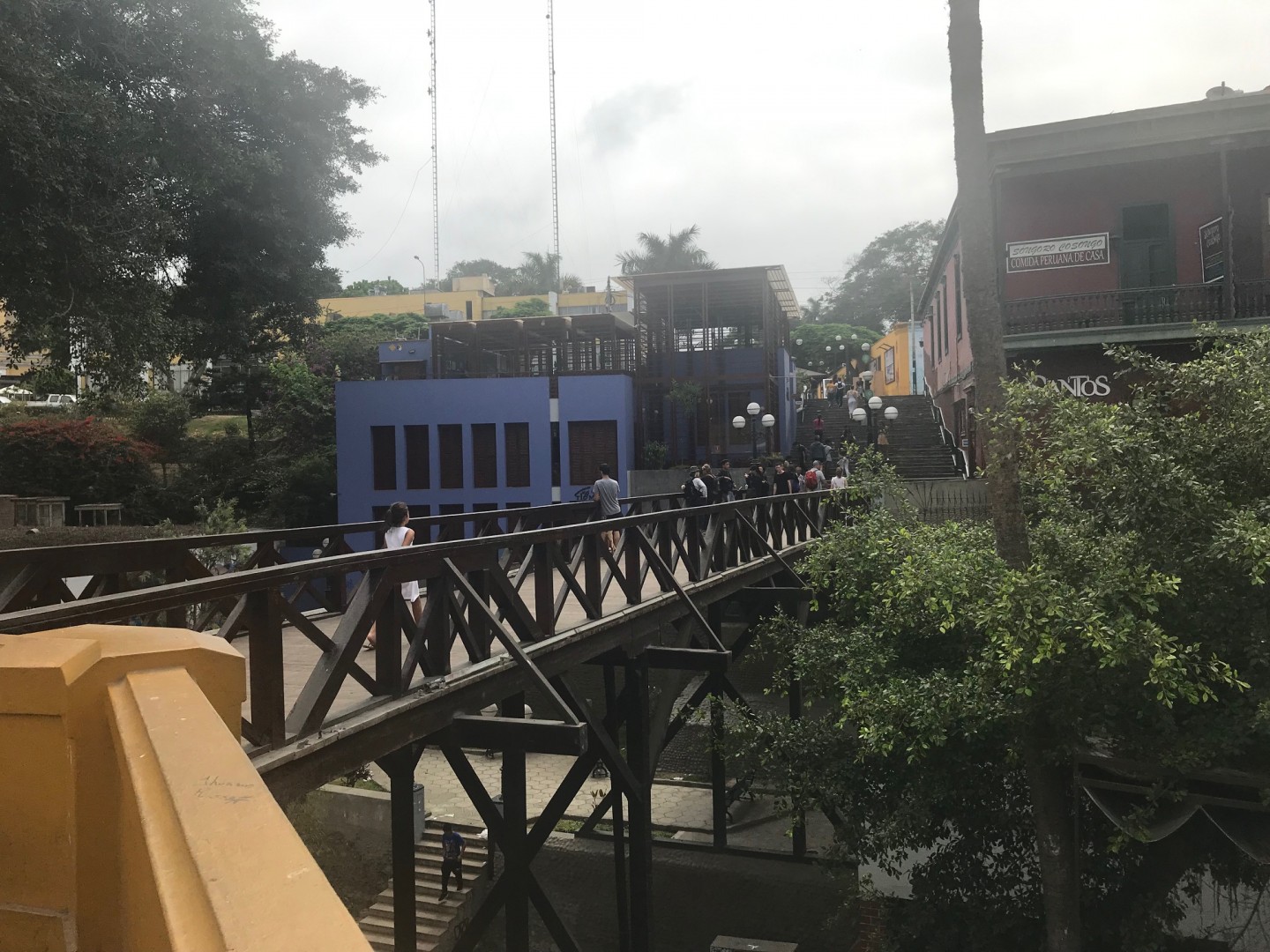
Puente de los Suspiros
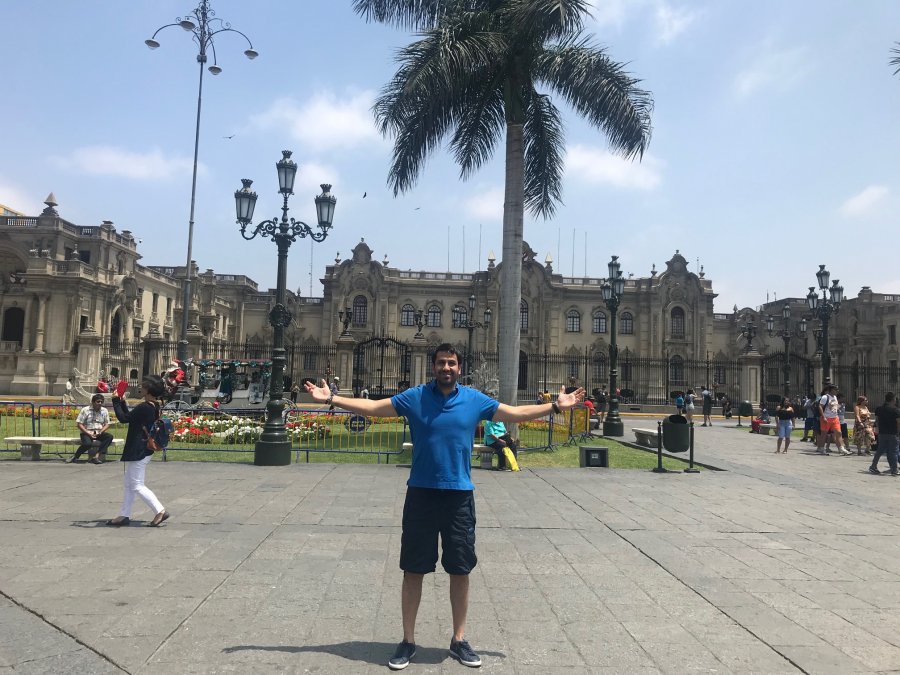
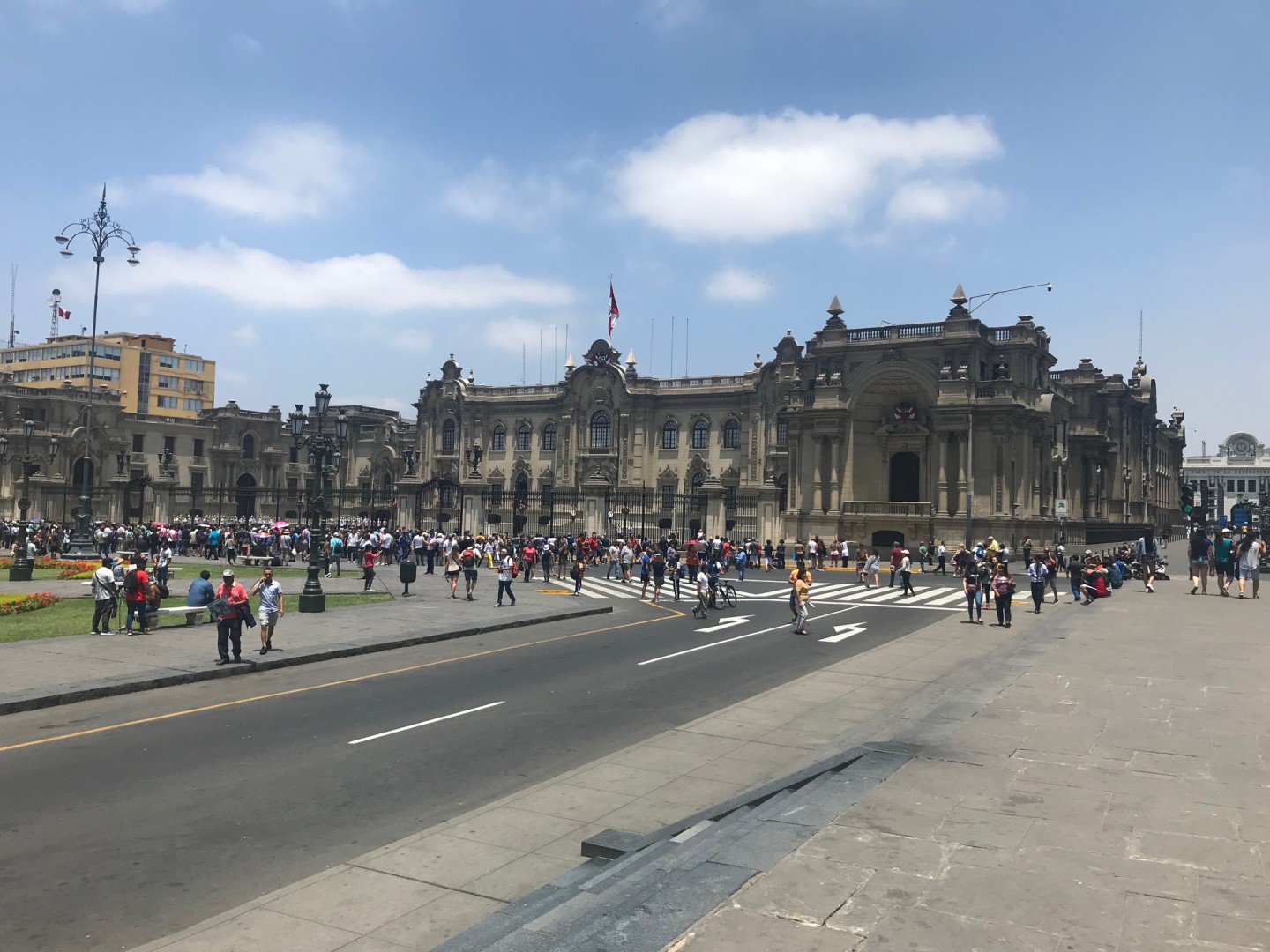
On our second tour, we went to the Plaza de Armas in the city center, the area the Spanish chose as their headquarters when they first entered Peru and organized the development around it. I’d like to share the link to the tour we took here: https://www.mirabusperu.com/collections/tours/products/lima-de-dia
Since the city’s founding in the 16th century, this area, with its magnificent colonial-style architecture, has been Lima’s center and home to sites such as the Patrimonio Cultural de la Humanidad, the Plaza de Armas, the Plaza San Martín, the Plaza del Congreso, the Parque de la Reserva, the Parque de la Exposición, the Paseo de los Héroes Navales, and the Palacio de Justicia.
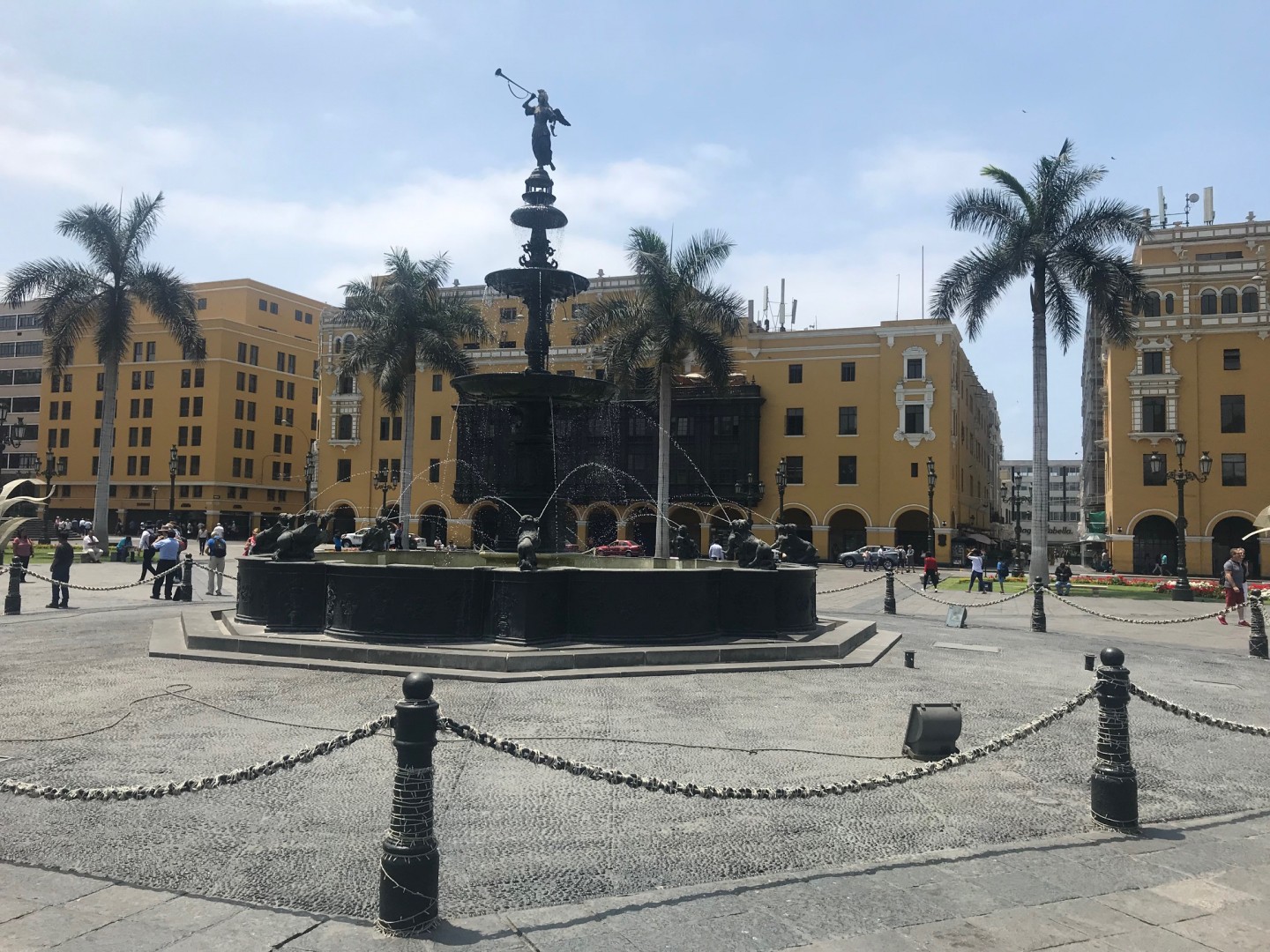
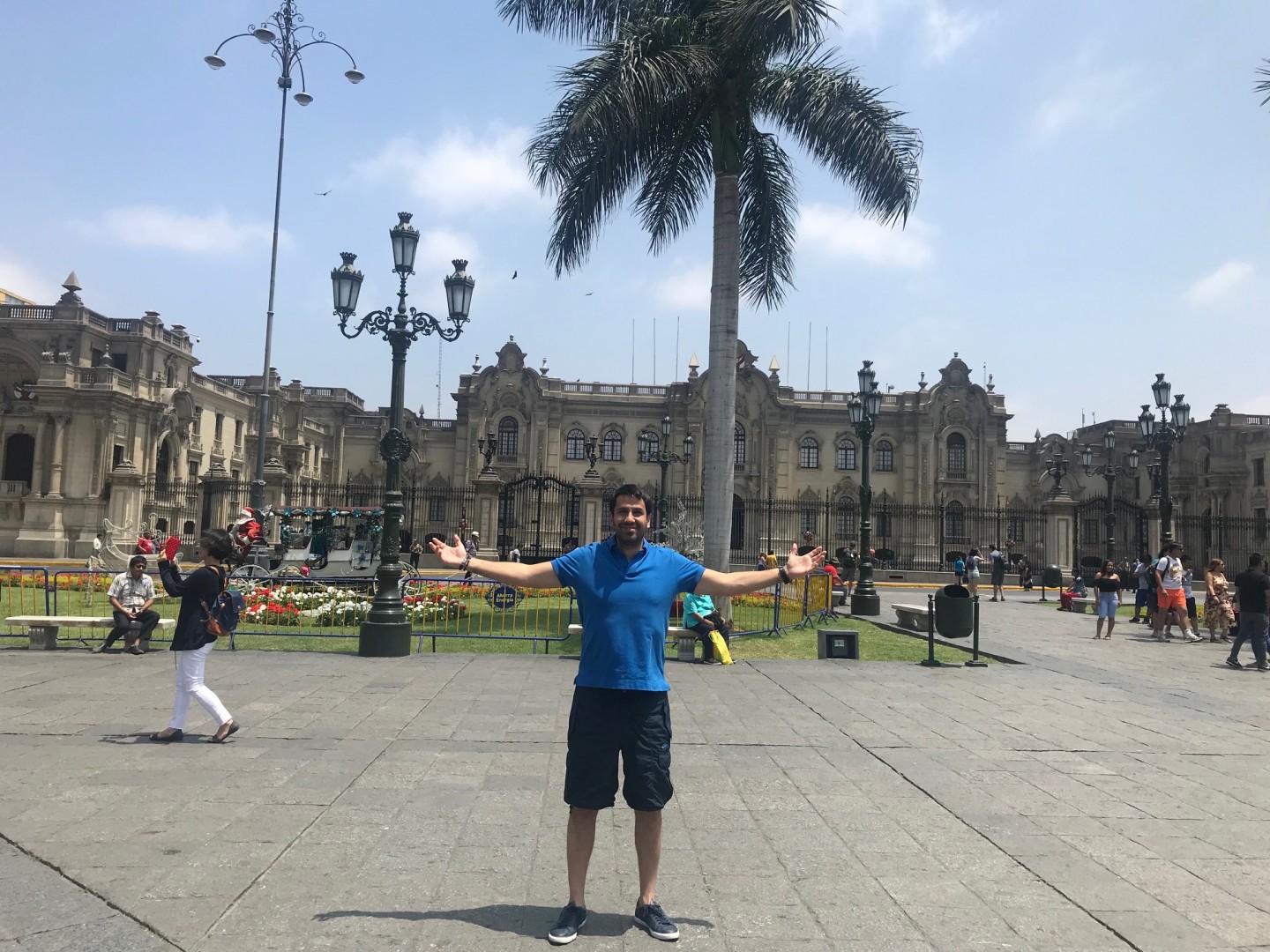
Since the city’s founding in the 16th century, this district, with its magnificent colonial-style architecture, has been Lima’s center. It’s home to sites like the Patrimonio Cultural de la Humanidad, the Plaza de Armas, the Plaza San Martín, the Plaza del Congreso, the Parque de la Reserva, the Parque de la Exposición, the Paseo de los Héroes Navales, and the Palacio de Justicia.
Here are the pictures and video I took in the city center:
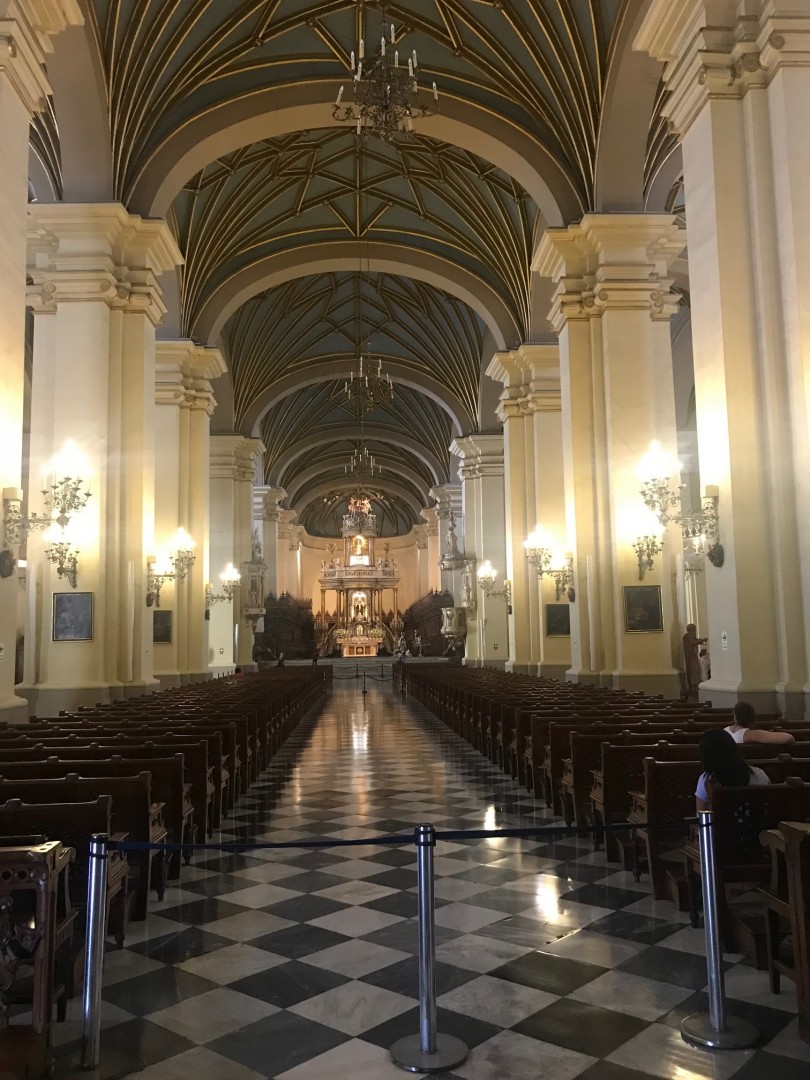
After this tour, on the way back, I forgot my sunglasses somewhere, so I decided to buy them from a street vendor before boarding the bus. However, while bargaining with the man, we missed the bus. I bought my squeaky, beat-up sunglasses, but they lasted me the rest of the week. And I’m so glad we missed the bus. We walked the way back, discovering a variety of Lima’s districts.
I’d like to share with you the museums and restaurants we visited that week in Lima. If you’re in Lima, add these places to your must-see list:
Museo de Arte de Lima (MALI)
The word “Mali,” short for Mehmet Ali in Turkish, is also short for the Museo de Arte de Lima (Lima Art Museum), one of Peru’s most important museums. MALI, which houses a variety of fascinating exhibitions in a magnificent building, even the chairs in it are designer.
Enjoying a custom-designed chair in the inner courtyard…
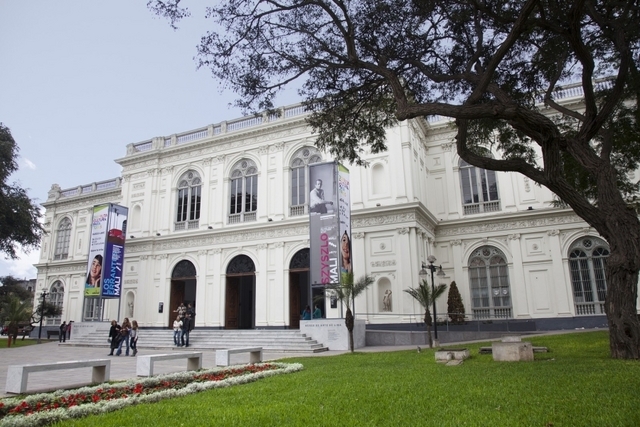
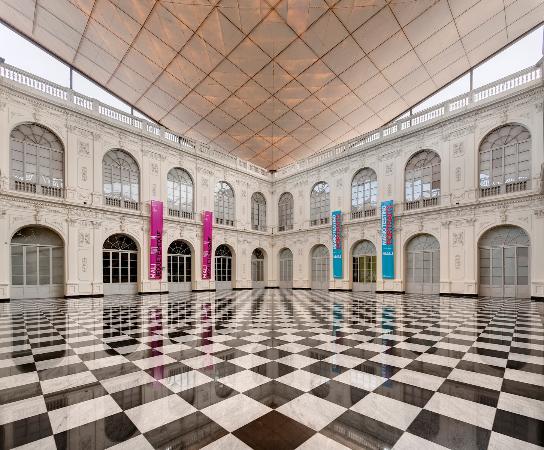
Enjoying a custom-designed chair in the inner courtyard…
The most interesting event in this magnificent building with its beautiful inner courtyard was Yoko Ono’s exhibition. In “Free Universe,” which contains important messages about life, you understand Yoko Ono’s depth and why she and John Lennon chose each other as life partners.
Here are some messages:
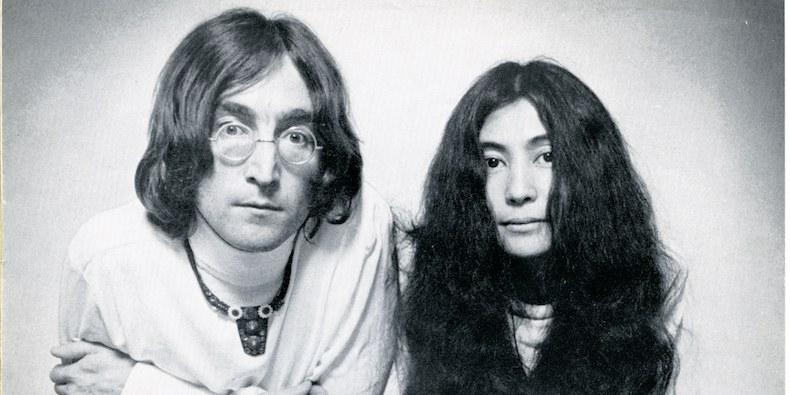
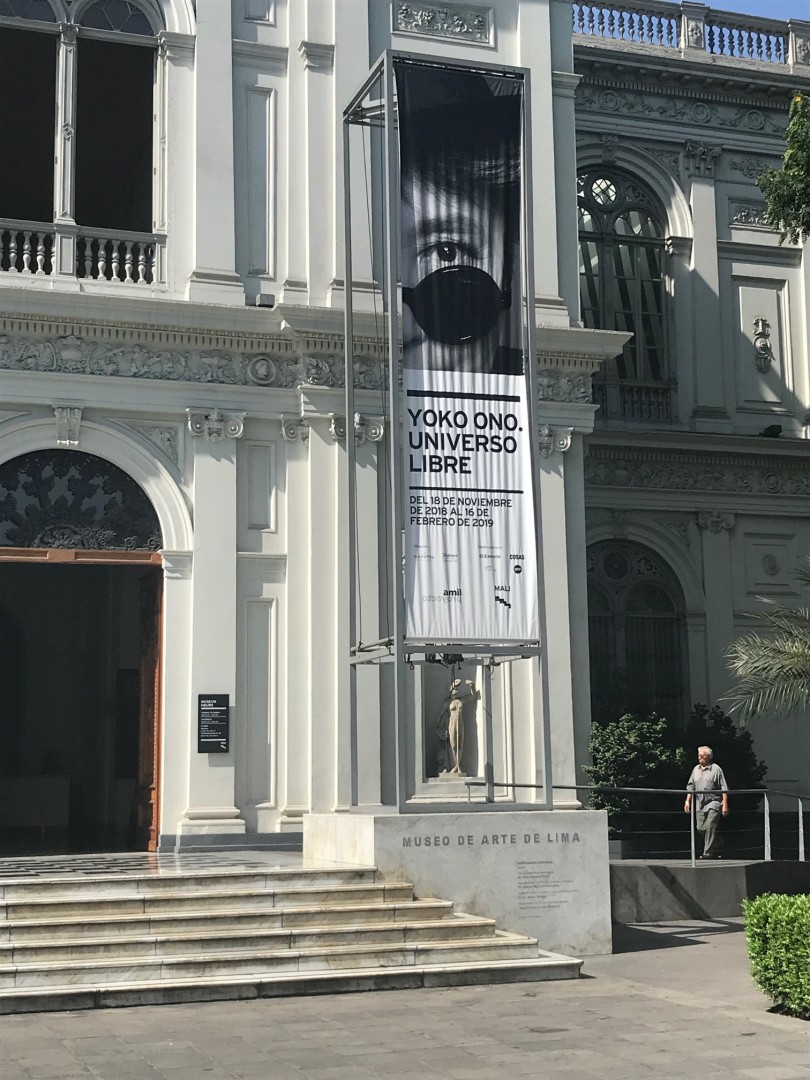
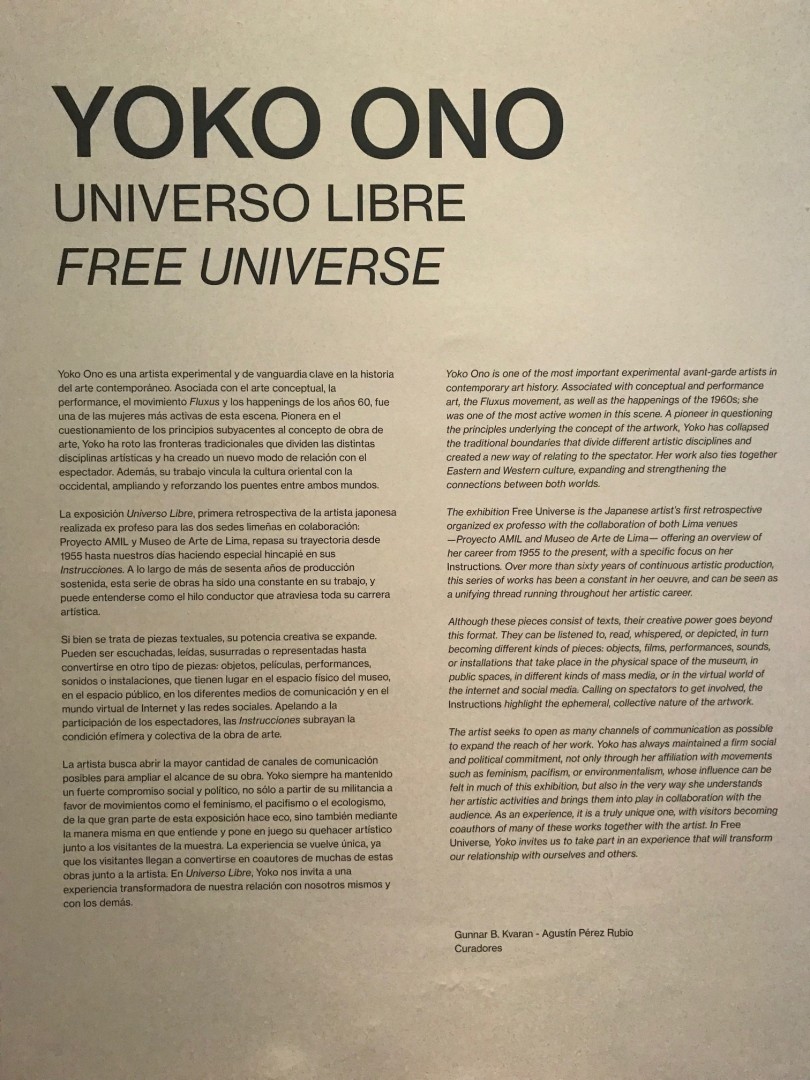
Here are some messages:
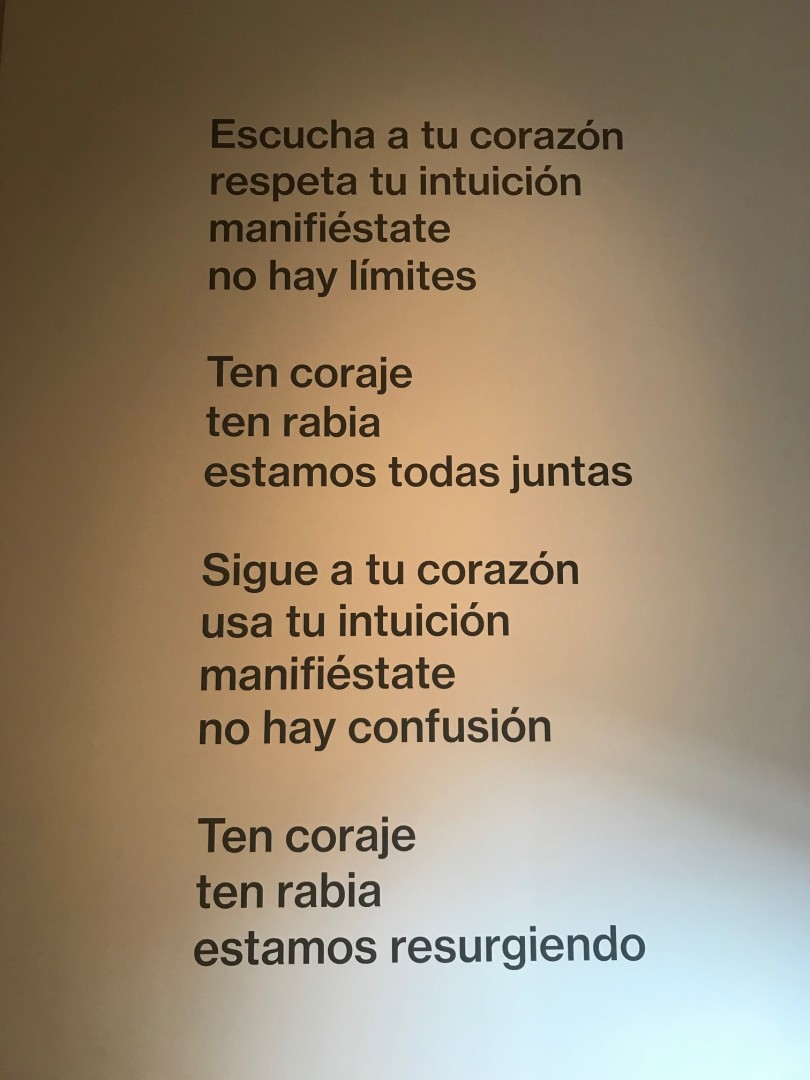
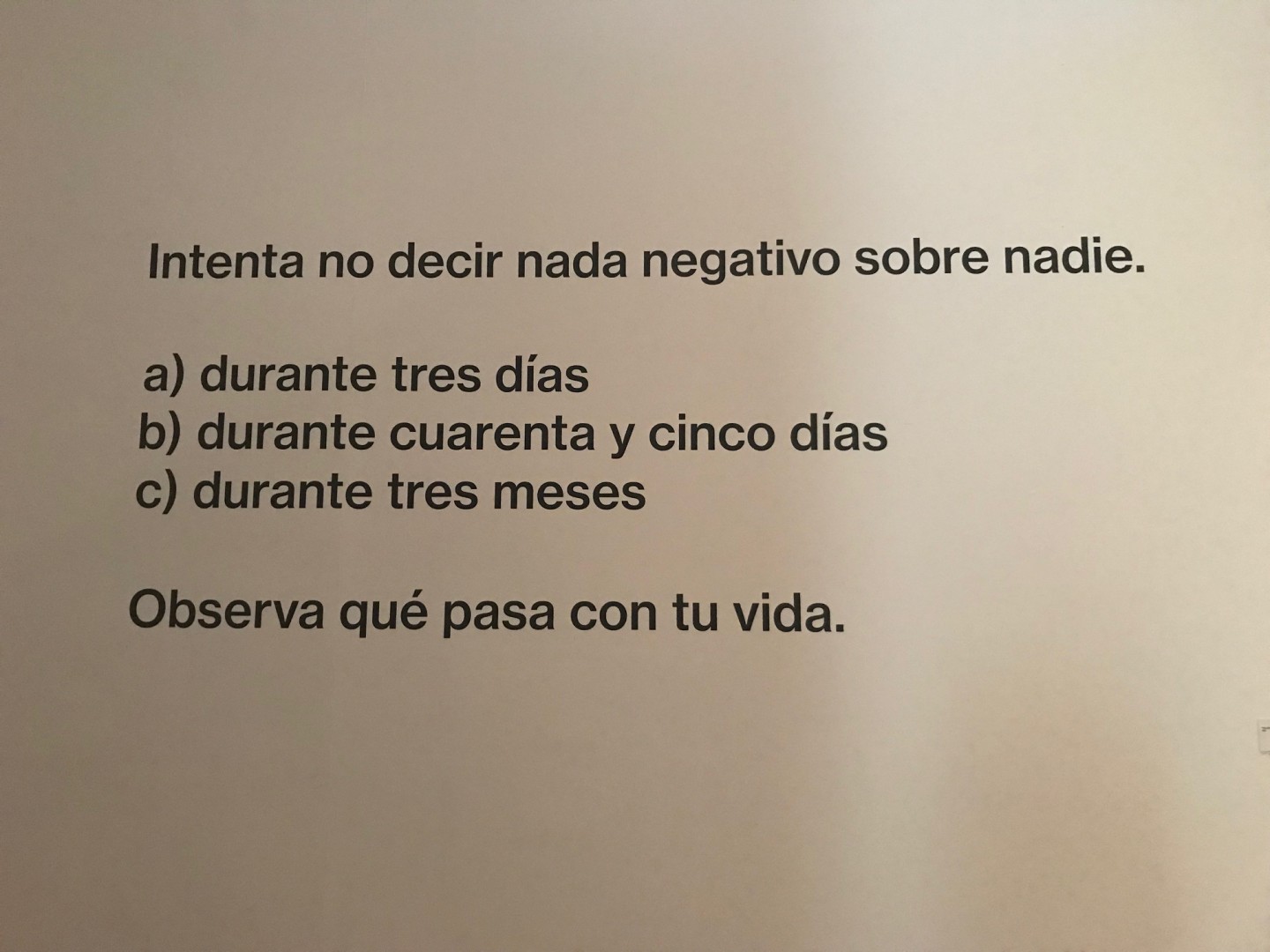
Note: You can find more detailed information about the museum on its website: http://www.mali.pe/
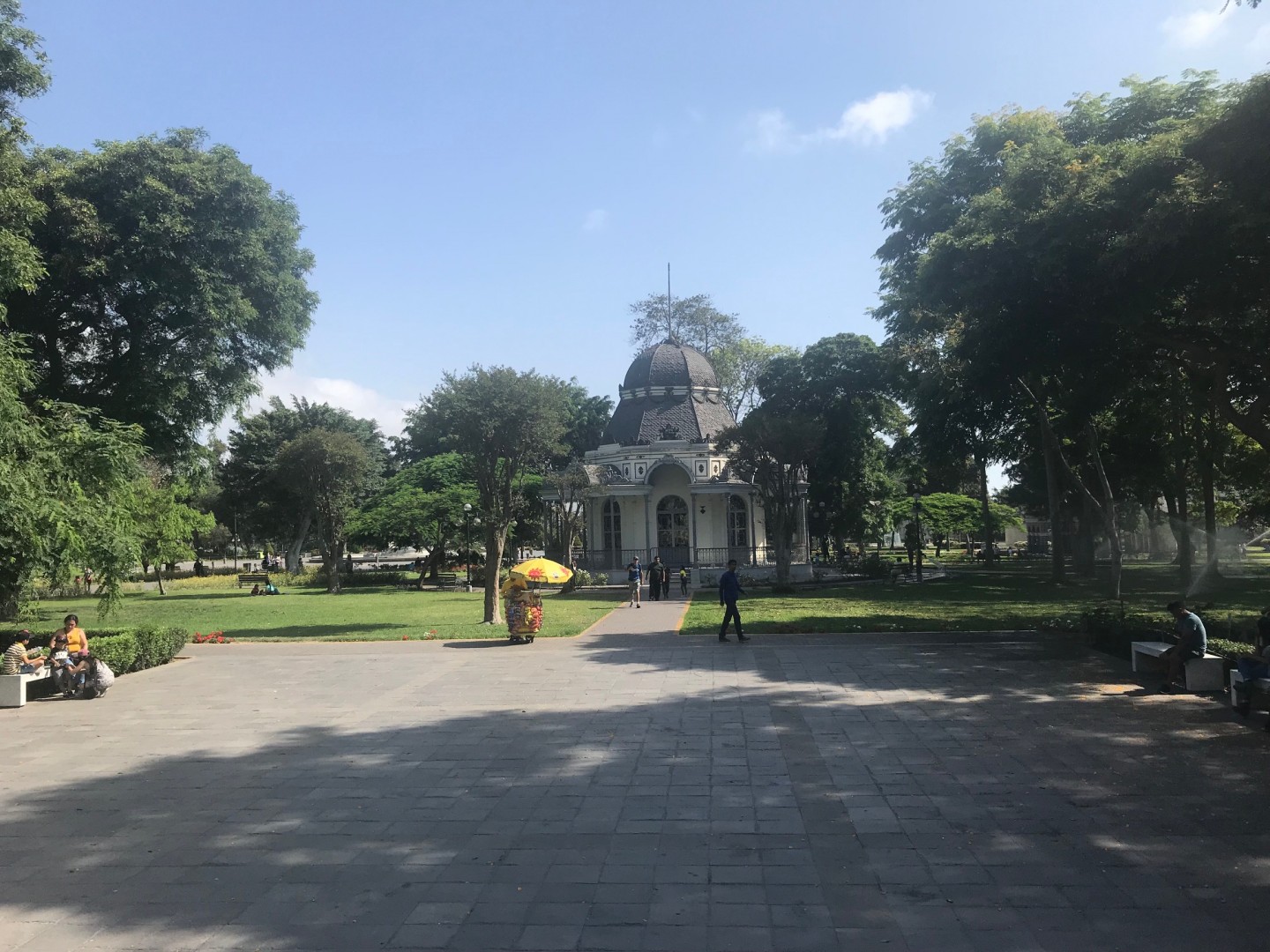
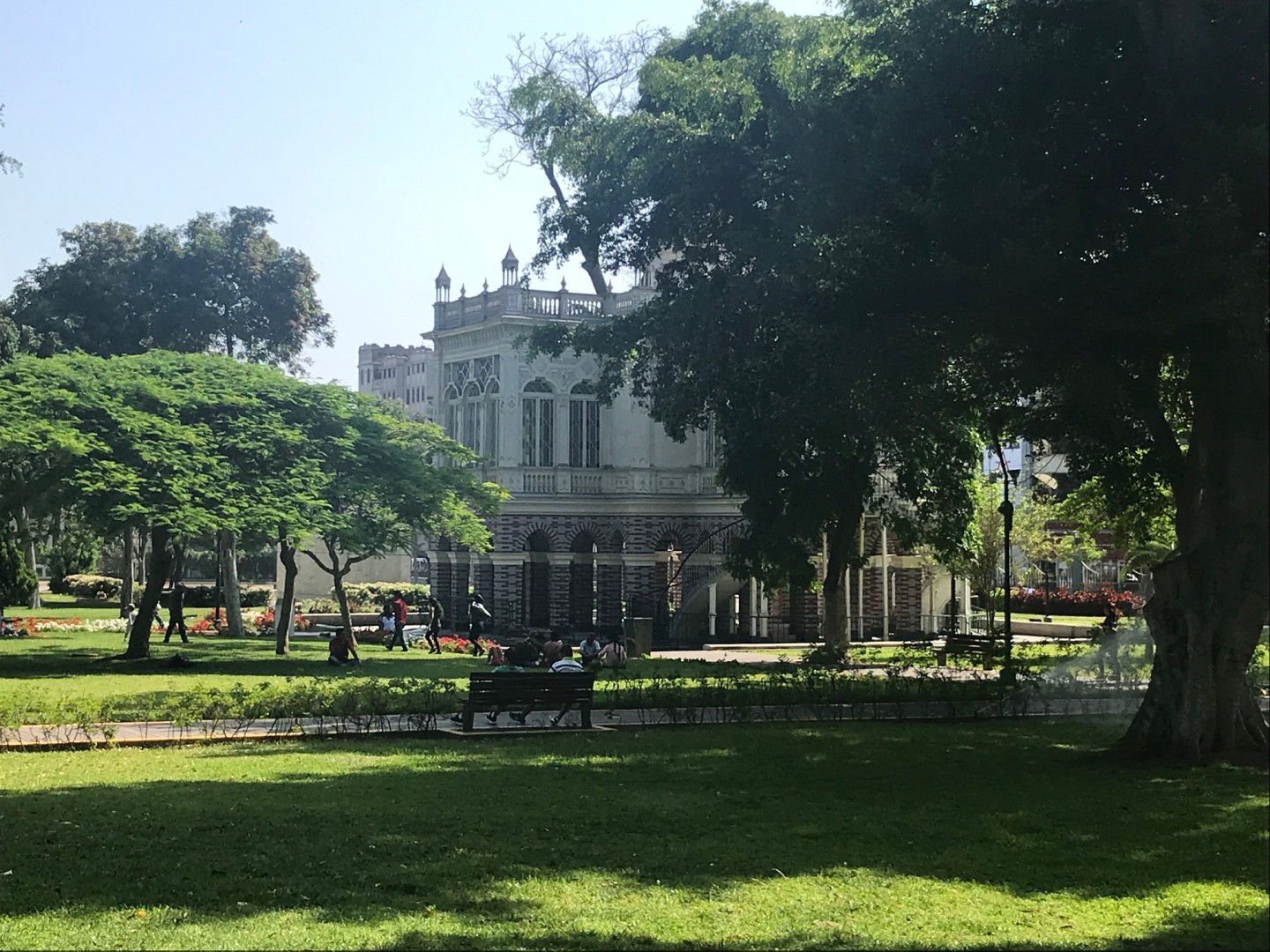
Here are two photos I took in the park where the museum is located:
MATE Museo (Mario Testino Museum)
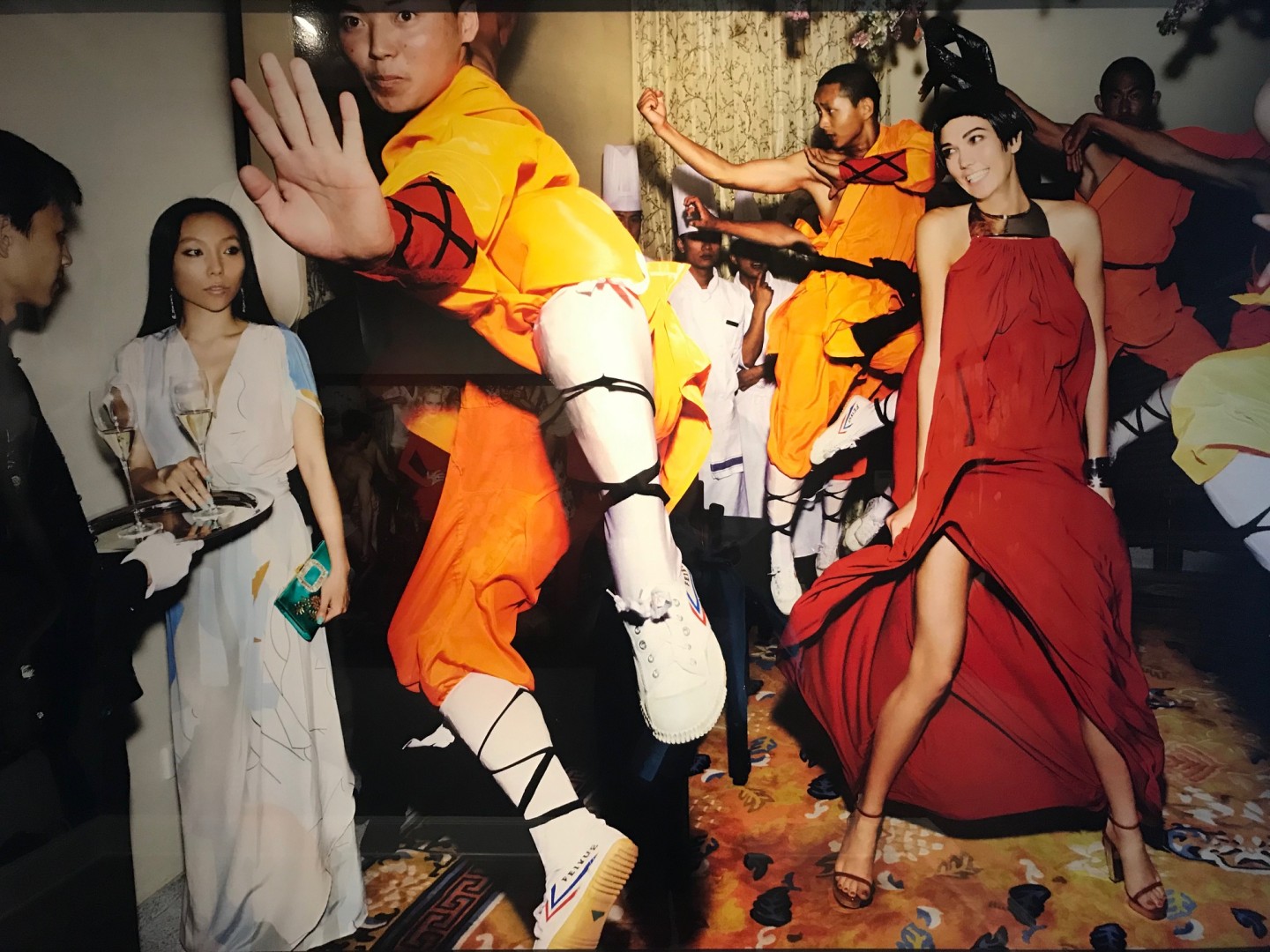
This museum, featuring the photographs of Mario Testino, the famous Peruvian photographer of the famous, opens the doors to another world. We had the opportunity to see this colorful world from a different perspective and hear its stories in an environment I truly enjoyed. I’d like to share some of my favorite images from the museum with you.
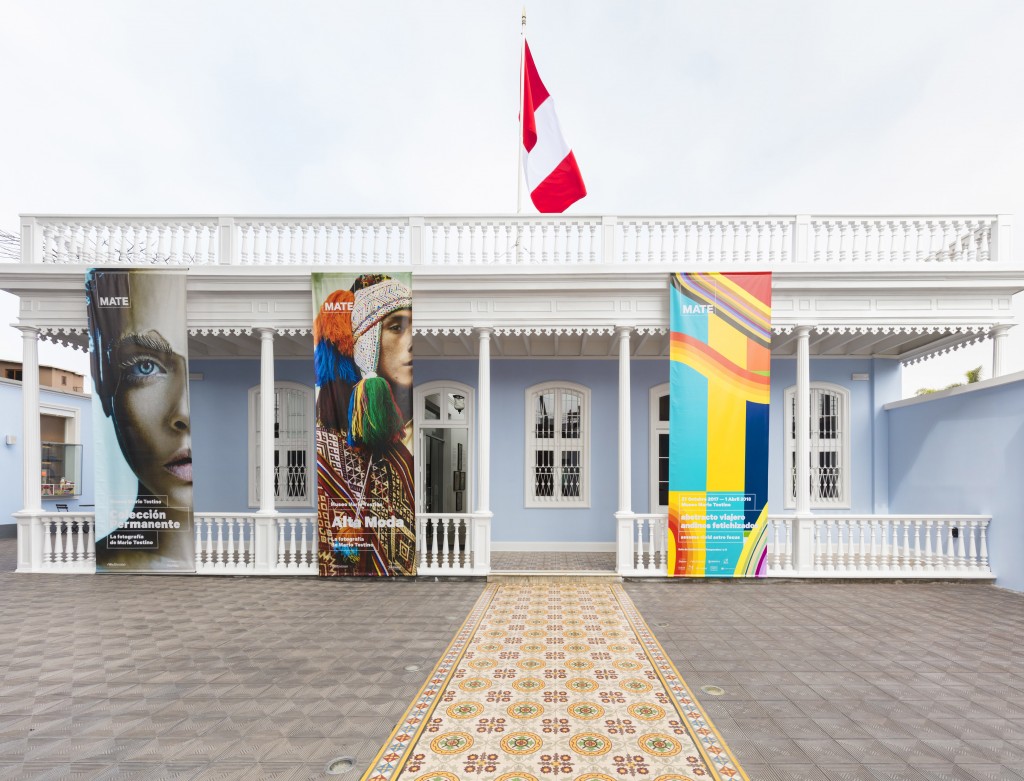
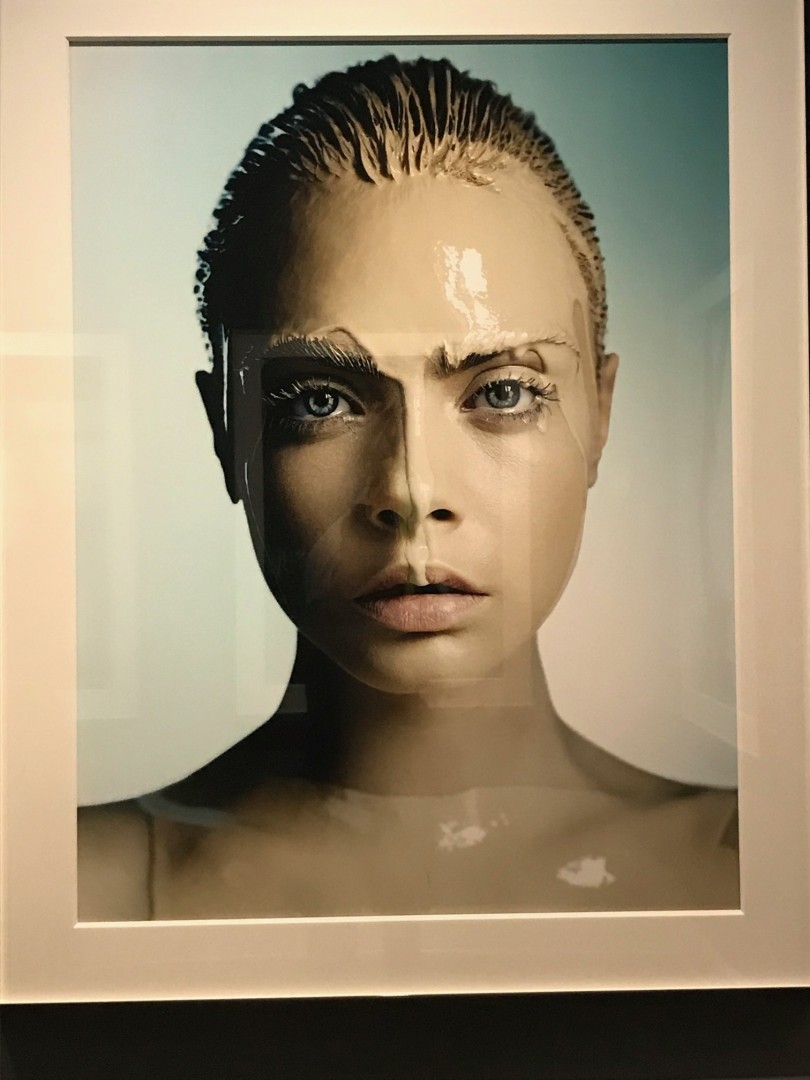
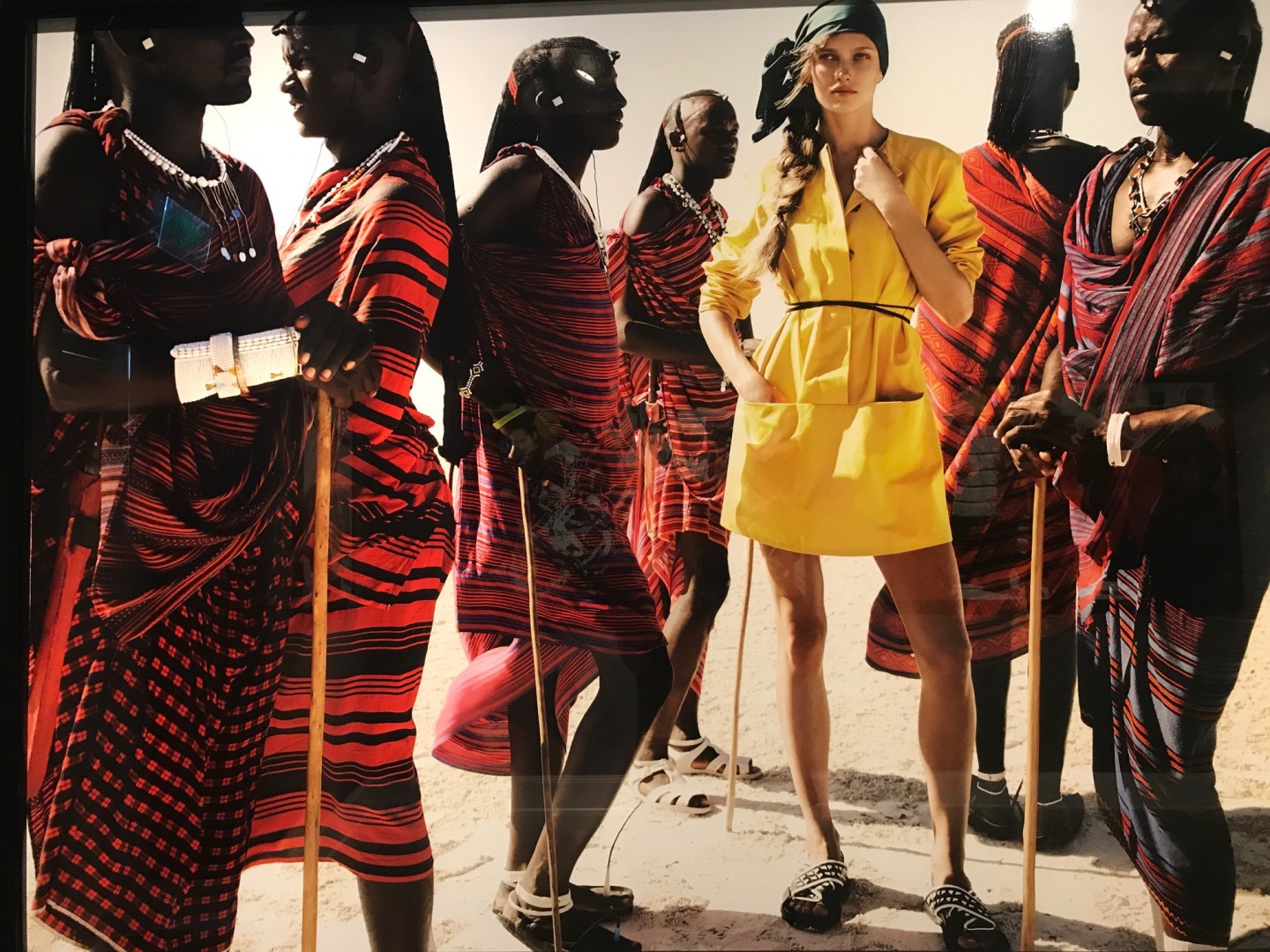
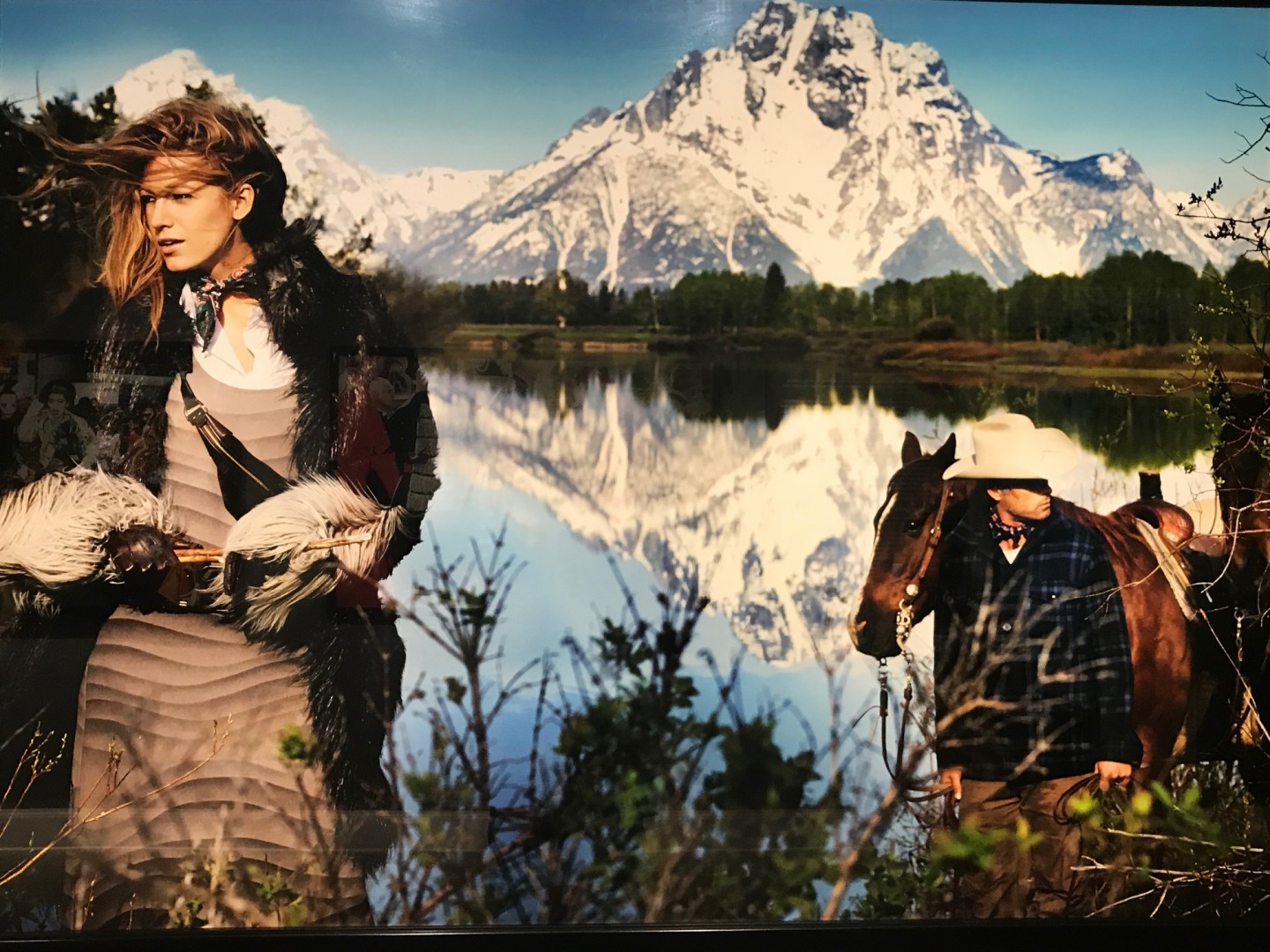
Note: As soon as I entered the museum, I saw the words MATE and Mario Testino in separate places. I joked to my friend next to me, “MATE is short for Mario Testino. If so, I might establish another museum called SESÜ in the future.” I asked the museum staff, and they found that the word MATE is, in fact, a combination of the first two letters of Mario Testino’s first and last names. I’ve established this connection. You can find more details about this wonderful museum on its website:https://www.mate.pe/en/
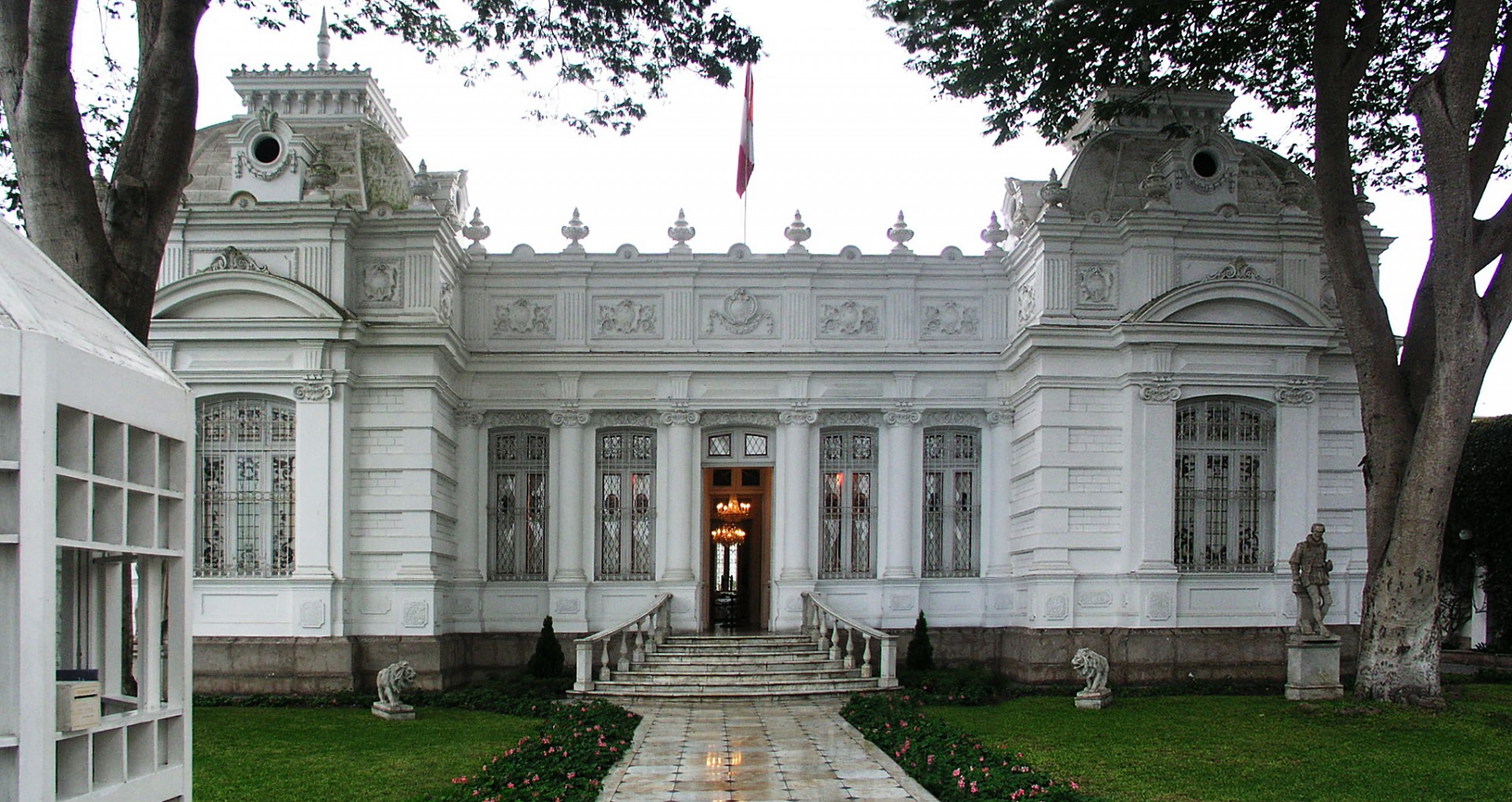
Museo Pedro de Osma
Located right next to MATE, this museum offers a variety of options. The museum has two sections. The first is the entrance, which displays various porcelains, sculptures, and images related to Christianity. Frankly, this section didn’t interest me at all. However, I really enjoyed the section at the back of the museum, where they tell the stories of pre-Inca, Inca, and post-Inca civilizations and display their tools. It’s a joy to observe how advanced the civilizations of that time were and what they achieved. Even though you live in a time of the most rapid development in human history, seeing the civilizations of that time and their determination to analyze everything within the natural cycle is both surprising and makes you realize that they have much to emulate. As someone who has placed sustainability at the center of my life, I’m happy to share these with you.
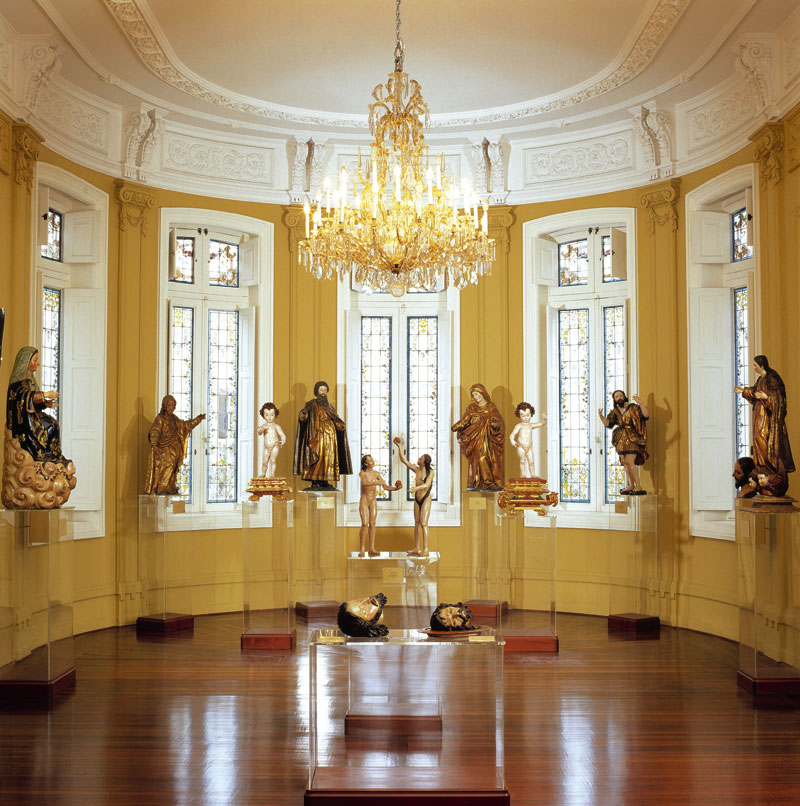
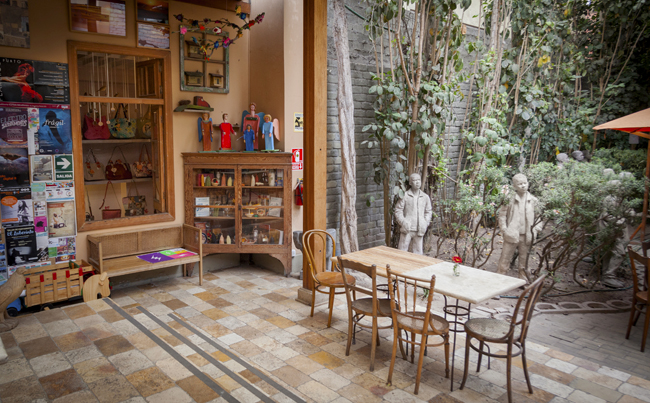
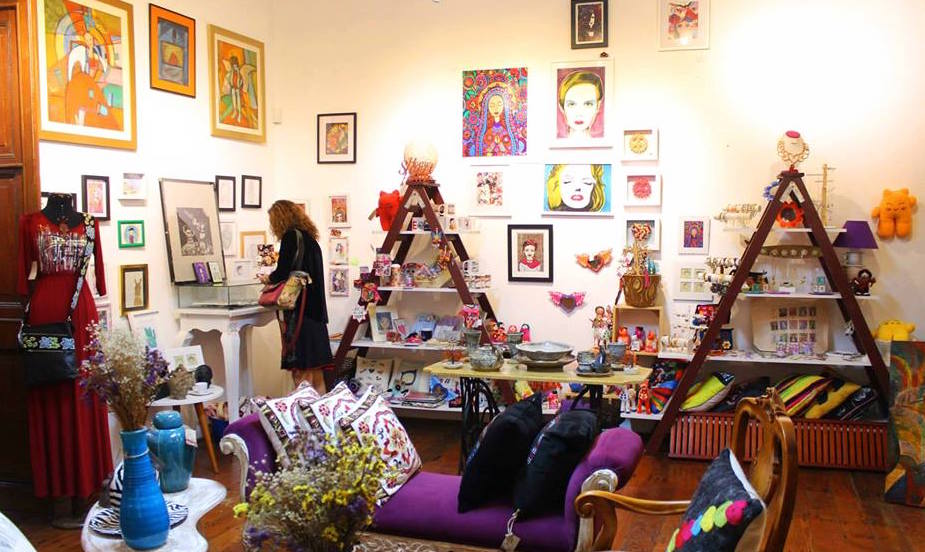
Vernacula Gallery
This gallery, reflecting Lima’s positive art approach, offers a variety of artworks and a coffee in the inner courtyard. I enjoyed visiting and shopping at this gallery, and I highly recommend it.
We later discovered that Papachos, a local hamburger chain with a Peruvian twist, is owned by Gastón Acurio Jaramillo, known as an ambassador of Peruvian cuisine. See: https://en.wikipedia.org/wiki/Gast%C3%B3n_Acurio.
If you have time, I recommend trying Maido and Central from this list (http://www.worldtheworlds50best.com ). Of course, you should make a reservation before going to these very popular restaurants.
The next day, after cycling around Lima and then running 10 K, as I’ve mentioned before, based on my principle that “sport is physical and mental health, freedom to eat,” we decided we deserved a churro, a dessert very popular in Latin America, which costs at least 2000 calories apiece. We stopped on our bikes at Manolo, a popular spot in Lima considered the best place to eat churros. The dulce de leche churro was devastating (For those who don’t know, it’s a wonderful version of dulce de leche, a milky caramel dessert, blended with milk).
The route design for the Lima bike tour was also fantastic. The bike paths built in key areas of the city make the city livable. The bike paths surrounding two neighborhoods (Barranco and Miraflores), without considering the city’s profit margin, are a great example of sustainable green city development. I wish all cities the same. I’d also like to share this link with you as an example of a bike rental option: http://www.mirabiciperu.pe/en/
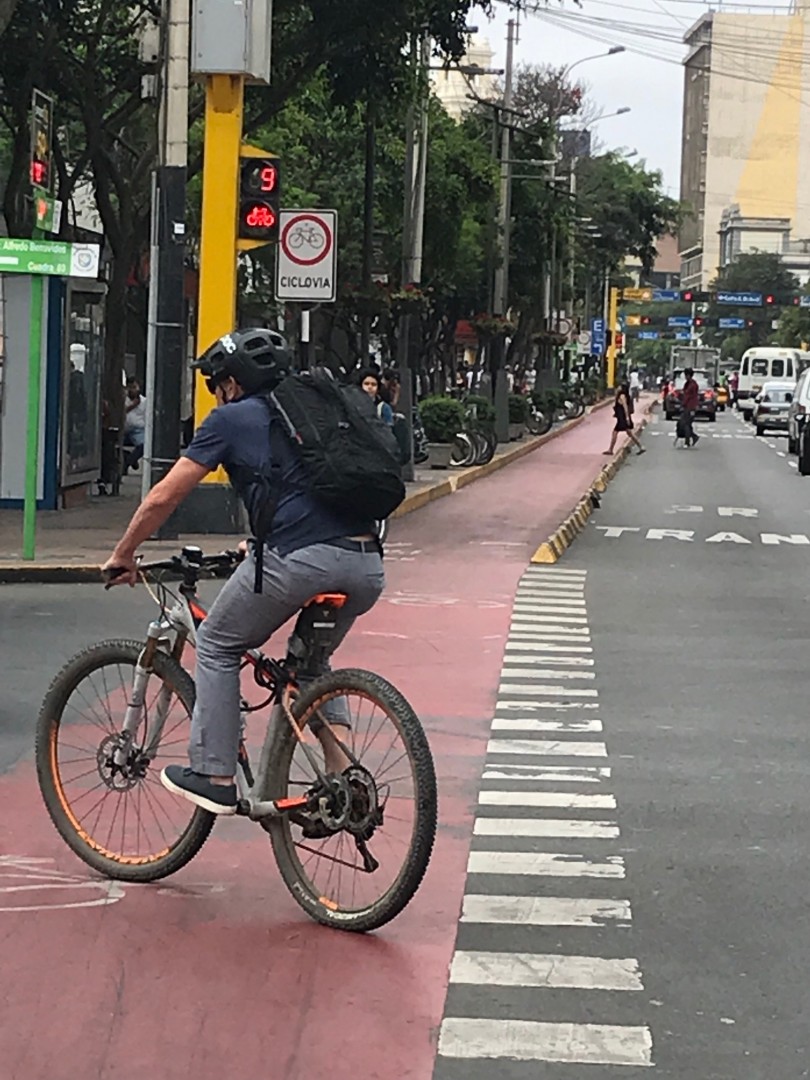
The bike path created in the city is very well used, even at peak hours.
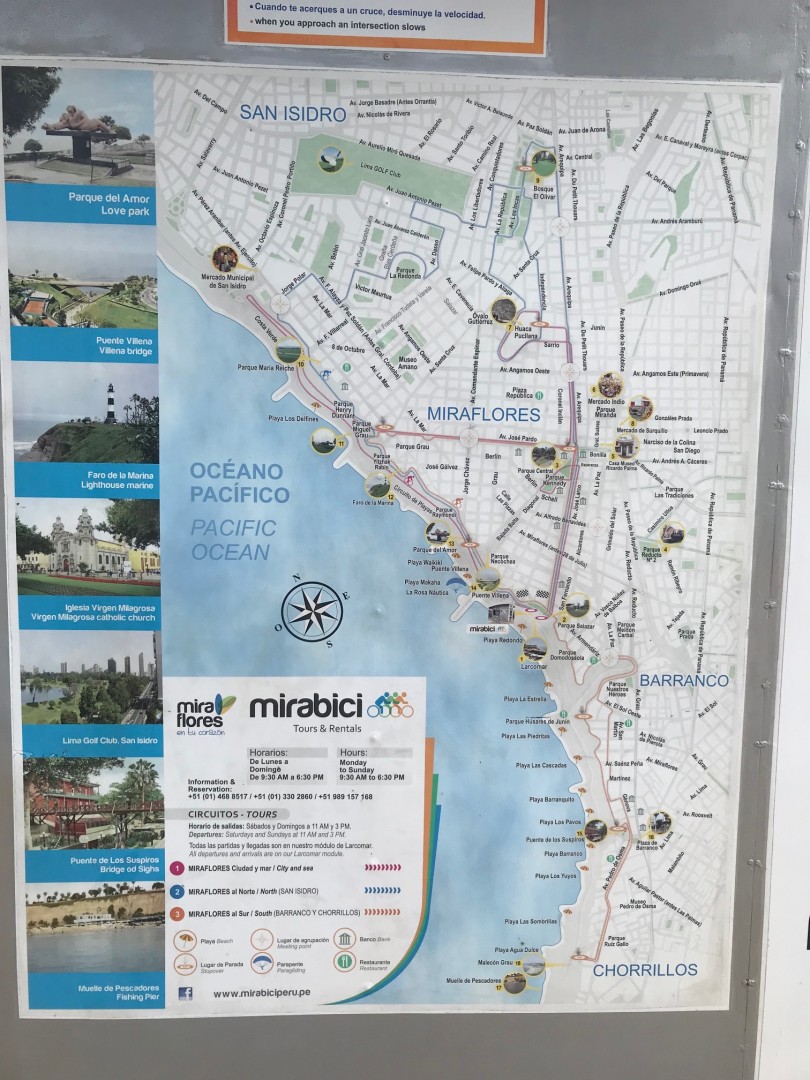
Here’s a map of the bike path created in Miraflores.
I enjoyed cycling for hours in the city. Here’s a snapshot of one of those moments.
After a peaceful and enjoyable day in the Barranco neighborhood, where greenery and art intertwine, in the evening, I visited a historic colonial-style mansion in the same neighborhood. We went to Ayahuasca, which has been transformed into a trendy restaurant and bar. The mansion, with each room creatively designed in a different way, boasted beautiful music and a delightful atmosphere, and we had a very enjoyable evening.
For our last dinner in Lima, we decided to try Rafael, a restaurant featured on South America’s best restaurants and featured on CNN Travel and many other sources for its delicious cuisine. All the dishes we ordered were made with ingredients from the Andes, the Pacific Ocean, and Lima’s rich flora, combined with the creativity and talent of the Peruvian chefs, providing us with a truly delicious Lima cuisine experience. We also enjoyed the simple, modern decor of the restaurant.
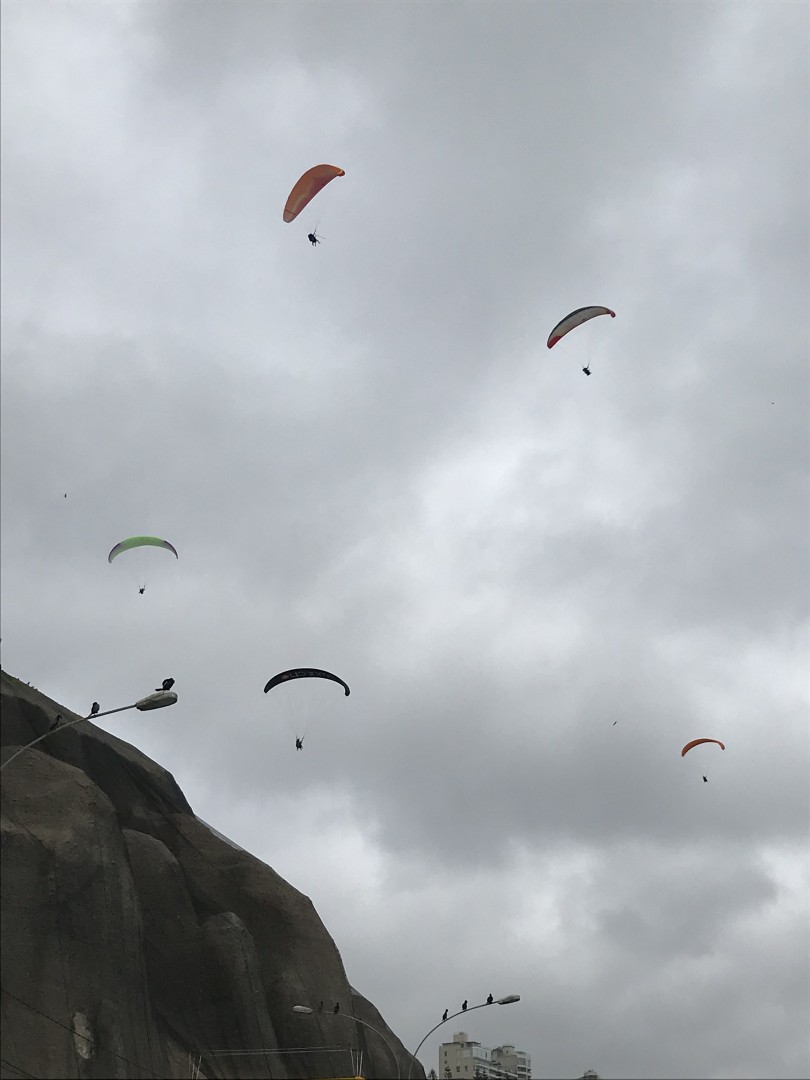
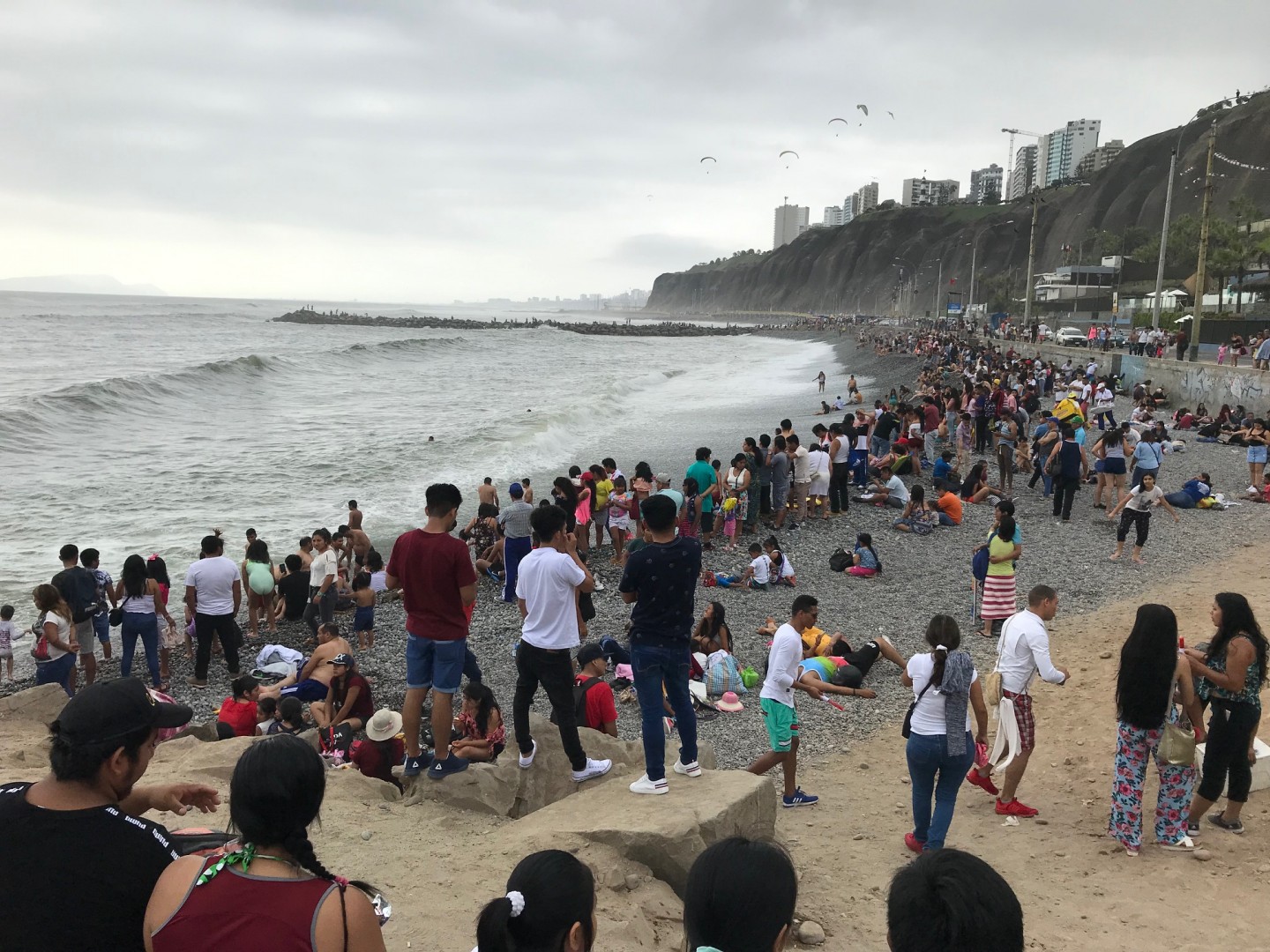
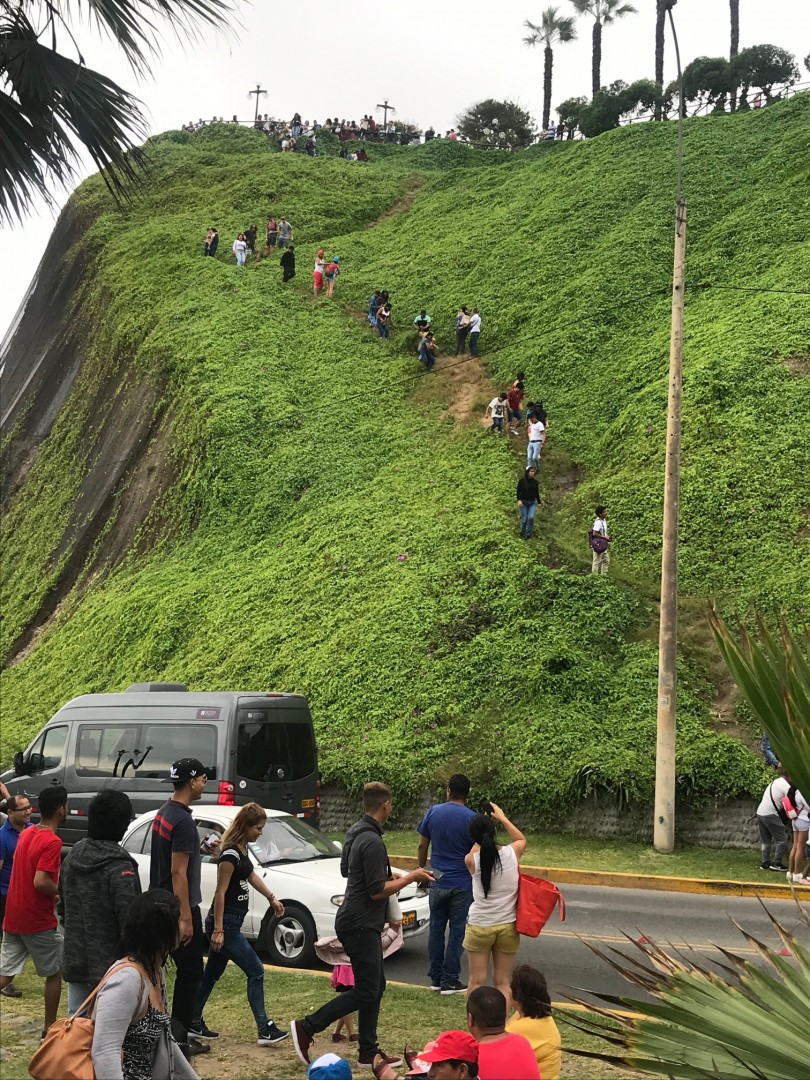
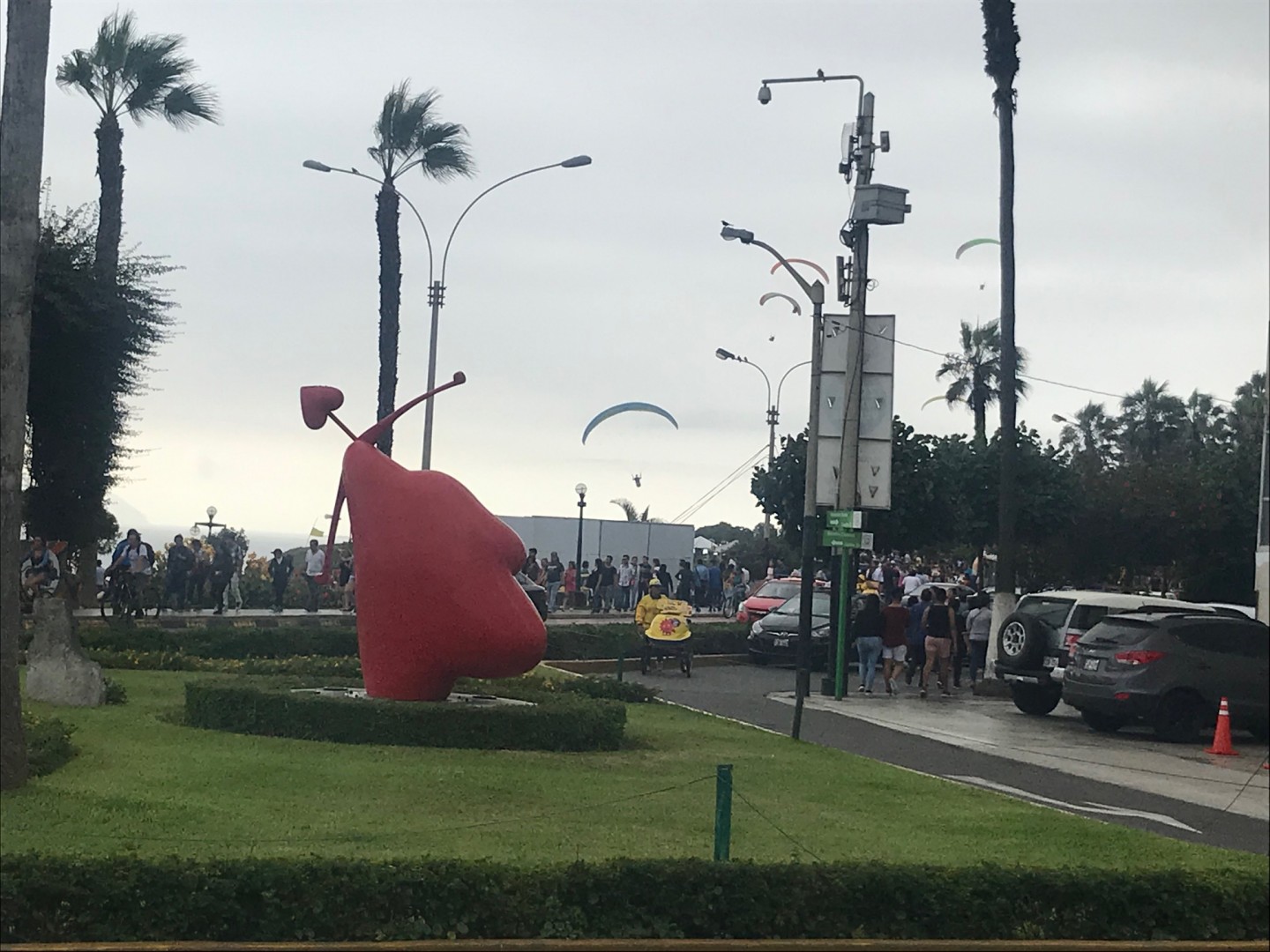
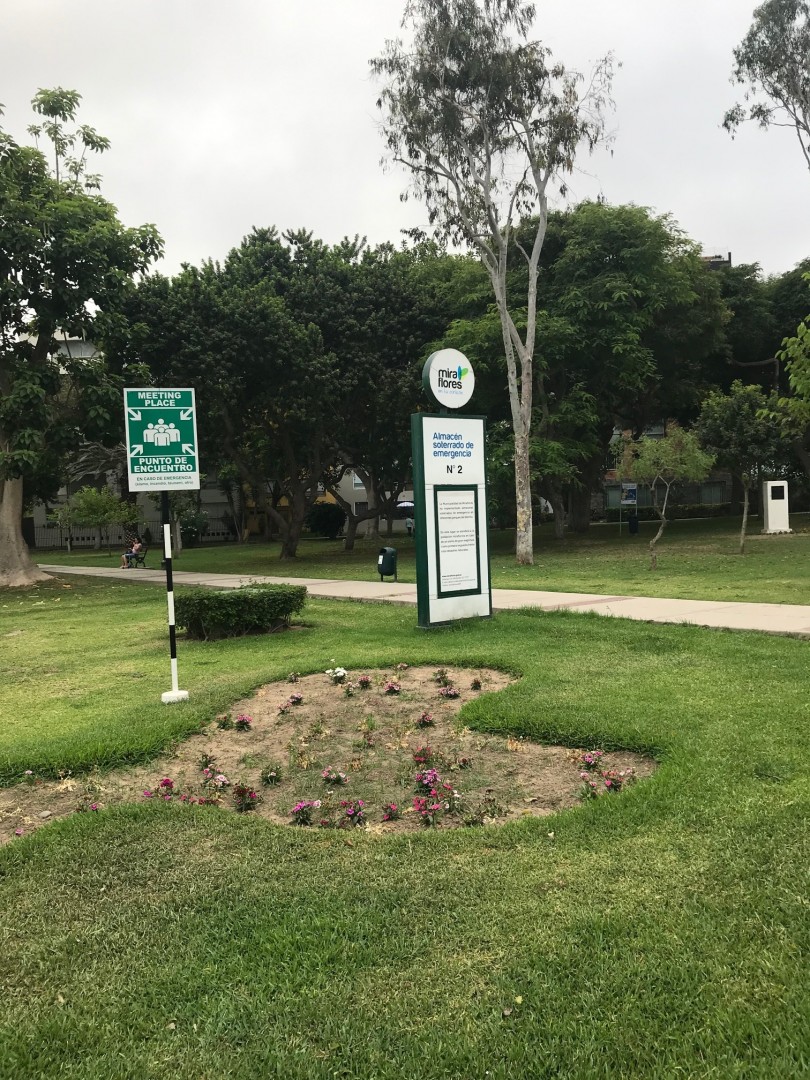
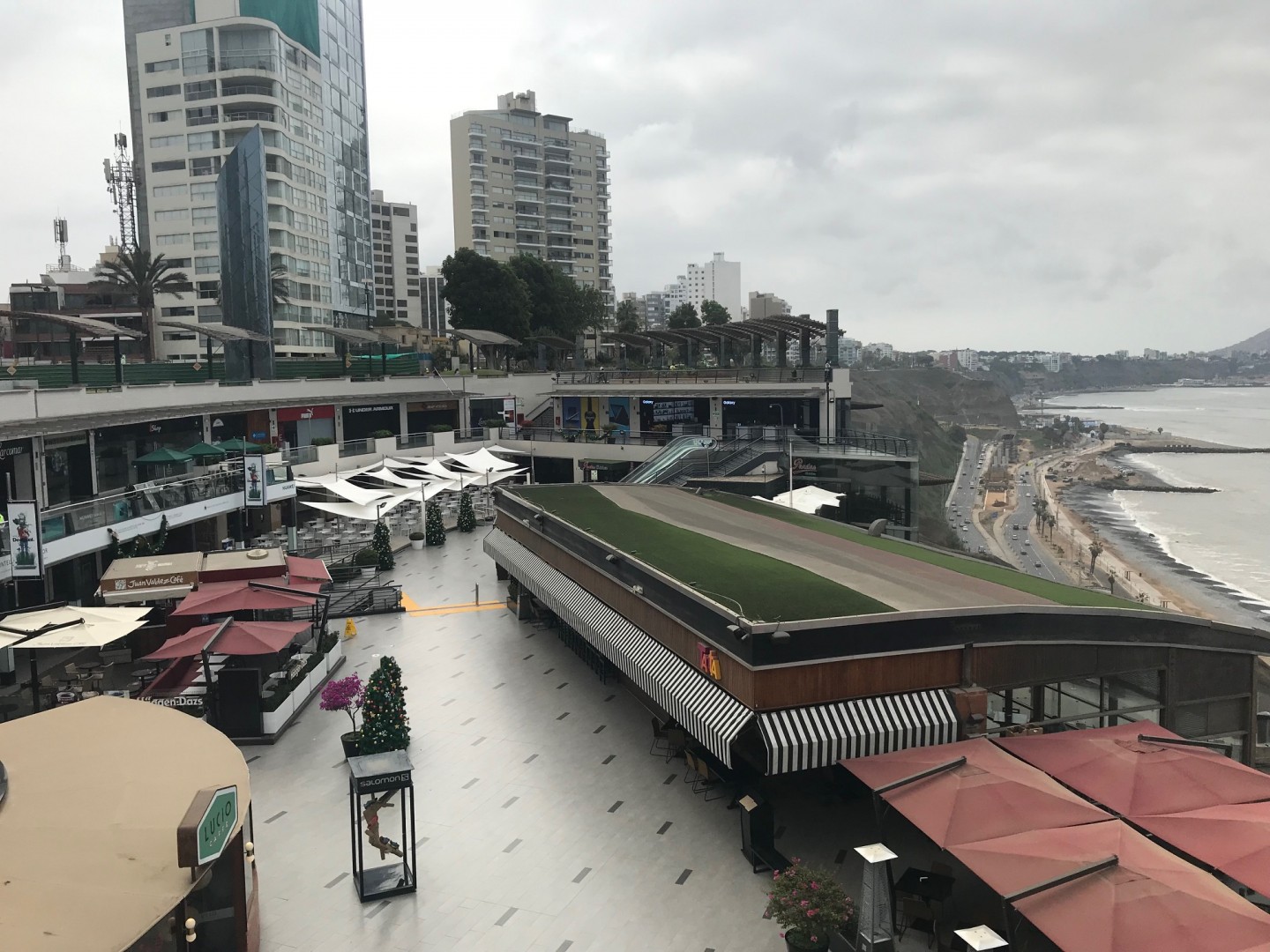
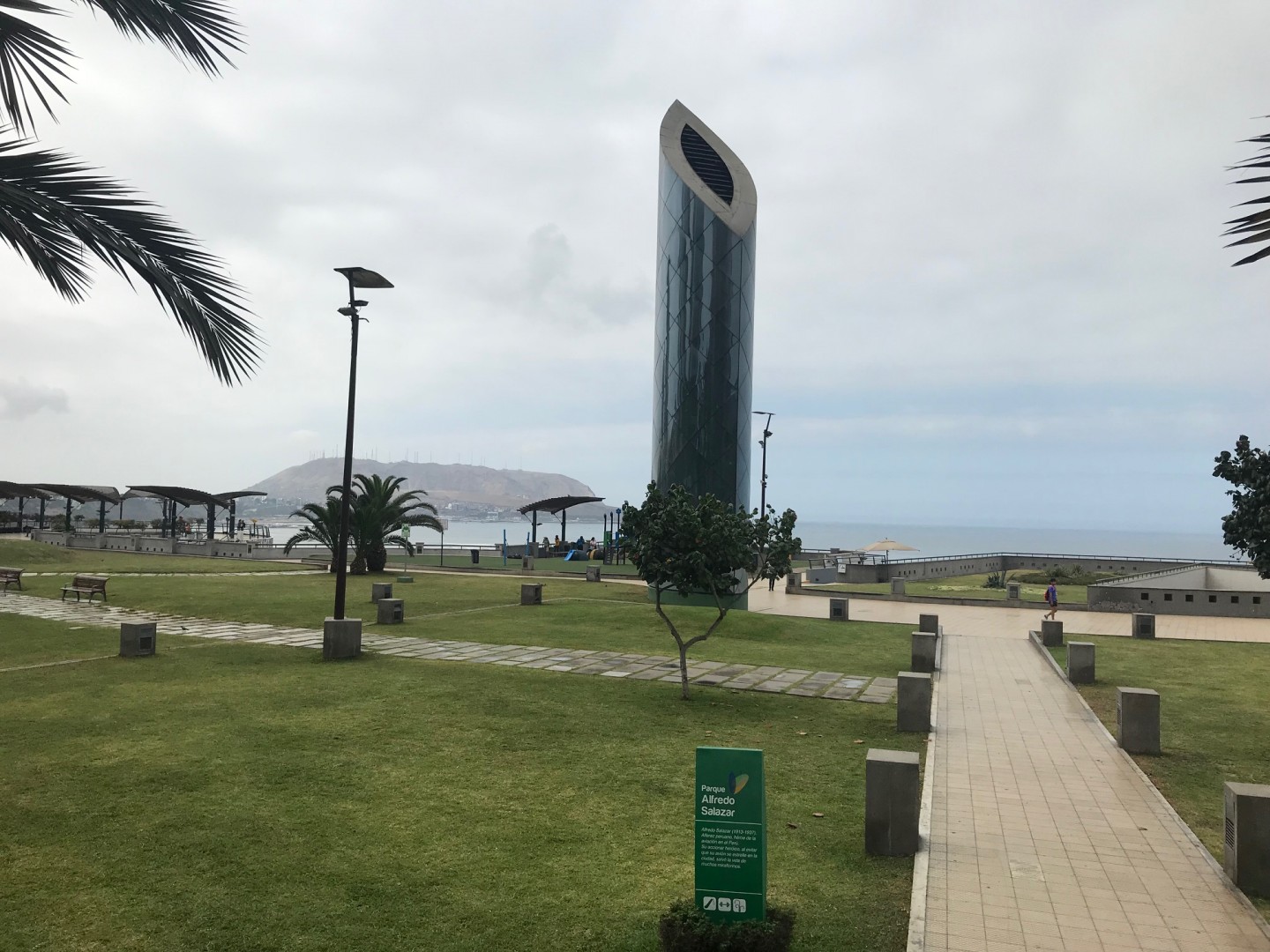
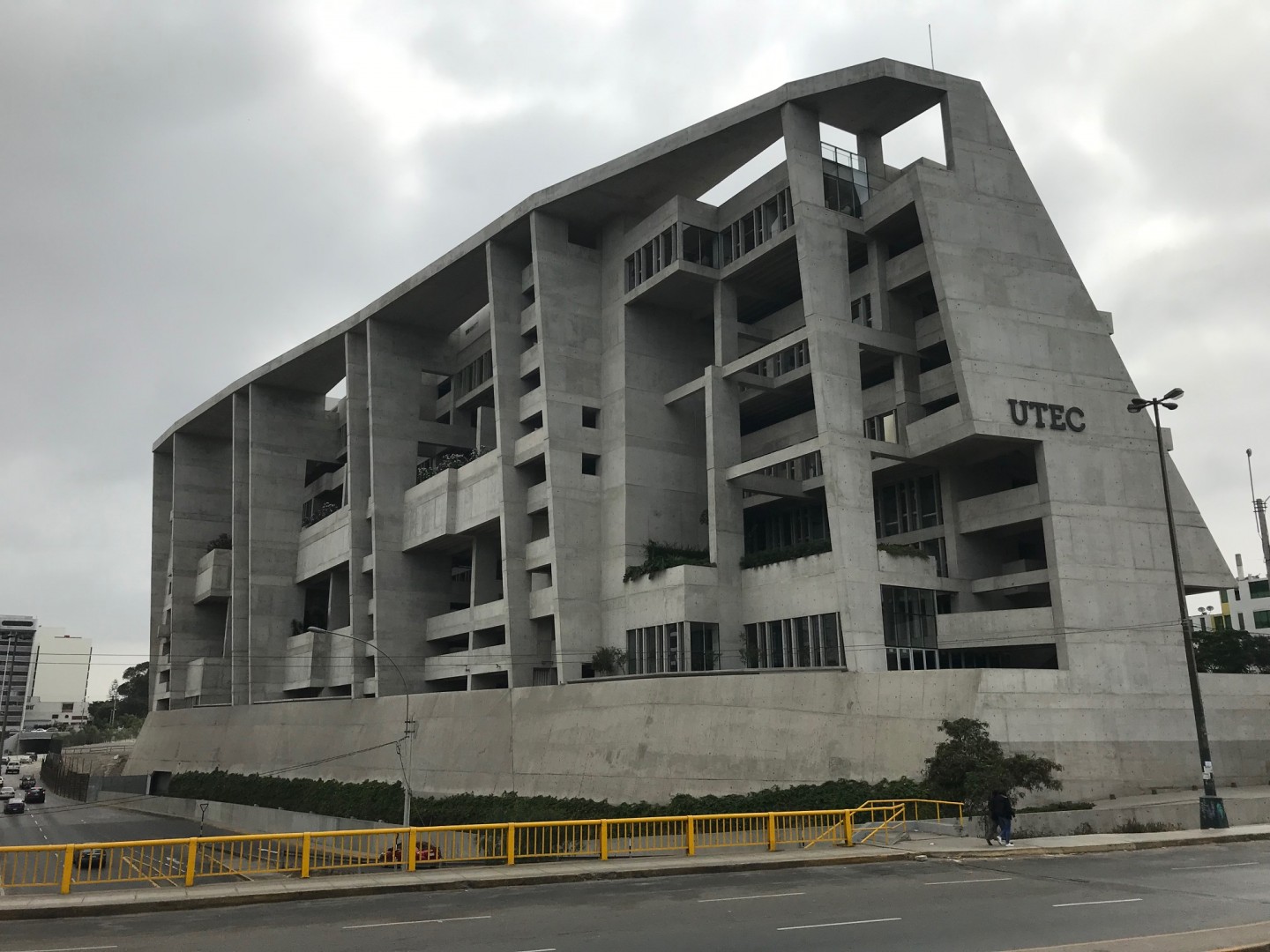
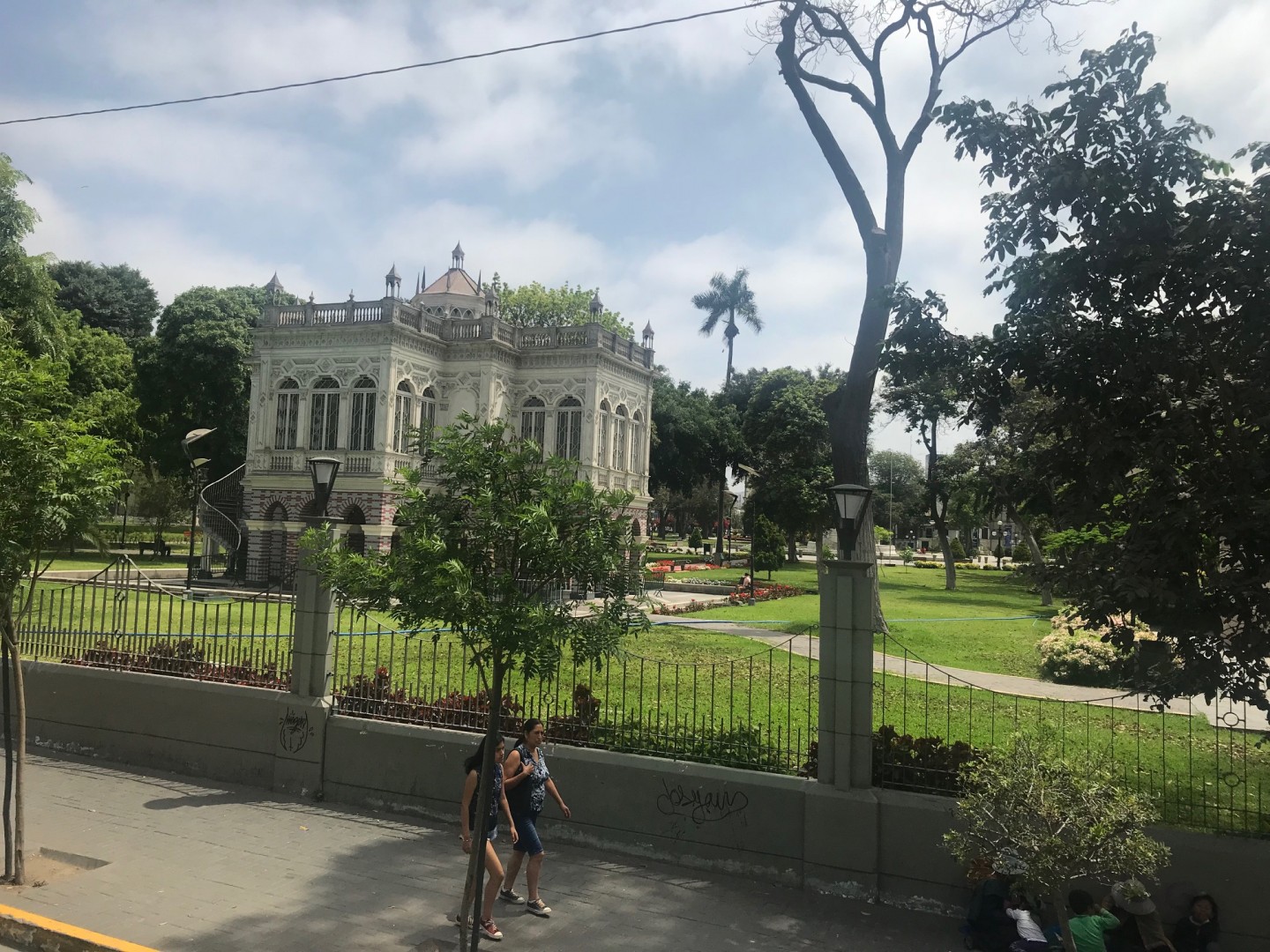
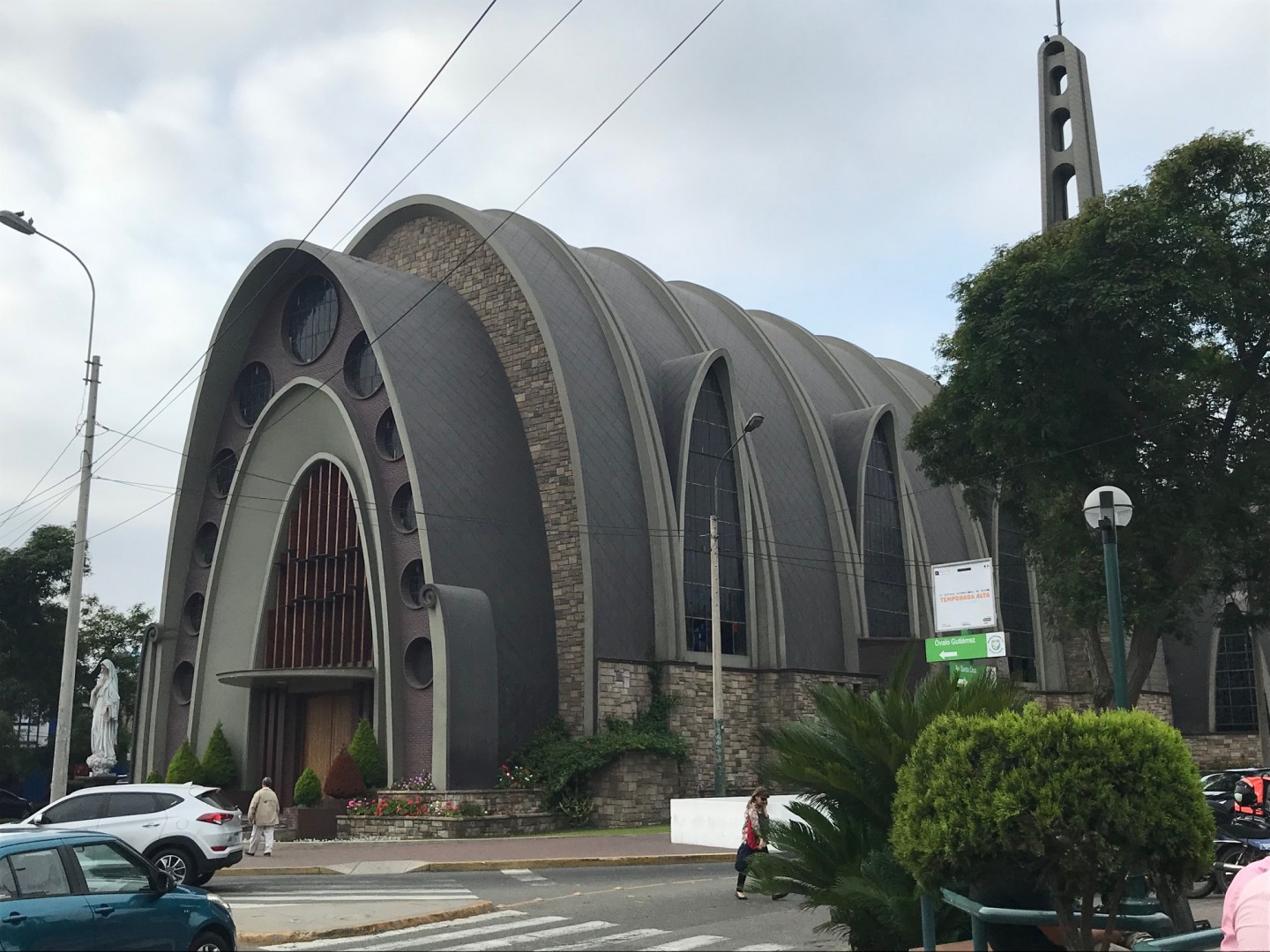
On the other side of the ocean, Peru, with its characters so similar to ours, is a country we can look up to with its art, its commitment to cuisine, and its positive outlook on life. Lima is Peru’s capital and its most modern and active city. I highly recommend all my readers to visit Lima at some point in their lives. I’d also like to share some photos I took of Lima’s coast and city center:
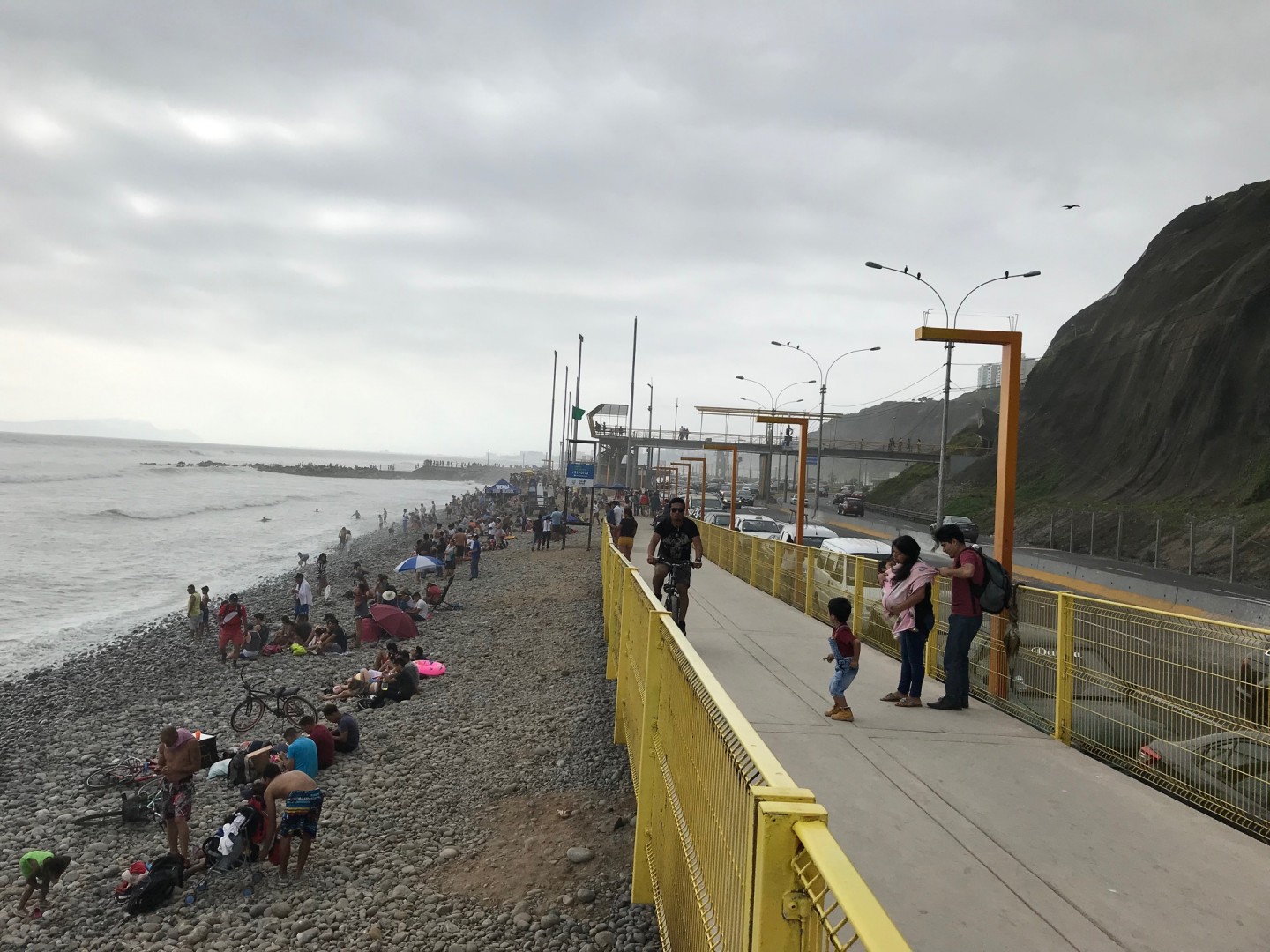
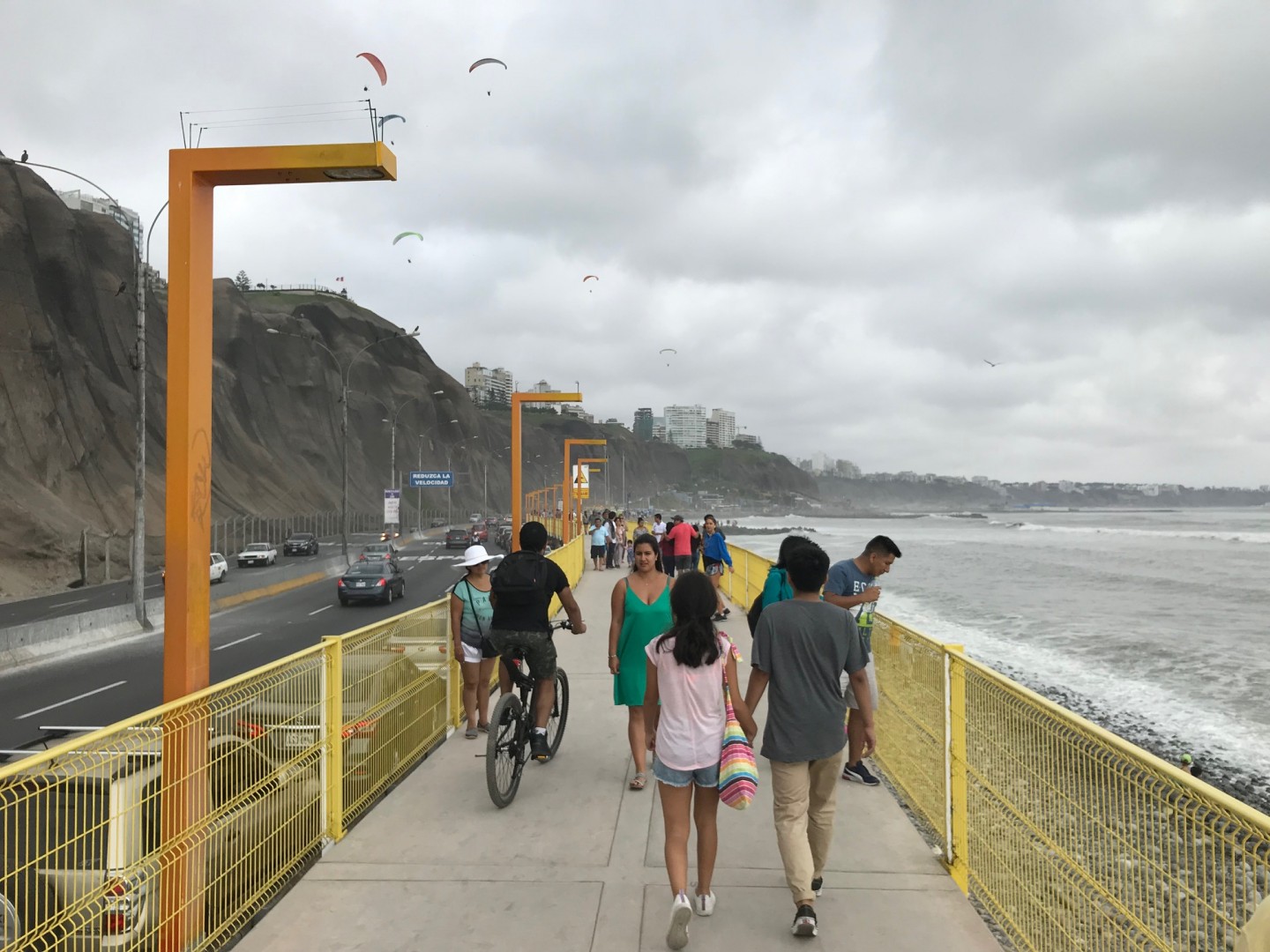
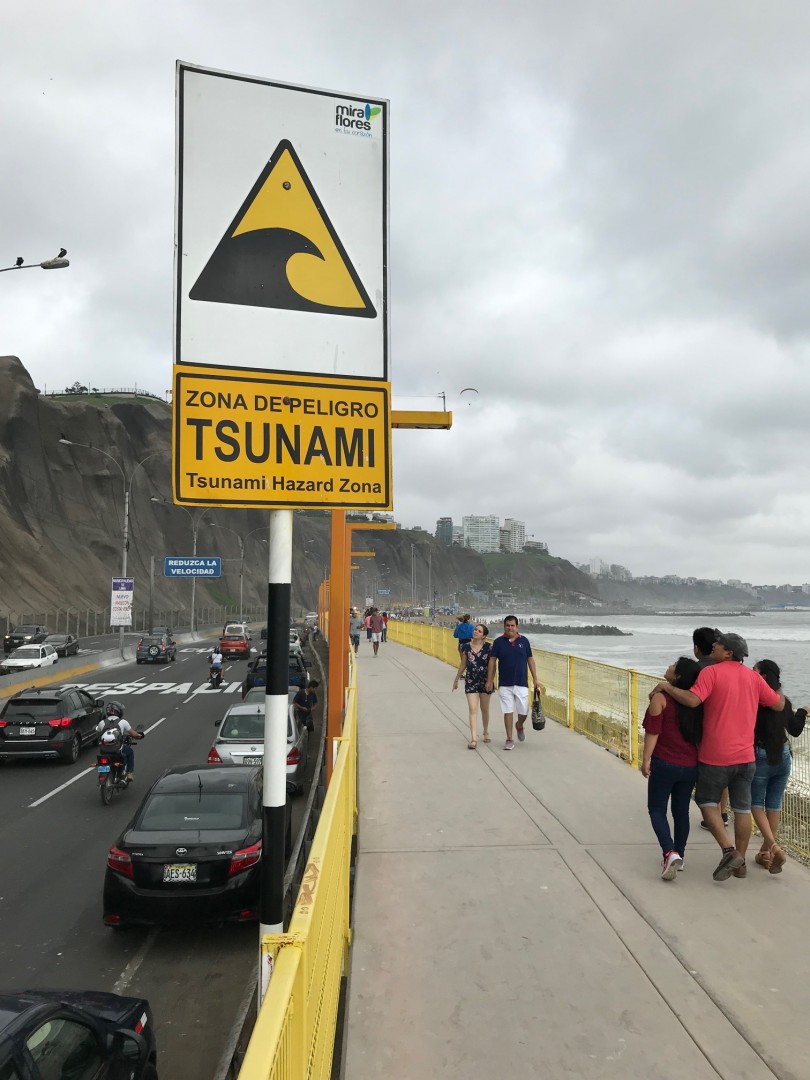
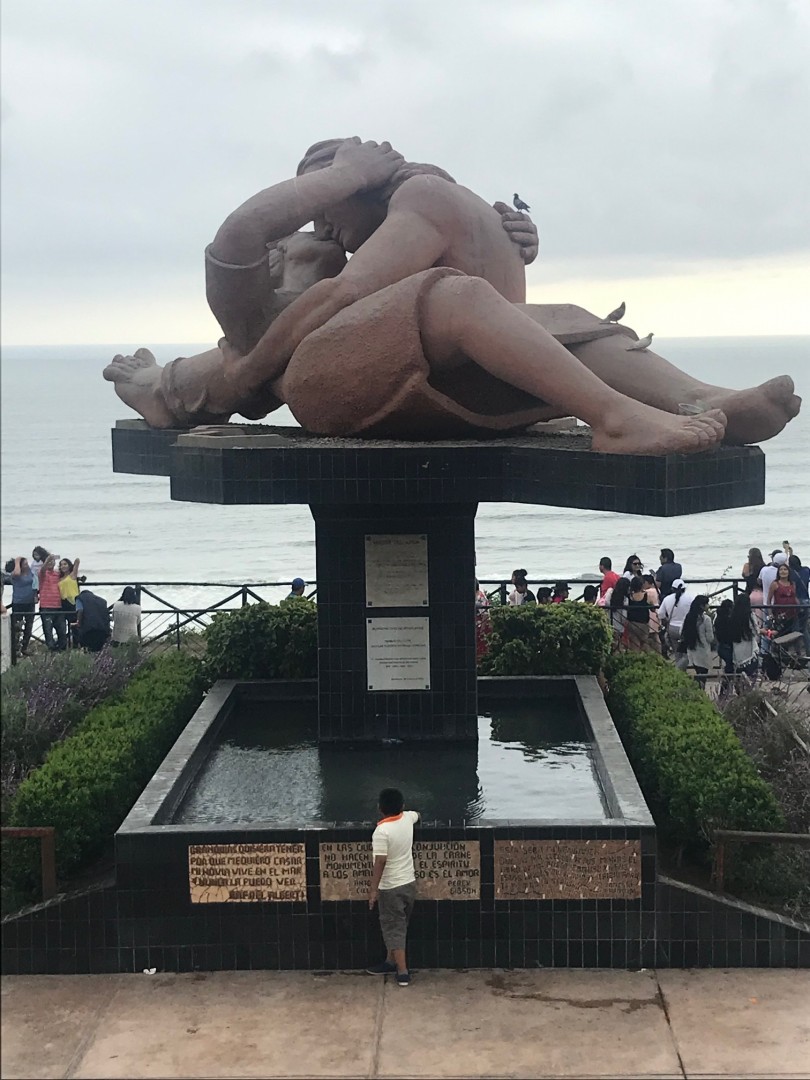
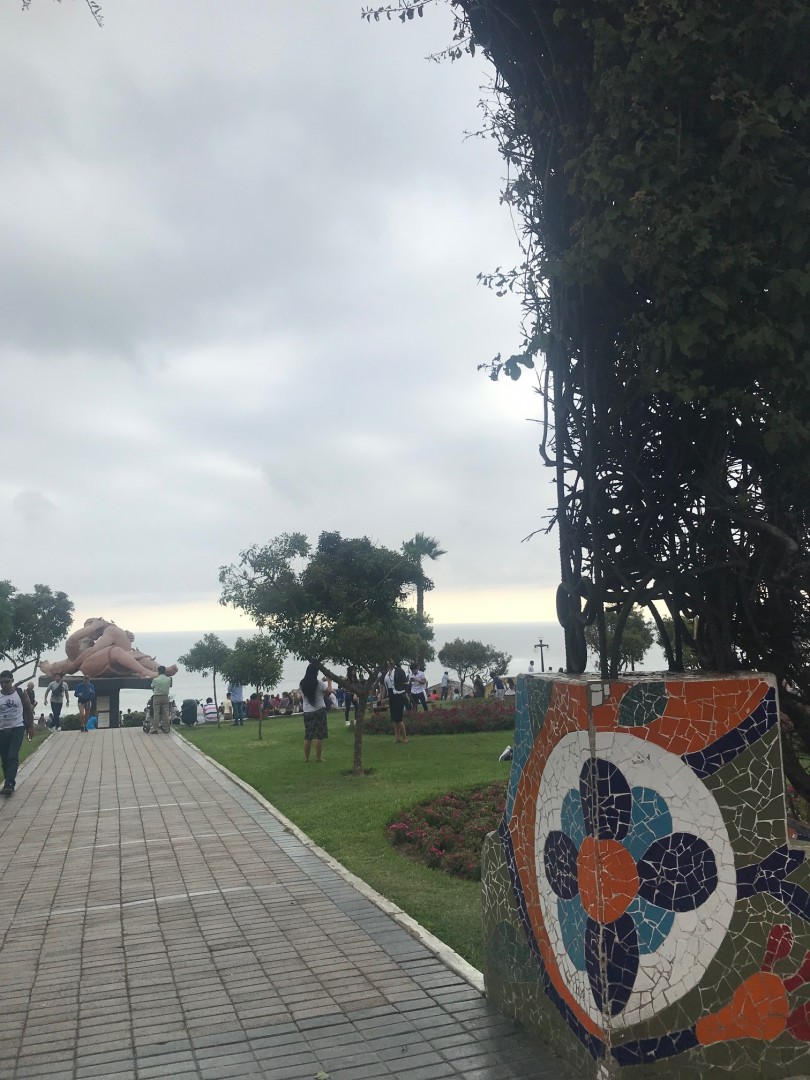
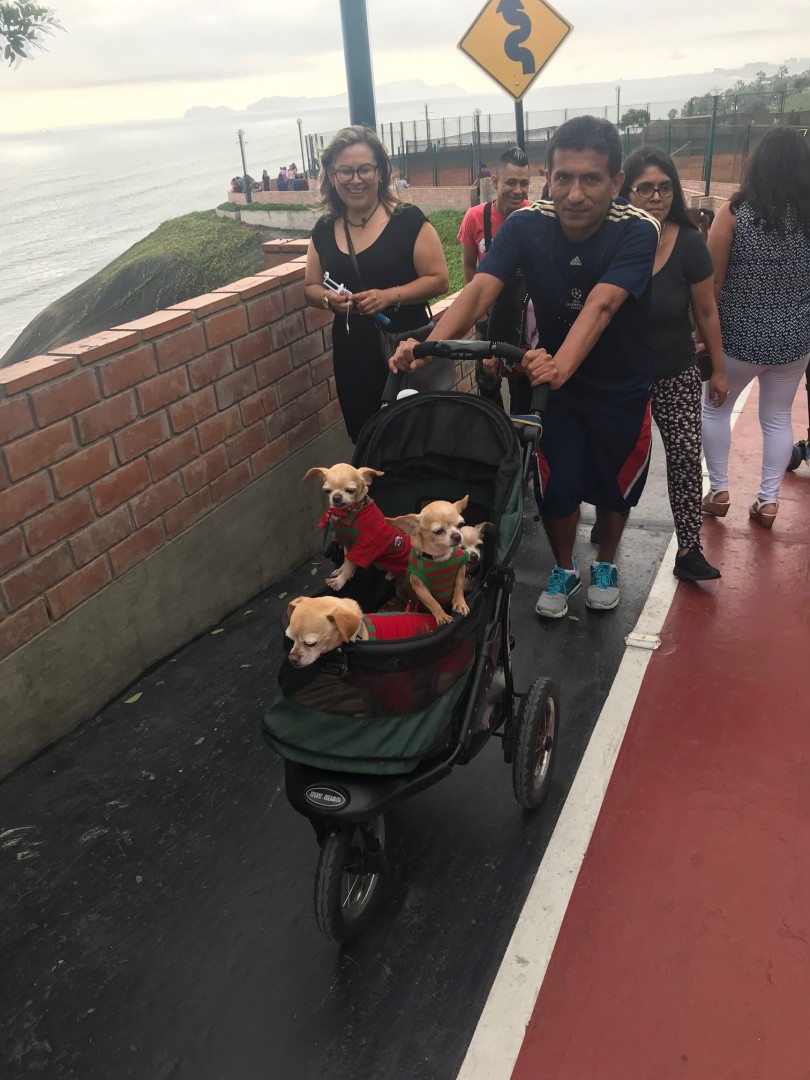
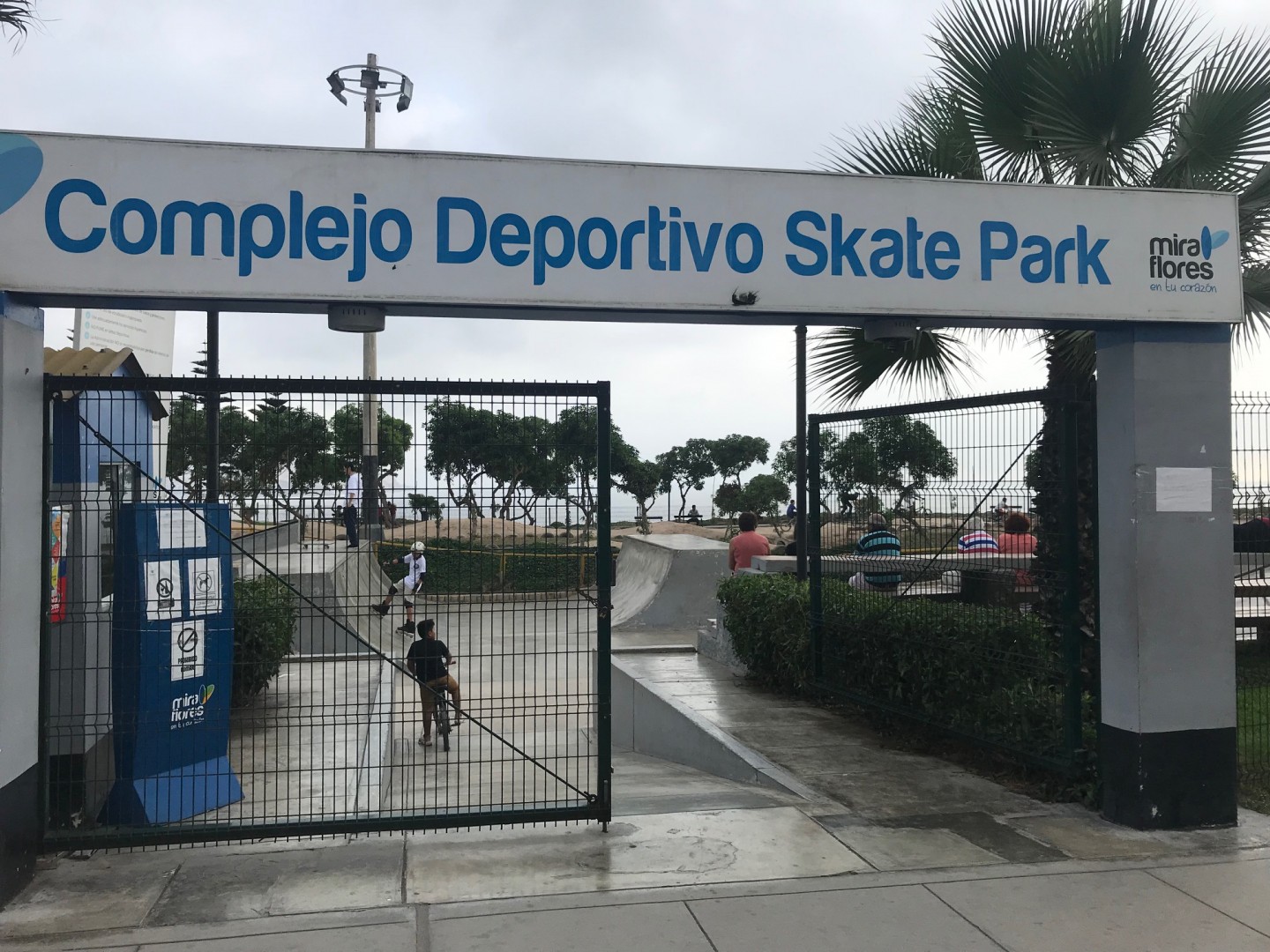
These are also Videos I shot in Lima:
See you in my next blog post about Peru’s ancient city of Cusco.
Tag: excursion