We arrived in Cusco after a roughly 1.5-hour flight from Lima. Around 6:30 a.m., while waiting for our luggage at the airport, my phone suddenly started ringing. It was Jesus, the owner of the boutique hotel we were staying at. The following conversation took place in English:
- Have you arrived in Cusco?
- Yes, we just landed.
- Good. I’ve sent someone to pick you up from the airport as you requested. He has your picture. He should be waiting at the exit.
- Okay, thank you.
- You can confirm with me if you’ve found each other.
- Of course.
- Would you like to have breakfast when you get to the hotel?
- (I, not expecting such personalized service, responded with surprise.) That would be great.
- Okay, see you soon.
- By the way, you can speak Spanish with me if you’d like.
- (Switching back to Spanish) Aren’t you Turkish?
- I’m Turkish.
- How is it you speak Spanish?
- I learned it from the Cervantes Institute. It’s a good thing I learned Spanish because I’m the Honorary Consul of Costa Rica. Where are you from? Your accent doesn’t sound Latin American to me.
- Yes, I’m Spanish too. We’ll talk about the details when we get here.
- It’s a deal!
We couldn’t find the driver at first after leaving the airport. After five minutes of phone calls, we found each other and got in his car and headed towards the center of Cusco, Peru’s ancient city.
I normally research a place before going anywhere and gather all the information I could. This time, perhaps because of my mood, I didn’t read anything about it, so I told myself, “Make your explorations spontaneous this time.” The first thing that surprised me upon landing in Cusco was how high up they’d built the airport. We’d landed at a high airport, practically in the clouds, with a relatively short runway. These were the thoughts running through my mind as we drove down to the city center.
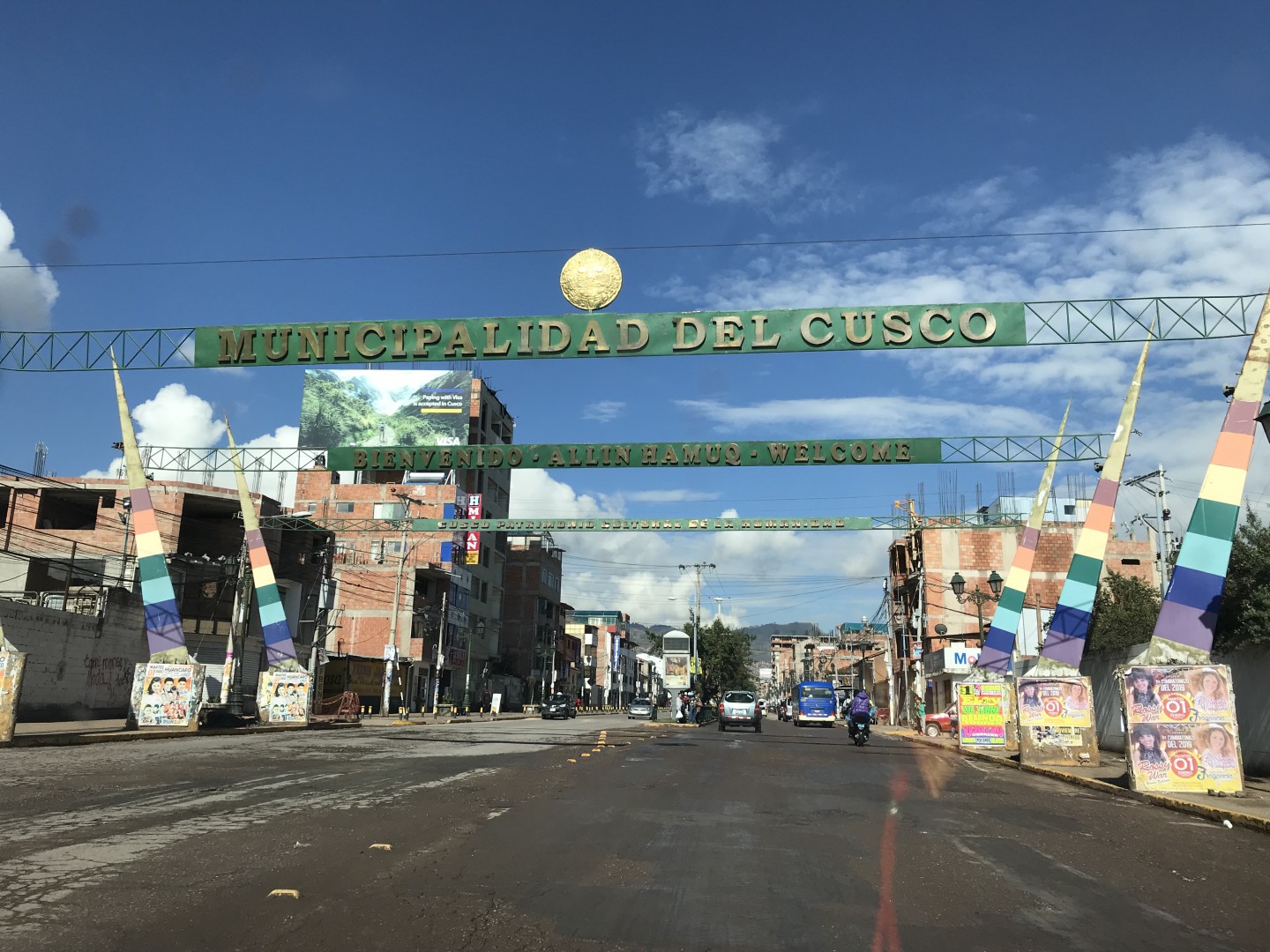
After about a 40-minute drive, we arrived in the city center. Curious as I was, I asked the driver who came to pick us up a bunch of questions about Cusco.
We were suddenly navigating narrow streets and past old buildings, and the journey took a turn for the worse.
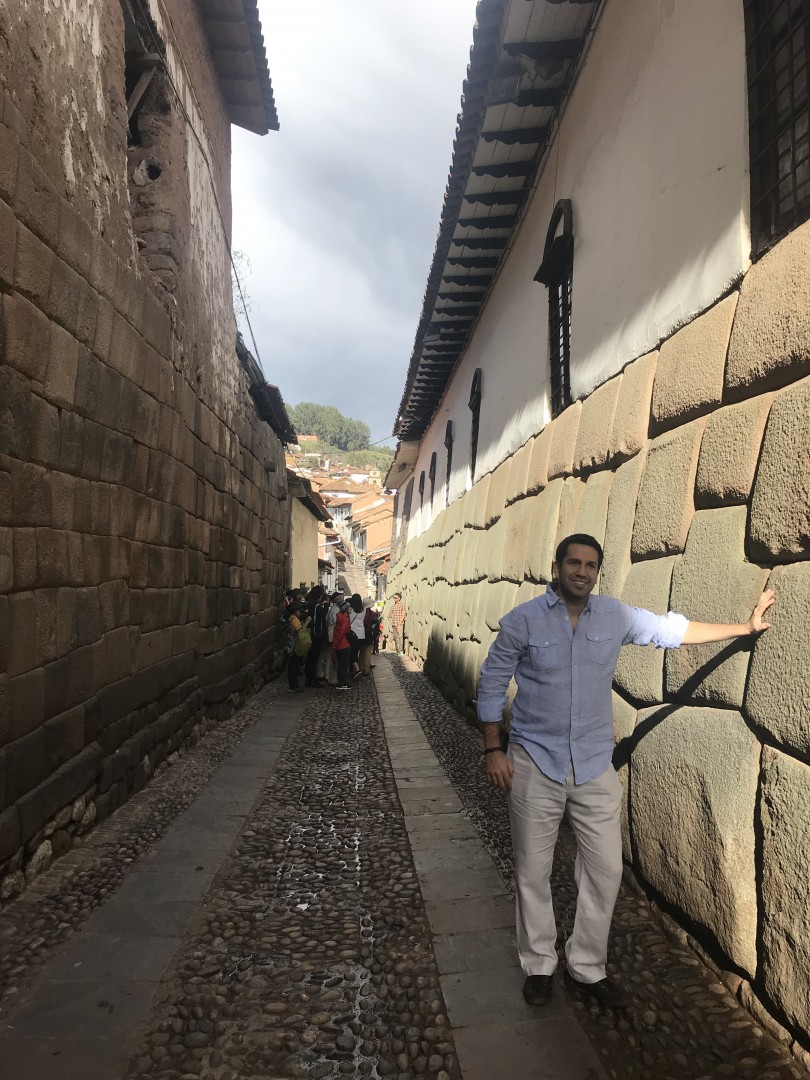
Cusco’s narrow streets
Later, we stopped in a side street next to a cathedral. It was a dead end. The driver told us we would go up the stairs from there. Here’s a cathedral near the hotel:
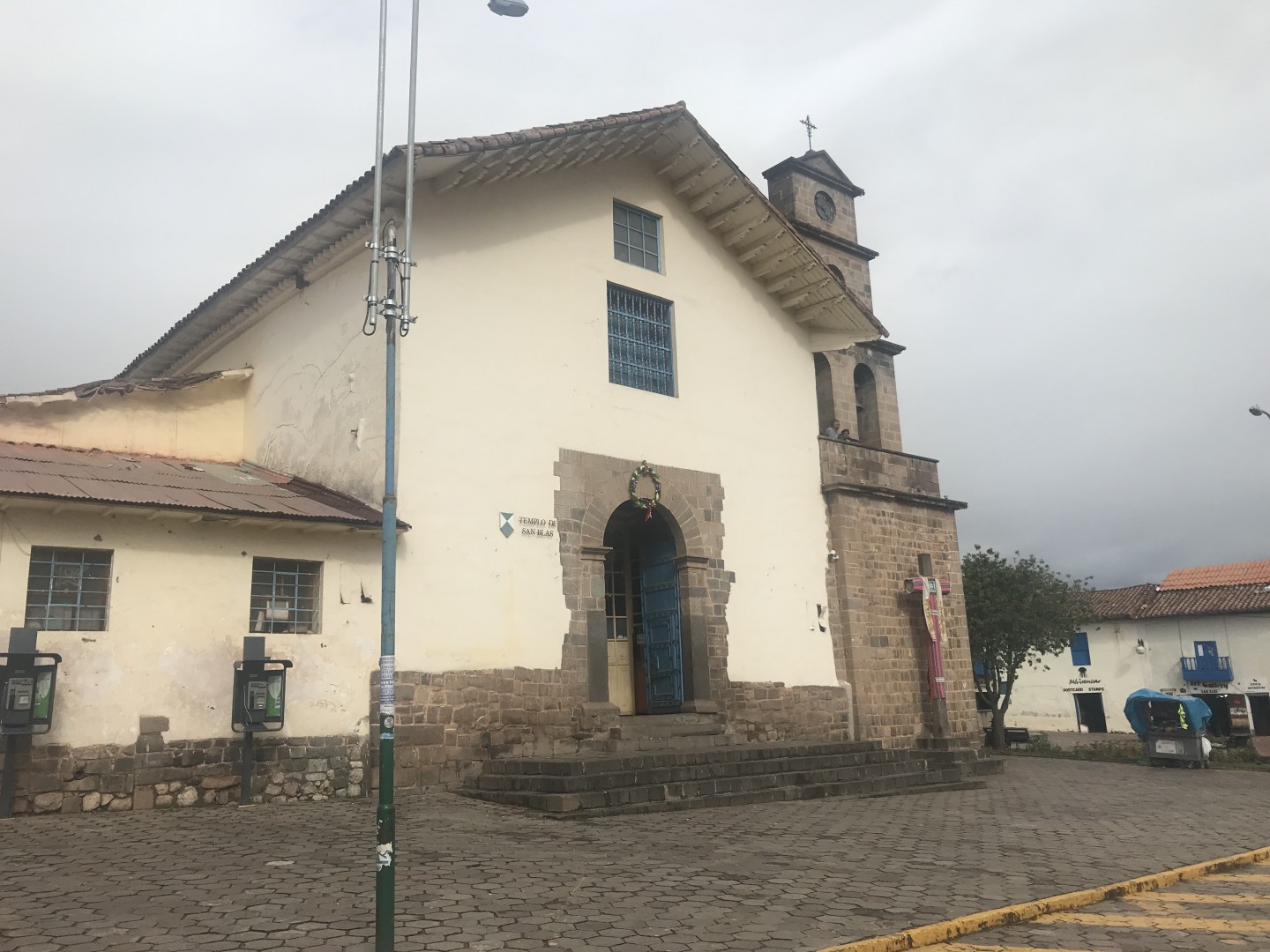
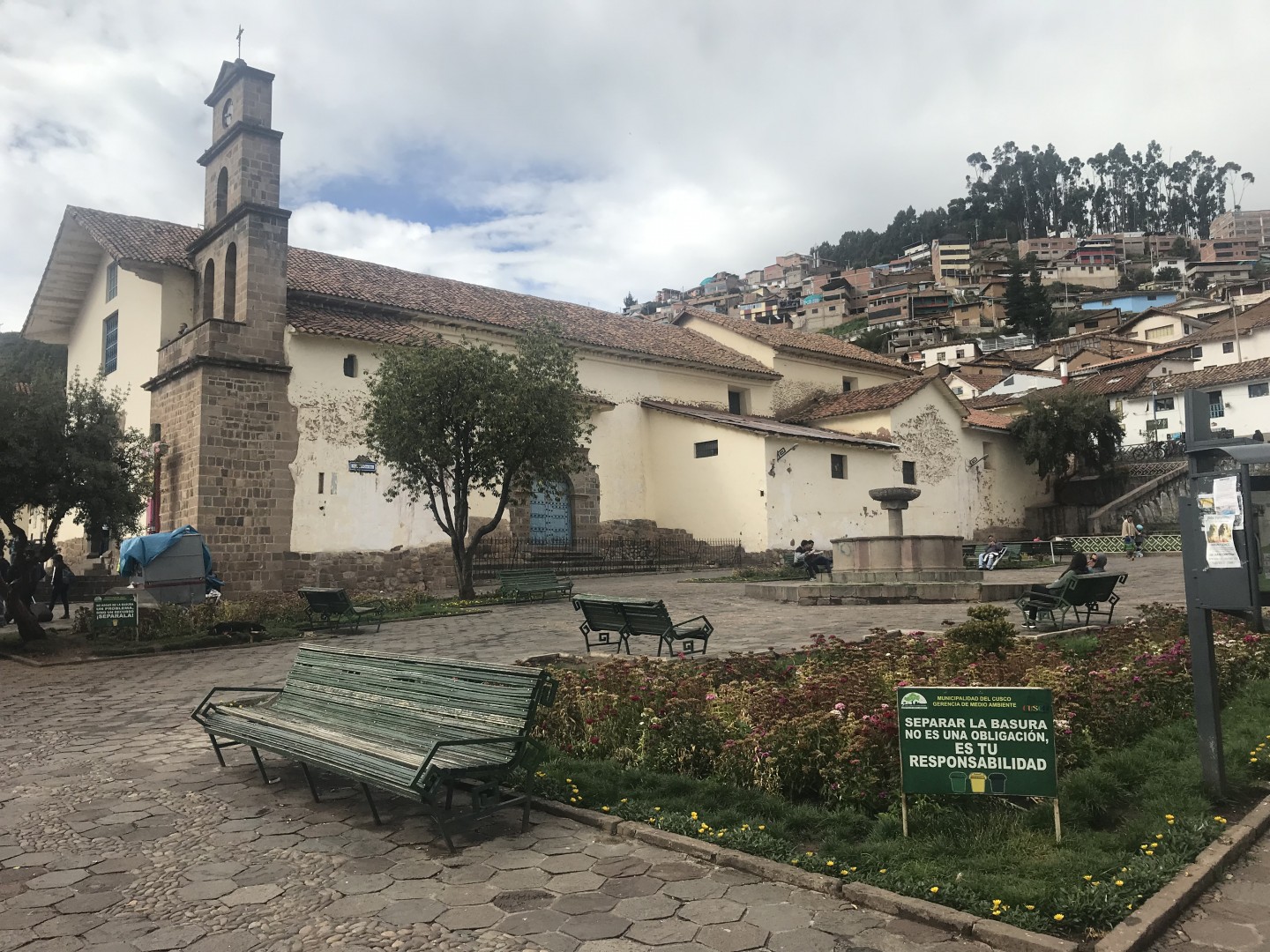
This structure, stretching up the stairs, seemed intriguing. As we started climbing the steep steps, I began to genuinely wonder where the hotel was. Meanwhile, the driver insisted on taking our suitcases. I told him, “Let me at least take one suitcase.” He smiled back at me and said in Spanish, “You’re not used to this.” “Not used to what?” I asked. He smiled back and said, “You’ll see when you climb the stairs.”
I still didn’t understand what the man meant. “Fine,” I said. I started up the stairs. Interestingly, it wasn’t even on the fifth flight of stairs that I started to feel out of breath. I asked my friend next to me, “Are you out of breath too?” My breathless friend said, “Yes, that’s strange; this is the first time I’ve experienced something like this.” Despite being athletes and still living an active and healthy lifestyle, there could only be one reason we were out of breath on those five flights of stairs: I asked my friend, “Is it because of the high elevation?” “I suppose so,” he said. “We’ll ask the hotel staff,” I said, continuing up the stairs.
We arrived at the hotel. At the end of the stairs, we entered the “Garden of San Blas,” a boutique hotel with interesting architecture and stunning views, through a classical door.
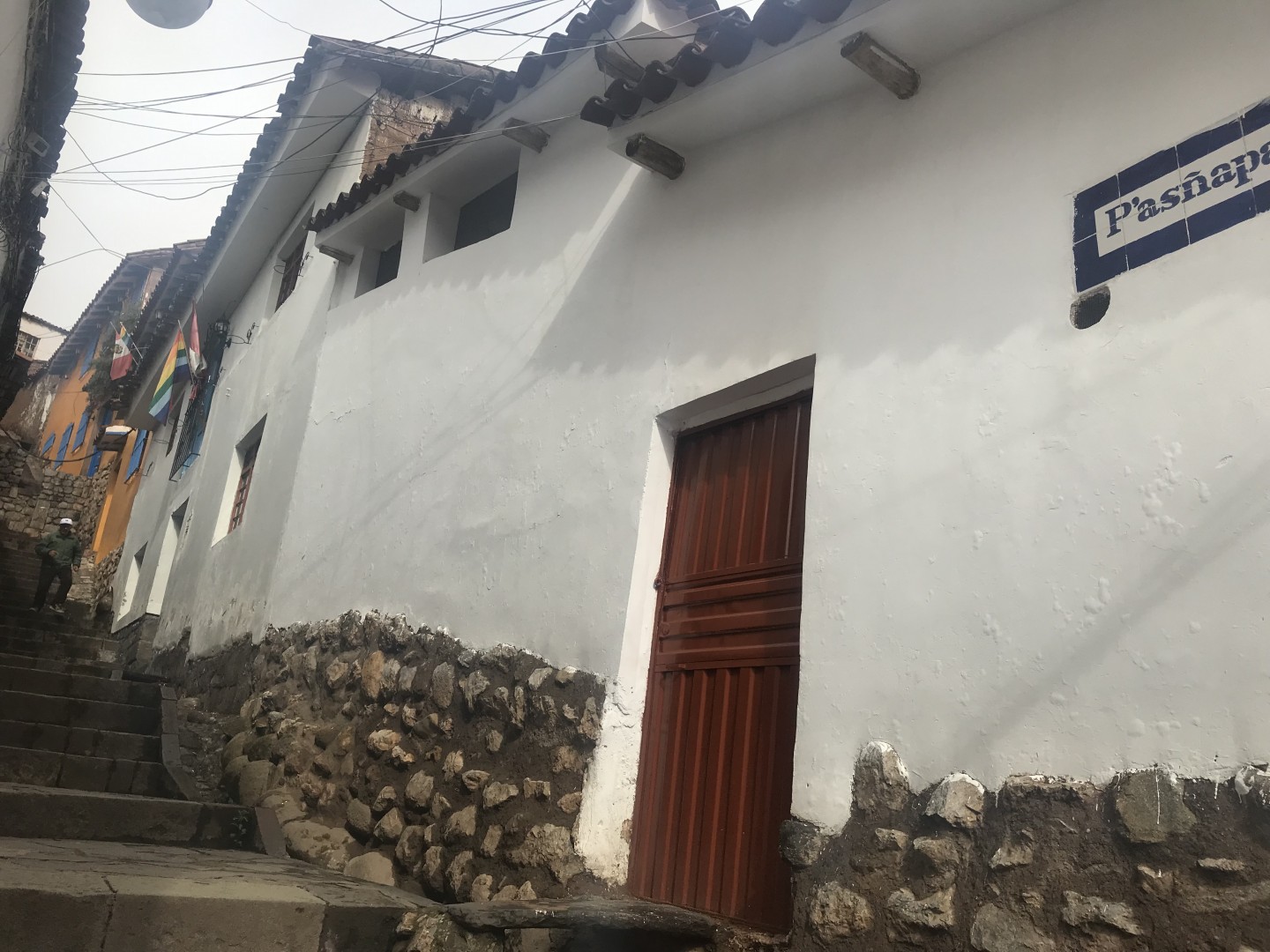
The front door of the hotel
The hotel owner, Jesus, welcomed us there. He smiled and said, “Welcome to Cusco.” I said, “Thanks a lot,” and asked the first question on my mind: why we were out of breath. He told me it was perfectly normal, something that happens to first timers all the time. He said, “Some people take a few days to get used to it, while others never get used to it. Even I still have trouble walking or running fast.” Cusco is a historic city at an altitude of 3,400 meters (just to give you a sense of the altitude: about 1,000 meters higher than the summit of Mount Uludağ in Bursa), with a population of 400,000, dating back to the 12th century and serving as the capital of the Inca Empire.
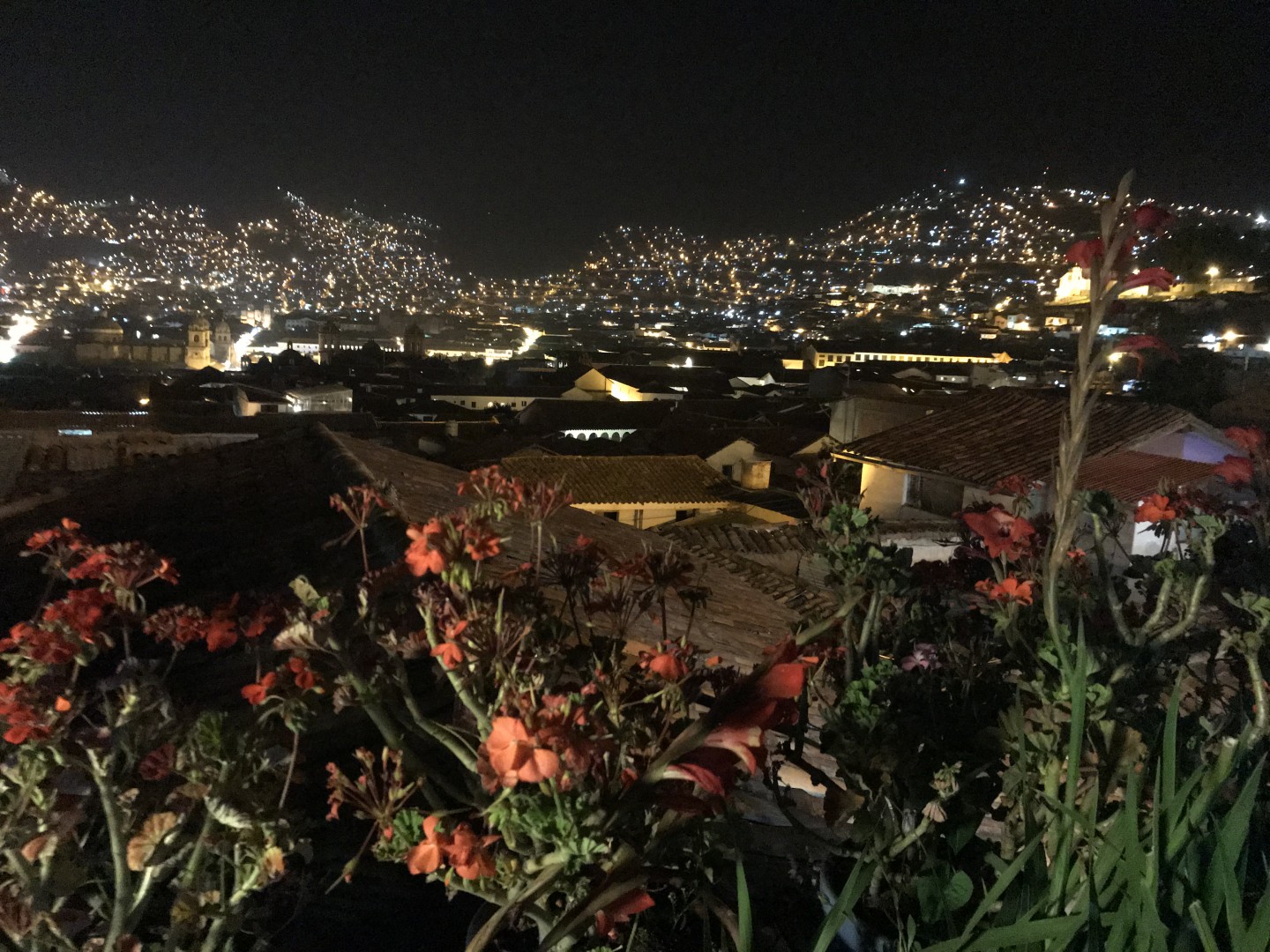
Jesus then prepared us a delicious breakfast, both palatable and visually appealing. The omelet he prepared was the most delicious I’ve ever tasted. After breakfast, I’d like to share the first photo I took at the hotel with you:
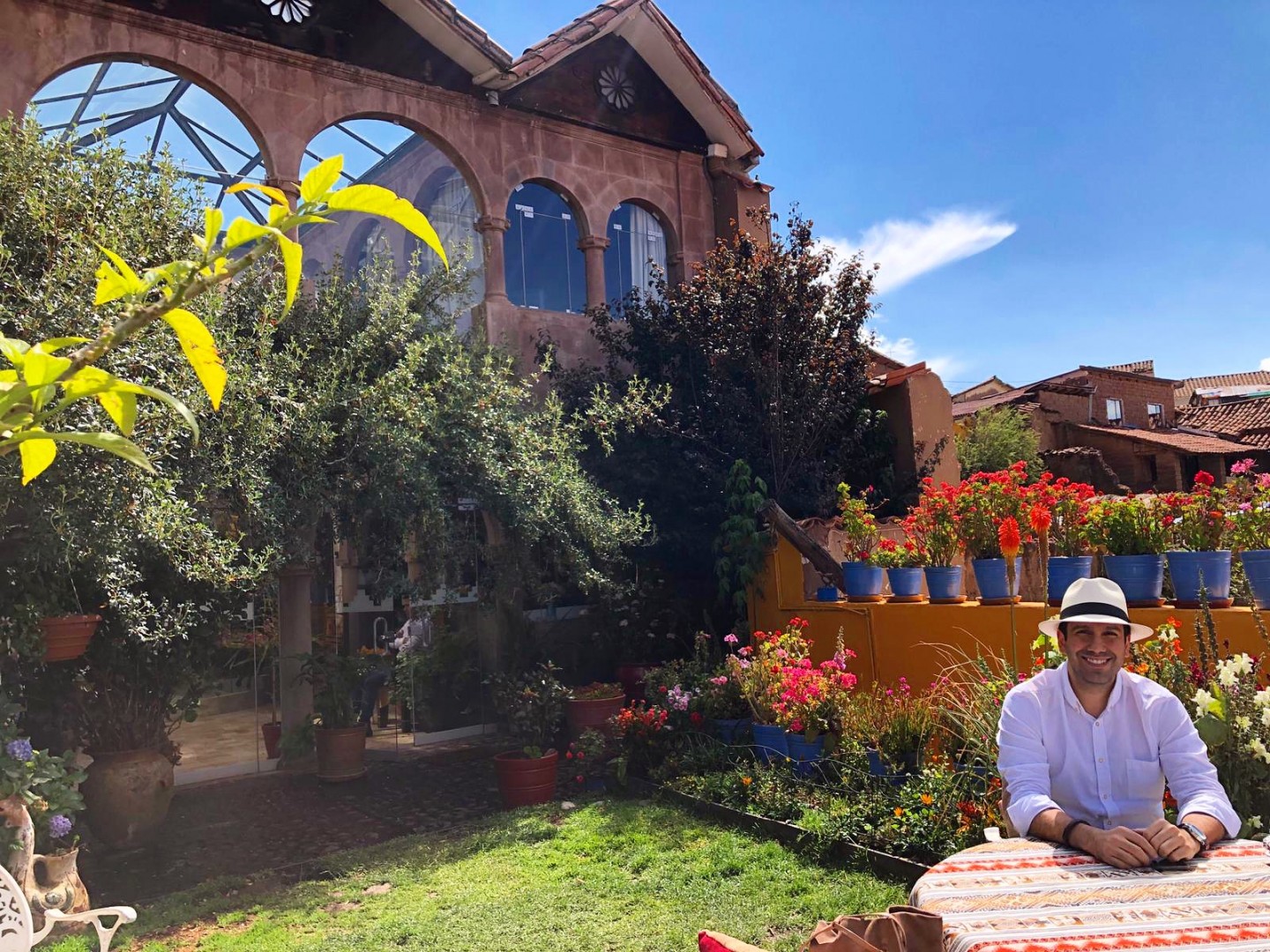
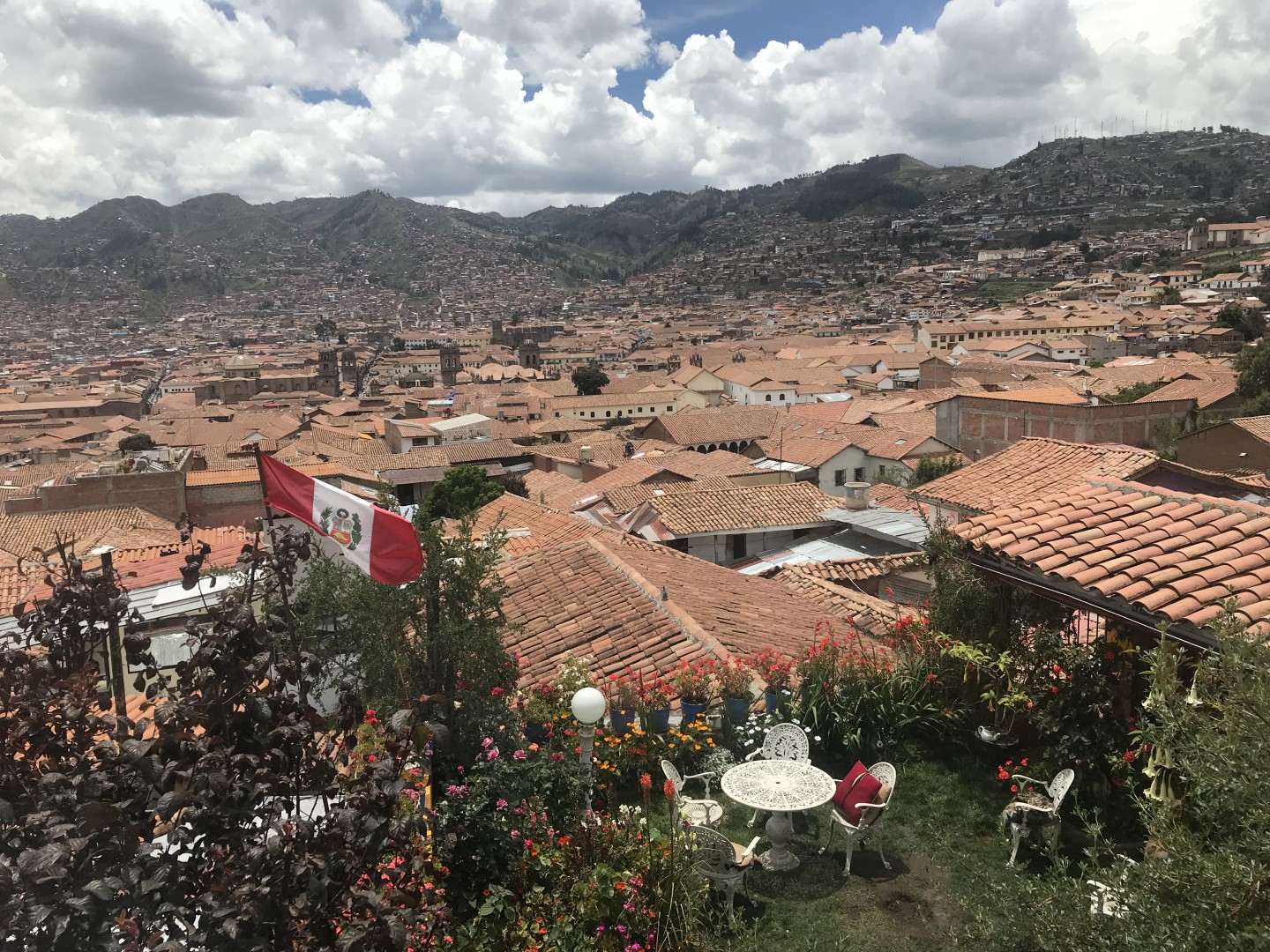
The view of Cusco from the boutique hotel where we stayed…
The story of this Spaniard, whose taste is evident based on the architecture of his boutique hotel and the breakfast he prepared, goes as follows: While running his own travel agency in his home country, he grew tired of his work and wanted to move somewhere he truly enjoyed. He settled on Cusco, a city he’d visited several times throughout his life, quit his job, and moved there. He bought and combined existing houses in the area to create his own boutique hotel.
The hotel was also very interesting. He’d designed each room with a different concept. Because the space was full, we stayed in a different room each night. One room had an Indian theme, another a Far Eastern theme, another a Catholic Spanish theme (incidentally, he was a Spaniard raised a devout Catholic), and another a suite with a very special atmosphere and a jacuzzi. We learned that each room had its own story.
After finishing some unfinished business that day and resting for a while, we set out to explore the city on foot. Strolling through the narrow streets amidst the Inca structures, built with giant stones weighing an average of 100 tons, interlocked like Legos, without the use of plaster, nails, or screws, feels like you’re on another planet. I was particularly captivated by the fact that the city, rising on the backs of these giant stones, was built through incredible social cooperation and collaboration.
The fact that this city, which has managed to stand tall since the 12th century, was built without even using wheels, by collectively transporting giant stones at such a high altitude, can only be described as a miracle achieved by the community coming together and working together, thanks to the strength of mutual support. Research indicates that the carving and transportation of these giant stones took the collective labor of 20,000 people.
And we, with TİDER, are paving the way for such a miracle in our own country. You can create a miracle for Turkey by contributing to this community outreach: https://fonzip.com/tider/bagis#/
The peace of slowing down, the sound of silence…
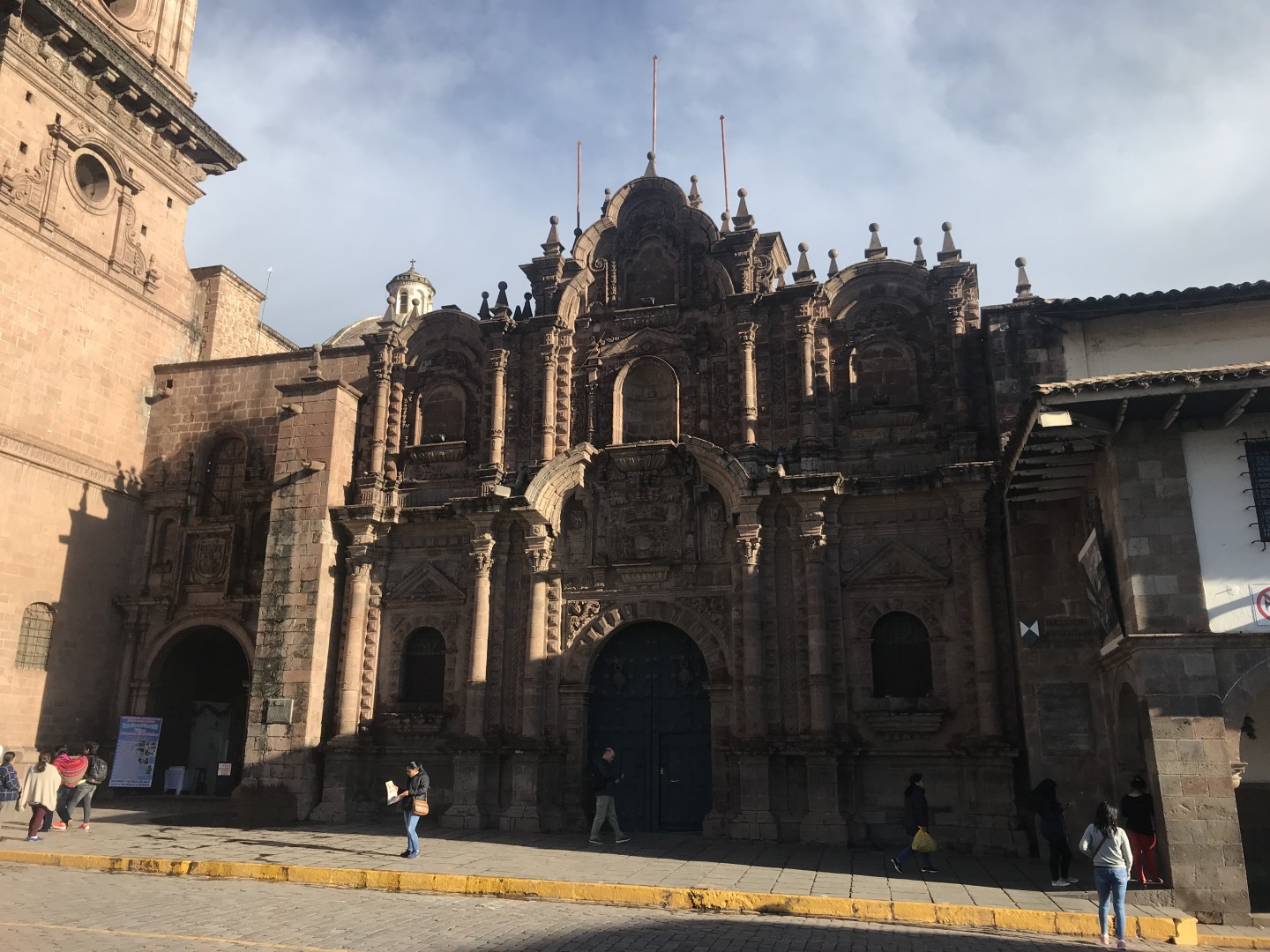
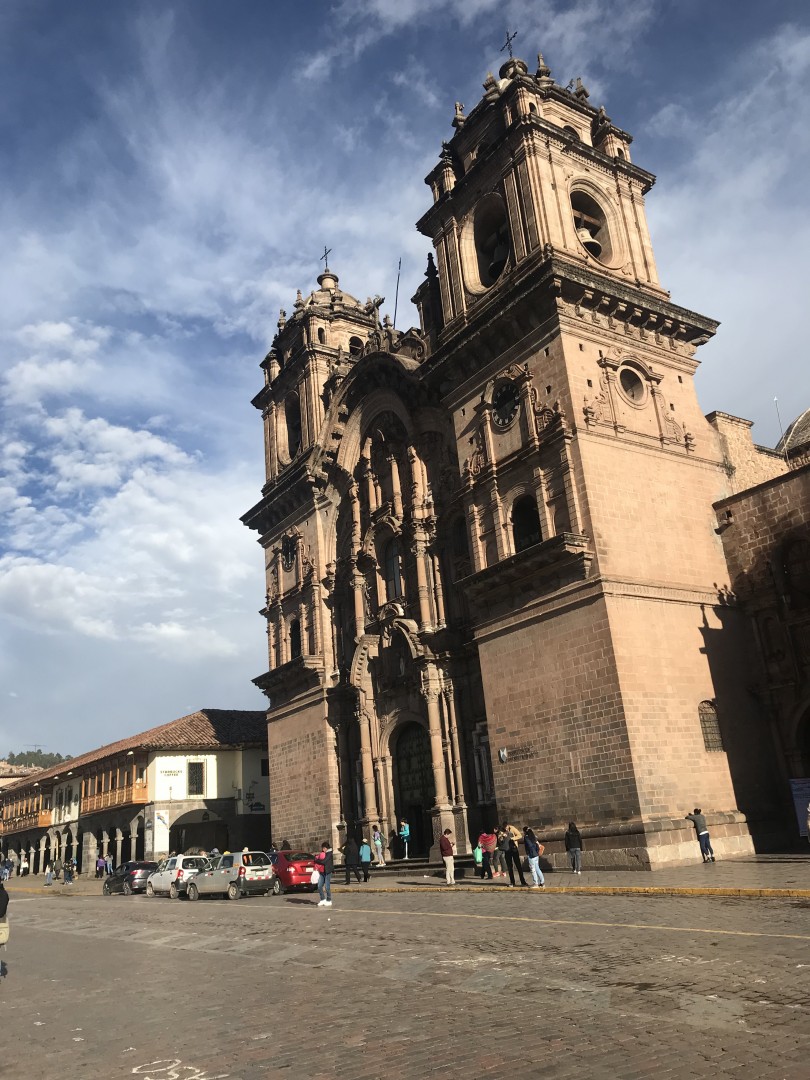
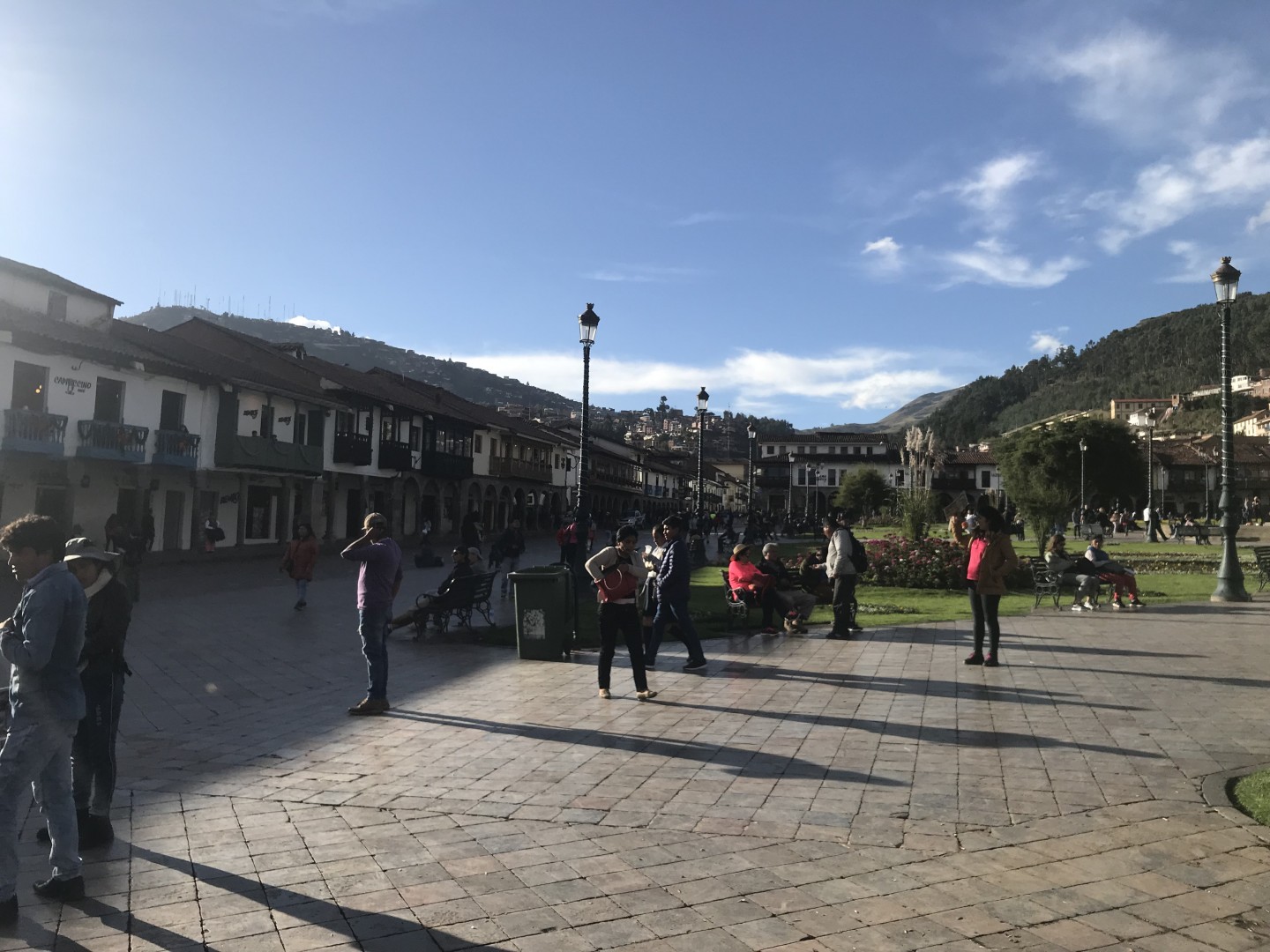
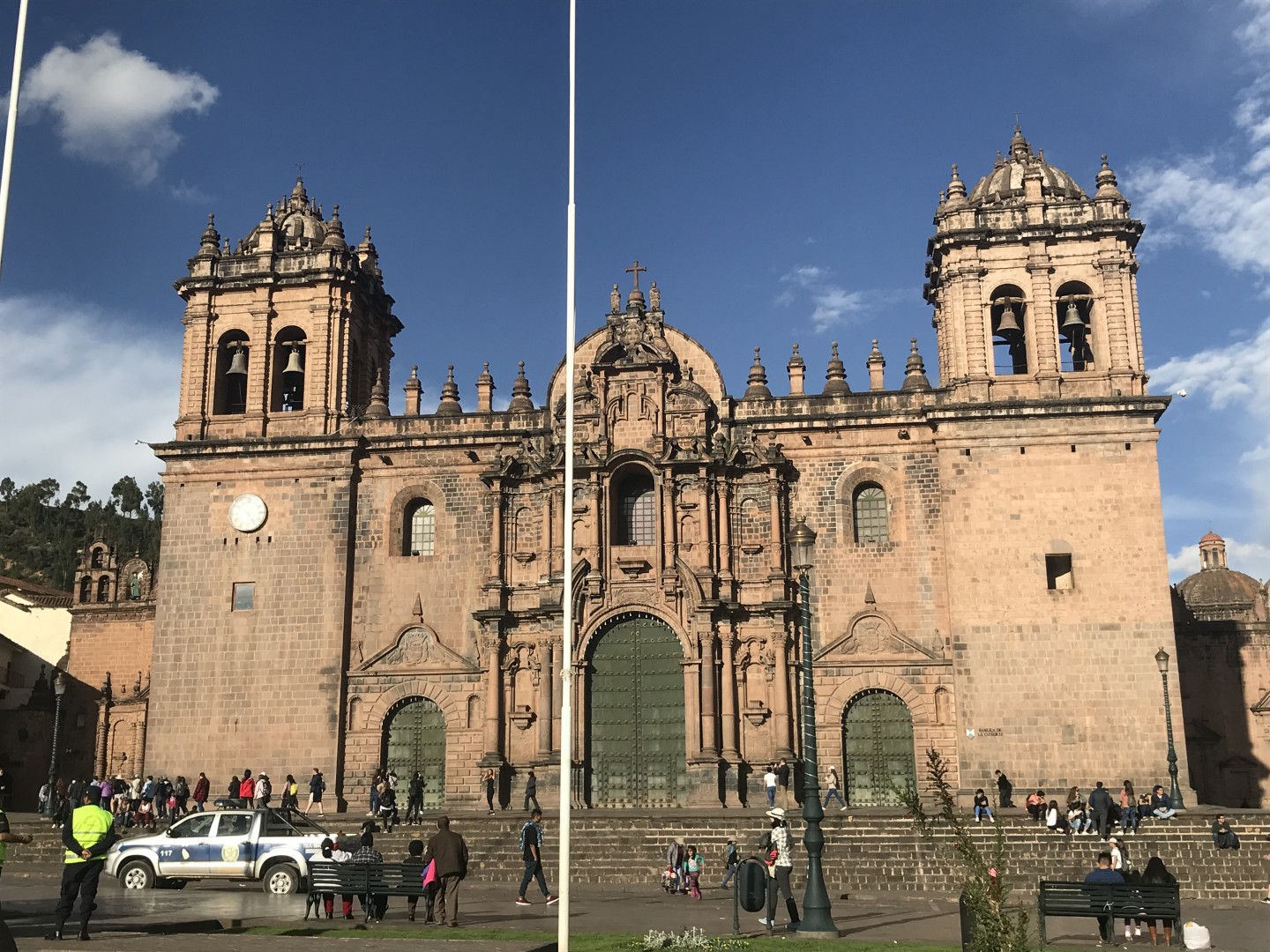
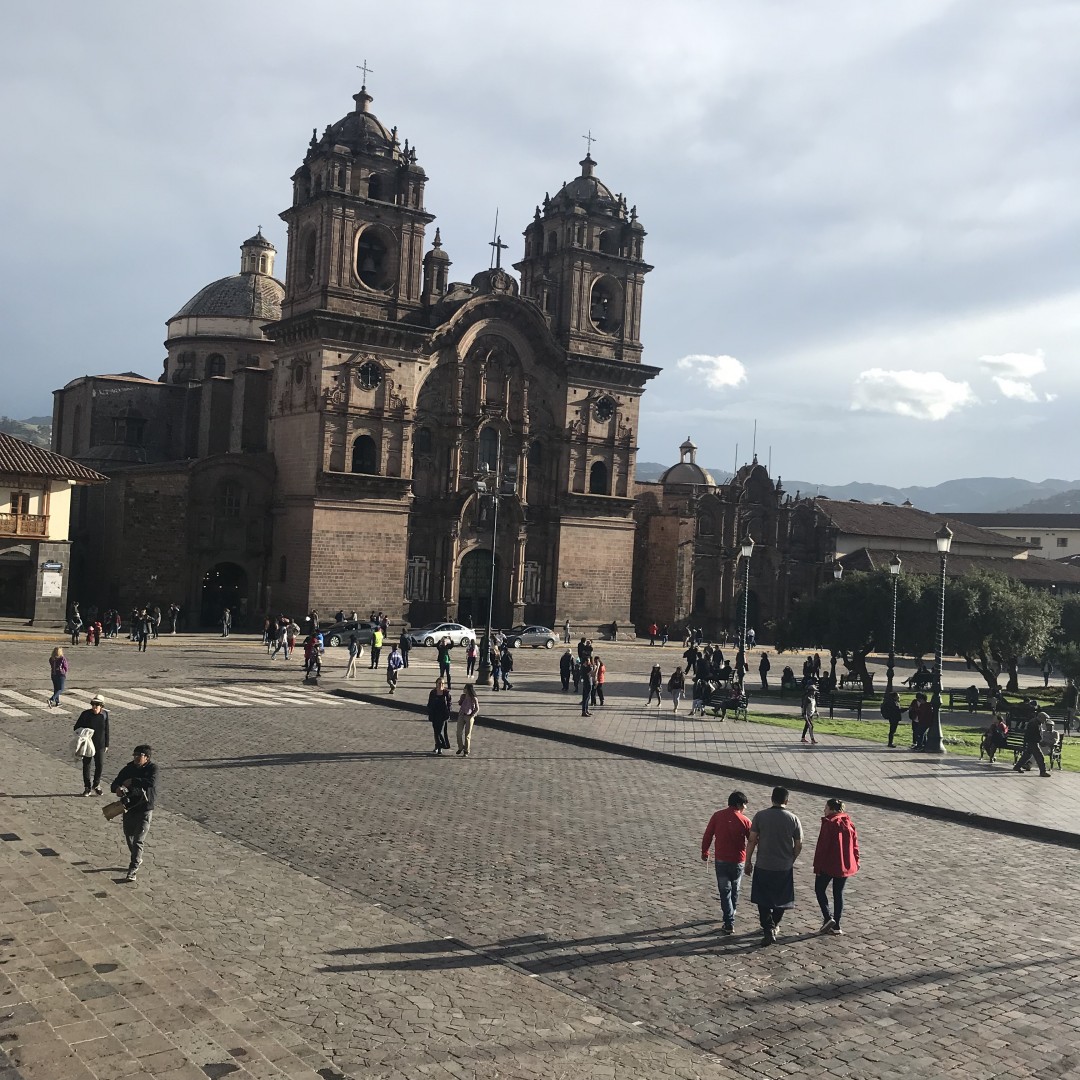
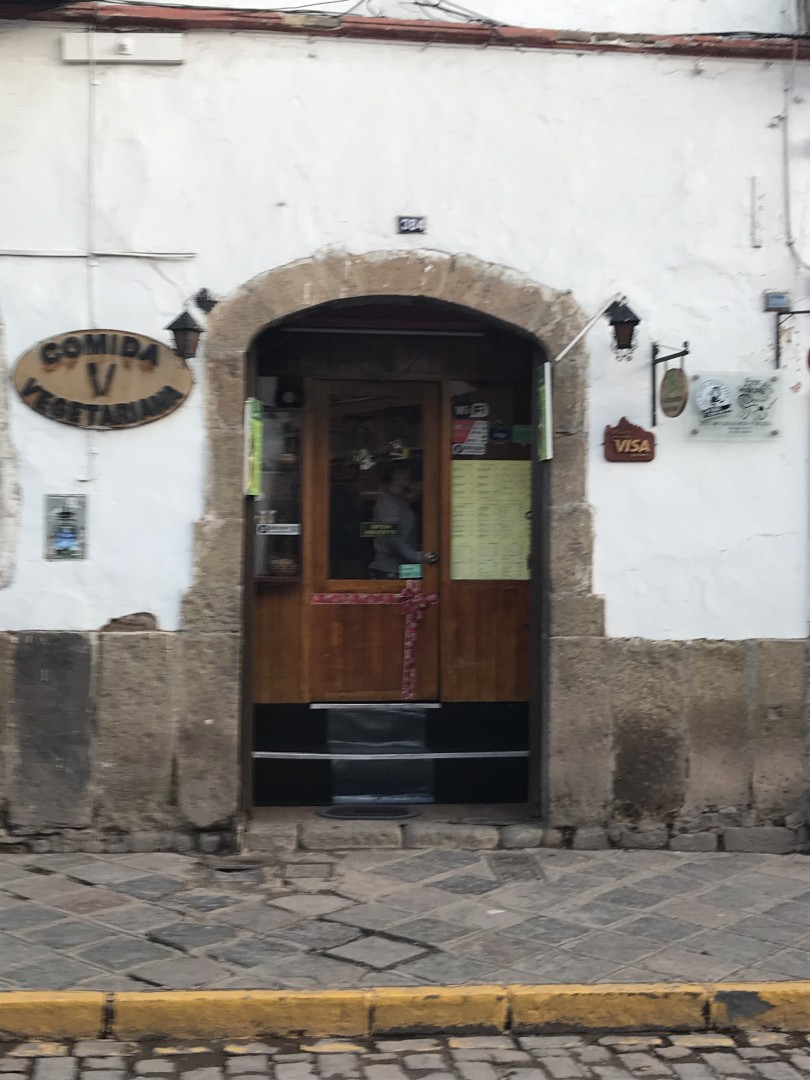
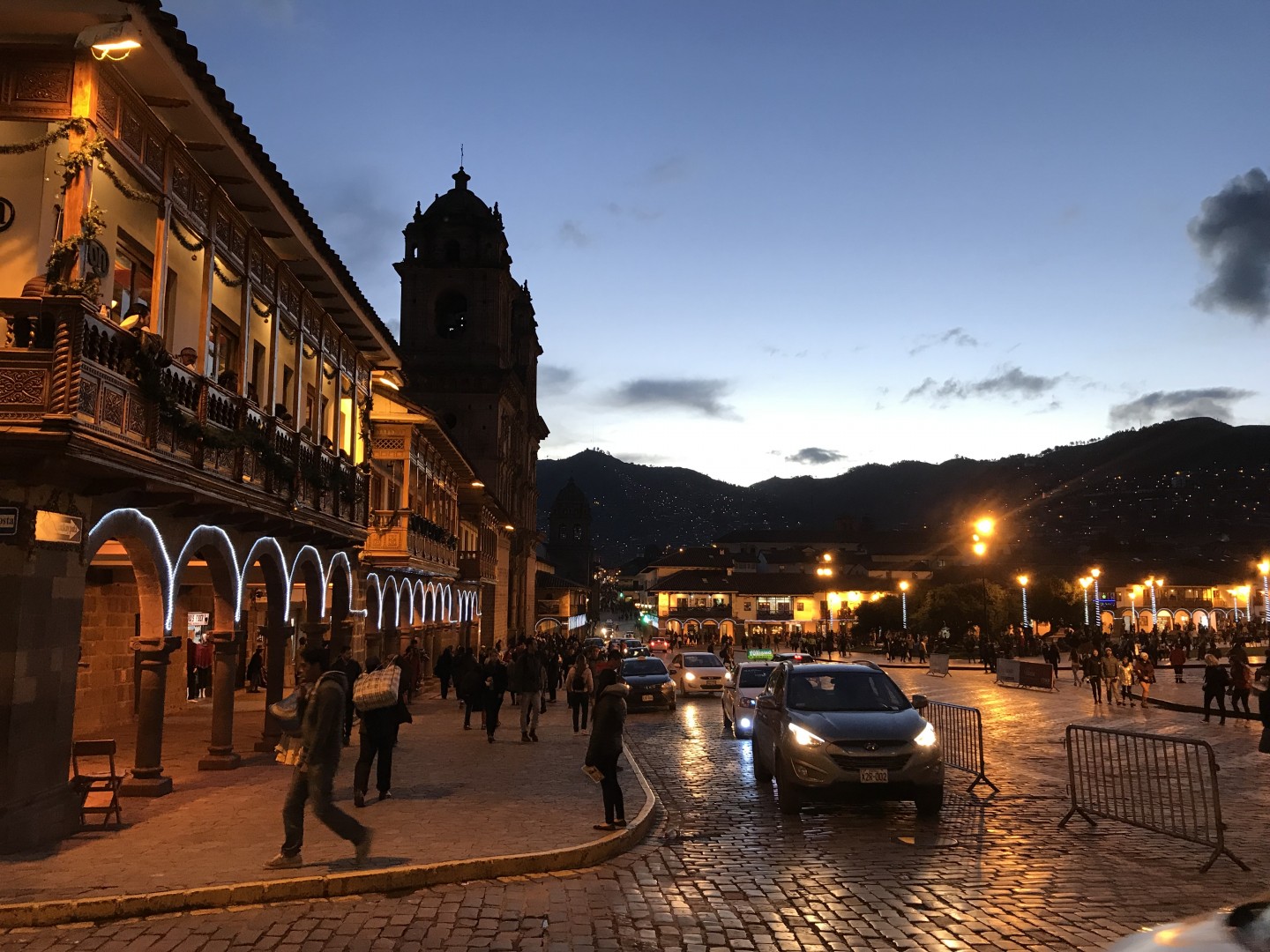
After the fast pace of our busy lives, slowing down, minimizing our movements, pausing, and listening to the sound of silence in Cusco due to altitude sickness (Mal de Altura) gave us peace and energy.
I’d like to share some photos we took in Cusco:
Afterwards, we went to a French restaurant for dinner. We chose a French restaurant in Cusco because Jesus, whose taste I trust, recommended it. And it wasn’t your typical French restaurant. They’d created a somewhat fusion cuisine, drawing on Peru’s riches. The food was delicious and unique.
We had an early flight to Machu Pichu the next day. So, we had dinner early in the evening and returned to the hotel.
I’ll write about our visit to Machu Picchu, one of the Seven Wonders of the World, and this magnificent archaeological site in my next article.
We arrived at Machu Picchu early in the morning and returned to the hotel around 9:00 PM.
Recovering from a cold, we arrived at the hotel, where we enjoyed Jesus’ hot vegetable soup and went to bed early. The next morning, I woke up feeling reborn. I was so happy. After breakfast and completing our preparations, we set out on a tour of the cities around Cusco. In short, we visited Chinchero, Maras, the Moray ruins in Pachar, and the city of Ollantaytambo.
I’d like to briefly share my experiences in these wonderful places with you:
Chinchero
Our first stop was Chinchero, known as Cusco’s textile city, where we stayed for about 45 minutes. We learned how the locals dye their handmade alpaca wool textiles with natural plants. Afterward, we visited a local market in the area. We shopped for soft alpaca textiles in beautiful colors and varieties.
Salinas de Maras
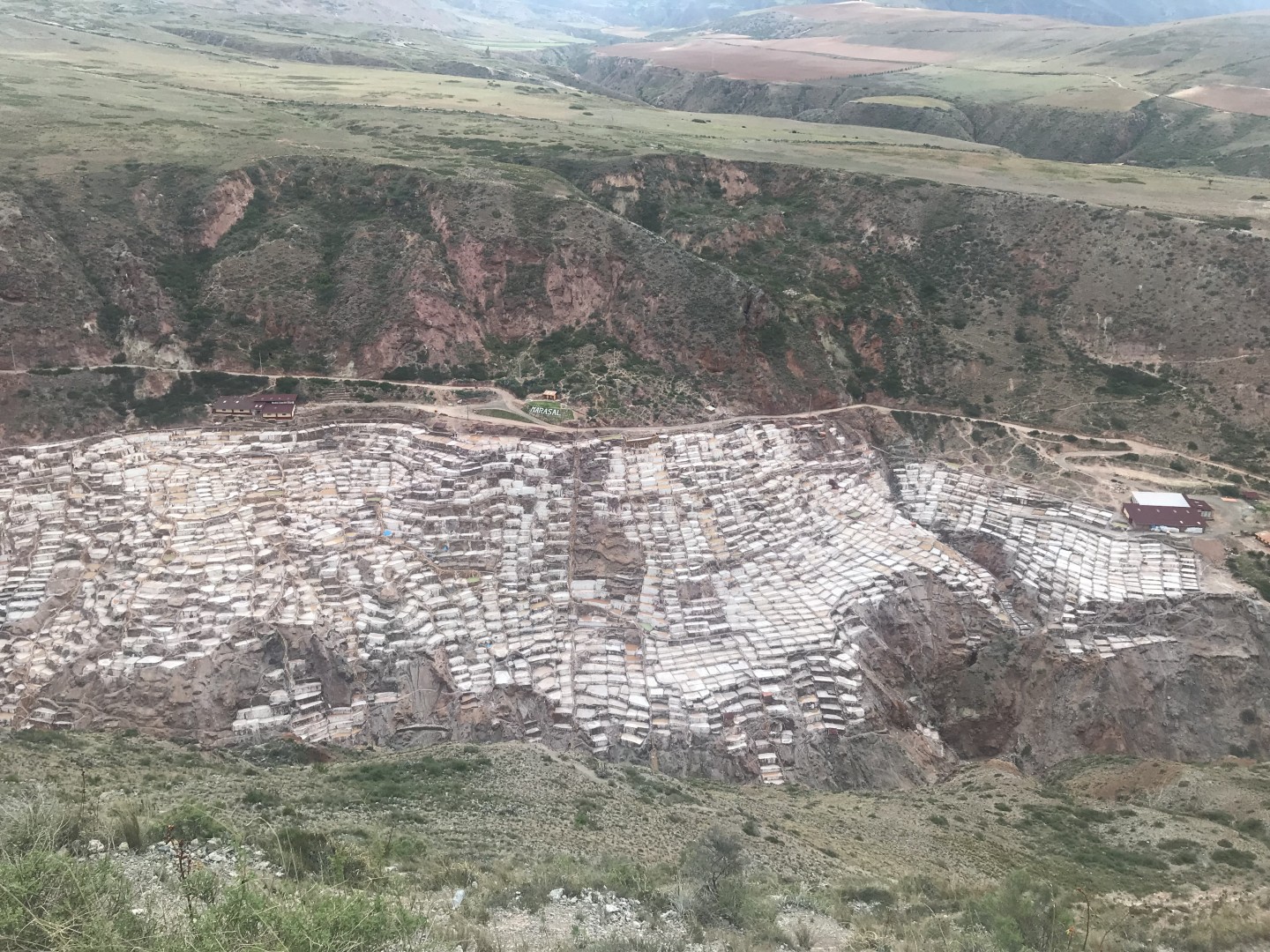
Our next stop was the Salt Valley, located in the Urubamba Valley, comprised of 3,000 salt wells. Salt is extracted by evaporating water from these wells and forms the region’s source of income.
Moray
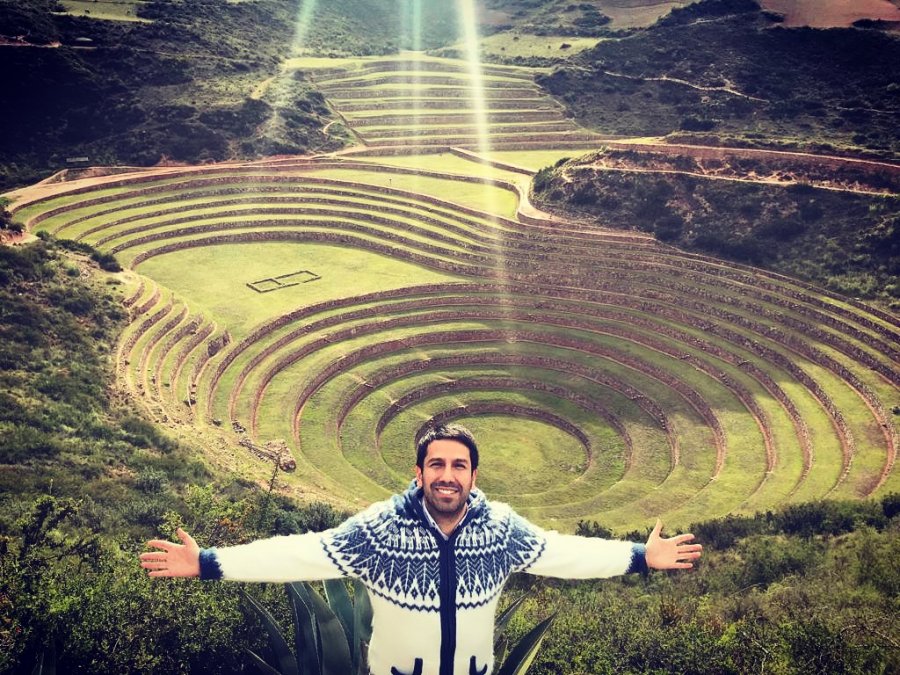
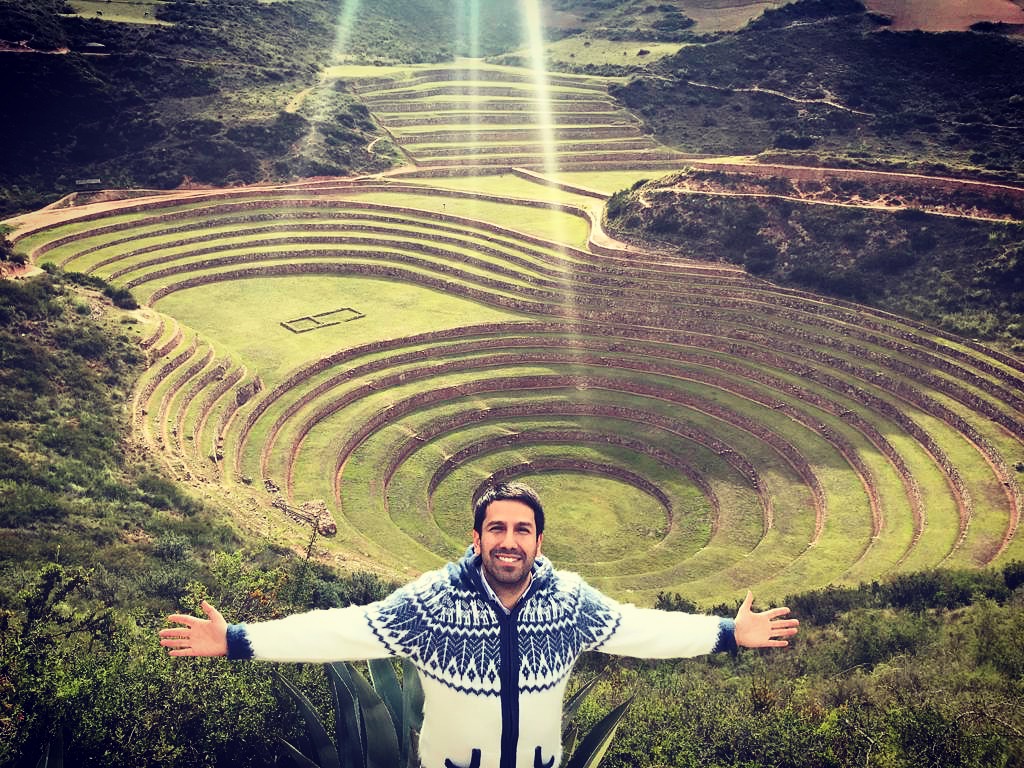
The Moray agricultural terraces, comprised of multi-story apartments, are also known as the Inca’s agricultural R&D laboratory. Interestingly, no matter how much rain falls, rainwater doesn’t accumulate on the lower levels or terraces. It’s thought that underground channels drain the water.
The depth of the circles, their design, and their varying orientations based on sun and wind direction create a temperature difference of 15°C between the uppermost and lowermost circles. This microclimate between the circles allowed experiments to be conducted in the cultivation of 3,000 varieties of potatoes and 1,800 varieties of corn.
Simply because of this R&D-focused approach, I can say that the Incas were a civilization that perfectly suited my vision. Kudos to the Incas…
Ollantaytambo
Our last stop on our tour was Ollantaytambo Bay, 72 km from Cusco. Consisting of narrow, 13th-century cobblestone streets, Ollantaytambo is, according to Lonely Planet, one of the best examples of Inca urban planning. Nestled between two streams, Ollantaytambo boasts boutique hotels, cafes, and restaurants surrounding a small square.
You can find photos and videos from this tour below.
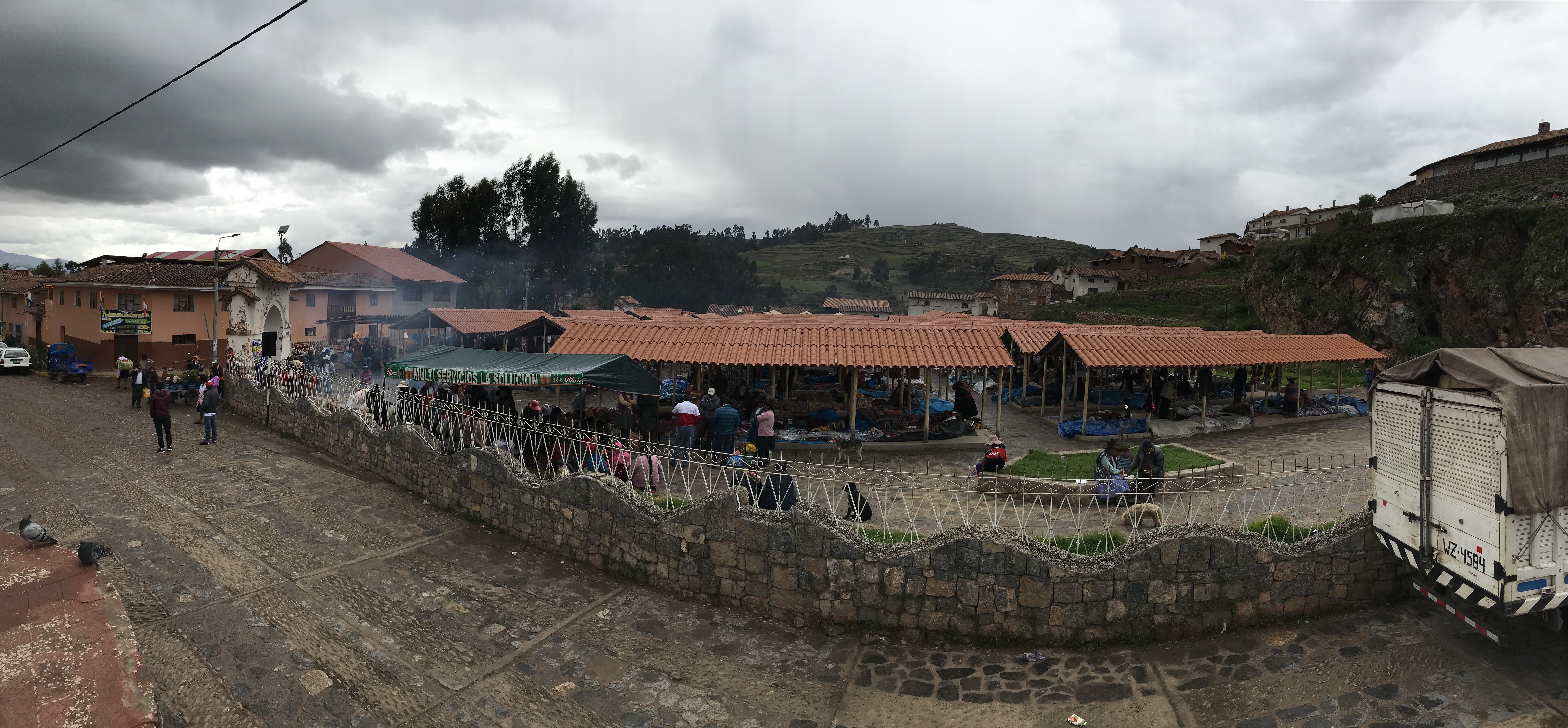
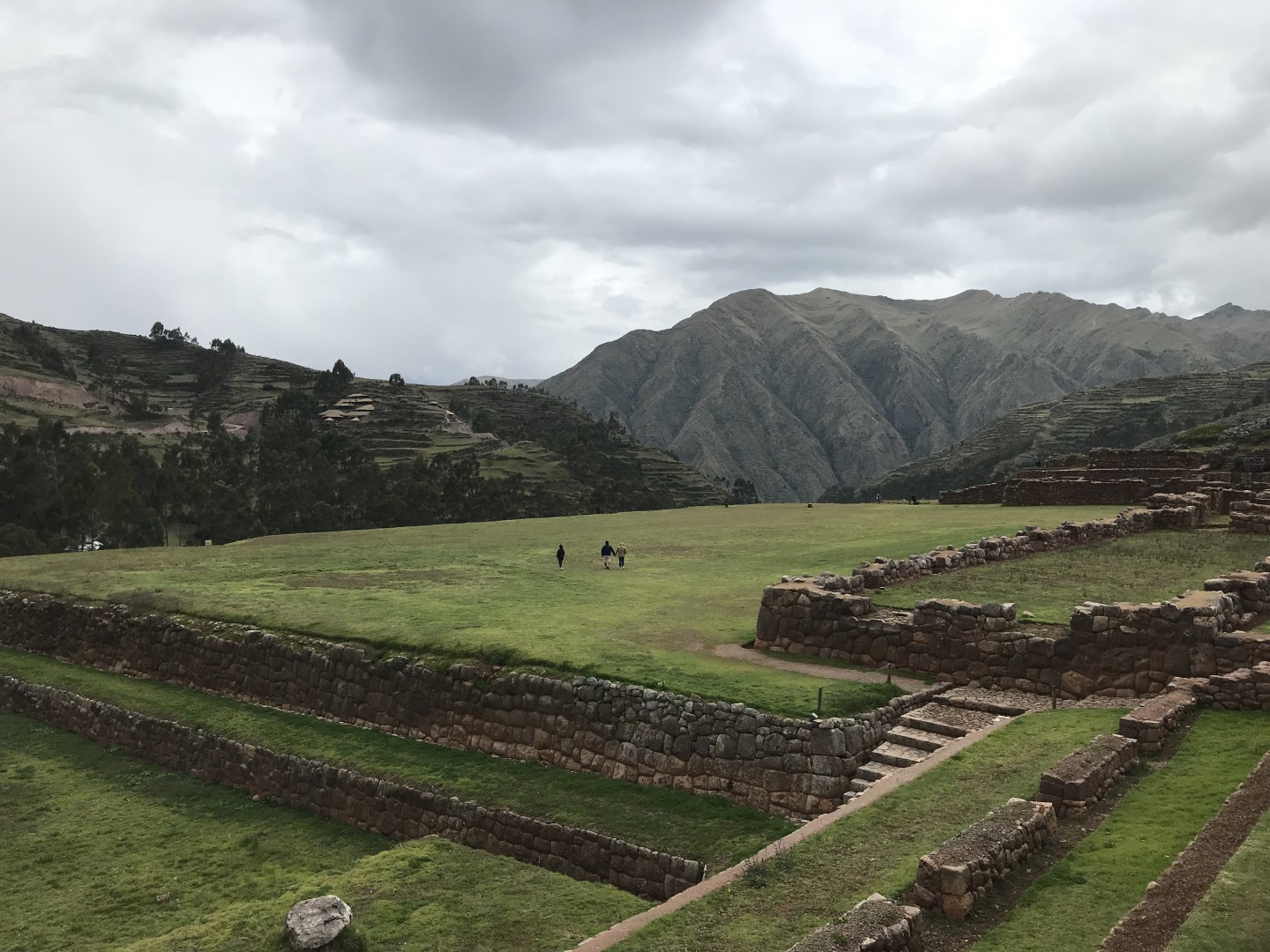
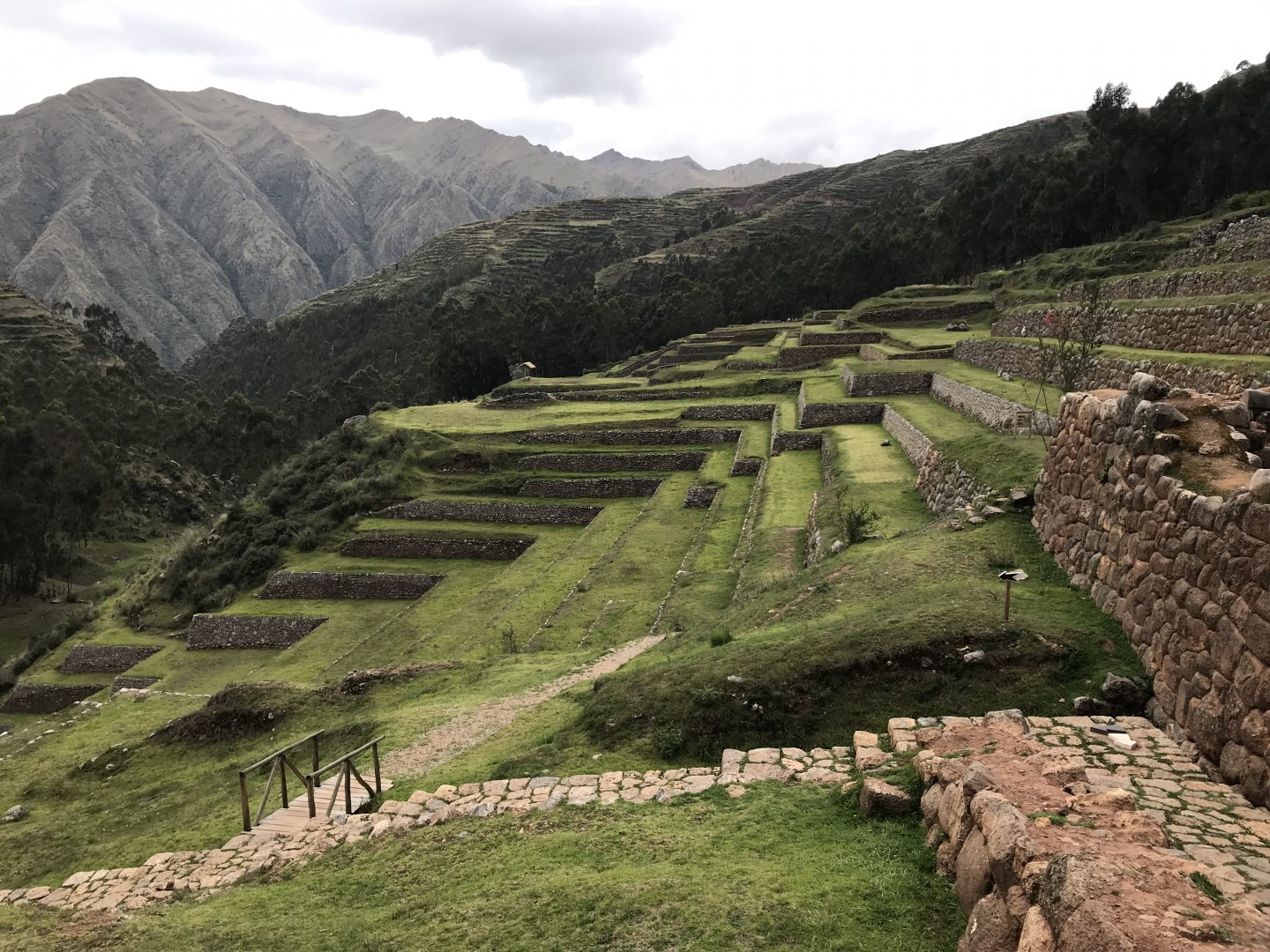
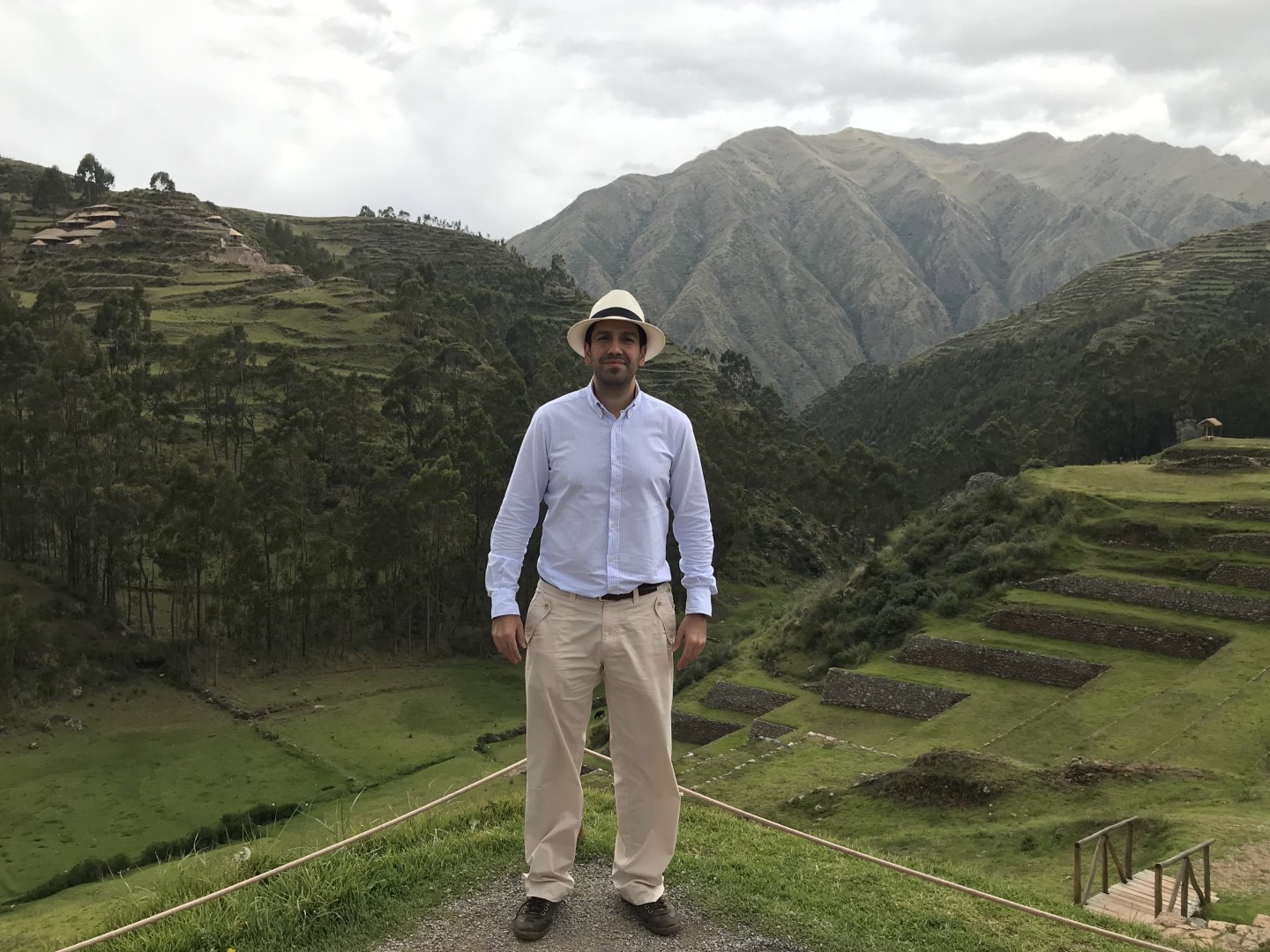
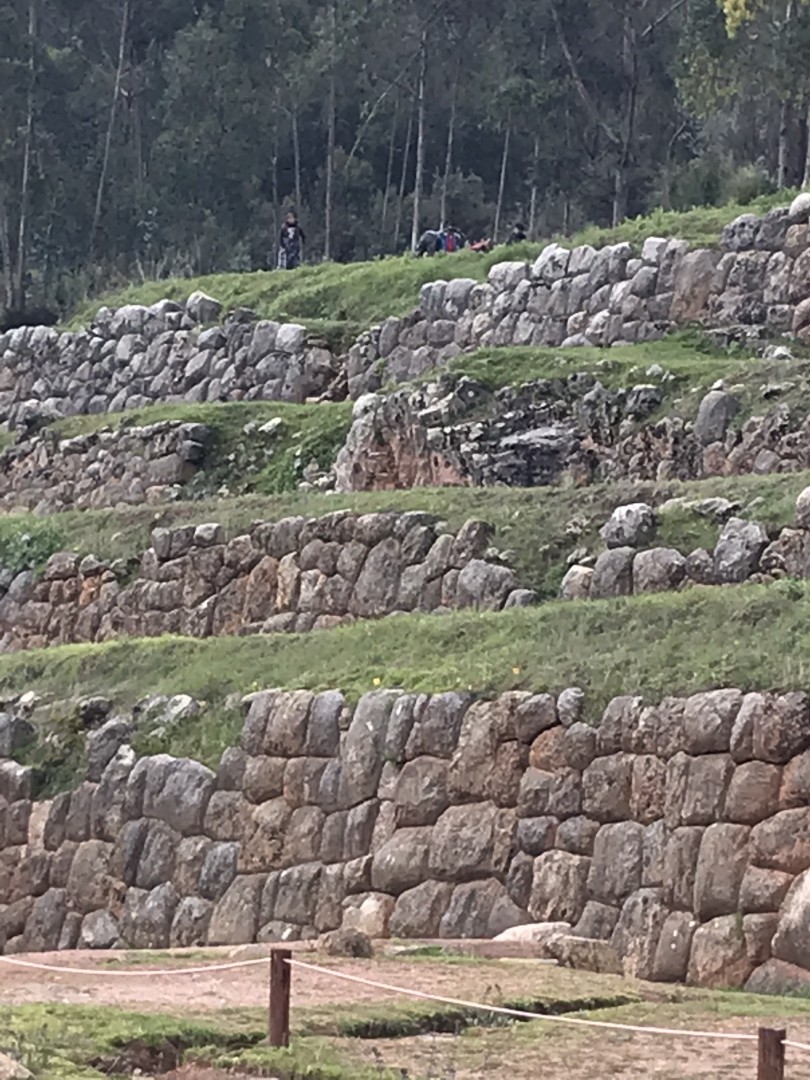
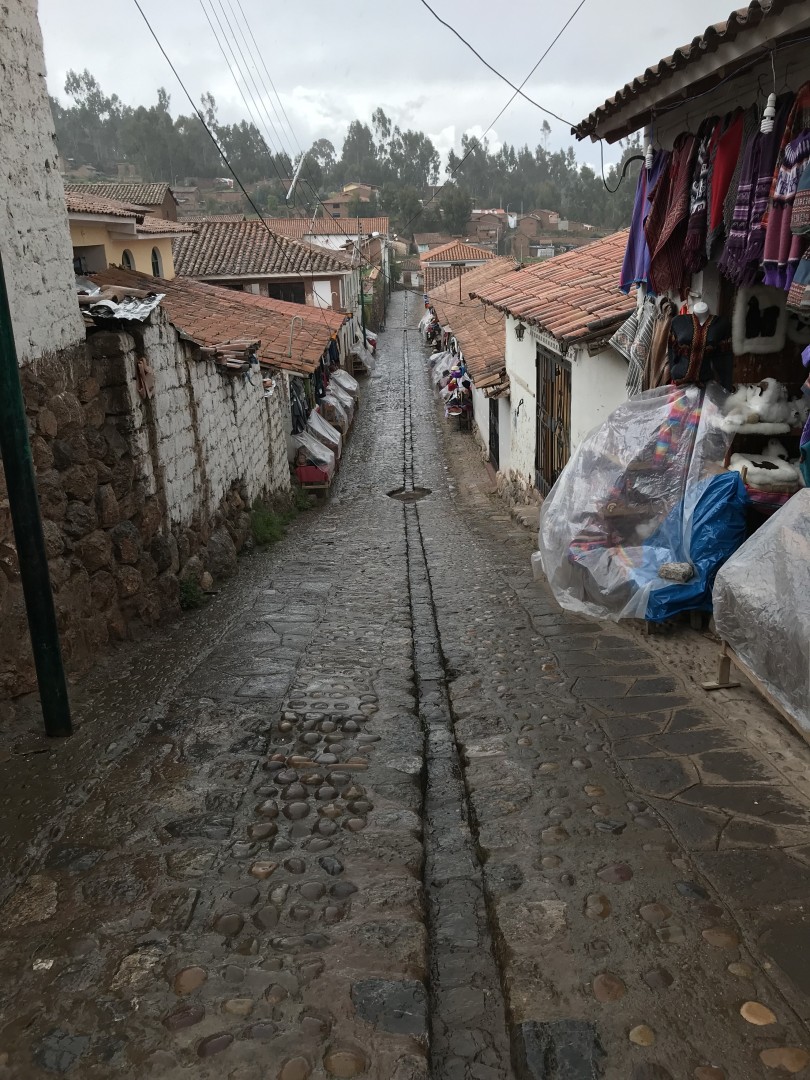
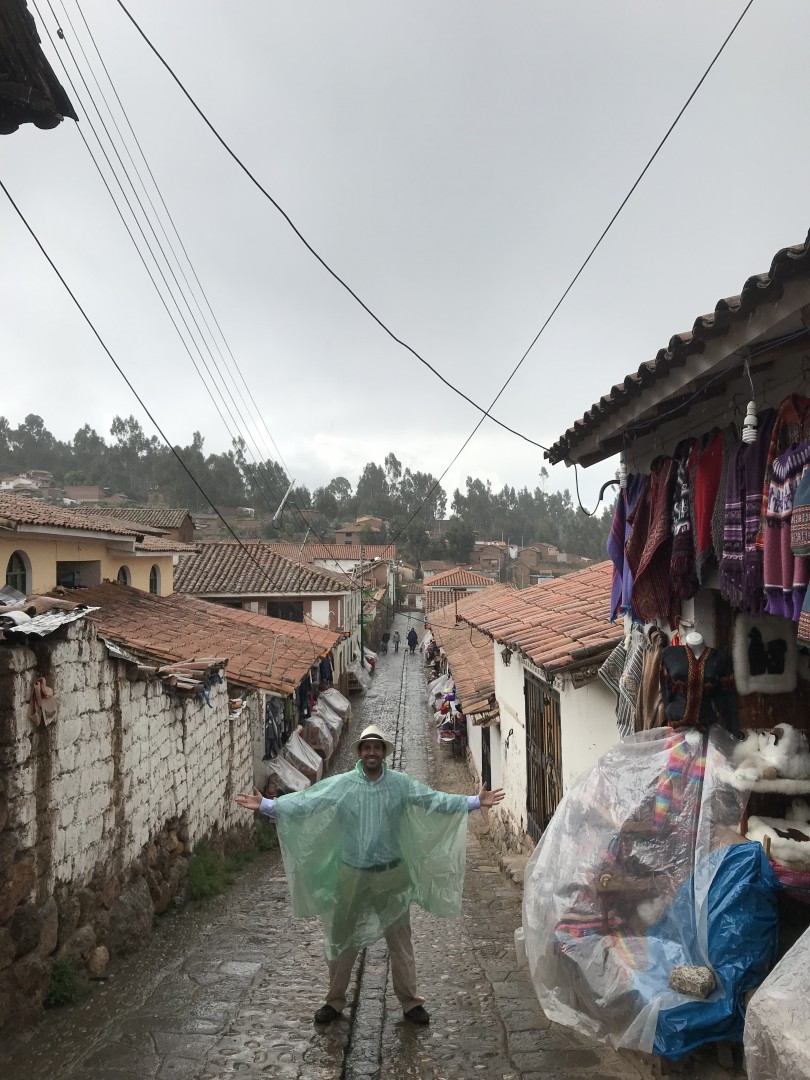
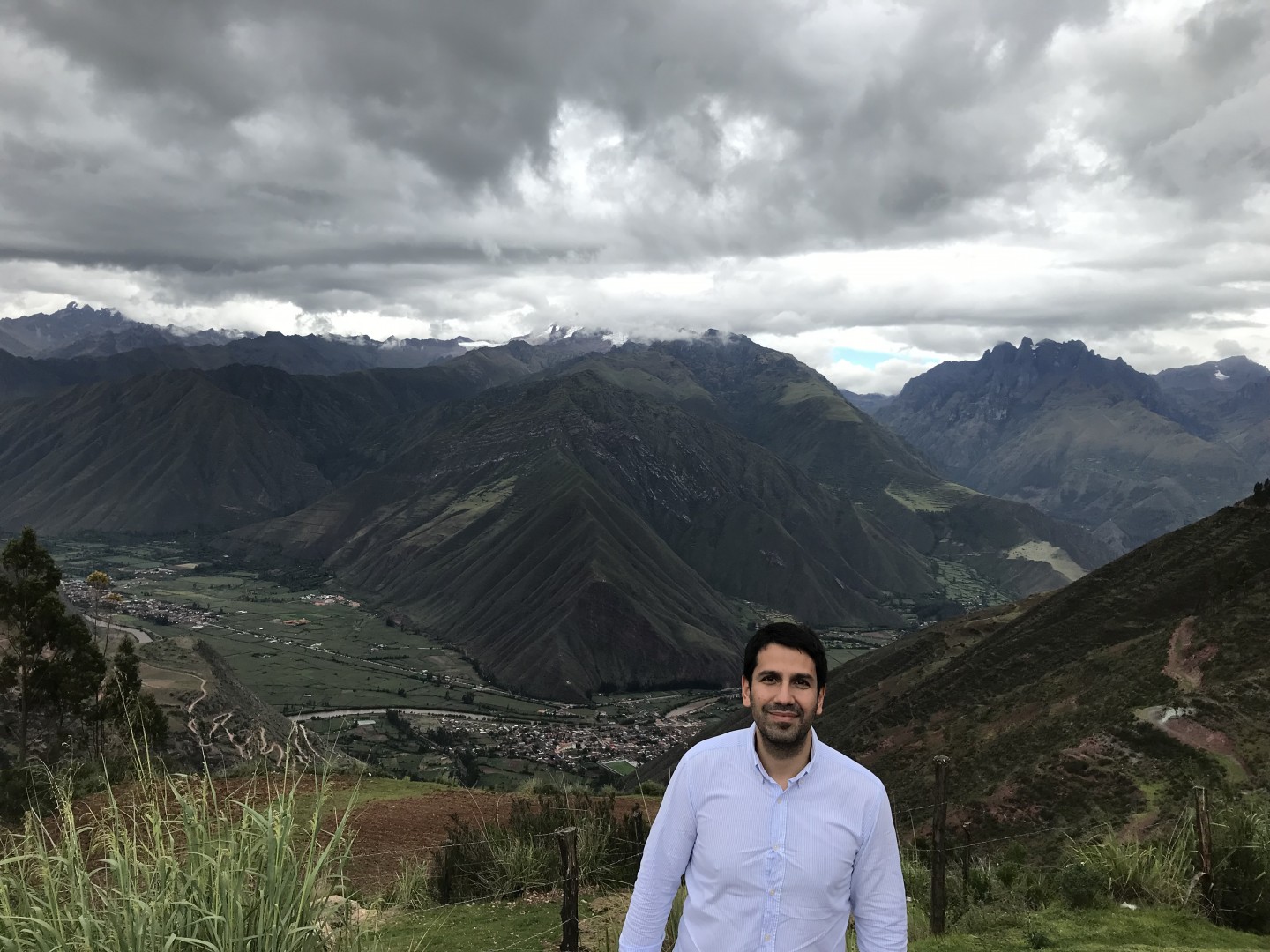
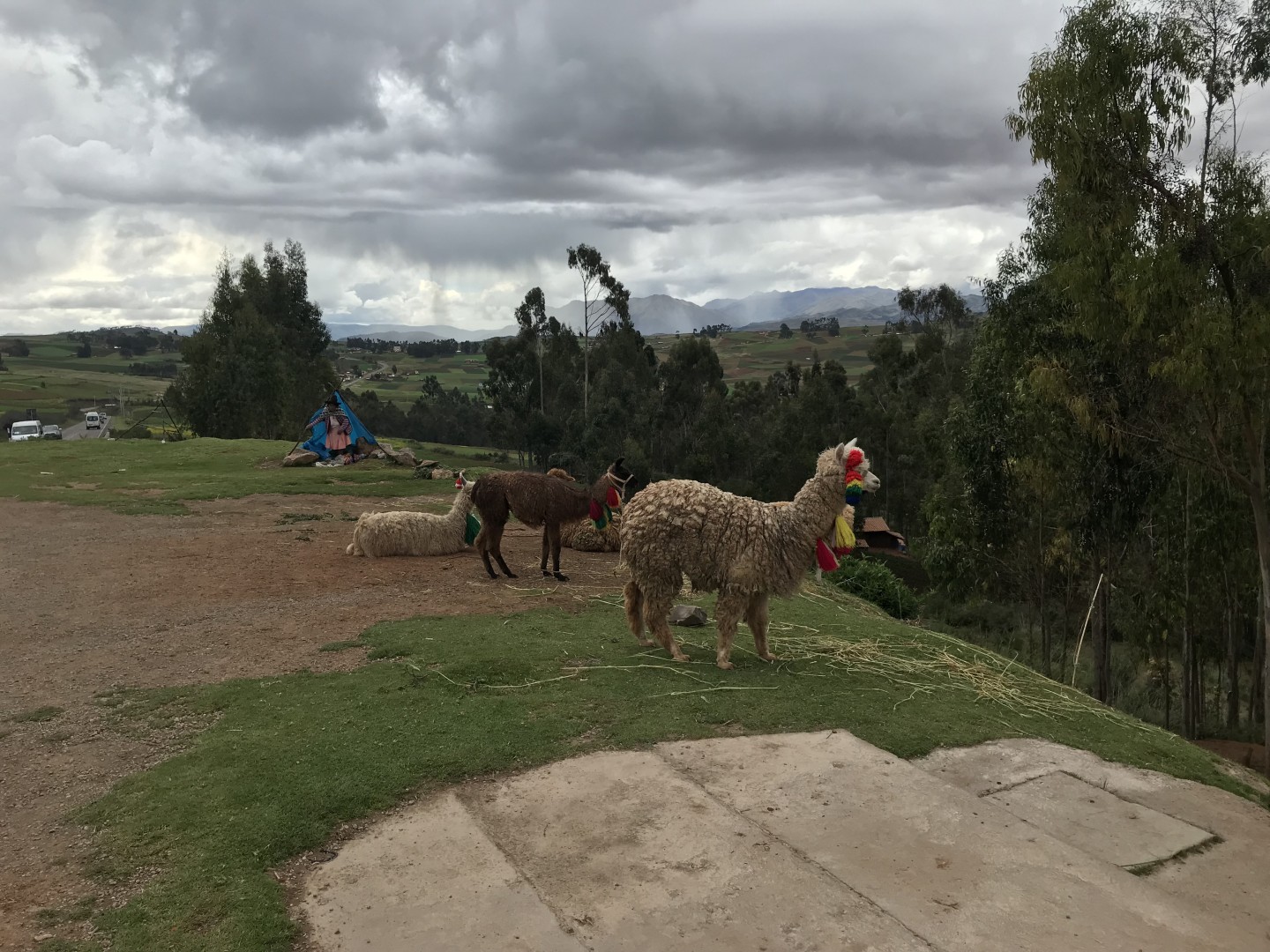
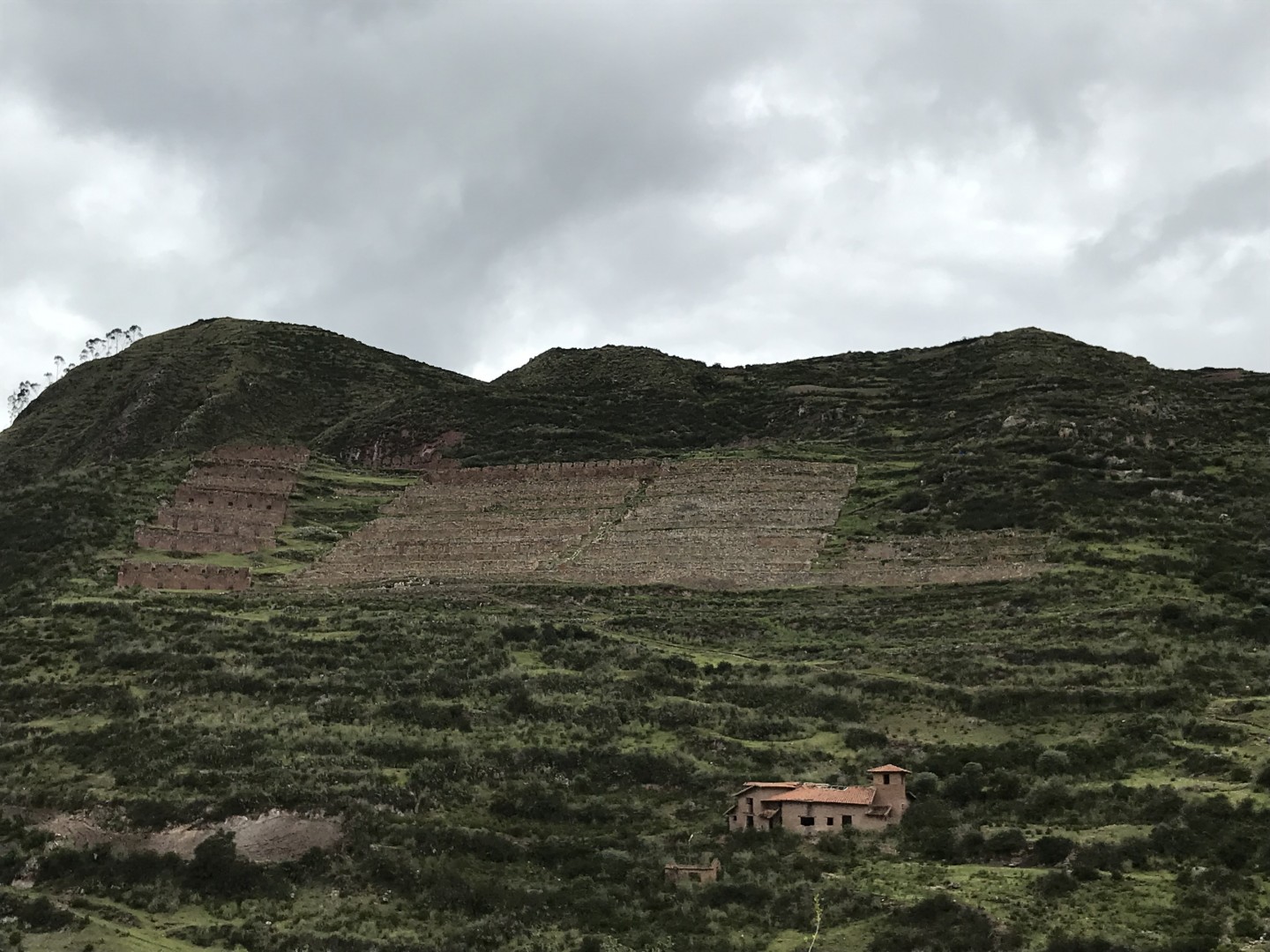
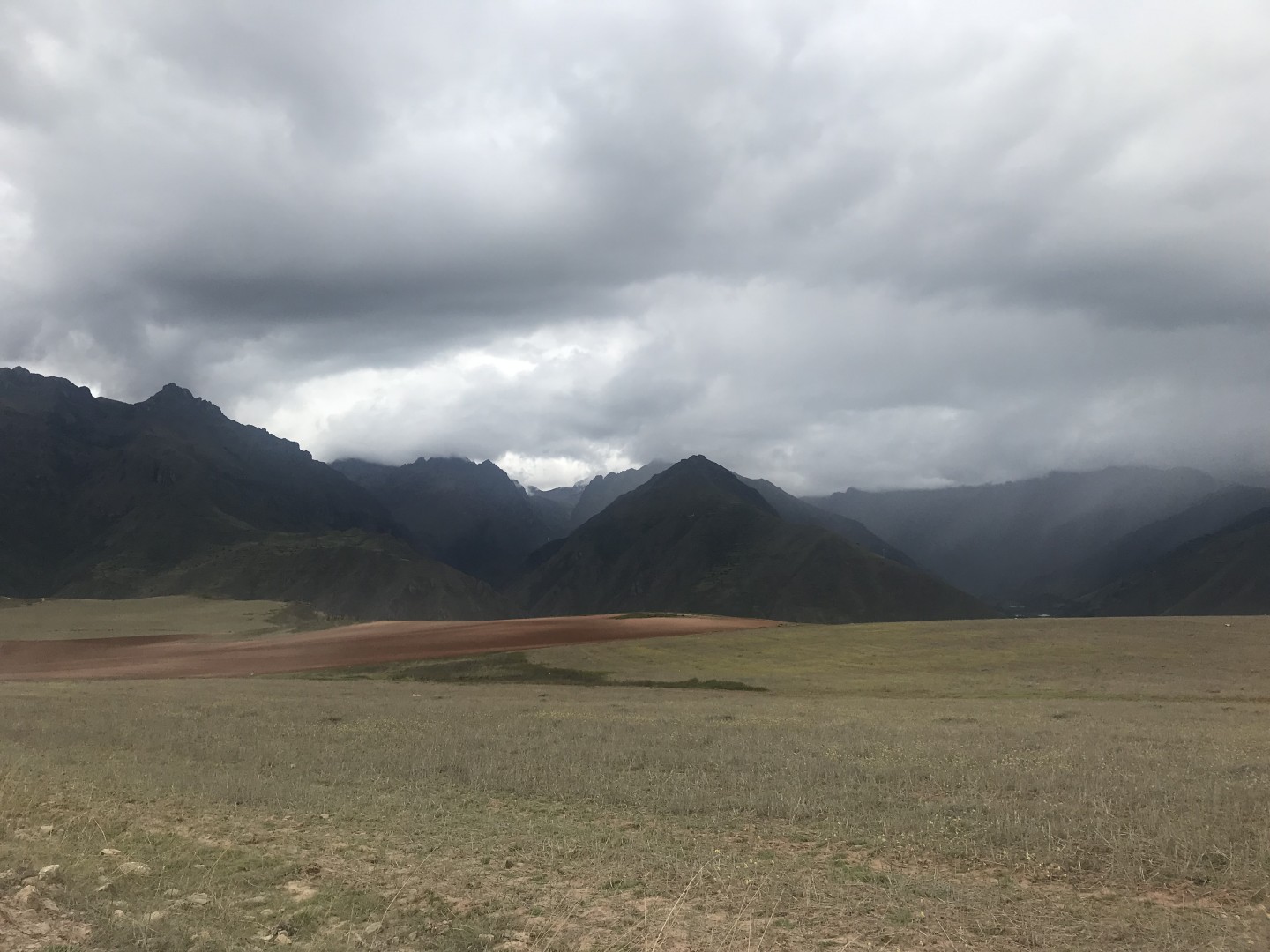
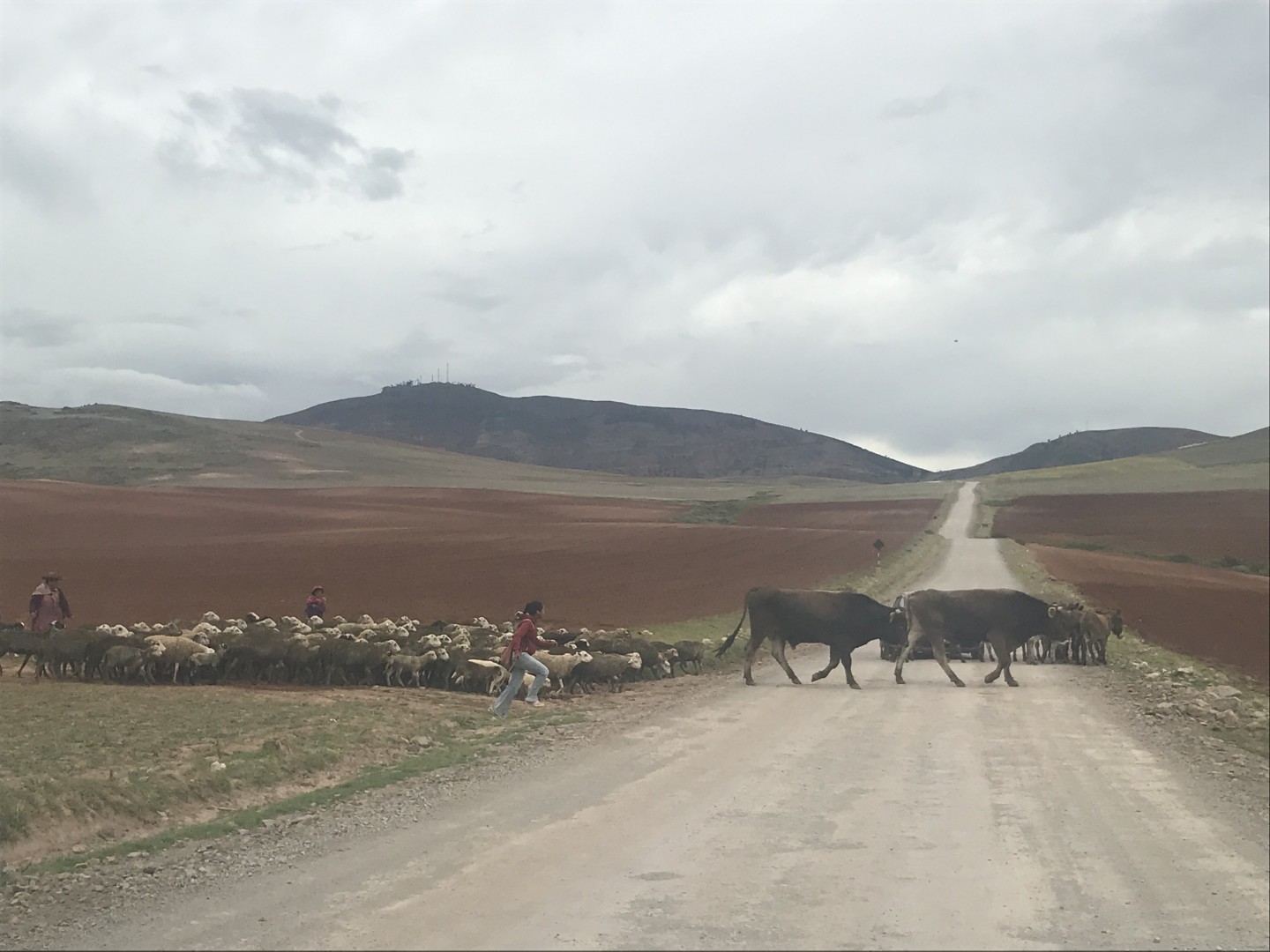
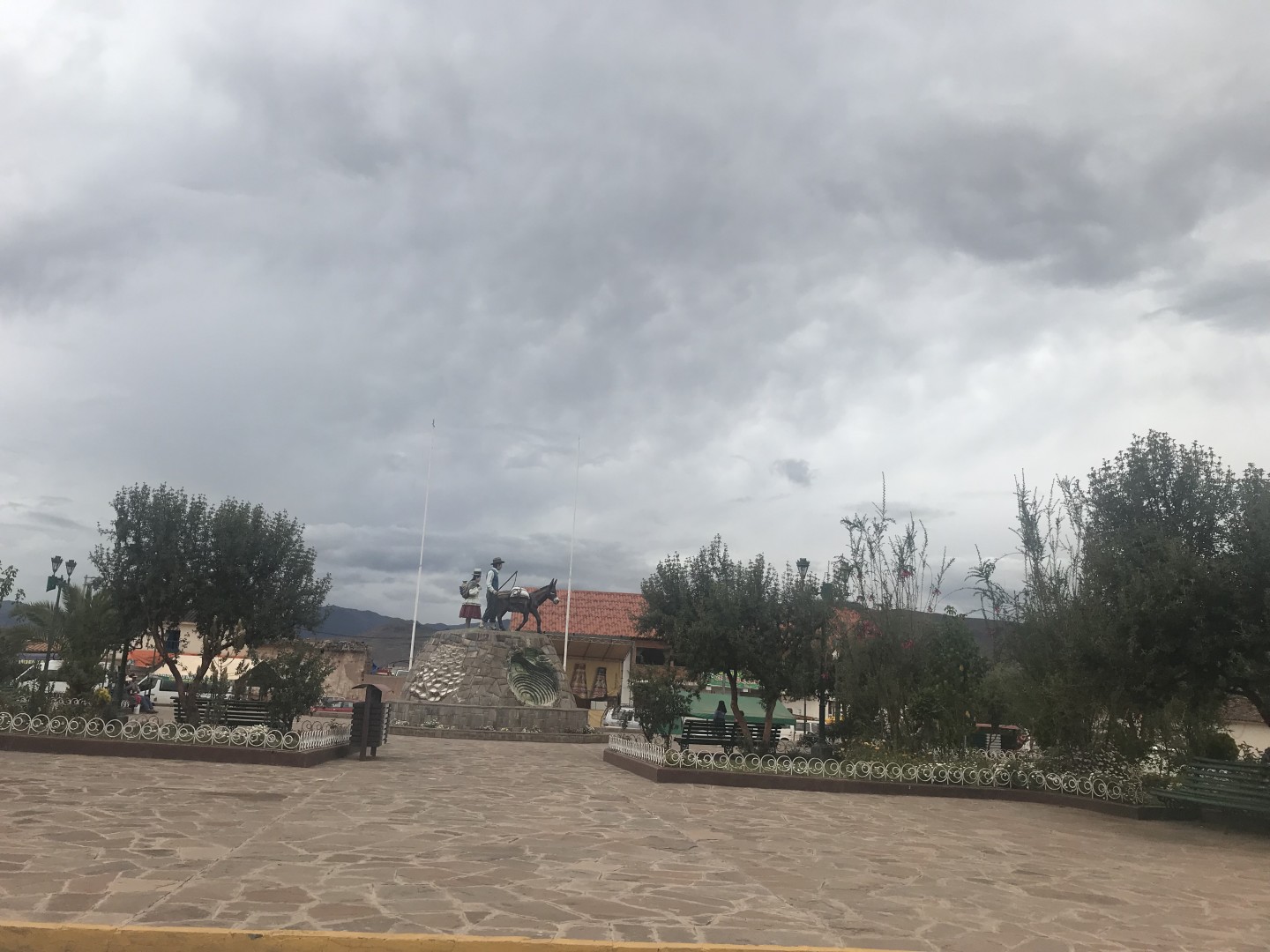
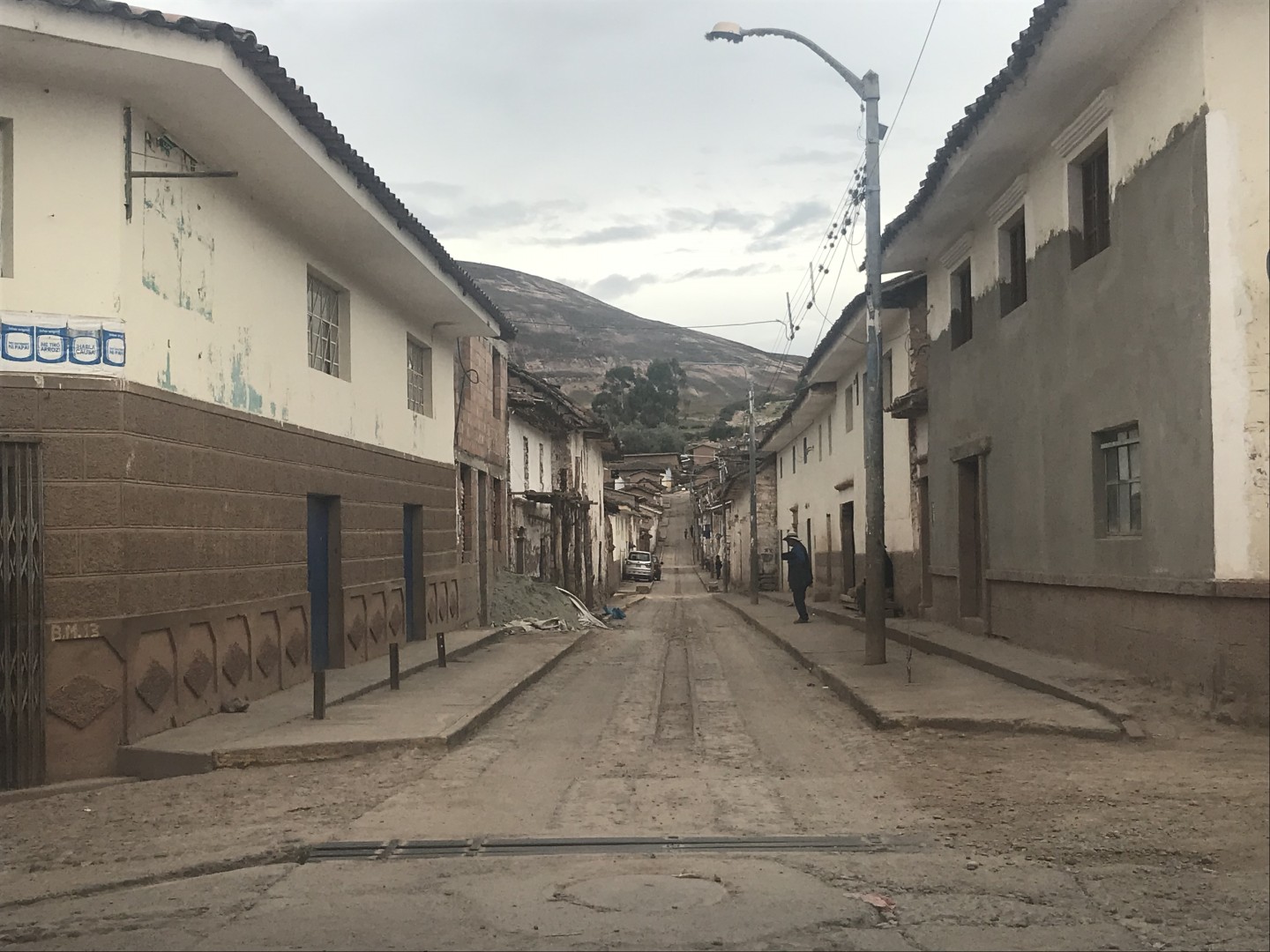
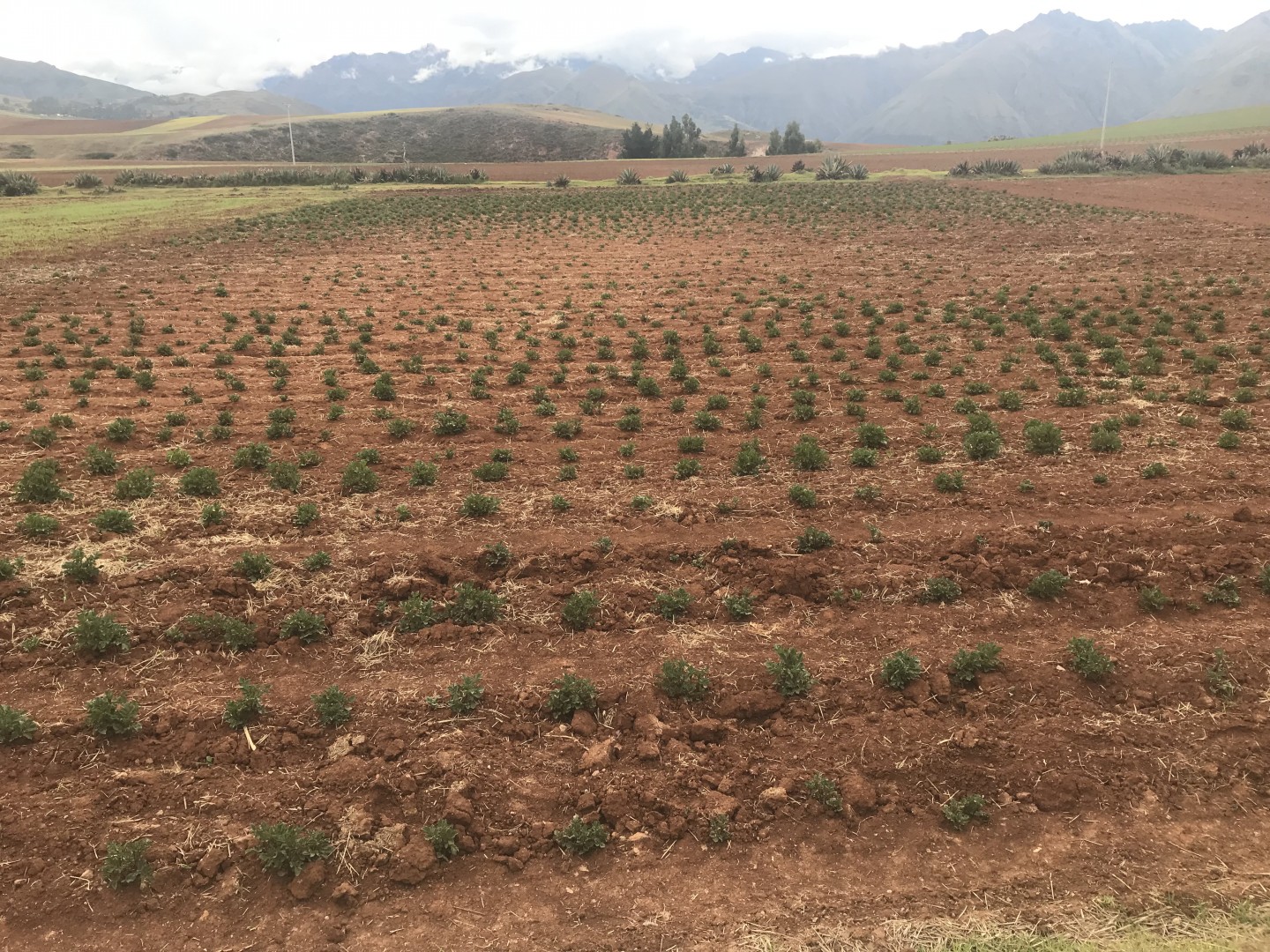
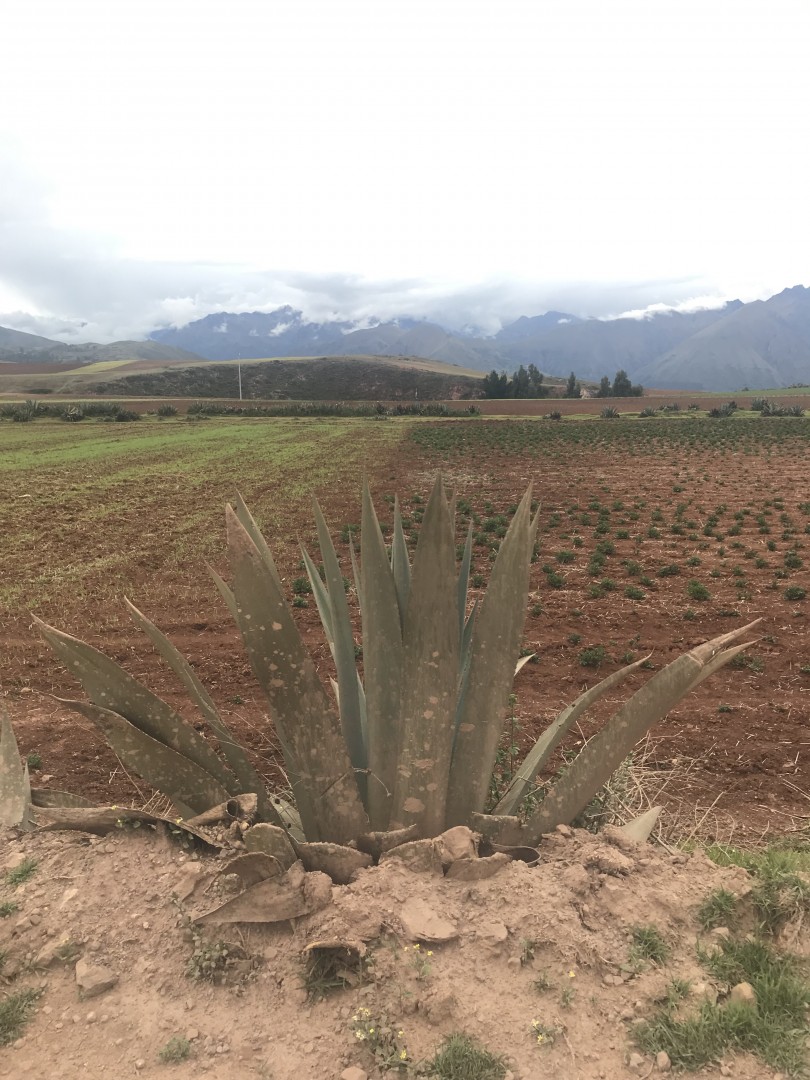
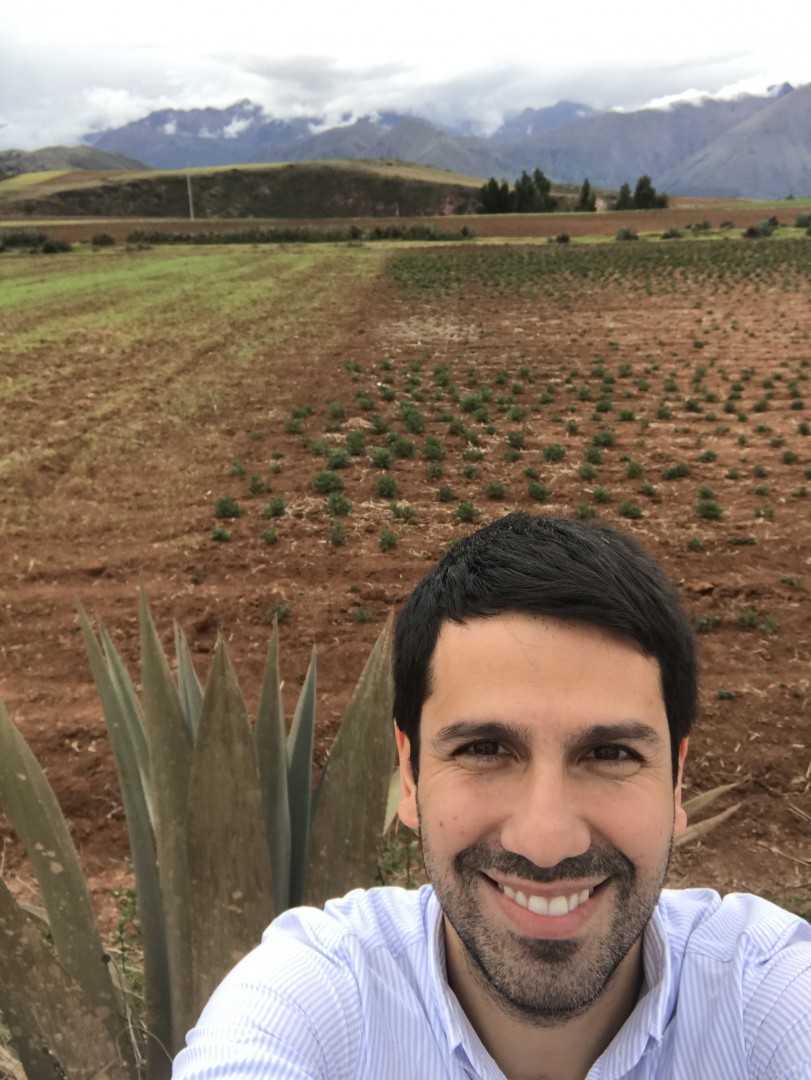
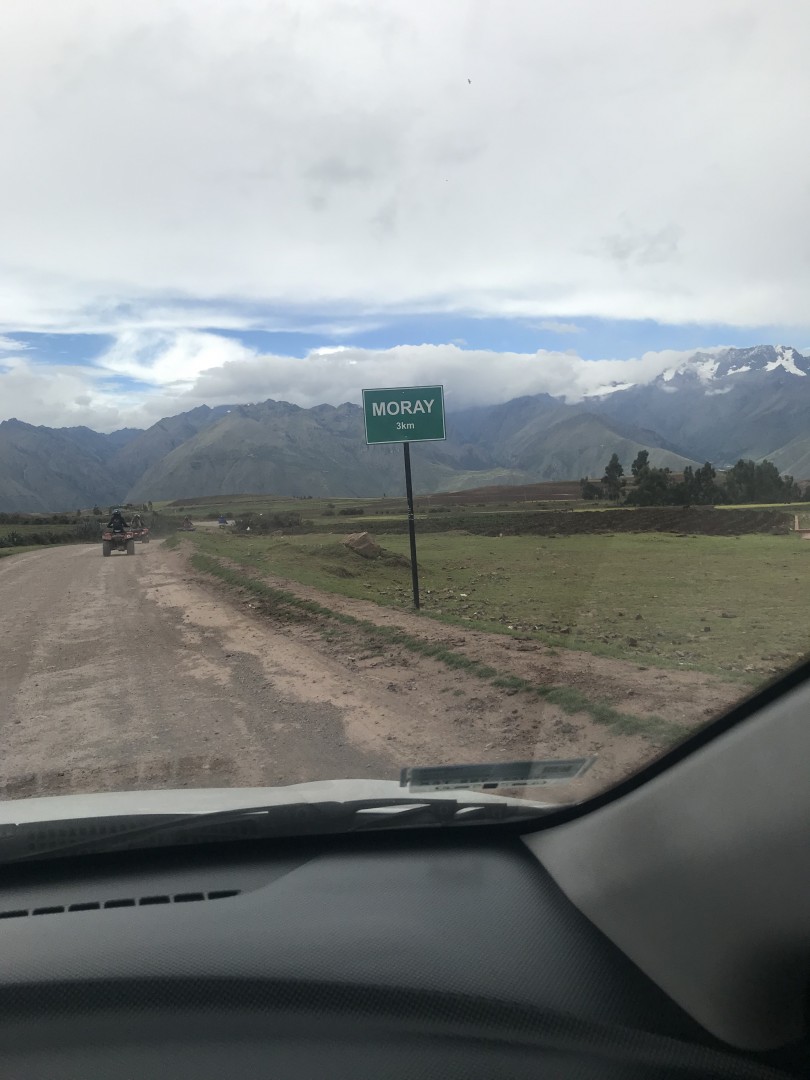
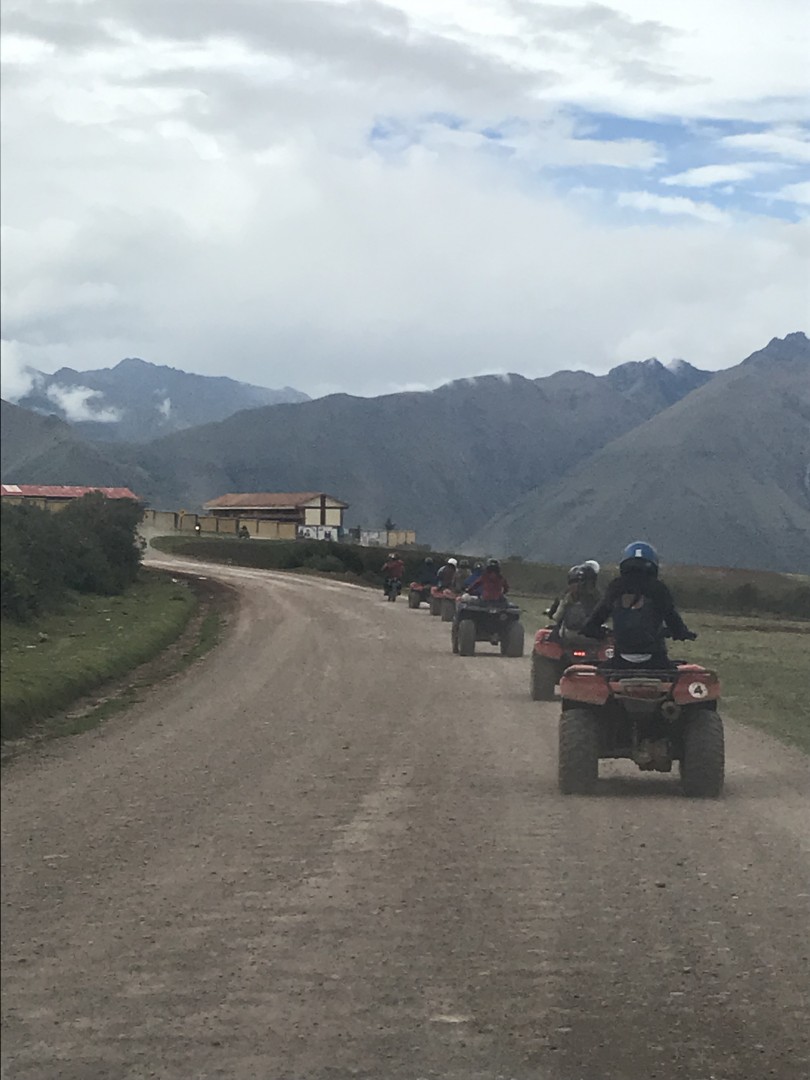
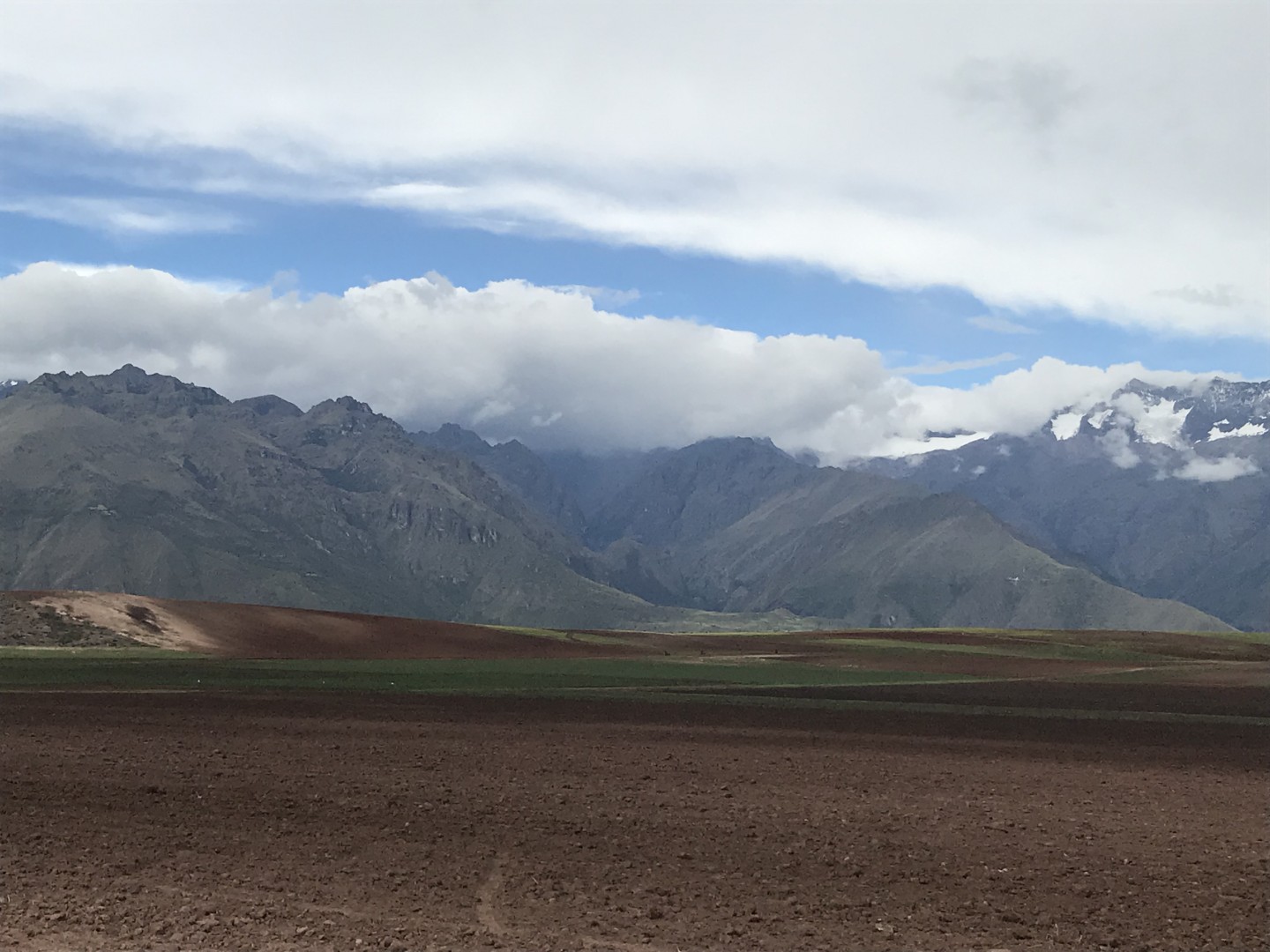
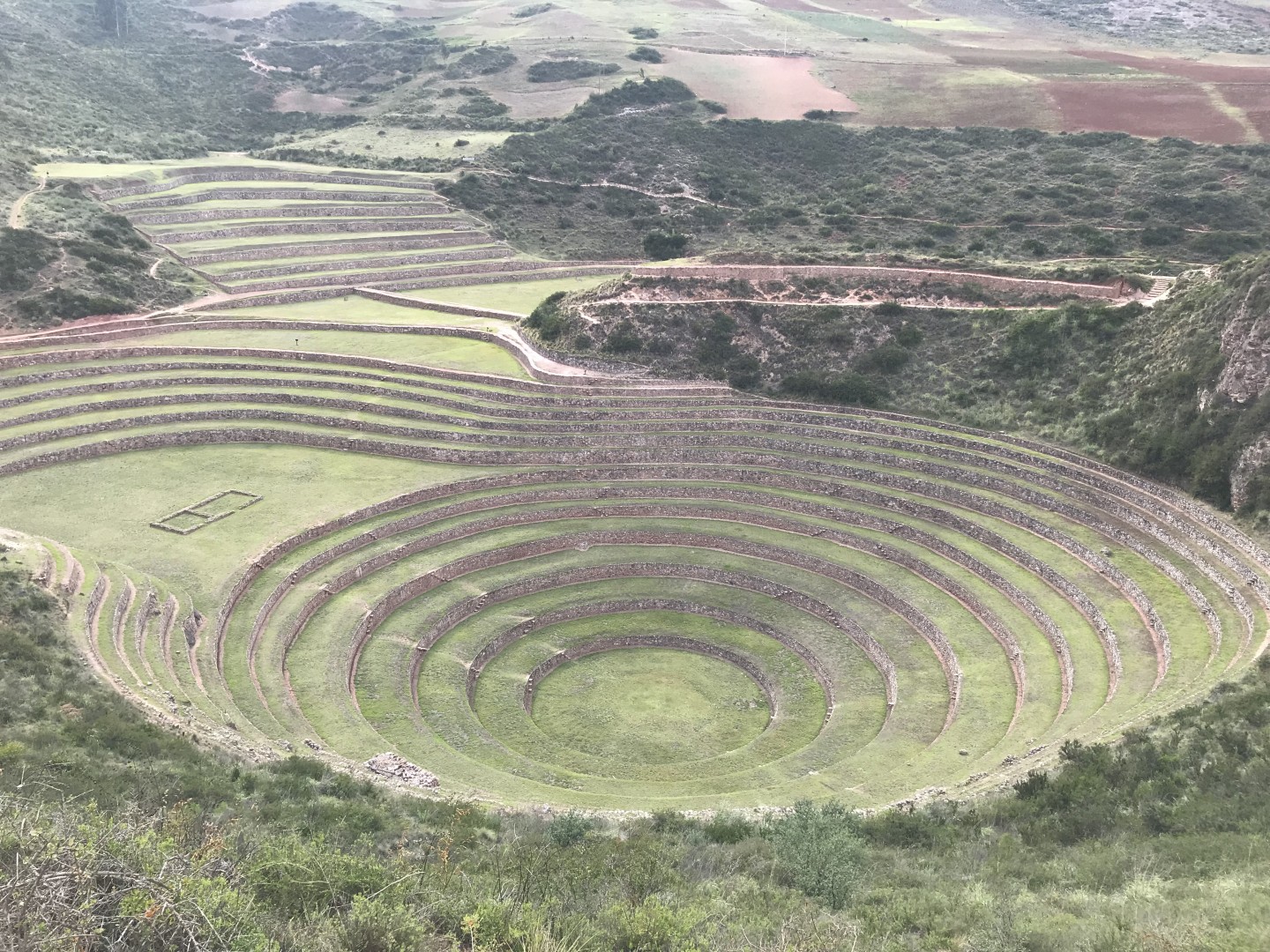
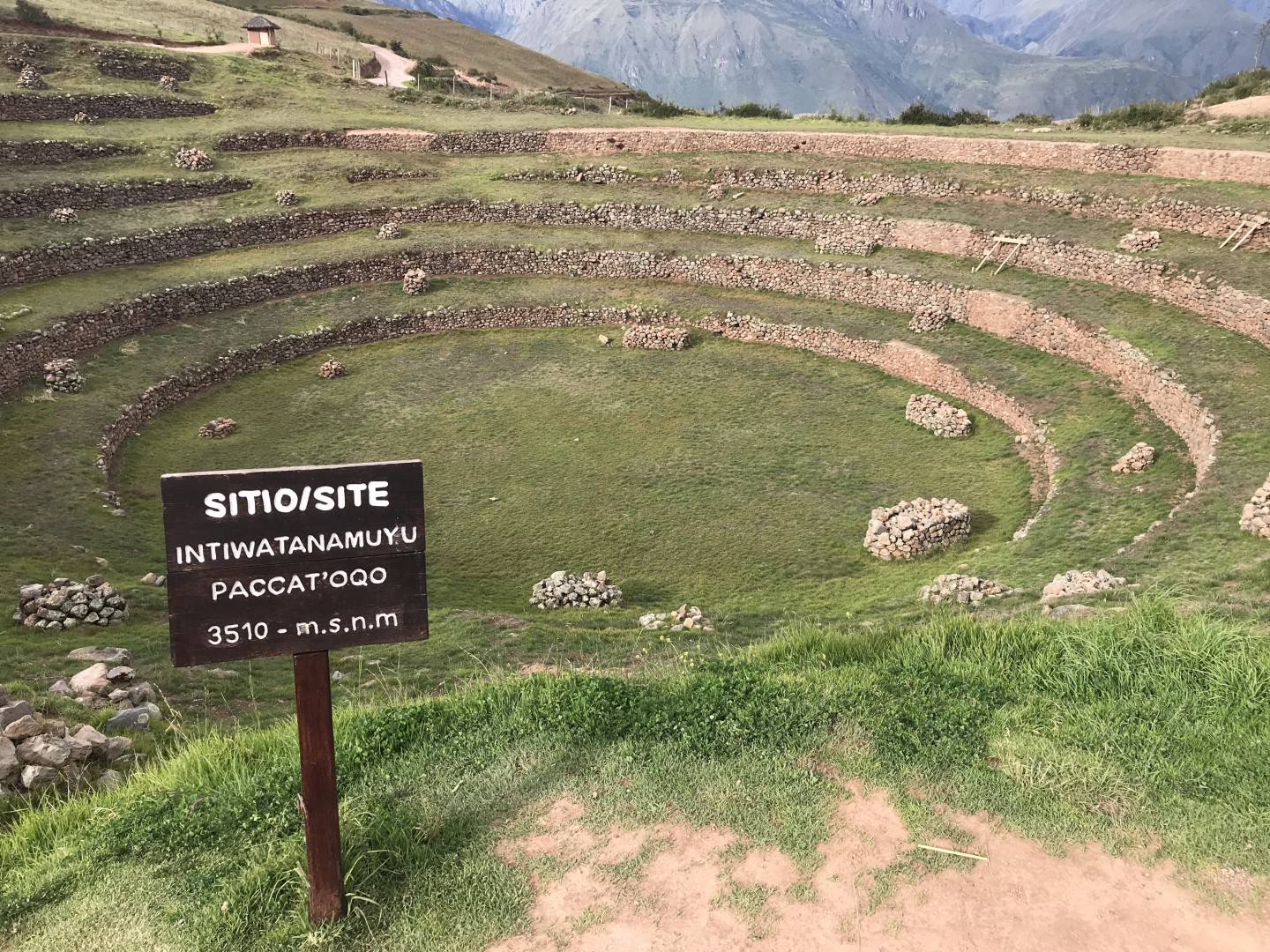
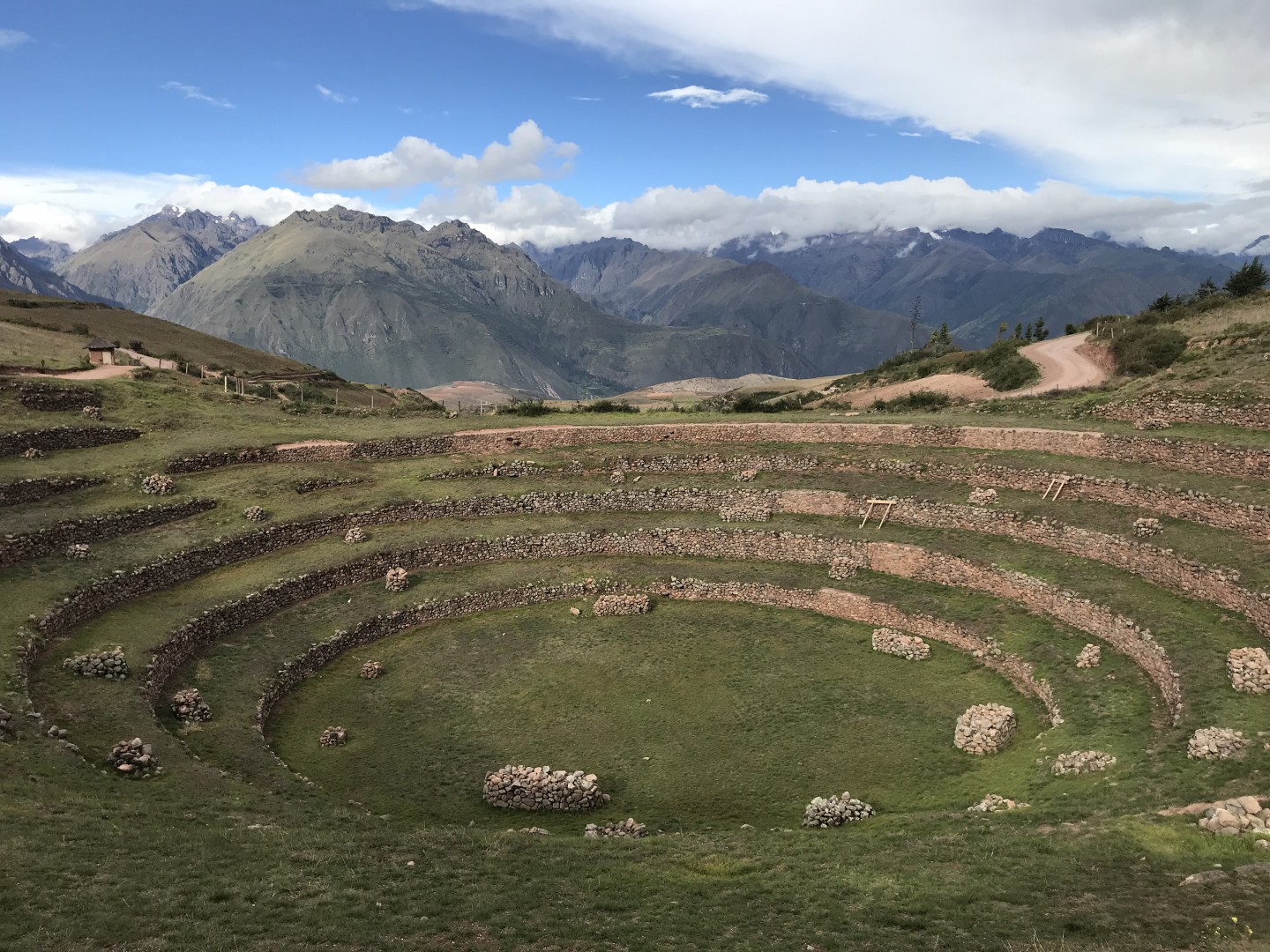
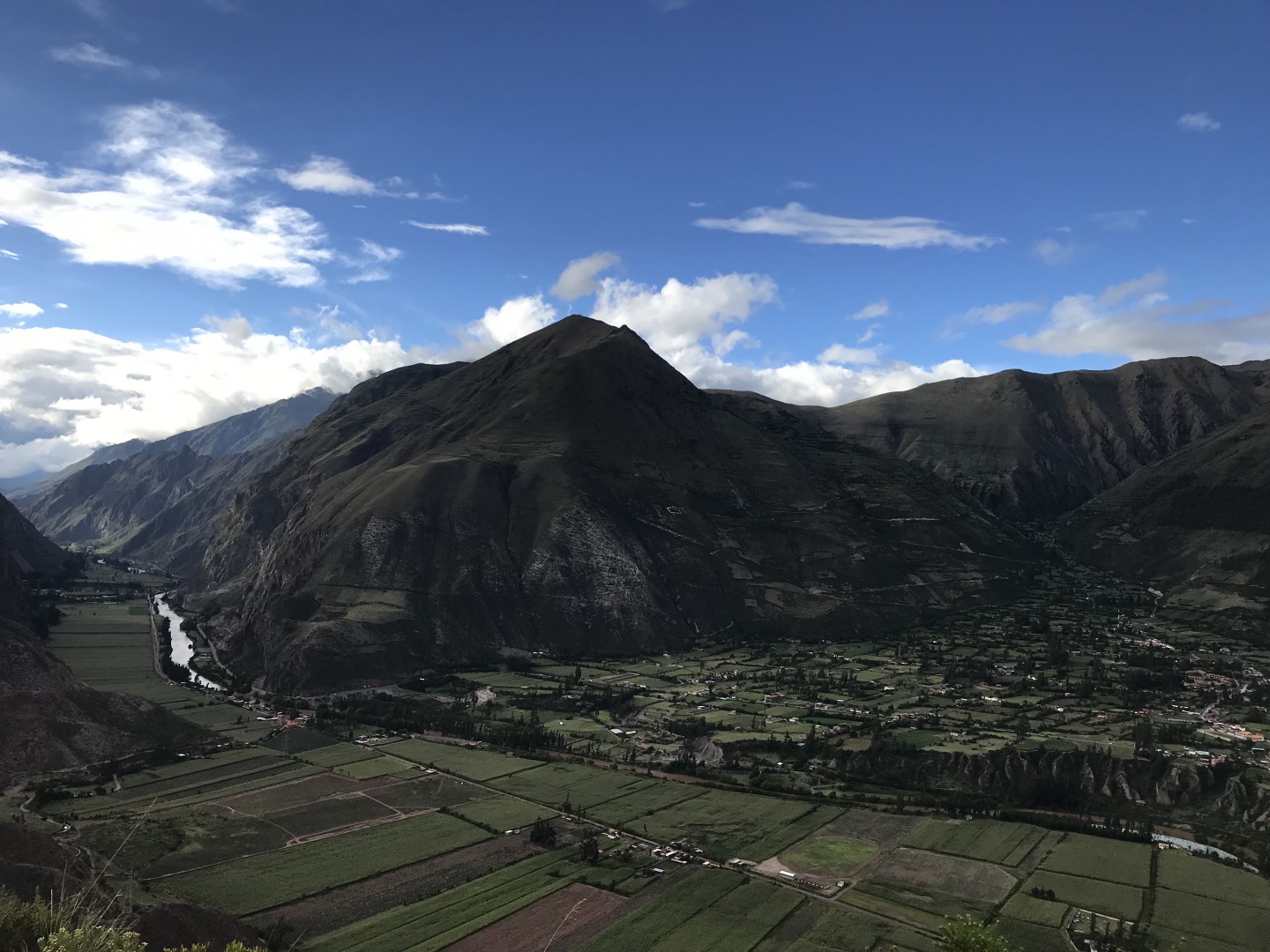
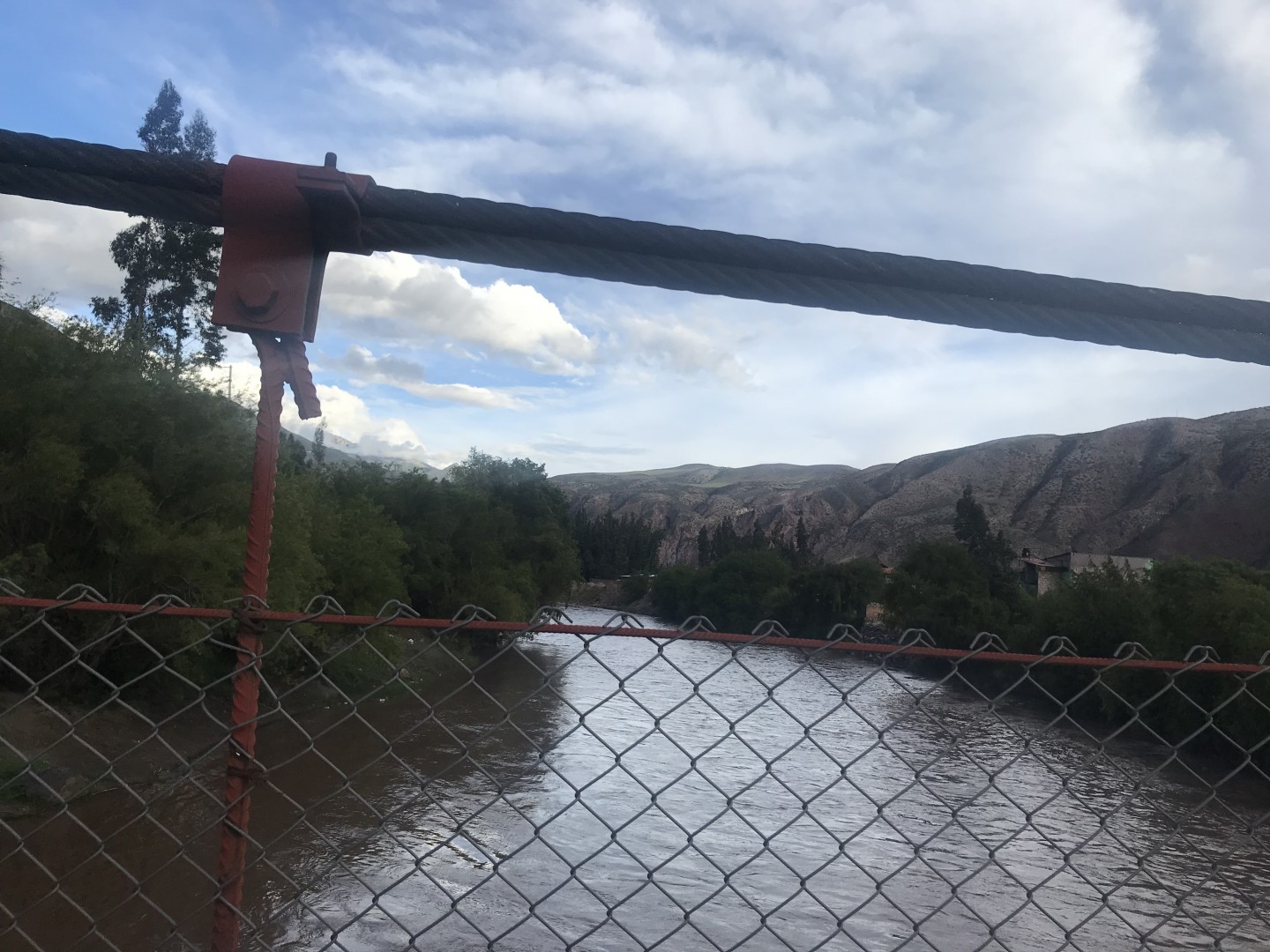
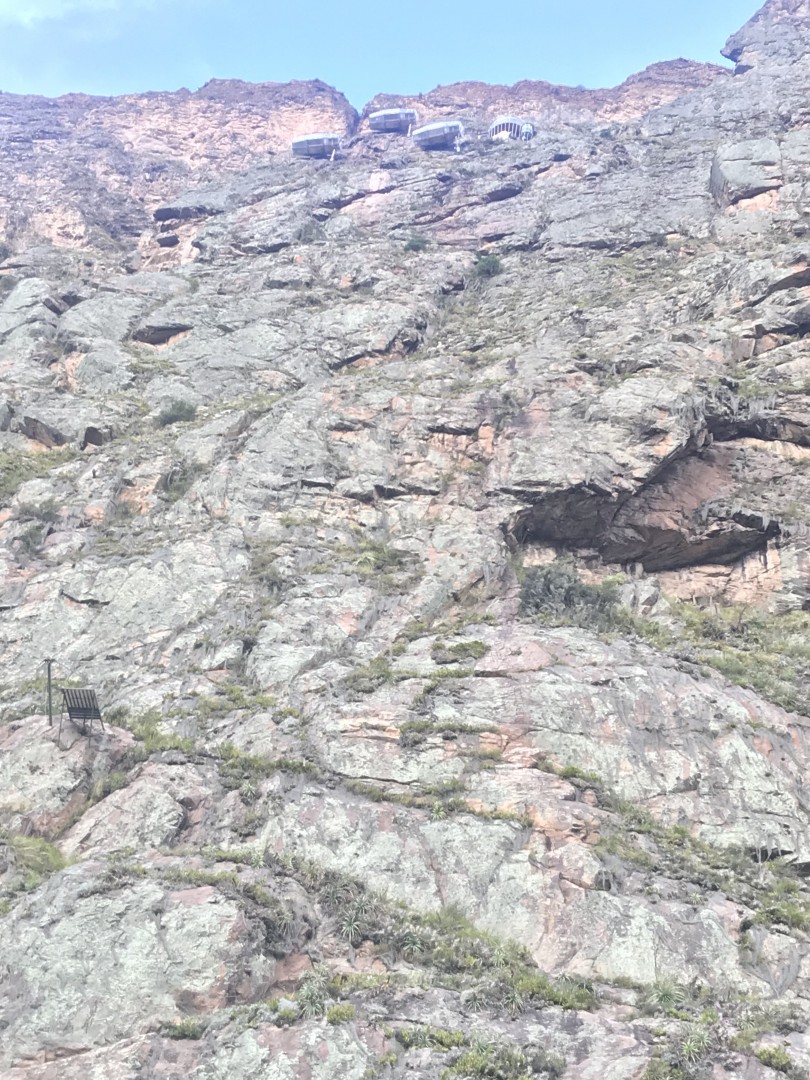
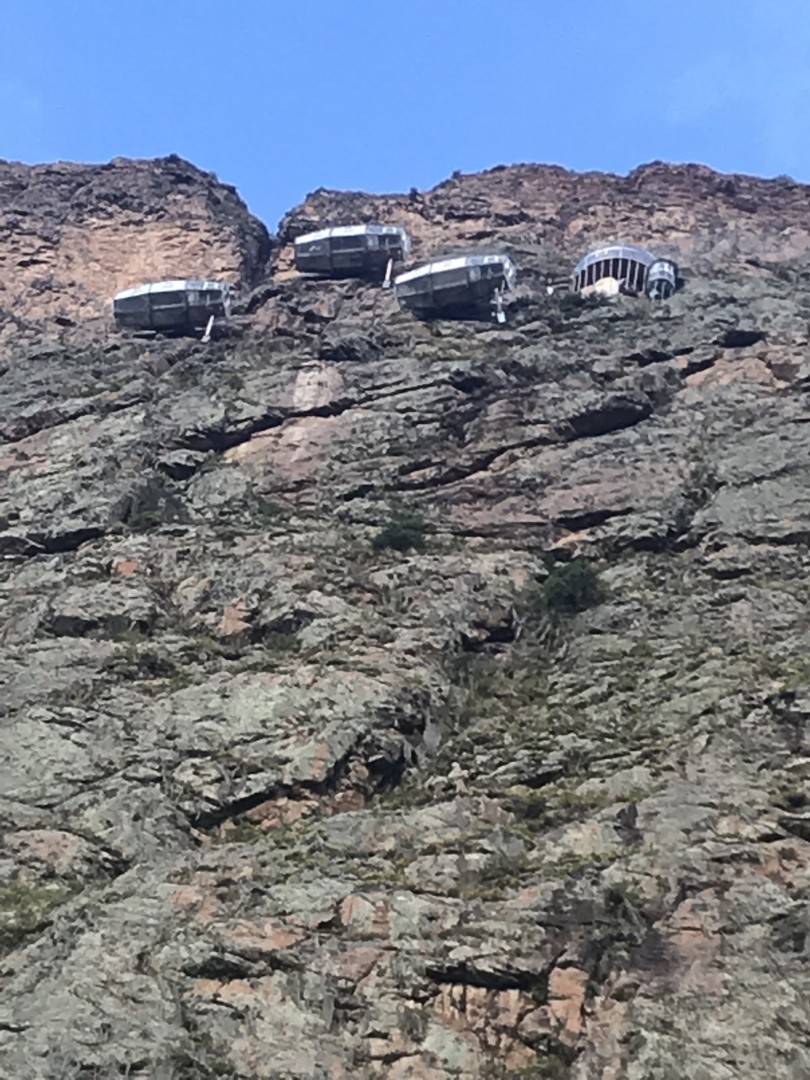
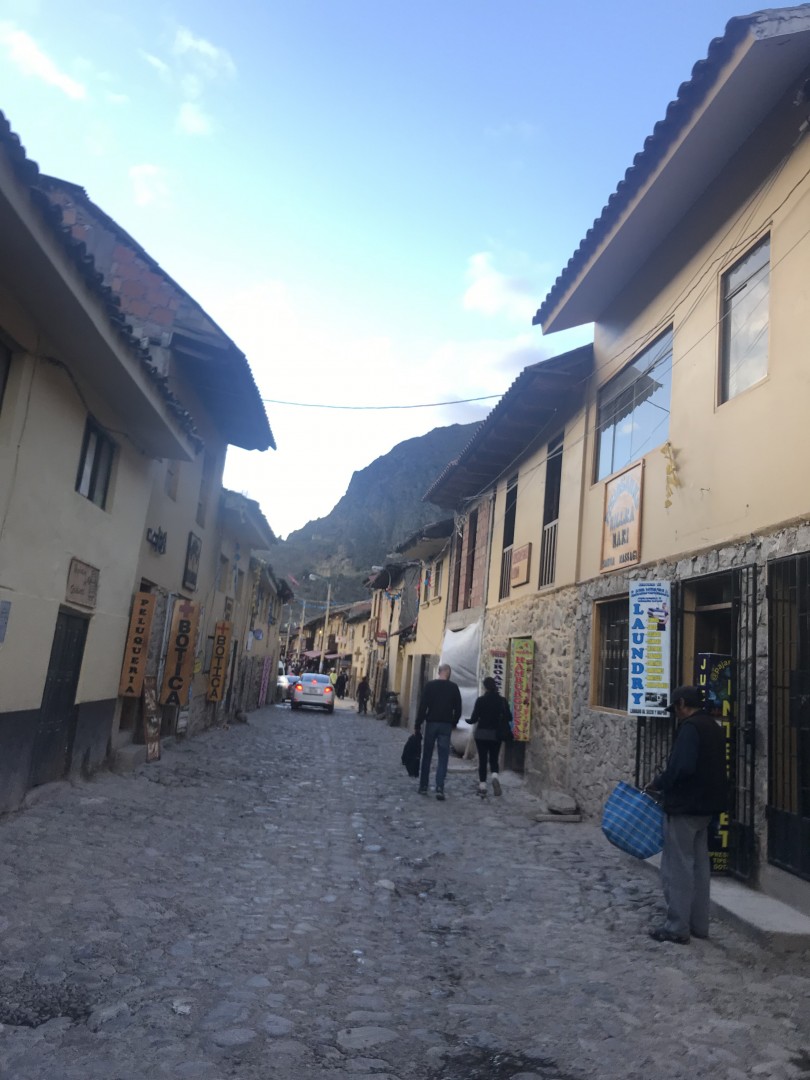
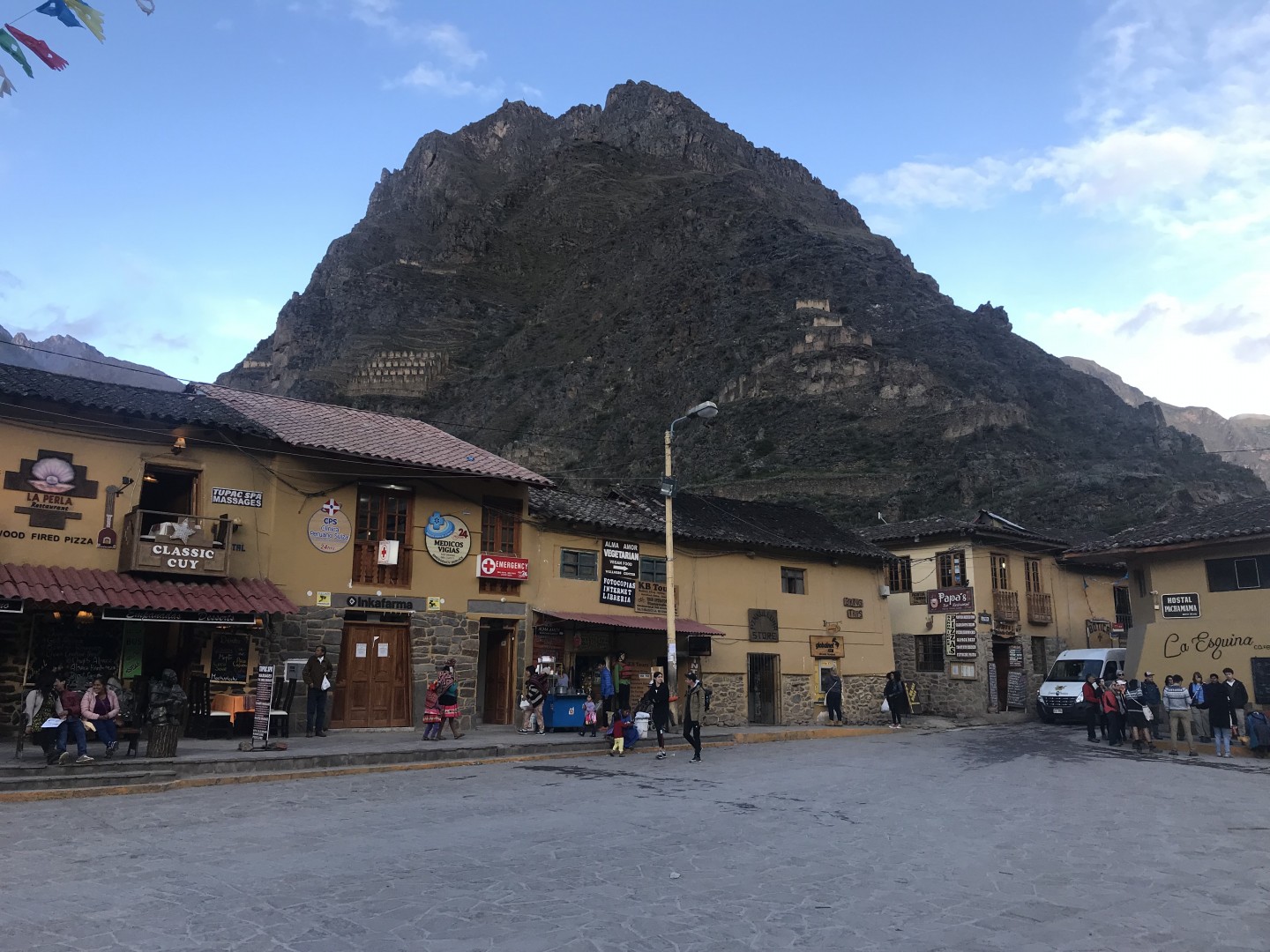
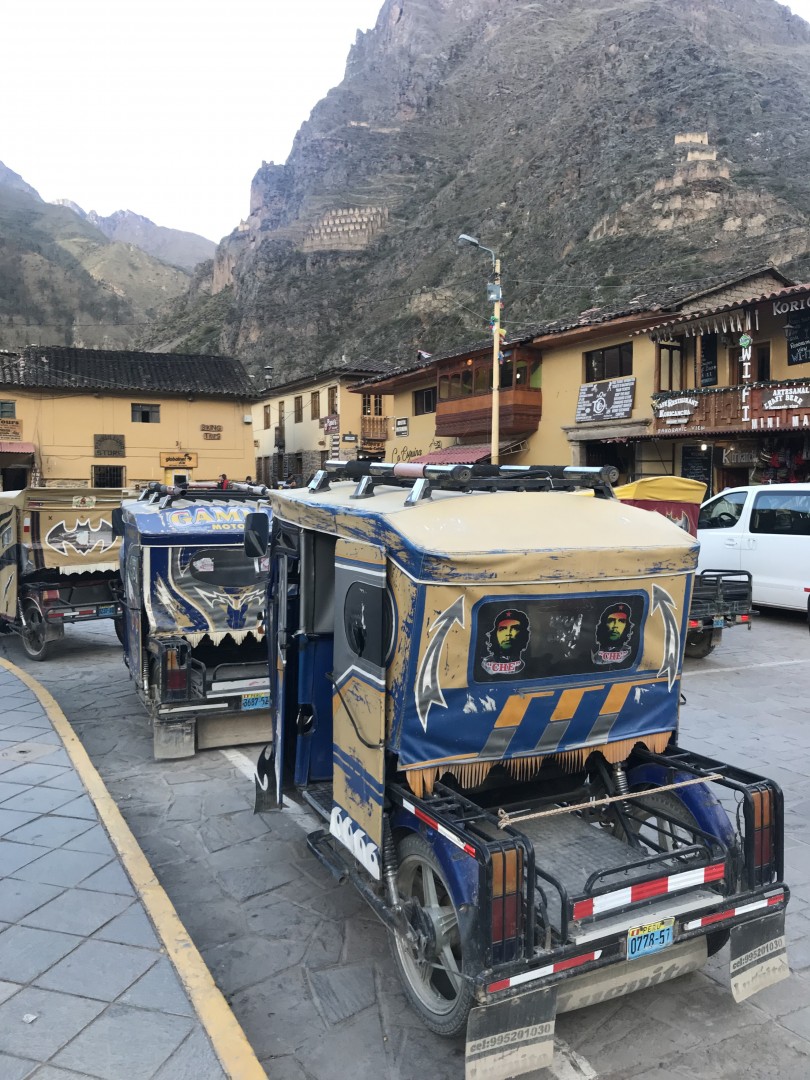
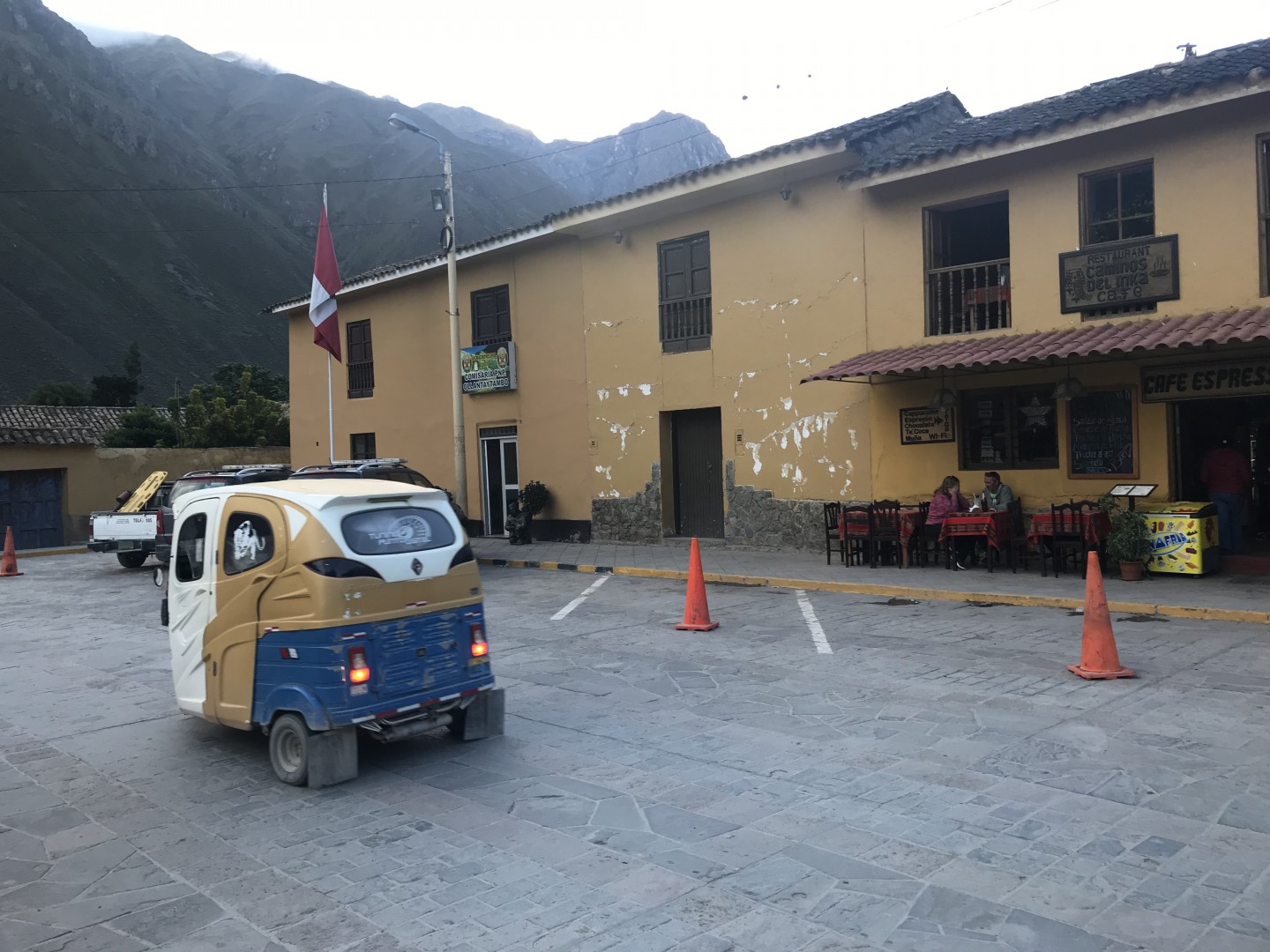
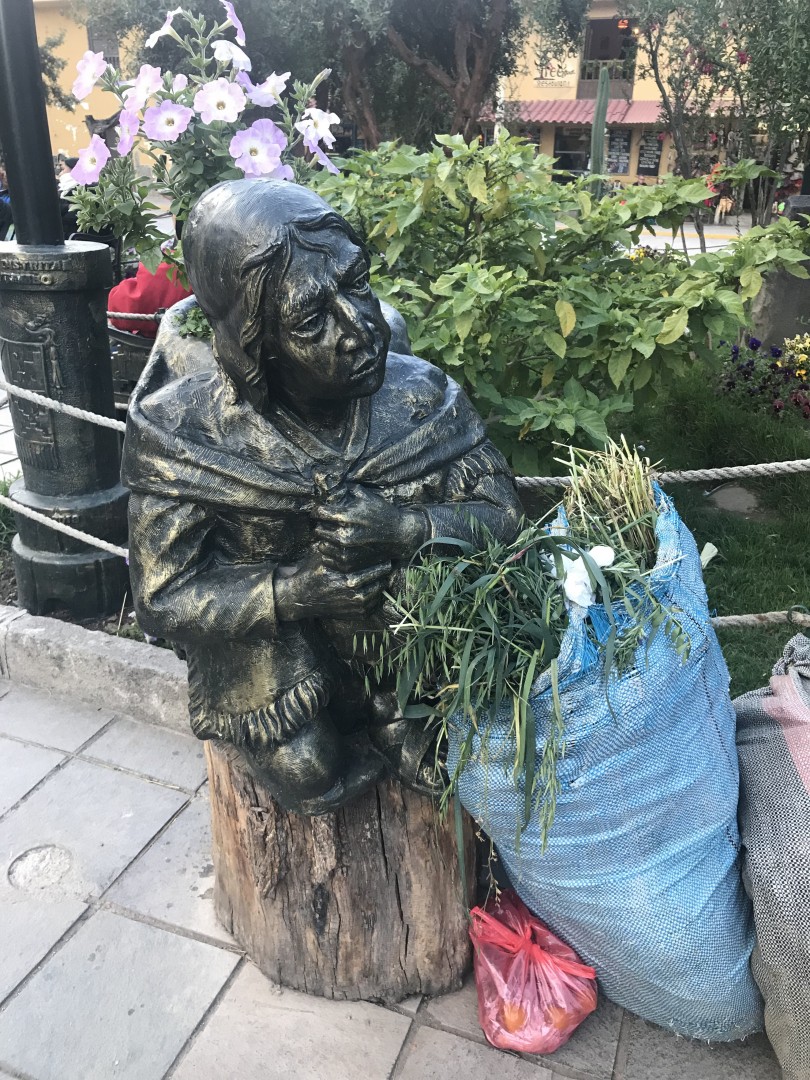
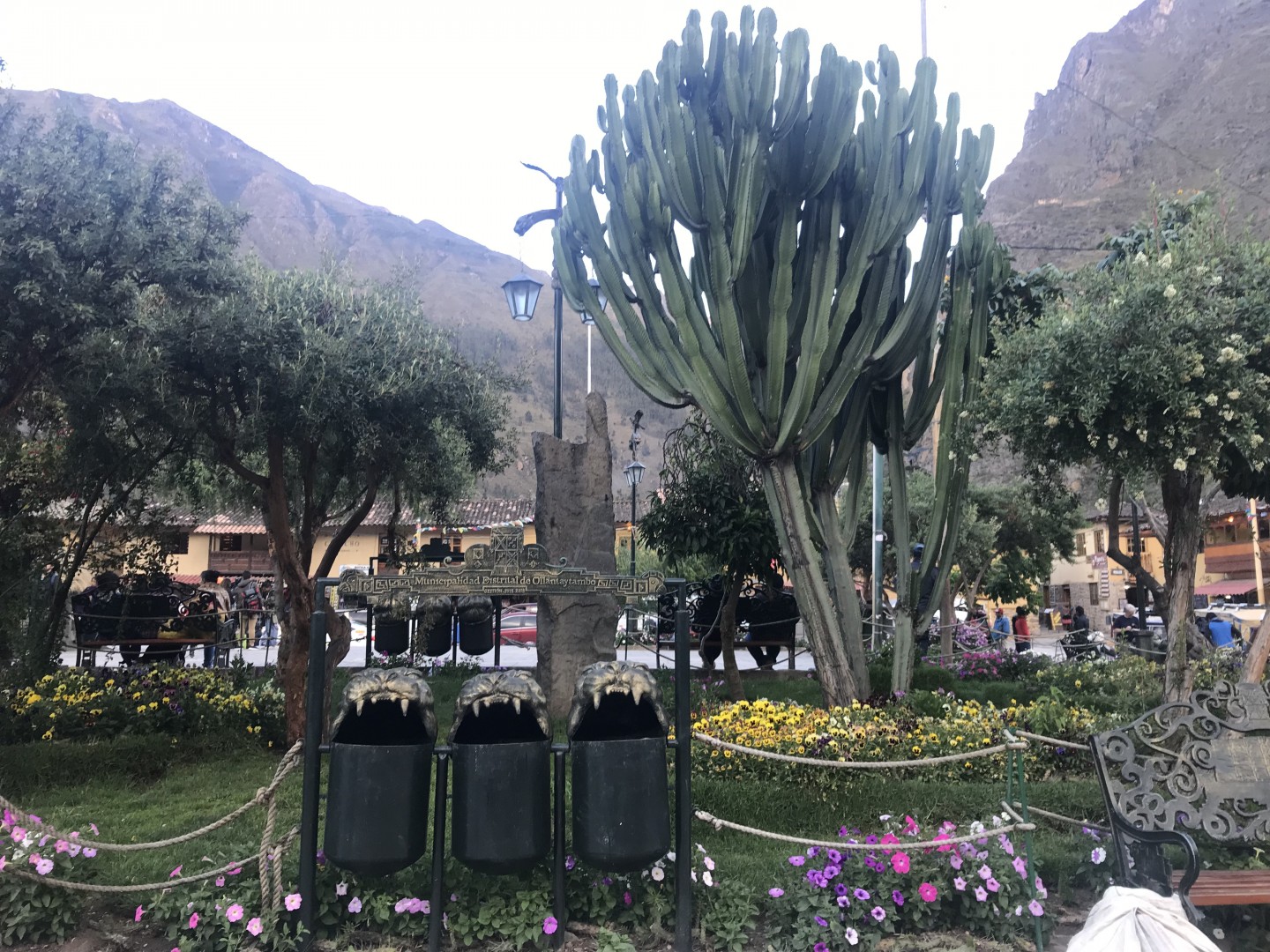
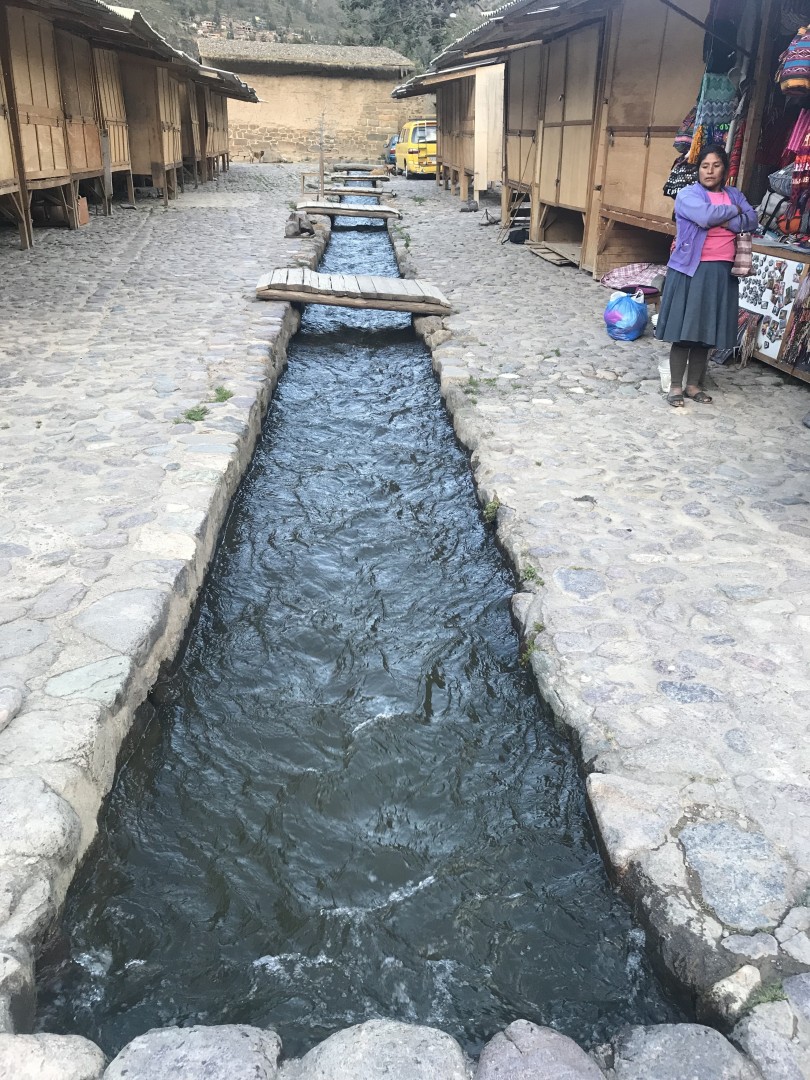
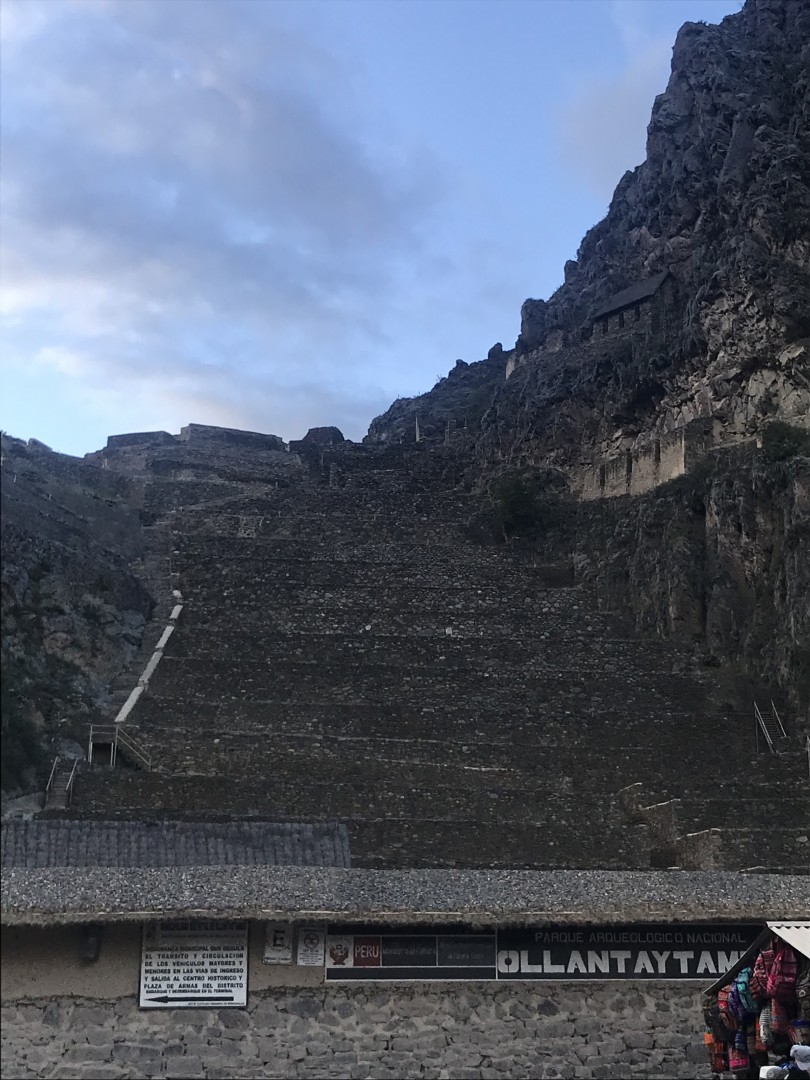
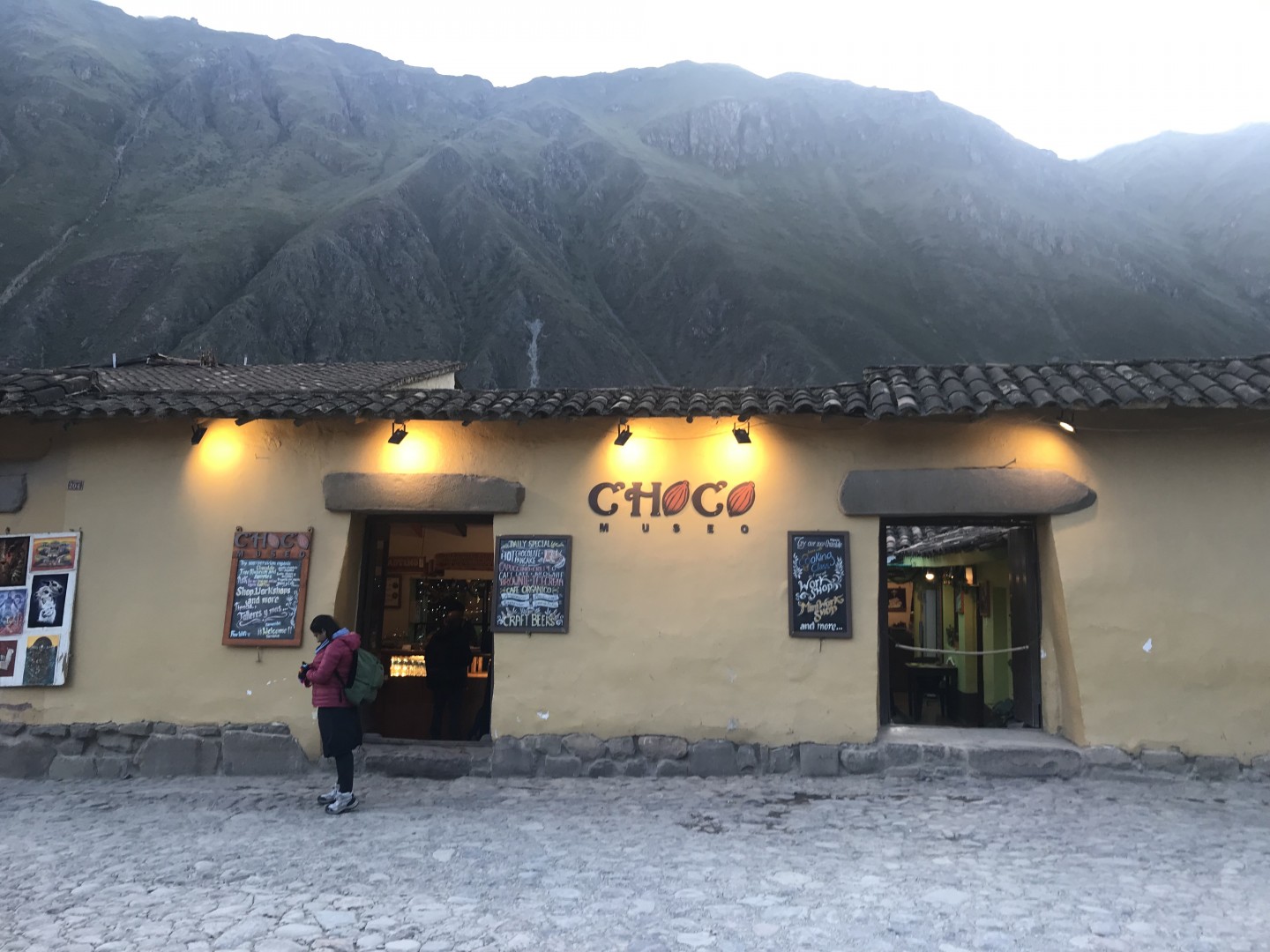
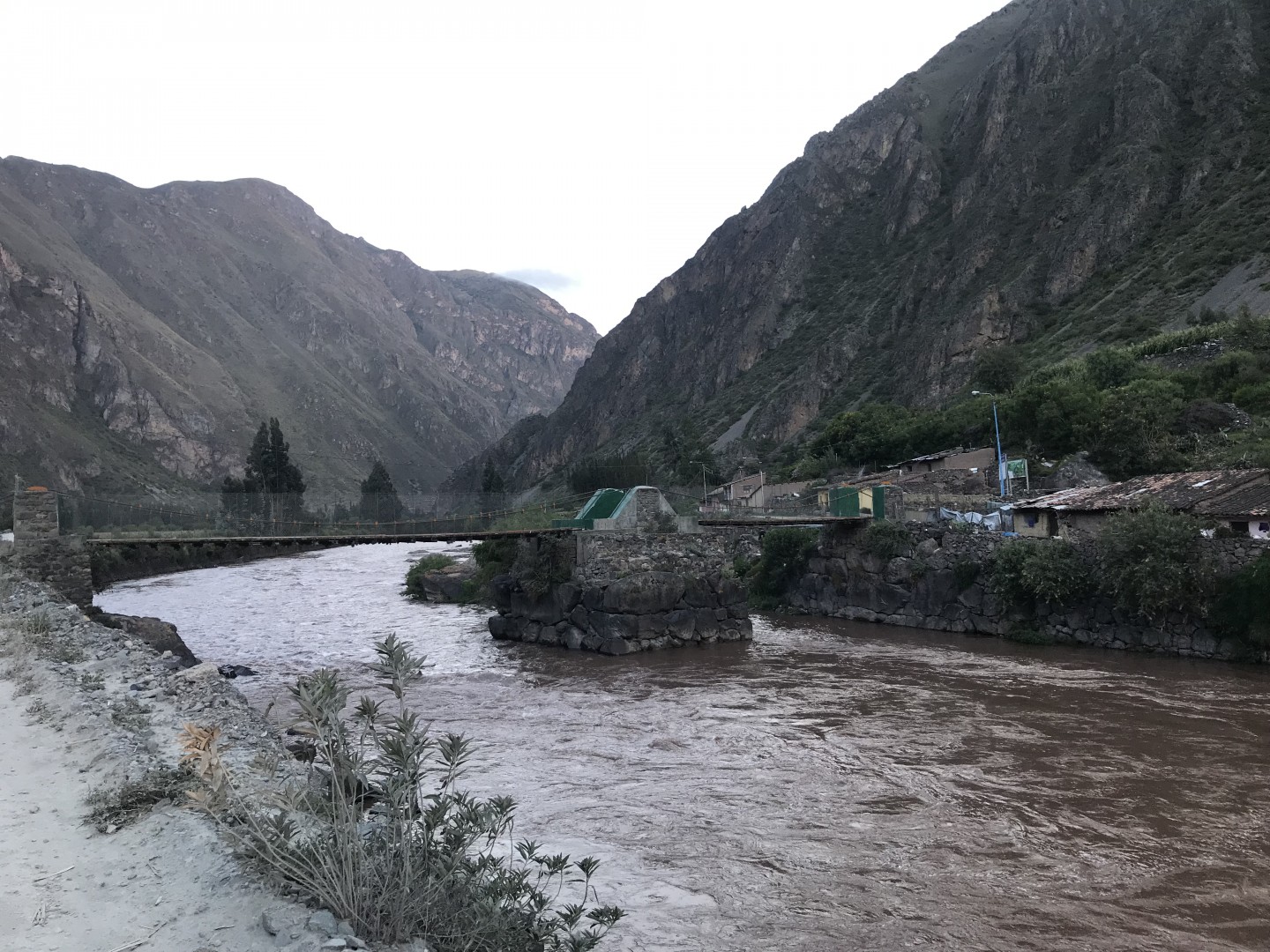
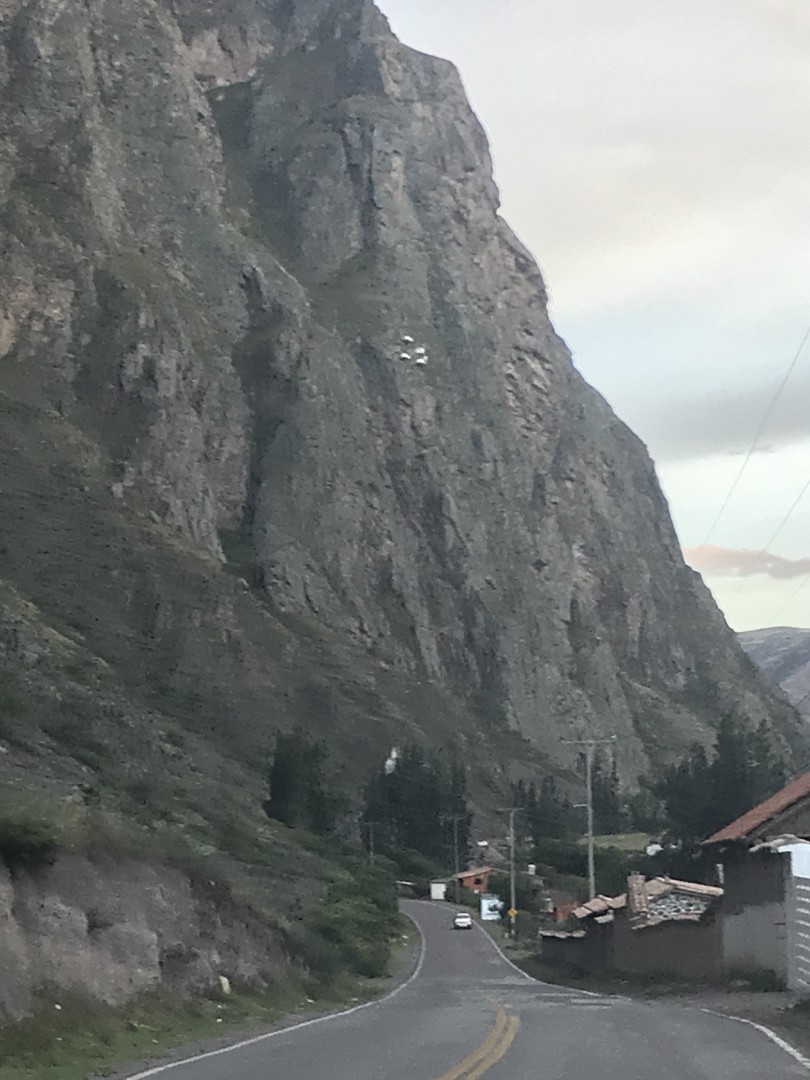
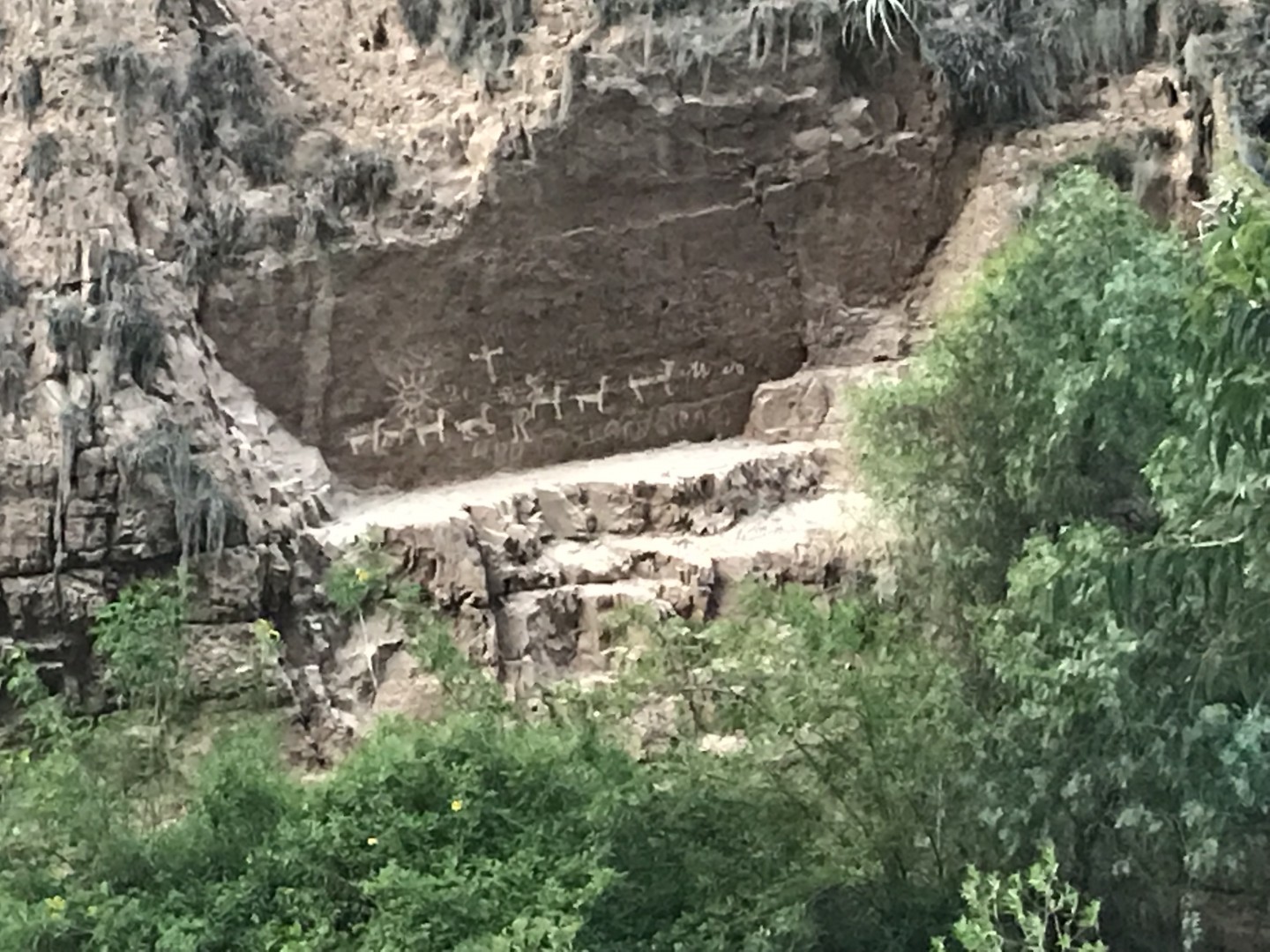
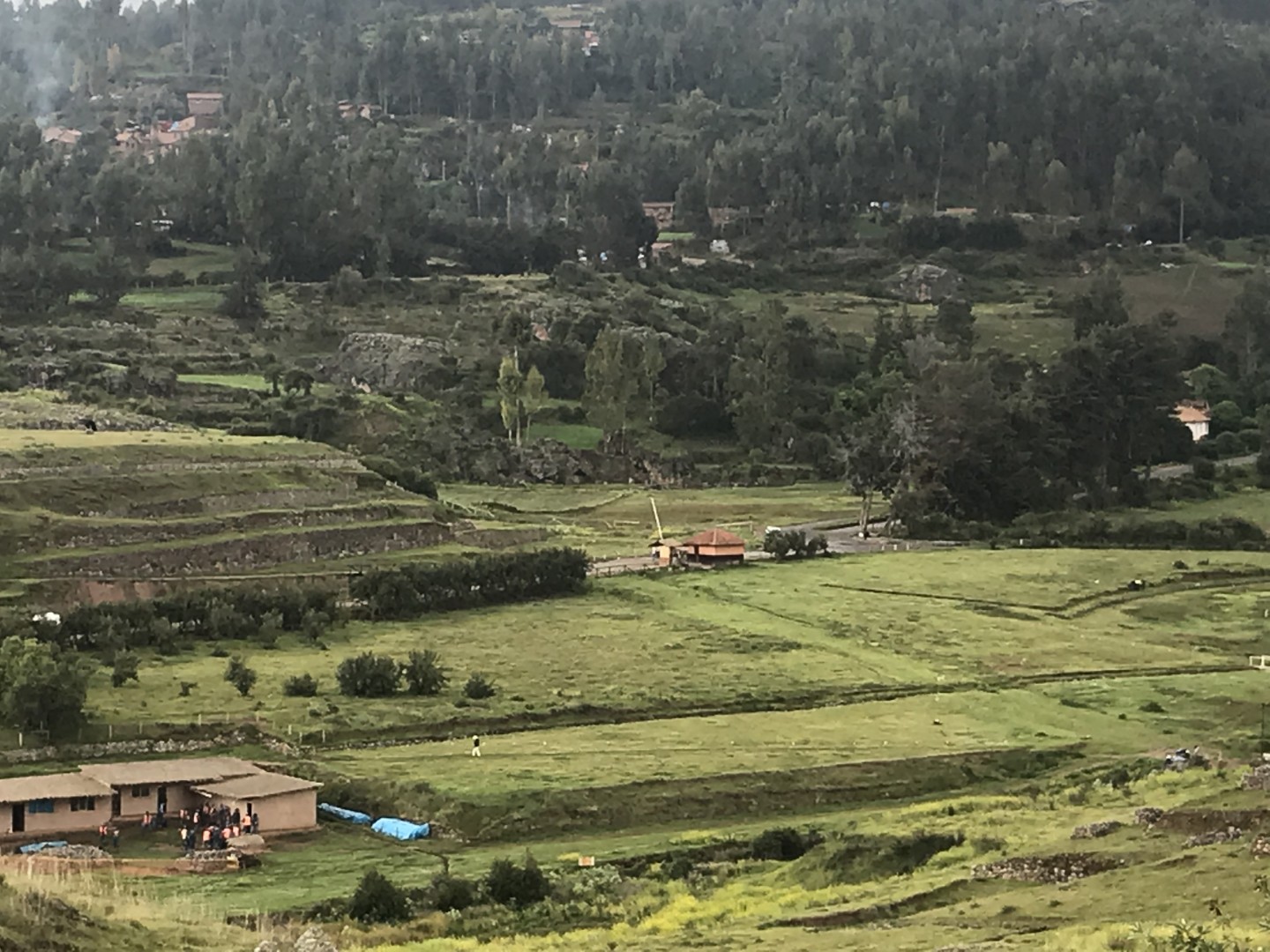
On our last day in Cusco, we organized a city tour. This tour allowed us to explore Plaza de Arma and many streets in the city center.
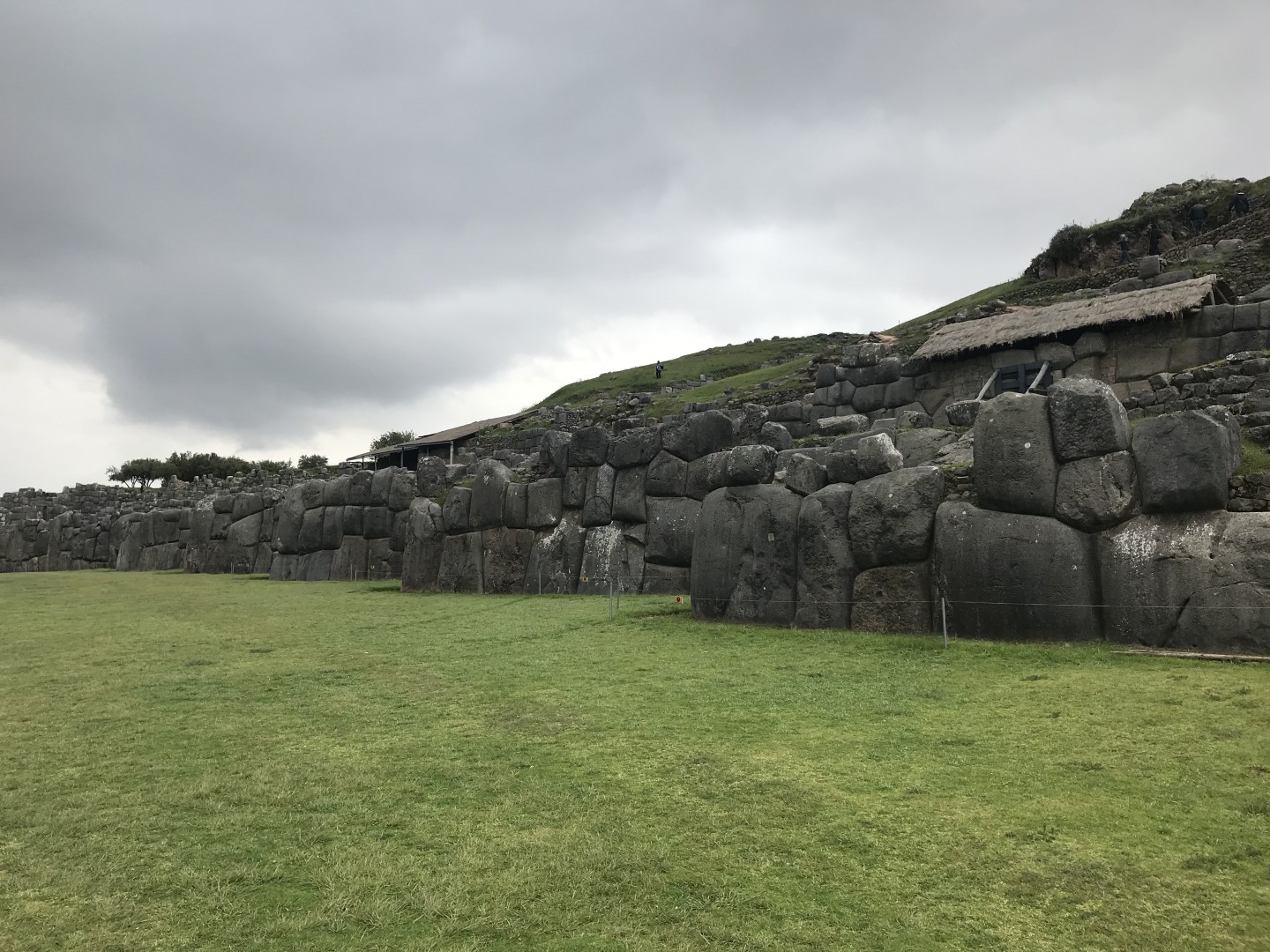
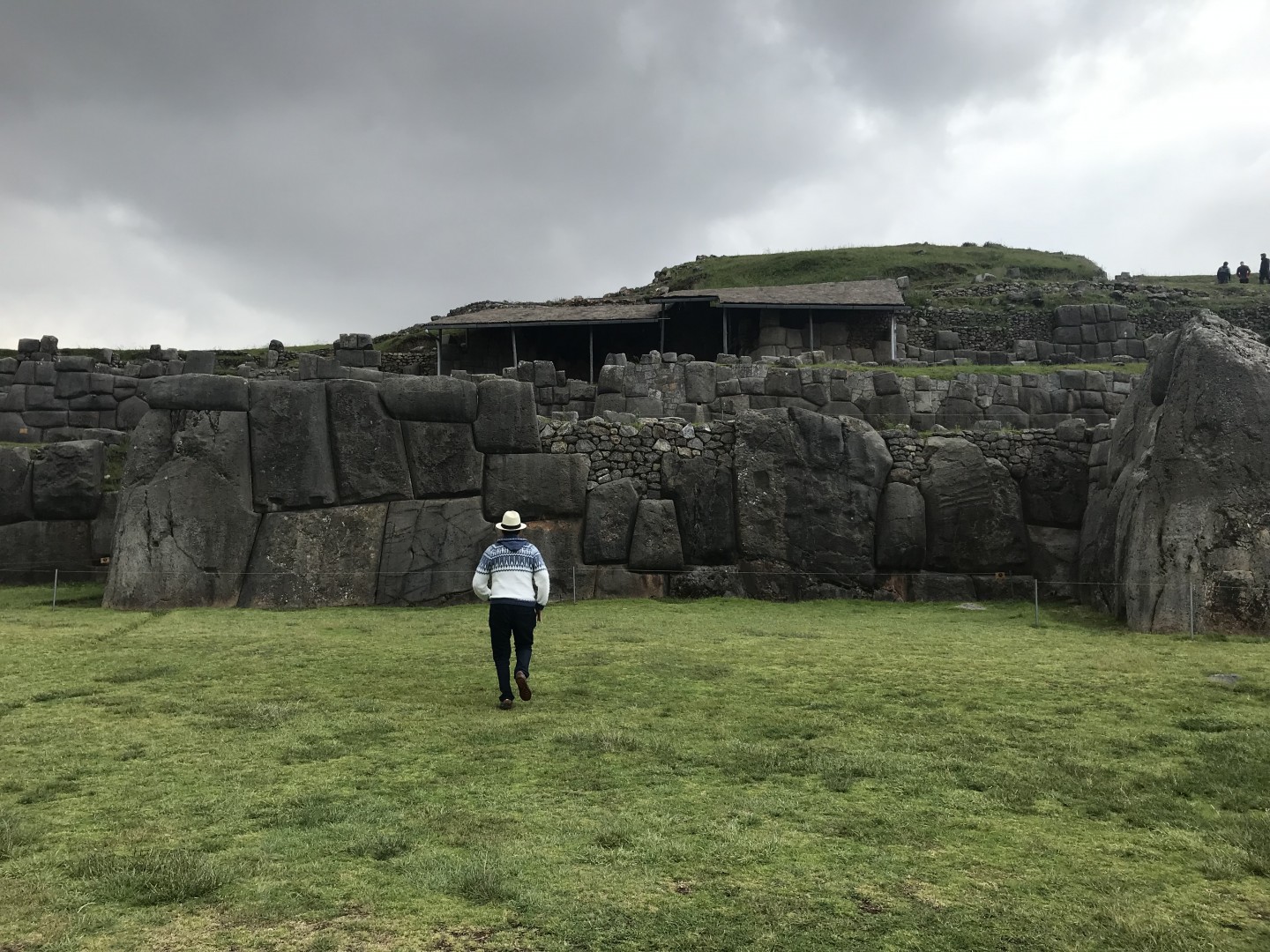
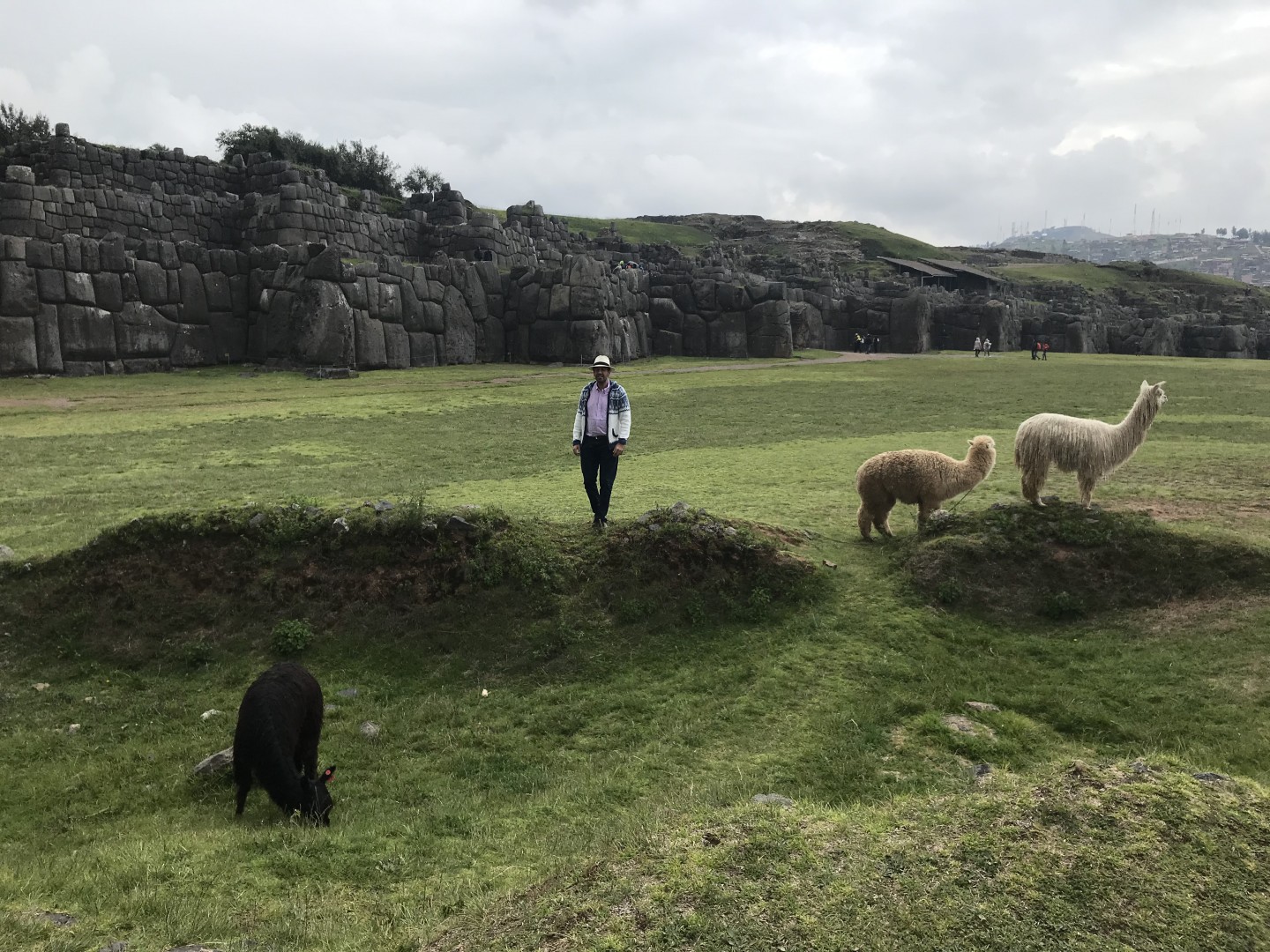
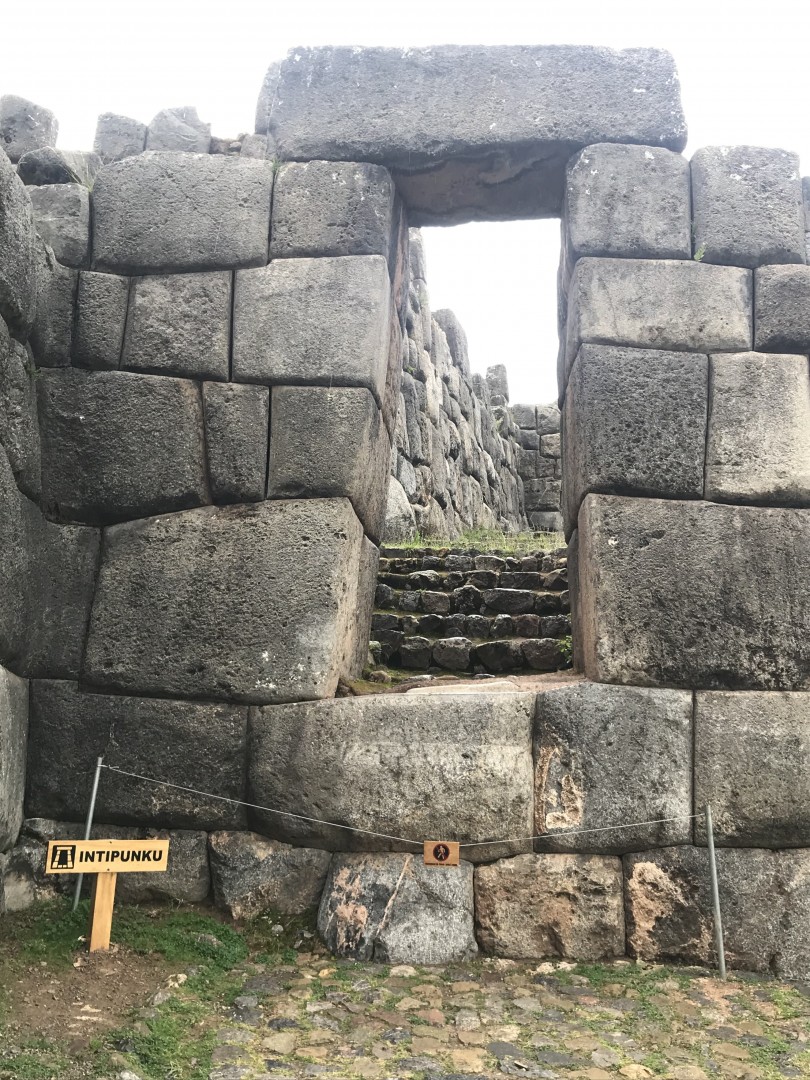
The next day, before heading to the airport, we visited the Inca site of Sacsayhuaman.
Sacsayhuaman means ‘Noble Eagle’ in Quechua (the language of the Incas). Perched atop Cusco city, it offers a magnificent view of Cusco from its hilltop.
I’d also like to share some images from this visit:
On our way from the Inca site of Saksayhuaman to the airport, we stopped at places with beautiful views. Here are the images:
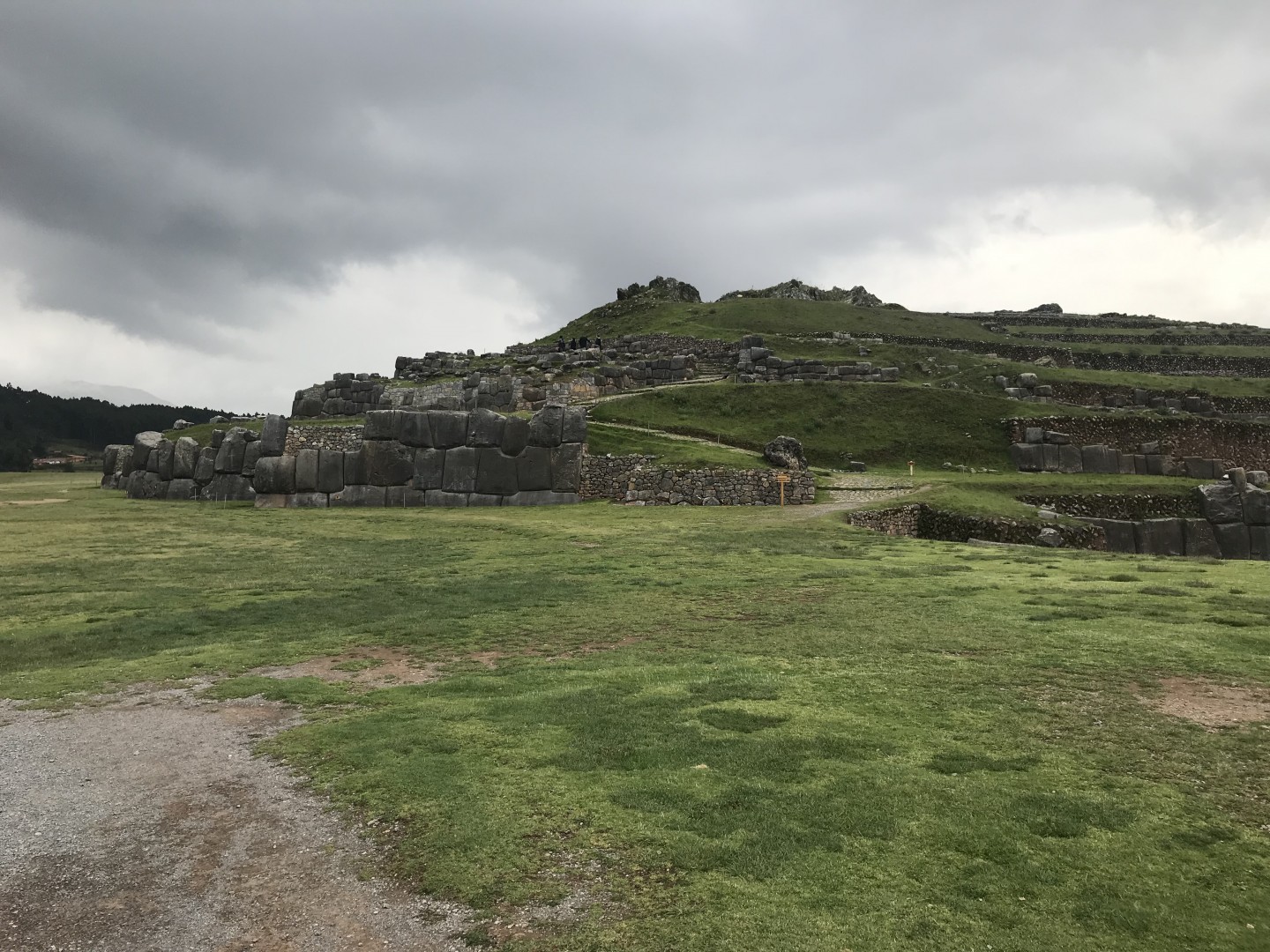
On our way from the Inca site of Saksayhuaman to the airport, we stopped at places with beautiful views. Here are the images:
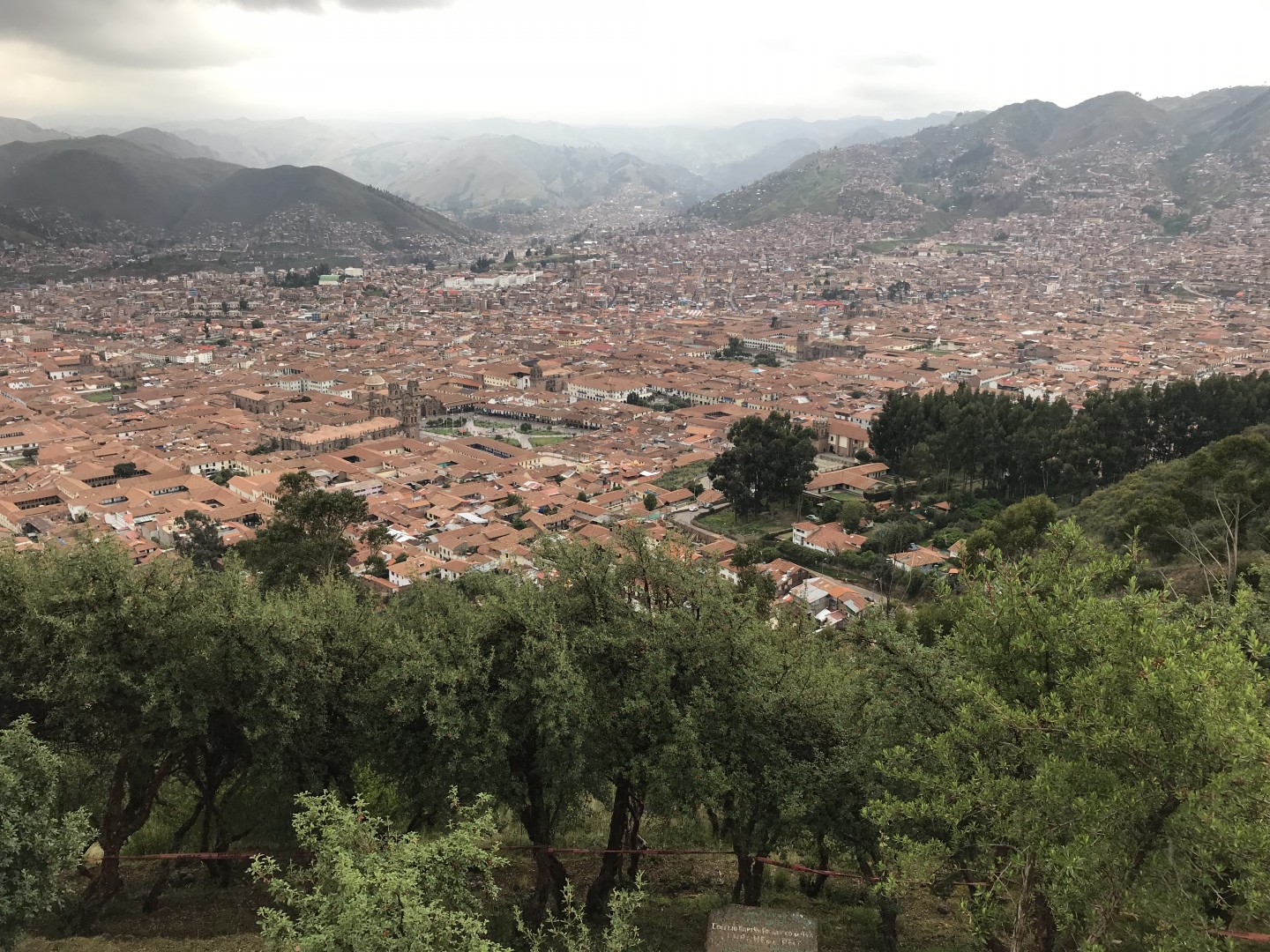
A Magnificent Panorama of Cusco
A Magnificent Panorama of Cusco
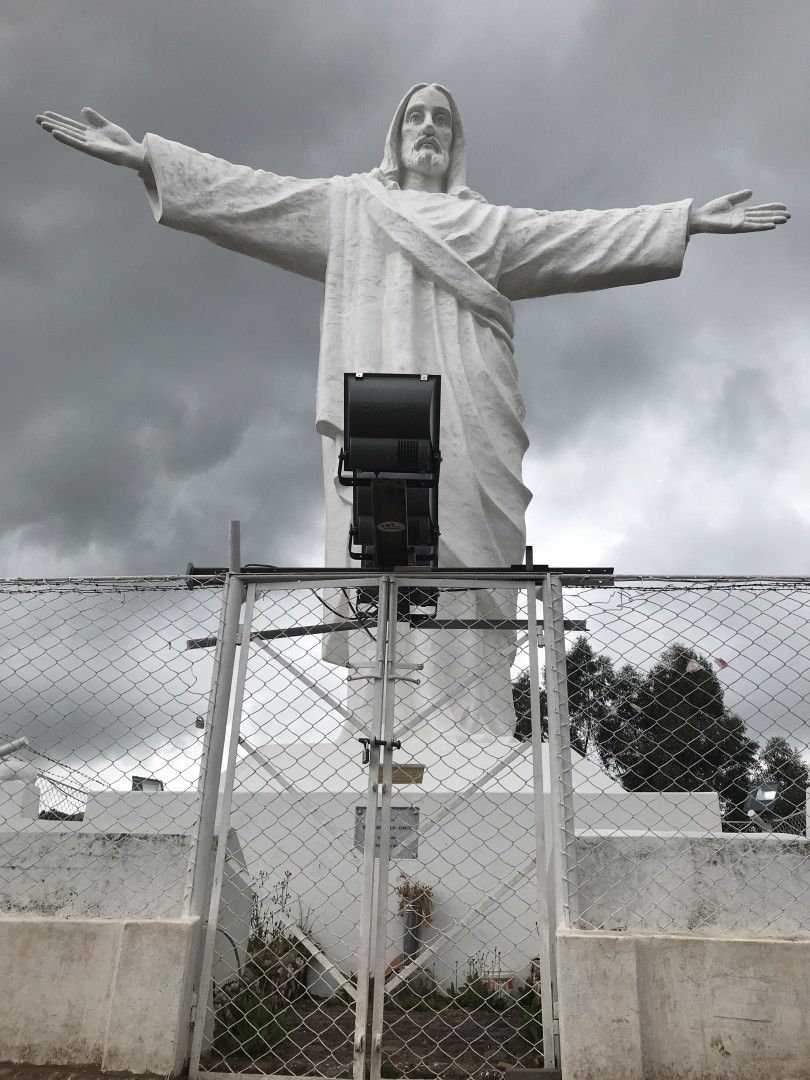
They’ve positioned a statue of Jesus, dating back to the Spanish, at the highest point in the city.
Jesus, a wonderful host, crowned our trip by gifting us a Cusco-style statue. After a wonderful visit to Cusco, we were ready to head to Lima on the last day of the year and usher in the new year.
Tag: excursion