Since we’re all stuck at home, we’re bombarded with information on this topic from various sources, including social media and WhatsApp groups. All kinds of information are flowing to everyone. I’d like to bring you a broader perspective on this topic by combining the information I’ve received through these channels with some articles I’ve read. First and foremost, we all know that this outbreak has become a pandemic (a global epidemic). The COVID-19 virus, which began with the first cases appearing in Wuhan, China, in December 2019 and spread rapidly worldwide from January this year, was declared a pandemic by the World Health Organization (WHO) on 11 March: http://www.euro.who.int/en/health-topics/health-emergencies/coronavirus-covid-19/news/news/2020/3/who-announces-covid-19-outbreak-a-pandemic
In my February article about the 2nd Food Banking Summit, I wrote that the most interesting question of the day was my question about the coronavirus to Singapore Food Bank Director Nichol. I’m sharing the link to that article as a reminder: https://www.serhansuzer.com/tr/2-gida-bankaciligi-zirvesinin-ardindan . I asked him how the coronavirus outbreak was affecting Singapore and his own food banking operations. He answered my question as follows:
The Difficulty of Finding Volunteers
“This is a serious crisis. It has affected the entire country and region. In fact, it’s now spreading globally. We’re all working from home, and we’re not leaving unless necessary. All markets and stores selling essential goods have been completely empty. Everyone is stocking up at home and, if possible, staying home. Of course, in such an environment, we can face difficulties in operating a food bank, which requires manpower. Professionals are relatively obligated to fulfill their duties, but we’re especially struggling to find volunteers.”
While I was having this conversation, I learned for the first time in my life that people were confined to their homes through social isolation. In his response, Nichol issued another warning: “Be careful, this pandemic may soon reach you. You too may have to live under the same conditions.” What he said came true. In fact, this global pandemic we’re experiencing has spread not only to Turkey but to almost every part of the world.
A Warning from Our Italian Technician
Similarly, I ask Guenael, who is responsible for technical affairs at the Italian office overlooking our region for the German Senvion turbines we use in the wind project we’re carrying out in the Kandıra district of İzmit, about the situation during our weekly video conferences. He lives in Milan and works from home. When I asked him at the beginning of March, he stated that the situation was becoming increasingly catastrophic and that no one was able to leave their homes. Our acquaintances in Italy, such as Singapore, had issued a similar warning: “Be careful, the same situation could happen there too. This pandemic is a terrible thing. It’s paralyzing all life.”
When we spoke with Guenael at the beginning of March, he stated that they had been confined to their homes for a month, and now it’s even longer. Italians, like us, are a nation with Mediterranean blood. They don’t like sitting at home, and socializing is part of their culture. So, I can imagine how difficult this process is for both those staying home and those trying to persuade the public to stay home.
Furious mayors
Italians are trying to get through this period mentally by saying, “Everything will be fine” and playing music on their balconies. Here are images from Italy: https://www.instagram.com/tv/B9sEkRSpDGD/?igshid=qd4khjv6bq81
We’re witnessing similar images in other countries. Here’s a video of a gym in Spain providing exercise for the local community: https://www.instagram.com/tv/B-CTrfUKKn6/?utm_source=ig_web_button_share_sheet
And here’s an opera singer serenading on her balcony in Argentina:
However, the situation isn’t all that rosy. In fact, public officials are seriously complaining about the Italian public’s refusal to listen. As an example, I’d like to share with you one of the videos I’ve seen featuring Italian mayors, one of which contains a lot of outcry:
And this is the outcry of other mayors:
As you know, Italy leads in the number of deaths from coronavirus. The country is experiencing one of the worst disasters in its history, and it has yet to be brought under control. Worst of all, healthcare workers, doctors, nurses, and others on the front lines of the fight against the pandemic, whether in Italy or anywhere else in the world, can become infected and lose their lives. Therefore, I once again extend my heartfelt gratitude to healthcare workers, hope they will experience no health problems, and wish them all the best. Personally, I equate the sacrifices of healthcare workers with those of soldiers who do not hesitate to sacrifice their lives for their country. They, too, are risking their own lives and those of their loved ones to save people.
On this occasion, I’d like to share the 9 PM applause video launched in Turkey. Here are the images from Niğde, Nevşehir, and Afyon: https://www.msn.com/tr-tr/video/finans/sağlık-çalışanlarına-alkışlı-destek-sürüyor-niğde-nevşehir-afyonkarahisar/vp-BB11vURz
I believe a similar round of applause should be extended in the future for employees of grocery stores, logistics organizations, aid organizations, banks, companies producing essential goods, and many others who are forced to work outside.
The speed of the pandemic’s spread and useful links
This pandemic is so severe that, as of today, it has infected approximately 600,000 people worldwide, claimed the lives of more than 27,000, and has appeared in more than 170 countries. These figures are rapidly increasing. You can find details on the COVID Visualizer website: https://www.covidvisualizer.com/. So, sadly, these numbers will likely appear to us in a completely different form a few months, or even weeks, after I write this article.
You can find information about the coronavirus from many different sources around the world. I’m sharing a few helpful links:
The World Health Organization’s official coronavirus website: https://www.who.int/emergencies/diseases/novel-coronavirus-2019/
The official coronavirus website of the United States: https://www.coronavirus.gov/
It’s a fact that we are experiencing one of the largest pandemics in human history. We know that approximately 100 million people lost their lives in the Black Plague, the deadliest pandemic in history, which emerged in the 14th century and lasted until the 18th century.
I’d like to share with you this cartoon, which makes fun of historical pandemics and makes me laugh:
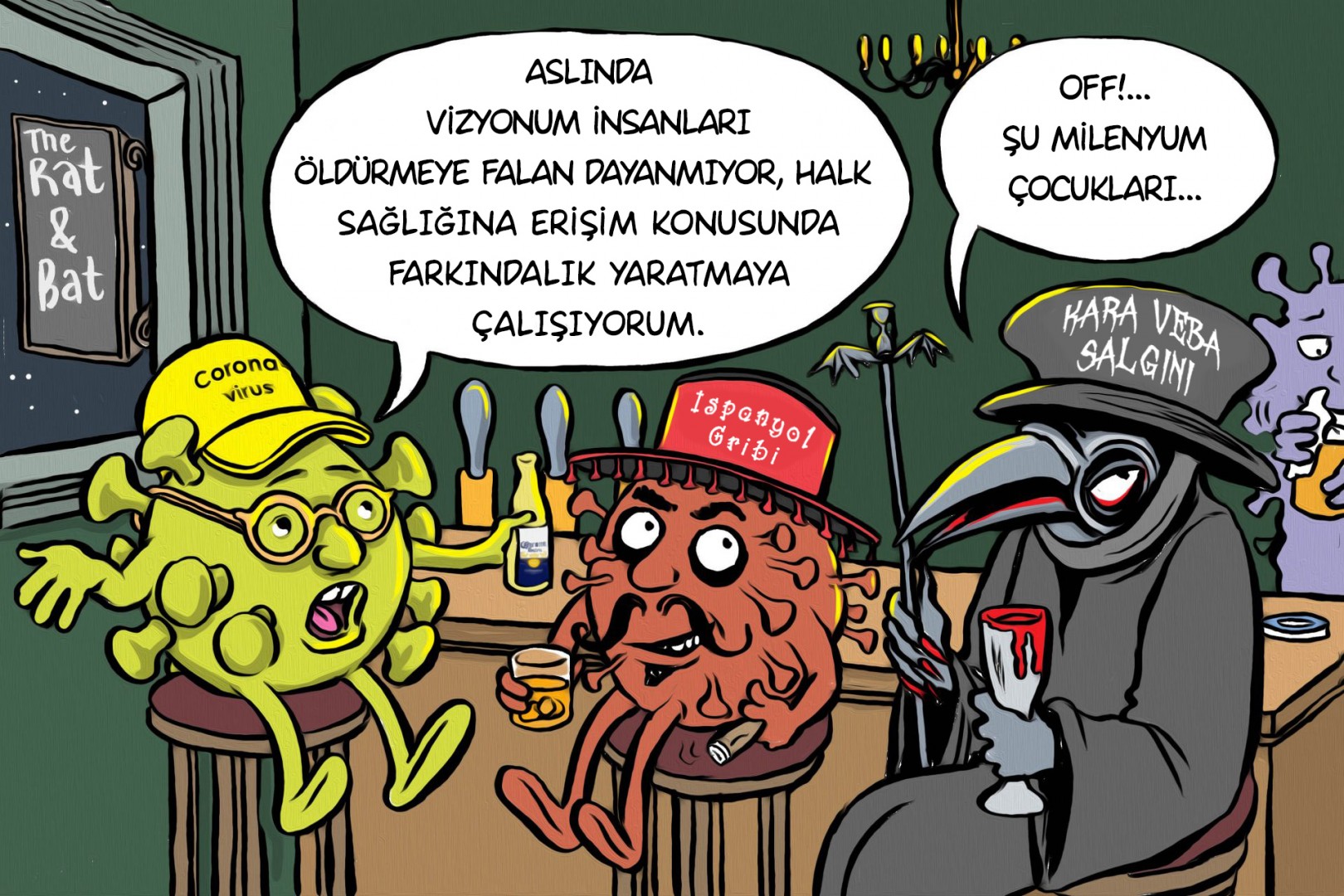
Here, he’s referring to the fact that the coronavirus, as a new generation virus, isn’t actually as lethal as viruses of the past.
Of course, whether it’s deadly varies from person to person. Here’s a summary from an article by Carl Goldman, published in the Washington Post on 29 February 2020, about the quarantine of the Diamond Princess cruise ship, which made headlines worldwide, and one of those infected on board:
High infection rate is the biggest threat
The sentence “I have coronavirus, and it’s not that bad for me” in this article forms the main theme of the topic. However, the most dangerous feature of the coronavirus compared to other viruses is its high contagiousness. In other words, it’s so contagious that the moment you encounter an infected person, you become infected. There are still many unknowns about the virus.
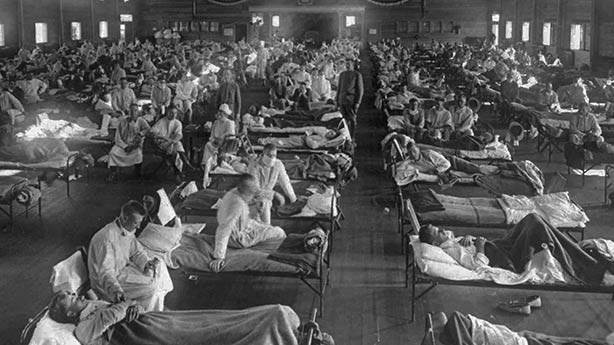
When we look at our recent history, the Spanish flu depicted in this cartoon, which occurred about 100 years ago, infected a quarter of the 2 billion people, or 500 million people, and over 50 million people lost their lives. In fact, our leader, the founder of the Republic of Turkey, Kemal Atatürk, was among those who contracted this disease. According to a book by Metin Özata, Atatürk contracted it while preparing to depart for Samsun and recovered from the illness at his home in Beşiktaş*. We all know what a miracle he accomplished.
I will write a detailed article about viruses and pandemics later. For now, I will explain why this epidemic was called the Spanish Flu, even though it didn’t start in Spain. This is because Spain was not involved in World War I, and because the Spanish press was the first to bring the epidemic to the forefront while other European countries were oblivious to it due to military censorship. However, it is known that this epidemic spread from soldiers returning home at the end of World War I.
Speaking of Spain, when today’s Spain was unable to cope with the virus, the Spanish government nationalized its hospitals. Spanish Health Minister Salvador Illa announced the nationalization of all private hospitals and healthcare providers nationwide in March, immediately after the death toll from the coronavirus pandemic doubled in a single day.
Government measures to keep the economy afloat
Looking at other European countries, the French also stated that the option of nationalization remains open. French Finance Minister Bruno Le Maire stated that the state could intervene using whatever tools it had at its disposal to protect the country’s largest companies, saying, “If necessary, I could use the term nationalization.” In Turkey, the state has also taken over the management of private hospitals. In other words, we can say that Turkey has technically undergone partial nationalization.
Governments are also taking serious measures in the economy. For example, French President Emmanuel Macron said, “No French company will face the risk of bankruptcy.”
The state is also stepping in in Germany. The government in this country has announced that the state will step in to help companies facing difficulties.
The UK, like other European countries, has announced unprecedented measures. British Finance Minister Rishi Sunak announced that they will announce a support plan for companies at risk of financial crisis.
Dutch Prime Minister Mark Rutte announced that unprecedented measures will be taken against the coronavirus pandemic, saying, “We are doing everything we can to prevent companies from going bankrupt and to ensure people don’t lose their jobs. It will be a difficult time in either case, but we will not disappoint you.”
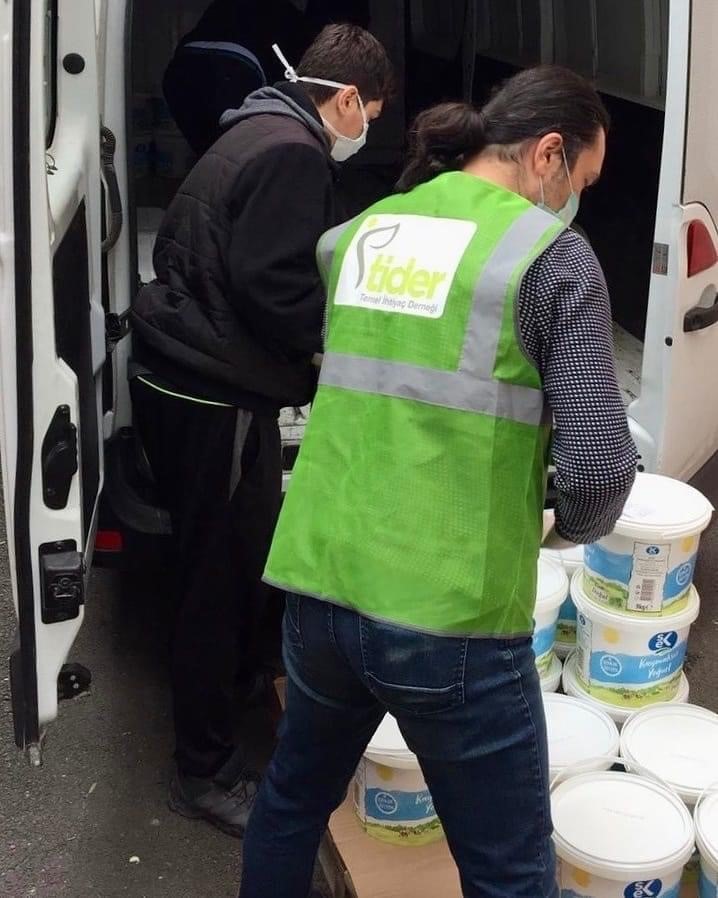
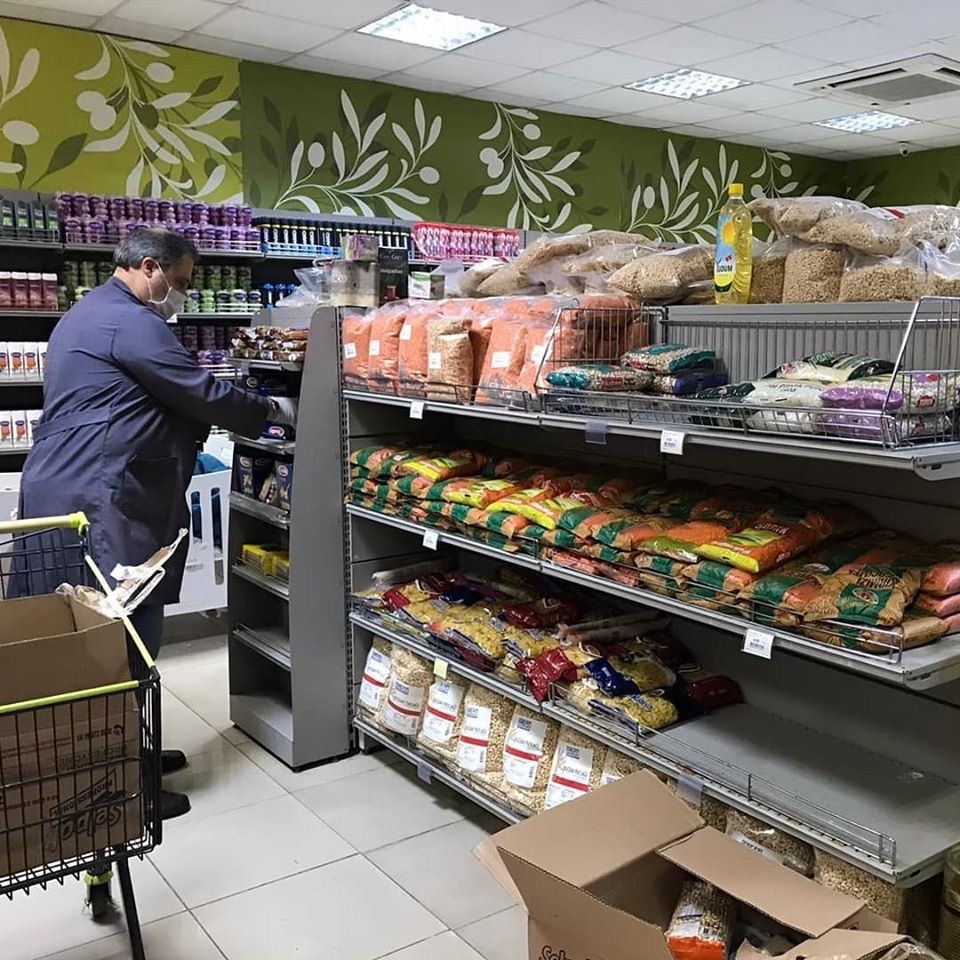
While such a trend exists globally, I can say that we are going through times when even those who have helped throughout their lives can find themselves in need. To this end, we are continuing our aid efforts at TİDER, which I founded. We are even discussing a solid structure with other NGOs to further increase our impact despite all the challenges. We will announce it soon. For now, I’ll share the following images to give you an idea:
Let me continue to share examples from around the world that are relevant to me. Those who know me know that I studied in Canada. I am proud of the university I attended in this country. McGill University is actively managing the COVID-19 pandemic. Here’s the information my university released earlier this week (they update this every 2-3 days):
https://www.instagram.com/tv/B-FtSWwA5VC/?igshid=17g3butzqd736
My university is also providing information about this outbreak on its website: https://www.mcgill.ca/coronavirus/
They also provide important information from time to time through various communication channels. Here’s a YouTube video by McGill experts titled “Managing Anxiety in the Pandemic”:
Incidentally, I’d like to point out that we made serious efforts to get several Costa Ricans to return to their country last week. Initially, the process began with the cancellation of flights from a few countries, leading to the cancellation of all but four. I wouldn’t be surprised if flights from those four countries were canceled soon. Therefore, I can say that we trained some Costa Rican citizens for the latest flights from Turkey to Panama and Colombia, the shortest route to Costa Rica, via Istanbul. But of course, we worked diligently with the Costa Rican Embassy to organize this entire event.
Turkish citizens abroad
We also know that there are Turkish citizens facing a very difficult situation because they cannot return to their home country. For example, in the video below, you can see a Turkish citizen asking for help.
May God help them, I hope they can return to our country soon. We are witnessing many tragedies related to the coronavirus. Humanity is being severely tested. Here is the cry of a doctor working in Baghdad, the capital of our neighboring Iraq: https://www.hurriyet.com.tr/dunya/korona-virusle-mucadele-eden-irakli-doktordan-aglanır-evde-kalin-cagrisi-41477757
Furthermore, social isolation is affecting the lives of many. ‘Stay at home’ campaigns are being implemented across all countries and are being supported by various stakeholders. I’d like to share the image below as an example. The way they announce the closure of the movie theater says it all: ‘The cinema is closed until real life no longer feels like a movie. Stay safe, be kind.’

Those who suffer most from this are those accustomed to nature or outdoor sports. Here’s the test these athletes put through with the stay-at-home campaign:
Kitesurf: https://www.instagram.com/p/B910YAJp4UZ/?igshid=xuklpun6l5d1
Snowboard: https://www.instagram.com/p/B-VEsPcFHRX/?igshid=67kkad54fjge
Bicycle: https://www.instagram.com/p/B-PKYiuHWzd/?igshid=1siha9s46l6sc
Fatih Terim’s very justified reaction
Speaking of sports, anyone who knows me knows I’m a Galatasaray fan. In my last article, I criticized the irresponsible behavior of our country’s football and basketball federations. Immediately afterward, it was determined that Galatasaray Club Vice President Abdulrahim Albayrak, his wife, his son, Galatasaray manager Fatih Terim, Fenerbahçe basketball players, and Fenerbahçe’s German footballer Max Kruse had contracted the coronavirus. I wish them all a speedy recovery.
However, he had already voiced his justified reaction to Galatasaray’s home match against Beşiktaş at the post-match press conference. Here’s what Fatih Terim said at the press conference: https://www.youtube.com/watch?v=HAxmVWWuKlw
It has become clear how right Fatih Terim was. Turkey’s largest sports communities have naturally reacted strongly to these events. In such situations, we must not stray from the path of reason and science. Having said this, let’s remember an important quote from the great leader Atatürk regarding science:

Resources against disinformation
Meanwhile, we are witnessing all kinds of disinformation about the coronavirus worldwide, distorting the science through various communication channels. I would like to share some links related to this disinformation with you:
World Health Organization: https://www.who.int/emergencies/diseases/novel-coronavirus-2019/advice-for-public/myth-busters
Factrackers: https://www.factrakers.org/post/busted-coronavirus-myths-take-on-new-life
However, if science had been given sufficient importance and support, perhaps a vaccine for this pandemic would have been found long ago. Here’s an article explaining how scientists were forced to abandon their research when their funding ran out just as they were about to develop a coronavirus vaccine: https://www.nbcnews.com/health/health-care/scientists-were-close-coronavirus-vaccine-years-ago-then-money-dried-n1150091
Exemplary Countries
Among the countries that approached the pandemic most scientifically and built systems based on science were more successful than others. Here are three examples:
China: Despite its billion-strong population, China, ground zero of the crisis, built two massive pandemic hospitals in a very short time. The Chinese people followed their government’s instructions and stayed home except for emergencies. The Chinese monitored everyone walking outside with cameras. They were able to identify who was in contact with whom using artificial intelligence. They managed the process with complete discipline. Finally, they determined that the antimalarial drug Plaquenil, which also has other derivatives in the medical sector, was effective against the coronavirus (malaria is also caused by a type of virus), and they used it in the treatment of infected patients. Ultimately, they were able to control the outbreak. Here’s a video of their efforts to achieve this:
Germany: They are managing the process with extreme transparency. The German public largely listens to the government’s instructions and follows the instructions and social distancing rules. Germans also take testing seriously. Furthermore, the additional capacity created in the healthcare sector, the provision of supplies, and the prompt response have resulted in a significantly lower mortality rate compared to other countries.
Korea: Drawing on their experience during the SARS crisis, Korea monitored everyone with test kits. They tracked down the contacts of everyone who tested positive and immediately isolated them. Korea even developed the famous story of ‘Case 31.’ While they had fully controlled up to 30 infected individuals, the 31st patient was unfortunately found to have engaged in very serious social activities and spread the virus to thousands. While this outbreak could have been prevented immediately, they only stopped it after it had infected thousands. Still, I think South Korea has been very successful in keeping things tight. They’ve managed to keep the number of infected people to a minimum.
In conclusion, since there’s no vaccine for the coronavirus yet, increasing testing and getting everyone tested, along with social distancing and hygiene, are crucial elements in the fight against this pandemic. Not every country has the same approach regarding test kits. From what I can tell from his English accent, I’d like to share an interview with a healthcare worker in North America, where he complained about discrimination regarding testing: https://www.instagram.com/p/B-M-ycHJ26M/?igshid=5xu7bqg1xyd7
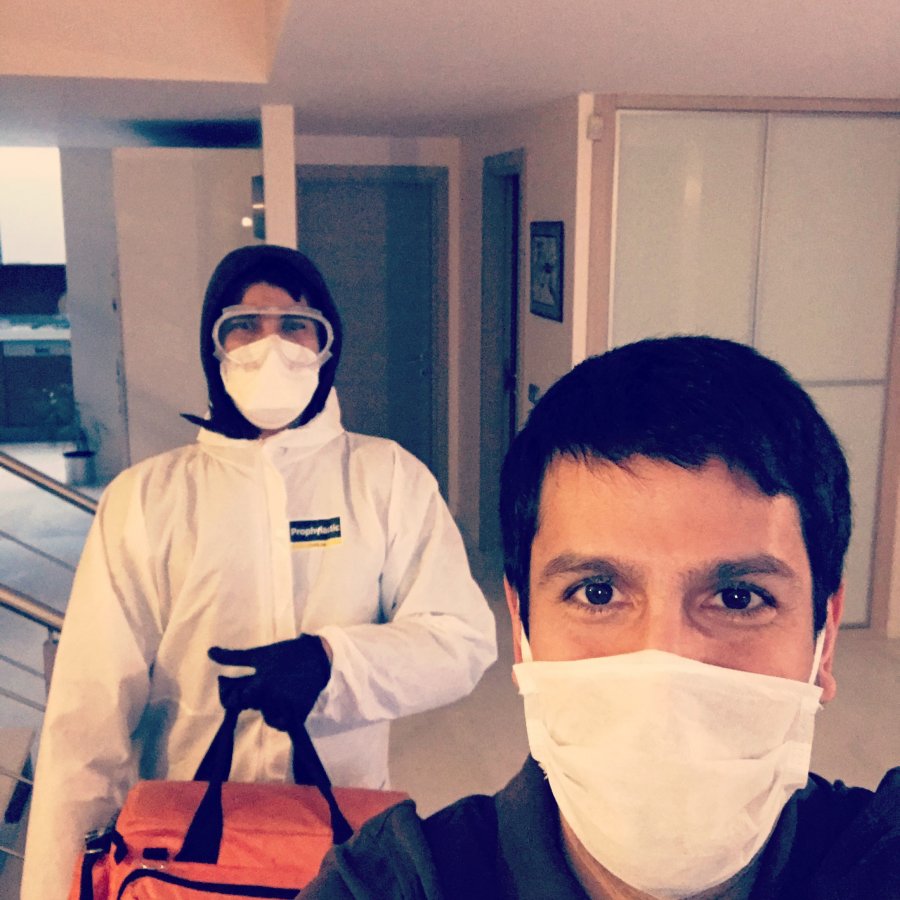
Speaking for myself, I don’t leave the house unless absolutely necessary. I used to prioritize cleanliness, but I’m paying extra attention to hygiene these days. Finally, as soon as I heard about home testing, I got tested. Samples were taken at home and I had the test done at a university authorized by the Turkish Ministry of Health. The healthcare professional changed into their uniform outside the house, and, at home, they inserted a long swab, like a Q-tip, into my nose and throat, and then twisted it to take a sample. Technically, I had a nasal swab and a PCR test. They also took my blood to determine if I had an infection. The test results, which came in two days, are 100% accurate for COVID-19. Here’s a selfie I took with a healthcare worker while being tested at my home, maintaining social distancing:
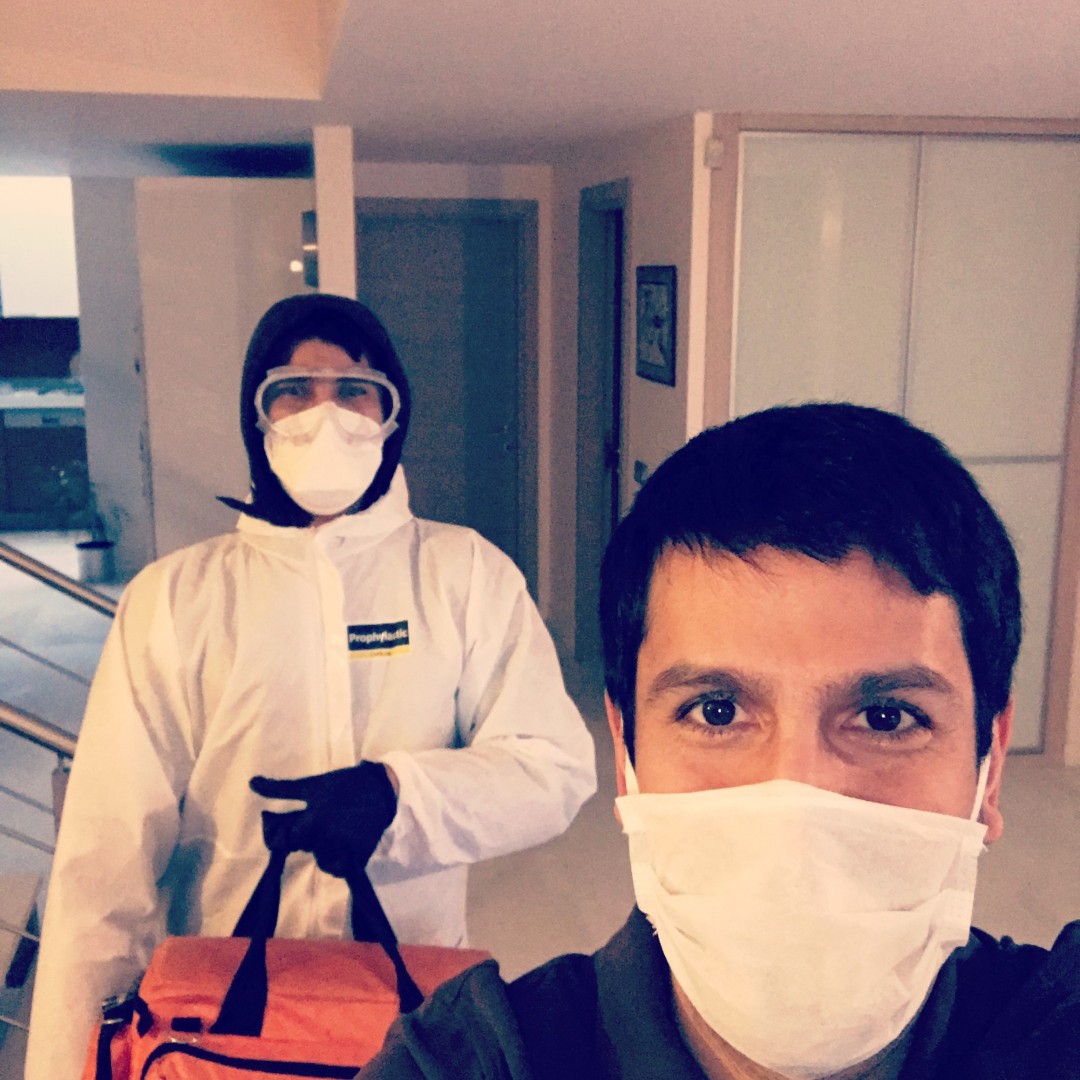
What was my test result? It’s negative. But after this result, I’m not letting my guard down. On the contrary, I’m increasing my precautions every day. I hope this pandemic ends soon.
Stay well.
* Özata M. 2007. Atatürk ve Tıbbiyeliler
Tag: health