
As a reminder, I’d like to share with you the first article I wrote about floating solar power plants: https://www.serhansuzer.com/tr/yuzer-gunes-enerjisi-sistemleri-1 .
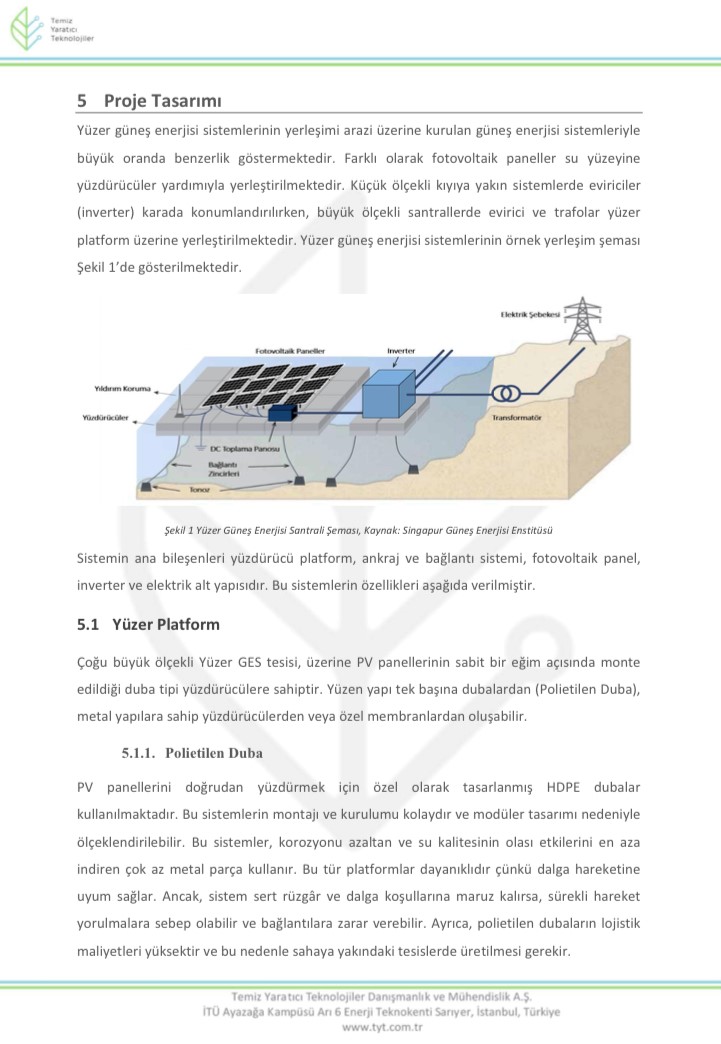
First, let’s provide a general perspective to explain the technical aspects. Floating solar power plants consist of four main components:
- Floating system
This is the equipment on which the PV panels are mounted, the panel angles can be adjusted, and the system provides buoyancy, preventing the system from sinking. In layman’s terms, I’m referring to a special pontoon system that constantly maintains the solar energy system on the water’s surface.
- Anchoring/connection system
This is the system anchored to the water’s surface, located between the floating system and the water’s surface. This ensures the panels remain at the same angle and prevents the entire system from moving independently.
- Underwater cable
This is the cabling system, completely isolated from the external environment, that transmits the electricity generated by the PV panels to the grid from the desired connection point underwater.
- PV systems
These are photovoltaic panels that can utilize any desired technology. Crystalline technology is generally used (polycrystalline, monocrystalline w/PERC, PERT, Topcon, etc.), but we can also see the use of other technologies such as thin film.
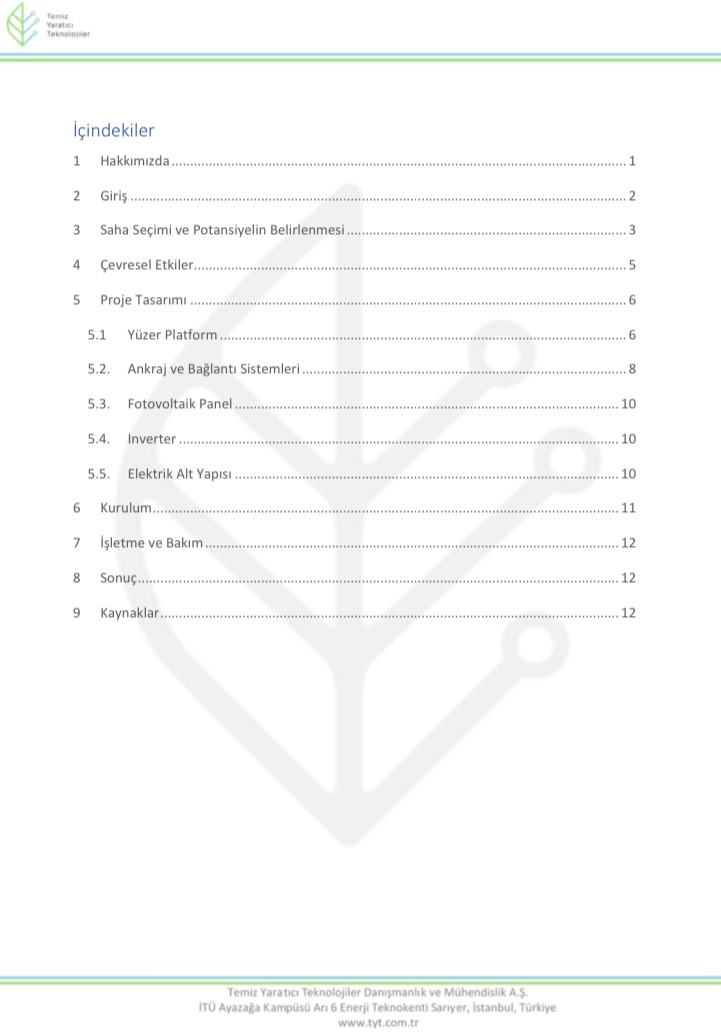
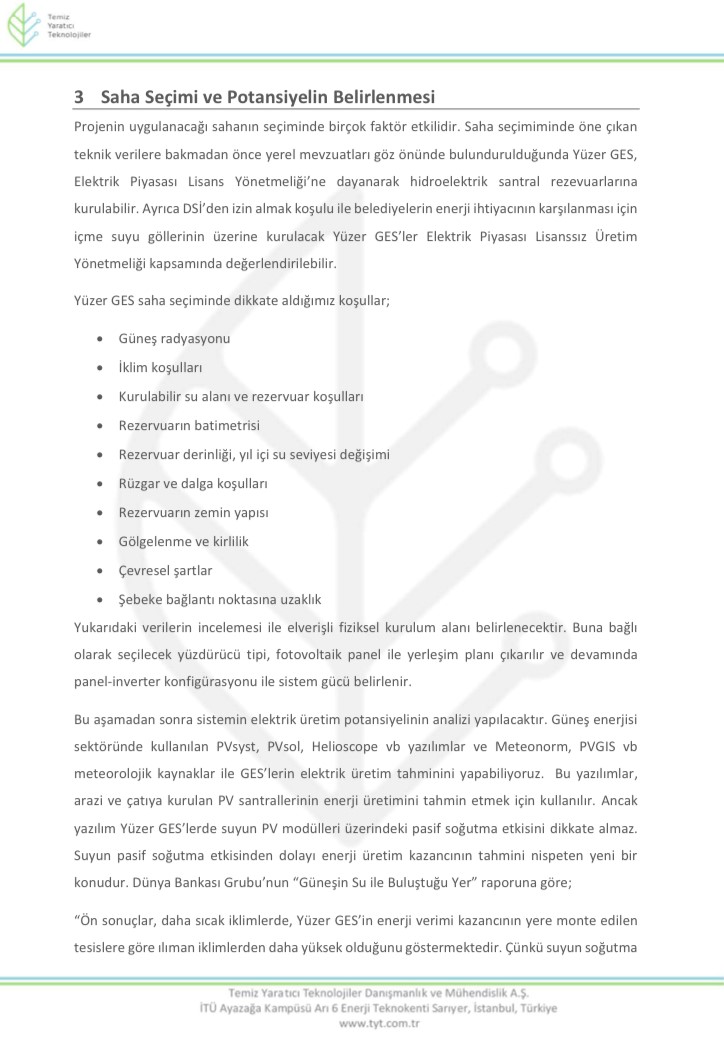
Barış Arıcı, founder and CEO of Temiz Creative Technologies Consulting and Engineering Inc. (TYT), which I mentioned in my first article, shared his technical guide with me. I am sharing this technical guide with you in this blog post with his permission. This report contains ample technical information. I would like to thank Barış, Aydın, Sami, and the entire TYT team for their support. Now, let’s move on to the reports. You can find their technical reports below:


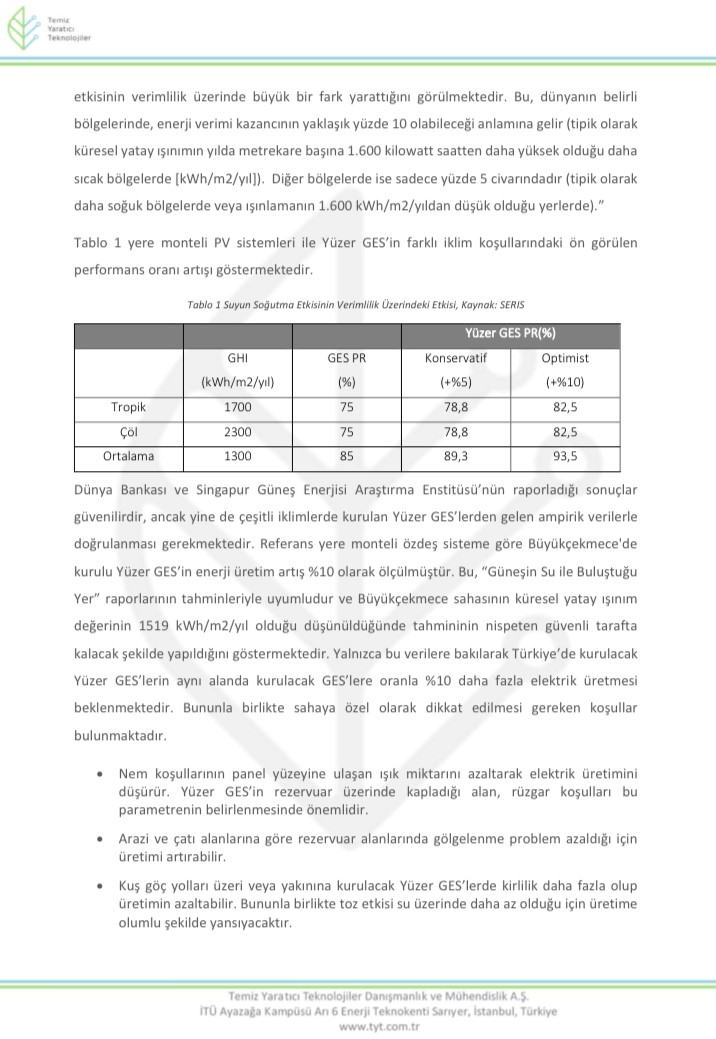
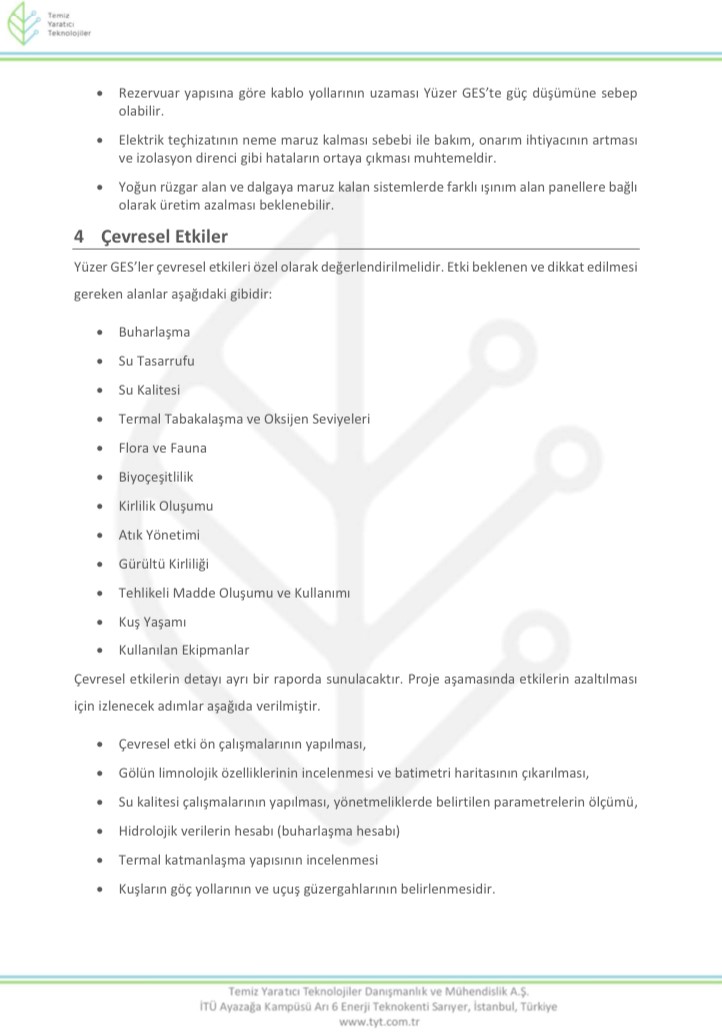
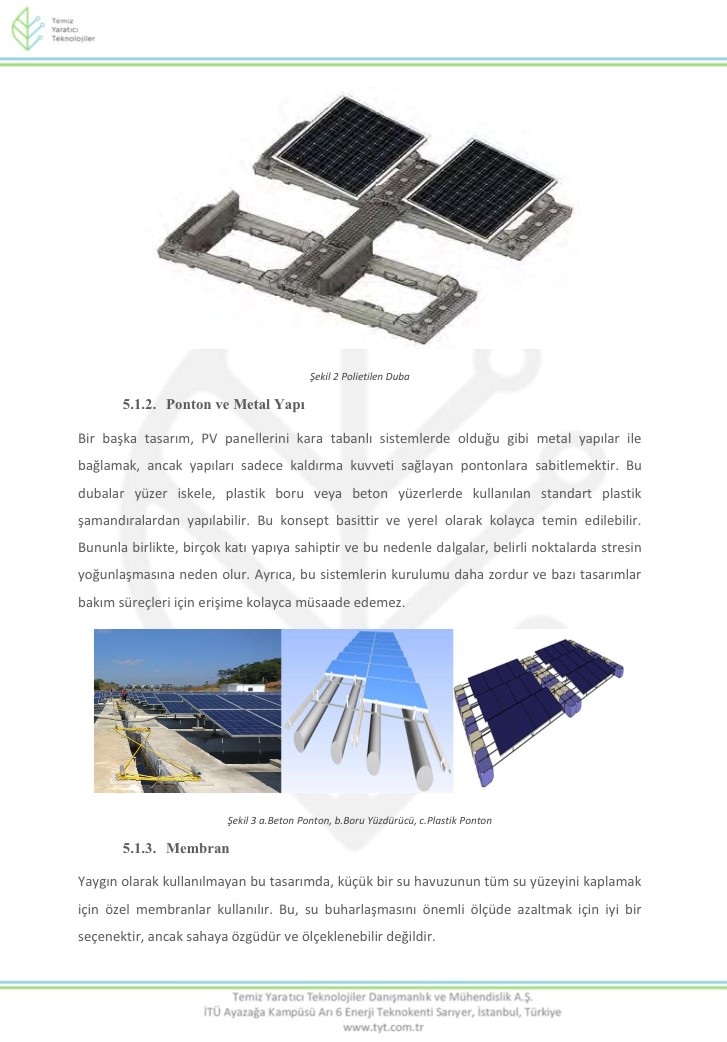
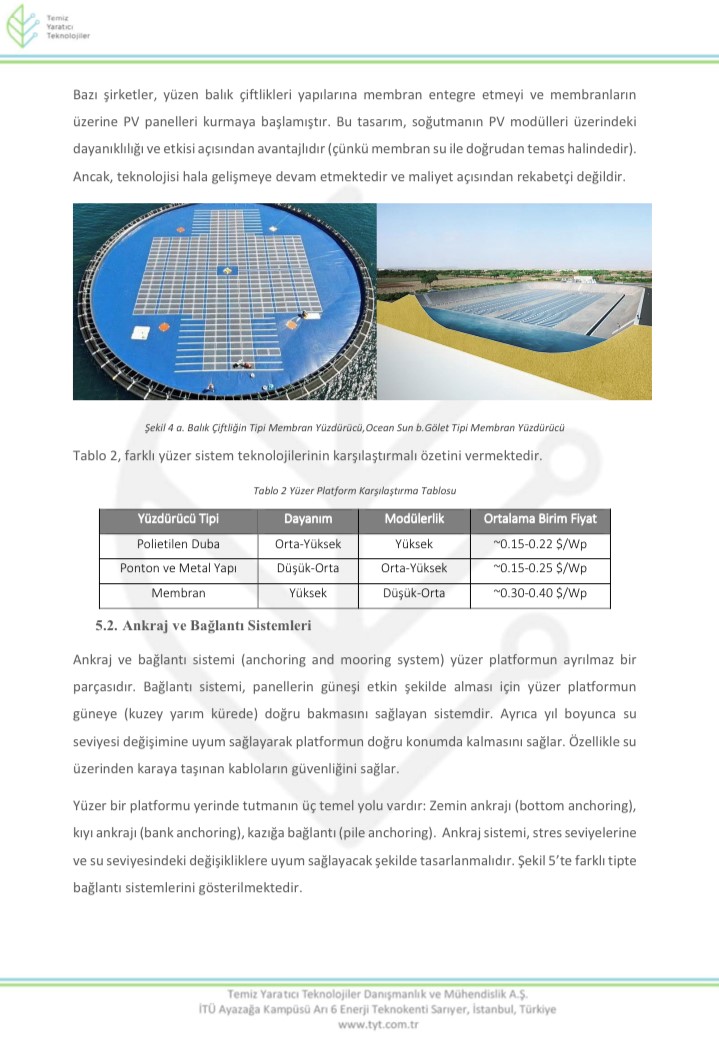
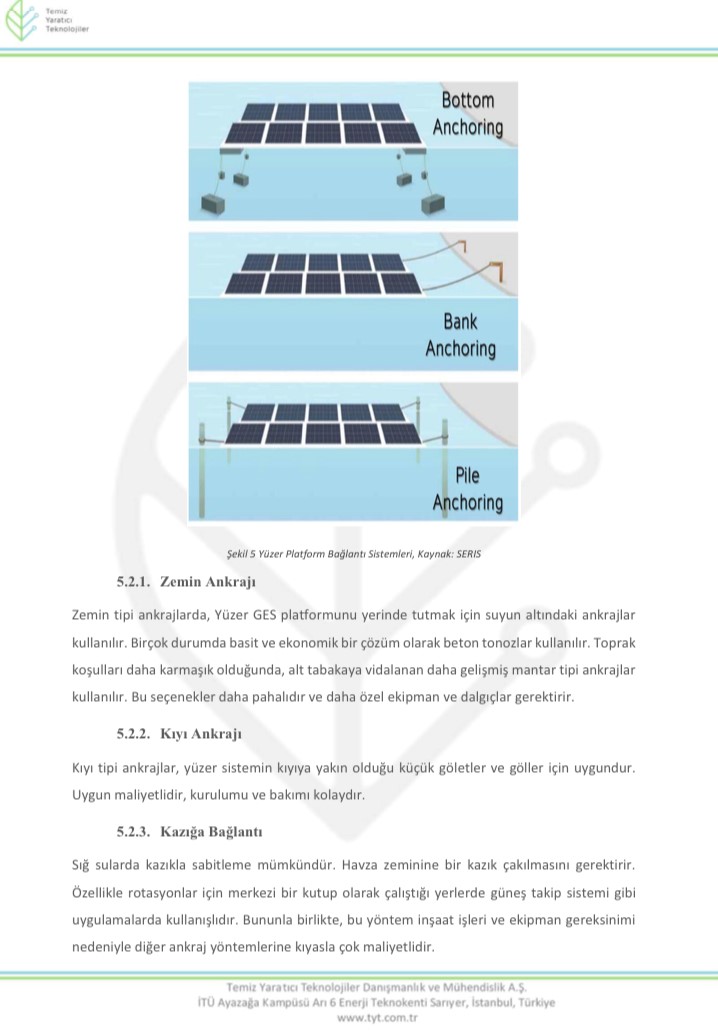
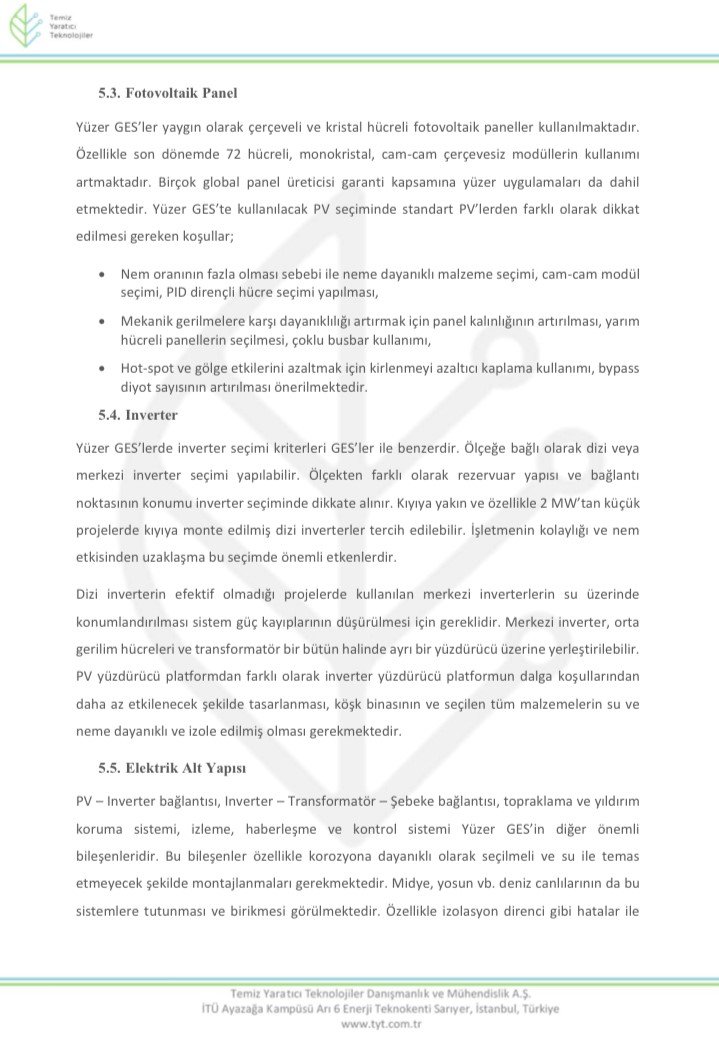
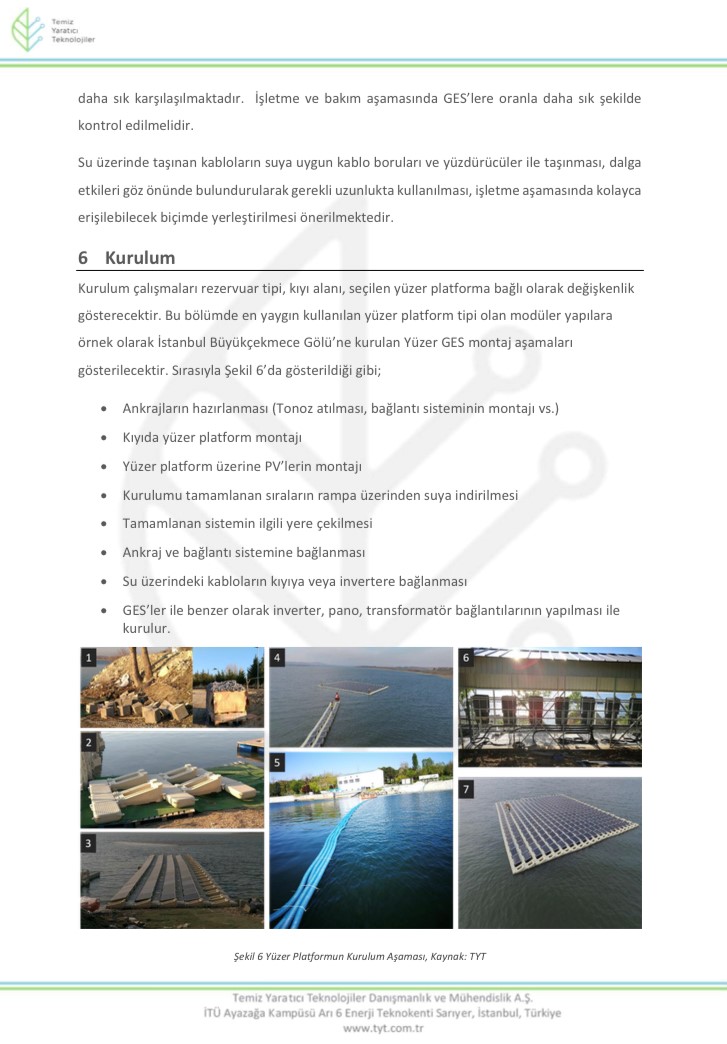
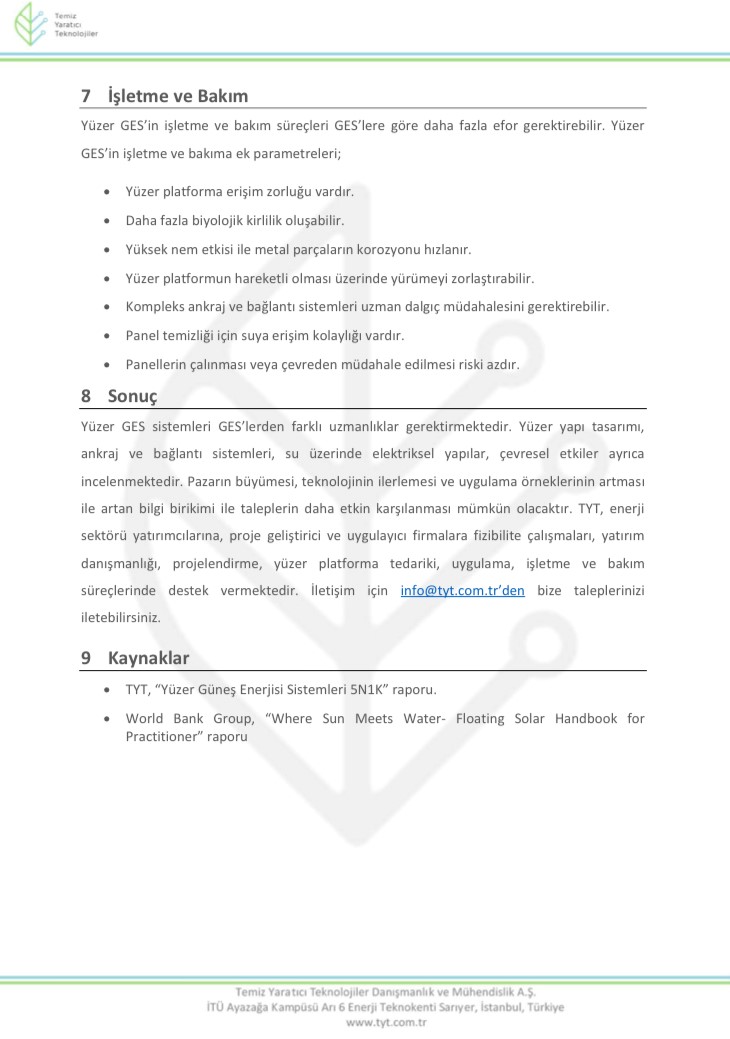
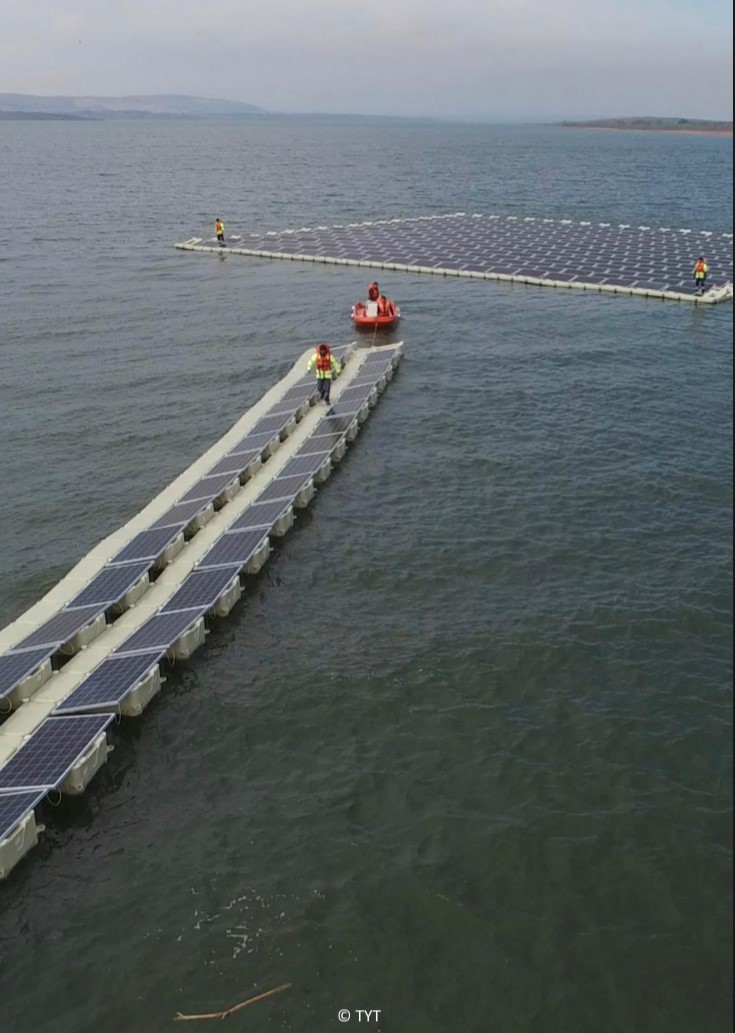
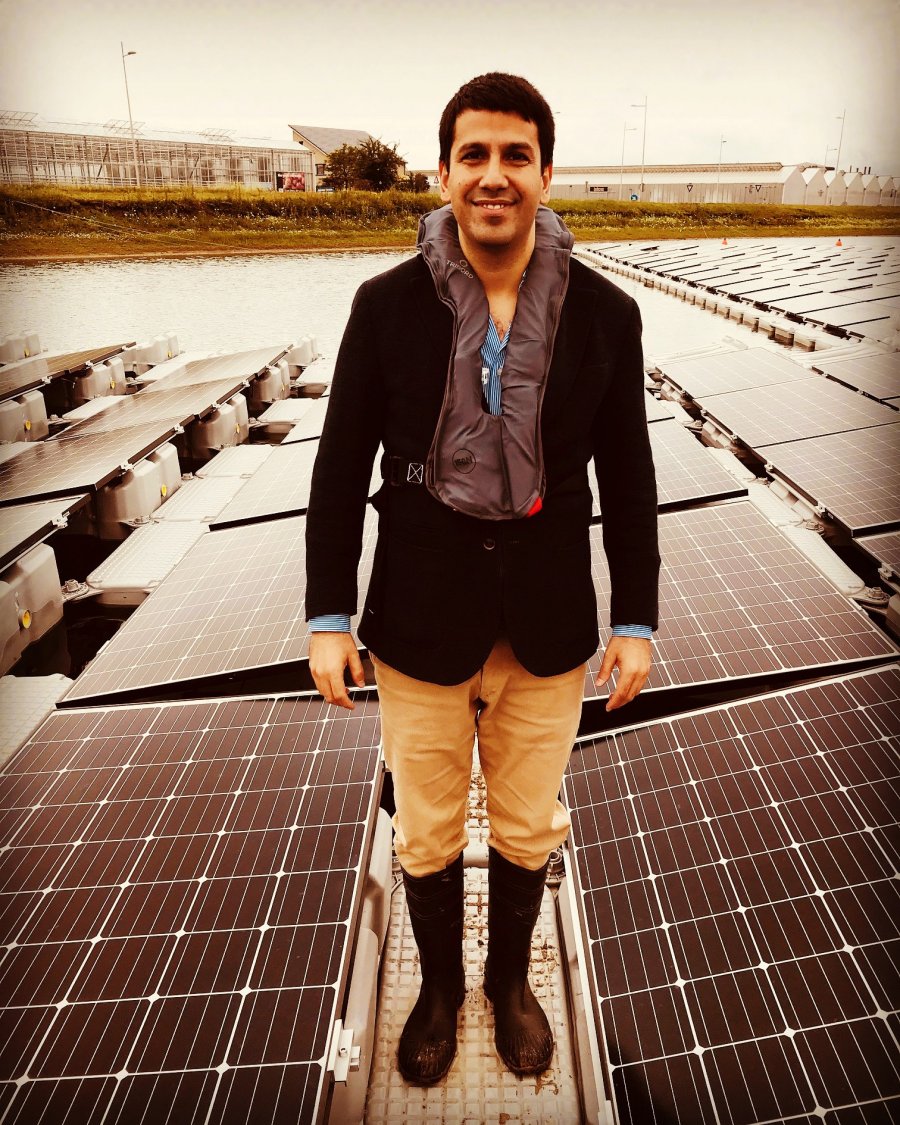
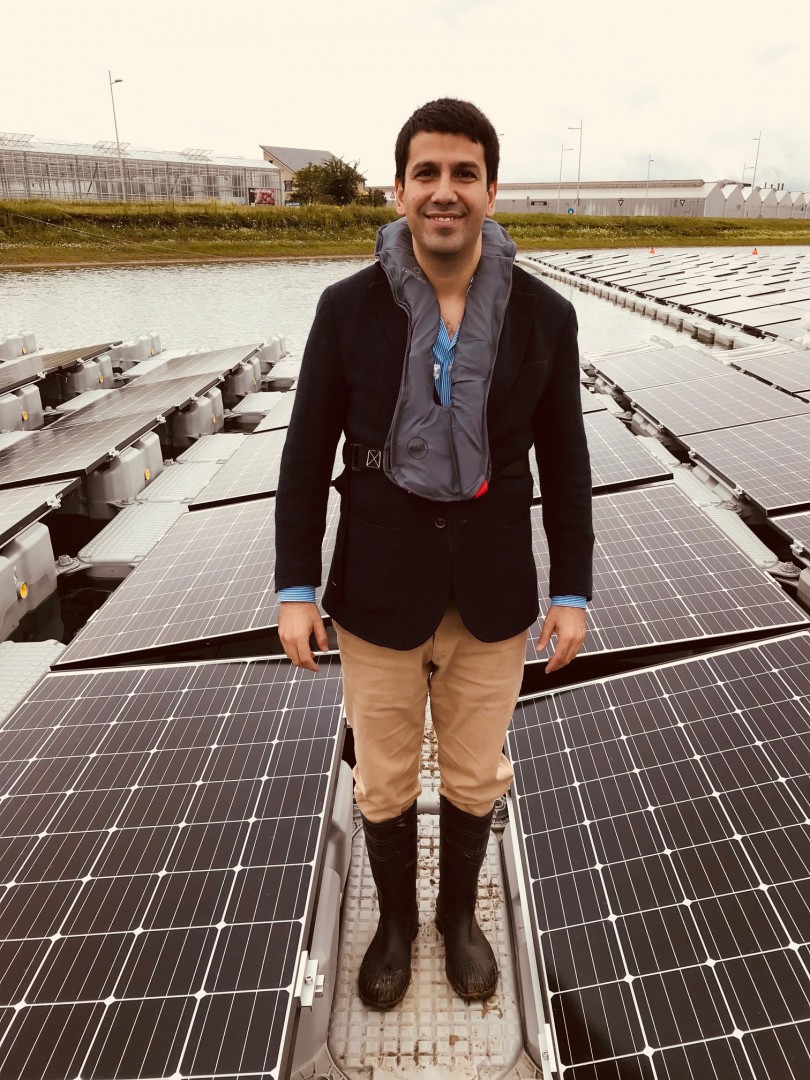
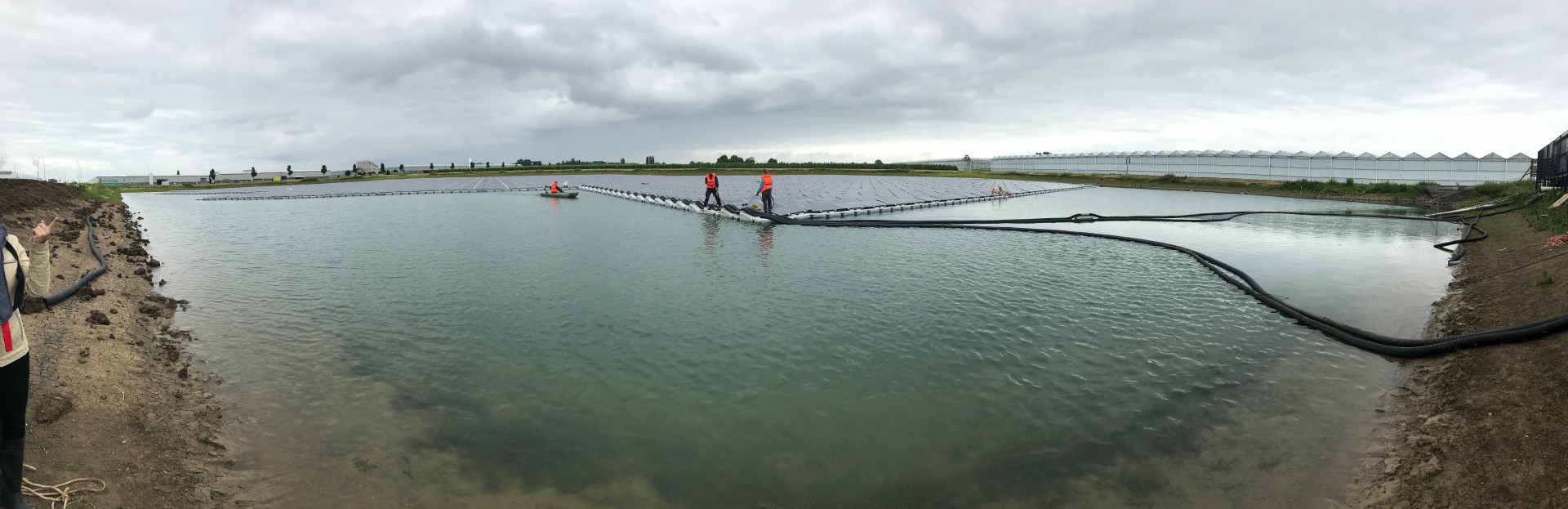
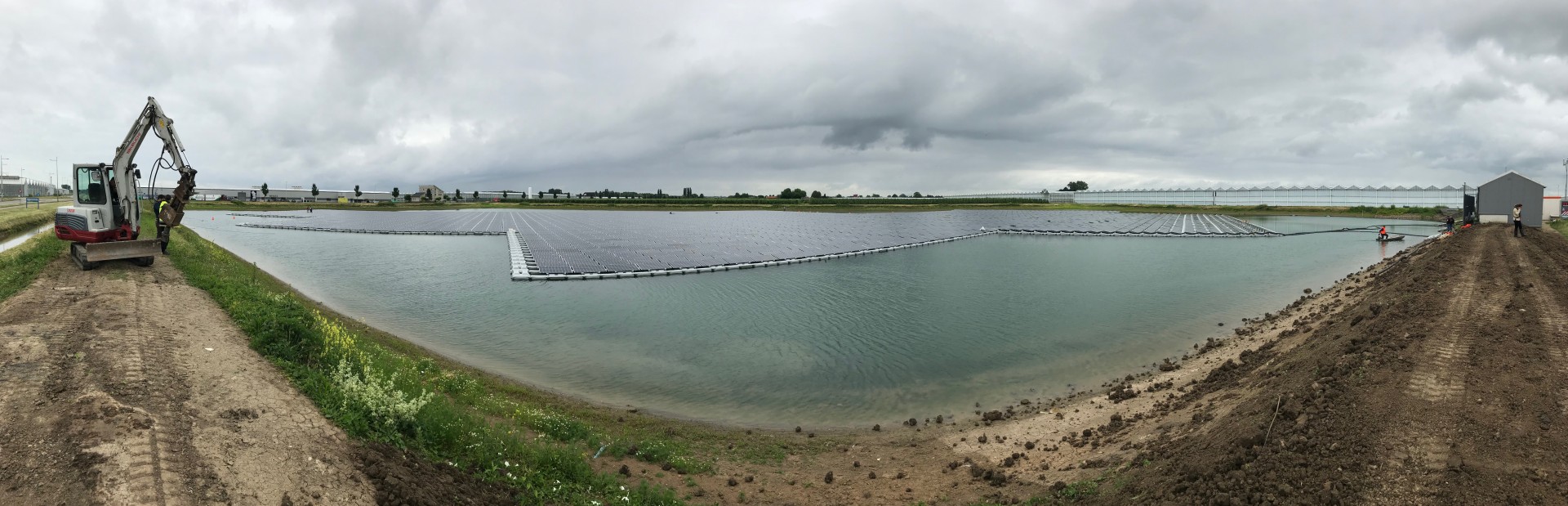
After reading this report, I’d like to share a vivid example of a floating solar power plant I visited. At the invitation of the French company Ciel et Terre, a pioneer in this field, we visited a floating solar power plant built on a man-made pond in the Netherlands. As I recall, this plant, with an installed capacity of 3 MW, was anchored using a bank anchor. They created a corridor system to facilitate the maintenance and installation of the monocrystalline solar panels, which are densely packed onto the polyethylene pontoon. The investors of this system, which uses a central inverter, were quite pleased with the return on investment, despite having made this investment in a place like the Netherlands, where solar radiation levels are considerably lower than in our country. Here are some photos from my visit:
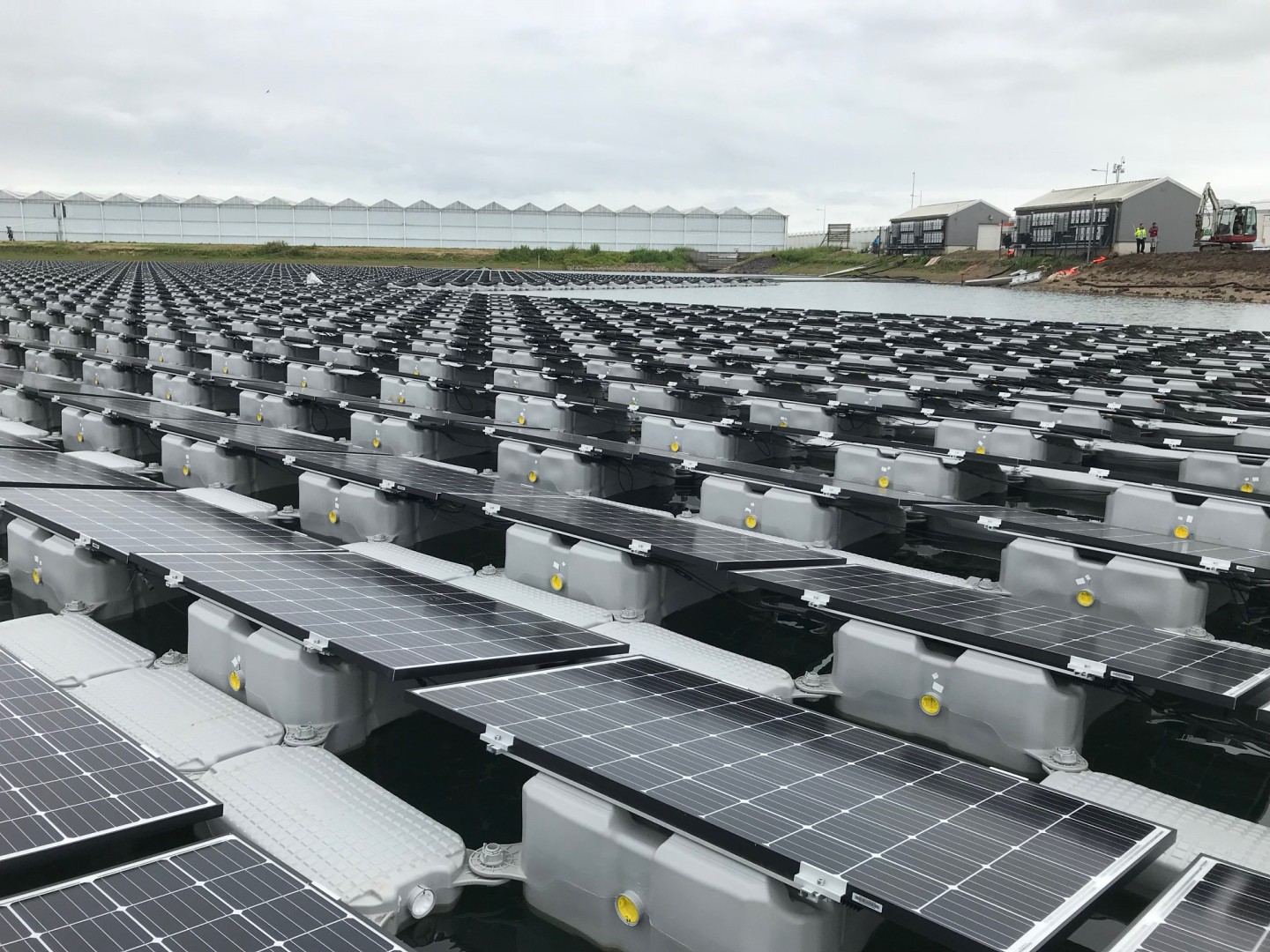
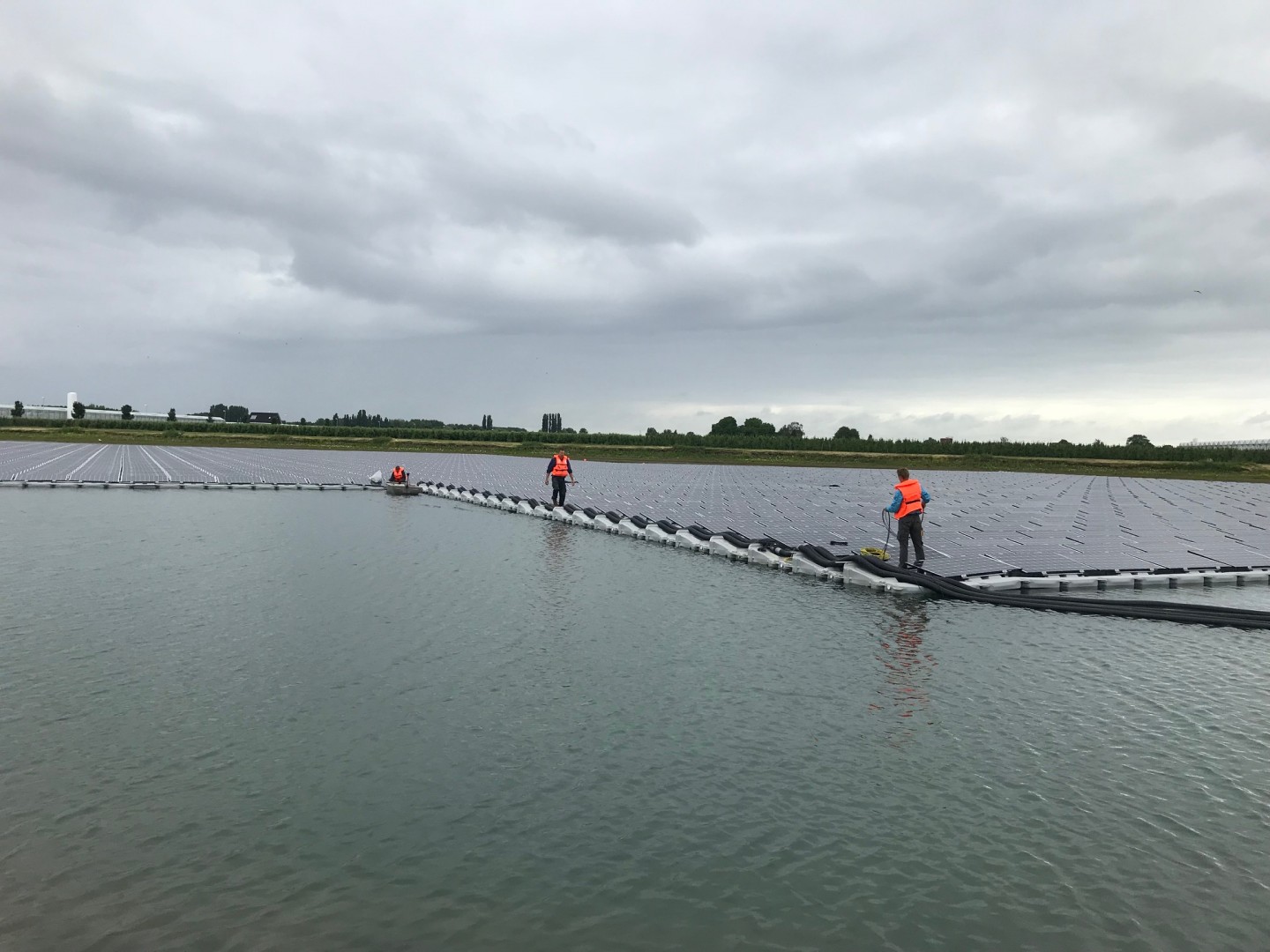
As you can read in the report above, amendments to the “Electricity Market Licensing Regulation” and the “Regulation on Certification and Support of Renewable Energy Resources,” published in the Official Gazette on 8 March 2020, have allowed the establishment of multiple power generation facilities.
This has paved the way for the installation of floating solar power systems on hydroelectric (HES) reservoirs. In my opinion, floating solar power plants will be installed not only in HESs, but also in water channels, wetlands like lakes and ponds, and even the sea.
Once we overcome this COVID-19 pandemic, a surge in floating solar power plants is expected in Turkey. We wish everyone would be equipped with solar panels as soon as possible, so we could generate our own energy and achieve energy independence!
Tag: economy