I recently read the following news item in a sectoral bulletin:
“Turkey’s electricity generation capacity saw a net increase of 184.40 MW in September.
According to data released by the Turkish Electricity Transmission Company (TEİAŞ), a total of 2,213.8 MW of newly installed capacity came online in the first nine months of 2020, while 273.70 MW of capacity was decommissioned.
The net increase during this period was 1,940.10 MW.
By far, the largest share of this increase came from dam-based hydroelectric power plant investments, which brought 1,234.60 MW of capacity online.
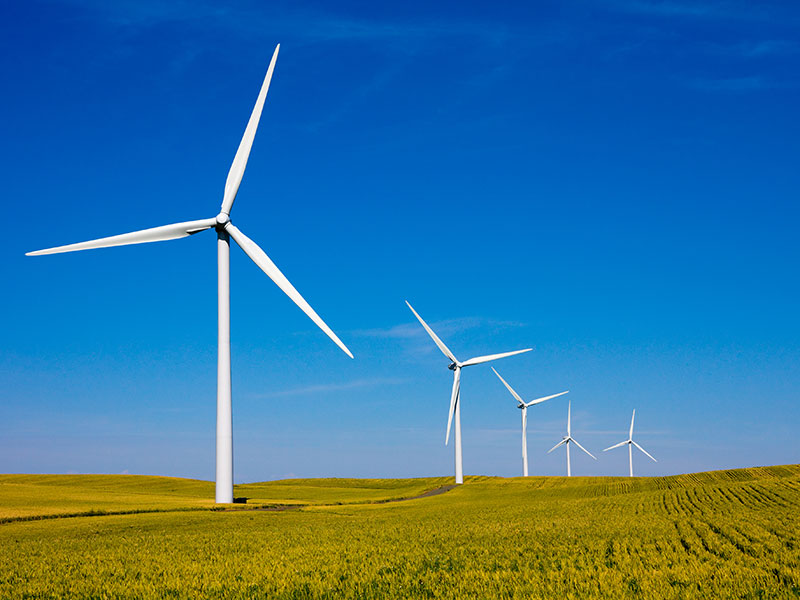
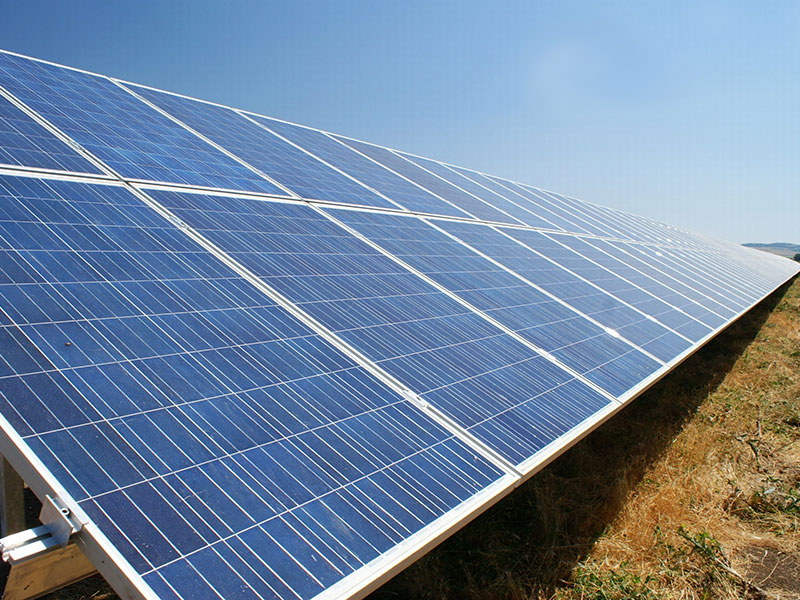
Wind energy investments came in second with 485.80 MW of newly installed capacity, followed by solar energy investments with 365.90 MW.
Furthermore, 270 MW of natural gas-based and 3.70 MW of domestic coal-based power generation were generated in 2020.”
You can read the full article at https://yesilekonomi.com/ilk-dokuz-ayda-2-213-mwlik-guc-devreye-girdi/?utm_source=newsletter&utm_medium=email&utm_campaign=ruezgar_enerjisi_buelteni&utm_term=2020-10-09.
What I highlighted in my 2013 TPQ article
After reading this news, I smiled with relief at being proven right in my long-standing predictions. It reminded me of an article I wrote in 2013 in the Turkish Policy Quarterly (TPQ), a think tank, entitled Why Turkey Should Aim for 100% Renewable Energy. http://turkishpolicy.com/article/632/why-turkey-should-aim-for-100-renewable-energy-summer-2013
In this article, I briefly stated the following:
Turkey should change its energy policy, primarily by reducing consumption to optimal levels through energy efficiency, stop supporting environmentally hazardous energy production such as nuclear, coal, and shale gas, and aim for 100% renewable energy. This will not only ease the economy by reducing energy imports but also protect the environment by reducing carbon emissions and enable energy independence, a matter of national security. Turkey can lead many countries in the transition to a carbon-free economy, setting a great example in the global energy industry.
The conjuncture is accelerating change
For over a decade, I have argued on every platform I’ve been on that Turkey must abandon fossil fuels and derive its energy source entirely from renewable energy, and that fossil fuels should be used as raw materials. At universities, sectoral events, sustainability conferences, and all other related events, I have consistently delivered the same message: We must aim for 100% renewable energy and ultimately complete this energy transformation.
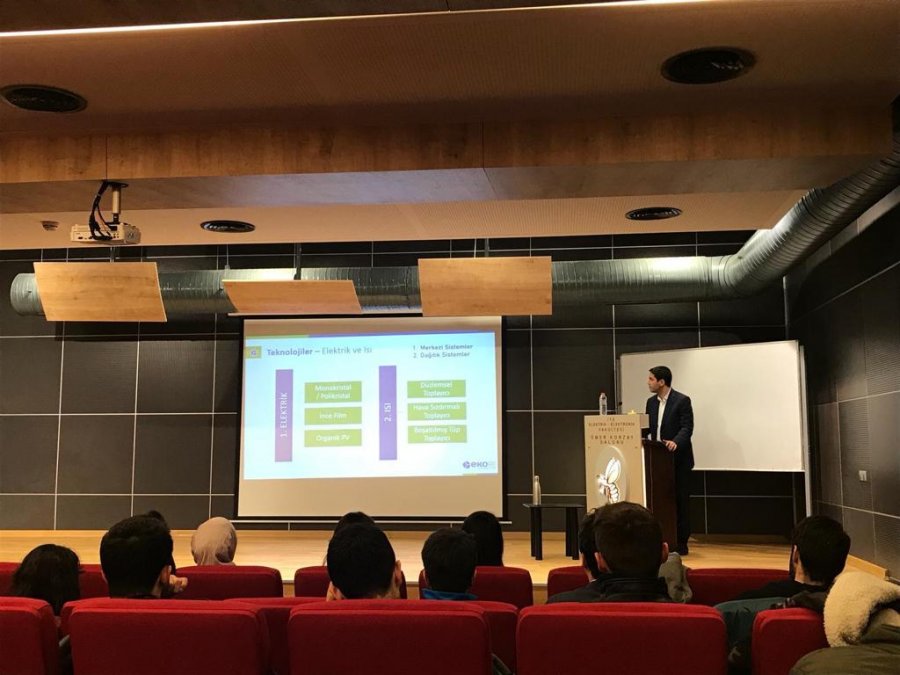
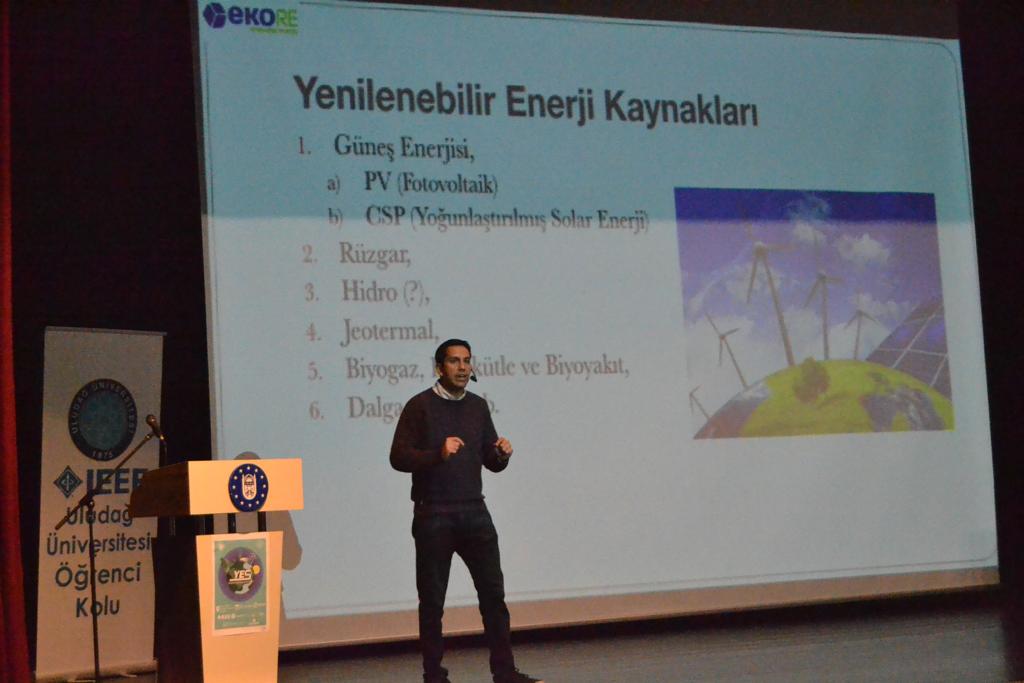
We have spent years fighting the fossil fuel lobby’s rhetoric that “solar energy is not feasible.” In the video above, I present my presentation to Celal Bayar University’s Faculty of Engineering students, members of the IEEE (The Institute of Electrical and Electronics Engineers), explaining the fallacy of these claims and the philosophy behind the topic.
In the past, some have mocked me for my claims of 100% renewable energy. Finally, we can observe that this change is accelerating due to some people’s better understanding of the current climate, economic conditions, and factors threatening humanity, such as climate change.
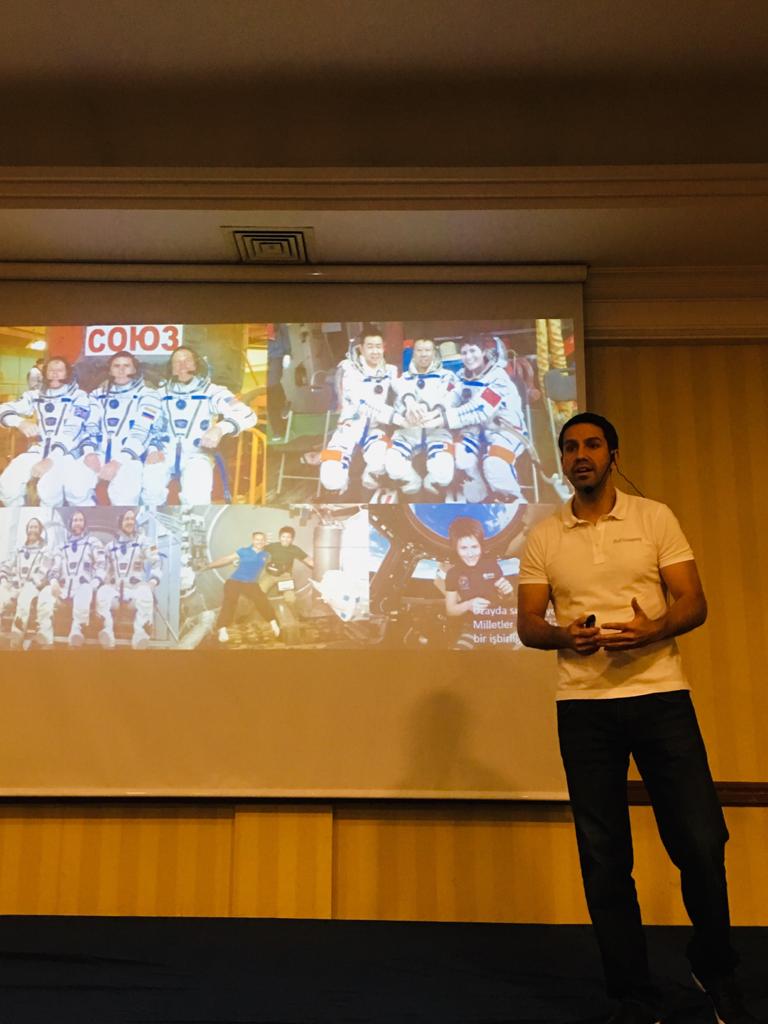
Still, we have a long way to go. For energy sources to transition to 100% renewable energy, all relevant institutions and organizations must have the will to do so. Once the necessary support is in place, this change is possible in less than three years.
Transforming energy sources entirely to renewable energy doesn’t just mean removing large natural gas or coal-fired power plants and replacing them with large solar and wind power plants. We need to utilize all models. Accordingly:
1) Establishing Centralized Renewable Energy Power Plants
We can convert all kinds of resources granted to us by nature into energy, such as solar, wind, geothermal, bioenergy (biogas, biomass, biofuel, etc.), waves, and currents. Here, we need to utilize geothermal and bioenergy power plants for the base load that allows us to generate electricity 24 hours a day, thus compensating for grid fluctuations to a certain extent. Alternatively, power plants, such as solar and wind, whose efficiency increases and decreases during certain periods of the day, need to be hybridized. For this reason, I personally view the recently enacted hybrid regulation as a very positive development. You can read the details at https://www.enerjiportali.com/yenlenebilir-enerji-kaynaklari-yonetmeliginde-hibrit-enerji/ . This is an example of hybrid power plants being built in the sector: https://yesilekonomi.com/turkiyenin-ilk-ruzgar-gunes-hibrit-projesinin-yatirim-sureci-basladi/?utm_source=newsletter&utm_medium=email&utm_campaign=ruezgar_enerjisi_buelteni&utm_term=2020-10-09
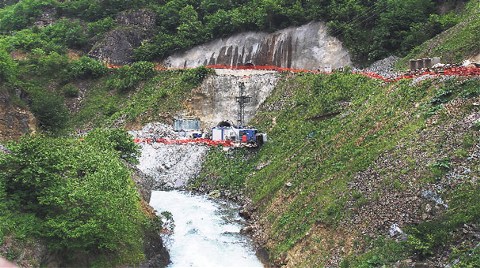
As we build centralized renewable energy power plants, we must also prevent the emergence of our oversupply problem. In other words, we shouldn’t build these plants just anywhere we can just because they generate good profits.
Here’s an example of Hydroelectric Power Plants (HPPs), which are the most severely affected by the oversupply problem.
We need to implement these plants with a planned and systematic approach. In other words, we need to prevent the excessive installation of these environmentally friendly, nature-powered technologies, and the damage they cause to nature and our environment due to the inadequate implementation of certain aspects of these technologies (such as the precautions required for geothermal power plants). This is called “making a mistake while making a mistake” in our beautiful Turkish. As an example, I’d like to share the following news item I recently read in a Tourism Bulletin:https://www.turizmaktuel.com/haber/cennete-ihanet-mugla-da-32-saha-jes-e-aciliyor?utm_source=newsletter&utm_medium=email&utm_campaign=oteller_dikkat_50_oda_sarti_30_odaya_indi&utm_term=2020-10-09
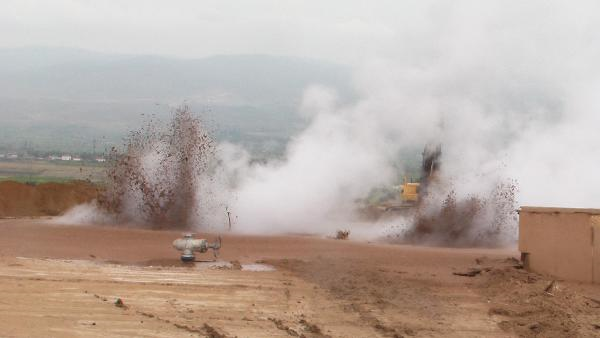
A Geothermal Power Plant (GPP) Site
This news article briefly states the following: 32 sites in Muğla have been declared for geothermal power plants (GPPs), which are drying out trees and causing environmental destruction. Among the sites slated for 30 years are sites in Bodrum Mazı, a natural and tourist wonder, as well as historic Bafa, Türkbükü, Dalyan, Datça, and Marmaris.
I know that none of the above will happen if geothermal power plants are properly constructed. By properly constructed, I mean avoiding excessively large numbers of them built side by side, which nature cannot sustain, and ensuring that the plants are fully constructed in compliance with all rules and regulations.
The same problems apply to hydroelectric power plants. Due to excess supply, multiple hydroelectric power plants built on the same water stream dry up that water resource. We encounter these problems most frequently in the Black Sea Region. I want to reiterate what I’ve said elsewhere: It’s as the name suggests: renewable. In other words, if a water source constantly renews itself and produces the same or even more, then that hydroelectric power plant can be considered renewable energy. However, if hydroelectric power plants are built on every stream with the mindset of “water flows, we make money,” the balance of nature will be disrupted. Hydroelectric power plants that dry up water and harm nature are not renewable energy sources in my opinion. Therefore, the existence of an authority that will oversee this balance and ensure proper planning is crucial.
I also hear criticisms that these plants take up too much land. In fact, we don’t need to build these large centralized systems solely on land. A significant portion of the world is covered by water. Offshore wind power plants can be built in areas with potential. Let’s look at the plans of the UK, which aren’t particularly fortunate in solar energy but has significant wind potential. The UK aims to meet all its household electricity needs from offshore wind power plants within the next decade. I’m sharing the link to the relevant news:https://www.enerjigunlugu.net/ingiltere-on-yilda-tum-evlere-ruzgarla-elektrik-saglamayi-hedefliyor-39354h.htm
Similarly, you can install solar energy systems on water. I’d like to remind you of two blog posts I wrote on this topic:
https://www.serhansuzer.com/tr/yuzer-gunes-enerjisi-sistemleri-1
https://www.serhansuzer.com/tr/yuzer-gunes-enerji-sistemleri-2
2) Distributed Systems
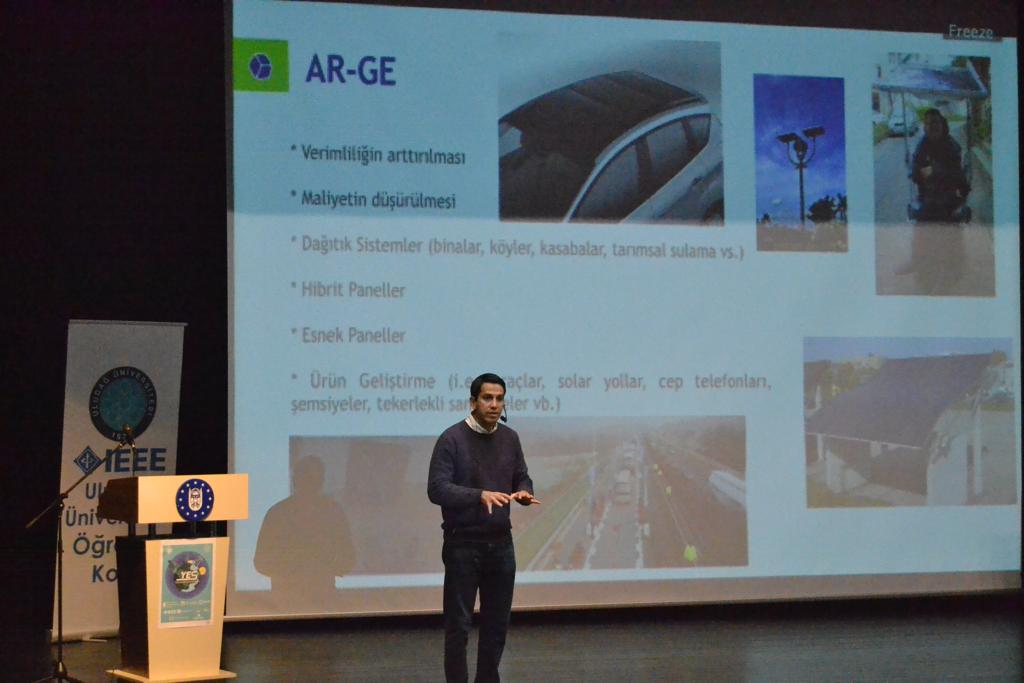
Personally, the model I prioritize most is distributed systems. In other words, on-site production and on-site consumption. This means that all buildings, complexes, villages, towns, and neighborhoods, etc., generate their own energy and consume it on-site. Eventually, a shift from centralized systems to distributed systems will occur. For this to happen, technologies like rooftop solar energy systems (for both electricity and heat), micro wind turbines, and heat pumps need to become standardized across all buildings, considering natural conditions. In other words, I’m talking about making it legally mandatory to install solar energy systems on the roofs of all homes in sunny locations, or micro wind turbines in all homes in windy locations. This will happen in the future.
We can cite the law enacted by the state of California as an example: California became the first US state to mandate solar panels on all single-family homes and apartments built after 1 January 2020. You can read the related news at this link:
Similarly, while electricity can be generated in homes via rooftop PV panels, the heat generated by water heater systems can be used to meet the home’s heating needs. Hybrid panels, which generate electricity on the front and heat on the back thanks to special alloy pipes, can meet both the home’s electricity and heating needs.
If we assume that we can extract energy from anything that burns and moves, it’s even possible to generate electricity from bicycles, a model that, in my opinion, is the most groundbreaking example of distributed systems. Here’s a concept project developed in the Netherlands: https://www.facebook.com/GoWasteEd/videos/3655918444458922/?vh=e&extid=0&d=n
Finally, we can say that distributed systems play a crucial role not only in buildings but also for the vehicles they use. In the future, charging stations will be integrated into all homes, as well as be placed on streets, avenues, and throughout the country. Charging stations will replace gas stations. Everyone will have access to a station to charge their vehicles.
A crucial point to consider in distributed systems is prioritizing safety and human health when installing these energy systems. For example, when installing solar power plants, all precautions against the possibility of fire should be taken to the highest level. If standards are followed, there will be no problems.
3) Energy Storage Systems
Energy storage systems play a critical role in both centralized and distributed systems. This is because, in addition to the baseload renewable energy types like geothermal and bioenergy I mentioned earlier, energy storage systems are essential to ensure the continuity of renewable energy sources like solar, wind, wave, and current. In other words, it is possible to install high-capacity battery systems alongside centralized renewable energy plants, store some of the energy generated, and then use them during times of high demand. This also prevents grid imbalances.
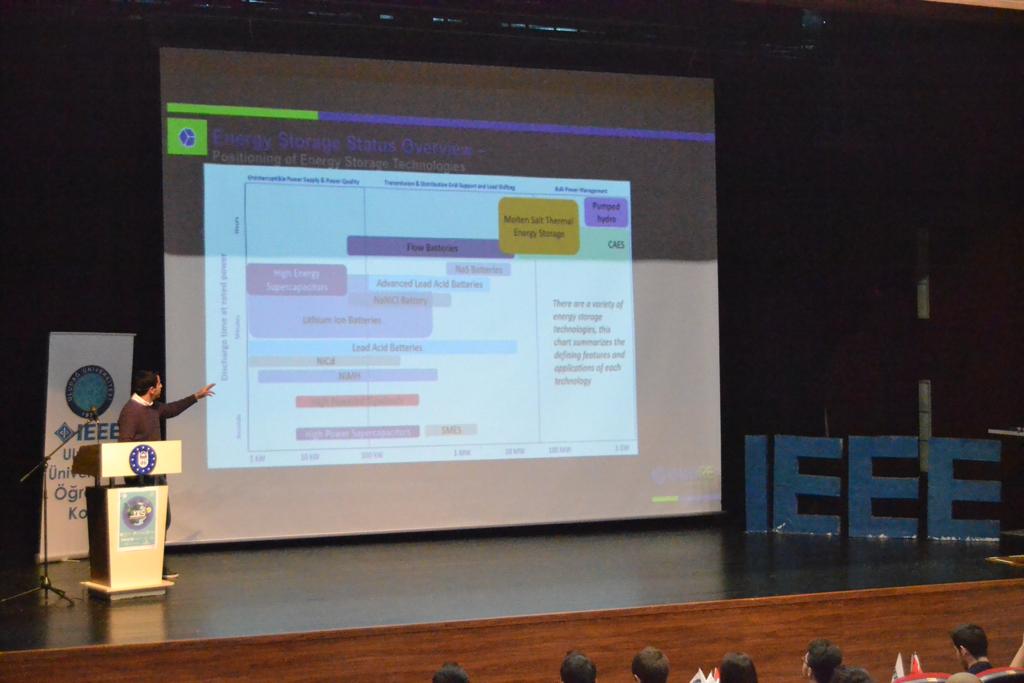
Meanwhile, energy storage in solar and geothermal energy is possible not only through electricity storage but also through heat storage. Minerals that can retain heat for extended periods, such as molten salt, are generally used for heat storage. This heat can then be combined with water, produced at high temperatures and pressures, and then steam can be used to generate electricity using a steam turbine. Or the heat can be used directly. This heat can be directly used in central heating systems using CSP (Concentrating Solar Power) or geothermal systems.
Thanks to home battery systems, electricity generated from the sun can be stored and used at any time of day. These battery systems are the heart of the entire system, not only in homes but also in the electric vehicles we use (cars, motorcycles, etc.).
In summary, let me tell you what will happen in the future as we experience an energy revolution. Fossil fuels will be phased out for energy needs, and all needs will be met by renewable energy. Furthermore, centralized systems will be replaced by distributed systems.
The key question here is not what will happen, but when. The political will will determine the timing.