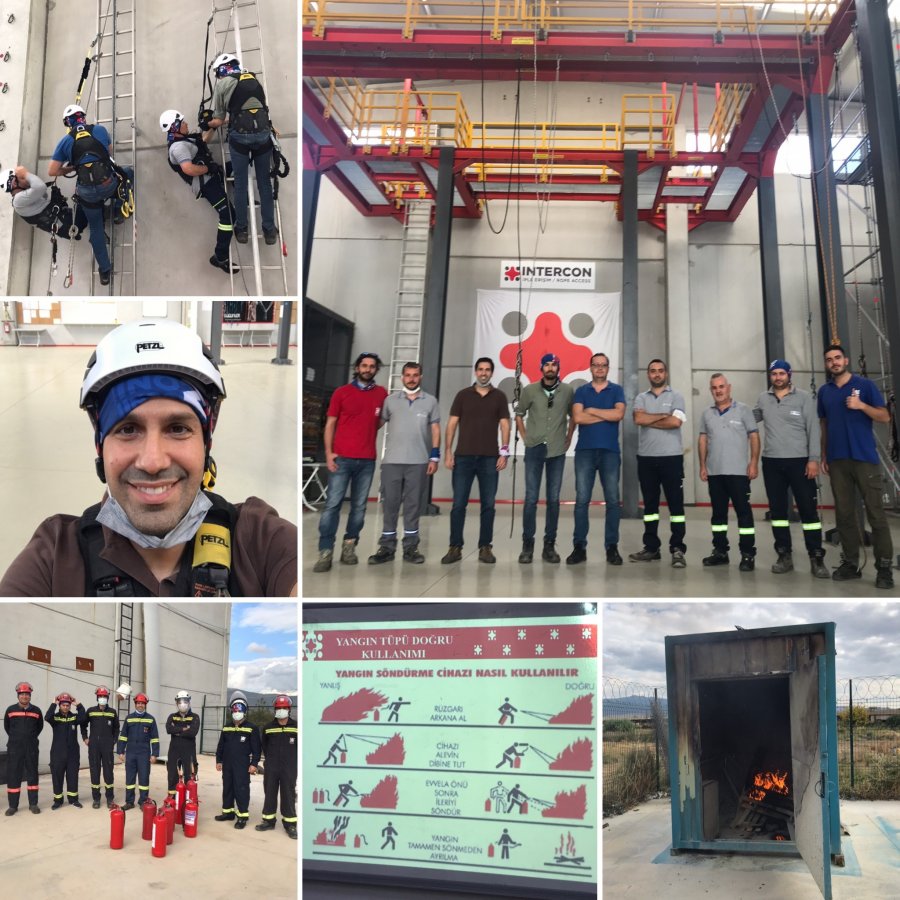
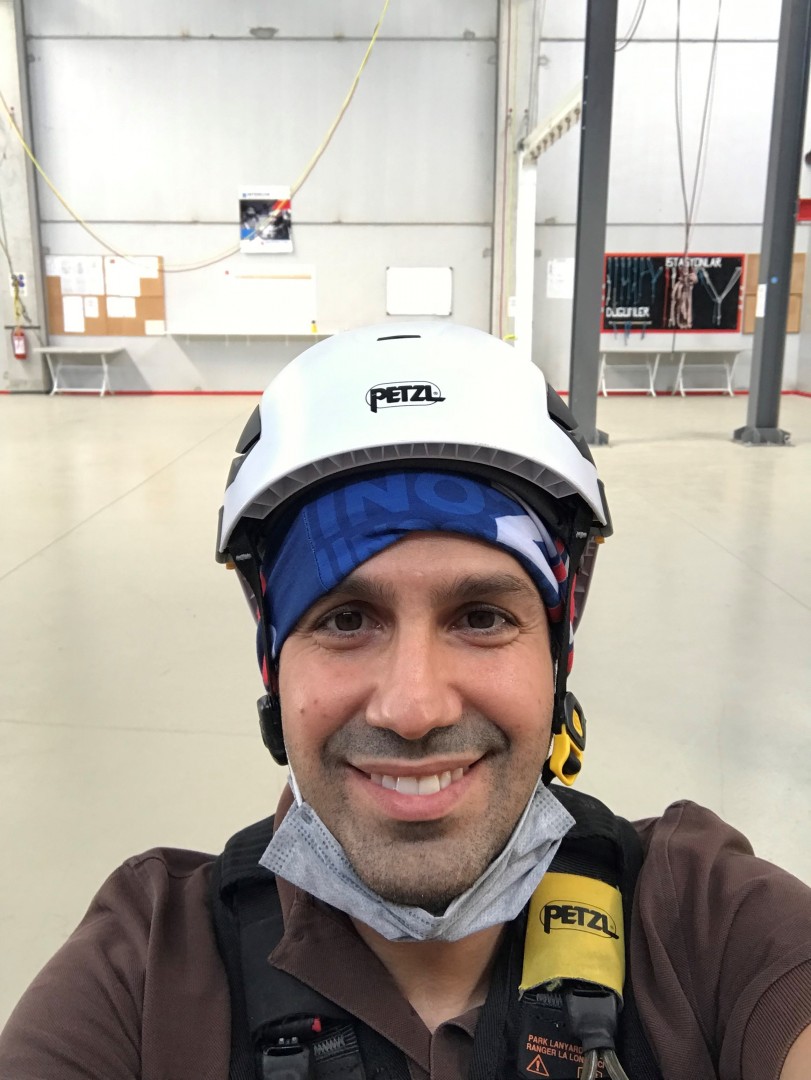
By applying for this training, I demonstrated to our technicians and young engineers working in the field that the phrase I frequently use, “Everyone should address their shortcomings at every age. Education is essential at every stage!” isn’t just words and advice, but that I apply this principle to myself at every opportunity.
After everyone working in the field completed the GWO (Global Wind Organization) training, it was my turn, and last week I took the GWO safe working at height training. So, what is GWO training, and what modules does it consist of? I’ve dedicated this week’s article to this topic for those working in the wind sector and those interested.
First, let’s explain GWO. GWO, or Global Wind Organization, is a non-governmental organization (NGO) headquartered in Copenhagen, founded by leading wind energy producers and operators. This Danish NGO’s primary function is to provide training on standards to ensure a safer and more productive workforce in the sector. GWO, which launched the wind turbine industry with Basic Safety Training (BST), demonstrating its ideals and principles, later expanded its training offerings by making them more specific. You can find all the information about GWO on the organization’s website (https://www.globalwindsafety.org/ ), and details about the training they offer at https://www.globalwindsafety.org/trainingstandards/trainingstandards .
A vital training consisting of four modules
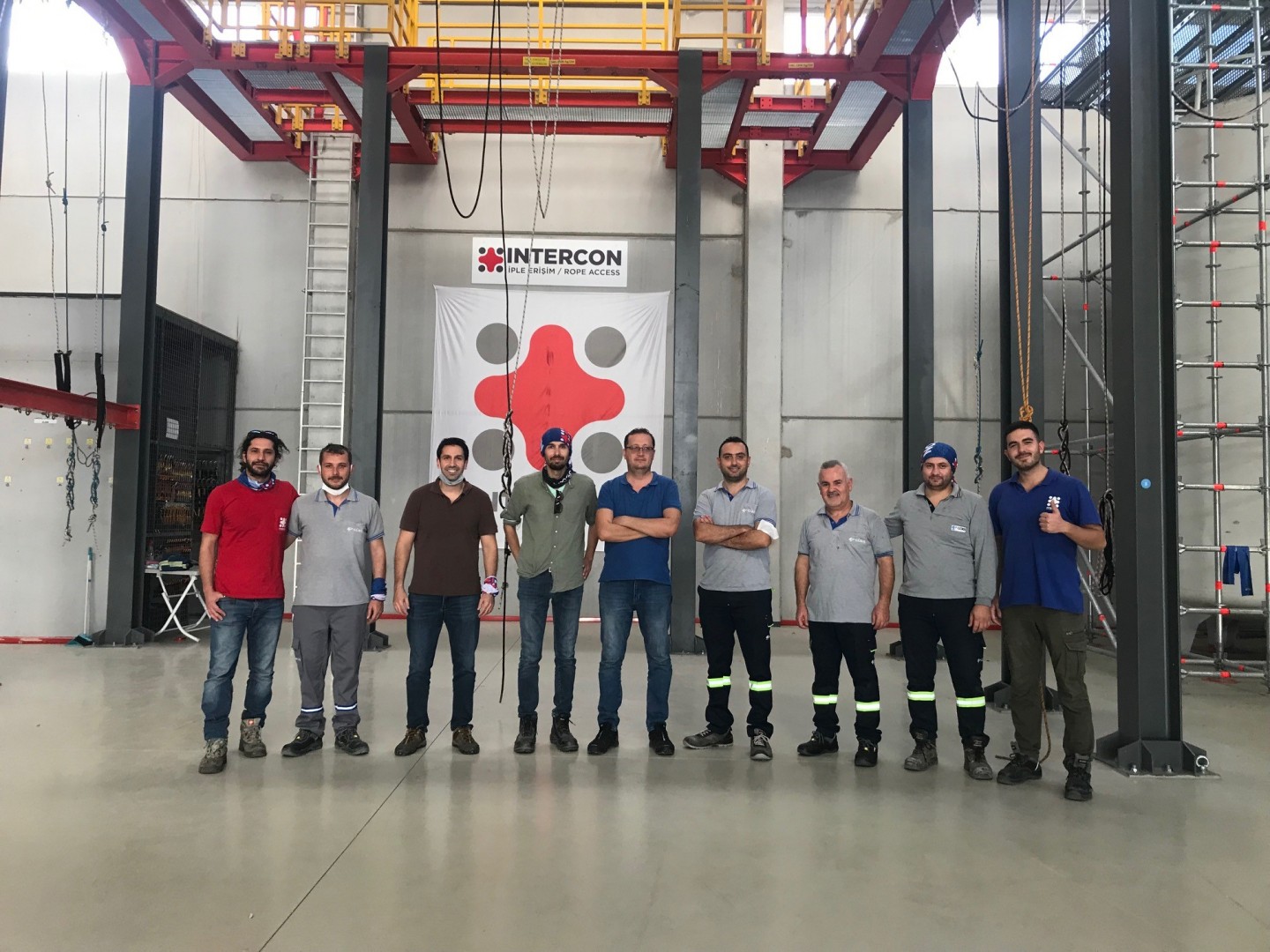
This training is provided by several prominent companies in Turkey, and they are also subject to rigorous inspections. One of these companies is INTERCON. With its internationally recognized qualifications and expert and experienced staff, INTERCON Rope Access and Training Services Inc. offers solutions to your needs in hard-to-reach locations, including IRATA, SPRAT, GWO BST, ART, and Refresher training. You can find details on the website at http://ra.intercon.com.tr/ . Information about the training they provide is available at http://ra.intercon.com.tr/tr/egitimler .
INTERCON’s GWO BST training consists of four modules. Let’s explore these modules now:
1) First Aid Awareness Training
In my opinion, this first aid training should be taught to all our citizens starting in middle school. It’s such an important topic that you never know where this first aid training, which will be offered in all schools, will be used. We could save the lives of thousands of our citizens. First aid training briefly covers the following topics:
a) General First Aid Information
b) Assessment of the Patient/Injured and the Scene
c) Basic Life Support
d) First Aid for Bleeding
e) First Aid for Injuries
f) First Aid for Burns, Heat Stroke, and Frostbite
g) First Aid for Fractures, Dislocations, and Sprains
h) First Aid for Loss of Consciousness
i) First Aid for Poisoning
j) First Aid for Animal Bites
k) First Aid for Foreign Objects in the Eyes, Ears, and Nose
l) First Aid for Drowning
m) Techniques for Transporting the Patient/Injured
Let us also share the methodology of the procedures:
a) Crime Scene Safety and Emergency Procedures
- Basic Principles of First Aid
- Main Learning Objectives
- Motivation in Emergency Response
b) Legal Risks and Dangers of First Aid
- First Aid Guidelines
c) Anatomy of the Human Body
- Physiology of Organs
- Cleaning First Aiders Before and After Intervention
d) Case Management
- Primary and Secondary Patient Assessment
e) Initial Assessment
- Assessing Consciousness
- Examining C (A-B-C)
- Approaching the Unconscious Patient
- Approaching the Unconscious, Not Breathing Patient
- CPR – Cardiopulmonary Resuscitation
- Emergency Response to the Bleeding Patient
- Shock and Response to Shock
f) AED Safety Procedures
g) AED Use, Techniques, and Application
h) Minor First Aid Interventions
i) Psychological Support in First Aid
j) First Aid Scenarios and Application Techniques
k) Summary and Evaluation
2) Fire Awareness Training
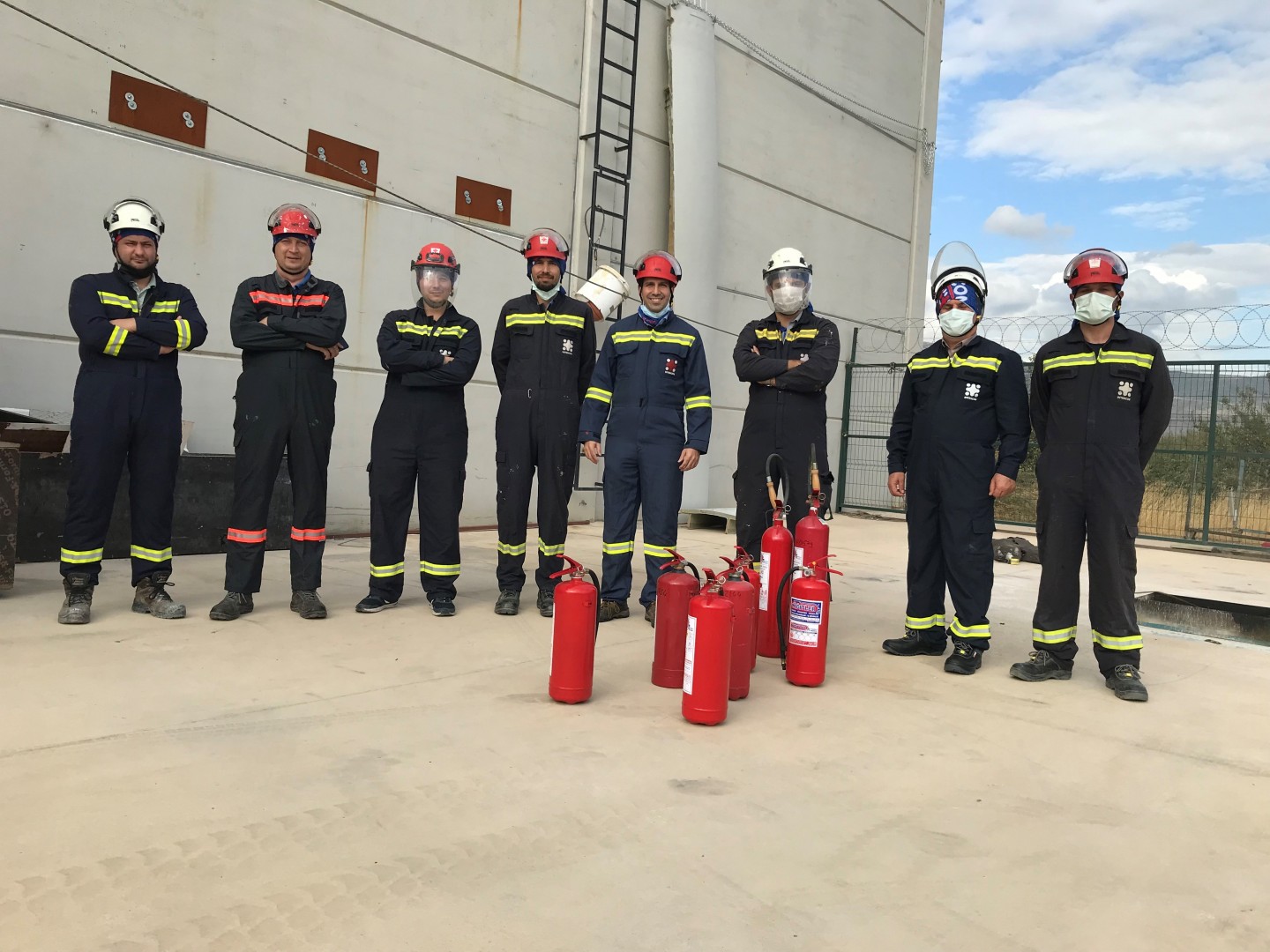
In my opinion, fire training should be repeated every year, starting in middle school at the latest. It should be included in all schools. Those who do not receive this training do not know how to extinguish a fire or which type of fire to respond to. You can find the content of this training below:
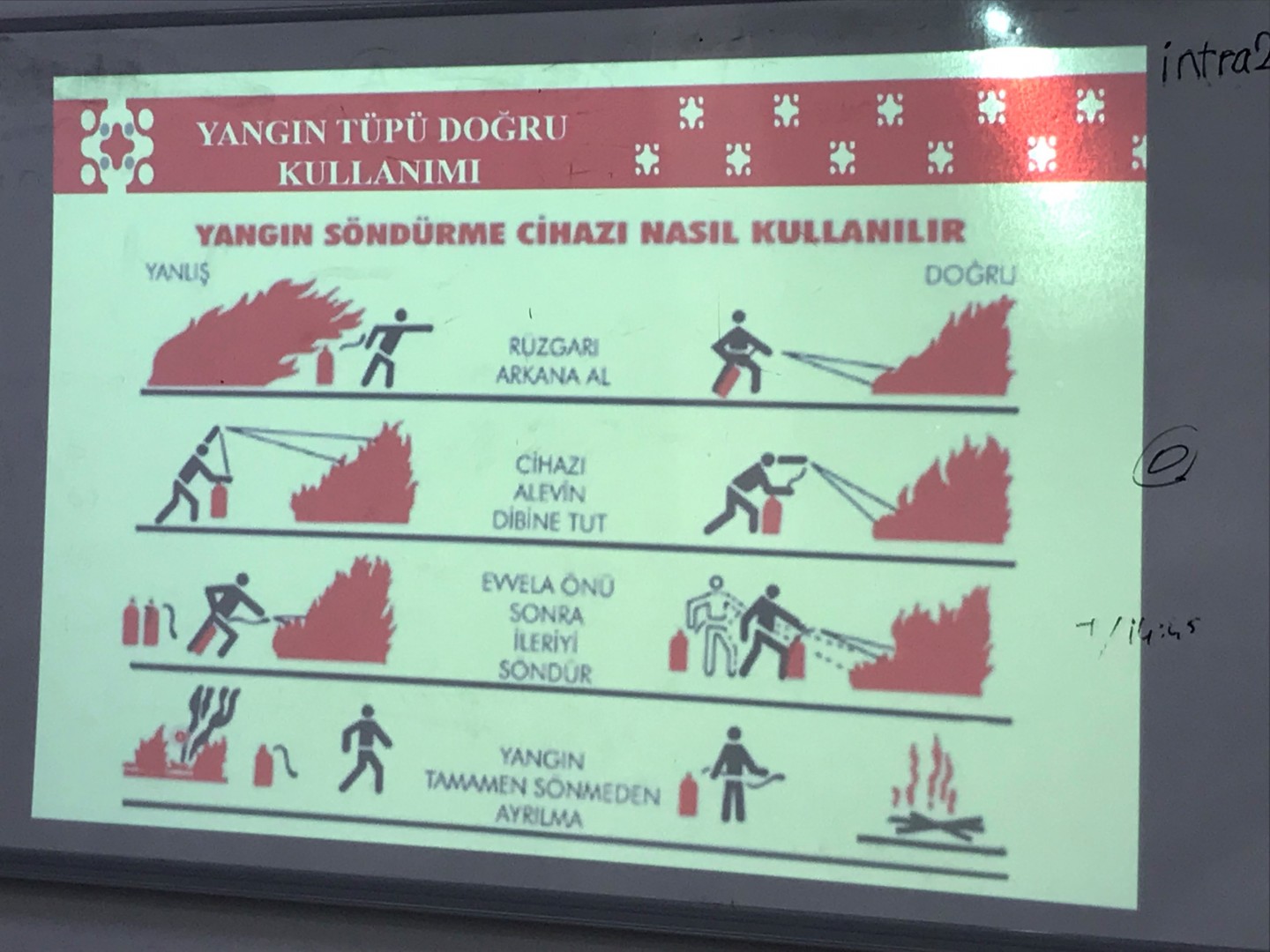
a) Definition and Scope of a Fire Emergency
b) Preparation of a Fire Emergency Plan
c) Fire Fighting Organization
d) Formation and Duties of Extinguishing Teams
e) Formation and Duties of Rescue Teams
f) Formation and Duties of First Aid Teams
g) Formation and Duties of Protection Teams
h) Fire Fighting Methods
i) Evacuation and Methods in Case of Fire
j) Coordination and Communication Between Teams
k) Use of Portable Fire Extinguishers
l) Fire Fighting Materials and Protective Equipment
m) Fire Progression and Stages
n) Potential Threats Posing Fire Risk
o) Sources of Hazard and Risks at the Fire Site
p) Post-Fire Actions
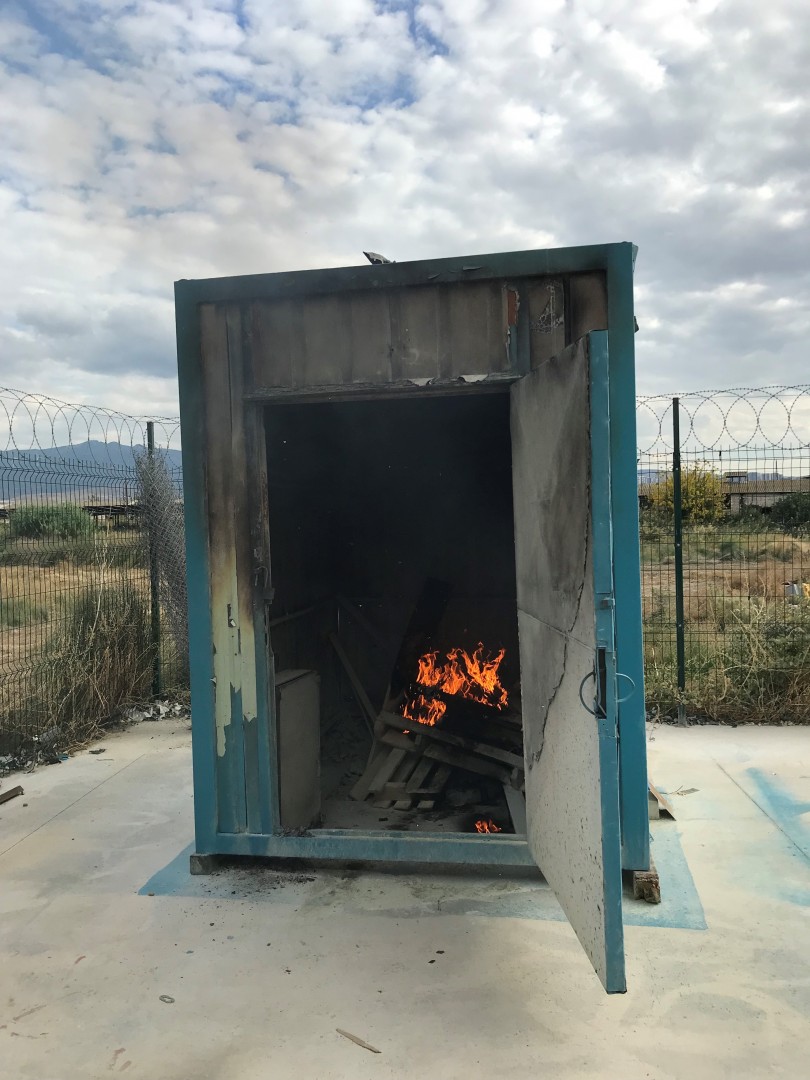
To put the training into practice, we extinguished a controlled fire together.
3) Manual Handling Training
a) Purpose of Manual Handling Training
b) Definition of Manual Handling
c) Rules for Lifting Loads Safely
d) General Approach to Manual Handling
e) Health Effects of Manual Handling
f) General Principles
g)I.L.E. Principle
h) Load-Related Risk Factors in Cases Where Manual Handling Is Unavoidable
i) Load Characteristics
j) Physical Strength Requirements
k) Working Environment Characteristics
l) Job Requirements
m) Individual Risk Factors
n) Basic Principles
o) Carrying Capacities of Women and Men According to Height
p) Protect Your Mind and Back
r) Lift the Load with Your Feet, Not Your Waist
s) Move with the Load
t) Grasping and Carrying Clumsy Loads
u) Examples of Correct and Incorrect Manual Handling
v) Summary of Manual Handling Rules
4) Working at Height Training
a) What is Height and Working at Height?
b) National and Global Legislation
c) Risks Encountered While Working at Heights
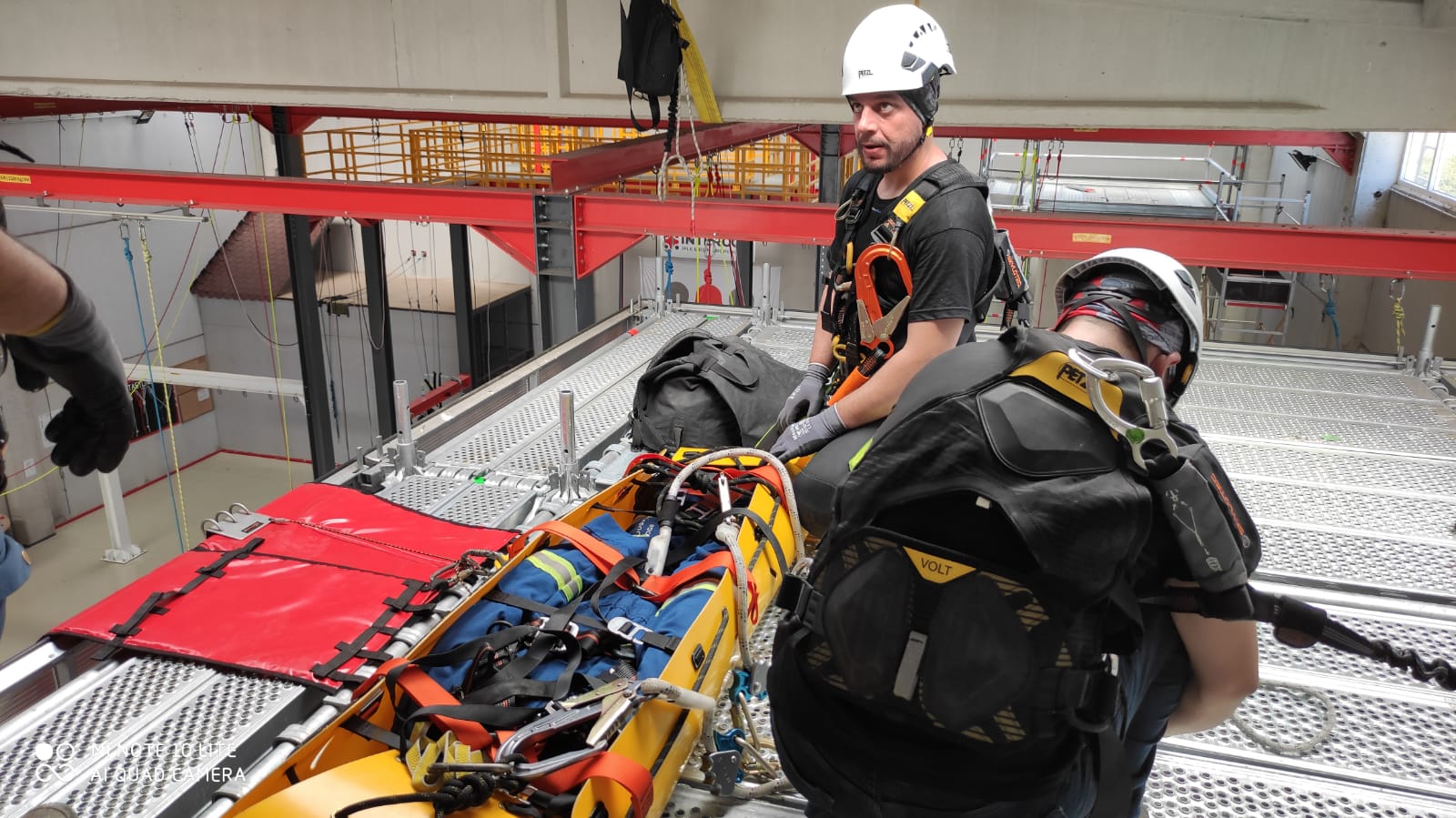
d) Equipment Used While Working at Heights
- Full Body Harness
- Positioning Lanyard
- Fall Arrest Lanyard
- Retractable Fall Arrester
- Vertical Fall Arrester Systems (Depending on Turbine Models)
e) Pre-Use Checks and Storage Conditions for Personal Protective Equipment
f) Risk Explanations and Precautions Related to Falling Objects
g) Emergency Procedures
h) Rescue Devices and Safe Use Rules
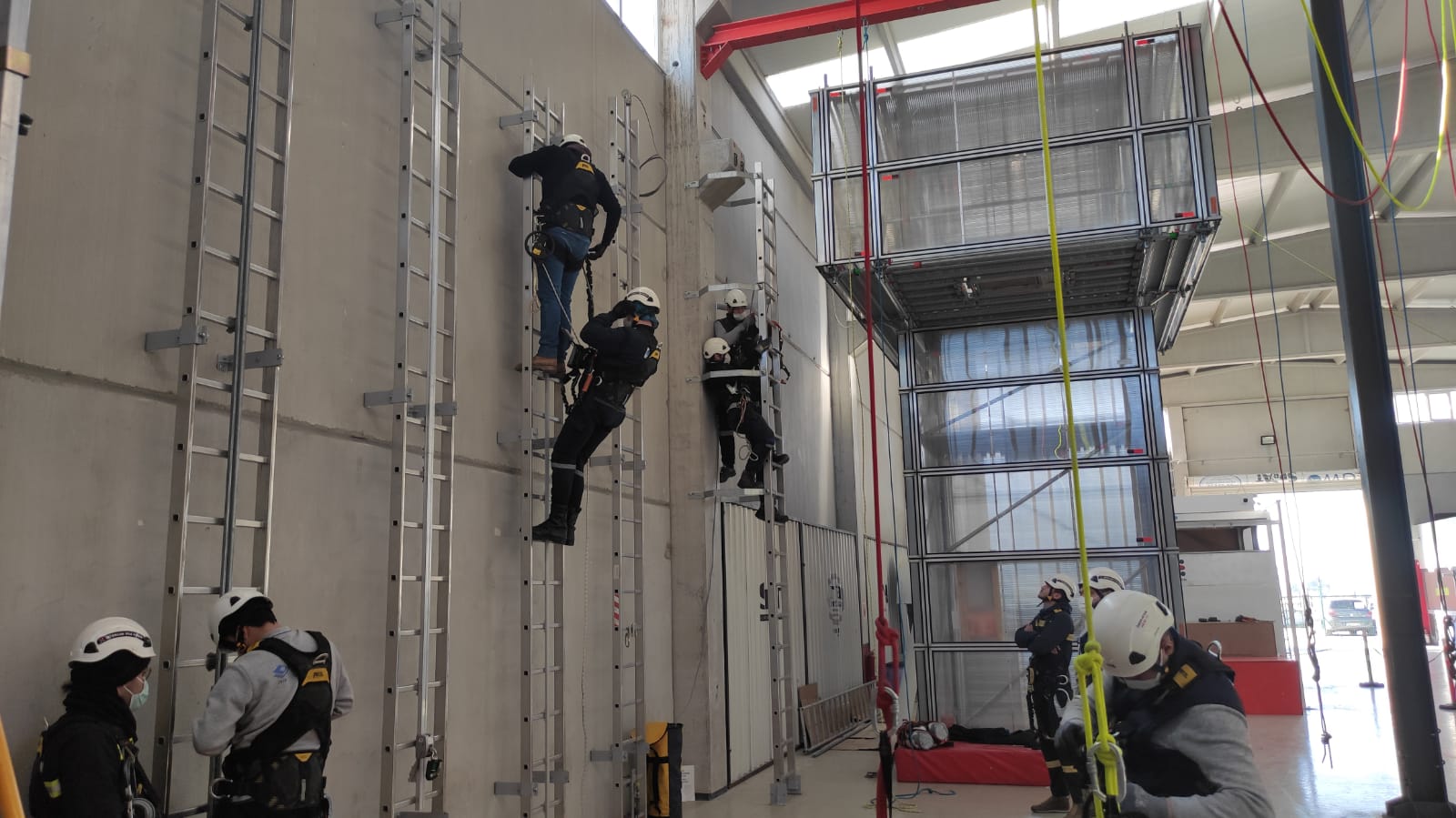
i) Rescue and Escape Scenarios Created by Incorporating All Equipment and the Scope of Training
In conclusion, first aid, fire, and manual handling training cover topics that all citizens need to know in real life. Those in the industry are required to receive safe climbing and rescue training.
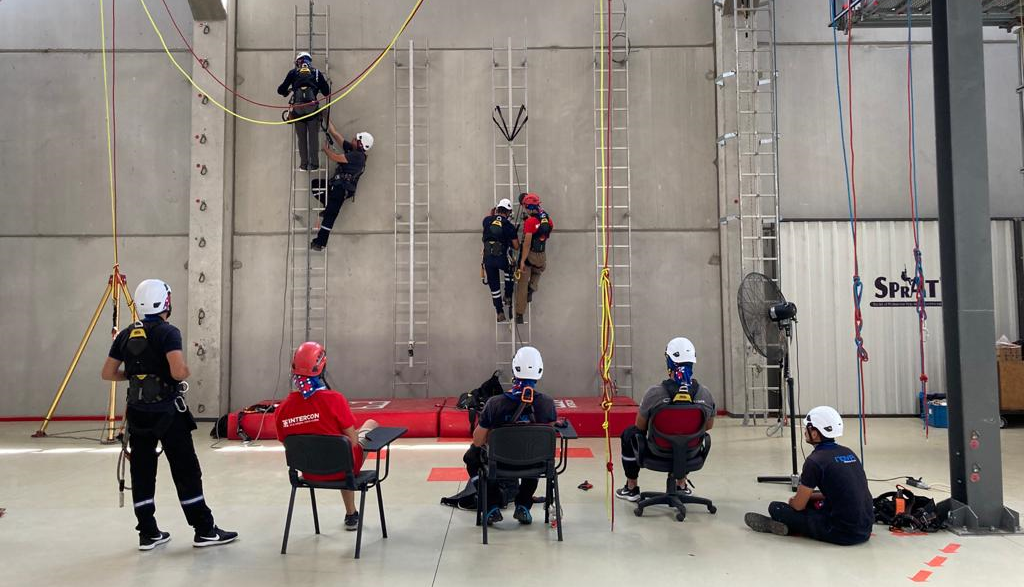
After completing this training, I will be able to climb safely to our turbines from now on. This way, I’ll be able to stay on top of all the details of our project and make more informed decisions. This is especially true for everyone working in the wind energy sector, including those working in offices.
Tag: education