As the new year approached, I found myself wanting to escape somewhere different in Türkiye—somewhere to recharge and clear my head. Although 2013 had been a tough year, it was also a very special one for me. I made several radical changes and began steering my life in the direction I had always envisioned. I’ll write about that in more detail another time. As the year ended, I started wondering where in Türkiye I could find peace and maybe get some exercise, too. That’s when the idea of going to Sarıkamış in Kars came to mind. I made my plans accordingly, booked my flight and hotel, and on Saturday, 28 December 2013, I made my first-ever visit to Kars.
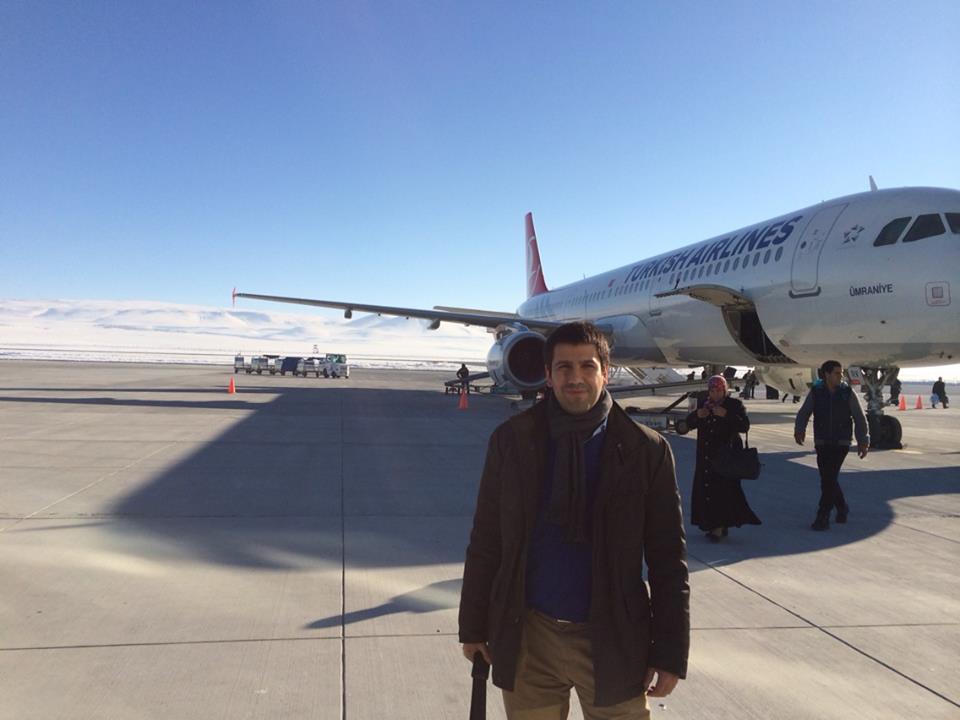
The picture I took when I landed in Kars
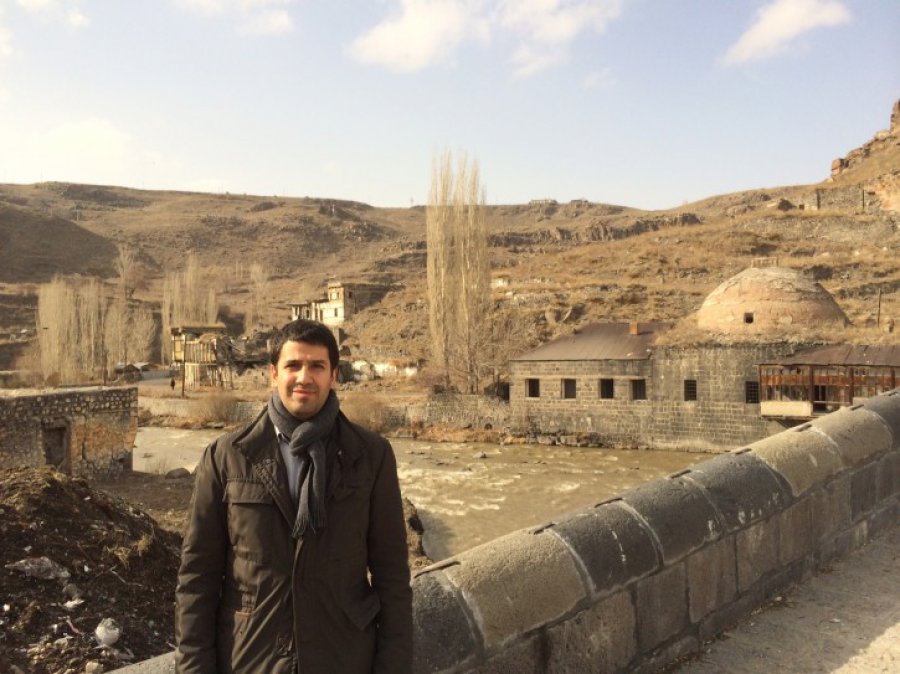
I can briefly summarize the information I found about the city of Kars on Wikipedia as follows: Located in the northeastern part of Türkiye, Kars is the highest provincial capital in the country. Including its villages, its population exceeds 100,000. The central district comprises 23 neighborhoods and 70 villages. The city center has a cosmopolitan structure enriched by various cultural differences, as it is home to multiple ethnic communities living together.
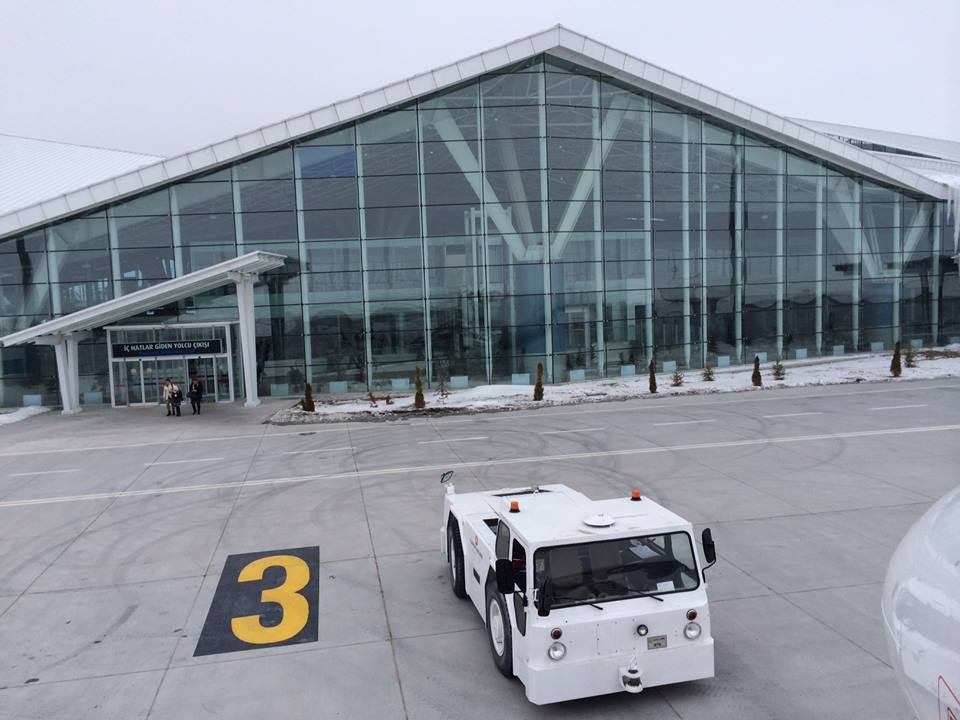
Kars is a border city that once served as the capital of both the Bagratid Kingdom and the South-West Caucasian Republic. This makes it one of the rare cities in Türkiye to have served as a capital to a foreign state. As Türkiye’s gateway to the Caucasus, Kars began to develop rapidly after the establishment of Kafkas University and has gradually become a university town. Thanks to its airport located just six kilometers from the city center, it also serves as a key transportation hub in the region. After landing at the newly built, modern, and beautifully designed airport, I asked the driver—who had come from the hotel in Sarıkamış to pick us up—to take us to a nice local restaurant in Kars for lunch. I’m so glad I did. He took us to a restaurant called “Kaz Evi” (The Goose House). On the way, he mentioned that goose meat is widely consumed in Kars, and that this place was considered the best restaurant in town for it. After placing our orders, this is what our table looked like:
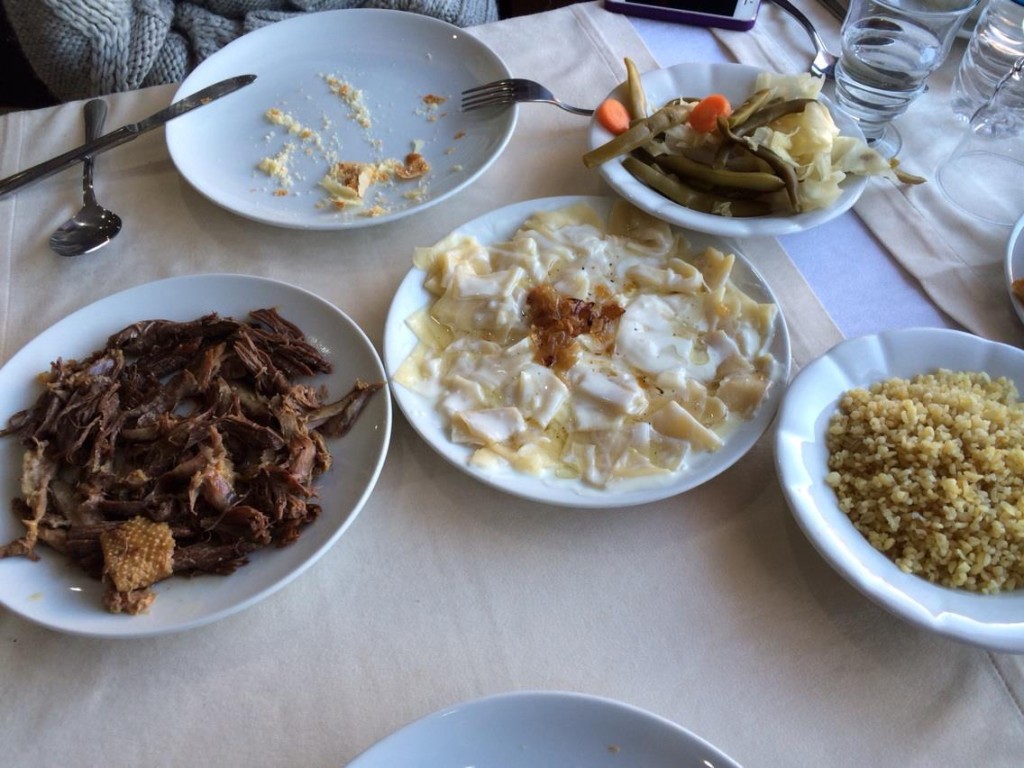
On the table there is goose meat, meatless manti, rice and pickles.
As we savored our meals and marveled at the number of phone orders they received from many different cities in Türkiye, the restaurant owner, Nuran Abla, came to our table. She started chatting with us standing, then sat down next to us as the conversation dragged on. Don’t ask me. The more Nuran Abla spoke, the more my amazement grew, and we delved into deeper topics. We discussed everything from the history of Kars to the importance of goose meat in Kars culture and even how to create sustainability in the restaurant business. She is a person of incredible intelligence and energy. While she initially shared the same story as many women in Türkiye, she transformed her destiny with her intelligence and determination. Despite being in Kars, she overcame the challenges of being a single woman with a child, perhaps even out of spite. After marrying early and having children, Nuran Abla, undeterred by the difficulties she faced at home, decided to start her own business thanks to her entrepreneurial spirit. She tried various jobs to support herself. For example, she became successful at sewing handmade sweaters and shipping them to many locations in Anatolia. However, with the advancements in technology and textiles, her work became insufficient, and she began searching for a new job.
After much research and consideration, she decided to focus on what she did best. Nuran, known among her neighbors as a legendary cook, eventually opened her own restaurant. When the restaurant saw incredible demand, she opened a second restaurant run by her daughter. You can find detailed information about the restaurant on her website: http://www.karskazevi.com/Default.aspx In a city like Kars, a stark example of a patriarchal society, and in a culture where women’s ignorance is considered normal, her ability to shine and constantly improve herself is admirable in every sense. In my opinion, Nuran broke all stereotypes in her environment and set an example for Turkish women in similar positions living in Anatolia. She made a significant contribution to the culture and tourism of Kars by proving that a goose restaurant could be opened and successful. I congratulate him from here and wish him continued success.
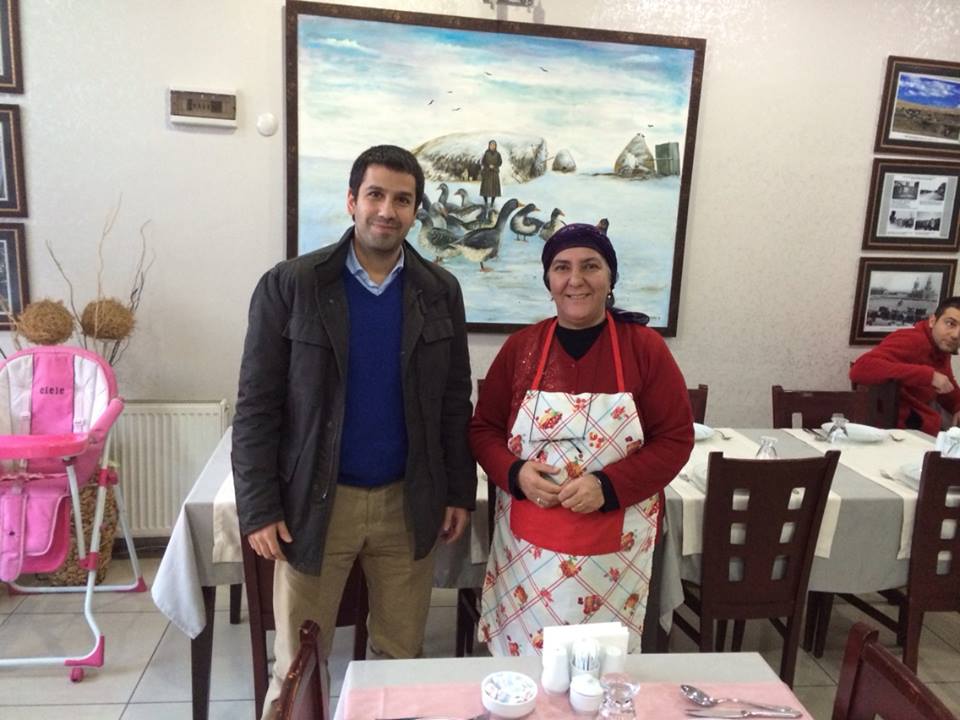
The picture we took with Nuran Abla
While we were chatting with Nuran Abla, something happened that reminded me once again just how small the world really is. I saw Macit and Barış walk in—friends I’ve known since childhood from our summer house in Arsuz, İskenderun, and from the Letoonia Holiday Village in Fethiye. We had come to Kars for a ski trip, and it turned out that Macit, a heart surgeon from Hatay, was working at Kafkas University in Kars as part of his compulsory service. Barış had come to visit him for New Year’s. To be honest, seeing such close friends in a far-off place like Kars, so distant from Istanbul, really lifted my spirits. After a brief catch-up, we decided to make plans together. And just like that, I started spending quality time with our Hatay crew who had come to visit Macit. Between skiing, meals, and long conversations, we thought it would be lovely to spend New Year’s Eve together as well. So on 31 December, we made a reservation for eight people at the Cheltikov Hotel in Kars.
Cheltikov Hotel was originally built by the Russians. This magnificent stone building was later converted into a hotel. (You can check out their website at http://hotelcheltikov.com/.) We had our New Year’s Eve dinner at this boutique hotel while it was about -20°C (–4°F) outside.
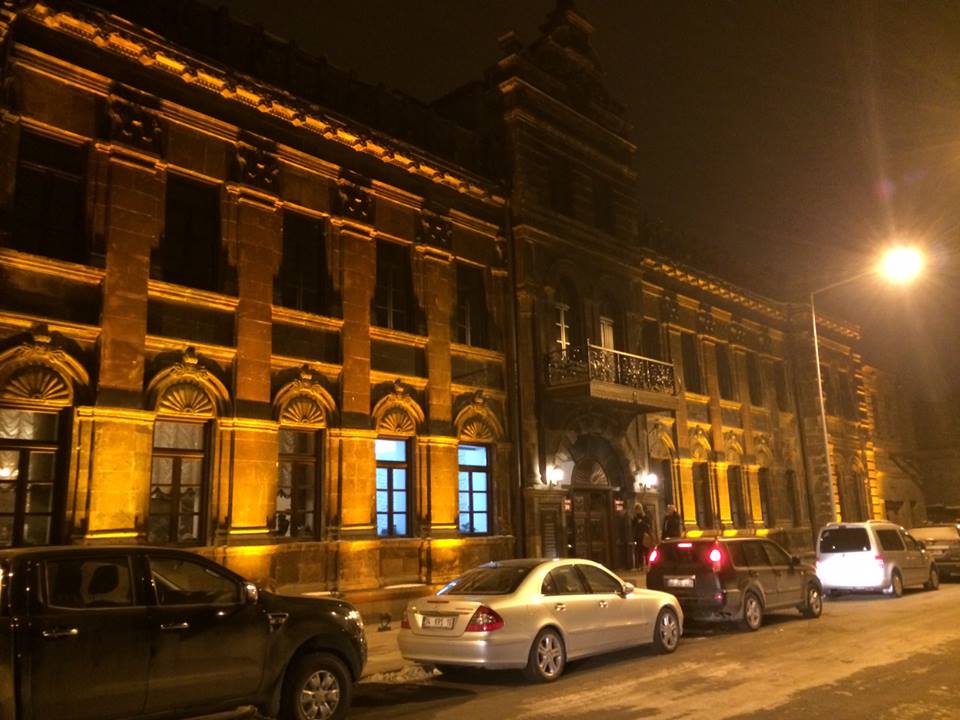
A photo I took from outside the Cheltikov Hotel on New Year’s Eve.
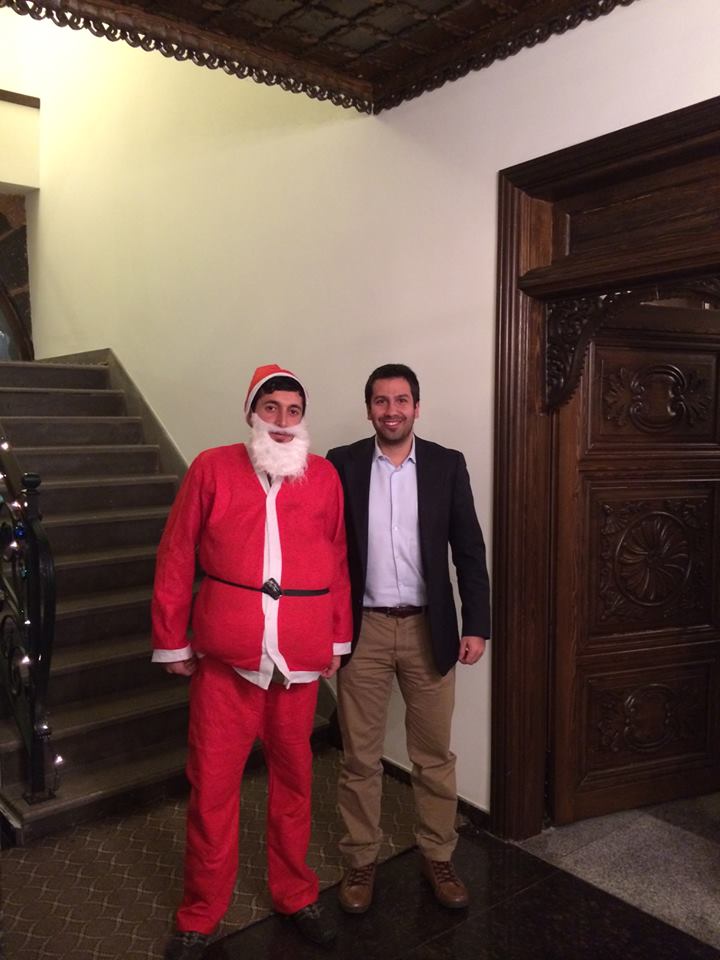
Santa Claus from Kars and me
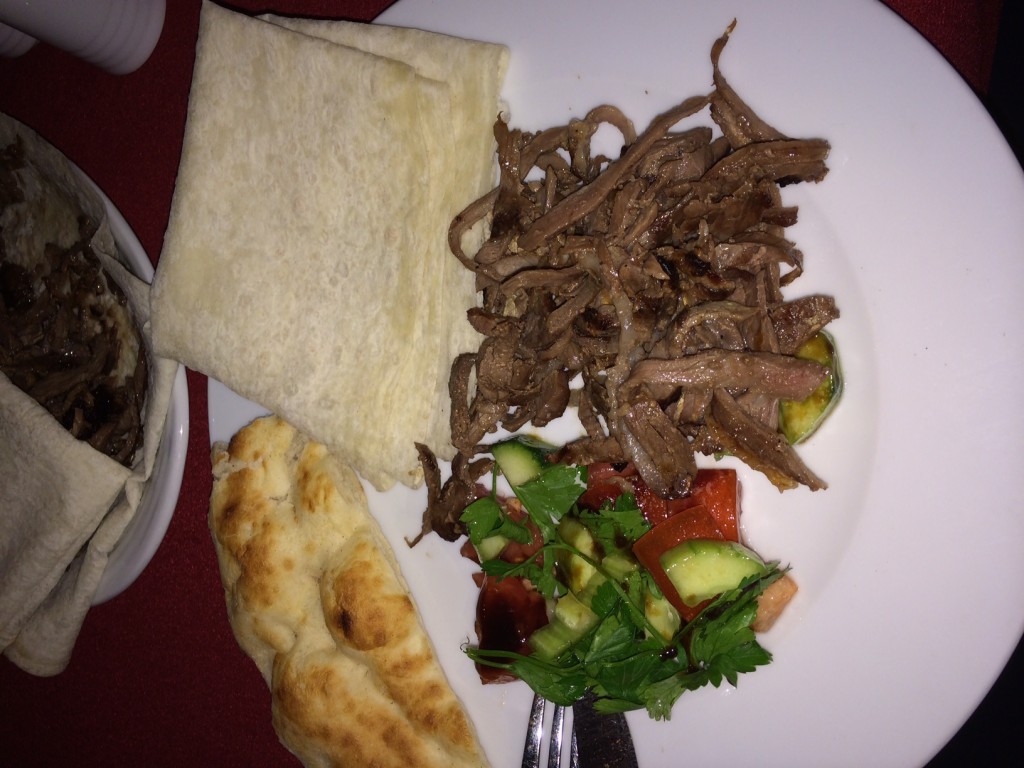
My second trip to Kars was on the third weekend of January. Since my flight on Friday was scheduled for the evening, I spent a night at the Cheltikov Hotel, which I had been curious about, instead of heading straight to Sarıkamış. What were the rooms like? With their high ceilings and comfort that exceeded my expectations… On the first evening, I went to the famous Ocakbaşı restaurant located on Atatürk Avenue. Its full name is Kaygısız Ocakbaşı Restaurant. The website is http://www.kaygisizocakbasi.com. In addition to their delicious kebabs, I must say I really enjoyed their specially marinated döner as well.
Ertesi gün ise kayak için Sarıkamış’taydık. Mart ayının ilk hafta sonu gerçekleştirdiğimiz üçüncü ziyaretimde ise uçaktan iner inmez doğrudan Ani Harabeleri’ne gittik. Bir sonraki yazım bu muhteşem tarihi mekan ile ilgili olacak. Bu ziyaretin bir başka akılda kalan anısı da Pazar günü Kars Kalesini ziyaret etmemizdi. Hava soğuk, yollar buzlu. Kars Kalesi’ne çıkan yokuşta Adana plakalı bir araç rampayı çıkamayarak yolu tıkamıştı. En sonunda bizim uyarılarımızla bu buzlu yoldan geri dönmeye karar verdi. Biz de havaalanına geç kalmamak için dönüşe geçtik. Kars Kalesinde en tepeye kadar çıkamadık, ama yine de bulunduğumuz yerden kalenin ihtişamı görülebiliyordu.
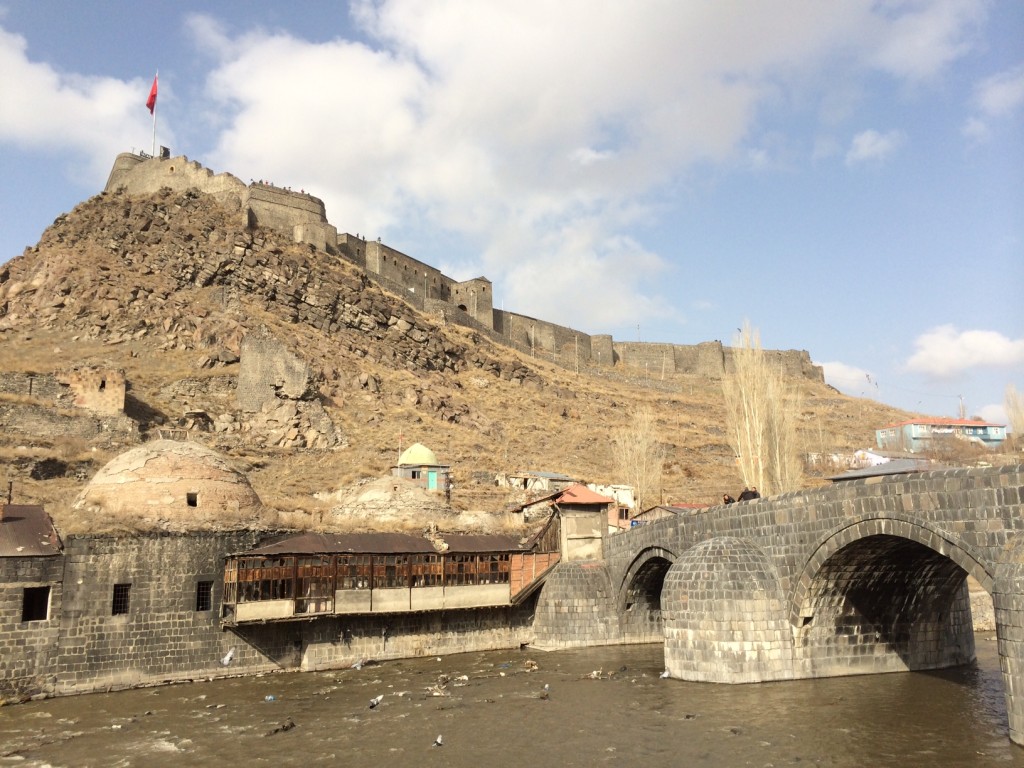
View of Kars Castle
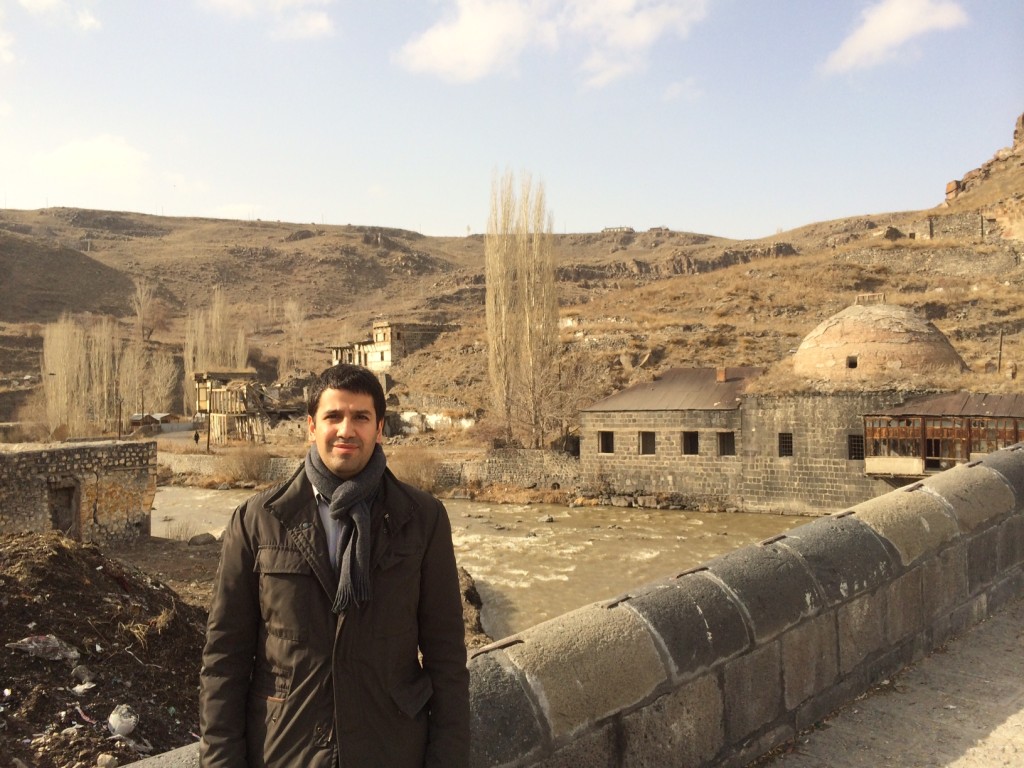
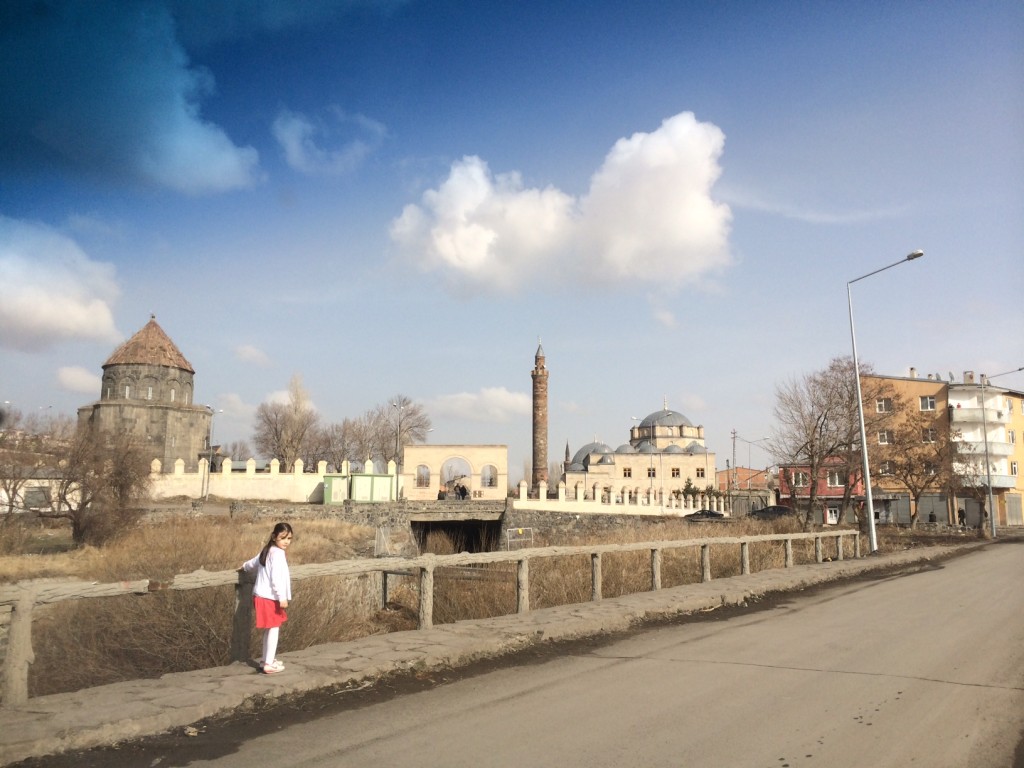
View of the 12 Apostles Church and Kümbet Mosque from the road at the foot of the castle
I’m sharing the information from Wikipedia about Kars Castle: Kars Castle is also referred to as Kars Central Castle, Inner Castle, or the Citadel. It was built in 1153 at the request of Melik Izzeddin, the Sultan of the Saltukids under the Seljuks, by the vizier of the time, Firuz Akay. Construction of the outer walls began in the 12th century. The castle was razed to the ground by Tamerland in 1386 but was rebuilt in 1579 by Lala Mustafa Pasha upon the orders of Ottoman Sultan Murad III. As I passed through the city center on my way to the airport, I couldn’t help but notice how the city had been made ugly by all the flags, streamers, and banners hung up for the elections. I thought about how all this material would end up in the trash after the election, representing a completely unnecessary waste of resources. This year in Gaziantep, all the mayoral candidates reportedly agreed not to hang such materials to avoid polluting the city. Thanks to this excellent practice, they not only managed to keep the city clean but also avoided wasting resources. I’d like to congratulate my fellow citizens in Gaziantep on this initiative. I hope other provinces, like Kars, will follow suit.
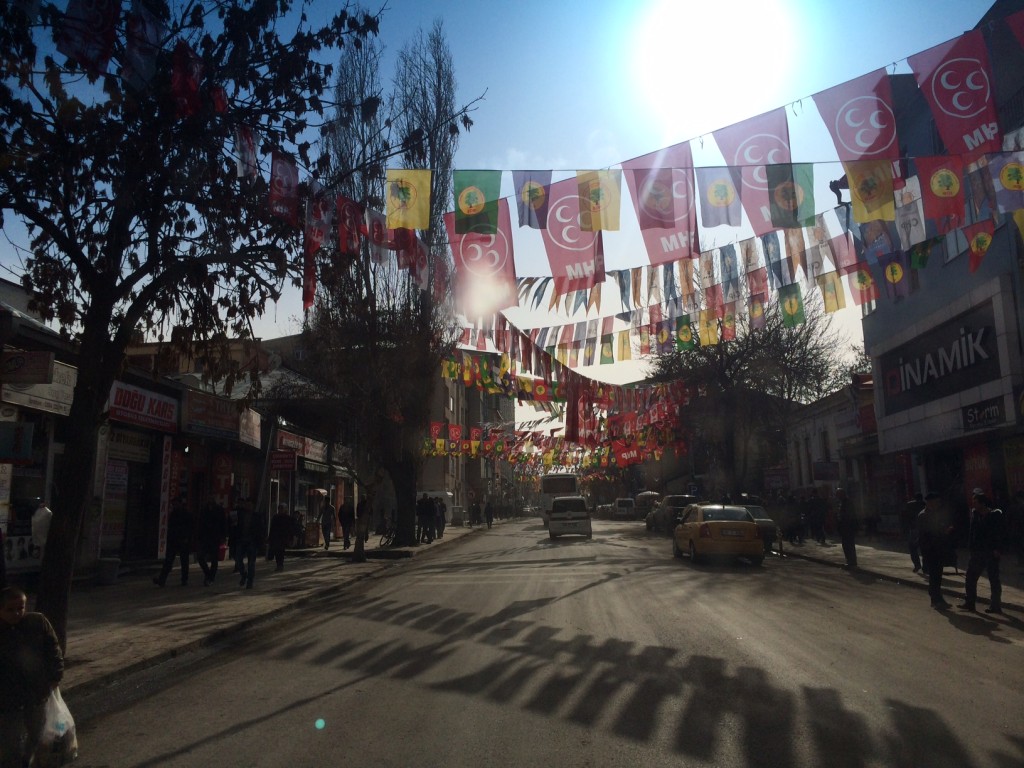
A view from the streets of Kars.
On the way to the airport, Macit and I talked about when the next ski season would start and how we could enjoy fishing in the frozen Çıldır Lake. With my mind clear and recharged, I entered the airport. With a heavy sigh, I boarded the plane to Istanbul, thinking I was really going to miss Kars.
Tag: culture