There are building blocks that support society. Law, security, conscience, love, and empathy are just a few examples I can offer. Beyond these obvious examples for many, there’s also ‘volunteerism,’ a less common but crucial building block. Having made this determination, I’d like to ask you three questions:
- Has it ever occurred to you that volunteerism plays a crucial role in the well-being of your society?
- Have you ever volunteered?
- Do you routinely volunteer?
If you answer ‘yes’ to all three questions, I say kudos to you. If you answer ‘no’ to all three, we’re in trouble. Now, please digest what I’ve written and read it to the end.
For a society to reach a high level of development, its individuals must be well-educated in every sense. It’s important not to confuse education with training. You can receive good education in good schools. However, education can be received at any time and under any circumstances, from birth to death. As I’ve mentioned in previous articles, education, especially between ages 2 – 10, is critical. Parental education and the training of educators are also crucial. These trainings shape an individual’s life stance.
‘Giving without taking’ and ‘Taking without giving’
One of the most important elements of this life stance for society is the willingness to ‘give without taking.’ Individuals who achieve this maturity form the building blocks of strong and developed societies.
Societies whose primary philosophy is based solely on exchange find it very difficult to prosper. Where this occurs, those who are excluded from the system and excluded create a major problem. Crime rates are high.
There are also individuals accustomed to “taking without giving.” They are the leeches of families and societies. They suck the blood that society needs. These people exist even in developed societies. The lower their numbers, the faster the prosperity of their society increases.
Giving without taking, in other words, volunteering, develops a person spiritually. Many describe their volunteering as “cleansing their soul.” While I don’t necessarily agree with this definition, there’s a grain of truth in its ability to nourish spirituality. Volunteers also fill in the gaps in society. Because when you consider the material aspects of the work, what isn’t done commercially is done through volunteering. Many people in need or marginalized are thus met and integrated into society.
The Importance of Seeing Through Family
Leaving aside the philosophy of work, the concept of volunteering is given great importance in developed countries. This is because, as I mentioned earlier, it’s the value placed on improving welfare and raising well-intentioned, helpful individuals. For example, in Western countries, children participate in aid efforts with their families from a very young age. Children whose minds absorb everything like a sponge, acquire this awareness of charity at a young age. This becomes engrained in their minds later in life, and they continue to contribute to society with this drive throughout their lives.
In our beautiful country, however, as in everything else, there’s a certain amount of skepticism in this matter. In other words, who is dum duma to whom? Parents who are truly conscientious and who, through their own initiative, provide their children with a good education—and there are very few of them in our country—join their children in charity work and volunteer. The vast majority, however, do not inherit this wisdom from their families and fail to pass it on to future generations. People generally pass on to their children what they receive from their families. This cycle, unfortunately, continues for generations.
As a result, selfish individuals who don’t know how to ‘give without taking’ and have no connection to philanthropy are raised. More specifically, businesspeople who equate ripping off the other party with good business and boast about their ‘merchant’ mentality are raised. Politicians who meet the needs of society for show, constantly put on a show, and work for their own pockets are raised. Doctors who fail to consider the psychology of patients and lack empathy are raised. Children whose lives are living in a virtual world of computer games, oblivious to what’s happening around them, are raised. I could give thousands of other examples.
A Surprising University Experience
Let me illustrate the widespread prevalence of volunteerism in our country with an experience I experienced: One day, professors at a well-known university on the Anatolian side of Istanbul, whose name I’ll keep, invited TİDER to their campus and asked them to share their work. The well-intentioned professors, eager to instill volunteerism in their psychology class, made class attendance a requirement to show their support for our work. During this class, we gave a compelling two-hour presentation explaining the needs of society, what we do, and how they can support us. Finally, we asked the question, “Who would like to volunteer and support us?” What do you think the students’ reaction was?
Students at the university, supposedly representing the pinnacle of education in society, began to disappear one by one, following a formal approach they’d learned from their surroundings, attending class, signing their attendance sheets, and then disappearing. The lecture hall, initially full, gradually began to empty, and by the end of the class, approximately 40 students remained in the 200-person class. When we asked who would like to volunteer, five of these 40 raised their hands. Two of those five called us later. Only one of those two showed up for a week. Then he disappeared. Despite the professors’ announcement that bonuses would be given to those who participated in these activities, the outcome was unfortunately this.
We have a lot of work to do
At the end of the class, one of the psychology professors (three from the relevant department attended) told us the following: “You gave a wonderful presentation, thank you. But unfortunately, you see the level of our students. We have a lot of work to do.” This painful observation directly reflects the level of society, both those who read and those who don’t. Do you think a society of young people so indifferent to what’s happening around them can raise its welfare to the level of developed countries?
Of course not.
As our professor said, we have more work to do. Having made all these observations, let me also tell you the bright side. Despite being few in Turkey, many people can participate in volunteering once they achieve financial satisfaction. There are even those who, after work, head to the right NGO in the evenings or on weekends and work constantly. We need to increase the number of these unsung heroes.
The goal is millions of volunteers.
Since we founded TİDER in 2010, we have made a significant effort and reached a point where we can count the number of our supporters in the thousands. If we achieve our vision, I predict this number will reach millions in the coming years.
Of course, the number of active and sustained supporters is still low in my opinion. We need to increase this percentage. I believe the number of those who are continuously engaged will increase with increasing momentum. We will continue to do our best.
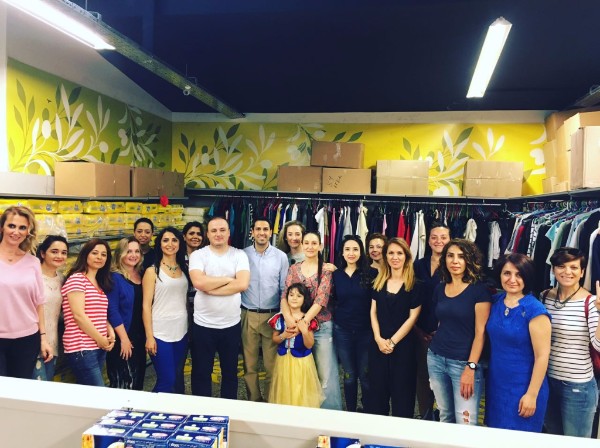
I can almost hear some of you reading this article asking, “So, what can we do?” Let me just say this: First, you can choose an NGO that works effectively on a topic that aligns with your interests and excites you and then start working. For example, if you’re passionate about children’s education, you can volunteer at organizations like Darüşşafaka or TEGV.
If you want to help prevent waste and help those in need become self-sufficient, TİDER is always open to you. By supporting TİDER, you also indirectly support other NGOs. Because we serve as a platform for NGO solidarity.
By the way, if you’re new to TİDER, I recommend reading the following article:http://www.serhansuzer.com/tr/temel-ihtiyac-dernegi-tideri-anlamak
What can you do at TİDER?
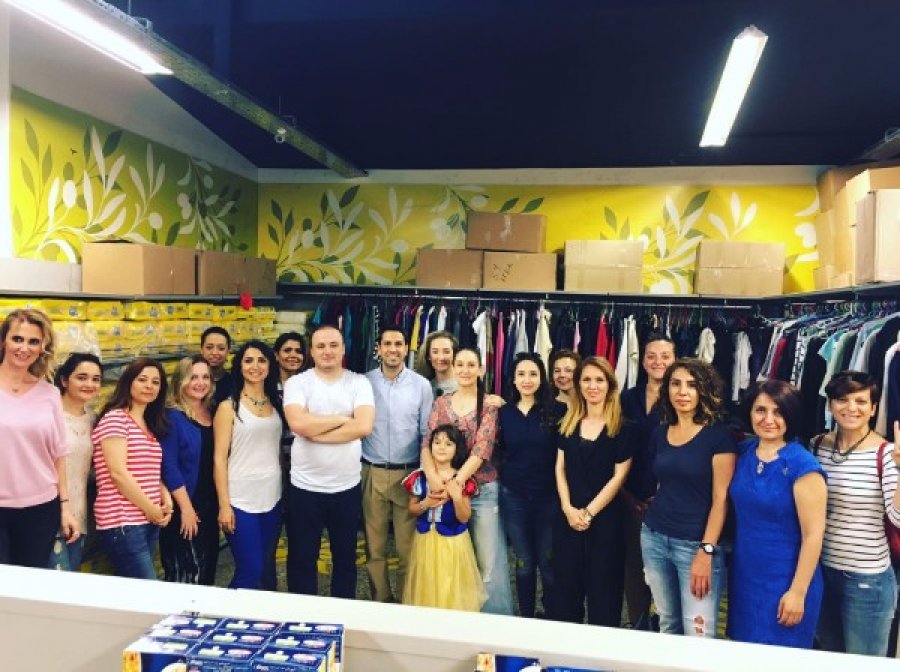
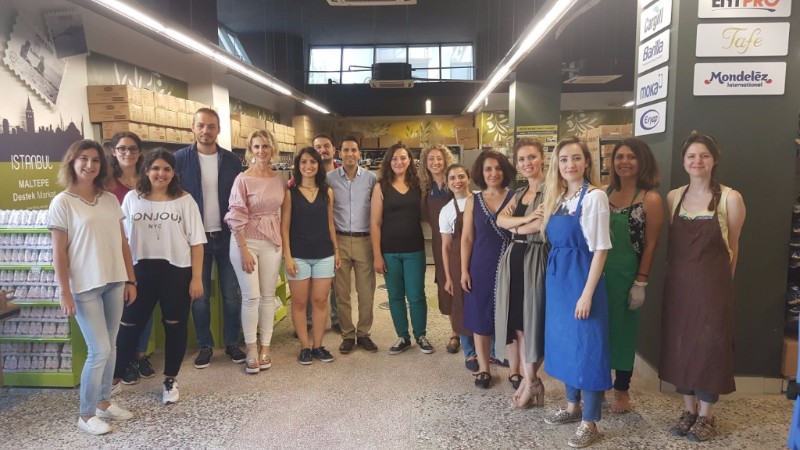
- You can support Support Markets with activities such as barcoding, shelf organization, and warehouse control.
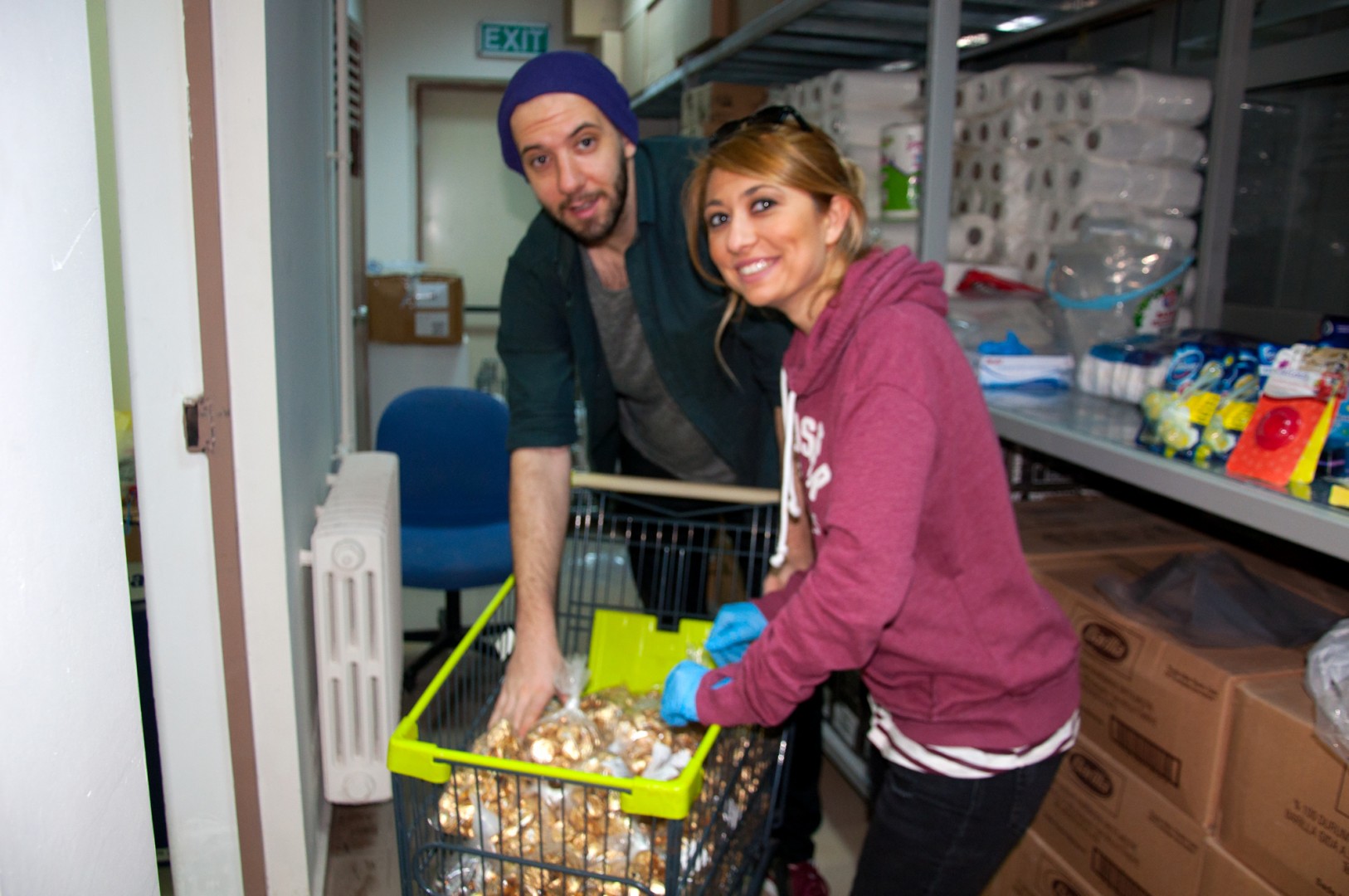
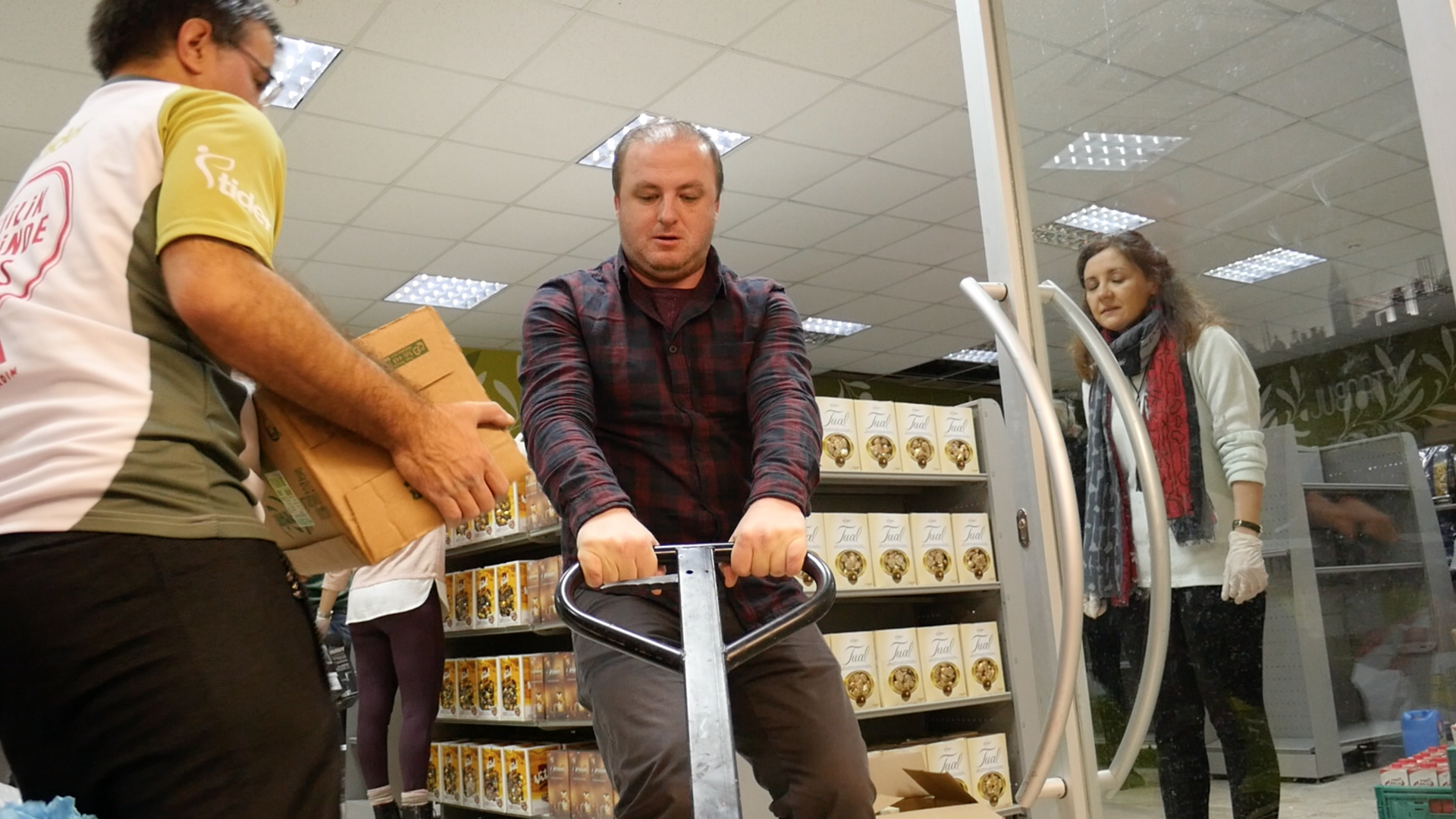
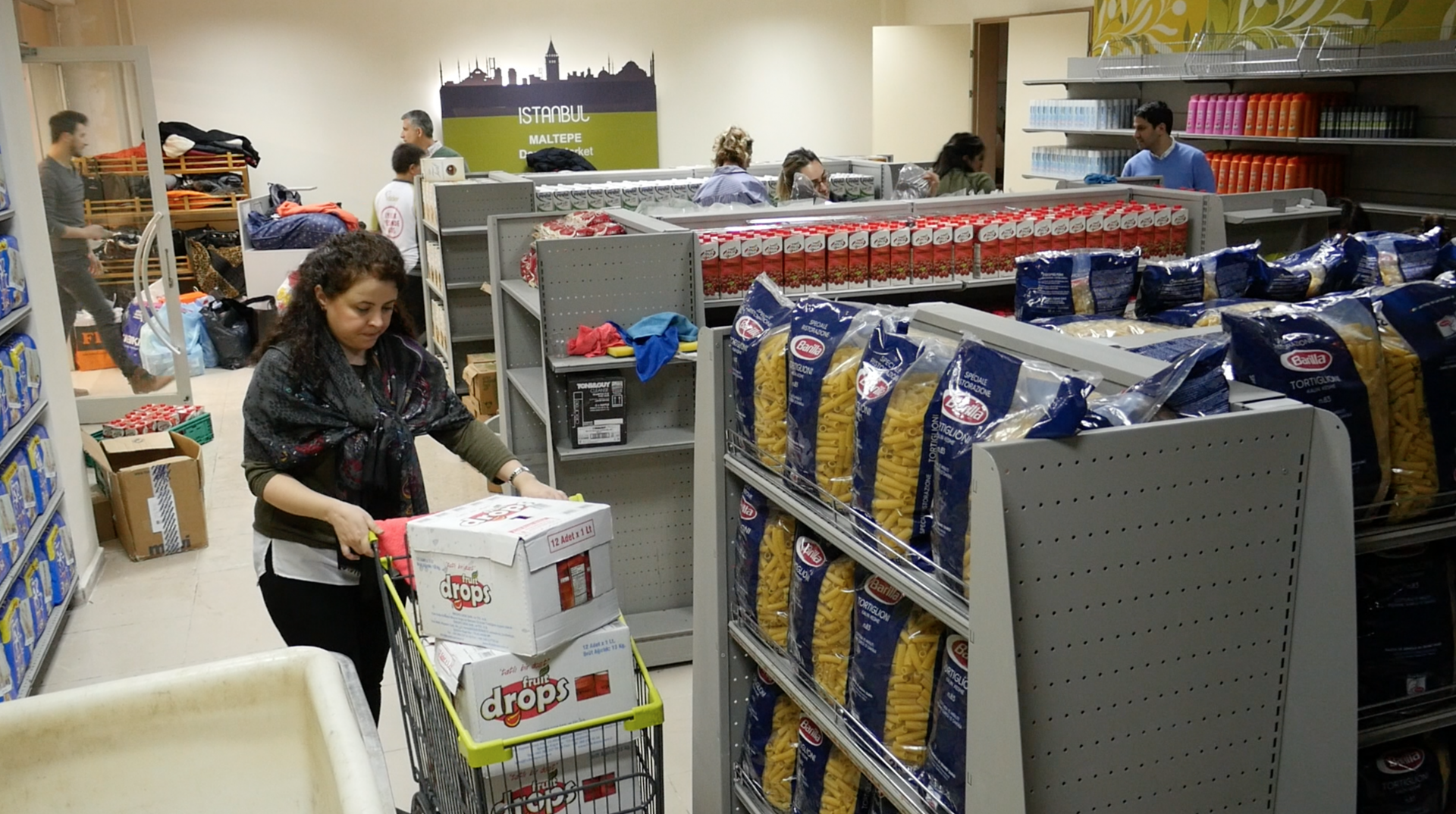
- You can volunteer in the HR field. If you have a degree or experience in psychology or HR, you can assist by participating in interviews and supporting other training programs.

- You can provide services pro-bono, that is, in your area of expertise. If you are a lawyer, you can assist with contract preparation, and if you work in the PR sector, you can assist with the Association’s communications.

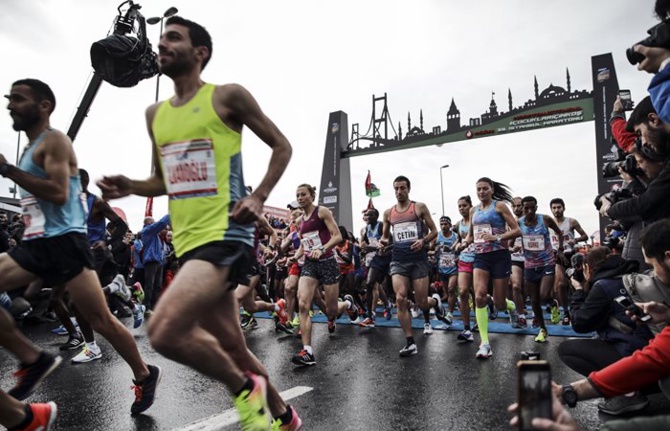
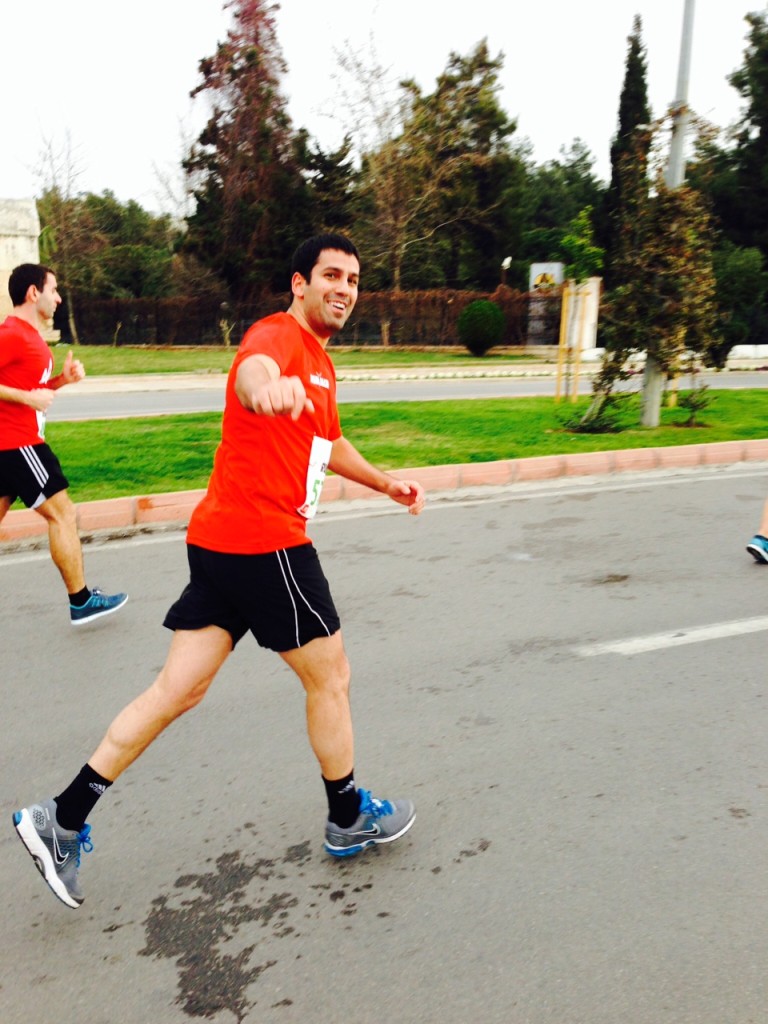
- You can run a charity run with Adım Adım (Step by Step).
- You can support the promotion of Destek Bulutu (Support Cloud) and the prevention of food waste.


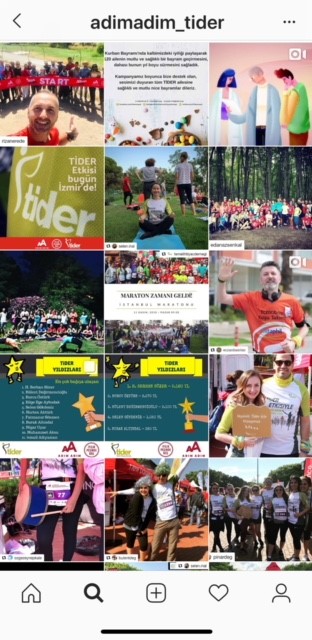
- You can spread the word about TİDER, distribute our brochures, and follow us closely on social media to spread our posts.
- You can organize a volunteer day at your institution, build your team, and come and support.

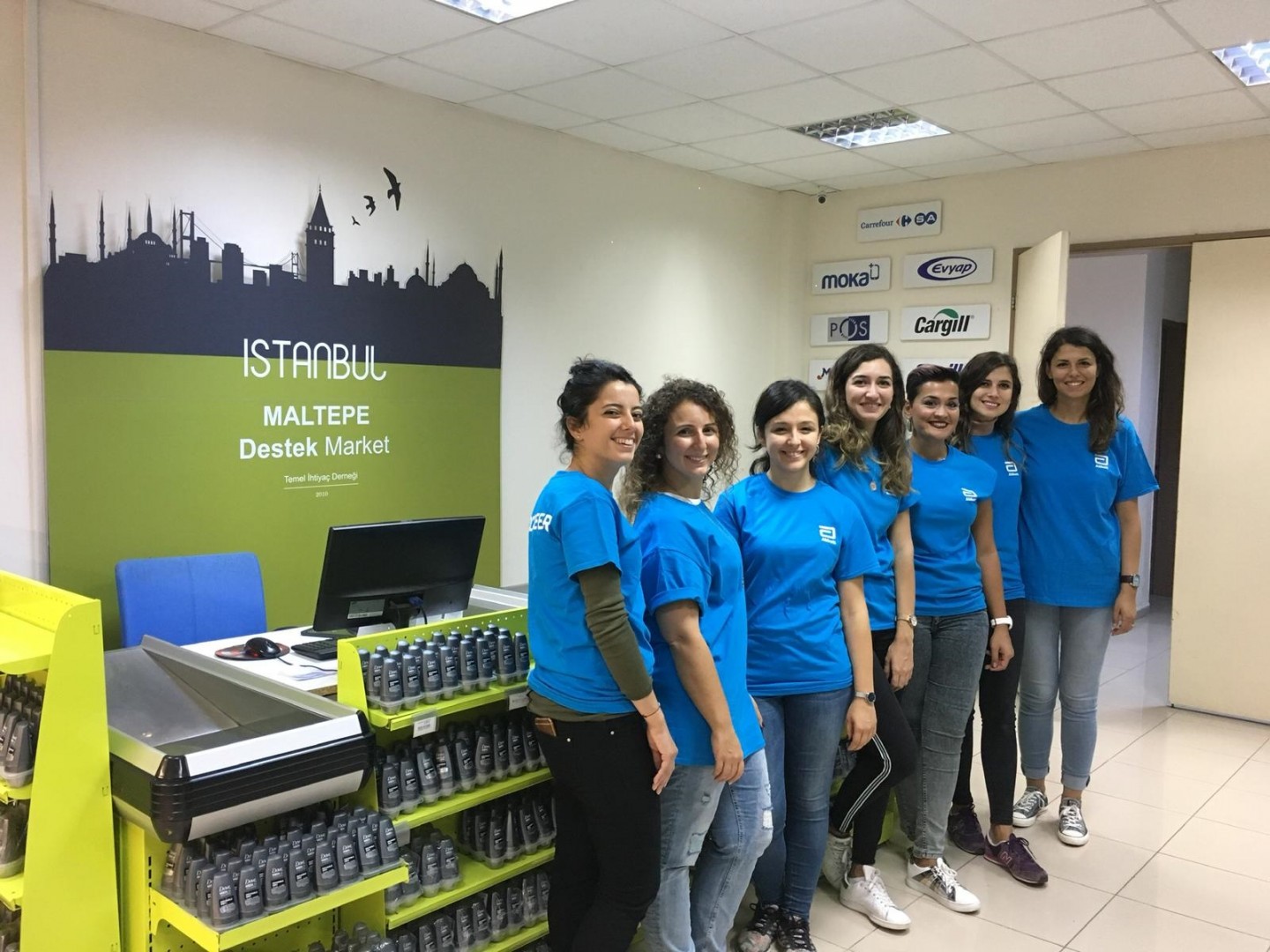
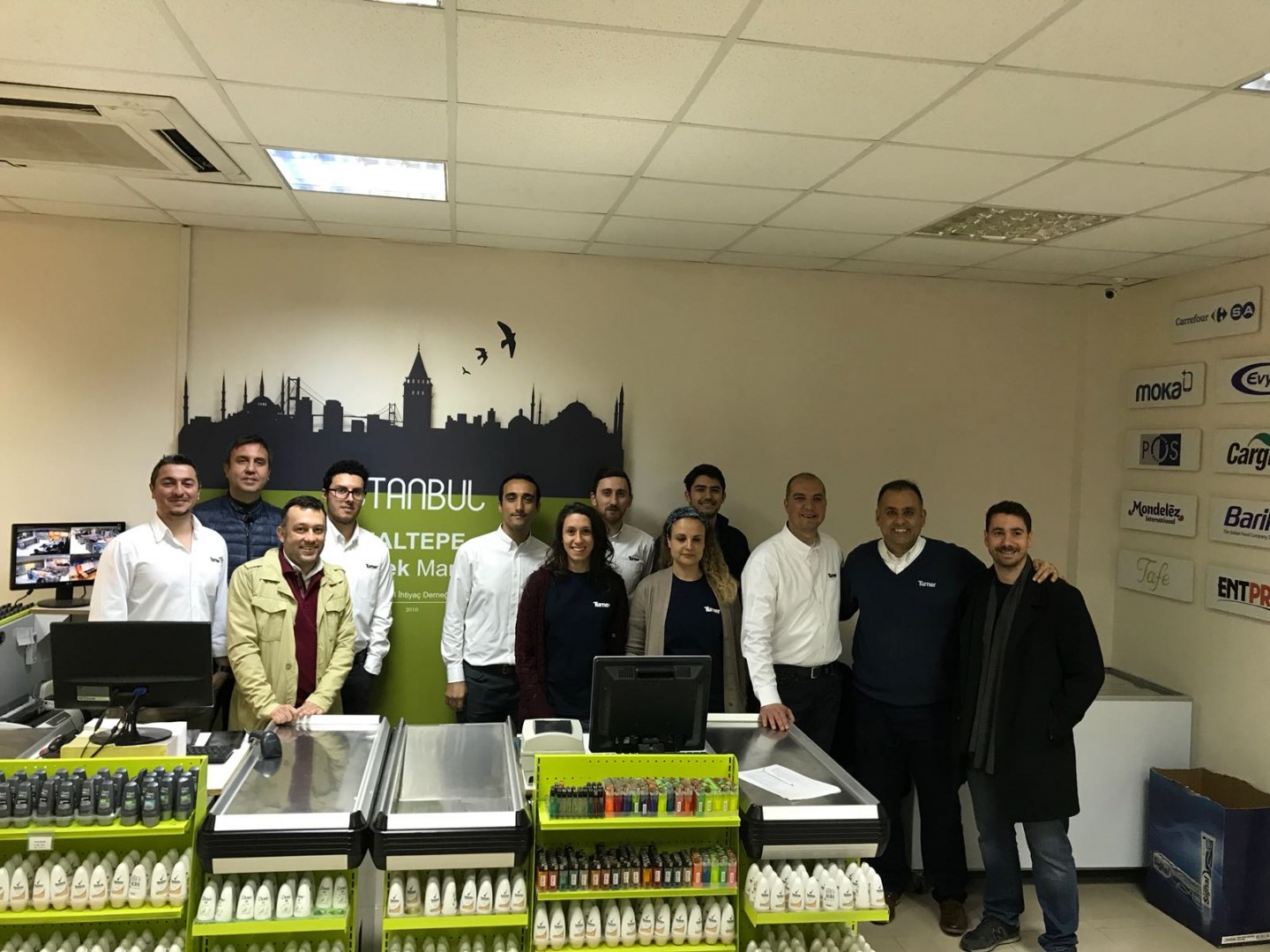
- You can distribute clothing donated by your institution to those in need through TİDER money boxes.

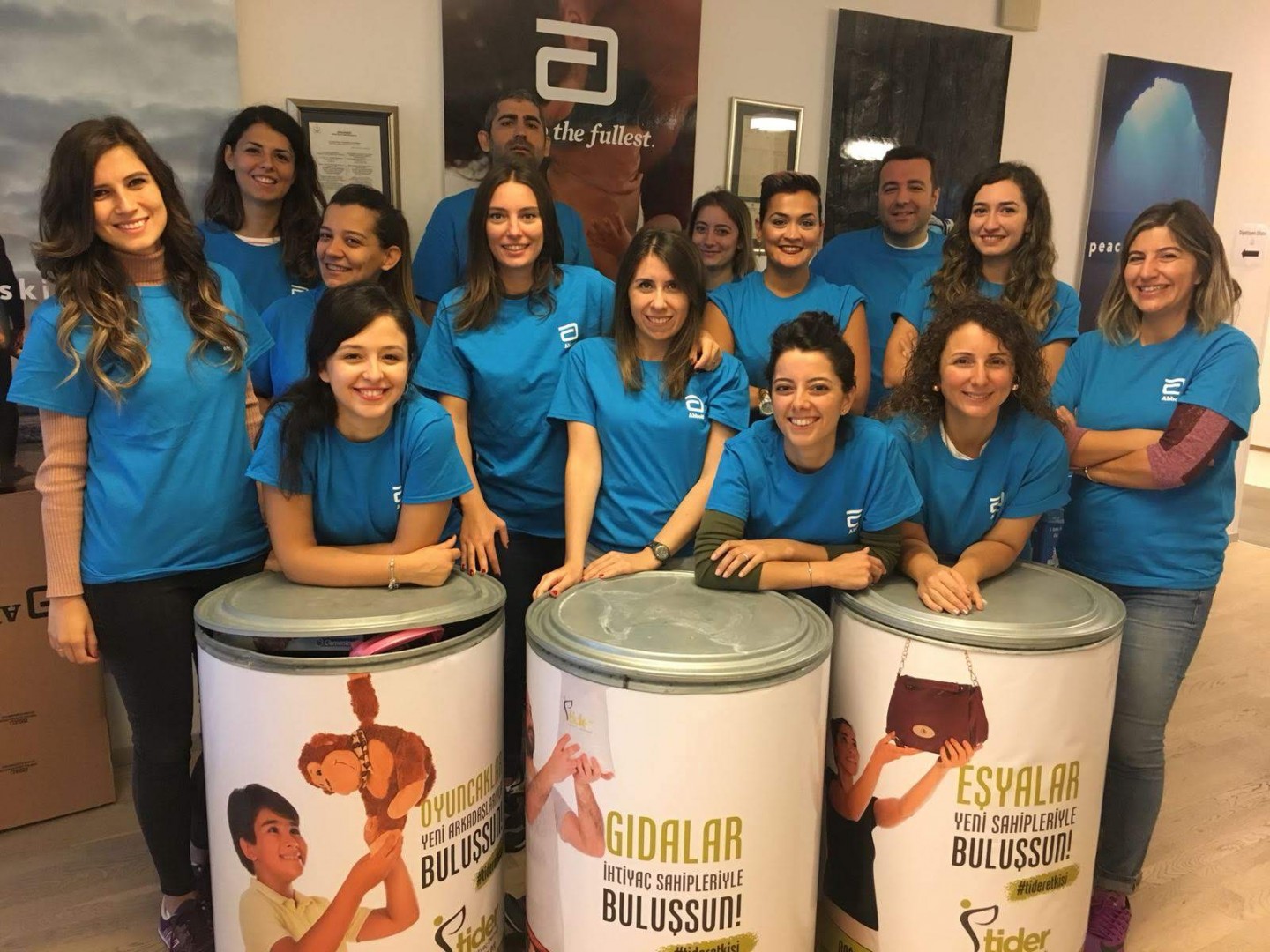
Those interested in volunteering at TİDER can visit https://fonzip.com/tider/form/tider-gonullusu-olun and fill out the application form.
In this changing world, the importance of NGOs, what we call the ‘third sector,’ is growing daily. Volunteering, an essential part of the NGO world, the effort to give back to society and individuals without expecting anything in return, is also one of the cornerstones of society. This way, gaps are bridged and untouched problems are addressed.
Let’s volunteer and make others volunteer to increase the welfare of our country. Everything is for a more livable world…
Support Market Volunteer Day Video: https://youtu.be/o5GQ3PFhx6k
Tag: lifestyle