While thinking about what to do during the holiday, I began looking into places near Istanbul. I considered parts of Thrace and the Western Black Sea region, along with districts in Sakarya, Balıkesir, and Bursa. As usual, planning the trip at the last minute meant I had to spend a couple of hours trying to find a good hotel and an enjoyable route. After some online research, I decided that İznik ticked all the boxes. I made the hotel reservation right away.
We hit the road on Saturday morning. After taking the ferry to Yalova, we reached İznik an hour later. We dropped off our bags and went to the front desk to ask, “What is there to do in İznik?” The hotel staff, a local from İznik, pulled up a map on his phone and pointed out all the places we could visit.
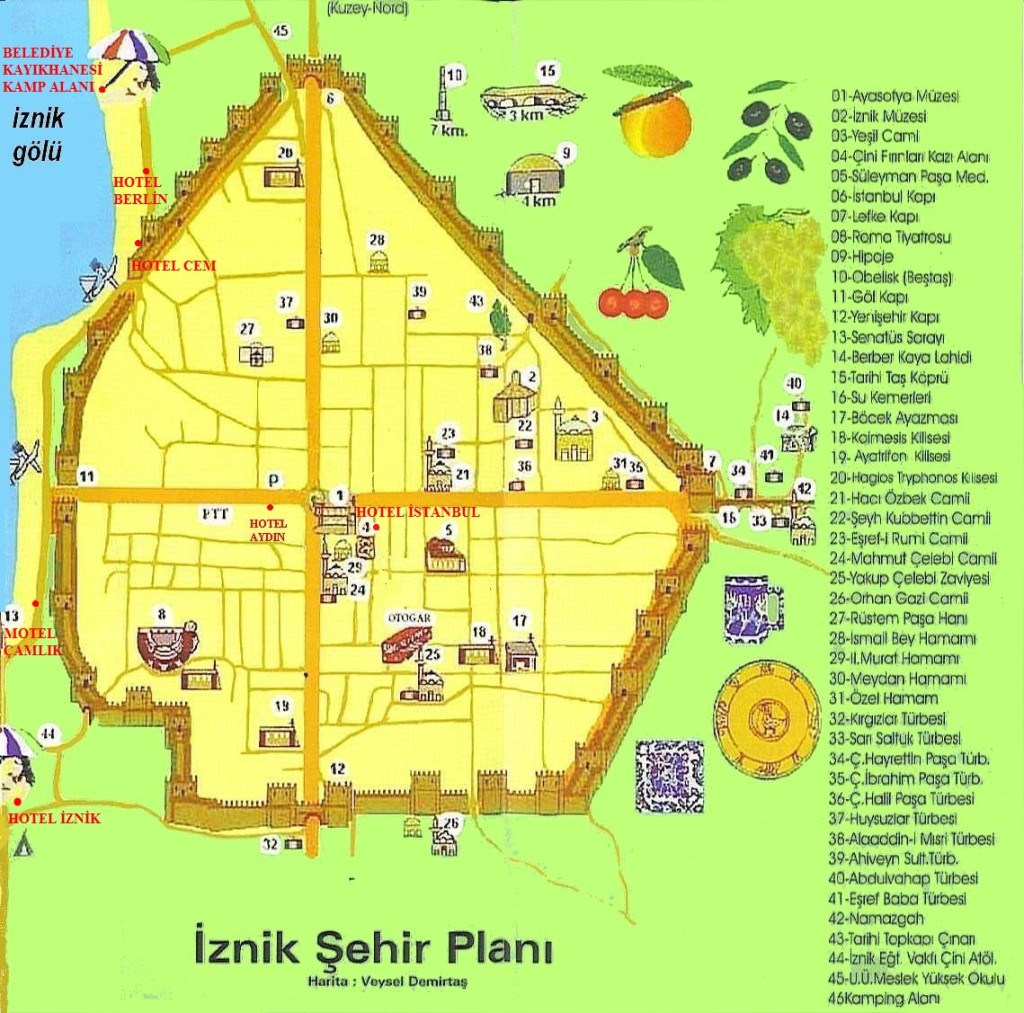
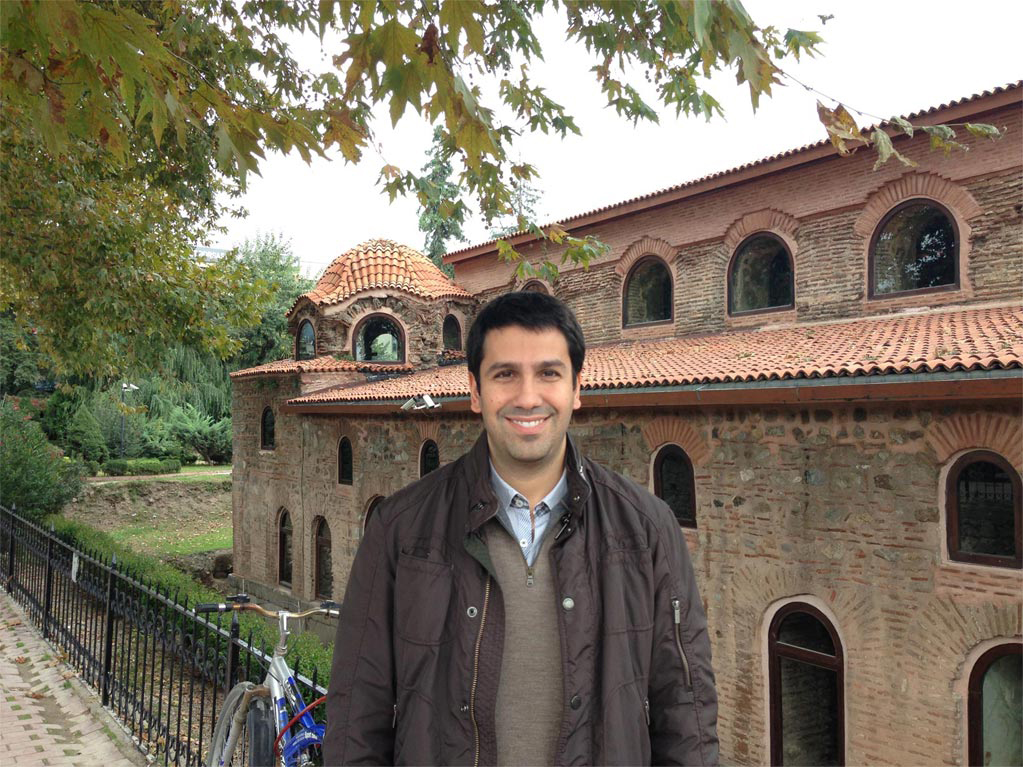
Our first stop was Hagia Sophia. According to Wikipedia: “Hagia Sophia is located in the heart of İznik, where roads from the four gates of the walled city intersect. The 7th Ecumenical Council, which made significant decisions for Christianity, was held here in 787 CE. After the conquest in 1331, Orhan Gazi converted it into a mosque. During the reign of Suleiman the Magnificent (1520–1566), Mimar Sinan added a mihrab and enlarged the arches in the side naves. Restoration began in 2007. After being used as a museum for a while, the historical mosque reopened for worship with Eid prayers on 6 November 2011, after nearly 90 years.”
After Hagia Sophia, we walked down Kılıçaslan Street to visit the Green Mosque (Yeşil Camii).
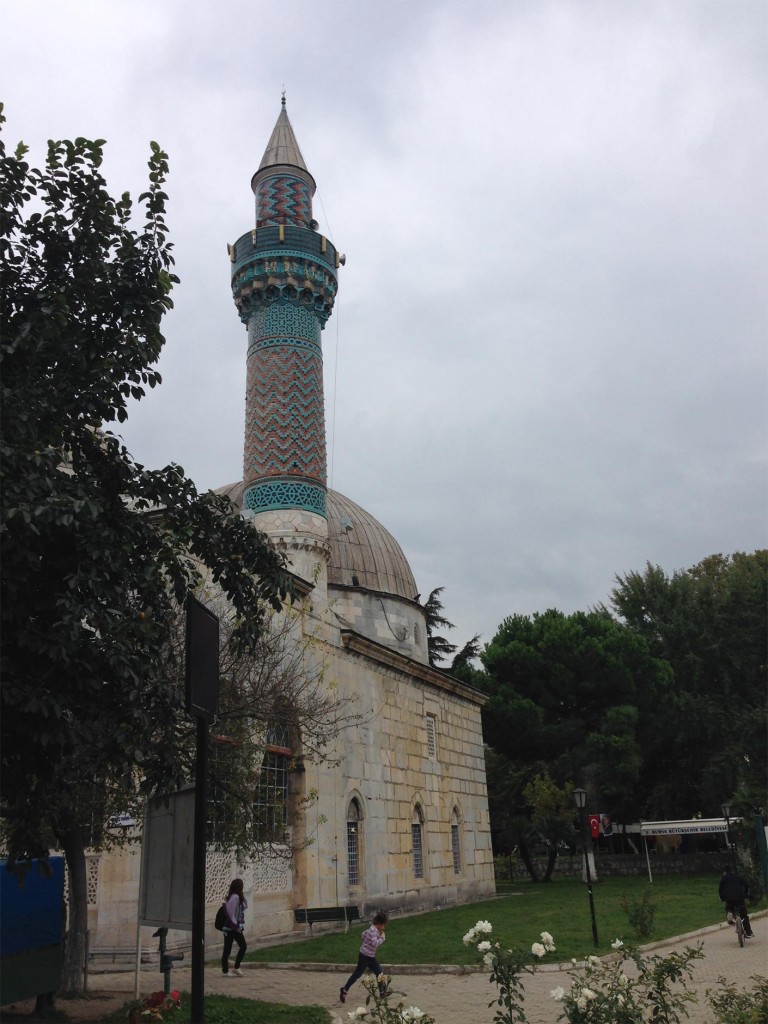
Right next to the Green Mosque was the İznik Museum, but it was closed for restoration, so we couldn’t go inside. However, we did get to see the nearby Sheikh Kubettin Mosque. A local we chatted with along the way told us that the museum had been under restoration for two years with no progress and that work had stopped completely. I hope it reopens soon—it has great potential both architecturally and culturally.
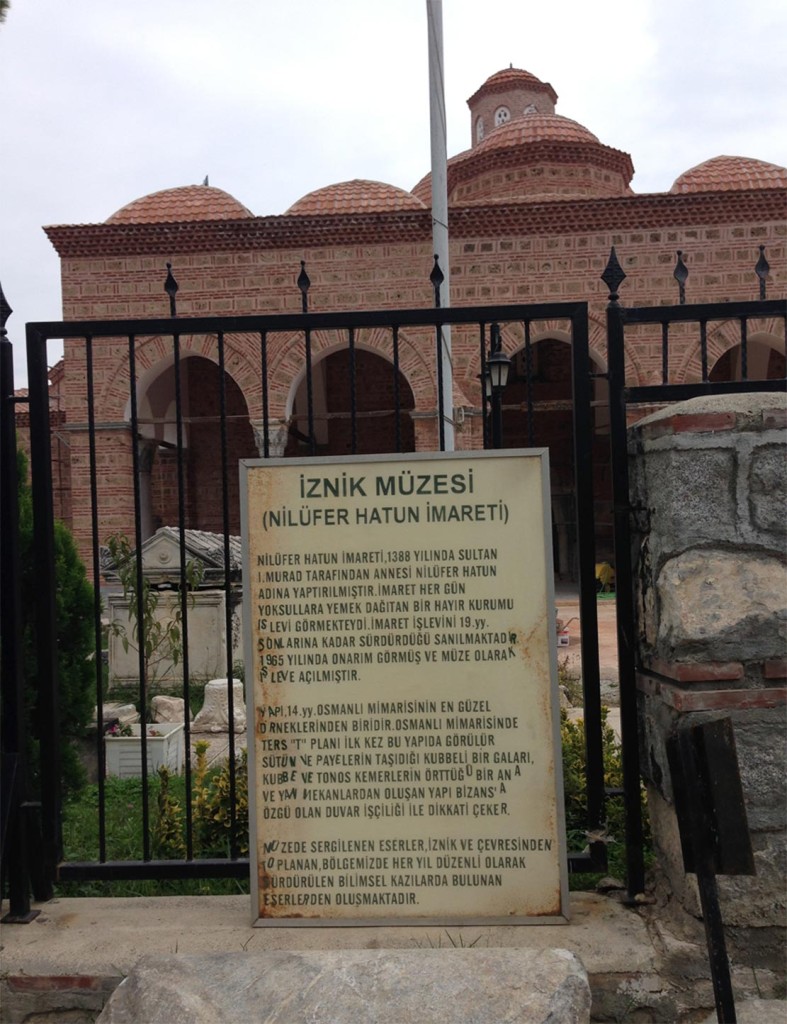
Next, we crossed the street to the Nilüfer Hatun Tile and Ceramic Bazaar. While browsing in one of the shops, I heard some familiar tunes. I asked the shopkeeper, “Is this song from the Caucasus?” She smiled and said, “Yes. Do you have Circassian roots?” I replied, “Yes, on my mother’s side. Her mother was Circassian, so I guess I’m mixed.” She told me she was full Circassian, although her husband wasn’t. I commented on how fortunate we are to live in a country rich with diverse people and cultures, and she agreed. We then talked about what else we could do in İznik. I asked where we could eat fish, and she recommended the Çamlık Restaurant by the lake. She said it was clean, and the food was delicious. After this lovely chat, we finished our shopping and left.
We then wandered through the shops along Kılıçaslan Street before heading to the Süleyman Shah Madrasa, which sits just behind the main road. Built in 1332 by Süleyman Shah, son of Orhan Gazi, it’s the oldest known Ottoman madrasah. Inside, you’ll now find shops selling various crafts. Honestly, seeing commercial stores inside such a historically significant building was disheartening. With its architecture and history, the madrasah would make an ideal museum. Yet its rooms have been rented out as stores, as if there aren’t already dozens of tile and souvenir shops around town.
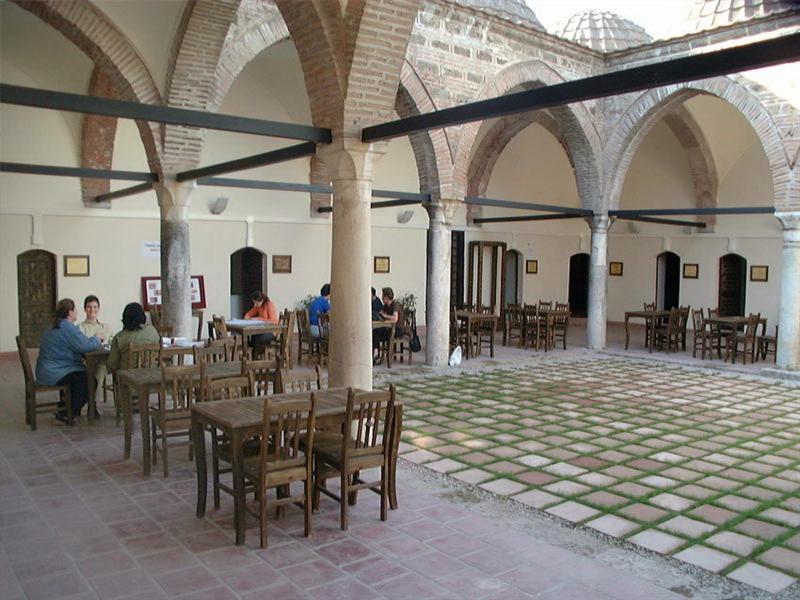
This needs to change. The Süleyman Shah Madrasah should be converted into a concept museum reflecting the Ottoman era. As we continued down the road and neared Atatürk Avenue, we came across the Murad II Hammam next to the excavation site of ancient tile kilns. When we stepped inside, the attendant explained that the hammam had been operating all night and was currently empty, so we were welcome to look around. Wearing our regular clothes and some slippers, we briefly toured the hammam, which was rather warm inside. Its architecture was stunning—it could easily be a major attraction.
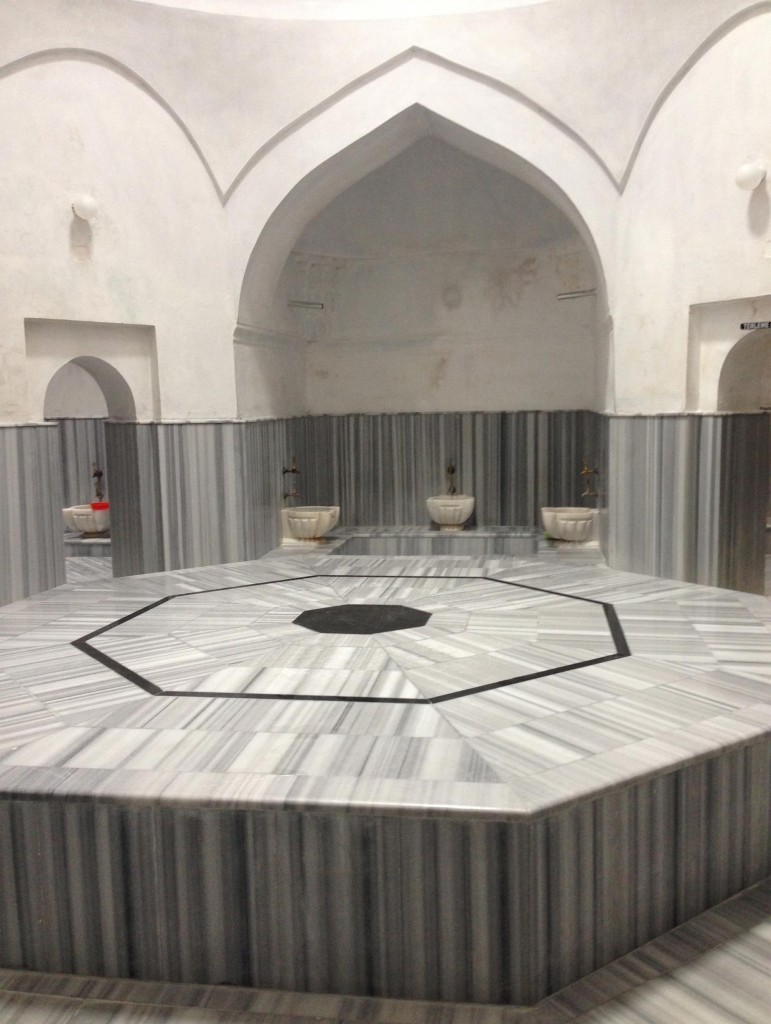
Nevertheless, it felt a bit disorganized. The bathhouse attendant mentioned that the facility had been leased to a private company, and he worked for them. While I agree that operating it as a hammam is appropriate and attractive for tourists, I think it needs to be managed more professionally. As we walked down the street, we spotted another hammam, which—unbelievably—had been turned into a tile shop. This is yet another example of the rampant profiteering that plagues Türkiye. A hammam is a hammam. Why would anyone rent it out as just another tile shop? Whose bright idea was that?
After all this exploring, we were getting hungry. The hotel staff had recommended two places when we first arrived: Köfteci Yusuf in the city center and the Kopuk fish restaurant outside of town.
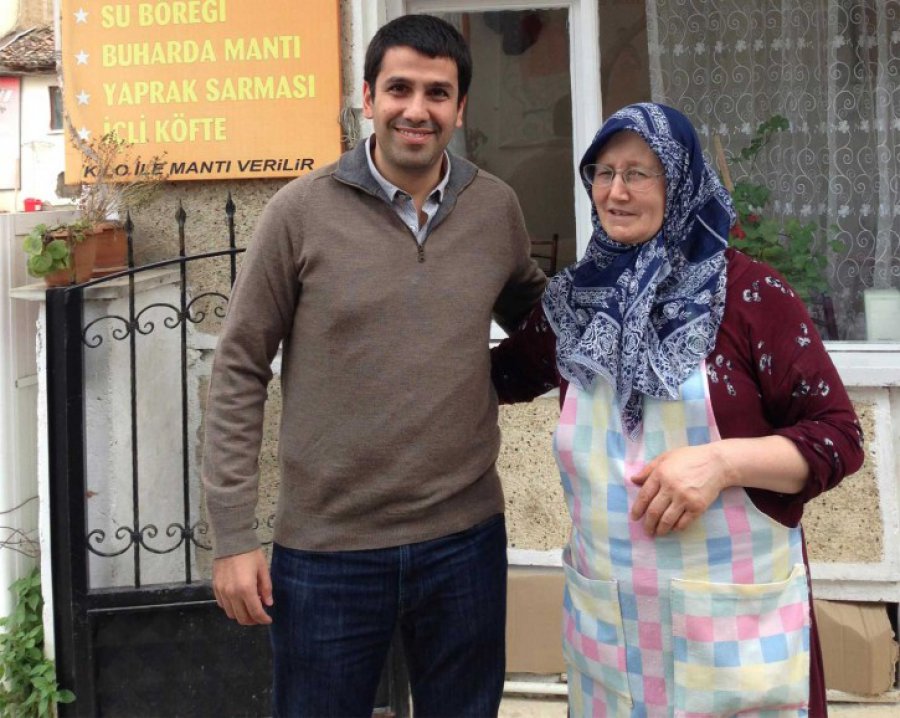
Köfteci Yusuf was closed due to the holiday, so we started exploring and walking through town. At first, all we saw were two unimpressive kebab joints. Most places were closed. “Let’s check that street too,” we said. “If we don’t find anything, we’ll go back to one of the kebab spots.” That’s when we saw a sign on Atatürk Avenue: “İznik Mantı Evi.” We turned onto K. Emin Ersoy Street and found ourselves in the courtyard of a house. A woman in her 50s or 60s, Aunt Mevlide, greeted us: “Welcome, how can I help you?”
I told her we were starving and asked what she could serve. She began listing dishes: “Mantı, çiğ börek, gözleme, stuffed grape leaves, içli köfte…”
We ordered stuffed grape leaves to start, then two types of mantı—one with ground meat and one with potatoes. Later, we couldn’t resist and added çiğ börek to the order. Everything was scrumptious. While we were eating, someone came in and bought a whole tray of baklava to go. Aunt Mevlide doesn’t just cook for the restaurant—she also fills takeout orders. She does everything herself: cooking, serving, taking payments. At one point, I even considered helping in the kitchen, but I could see she truly enjoyed what she was doing and had everything under control. She ran the place with impressive discipline.
I had so many questions. After she brought the food, we had the chance to chat:
- “Your food is amazing. Is this mantı a local İznik style?”
- Aunt Mevlide (AM): “Not really. This is how it’s made in my hometown.”
- “Where are you from?”
- AM: “Sivas.”
- “My grandfather’s from Malatya. We’re practically neighbors.”
- AM: “Then you must know these flavors well.”
- Serhan: “Yes, these dishes are made in our home too. But I must say, your flavors and textures are spot-on. Thank you.”
- AM: “Thank you.”
- “How did you end up in İznik from Sivas?”
- AM: “My husband and I moved here about 25–30 years ago. We’ve called it home ever since.”
- “Was it for your husband’s job?”
- AM: “Yes. I lost him 10 years ago. Since then, I’ve been trying to hold on. Eventually, I decided to turn the one thing I’m good at—cooking—into a business. I opened this place a few years ago.”
- “Congratulations. How’s business?”
- AM: “Thank God, it’s going well. People in İznik love my cooking. They eat here, and I get plenty of takeout orders too.”
- “Do you have a regular crowd?”
- AM: “People from all walks of life come. Shopkeepers, public employees, hospital staff. I’m grateful to have good customers.”
- “Are you on your own? Do you have children?”
- AM: “Yes, I have three kids around your age. One lives outside İznik, and the other two are here with me.”
- “God bless them. Guess how old I am, Aunt Mevlide.”
- AM: “I don’t know… 25 or 26 maybe?”
- “I’m 37,” I said, laughing.
- AM (playfully pretending to ward off the evil eye): “Tu tu tu, maşallah! How do you look so young?”
- “Thank you. Honestly, I don’t know. Probably genetics—my grandfather looked young too. Aunt Mevlide, I’d love to take a photo with you to remember today.”
- AM: “Of course, with pleasure.”
We took a few photos.
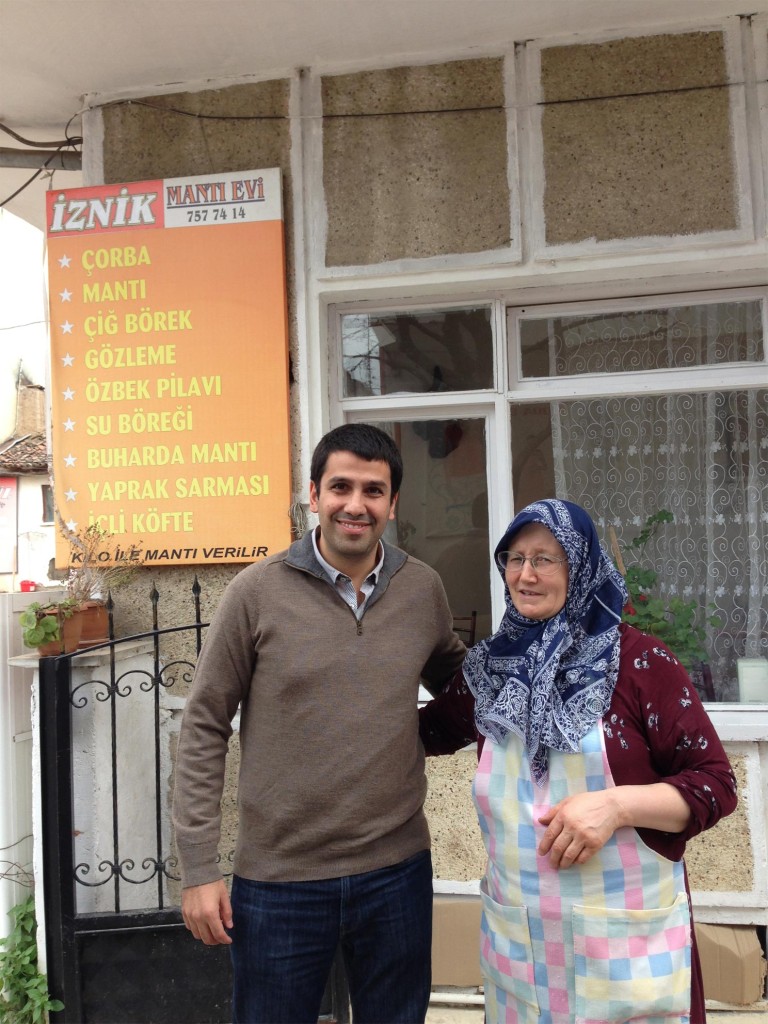
I thanked her for the wonderful food and told her I’d recommend her place to other guests at the hotel looking for traditional dining in İznik. I also suggested she rename her restaurant “Mevlide’s Place” or “Mevlide’s Mantı House,” and she liked the idea.
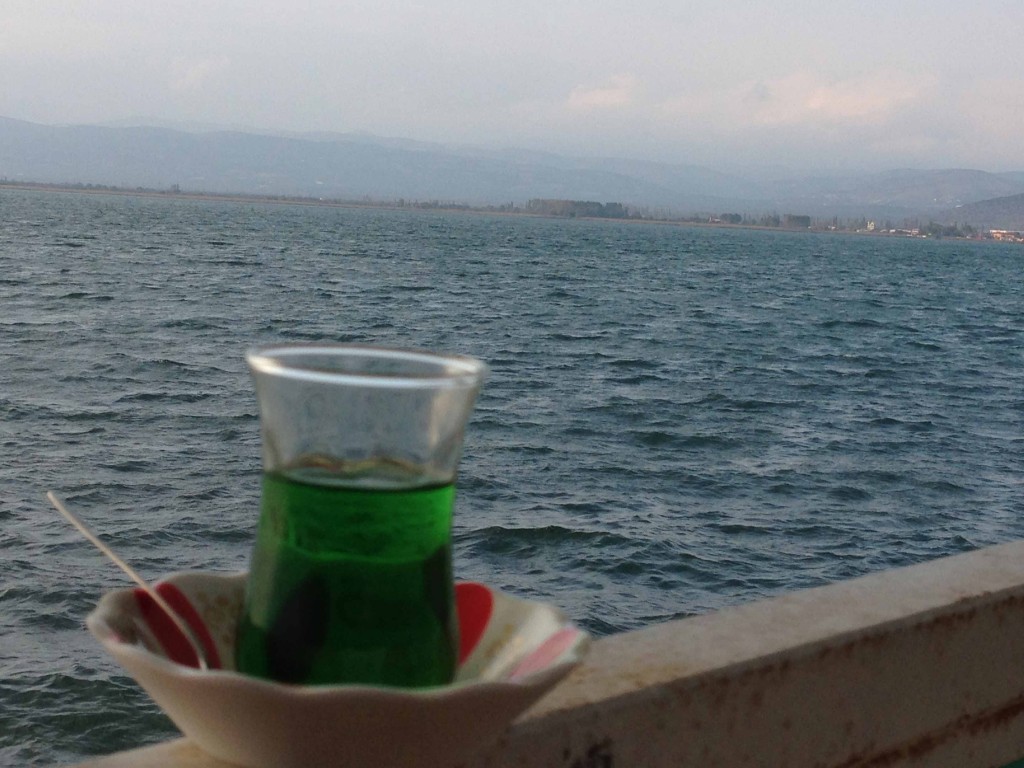
After that, we went to Liman Cafe by the lake for a drink. While sipping our tea and enjoying the view, I noticed a green liquid in a tea glass on the next table. When the waiter returned, I asked what it was. “Kiwifruit instant tea,” he said. Curious, I ordered one. It was a bit too sweet for me, but I still enjoyed it. After finishing our drinks, we headed back to the hotel.
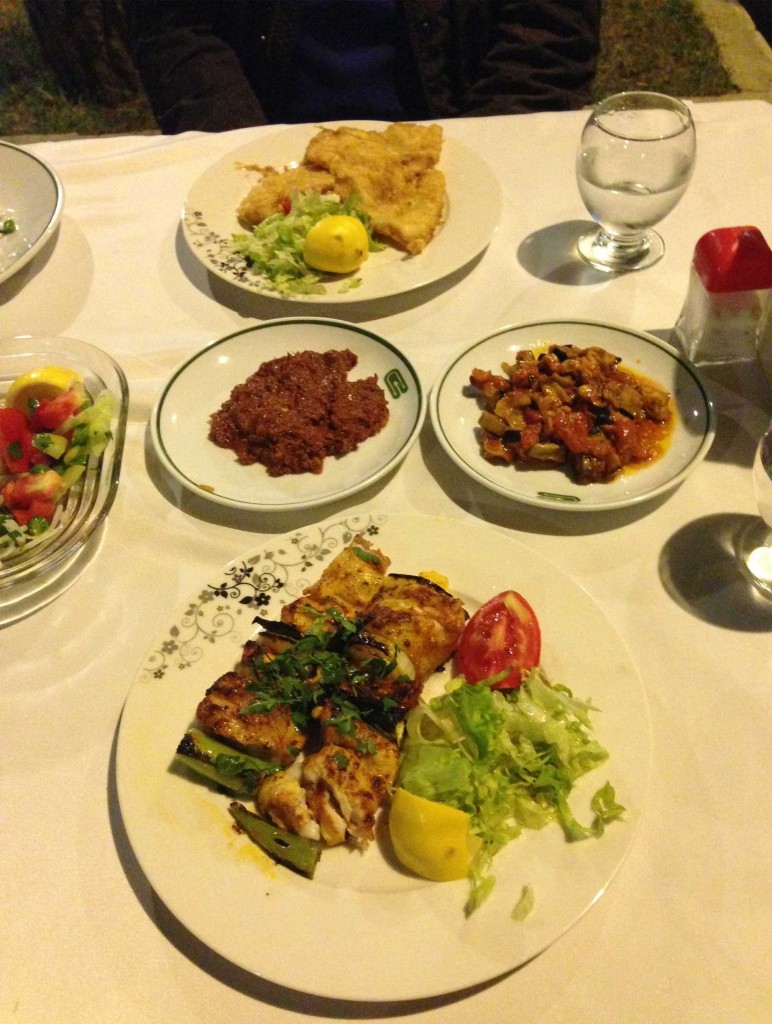
For dinner, we returned to the Çamlık Restaurant as planned. Even though it had gotten chilly, we chose to sit outside. We ordered a few classic mezes and tried catfish two ways—grilled on skewers and fried. I especially liked the skewers, and the fried version wasn’t bad either.
For dessert and coffee, we moved on. During our daytime stroll, I had mentally bookmarked two spots. First, we went to Antigonia Cafe for tea, coffee, and dessert. The café is named after Antigonus, one of Alexander the Great’s generals. In 316 BCE, he renamed the city Antigonia. After Alexander’s death, Antigonus lost a battle to another general, Lysimachus, who renamed the city after his wife: Nicaea. In Greek, the prefix “Is” (meaning “within the walls”) was added to form Isnikéa, which eventually became İznik in Turkish. And that’s the story behind the café’s name.
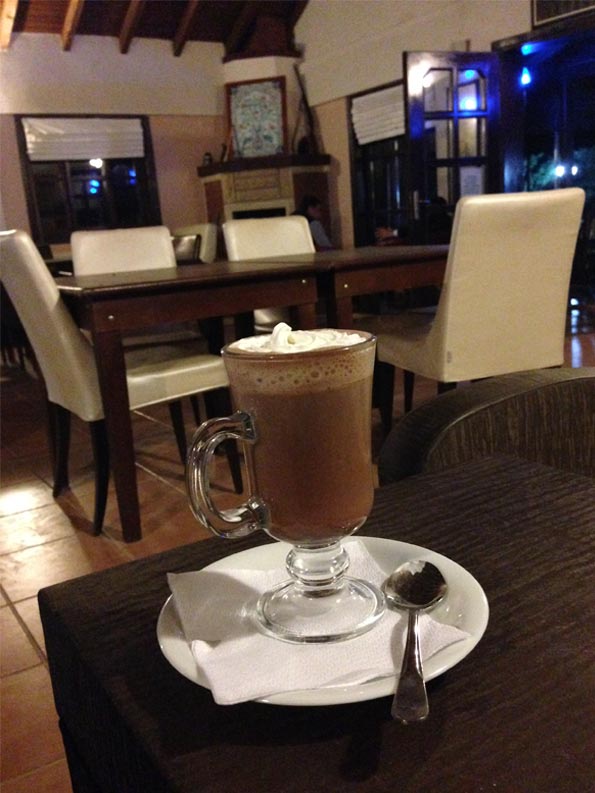
After enjoying a rich hot chocolate, we headed to the second spot: Umut Dünyası. It turned out to be a türkü bar (a venue featuring traditional Turkish folk music). It was a quirky place. Here’s a live video from Umut Dünyası:

Just kidding. Of course, Shazam couldn’t identify the live music—but it was clear the app was thoroughly confused. Still, we had fun and left the türkü bar in high spirits.
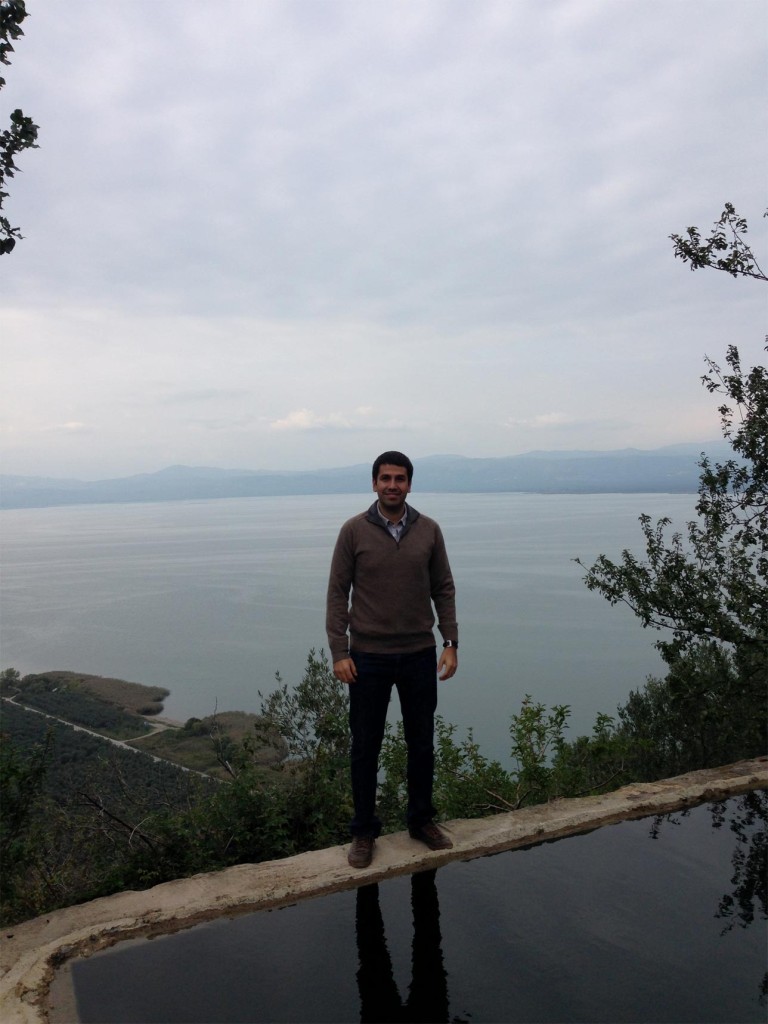
The next morning, after breakfast at the hotel, we set out to check off the few things we missed the day before. It was noticeably more crowded. Wanting a panoramic lake view, we drove toward Yenişehir and climbed the hills. From there, we took in a breathtaking view of the lake before descending back into town.
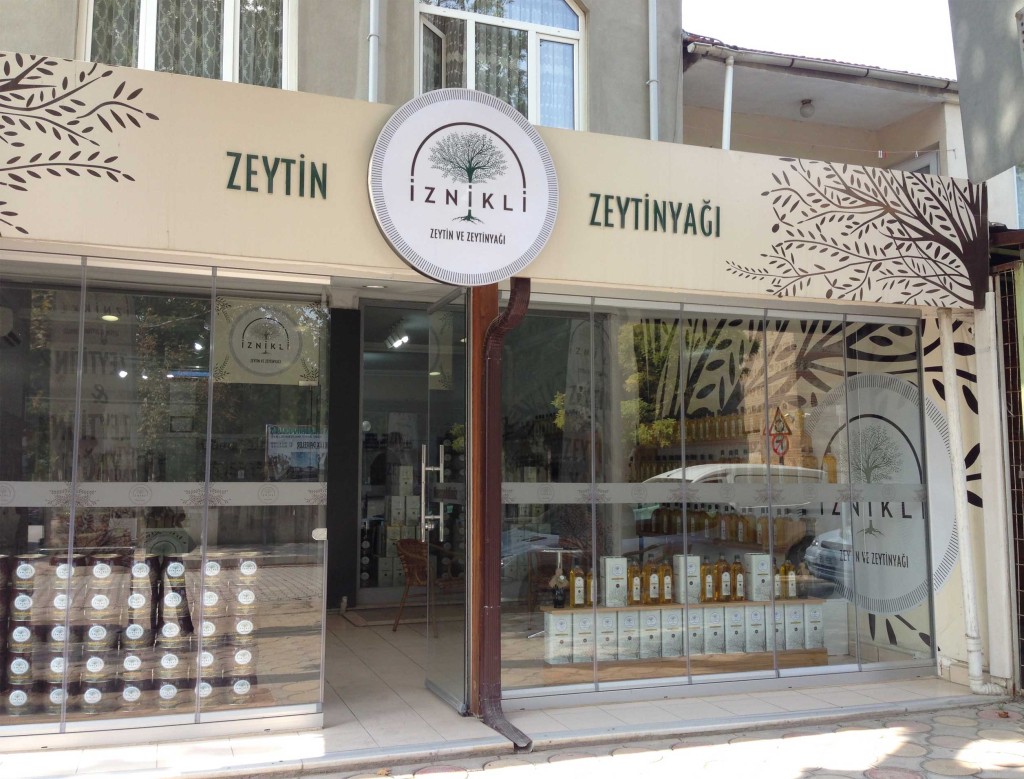
We did a little more shopping and admired all the beautiful, handcrafted ceramic tiles, jewelry, vases, plates, magnets, coffee cups, and more that we saw in different stores. Outside of the Nilüfer Hatun Bazaar, two shops stood out in terms of quality. One is a tile store on the corner of Kılıçarslan Street, just before the Green Mosque—definitely a cut above the rest. website: www.cinici.com.tr For olives and related products (olive oil, soaps, etc.), I recommend ‘İznikli’ on Atatürk Avenue. Website: http://www.izniklizeytin.com.tr
We had lunch at Köfteci Yusuf. You’ll find this chain all over the Bursa–Susurluk–Balıkesir route (the waiter confirmed there are nine locations). I’d never stopped to eat at any of them before, but knowing that this was the original, I couldn’t resist.
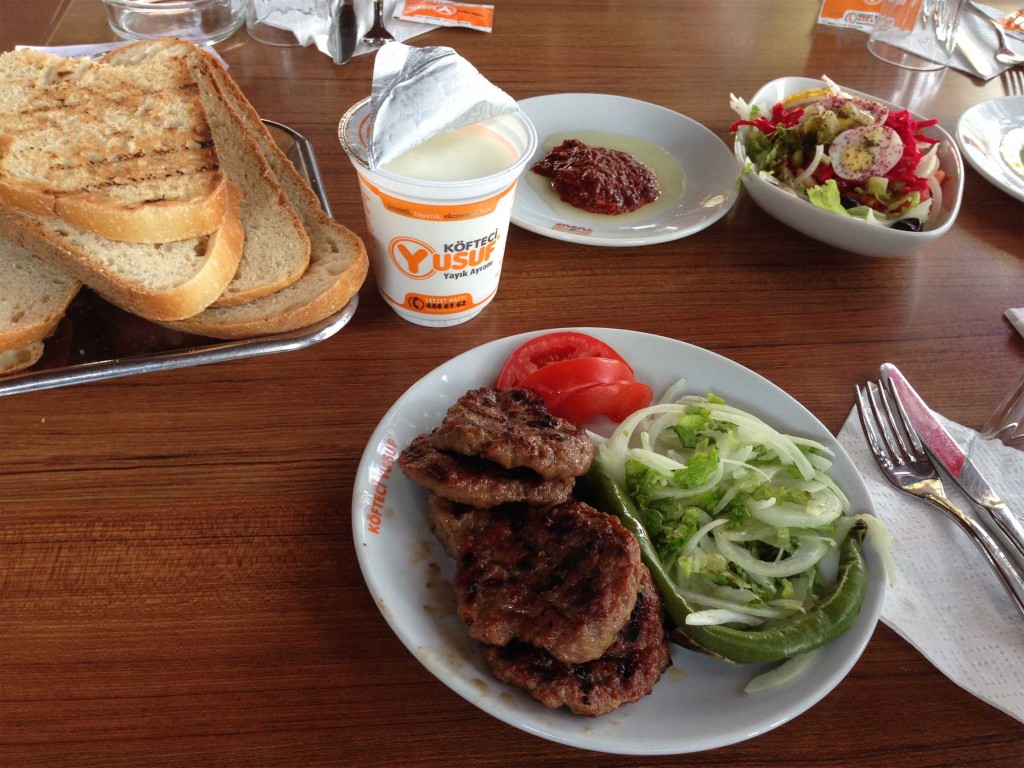
The meatballs and bean salad were great. Some might say, “Meatballs are meatballs,” and maybe there’s not a huge difference, but they were tasty, and the place was clean. What stood out most was the shockingly fast service—like a Turkish fast-food experience. Also, their rich, creamy, syrup-soaked bread pudding exceeded my expectations.
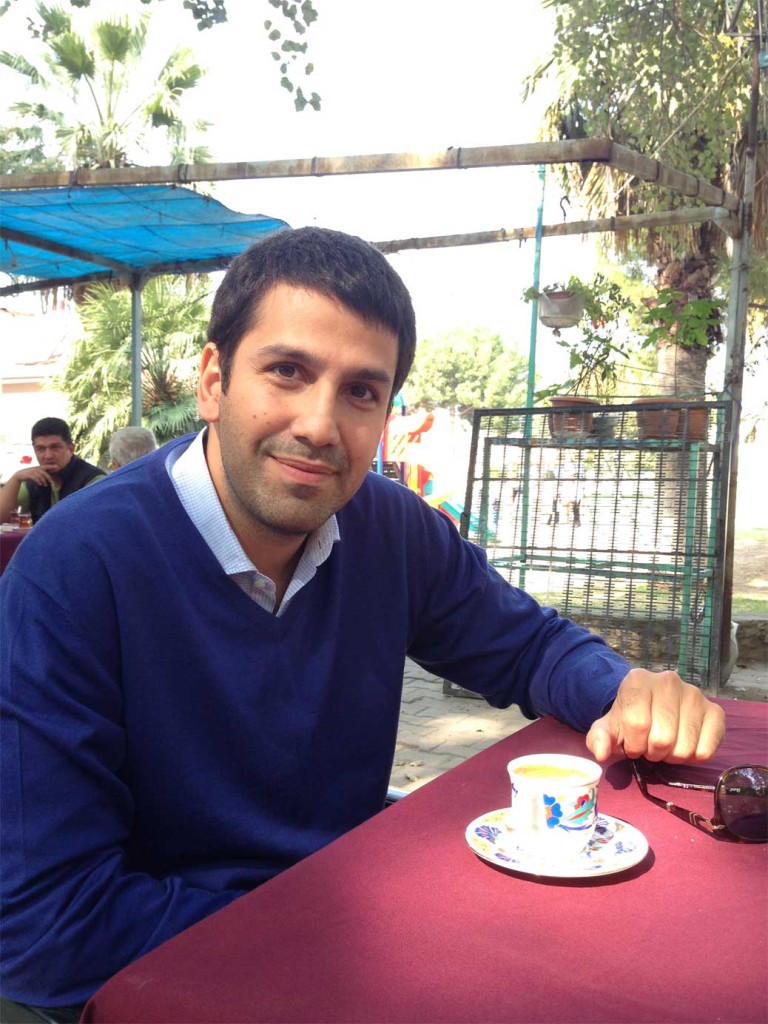
I had a Turkish coffee afterward at the tea garden next to the Green Mosque—the one I’d been eyeing the day before.
Finally, it was time to leave İznik. On my next visit, I’d like to drive around the lake, explore more historical sites, try Kopuk Restaurant for fish, and hike through the waterfalls of Sansarak Canyon and Village (the canyon is in Sansarak Village and features a rugged trail with stunning nature and waterfalls. It’s also recommended to have tea made over a wood fire at the village café).
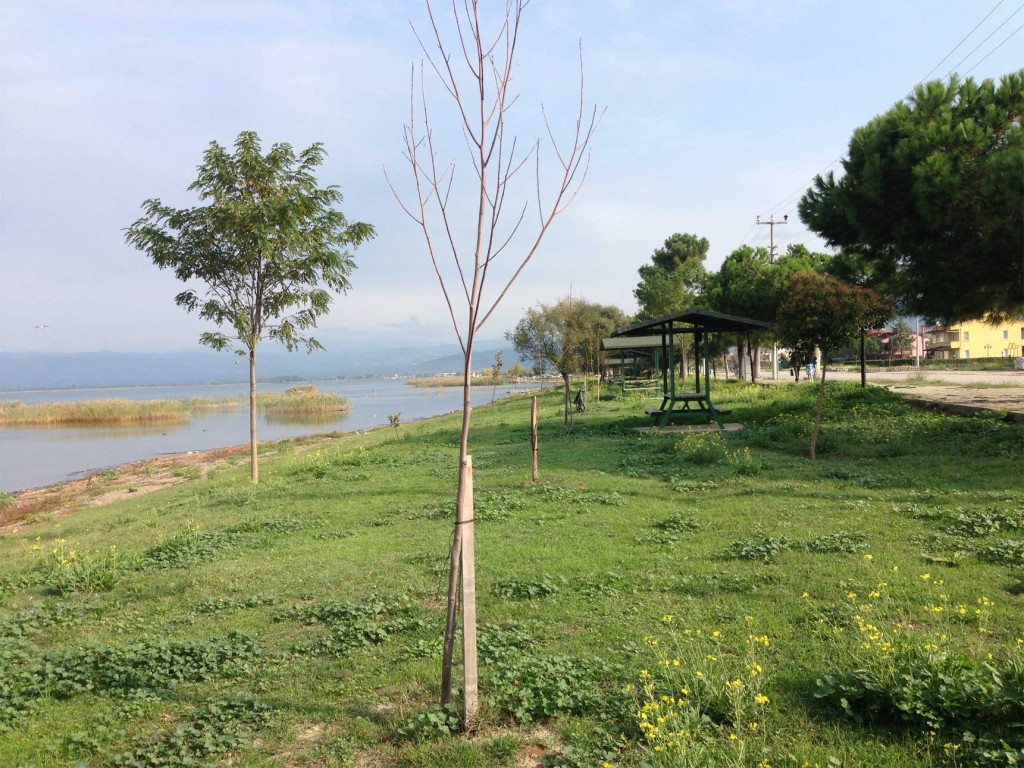
On the 40 km drive from İznik to Orhangazi, as we passed rows of olive trees and soaked in the natural beauty, I kept thinking: İznik has tremendous potential. Just imagine—a city with 4,500 years of history, once a capital for both the Seljuk and Ottoman Empires, and an important place in Roman and Byzantine history. Have we really done it justice? Apart from a few restored historical sites, the town mostly looks run-down, dirty, and neglected. Everything’s muddy. Except for the main streets, the roads are a mess. Most homes in the city center look like non-plastered brick piles, barely distinguishable from shanties. It’s a shame. This place deserves better. İznik needs a comprehensive urban renewal master plan to restore its historical identity. No more inappropriate uses of historical buildings. Instead, they should be fully restored and celebrated. Any structures that are crumbling or clash with the town’s heritage should be demolished and replaced with architecture that reflects the city’s past—be it homes, schools, or government buildings. Proper roads and sidewalks should be built. One model to follow is the walled coastal city of Cartagena in Colombia. The old city within the walls was entirely rebuilt without altering its original architecture. For more details, see http://www.serhansuzer.com/2013/03/23/cartagena/#more-398
If İznik were restored this way, it could become one of Türkiye’s top tourist destinations. With the right marketing, I wouldn’t be surprised if İznik attracted over five million tourists annually within five years. That’s how big the potential is—but people just don’t see it. Or maybe they do, but there’s this general air of fatigue, resignation, and helplessness.
Lost in thought, I realized we had already reached the Yalova ferry terminal. There’s so much to do in our country, especially during these turbulent times.
Tag: culture