After a relatively comfortable return trip from Phuket, we arrived in Bangkok on January 2nd. My list of things to do in Bangkok was quite extensive. There was no way I could complete it in three days. So, I prioritized what I wanted to do in Bangkok.
As Southeast Asia’s most populous city, I can say that Bangkok exceeded my expectations. Beyond the dark side everyone talks about, I found a city with high-quality hotels and excellent restaurants, a constantly bustling yet generally respectful population, and a city that, due to its size, is quite crowded and home to many foreign nationals.
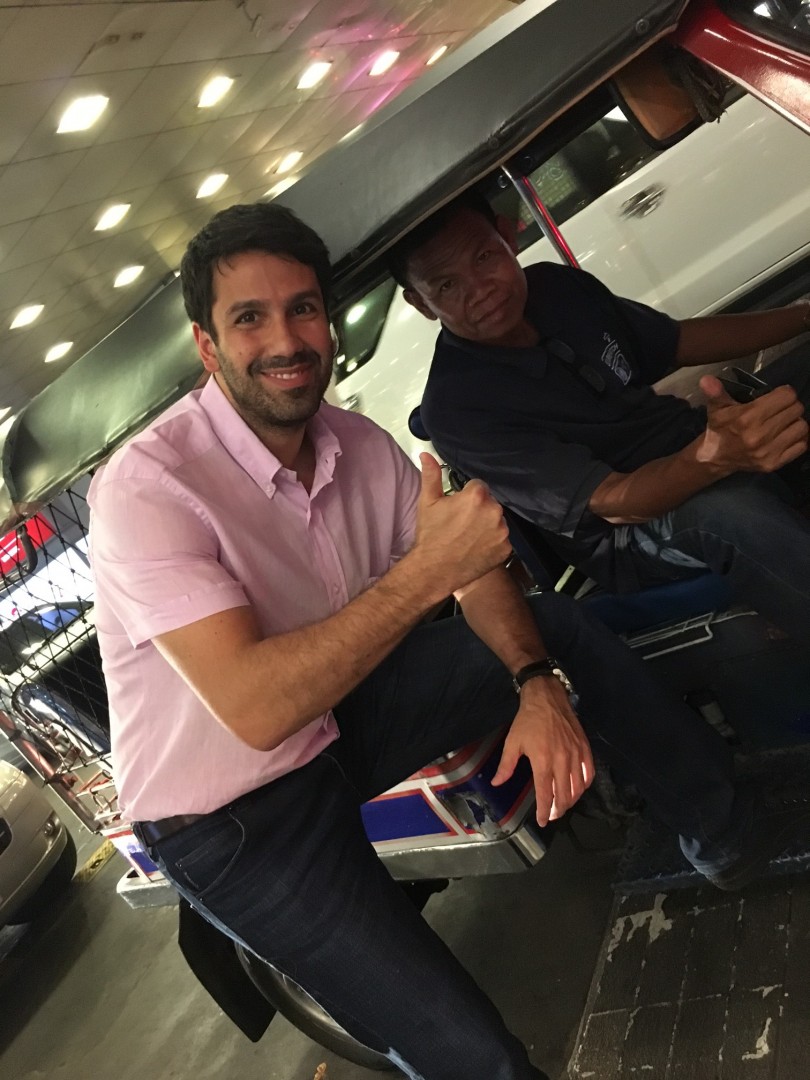
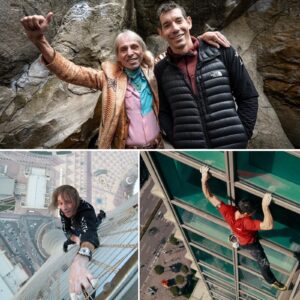
Riding one of the small, open-sided Tuc Tucs used as taxis is a truly exciting experience. Here’s a photo we took with a tuc tuc driver.
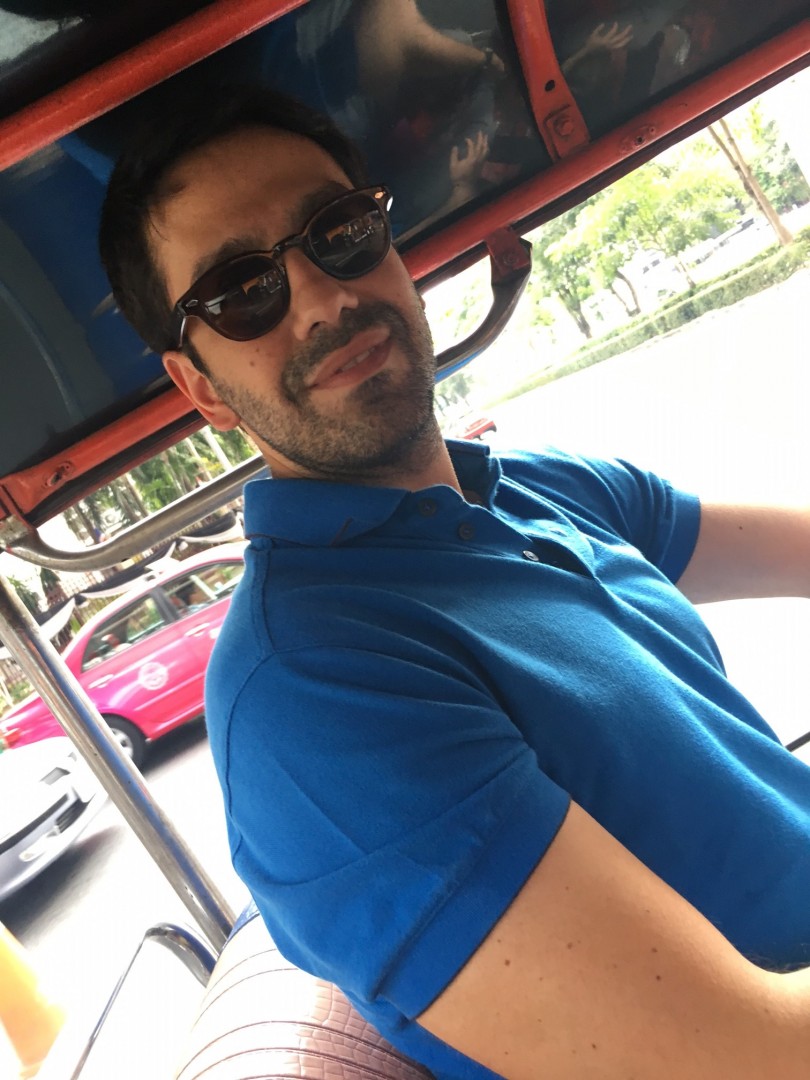
Here’s a photo of us riding in a Tuc Tuc.
Meanwhile, when I arrived in Bangkok, I was still suffering from a cold. By chance, right across from the JW Marriott hotel where I was staying was the American Hospital, reputed to be Bangkok’s best. I went there for a check-up.
Frankly, if I compare the American Hospital here with the one there, I can say that the service in Bangkok was faster and the staff (including the doctors) more friendly. Even though it was lunchtime, it took me an hour from the time I registered to the time I checked out of the hospital with my medication.
There, you don’t have to deal with the seemingly meaningless ‘on-call pharmacy’ issue like we do in Türkiye. The hospital staff who handled general procedures were respectful and friendly. The doctor I saw was a specialist who spoke fluent English and was very knowledgeable.
I didn’t worry about my illness at all. I continued my travels. First, I wanted to visit one of the temples everyone was talking about. I had planned to visit Wat Pho (Sleeping Buddha), Bangkok’s largest and most magnificent temple. However, our Thai friends warned us. They told us we’d have to wait in line for at least an hour because the king had passed away a few months earlier.
I hate waiting, so we opted for a more niche temple. We went to Wat Thraimit, a noisy, traffic-heavy neighborhood in the heart of Chinatown. As I entered this temple, which houses a 3-meter-tall golden Buddha statue, people were kneeling in prayer.
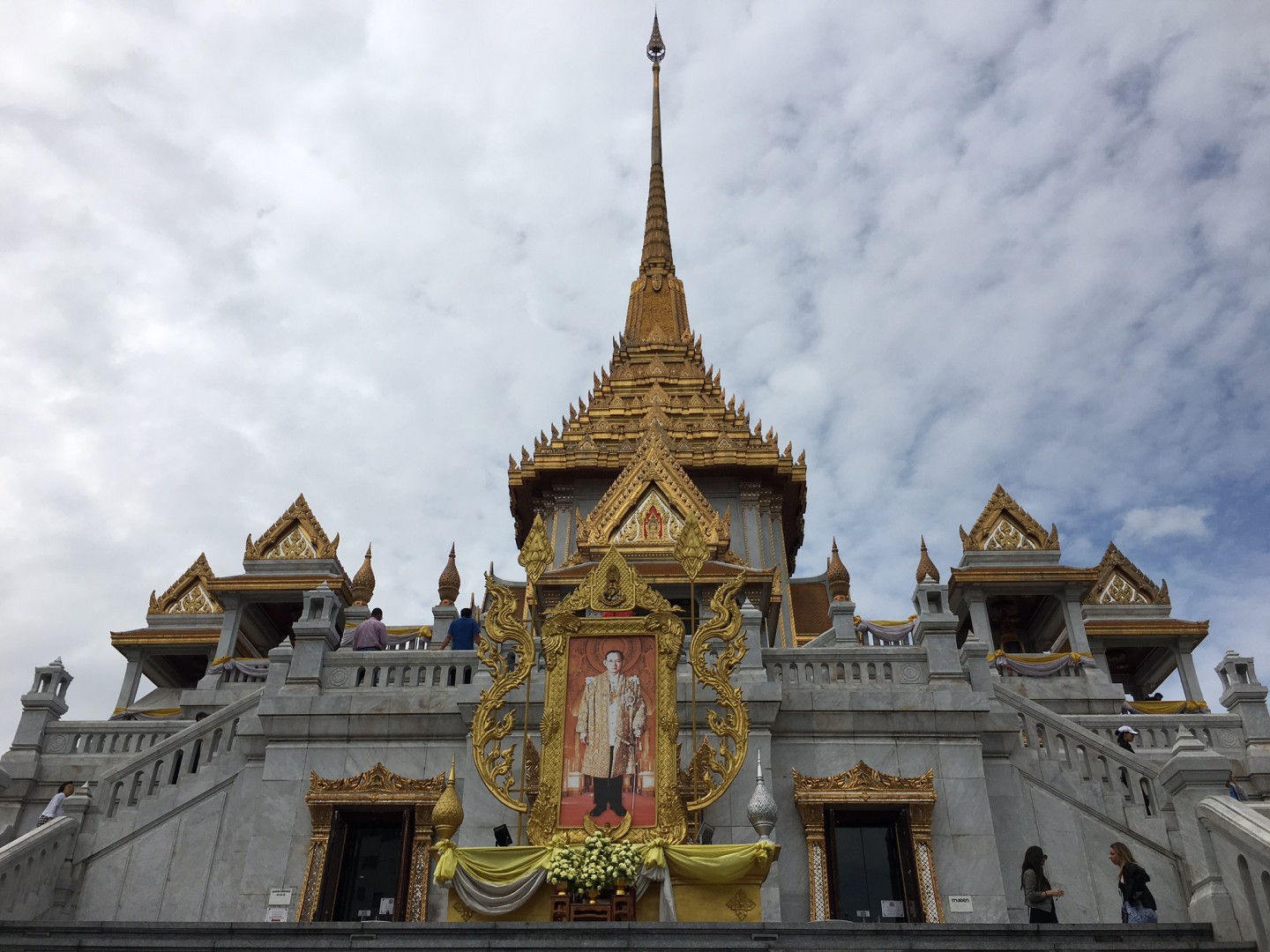
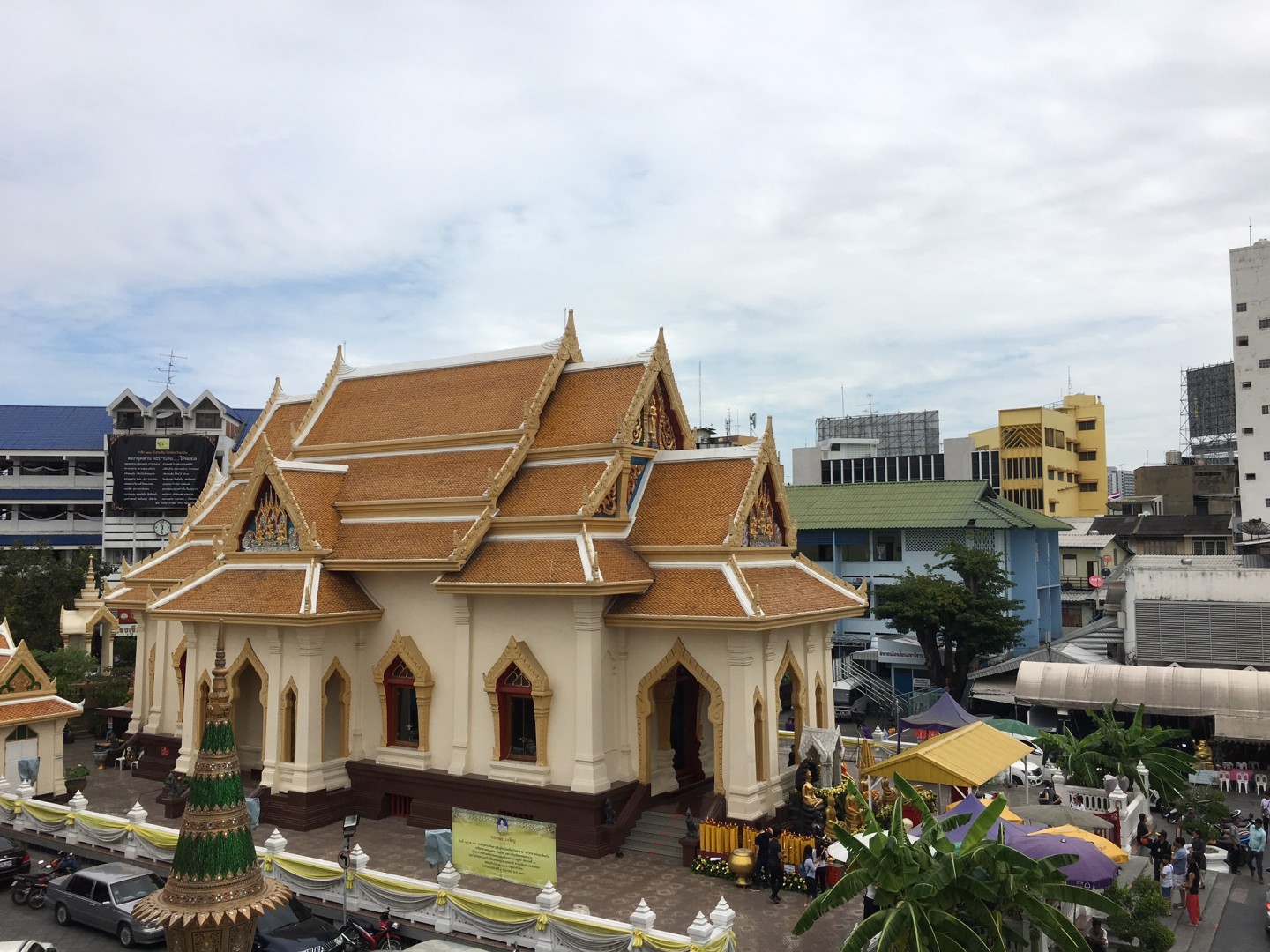
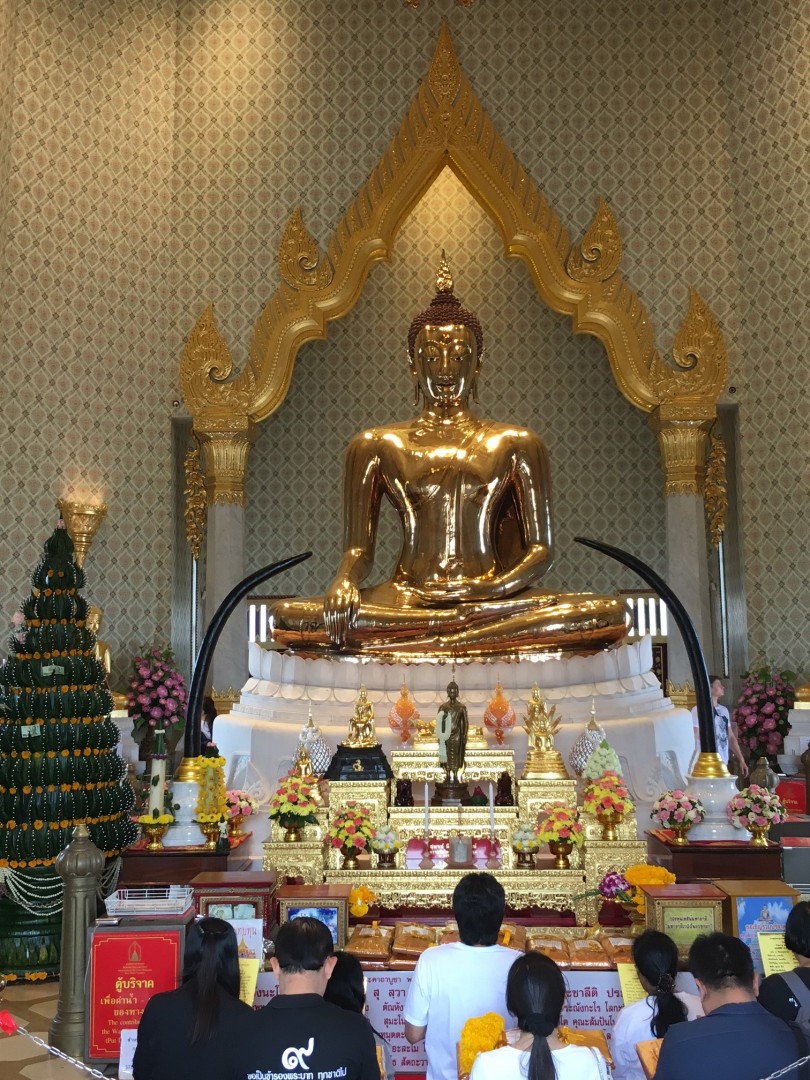
From what I learned, it’s a common custom to close their eyes and pray for the eradication of evil around them and for the mutual forgiveness of those they’ve hurt and those who have hurt them. In my opinion, people should pray whenever they feel like it, whether in sacred places, at home, or anywhere else outside. Instead of clasping my hands as the Far Easterners do, I prayed in my own way, palms facing the sky and felt good doing it.
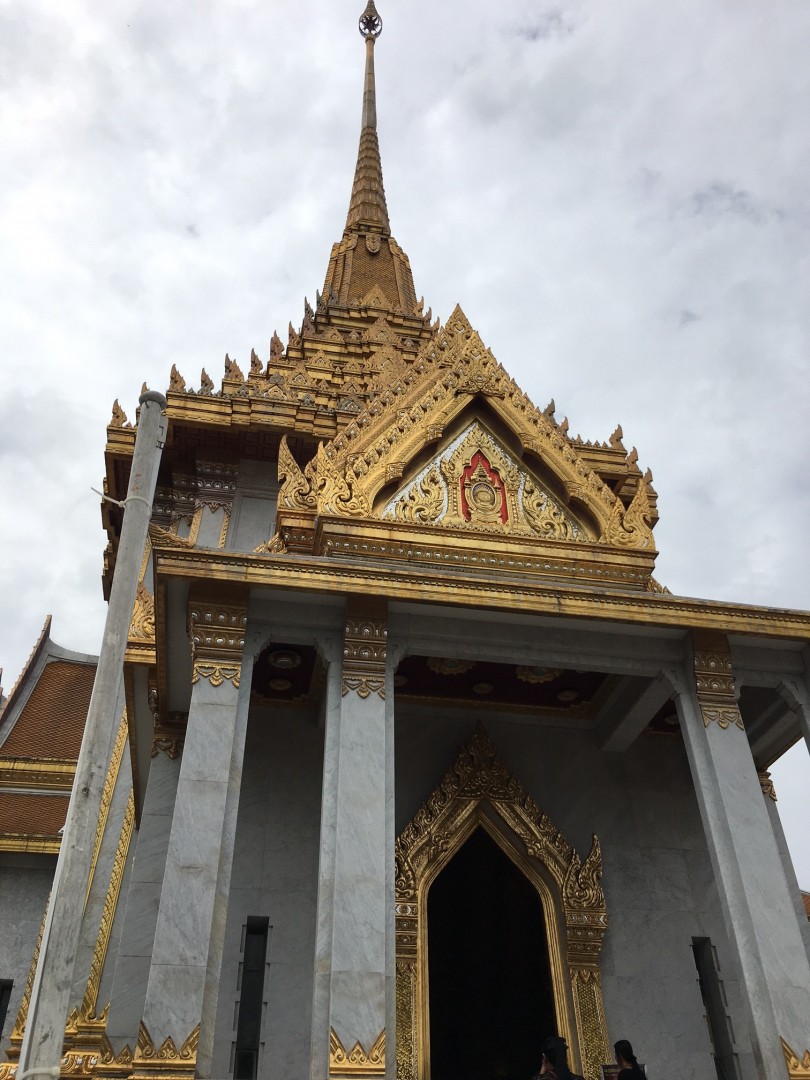
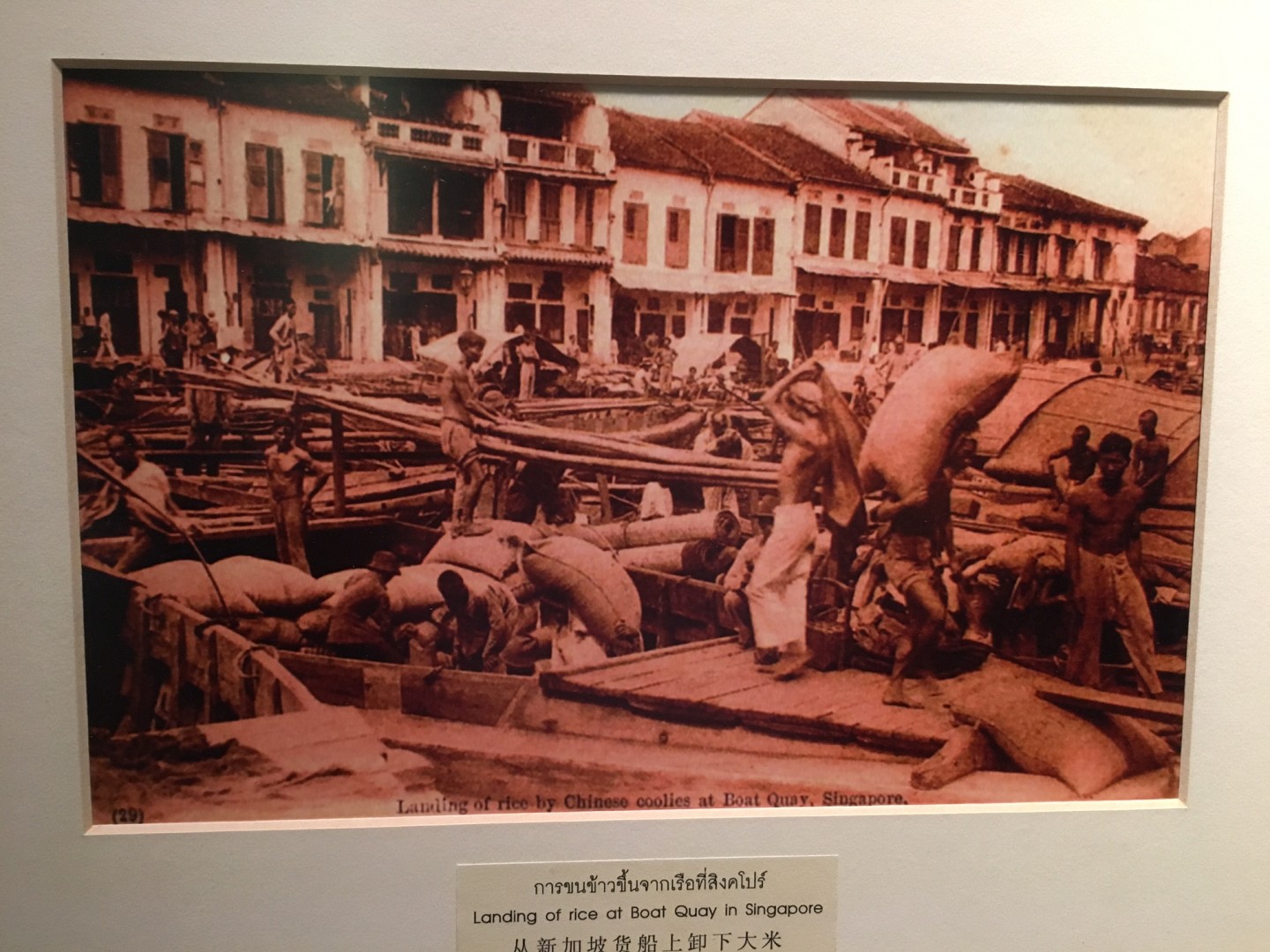
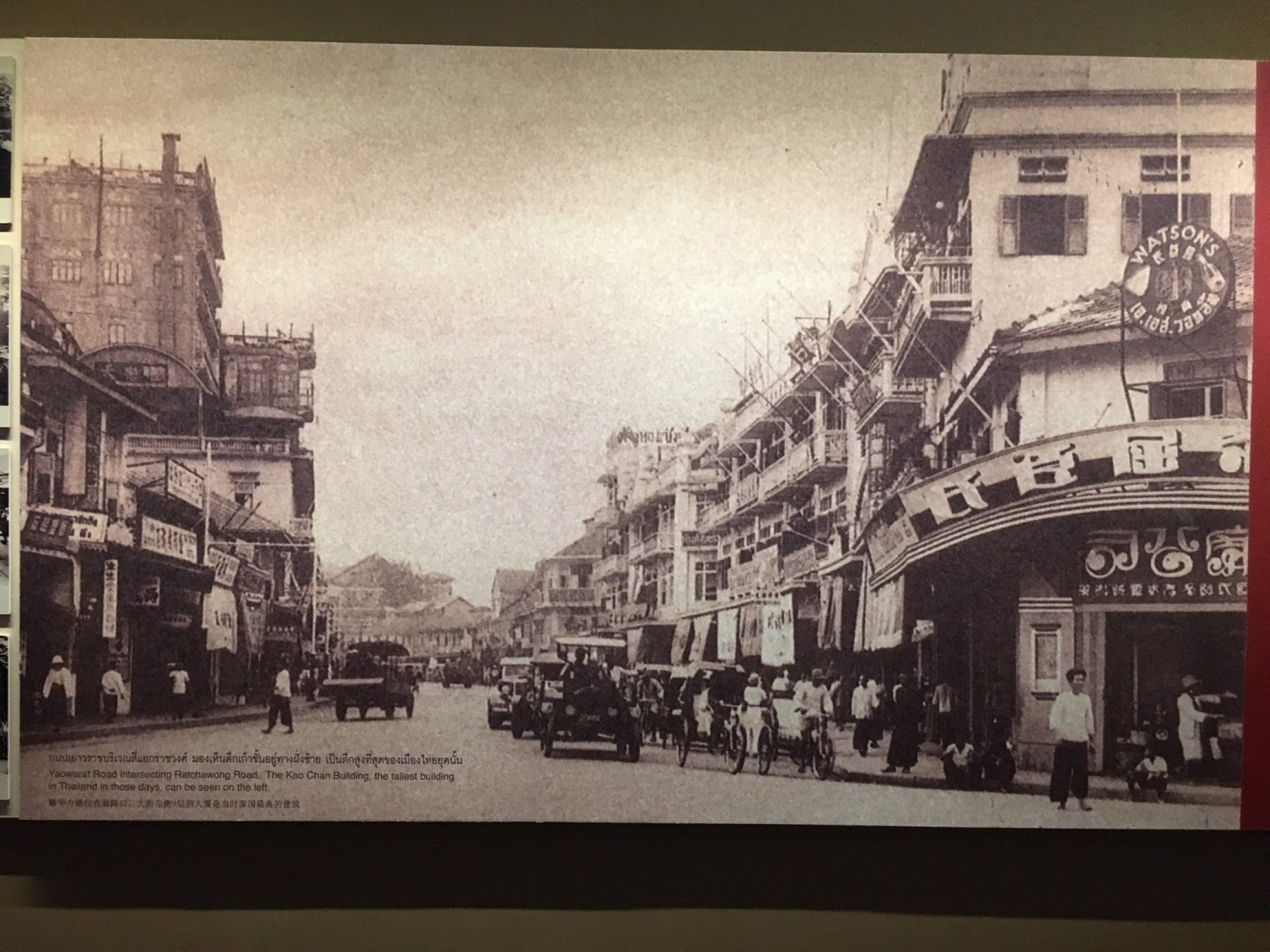
After leaving the temple, we went to the Samphantawong Museum next door. Here, a guide was telling the story of how the Chinese (Teochew, as they’re called in the area) settled in Thailand and became a part of the local society. When I discover something new, I rejoice like a child who has just received a beautiful toy. Discovering what life was like in China and Thailand centuries ago, and how trade operated there, was incredibly enjoyable for me.
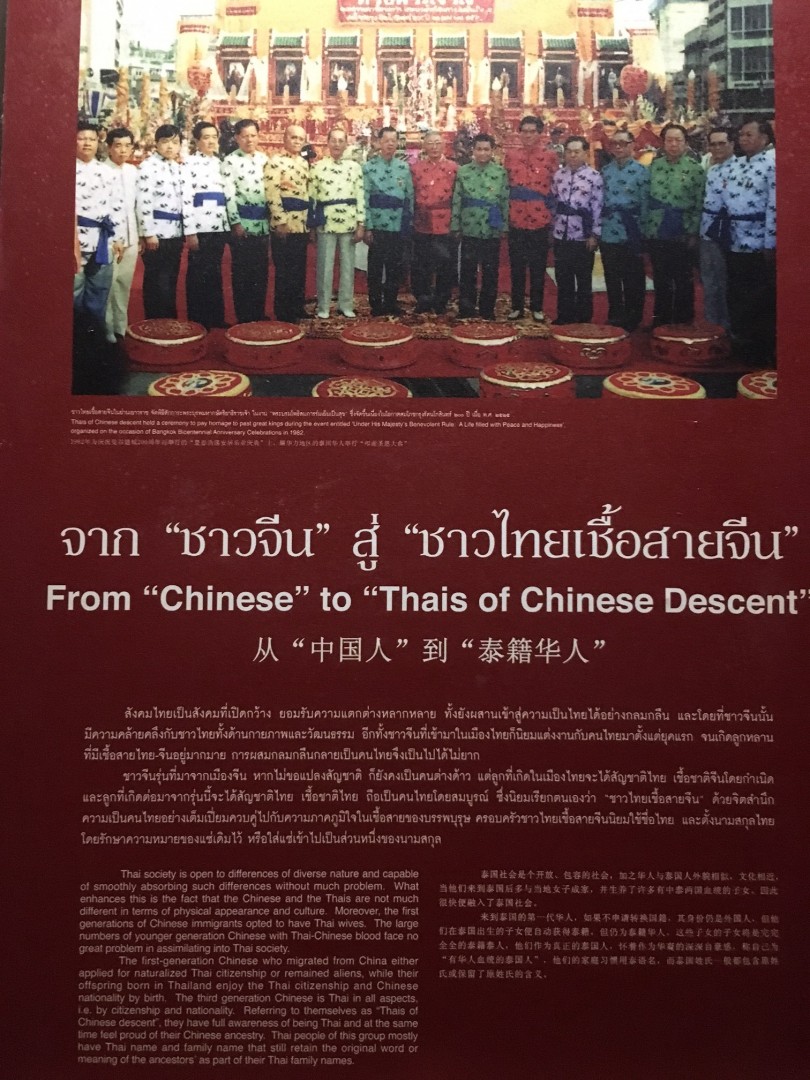
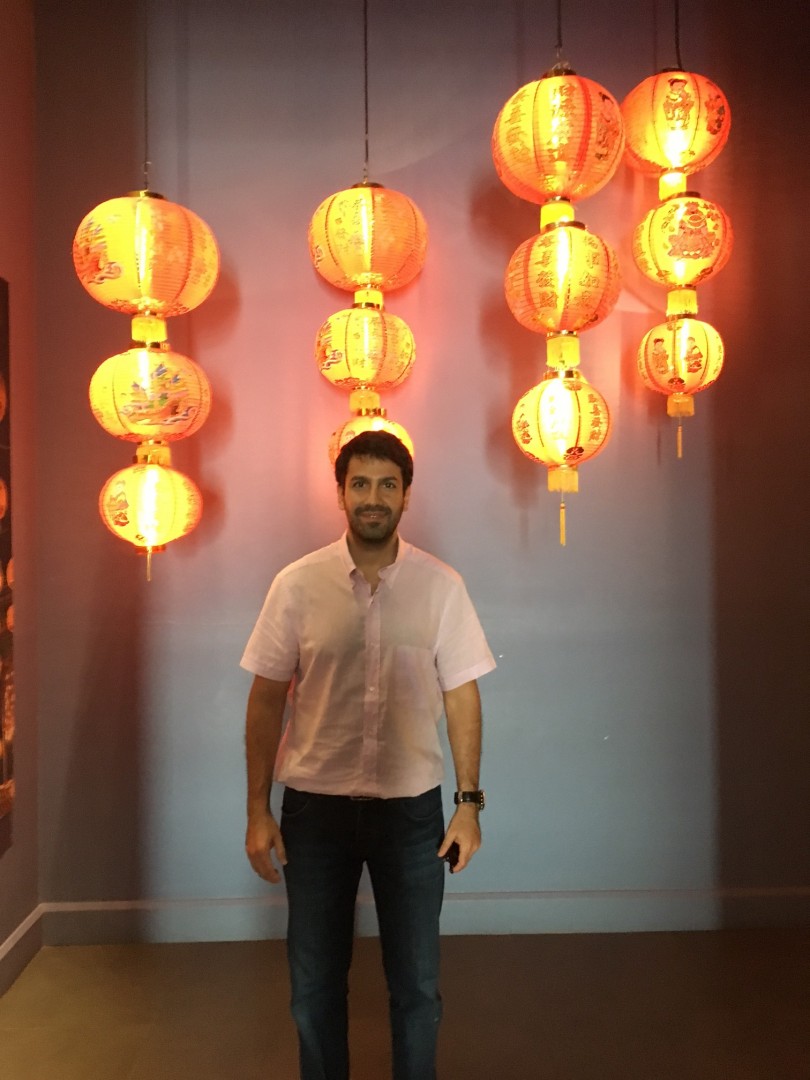
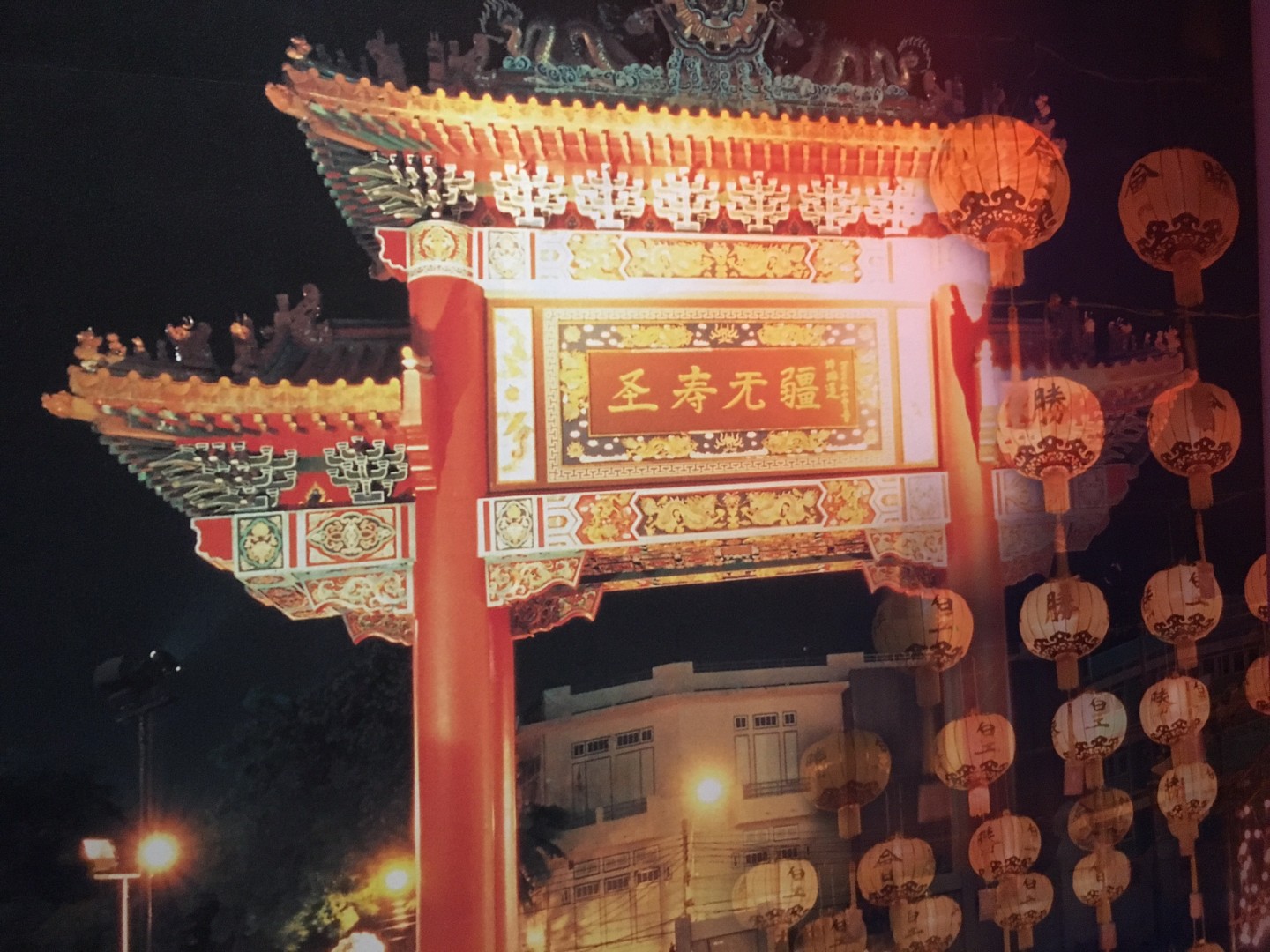
You can make wishes in many places where there are Buddha statues. For example, next to the Four Seasons Hotel in Erawan Shirne, there is a four-faced Buddha statue. People light candles there, make wishes, and pray.
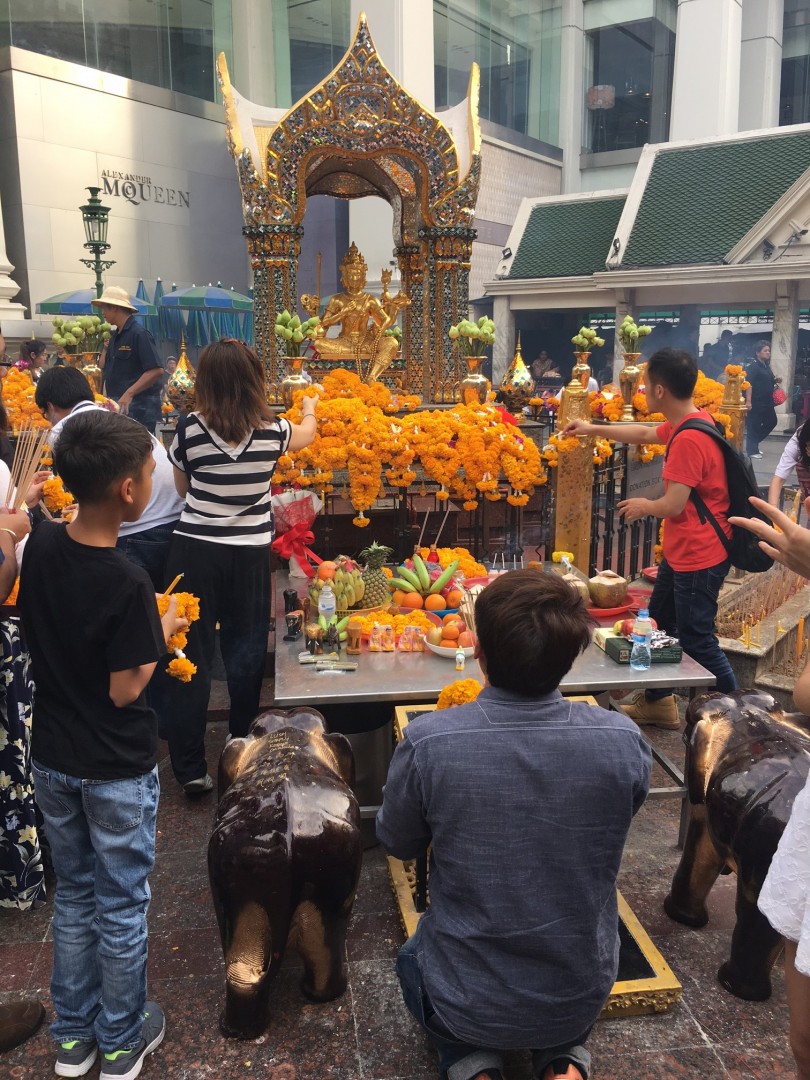
The Buddha statue and the people praying in the corner I mentioned…
During my three days in Bangkok, the food and drink, especially lunch and dinner, were truly a feast.
Bangkok’s Taksim Square and Ladyboys
We explored Soi 24, which we could call Bangkok’s Taksim Square. This area, home to numerous restaurants and bars, is home to many foreign tourists and expats.
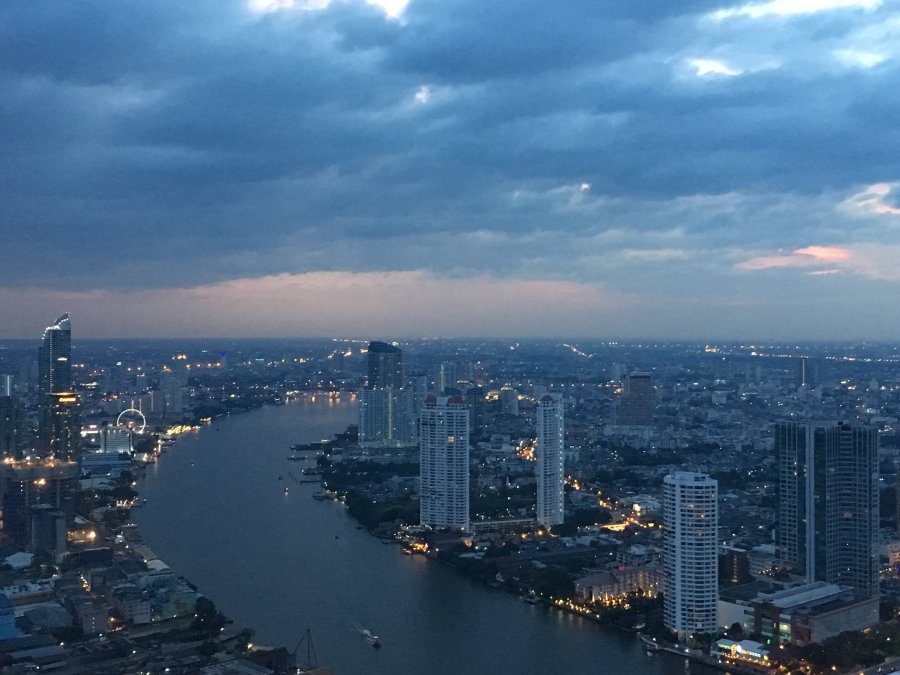
One evening during my stay in Bangkok, we went to The Lebua building in Silom. The observation tower is located on the 63rd floor of this building. You get a wonderful view of the city, especially how the seemingly endless Mekong River shapes Bangkok. There’s also a lovely restaurant on the same site. I highly recommend it.
Here are the views of Bangkok from the 63rd floor of The Lebua:
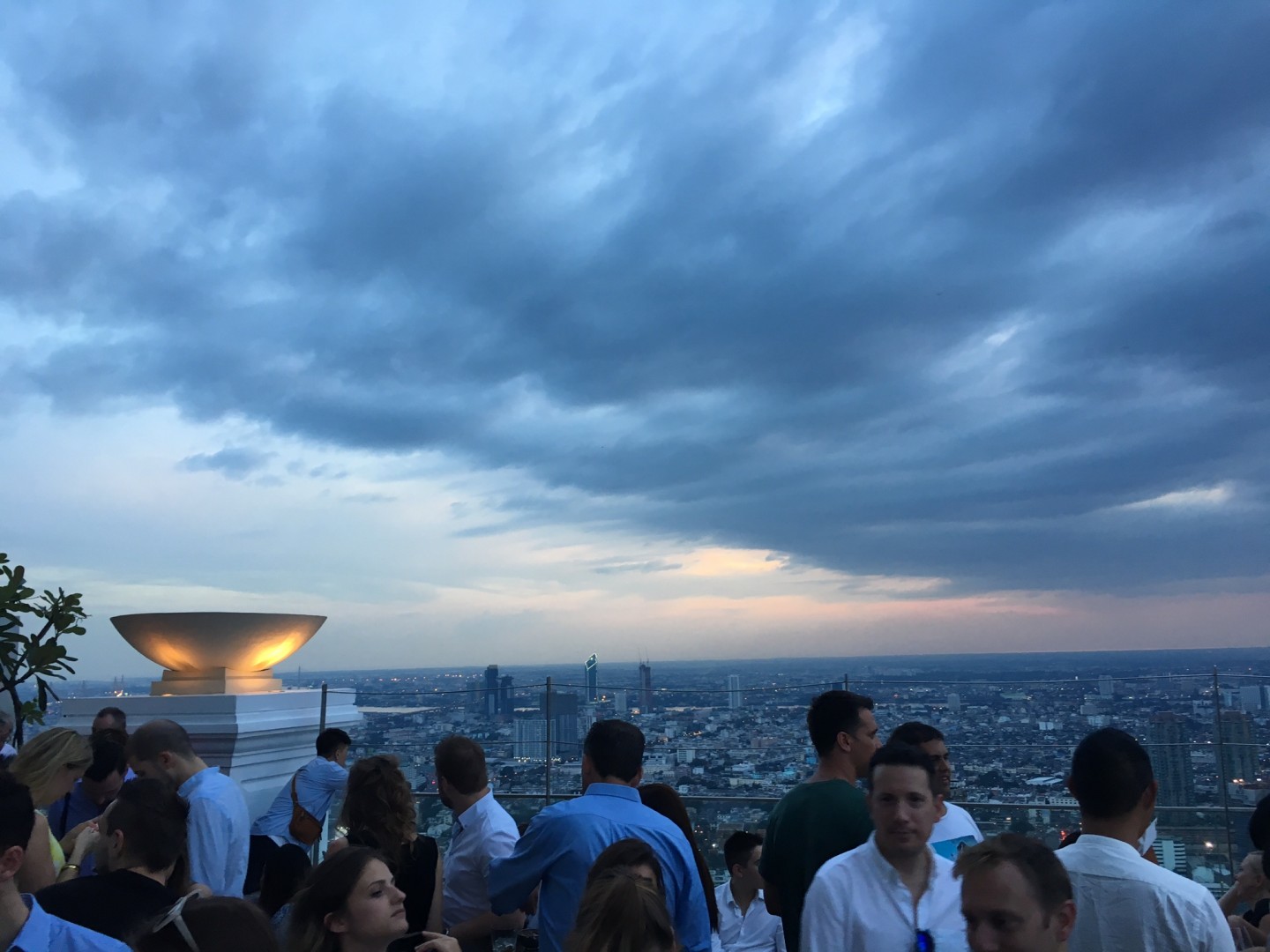
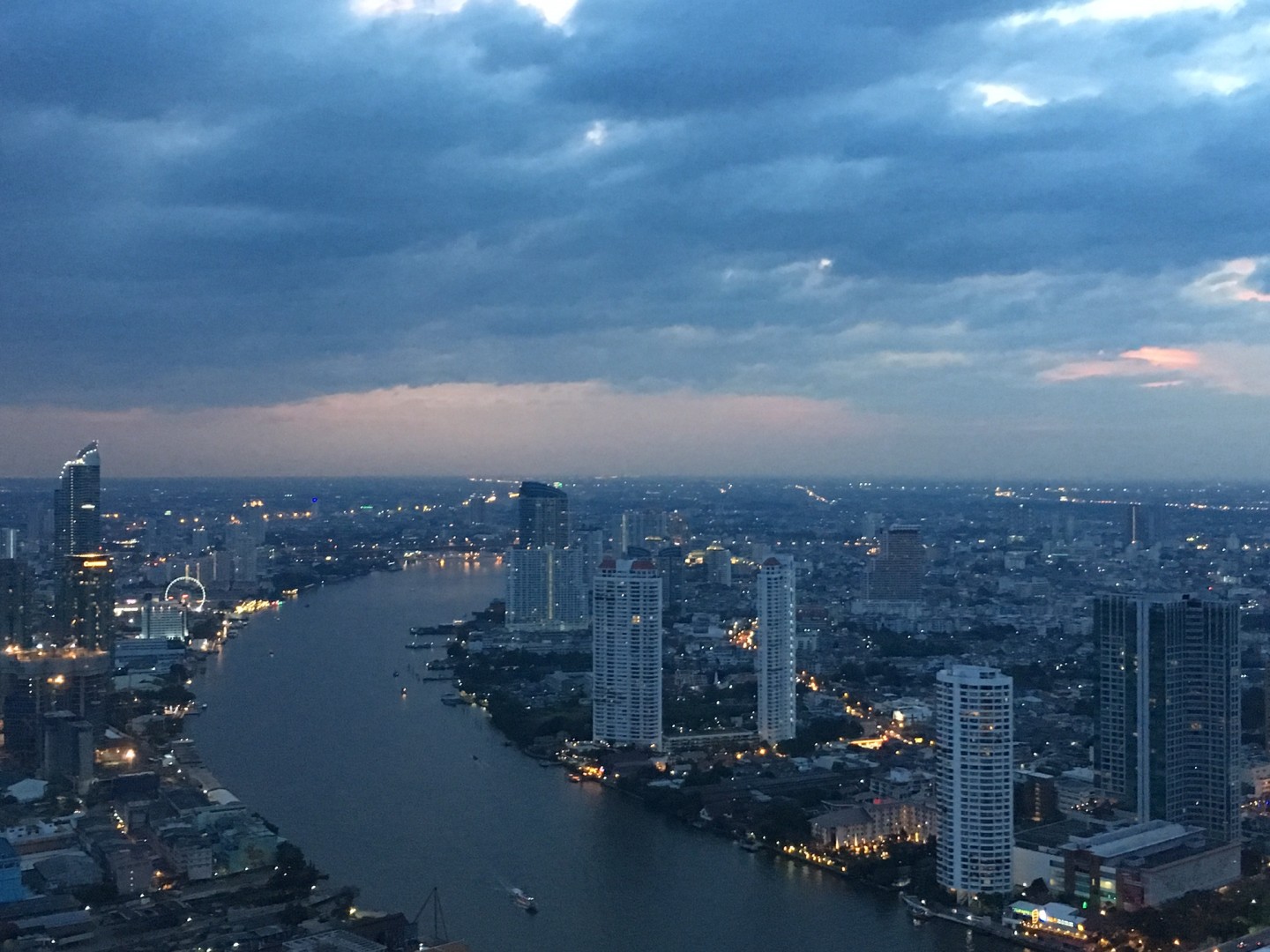
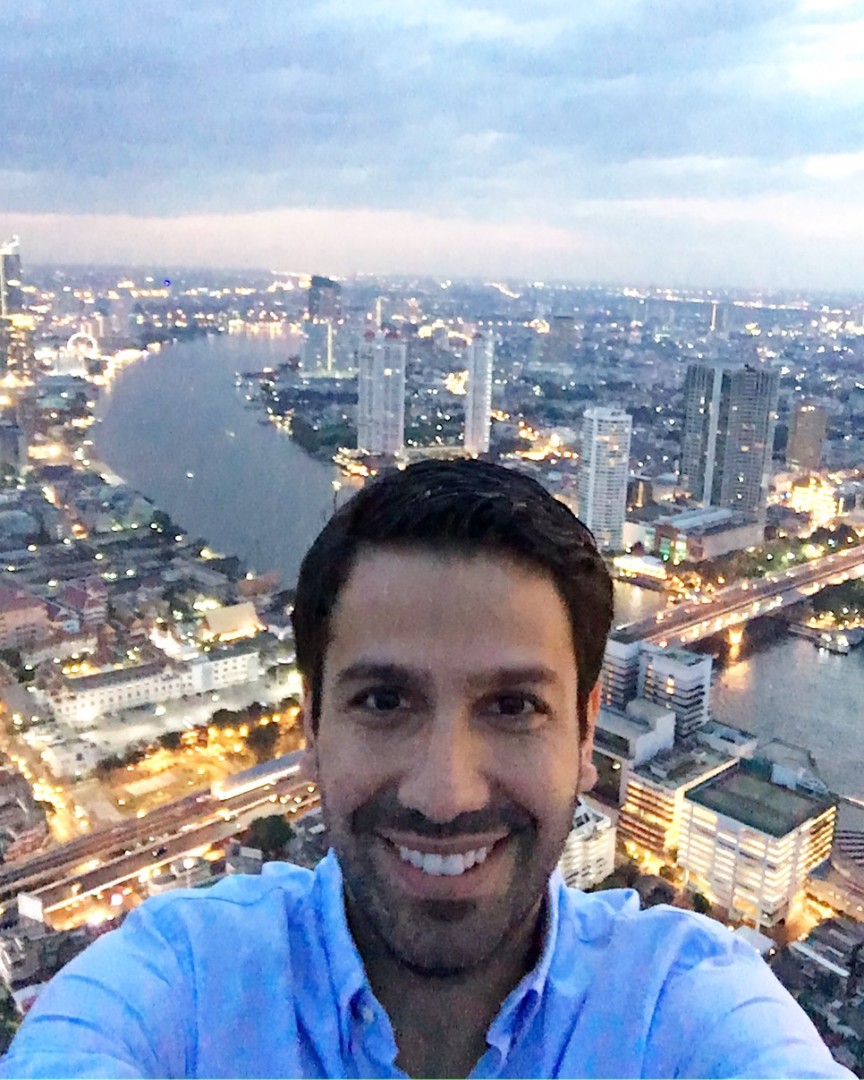
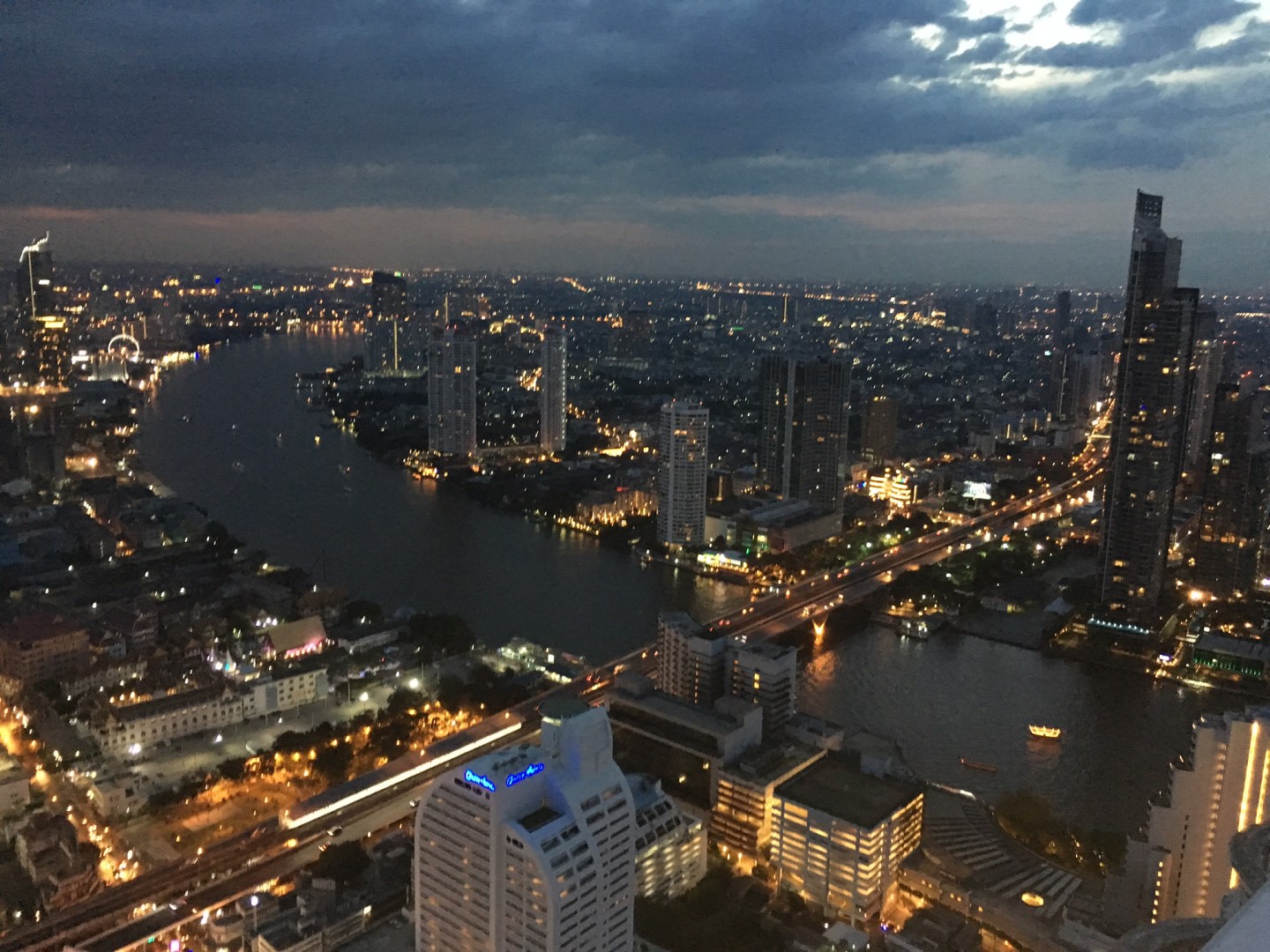
One of the unique features of this building is that part of the American classic “The Hangover” was filmed here. Despite its cheesy nature, it made me laugh out loud. I first became aware of the repulsive culture symbolized by the term ‘ladyboy’ while watching this film. Of course, you hear many stories about this while you’re there. ‘Ladyboy’ (or Kathoey, as it’s known locally) is the name given to transsexuals in Thailand. Boys are selected from a young age and raised as girls. Ladyboys, who are literally feminized through female hormones and a series of surgeries, serve the prostitution industry. I can understand men who feel like women from birth, or women who feel like men, to a certain extent. However, because I didn’t want to witness this exploitative culture created by men forced into feminization, I specifically avoided the areas where they resided, where the heart of the prostitution industry beats.
And the interesting thing is, you can’t really tell a ladyboy from a regular woman. I remember some friends I was with arguing with me when they saw one on the street, “Is this a woman or a ladyboy?”
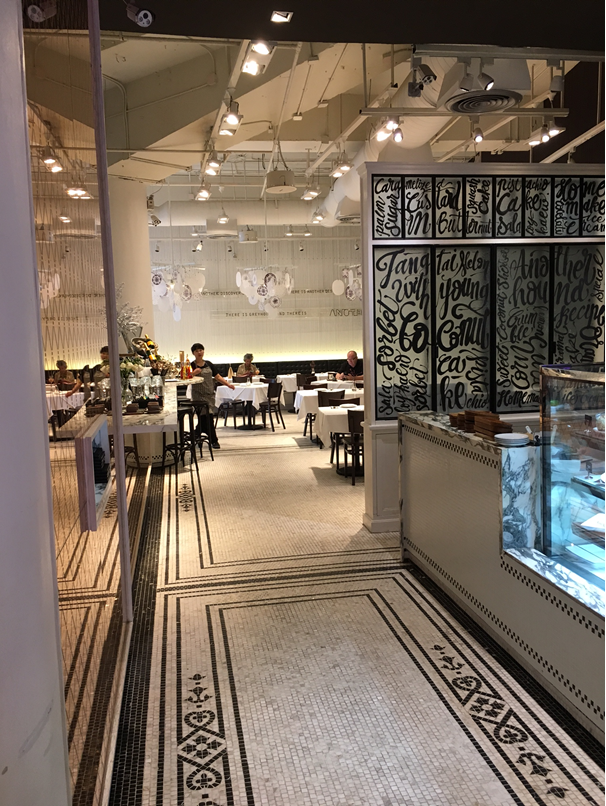
Anyway, back to the topic, we spent the evenings at the upscale restaurants there. For some reason, hotel restaurants aren’t favored in our Turkish culture. Entering a restaurant through that lobby feels very unconventional to us. Turks always prefer restaurants with exterior doors. Our shopping malls generally don’t have many high-quality restaurants (except for İstinye Park and Kanyon). In Thailand, however, almost all high-quality restaurants are in hotels or shopping malls.
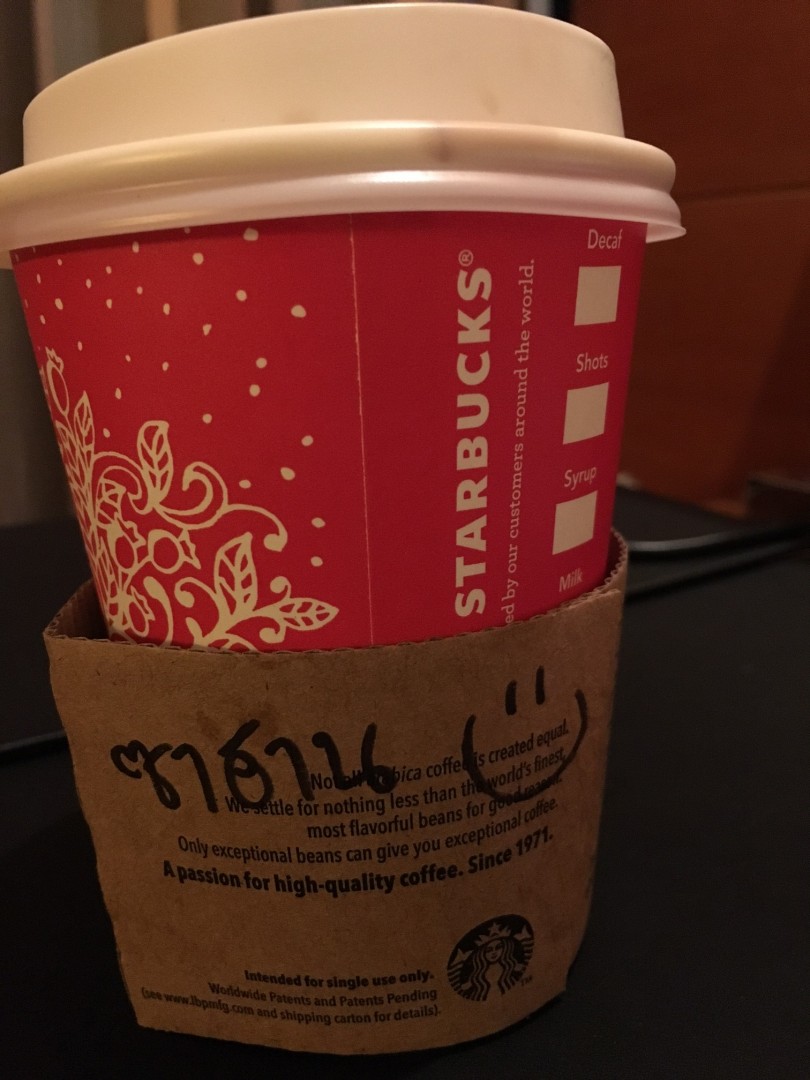
İsmim “Serhan”ın Tay dilince yazılışı. Starbucks sağolsun, öğrenmiş olduk
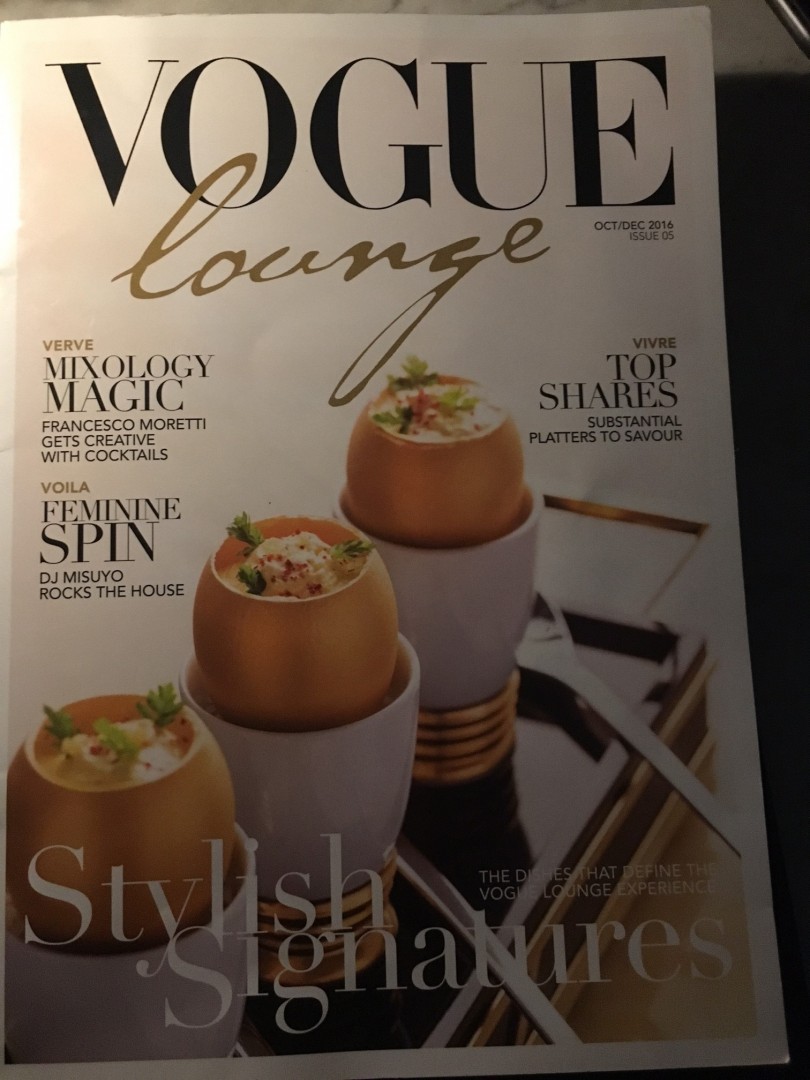
For instance, we dined at the best Zuma in the area at the St. Regis Hotel. It was truly a feast. Another evening, we had a wonderful time at the Vogue Bar, with its sexy Art Deco design.
Having a direct flight between Bangkok and Istanbul makes traveling to and from this beautiful country relatively easy. Of course, these are long flights, over 10 hours. However, these long flights don’t bother me on comfortable planes. On the contrary, I appreciate being able to spend long periods of time alone without using my phone.
Don’t touch the head!
If you plan to go to Thailand, you need to learn about the local culture. Let me warn you now. While the Thai people are generally calm and easygoing, there is certain behavior that really irritate them. One of these is pointing your index finger at the local priests, known as ‘monks.’ This is considered insulting and disrespectful of their sacred values. Second, do not touch Thai people’s heads, even as a joke. This is considered a serious insult.
I’d like to share the story of a Thai bartender who once put a dear friend of mine into a coma. My friend, trying to get a drink at a crowded bar, touched the bartender, who refused to look at him, on the back of his head in the Turkish style, “Hey bartender, why aren’t you looking at us?” The bartender turned angrily, asked, “Do you want a drink?” I’ll get you one now, and mixed a concoction. “Here’s a drink,” he said, and handed it over. My friend, a doctor, took a sip of the drink, wondering, “What did he give me?” He took a sip and boy did he regret it! The poor guy remained in a coma in Thailand for 20 days. My friend, who barely escaped a life-threatening situation, thankfully had his older brother with him. Of course, after this incident, his entire family came to Thailand and waited by his side. Imagine, someone can lose consciousness enough to poison someone just by touching their head. Of course, the bartender turned out to be a complete psycho, but that’s another story. Be careful! God has also blessed our friend to his family and friends. My friend continues to save lives by performing heart surgeries.
Mention the king, and everything comes to a halt.
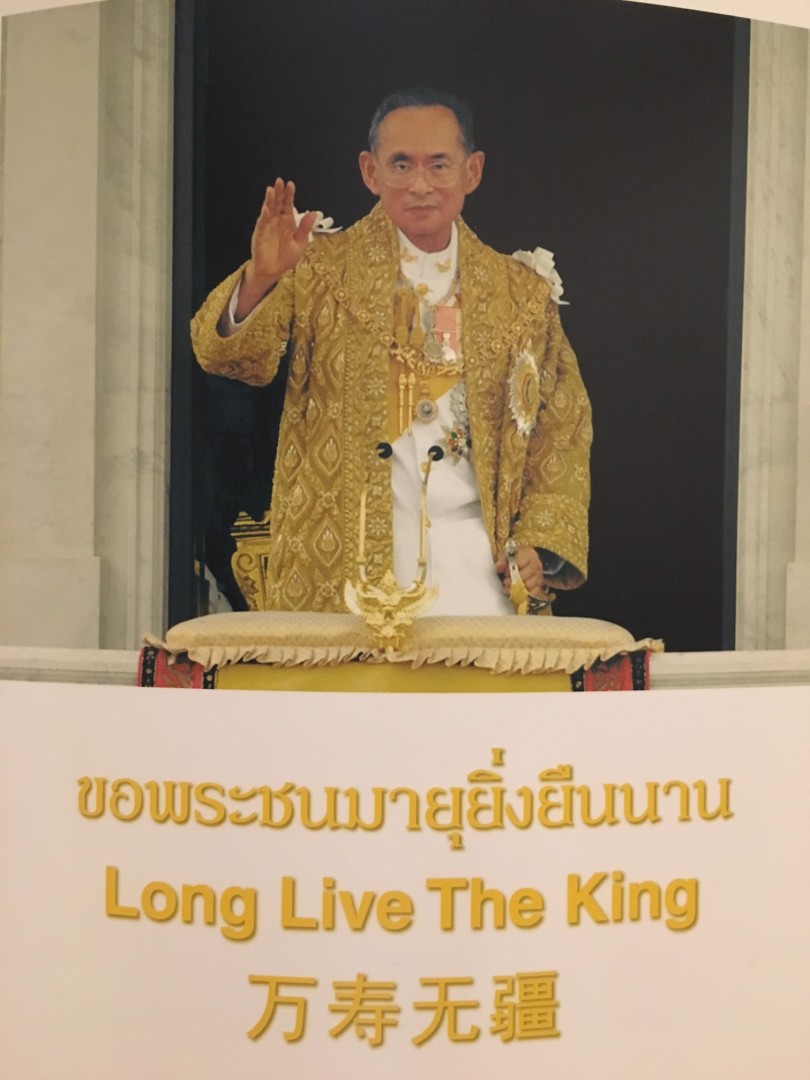
Thirdly, don’t make negative comments about the Thai king, who passed away in October. They deeply love their king, who is enshrined in their culture and who ruled the country for 70 years, for his character and what he did for the country. They absolutely won’t let anyone speak ill of him.
I would like to share with you a summary of the life of King Bhumibol Adulyadej, who passed away on 13 October 2016, with excerpts from a beautiful BBC compilation:
“Bhumibol Adulyadej, King of Thailand since 1946, passed away on 13 October 2016, at the age of 88.
Bhumibol Adulyadej was born in Massachusetts, USA, in 1927.
His father, Prince Mahidol Adulyadej, was studying at Harvard University at the time.
The family later returned to Thailand, and his father died when Bhumibol Adulyadej was only two years old.
A Love of Culture and the Arts
Following his father’s death, Adulyadej’s mother settled in Switzerland. Adulyadej, then crown prince, received his education in this country.
In his youth, he developed a deep love of music and photography. He became a saxophone virtuoso and he composed music. He was also interested in painting and literature.
After Thailand’s absolutist regime gave way to democracy in 1932, the role of the royal family became symbolic. When his uncle, the king, Prajadhipok, was kidnapped in 1935, the royal prestige was tarnished more than ever.
Bhumibol’s brother, Ananda, succeeded him to the throne. He was only nine years old.
In 1946, King Ananda died in an incident that remains unsolved. The official explanation is that the king died from an accidental gunshot.
Following his brother’s death, Bhumibol became King of Thailand at the age of 18, exactly 70 years ago.
In his early reign, he left the throne to his regents and continued his education in Switzerland.
During a visit to Paris, he met his future wife, Sirikit, the daughter of the Thai ambassador to Paris.
Bhumibol officially ascended to the throne in Bangkok in 1950 and met Sirikit a week later. He married.
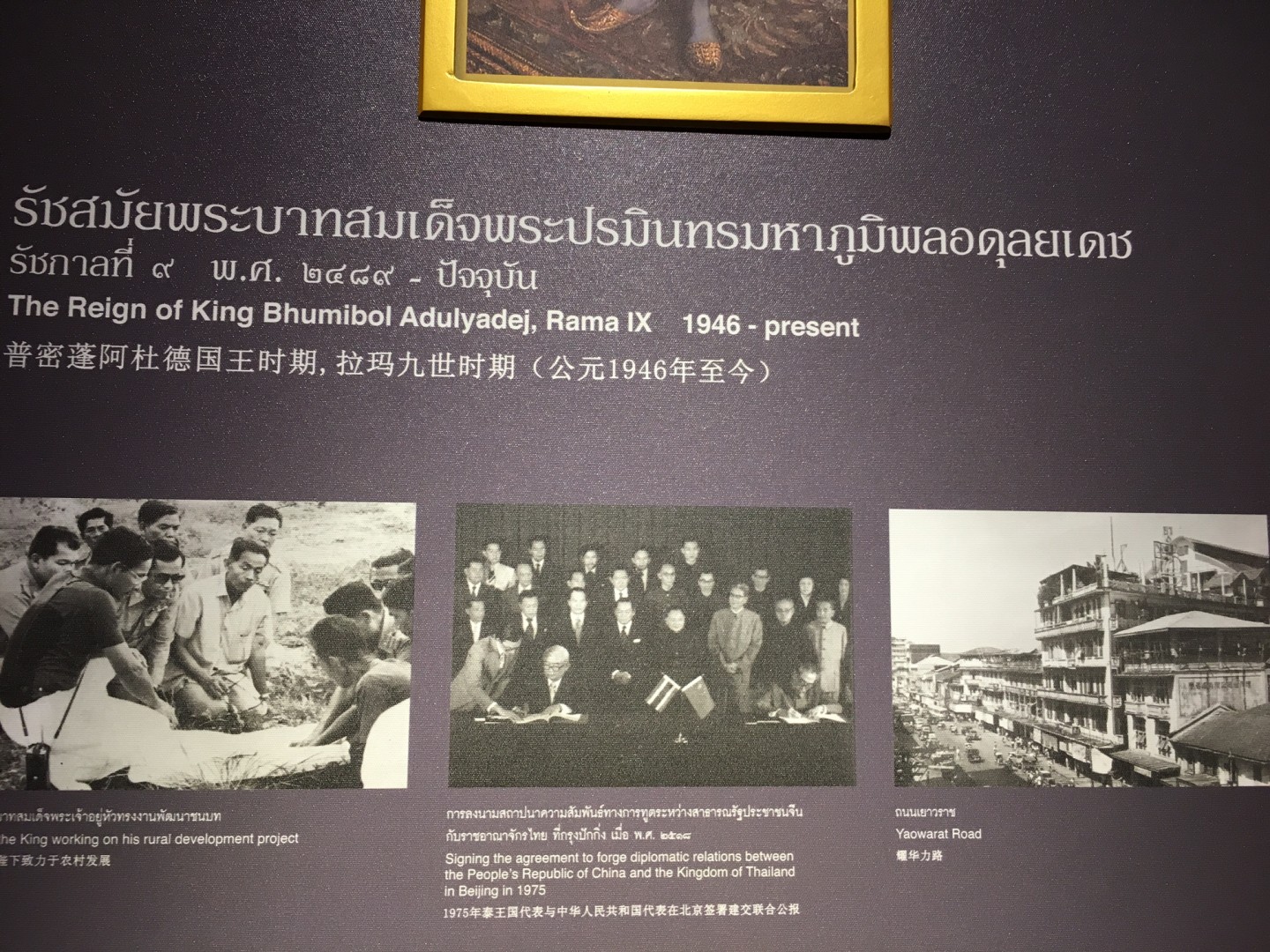
Successive Military Coups
During Bhumibol’s first seven years on the throne, the country was ruled by a military junta. The King held a symbolic position.
In 1957, General Sarit Dhanarajata (Thanarat) seized power. The King declared General Sarit the “military protector of the capital.”
During Sarit’s dictatorship, King Bhumibol began to redefine the monarchy. He frequently visited different parts of the country and lent his name to numerous infrastructure projects.
General Sarit, on the other hand, reinstated the tradition of crawling to the King.
By 1973, King Bhumibol was assuming a decisive role in politics.
Soldiers used live ammunition on pro-democracy protesters.
The protesters were allowed to take refuge in the palace. This move marked the beginning of the end for the then-Prime Minister, General Thanom Kittikachorn.
However, three years later, the King turned a blind eye to the lynching of leftist students in the streets. Following the Vietnam War, concerns about communism were growing in Thailand.
During Bhumibol’s reign, there were numerous attempts to overthrow the government.
In 1981, the King stood against armed soldiers who came to overthrow the government.
Although the coup plotters briefly took control of the capital, Bangkok, the coup failed when the King’s soldiers intervened.
However, King Bhumibol’s stance on the government’s side in the coup attempts led some Thais to question his neutrality.
In 1992, King Bhumibol was also present after former coup leader General Suchinda Kraprayoon was shot at protesters attempting to participate in the elections.
The King summoned both Suchinda and the leader of the pro-democracy protesters to his presence. Both men approached the King on foot, as per protocol.
After the meeting, Suchinda resigned, and the country returned to a democratic form of government.
In 2006, despite widespread calls for the King to intervene in the power struggles that erupted during Prime Minister Thaksin Shinawatra’s administration, King Bhumibol chose not to.
Nevertheless, there were speculations that King Bhumibol played a significant role in Thaksin’s removal from the Prime Minister’s post by court order.
Thaksin was ousted in a bloodless coup, and the military leadership declared its allegiance to the King.
In the years that followed, both supporters and opponents of the ousted Thaksin maintained that the King supported them.
In 2008, the entire country attended the King’s 80th birthday celebrations. Bhumibol’s unique position in Thailand was once again emphasized by the large turnout.
National Respect
General Prayuth Chan-ocha seized power in a military coup in 2014 and was appointed prime minister by a military-led parliament a few months later.
General Prayuth promised comprehensive reforms that would ease turbulent years.
However, opponents of the coup argued that the real goal was to eliminate the party of former Prime Minister Thaksin, who had been ousted from power.
National respect for the King, while genuine, was controlled by an extensive public relations apparatus run by the Royal Family.
Because “insult to the King” laws punished criticism of the Royal Family with imprisonment, coverage of the King by both the local and international press operating in Thailand remained limited.
Throughout his reign, King Bhumibol Adulyadej constantly struggled to manage the delicate balance of power in a country plagued by political turmoil.
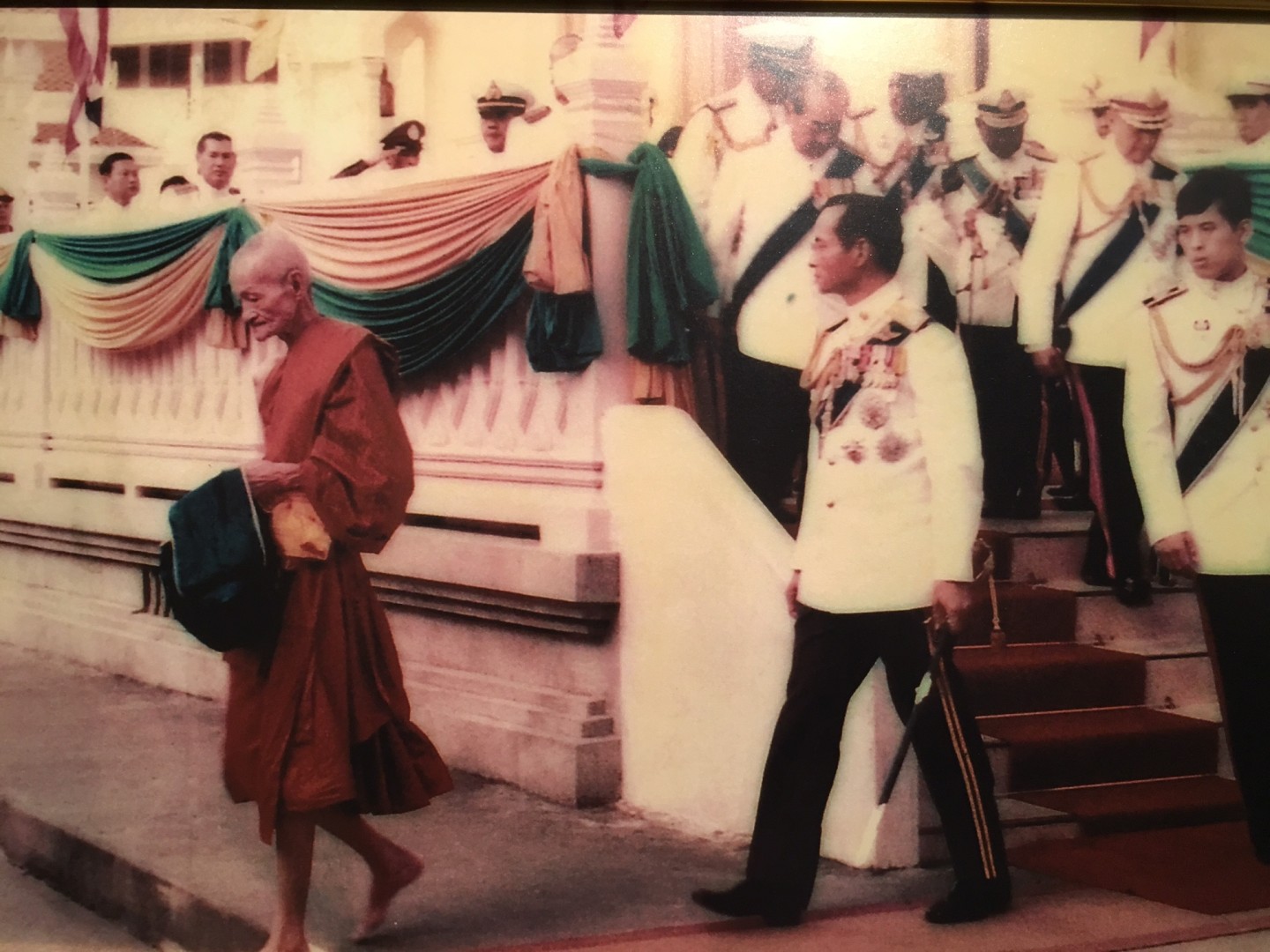
Thanks to Bhumibol’s diplomatic skills and his embrace of the local people, the Thai monarchy is now much stronger than it was 70 years ago. You can find pictures, statues, and monuments commemorating their kings in every corner of Thailand. From our hotels in Phuket and Bangkok to streets, restaurants, and airports, they’ve created a corner to commemorate their king. Here are some excerpts from the places dedicated to the Thai king’s memory:
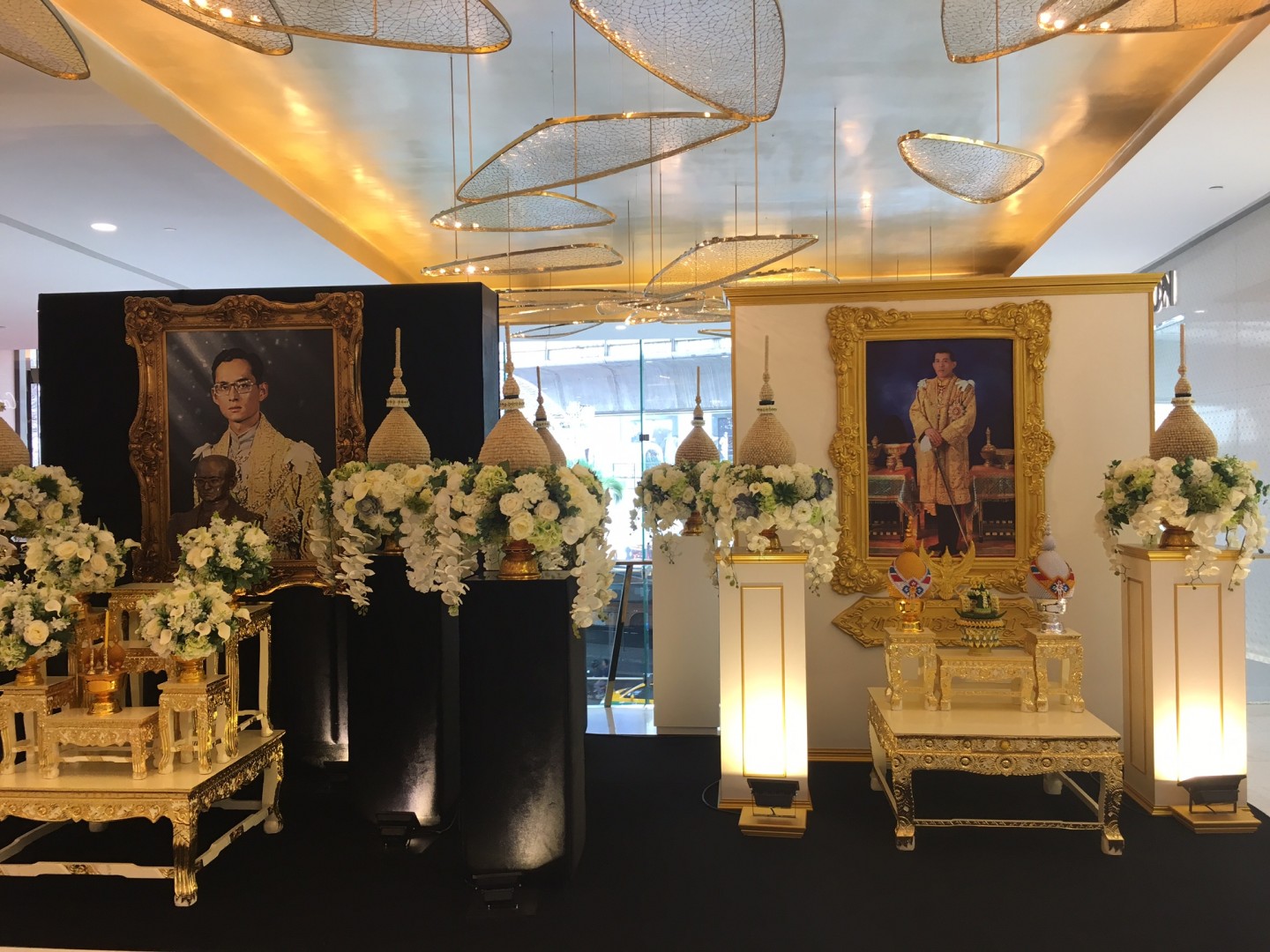
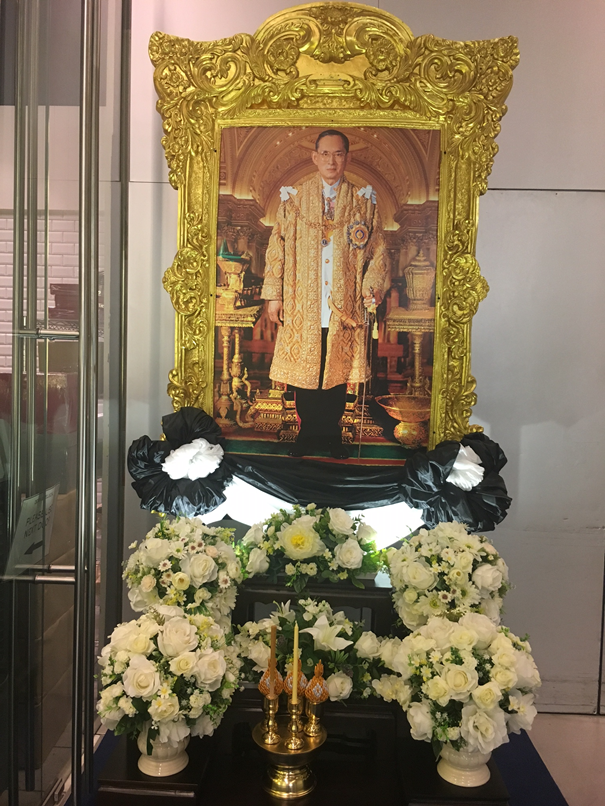
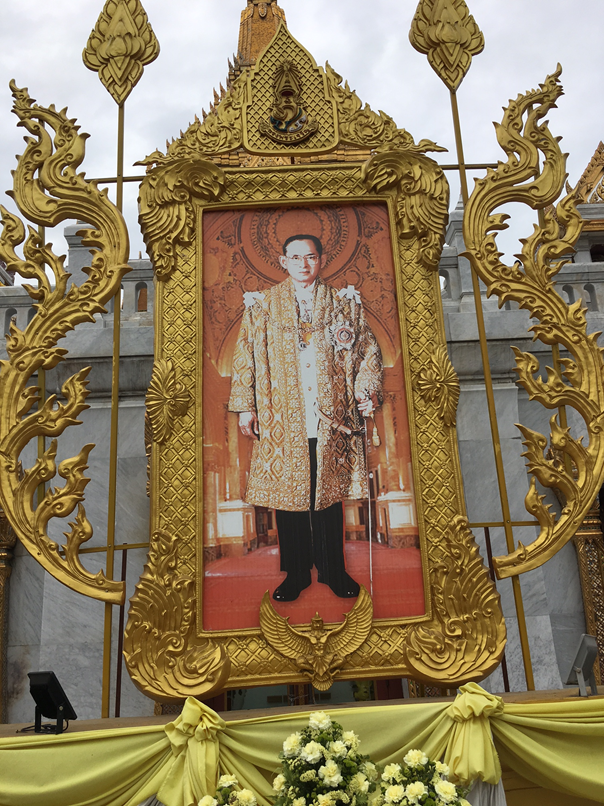
Continuing life by fostering this outpouring of love for 70 years is not every brave man’s cup of tea. Let’s remember Bhumibol Adulyadej, who gave so much to the Thai people.
Crown Prince Maha Vajiralongkorn, 63, son of the late king, has ascended to the throne in Thailand. Will the new king live up to the prestige his father established? We’ll see.
Bangkok deserves a repeat visit
Finally, due to the limited time I spent in Bangkok, there’s still much left to see, and I plan to make at least one more visit. I’d love to.
I’d also like to share some recommendations from close friends who know the area well. My list will be even bigger next time.
– If you ever go to Bangkok, you must visit the Water Market. This delightful venue allows you to sail through the market and buy products. The Water Market is a classic tourist destination in Bangkok.
– I’ve always been interested in Thai boxing because I used to do kickboxing. Originally called Muay Thai, this combat sport differs from kickboxing in that it uses elbows and knees frequently. It has harder and more powerful attacking techniques than kickboxing. It might be interesting to experience a Muay Thai match.
– It might also be fun to go to one of the classy cabaret shows in Bangkok that isn’t sexually themed. I think I would personally enjoy a show that reflects the rich Thai culture, which values music and dance, and features colorful costumes.
– Restaurants: El Mercado, Nahm, Koi, Ton Krueng
– Bars: Bottoms Up (Tong Lo), Iron Fairies, Clouds (Tong Lo Area)
– Brunch: The Gardens of Dinsor Palace, Rockets (Sukhumvit Soi 49)
As I departed Bangkok, I thought to myself that my pleasant holiday was over and began to prepare myself for the business atmosphere in Singapore. See you in my next post, where I’ll share my Singapore memories. Stay well!
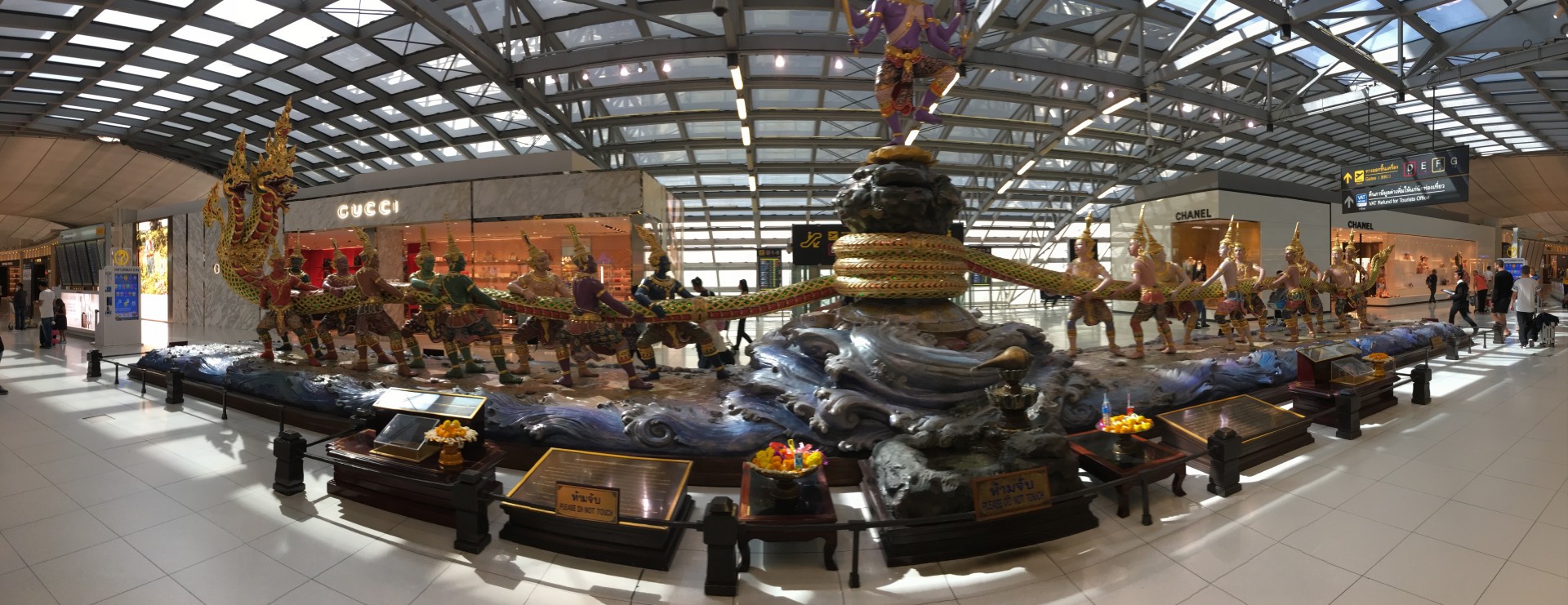
An illustration I made of the statue situated on the international side of Bangkok airport
Tag: culture