Our generation became familiar with major earthquakes during the 1999 Marmara Earthquake. On the day it happened, I was staying at my aunt’s house. I had graduated from university just two months earlier and was set to start working in the U.S. in September. In the meantime, I had come to Türkiye for a vacation. That evening, I happened to be staying at the home of my beloved aunt. For some reason, I always used to joke with her about her place in Ulus: “If there’s ever an earthquake in Istanbul, your apartment building would slide straight into the valley,” I’d say. And wouldn’t you know it, on the day of the big earthquake, I was staying at her place.
At around 3 a.m., completely unaware of what it feels like to be in an earthquake, I was suddenly jolted awake by violent shaking. I opened one eye, still thinking I was dreaming—until the chandelier in our upstairs neighbor’s apartment crashed to the floor. As soon as I heard that loud shattering sound, I jumped out of bed. My first instinct was to go to my aunt’s room. But believe me, the shaking was so intense I could barely walk. I stumbled my way to her room, bumping into walls and furniture. My aunt and my little cousin Ali were sleeping in the same room. When I entered, they were clinging to each other. “Let’s get out, now,” I said. They got up, and we rushed outside.
The aftershocks that followed, along with the Düzce Earthquake in November, and many others in later years, forced us to face a tough reality: Türkiye is an earthquake-prone country. We needed to learn how to live with earthquakes as a nation—but unfortunately, we never really did. Even if some things have improved, the same chaos, problems, and confusion persist.
For instance, around that time, AKUT (Search and Rescue Association) entered our lives. Today, AKUT is a household name, and many other search and rescue organizations and public institutions have taken action in Van. In my opinion, this is the only real area we’ve made progress in since then: we now have multiple search and rescue teams that can respond immediately.
Right after the Gölcük Earthquake, I too went to the AKUT Headquarters, hoping to take part in rescue efforts. Here’s the brief exchange I had with the officials there:
— “Good day. I’d like to join the search and rescue operations.”
— “Do you have any mountaineering experience?”
— “No.”
— “Do you know first aid?”
— “No, I don’t.”
— “Then we’ll put you on the supply distribution team.”
— “Of course. I’ll help anyway I can.”
And just like that, I found myself in the back of a truck, delivering supplies to those in need. (Interestingly, I now do similar work through the Food Bank Association.) Later, as I watched others taking part in rescue operations, I felt I could do more. So, I returned to Istanbul, gathered our construction crew—after all, people who know how to build structures also know how to dismantle rubble—and rejoined the rescue efforts myself.
Living through that experience, emotionally, is something entirely different. The helplessness of people, your desperate attempts to help them however you can… grief, sorrow, despair, joy, fatalism, rage, adrenaline, exhaustion… All of those feelings and emotions were intensely present during those days.
I’m sure the same feelings are being experienced during this latest earthquake, and as someone who deeply loves his country and cares about its people, this saddens me profoundly. But the truth is, our hands are tied. You want to help, but there’s no proper coordination. Everyone’s talking over each other. It was like that back then, and it’s the same now.
Another problem that hasn’t changed is how poorly constructed buildings collapse far too easily—either because the builders didn’t know what they were doing, or worse, they deliberately cut corners on materials in the name of “profit,” in their tiny, greedy minds. You can be sure that, just like in the past, most of these people won’t face any real consequences—unless the media exposes them.
During the Gölcük Earthquake, the Turkish press made one contractor the scapegoat of everything that was wrong. And now, once again, the media is reporting how the same kind of contractor who built homes that crumpled like paper is sitting comfortably in his own sturdy house, complete with tents set up in his yard.
The Red Crescent was inadequate in Gölcük, and now again in Van—especially when it comes to tents, prefabricated housing, and heating supplies.
As a country, we banded our resources back then and sent aid pouring into the quake zone. Today, too, everyone did what they could, and once again, we flooded Van with help. (I’m genuinely proud of our nation for that.)
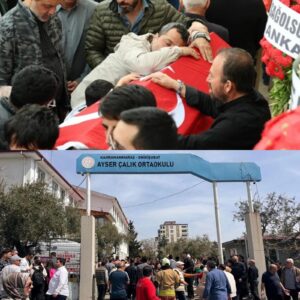
In every earthquake, there are always people who are rescued days later, and the search and rescue teams continue to perform miracles. And for those we couldn’t save—we wept.
Out of respect for the victims and survivors, entertainment programs were always cancelled in the days following each disaster.
This list could go on and on… In short, not much has changed over the past dozen years or so, and frankly, I don’t think it will anytime soon. One of our most deeply rooted national traits is how quickly we forget everything. A month from now, Van will be forgotten. The people there will gradually be left to their own fate.
If you’re asking, “So what should we do?”—I’ll answer that in the future.
Tag: memoir