This article, in a sense, falls under my personal life, and as many of you know, I don’t really enjoy talking about it, but I wanted to share my experiences with you because I believe it holds important lessons.
I arrived in Istanbul around noon on Sunday, 24 April, after a 10-hour flight. Shortly after meeting me at the airport, my driver, Münir Bey, dropped the bombshell: “Serhan Bey, your grandmother has fainted again. They’re taking her to the hospital right now.” I immediately called my mother.
They were taking my grandmother by ambulance to a nearby public hospital. I went home, took a quick shower, and headed to the hospital. What I saw upon arrival was unpleasant. They were leaving my grandmother, exhausted, lying on a wooden stretcher. When I asked why they were keeping her waiting, my mother told me they were waiting for the test results. She hadn’t been given an IV drip or any intervention that would improve her condition. She was just lying there on the wooden stretcher. I took immediate action. I was talking to the hospital staff to expedite the process and get the test results as quickly as possible, while also trying to get information from the internal medicine doctor. He was completely uninterested; he acted as if he were saying, “Ugh, what am I supposed to deal with this for?”
I quickly decided and told the hospital staff that I wanted to take my grandmother out of there and into a private hospital. The men tried everything to keep her from leaving. The whole thing felt like a terrible joke. Starting with the ambulance, they continued with a series of ridiculous excuses like, “But this one’s missing, that one’s missing. If you leave like this, you’ll have to explain yourself to the police.” I insisted that I wanted to take my grandmother to a private hospital for better care, and that was our right, and I continued the process. The ambulance arrived an hour later, and it took us three hours to get my grandmother out of there.
Meanwhile, finding the ambulance I mentioned was another challenge. The people there were saying, “We can’t arrange an ambulance from a public hospital; ask a private hospital.” Similarly, private hospitals were saying they couldn’t send an ambulance. I was experiencing another terrible joke. Finally, after begging a hospital official for help, I was able to get one delivered within an hour (they weren’t accepting ambulances from outside).
While dealing with all this, I was also checking on my grandmother’s condition and trying to provide her with water and other necessities. Finally, we headed to the private hospital. I called the emergency room so they would be ready. The emergency room staff were also very rude to me. Then they connected me to the doctor on duty. He spoke to me not like a doctor, but like a truck driver. When he told me, “We can’t accept you like this,” I was furious. I told him, “I’ll see you later,” and called the most senior doctor in orthopedics, one of the hospital’s most important departments. He immediately called his assistant. We arrived at the hospital by then. When his assistant came to the emergency room and spoke to the people there, the attitude immediately changed. The officials and the doctor, who had been talking so loudly, saying, “We won’t accept her, she’s not complying with our procedures,” suddenly switched to a “Go ahead, sir, how can we help?” attitude. The doctor I spoke to on the phone, whose tone was completely hostile, seemed to be conciliating, yet he continued his undercurrent of irritation, feeling the unbearable lightness of having been humiliated.
Amidst all this, my grandmother began receiving proper treatment and care, and after a 3-4-hour struggle, she finally regained consciousness. Just as I was beginning to think everything was going well, real problems began to emerge. Inexplicably, at the hospital, my grandmother underwent nine consecutive CT scans. By the end of this process, which began on Sunday evening, my grandmother, already in poor health, was exhausted. On Thursday, they told us we could discharge her. Of course, we couldn’t believe it when we heard this. She didn’t look good at all. They didn’t offer us any explanation, just saying, “She’s stable now, we can discharge her, and we’ll let you know when the test results come back.” My mother and I made a quick decision. Because we suspected her health was not good, we placed her in a nursing home on the Anatolian side of the city with a doctor and nurse to monitor her. During a routine checkup at the nursing home, the doctor warned that my grandmother had fluid in her lungs, was experiencing heart failure, and could experience a heart attack at any moment. We rushed her to another hospital specializing in cardiac surgery and chest diseases. Immediately upon arrival, my grandmother suffered a heart attack, and because she was already there, they immediately intervened and saved her.
You could say she went back and forth. After a very difficult day, they had rescued my grandmother, and she was beginning to return to normal. In fact, when I visited her in the intensive care unit the next day, she said, “Welcome, Serhan,” and to those around her, “Do you know who this is?” She spoke very kind words about me. Then she tried to get out of bed. We told her not to get up and put her back down immediately. She was conscious and seemed relatively well.
I was relieved. When I visited her the next day, they had moved her from the intensive care unit to a regular room. However, when I saw her there, she wasn’t quite herself. At first, she even had trouble remembering me. After discussing her situation and chatting with the people there, I left the hospital. They told me that such memory fluctuations were normal. The next day, I completed our factory opening in Niğde and returned to Istanbul that same evening.
The next morning, around 7:30 a.m., while I was jogging in the Belgrade Forest, my assistant called me on my cell phone and told me, “We lost your grandmother,” and it was like a huge shock. I immediately went home, got ready, picked up my mother and sister, and headed to the hospital together.
Words cannot express the sadness we experienced.
The main point I want to express here is this: We endured all this while we had the resources. I can’t imagine what our citizens without resources must endure. I can’t say the healthcare system is very healthy. My general observation is this:
- Most public hospitals are inadequate in almost every respect.
- Private hospitals are entirely focused on “increasing revenue.” They can run a multitude of tests, even if they are unnecessary, and incur significant costs.
- During this period, I observed doctors and healthcare personnel with psychological disorders. I believe healthcare is the most important sector. Doctors and healthcare personnel should undergo psychological testing at the outset and at regular intervals, and those diagnosed with psychological disorders should refrain from working or seek psychological support when necessary.
- Furthermore, doctors and healthcare personnel need training on patient and family psychology and how to treat them.
- State-run hospitals have serious physical deficiencies. They need to undergo extensive renovations. I think they’re also unhygienic.
Finally, since everyone goes through this process, I’d like to briefly share what I experienced the day my grandmother’s funeral was held, just to keep you informed. Early in the morning, we picked up my grandmother from the morgue and took her by hearse to the unit at Zincirlikuyu Cemetery for her washing and preparation. From there, we brought her to Levent Mosque, where her funeral would take place. Following the noon prayer, we laid her to rest at Ayazağa Cemetery.
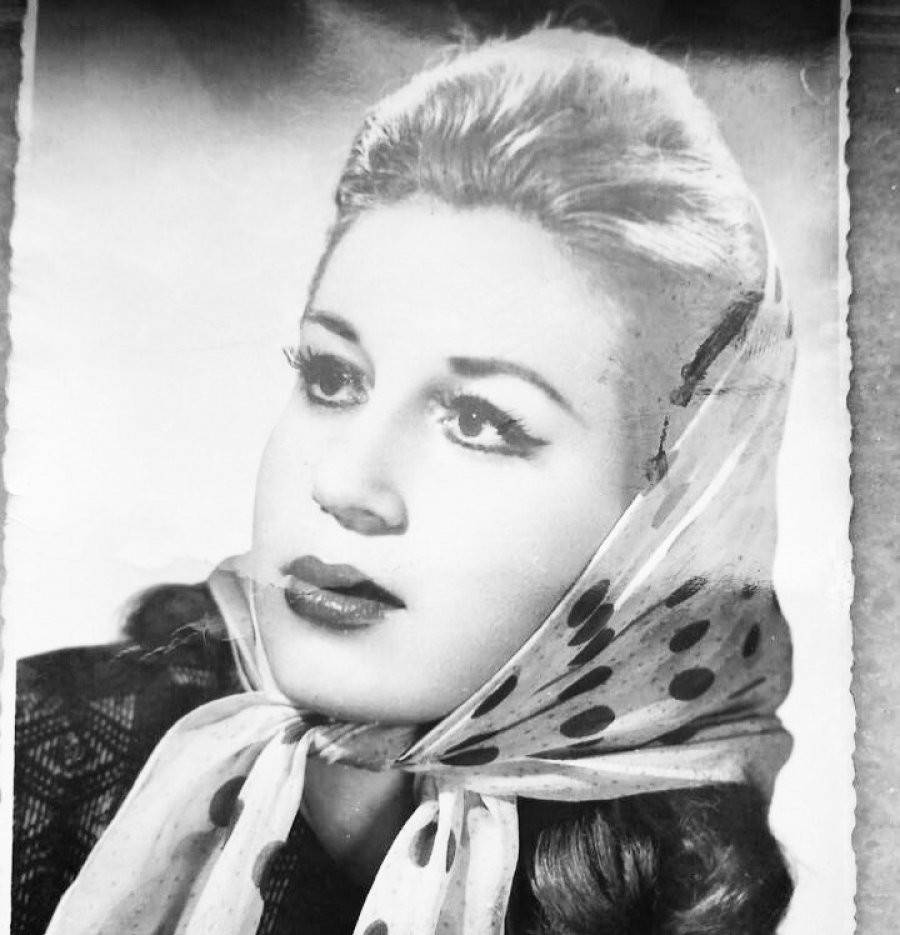
As I spoke with the two women imams who performed the washing, they said, “Your grandmother is very beautiful.” I showed them the picture below of her in her youth, and I said, “She was one of the most beautiful girls in Trabzon in her day.” They said, “She’s like the stars of Yeşilçam; she’s clearly visible.” I told them that women can be beautiful at any age.
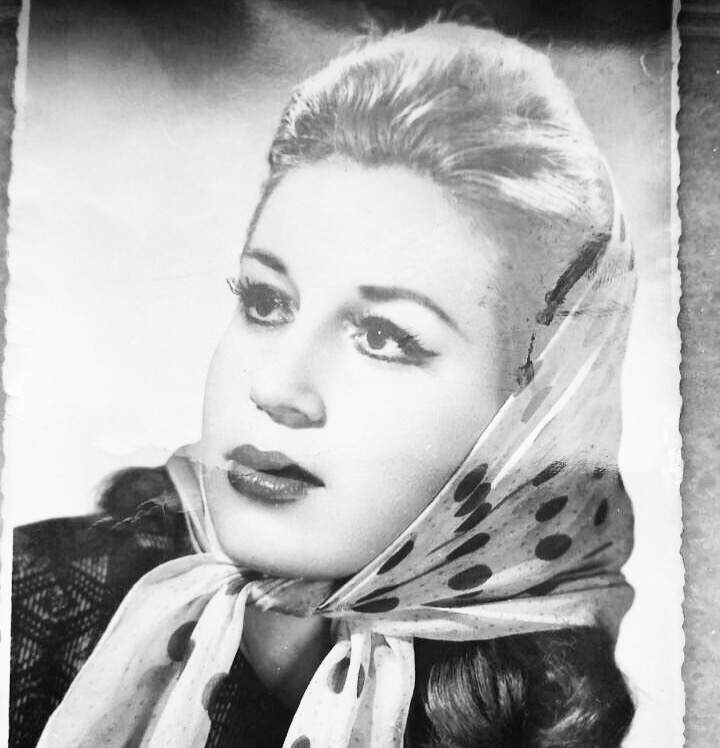
The youth picture I showed.
You can find other pictures of my grandmother below.
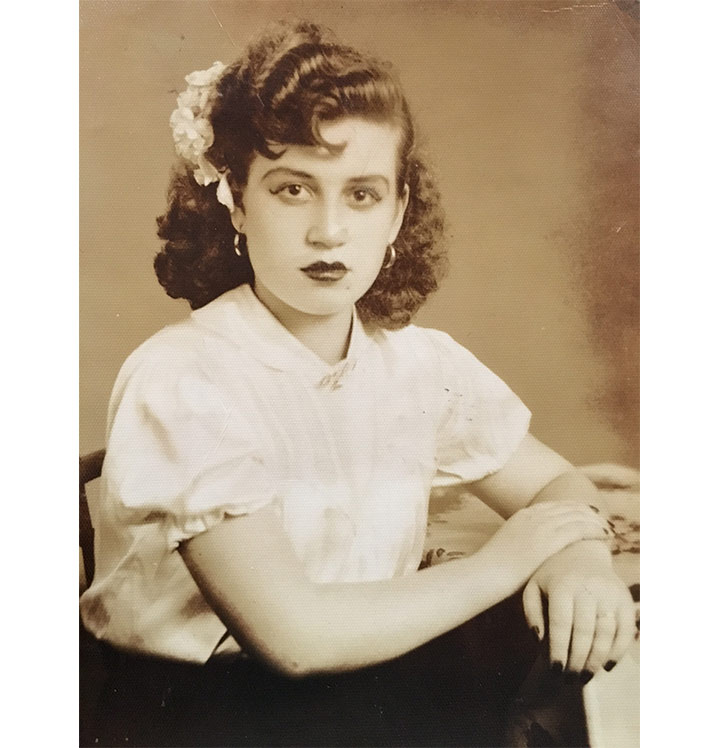
One of my grandmother’s young pictures.
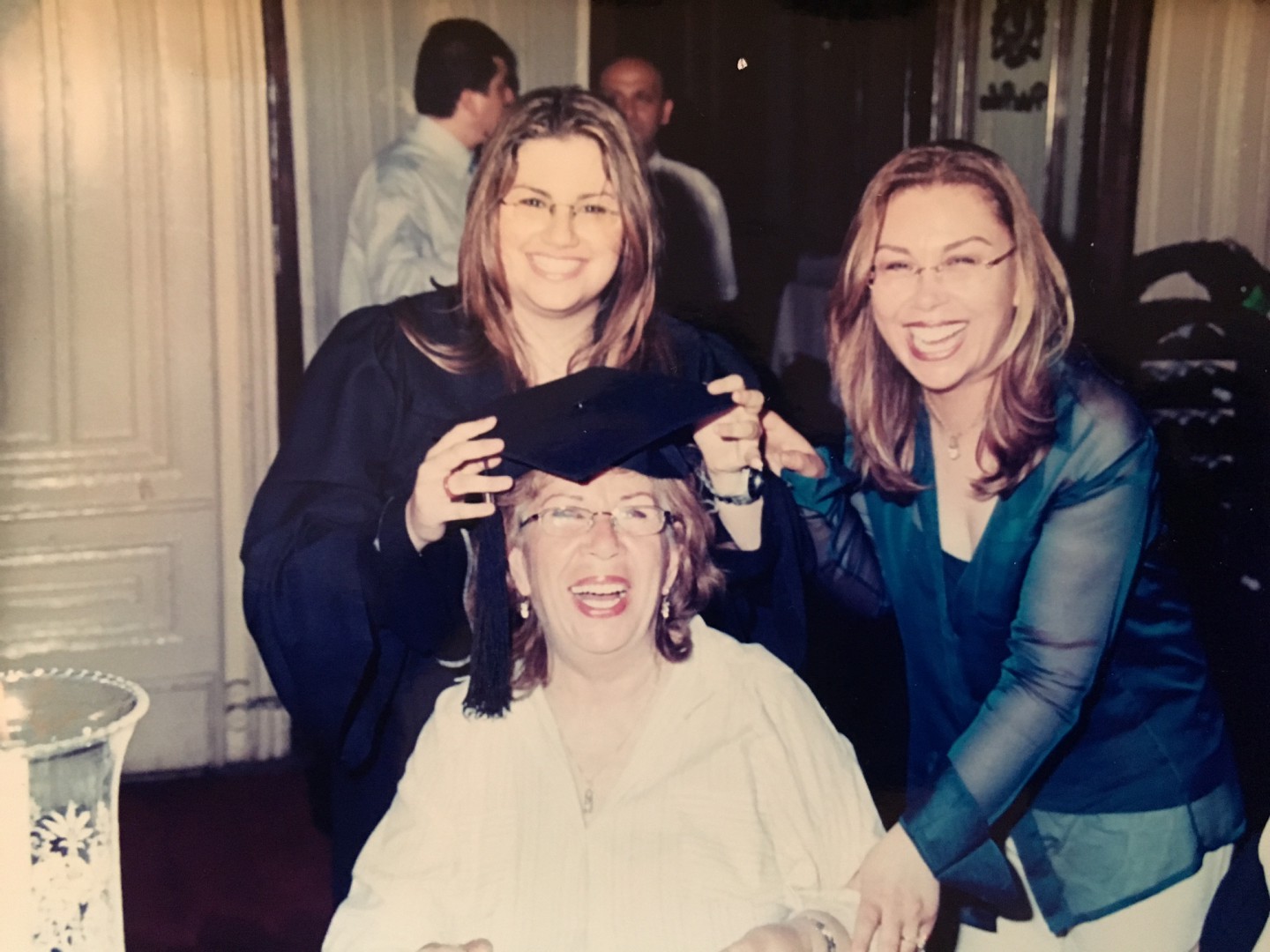
Three generations of our family together after my sister’s graduation. My grandmother, my mother, and my sister.
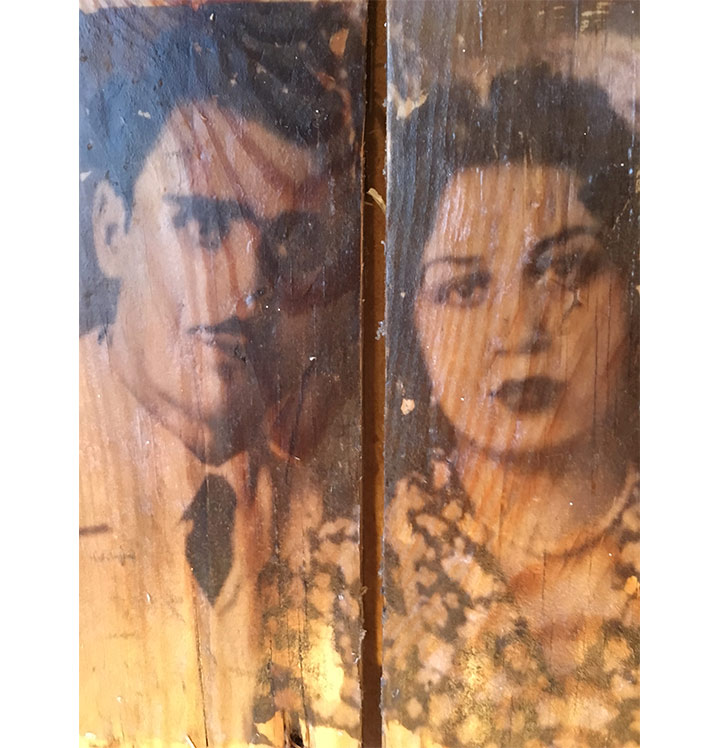
My grandfather, who was a Korean War veteran and grandmother.
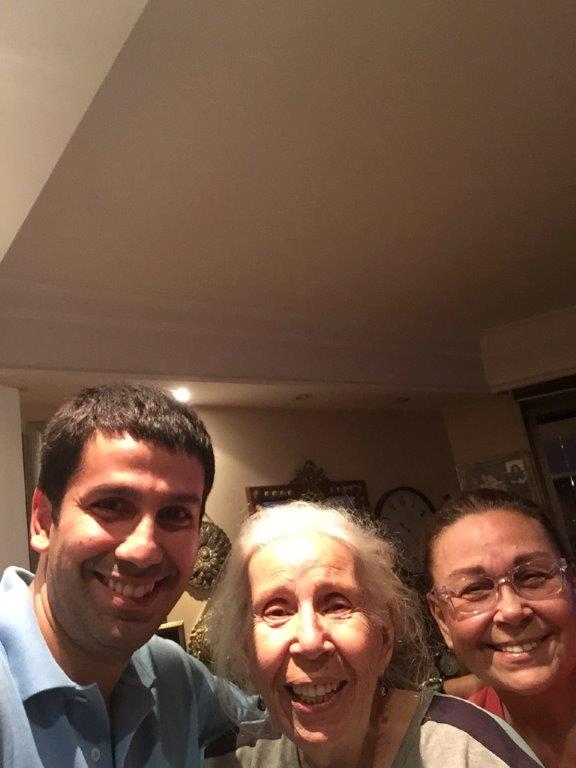
A picture we took about six months ago. My grandmother, my mother, and I.
In conclusion, I’d like to remind everyone that life is finite and encourage you to spend as much time as you can with the people you care about.
Take care.
Tag: health