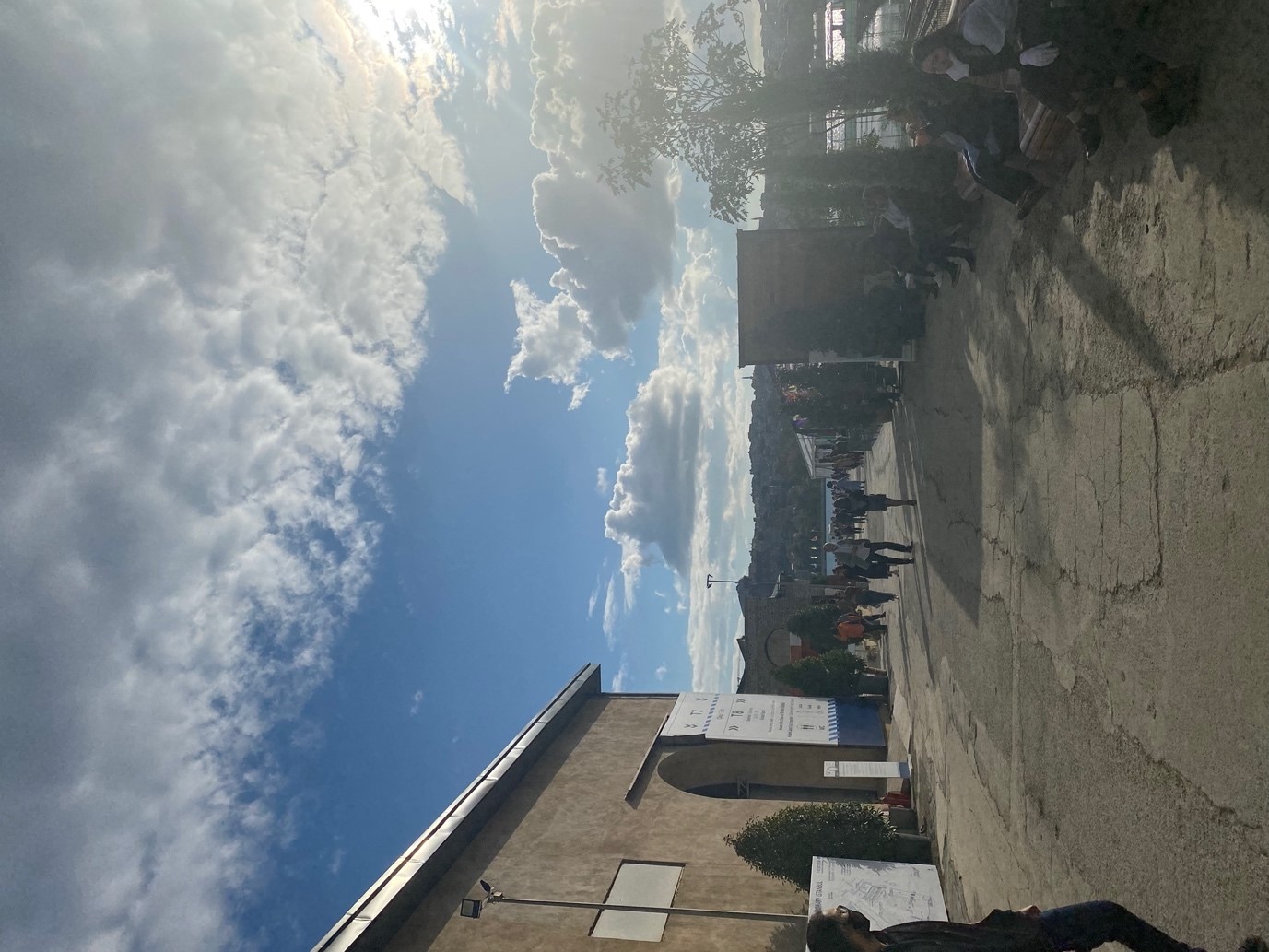
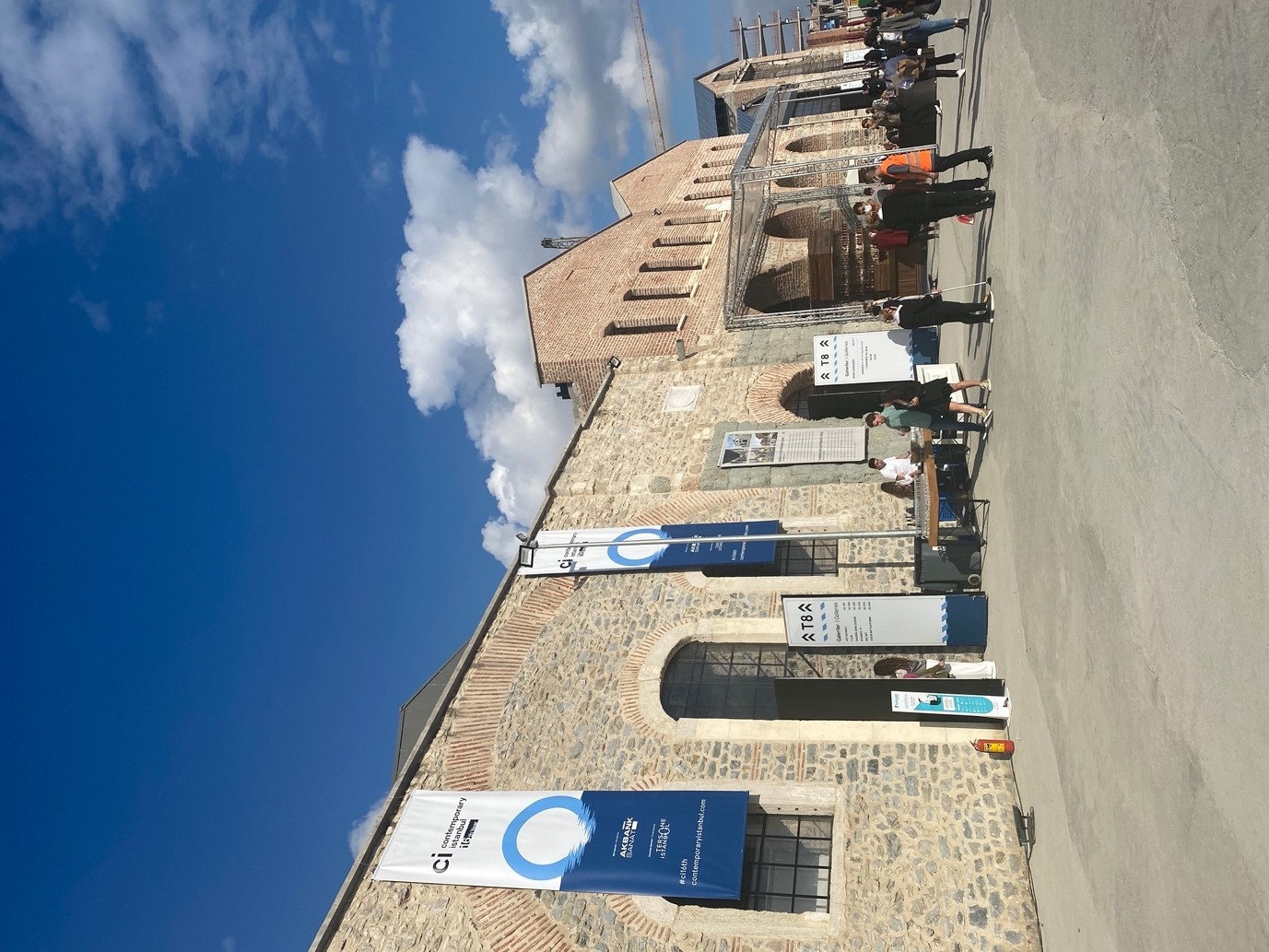
This year, the 16th Contemporary Istanbul (https://www.contemporaryistanbul.com/tr/ ), sponsored by Akbank, took place for the first time at Tersane Istanbul instead of the Lütfi Kırdar Congress Center.
Although the fair’s new location is relatively difficult to reach and located in an unfamiliar neighborhood, we can say that this heartwarming event has truly found its rightful place in Istanbul. Istanbul art lovers enjoyed the cultural activities they had been longing for since the pandemic began at Tersane Istanbul, a venue for a completely restored event on the Golden Horn, historically known as the Golden Horn, where the past meets the modern.
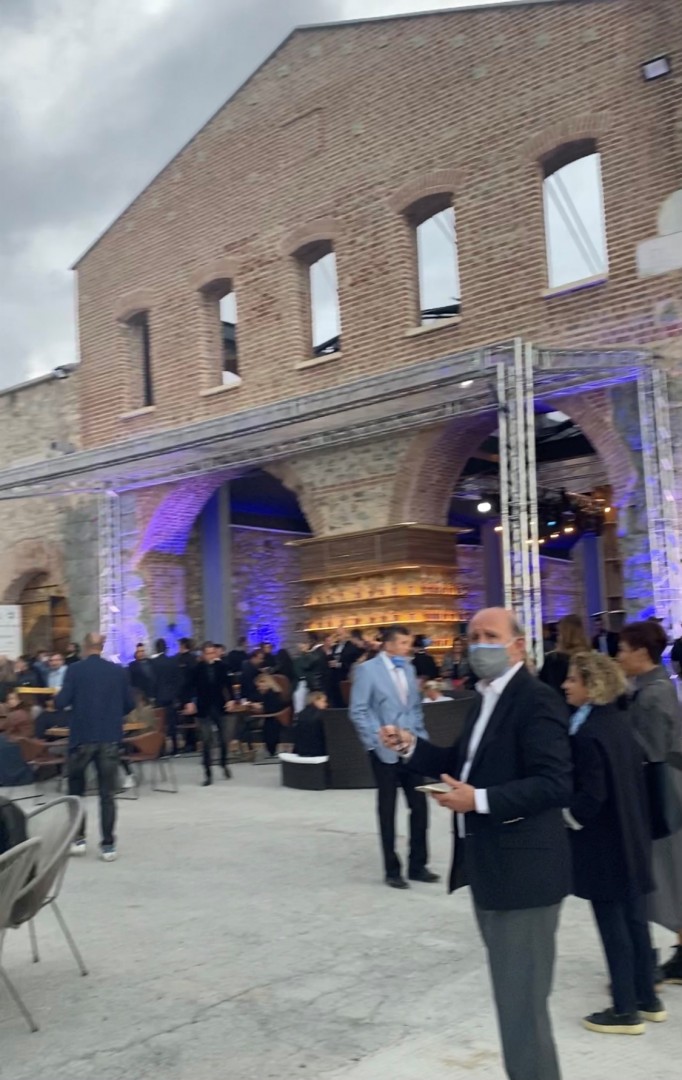
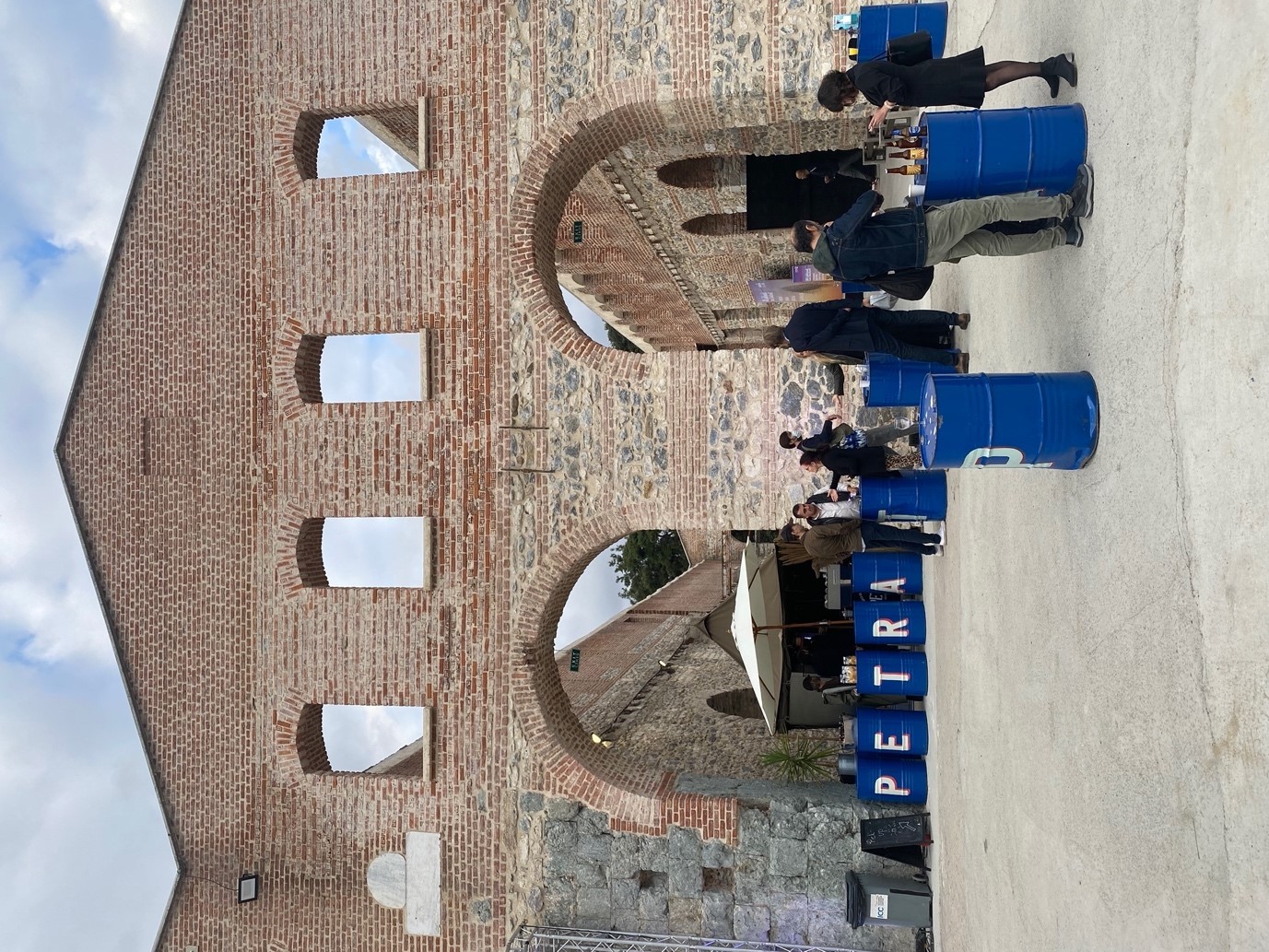
Furthermore, the Akbank Art Jazz Festival (https://www.akbanksanat.com/caz/31-akbank-caz-festivali/program ), celebrating its 31st Anniversary, included jazz concerts at the Tersane Istanbul fairgrounds, bringing together different art forms under a uniquely harmonious roof. The lighting of each space adds to its magic. This year, at CI, they successfully implemented outdoor lighting, and the jazz/blues reflections complement the blue lights beautifully against the brickwork. As with every art fair, the concept was complemented by the delicious food served by well-known restaurants, whether seated, like Borsa Lokantası, or served with portable food trucks like Lucca or Fuudy.
The Impact of the Pandemic on the Fair
Of course, the impact of the current times has also had an impact on the art fair. You could start with the lack of printed brochures, but I think the most significant difference was the smaller crowds at the opening. Art fairs are a place that brings together artists and art lovers, professionals who practice art as a profession, and enthusiasts. Artworks often broaden one’s horizons and provide new perspectives on social or global issues. At the same time, the artists behind the works can be quite vibrant individuals. Consequently, fairs often provide a platform for conversation with these diverse individuals. While visiting this year’s Contemporary, we enjoyed the presence of many artists and were able to chat with them behind masks, just as we did with everyone else. We also observed the artists’ distinctive and unique mask choices.
This year, Tersane Istanbul held the fair on 9,500 m2 of indoor and 10,000 m2 of outdoor space, by the sea, with plenty of air and even a gentle breeze. While the number of participating galleries was slightly lower than in previous years’ 70-odd, this brought a sense of spaciousness.
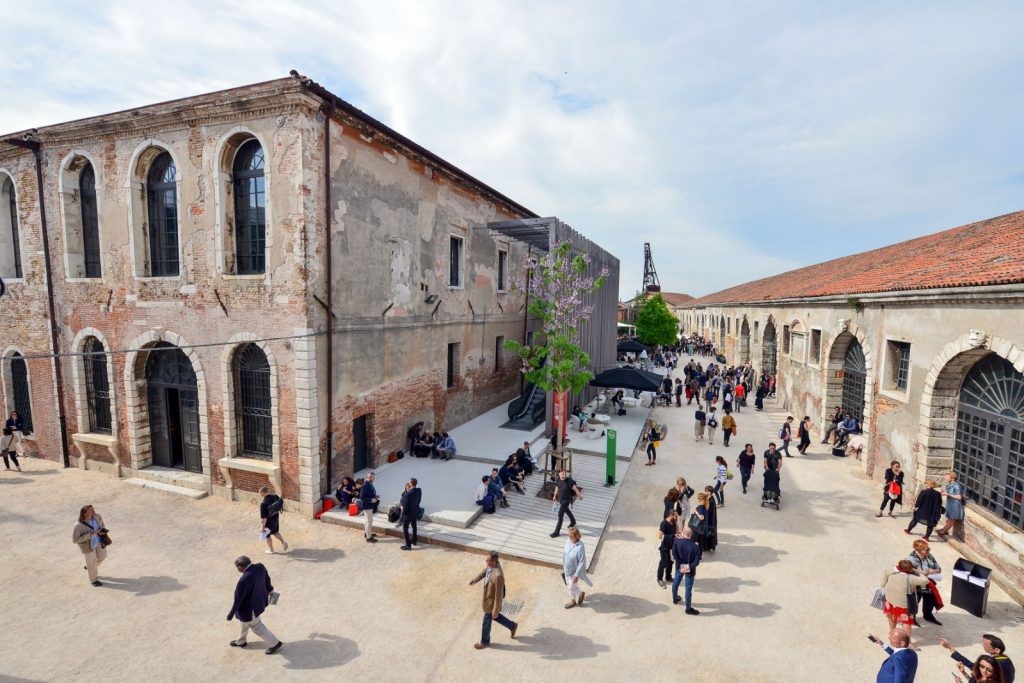
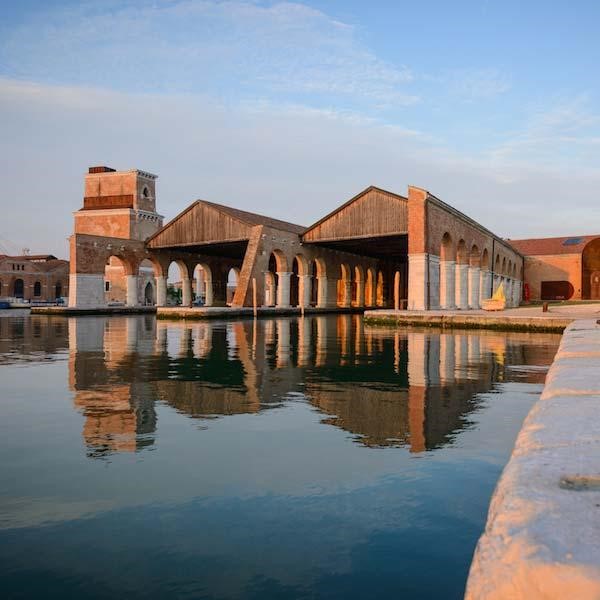
The best feature of the new venue is that it’s said that visiting the fair feels like visiting a biennial in Venice. The Venice Shipyard, or Arsenale, is one of the two main venues where the Venice Biennale takes place every two years. Since 2014, the Sale d’Armi building within the Venice Shipyard has also hosted the Türkiye Pavyonu art and architecture exhibitions at the Venice Biennale. https://www.iksv.org/tr/venedik-bienali-turkiye-pavyonu/hakkinda
Venice- Arsenale
Venice, like Istanbul, is a historic city where water is at the forefront. The Venetian Arsenal was once a staging area for warships and, just as the Golden Horn was for the Byzantine and Ottoman Empires, one of the most important sites of the Venetian Empire. The choice of venue was a perfect fit for the city’s texture and history. It is certainly far more special than an indoor congress hall. In a city as rich in spirit and character as Istanbul, a fairground, as if it were a later development like Dubai, is a fitting choice.
Artworks that left a mark
It’s impossible to talk about the fair without mentioning the works that have left a lasting impression. Here are the works that first came to mind during my initial impressions of the opening rush:
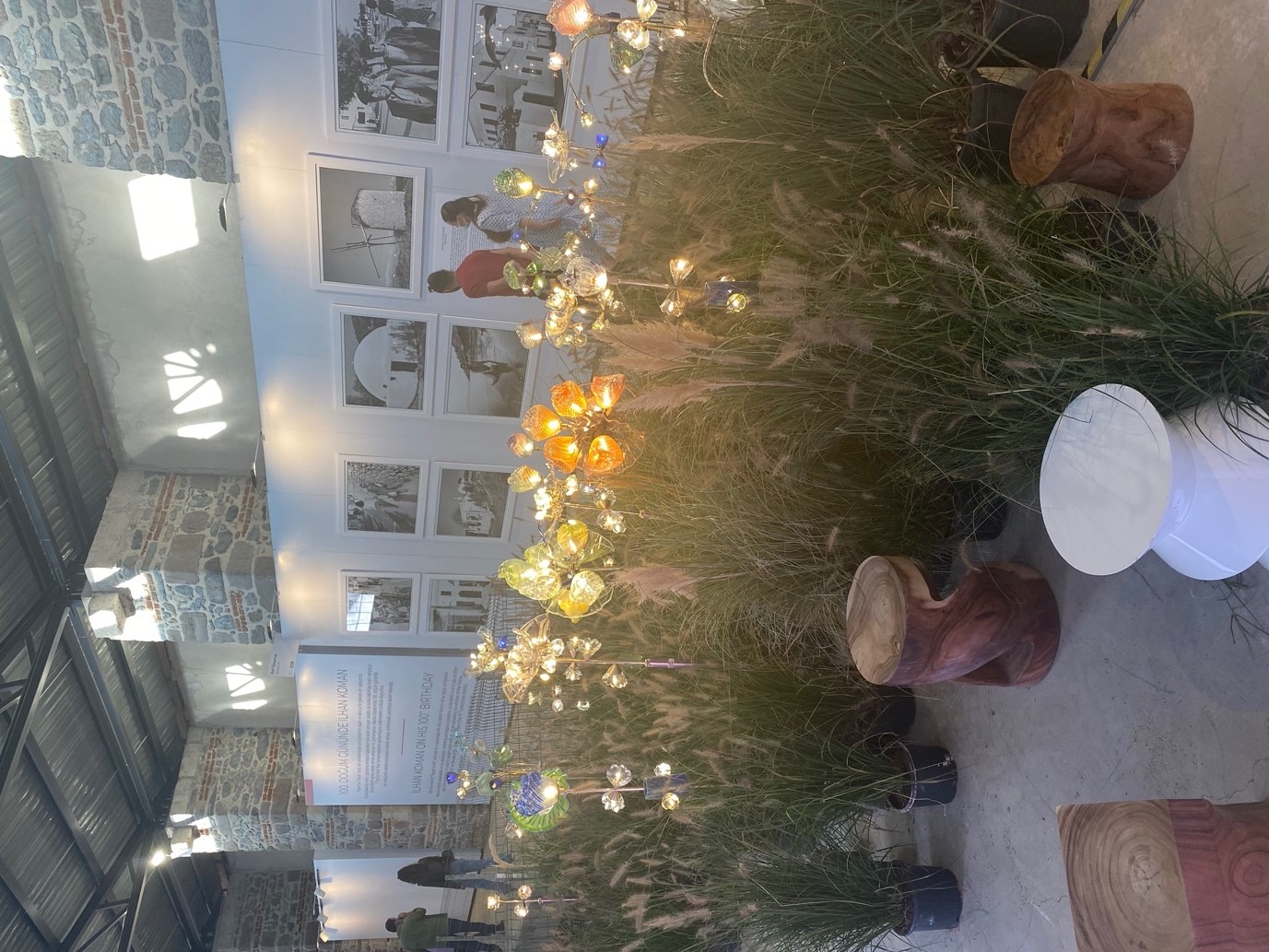
Sema Topaloğlu https://sematopaloglu.com/ – Reflective Garden
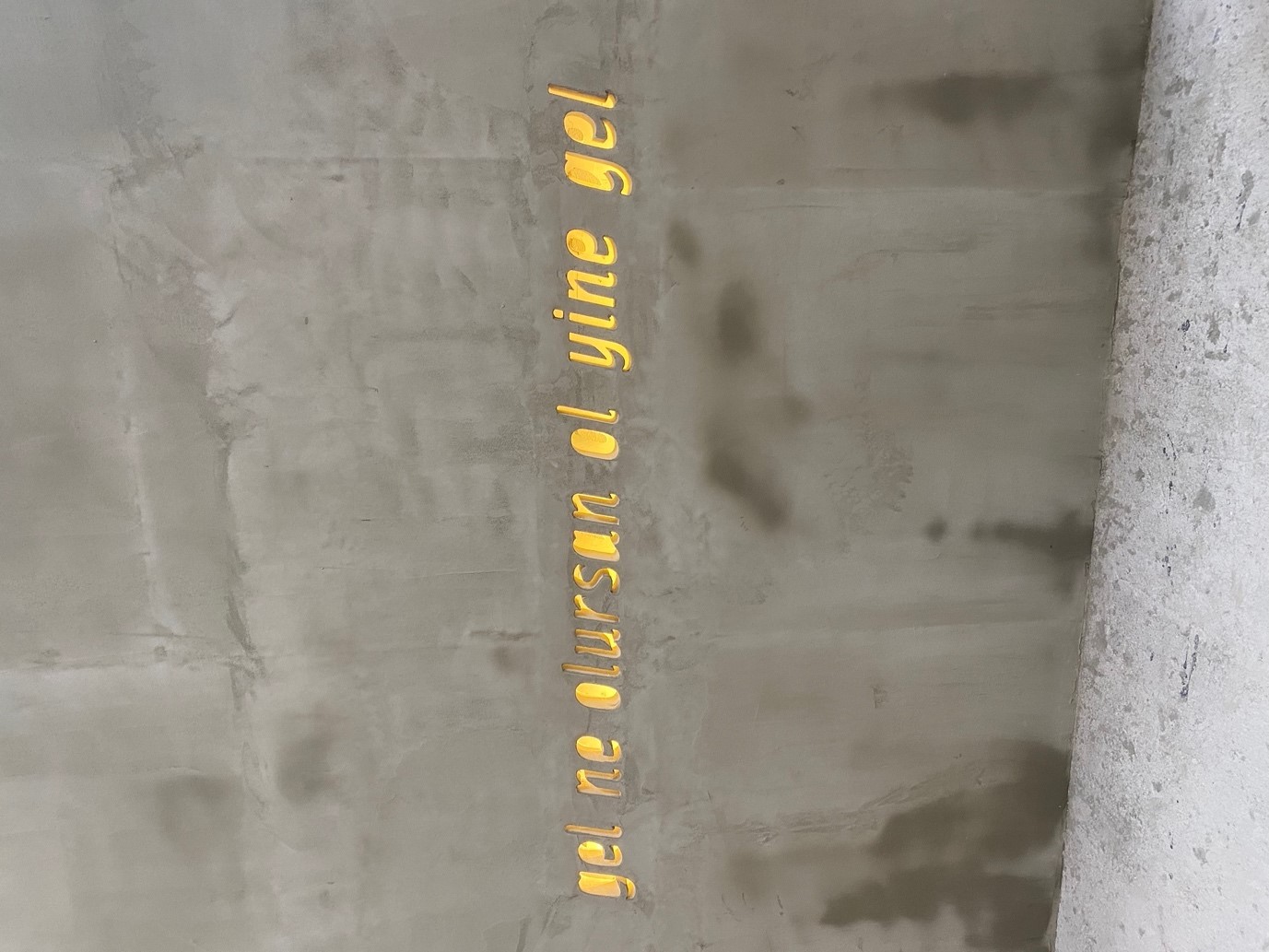
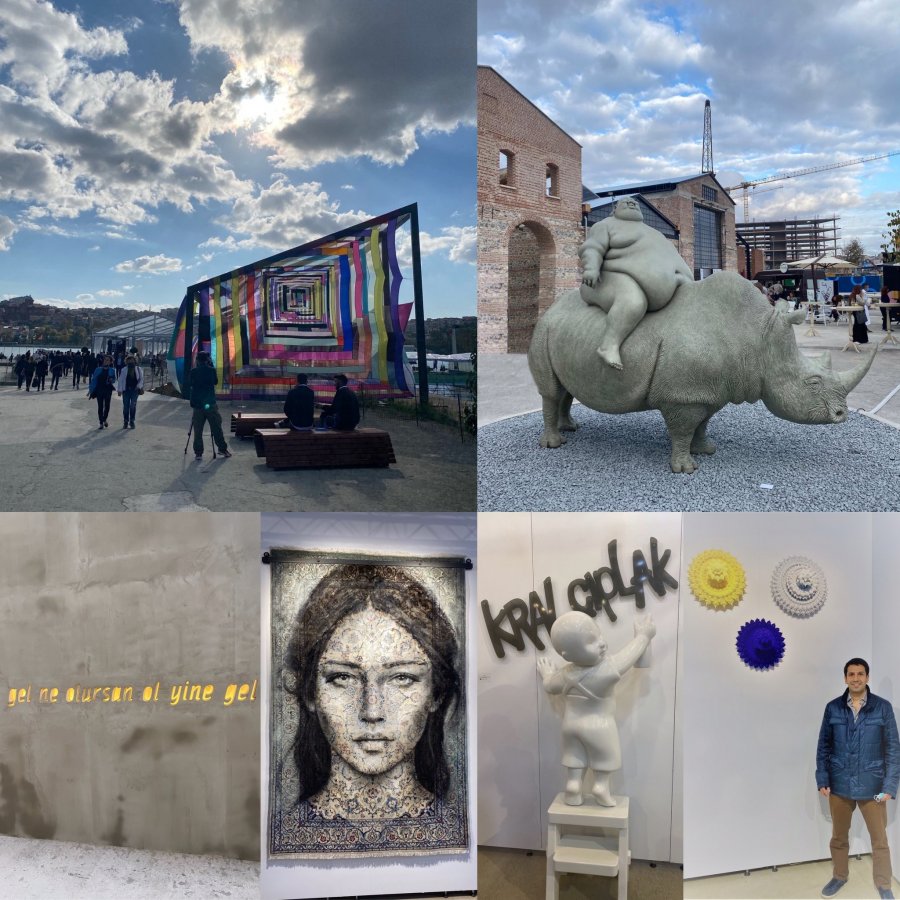
Leyla Emadi (http://www.leylaemadi.com/ Gel ne olursan ol yine gel
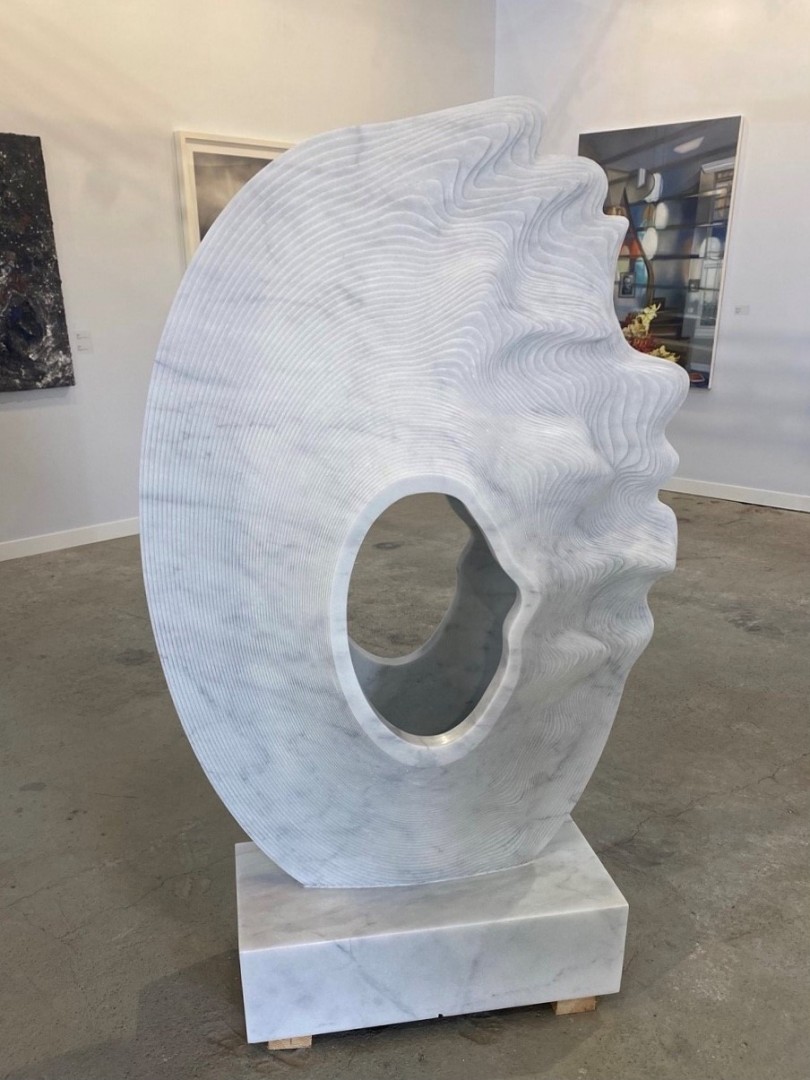
Seçkin Pirim (https://www.seckinpirim.com/ Ruh- mermer işleme
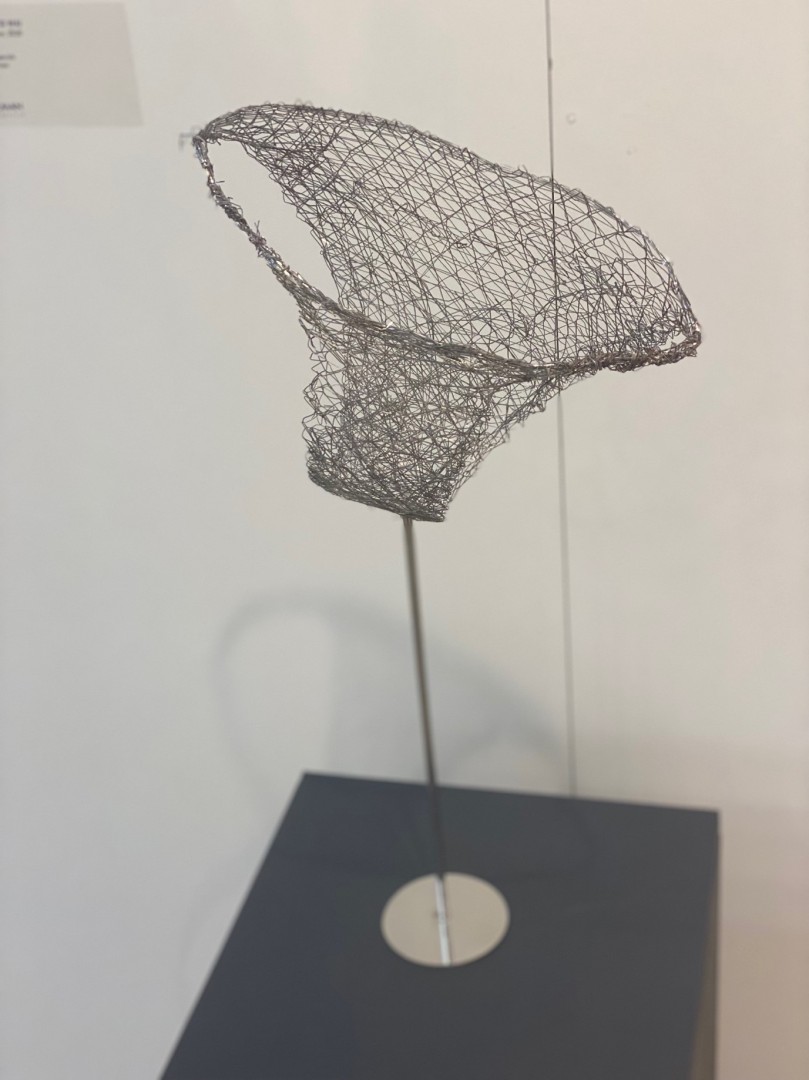
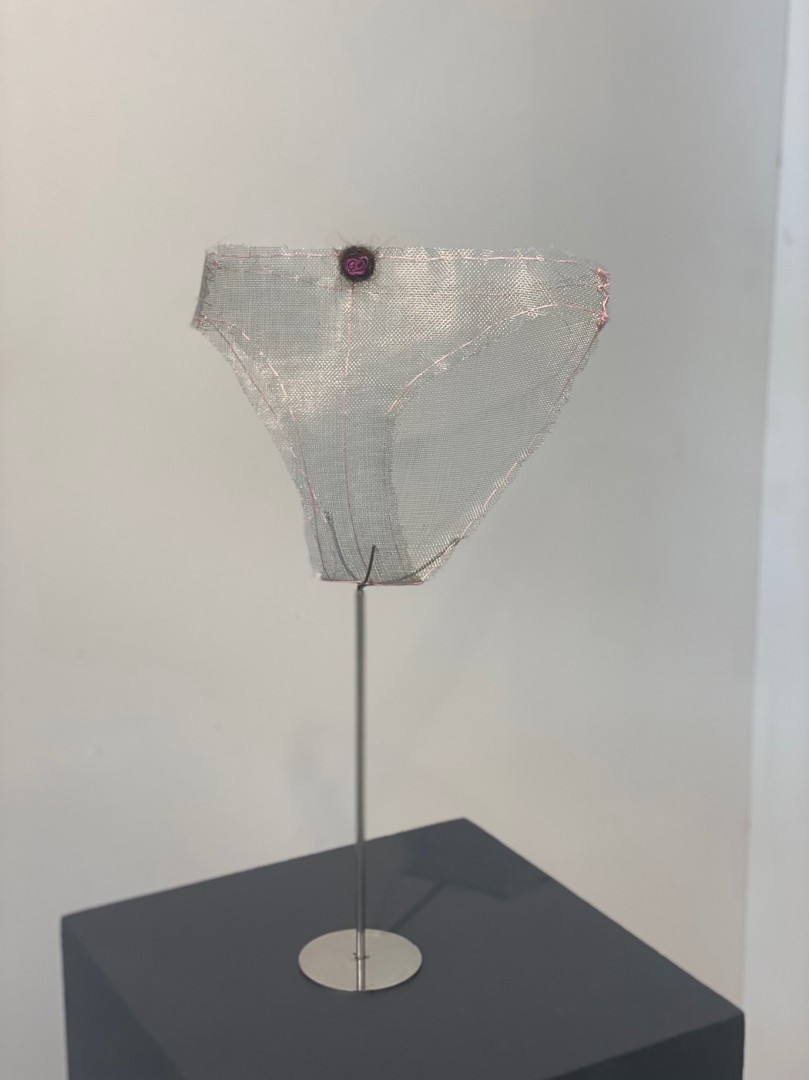
Fatoş İrwen – Zırh serisi- çelik tel ve saç tellerinden
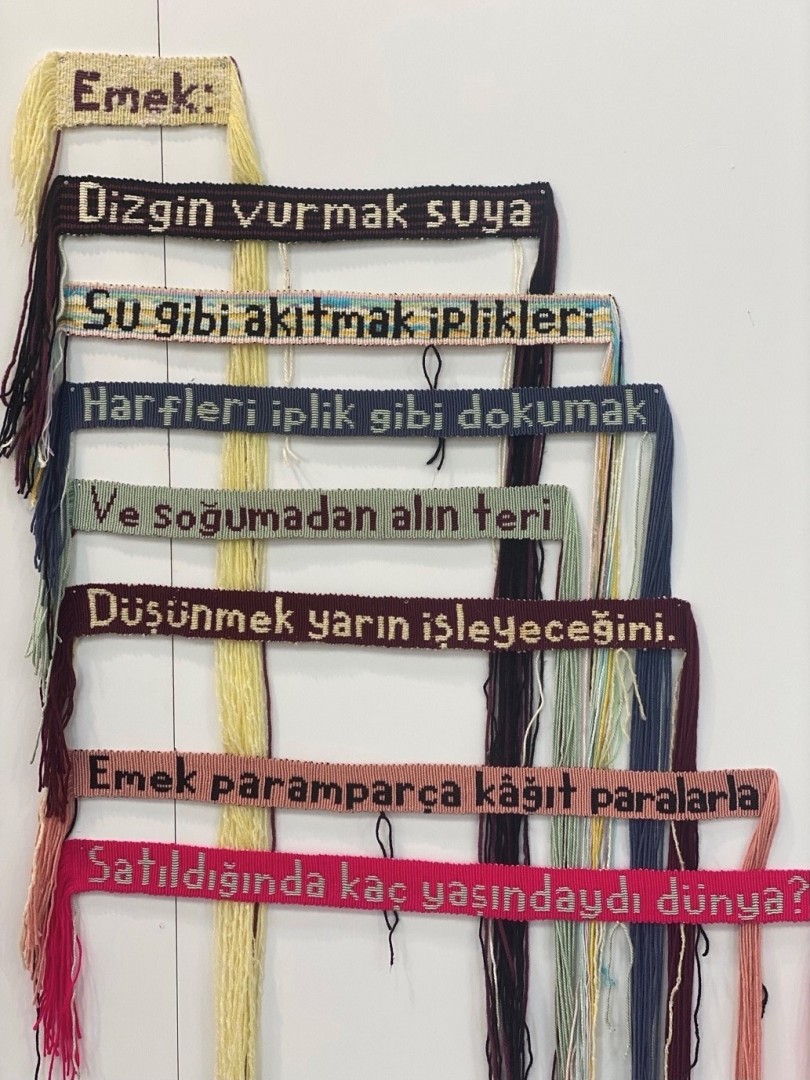
Eşref Yıldırım (https://www.zilbermangallery.com/esref-yildirim-a154-tr.htm) – Emek -Tuval Üzerine Karışık teknik ve örgü
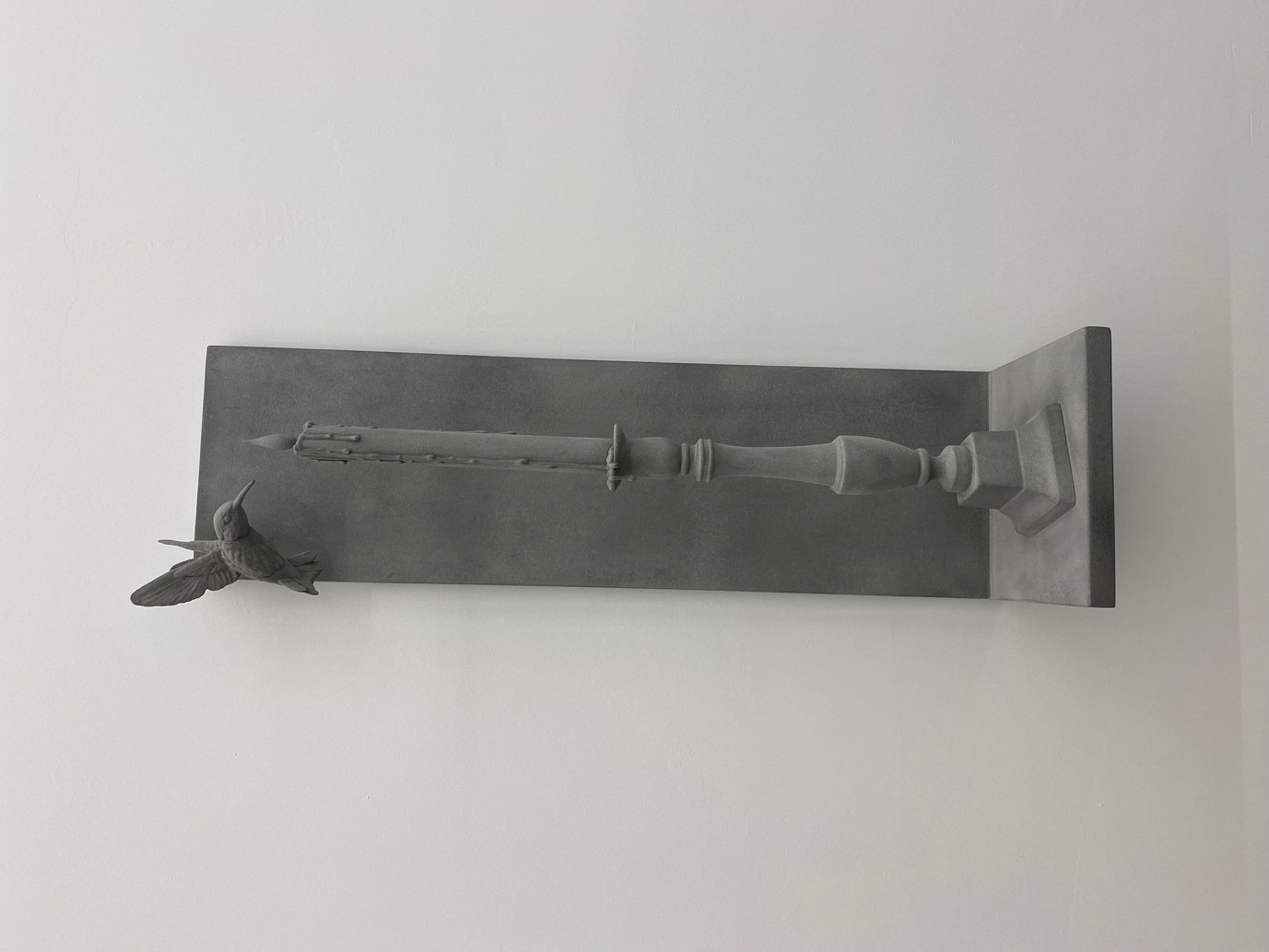
Hans Op De Beeck (https://hansopdebeeck.com/) -Sinekkuşu, polyster, kaplama, metal ve MDF
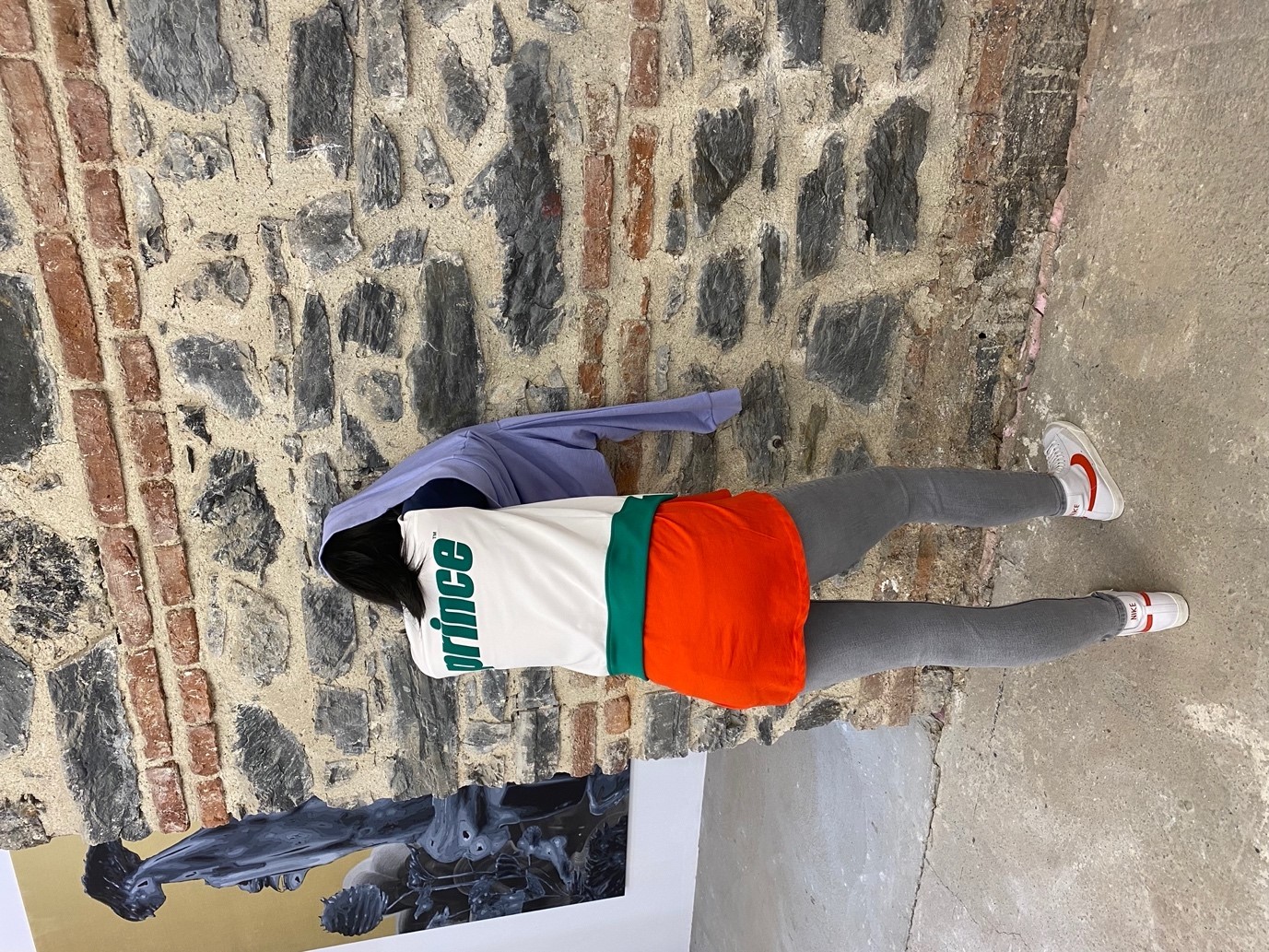
Daniel Firman (http://danielfirman.com/ -Tavır Hande
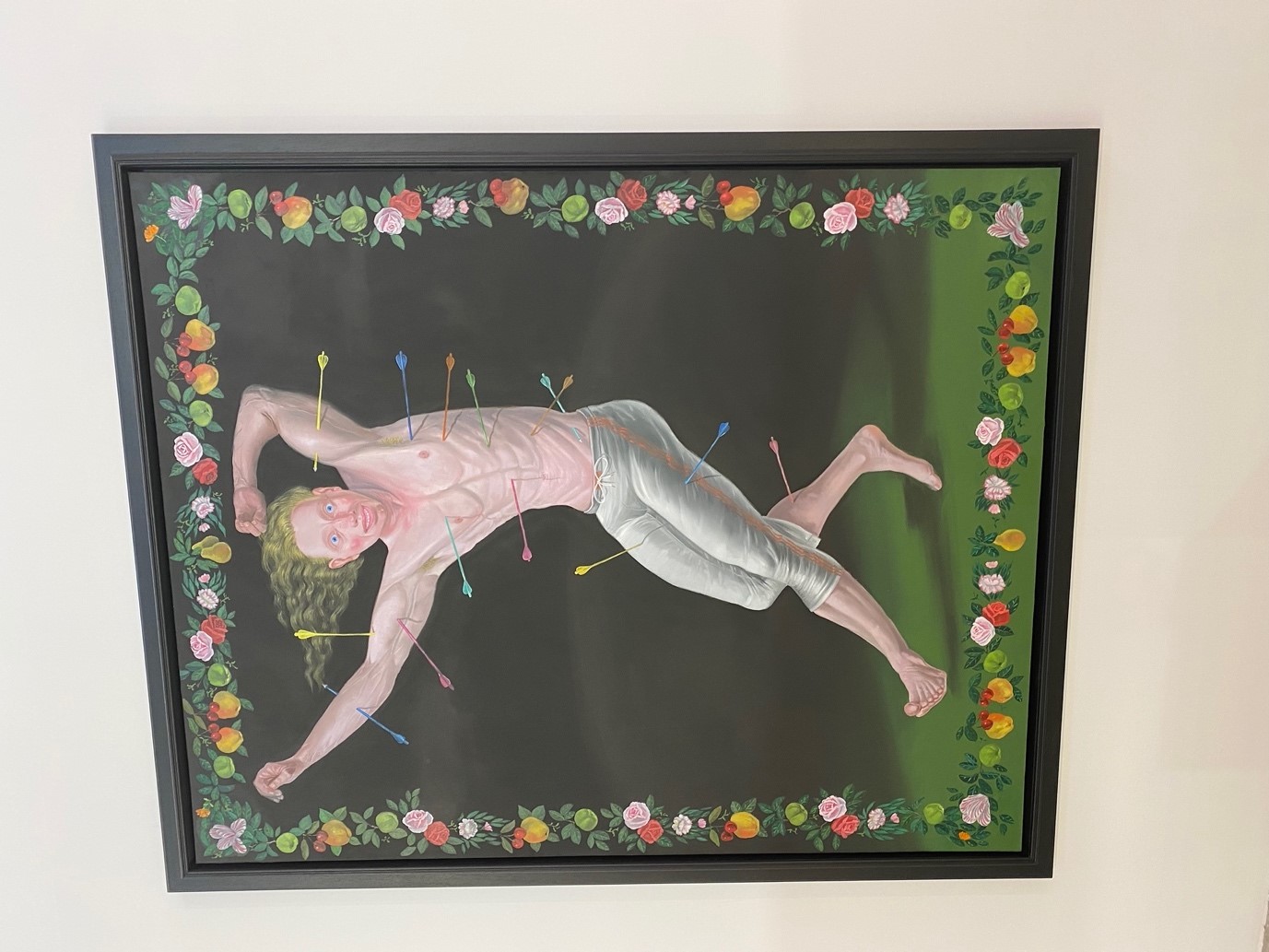
Ali Elmacı (https://www.alielmaci.com/ – Dudaklarımı Öp Kalbimi Hançerle
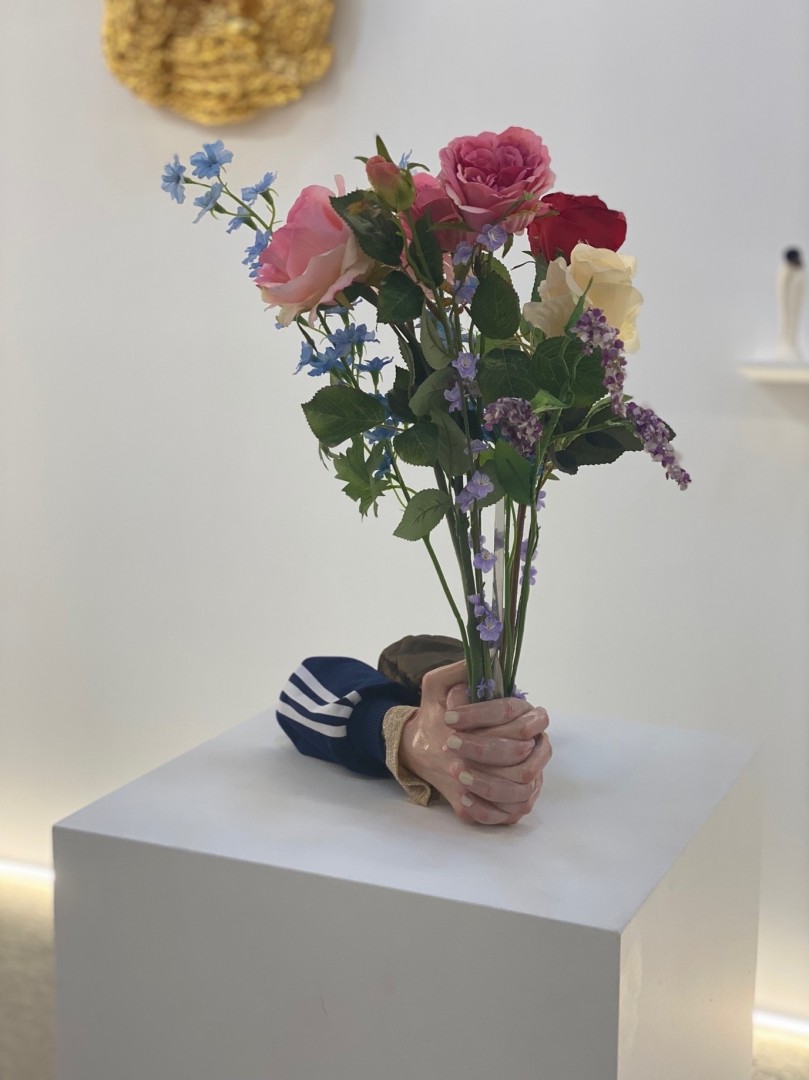
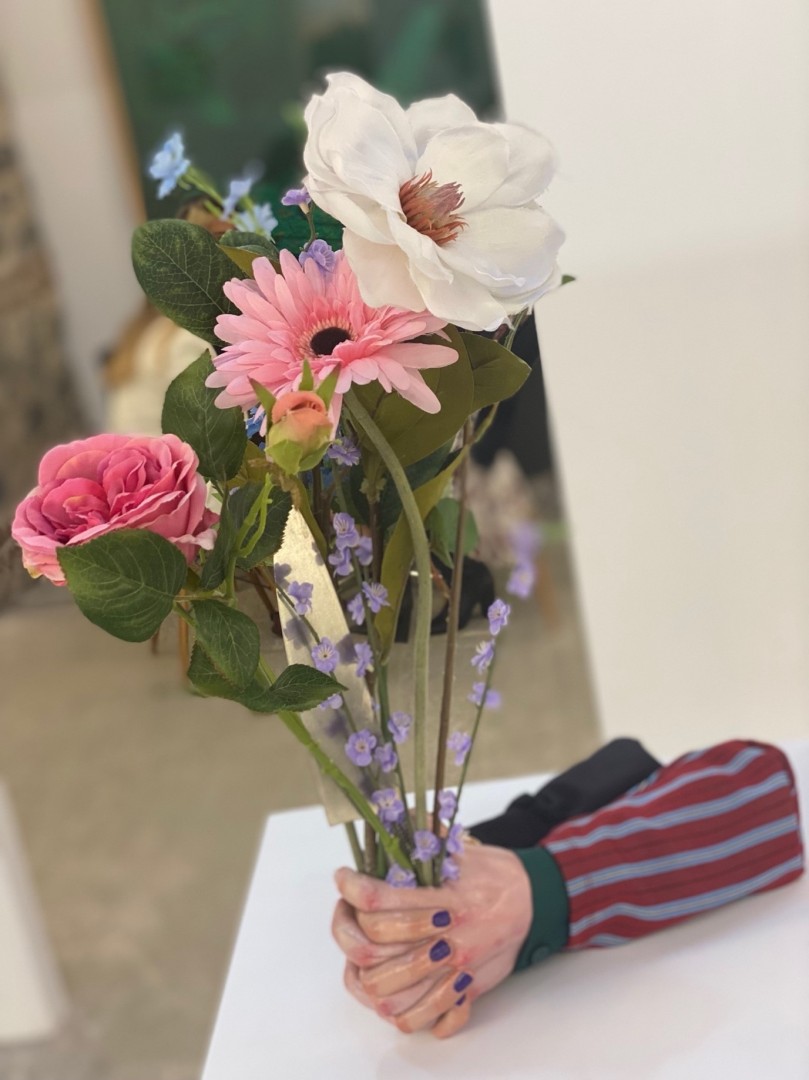
Ali Elmacı- Sürprizlere bayılırım
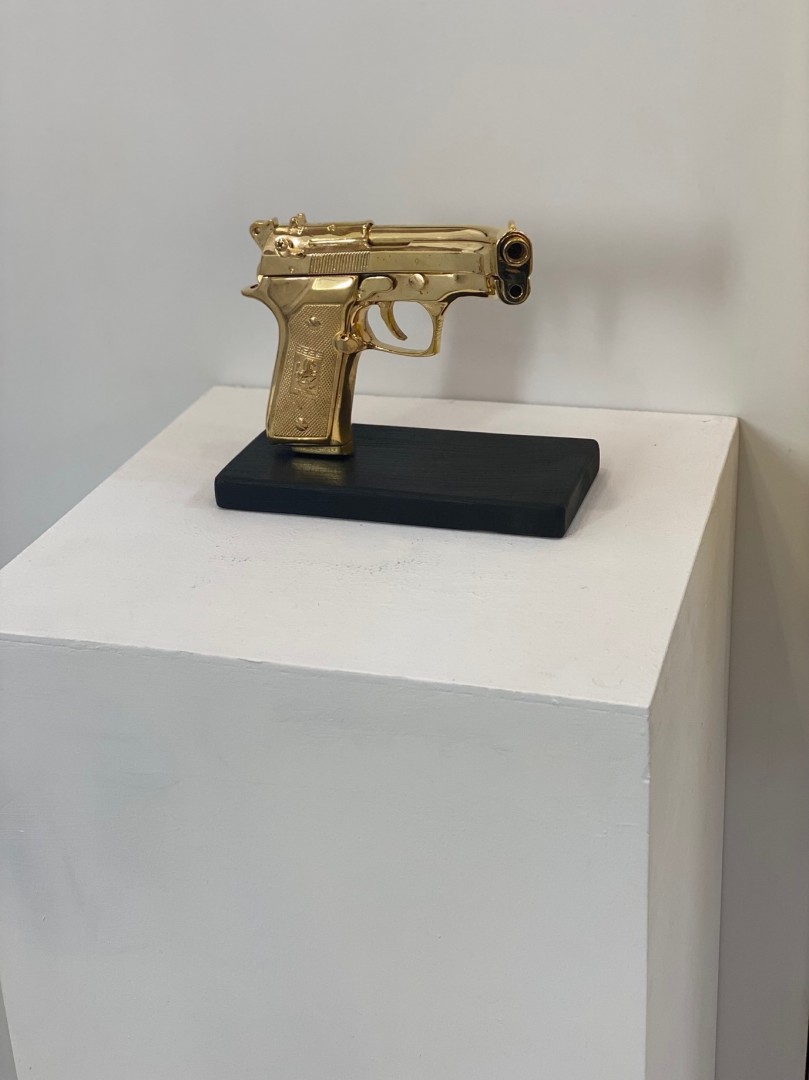
Halil Altındere (http://www.pilotgaleri.com/en/artists/detail/30 – Görünmez Kurşun -bronz döküm el yapımı silah
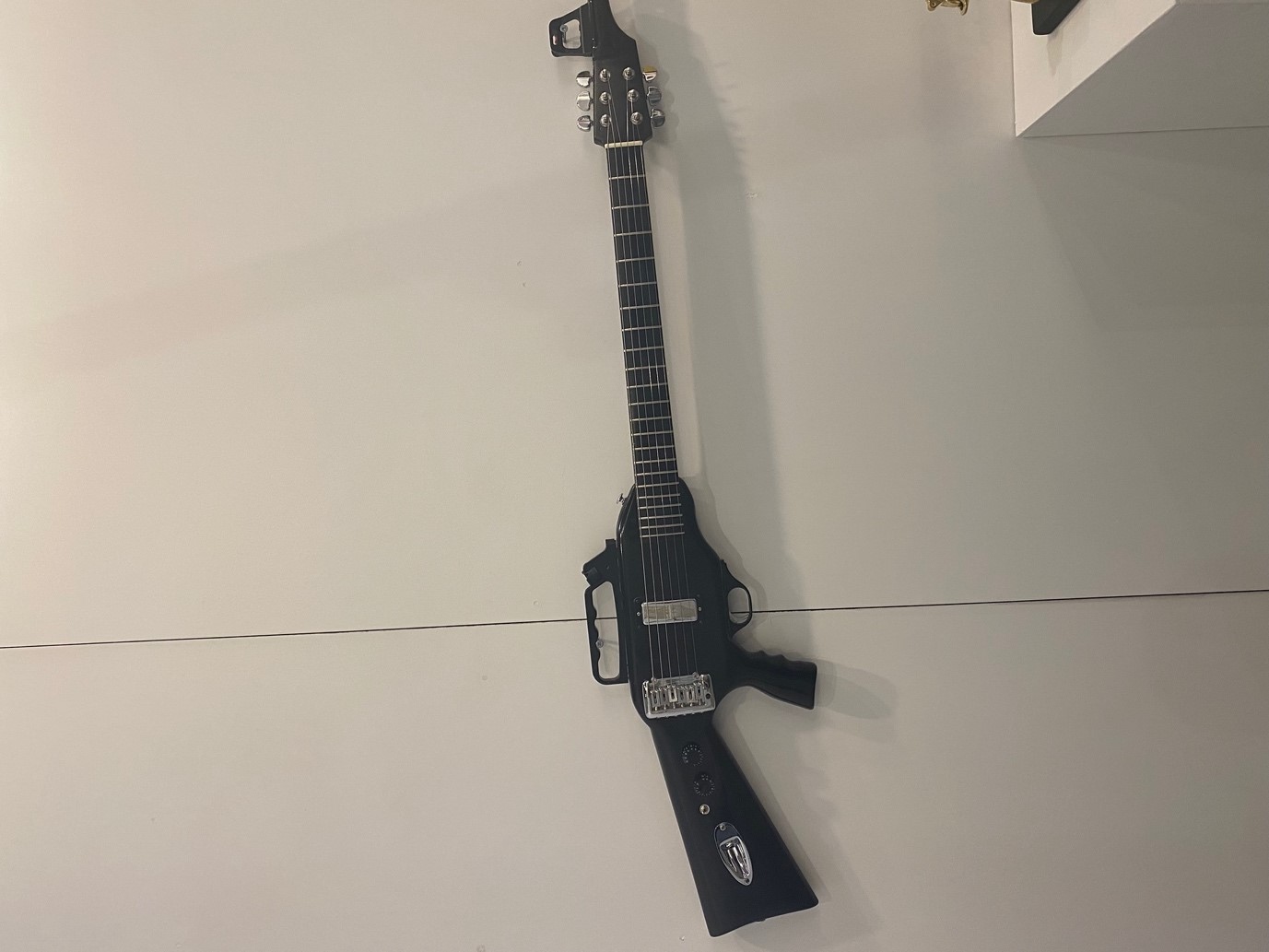
Halil Altındere – Music is My Weapon- El yapımı silah şeklinde elektro gitar
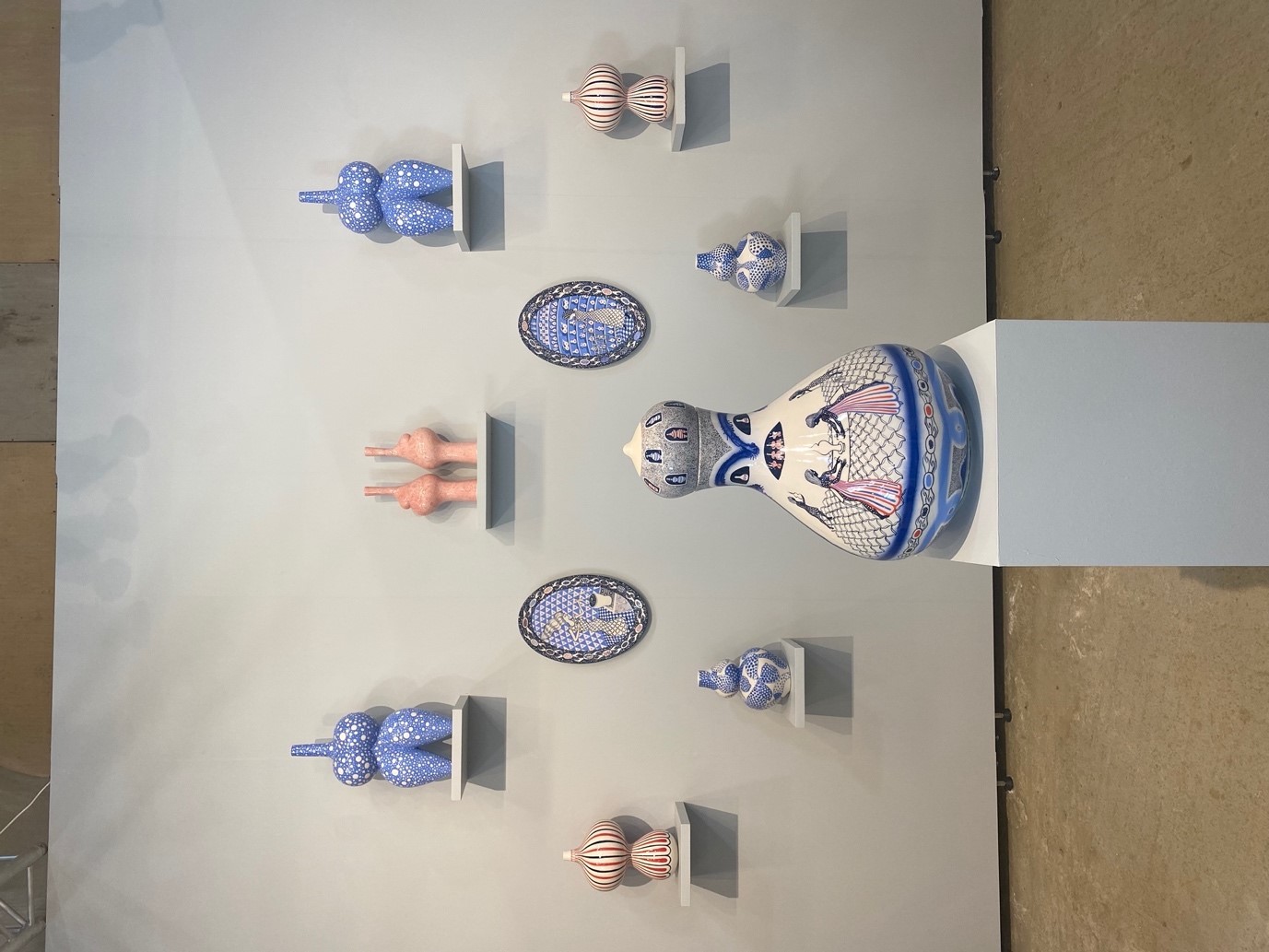
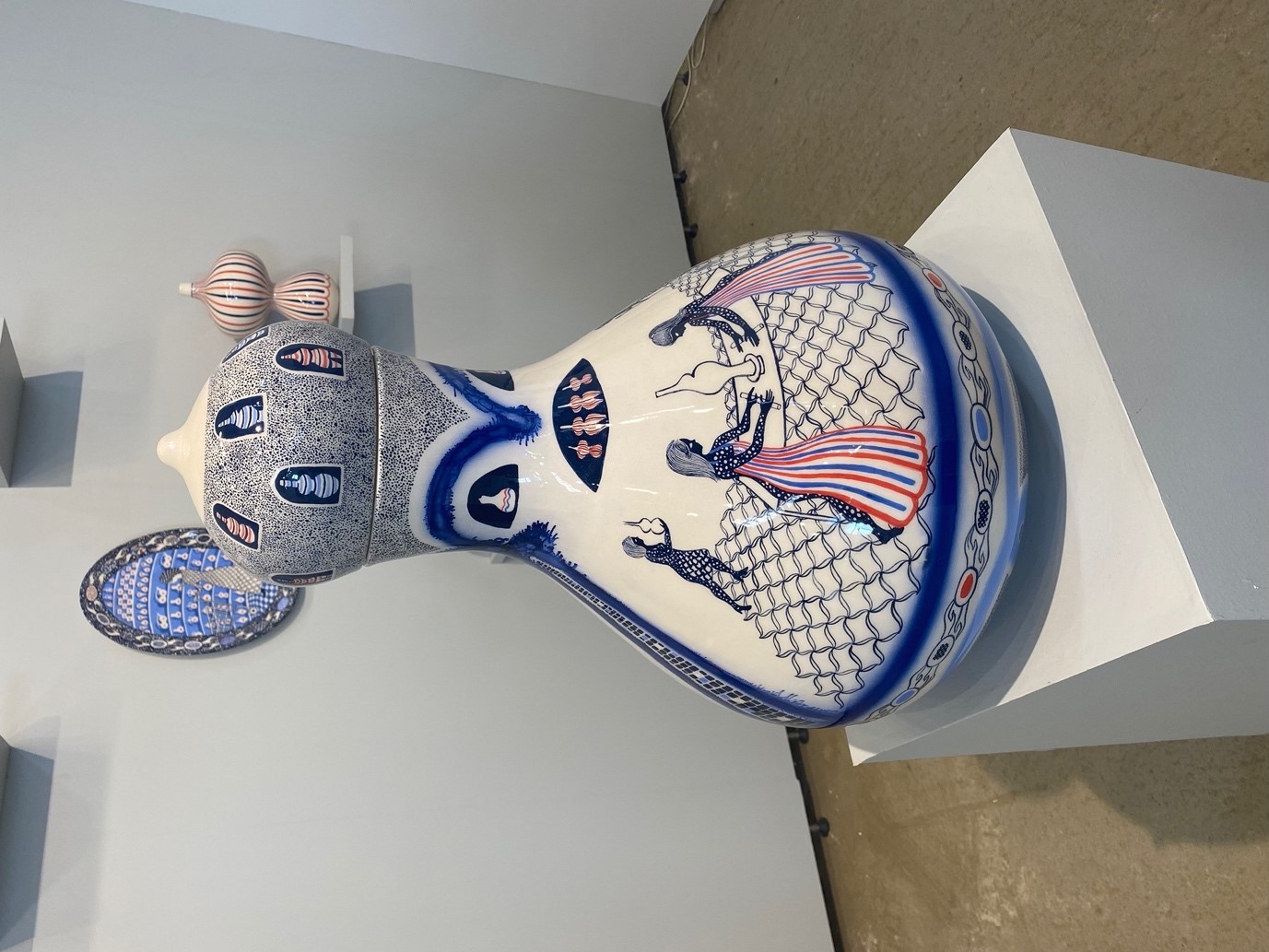
Elif Uras (https://www.elifuras.com/ – various ceramics
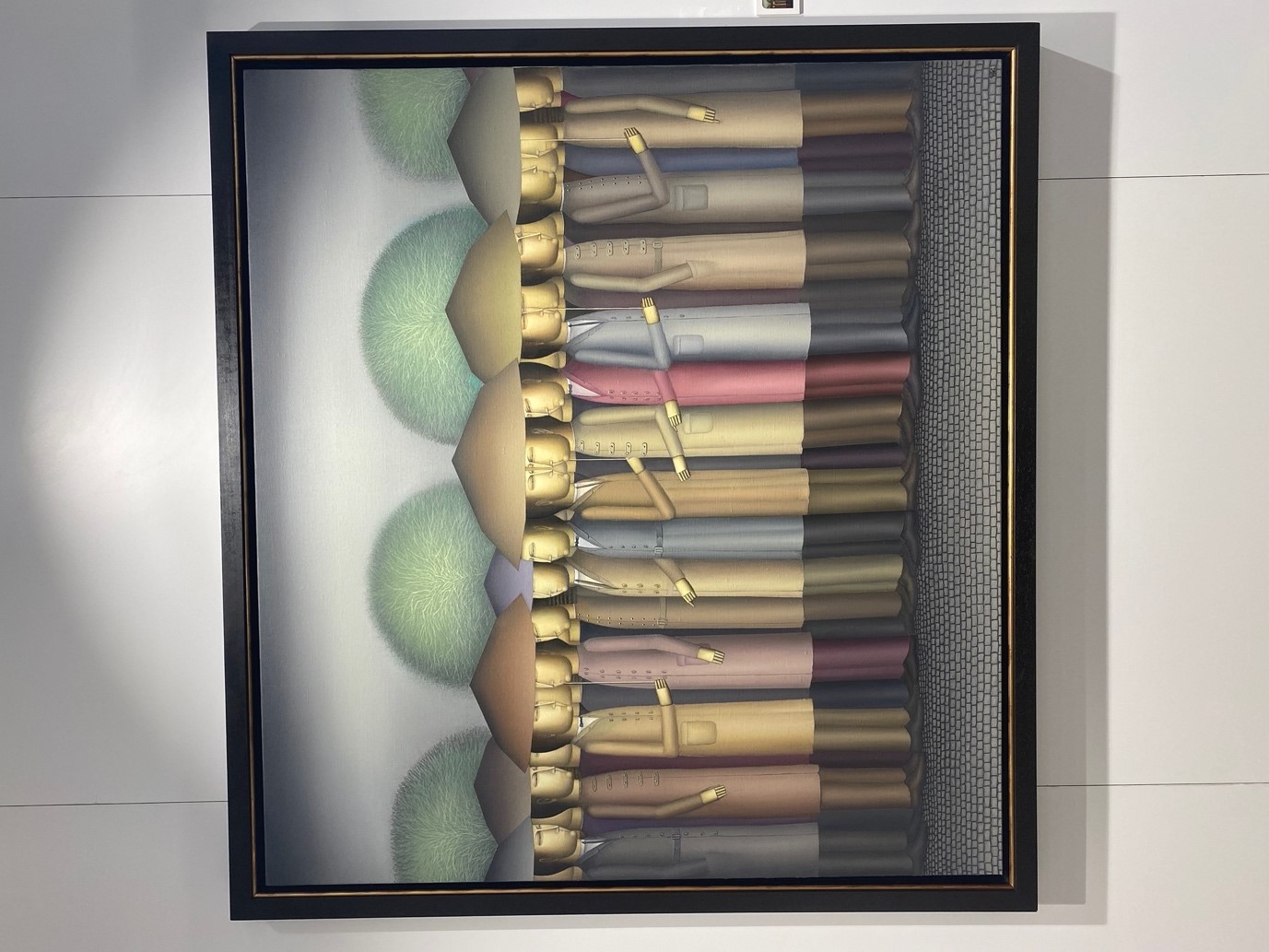
Armen Gevorkian (https://www.galeri77.com/sanatci_detay.asp?sanid=3 – Göç
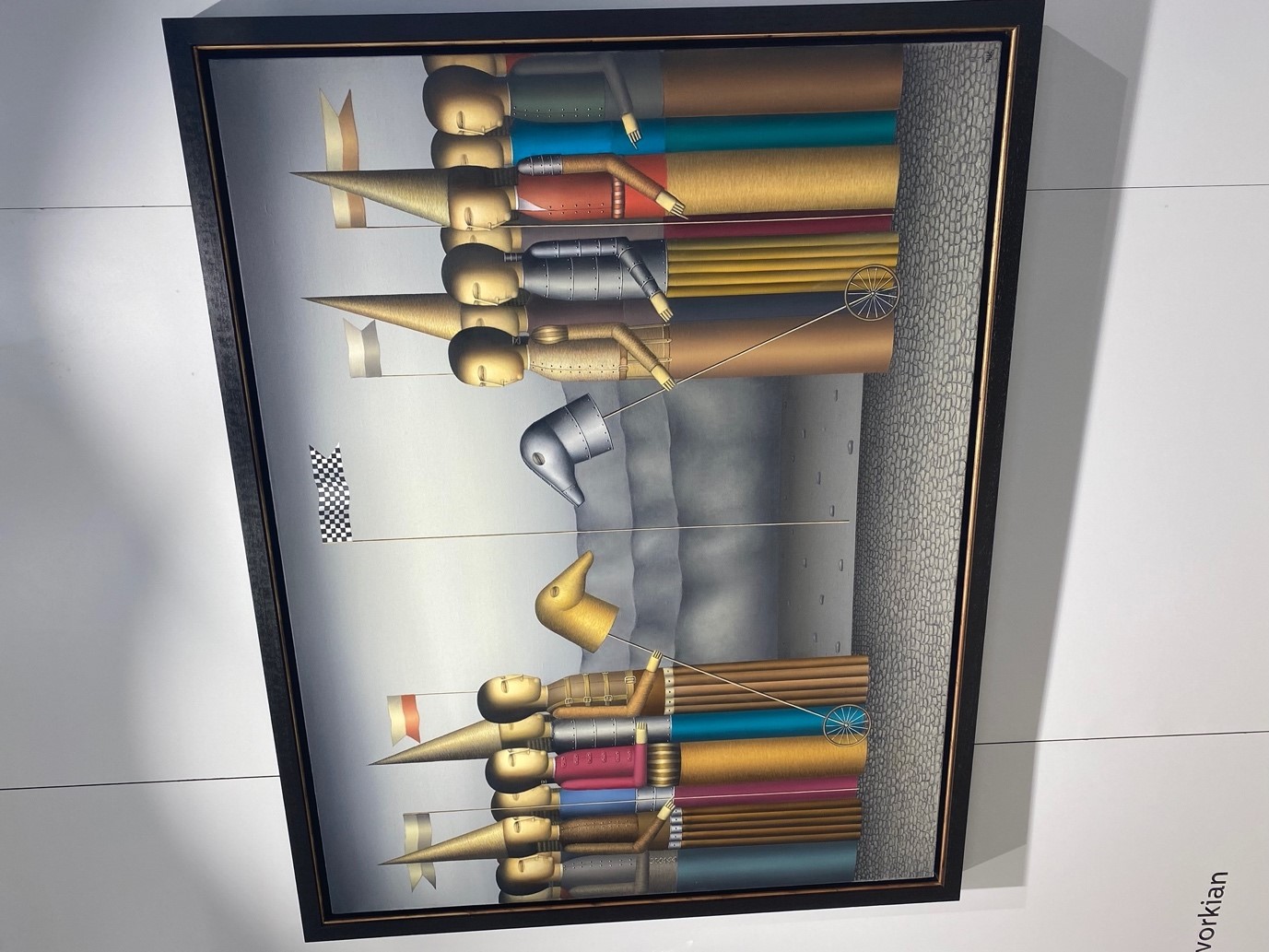
Armen Gevorkian – Kavga
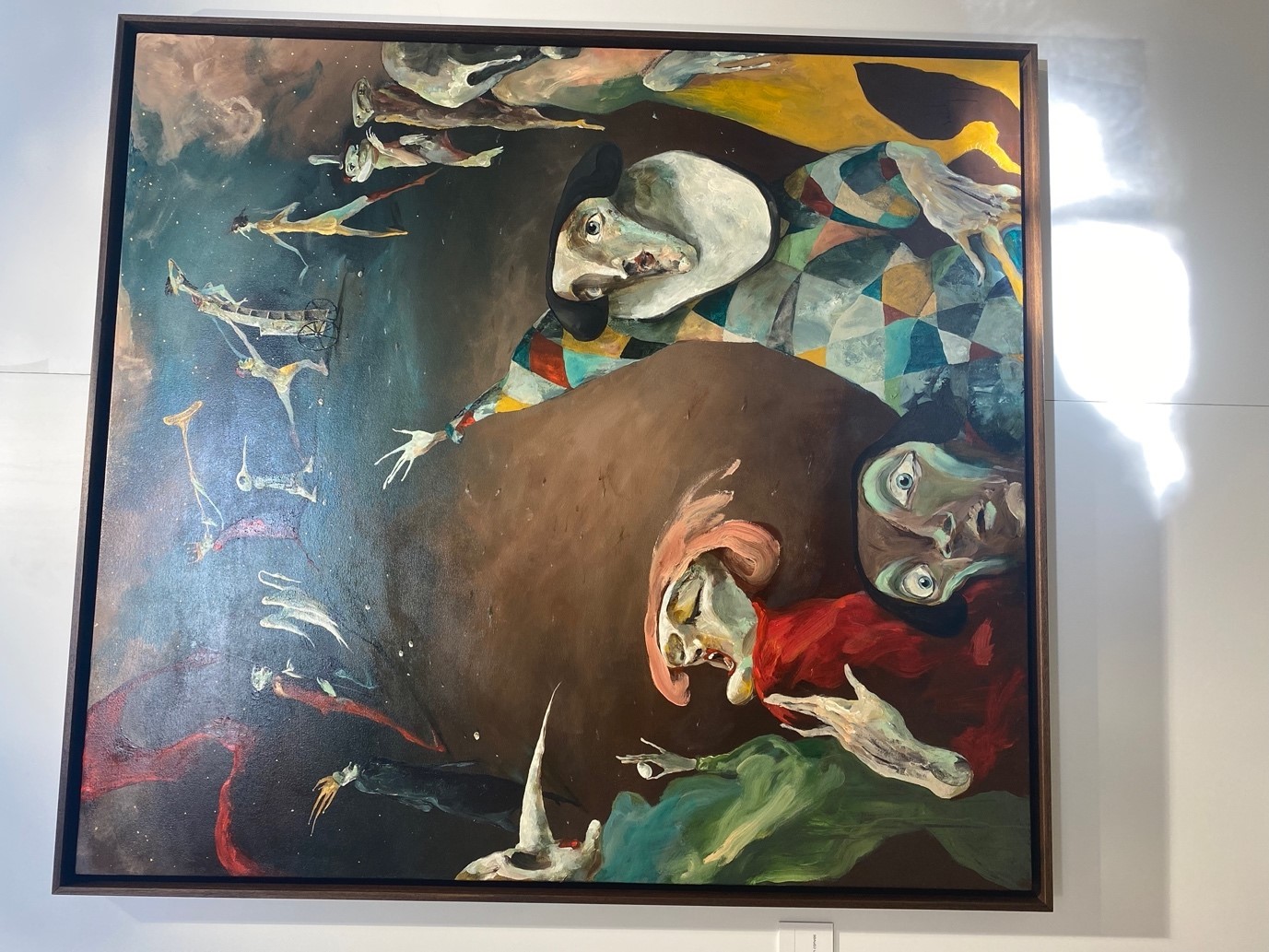
Sedat Girgin (https://sedatgirgin.com/ – Kozmik Ruh Dansı
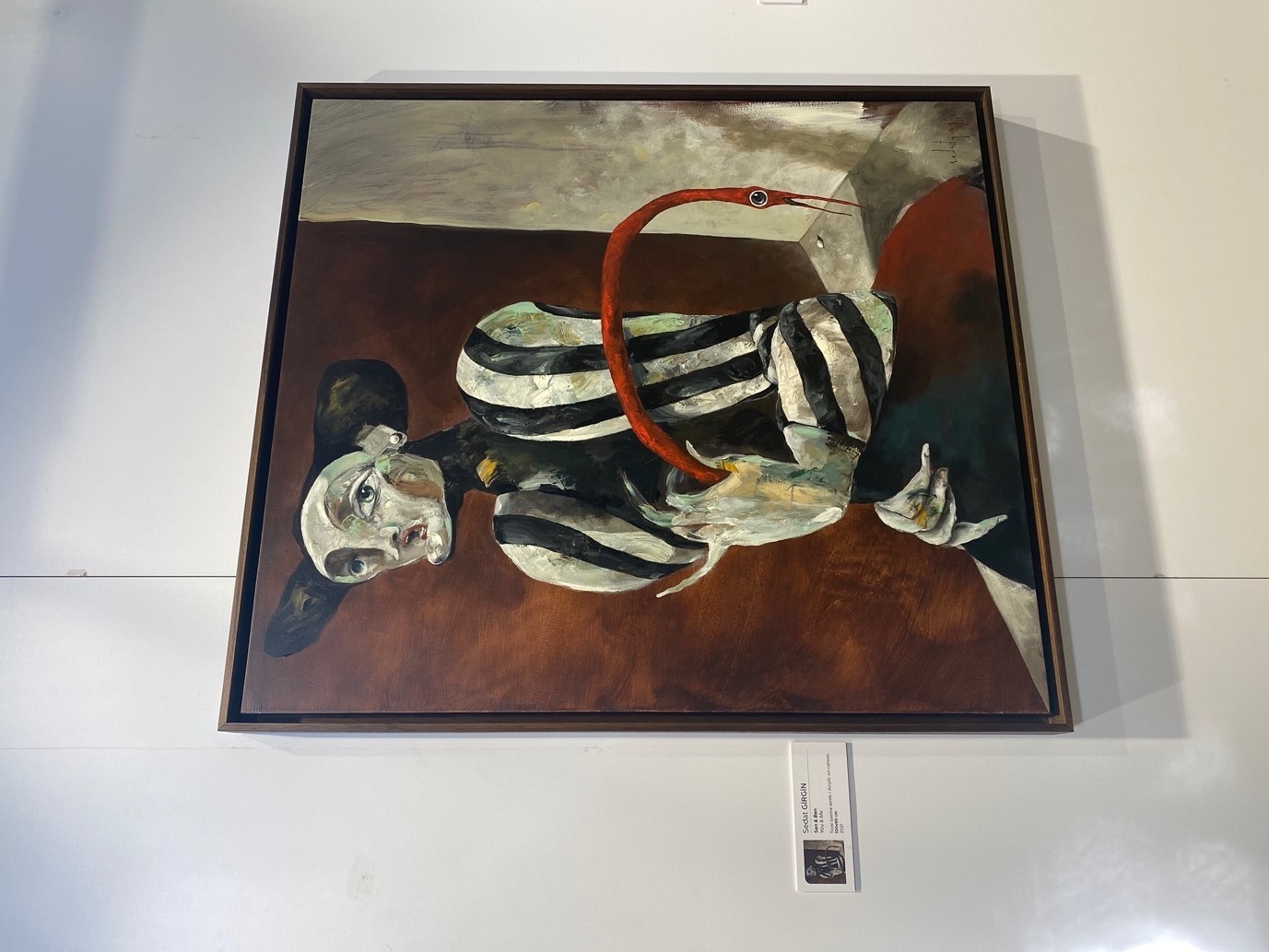
Sedat Girgin – Sen&Ben
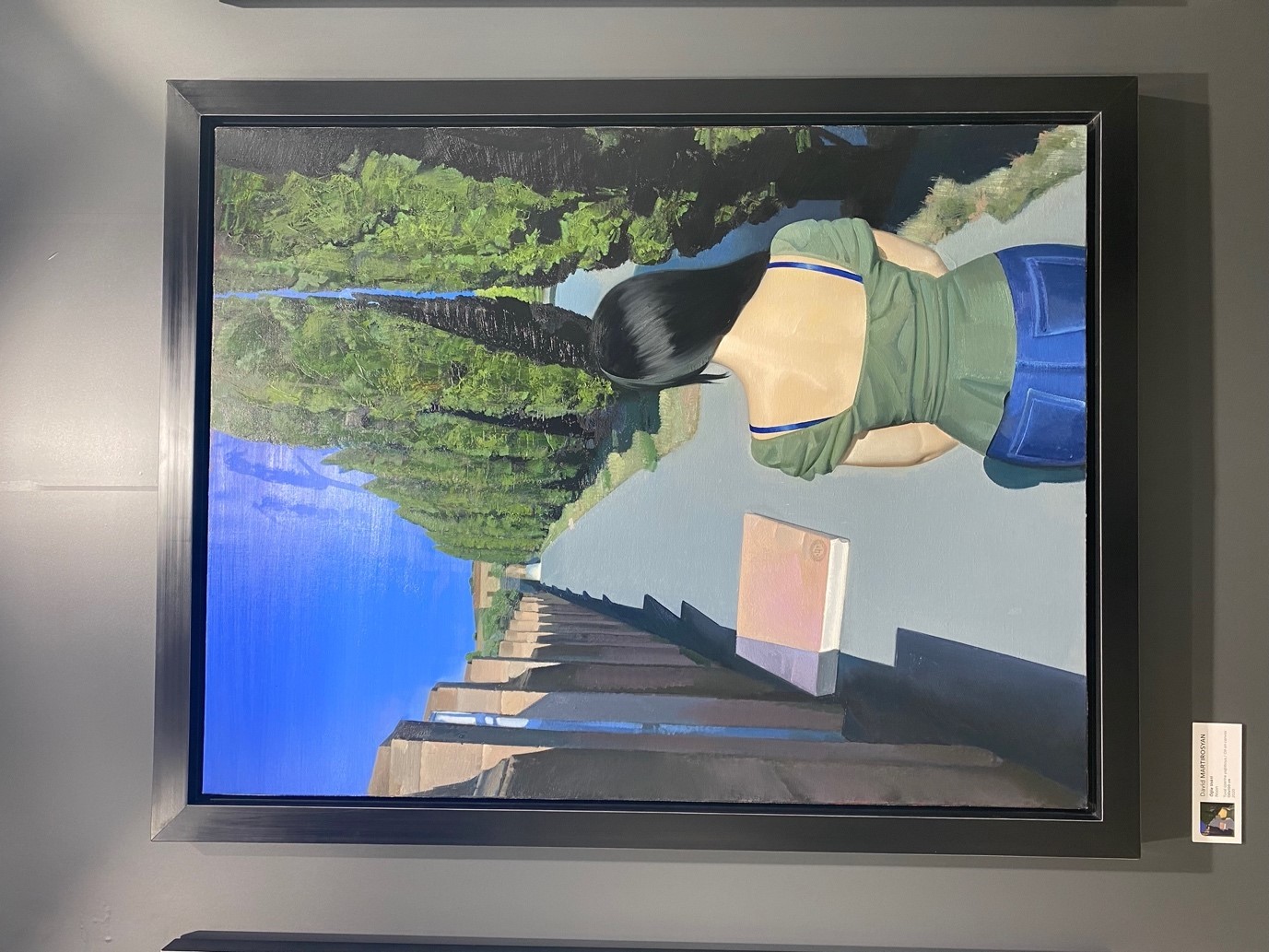
David Martirosyan – Öğle Vakti
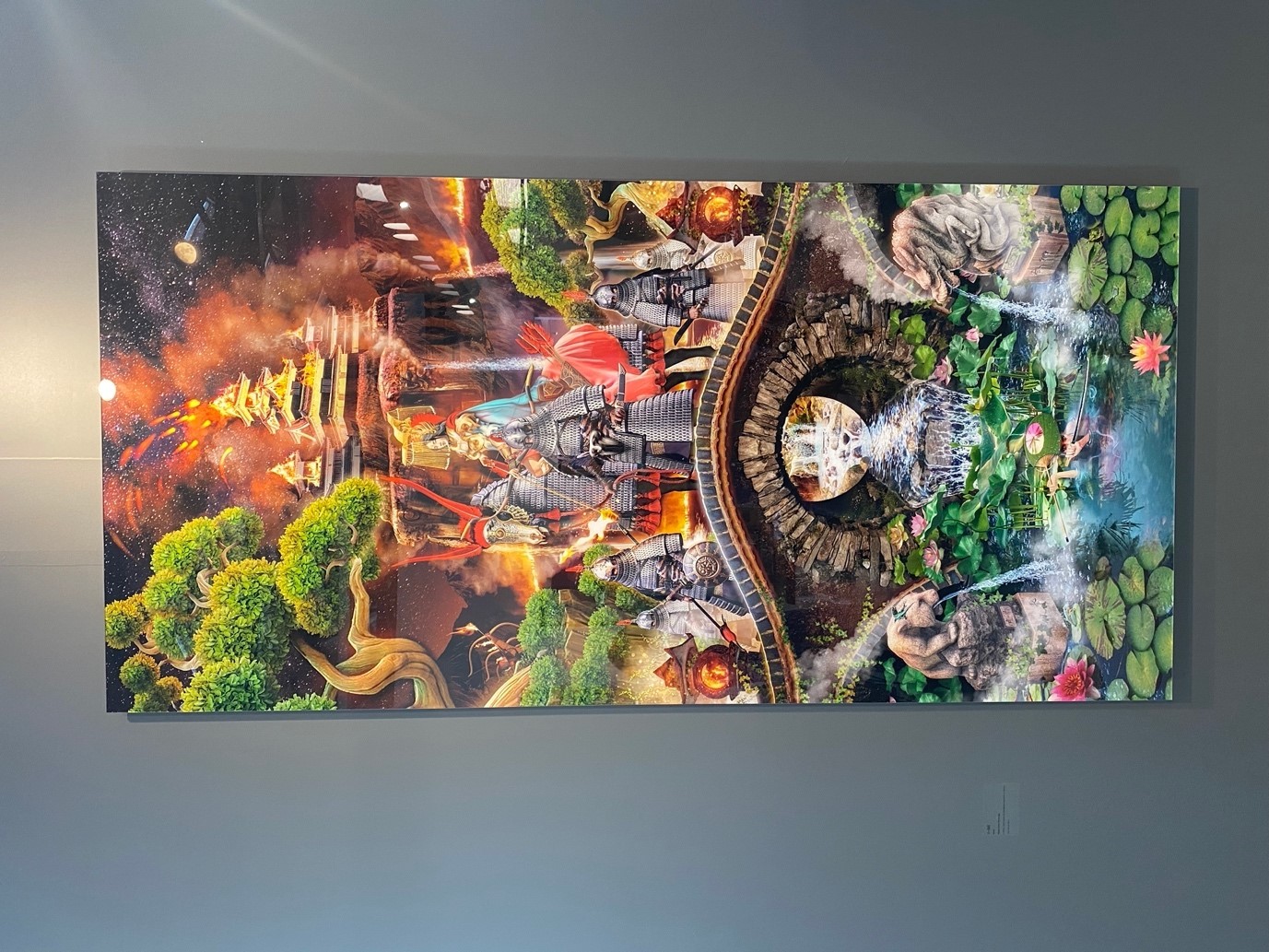
Ansen (https://www.artxist.com/Sanatci-Cv/Ansen-/5 – Water Under the Bridge
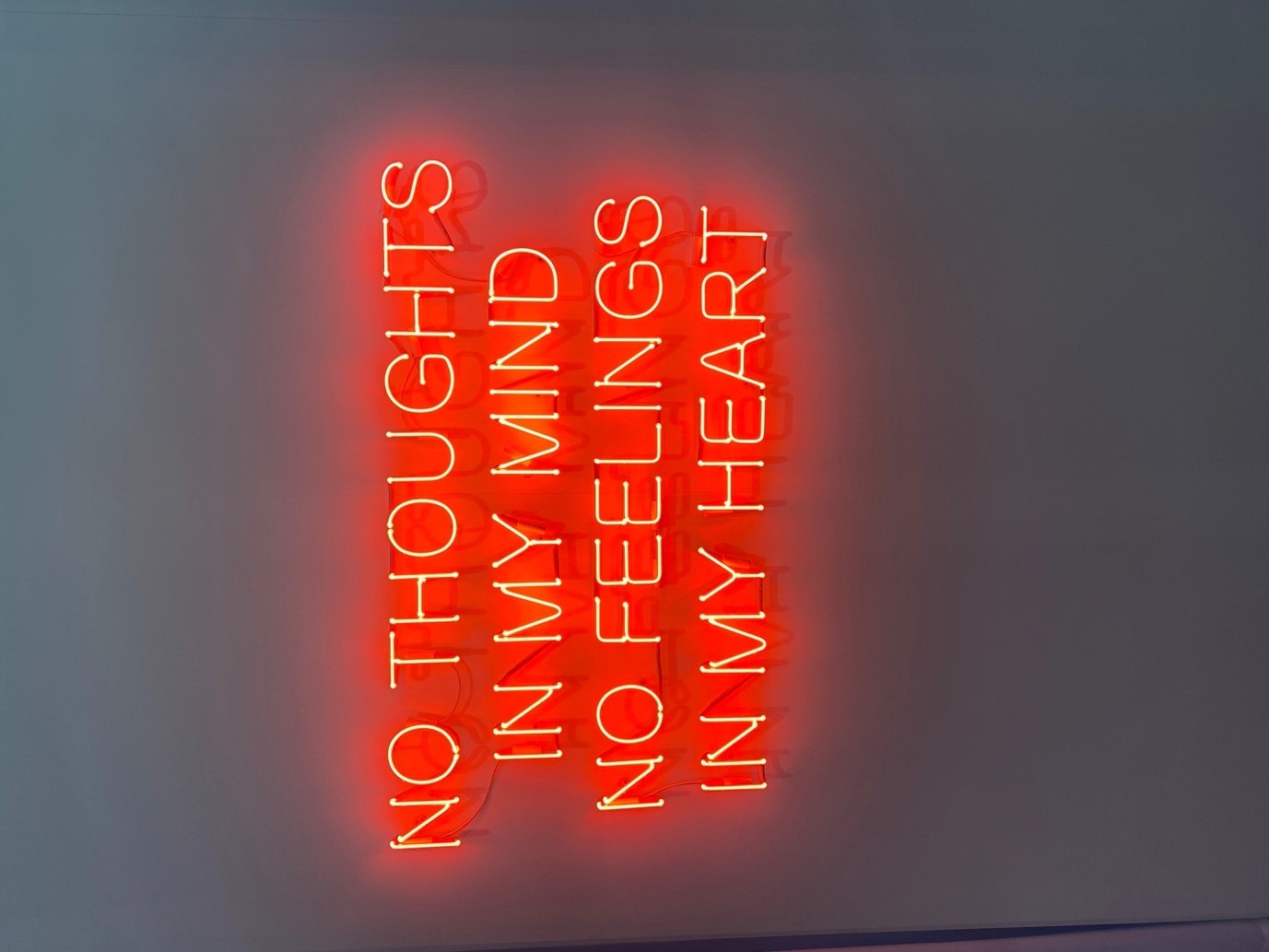
Eda Sütunç (https://www.edasutunc.com/about – No thoughts in My Mind No Feelings in My Heart
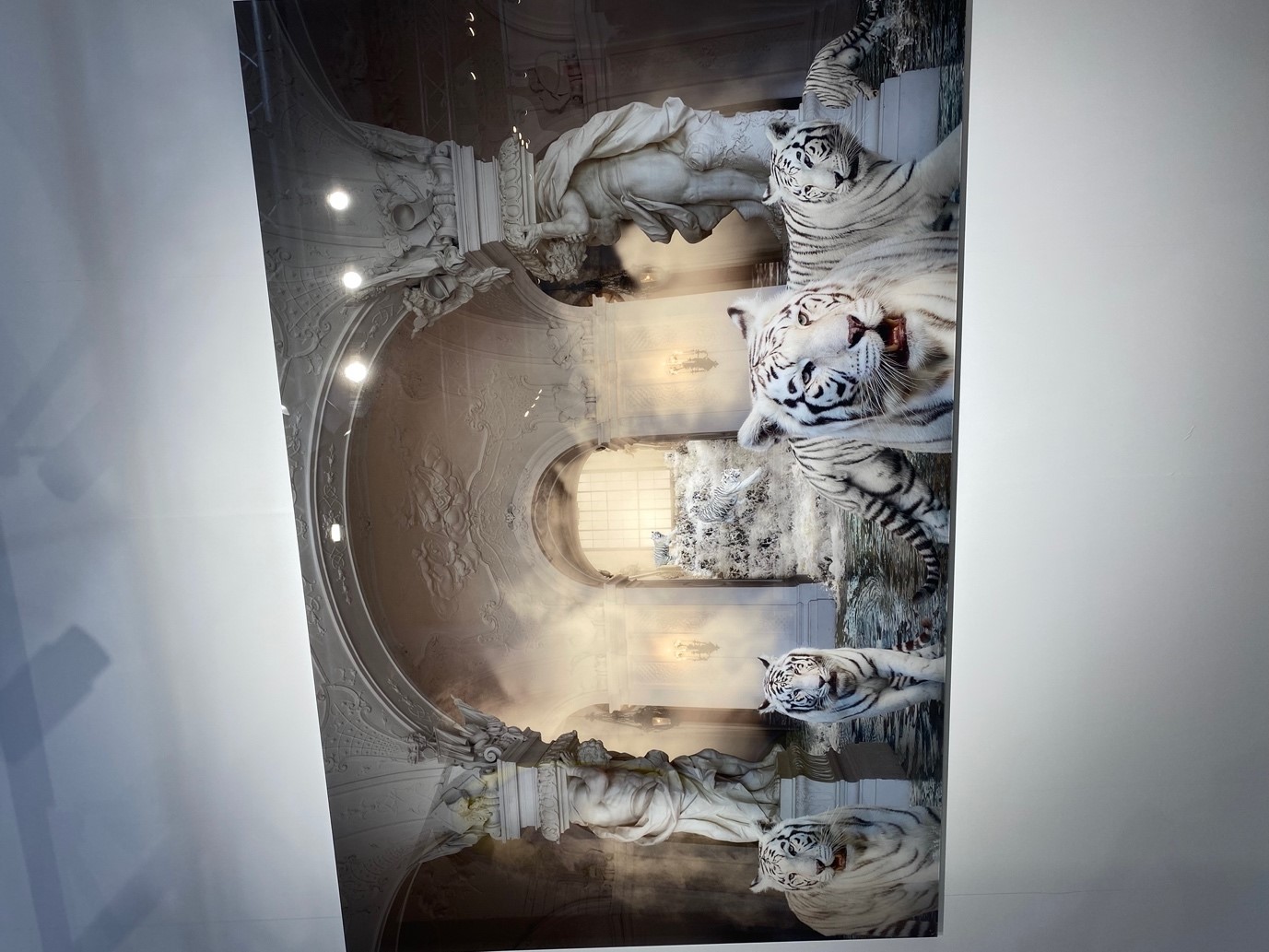
Cheraine Colette (https://villadelarte.com/artists/cheraine-collette/ – Treasures, The Guardians
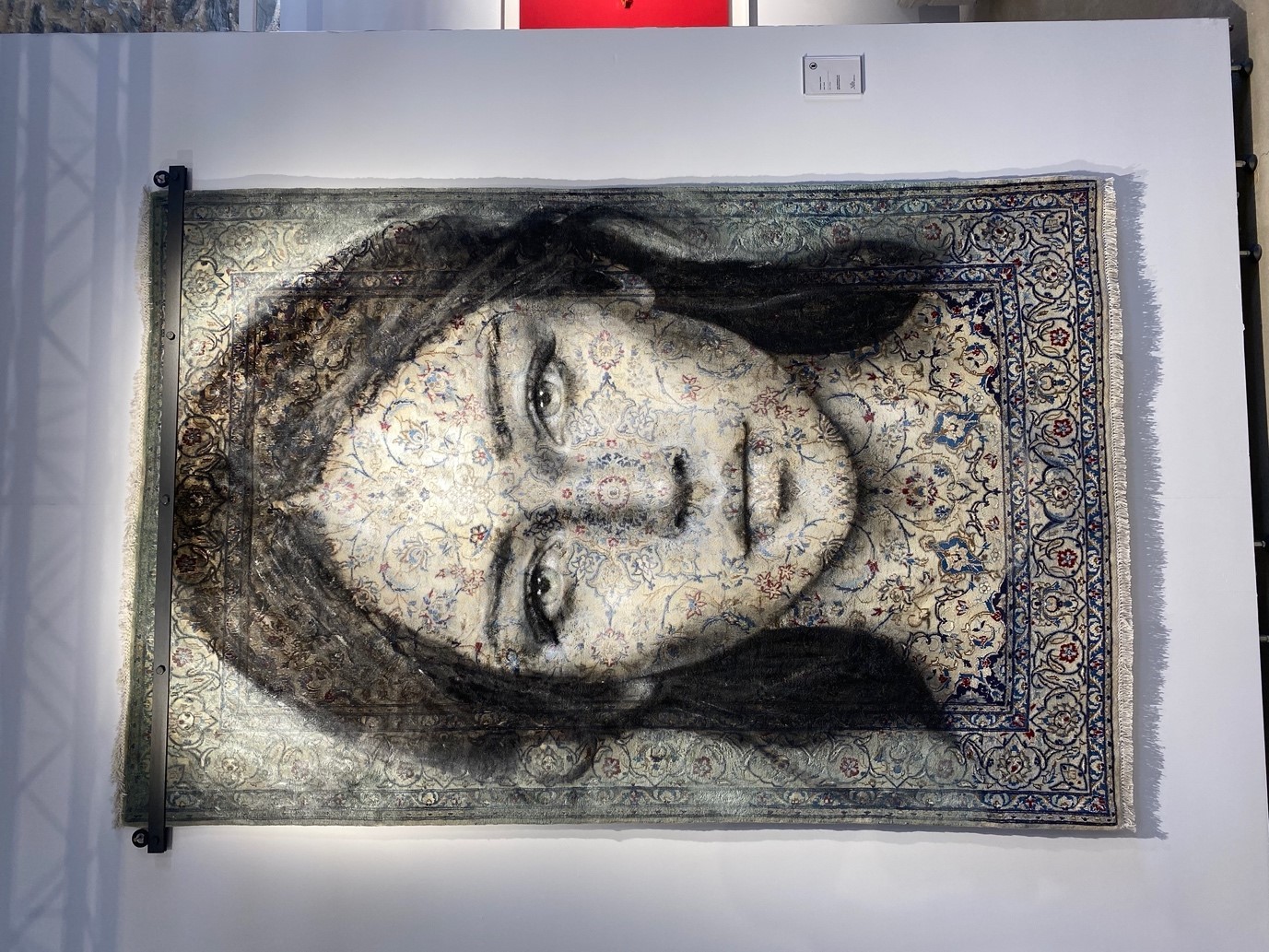
Christiaan Lieverse (https://villadelarte.com/artists/christiaan-lieverse/ – Agua Verde: Akrilik ve yağlı boya İran halısı üzerine
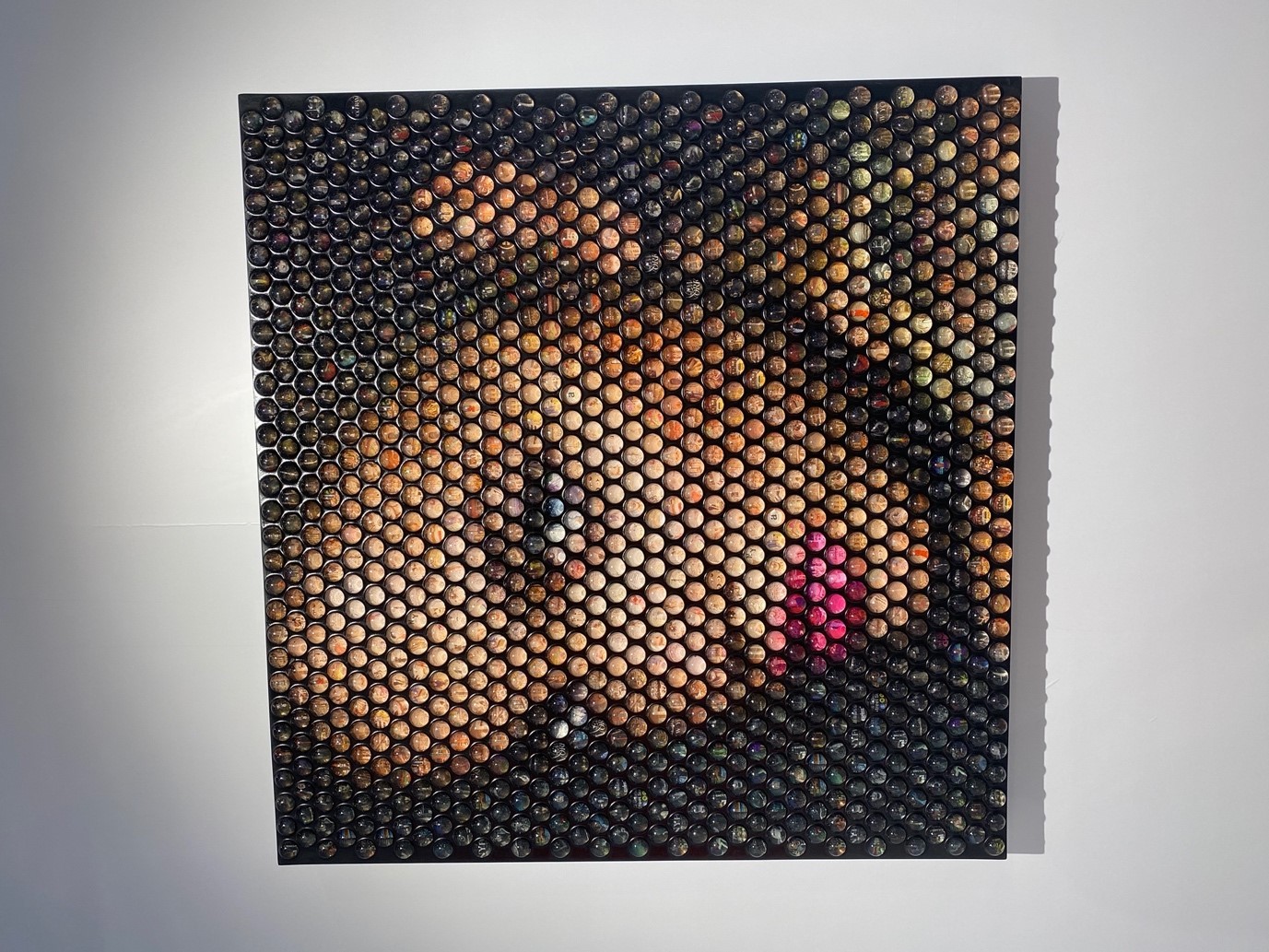
Nemo Jantzen (https://villadelarte.com/artists/nemo-jantzen/ – NYFW – resin domes
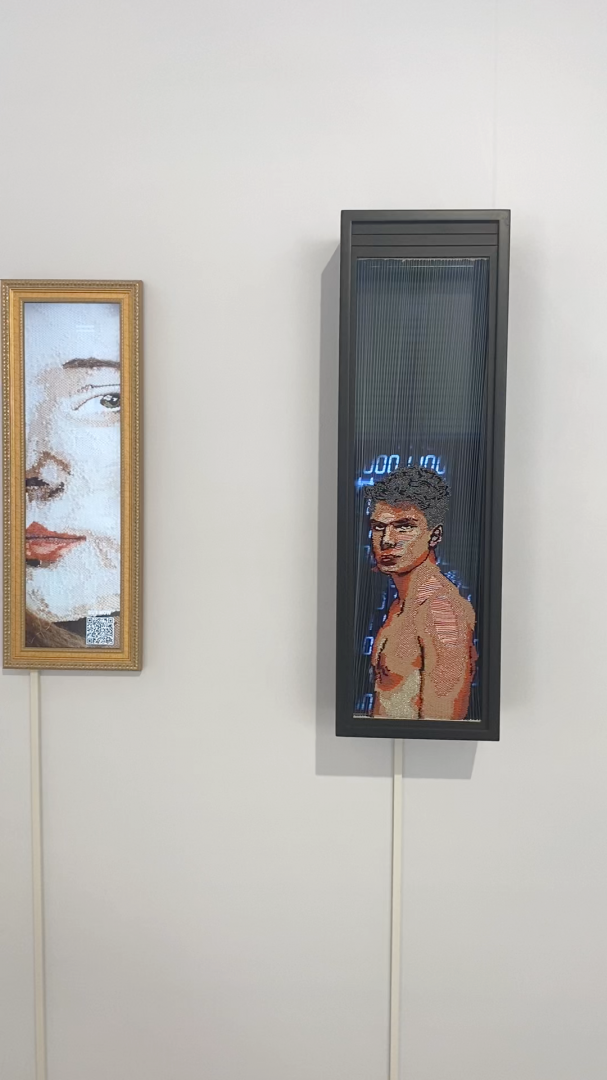
Fırat Neziroğlu (https://www.firatneziroglu.co.uk/ (https://annalaudel.gallery/artists/ – Futuristic Prince- el dokuması arka plan video ve yazılım
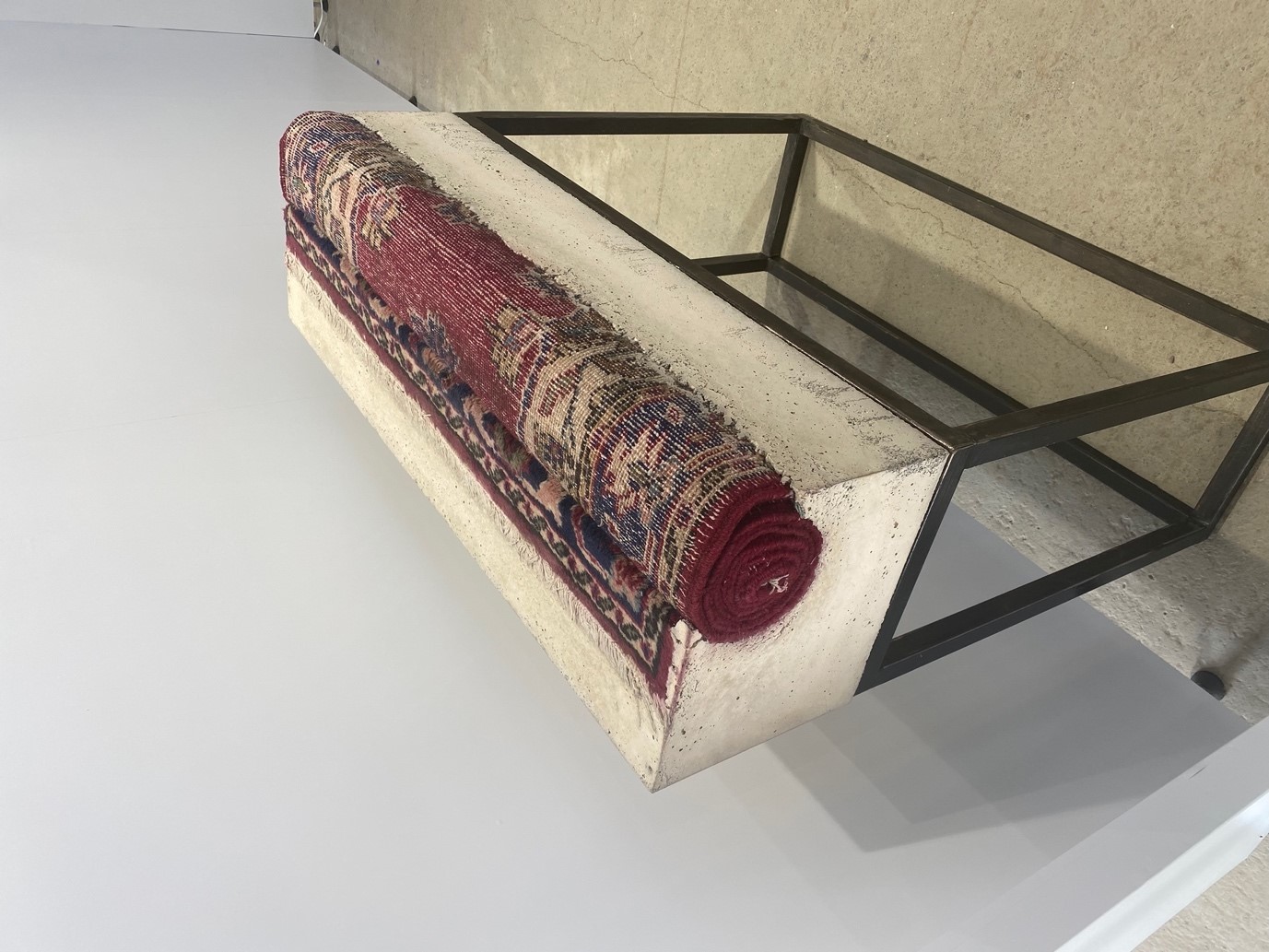
Ramazan Can (https://annalaudel.gallery/artists/ramazan-can/ -I’m Neither on the Ground Nor in the Sky 2 -beton kumaş ve çelik
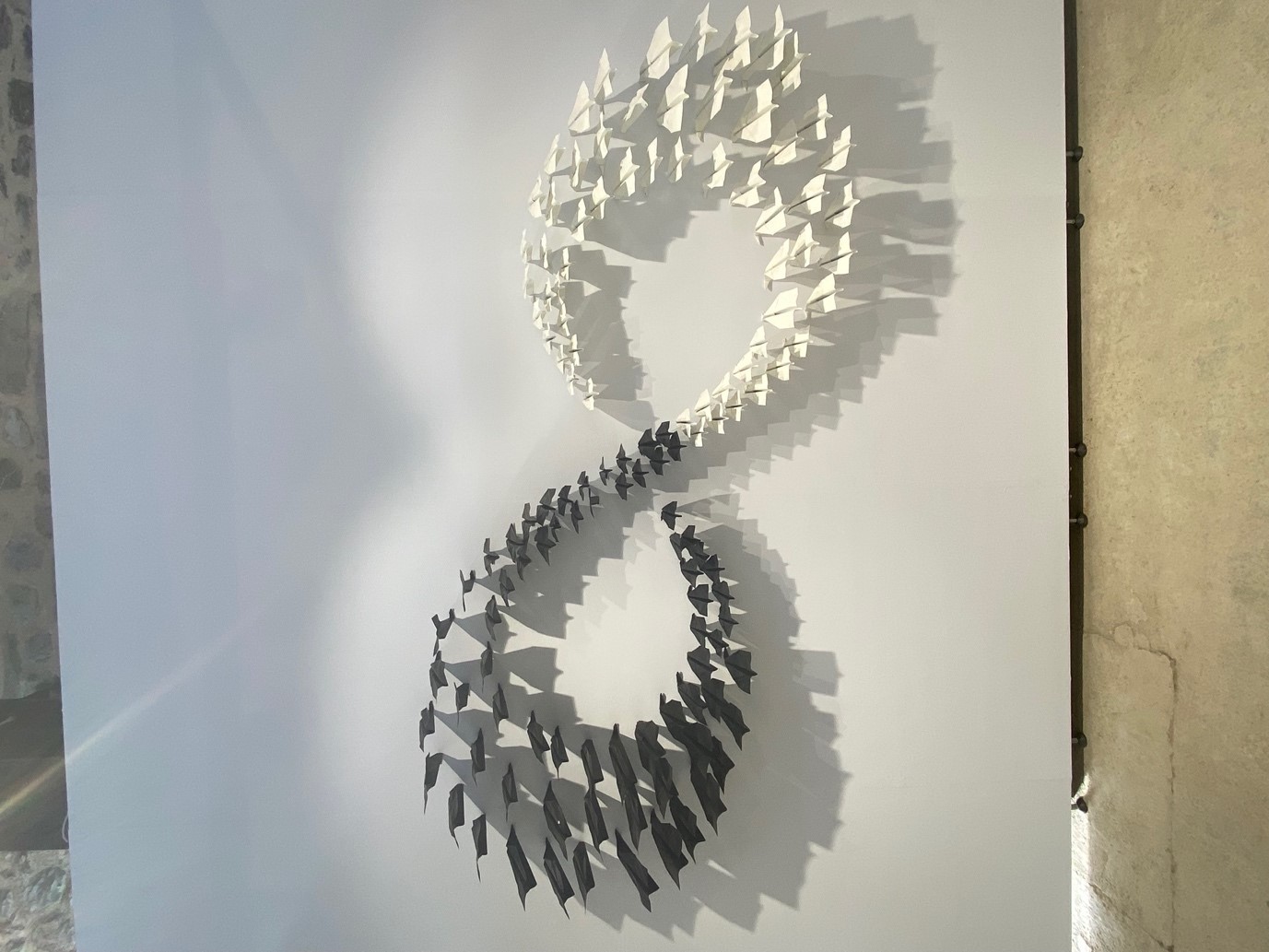
Daniele Sigalot (https://www.danielesigalot.com/ -126 paper planes simultaneously hitting the Wall- alüminyum üzerine akrilik vernik
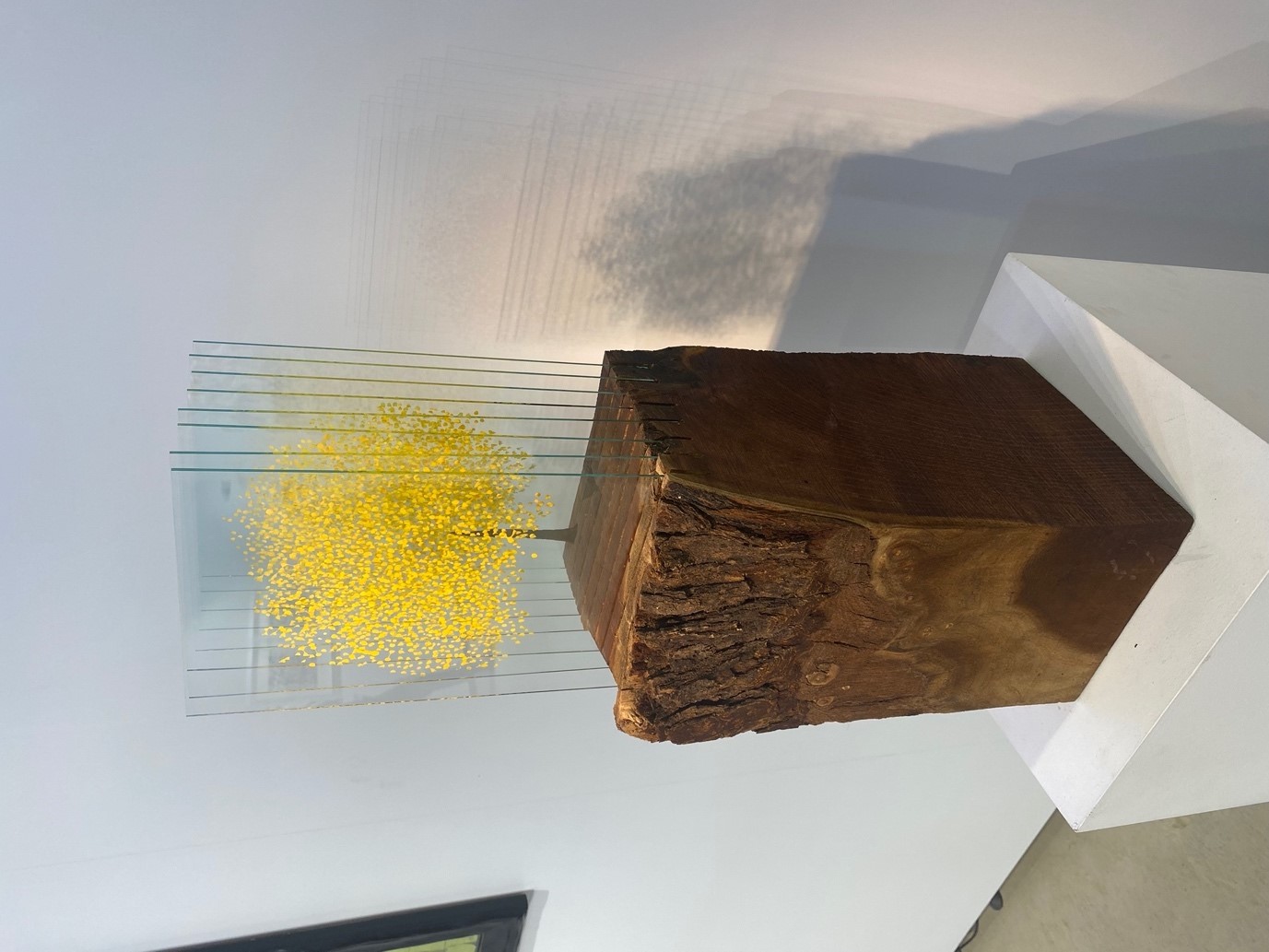
Ardan Özmenoğlu (https://www.artsy.net/artist/ardan-ozmenoglu -She likes Yellow- Pleksi ve ahşap üzerine ojeli 8 can panel
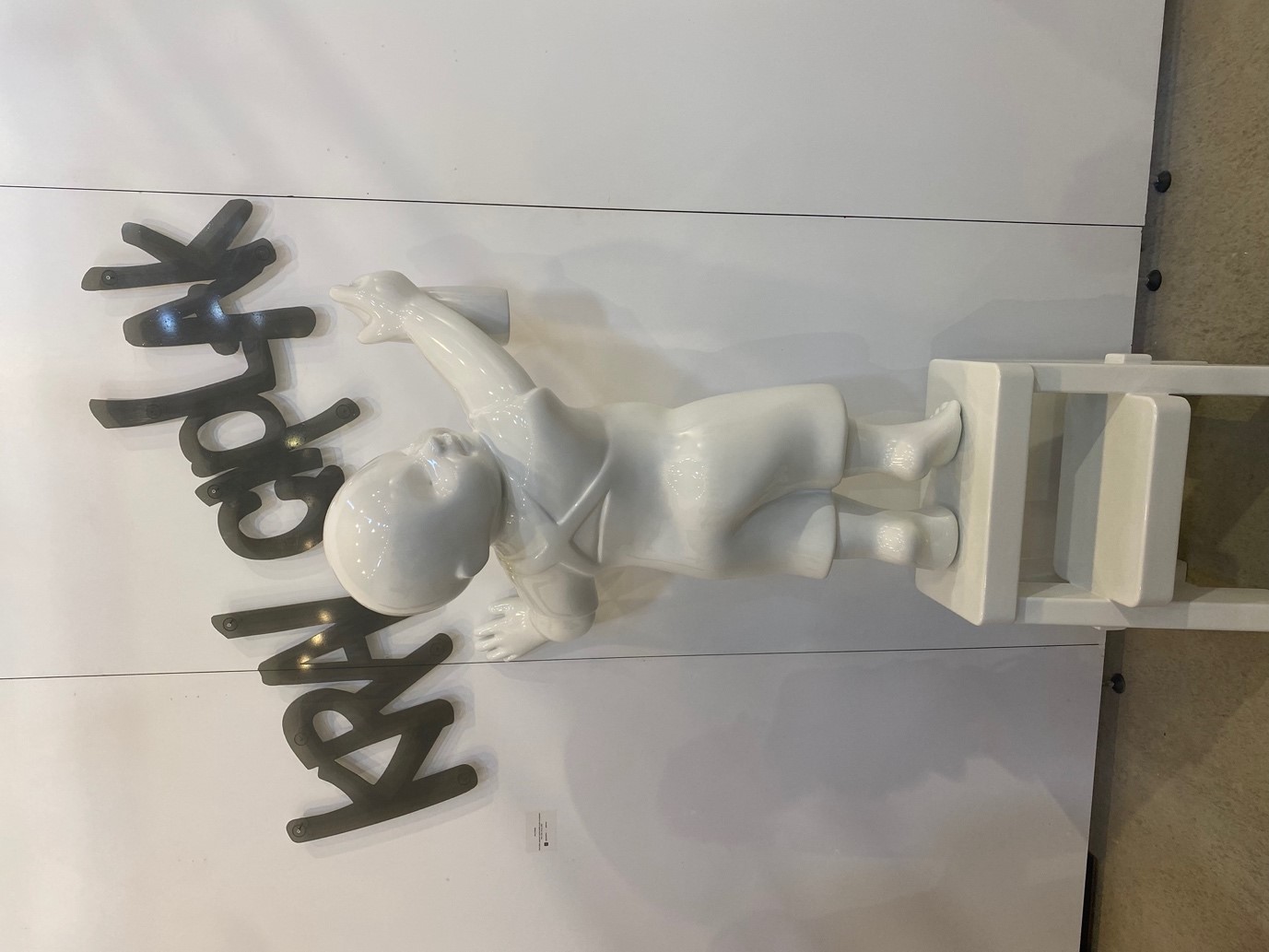
Ayla Turan (https://www.pgartgallery.com/ayla-turan -Kral Çıplak- polyster üzerine akrilik
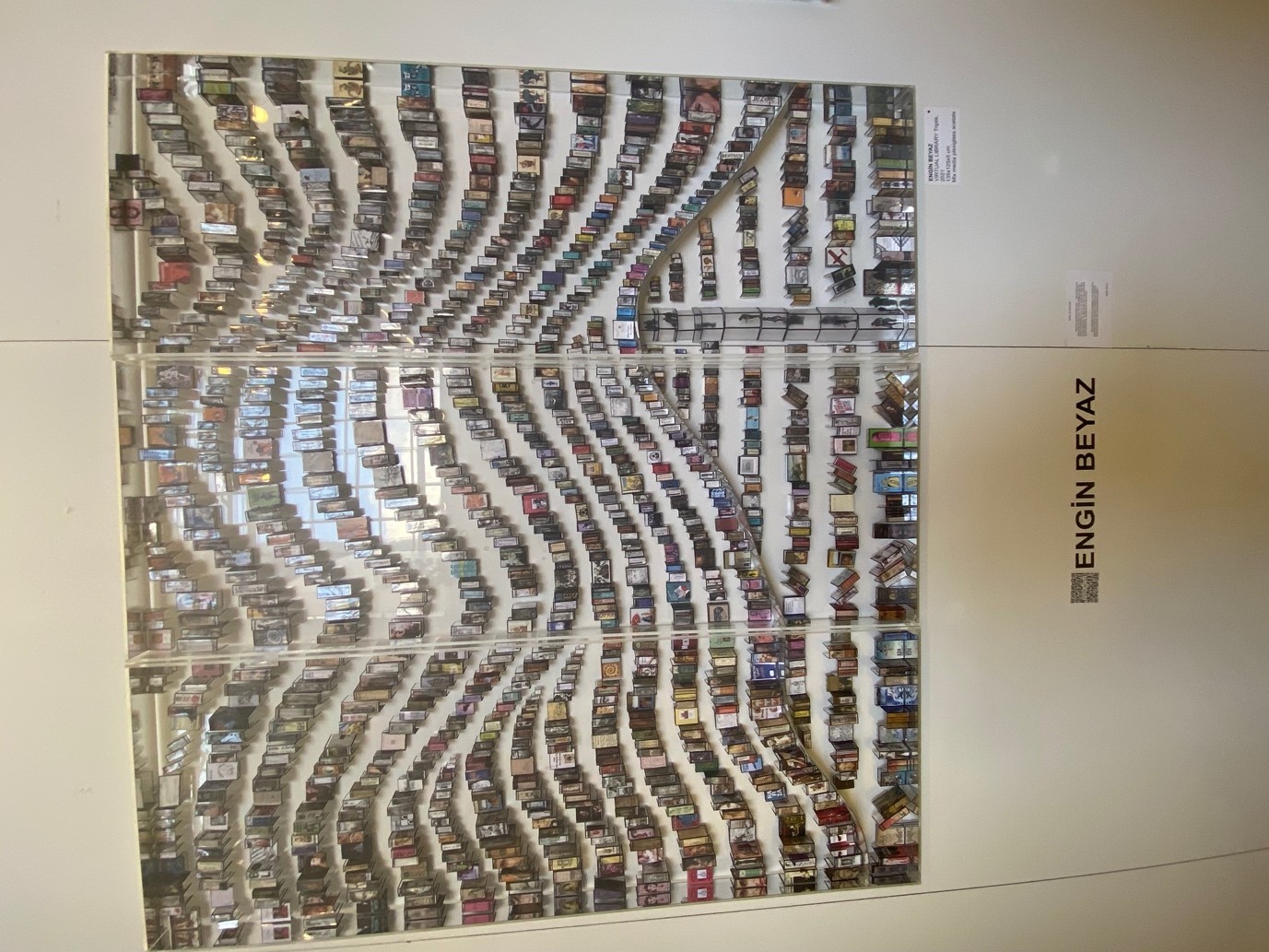
Engin Beyaz – Virtual Library
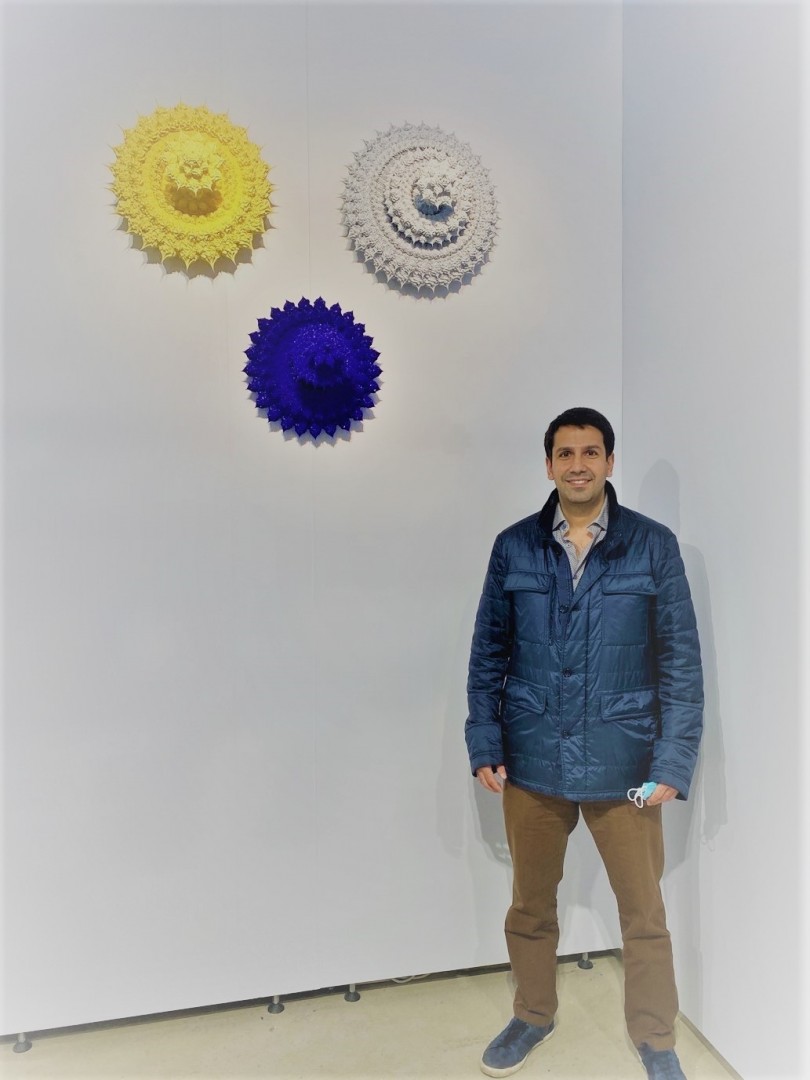
Anke Eilergerhard (https://annalaudel.gallery/artists/anke-eilergerhard/ – Crown, Crown of Georgia and Deep Blue
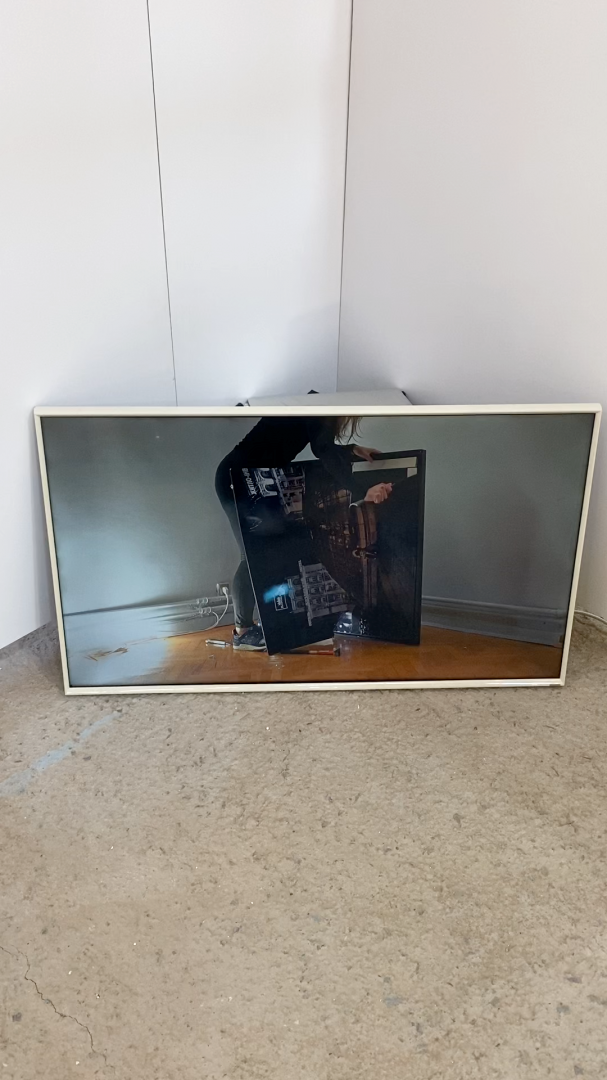
The concept of this video was reminiscent of Banksy’s 2018 work, which self-destructed after selling for £860,000 at Sotheby’s.
Originally titled “Girl with Balloon,” the piece, which was retitled “Love is in the Bin” after being ground up, began to self-destruct as soon as the auction concluded, with two-thirds of the canvas being crushed by a device hidden within the frame.
My suggestions for next year
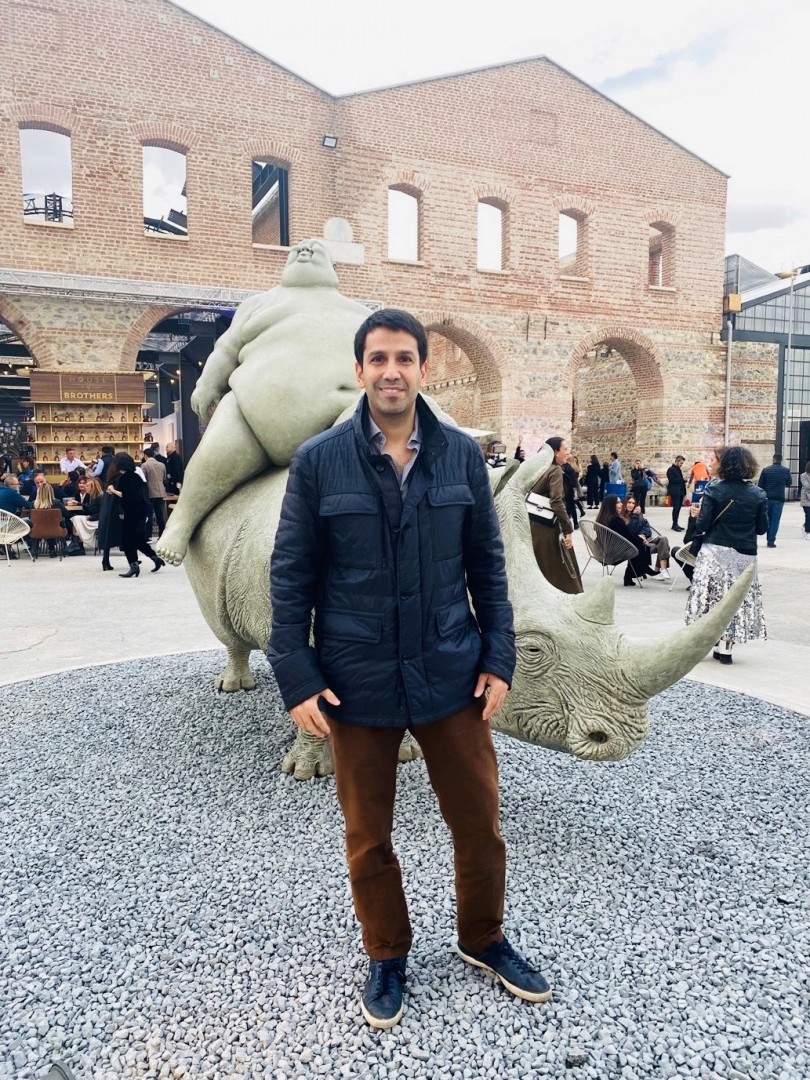
Architectural installations that incorporate human interaction in outdoor spaces can be etched in one’s memory. This year, art lovers were greeted by several works at Tersane Istanbul’s open-space installation, The Yard, which featured large-scale works and sculptures. Among these, Bahadır Baruter’s rhinoceros piece, “Arogan,” attracted considerable attention.
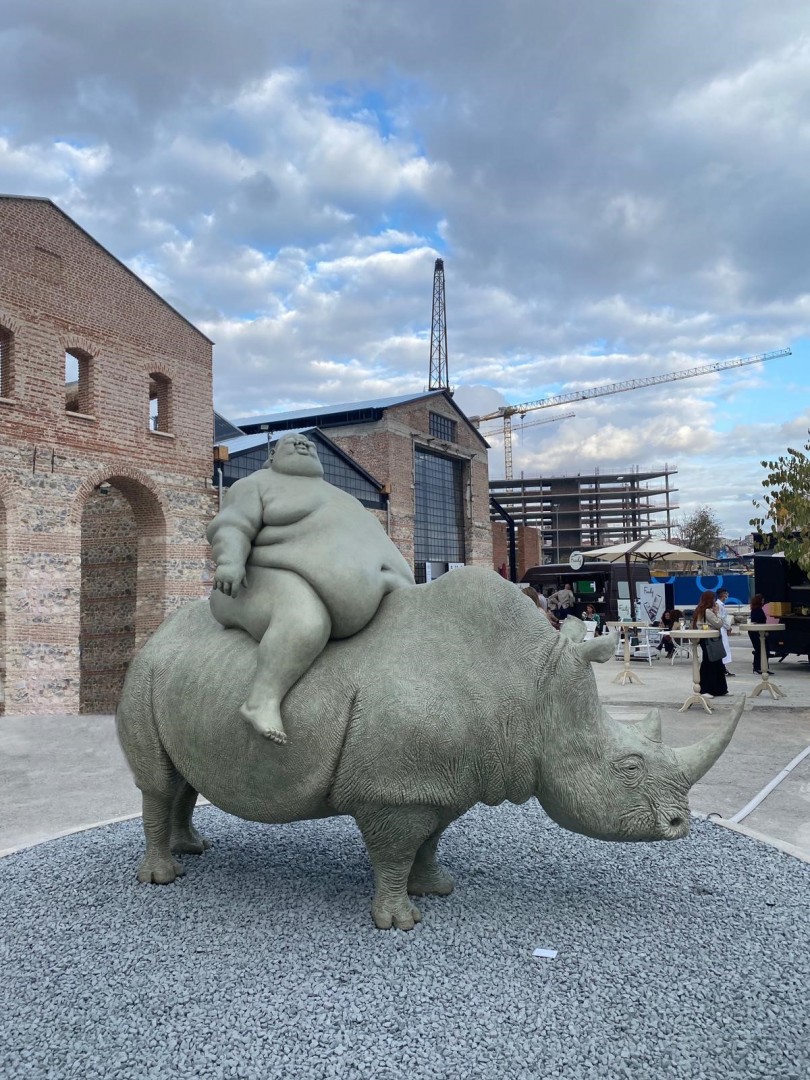
Bahadır Baruter (https://www.artxist.com/Sanatci-Cv/Bahadir-Baruter/2) – Arogan
A site-specific installation by Kansas City, Missouri-born American artist Rachel Hayes was a welcome addition to art lovers. Hayes, who uses fabric to create large-scale works, aims to draw attention to the sustainability of art and is titled “Flags for the Future.” While I didn’t particularly grasp the theme of sustainability in art, I can say that the large-scale fabric installation suits the space. Incidentally, as someone who lived in Kansas City, Missouri, and worked in fund management for the Italian Insurance Company General, headquartered there, I was a bit surprised that an artist who creates such profound artworks emerged from this monotonous American city. After all, art is everywhere. It’s never clear what inspires artists.
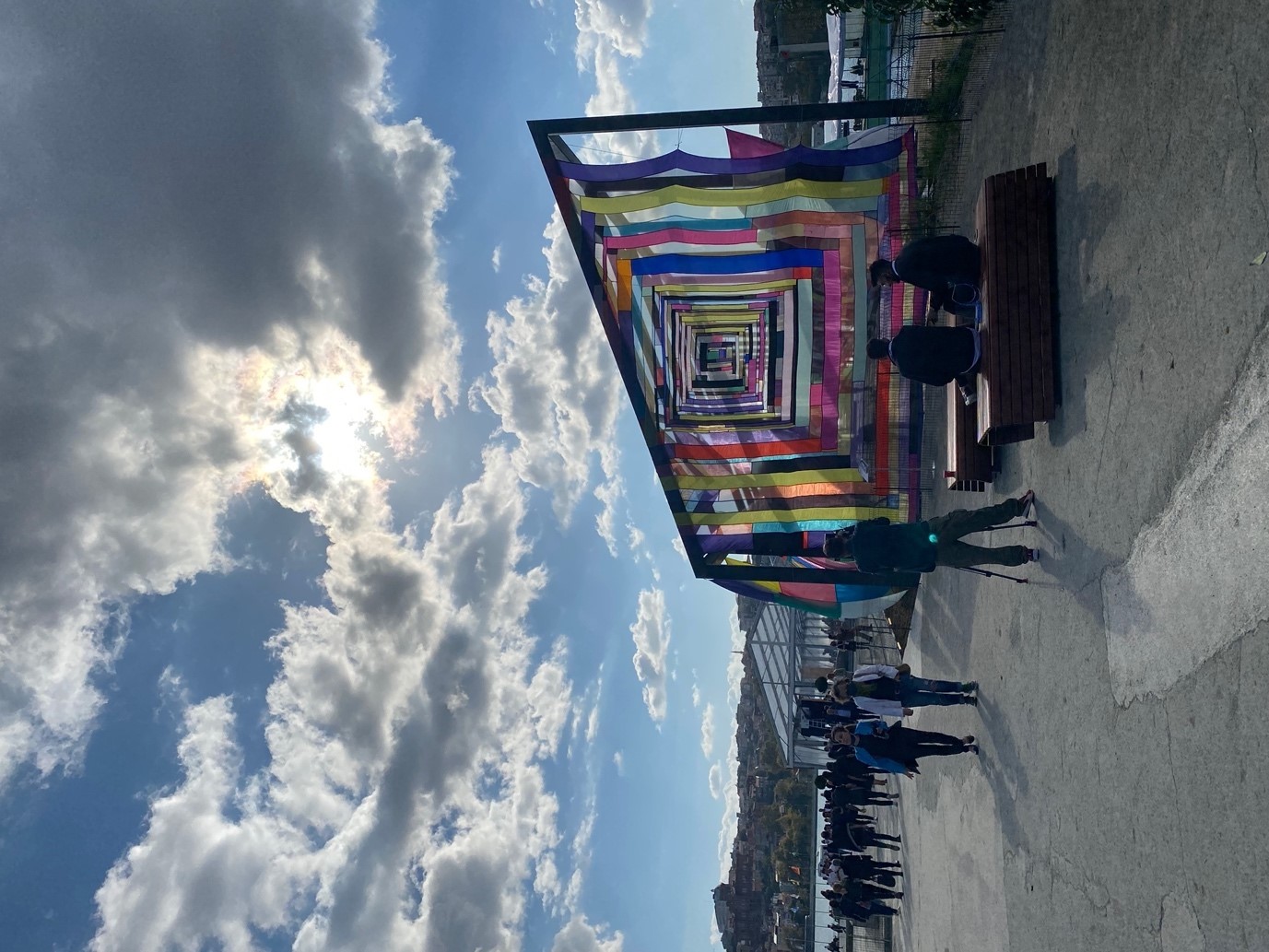
Rachel Hayes (http://www.rachelbhayes.com/) – Flags for the future
This fabric installation reminded me of another installation in Paris these days, where the Arc de Triomphe, one of the city’s symbols, is covered with fabric. (https://www.nytimes.com/2021/09/17/arts/design/christo-wrap-arc-de-triomphe-paris.html).
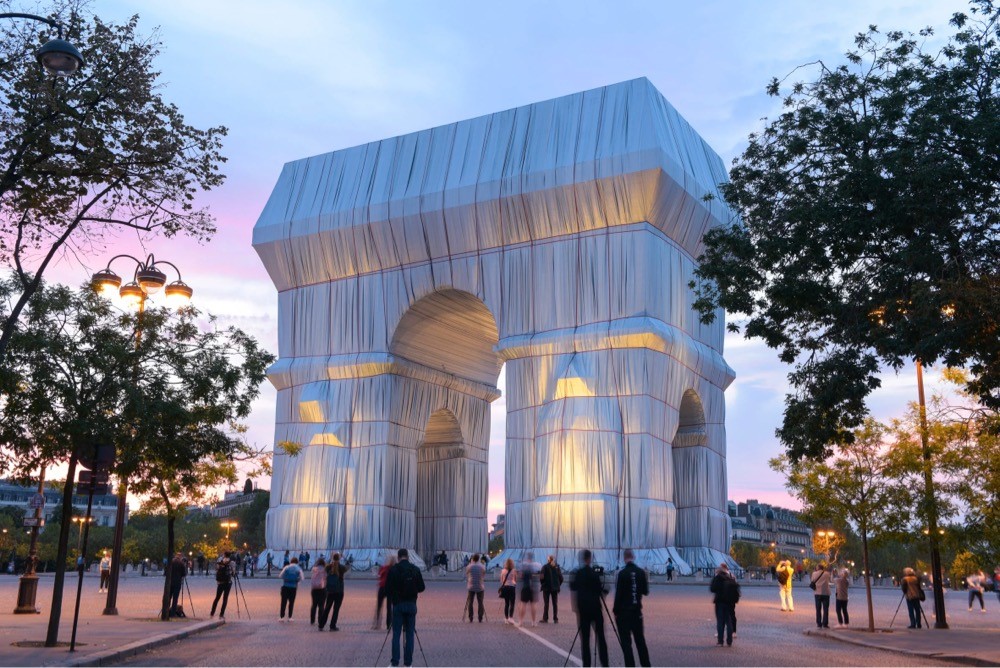
The renowned artist Christo, who passed away in 2020, dressed the world’s cultural and natural monuments in plastic fabrics. His nephew organized his current, final exhibition in Paris.
Rachel Hayes’s installation at Contemporary Istanbul led me to the exhibition “The Gates” in New York’s Central Park in February 2005, which led to my discovery of Christo.
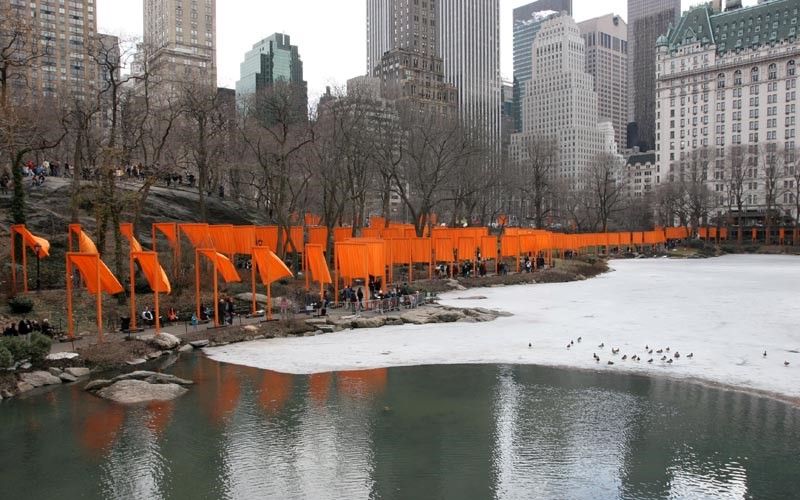
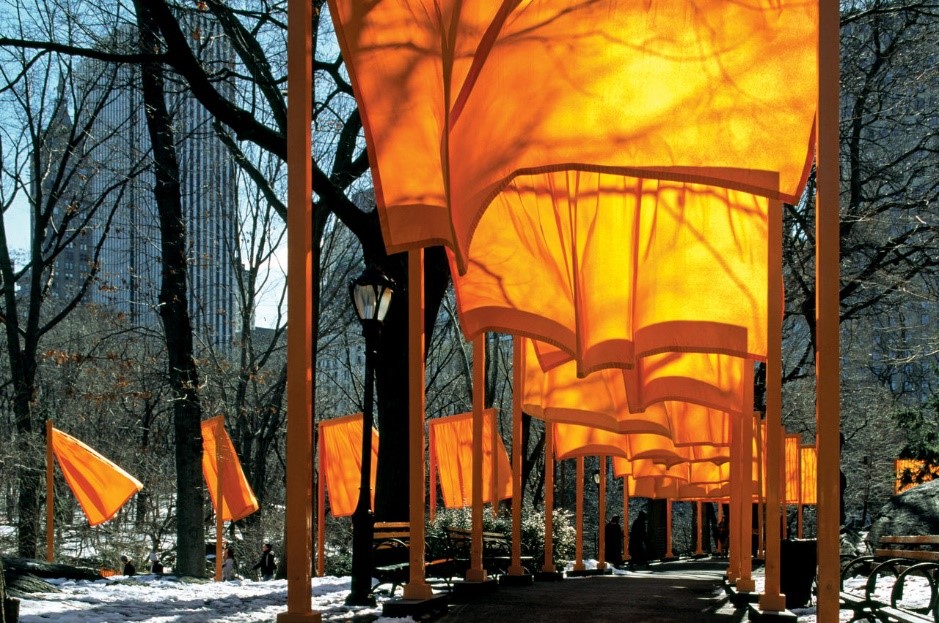
This exhibition consisted of 7,500 saffron-colored fabric gates, each approximately 5 meters high, placed 3-4 meters apart along the snow-covered pathways of Central Park. Walking along these pathways, the reflection of the winter sun and the wind waving beneath the strikingly colored fabric gates, created a unique experience.
https://en.wikipedia.org/wiki/The_Gates
In the coming years, more attention could be given to such striking outdoor sculptures and installations, and even more so to the benefit of being installed in a unique location like the Golden Horn. Even incorporating the water and sailboats in the background would create a truly magical atmosphere.
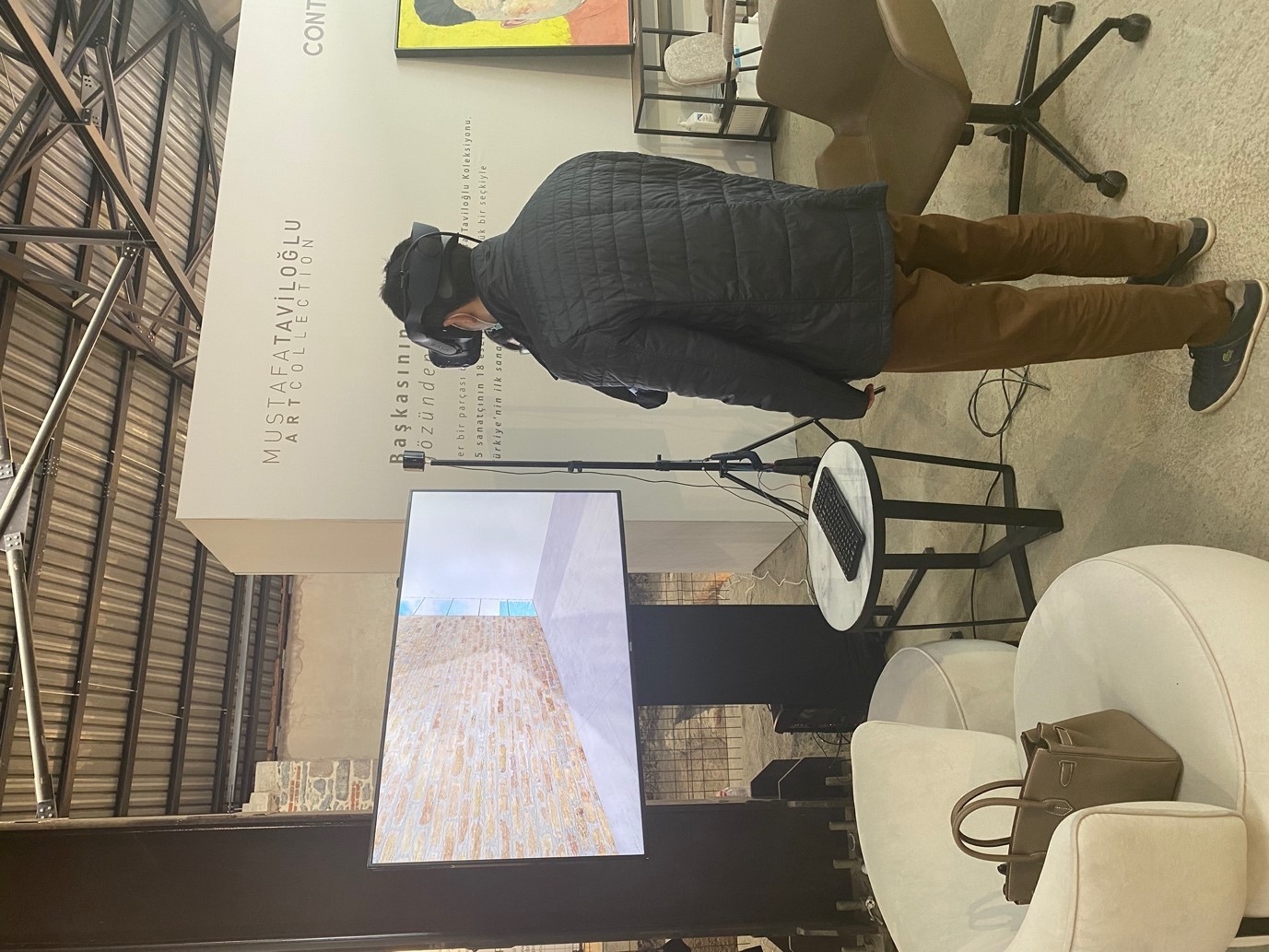
Furthermore, even if it’s not a biennial, work that reflects the reality of our times could be included. A greater emphasis could be placed on works that explore the loneliness and fear felt by people due to the pandemic, the experiences of refugees from Syria and Afghanistan, and the concepts of migration, home, and trust. Technology could also be incorporated more widely throughout the fair, like the presentation of Mustafa Taviloğlu’s selection and the digitalized works of Fırat Neziroğlu, known for his textiles.
Mustafa Taviloğlu should also be congratulated for presenting a selection of 15 works froQm his collection, titled “Look Through the Eyes of Another,” at the Metaverse https://tr.wikipedia.org/wiki/Metaverse . The metaverse, derived from the Ancient Greek word “meta” (beyond) and the Western word ‘universe,’ allows people to experience a three-dimensional virtual world through their avatars. We’ve seen the metaverse implemented in many organizations worldwide, including Nike, Disney, Spotify, Facebook, and Microsoft, and thanks to Mustafa Bey, it’s also being exhibited at this fair.
I also extend my condolences to the talented artist Ardan Özmenoğlu for the unfortunate accident that broke her sculpture. I hope that such accidents will not recur in the coming years as we all explore with care.
By the way, I was proud that the Ritz-Carlton Hotel, which opened its doors exactly 20 years ago today (6 October 2001) during a difficult period, became one of Contemporary Istanbul’s hospitality sponsors (See:Contemporary Istanbul | CI’21 16th SPONSORS/). I’ll write about the Ritz-Carlton project, which I served as project director for while working in the family business, starting three months before its opening and personally managing for the next five years. I’m mentioning this here and now.
Finally, I hope that events like Contemporary Istanbul will continue to nourish our souls and open up new perspectives in the coming years, making room for more local and international artists and expanding their diversity.
Let Covid-19 bring justice, we say, art despite it, colorful life in spite of it!
Tag: memoir