
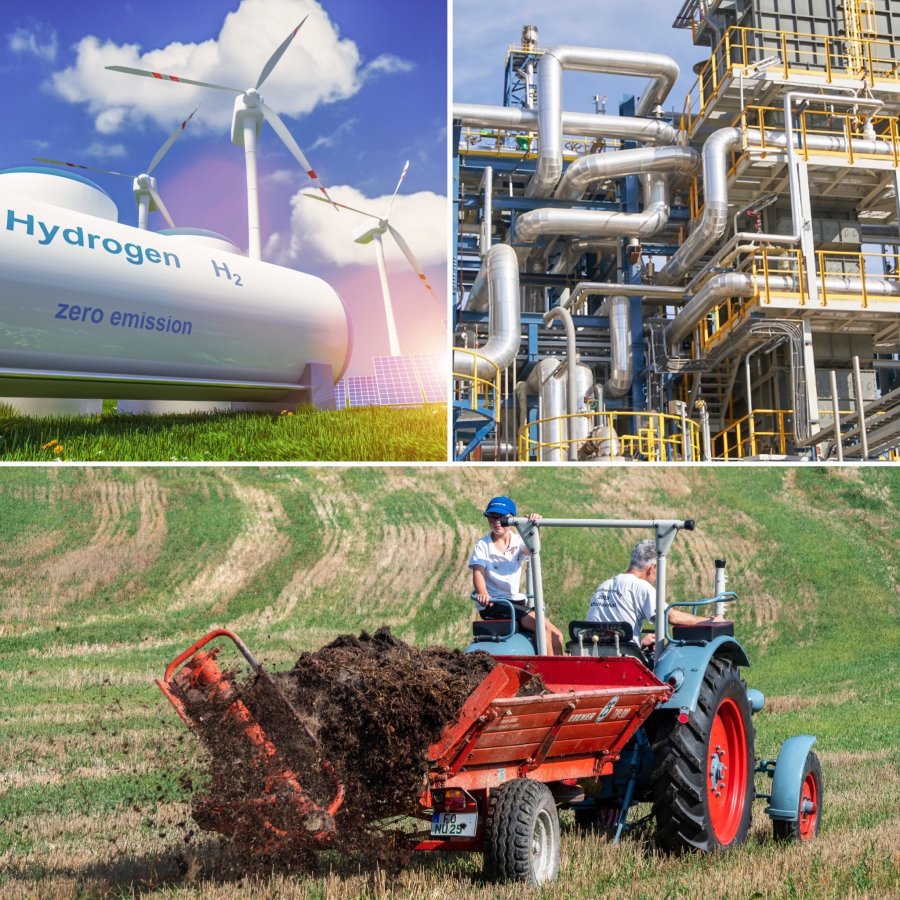
At the very beginning of this article, I’d like to remind you that ammonia is a derivative of hydrogen. Of course, hydrogen has other derivatives as well, such as methane, methanol, and ethanol. In this article, I’ve chosen the ammonia derivative for two reasons:
First, if it is properly designed, implemented, and used as a raw material, it can be extremely useful for producing fertilizers that benefit humanity.
Second, fertilizer production creates sustainability in various other areas as well.
In my view, for any initiative to be sustainable and ecological, ammonia should first be produced from green hydrogen, and then ammonia can be synthesized from that green hydrogen. I’ll get into how ammonia is obtained from hydrogen later in the article. But for those unfamiliar with green hydrogen, it’s worth revisiting some key summary points.
An Energy Storage and Transportation Method
1. Green hydrogen refers to hydrogen obtained from renewable energy and produced through an ecological process.
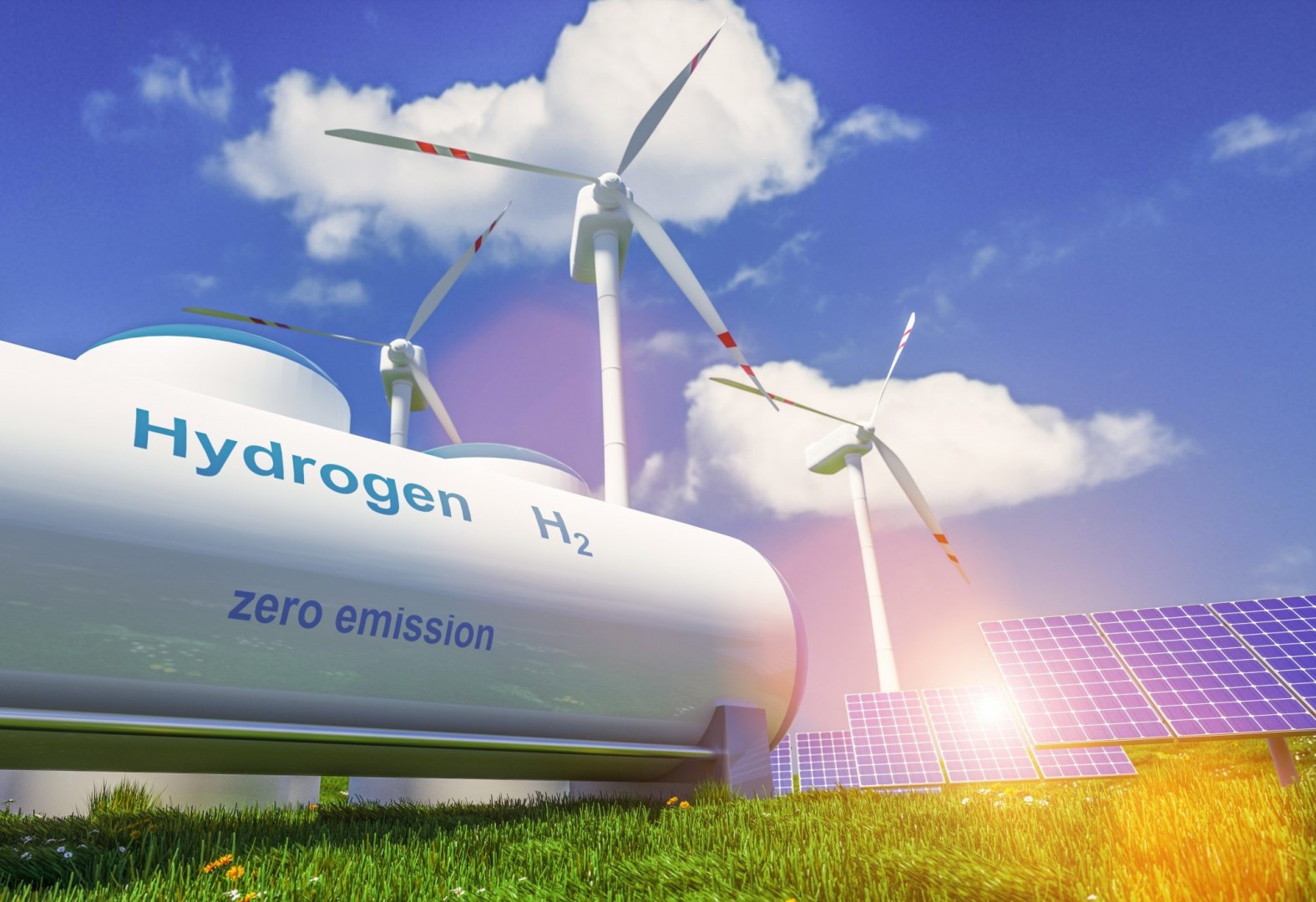
2. There are different methodologies for producing hydrogen. For example, you can also produce hydrogen from fossil fuels. Each production method has a different color code. The color code for hydrogen obtained from renewable energy is green.
3. In the green hydrogen process, you first generate electricity from renewable sources (solar and wind energy) and use it to power an electrolyzer, which separates hydrogen and oxygen from water, or to run a desalination plant for seawater.
4. Hydrogen should be viewed as a method of storing and transporting energy. It is also used in producing ammonia, which is an important raw material and energy source.
My Previous Articles on Hydrogen
Before diving into the topic of ammonia, readers who want more information on hydrogen can review my earlier articles, listed chronologically below:
- The Hidden Hero Against Climate Change: Green Hydrogen (09/05/2021):
https://www.serhansuzer.com/tr/iklim-degisikligine-karsi-gizli-kahraman-yesil-hidrojen - Green Hydrogen in the Eurasia Region (05/31/2022):
https://www.serhansuzer.com/tr/avrasya-bolgesinde-yesil-hidrojen - Green Hydrogen in Turkey (12/05/2022):
https://www.serhansuzer.com/tr/turkiyede-yesil-hidrojen - The Hydrogen Economy for Our National Security (05/10/2023):
https://www.serhansuzer.com/tr/ulusal-guvenligimiz-icin-hidrojen-ekonomisi - Setting Standards for Hydrogen as the Cure-All of Energy (08/30/2023):
https://www.serhansuzer.com/tr/enerjide-her-derde-deva-hidrojene-standart-getirilmesi - The Importance of Colors in Hydrogen Production (03/17/2024):
https://www.serhansuzer.com/tr/hidrojen-uretiminde-renklerin-onemi
How Is Ammonia Obtained from Hydrogen?
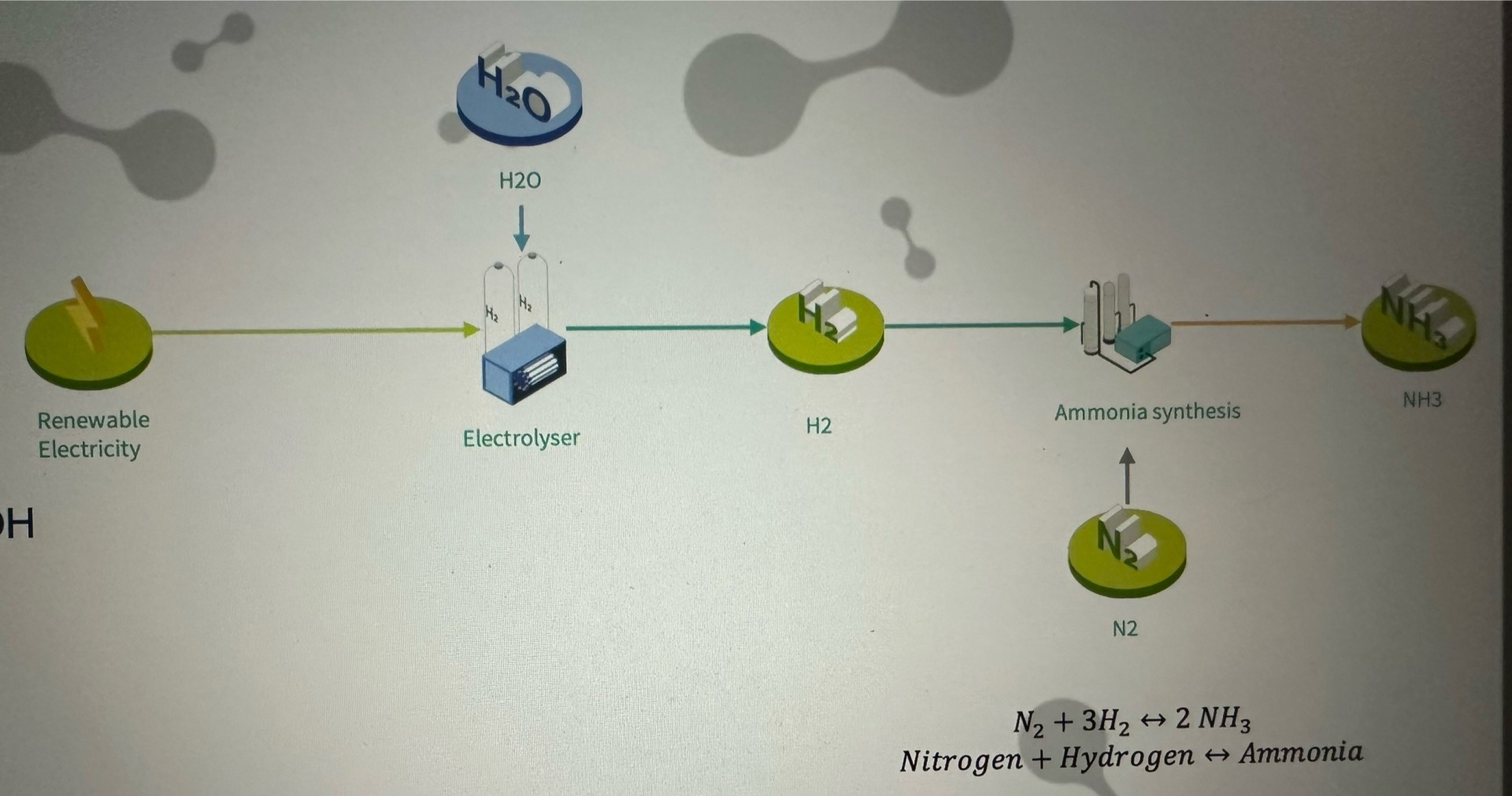
The diagram below illustrates the process simply:
The Haber-Bosch Process
After hydrogen is produced via an electrolyzer, it is either used directly for ammonia production or stored for later synthesis when needed.
In ammonia synthesis, also known as the Haber-Bosch process, nitrogen is added to hydrogen to produce ammonia. The full formula, which also appears in the diagram, is as follows:
N₂ (Nitrogen) + 3H₂ (Hydrogen) = 2NH₃ (Ammonia)
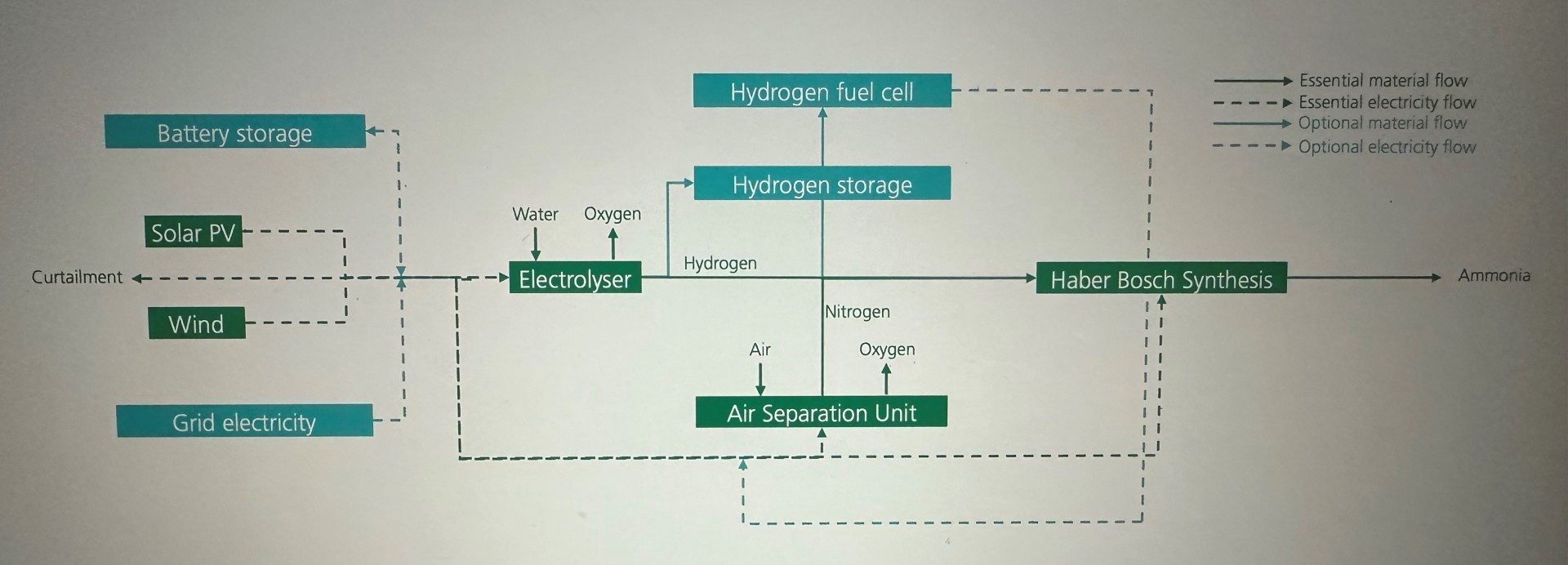
Once ammonia is produced, the next step is separating it from toxic gases in an air separation unit, after which the ammonia is stored.
As I mentioned earlier, electricity is used to power the electrolyzer and desalination plant for hydrogen production. Similarly, ammonia production requires electricity for the Haber-Bosch reactor. The key point here is that electricity must be supplied to all these facilities without interruption.
Three Ways to Address Renewable Energy Fluctuations
Managing fluctuations in renewable energy and ensuring an uninterrupted electricity supply is critical for this process. The three main strategies are:
1. Use solar (PV) and wind power systems in a hybrid setup so they can balance each other out during day and night or across seasons.
2. Invest in excess installed PV or wind capacity to guarantee a certain hydrogen and ammonia production level.
3. Use battery systems or other forms of electrical energy storage.
It’s worth noting that some electrolyzers are designed to handle fluctuations from renewable energy sources and still operate efficiently. PEM-type electrolyzers, in particular, can function effectively with variable power supply. Also, hydrogen itself can be stored for later ammonia production.
Taking a Closer Look at the Ammonia Production Process
The Business Model Matters
After ammonia is produced and stored, some key business model questions need answers:
1. Will the produced ammonia be sold directly, or used as a raw material for other production?
2. Will it be for centralized systems or distributed systems?
3. Will the buyer collect the ammonia from the production and storage facility, or will the producer transport it to another destination?
4. Will the supply of ammonia be continuous or at specific intervals (regular or irregular)?
5. If the ammonia will be exported, what will be the size of the ship or the depth of the port?
The Critical Role of Fertilizer
As noted in point #1 above, after ammonia is produced there are two options:
1. Energy Source – Ammonia can be used as an energy source. For example, it is a popular marine fuel with relatively low carbon emissions compared to other fuels. Although widely used, I personally don’t favor this approach because burning ammonia for energy still produces some carbon emissions.
2. Fertilizer Production – Ammonia is the raw material for fertilizer, which is essential for agriculture. Fertilizer is so important that it can be considered a matter of national security. If a country cannot produce its own fertilizer, it cannot properly nourish its soil or farm effectively. Without proper agriculture, its people will either face hunger or become permanently dependent on imports.
Risks
We can group the risks into two categories:
1. Financial Risks – Especially in the early stages, investors need incentives for ammonia production. Since there are many different processes in ammonia and fertilizer production, controlling costs is not easy. Three key figures must be closely monitored:
a. LCOE: Levelized Cost of Electricity
b.LCOH: Levelized Cost of Hydrogen
c. LCOA: Levelized Cost of Ammonia
In simple terms, “Levelized Cost” represents the synthesis of both expenses and revenues, and is a key metric for evaluating a project’s efficiency.
2. Social and Environmental Risks – Special attention must be paid to high, acute, and very high toxicity. Very high toxicity could occur, for example, if there were a leak from a coastal facility into the sea. Additionally, both hydrogen and ammonia are flammable and explosive. This makes proper planning and professional execution essential. Only truly competent teams should build these facilities. Cost-cutting must never compromise quality. Facilities should be built to the highest standards without exception. Otherwise, the consequences could be beyond the investor’s ability to fix and could pose risks to human life.
I hope this article has been useful for those interested in the topic. I sincerely hope that in the future, our beautiful country will produce ammonia from green hydrogen, and that fertilizer plants using this ammonia will become operational.
Note: While preparing this article, I benefited from the hydrogen training and educational materials provided last year by GIZ (Deutsche Gesellschaft für Internationale Zusammenarbeit – the German Agency for International Cooperation). I thank GIZ and all its affiliated institutions and organizations for their contributions.
Tag: ecology