Last year, I attended this event, held from 4-6 June, with two colleagues, all with a rather busy meeting schedule. One was our technical consultant on solar panels, Zineb, a German and French citizen of Moroccan origin, and the other was our sales and marketing director, Simay. Having lived in China for three years, Simay accompanied us there like a guide. To help you visualize our team attending SNEC, I’d like to share a photo of us taken at Intersolar in Germany last year:
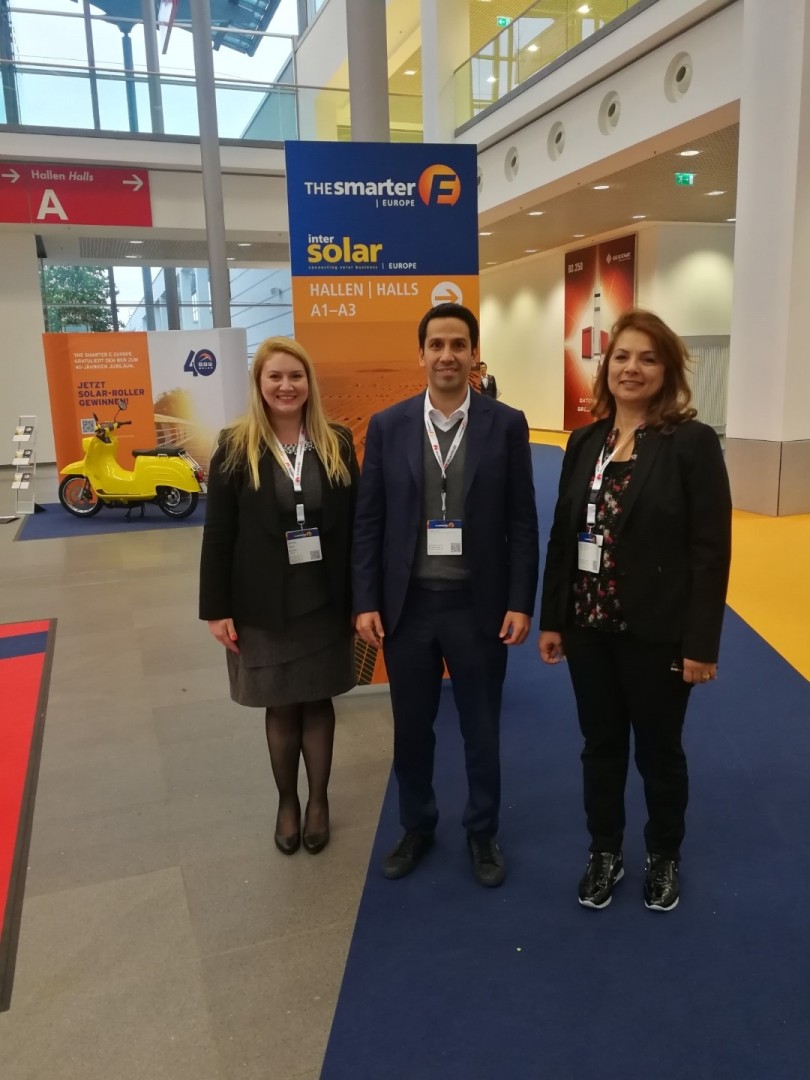
I’m sharing the blog post I wrote about SNEC as a reminder: https://www.serhansuzer.com/tr/cine-ilk-gidisimde-gunes-enerjisi-etkinliginde-yaptigim-konusma
As you can read in my post at the link above, we arrived safely at the Radisson Blu Shanghai Pudong Jinqiao in Shanghai on a Sunday. That evening, my teammates and I went down to the densely populated port area and went to Yershari Xinjiang, a Uyghur restaurant located inside the Super Brand Mall in the Lujiazui (Financial District) on the banks of the Huangpu River, for dinner. After dinner, we returned to our hotel and checked into our hotel.
The next day, we attended a luncheon gathering leaders in the solar energy industry. After lunch, we had some meetings and meetings before returning to the hotel.
Zineb from our team feels unwell
After returning to the hotel, in the evening, as we were about to prepare to attend an event for Meyer Burger, a leading European solar energy machinery and equipment provider, Zineb told me she wasn’t feeling well. Travel can sometimes wear people out. I suspected she might be fatigued from all the travelling, so I told her that after a decent night’s sleep, she could be in great shape the next day, and I reassured her.
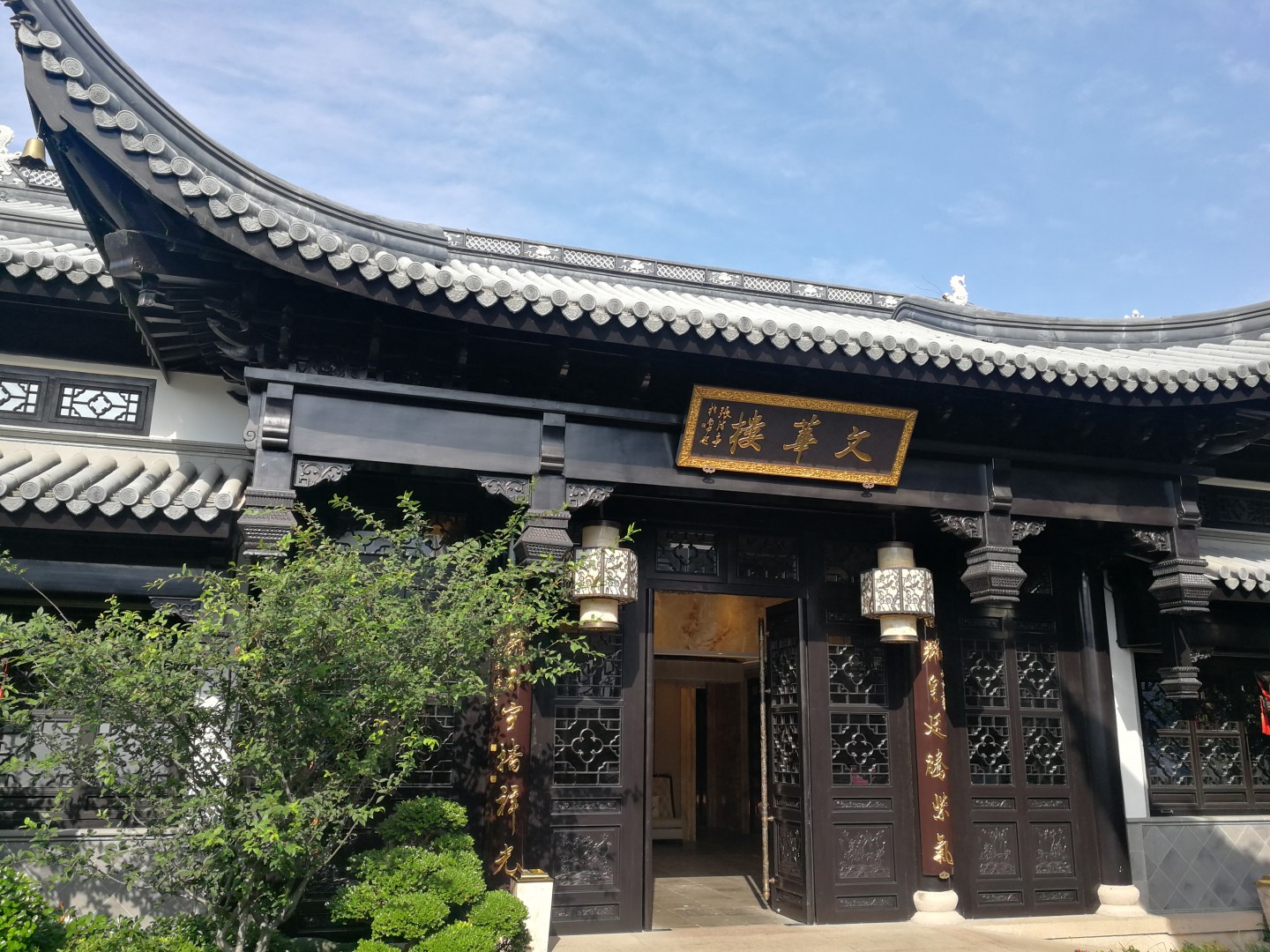
The venue where the event, reflecting Chinese culture, was held.
At the evening’s event, we were able to discuss many technical details and had a great time. In fact, at this event that evening, the “Twelve Girls Band,” made up entirely of Chinese women, performed a song they nicknamed “Freedom:”

A Turkish tune in the Chinese band’s repertoire!
I couldn’t believe my ears when I heard this song. Because, as many of my Turkish readers will recall, it was the soundtrack to our famous film “Tosun Pasha.” At first, I couldn’t remember. I asked around and confirmed that this music was actually our famous “Nihavend Longa.” You can listen to the full song at https://open.spotify.com/album/2qtWzajxpYgaH0OwKnetIB .
Afterward, I went to the girls and told them the truth of life: that this song was originally in Turkish. We sent them the original song to confirm this (they were very surprised), and then we took the following souvenir photo:

After this event, we returned to the hotel in the evening, not too late. The SNEC event was to officially kick off the next day (Tuesday). So, we retired to our rooms relatively early. Everything was fine up until this point.
The next morning, the nightmare began. Zineb couldn’t come down for breakfast. It seemed strange that Zineb, who was normally German with discipline and punctuality, was late. I called her half an hour after the scheduled time, and her voice sounded very bad. The following conversation took place:
– Zineb, are you okay? You sound bad.
– I’m not okay. I got really sick last night. I was in a cold sweat all night and couldn’t sleep. Now my head hurts so bad, I can’t lift my head, I’m so weak.
– Oh my gosh. Should we take you to a doctor? Let’s help you.
– No need. I’ll pull myself together and come downstairs in a minute.
– Okay, we’re waiting for you anyway. Let us know if you need anything.
– Thank you.
After this conversation, Zineb never came downstairs. We called her again 45 minutes after our last conversation. She said, “You go to SNEC, I’ll get myself together and then I’ll come back, so we can catch up.” So we went to the SNEC opening.
Tracking down Zineb
We called her again throughout the day but couldn’t reach her. Her cell phone was off, and she wasn’t answering from her hotel room. We began to panic. After attending numerous meetings throughout the day, we returned to the hotel in the evening and tried calling her again but couldn’t reach her. We spoke with the front desk and the concierge, gave her directions, and learned that she’d left the hotel in a taxi around noon. We contacted the taxi driver and eventually discovered that Zineb was hospitalized and in a hospital outside the city.
We cancelled our evening plans and went to find Zineb. After a journey of about an hour and a half from where we were, we arrived at the hospital where Zineb was hospitalized and went into her room.
She was seriously ill, lying on a bed with all sorts of IVs and other equipment attached to her arm. She was happy to see us. Can you imagine, a European citizen, a solar energy professional who came to China for the first time in his life, caught the virus on his first day in China and was trying to talk to us, even though he could not move his arm.
It turns out that after speaking with us, Zineb, instead of recovering, was so bad that she nearly fainted, so she took a taxi on her own. Following advice from the concierge, she told the driver she needed to go to Shanghai International Hospital. Like the dishonest taxi drivers we have in İstanbul, the taxi driver, instead of taking her to that hospital, which was 10 minutes from the hotel, took her to Shanghai Jiahui International Hospital, a hospital run by the same chain, an hour and a half away outside the city, near Hongqiao Airport. Unfortunately, there are dishonest taxi drivers everywhere who make long journeys to make more money.
Doctor’s Mask Warning
While Zineb was chatting with us, exhausted, a nurse entered first. After changing her IV drip and performing general care, she left. About 45 minutes later, another doctor, who I assumed was of Indian descent, entered. The doctor immediately asked us, “Why weren’t you wearing a mask?” Both the nurse and the doctor were wearing masks. I replied, “No one told us to wear masks.” The doctor immediately told us to get masks from the place at the end of the hallway outside and said, “Don’t ever enter this room without one again.” Curious, I interjected, “We’re not used to wearing masks. Why do we need to?” When he confronted us with a truth I’d heard for the first time in my life and had only recently learned: “We don’t know how this lady got into this condition or which virus caused it, so wearing a mask is mandatory when entering the room for these types of illnesses,” he said. We then quickly slipped out of the room, immediately put on our masks, and entered again.
After discussing all the details with Zineb and deciding what to do during her illness and how to help her, we left. After another long journey, we returned to our hotel.
That week, we finished with a busy schedule, attending at least 10 meetings a day. According to our schedule, we were to travel to Jiangsu Province on Friday and conduct a technical visit to an AgroPV power plant (a model with agriculture on the bottom and a solar power plant on top).
This time, I’m starting to feel unwell
However, I started feeling unwell, especially on Thursday afternoon. I was starting to break out in a cold sweat. This wasn’t good news, because we were supposed to travel on Friday, go to the Shajiabang Industrial Zone in Changshu, Suzhou, Jiangsu Province, and then fly to Xi’an for an important investor meeting on Saturday. We regretfully canceled the AgroPV visit the next day. Thursday evening, I went to the hospital near our hotel for a checkup. We arranged a direct flight to Xi’an for Friday evening. I couldn’t cancel the investor visit.
At the hospital, they tested me for the flu virus, thinking I might have it. Interestingly, nothing came back. I continued to break out in cold sweats and had a fever. They advised me to go to the hotel and rest and gave me medication to alleviate the symptoms. We returned to the hotel.
The next day, before heading to the airport, we visited Zineb again. Of course, this time, we followed the rules and wore masks. He wouldn’t be able to make his flight the following week because his recovery was taking longer than expected, so he was upset. We couldn’t be there, but thankfully, Simay packed all his luggage and brought it to him. We also got him what he needed. After offering our best wishes, we left the hospital and headed for the airport.
My illness worsened in Xi’an
By the time we arrived in Xi’an on Friday evening, I was completely deteriorating. That evening, I barely made it to bed. The next morning, I woke up in a cold sweat again and, exhausted, went down to breakfast. The potential investor then picked us up from the hotel.
I tried to keep the guys quiet, but there were times, especially during our three-hour factory tour, when I even had difficulty walking. I managed to step outside for fresh air every now and then. The meeting went well. Afterward, they took us to dinner. At dinner, I ate something spicy, like pulling out a nail, and drank the drinks they provided.
We ate plenty of everything except for things we thought were unusual, like chicken legs. The men were pleased that we ate the food with chopsticks, just like they did, and enjoyed it. We established a comfortable communication. Afterward, we went to meet with another Chinese person who organized the meeting. For some reason, I was still sweating profusely after that meal, but by late afternoon, I was feeling better.
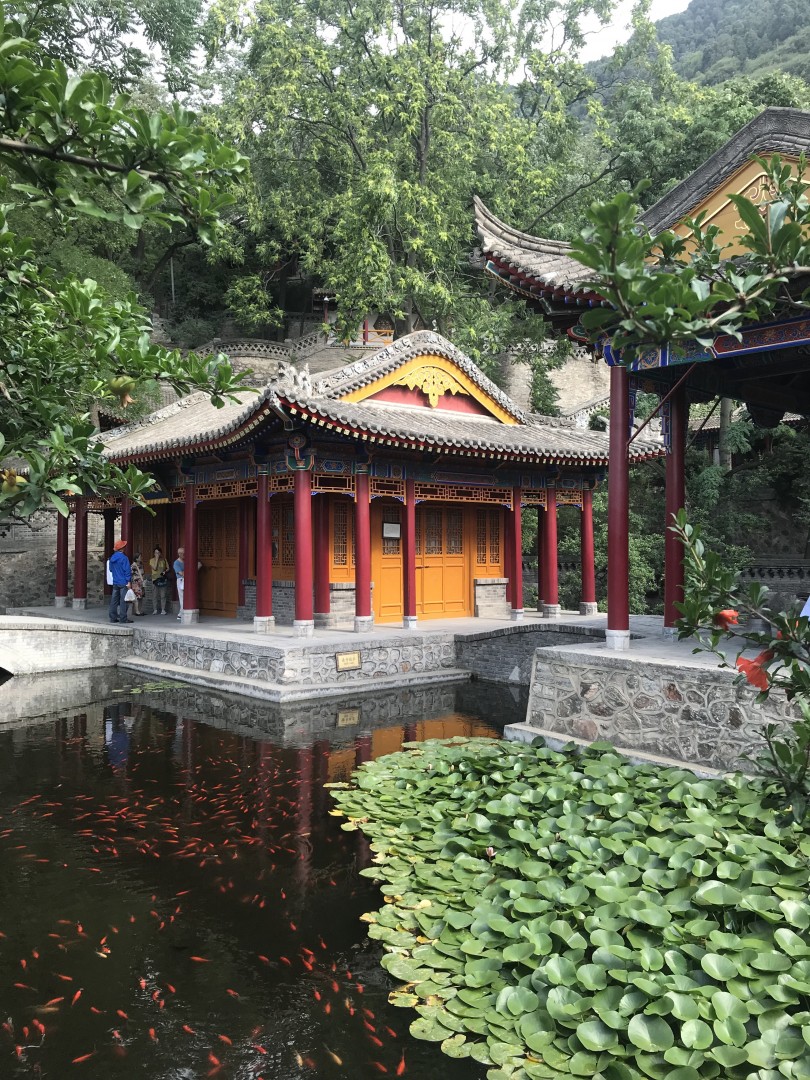
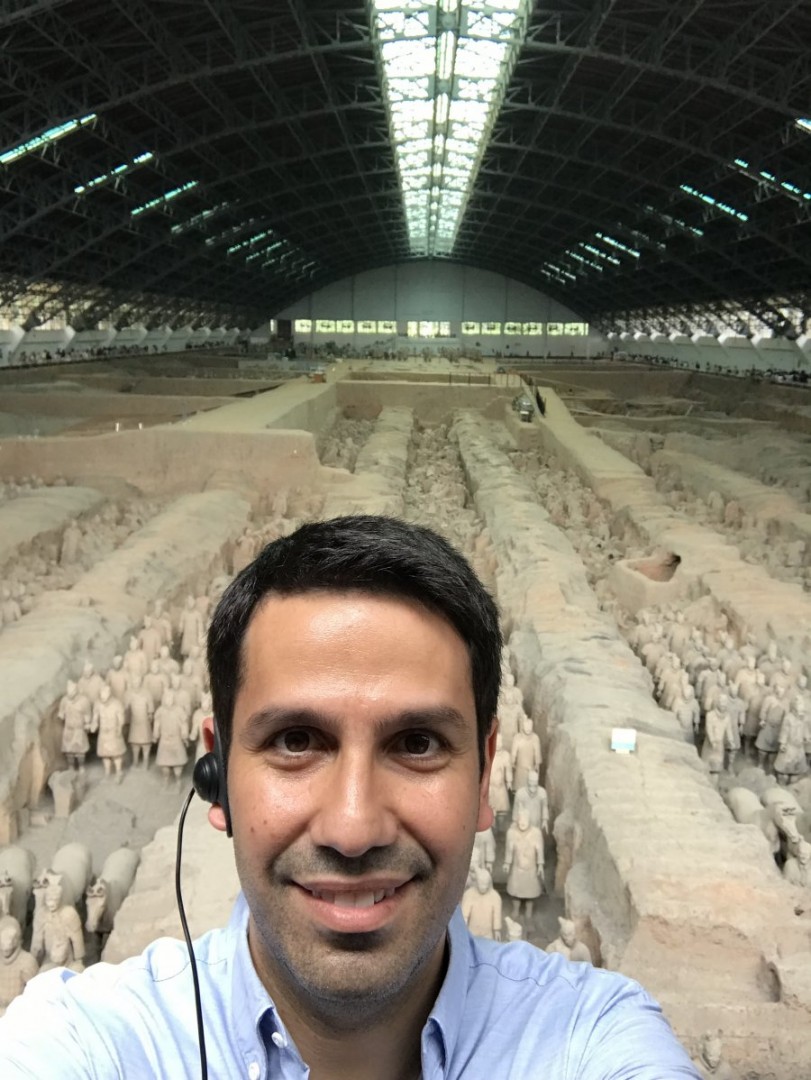
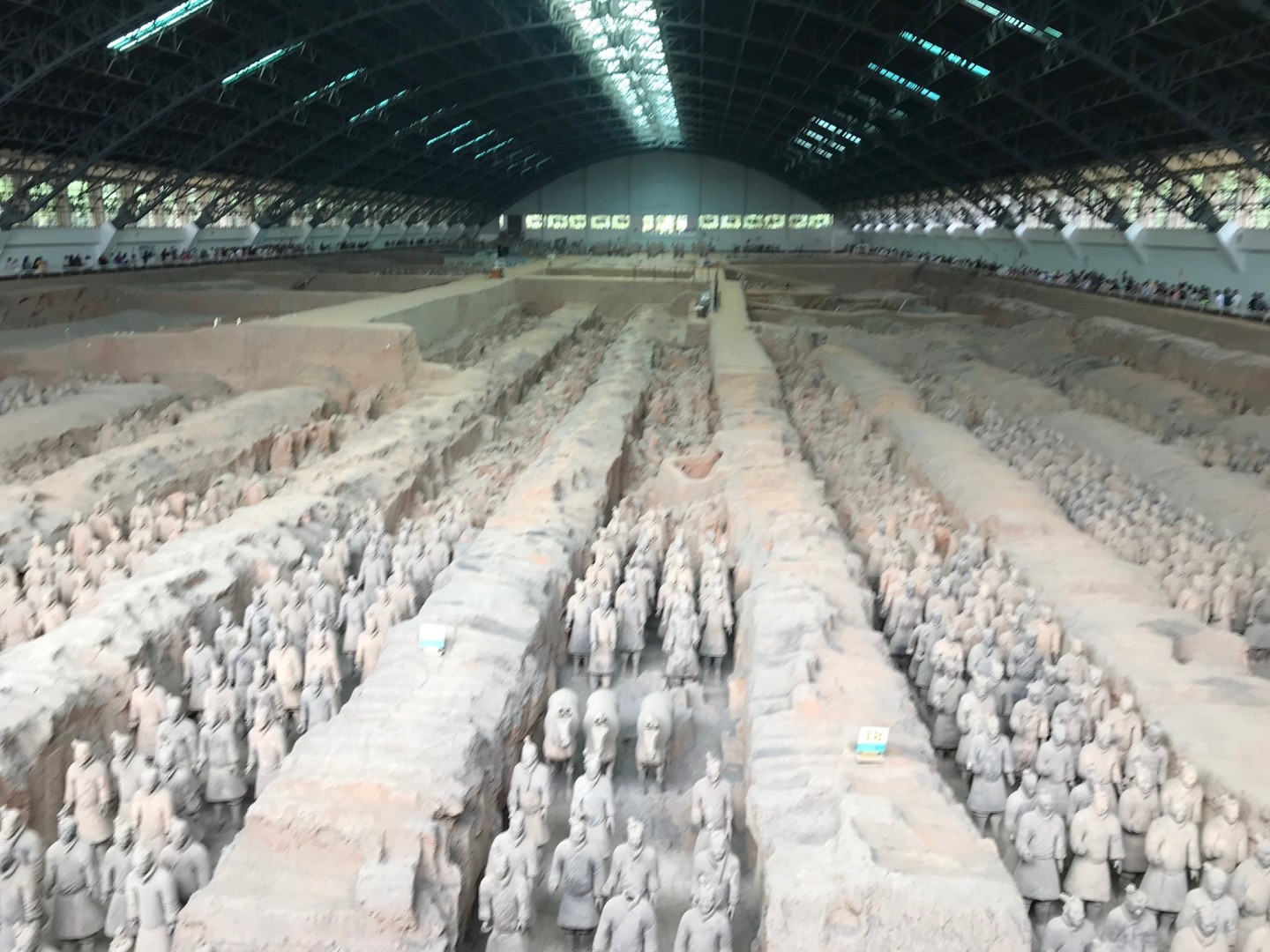
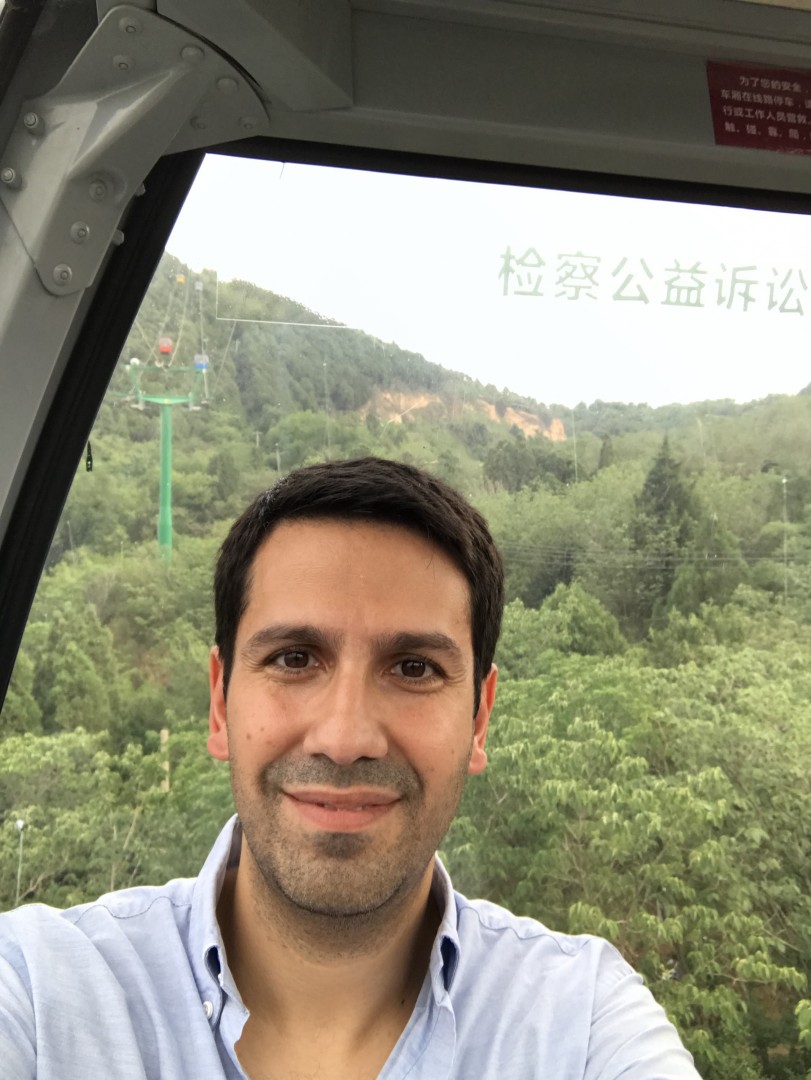
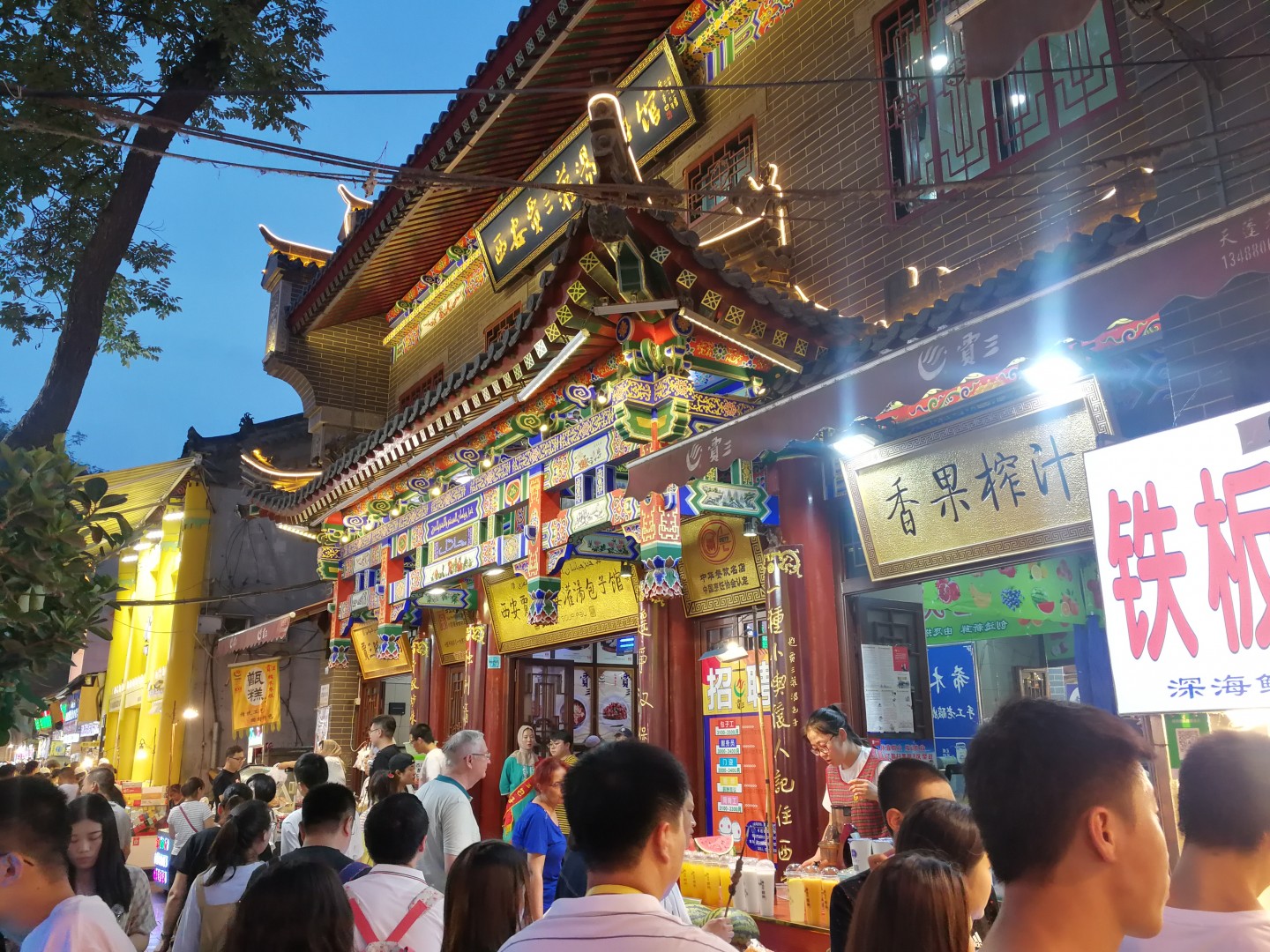
I even managed to take a tour of Xi’an that evening. The next day, we visited the ancient city of Xi’an for sightseeing. I’d like to remind you of my blog post about this visit:https://www.serhansuzer.com/tr/yer-alti-ordusu-ve-efsane-ikonlariyla-antik-kent-xian
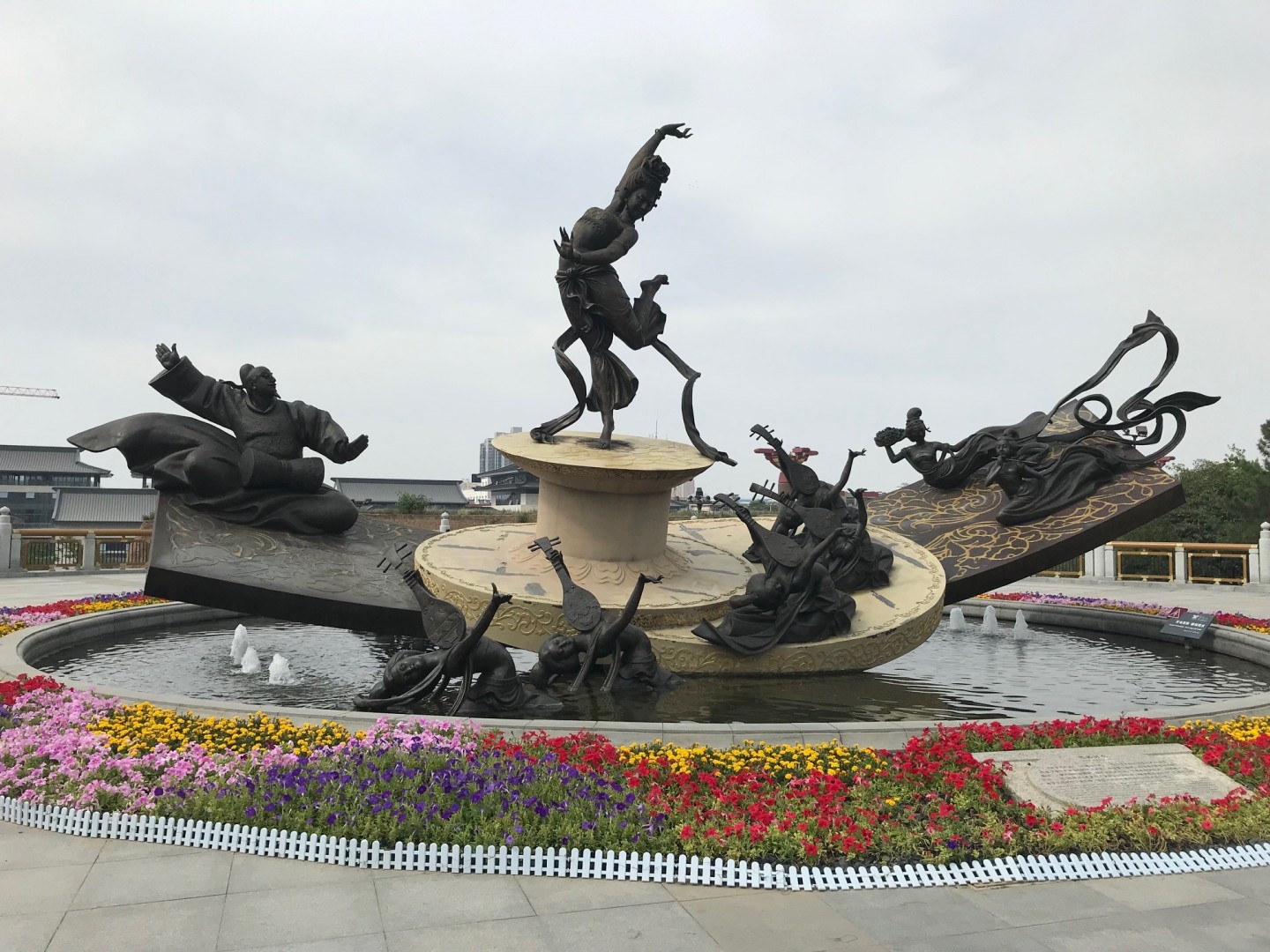
Here are some photos from the tourist trip:
I completely recovered from my visit to the ancient city of Xi’an on Sunday and managed to start off my week with a bang. I returned to Turkey fully recovered. Zineb was able to return home to Europe towards the weekend, with a delay of 3-4 days. She remained in the hospital for 10 days and, unfortunately, couldn’t attend any events or meetings. The illness we experienced in China that week was caused by some kind of virus. We couldn’t understand what it was. This situation, which we didn’t really care about, has become even more significant now that we’re experiencing the COVID-19 pandemic.
Meanwhile, Simay was the only one on the team who was unharmed. She organized and actively participated in all the meetings, standing tall. I remember joking with her, “During the three years you lived in China, you’ve become immune to the viruses here?”
Allegations Regarding the Emergence of the Coronavirus
So, despite everything, can we say that China is solely responsible for what happened in Wuhan, the ground zero of the virus? Various claims have been made about China. The first claim was that the virus originated in an animal market. Because of this speculation, the Chinese government has closed some animal markets. Here’s an article on the subject published in National Geographic: https://www.nationalgeographic.com/animals/2020/04/coronavirus-linked-to-chinese-wet-markets/
Another claim was that the COVID-19 virus was created in a virology laboratory in Wuhan. Frankly, I’ve heard many instances where this claim was made to ensure its rapid spread among humans; that the characteristics of known coronaviruses were manipulated, that it could have originated in China or the United States, and that even influential individuals or families like Bill Gates were behind it. I’d also like to share a news story on this subject:https://www.hurriyet.com.tr/galeri-cnn-abd-istihbarati-koronavirusun-vuhandaki-viroloji-laboratuvarinda-uretildigi-iddialarini-arastiriyor-41496171/7
I would also like to share another related news that came out today: https://www.hurriyet.com.tr/galeri-dikkat-ceken-rapor-sizdi-tum-oklar-cine-cevrildi-41508990/15
Today, there’s a surge of anger towards people of Far Eastern descent worldwide. Even in developed countries like the US and Canada, which have significant Far Eastern ethnic populations, news is coming that hate crimes are being committed against these people. This is truly saddening and shameful. Here’s an example. I’m ashamed to share a video about hate crimes committed in Canada, a country where I went to university and have always admired and been proud of:https://www.instagram.com/tv/B_5m6M1DX4I/?igshid=108ygspq109cf
None of us know the origin of the COVID-19 pandemic. If, as conspiracy theories suggest, there’s a certain intelligence agency or influential individuals and families behind it, it’s unlikely anyone other than them could know. Or if it truly originated in an animal market in China, we can’t go back and identify it 100%. The point I want to draw your attention to in this article is different.
What could have been done?
Given the extent of this pandemic and the continued deaths of hundreds of thousands of people every day, everyone here needs to reflect on and assess what we did wrong or inadequately. Calling it the “Chinese virus,” as some have suggested, and tending to place sole responsibility on the Chinese, is, in my opinion, a sign of weakness. This coronavirus outbreak, supposedly ground zero for China, could have been prevented with certain reactions and preparations from countries. Unfortunately, these countries failed to act proactively. Accordingly:
1) R&D efforts could have continued unabated, allocating substantial funds to develop vaccines or drugs that could combat the coronavirus family or other types of viruses. Different types of viruses have mutated and continued to plague humanity for thousands of years. Modern medicine, on the other hand, is making desperate declarations about viruses, such as, “What can we do? Are we supposed to find a cure for viruses that have existed for thousands of years?” Declarations that defy my understanding and logic. However, if the goal of eradicating viruses is prioritized, these viruses can be overcome. Mutated viruses can be swiftly dealt with through various systems, regardless of how much they mutate. All countries, states, the private sector, and NGOs must contribute to this goal, both collectively and individually. Because the enemy that threatens humanity is everyone’s common enemy.
2) Upon receiving news of such an outbreak in China, airline flights to China could have been temporarily suspended.
3) As soon as news of such a rapidly spreading outbreak in China was received, countries could have begun stockpiling essential products such as medicines, disinfectants, ventilators, masks, and gowns, and governments could have established production and distribution systems to ensure immediate public access to these products.
4) Simple solutions, such as making mask-wearing mandatory as soon as we heard about the spread of the pandemic in China, could have been put forward. The Czech Republic has successfully passed this test, and Czech citizens have managed to keep the number of COVID-19 cases in their country to a minimum by wearing masks every time they go out with discipline.
5) As soon as news of the pandemic spread to their country, governments could have implemented a strict curfew without compromise from the very beginning.
6) Economic measures could have been proactively taken as soon as the threat of a pandemic (global epidemic) emerged.
7) Access to basic needs such as food, water, cleaning products, and energy could have been guaranteed for everyone as soon as news of the virus’s spread outside China was received.
If all of this had been done, we would have prevented this pandemic from reaching such a massive global scale today. Almost all countries were caught unprepared by this pandemic. Of course, we also need to look at the root of the problem. This is people’s contempt for all living beings except themselves and their denial of the right to life in this world. They are literally plundering the world and our nature… I’d like to share a video about this with you: https://www.instagram.com/p/B-9FsebFVCy/?igshid=mcudfobupvy2
Nature’s Slap and Humanity’s Choice
The ever-increasing global population is also accelerating this plundering. Even if this epidemic were triggered by a genetically modified virus in a laboratory, this has only accelerated the emergence of a potential epidemic. Otherwise, nature would have allowed these viruses to emerge, as it has in the past, to protect itself. Pandemics, climate change, and nuclear war—two of the threats that could bring about the end of humanity—are essentially nature’s self-protection mechanisms. Nature first warns, listens, then starts to slap (and it’s starting to slap these days), and finally delivers the fatal blow. We, humans, are surprised at what we encounter just when we think we’re so powerful. We can’t prevent what will happen, but we can only delay it. Therefore, instead of placing blame on the Chinese, we as humanity should all take stock within ourselves and at least take necessary action from now on. Life is short. Will we contribute to the world, humanity, and the society we live in during our lifetimes, or will we continue our selfish, indifferent, and environmentally damaging lifestyles? The choice is ours. The decision is ours, it’s ours!
Tag: ecology