Still, it’s a useful day in the sense that it reminds us of the institution of fatherhood. So, on this occasion, I’d like to share some of the many different father types I’ve observed, and what being a good father means to me.
Depending on regional differences, education level, socioeconomic status, and environmental factors, there are many types of fathers in our country. Believe me, I’ve encountered dozens. One clear observation I can share is this: two main factors shape a child’s character.
The first is genetic makeup. Is the child emotionally strong or fragile? Well-adjusted or troubled? There’s nothing we can do about this part. It’s simply divine fate—we have no choice but to accept it.
But the second factor is family and environmental influence. I’ve seen kids with tremendous potential wasted in toxic family environments. I’ve also seen kids with difficult beginnings who, thanks to a healthy home life, grew into balanced, well-rounded adults. So no, we shouldn’t just shrug and say “it’s fate.” Creating a good home and environment for a child is just as important.
Coming back to father types:
There are those who see themselves as tribal chiefs. These men view themselves as demigods—the sole, unquestionable rulers of their families. Everyone is expected to depend on them. They’ll go to any lengths, using their power and wealth to maintain their rule. Principles mean nothing; all that matters is preserving their dominance. They treat their children as property—like a house they own and decorate to their liking.
Then there are fathers who put their children above all else. Once the child reaches a certain age, they say, “You’re the head of the family now—I’m going on vacation,” and hand over all responsibility. “Call me if you need anything,” they say with reassurance.
Some fathers—despite having few resources—do everything they can to educate their children well, becoming the biggest supporters of their success. Their children’s achievements are a great source of pride.
Others, sadly, show no regard for family life and never realize how crucial it is for a child to grow up in a healthy home. Some, by contrast, will do anything to keep the family together.
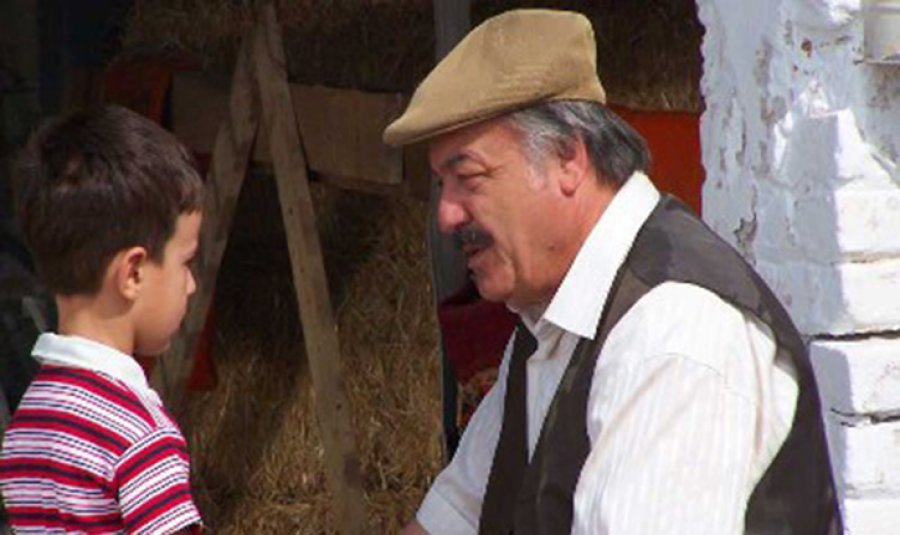
Another common figure in Türkiye is the distant father. He sees affection as weakness, or fears it’ll be perceived that way. Even if he loves his child deep down, he won’t show it. He’ll never apologize, even when he’s clearly wrong. This type of father may even expect his child to address him formally using the equivalent of “sir.”
On the flip side, there are fathers who consider being overly casual with their kids a sign of being modern. Some even prefer their kids call them by their first names instead of “Dad.”
In wealthier families, there’s the father who provides for every material need—and then some. Some go overboard, buying luxury cars or jewelry for their kids at an early age. “I suffered a lot growing up, at least let my kid enjoy life,” they say. These fathers try to give their children everything, never saying no. When the child makes a mistake, they rush to protect them. They don’t realize they’re doing more harm than good. Kids raised like this often make mistake after mistake well into adulthood and live off inherited wealth without ever getting their footing.
On the opposite end are wealthy families who, despite having means, push their kids to enter the real world early. They knowingly let their children make mistakes so they’ll learn from experience—but they never stop offering advice and support.
Then there are uninformed fathers—men who have several children simply out of ignorance (often not understanding basic contraception). They may only provide bare minimum care—food, clothing—and then push these children into the labor force at a young age, long before they’ve had a proper childhood. To ease financial burden, they may apprentice a son to someone, or try to marry off a daughter as early as possible—often when she’s still a child.
Some fathers are completely devoid of love. They lead their families through fear and intimidation. Others earn love and respect from everyone in the household, and their word becomes law not because of fear, but because of admiration.

So the real question is: what does it mean to be a good father?
Surely, in a country with so much diversity, there has to be a common definition—some shared criteria.
Here’s what I believe makes a good father:
- Believing in the importance of family and ensuring the child grows up in a loving home.
- Spending time with the child, taking an active role in their life.
- Accepting the child as an individual, not trying to mold them into what you want, but guiding them based on their interests, talents, and potential.
- Introducing the child to real life, allowing them to make mistakes (within reason) and offering guidance along the way.
- Avoiding instant gratification—don’t give them everything at once. Teach them to work and earn what they want.
- Teaching basic health principles, like brushing teeth twice a day, showering regularly, etc.
- Teaching life fundamentals (I’ll write more on this in a future post).
- Spending quality time together, having fun and bonding.
- Raising the child to be a good person above all else. Believe me, being a good person is far more valuable than being rich.
- Love and respect matter immensely. You reap what you sow in life. If you show your children love and compassion, they’ll return it. At the same time, maintaining mutual respect is crucial. Once love and respect disappear, so does the foundation of the parent-child relationship.
Of course, I could list many more points, but I won’t go on and on. I’ll just say this: Motherhood and fatherhood are roles that must be taken very seriously. In fact, I believe families should go through training before having children. It’s plain to see the societal damage caused by uneducated, egotistical, or abusive parents who know nothing about child psychology.
One excellent example of parenting education is AÇEV (The Mother Child Education Foundation)—many thanks to the Özyeğin Family for their efforts in this area.
Now you might rightly ask:
“Hey Serhan, are you speaking from experience? Have you ever been a father?”
To which I can honestly say:
“No, I haven’t yet experienced fatherhood. But I can promise you this—when the time comes and I’m ready to be a father, I’ll do everything I can to be a good one.”
Tag: special days