
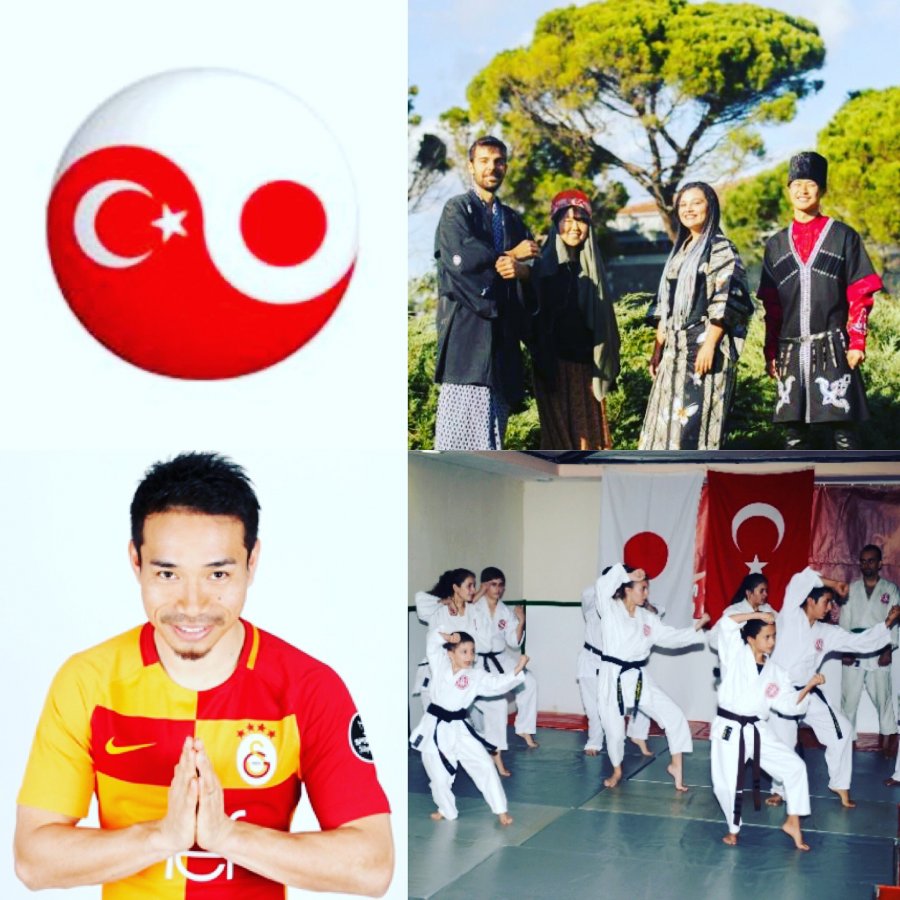
Today, our cultures likely differ greatly due to the great geographical distance. However, in the past, our ancestors in Central Asia even clashed due to sharing similar geography. Indeed, Central Asian Turks, Chinese, Japanese, and Koreans have fought numerous wars in that region, often amounting to massacres. In fact, the English name for Japan, The name ‘Japan,’ comes from the Turkish word Yaban. For our foreign readers who don’t know this, let me emphasize that in Old Turkish, Yaban meant ‘wild foreigner’ in English. The Japanese, who do know this, don’t particularly like the word ‘Japan,’ even saying, ‘Call us Nippon.’ This information aside, our current focus isn’t on past wars or the current problems in the region. The subject of this article is the unique culture of the Japanese, whom we might also call the ‘Germans of Asia,’ but who distinguish themselves in many ways and, despite some extremes, have consistently ensured their country’s innovation and prosperity.
I must also point out that Japanese and Turkish are originally from the same family. Both languages, belonging to the Ural-Altaic language family, have very similar grammatical structures. Therefore, it is relatively easy for Turks to learn Japanese, and Japanese to learn Turkish. I have Japanese friends living in Istanbul who speak fluent Turkish. They all tell me that learning Turkish is very easy for them. Conversely, my friends who speak Latin-based languages often remark on how difficult it is.
Ultimately, to gather information about these diverse cultures, many of which I am familiar with, I went online and compiled the following findings to share with you. Here are the cultural characteristics and customs of the Japanese that I envy and wish we had in our country:
- Master-apprentice relationship
Those who have experienced disciplines like karate and aikido are familiar with them. The master-apprentice relationship in Japan is completely different. Japanese masters ensure that students develop the right state of mind for learning. Surrender is crucial. This is, in fact, the first test. The sensei (the proper equivalent in our language is “hoca’) cannot simply share the techniques they have dedicated their life to, having earned from their own master, with just anyone. However, they are also consumed by a burning desire to perpetuate the traditions.
The period of surrender is one of the most crucial periods in the master-apprentice relationship. Even if the apprentice specializes in their field, their style still carries the influence of their master. A new master who has reached the rank of master respects his master unconditionally. If the master trains someone with superior qualities, they are considered fully mastered.
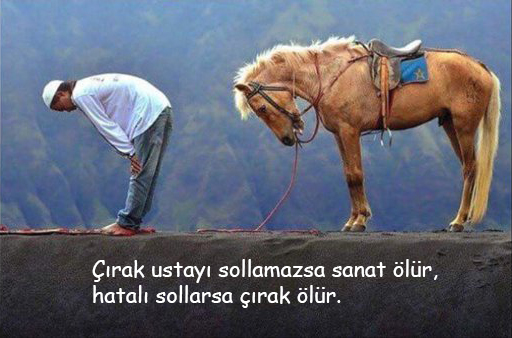
What happens in our country? In our country, the apprentice generally respects their master until they feel they have mastered everything in terms of training. Once they believe they have reached their full potential, they attempt to displace their master and cease to show the same respect. While apprentices in Japan carry on their masters’ names until the end of their lives, apprentices in Turkey try to erase or diminish their masters’ names in order to ‘ensure their own name is prominent.’ They even don’t hesitate to openly criticize or belittle their masters for this. Of course, what I’m saying doesn’t apply to everyone. There are exceptions in our country. I’m talking about the current master-apprentice relationship in general.
This may not have been the case in ancient Anatolian culture, but unfortunately, in our culture, which has degenerated over time, we witness truly distorted master-apprentice relationships. Therefore, many of the crafts we take pride in in our own culture, or the perspectives of those with innovative mindsets, are not being passed down to future generations in a healthy way.
Personally, this is why my motivation sometimes seriously decreases. I have so much I want to do; I can build sustainable structures from scratch that will be of great benefit to humanity, our homeland, and our nation, but will it be worth all the challenges I’ve experienced and will experience? This question is always on my mind! Because a string of accomplishments garnering excessive praise and the glow of success can sometimes derail the person you’ve handed the baton to. Even those you consider well-intentioned and strong-willed can go off the rails. Still, I’m hopeful for the future. There’s a solution. Of course, more patience is needed.
- When they make mistakes, they first look for blame within themselves.
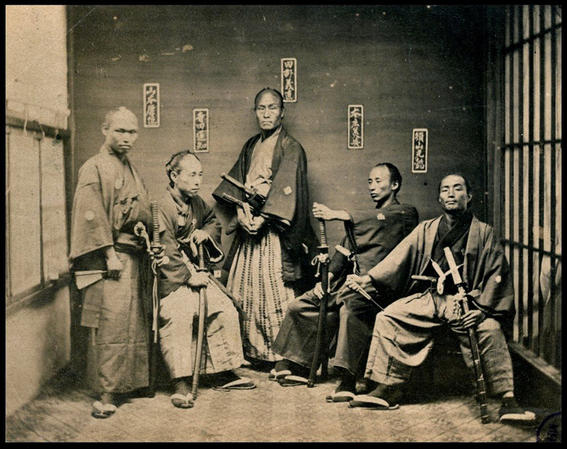
The Japanese embrace honorable living by nature. Therefore, when they make a critical mistake and it becomes socially condemned, they even have a tradition of hara-kiri (suicide by stabbing in the abdomen). Of course, hara-kiri is a marginal example; we don’t recommend hara-kiri to anyone in this era. The main theme I’m trying to convey here is that instead of blaming others, you can solve chronic problems by taking responsibility. In my opinion, living with honor and dignity is very important, as it is in Japanese culture.
- Perfectionism
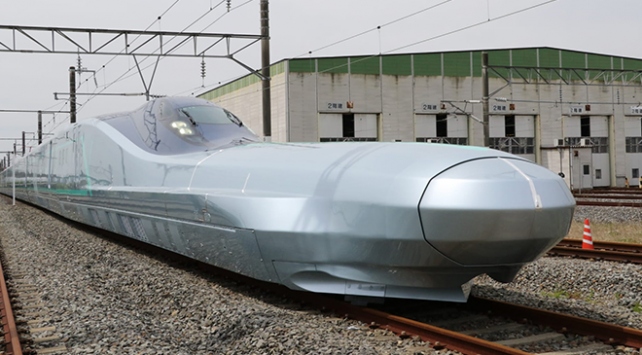
This is a classic Japanese trait. No matter what, they never compromise on certain principles. For example, the Japanese are among the most punctual nations in the world. Even their trains are among the most punctual, with an average delay of 18 seconds.
- Earthquake Awareness
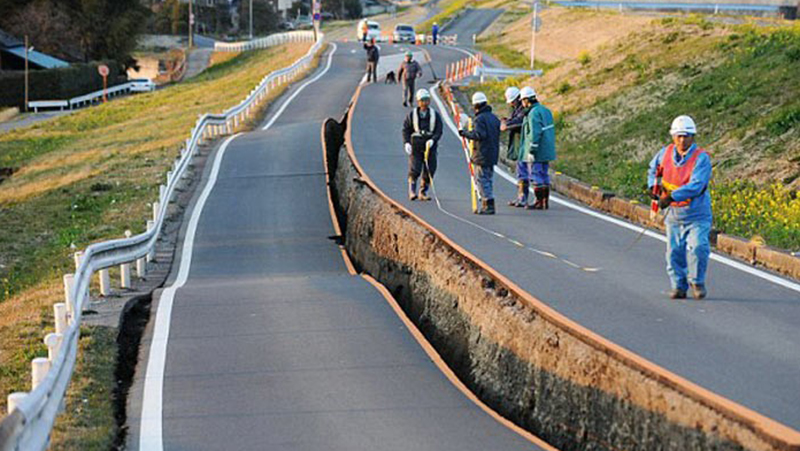
Japan experiences approximately 1,500 earthquakes, large and small, every year. If these earthquakes had happened to us, we would have been devastated; I don’t even want to think about the consequences. Advanced building technologies, emergency disaster action plans, professionals to implement them, and a public trained in earthquakes minimize the effects of earthquakes. The worst thing is for us.
- High Literacy Rate
Japan has a literacy rate of 100%. You read that right. The entire country is literate. Of course, when we say literacy, we’re talking about the Japanese alphabet, which is much more comprehensive and difficult than the Latin alphabet. Over 50% of Japan has undergraduate and graduate degrees. Just imagine the level of education these people have.
Thanks to its education system, Japan boasts 19 Nobel Prizes, a high-level education standard ranked among the top 50 in the world, Tokyo and Kyoto Universities achieving global success, and numerous international companies like Toshiba, Hitachi, Toyota, Honda, and Suzuki, where students can build careers after graduation.
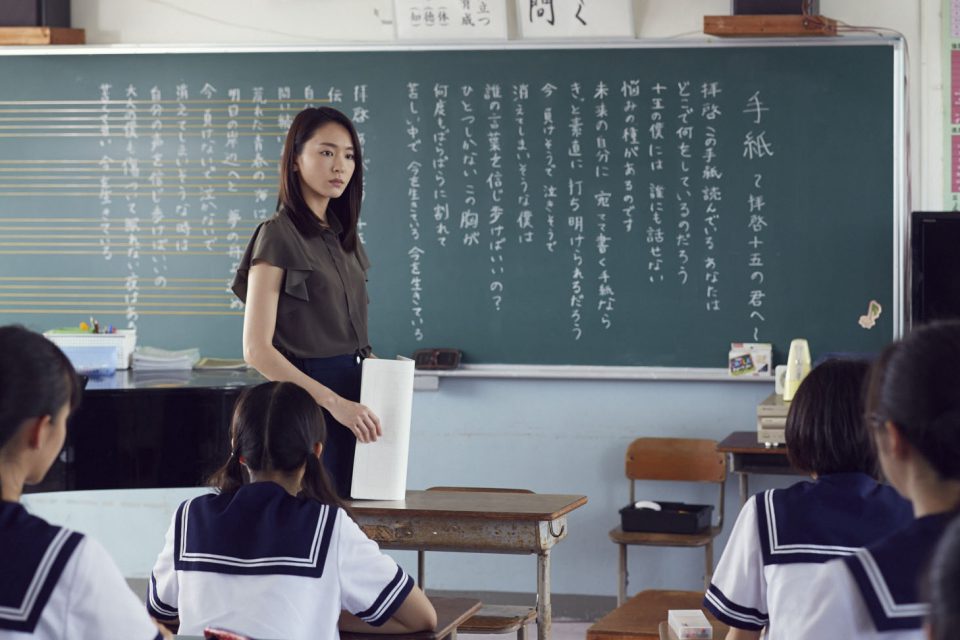
That’s why the Turkish Japan University of Science and Technology was recently established. We Turks envy the Japanese for their level of education and innovative approach. You can read the details on their website: https://www.tju.edu.tr/
Of course, I personally believe we can reach or even surpass their level. Perhaps, on the contrary, we will support them in the future in terms of science and technology. As long as those who think differently like us and strive to do something for humanity are valued and supported, not hindered.
- Longevity
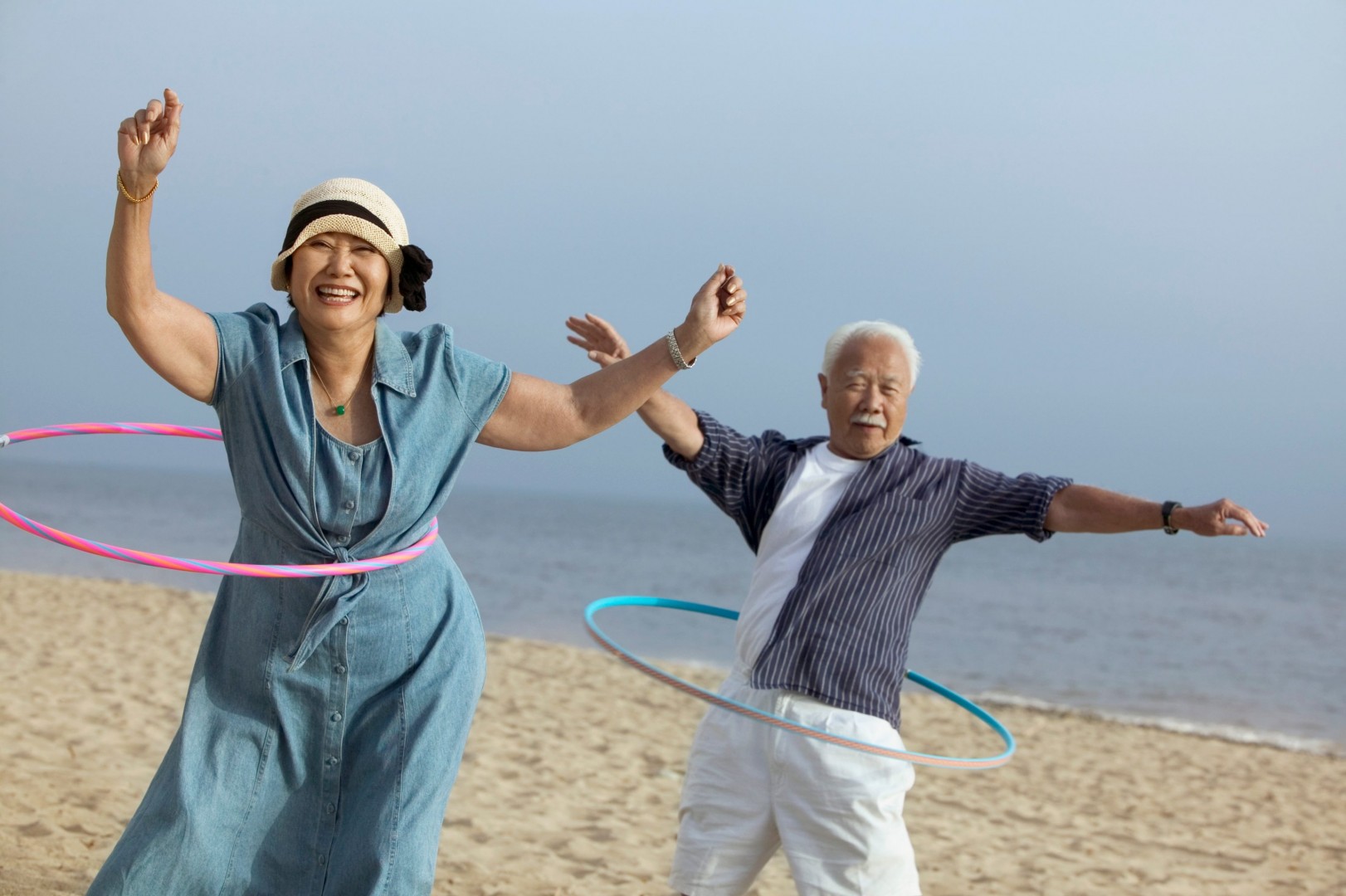
Longevity is synonymous with Japan. Looking at the age statistics of Japan’s population, as of August 2019, there were over 70,000 Japanese citizens aged 100 and over, and approximately 18,430,000 (approximately 14.6% of the population) aged 75 and over.**
This is why ‘Respect for the Elderly Day’ is celebrated annually and declared a national holiday to honor the country’s elders. We should all emulate the Japanese healthy living practices.
- 20 Different Ways to Apologize
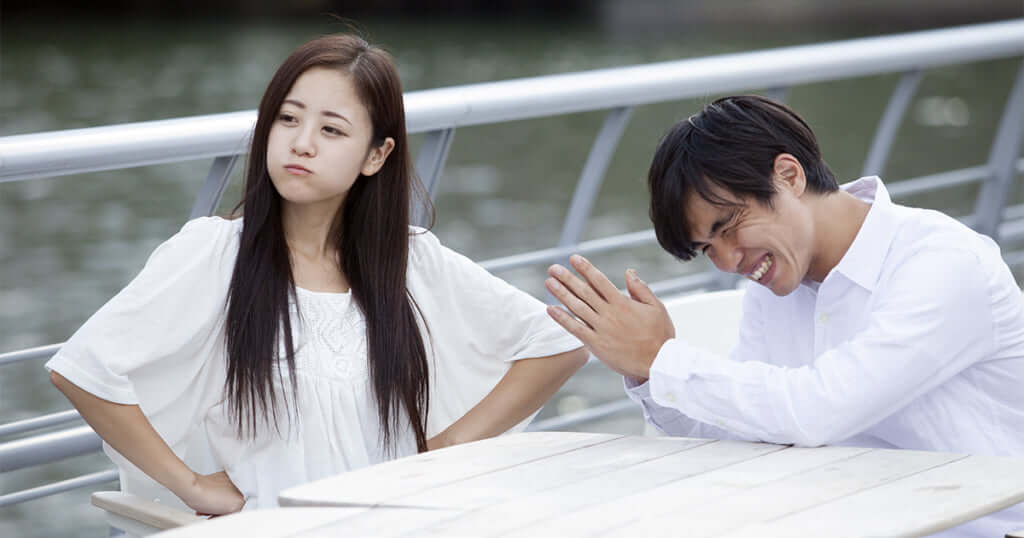
The Japanese consider apologies an undeniable virtue, and there are at least 20 different apology patterns. While the traditional habit of apologizing, naivety, and humility reflect the characteristics of the Japanese people, everyone from public officials to celebrities, government employees to corporate executives thrives on tolerance, kindness, and respect. Another method of apologizing after a mistake is shaving the head, which is indiscriminate for both men and women.
- Land of Robots
It’s worth noting that Japan is the world’s largest robot manufacturer, and half of the world’s more than 800,000 industrial robots are located in Japan. One of the biggest reasons for the increase in robot numbers is the declining young population, and as a precaution, the number of robots working as workers is projected to exceed millions by 2020. Robots designed for use in a wide variety of fields are categorized into humanoid robots, androids, quadrupedal animal robots, social robots, and guard robots. Among the most well-known humanoid robots are ASIMO by Honda, QRIO by Sony, and EMIEW by Hitachi.
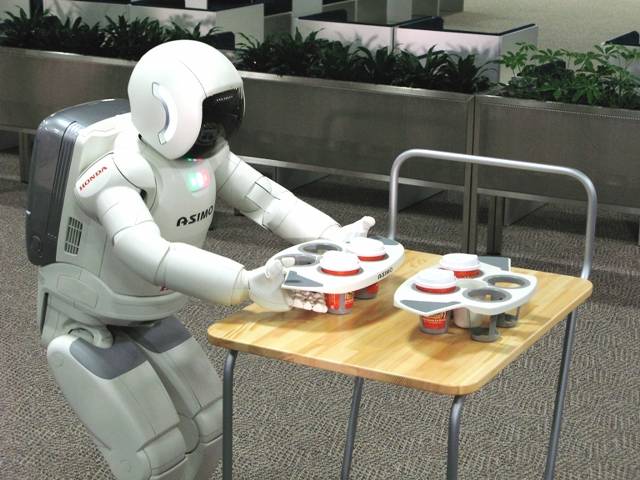
I once wrote that the best birthday gift I ever received was a Tomy robot my father brought from Japan. For those interested, I’m sharing the link to this blog post: https://www.serhansuzer.com/tr/ikizim-ve-robot-tomy
- Value Placed on Animals
The number of pets in the country exceeds the number of children. Of course, as someone who loves both children and animals, I bow my head to their culture of animal welfare.
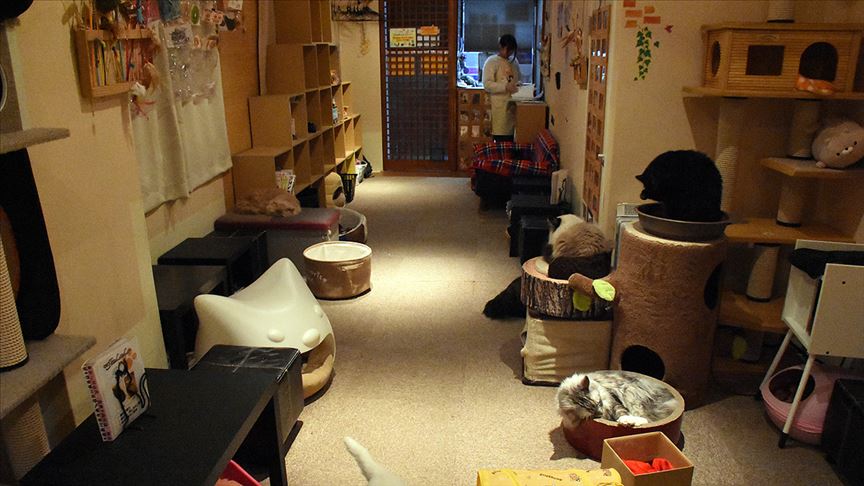
Here’s another concept from Japanese culture. The ‘Animal Cafe,’ where you can pet animals. 
- The Importance They Place on Nature and Plants
As an island nation known for its natural beauty, the Japanese generally take care of their nature and environment. All traditional Japanese buildings are integrated with nature. They even have artistic plants: bonsai.
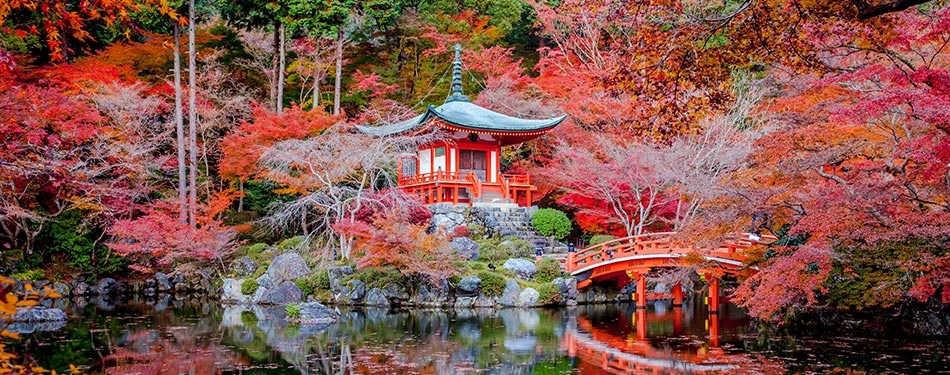
My only criticism here is the Japanese government’s poor management of the disaster that followed the Fukushima disaster and its subsequent refusal to shut down nuclear power plants. I’m sure the Japanese people are suffering from this situation.
- Their Hard Work
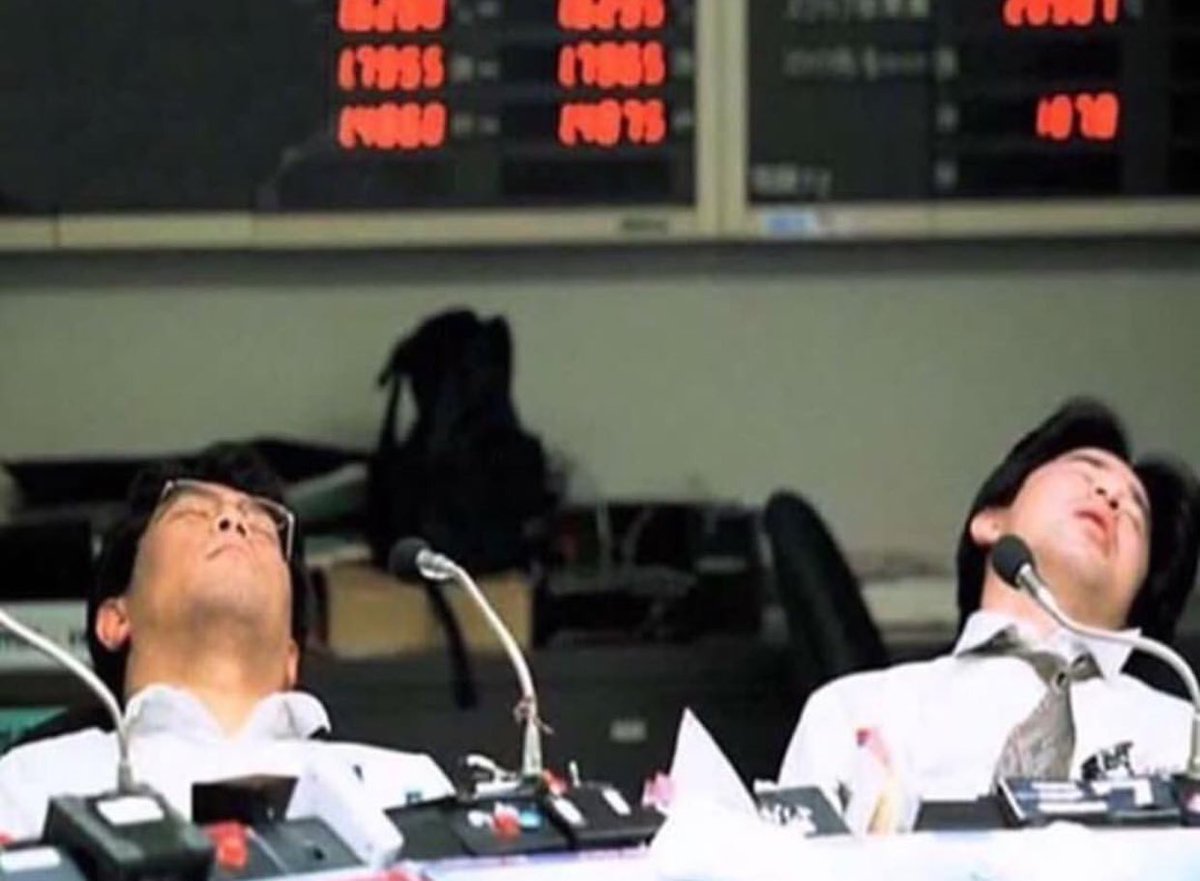
In Japan, it’s natural to start work early in the morning and work late into the night. Their work ethic is another level. They can work very hard without taking a break due to the demands of their job.
It’s even common for Japanese people who work late to take a nap and then resume working. After all, it’s important for Japanese people, exhausted by their work, to catch up on sleep and then work at their highest productivity.
- Freedom
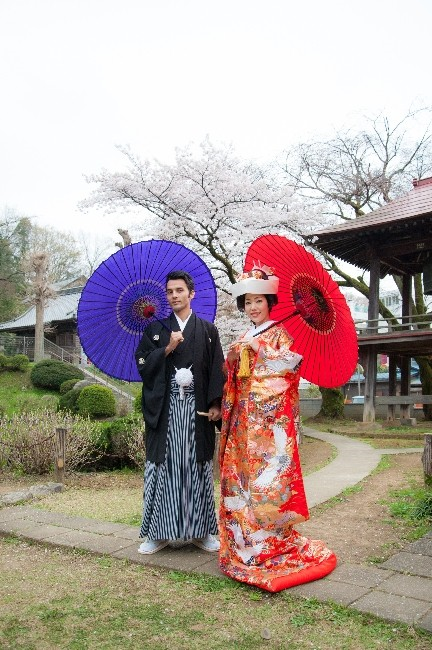
Japan is one of the five countries that weren’t colonized by Europe. The others are Liberia, Thailand, South Korea, and North Korea. We Turks have a similar history. Giving one’s life, if necessary, for freedom is the product of a significant character structure.
- Low Unemployment
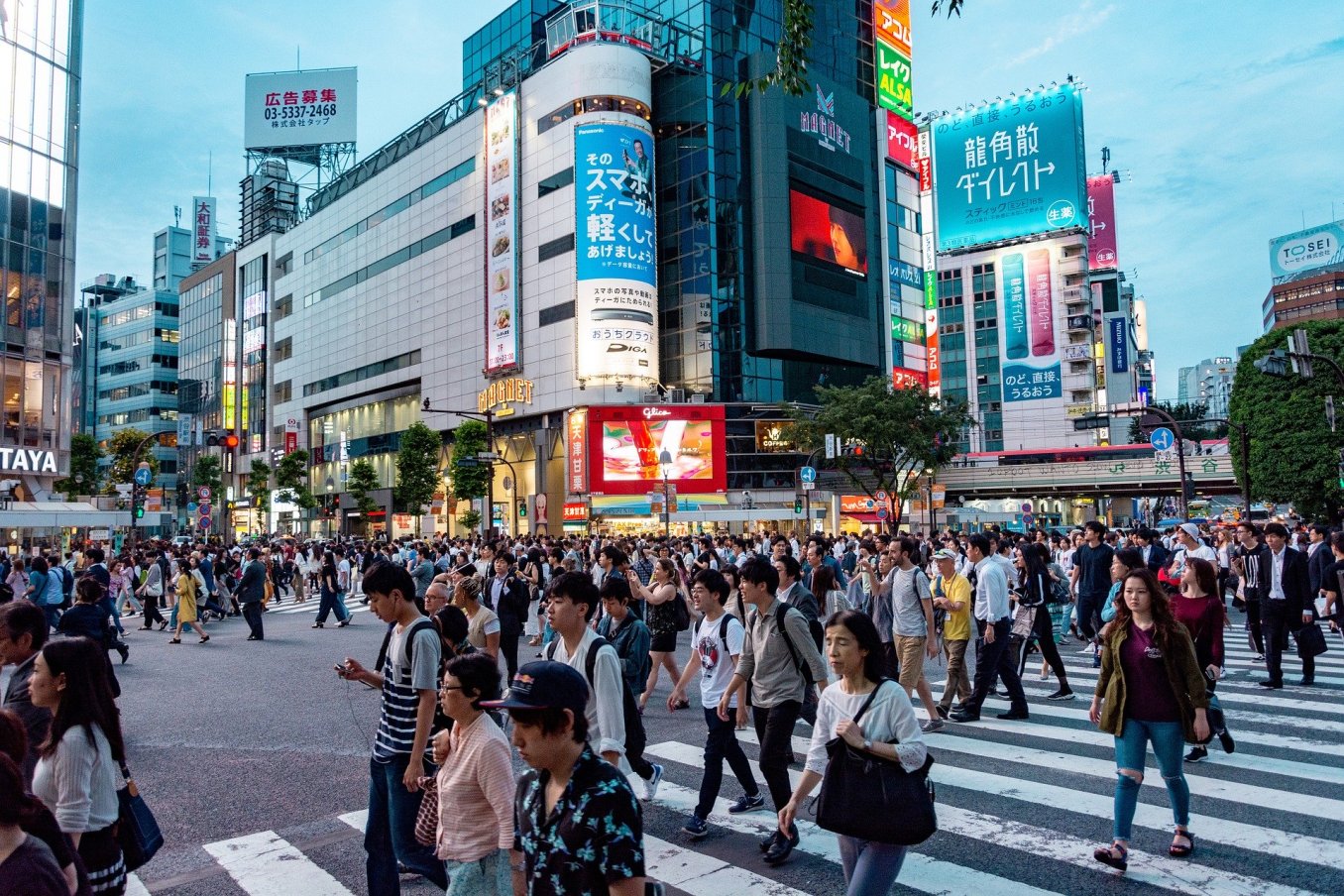
While we consider reducing the unemployment rate to below 10% in our own region a success, Japan’s unemployment rate is 2.4%.**
This rate is even more striking considering the importance placed on robots in the country and the gradual disappearance of blue-collar jobs. The same goes for us
- Greetings
The Japanese greet with ojigi. Ojigi, which includes messages of apology, thank you, goodbye, and good morning, has various applications, ranging from a slight bow to a 90° bow. It’s done longer if the person you’re greeting is a higher-ranking person. Handshakes are rare among Japanese.
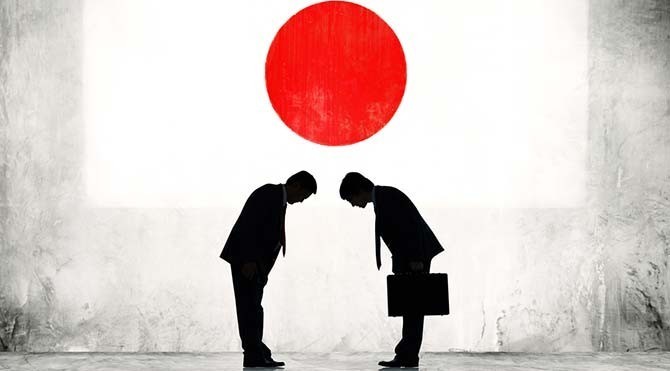
In these days of the coronavirus pandemic, the Japanese greeting is perhaps the most appropriate. It’s worth incorporating this into our culture. Because if you try to give someone the Japanese greeting, they might misinterpret it.
Incidentally, I’ll be writing about the coronavirus in my next article. Get ready. A solid series of articles is coming.
- Anger Management
One of the best qualities of the Japanese is that no matter how angry they get in public, they never show it. They apologize even when they believe they’re completely right. People who lose their temper are considered childish. In our country, many people feel like they’re being overpowered when they yell. Becoming aggressive like this shows weakness.
So, unlike in Japan, you won’t find club presidents jumping from the stands to show their courage to those who criticize them.
- Providing education to students about life
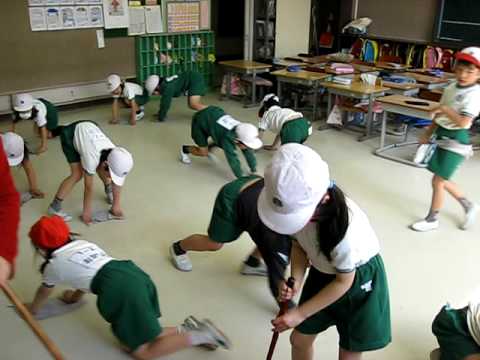
Students are reminded of the realities of life at every opportunity. For example, in Japan, teachers and students clean the classroom and cafeteria areas together. If this were done here, parents would first revolt, demanding, “How can you make my child clean the school?” This results in dissatisfied and spoiled children who see themselves in a giant mirror and contribute nothing to life.
- A culture of non-waste
They may even sacrifice their comforts in the name of non-waste. For example, they only heat their room in winter and see the rest as waste. Zero waste starts with the mind.
Of course, if necessary, they also create technologies and models to prevent waste. There’s still much work to be done to avoid waste and live in accordance with a circular economy. To prevent climate change, all people and countries in the 21st century need to model everything according to a circular economy.
Here’s a very simple siphon technology used by the Japanese.
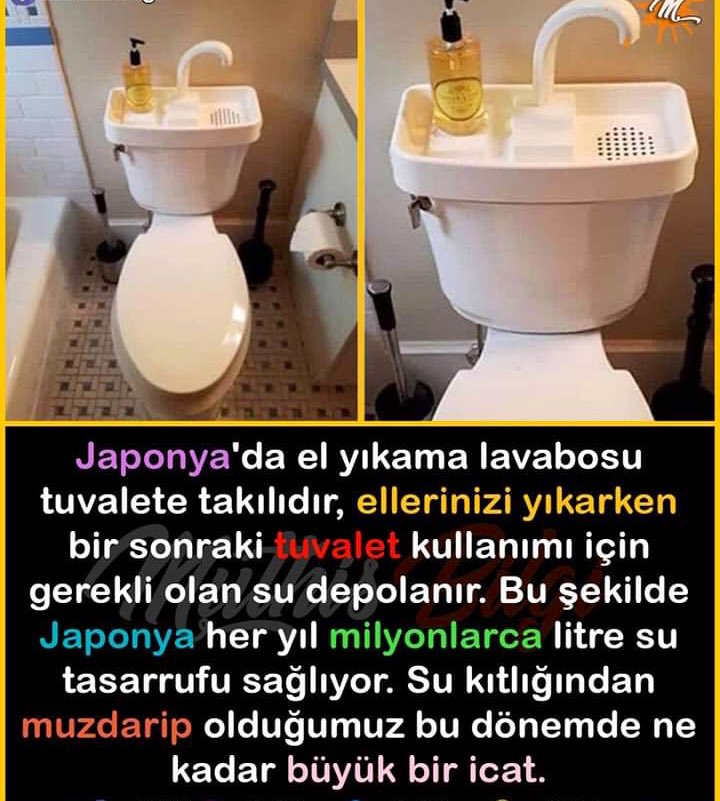
Here’s a very simple siphon technology used by the Japanese.
- Whoever is best and most experienced gets the job done.
There’s never any favoritism. They always show great respect and prioritize those with more age and experience. Isn’t it the exact opposite of our system? In other words, in Japan, no one asks “Who are you from?” and doesn’t evaluate your performance based on that.

Here’s Japanese champion Naomi Osaka, who has recently made her mark in tennis and is currently among the world’s top 10 tennis players.
- Stares are sufficient
Verbal or physical violence is extremely rare. They express all their anger through their gazes. This prevents unnecessary physical fights.
Of course, the above are, in my opinion, the positive aspects of the Japanese. This list could go on and on. I’ll leave it at that for now.
I also need to point out this: Like every culture, Japanese culture has its drawbacks. However, when you look at the country’s level of prosperity and development, the good things they do far outweigh the bad things.
I’d like to conclude my article with five Japanese sayings based on animal imagery that I enjoy, that illustrate my own experiences, and that I personally consider to be advice:
1) Neko wo ou yori sara wo hike (Sanseidô, 1997: 304)
Instead of chasing the cat, pick up the plate. (Permanent solutions should be considered, not temporary ones.)
2) Neko wa tora no kokoro wo shirazu (Shin Kokugo Kenkyûkai, 1994: 294)
A cat cannot know the heart of a tiger. (Narrow-minded people cannot understand the thoughts of great people.)
3) Tora wa sen ri wo itte sen ri wo kaeru (Sanseidô, 1997: 285)
A tiger travels a thousand miles and returns the same way. (Big-thinking and idealistic people do not fit into narrow boxes.)
4) Inu ippiki kyo ni hoe banken kore ni wasu (Tanno, 1999: 48)
If one dog barks at a shadow, ten thousand dogs will bark after it. (People imitate each other without thinking.)
5) Kiki mo ichiyaku jippo naru atawazu (Tanno, 1999: 52)
Even a swift horse cannot travel ten steps in one bound. (A person must reach their goal slowly and steadily.)
Sources:
https://www.hisglobal.com.tr/haberler/japon-kulturu-ile-ilgili-bilinmesi-gereken-10-bilgi
https://www.neoldu.com/japon-kulturu-hakkinda-merak-edilenler-2125h.htm
https://onedio.com/haber/japonya-hakkinda-ilginc-bilgiler-494849
https://onedio.com/haber/zekasiyla-unlu-japonya-nin-birbirinden-tuhaf-20-gelenegi-781481
https://www.tr.emb-japan.go.jp/files/000237954.pdf
http://uluyama.org/makale/usta-cirak
* I used the following images for the thumbnail image:
1) A combined version of the Turkish-Japanese flags
2) News article titled Turkish-Japanese Friendship Bridge at Boğaziçi University: https://haberler.boun.edu.tr/tr/haber/bogazicinde-turk-japon-dostluk-koprusu
3) Galatasaray’s Japanese footballer Nagatomo: https://www.galatasaray.org/haber/kulup/nagatomo-turk-japon-dostlugunu-pekistiriyor/39259
4) A photo from the school of Naci Özsoy, one of the National Karate Team Coaches who was also the karate instructor of Cüneyt Arkın, the unforgettable name of Yeşilçam action films.
** Thanks to Keiko for the statistical information here.
Tag: lifestyle