Recently, while moving house, I came across a vuvuzela shaped like a Coca-Cola bottle. Sometimes, an object you encounter can transport you to completely different realms. Suddenly, memories began to flood my mind. First, my South African adventures flashed before my eyes like a flashback. As the manager of KFC and Pizza Hut Turkey, I traveled to South Africa for the 2010 FIFA World Cup (where I risked deportation at the airport for a ridiculous reason). I blew this mini vuvuzela quite a bit in this group of Turkey’s leading food retailers.
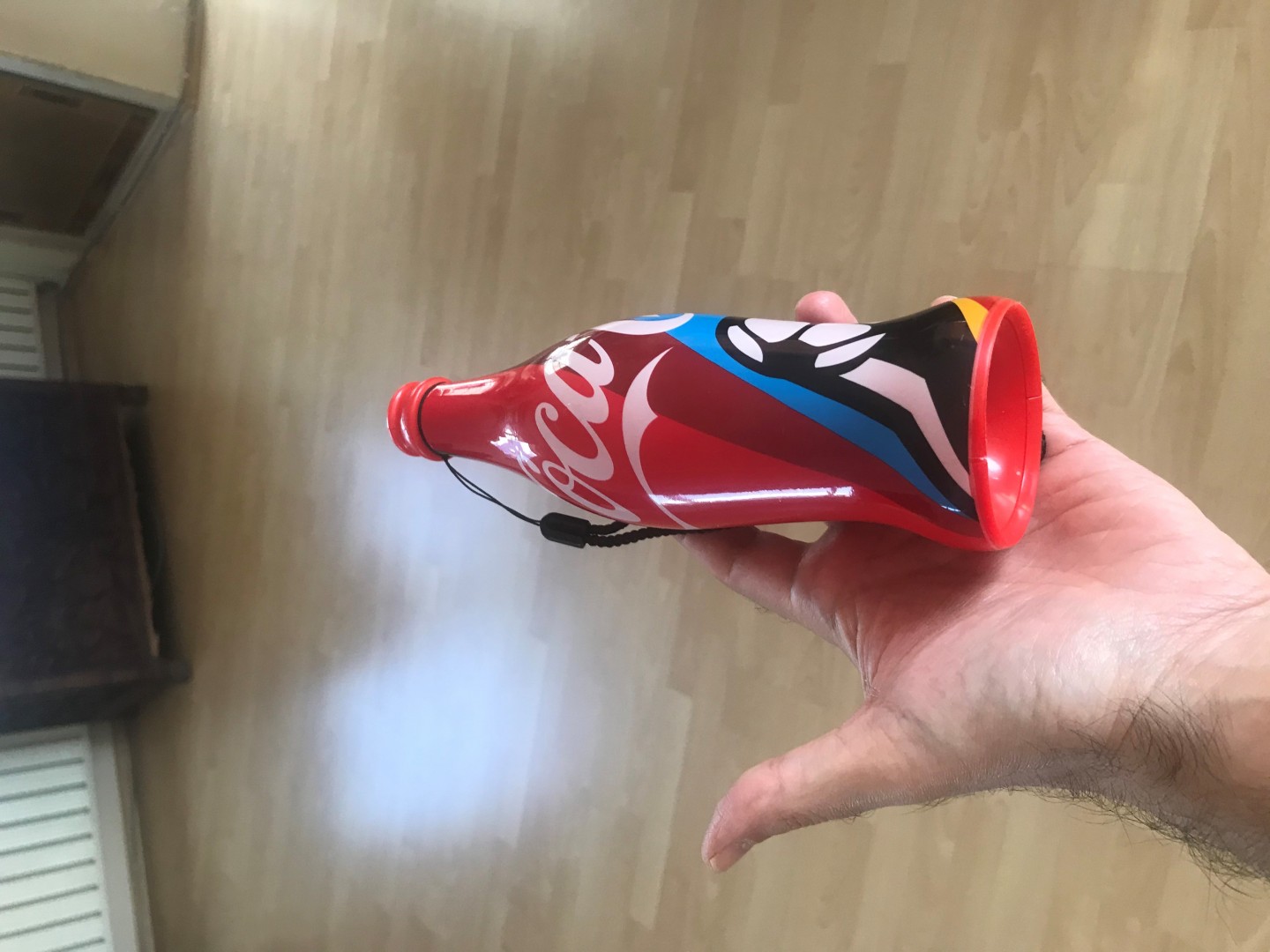
The mini vuvuzela I mentioned, designed in the shape of a Coca-Cola
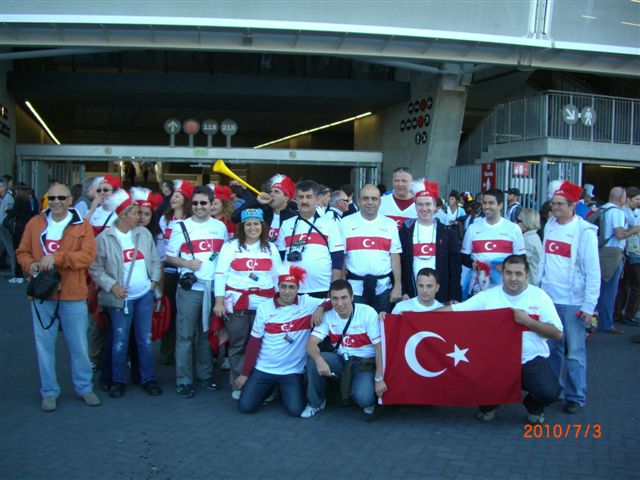
If you consider that the vuvuzela, which was already very loud on its own, was also blown together as a group, the Turkish group made quite a splash. Especially with thousands of people playing the vuvuzela simultaneously in the stadium, along with other spectators, the noise was truly disturbing. Above all, I remember having a blast. I’d like to remind you of my blog post, “The Bad ‘Connection’ Problem I Have with Cape Town!”, where I detailed this adventure: https://www.serhansuzer.com/tr/cape-townla-aramdaki-maks-baglanti-sorunu
I’m sharing two photos from those days to help you visualize it:
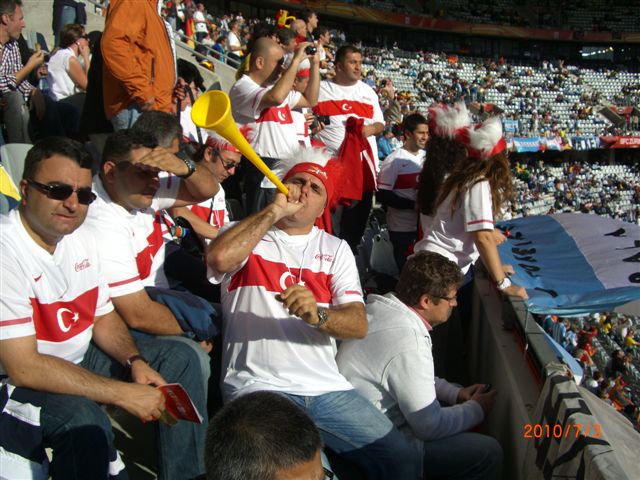
An Unusual Choice of Coca-Cola
As you know, KFC and Pizza Hut were originally spun off from Pepsi Co. (the restaurants were spun off from the beverage group and continued as a separate legal entity) and later became Yum!. Despite having roots in PepsiCo, as the master franchisee of KFC and Pizza Hut in Turkey, we were achieving something extraordinary by using Coca-Cola in our restaurants. In fact, I’d say we were one of the few franchisees of Yum!, which has restaurants in hundreds of countries worldwide, that served Coca-Cola. Our consumption was also quite high. If I were to give you a number to illustrate, you can imagine the high consumption of Coca-Cola and its equivalents in a restaurant company that serves 30,000 people every day. Naturally, we were one of Coca-Cola İçecek’s (Coca-Cola bottling company in Turkey) best customers. Therefore, we were amongst the guests invited by Coca-Cola, who wanted to reward their best customers in South Africa.
Of course, I have a history with Coca-Cola before working at KFC and Pizza Hut. After our Coca-Cola-related adventures in South Africa, I began to recall the days we established and launched Coca-Cola Iraq. I’d like to share these experiences with you.
Who is interested in the Iraq Project?
I remember my father saying the following at a board meeting at Süzer Holding in 2006:
Tuncay Bey (Özilhan) called me recently. Coca-Cola said they had received permission from the Coca-Cola Company for the Iraq project, but they couldn’t realize it due to the ongoing war in Iraq. They also had a local partner from Baghdad, but they hadn’t made any progress. The possibility of building the factory in Baghdad had been eliminated. The situation in Basra was also bleak; there were serious problems. Therefore, they were considering the Northern Iraq alternative. Knowing I was from Gaziantep, he asked, “If you have contacts in that region, can you help us?” I said, “Let me see who’s here, who’s not, I’ll get back to you.” Afterward, I met with some of my acquaintances’ acquaintances, some of the prominent businesspeople there. Through them, I also contacted the bureaucracy. In fact, Northern Iraq seems suitable for opening a factory. Of course, to finalize this project, we need to go there, make personal contacts, and establish the organization. I made a promise, and we have to do it. Who would be interested in this job? After this question, something nudged me. Thinking I’d given everything I could in the hotel industry over the past five years (opening the hotel, restructuring the loan, optimizing operations, etc.), and feeling genuinely frustrated, I raised my hand without hesitation: “I’d like to join this job.” No other board member had applied. Why would they? Iraq meant war. Three years had passed since the Iraq War began on 20 March 2003, and the war was still ongoing, with bombings being reported daily. I chose to apply because I was personally curious about what was happening and because I thought it would be a job that would allow me to improve myself and gain new experience. Those who truly know me know that I’m cautious, but I’m also fearless in situations like this. There was neither fear nor panic in me as I raised my hand.
Decision and Departure
My father asked again, “Are there any other candidates besides Serhan?” No one spoke or moved. He turned to me and asked, “Are you sure you want to do this?” I said, “Absolutely.” “It’s time to make a change in my life. I want this experience.” My father then said, “Okay, then the project is yours. But be cautious, keep us informed of all the processes, and act accordingly.” I replied, “You know me; there won’t be any problems.”
Afterward, I remember meeting in Istanbul with the general manager appointed by Coca-Cola İçecek and the rest of the team responsible for this project. All the organization was made, who I would meet with, what I would do when, and in other words, the entire program in Iraq was set. I was ready to go.
I remember my first flight with Iraqi Airways, and everyone on the plane was nervous, almost silent, and no one spoke to each other. I remember the airport procedures taking quite a long time when I first arrived, and when we finally left, a security convoy greeted us. On the way, I asked the people in the car about the hotel we were staying at, and they replied, “Sheraton is the best hotel here.” Then, when we arrived at the hotel, I realized we were in a typical Sheraton building, but there was no Sheraton sign on it. When I questioned this, they said, “This used to be a Sheraton, but when the war started, the owners left, and the hotel continues to run it to Sheraton standards. The name, as everyone is accustomed to, has remained Sheraton.” I laughed out loud when I heard that. The hotel wasn’t bad at all; the standards were good. Of course, since I’m from the industry, I can’t say it’s exactly Sheraton standards, but I think the guys were running the hotel very successfully, working diligently during the war.”
My friend’s reaction from Bodrum
An hour after I checked into the hotel room, my phone rang. I answered it. Music was playing in the background. The conversation between me and my friend who called me went something like this:
– Serhan, what’s up?
– I’m fine, how are you? (Referring to the music) I think you’re having fun.
– Yes, we’re in Bodrum. Happy Hour (for those of you who don’t know, Happy Hour is an action-packed outdoor party, sometimes with a DJ, sometimes with live music, that usually starts after 5 p.m. and lasts until dinner) is over here. Come on, too. If you’re in Istanbul, come here this weekend.
– I can’t come, I’m abroad right now.
– Where are you?
– I’m in Iraq.
– Are you kidding me?
– No, I’m serious.
– Son, what are you doing in Iraq? In the middle of a war?
– I’m here for a project.
– Is that project worth your life?
– No problem here. It’s not like you see on TV.
– So, are you safe now?
– Yes, I am. As I said, there’s a project, and I’m focused on it.
– Project Mroje! Take care. Don’t get involved in anything risky.
—Don’t worry, I’m fine. Just have fun and enjoy yourself.
—We’re having fun, but you’re in a difficult situation.
—It’s not about the old, it’s about the old. I’m fine. I asked for it.
—If you only knew what you’re missing here, you wouldn’t say that.
—It’s okay. I’ll have fun another time. Right now, it’s time to work and improve myself. You just have fun.
—That’s fine. But take care of yourself.
—Thanks. We’ll keep in touch.
And the project is progressing at a steady pace
After this meeting, I remember going over my notes and reading a few things the evening before, then going to sleep. The next day, early in the morning, we started networking to realize the project. I remember leaving the hotel after breakfast and meeting late into the evening (including dinner). After that three-day marathon, all the meetings were positive. The project was slowly starting to emerge. I was reporting every step I took to my father and the people at the holding company. We shared the findings from that first trip at a meeting with Coca-Cola İçecek. It was there that the mechanism for establishing the factory was determined.
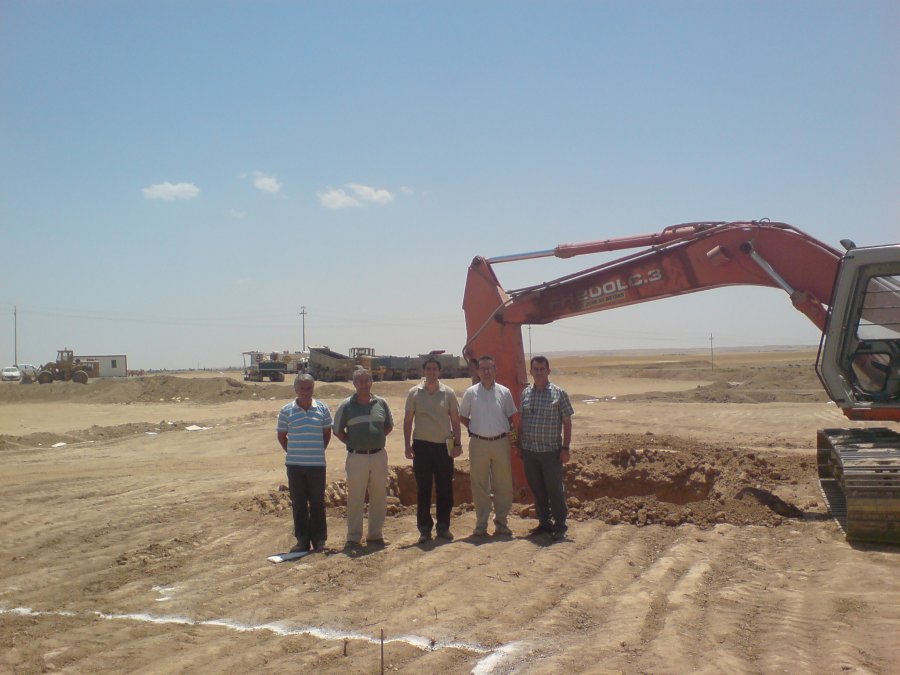
Tuncay Özilhan then said to my father, “This looks like it could work. If we establish a Coca-Cola Iraq company, we’d love to see you as a partner in this consortium, as you have a significant stake in this venture.” My father replied, “Yes, we’d be happy to.” On my next trip, we completed the necessary procedures to establish the company. On my third trip, we looked at a spot along the Zab River between Erbil and Mosul. To help you visualize it, I’d like to share some photos I took of the Zab River from the location where we built the factory:
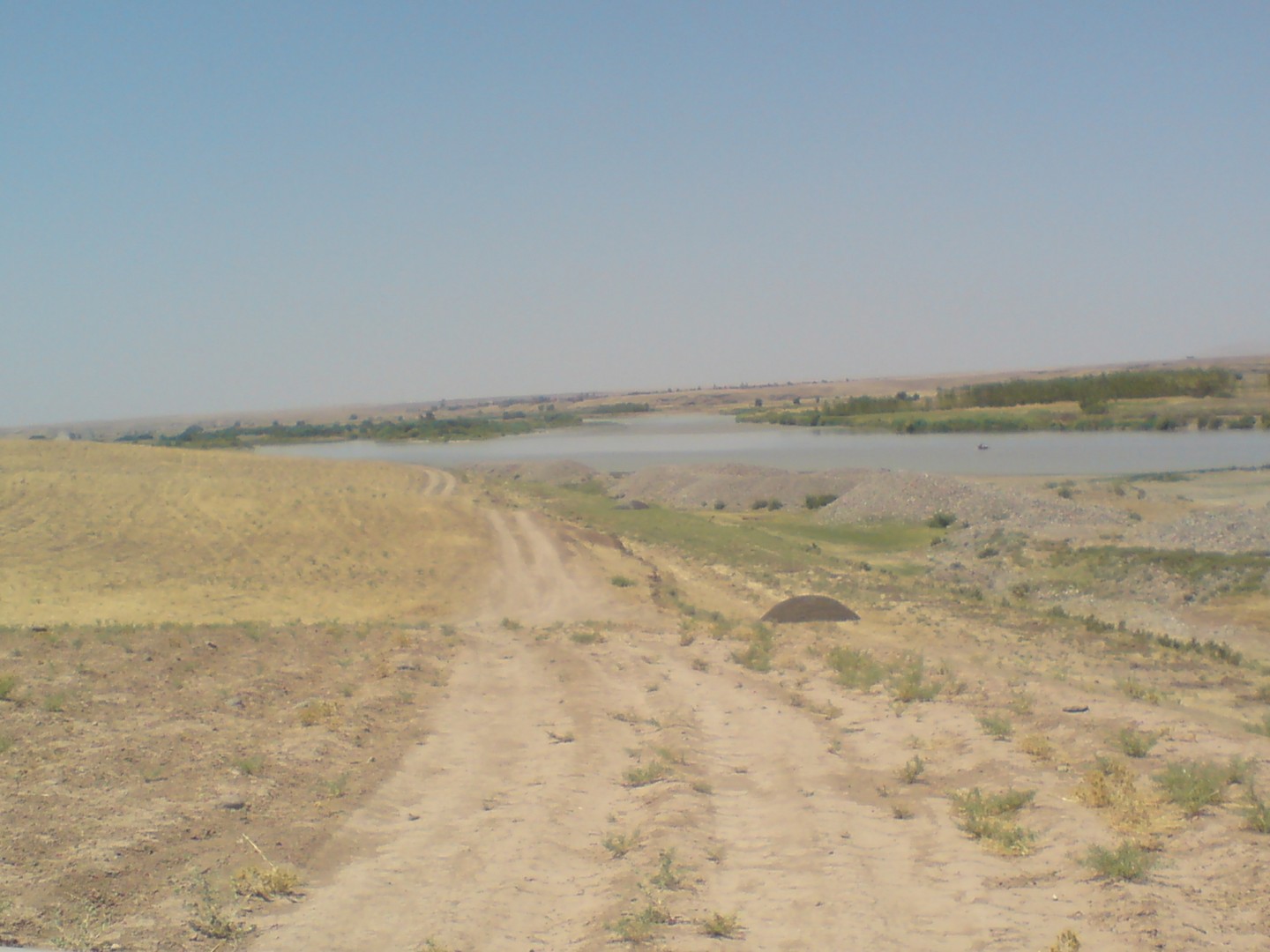
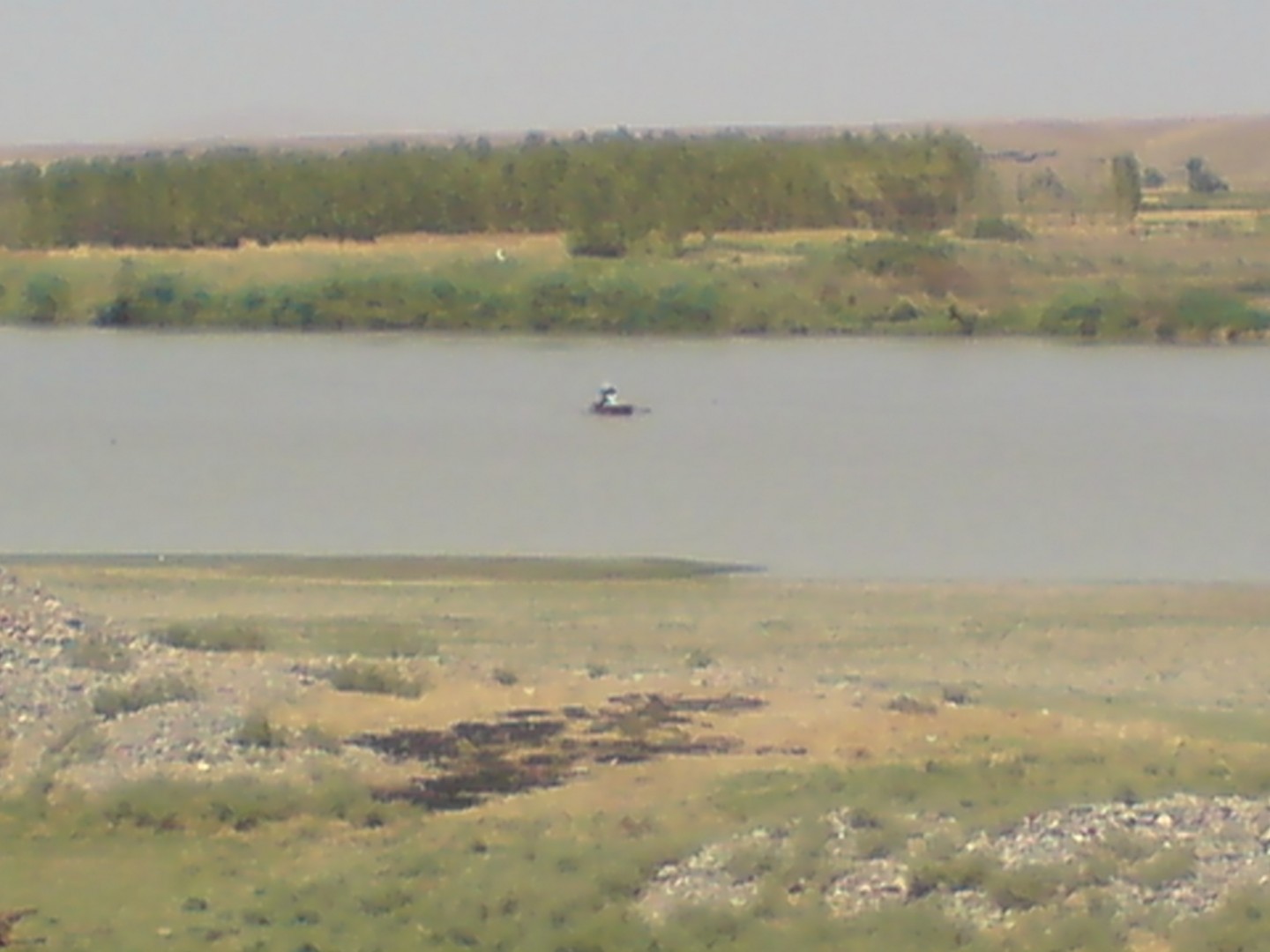
After all the technical, legal, and financial investigations, it became clear that this land was suitable for the factory. The permitting procedures needed to be completed were determined, and action was taken to purchase the land. A project was then prepared in Istanbul. After lengthy negotiations, the contracting company for the project was selected, an agreement was reached, and the contract was signed.
Following all the planning for the Coca-Cola Iraq project, which began in 2006, we began construction of the factory in 2007. I’d also like to share some photos I took from different angles on the groundbreaking day:
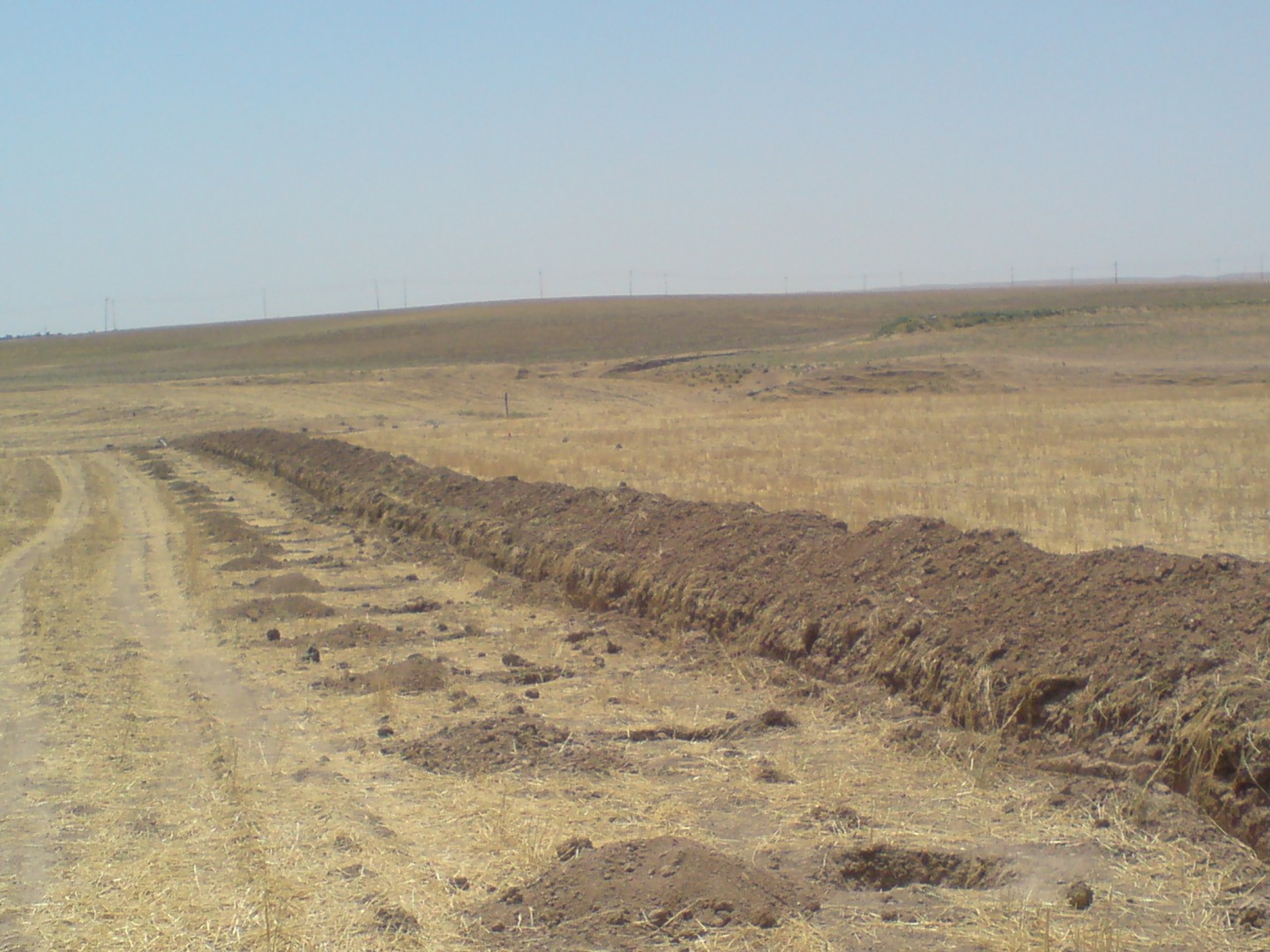
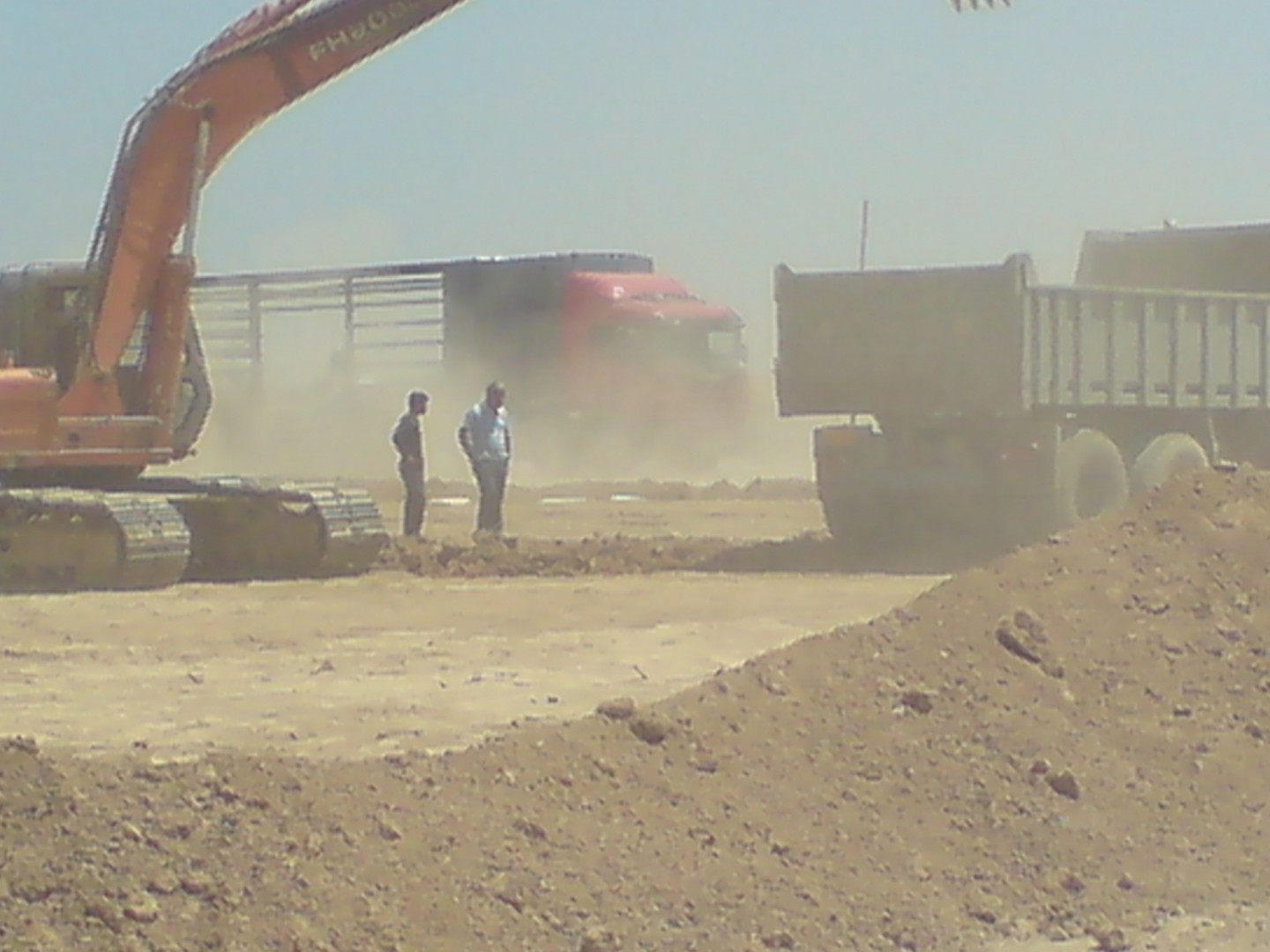
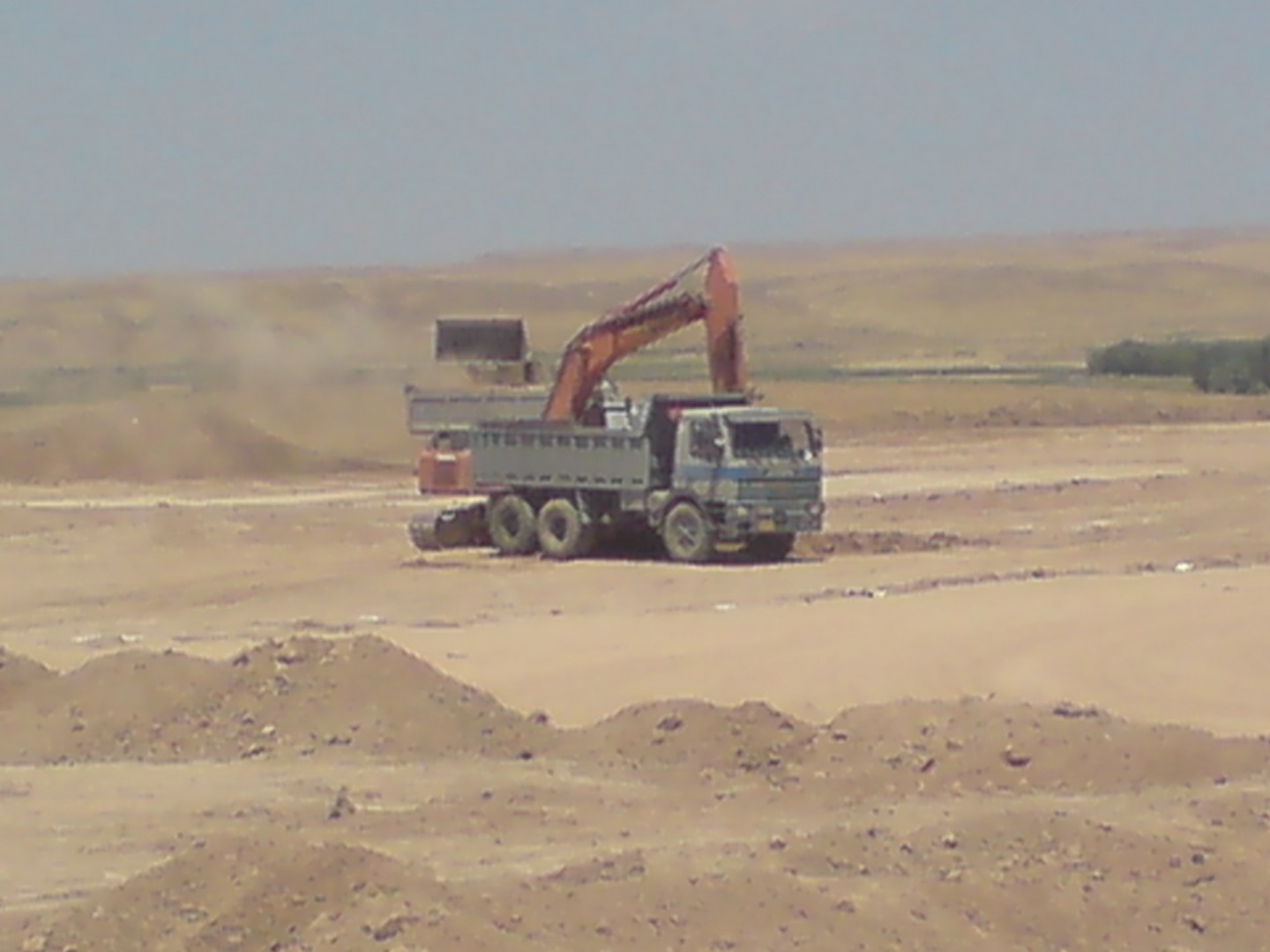
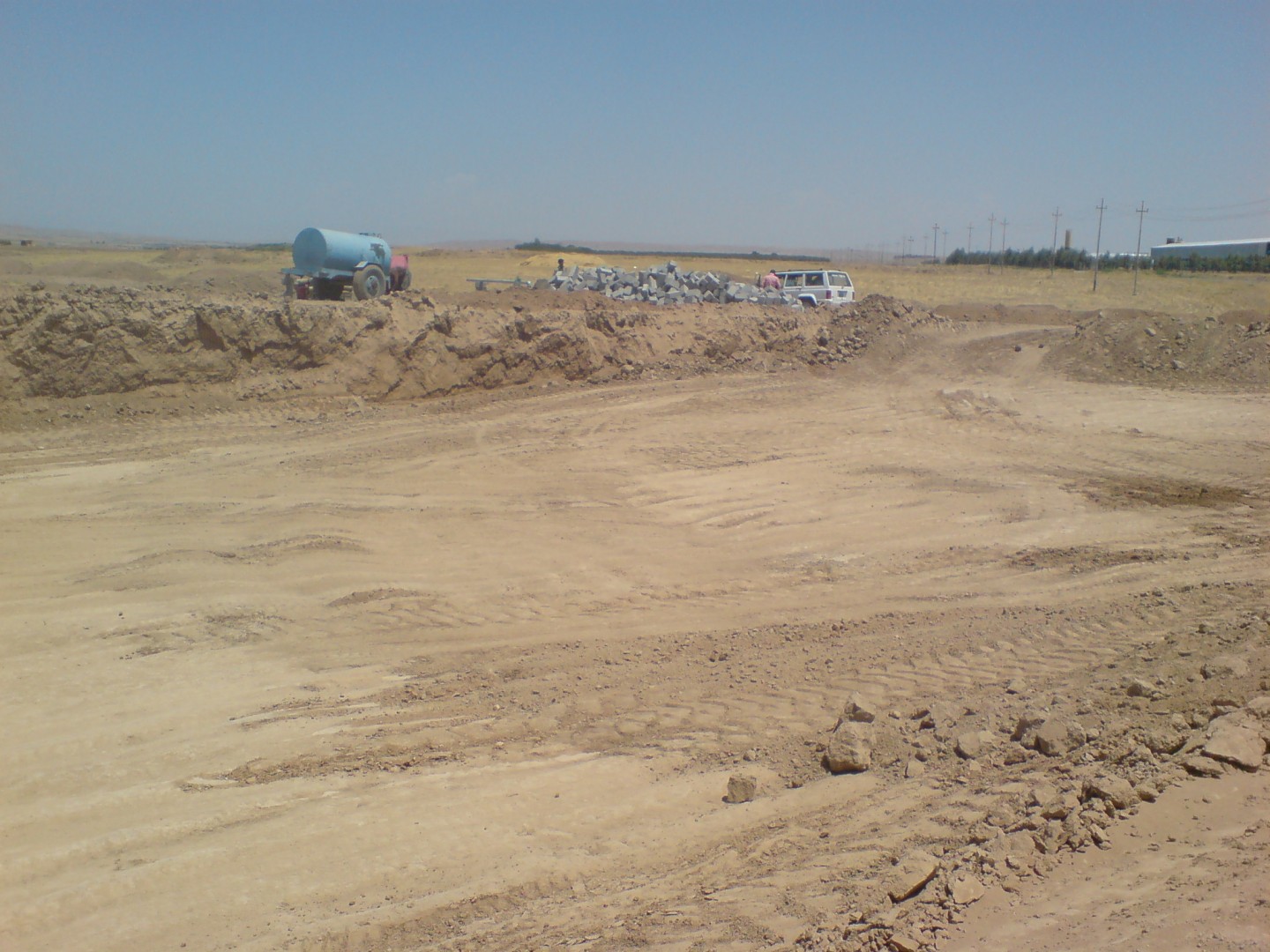
I’d like to share a memory from the day we laid the factory groundwork:
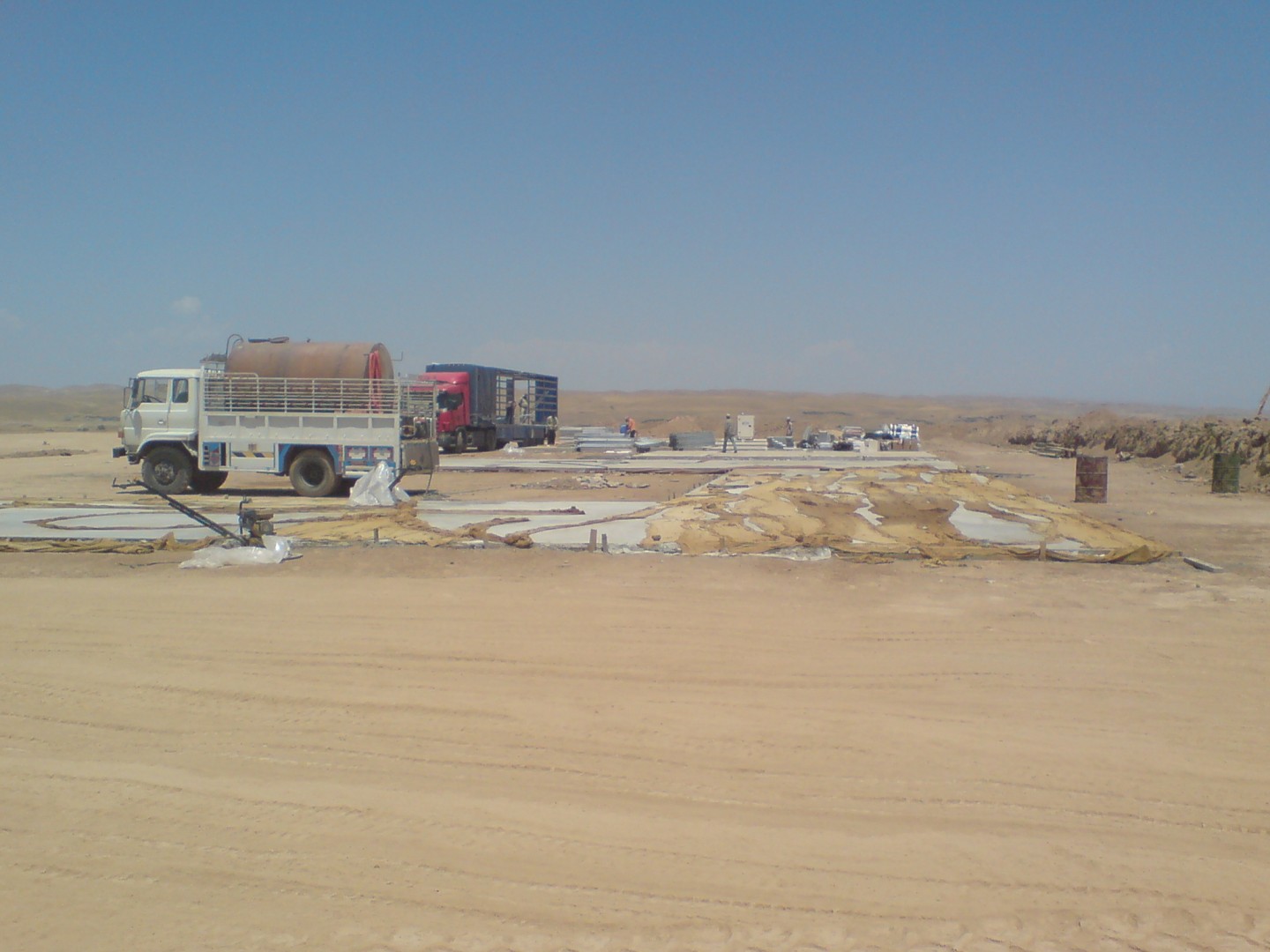
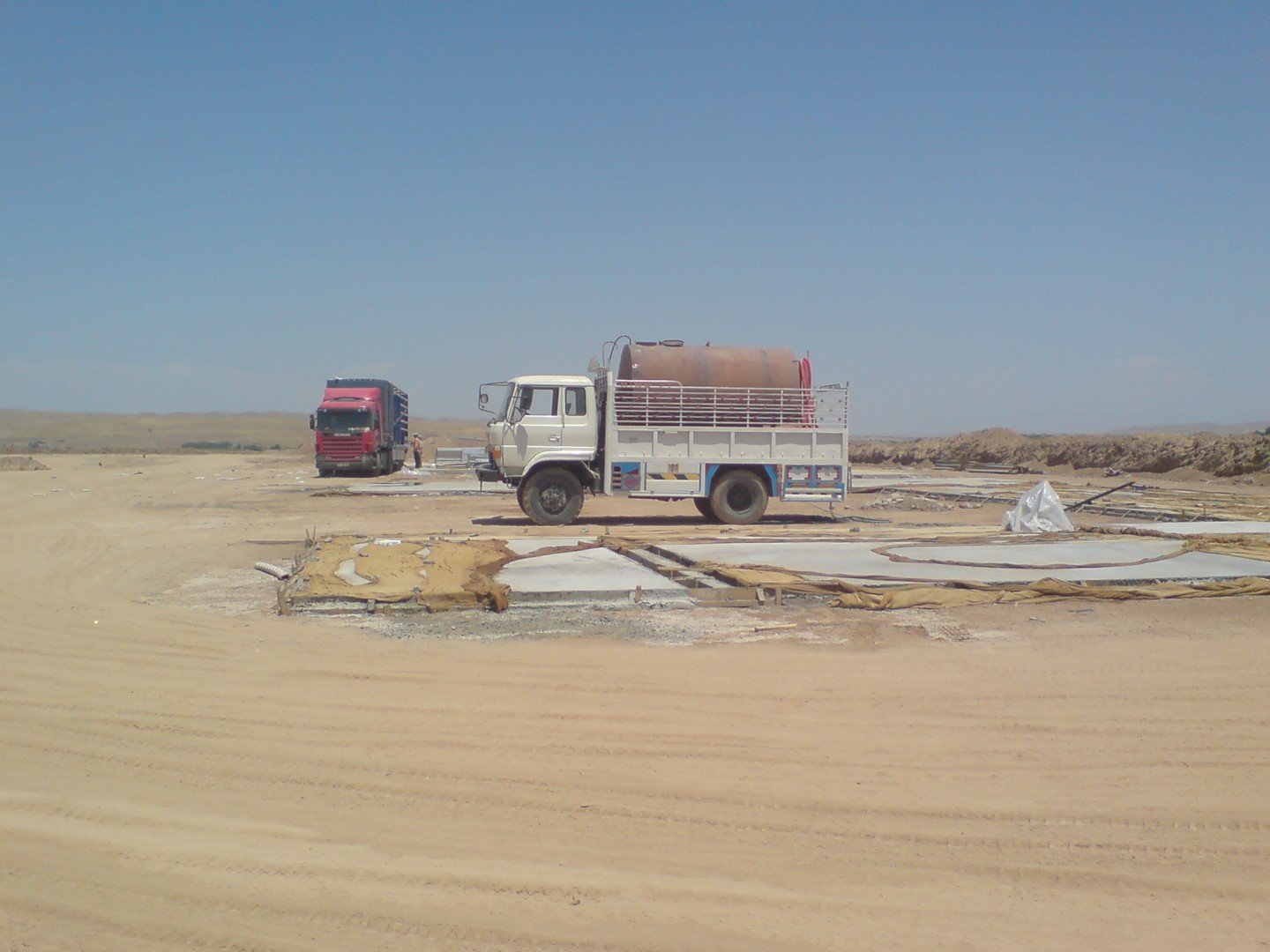
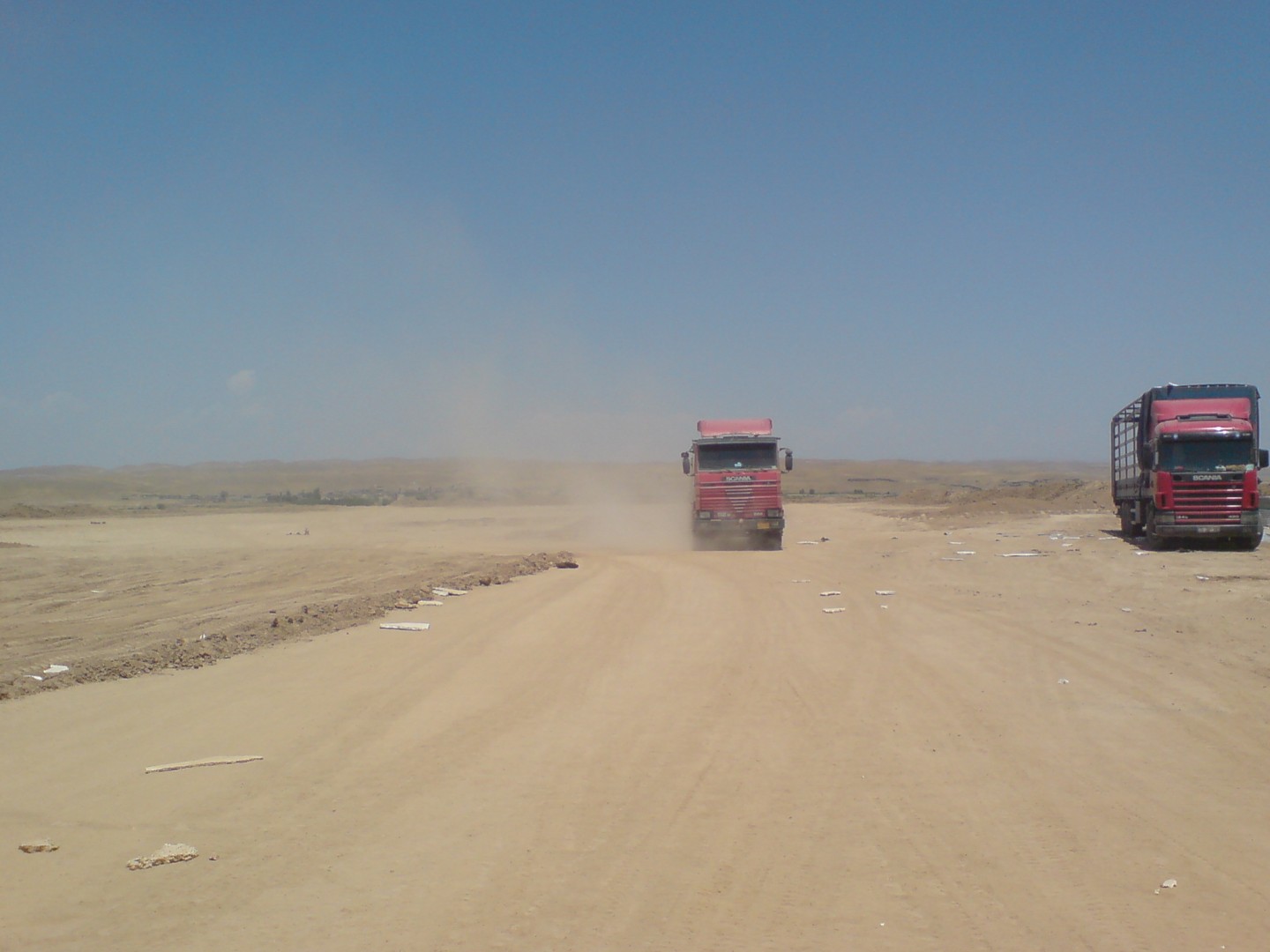
The first excavation and the kebab motivation 🙂
In the early hours of the morning, the Coca-Cola İçecek manager responsible for the factory construction, the representative of our Iraqi partner, the engineer from the contracting company, and I met on site. After reviewing the project details one last time inside the container brought to the site, we went outside and waited behind the first concrete pour. The construction workers were also waiting on site. All the project stakeholders made short speeches expressing their best wishes. I was pumped up during my speech, and I turned to the workers and said, “I invite everyone here to a kebab restaurant to commemorate this day.”
After making brief remarks, one of the excavators arrived on site. He started digging to pour concrete right in front of our location, where the first column would be erected.
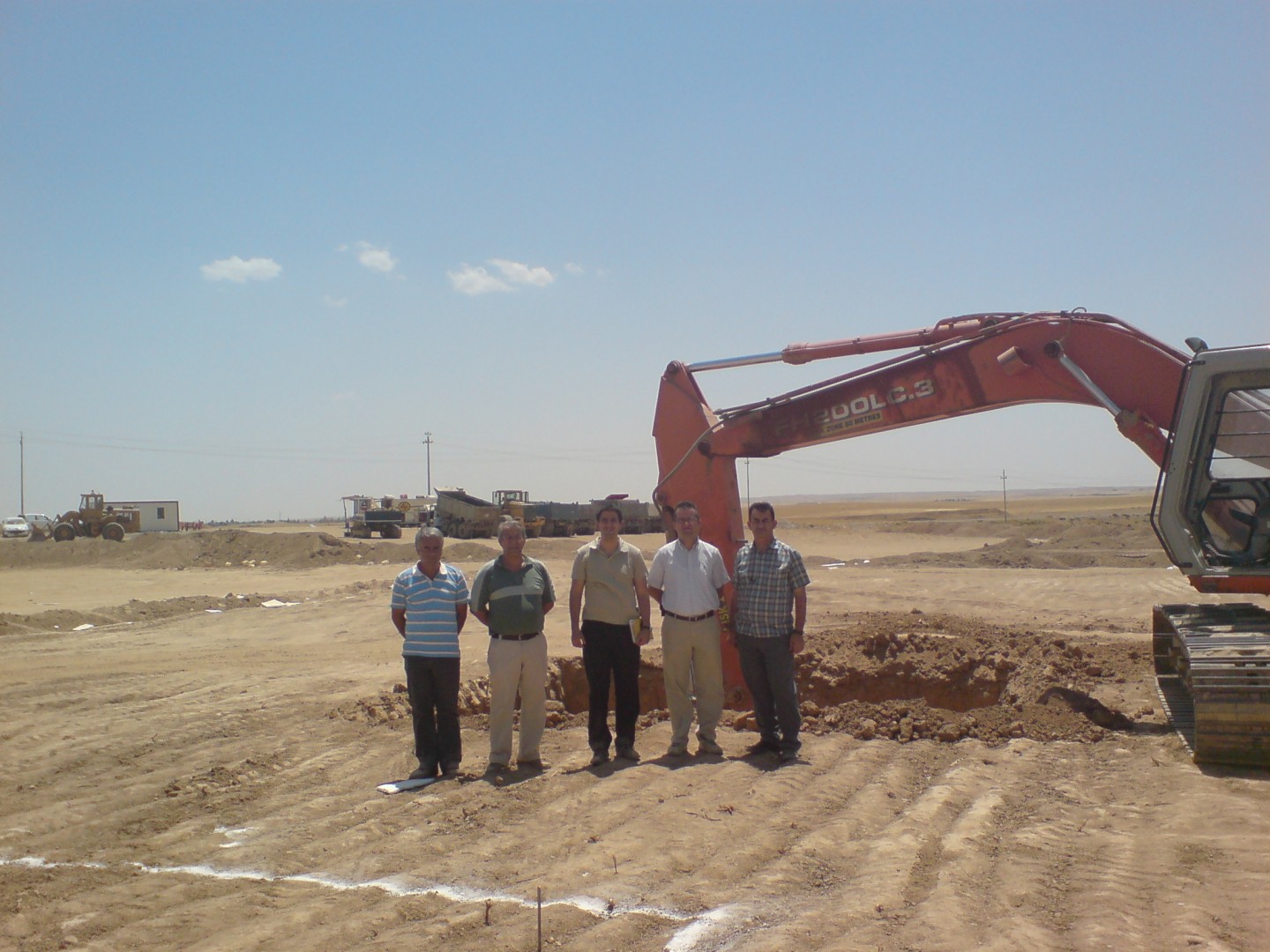
After an hour of digging, we stopped work. We’ve captured the moment in the photos below.
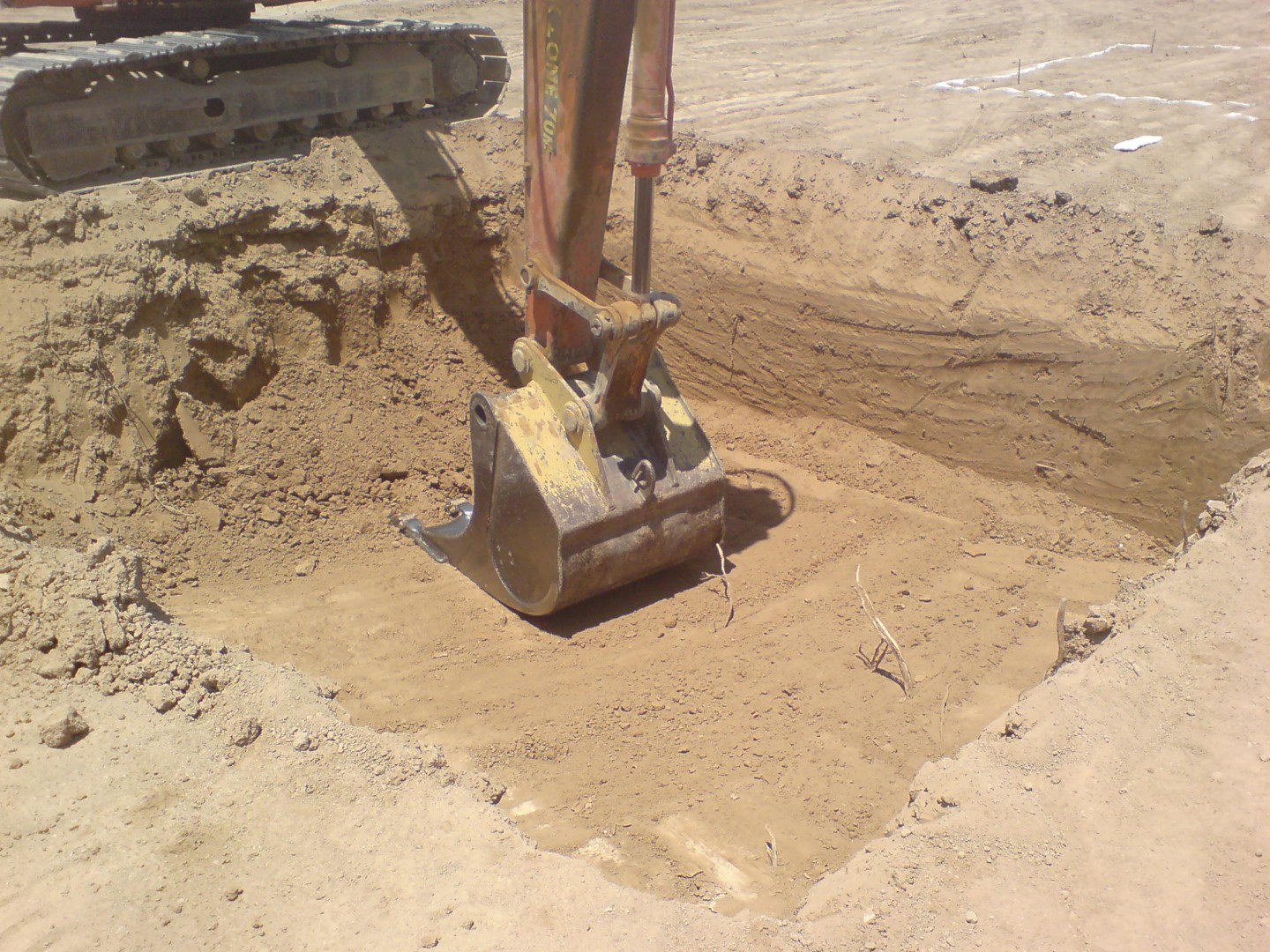
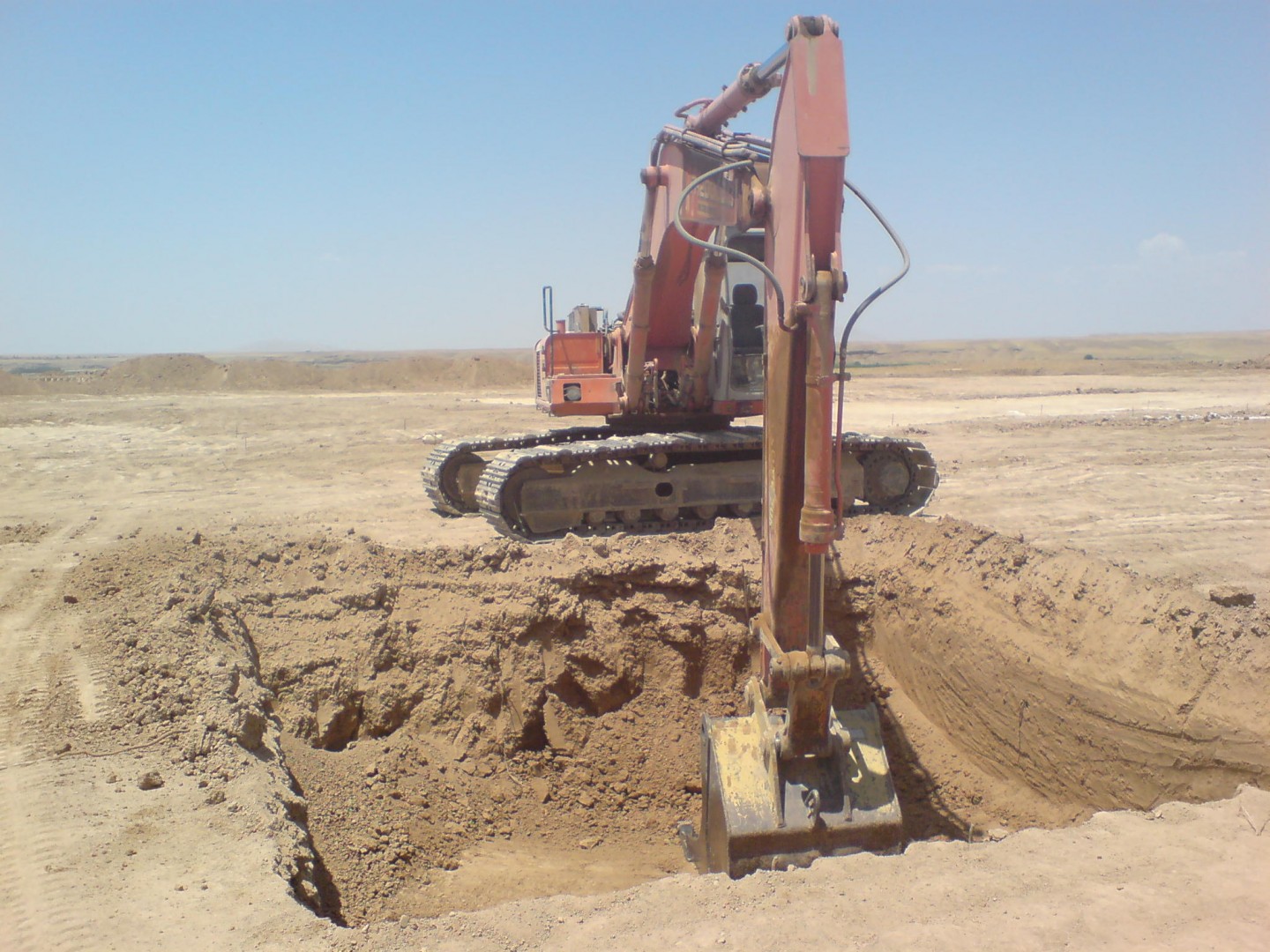
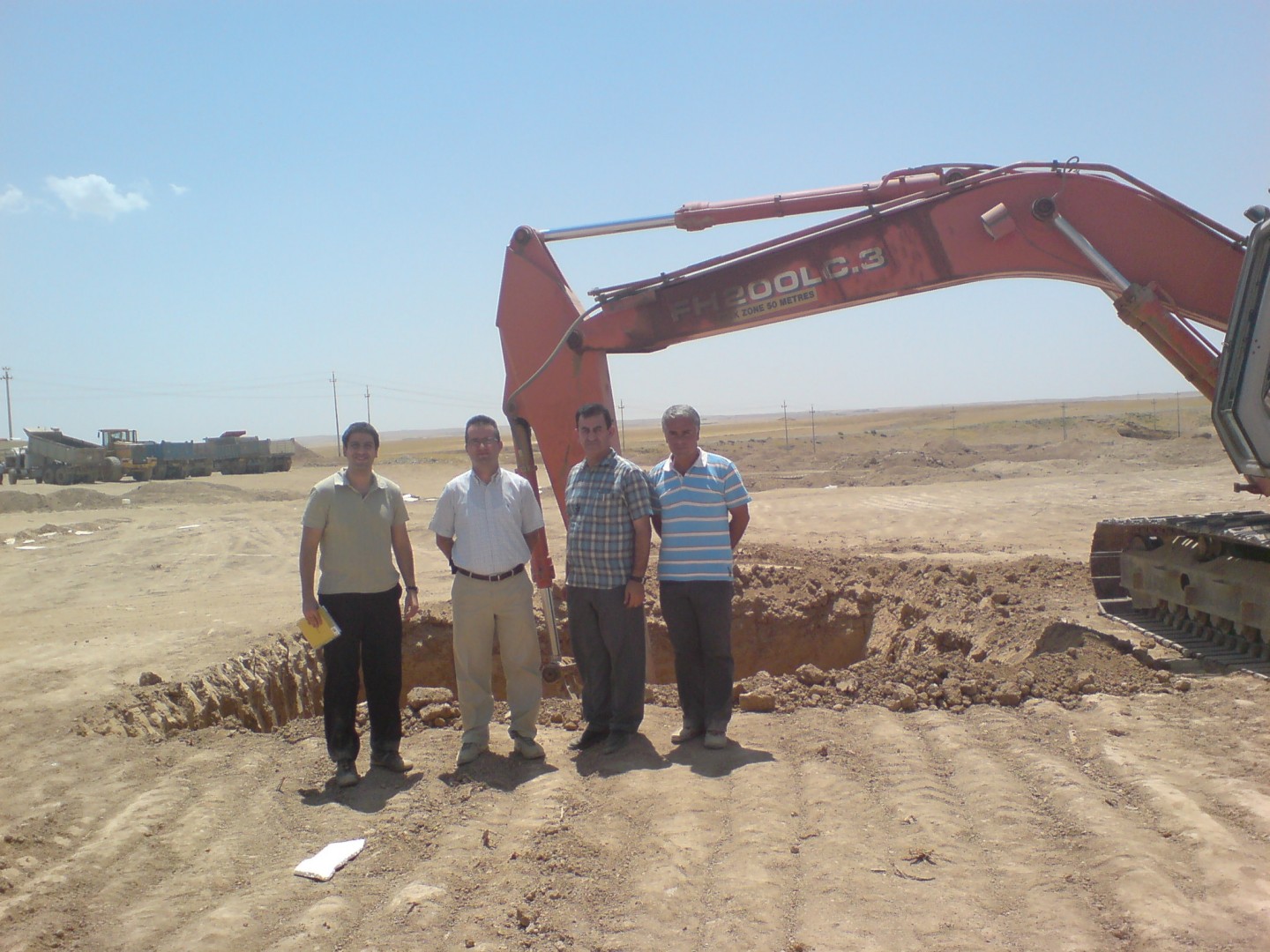
We worked full-time until noon. Then, as promised, around 2:00, we gathered everyone and enjoyed our delicious kebabs at one of the local kebab shops (the chef was from Urfa). We had started construction.
We didn’t take a group photo at the restaurant during that commotion. This is the only photo I found.
I remember barely making it to the evening flight because of the rush. Of course, the kebabs were delicious, but my body, accustomed to the bacteria in Turkey, reacted to the bacteria in Iraq. I remember having a hard time on the plane because of my stomach.
Fish feast at the Fake Sheraton
I traveled to Iraq eight times during that period. During one of my visits, locals were talking to me about Iraqi cuisine and said, “We have delicious fish here. It’s as good as the fish feast on the Bosphorus.” That’s when I decided to have fish for dinner. They were talking about a river fish whose name I can’t recall now. They couldn’t stop praising its deliciousness. I sat down for dinner with excitement. I immediately ordered fish. They asked, “Should we make it Iraqi style?” I replied, “Yes, exactly, Iraqi style.” When I started asking the waiter at the fake Sheraton Hotel where we were staying a bunch of questions about the fish, he involuntarily asked, “Would you like to see how it’s made?” Without a second thought, I said, “Of course I would.” The man and I went outside to where the fish was being made. The man who was going to make the fish spoke to me in Arabic. I gestured to him, explaining that I didn’t understand and that I was there to watch him. Then the man got to work. He took the fish from a large aquarium outside and, suddenly, slammed it down on the floor, still alive. Then, the fish, which had slowed down, picked it up again and slammed it down again. Then, picking up the fish, whose movements had slowed considerably and was on the verge of death, he made the final killing move. He slammed it down a third time, with the utmost force. The fish died instantly.
The man grabbed the fish he’d killed and, with his other hand, opened the lid of the well-shaped, tandoor-like cavity. He pulled out one of the large skewers and stuck the fish into the skewer at various angles. Then he placed the fish in the tandoor. He gestured to me that we needed to wait. As I returned to the table, I was furious with myself, thinking, “You’re itchy, Serhan. You wanted to see this. Here’s your fish. Now you can eat that fish with peace of mind.” Normally, this wouldn’t happen, but I felt sorry for the fish. I thought, “If I’d known it was prepared so brutally, I wouldn’t have ordered it.” If I remember correctly, they brought the fish to our table about 40-45 minutes later. They opened the lid, and the fish I’d been upset about was sitting there, cooked and ready. They hadn’t done any cleaning or trimming. Everyone else at the table, including the Iraqis, was watching me. I was the only one who’d ordered the fish. I swallowed hard and began to clean it. Frankly, it was cooked well, like a tandoor, but because it was river fish, it was extremely bony. It had more bones than flesh. And it didn’t have the flavor of sea fish we were accustomed to. I couldn’t eat it properly. Partly out of guilt, partly because it was so difficult to pick out, I stopped eating after 15 minutes. The Iraqis at the table looked me in the eye, waiting for my approval. “Your fish is delicious, it’s wonderful,” I couldn’t get out of my mouth. A bit overwhelmed, I blurted out: “I think there’s a big difference between this fish and sea fish. It’s got more bones, and it doesn’t taste like sea fish. And frankly, I didn’t like the way it was prepared. They could have done it more humanely.” Noticing the disappointment in the Iraqis’ eyes, who were focused on pleasing their guests, I quickly added, “You’re lucky the rivers around here have fish like this. At least it’s a different food source. If I stayed here a little longer, I’d love this fish too.” I managed to appease them a bit. Afterward, we continued eating and discussed the details of the project that evening.
Challenges Overcome in Business and Diplomacy
We faced many challenges during the construction process. Beyond the routine difficulties in logistics and supply, the emergence of a crisis between Turkey and the Northern Iraqi administration, and even the resulting border closures, made our work even more difficult. The crisis in bilateral relations was being exacerbated in the headlines every day. I remember having a formal meeting with the relevant bureaucrat responsible for Iraq at the Ministry of Foreign Affairs at the time. I even told him, “We just want to do our job; we’ve started such an important project. We want to reach a conclusion. However, if continuing with such a project is in the best interests of our country, we can abandon it immediately. We wanted to get your views on this matter.” He later gave me these words, which I’ve never forgotten, and which opened my eyes to international relations: “Political crises are temporary for countries. The important thing is that our people are active everywhere, and as a result, our country’s prosperity increases. Therefore, don’t even think about stopping what you’ve started. On the contrary, think about how we can expand production, increase our activities in Iraq, and dominate the market after we open the factory.” Interestingly, the Turkish media was constantly covering not only the crisis with the Northern Iraqi government but also the sack crisis with the Americans. Negative sentiment against the Americans was constantly fueled. We, on the other hand, were on good terms with everyone in Iraq. We were well-respected and respected—with Kurdish Iraqis in Northern Iraq, Arab Iraqis in Baghdad, Americans, coalition soldiers—and we even managed some crises that arose between some American executives at the Coca-Cola Company and the Iraqis. We saw the advantages of being Turkish there. We understood both Western and Eastern cultures, acting as a bridge between them. In fact, a high-ranking official we met at the Ministry of Foreign Affairs, aware of everything we were doing (whatever intelligence they had), told us: “We are very pleased with the good relationships you’ve developed in Iraq and the fact that you get along with everyone. Sometimes you do things we can’t.
I left that meeting enlightened and honored. I was witnessing something incredible. If you look at the media in Turkey, we almost declared war on Northern Iraq. But behind the scenes, our government was urging Turkish businesspeople to expand their activities without being affected by the negative environment.
Grand Opening and Firsts
I was accompanied at this meeting by the executive who handles political affairs at Coca-Cola İçecek. After the meeting, we relayed what was said at the situation assessment meeting in Istanbul. The meeting, held in an atmosphere where everyone was apprehensive about the situation, resulted in a decision to “continue at full speed.”
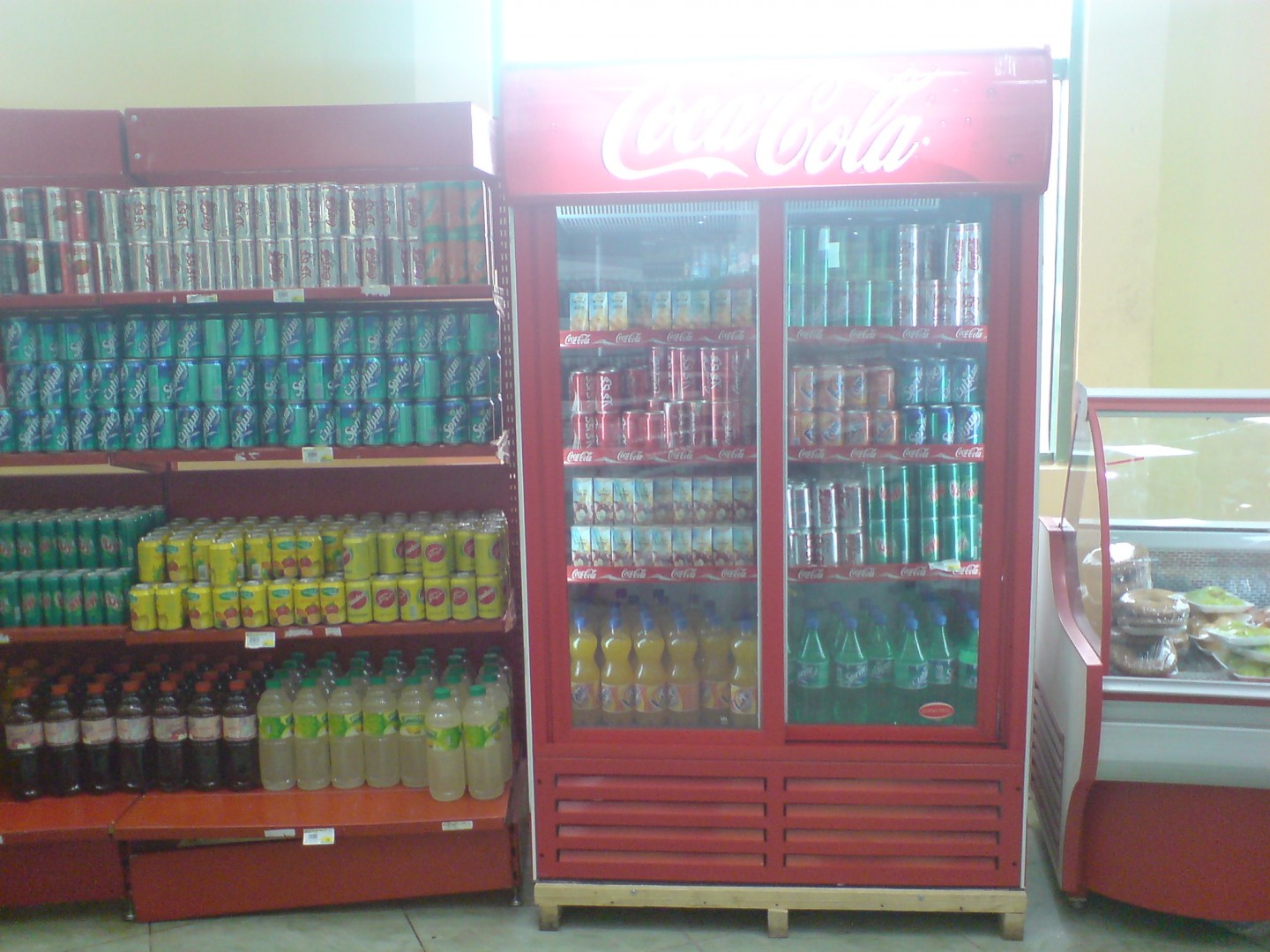
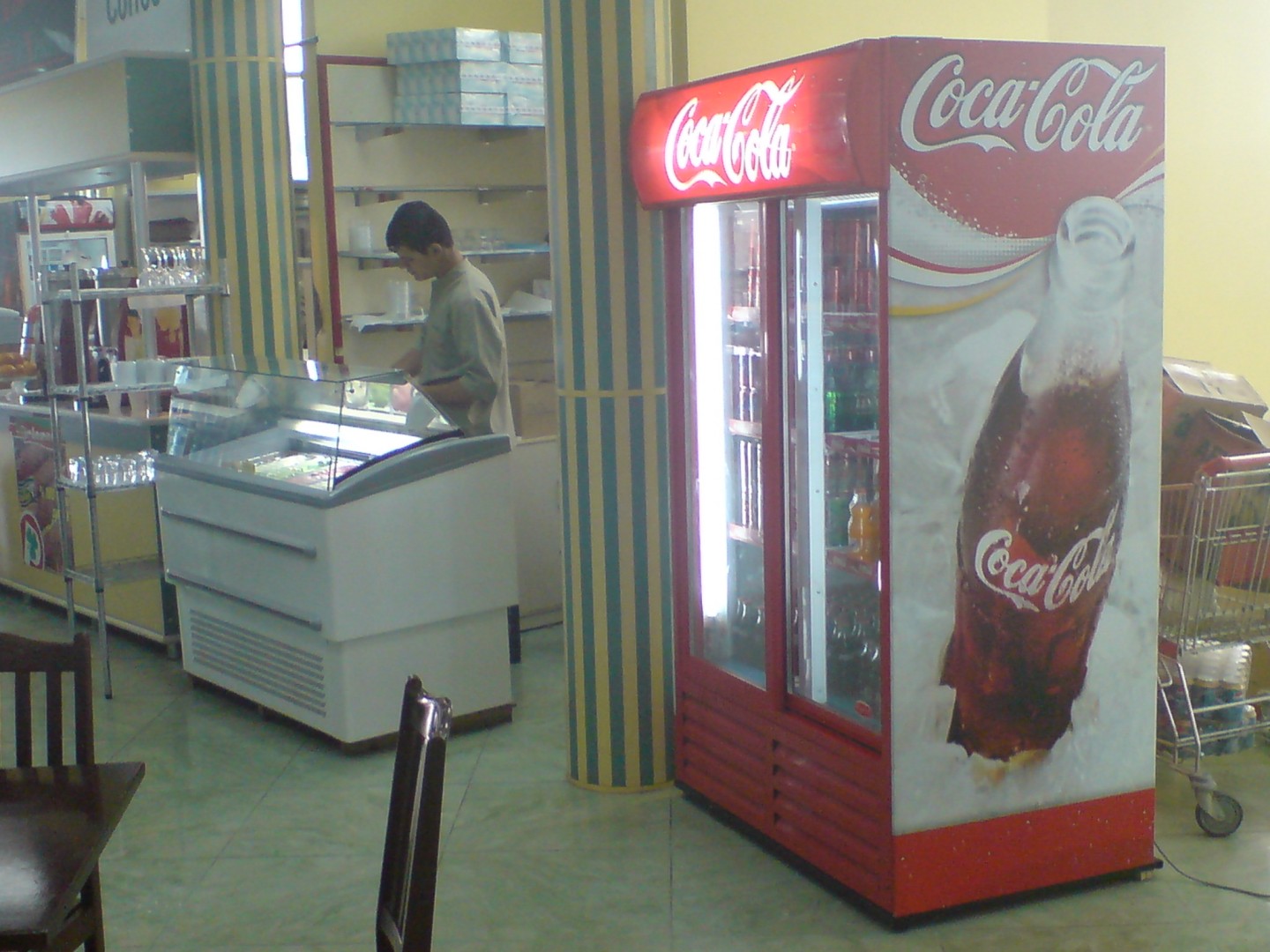
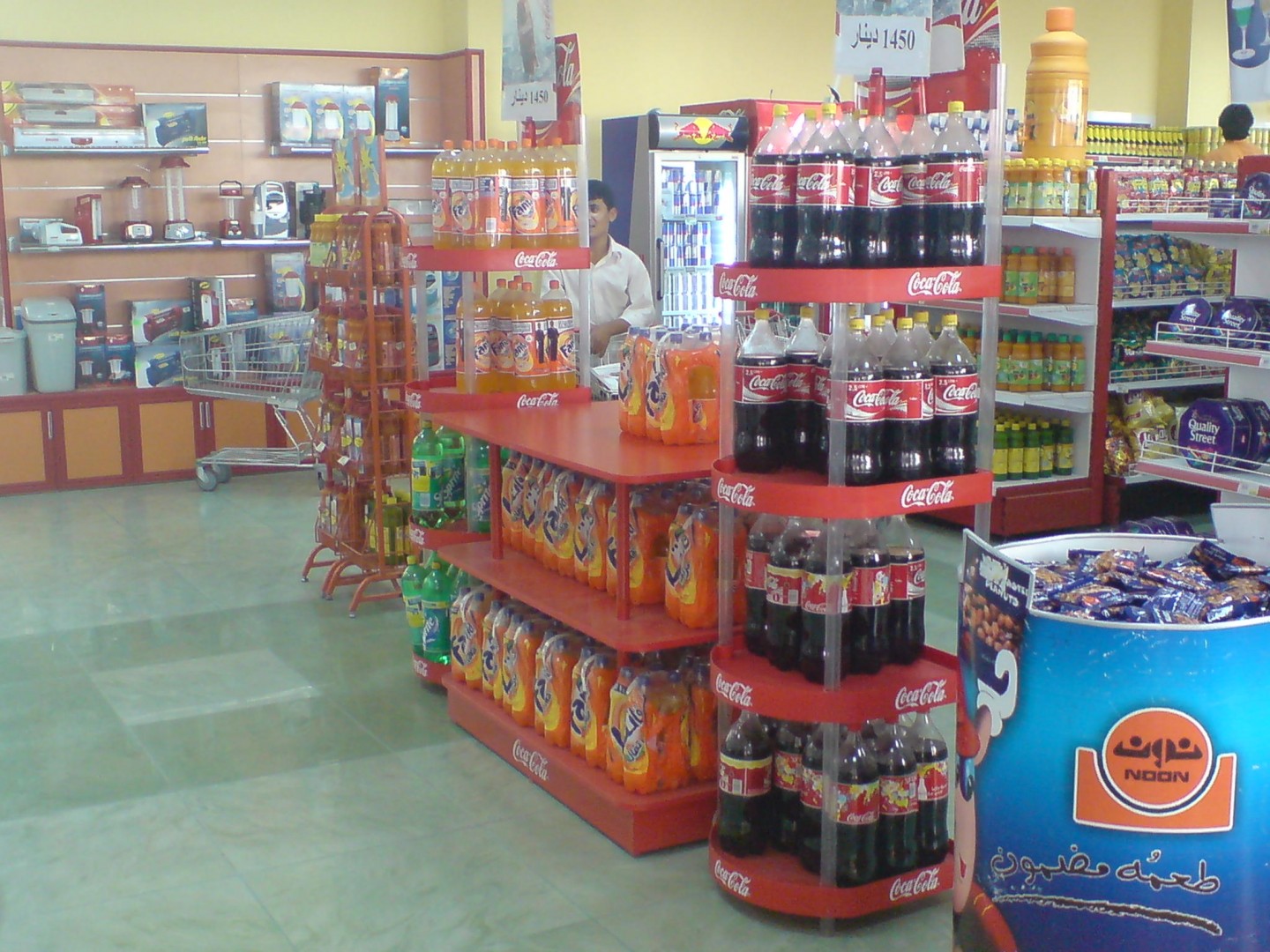
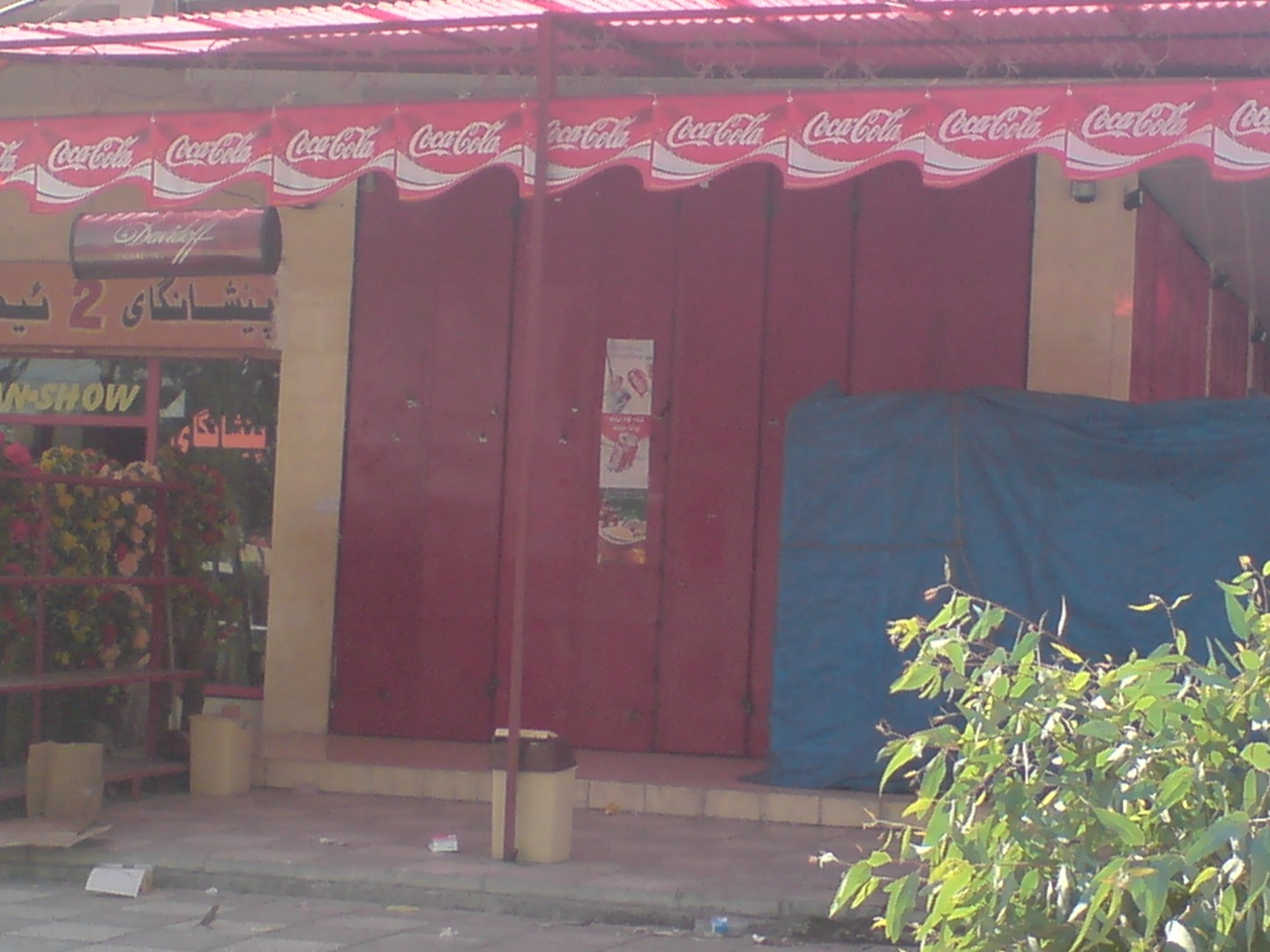
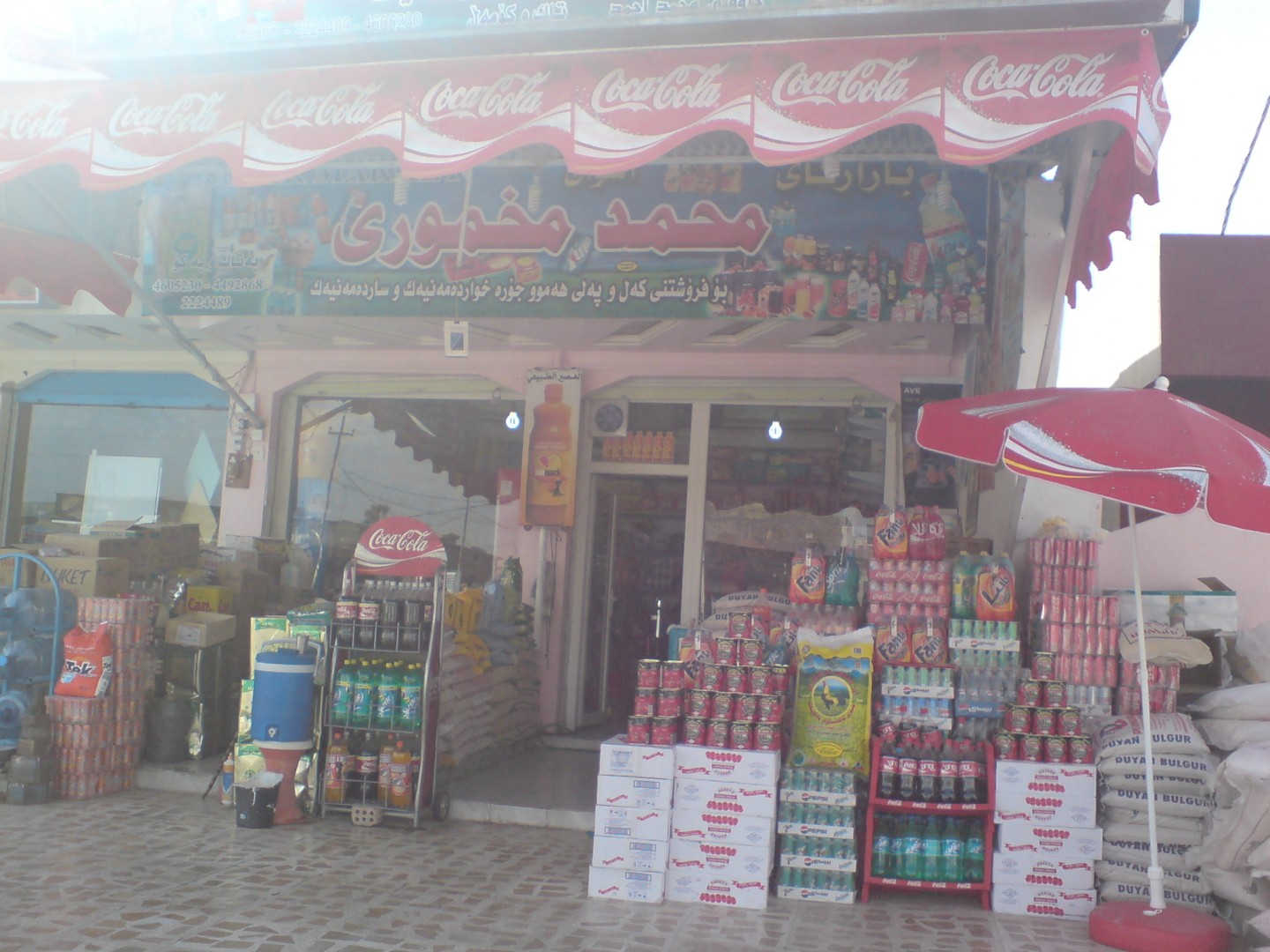
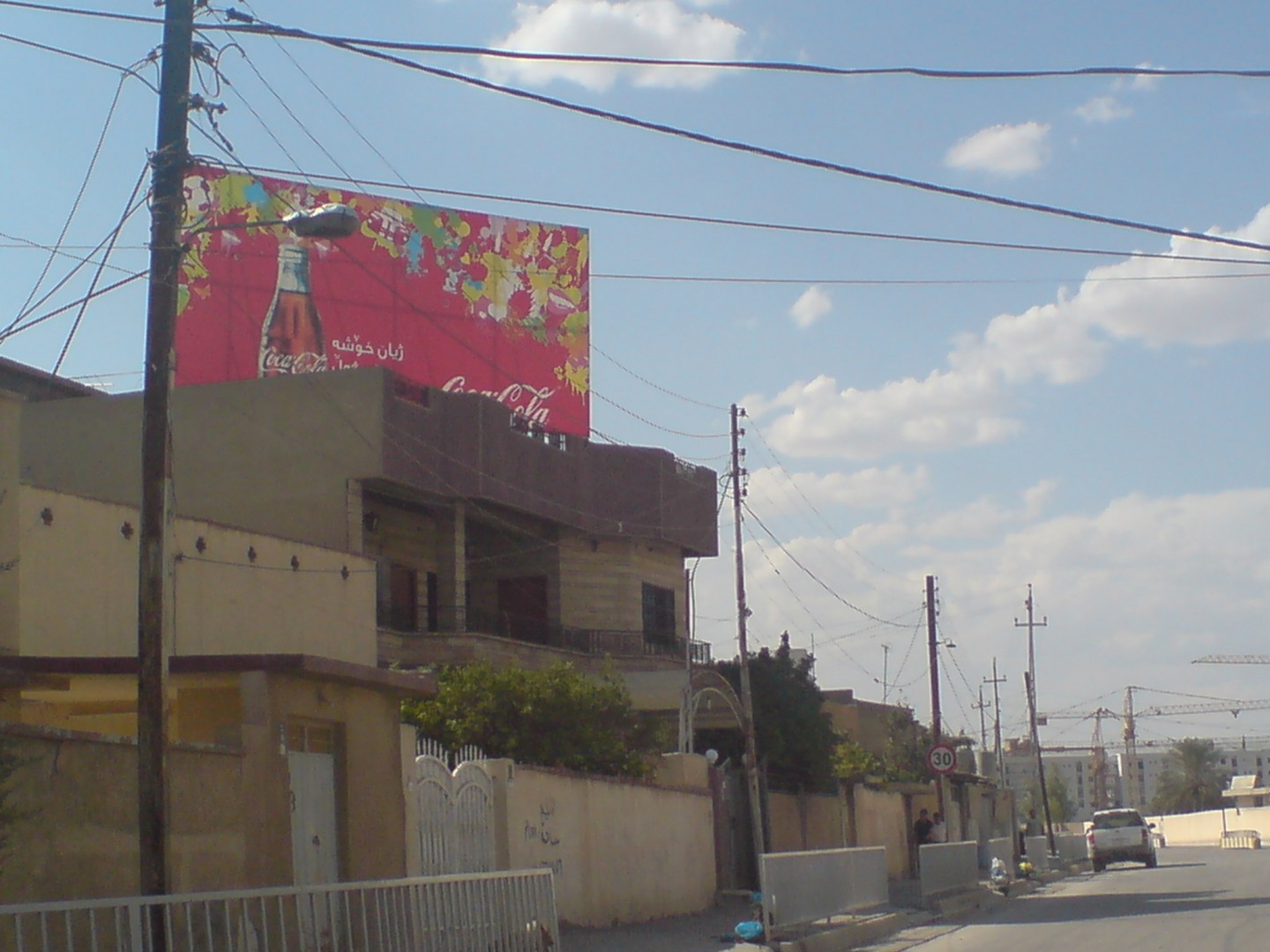
Finally, in May 2008, we proudly opened the factory. This factory had two distinct characteristics. First, it was the first investment after the war. We had dared to make it happen at the time. Second, Coca-Cola had returned to Iraq after 70-something years. When I asked why Coca-Cola hadn’t been in Iraq for 70-something years, I was told, “It’s an American brand, that’s why.” I then asked, “Well, there’s Pepsi, but isn’t Pepsi an American brand?” and received the following answer, the logic of which I still don’t understand: “Coca-Cola is America’s symbolic brand. Bebsi doesn’t represent America as much.” Because the Arabs pronounce the letter ‘P’ as ‘B,’ they called it ‘Bebsi.’ Incidentally, ‘Bebsi,’ as the Arabs call it, was certainly not at all pleased that we had opened Coca-Cola in Iraq. Within a year, we had increased our market penetration to 60% in Northern Iraq and dominated the market. Here are images summarizing what we’ve accomplished in Northern Iraq in just one year:
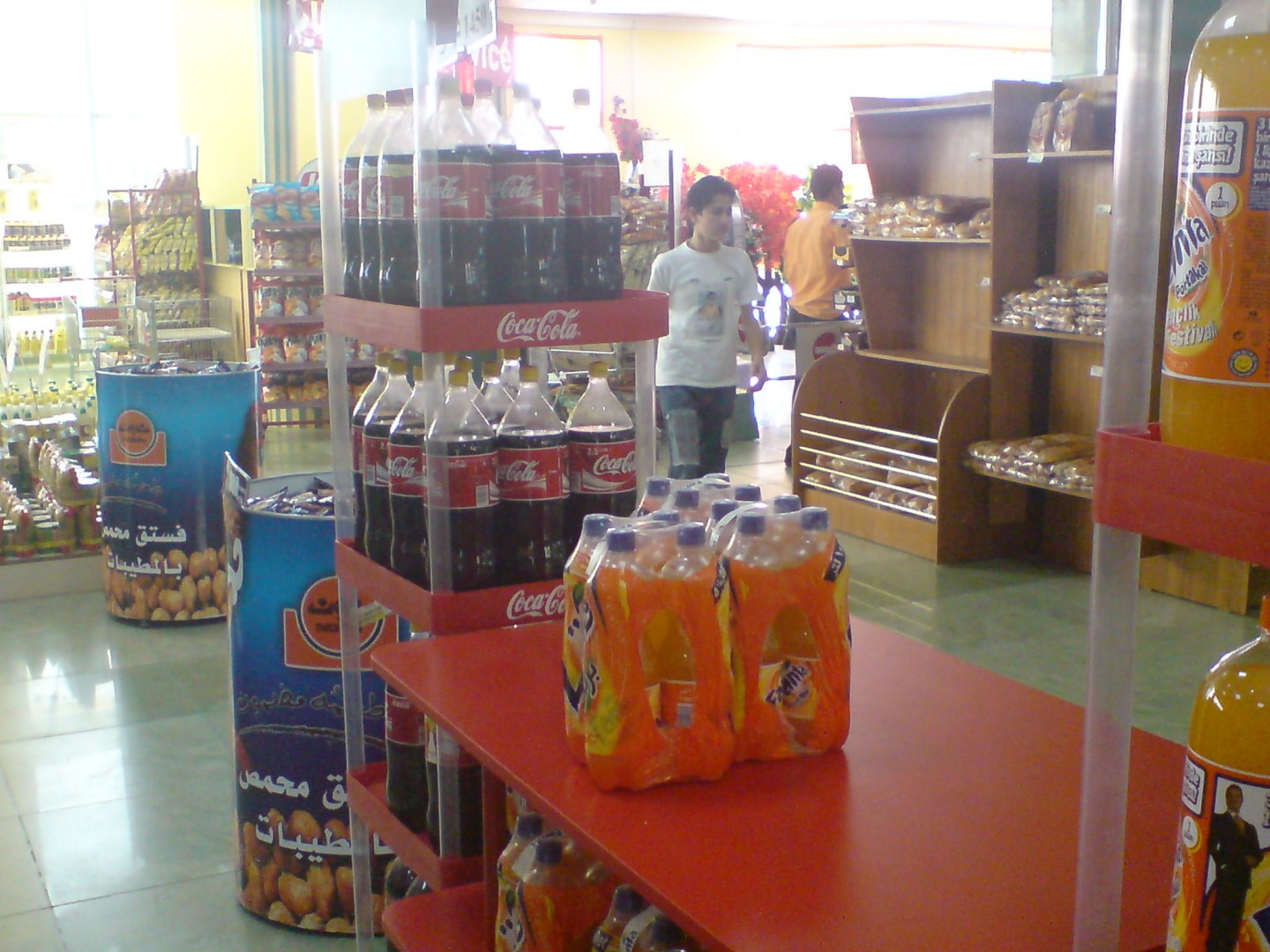
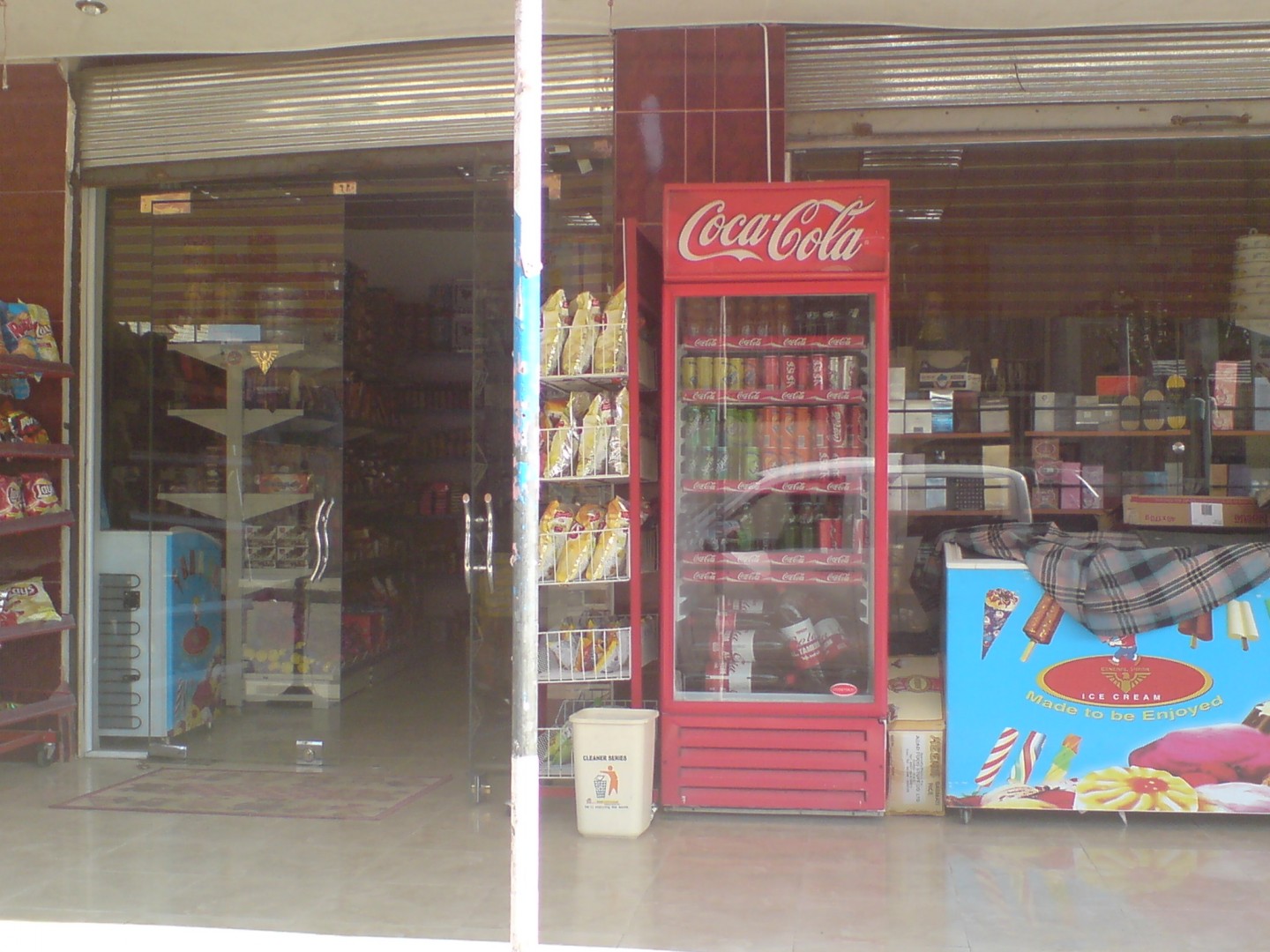
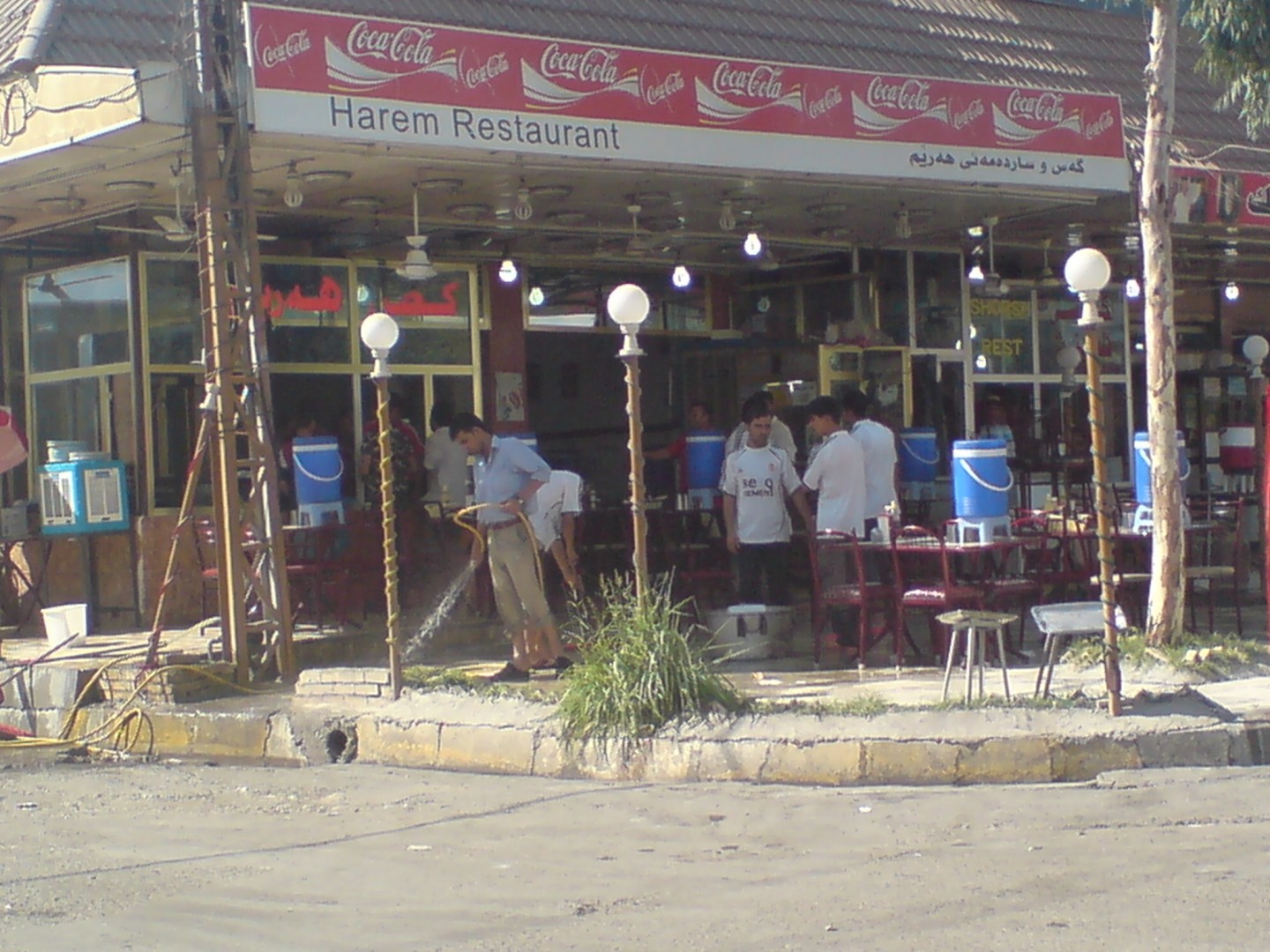
Strategic sale decision and a happy ending
I can say we’ve brought this otherwise successful story to a happy ending. At a meeting held within the holding company, I was asked my thoughts on this investment. I expressed the following views: “I think we’ve done a good job by implementing this project. However, from a strategic perspective, I think we need to sell our shares. We’re both minority shareholders and it’s not our core business. It’s unclear when we’ll receive dividends and many other things. So, let’s sell while everything is going well and focus on our own businesses, like KFC and Pizza Hut.”
Other board members supported me, and the decision to sell the shares was made. This decision was communicated to Coca-Cola İçecek in Turkey and its headquarters in the US, the Coca-Cola Company. Coca-Cola Company became interested in our shares. A valuation was conducted, and we sold our shares to the Coca-Cola Company for a nice profit.
Coca-Cola’s exemplary professionalism
Throughout this investment, where I was fully aware of all its processes, I always felt a strong sense of belonging to the company, even though I don’t drink Coca-Cola myself. Generally, I haven’t encountered anyone at Coca-Cola İçecek or the Coca-Cola Company who has caused me any problems. In this regard, I believe Coca-Cola follows a very sound human resources policy. Everyone I know there is both decent and skilled. The character of such an organization stems from the very beginning. Muhtar Kent, a source of pride for Turkish professionals and businesspeople, who served as CEO of a global giant like the Coca-Cola Company for 11 years and, in my opinion, has achieved significant success, and Tuncay Özilhan, who has led Anadolu Group, Coca-Cola İçecek’s main shareholder, to new heights during his time there, is also a significant part of their involvement.
I also personally value their sustainability efforts, such as minimizing water consumption and recycling plastic packaging. They have a long way to go and need to accelerate, but I believe they are on the right track.
Their support to TİDER during this critical time
Finally, I am grateful to Coca-Cola for providing crucial sponsorship to TİDER (Basic Needs Association), of which I am a founder, during the pandemic, helping us meet the basic needs of approximately 200,000 families. Support like this is crucial during this time.
For their commitment to these steps, last July, the international credit rating agency Fitch Ratings raised Coca-Cola İçecek’s (CCI) Foreign Currency Long-Term Issuer Default Rating and Senior Unsecured Rating by two notches to investment grade. You can read the details of this news at https://www.hurriyet.com.tr/ekonomi/fitch-coca-cola-icecekin-kredi-notunu-yukseltti-41557651.
In its statement regarding the upgrade of Coca-Cola İçecek’s credit rating, Fitch stated, “We assume the company will partially offset the impact of COVID-19 through the cost reduction and cash conservation measures it undertook in 2020, which will enable the company to maintain its low debt structure between 2020 – 2023.” In addition to their sound financial management, they are performing well in these challenging times thanks to their efforts to create value in civil society and sustainability. In my opinion, Coca-Cola is a company that Turkish companies with a vision for internationalization should follow their example.
Tag: memoir