I completed my military service in Denizli’s 11th Infantry Brigade in 2000-2001 for eight months (a short term was eight months at the time). I previously shared my memories of this period in a series of articles titled “A Look at the Nation’s DNA from Military Service.” You can read the details at the links below:
https://www.serhansuzer.com/tr/memleketin-dnasina-askerlikten-bir-bakis-1
https://www.serhansuzer.com/tr/memleketin-dnasina-askerlikten-bir-bakis-2
https://www.serhansuzer.com/tr/memleketin-dnasina-askerlikten-bir-bakis-3
The 11th Infantry Brigade, which I served as adjutant to esteemed Brigade Commander Kemal Ay, is now the 11th Commando Brigade. Frankly, our brigade always had this potential. I’m not surprised at all.
Last year was a tough one. I realized I wanted to get away for New Year’s, so while I was considering what we could do outside of Istanbul, Denizli came to mind. I hadn’t been to Denizli in a while. The idea of going there for a vacation, even if just for a few days, seemed reasonable.
I asked a Denizli businessman friend where we could stay and other questions about Denizli, but I didn’t know he would be hosting me. That’s the combination of friendship and Turkish hospitality. Thank you.
We arrived in Denizli on 29 December. Upon arrival in the evening, we were welcomed at the airport and taken to our hotel. This wonderful boutique hotel, one of Denizli’s most beautiful, is called Casa Bianca. After a snack at the hotel, we went to bed early, exhausted from the day and the week.
A delightful cable car experience
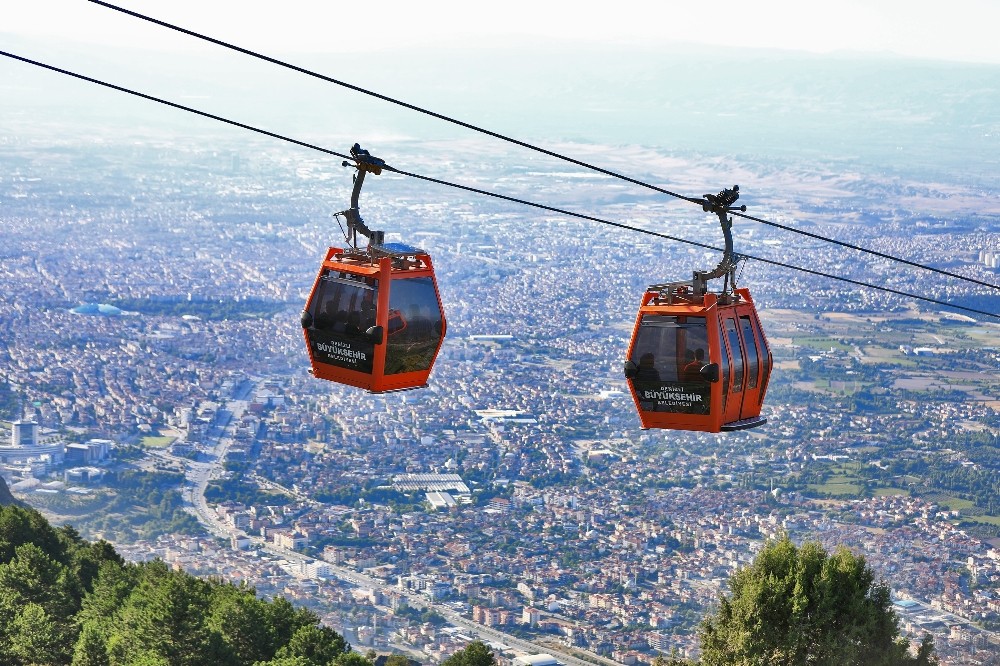
The next morning, after breakfast, we boarded the Denizli cable car, located in the Kervansaray neighborhood of Denizli’s Pamukkale district, for our first activity of the day. It ascends 1,500 meters up the mountain and then reaches Bağbaşı Plateau.
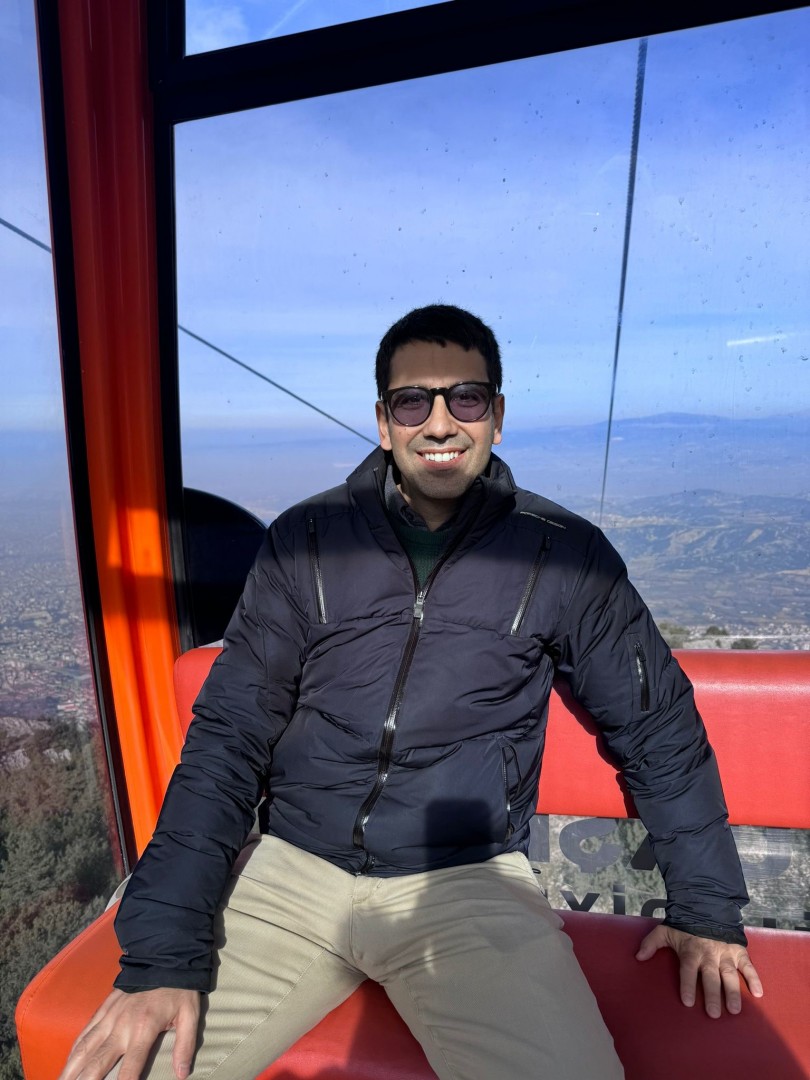
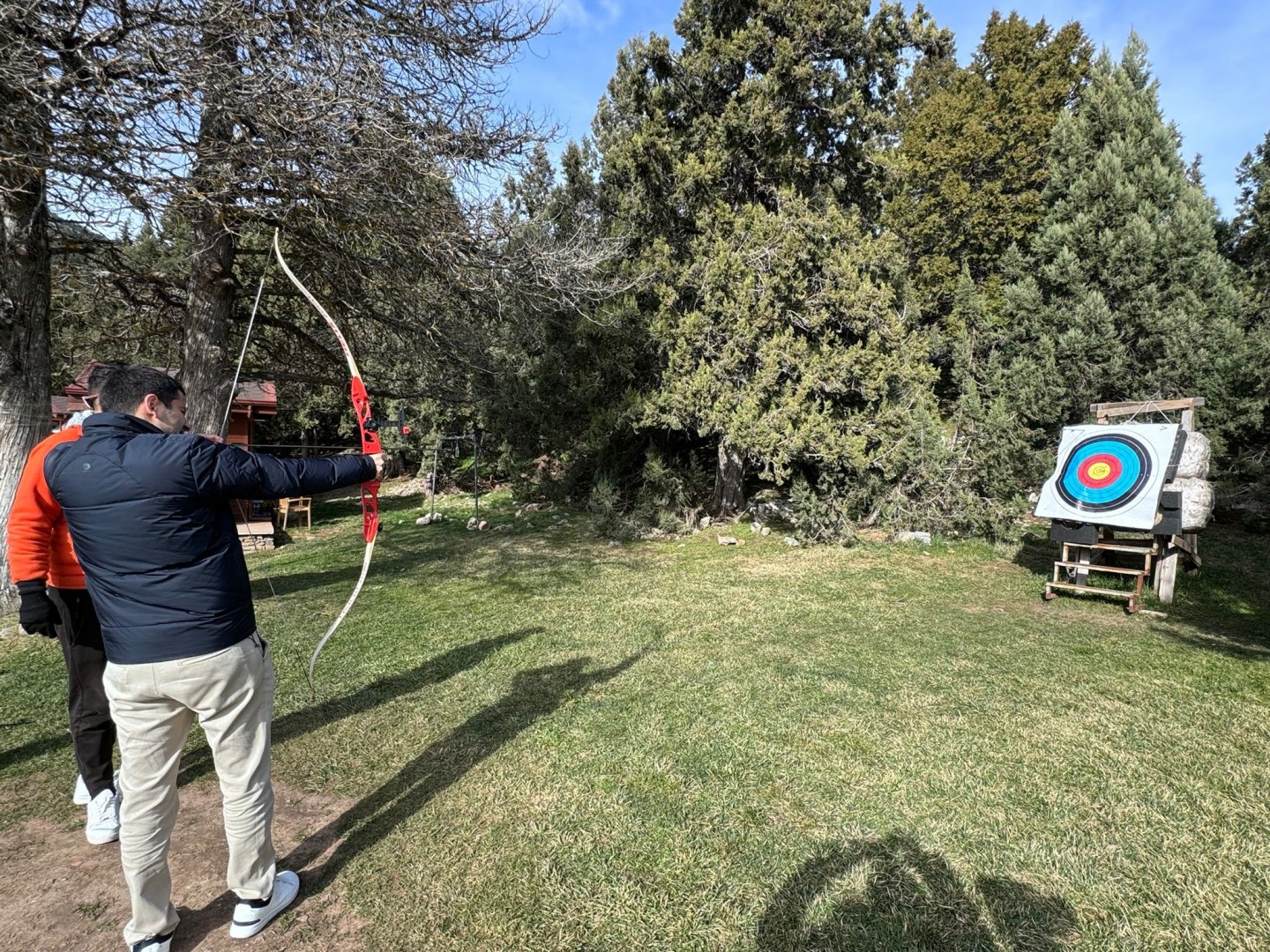
After disembarking, we decided to enjoy some salep while enjoying the beautiful view. After enjoying our salep, we boarded a minibus that picked us up from the top of the cable car and headed towards Bağbaşı Plateau. We enjoyed tea at the cafe of the plateau we reached in a dilapidated minibus. We browsed the boutique shops and shot arrows at the archery range.
After concluding our business, we returned to the top of the cable car in the same dilapidated minibus and then headed back down. Overall, it was a pleasant experience. However, since we’re talking about Denizli, in this article I’ll share some of the city’s positive aspects and offer some criticisms, all to make this beautiful city even better.
This cable car experience was fantastic. You’ll enjoy the spectacular view and the ride up to the top. If you’re ever in Denizli, I highly recommend taking the cable car. I should also mention that the cable car is safe. It was built by the Italian Leitner, one of the world’s leading companies in this field, and it’s quite safe. Of course, beyond the quality of the cable car, it’s crucial to ensure its operation and maintenance are carried out regularly and in accordance with protocol.
Four criticisms of the cable car and its surroundings:
1) They’ve begun construction of villas right next to the cable car’s starting point. Whoever authorized these villas should be fired immediately, their permits revoked, and the villas should be demolished. In which developed country in the world has house construction ever been seen on a cable car? In the cable car area (which I believe should be at least a few kilometers in diameter), everything except the roads should be natural, meaning covered with trees and vegetation.
2) Municipalities are trying to run everything with the smallest budgets. The food and beverage areas and businesses at the cable car’s base (both at the base and at the top) are both very limited and uninviting. In other words, the food and beverage offerings could have been much more appealing to visitors’ tastes. The gift shop is relatively decent, but I think even there, the selection is limited.
3) The minibus we took on the way to the plateau was falling apart. This minibus, which runs almost over the edge of a cliff, is not only unsafe but also looks like it might break down at any moment. There’s also the issue of hygiene. The municipality needs to offer a much safer, cleaner, and more comfortable alternative to transport.
4) The food and beverage options and recreational areas on the plateau are worse than the cable car. A place like this should be designed to attract everyone, especially children and young people, and where they can enjoy spending time. To instill a love of nature in children from a very early age, areas where they can both have fun and enjoy delicious food could be created. The only place I appreciated here was the archery area. Archery is a great idea. We had fun shooting.
What was generally lacking in the cable car experience was the gusto. The canteen management, the businesses on the plateau, the dilapidated condition of the minibus—all of these could be improved to appeal both visually and to the palate.
. Our Entry to Pamukkale and the “Upside Down House”
After getting off the cable car, we headed straight for Pamukkale. Before heading to Pamukkale, I wanted to pass through Denizli City Center, so I continued through the square where the Rooster Statue is located and turned toward Pamukkale, passing by our 11th Infantry Brigade. Of course, the 11th Infantry Brigade, as I mentioned, had become the 11th Commando Brigade. Passing by gave me another taste of how vast the area is.
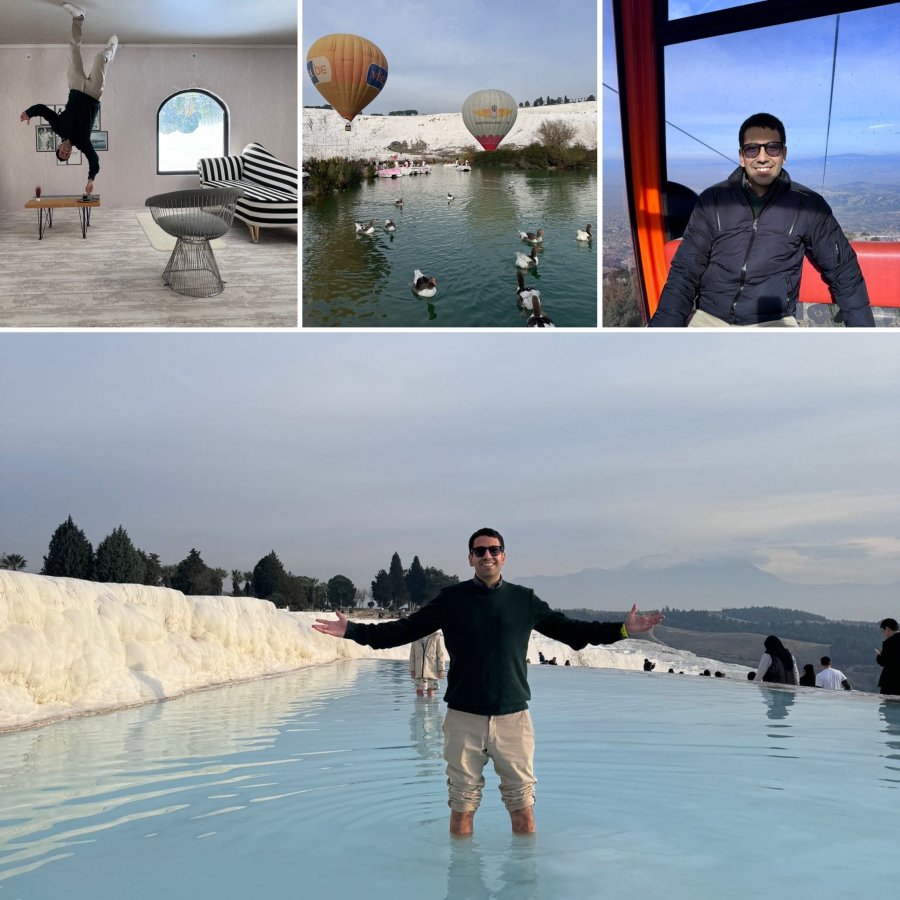
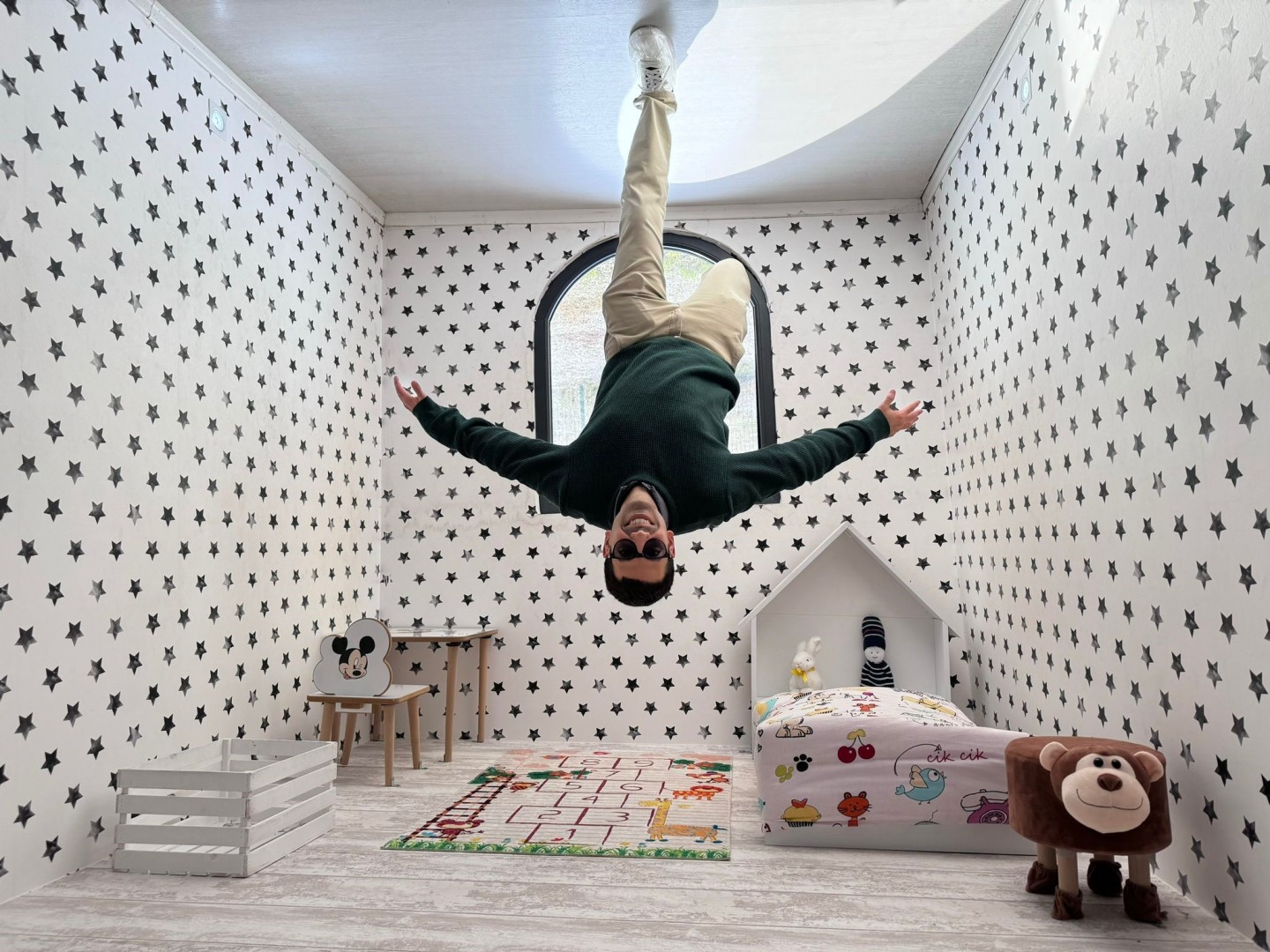
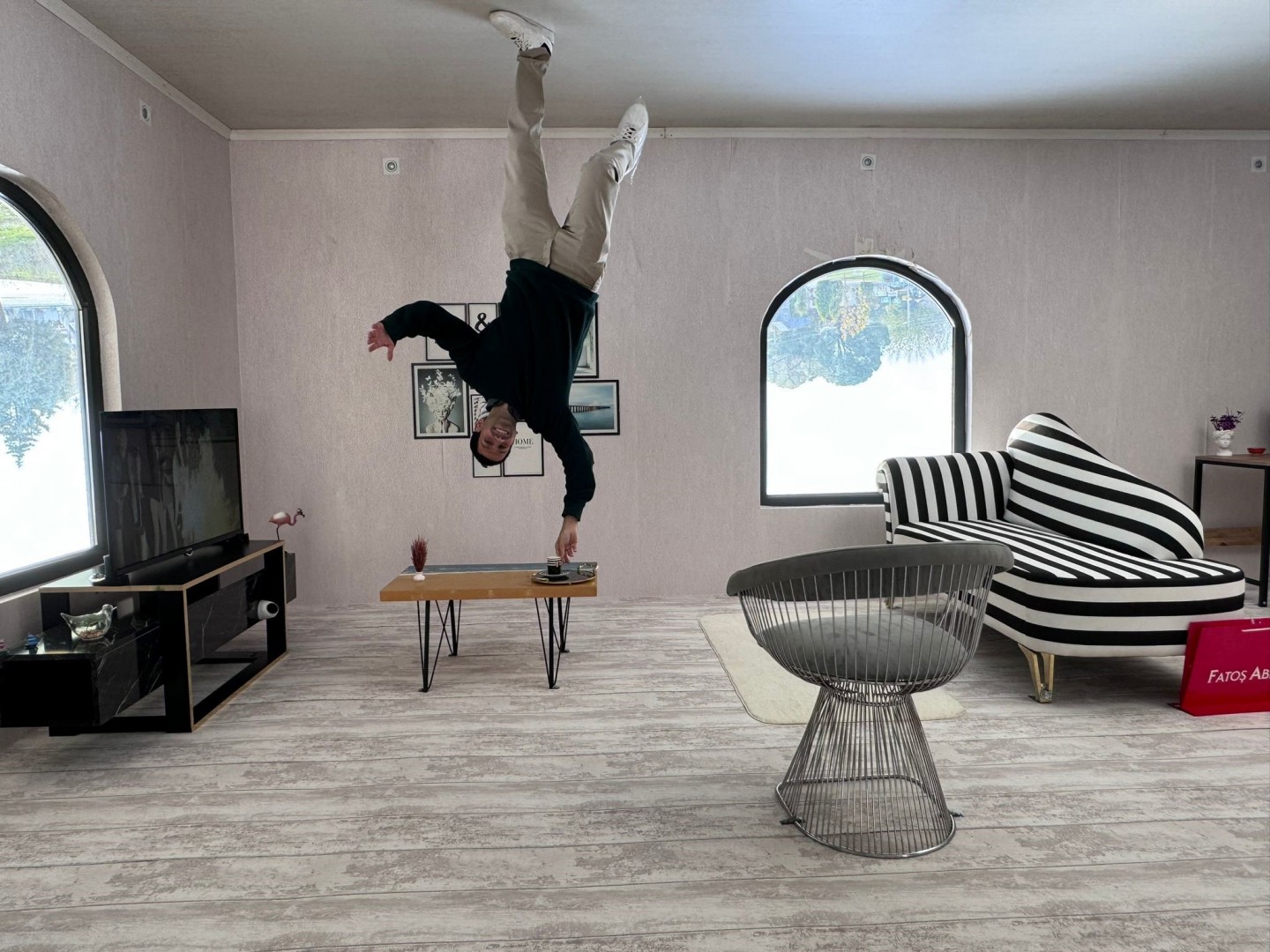
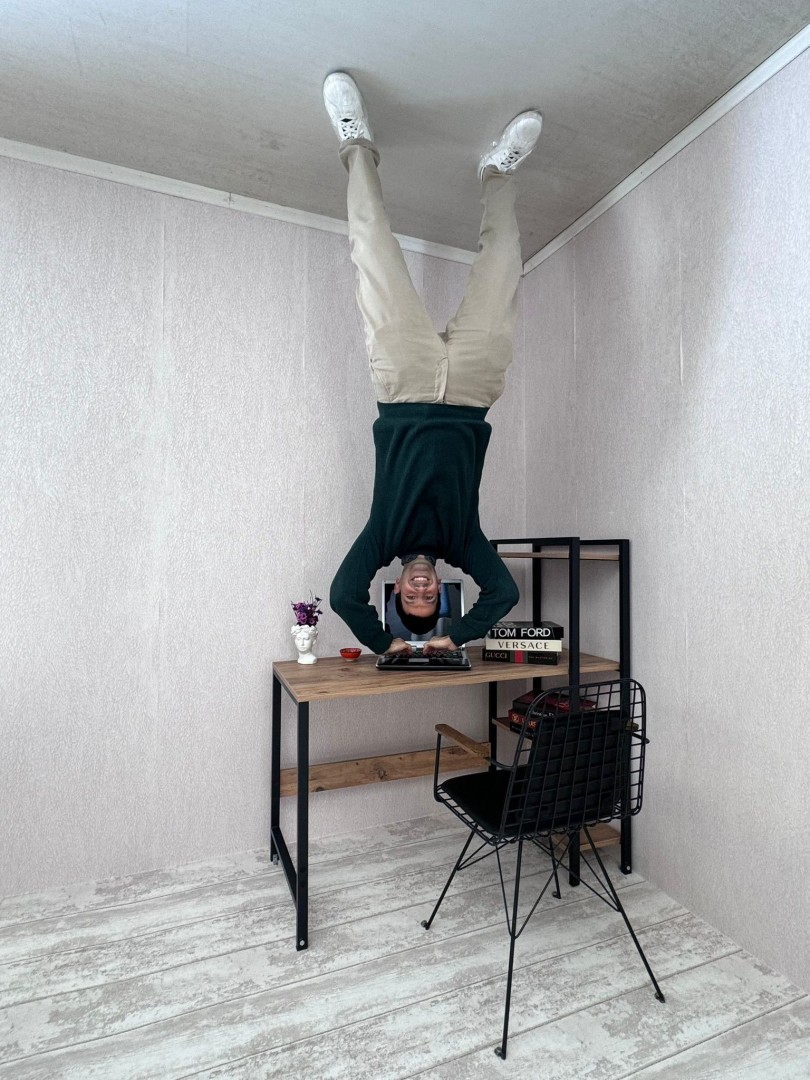
A few minutes before our arrival, we came across the “upside-down house” concept, a concept you’ll find in many destinations, at the entrance to Pamukkale. After taking some classic photos of standing upside down in this museum-like setting, we left and headed to Pamukkale. I’m sharing some of the upside-down house photos we took to help you visualize them:
The Magnificence of the Travertines and the “Holy City”
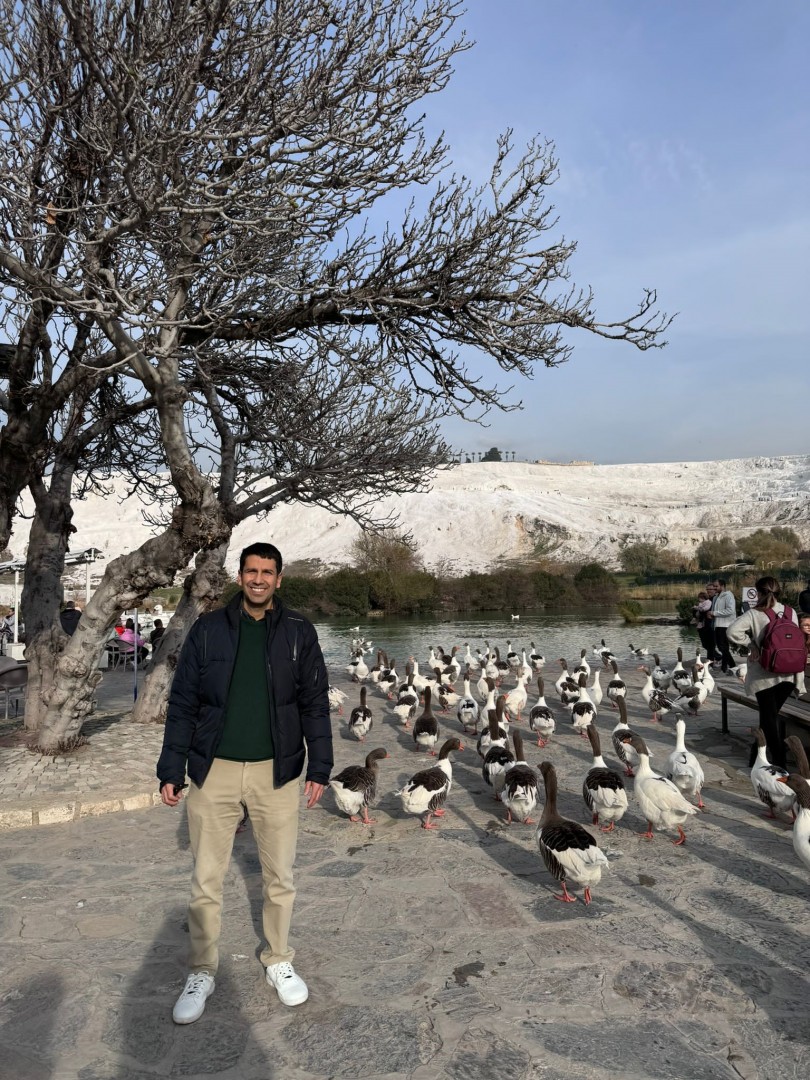
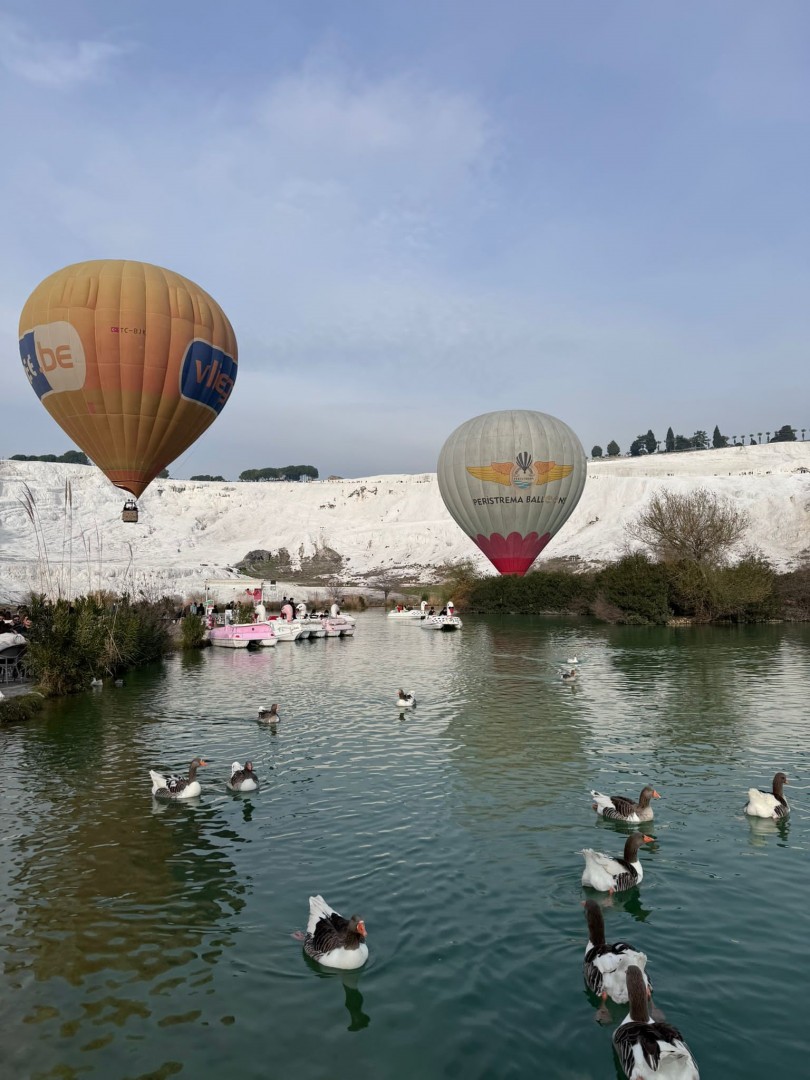
We first entered Pamukkale, just three minutes away, from below. After a snack at the pond where geese abound, we headed to the gate at the top, finally entering Pamukkale, with its magnificent splendor, after many years.
Of course, when we say Pamukkale, we’re talking about an ancient city, Hierapolis.
Hierapolis (Greek: Ἱεράπολις, “sacred city”) is an ancient city located near Pamukkale (Denizli) and functioned as a center of the cult of the mother goddess Cybele during the Phrygian period. The ancient geographers Strabo and Ptolemy suggest that Hierapolis was a Phrygian city, given its proximity to Laodicea and Tripolis, which bordered the Carian region. You can read more on Wikipedia: https://tr.wikipedia.org/wiki/Hierapolis
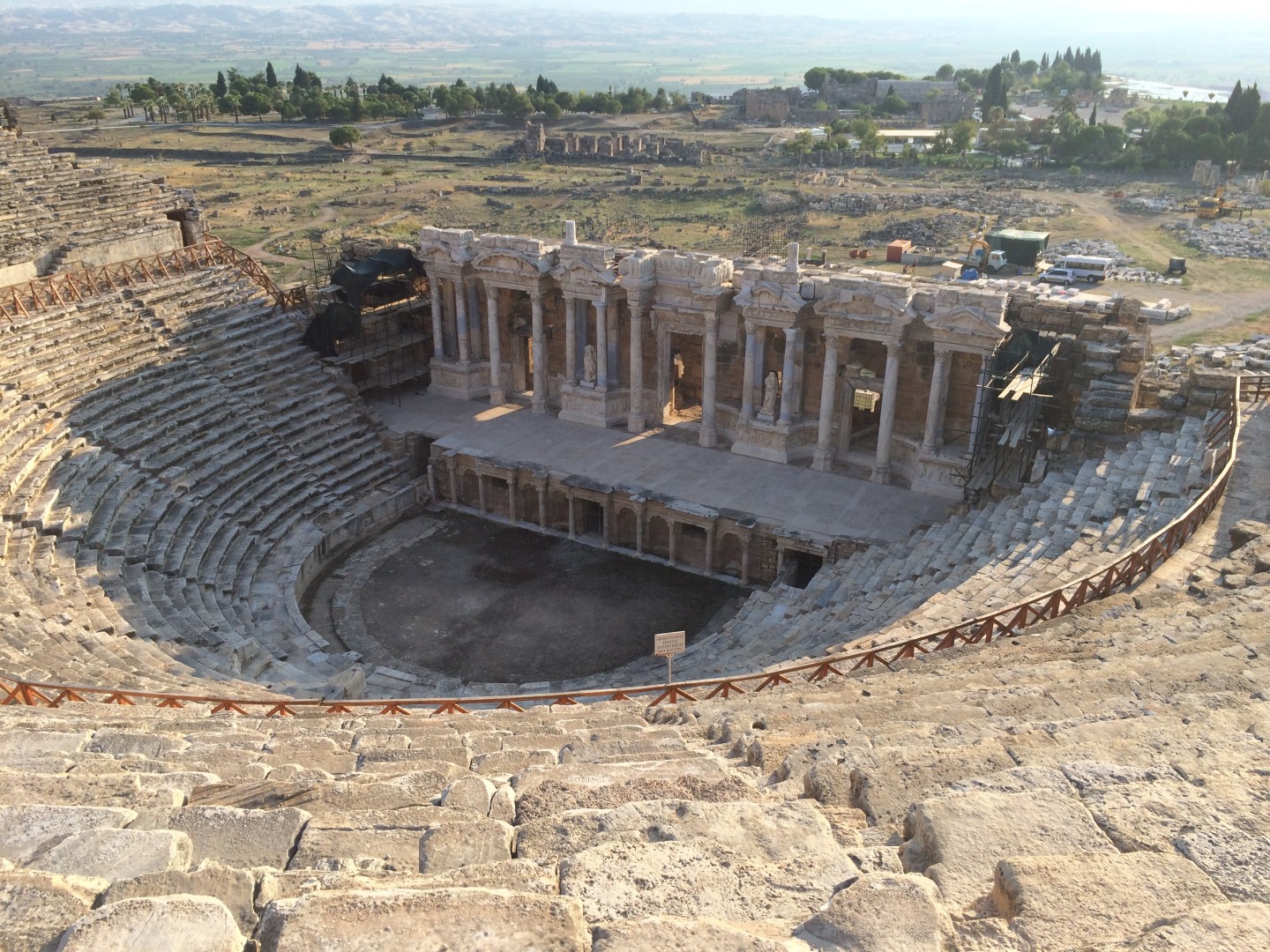
Walking along the famous path along Hierapolis’s travertines, you have the opportunity to admire the ruins of the ancient city on both sides. The most magnificent of these is, of course, the Ancient Theater. You can’t take your eyes off this magnificent structure, a Greek theater-style structure nestled against the hillside, 91 meters high, and preserved with its entire façade. Finally, we reached the entrance to the travertines, rolled up our trousers, and stepped onto Pamukkale’s famous snow-white rocks. Walking through these white rocks, filled with pools of water, is therapeutic. Of course, you’re doing this with hundreds of other tourists, and the crowds break the magic, but that’s okay. Still, when you focus on yourself and the rocks, you really enjoy it.
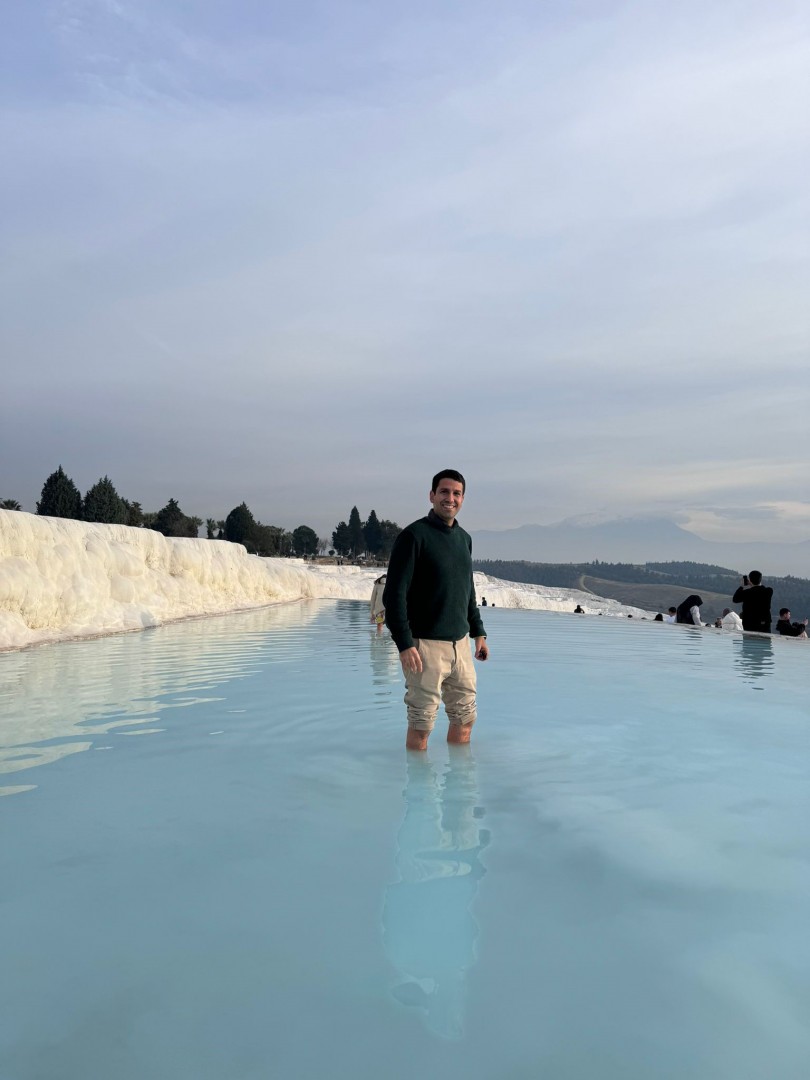
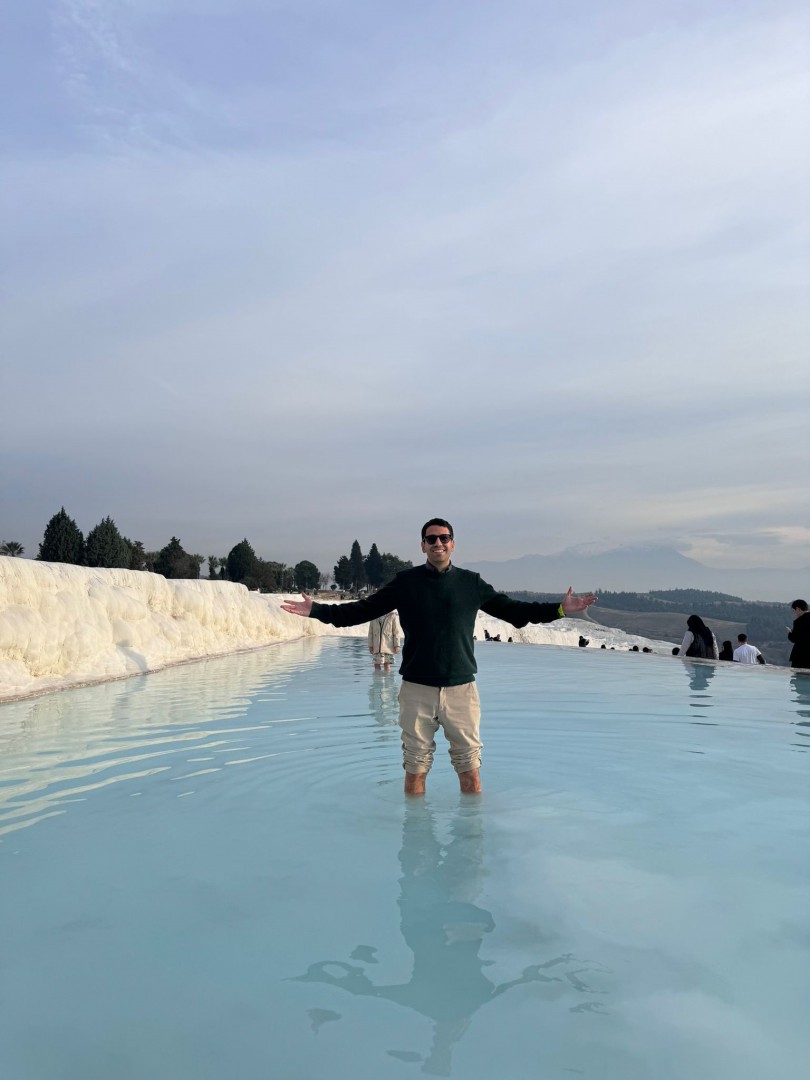
After this delightful time on Pamukkale’s travertines, we packed up, put on our shoes, and spent some time in the gift shop. Then, we walked back to the entrance along the historic Hierapolis road and exited. Then, we headed back to the hotel. Meanwhile, we called the balloon organizer to schedule the next day and planned for the following morning.
My Criticisms About Pamukkale
Now, let’s move on to my criticisms of Pamukkale, this magnificent destination like no other in the world. I repeat, I truly value Denizli and offer these criticisms to ensure the necessary improvements are made in the future:
1) Pamukkale’s most significant problem is the scarcity of this special water that whitens the travertines. The surface area of these travertines has decreased significantly. In other words, I can easily say that the white travertines of Pamukkale, which I visited 20 years ago during my military service, covered a much larger area. As far as I understand, the municipality or a related company captures this water, which gives the rocks their white color, and releases it onto the rocks in a controlled manner. I believe there are techniques to increase the water flow and reserves. In other words, methods that are far more effective than controlled retention and release of this water, and that will restore Pamukkale to its former state, must be implemented urgently.
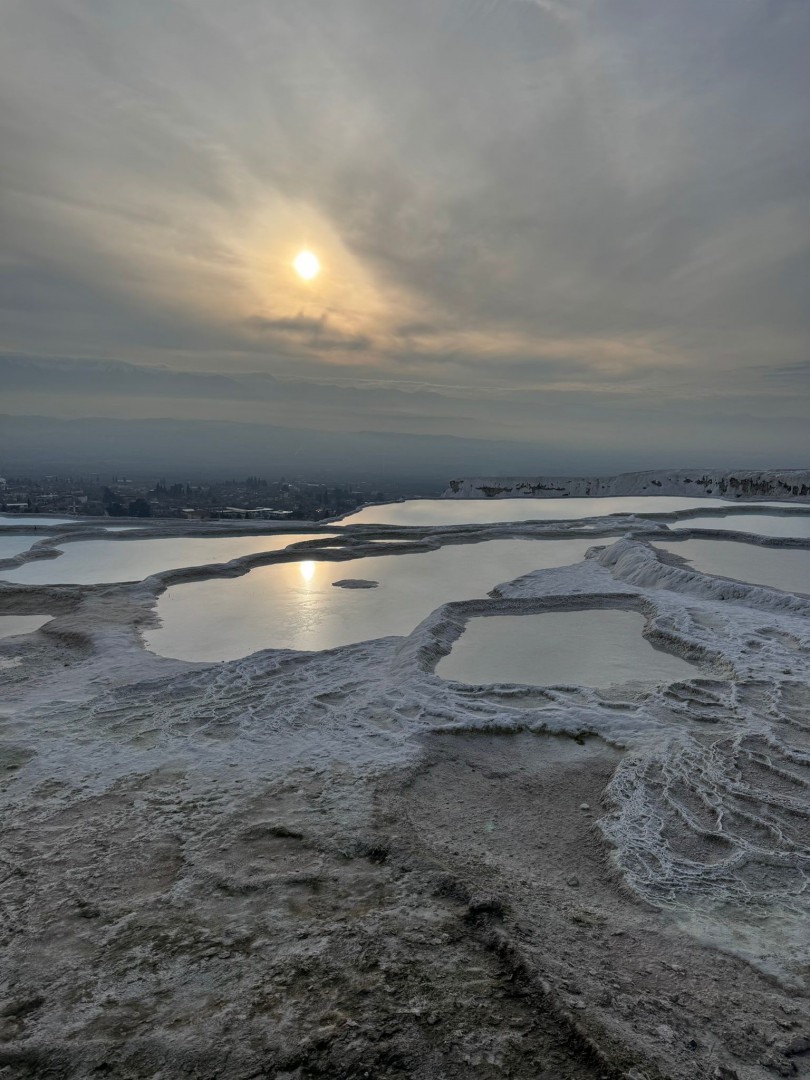
Planning and implementation should be conducted in collaboration with and guided by the world’s leading water experts.
2) We noticed a “nightclub” concept in Denizli, the number of which increased, especially as we approached Pamukkale. I can say that we counted over 10 so-called nightclubs before we got to Pamukkale. I say so-called because we later realized they weren’t nightclubs. While chatting with the owner of the “tersev” (reverse house) in the garden, I pointed to the nightclub right across from the “teresev” concept, and the following conversation ensued:
– We’ve seen over 10 nightclubs like this before, until we got here. What in the world are these?
– Is there really that much demand for nightclubs here?
– (With a shy smile on his face) These aren’t nightclubs, sir.
– So what are they?
– Don’t you really know?
– No, I don’t. This is the first time I’ve seen these squalid structures with a nightclub concept.
– I’m ashamed to say, these are nightclubs.
– What do you mean? What’s a nightclub supposed to do in a place like Pamukkale?
– Unfortunately, we say the same thing, but we can’t quite explain it.” So, is there such a high demand for so many nightclubs here? As someone familiar with Denizli, I doubt it.
– There’s significant demand for these places, not just from Denizli itself, but from surrounding provinces. Because they’re known in their own provinces, they come here and do whatever they need to do.
– Shame on you. What a shame. Does this even suit a place like Pamukkale?
Nightclubs prevalent throughout Turkey
After receiving this information, some friends I spoke to said that this “nightclub” concept is prevalent in almost every province in Turkey, especially in the more conservative provinces. I’m making a note of this for the sake of understanding the country.
After Pamukkale, we returned to our hotel. We had dinner at a restaurant called Ruma, recommended by the friend who invited us. We chose from their delicious menu, combining many different cuisines, and enjoyed a meal in the beautiful garden before returning to our hotel.
A magnificent balloon adventure
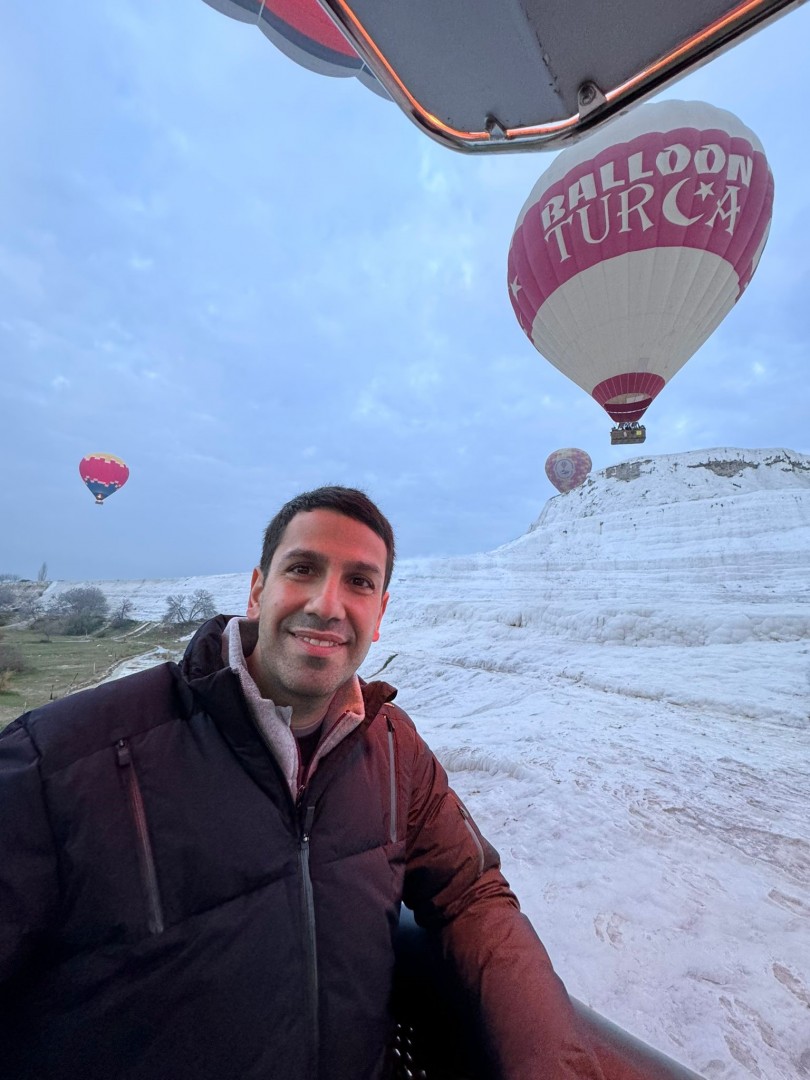
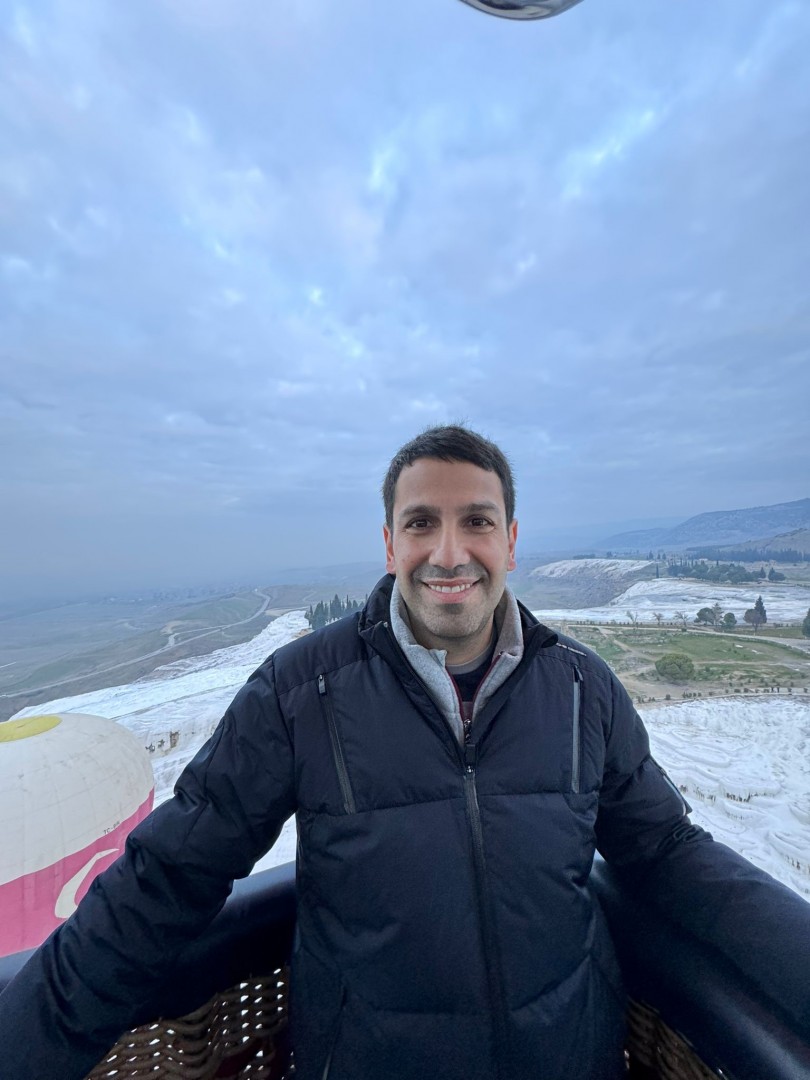
We went to bed early and woke up early on the last day of the year, heading straight to the Pamukkale balloon launch site. We met at 7:30 a.m. and joined a group of tourists before boarding a balloon. The balloon’s interior layout was as follows: It was divided into five sections. The pilot was in the middle section, and a relatively long, narrow section housed the tubes and the mechanism that sprayed fire into the balloon. The remaining sections were divided into four sections, each of which accommodated four people. So, excluding the pilot (whose section accommodates two pilots), each section accommodates four people, making a total of 16. That’s exactly what happened to us. We settled into our own section, and the remaining sections housed one foreigner and two Turkish groups. So, we took off from the lower Pamukkale area, directly over the pond where the geese lived. It was an incredible experience. Sometimes we lingered at the bottom, and other times we soared to great heights (500 meters). The higher you go, the more beautiful the view becomes, but the more you encounter buildings that distract you. As in every corner of the country, poor urban planning and unplanned construction are striking. You can also see that Pamukkale, like Denizli, is a small area on a vast, seemingly endless plain. In any case, the view from above was incredible. Witnessing the region’s stunning natural beauty from above was especially magnificent.
Landing, celebration, and a strange coincidence
After about 45 minutes of air travel, we glided over a small town right next to Pamukkale and landed in an empty lot there. My friends, who hadn’t felt any discomfort while we were up there, became increasingly uneasy as we approached the buildings and the ENH (Energy Transmission Line). Ultimately, we landed safely. The event planner set up a table on the ground, offered a non-alcoholic, champagne-like drink, turned up the music, and we all celebrated. While on the ground, the event planner also sold some souvenirs from the gift shop for extra income and told us they would share our videos with us. Meanwhile, during the conversation, the organizer and our balloon pilot, having heard that I had previously served in the 11th Infantry Brigade, said, “The new brigade commander and gendarmerie commander were in the balloon next to us. They ascended five minutes before us.” It was an interesting coincidence that, 22 years later, I was taking off in the balloon next to the brigade commander on the last day of the year.
Red healing pleasure
After a pleasant morning on the last day of the year, we set off for Karahayıt for the next program. Here, we visited the pool at the Colossae Hotel, a long-standing Pamukkale classic.
I’d like to emphasize that Karahayıt holds a special status within Pamukkale. Just as the special water in Pamukkale turns the rocks white, the special healing thermal water in Karahayıt turns them reddish.
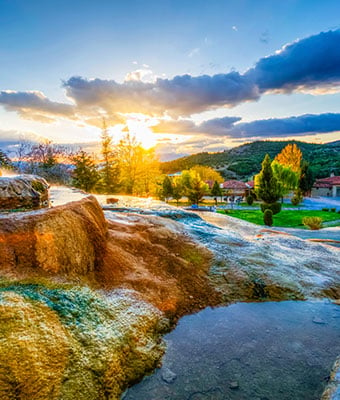
Among the hotels that offer this reddish water as a thermal service, the Colossae Thermal & Spa Hotel remains the most established. Of course, there are also local hotels like Richmond among these hotels. The Colossae has both indoor and outdoor pools. Since the weather was cold outside, we opted for the indoor pools. There are also two pools inside: one is a classic pool. In addition to the regular pool, there’s also a thermal pool. You can enter the thermal pool from inside and open to the outside. Once you’re in this red, healing, high-temperature water, going outside doesn’t affect you. So, even if it’s snowing outside, you can relax in this high-temperature water to your heart’s content. After enjoying this particularly hot thermal pool, we headed back to Denizli for a shower and lunch. Beforehand, we took a tour of the Karahayıt neighborhood near the hotel, then headed towards Denizli. Unfortunately, Karahayıt has also suffered from unplanned development and misuse of water. In such a healing place, I would have hoped they would build a neighborhood that was visually appealing, easy to use, and would maintain the water flow. In my opinion, this neighborhood needs to be demolished and rebuilt. Putting aside the low-standard buildings, they’ve even built a pool in the neighborhood square with water flowing out. No way.
A Denizli kebabı you shouldn’t miss
On the way to Denizli, I praised Denizli kebabı to everyone in the car. I’d like to share my words with my readers here: When you go to Denizli, be sure to try Denizli kebabı.
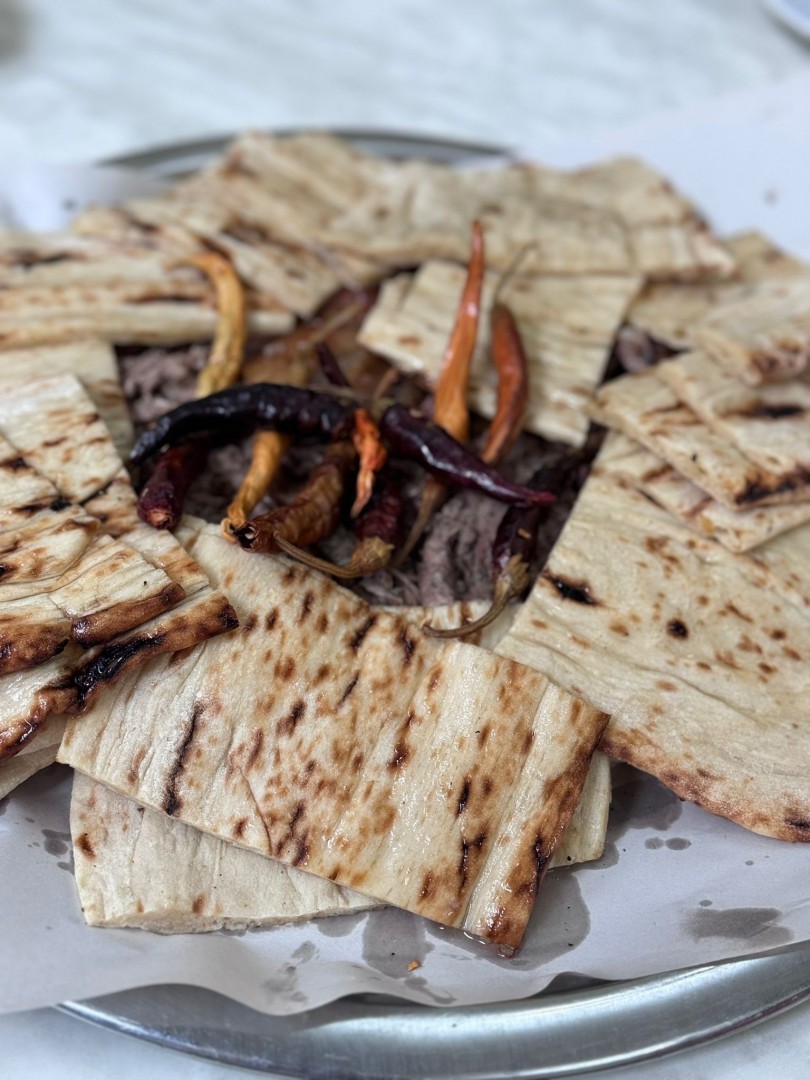
With its delicious tandoori-style meat and oily pita bread, we ate it at Kebapçı Enver, also recommended by our Denizli friends. After this wonderful feast, we went to Hacı Şerif, also in Denizli City Center, for dessert. There, we enjoyed semolina with ice cream, şöbiyet, and cold baklava before picking up our car from the parking lot and returning to the hotel.
After preparing for the New Year’s Eve celebration at the hotel, we spent New Year’s Eve at Köz Restaurant inside Casa Bianca. Following the New Year’s Eve countdown, a firecracker celebration took place outside. We danced a lot.
After New Year’s Eve, we went to bed quickly and began preparing for our return the next day. After breakfast at the hotel, since we had an evening flight, we took a short tour of Denizli and went bowling at Terra Park Shopping Center. Then, we headed to the airport.
Denizli’s People and Local Colloquialisms
It was time to bid farewell to Denizli once again, along with fond memories of the past. I’d like to end my article with Denizli’s people. Beyond its natural beauty, the people were among the main factors that attracted me to Denizli. Generally, the people of Denizli are kind and open to improvement. I’ve traveled to many parts of Anatolia, and in a place like Denizli, a blend of the Aegean and Central Anatolian regions, I find it wonderful that the people are generally both open-minded and skilled at their jobs. And of course, I really enjoy the local dialect of Denizli. I didn’t understand it when I first heard it during my military service, but I’ve since gotten used to it. They’re truly charming.
In short, if you happen to be in Denizli or Pamukkale and spend your holiday in the right places, you’re sure to enjoy it. I hope to see Denizli become even more developed and become a leading tourism destination.
Tag: ecology