So, what am I capable of?
Let me tell you right away. I’m 38 years old. After school, the pace of my life was always fast. I have managed crises many times, particularly in our family company. There were even times when I handled three or four crises at once. Starting with the Kentbank incident, we found ourselves in the middle of several serious crises, and somehow, we always managed to solve them. I entered the business world during a very tough period. In a sense, I can call myself a “winter pilot”—I learned how to fly in the harsh winter conditions of business life.
With what I’ve lived and done, I might have the experience of a businessman in his 50s or 60s. Some things have become second nature to me now. When I look at something, I can immediately see what’s going on, whether it can be fixed, and if it can, how to make it the best it can be, and then I act on it.
I’m still relatively young (people who see me for the first time still think I’m doing a master’s degree at university). I have energy, I have a level of experience that few people my age possess. I truly value young people, and I enjoy contributing to their development. That’s why I try to share my experiences with young people on every platform I can find.
Last year, I gave around 20 talks, most of them at universities. Abroad, I spoke in the United States, Canada, the United Kingdom, and Brazil. All of them were different, highly enjoyable experiences. But to be honest, what motivates me the most are the talks I give at universities. When I look at those young people, I say to myself: these kids are the future of our country. That’s why, if my schedule allows, I accept speaking invitations and try to do whatever I can for them. Here are some of the universities where I’ve spoken:
Istanbul Technical University, Istanbul University, Marmara University, Boğaziçi University, Sabancı University, Koç University, Bahçeşehir University, Kültür University, Istanbul Aydın University, Dumlupınar University, Gaziantep University, Başkent University, Anadolu University, Niğde University, and Dokuz Eylül University. In addition to these, I have spoken at many other universities and continue to do so. I’ve addressed students in electrical, electronic, industrial, mechanical, environmental, and forestry engineering, as well as participated in general university events.
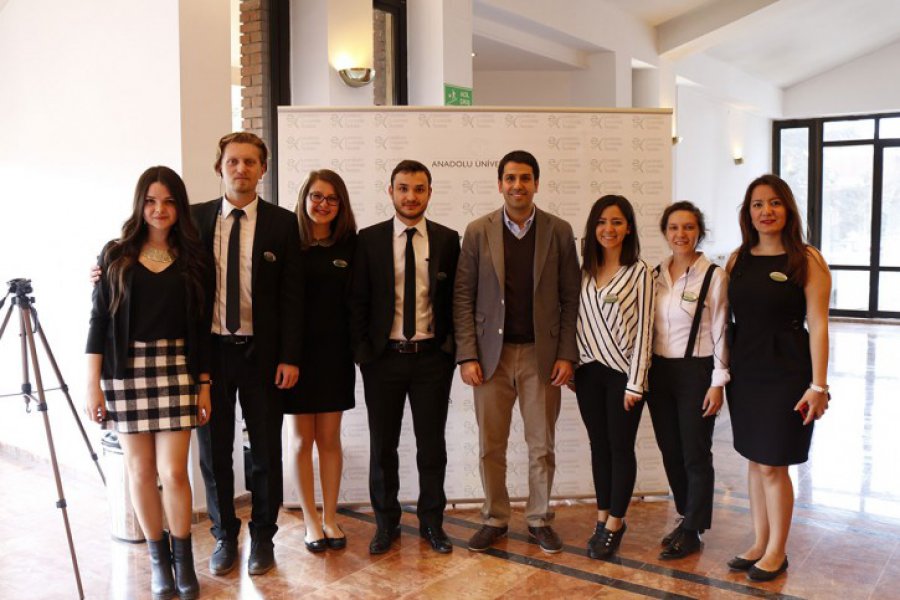
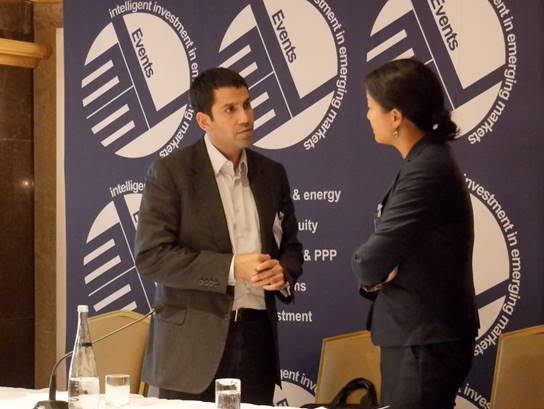
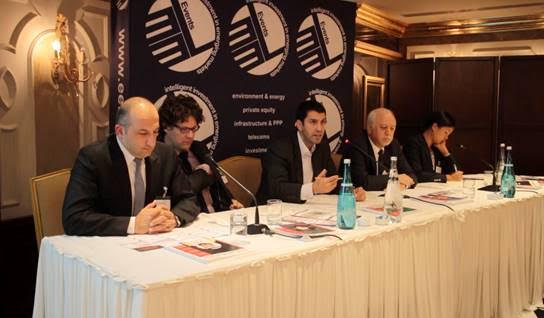
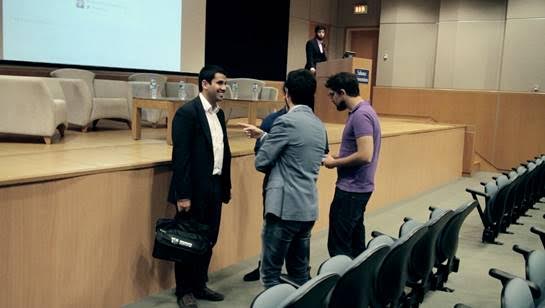
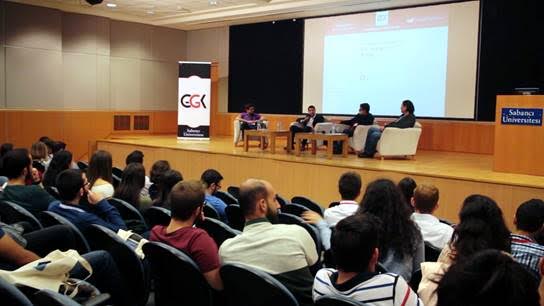
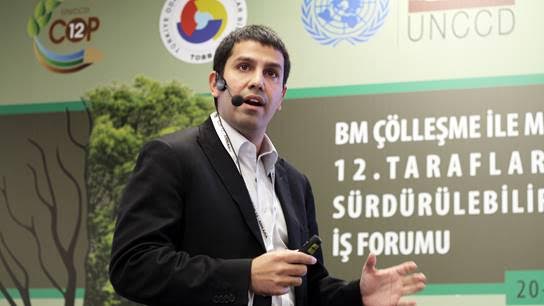
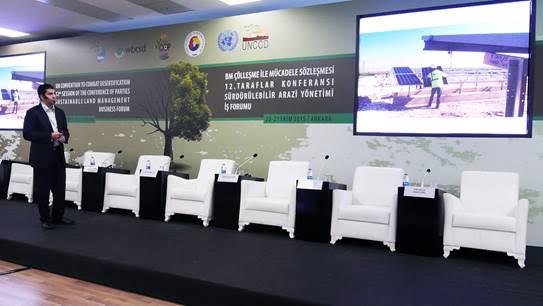
Here are some images from the events I’ve attended:
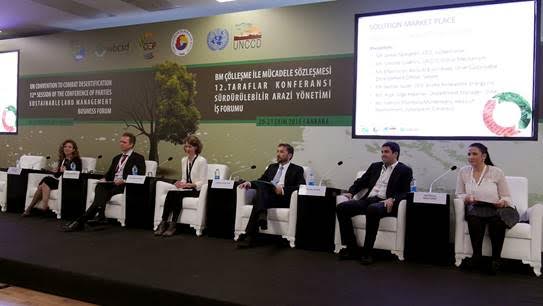
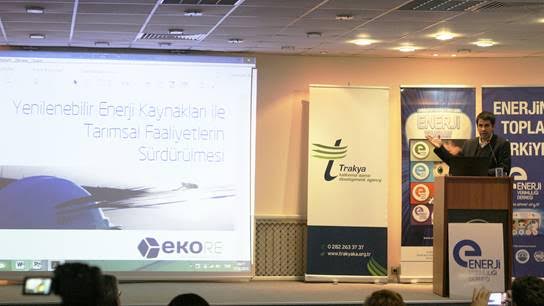
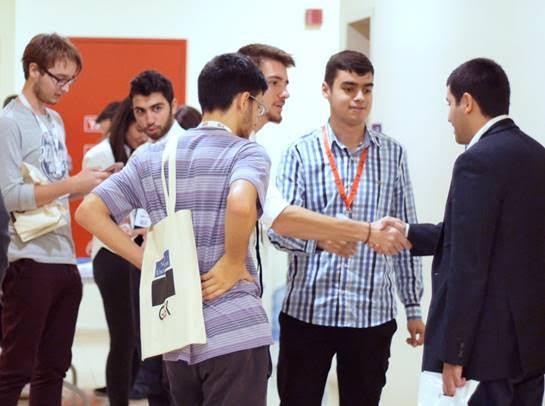
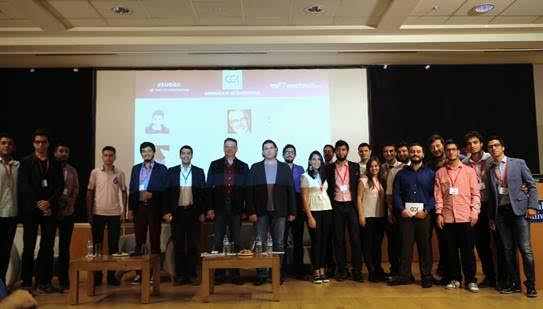
I’ve also taken part in different youth-focused recordings on various platforms. For example:
My university talks generally cover the following topics:
- Renewable Energy
- Sustainability
- Environment and Climate Change
- Entrepreneurship
- Civil Society and Social Responsibility
- Branding
- Family Businesses
Here’s a compilation from various conferences/events where I spoke last year:
Even when the titles of my talks are the same, their content can differ. For example, in my “Renewable Energy” presentations, when speaking to mechanical engineering students, I focus more on wind energy, while for environmental or forestry engineering students, the focus shifts to biogas or biomass.
I enjoy receiving questions, especially challenging ones. I believe in constructive exchanges without necessarily trying to convince each other. That’s why I usually answer questions not in a one-sided way but more like a friendly conversation.
With engineering students, who go through a heavy curriculum, I make a point of explaining the philosophy and big picture of the subject.
Sometimes I get great questions from universities I didn’t expect; sometimes, universities I thought would offer a high-quality discussion end up disappointing me. But across all universities, the common thread is this: the excitement of the students, especially their desire to do something in the field of sustainability, their hunger to learn, and their remarkable interest in innovation and technology.
I end all my talks by touching on “what exemplary young leaders should be like,” and in summary, I say:
An ‘Exemplary Young Leader’ should have the following qualities:
- Integrity: Never compromise on honesty. A lie you tell will eventually surface and can come back to harm you when you least expect it. Living honestly is always the right path.
- Diligence: To achieve your goals, you must work hard. No matter how smart, intelligent, or talented you are, you can’t accomplish anything without effort.
- Environmentalism: Always treat our environment and nature with respect. Remember, natural resources are not an inheritance from our elders; they are a responsibility we owe to future generations.
- Patriotism: Always be proud of where you come from and of your country. Don’t let anyone criticize it unnecessarily. When I was studying in Canada, I was the President of the Turkish Student Association at my university. We were the most active organization in the city, and in Montreal, all propaganda activities against Türkiye were met with strong counter-lobbying from us. If someone insulted Türkiye in class, they immediately heard from us. You should also be proud of your country and its people and never let anyone disparage them.
- Being a World Citizen: While doing all this, also be a ‘World Citizen.’ Today, wherever you put me in the world, I can connect with people because I speak the universal language of humanity. Even if we come from different cultures and speak different languages, we are all human, and humanity has a universal language—love, respect, tolerance, empathy, a smile, being happy, and making others happy. Embrace this and make it your own. Try to get along with everyone.
- Following Atatürk’s Principles: The foundation of this country is Atatürk’s principles. Atatürk and his comrades founded this nation and gifted it to us. Love, respect, and learn more about Atatürk and everyone who helped establish this country.
- Continuous Self-Improvement: People can learn new things at any age. Push yourself in this regard. Never stand still—always strive to improve. For example, although I’m a very busy person, after the age of 30, I attended weekend classes and learned Spanish. Today I’m proud I did, because Spanish allows me to communicate with more than 500 million people in 22 countries. I’m glad I pushed myself to learn this language. Even now, I continue to learn new things and read various books. Never stay idle because life is short.
- Empathy: Don’t create conflict by judging each other. When discussing something, always try to put yourself in the other person’s shoes and see from their perspective. This will make communication much easier.
- Respect for Differences: Every person is unique. Even within the same family, people can be vastly different. I have a twin brother, yet we don’t look or act alike—especially in character. He says, “How are you even my brother?” and I reply, “How are we even twins?” Imagine that—two siblings born 10 minutes apart and still worlds apart in personality. Now picture the 80 million people living in our country. We all have different characters, backgrounds, and interests. We can’t be carbon copies of each other—that would go against the laws of nature. In fact, diversity is rich. Don’t break each other—on the contrary, enjoy that richness and support one another.
- Decency in Business and Personal Life: I’ve met many people who became wealthy later in life. Many reached that point when they were young, but then it was yachts, mansions, women, and so on. Believe me, life has no end. At some point, they inevitably hit a wall, and the result is deep disappointment. Whatever you do, don’t lose your humility, treat people well, and maintain decency in both your personal and professional life. Even if one day you become very popular, don’t let it change you.
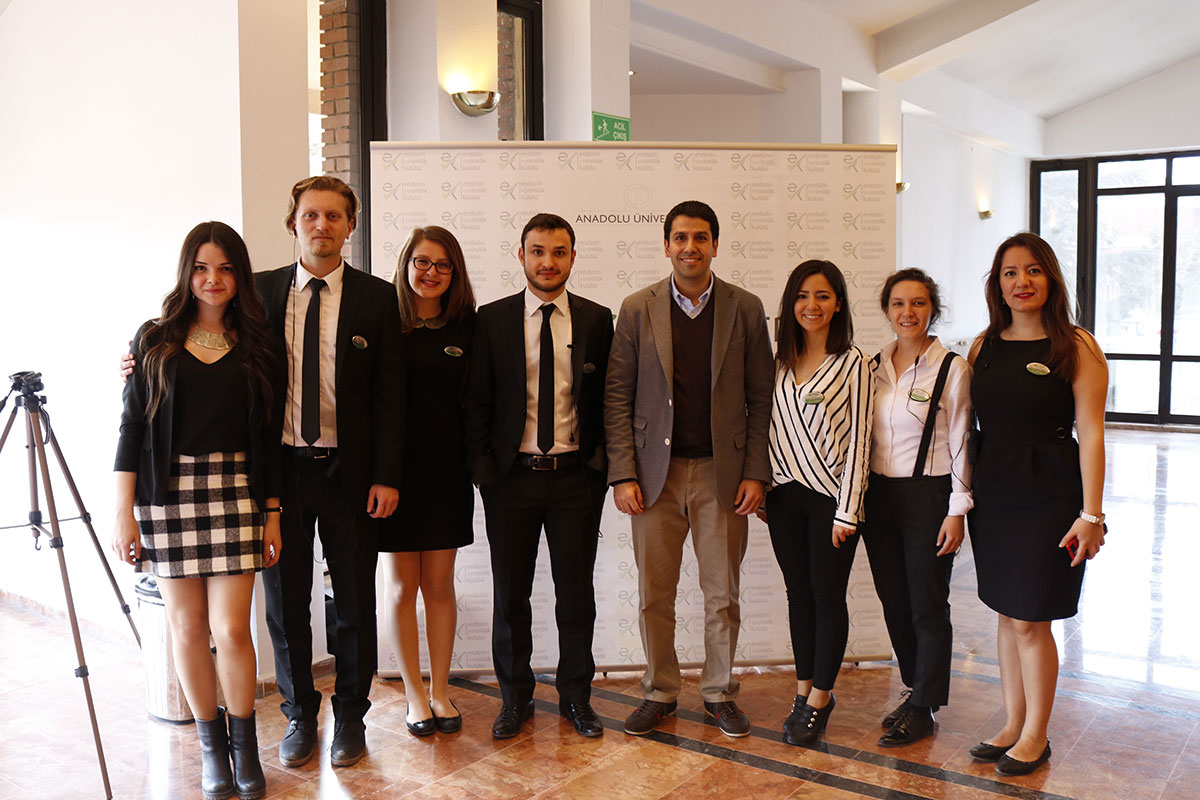
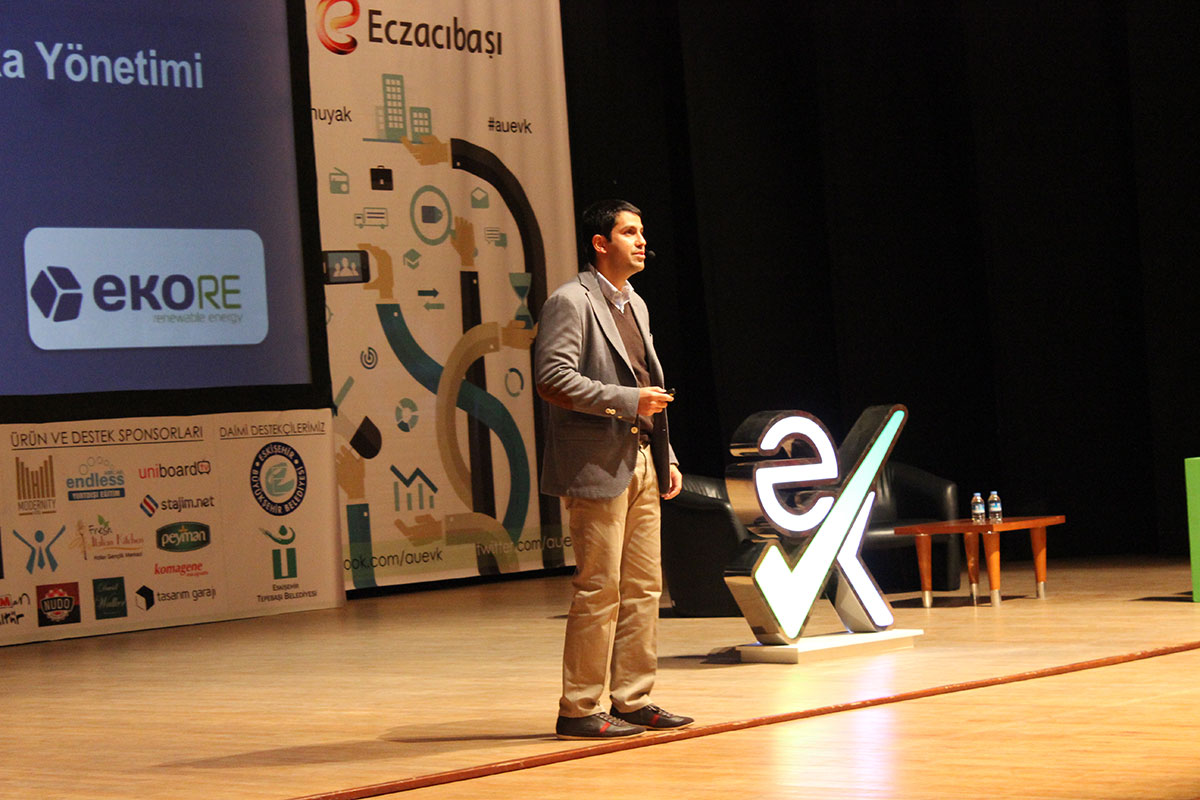
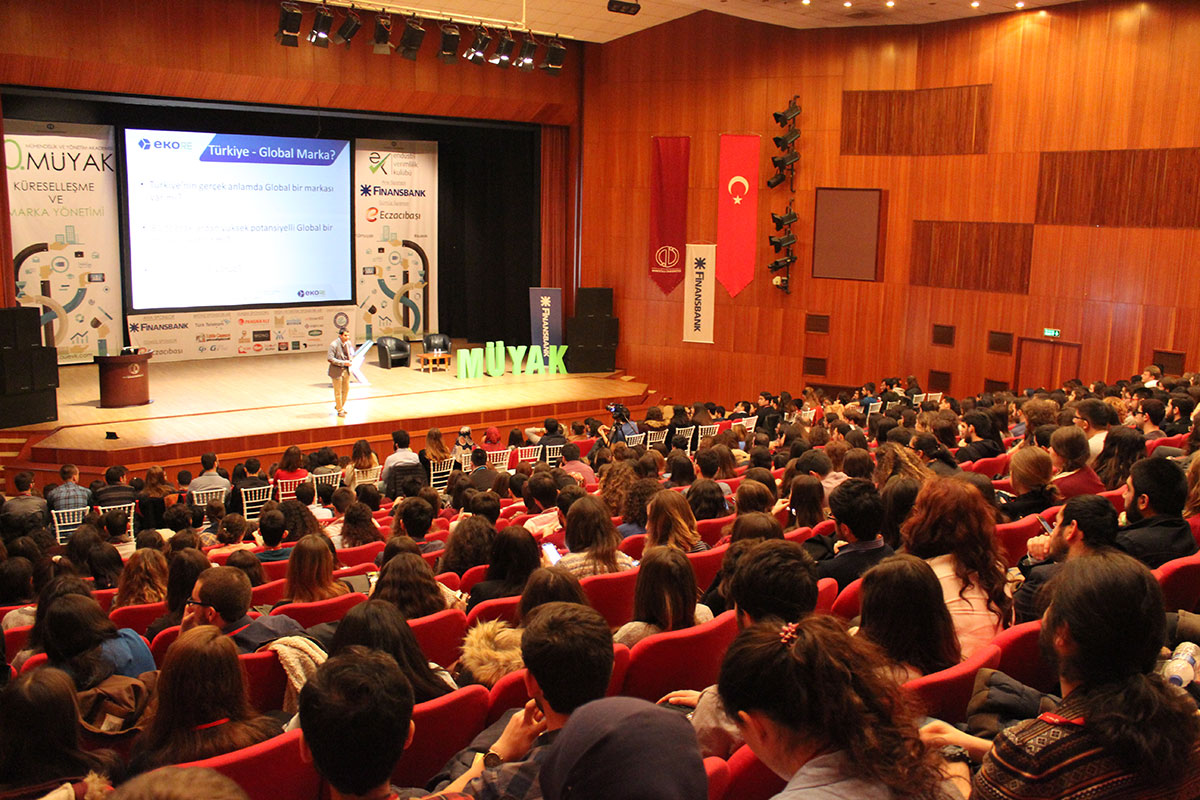
The most recent talk I gave was at Anadolu University in Eskişehir. The organization, the hospitality, the students’ participation and interest, the questions they asked during and after the conference, and the beauty of the city have already made this one of my favorites. At the end of the conference, two students from Osmangazi University, another higher education institution in Eskişehir, came up to me and asked, “Would you give a talk at our university, too?” I smiled and said, “Would I not give a talk to the wonderful people of this beautiful city? Of course, I will.”
My next stop will be Başkent University in Ankara, where I’ve been invited for the second time. In the meantime, I extend my condolences to our nation for the tragic explosions in Ankara that have deeply saddened me. I hope these incidents will finally come to an end. It’s heartbreaking for our country and our citizens.
Personally, I believe I am doing my best to contribute to the country’s development and the resolution of social problems. We have already created a very important model that can largely solve problems in provinces, cities, and districts. You’ll see—this model, which originated in Türkiye, has the potential to spread worldwide and will one day be adopted by many countries.
In my next article, I’ll talk about the ‘Support Project’ of the Basic Needs Association, of which I am the Founding President. See you next week…
Tag: education