When I arrived in Izmir last Friday, my first stop was Armutlu in the Kemalpaşa district. After a pleasant visit and indulging in a Cağ Kebab feast for lunch, I set out for Urla. My first task was to check into my hotel in Urla’s city center. Then I worked for about two hours, wrapped up my day, and began my visits around Urla.
First, I visited And and Merve, who live in Kadıovacık Village. I had a nice conversation with Merve, And, and a friend of theirs. After the usual talk covering various topics and pointing out the distortions of the system we live in, we updated each other and discussed what we might be able to do together in the future.
Village Tour with Old Friends
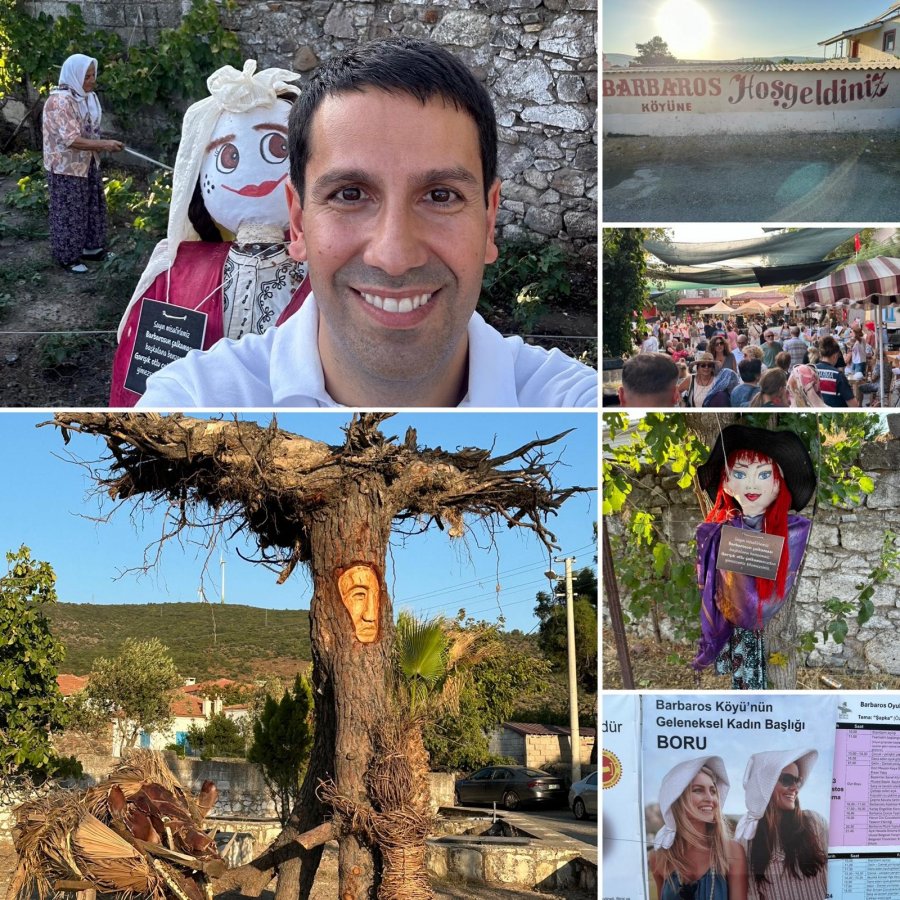
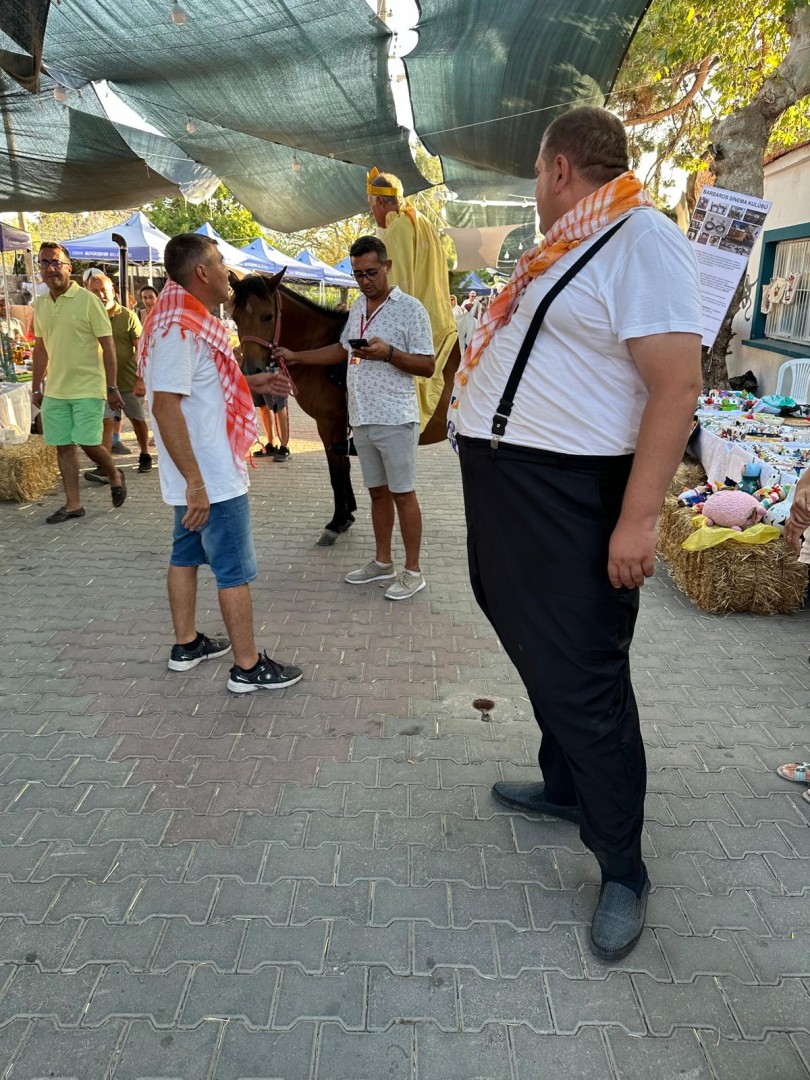
After this visit, as the evening started to cool down around 6 PM, we headed to Barbaros Village together. I invited my high school friend Kerim, who also recently settled in Urla. This was a good chance to see him again. He joined us as we toured the festival and the village. Here are some moments from the entrance of the village where we ran into people:
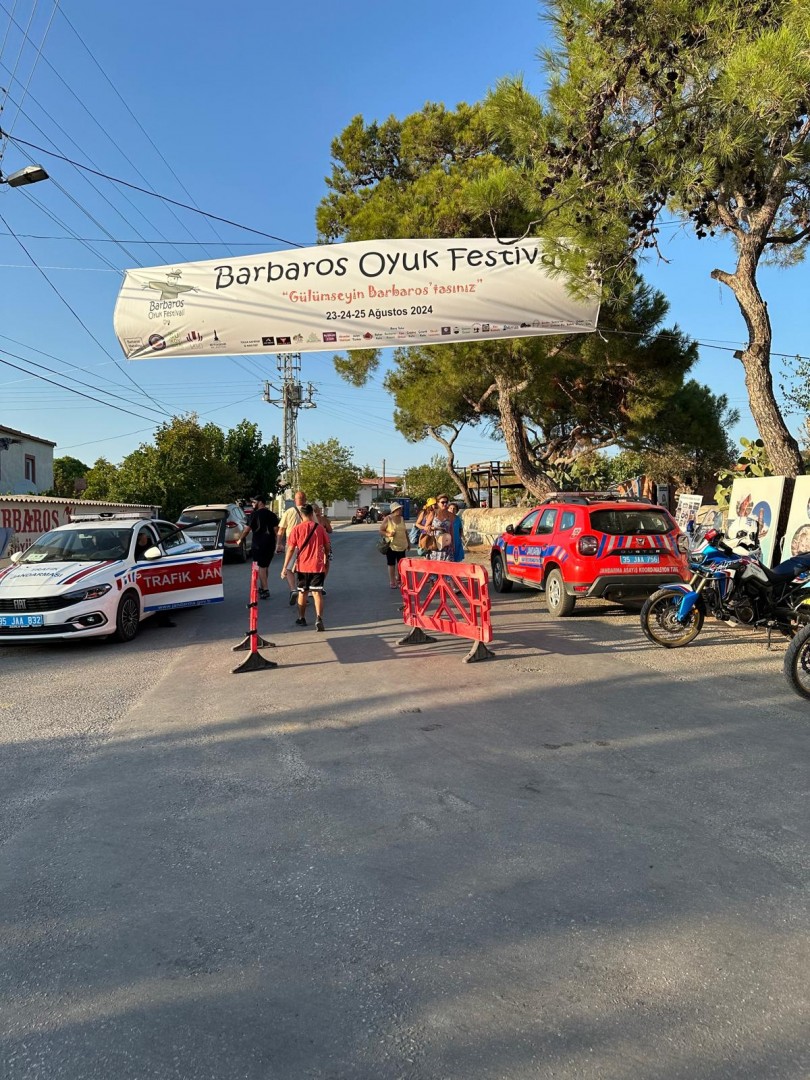
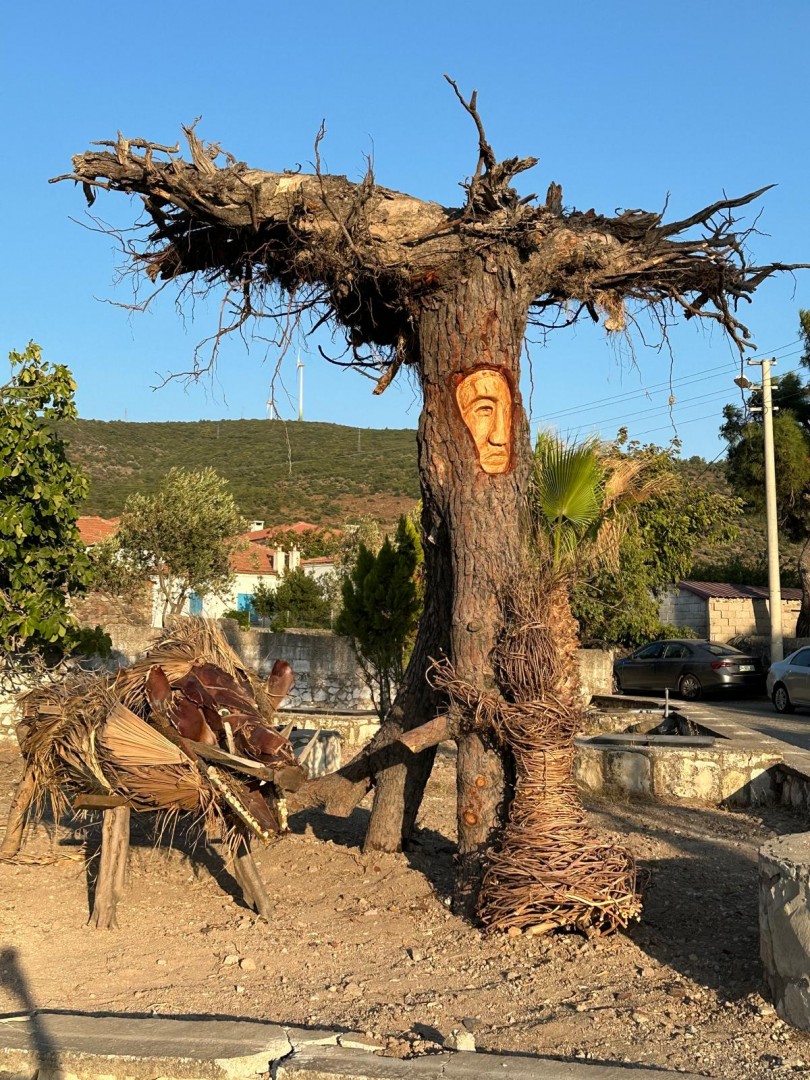
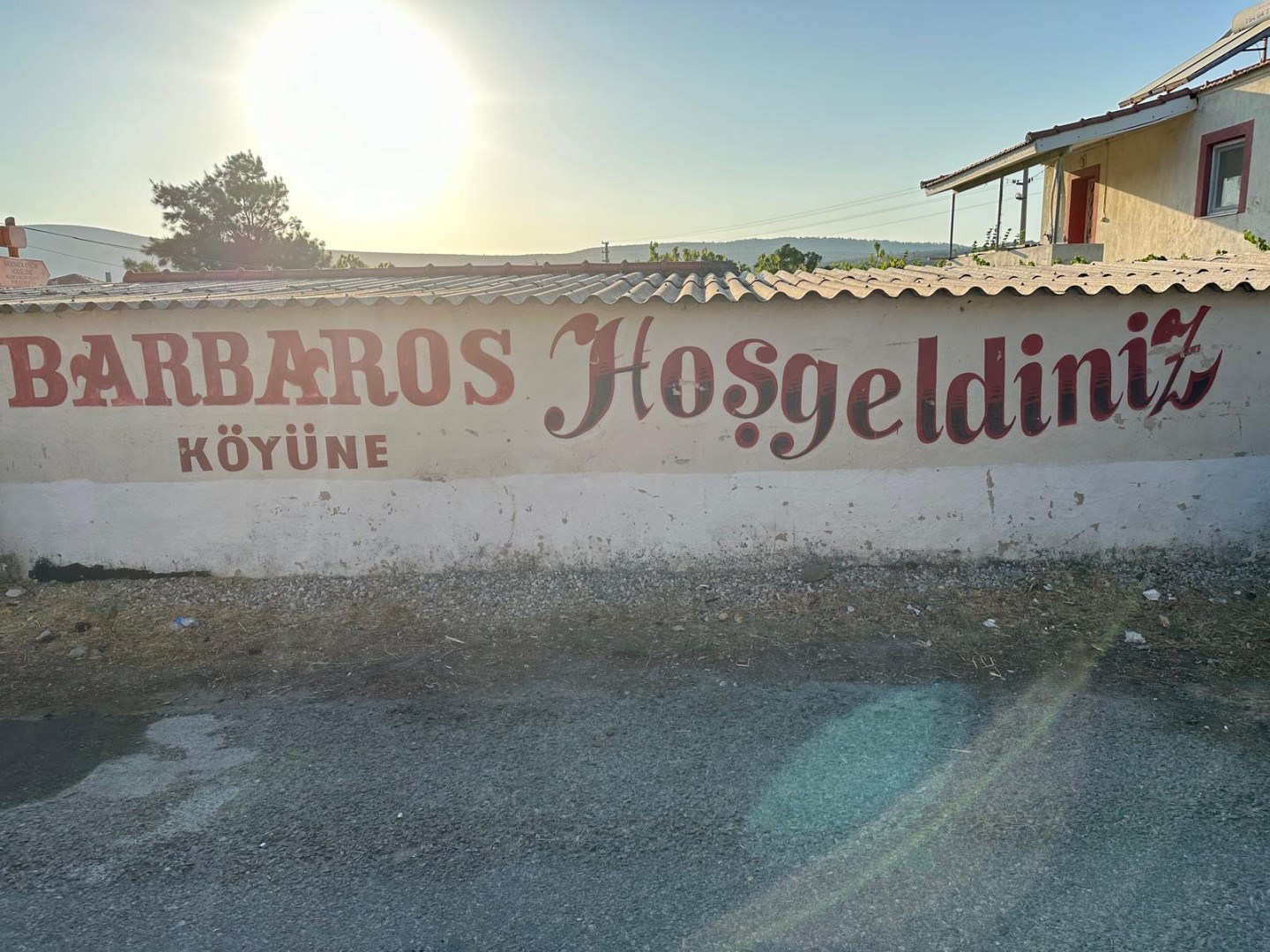
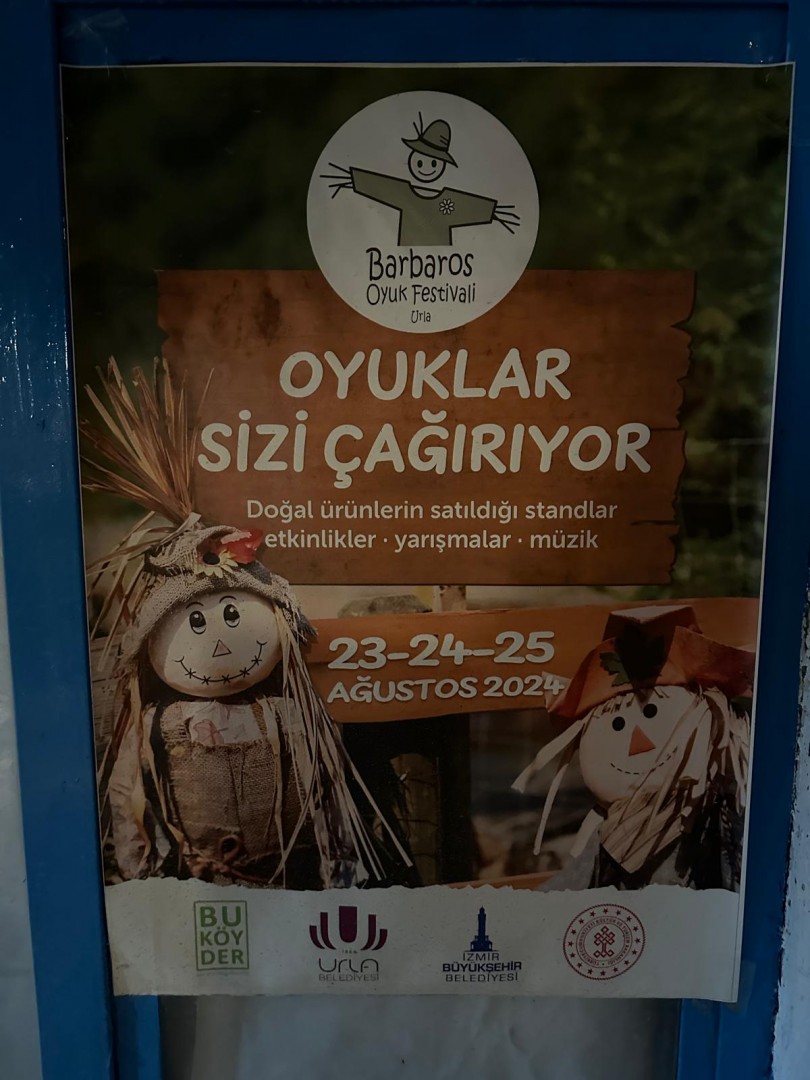
When Merve and And first settled in Urla, they stayed in Barbaros Village for two or three years. Later, when their house in Barbaros’s neighboring village, Kadıovacık, was finished, they moved there. Beyond knowing all the villagers, they also made significant contributions to the village’s Oyuk Festival from the outset. I’m sharing this year’s program for the Oyuk Festival, which requires considerable effort:
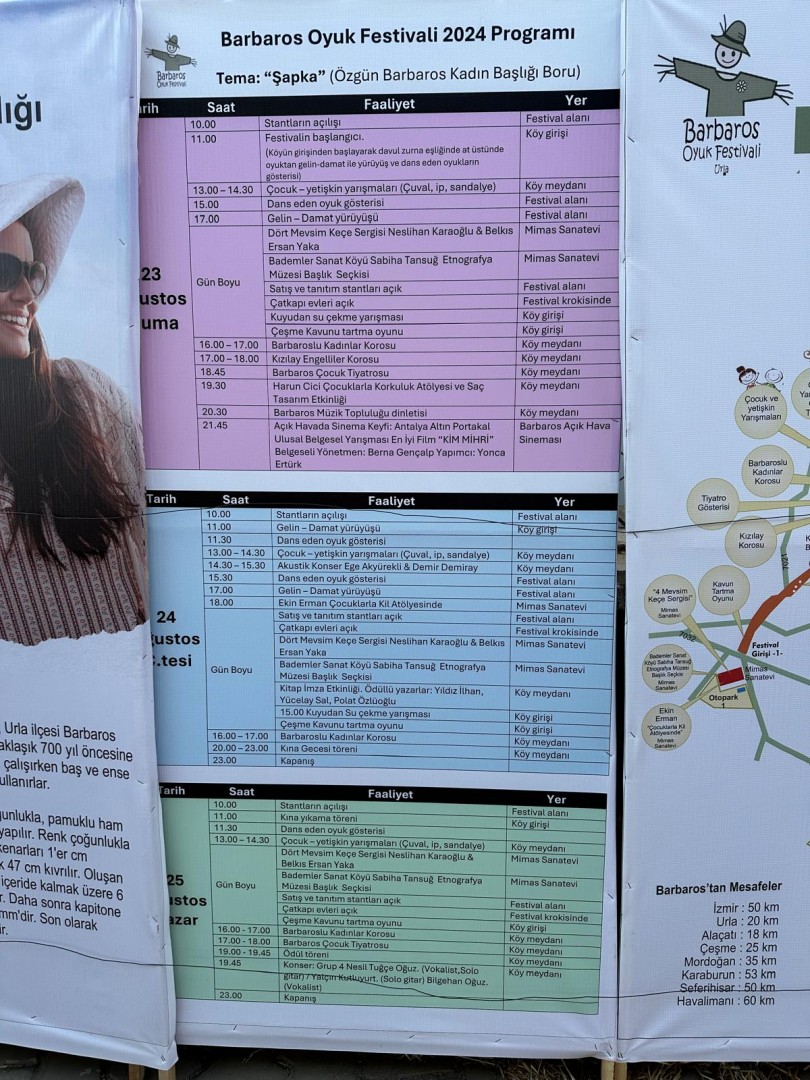
So, all the villagers welcomed Merve and And like a celebrity couple, and I received all the information about the festival firsthand. I’d also like to thank And for the information about Barbaros Village, the Oyuk Festival, and German culture.
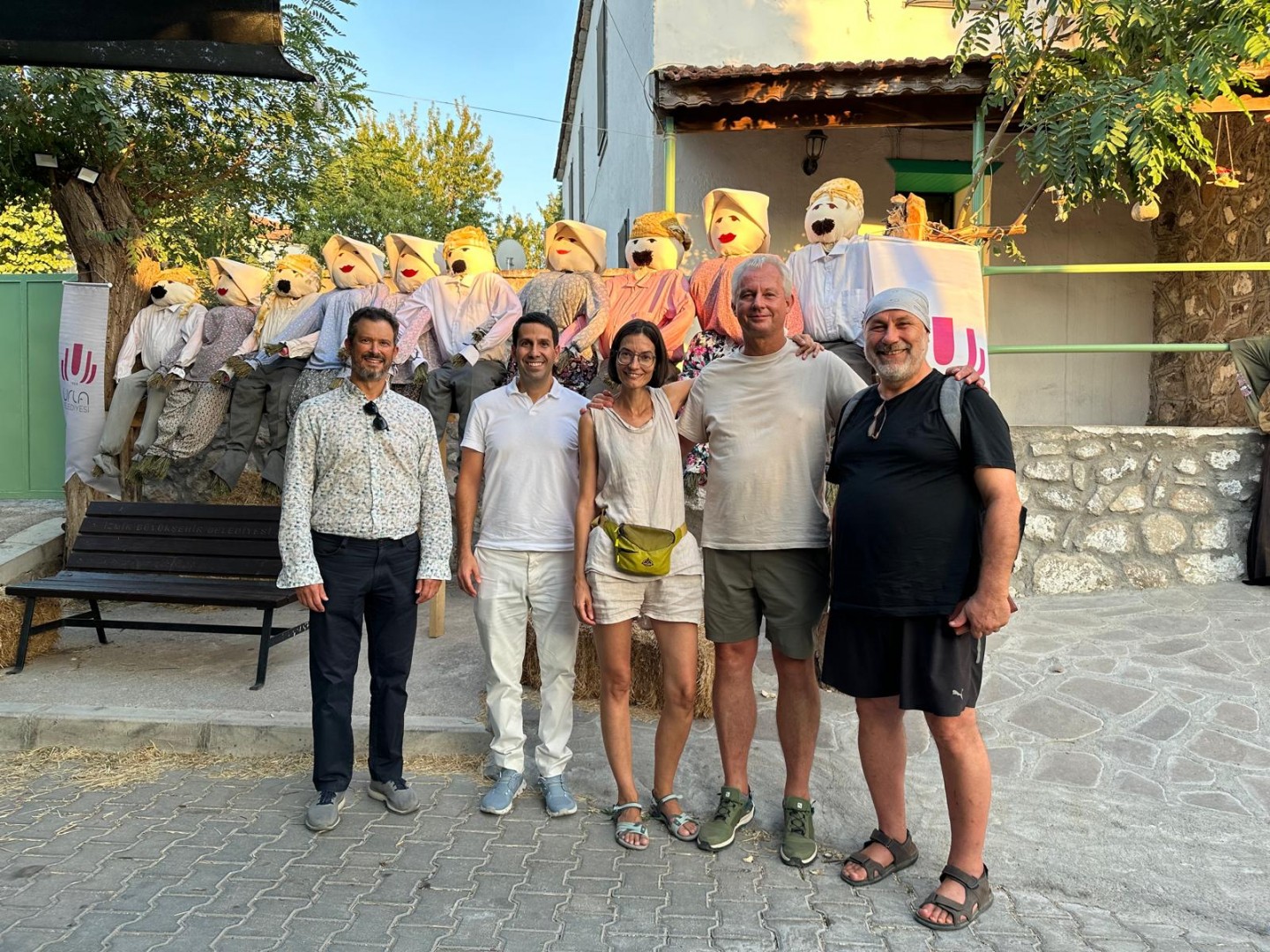
From left to right: Kerim, me, Merve, and And
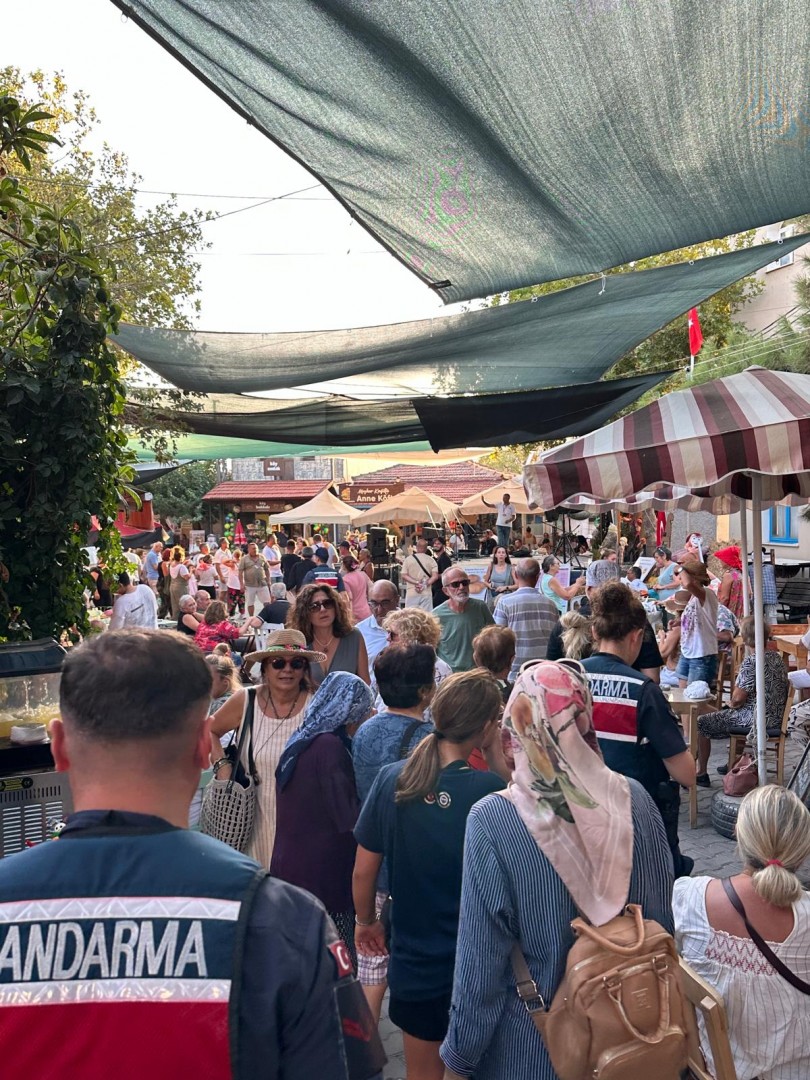
The stream of people from the village entrance to the village square
Pearls from the charming Aegean dialect
Now let’s talk about the Oyuk Festival.
I love the Aegean dialect, and the way they pronounce certain words differently. I first heard the Aegean dialect during my military service in Denizli and didn’t understand what they were saying. Then I got used to it, and it started to seem very cute to me. For example, in the Aegean, they don’t say simit, they say gevrek. Instead of çekirdek (sunflower seeds), they say çiğdem (çırgım), atık (artık), gari (garı), and diğidi (now) hindi.
I can give another example, inspired by Barış Manço’s famous song: Instead of “tomato, pepper, eggplant,” they say “domat, badılcan, beber.” Isn’t that cute?
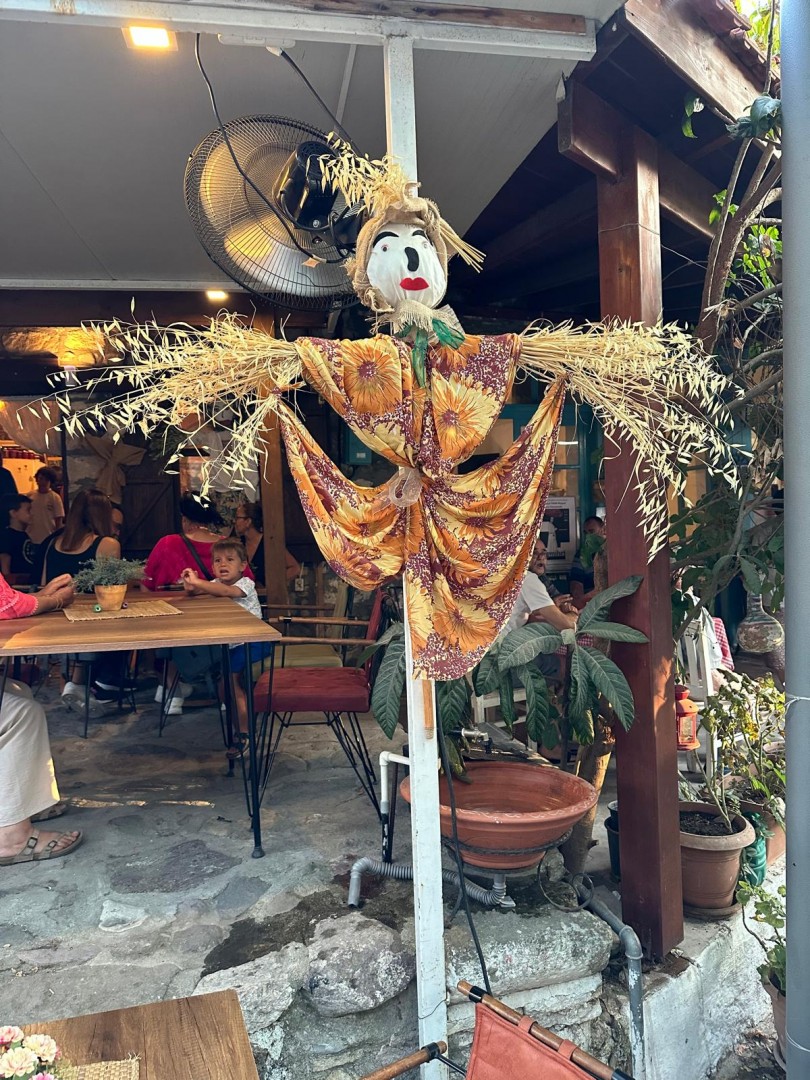
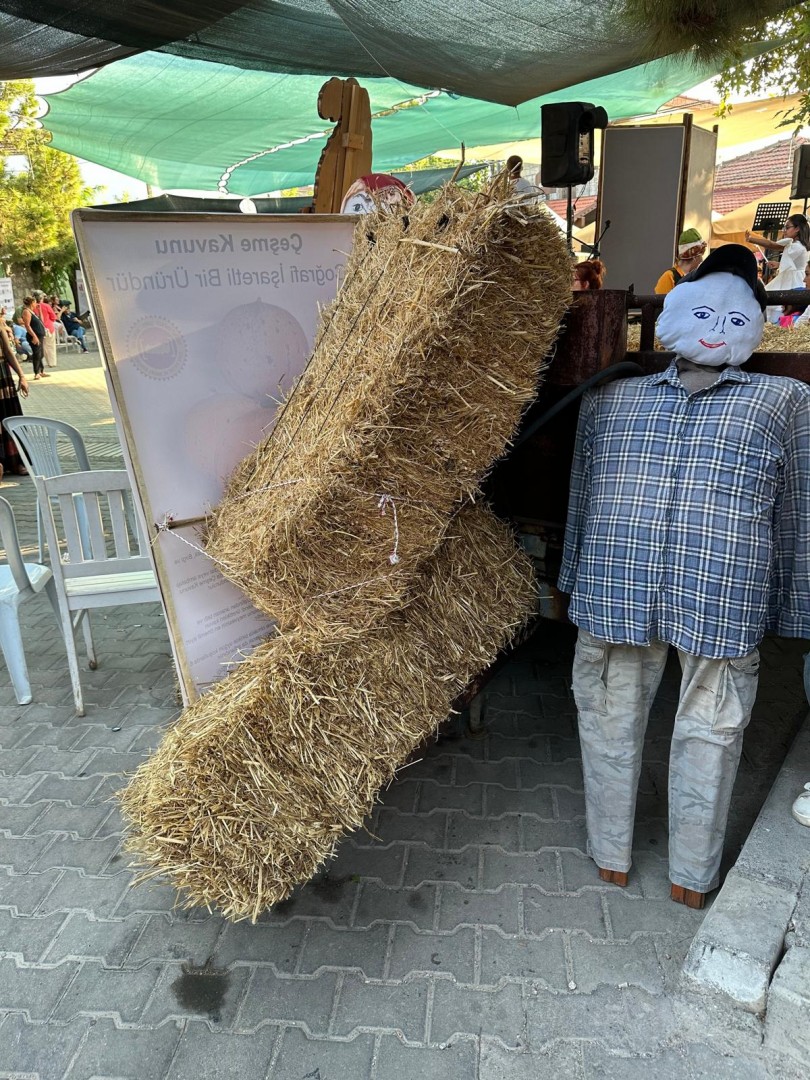
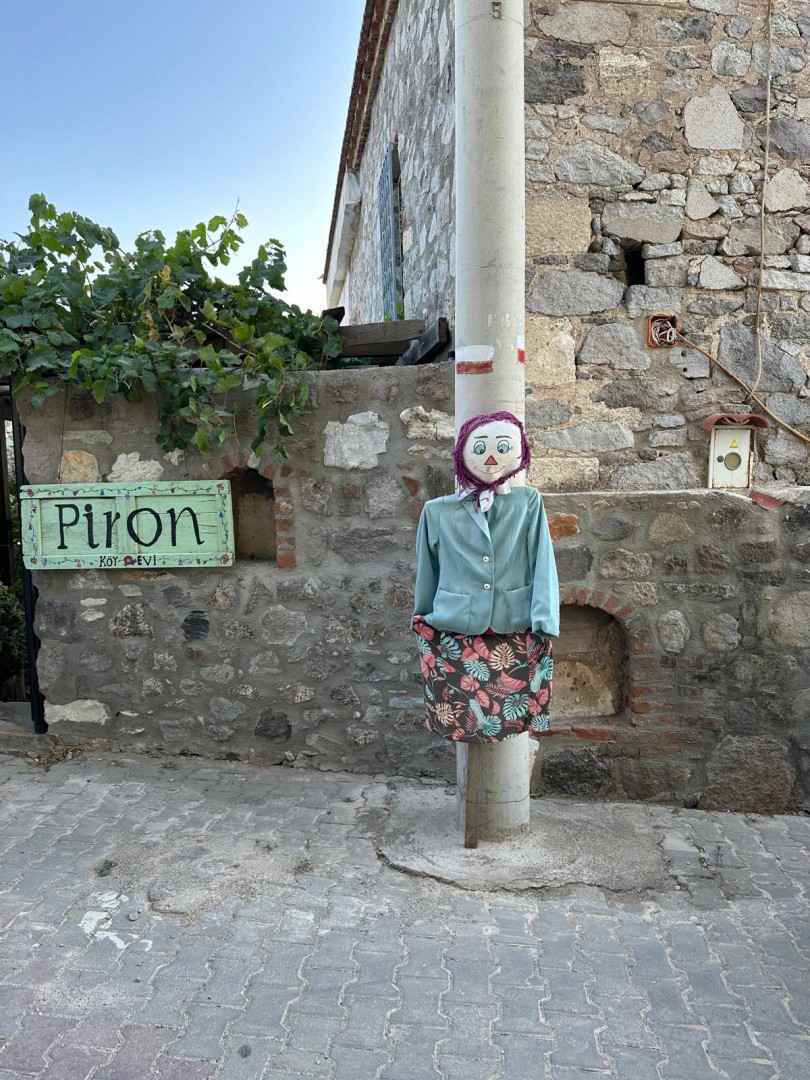
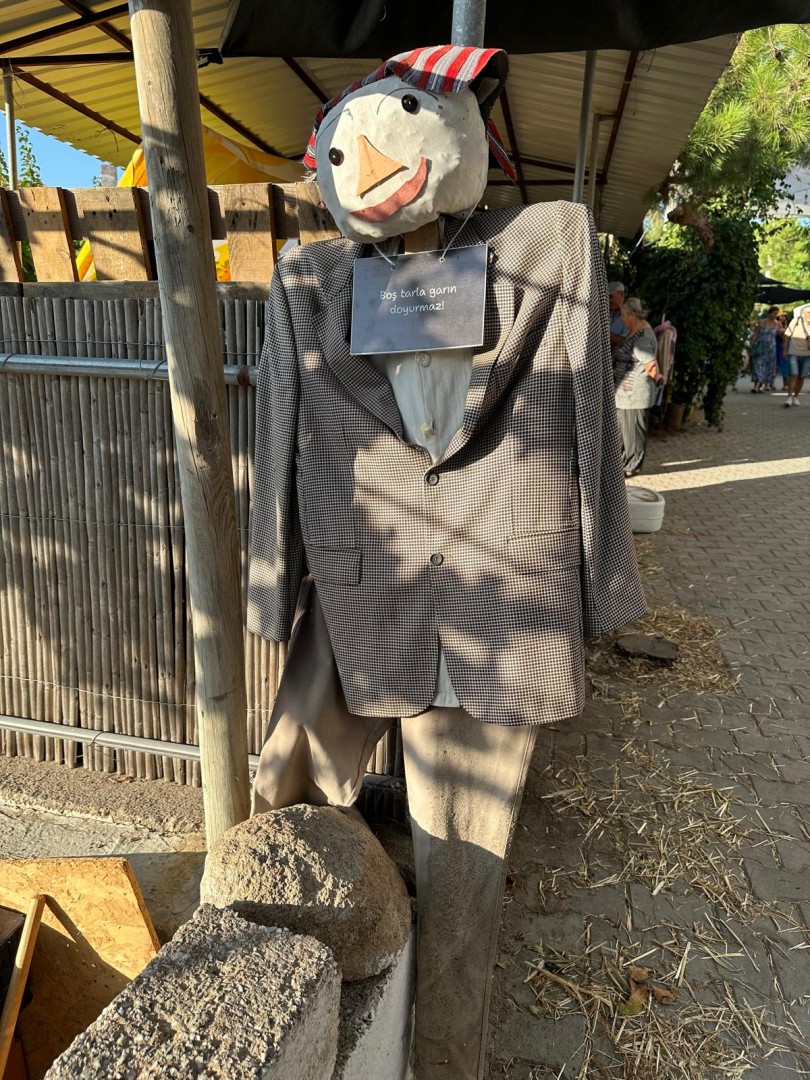
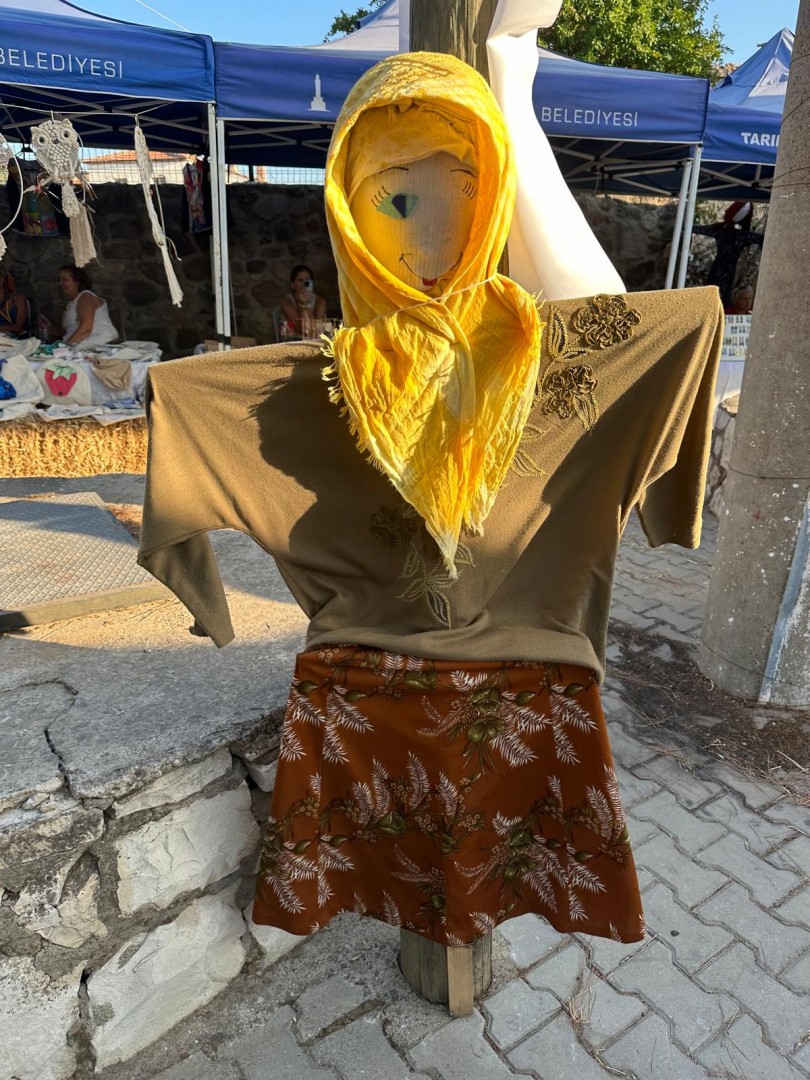
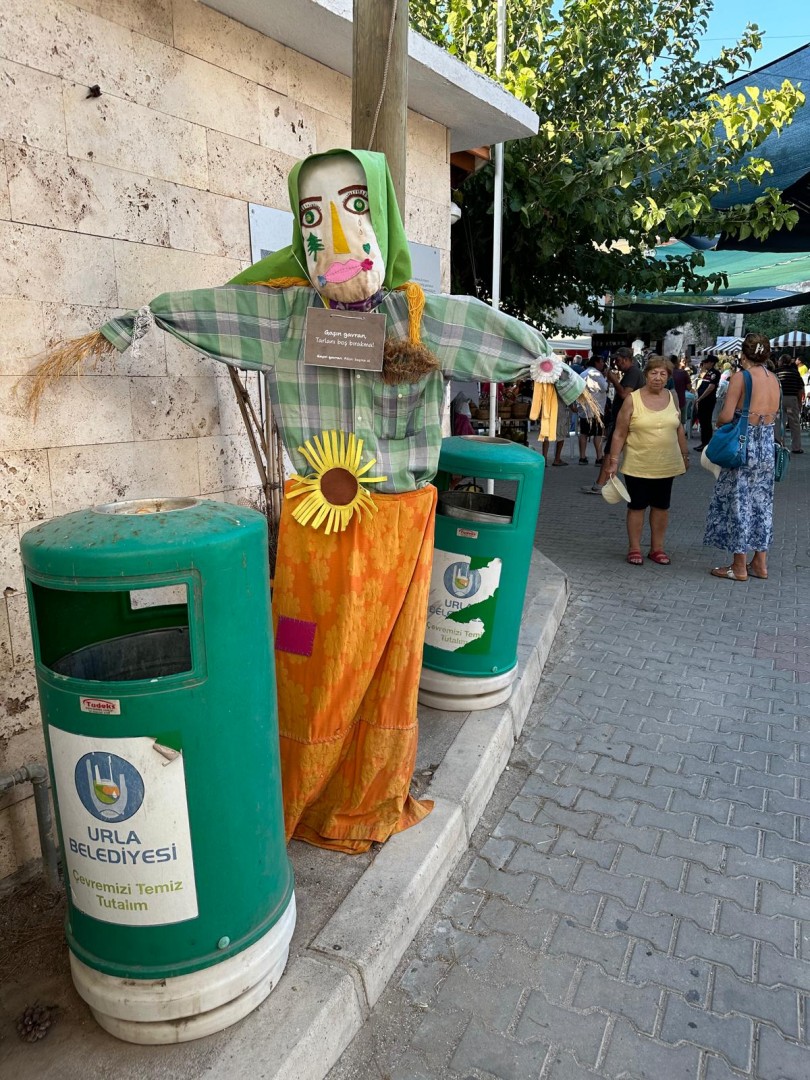
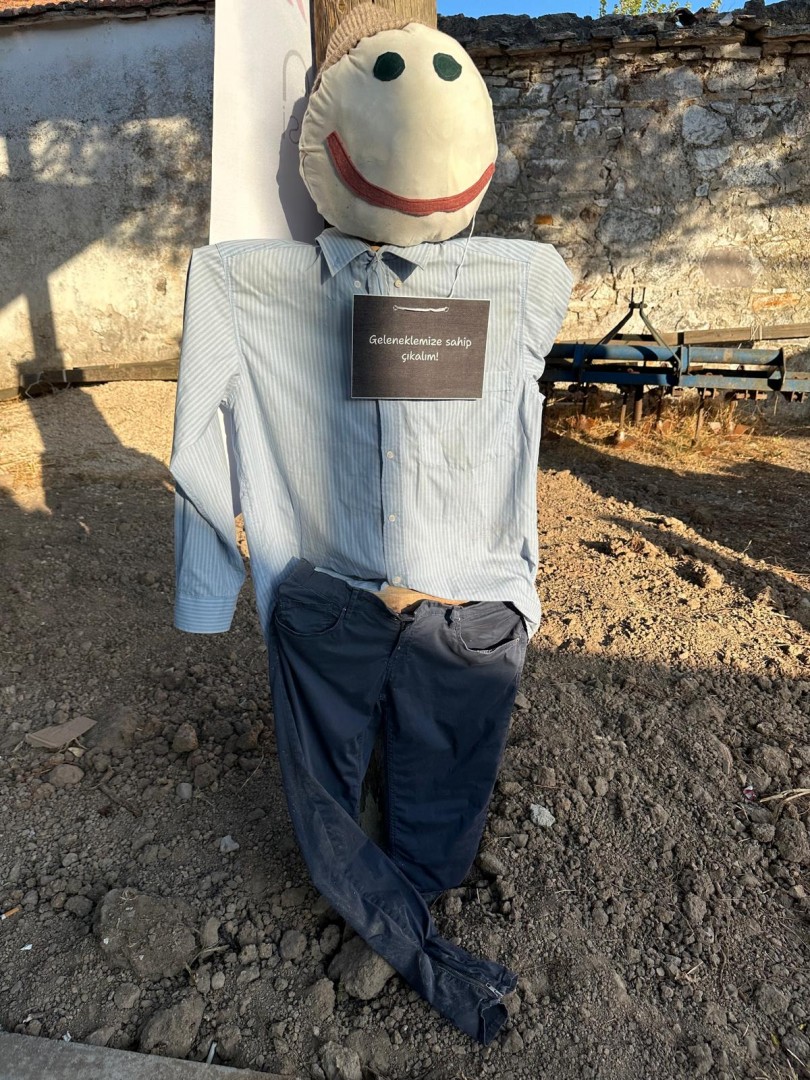
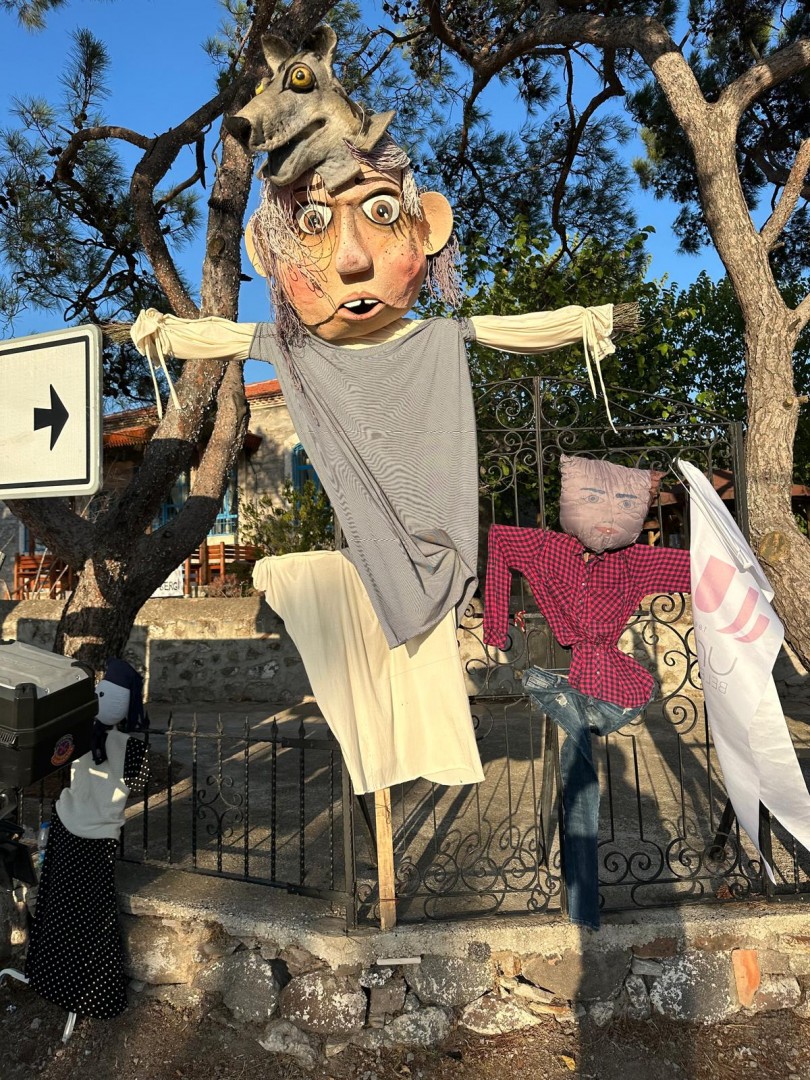
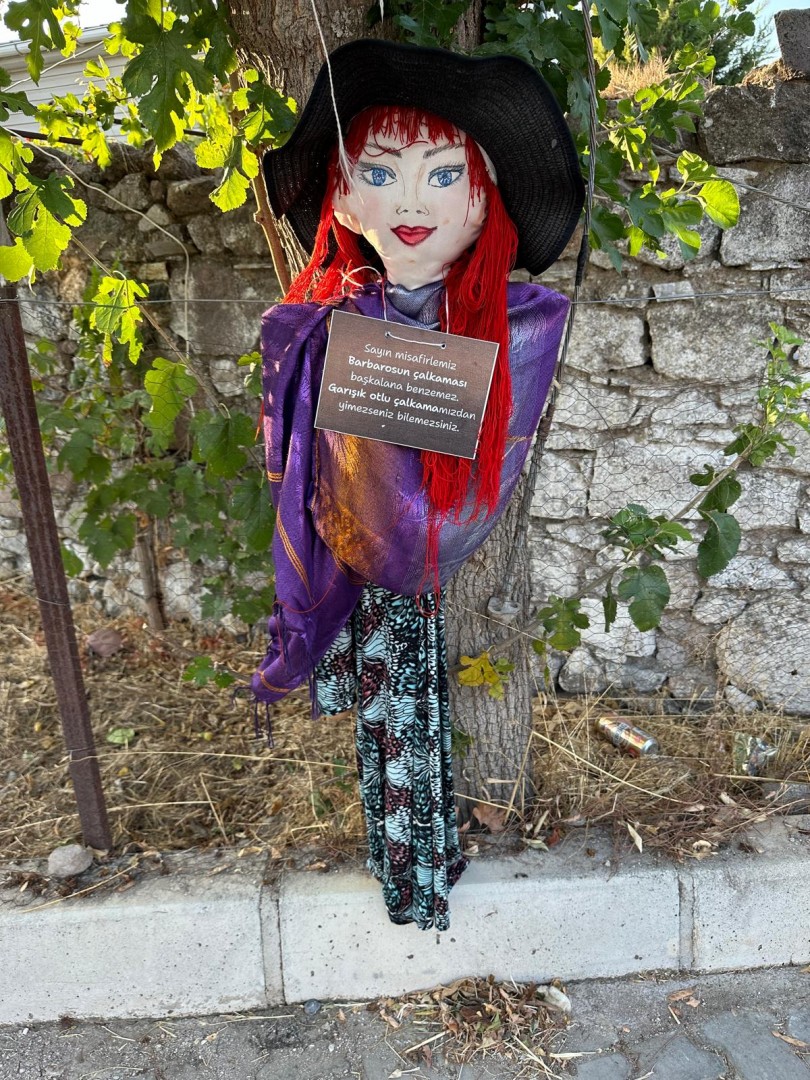
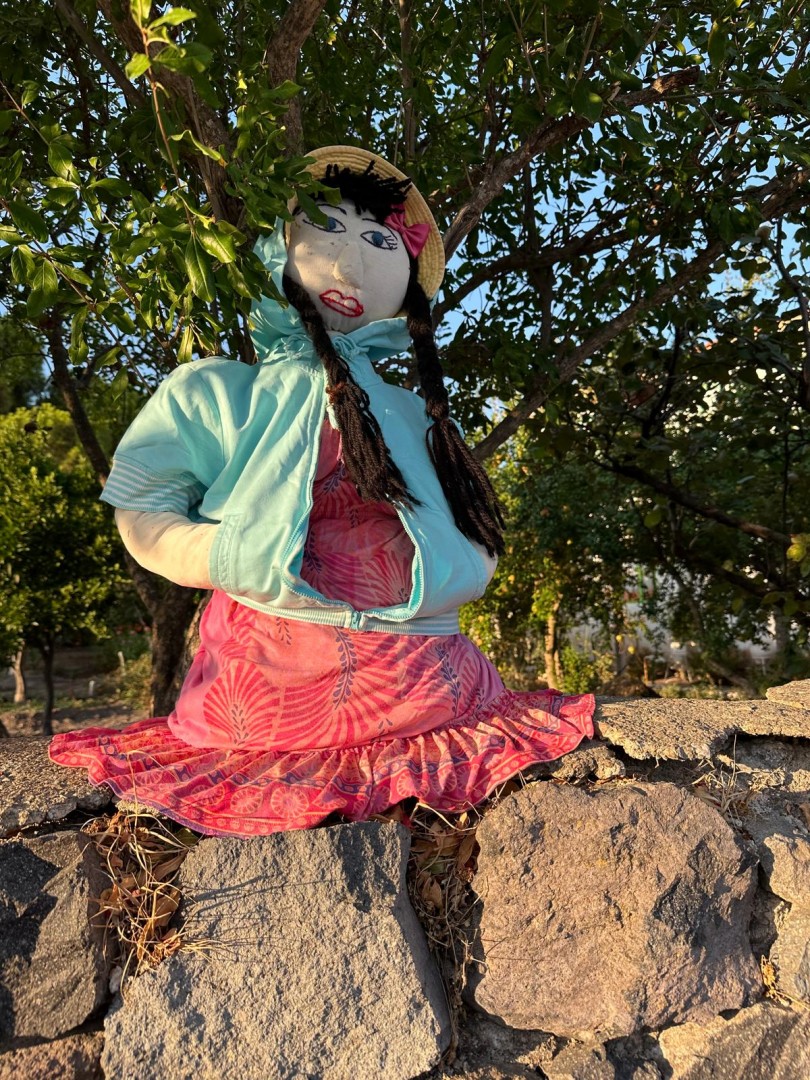
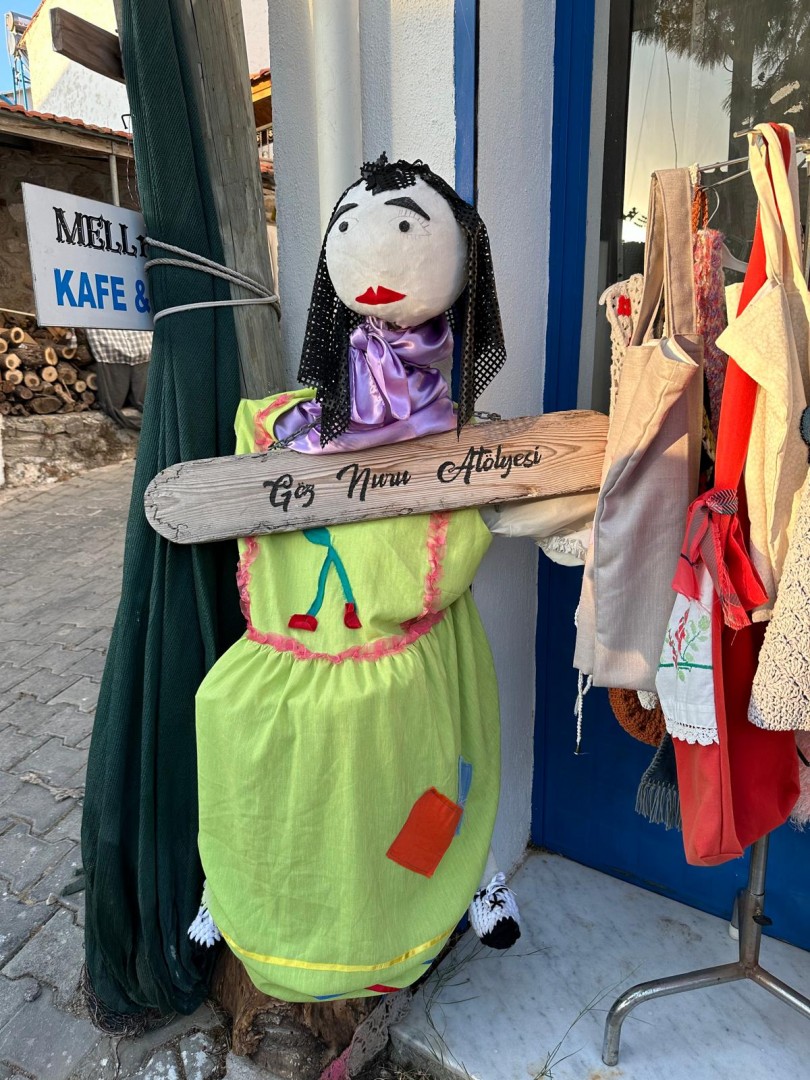
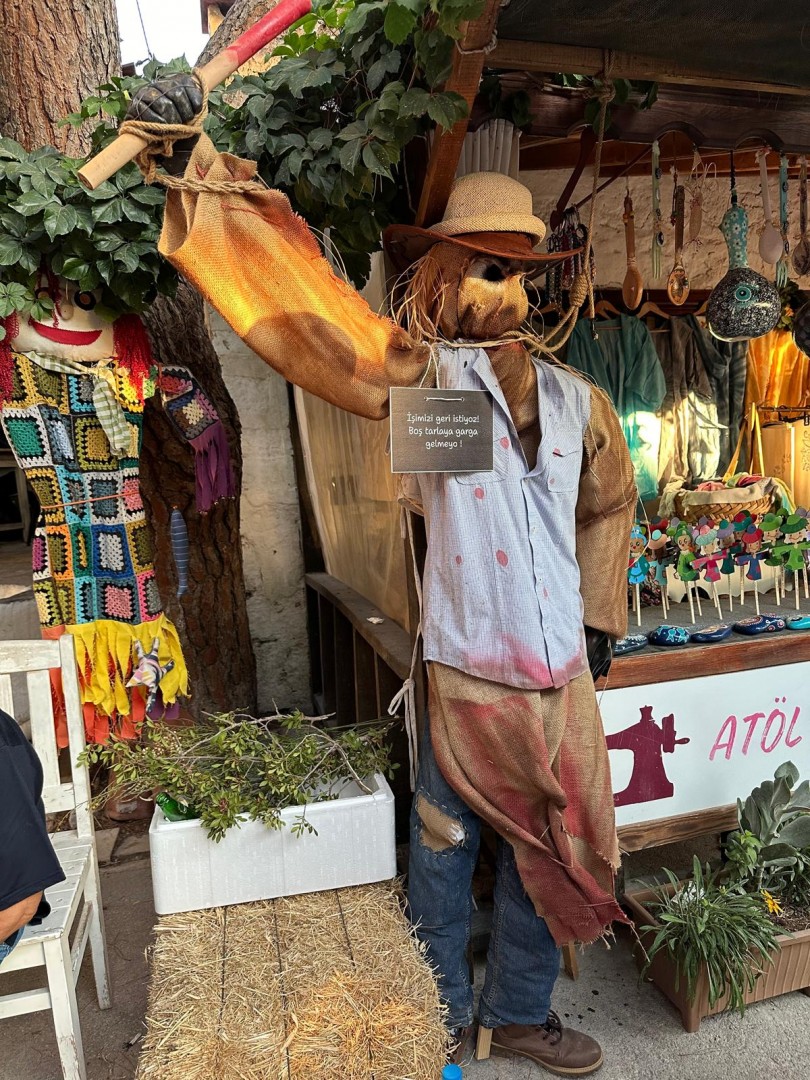
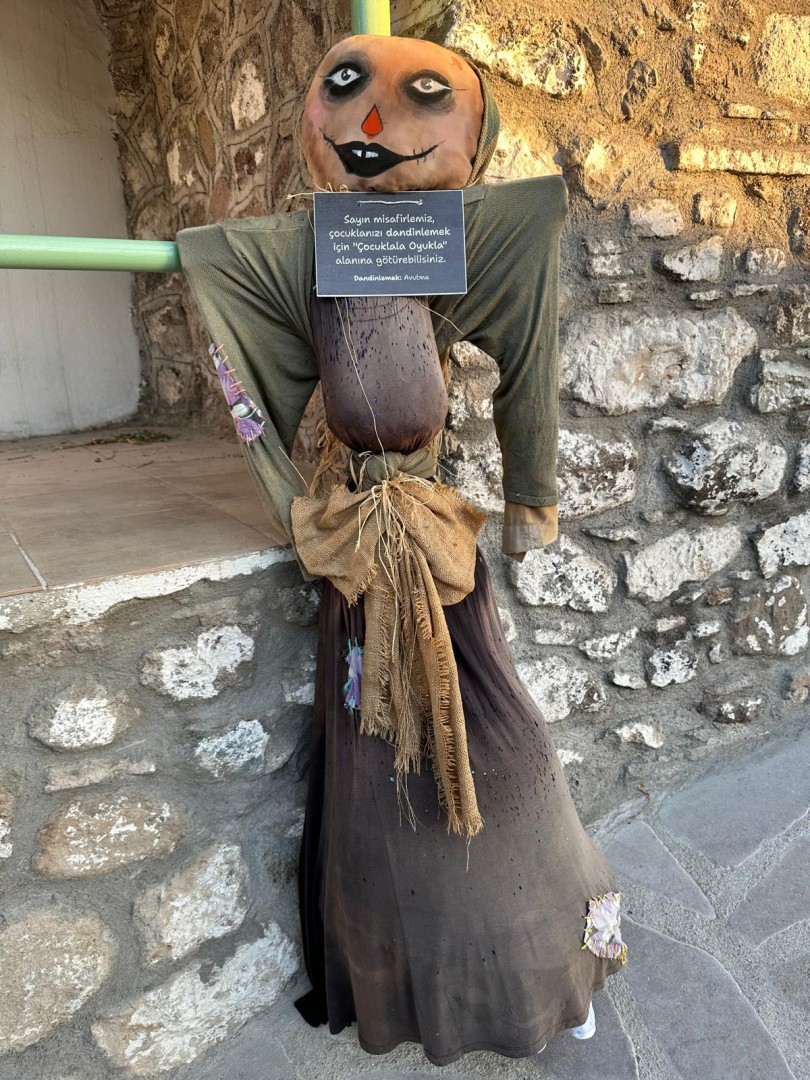
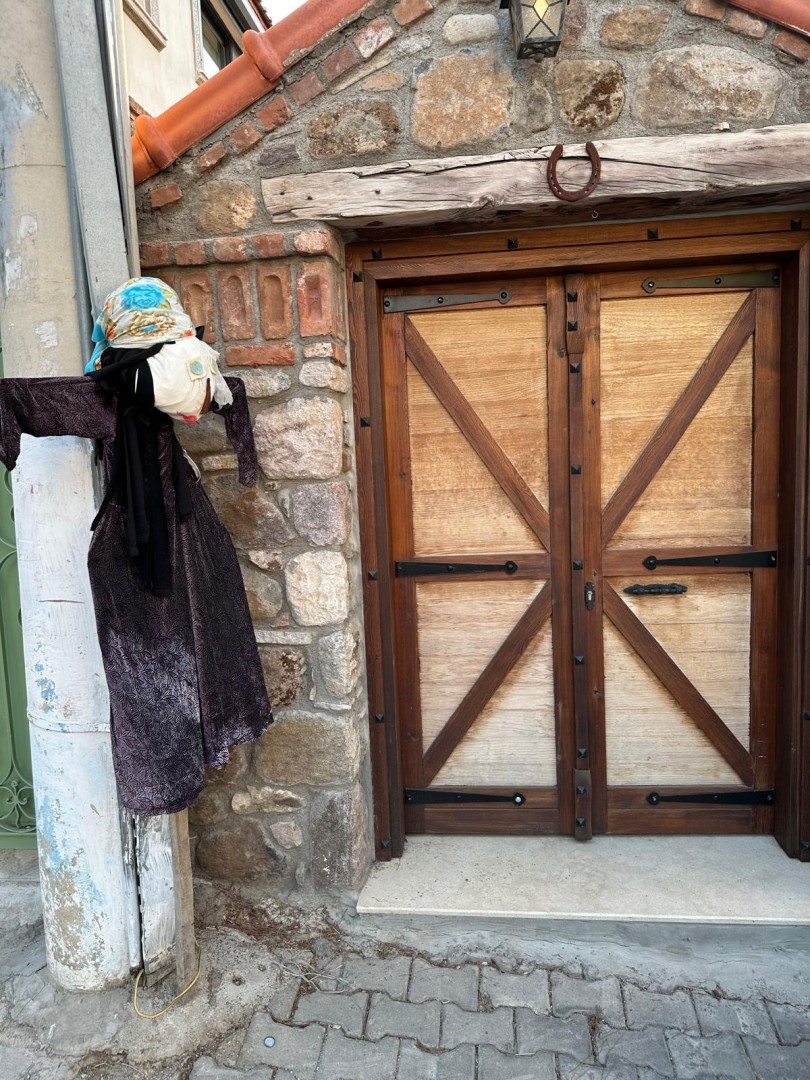
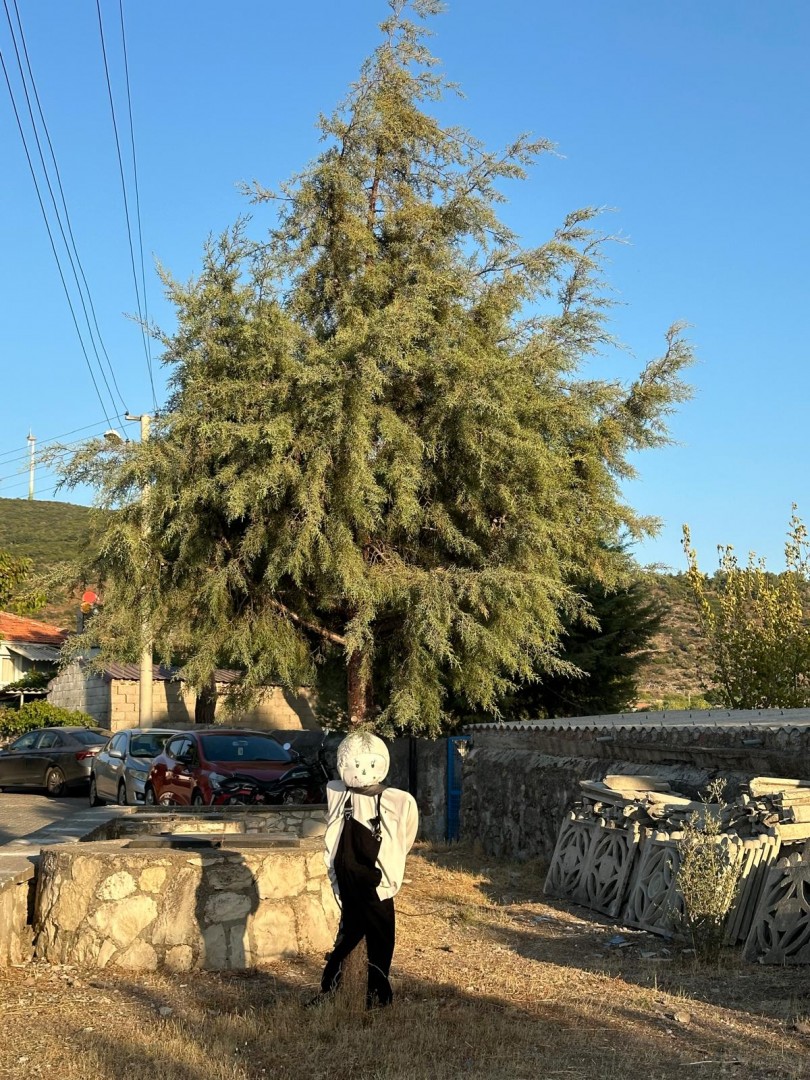
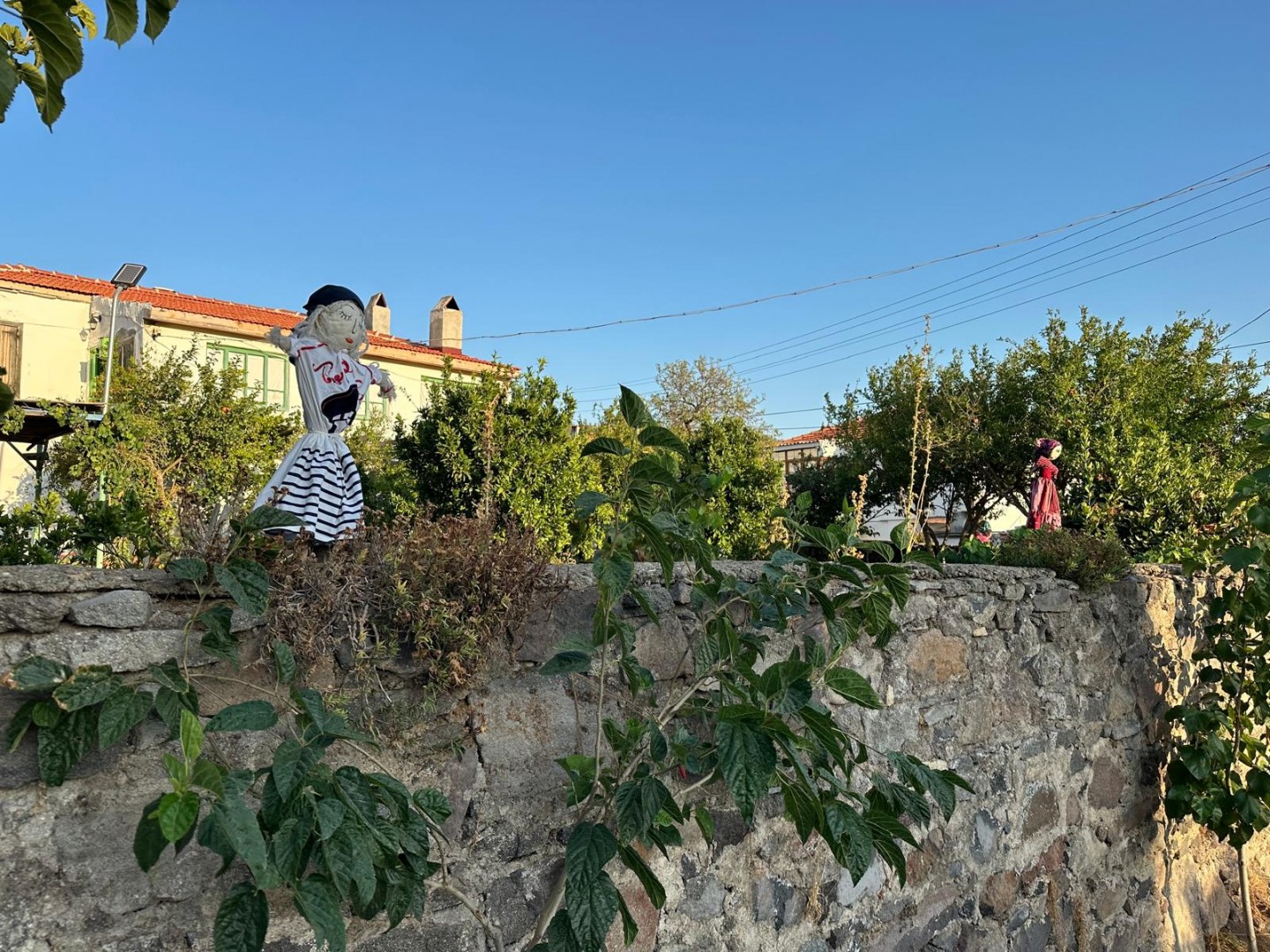
The Barbaros Oyuk Festival was designed to reflect the village’s culture. The initial spark was sparked by someone who came to the village from Istanbul in 2016 and came up with the idea. This woman was And’s neighbor. The villagers loved the idea and began discussing how to implement it. Let’s not forget that Barbaros Village in Urla is an exceptional village in Turkey. The literacy rate is quite high, and the village is home to many valued people.
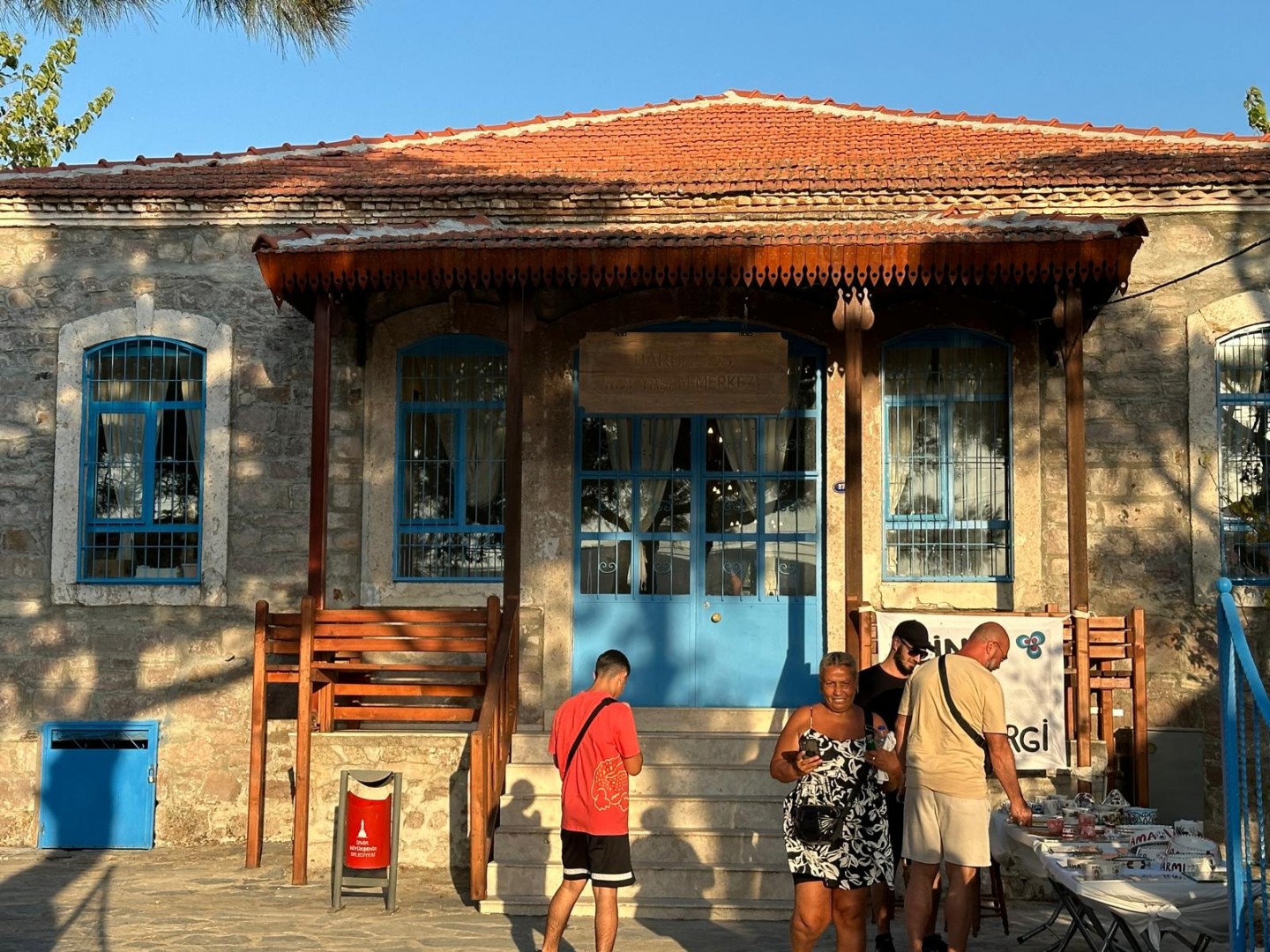
Barbaros Village Life Center
Despite all the challenges, the first festival took place and was a success. Afterward, there were some problems between the woman who came up with the idea and the villagers. As a result, the villagers didn’t want to work with her, and she, in her own way, became disillusioned with the village. She tried festivals with a similar concept in neighboring villages, but they didn’t catch on, and no festivals were held there. She would occasionally visit Barbaros Village.
Aşkın Bey and Mimas
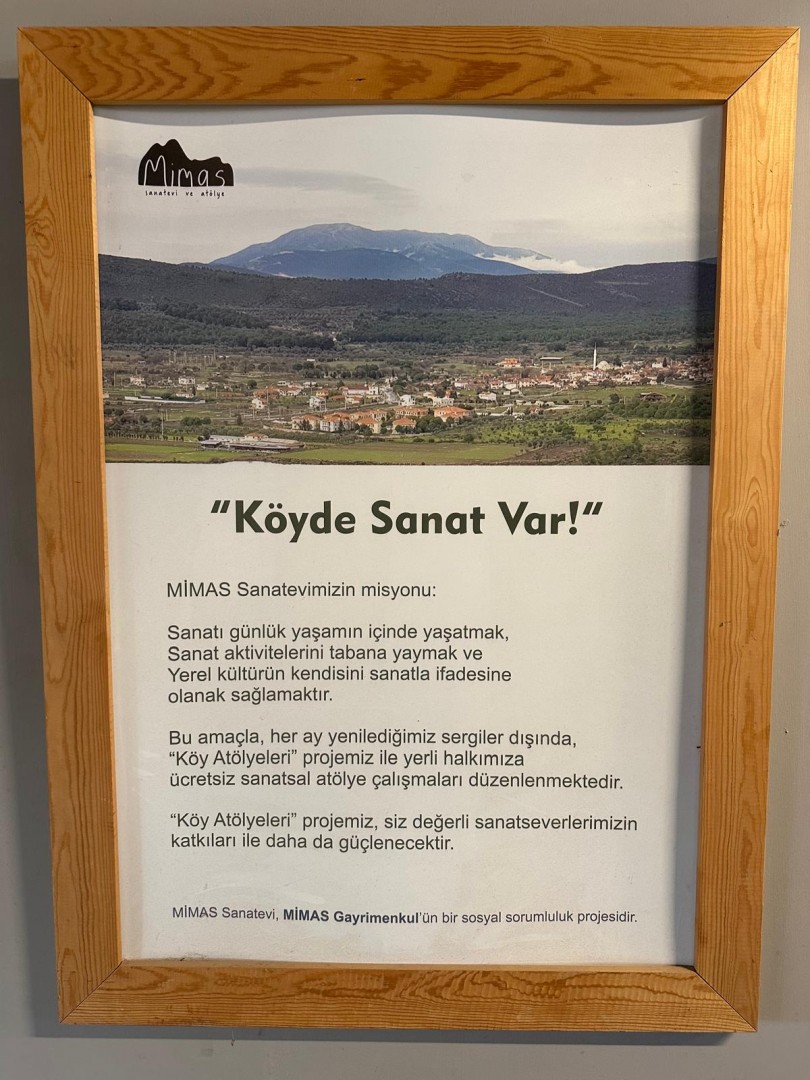
After this lady, Aşkın Yaka rose to prominence as the person who truly took over and managed the festival. Aşkın Bey and his colleagues ensured the festival’s sustainability and successfully transformed it into an annual event. Those unfamiliar with him are likely familiar with the Mimas Sanatevi and Atölyesi (Mimas Art House and Workshop) and Kulika Cafe, which he founded just at the entrance to the village. Incidentally, I should mention that Mimas is the name of a mountain on the Karaburun Peninsula in Izmir.
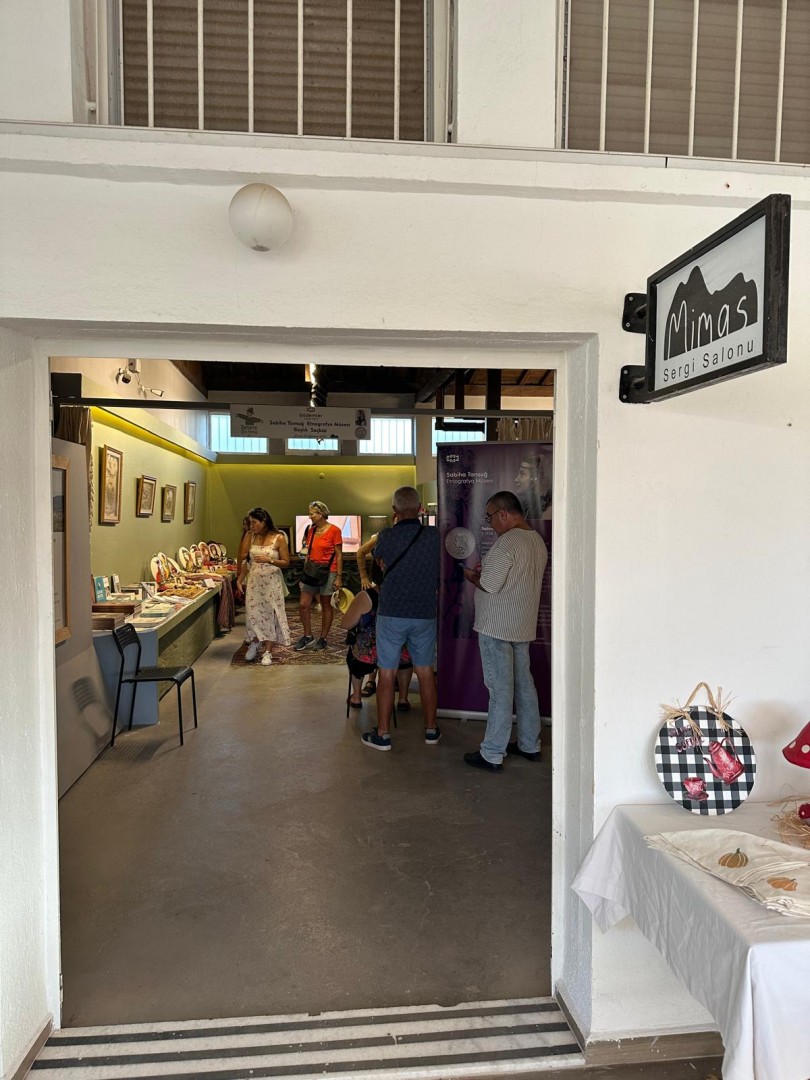
The Mimas Sanatevi and Atölyesi has a cafe called Kulika, a reading area, and an exhibition area. Incidentally, we picked up our Kerim from Mimas. Before visiting the festival grounds, we visited the ‘Four Seasons Felt Exhibition’ in Mimas. I loved the exhibition. I’m sharing the relevant images below:
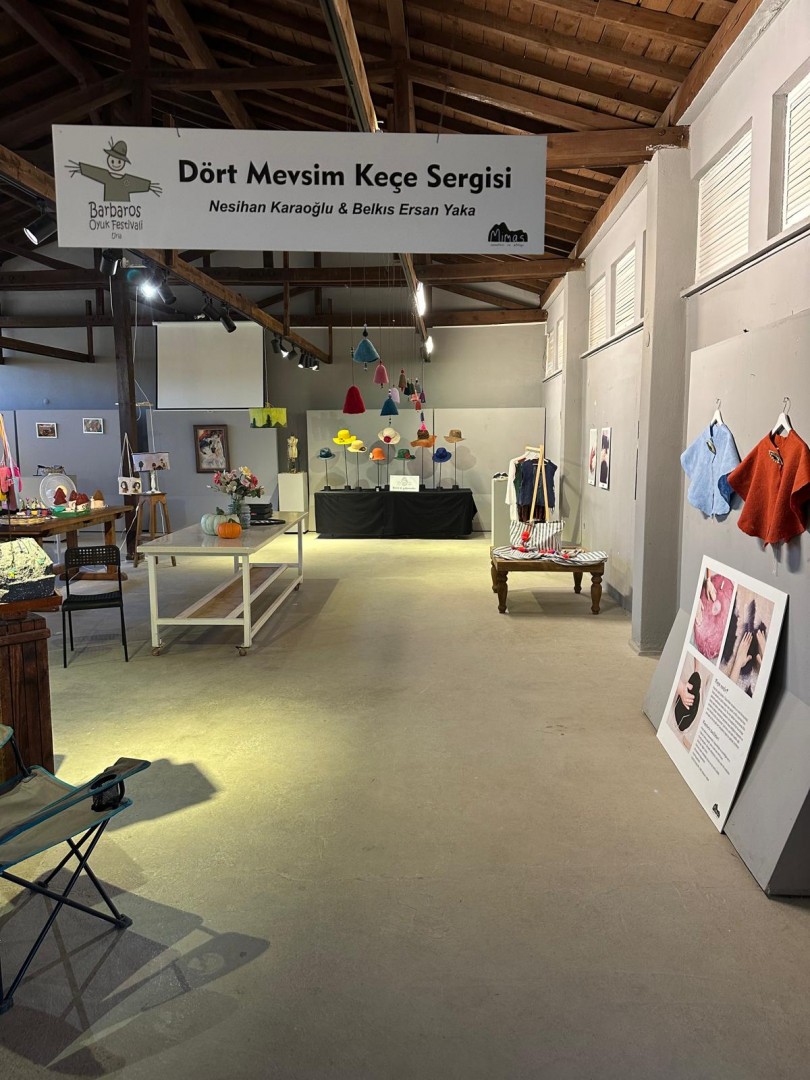
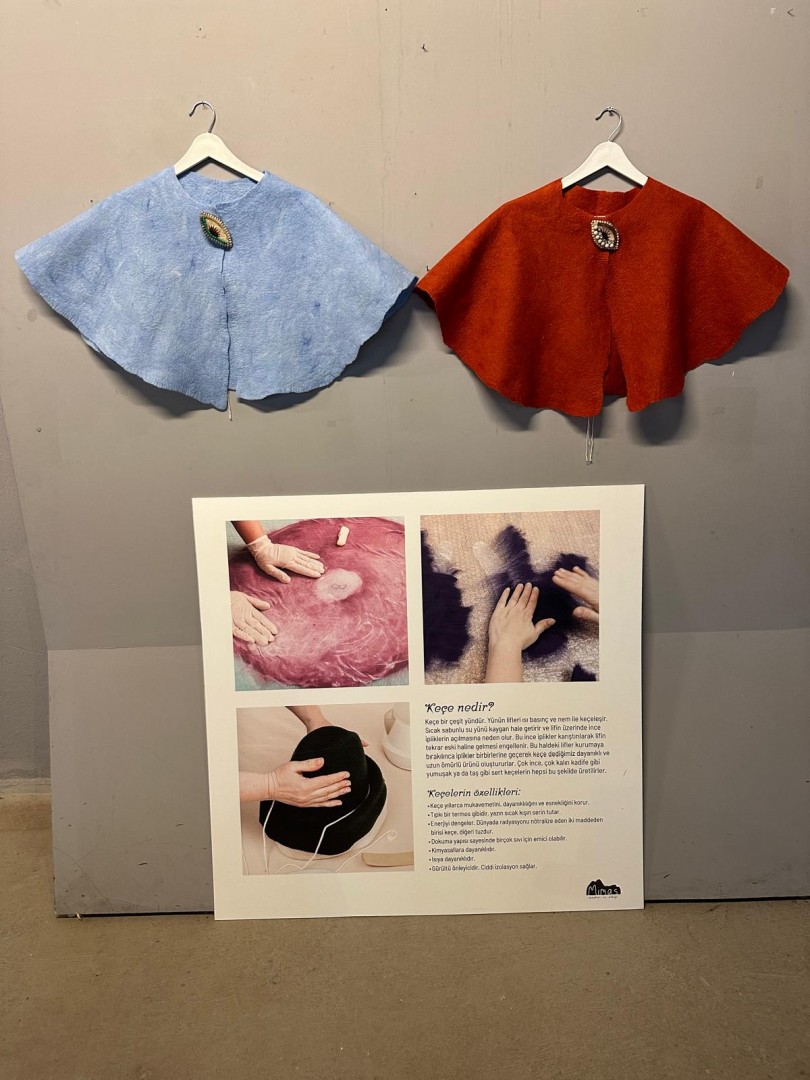
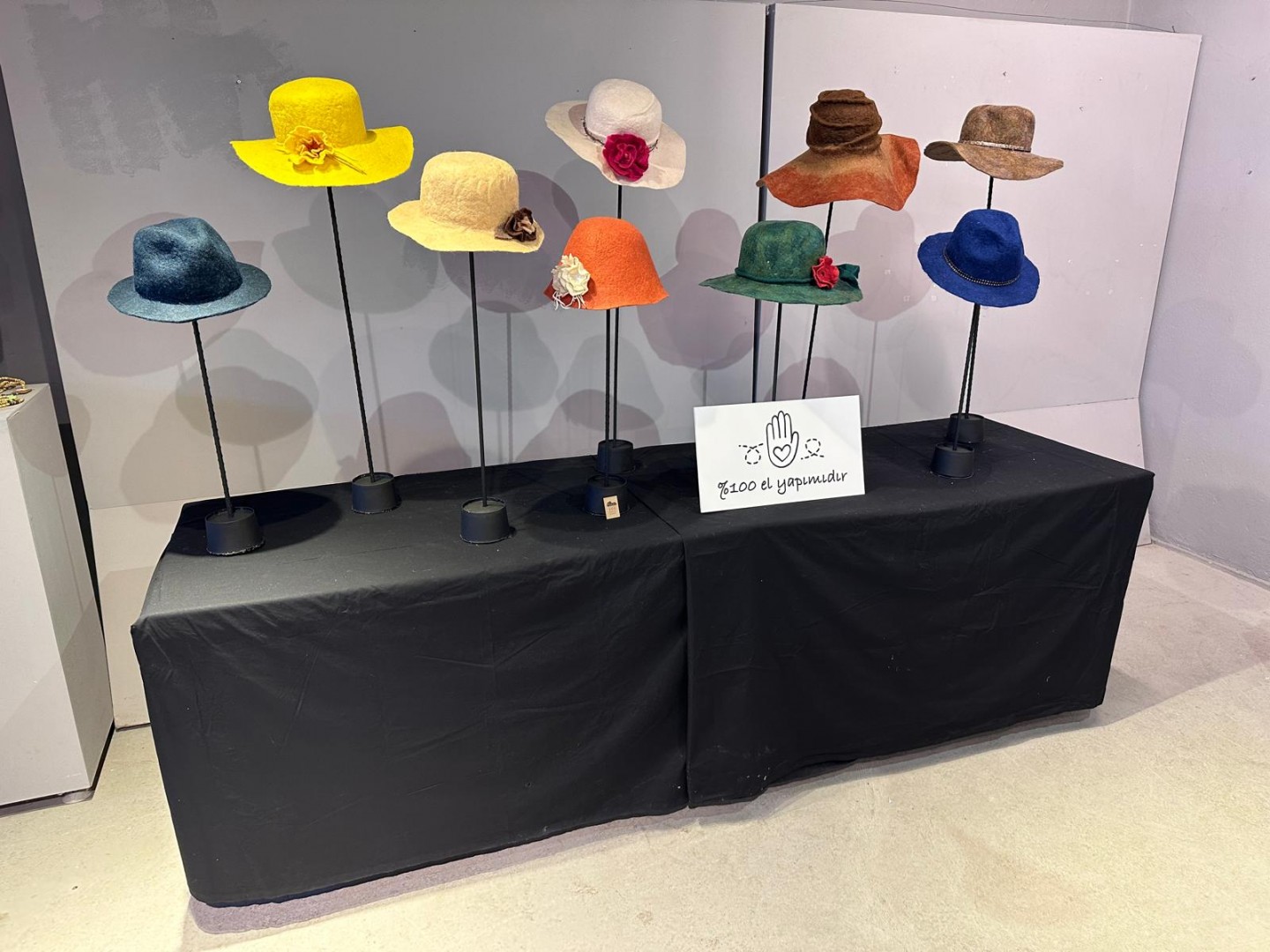
The Mimas Sanatevi and Atölyesi has a cafe called Kulika, a reading area, and an exhibition area. Incidentally, we picked up our Kerim from Mimas. Before visiting the festival grounds, we visited the ‘Four Seasons Felt Exhibition’ in Mimas. I loved the exhibition. I’m sharing the relevant images below:
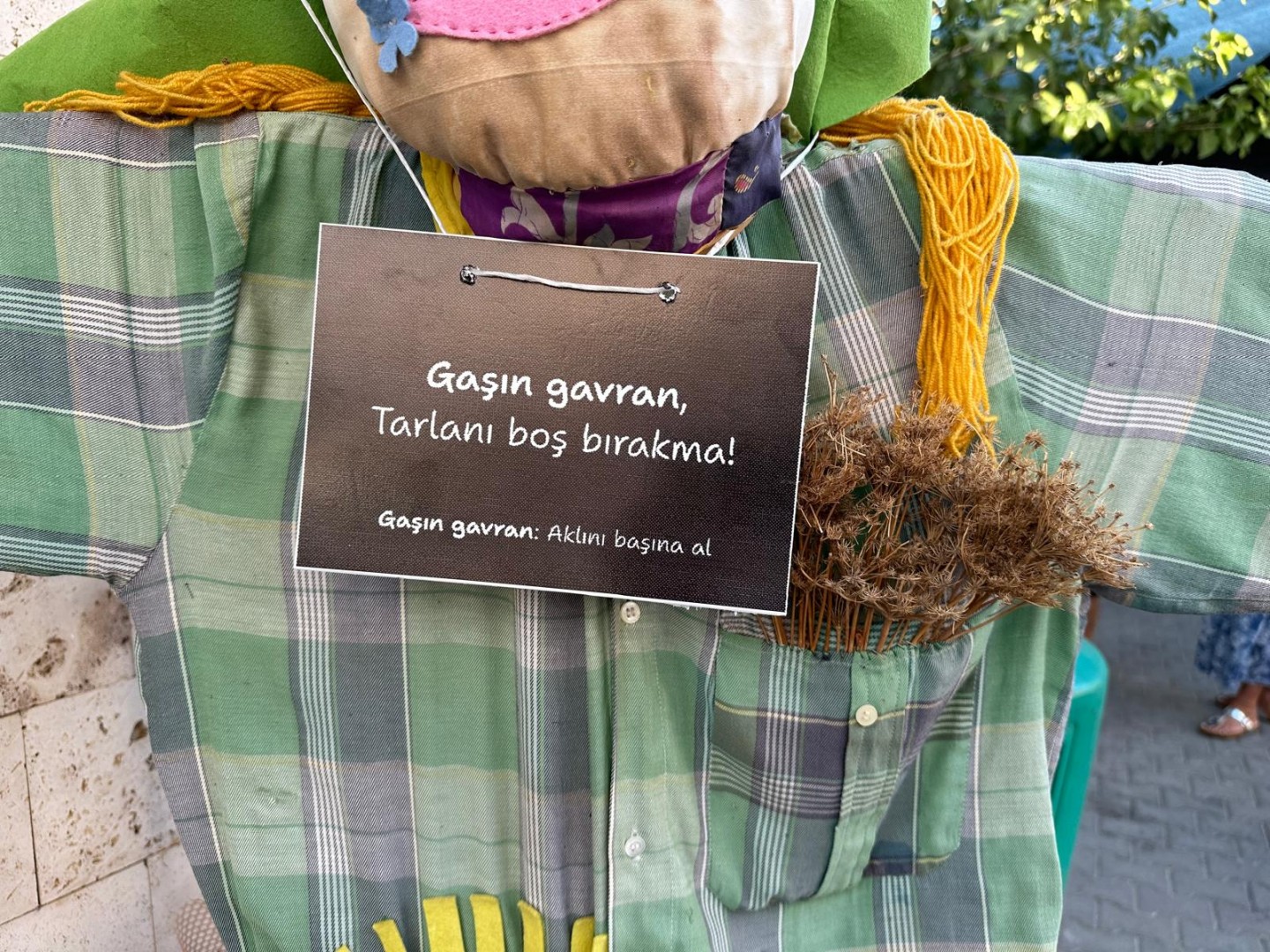
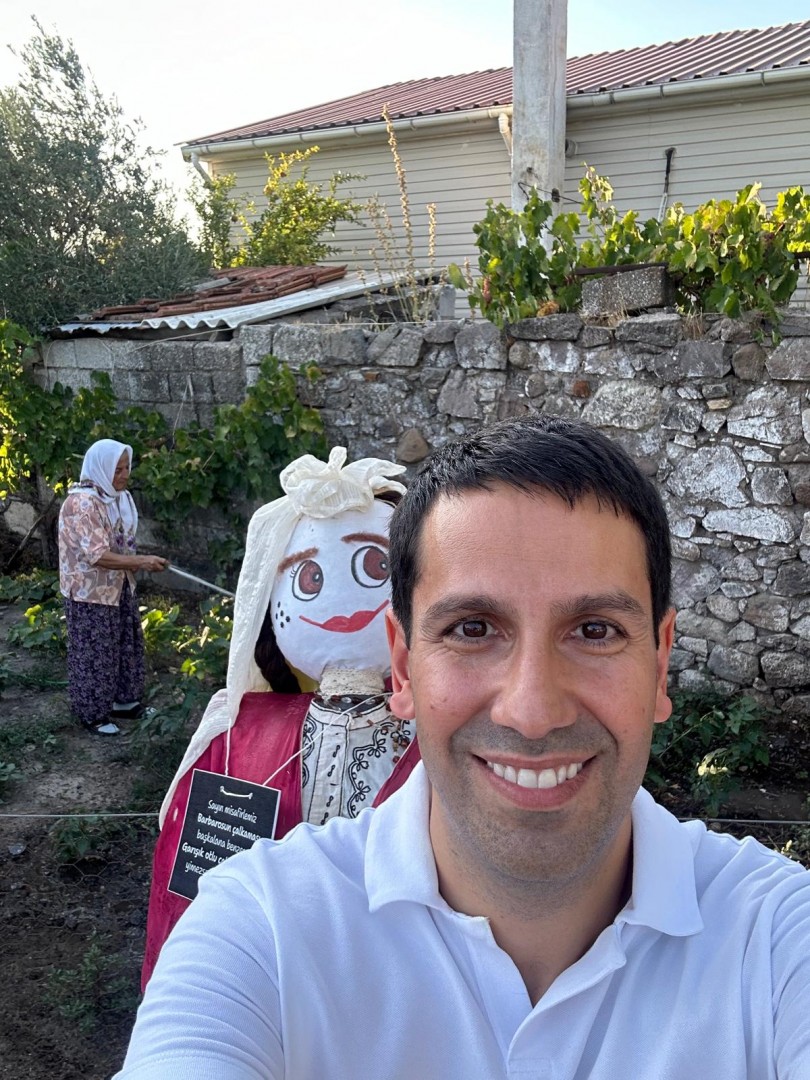
– Gaşın gavran (come to your senses), don’t leave your field empty!
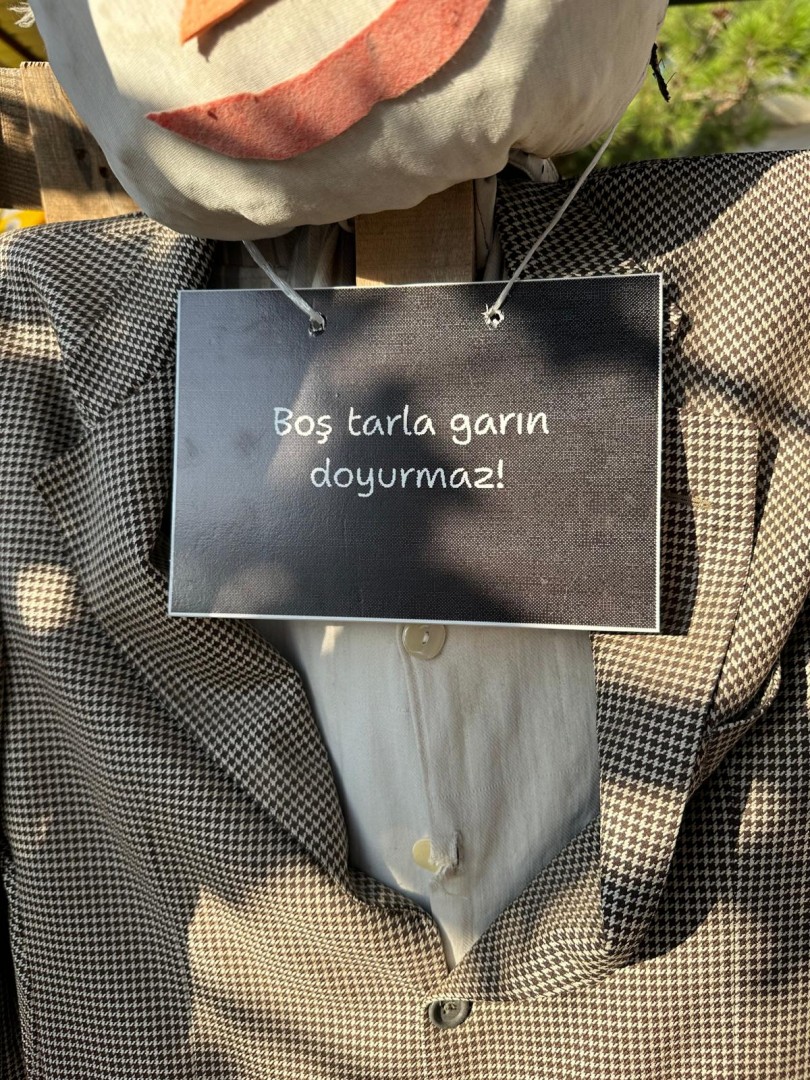
– An empty field won’t feed your land!
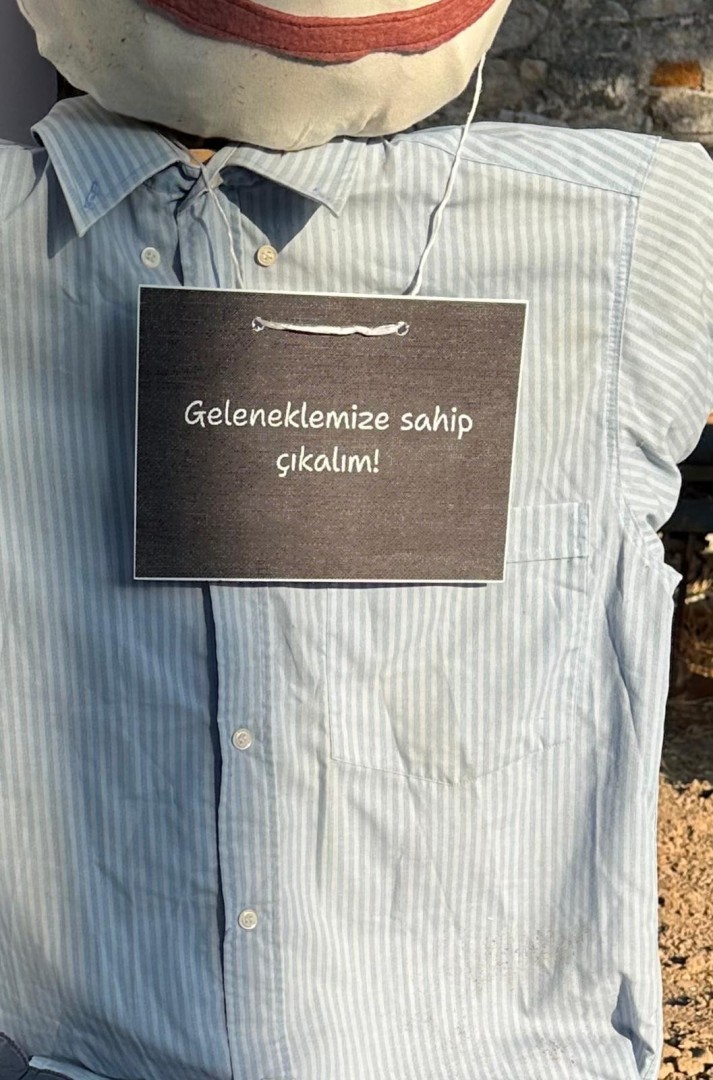
– Let’s embrace our traditions!
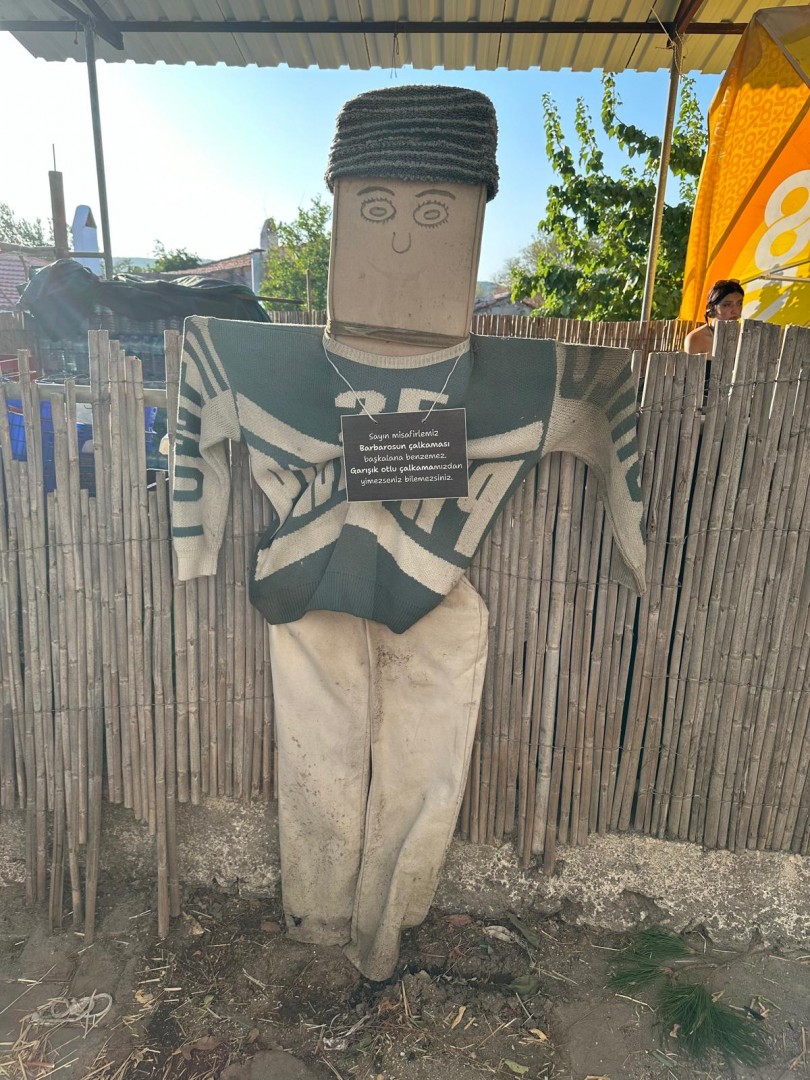
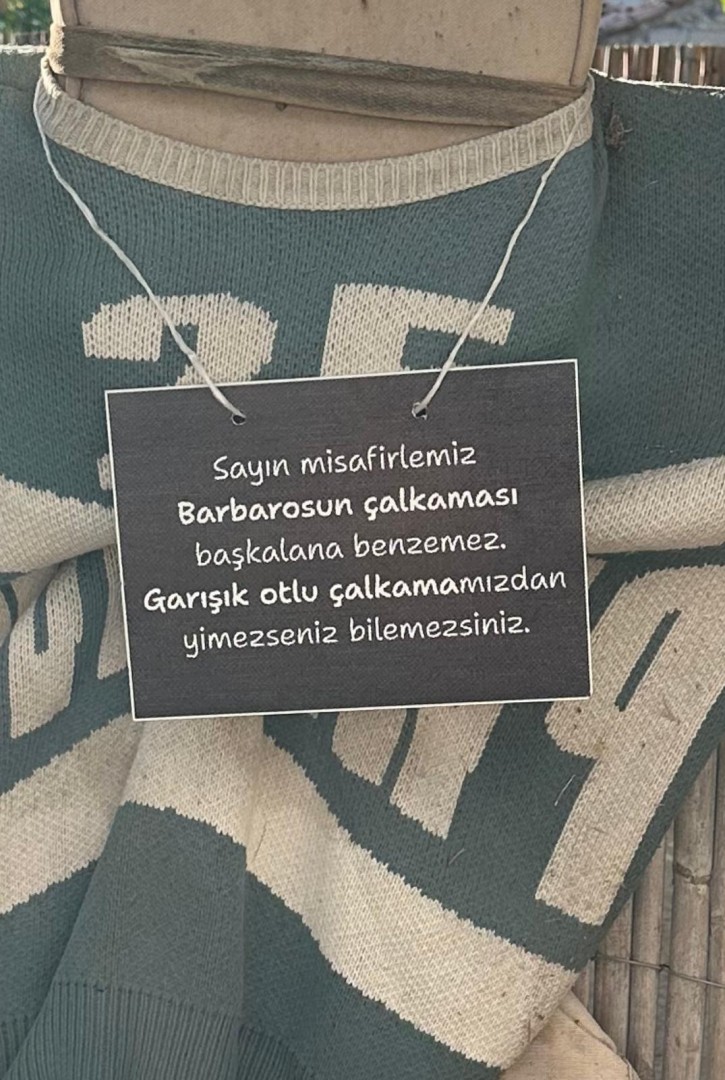
– Dear guests, Barbaros’s challah is unlike any other. You won’t know if you’ve tasted our garışık herb challah.
– Dear guests, we’d appreciate it if you tied your old clothes for our hollows. Sırlan (shiny, thin) purr doesn’t matter.
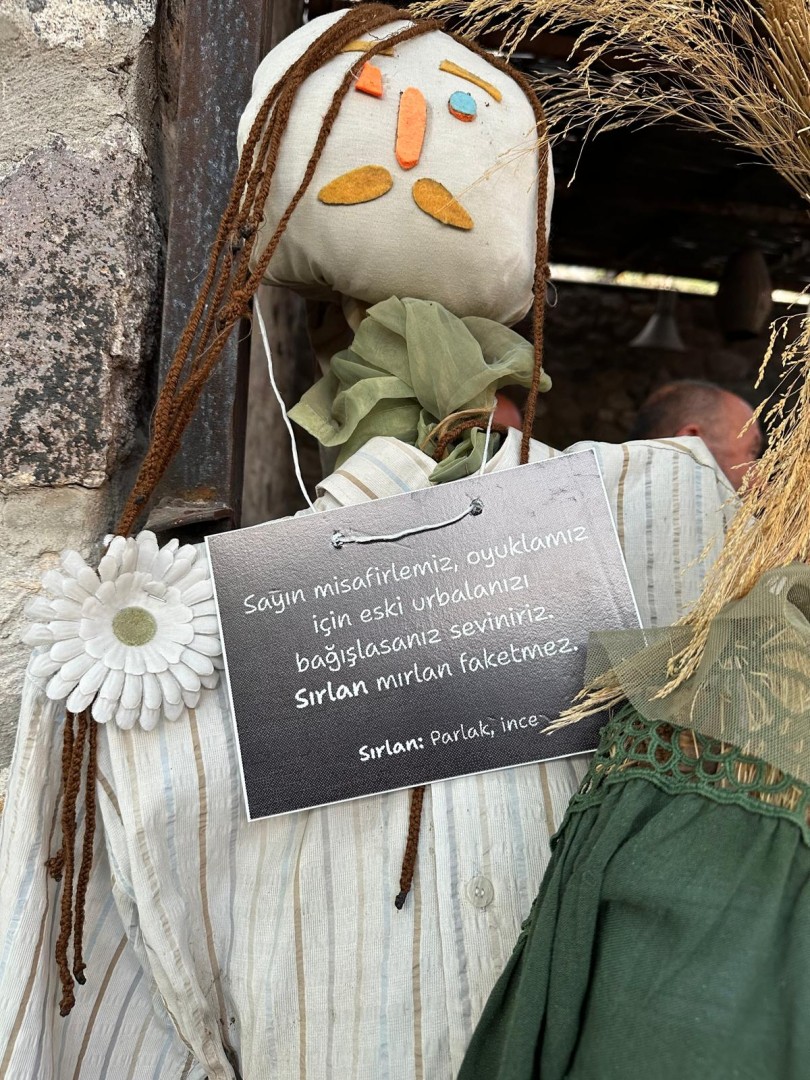
– We want our jobs back! Garga doesn’t come to an empty field!
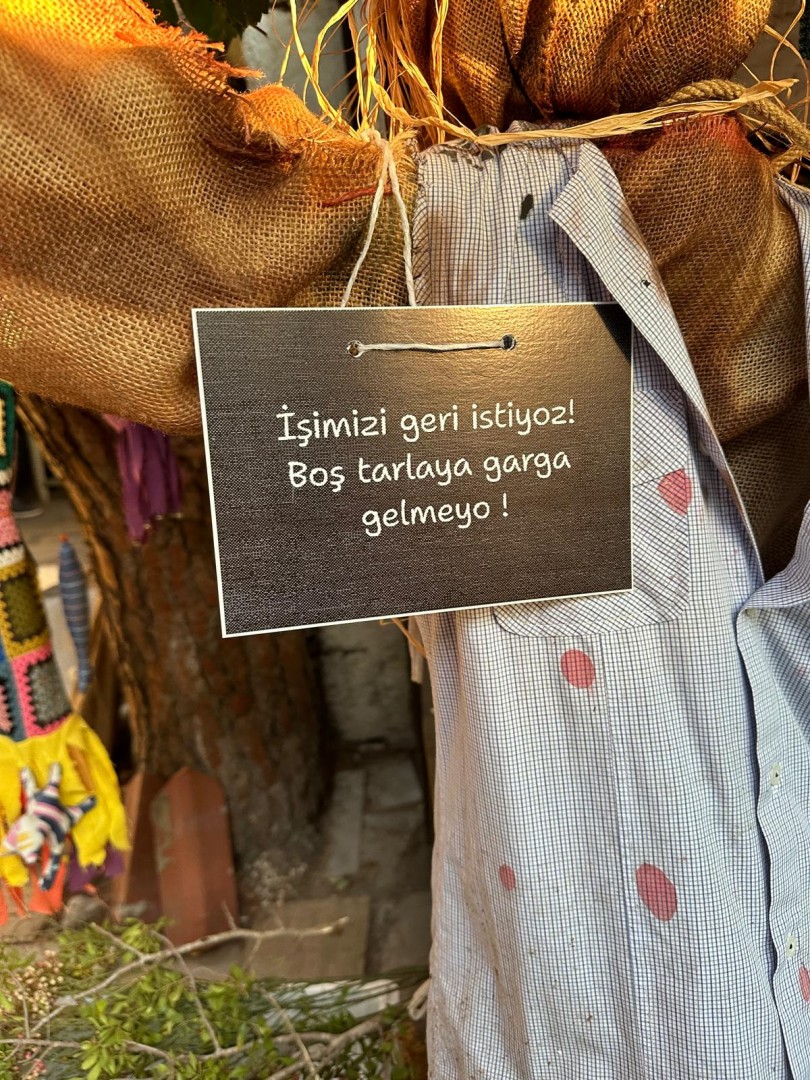
So, what do these messages posted on the holes mean? Essentially, this is a subtle satire on the country’s agricultural policies. At a time when agriculture is on the verge of collapse, the unemployed holes are rising and rebelling, fueled by the imagination of the villagers. They are broadcasting these messages to the entire public.
Wrong agricultural policies
The situation in the country has reached such a point that there is much criticism that the Ministry of Agriculture and Forestry is now operating as a “ministry to end agriculture.” Let me list some of the wrong agricultural policies implemented here. This list is quite extensive, but due to the nature of this article, to keep the criticism to a certain extent, I’ll list the top five wrong agricultural policies that come to mind:
- Fertilizer factories have been privatized. We’ve reached a point where we must import fertilizer, and unfortunately, the cost of fertilizer to farmers is constantly increasing. The problem isn’t just with fertilizer. Beyond fertilizer, the extreme price increases in essential production items like diesel, seeds, and agricultural machinery are seriously negatively impacting producers. Nothing is being done about this. For example, farmers constantly complain that diesel is too dear and its price is rising, and they’re right. For the last 20 years, those who have governed the country have not only promoted sound alternatives like electric tractors, but have, on the contrary, consistently supported diesel, a fossil fuel known for its high carbon emissions. The problem isn’t just with diesel.
- The Ministry constantly intervenes in agriculture unnecessarily. These interventions are disrupting the sector. For example, before the election, it imported a staggering amount of wheat from Ukraine and Russia to keep bread prices low. It took this wheat and put it in TMO (Turkish Grain Board) silos. At the time, Turkish farmers had just harvested their crops, so they refused. After the backlash, they were forced to buy it, but they couldn’t put it in the TMO silos. They spread plastic wrap and buried it in the ground. Half of the buried wheat is now unusable; half is rotten, half is damp, and half is infected with fungi (See: Turan Çömez’s statements).
We are far behind in education and technology.
- Farmers haven’t been properly trained. Most of our farmers have educational problems. This ignorance, which continues with ancestral methods, has depleted both the soil and underground water resources. Productivity is dwindling. This ignorance is seriously disrupting agriculture.
- Along with ignorance, the use of technology is also a problem. Our farmers are not using technology properly. While those in the agricultural sector in developed countries today automate everything and achieve the most efficient results with the least resources, our farmers still operate using 19th century methods. We see no government policy that will provide them with access to technology and train them to use these technologies.
- The inadequate utilization of land is another problem. There is a lot of uncultivated agricultural land. Because of inheritance, the younger generation is unwilling to farmland like their parents, leaving it vacant or selling it. Furthermore, due to inheritance laws in our country, land is divided into very small plots. Farming on fragmented plots is much more difficult than on plots of a certain size. On fragmented plots, people struggle to meet fixed production costs, and conflicts between siblings can prevent farming on these plots.
Similar shamanic and pagan traditions
Returning to the festival, let’s first ask, using And’s approach, “What does festival mean?” Essentially, rural areas and villages are going through a harsh period of agricultural activity, with men and women, young and old, working day and night. Following this challenging period, the harvest is followed by celebrations in the villages.
This is also true of the Turkish Shaman tradition, as is the case with the Pagans in the Alps, who are known for their rituals resembling our Shamans. For example, there is a shamanic tradition called Pazar. It takes place in late February or early March. Large fires are lit on the outskirts of the village. This organization is undertaken by young unmarried villagers. Hıdırellez shares a similar concept. Winter has been harsh and everywhere is covered in snow. The food they had saved to survive the winter in the autumn has dwindled, and large fires are lit to mark its end. There, they are seen as a way of driving winter away.
Hıdırellez also features a similar tradition of jumping over fires. Both Shamans and Pagans have ‘survival rituals.’ The shamanic tradition of lighting large fires in the Alps to chase away winter is called Funkensonntag. It can be translated into Turkish as ‘market spark.’
The goal isn’t to make money, but to have fun together.
In Barbaros Village, the goal is the same: to chase away the harsh winter and celebrate survival. As And emphasizes, no one in the village has any specific financial expectations from the festival. Making money and generating income from the festival are secondary. All villagers earn income from other sources.
The villagers want to have fun together, chase away the winter, be together, and dance (men and women together). They dance the Sepetçioğlu dance together. This is an Aegean dance, apparently derived from Ionian culture. To refresh your historical knowledge, I’d like to emphasize that these places used to be Ionian. Since Ionian times, there has been complete equality between men and women in the village.
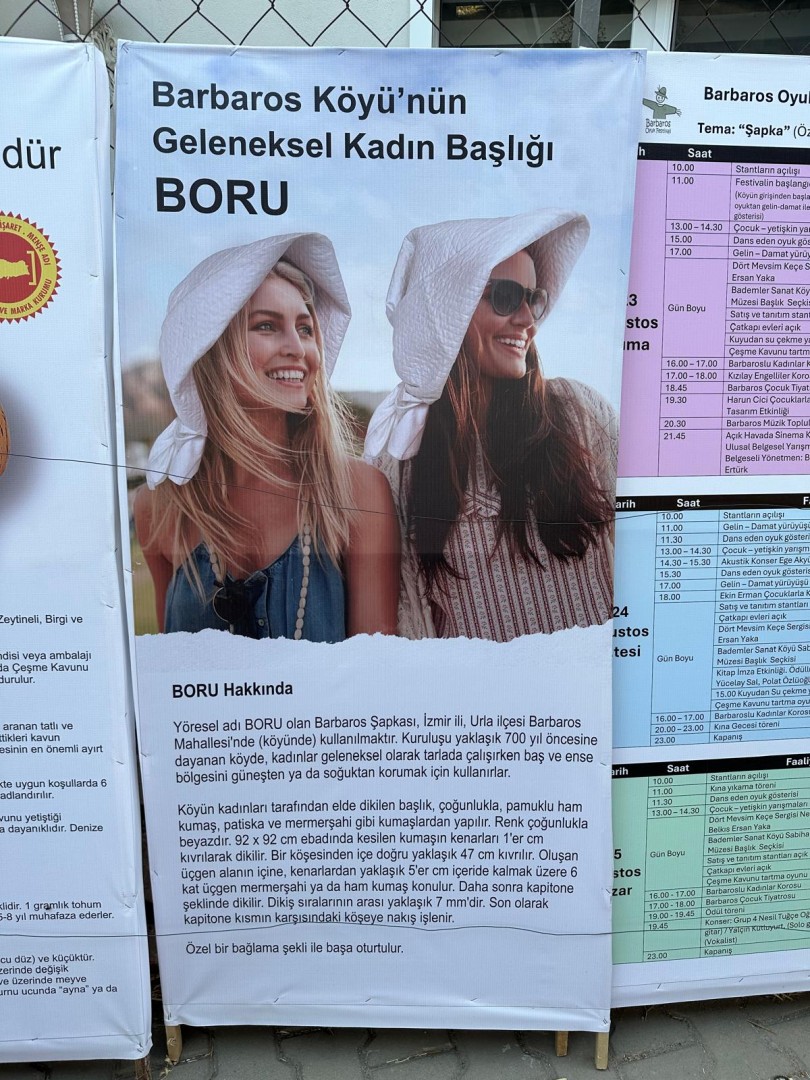
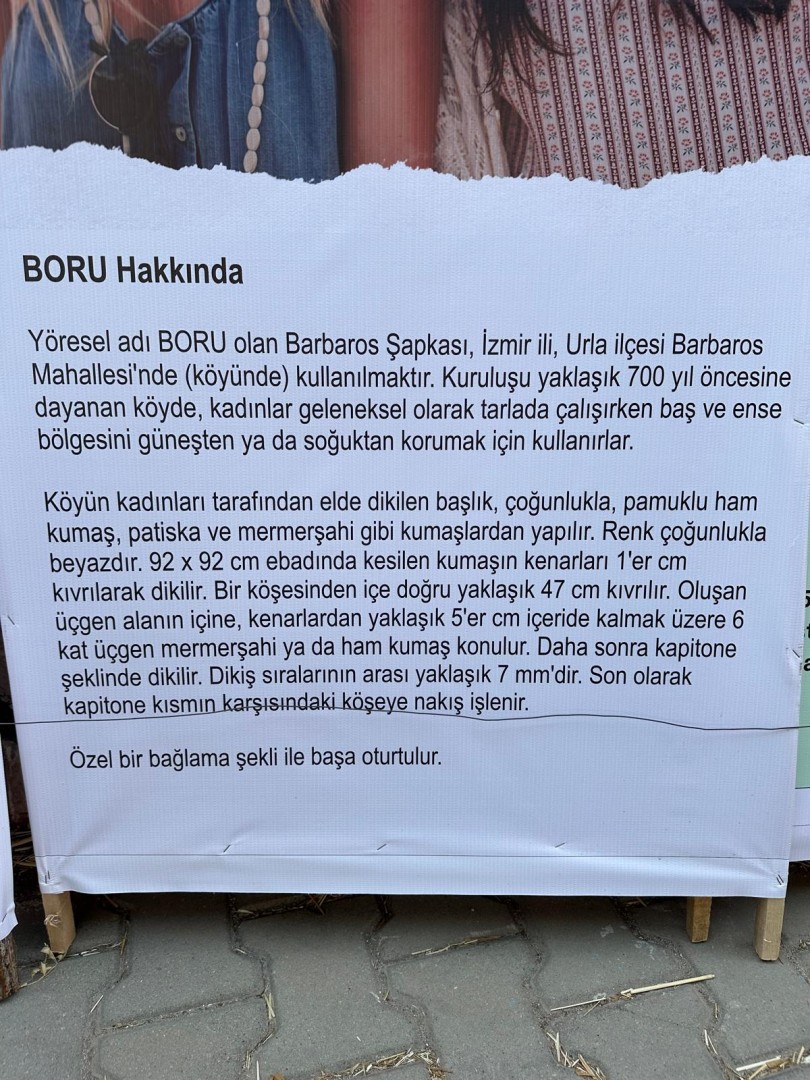
Also, as I walked along the road leading to the village square during the festival and examined the vendors left and right, the hats worn by the villagers caught my eye. Women wear boru, and men wear poşu. I especially loved the boru. I wish it would become a traditional hat throughout the country. It’s both a practical hat and provides complete protection from the sun. I’m sharing the boru and the poş below to help you visualize it. You can also read the Boru’s description below.
A German Festival That Could Set an Precedent
We need to embrace these traditions and increase their number. There are some great festival ideas. These events can include sports. For example, in Germany, which And mentioned to me, there’s a fantastic relay race that has become a tradition: the Grüntenstafette. This event, organized since 2016, features three running and three cycling courses: a regular run, a mountain climb, and a downhill run. Similarly, there’s a regular flat cycling course, a mountain climb, and a downhill course (complete with eyebrows and eyes). There’s a difference in elevation of approximately 1,000 meters between the village and the summit of the mountain used as a trail. It’s a great idea, and the Germans seem to have a lot of fun and celebration during and after this event. (See: https://rb.gy/eb6rjl
I wish the same to the many precious villages and towns in Turkey. Let’s appreciate our lives and celebrate life as in shamanic culture.
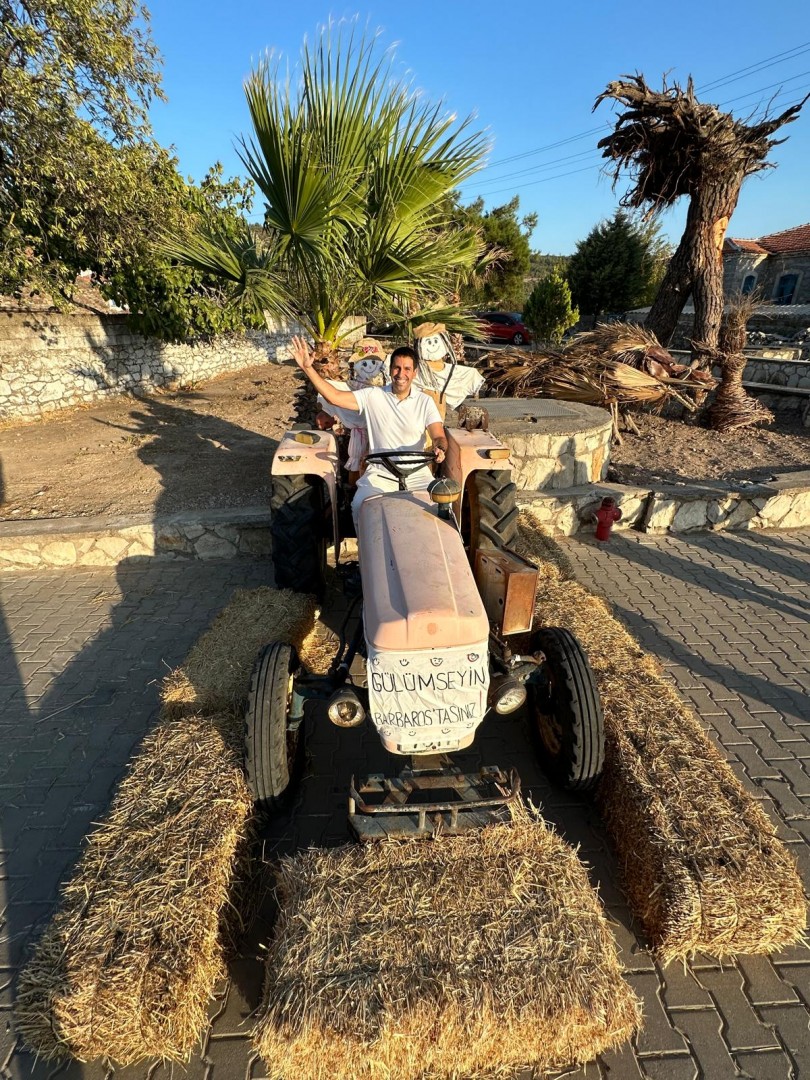
Bonus: I was also “having fun like children” and making a big splash with the holes and the surrounding equipment.
Tag: education