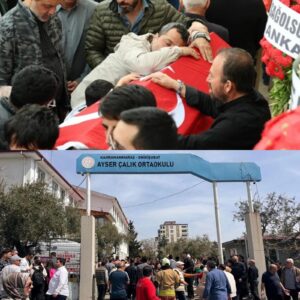
Every month, we hear about floods all over the world. Certain areas are constantly flooded, as if marked. Rainy regions like Turkey’s Black Sea region and Central Europe continue to be increasingly vulnerable to floods. Of course, it’s not just floods. We experience all kinds of disasters. Here are drone footage of disasters from around the world: https://twitter.com/bbcturkce/status/1416044953038311426?utm_source=pocket_mylist
Last week, hundreds of people lost their lives in the floods that struck Rize province in Turkey’s Black Sea region, southern and eastern Germany, the Austrian Alps, eastern Belgium, and southern Netherlands. Here’s the news report on Fox News about the Rize floods:
In addition to the high loss of life and property, people living in those regions suffered serious psychological trauma. The article I will share below outlines the precautions all states should take against floods. Of course, such serious disasters cannot be overcome solely by the work of governments. The entire public must support these efforts, and civil society organizations must take an active role. Let’s move on to the measures to be taken:
1) Identifying Risks
First, regional risks must be identified. I’m talking about a country’s risk map. This needs to be made publicly available digitally. Identifying flood zones is the first step. Once these assessments are scientifically and completely completed, the next steps follow.
2) Taking Precautions to Address Risks
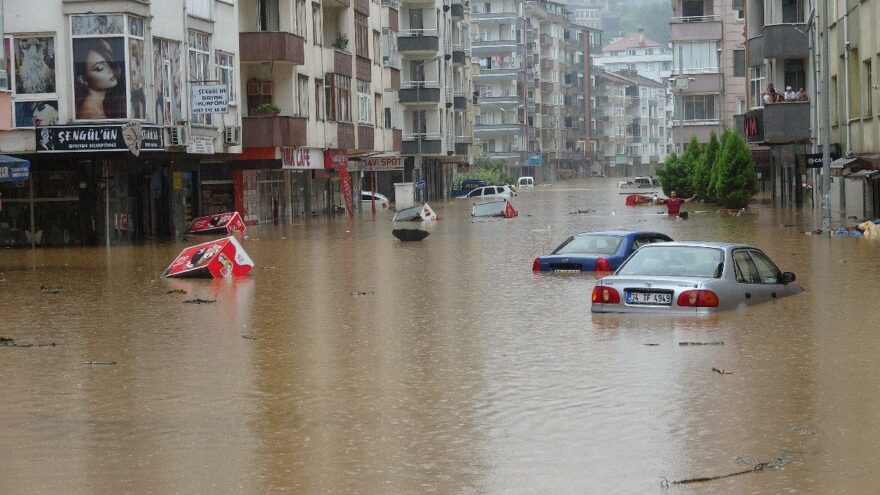
After determining the flood risk, buildings constructed in areas likely to be affected by floods must be scrutinized. Radical measures, such as relocating buildings built in streambeds, must be taken. Even urban planning needs to be reconsidered to address flood risk. To illustrate my point, let me draw your attention to this image from the aftermath of the Rize flood:
The public must not hesitate to make such radical changes and implement the necessary measures despite all possible objections. Citizens who suffer losses due to these changes must also be compensated for their losses. The goal is to implement the necessary interventions and take precautions before a flood disaster occurs.
3) Infrastructure must be built to withstand and prevent floods.
First and foremost, the infrastructure of homes, which can cause other disasters due to contact with water during floods, must be built to prevent and withstand floods. Take electrical infrastructure, for example. Electricity must be constructed in a way that absolutely prevents contact with water. In this regard, I’d like to share a satirical image of Tesla’s superchargers submerged in water, asking, “You’d think smoking next to a gas pump was dangerous, wouldn’t you?”
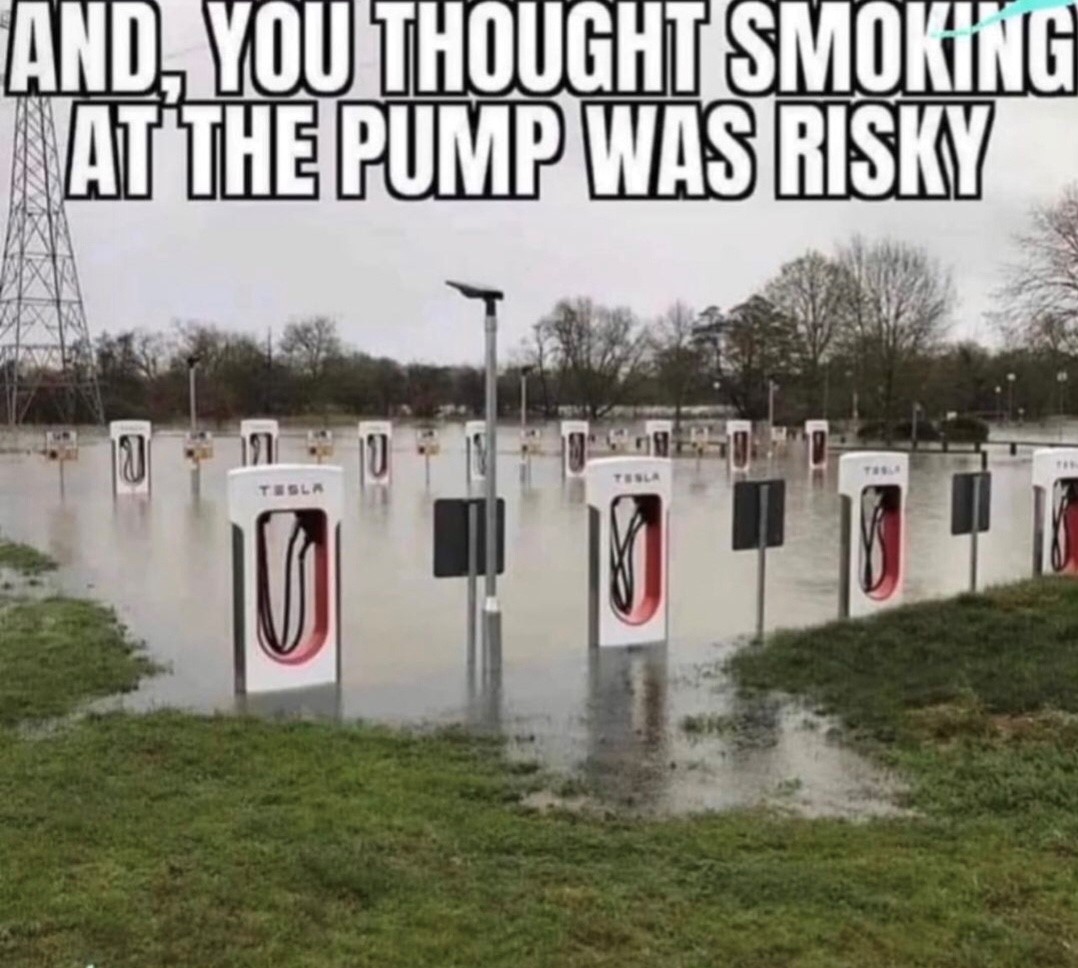
This is a joke, of course. The infrastructure of charging stations that charge electric vehicles must be built to absolutely prevent contact with water.
Furthermore, infrastructure such as channels for flood prevention and the construction of a network to prevent landslides that may occur following floods must be built in flood zones. If infrastructure is built to prevent or mitigate flooding, floods can largely be mitigated before they hit homes.
This includes the construction of spillways. A spillway is a structure used to control the release of water downstream, typically into the riverbed of a dammed river. Spillways prevent water from damaging parts of the structure not designed to carry water (Wikipedia). Similarly, spillways can be built to protect a settlement or protect any area from flooding. The public should evaluate this and absolutely build it where deemed necessary. I’m sharing images of spillway discharges from six continents below to help you visualize it:
4) Building Houses According to Flood Risk
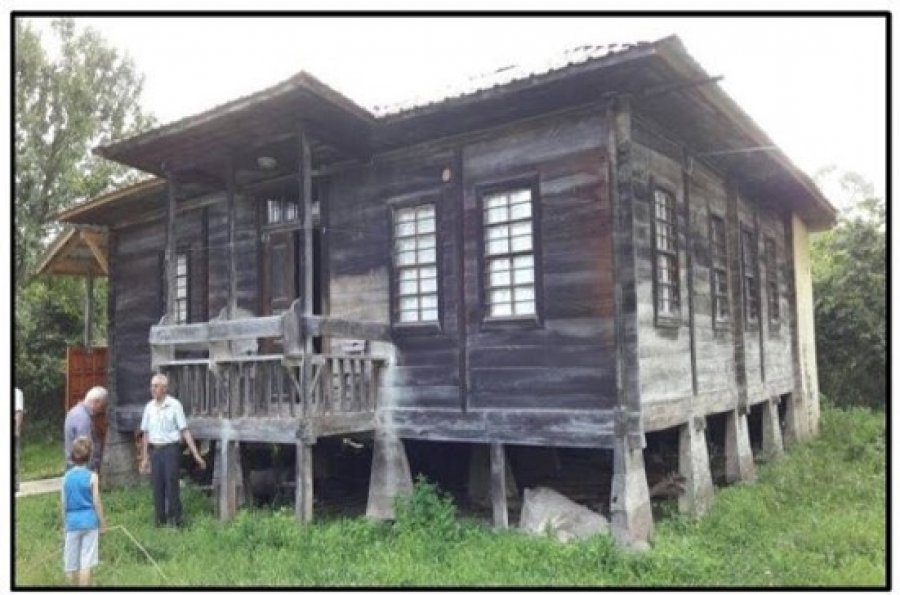
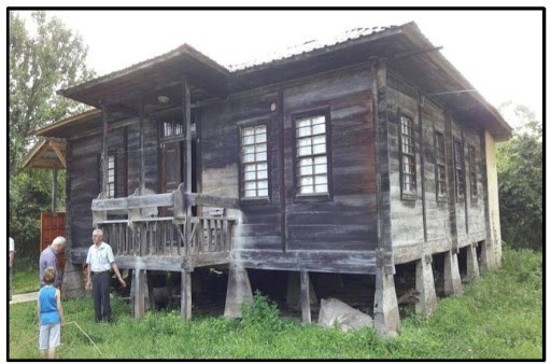
In areas at risk of flooding, the building materials and architectural designs used for houses should also be designed to mitigate flood risk. Water-resistant and fully insulated materials should be used for construction. Furthermore, instead of having a gravel and fixed foundation, houses should be built on a raised platform to allow floodwaters to flow through, and even designed to transform into floating homes if necessary, when floodwaters enter the ground. Below you can find examples of Black Sea architecture as an example of raised platforms:
In addition to the houses built on the raised platforms you see in this image, these houses should also be given a floating function if necessary. This is technically possible.
5) Establishing and Training Emergency Response Teams
It is important for the public sector and NGOs to establish separate and coordinated emergency response teams. We can give AFAD’s provincial structure as an example. These teams, especially those in flood zones, need to receive special training in flood disasters. In fact, flood drills should be conducted periodically. Organizations such as first response teams and neighborhood disaster volunteers organized by NGOs, in addition to AFAD teams in Turkey, would greatly relieve the public. These efforts have been previously carried out by various NGOs, and continuity and sustainability are essential.
6) Educating the Public
Preparing and broadcasting public service announcements is crucial. Public service announcements can provide preliminary information to a wide audience on how to cope with floods. Detailed one-on-one training should also be provided to those in flood zones. Governments can organize this, as can relevant NGOs. One-on-one training for residents of flood zones, and even conducting drills, will ensure that they can act without panicking if they experience a real flood. This is a significant advantage for minimizing losses.
7) Accelerating the Fight Against Climate Change
It has been repeatedly proven in recent years that climate change is not just a rumor or a theory, but a reality. Climate change is always at the root of natural disasters like floods and droughts. I’ve written numerous articles on various topics on this topic since 2012. I’d like to share some of the links below:
- Serhan Süzer – İnsanoğlu doğadaki dengeyi yeniden nasıl sağlayıp geleceğini teminat altına alabilir? (serhansuzer.com)
- Serhan Süzer – Birleşmiş Milletler’de tarihe tanıklık etmek (4) (serhansuzer.com)
- Serhan Süzer – Avustralya’daki yangın dünyayı göreve çağırıyor (serhansuzer.com)
- Serhan Süzer – ‘Bu daha iyi günlerimiz’ dedirten su sorunu (serhansuzer.com)
- Serhan Süzer – Çevre felaketlerinin riskini nasıl azaltabiliriz? (serhansuzer.com)
All countries around the world must now put their hats on the line, take necessary action immediately, and accelerate this change. They can start by transitioning to 100% renewable energy.
Being proactive is crucial.
We will always experience floods. If countries act proactively regarding all types of disasters and implement the measures with a plan and program, only then can we minimize the losses incurred from floods worldwide.
As for me, I will continue to write about climate change. Although I’m a bit tired, I will continue to speak out about these issues until the end of my life and do everything I can to minimize human losses from natural disasters. My activist nature constantly urges me to take the necessary action beyond writing. Because saving human lives is paramount; the rest is just a detail. I will continue to contribute.
Bonus: Below you can find images of floods in various parts of the world.
Germany
Netherlands
Belgium:Belgium: Flooded house crumbles in background of TV interview with mayor | World News | Sky News
China
https://www.instagram.com/p/CRmi-v8Km4g/?utm_medium=share_sheet
America: Instagram’da emes_nature_vibes: There Goes The Neighborhood
Tag: education