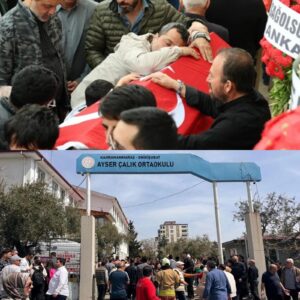
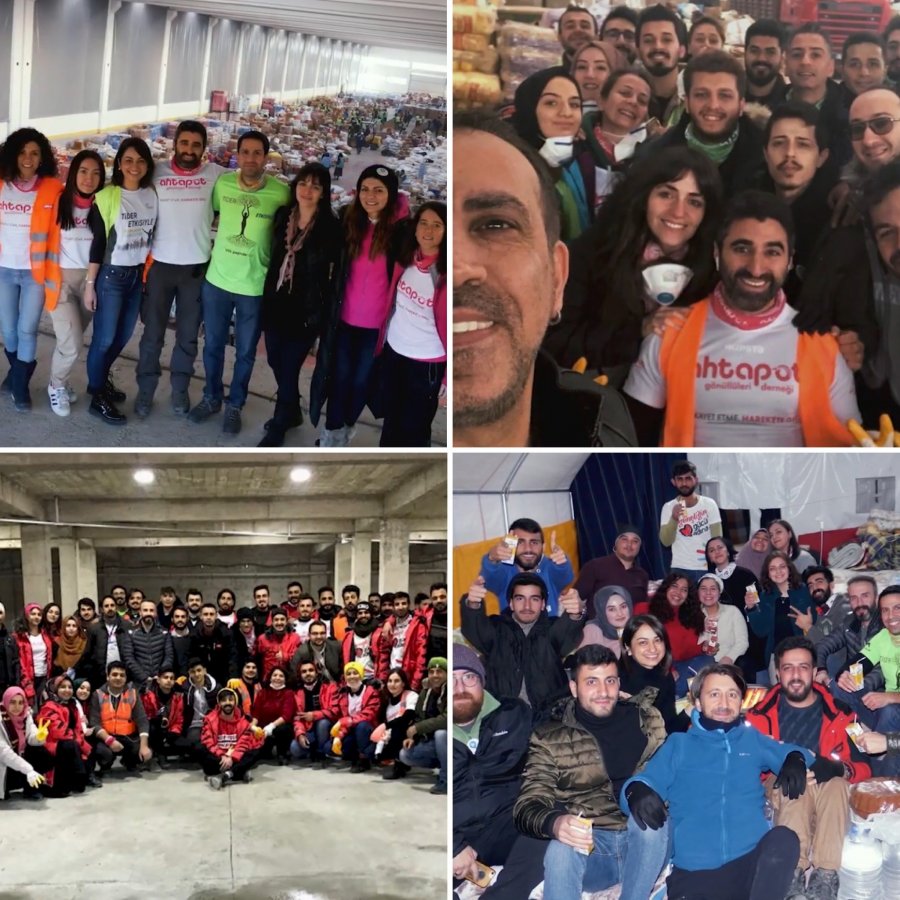
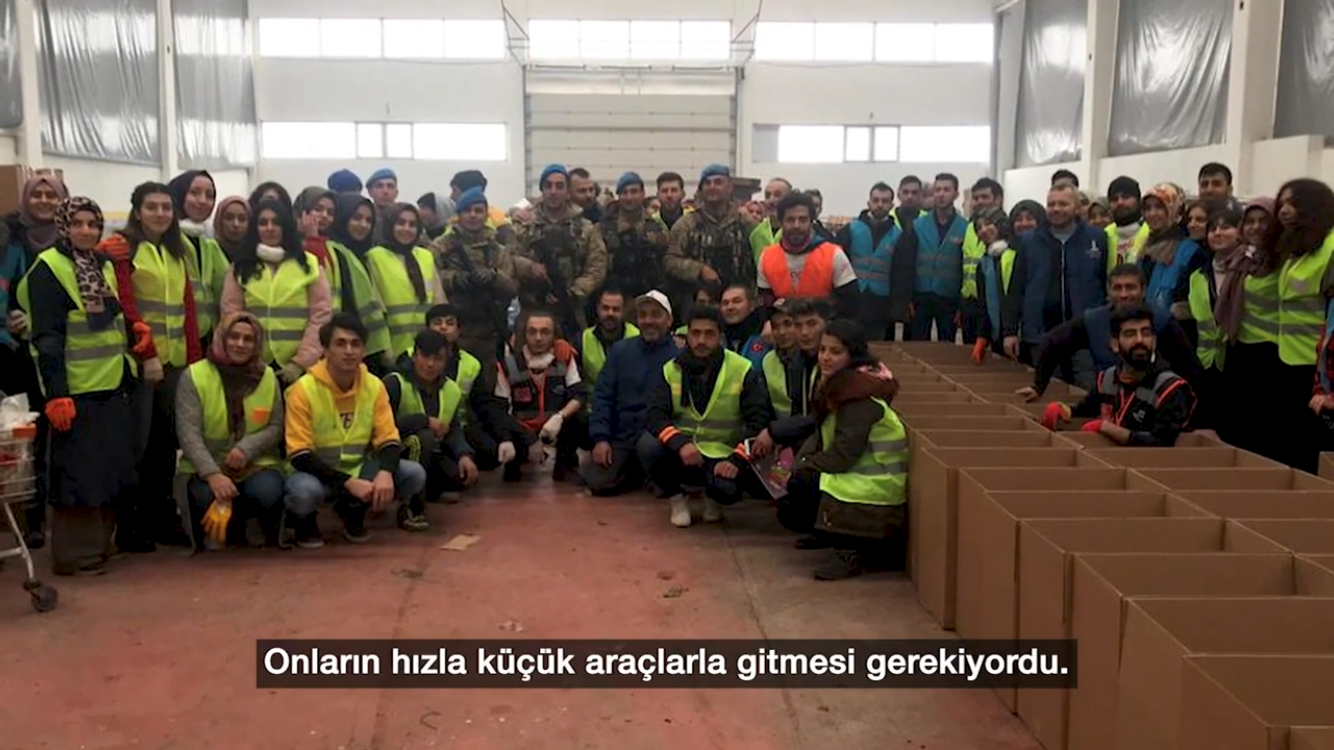
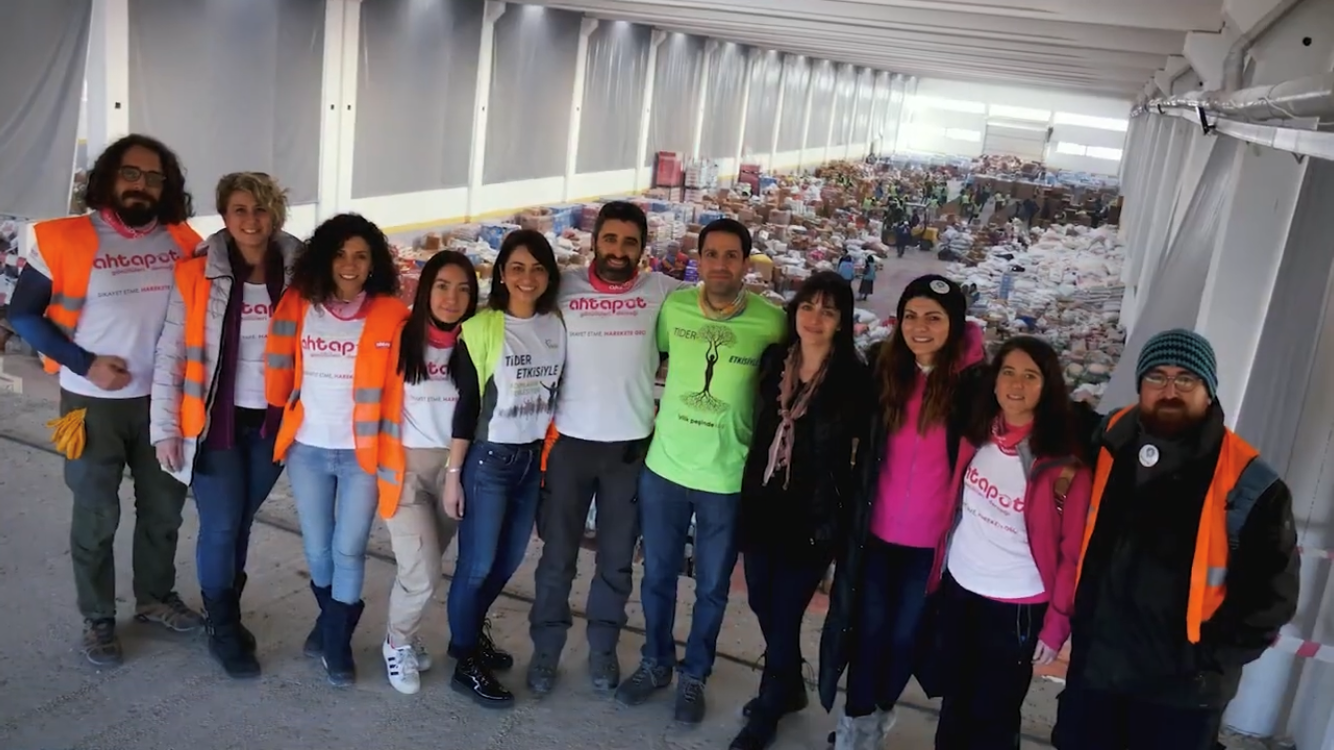
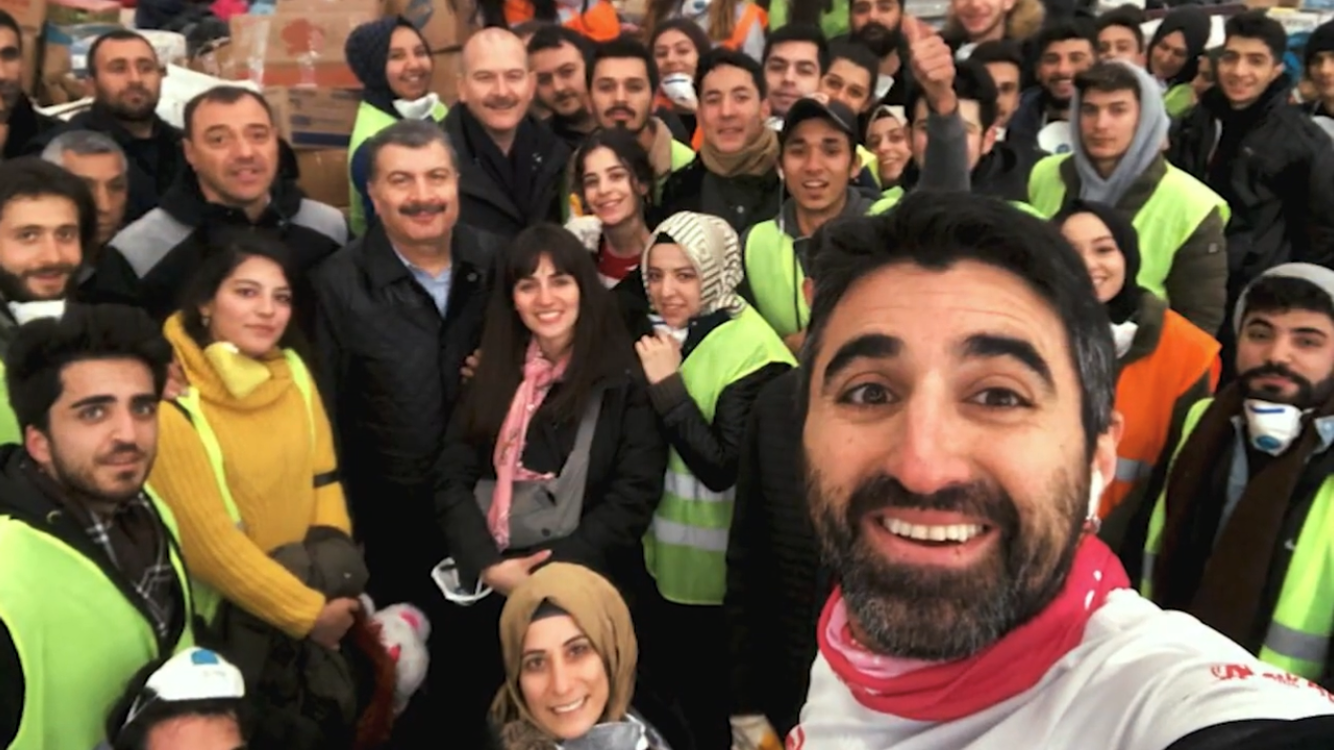
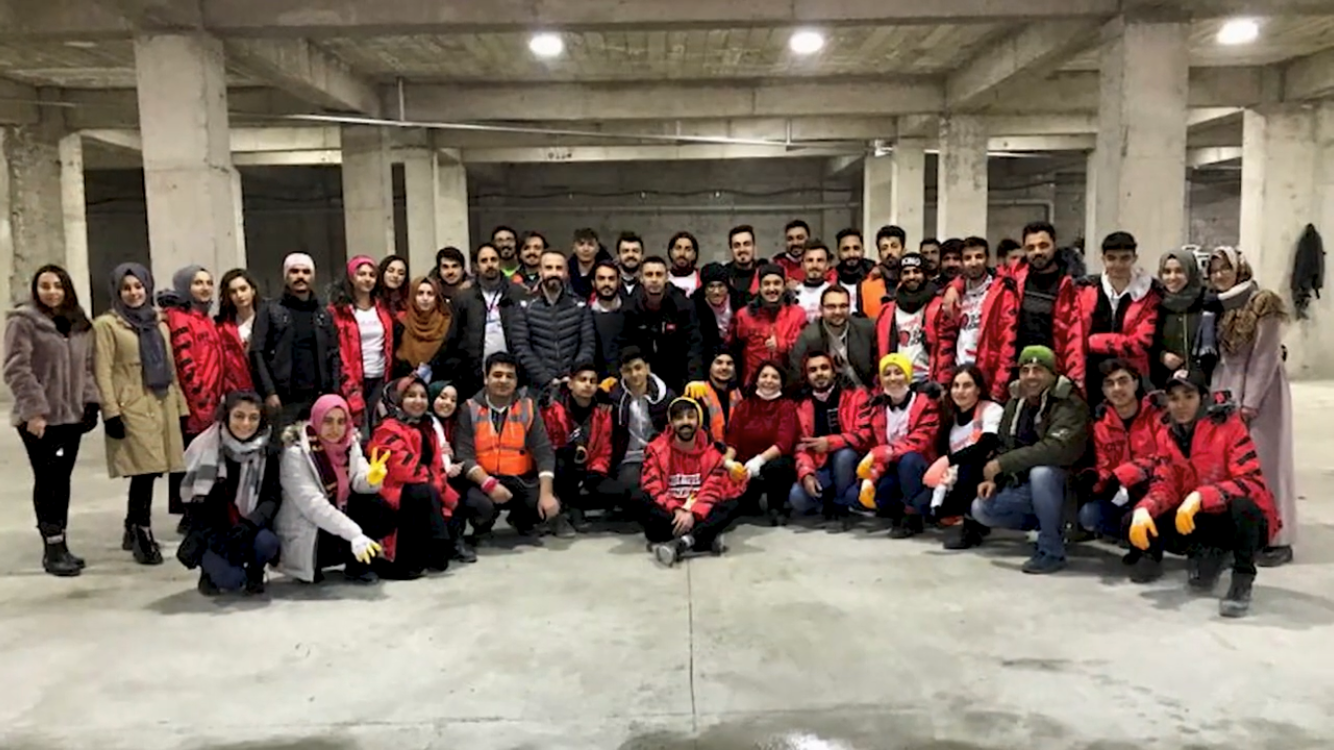
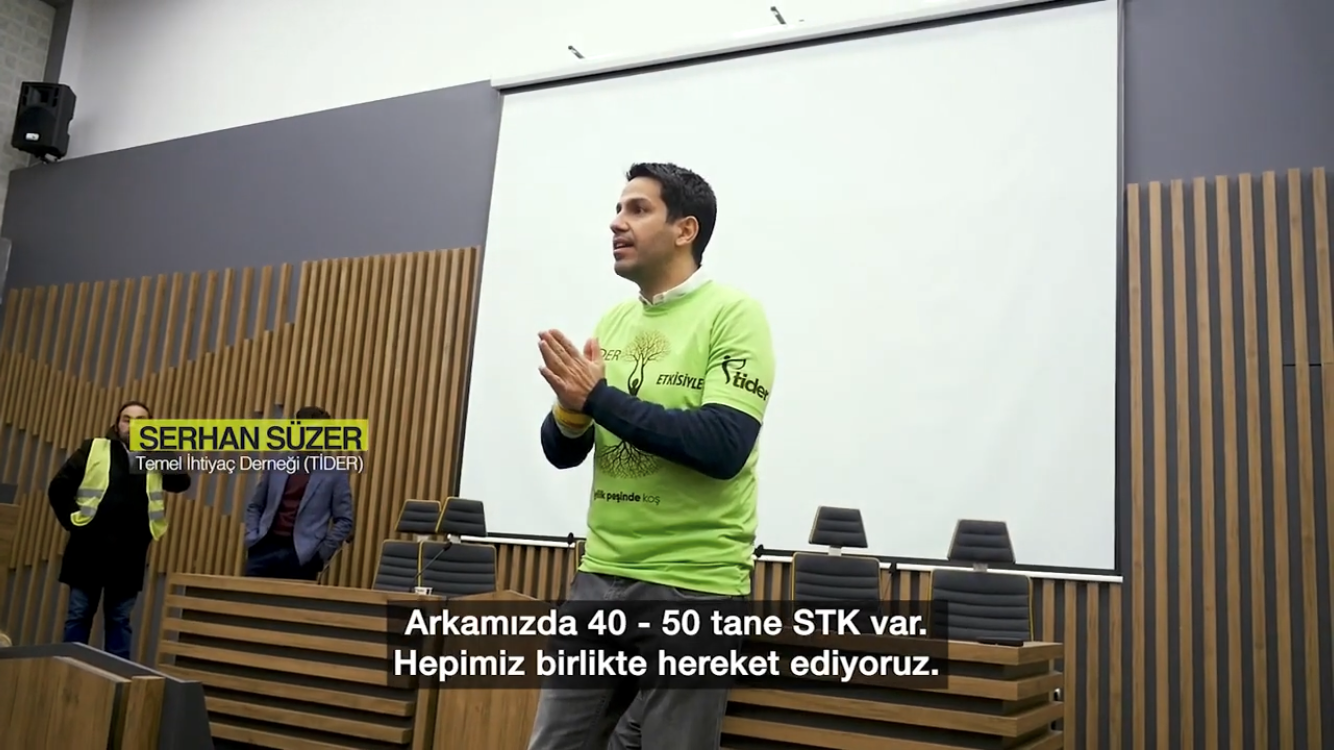
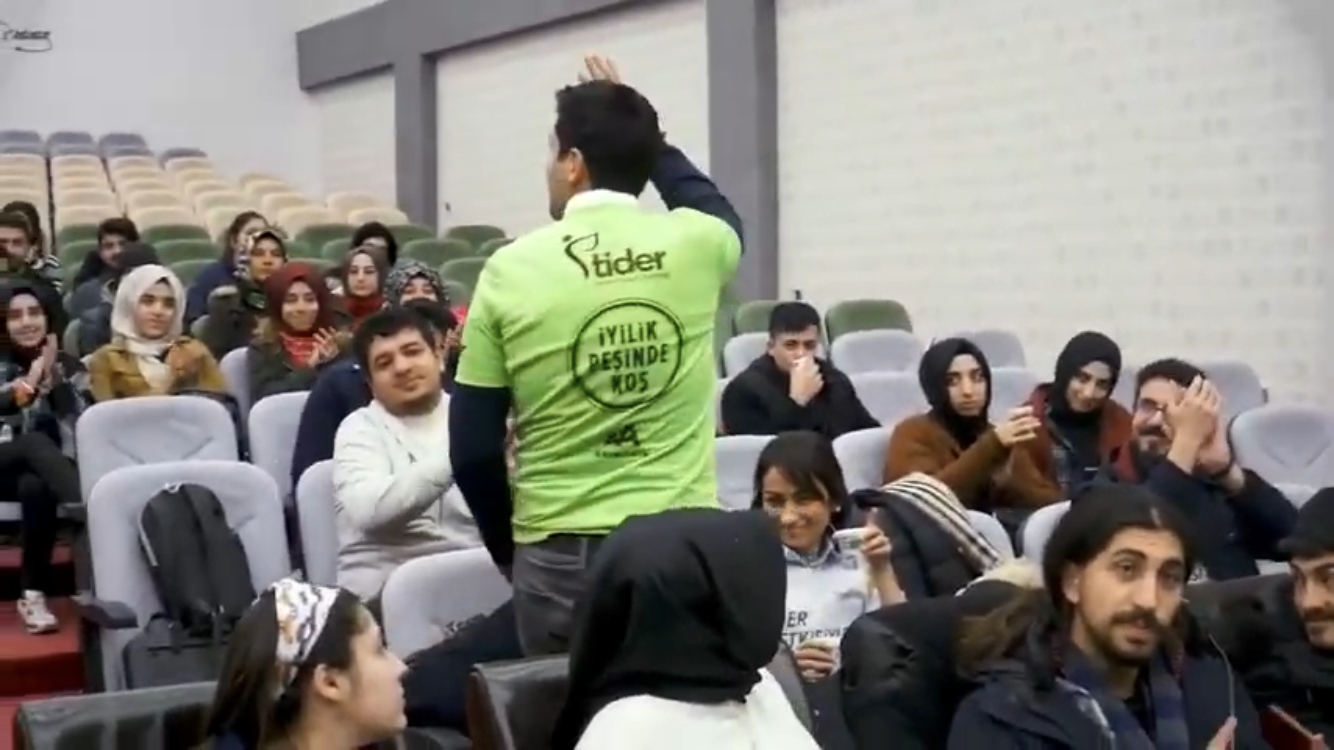
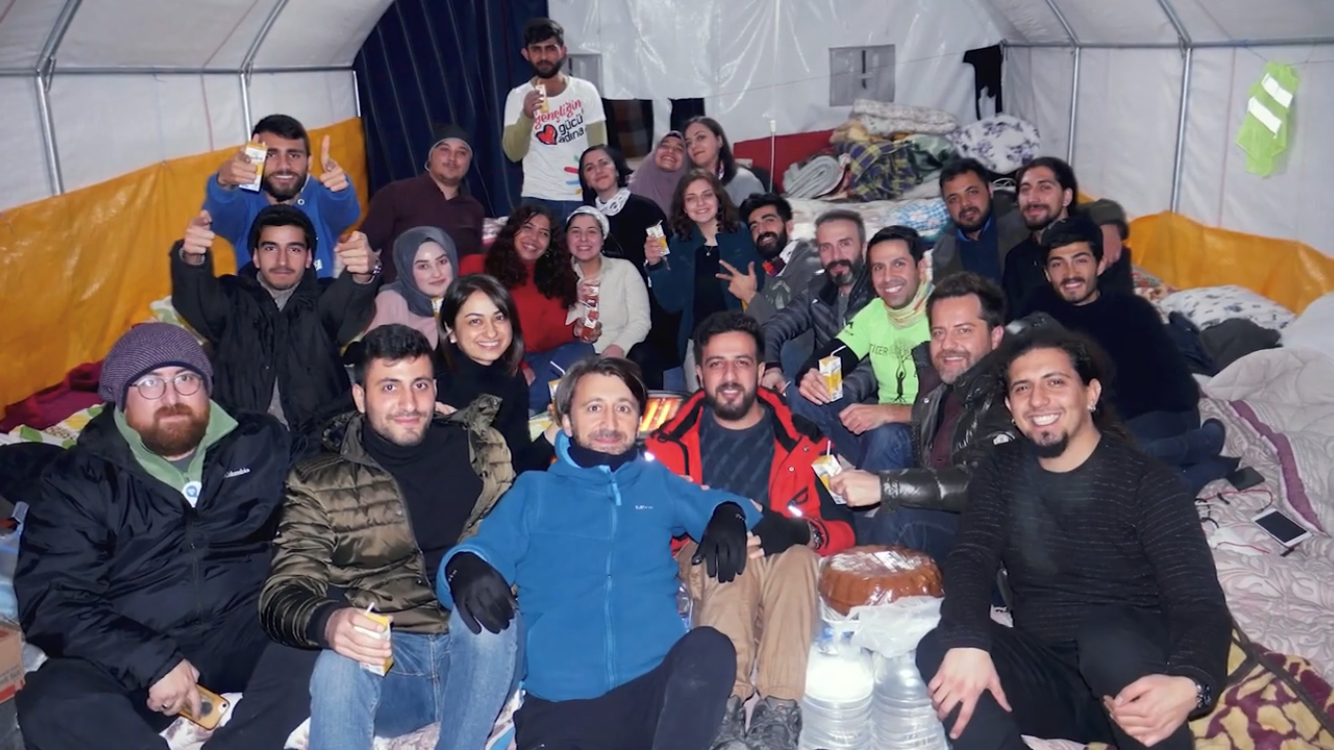
Without further ado, I’d like to share the video we prepared to mark the first anniversary of the Elazığ Earthquake. In this video, you can see what we did in Elazığ. I’ll be sharing some of the footage captured in the video elsewhere in this article.
Last year, around this time, I shared a blog post detailing how we established the Disaster Platform. You can read it at https://www.serhansuzer.com/tr/elazigda-bizim-stklar-tarih-yaziyor .
An abstract of the beginning
In this post, I briefly outlined the following and then provided many details about the beginning:
The Disaster Platform’s origins date back to the Elazığ Earthquake. Through both communication and chance encounters with some NGOs in Elazığ, we came together as a group of 8-10 NGOs.
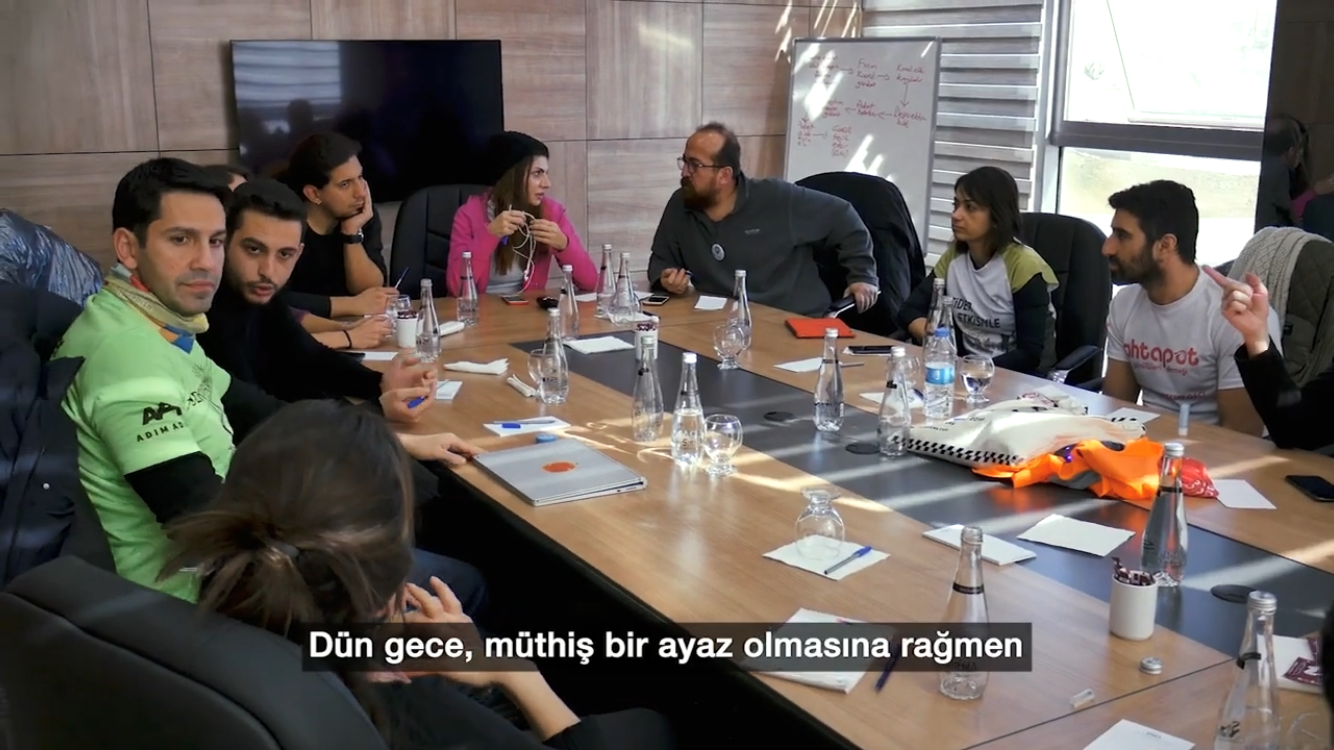
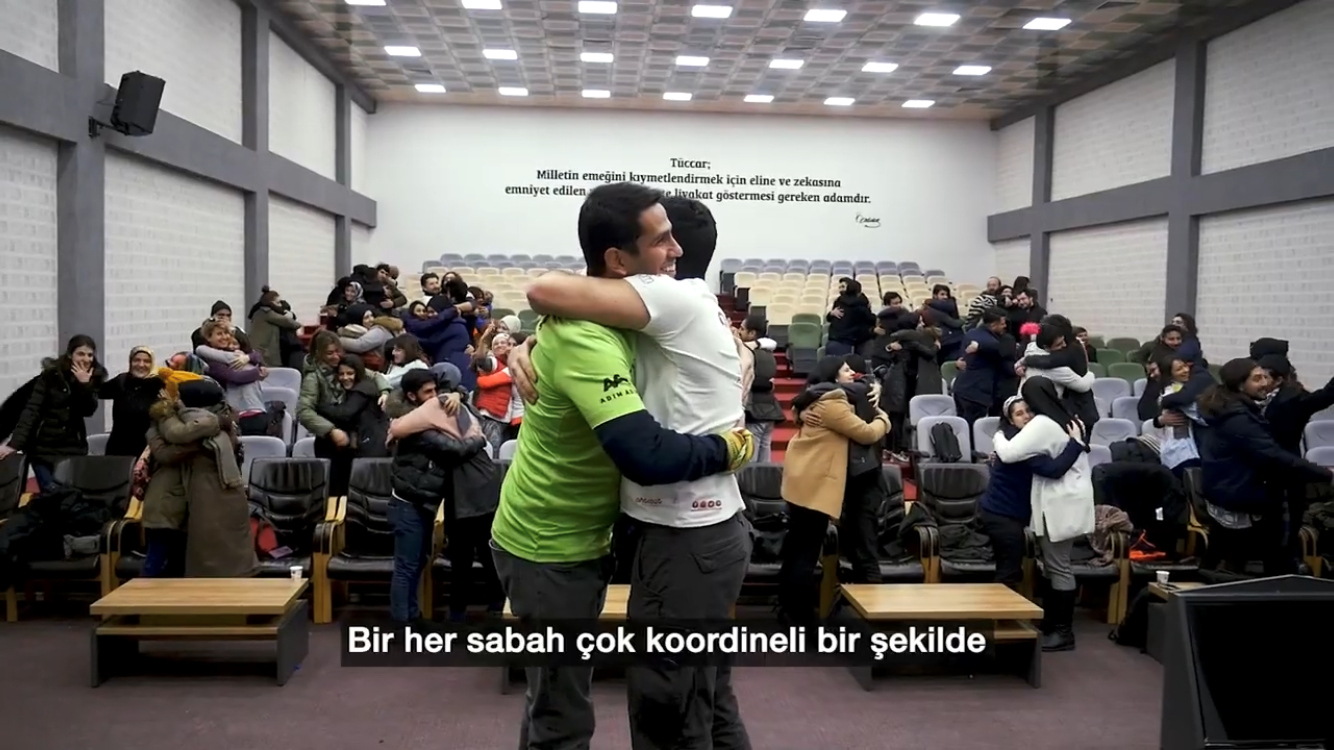
We first met amongst ourselves at the Elazığ Chamber of Commerce and decided to act together. The Chamber of Commerce supported us, opened their headquarters to us, and then provided us with a warehouse. Then we all went to meet with the Governor and the AFAD President. We were accepted, and we began working. We made a significant contribution to quickly overcoming the acute phase of the disaster in Elazığ.
Following this first article, I wrote another based on my experiences and observations in Elazığ, and the solution suggestions they prompted me to reconsider: https://www.serhansuzer.com/tr/deprem-degil-bina-oldurur
In this article, I listed the solution suggestions as follows and explained each item individually:
1) Resilient building solutions
2) New city designs
3) A true urban transformation
4) Engineer-contractors
5) Contemporary urban planning
6) Disaster training
7) The right building in the right place
8) Effective public initiative
9) Uncompromising inspections
10) Support for R&D should increase
11) Education is essential
After the Izmir earthquake, I quickly wrote an article from the earthquake zone titled “We are once again on duty in Izmir” and announced that the Disaster Platform had actively transitioned to disaster management: https://www.serhansuzer.com/tr/izmirde-bir-kez-daha-gorevimizin-basindayiz
After overcoming the acute phase in Izmir and completing the handover, I wrote another article about what we did during the Izmir Earthquake: https://www.serhansuzer.com/tr/afet-platformu-ve-izmir-depreminde-yaptiklarimiz”
Critical preparedness projects
In this article, I briefly touched on the structure of the disaster platform and mentioned our committees. In short, we have seven committees on our platform: Governance, Preparedness, Membership, External Relations, Resource Development, Communications, and Crisis Desk. I should also mention the Executive Board, which is run by the spokespersons of all these committees and the term spokesperson.
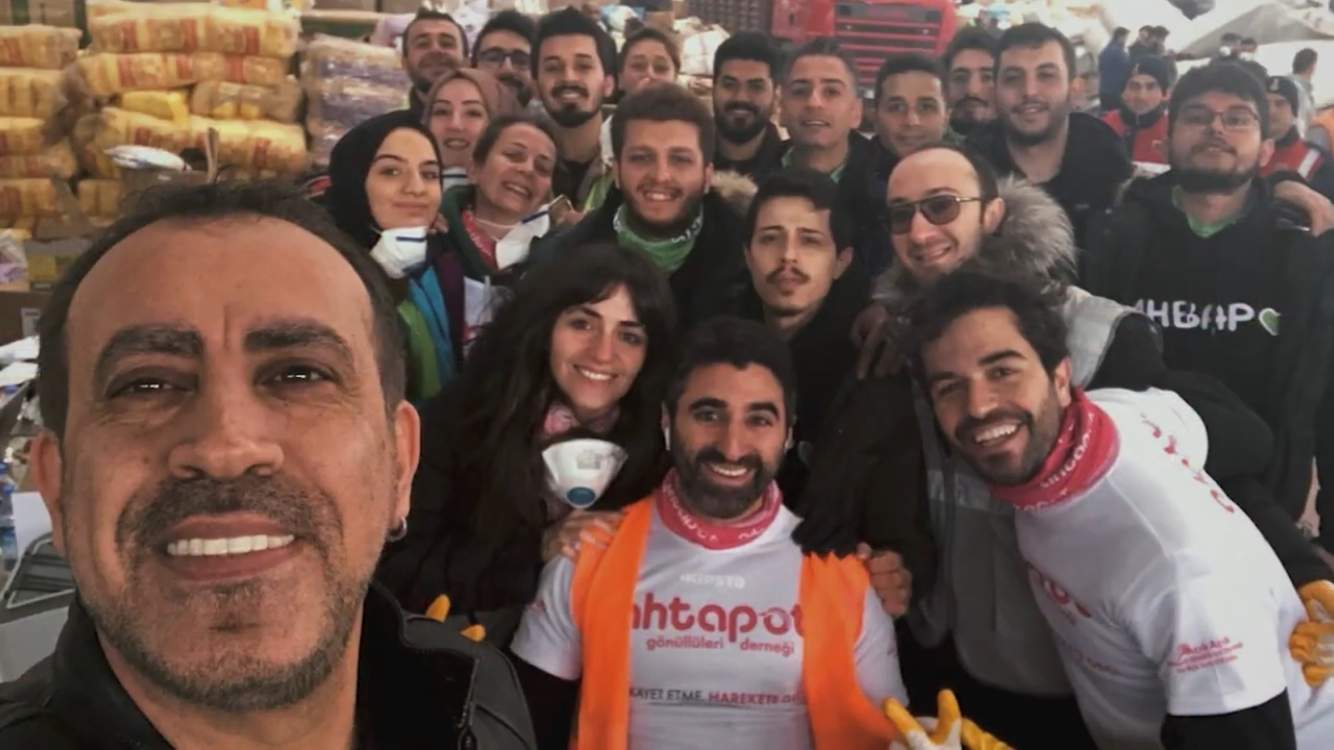
I can proudly announce that, in addition to our active disaster management efforts in Elazığ, Van, Edirne, Giresun, and Izmir since last year, we have initiated various preparedness projects. I’ve always said it, and I want to reiterate: Developing preparations during periods when we’re not actively managing disasters is crucial to minimize loss of life and property, as well as potential psychological distress. To this end, as the Disaster Platform, we’ve launched the following projects. I’d like to share their scopes with you:
PROJECTS AND THEIR SCOPE
- Disaster Action Plan
Determining all the details of the process from initial information gathering to handover of the established organization in the event of a disaster in any destination in Turkey, establishing all rules, and preparing protocols.
- Standardization and Capacity Building
Determining disaster management standards for NGOs operating in the search and rescue, needs assessment, humanitarian aid, and psychosocial support sectors, and ensuring that all NGOs operating within the Disaster Platform adhere to these standards. (This project is also linked to the capacity-building training projects for Platform members’ employees, in terms of identifying common themes. The Crisis Desk and Governance Committee are particularly focused on issues such as training volunteers on the platform’s common standards.)
- Risk and Risk Reduction Reports
Identifying disaster risks (earthquakes, floods, landslides, droughts, epidemics, etc.) by province in Turkey and reporting on the measures to be taken to reduce or eliminate these risks.
- First Response Teams Project
A social responsibility project based on the formation of local teams of twenty people each who will mobilize from the moment the earthquake ends in a potential disaster and provide first aid to affected individuals in their own neighborhoods until professional search and rescue teams arrive.
- Digital Tools
This software provides volunteers and organizations with all the up-to-date information they need to provide shelter, nutrition, treatment, and transportation for individuals and animals in need after a disaster, as well as displays confirmed areas (gathering areas, etc.) on a single map.
- Expert Network
This project proposes to integrate scientists, lawyers, and disaster-affected individuals working in the field of disasters into the platform’s stakeholders to benefit from their expertise and to maintain active communication. This project encompasses current assessments conducted through the Expert Network, disaster awareness campaigns, workshops, and public information. The expert component of this project could be expanded to include experts working on various disaster-related topics (meteorology, fault movements, energy systems, social services, medicine, etc.). Furthermore, based on the needs of the field and the platform, events could be held with experts in the network in a conversation format.
If we can realize these six crucial projects, we will have made significant strides in minimizing the negative impacts of disasters. I wholeheartedly thank all our NGO members of the Disaster Platform, who will implement the above projects and beyond, for all the extraordinary efforts they have made so far and will continue to make in the future.
We will continue to contribute to humanity, our homeland, and our nation. Our future is bright.
Tag: memoir