For instance, I discovered how significant the Basque culture, with roots in Spain, is to the Italian cowboys of Elko. And I can’t forget my encounter at the airport with a woman who was an astonishing 113 years old.
Back in September of last year, we hosted an official delegation from the state of Nevada, USA. I had previously visited the state for solar energy business, so I was the one who welcomed the delegation in Türkiye. It included Nevada’s Lieutenant Governor, the Deputy Mayor of one of its cities, a senior executive from the state’s energy company NV Energy, prominent lawyers and businessmen, and the president of the state’s Turkish American Association.
We had a very enjoyable time during this official visit. In Istanbul, we met with the Istanbul Chamber of Commerce (ITO), the Foreign Economic Relations Board (DEIK), the Turkish Exporters Assembly (TIM), and the Young Businessmen Association of Türkiye (TUGIAD). In Izmir, we visited the Governor’s Office (Governor Cahit Kıraç), the Metropolitan Municipality (Mayor Aziz Kocaoğlu), and the Izmir Chamber of Commerce.
One interesting memory from that trip took place during our visit to Governor Cahit Kıraç in Izmir. Not long after our nine-member delegation entered the governor’s office and started the conversation, the governor noticed his interpreter struggling a bit. He pointed to me and asked, “Would you mind doing the translation?” Without hesitation, I replied, “Of course.”
The governor didn’t know who I was—he probably assumed I was just a guide accompanying these important representatives from Nevada. Honestly, things like that never bother me. I began translating the conversation, and after about an hour-long meeting, we had identified several potential areas of collaboration between the state of Nevada and the city of Izmir. After expressing mutual interest in cooperating on these topics, members of the press were invited in. We took some photos together, and afterward, several officials from the governor’s office joined us for lunch to further discuss the Expo project in more detail.
To fulfill my promise of treating our American guests to lunch at KFC, we went together to the KFC restaurant in Konak Pier Mall in Izmir. We were welcomed by the regional and restaurant managers. A nice table had been reserved for us overlooking the magnificent Aegean Sea. Since we didn’t want to waste any time, the pre-selected meals started arriving at the table right away. One of the officials from the governor’s office remarked, “Wait, since when does KFC do table service?” prompting laughter from the other Turks in our group.
The woman who made the comment seemed puzzled by the reaction, and one of the Turks at the table explained the situation to her. She then exclaimed, “Oh my God, did we just have you do the translation?” I smiled and assured her not to worry—that I was totally fine with it and, on the contrary, happy to be of help.
After enjoying the delicious chicken from KFC Türkiye—one of the highest-standard KFC franchises in the world—we cheerfully made our way back to our hotel.
During the Istanbul leg of the visit, I was chatting one day with Joe, one of the delegation members, when he said, “You know, we have this festival called ‘Cowboy Poetry’ that we really enjoy.” When he added, “I’d love to invite you to it sometime,” I asked when it usually took place. He replied, “If I can make it work, I’d love to join you at the next one.” And he kept his word.
The festival, which is held at the end of January, coincided perfectly with the dates I was planning to be in the U.S. So, I managed to tack on a festival visit to the end of a business trip. For those who don’t know: Elko is a small city in northeastern Nevada.
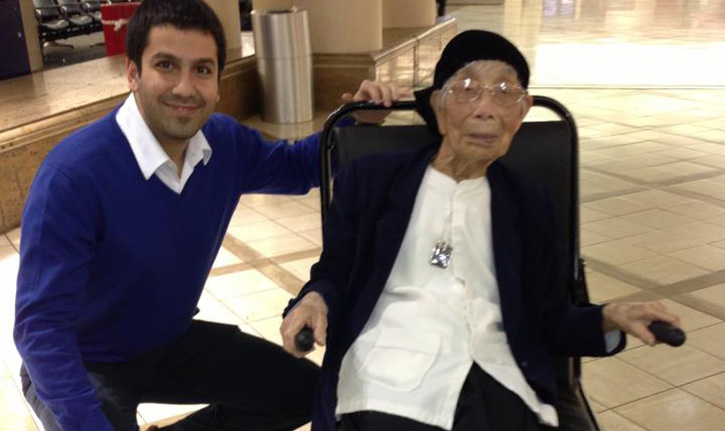
I arranged my flight route as Istanbul–Los Angeles–Las Vegas–Elko. At Los Angeles International Airport, I had yet another interesting encounter. Shortly after landing, I overheard people near the Las Vegas departure gate saying, “Can you believe it? This woman is 113 years old!” Naturally, my curiosity got the better of me, and I went over to meet this Vietnamese American woman.
After confirming what I’d heard, I told her I’d like to take a picture with her. She was sitting in a wheelchair, not reacting much, just nodding slightly. Her caretaker, standing next to her, said it would be fine to take a photo—and that’s how this photo came about:
Before boarding the plane, I ran into a prominent Turkish businesswoman who was traveling with her son (I’ll keep her name private). After greeting each other and exchanging a few words, we ended up on the same flight to Las Vegas. At the airport, we were welcomed by Ismail Onat, President of the local Turkish Association, and Attorney Joe Brown, who had invited me to Elko.
The distance between Elko and Las Vegas is 699 kilometers (about 435 miles). It takes roughly 6 hours and 45 minutes by car—since there are speed limits in the U.S.—or about 1 hour by plane. Fortunately, we flew to Elko on businessman Tito Tiberti’s private jet. After a smooth and comfortable flight, we landed in Elko.
To show a bit of Turkish hospitality, I opened a box of baklava I had brought from Türkiye. (Well, my father’s side is from Gaziantep, after all!) As we flew toward the cowboy town of Elko, we chatted with our American friends while enjoying authentic Gaziantep baklava. One topic led to another, and eventually the businessman who owned the plane said, “You had a president—I can’t recall if he was the president or the prime minister—in the 1980s. He was a bit heavyset and quite successful.”
I asked, “Do you mean Turgut Özal?”
“Yes! That’s him—Turgut Özal,” he replied. We then talked about both Turgut Özal and Ronald Reagan and compared those two leaders to today’s politicians.
When the plane landed, vehicles were already waiting for us at the private terminal. We drove to the Red Lion Hotel. After a short break at the hotel, we headed out for dinner at the Basque restaurant located inside the Star Hotel. You heard that right—we went to a Basque restaurant in the cowboy town of Elko.
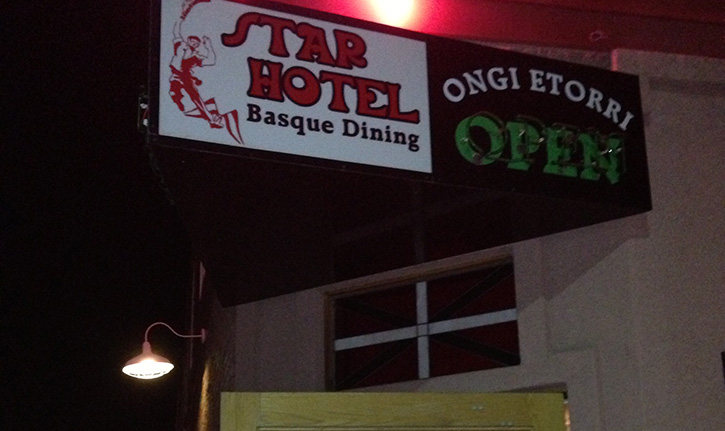
The entrance to the restaurant
Naturally, I asked, “What are the Basques doing here?” From what I learned, the Basques were among the first sailors to cross the Atlantic Ocean. In fact, some even claim they reached the American continent before Christopher Columbus. Originally from the Pyrenees Mountains, the Basques began settling in Latin America during the 15th and 16th centuries. Their journey to the western coast of California began during the Gold Rush in the 1850s.
When gold became harder to find, the Basques turned to other professions they knew well. They raised livestock—cattle and sheep—and established farms. From California, their journey across America continued eastward, and Elko became one of the places they settled.
The first Basque families arrived in Elko in the 1870s—one from France and another from Spain. In the 1890s, the Basque population began to grow significantly. Thanks to their expertise in shepherding, they came to be known as the founders of the sheep ranching industry in the United States. Over time, they became an essential part of the region’s social and economic fabric.
Below are two photos I took on the last day of my trip at the Northeastern Nevada Museum, showing exhibits related to the Basques:
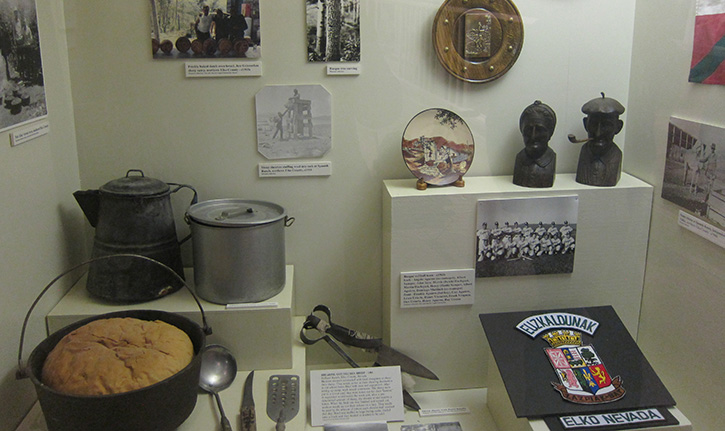
Exhibit on Basque life at the museum
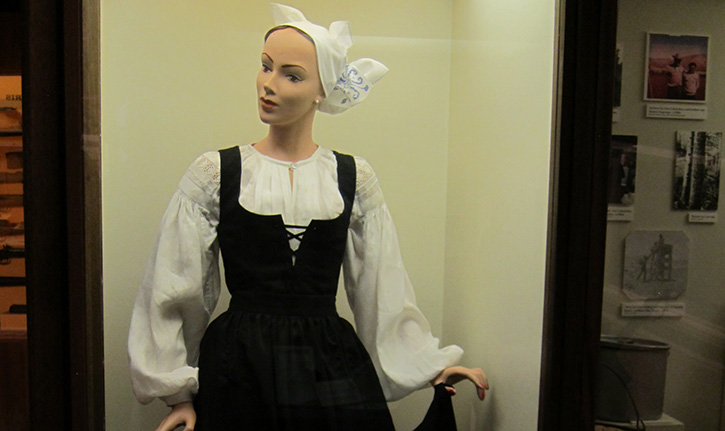
Display about a Basque woman who once lived in Elko
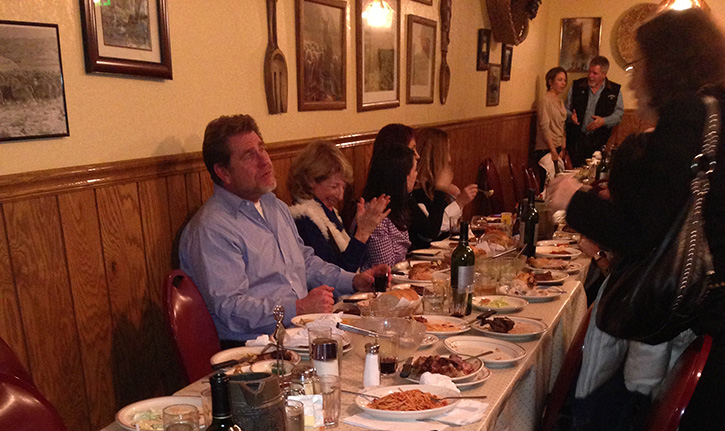
Our table inside the restaurant
As I enjoyed delicious Basque cuisine with a rather large group, I also found myself deep in conversation with the warm-hearted people of Nevada. The fact that I had come all the way—10,250 kilometers—from Istanbul to attend their local festival had clearly made them feel proud.
After enjoying a one-person performance filled with poetry and song, we returned to the hotel. Following a string of exhausting travels, dinner, and the evening show, I fell asleep as soon as my head hit the pillow.
The next morning, I woke up at 4:00 AM. I finished my daily tasks by 6:30, then went down to the gym for a workout. I did an hour of cardio (45 minutes running, 15 minutes on the step master). After returning to my room and taking a shower, I responded to messages, and around 9:00 AM, I went down for breakfast with Joe and his wife.
After a hearty breakfast, Joe and I headed straight to the famous cowboy store Capriola, just as we had planned. To participate in the cowboy festival in Elko, I needed a proper cowboy hat, boots, belt, and jeans. Other than my own jeans and shirt, I had no cowboy attire with me. I usually don’t enjoy shopping and always go in knowing exactly what I need. I was done in half an hour and ready to join the festival activities
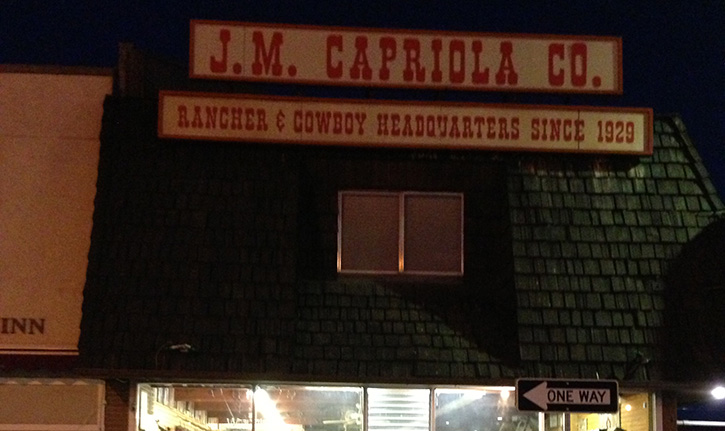
Capriola store, where I bought my cowboy outfit
The first event I attended was a poetic stand-up show by three old-generation cowboys, accompanied by music from Brenn Hill. You can find videos of this fantastic performance below:
https://www.youtube.com/watch?v=cy9HI1zEAEs
https://www.youtube.com/watch?v=EBWor0jBitM
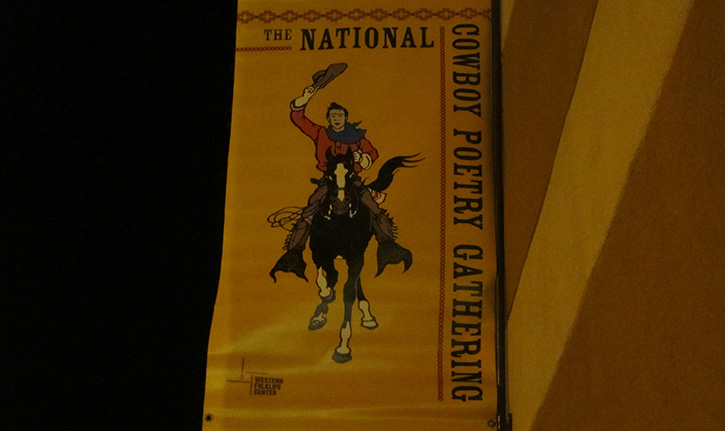
Toward the evening, I went to the Western Folklife Center, the heart of the festival. Designed as an appropriate cowboy venue, the center featured an exhibition hall, shop, bar, and concert area.
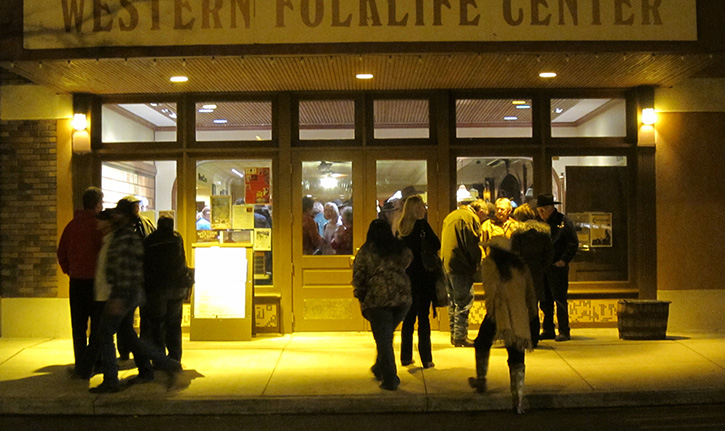
Exterior view of the Western Folklife Center
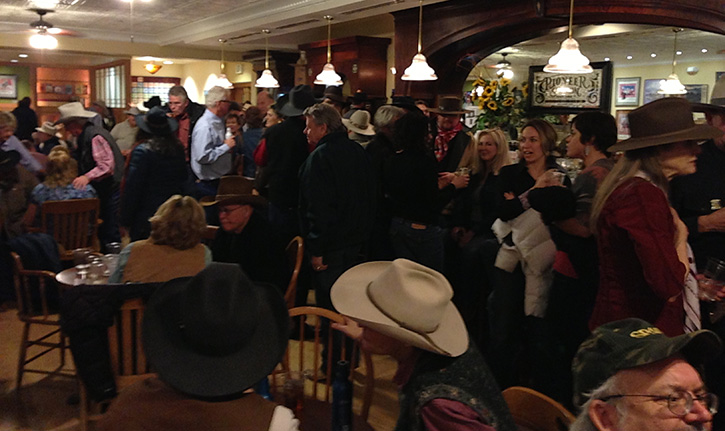
A cheerful conversation at the Western Folklife Center
As soon as we entered the Western Folklife Center, Joe said, “Come on, let’s check out that exhibit.” He had mentioned it before—the Italian Cowboys exhibition—and I must say, it truly surprised me. The exhibit included images, showcases, and sketches about Italian cowboys, the journeys of Italian American families in Nevada, and the story of “blue jeans.”
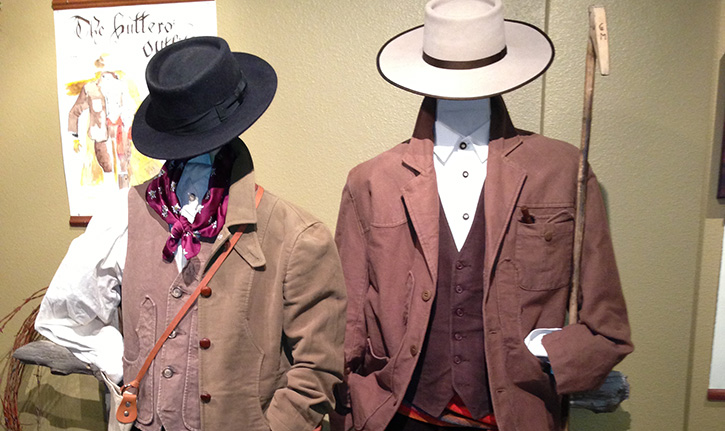
Italian cowboy outfits
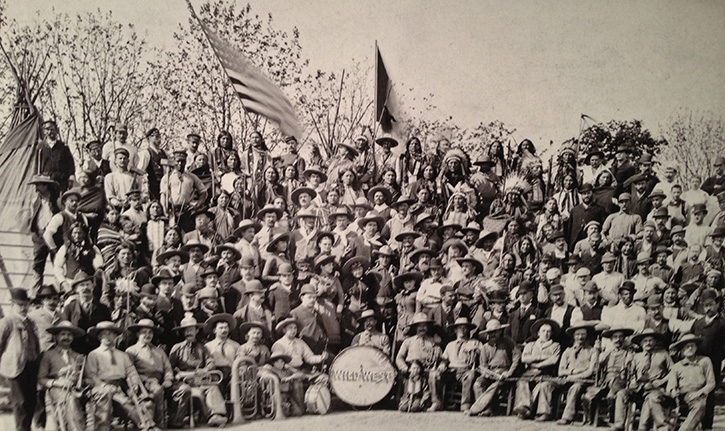
American and Italian cowboys together with Native Americans
By the way, Italians call their cowboys “buttero” (plural: butteri). Americans, on the other hand, refer to Italian cowboys as “buckeroo.” According to Joe, buckeroo was originally a nickname for Mexican cowboys. It’s a derivative of the Spanish word “vaquero” (which means cowboy in Spanish), mispronounced by Americans who struggled with the original term.
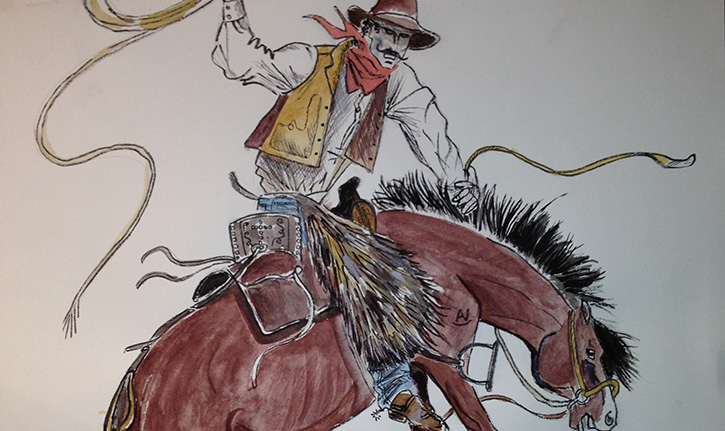
TheButtero
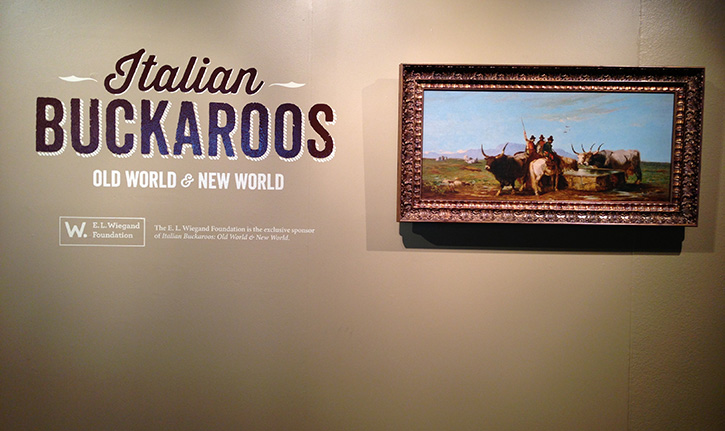
The Italian Buckaroos
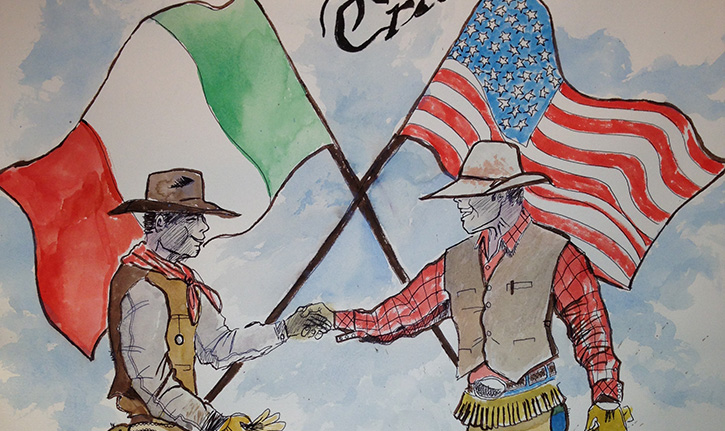
A sketch depicting both Italian and American cowboys together
I also came across skits portraying European and Italian cowboys.
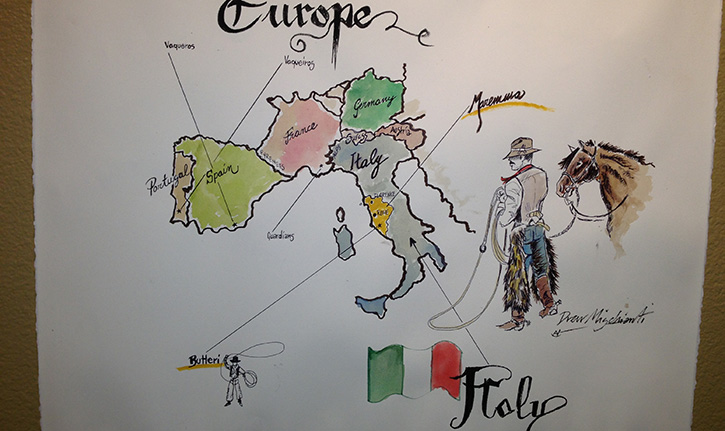
A skit depicting European cowboys
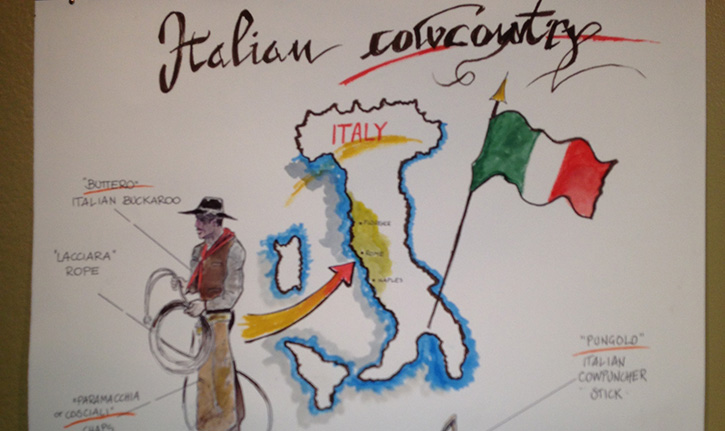
A skit portraying Italian cowboys
One of the most enjoyable parts of this exhibit for me was the photographs of Natalia Estrada. Natalia had recently compiled the photos she had taken of ranches and rural life into a book titled Horsepower. Her work has also been featured in major industry publications like Western Horseman and Cowboy Magazine.
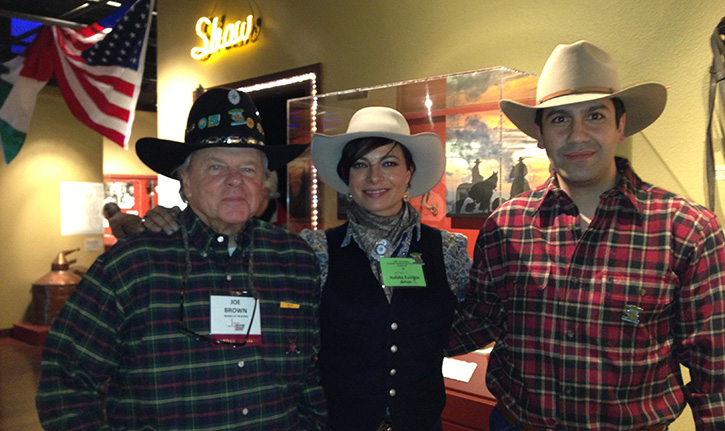
From left to right: Joe, Natalia, and me
And here are some samples from Natalia’s photo exhibition on Italian cowboys:
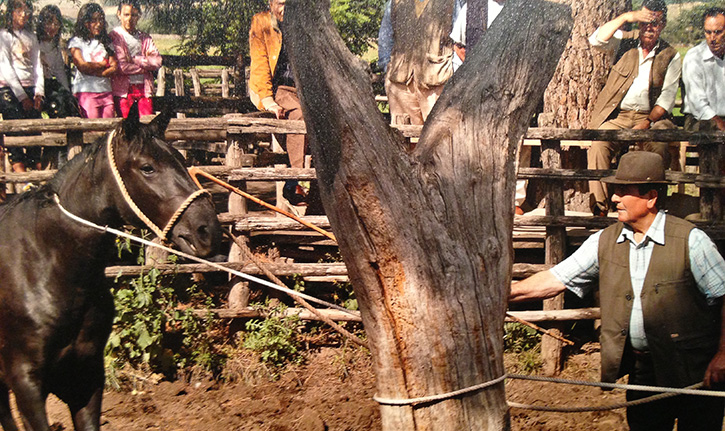
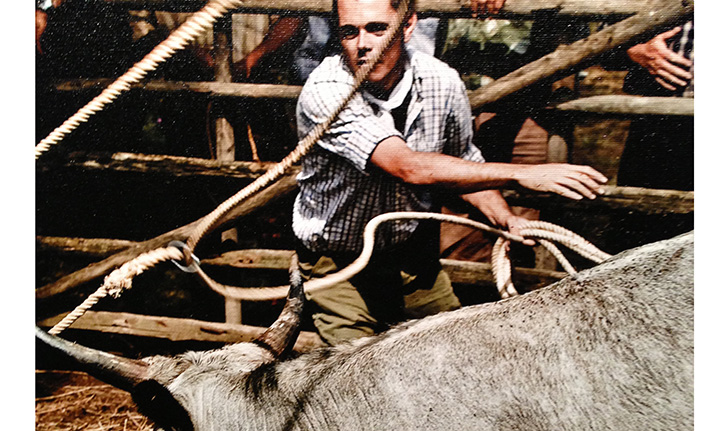
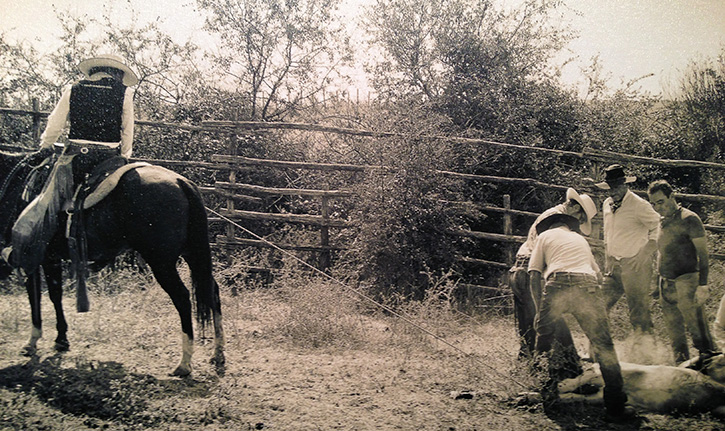
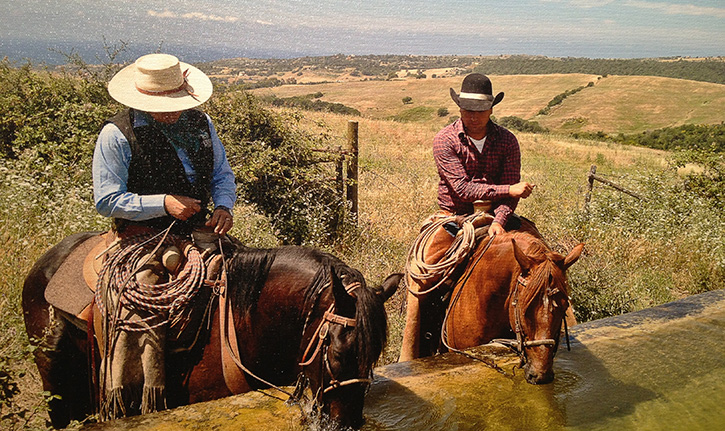
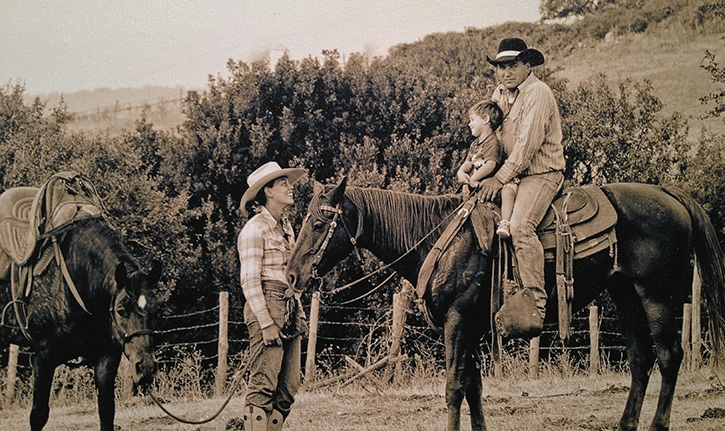
When I first met Natalia, my initial impression was that she was a professional Italian photographer who was very good at her job. As you can see above, the photos she had taken were truly beautiful and captivating. During our conversation, I learned that she was actually Spanish by origin (we spoke in both English and Spanish), and had once been a well-known TV presenter, professional dancer, and actress in Italy. She had also been in a relationship with Paolo Berlusconi, the brother of former Italian Prime Minister Silvio Berlusconi, for a while. These days, she lives a quiet farm life in the Italian countryside with her husband. I found it quite fascinating that she chose such a lifestyle after experiencing so much glamour. But I’ve always admired people who know what they want in life and aren’t afraid to make bold changes when necessary.
Another part of the exhibit that caught my attention was the story of denim jeans. According to what was explained at the exhibit, jeans were first produced in the Italian city of Genoa. They were created because sailors at the time needed durable trousers. The fabric was made in the textile town of Chieri and dyed blue in Nîmes, France. In other words, long before denim became a staple of American cowboys, it was already being worn by Italian cowboys.
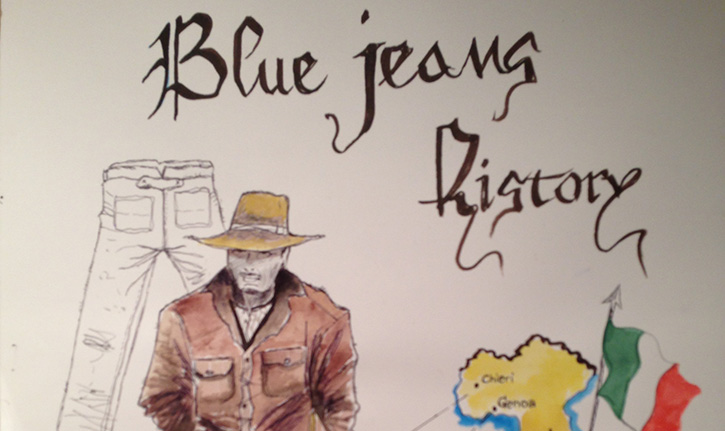
A skit depicting the history of jeans
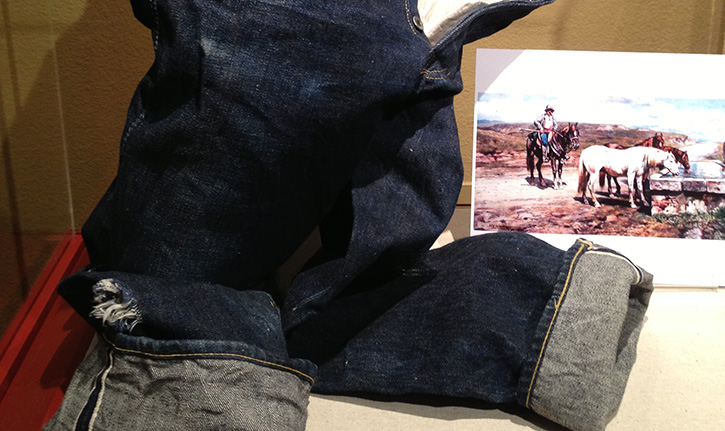
A pair of Levi’s from 1910
Purchased from the general merchandise store Anacabe’s in Elko.
After thoroughly exploring the exhibit, I stepped into the adjacent shop and bought a festival poster. Then I joined my friends next door, where we chatted for a while and listened to traditional Italian cowboy music. Afterward, we headed to another Basque restaurant called Biltoki for dinner.
🎵 Traditional music of Italian cowboys
Our time at Biltoki was filled with joyful conversations, great food, poetry, and songs. Once again, people found it intriguing that there was a Turk among them. At Joe’s suggestion, the roughly forty people at the dinner decided to give me a cowboy name. After several ideas were thrown around, they first settled on Bronco (wild horse), and eventually on Bronco Twister (wild horse tamer). And just like that, I became known in Elko as “Serhan, the Turkish Cowboy, Bronco Twister.” Here are a few photos and videos from our evening at Biltoki:
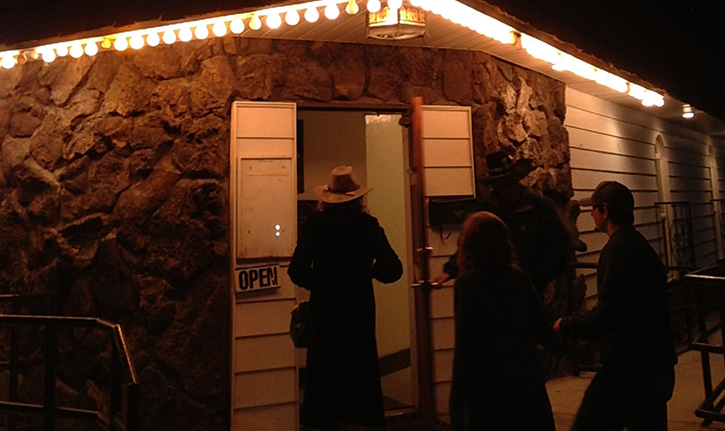
Entrance of Biltoki Restaurant
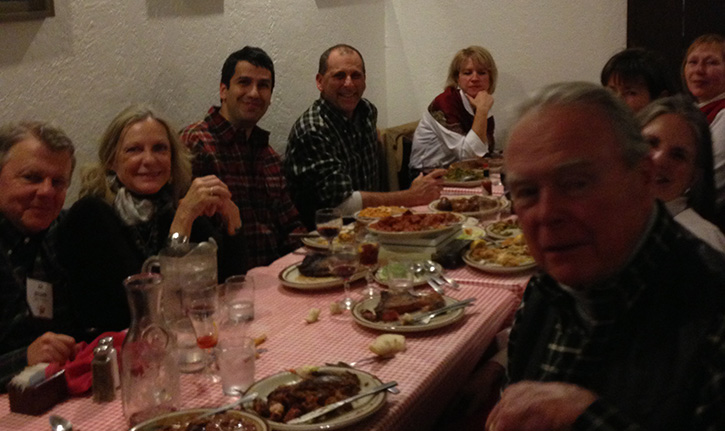
Dining at Biltoki
🎥 Poetic musical performance at Biltoki
🎥 Excerpt from a trio poetry performance at Biltoki
After Biltoki, we went to watch another performance—this time a Western Country music show featuring artists from two neighboring countries: Canada and Mexico. The country musicians from both nations put on a fantastic concert.
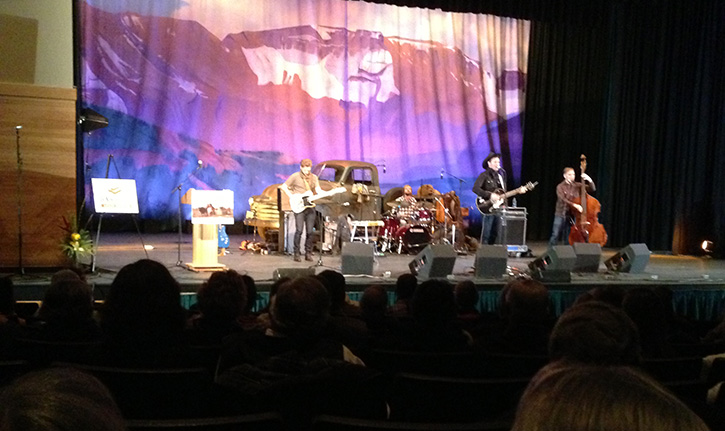
🎵 Canadian country music performance
🎵 Mexican country music performance
After this wonderful musical treat, we planned a different program for the next day (Saturday). First, we stopped by the Elko Convention Center. Then, nearby, I witnessed a Native American protest dance. From what I was told, the dance was performed in support of a Native American tribe based in Canada. Here’s a glimpse of their protest dance as they moved in a circle, each with their own unique rhythm and style:
🎥 Native American protest dance
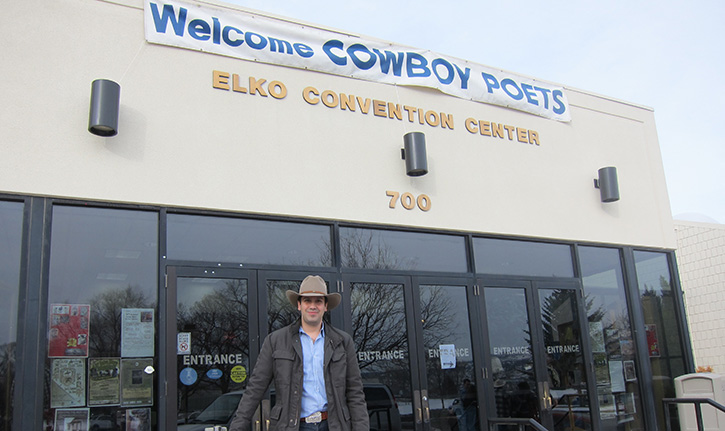
At the entrance of the Elko Convention Center
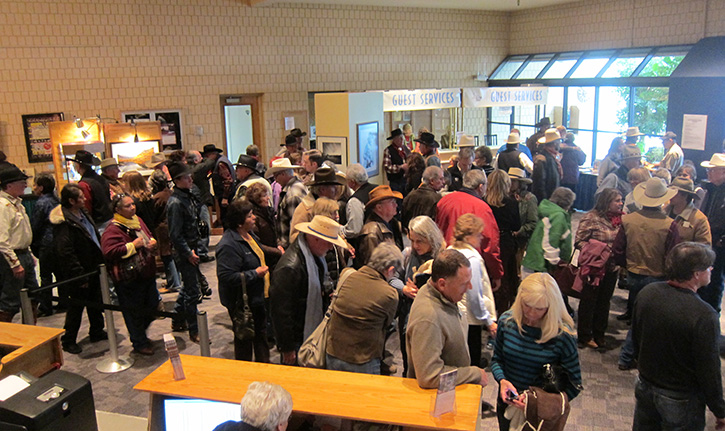
Leaving the Elko Convention Center
Afterward, I visited the Northeastern Nevada Museum to learn more about the state of Nevada.
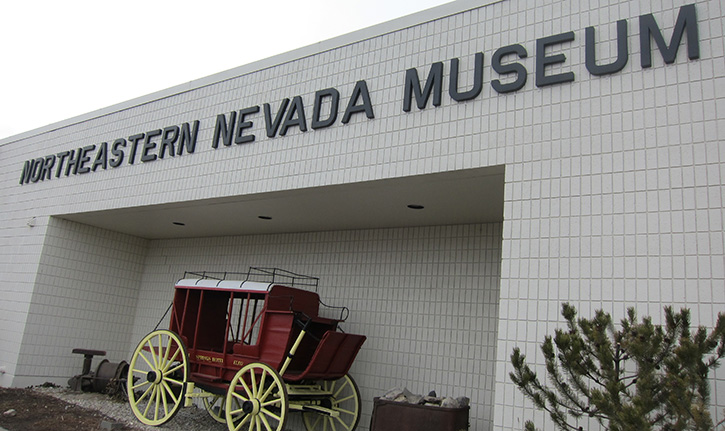
Entrance to the Museum
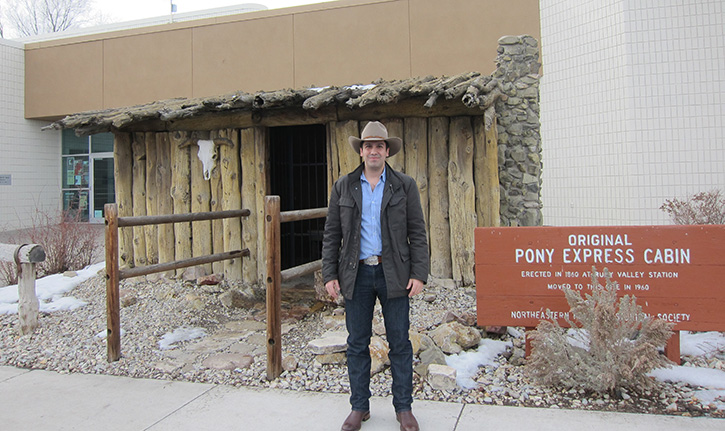
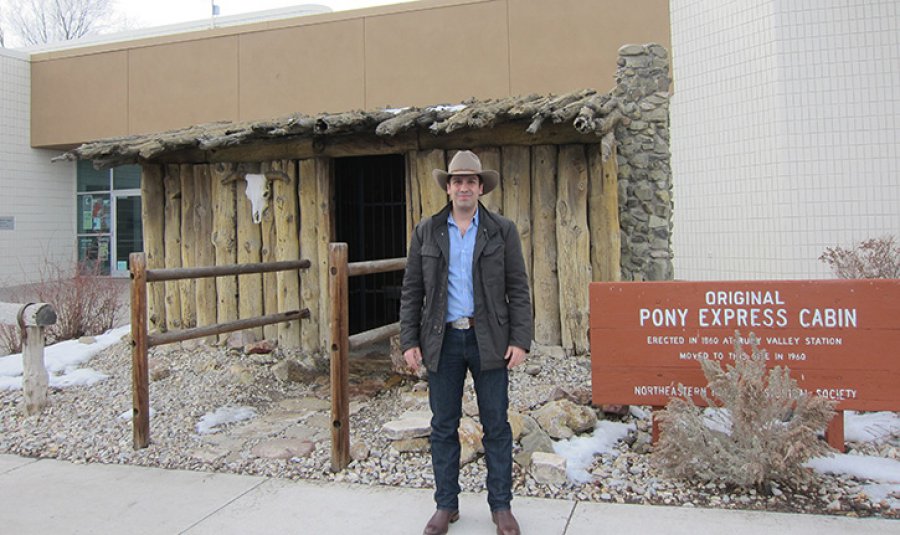
Me in front of the house at the museum entrance
I’d also like to share with you some of the photos I took inside the museum:
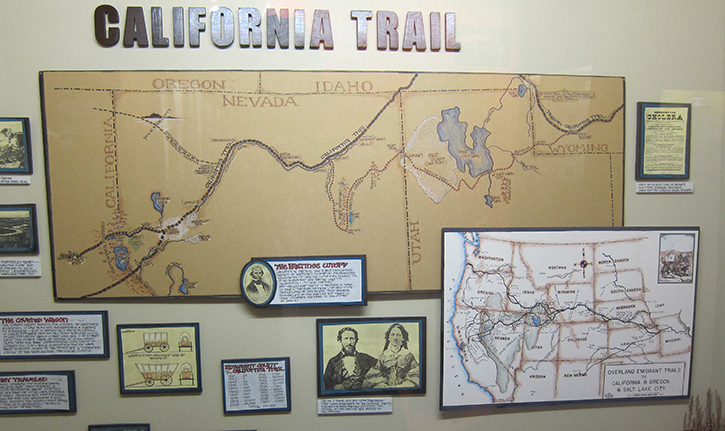
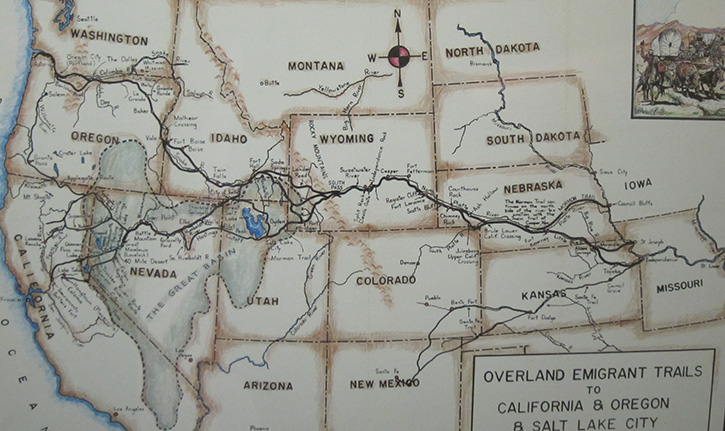
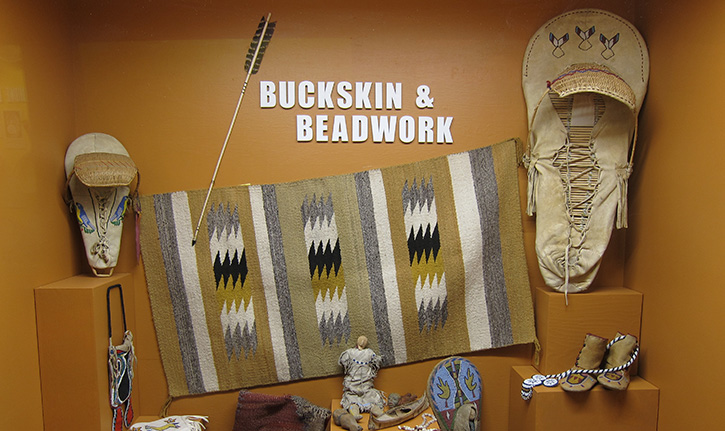
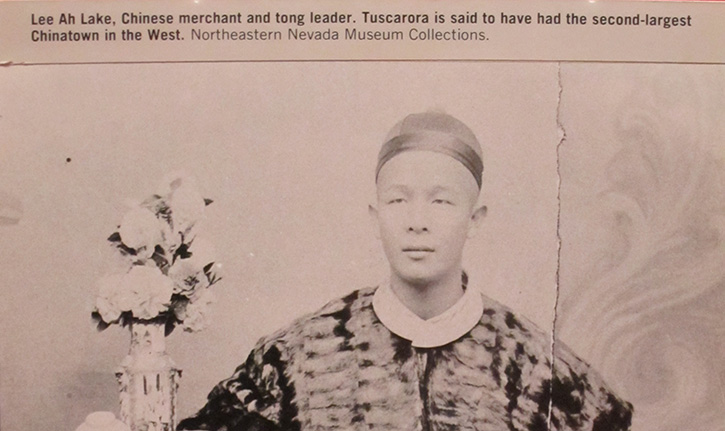
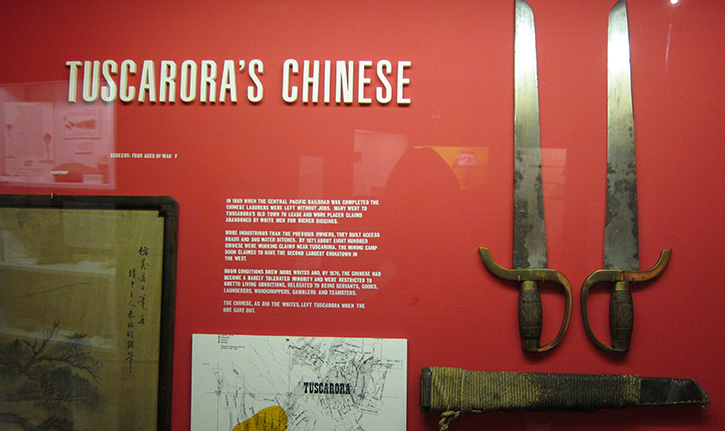
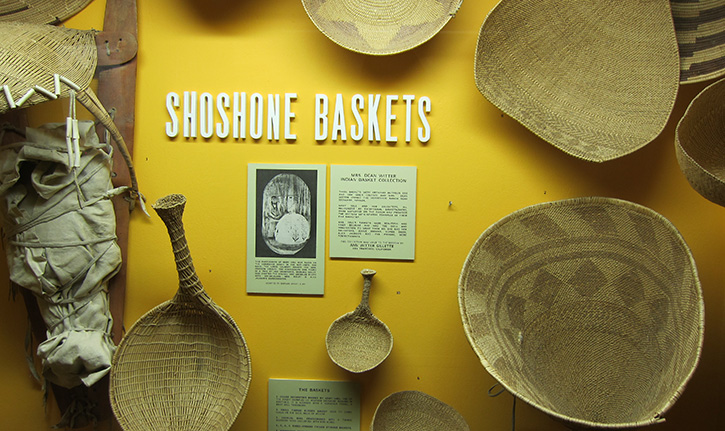
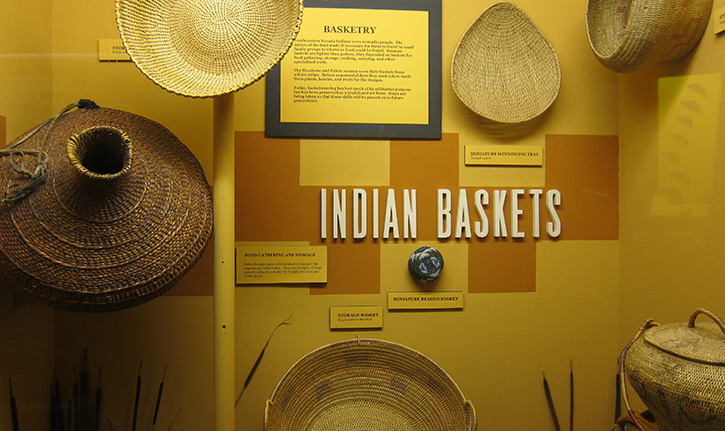
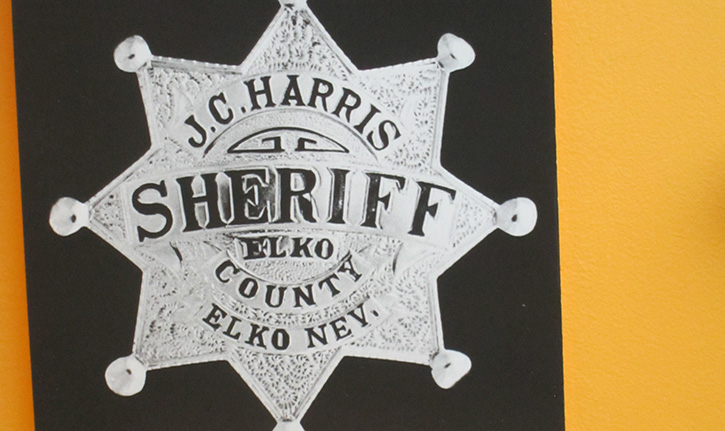
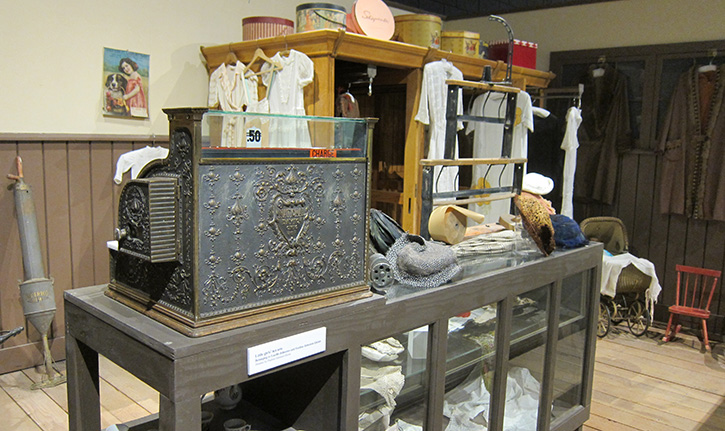
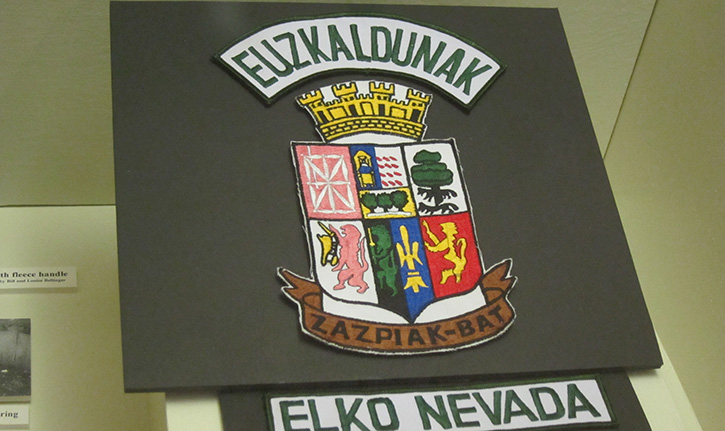
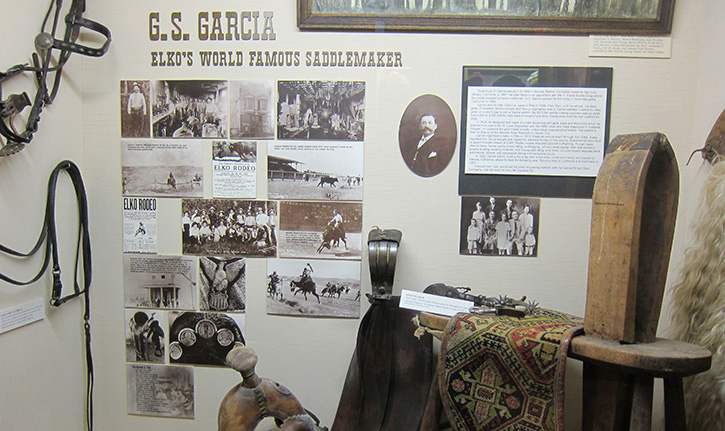
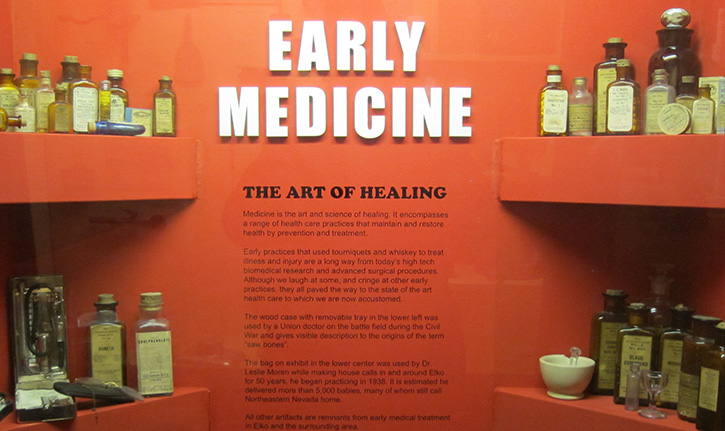
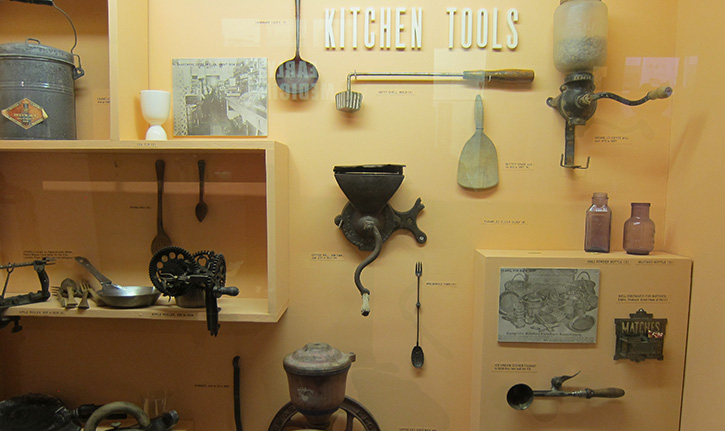
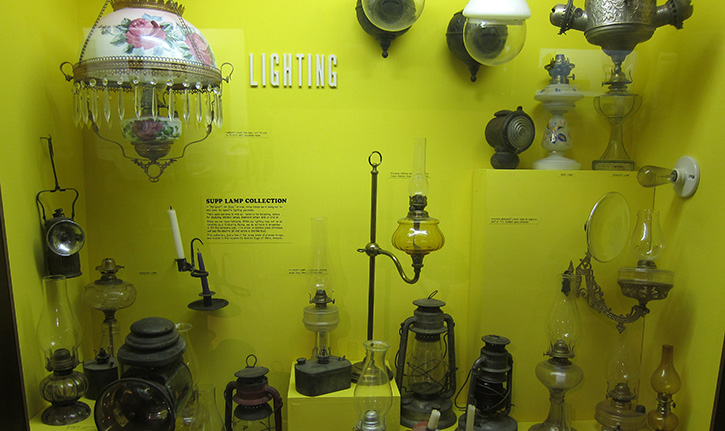
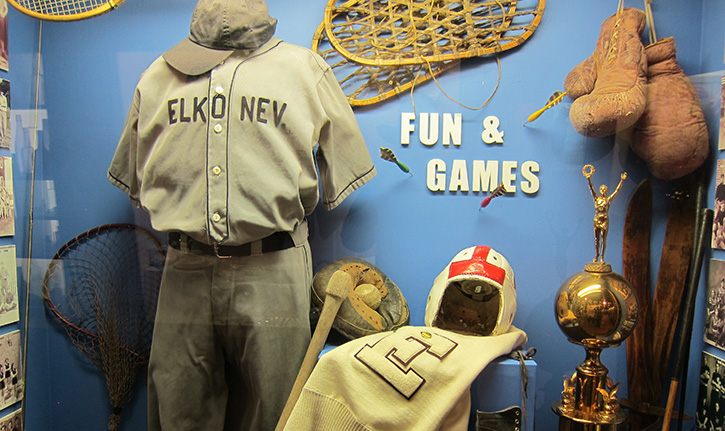
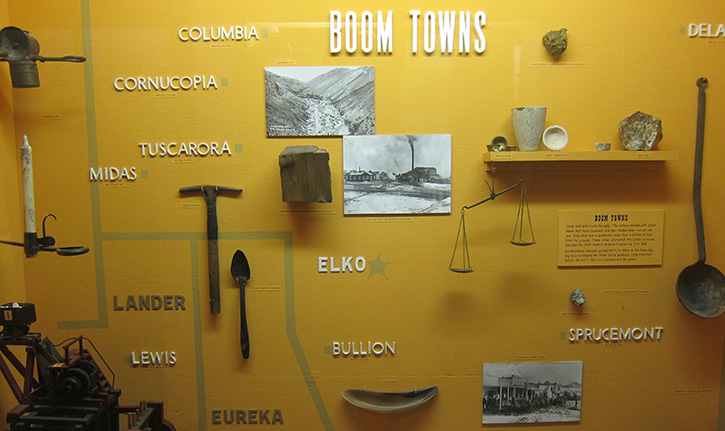
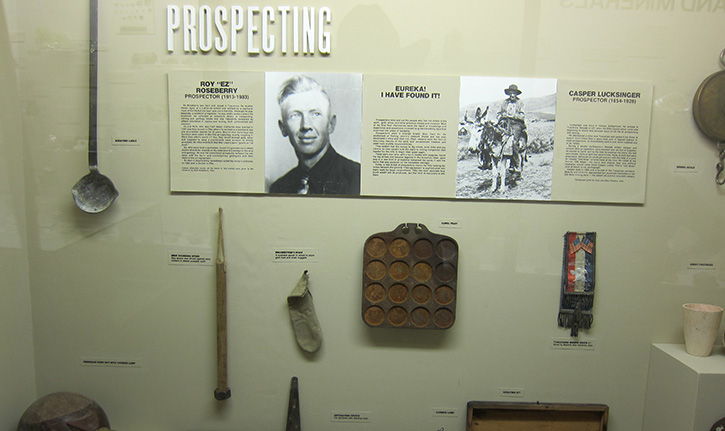
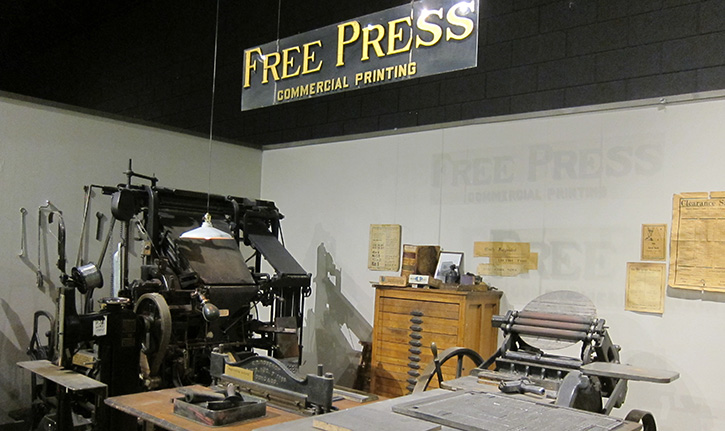
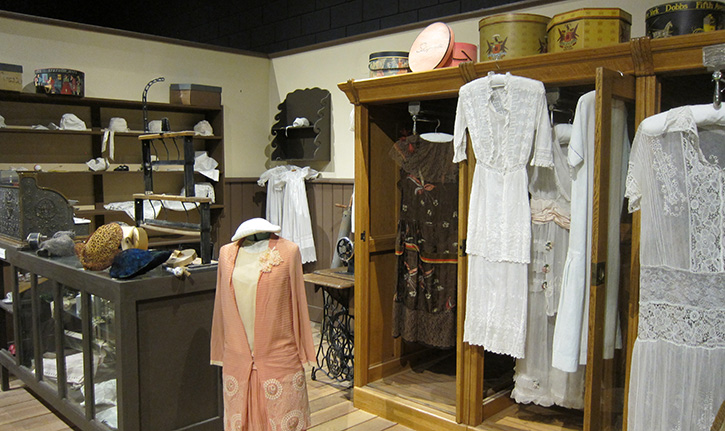
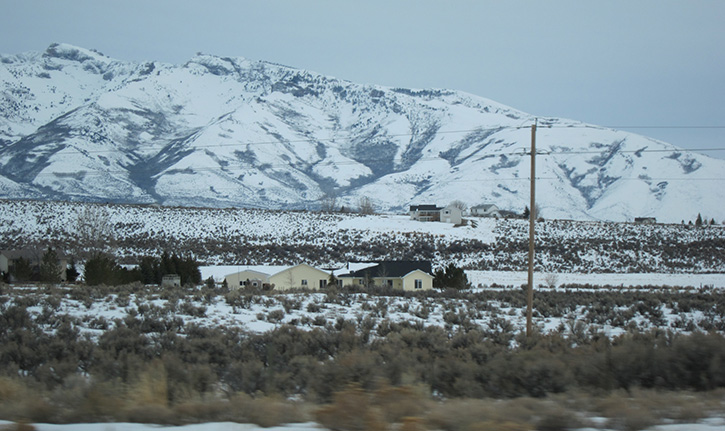
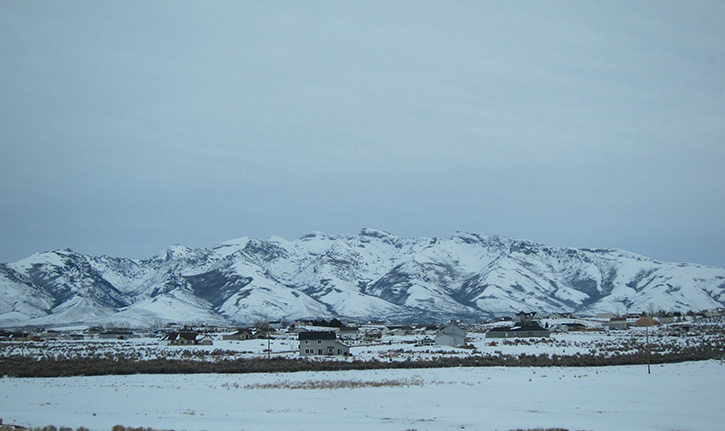
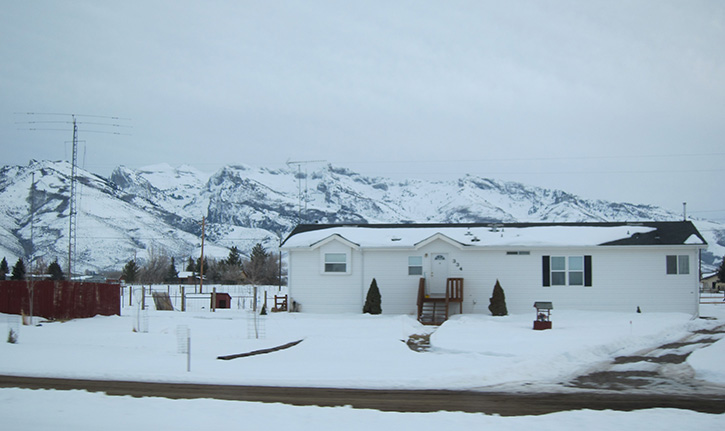
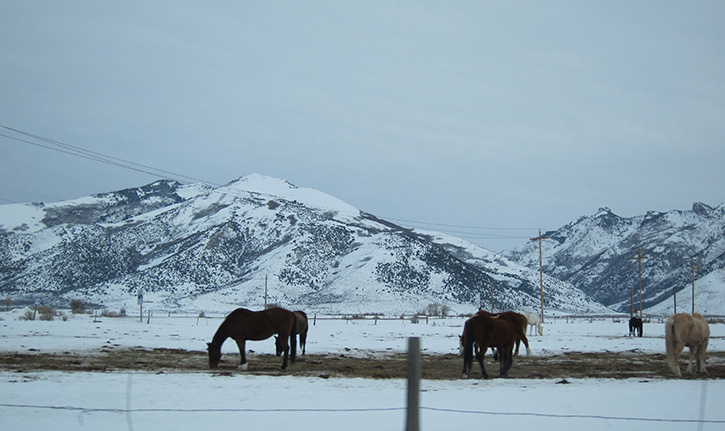
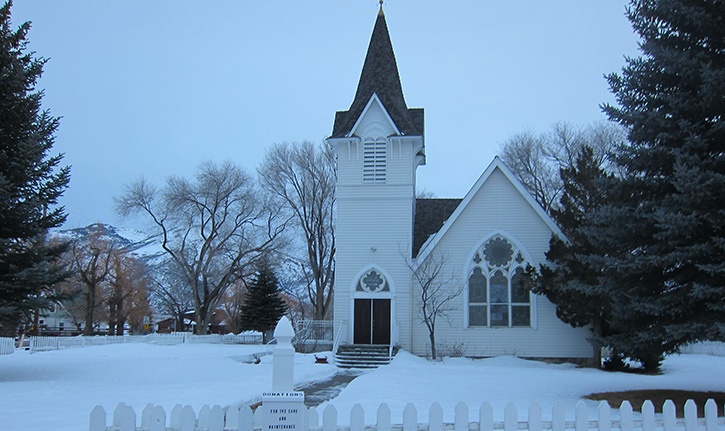
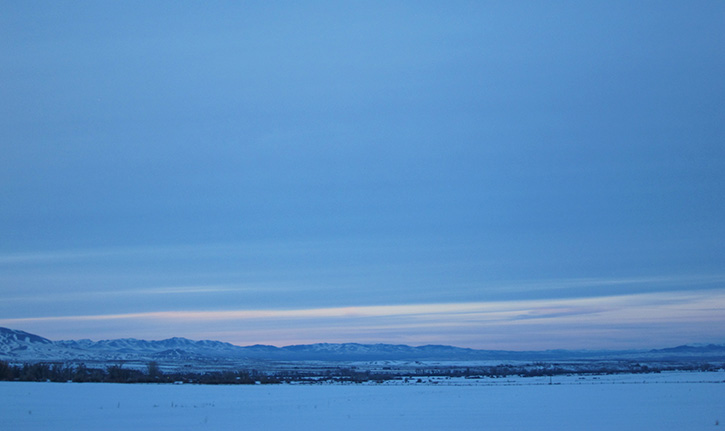
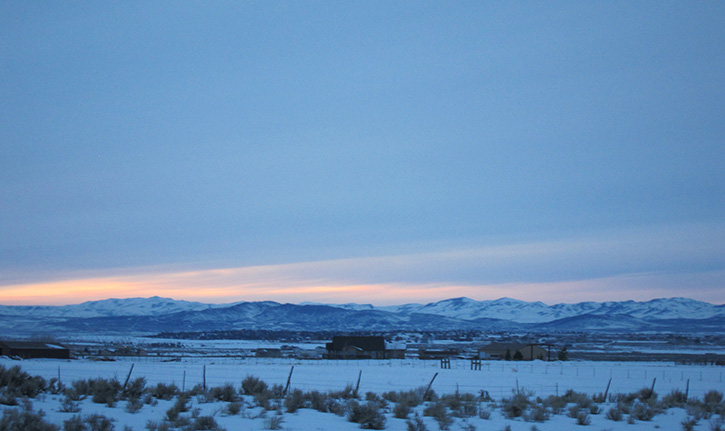
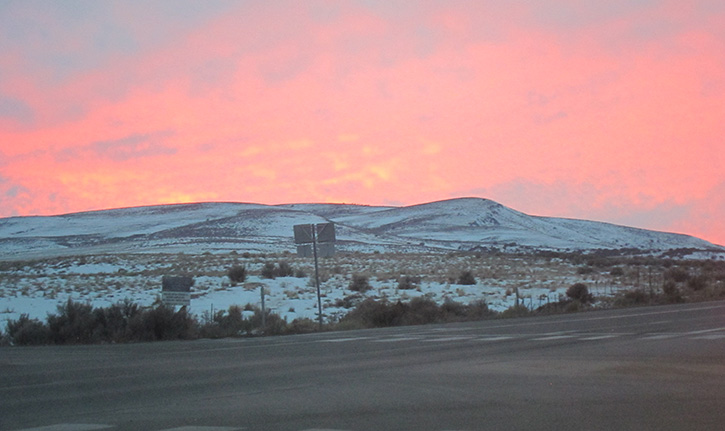
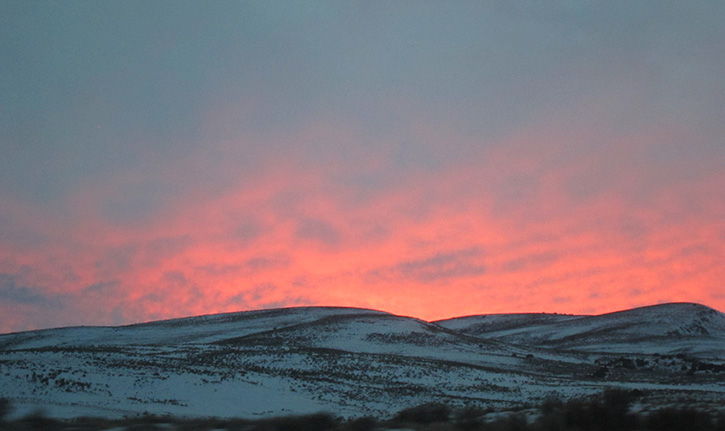
After leaving the museum, Joe said, “I want to show you the mountains here, too.” We headed to the famous Ruby Mountains in Elko with some friends. Here are some pictures I took along the way:
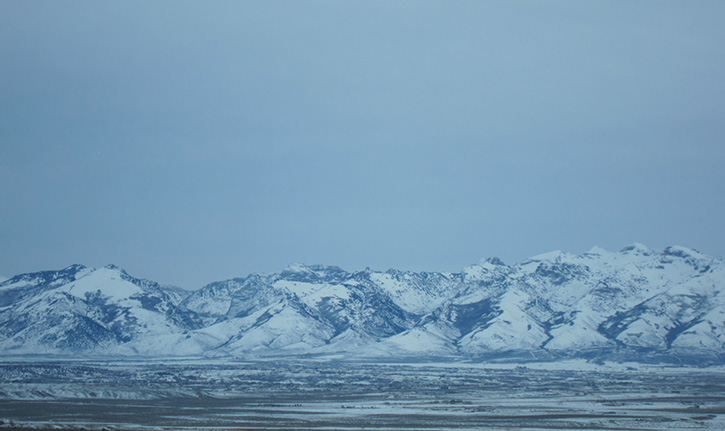
After arriving in Elko, a small town nestled in the Ruby Mountains, he took me to Reds, a heli-skiing ranch (where a helicopter drops skiers off at the top of the mountain, and then the skiers glide down). As I’ve mentioned before, skiing is a serious passion of mine. When I arrived, I thought, “How great it would be to strap on a pair of skis and head up the mountain!” Here are some photos from the ranch:
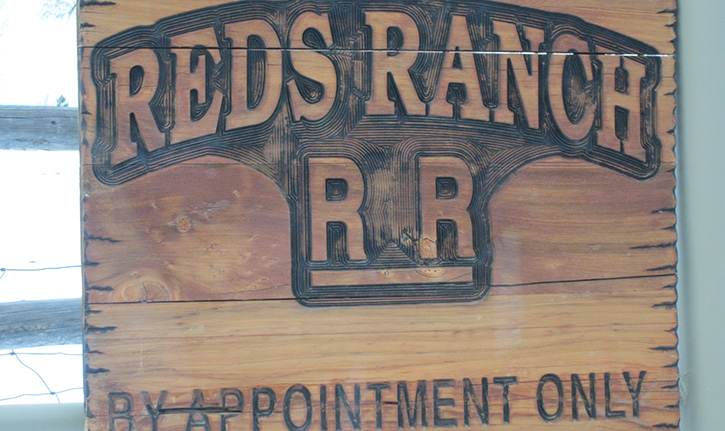
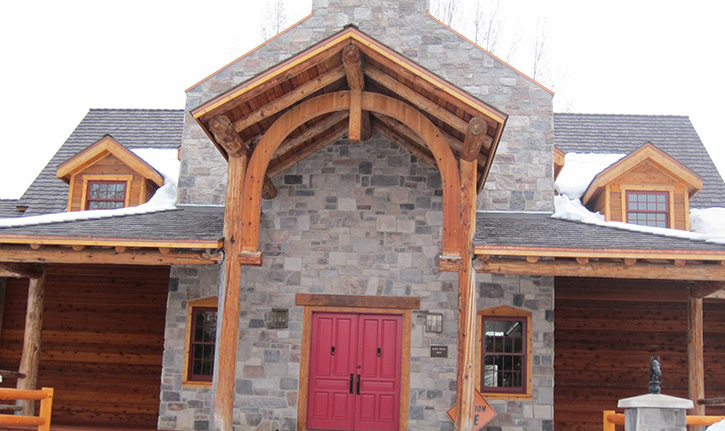
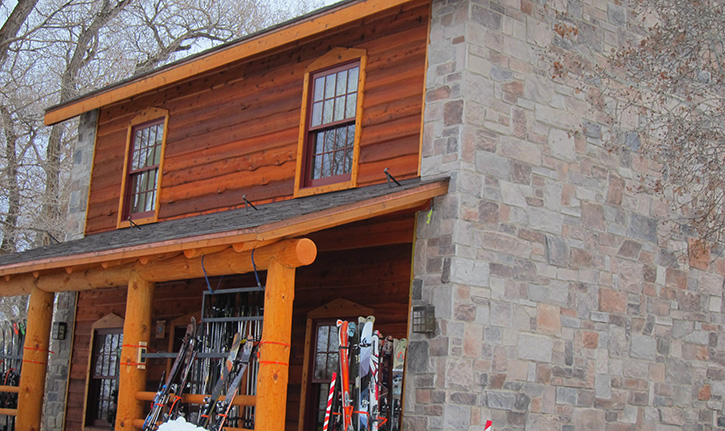
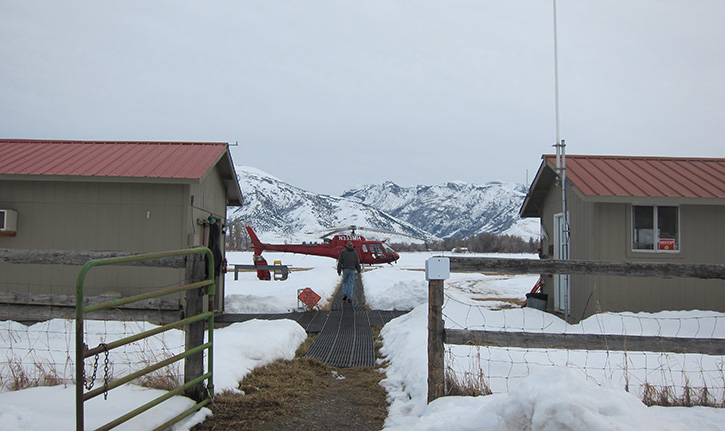
In fact, after leaving this Reds Ranch, I said to Joe, “If I ever come to Elko again, I definitely want to dedicate two days to heli-skiing.” After grabbing a drink at the Pine Lodge next to Hotel Lamoille, we set off on our way back.
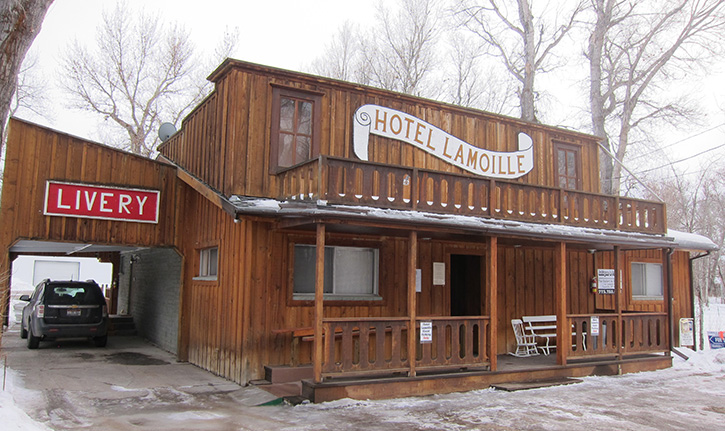
Hotel Lamoille
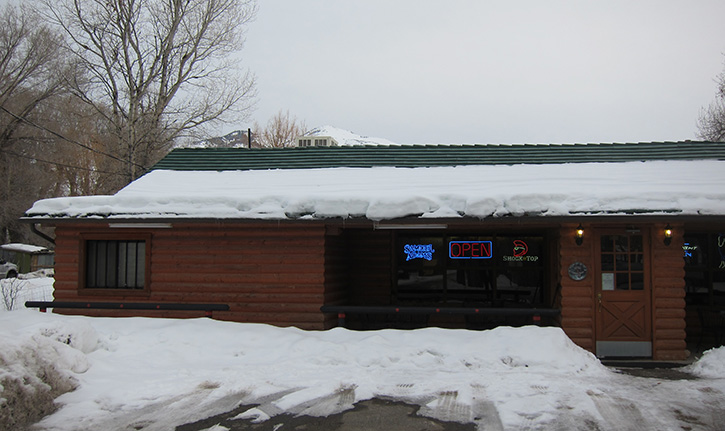
Pine Lodge
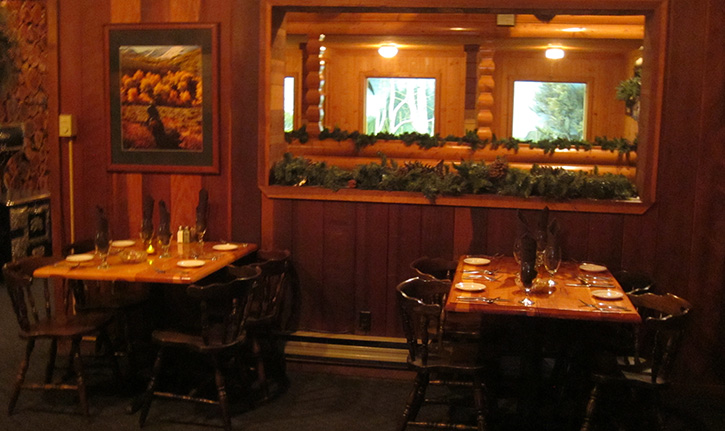
The restaurant section of Pine Lodge
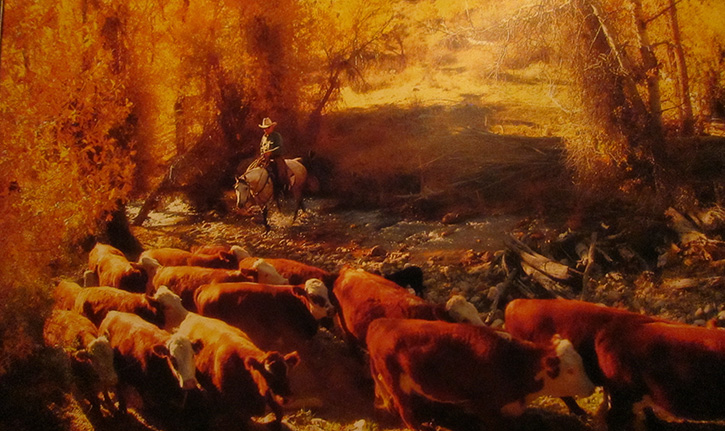
A beautiful picture at Pine Lodge
In the evening, we went one last time to the Basque Restaurant inside the Star Hotel. There, I met Brenn Hill, a pioneer of the new generation of country music whose performance I had also enjoyed. Brenn, who was quite famous in the country music scene, was a humble, down-to-earth, and patriotic person, unlike the pompous pop stars. After taking the picture below, he sat across from me at the dinner table. Throughout the meal, we chatted enthusiastically about a wide range of topics, from the universality of music to American foreign policy, from Türkiye’s geopolitical importance to the possibility of performing in our region.
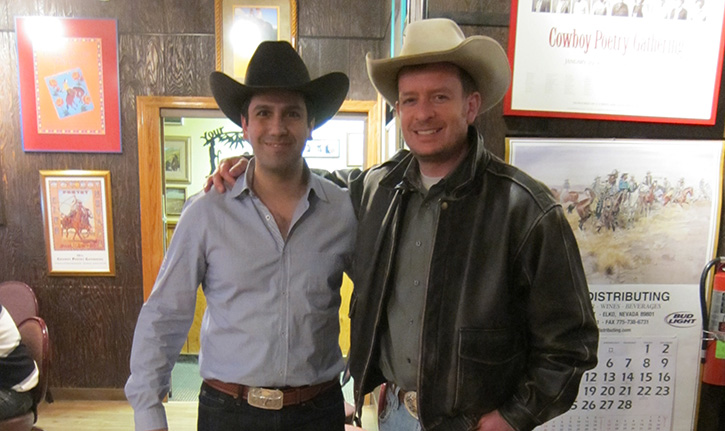
My picture with Brenn Hill.
Afterwards, we joined the festivities at the Western Folklife Center.
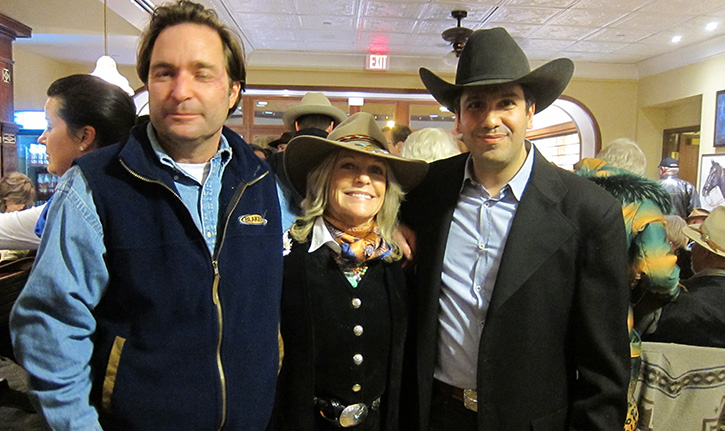
Sunny, Joe’s wife Pam and me
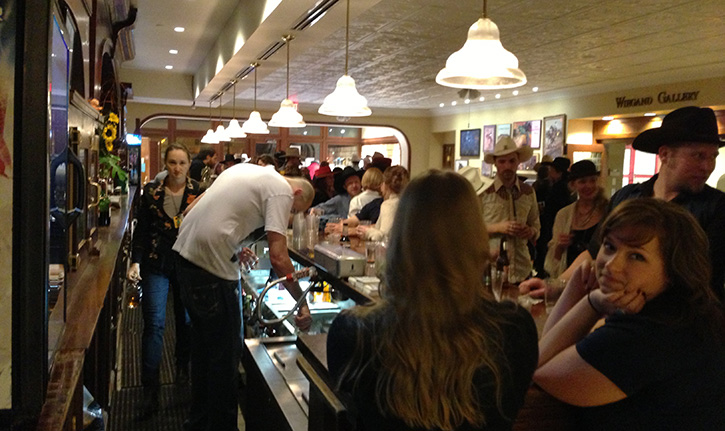
After enjoying Tom Russell’s blend of stand-up comedy and concert that evening, our space transformed into a massive dance floor. After the show, a lively conversation ensued among our friends. We even listened to a harmonica recital during the conversation.
https://www.youtube.com/watch?v=PHJlX__Tg_8
While a friend was giving us a harmonica recital at a table, I approached Tom Russell, who was performing the concert, and introduced myself. Naturally, he was quite surprised that I had come all the way from Türkiye to listen to him. After a pleasant conversation, he signed his CD, “Turkish Cowboy Serhan,” as you can see in the picture below, and presented it to me.
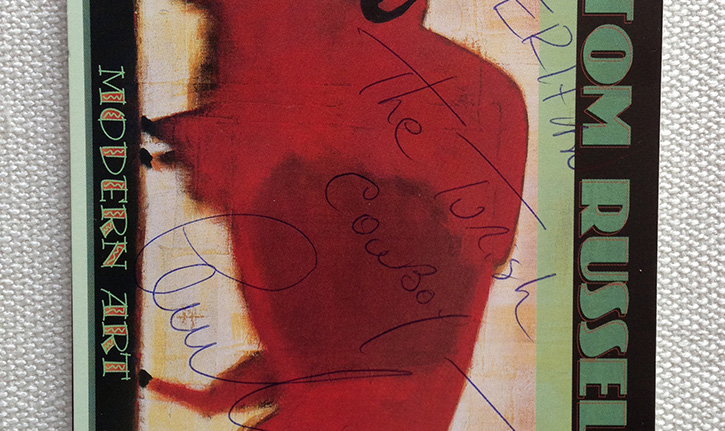
The Signed CD
After all this enjoyable conversation, everyone moved to the venue where the final concert was being held, and we surrendered ourselves to the wonderful rhythm of country music.
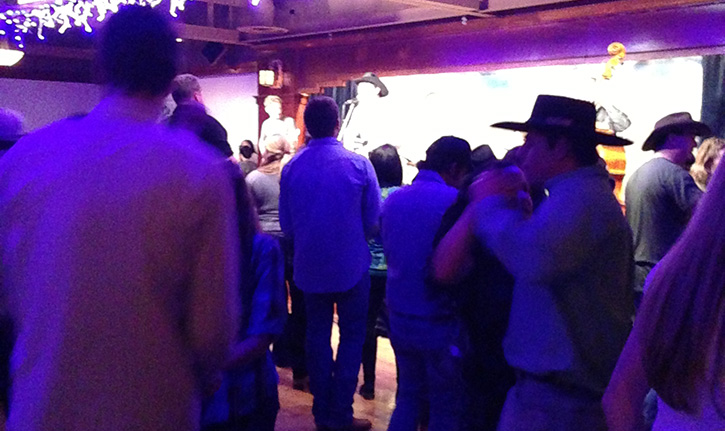
Cowboys on the dance floor
https://www.youtube.com/watch?v=dhCbgeaQDTo
The last event of the festival. Time to dance…
This celebration, which lasted until the first light of morning, was the last event of the festival. The next day, we hit the road back. I followed my route of Elko-Las Vegas-Los Angeles-Istanbul back to my hometown.
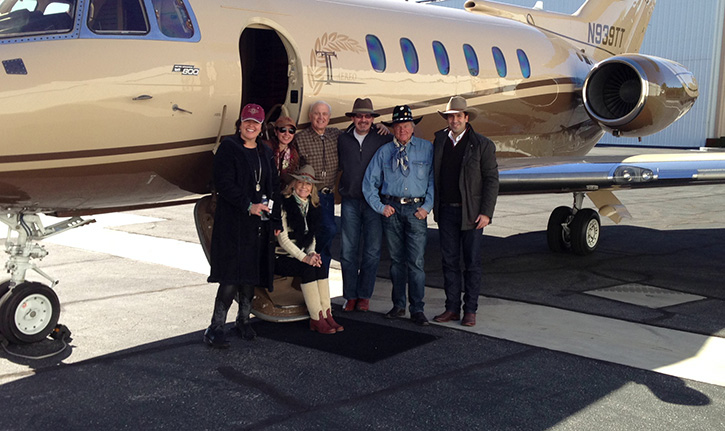
This picture was taken after we returned to Las Vegas from Elko. From left to right: Sarah Ning, Tiffany Tiberti, Pam, Tito Tiberti, Rick Rushton, Joe, and me. Dan Tuntland took this picture.
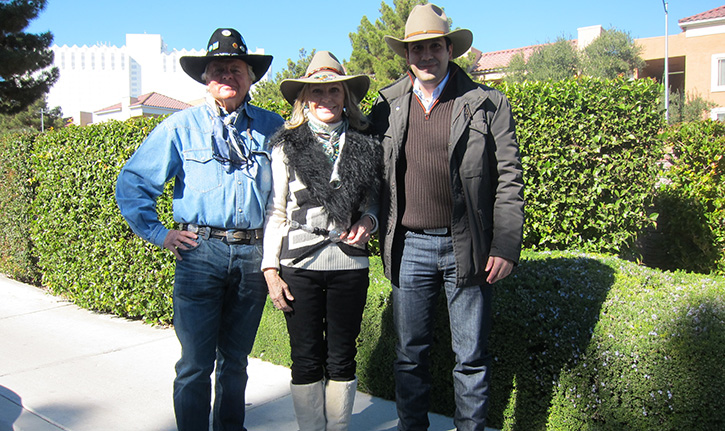
Our last picture at the event. From left to right: Joe, Pam, and me
As I looked at the pictures I took in Elko on the plane on the way back, these thoughts ran through my mind: Humanity has developed unique cultures in many different parts of the world for thousands of years. All people should embrace the fact that all these unique cultures and differences are, in essence, the richness of our planet and embrace their cultures. Those who have organized this event in Elko every year since the 1980s, and those who strive to preserve their culture and preserve it, are truly esteemed individuals.
I was delighted to have experienced a different culture, America’s hospitable people, and Elko’s beautiful nature during the festival, and I tried to enjoy it as much as possible.
Tag: culture