Last week, I came across an interesting news story about Turks in Germany. Because it didn’t make headlines, it may have escaped many. According to this news, Germany officially announced that it will obtain bank account information for all Turks and individuals of Turkish origin, as well as legal entities, in the country, and all earnings information in Turkey from Turkey by the end of this year. The German Finance Ministry announced in a letter that an agreement had been reached with Turkey and that bank accounts would be shared starting 1 January 2021, and that it expects approximately €10 billion in additional taxes on millions of accounts. Auditing firm KPMG also warned its clients, stating, “Germans may conduct retroactive investigations.” You can read the full news at https://www.sozcu.com.tr/2020/dunya/almanya-turklerin-hesaplarina-erisabilirsiniz-1-ocakta-resmen-basliyor-6035923/ You can also find a graphic explaining Germany’s new taxation system below:
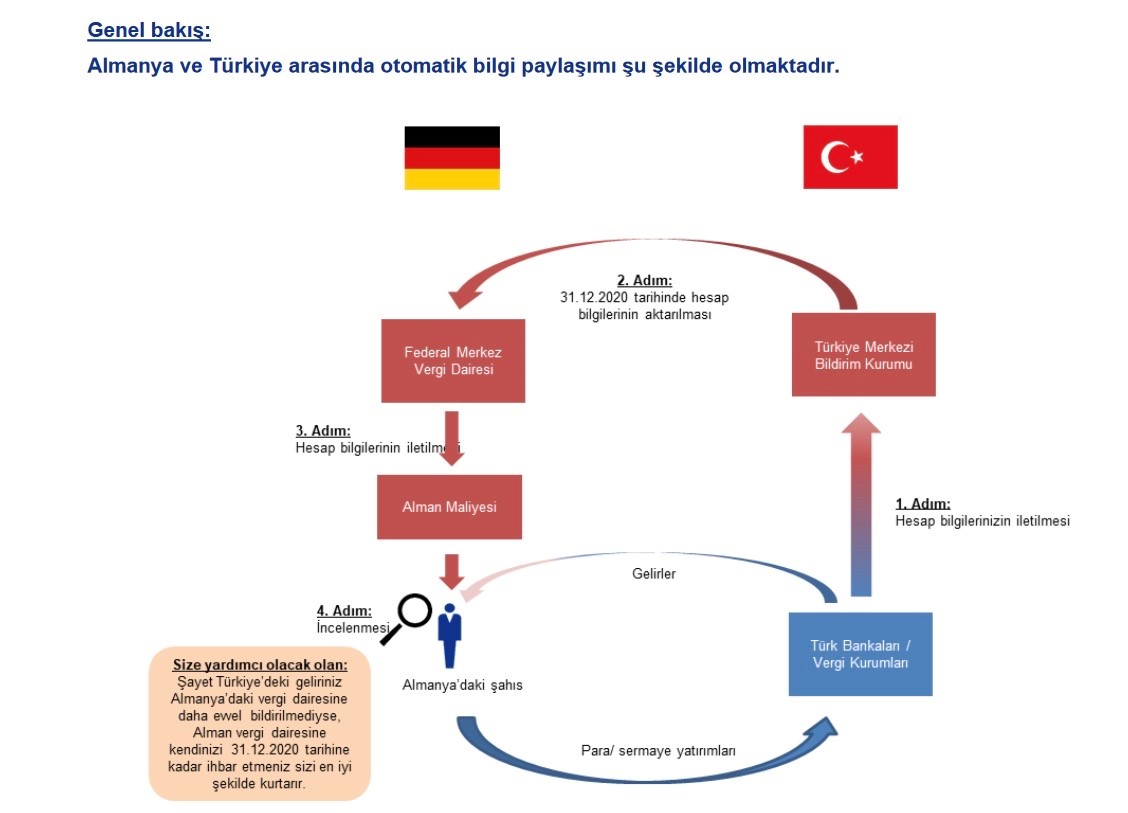
Thus, the German Government, which has been forcing many people to acquire or revoke German citizenship with a “choose your side” approach towards dual passport holders, continues to protect its national interests with another sharp strategy to collect more taxes. These strategic moves are often controversial, and you may hear criticism that these practices are incompatible with universal values. Of course, in this latest tax move, Turks in Germany are once again in the crosshairs.
The Bright Side of Turks in Germany
There is much to discuss regarding Turks in Germany and Turkey-Germany relations. The integration problems experienced, the political conflicts between Germany and Turkey, Syrian refugees, how the relocation of an ancient site with a significant historical significance like Pergamum to Berlin was allowed, the divisions and conflicts among Turks living in Germany due to sectarian differences and differing views, as is the case everywhere, and the depressing issues of racism and racist attacks in Germany—all of these could be blog posts. However, my goal in this article is to share the bright side of Turks in Germany.
When the Ritz-Carlton Hotel opened on 6 October 2001, our first general manager was a dashing man from Monaco. Imagine, you opened the hotel with great difficulty 25 days after the events of September 11th, and its occupancy rate was around 8%. Just one day after opening, the US invaded Afghanistan, leaving the hotel virtually empty. As the general manager, he seemed to be living in a bubble, he made a completely unconventional decision to open the country’s most “fine dining” restaurant and bring in one of France’s award-winning young chefs to try and make a profit. Frankly, I was very impressed with the futuristic food at this CAM restaurant, offering unique, unheard-of dishes at a mere tasting. However, the restaurant, governed by very strict rules such as prohibiting more than 25 people, was also very expensive, meaning it was losing money. Ultimately, the Monegasque general manager left first, replaced by German General Manager Rainer, and then by the French chef of the CAM restaurant (a process Rainer and I regretfully oversaw). Through operational restructuring at the hotel and subsequent financial restructuring, we managed to ensure the financial sustainability of our investment. In fact, the steps we took allowed us to recover from the devastating terrorist attacks in Istanbul in 2003 with minimal damage. I enjoyed working with Rainer, who led a remarkably successful operation. He possessed German discipline, was a fun and conscientious person. I was saddened when he transferred to Germany after Istanbul.
A pleasant conversation with Rainer years later
Years passed, and during a visit to Germany, I stayed at the Ritz-Carlton in Berlin. Of course, I let Rainer know I was coming. Rainer, whose career was steadily advancing, hosted me warmly at the Ritz-Carlton Berlin, where he held a position as director responsible for several hotels. Years later, during our meeting, I asked him the first question on my mind, and we discussed an interesting topic together. Our conversation went more or less like this:
Serhan: What are the differences between Turkish and German hotel professionals?
Rainer: I was trying to teach employees in Turkey how to be more productive, and here I’m trying to explain how to be more friendly, how to smile, and how to be as hospitable as in Turkey.
S: Well, there are Turks here too. You could create that environment by hiring them directly and integrating them.
R: You’re right. That’s actually what I thought at first. Our human resources team did a lot of research and interviews with German Turks who matched our qualifications, but we couldn’t find the professionals we wanted.
S: Are there any Turks working at this hotel?
R: Yes. But unfortunately, there aren’t any Turks working as managers or management trainees as I planned. Turkish employees are generally less qualified. Still, they do their best for their jobs.
S: Can you show me a Turkish person working here?
R: For example, we have a shoeshine boy working next to the reception at the entrance. He’s not as efficient as he is in Istanbul, but he still does his job well. I’ve managed to bring a bit of the Turkish atmosphere here. Customers appreciate this extra service.
S: You could take young Turkish people from university and train them from scratch.
R: Yes, I’ve considered that option, but it would take at least 5-7 years for me to take them and train them, and for them to reach the desired level. Then I’d be gone. As you know, we all stay in a certain place for a limited time, so I wouldn’t see that.
S: You could plant the seeds now.
R: Yes, it could. Frankly, it’s strange to me that with so many Turkish people in Germany and Berlin carrying the hospitality gene, I can’t find anyone with the qualities I want.
S: Frankly, it’s strange to me that you can’t find qualified Turkish professionals in Berlin. I hope this human resources problem is resolved and more Turkish people have the opportunity to work in such a business.
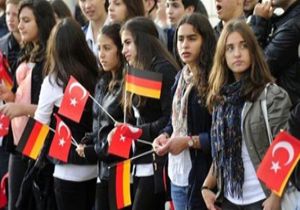
Efficient like a German, warm like a Turk…
After discussing all this, this topic really clicked with me. The more I thought about it, the sadder I became, and I brought it up with some German-Turkish friends. They all had different explanations, but the information they shared shared some similarities. Just as there are still Turks who haven’t integrated for generations in Germany, which opened the way for Turks to emigrate in the 1960s, there are also Turks who are more like Germans than Germans. This depends in part on where they come from in Turkey, their beliefs, and their openness to change.
However, the majority have tended to create a mini-Turkey within Germany. This, of course, angered Germans, who are sensitive to integration. The lack of internationally recognized hotel professionals is essentially a human resources issue. If they focused on this issue, I think they could develop many hotel professionals who are as efficient as Germans and as warm as Turks.
Are there people raised this way? Of course, there are. When I visited Germany at various times, I met some wonderfully educated, good-natured Turks. There are also Turks who grew up in Turkey and migrated to Germany. Most of those I mentioned are Turkish professionals specializing in niche fields like engineering and architecture, working in qualified German companies or institutions. I’ve even encountered German Turks who have started their own ventures. These are the bright faces of Turks in Germany. Of course, we shouldn’t forget the mothers, fathers, and relatives who made great sacrifices to raise these individuals. Without them, these bright faces wouldn’t have emerged. Greetings to them, too.
“Highly Educated Turkish Immigrants” Workshop
Ferhan, who founded the CTC group while working at the IMF, managed to bring together a remarkable group of Turkish experts in their respective fields from around the world. Initially publishing 92 declarations to serve as a model, the CTC group functioned like a think tank at the time. Gözde, whom I met from this group, was living in Germany and working in the innovation department of Mercedes. During our conversations, Gözde informed me that the Union of Turkish Engineers and Architects (TMMB) in Germany had a working group for Higher Education Turkish Immigrants (YÖTG) and that they would be holding their “Renewable Energy and Environment” workshop in Frankfurt on 9 November 2019, and invited me to speak at this workshop. Knowing Gözde and the attraction of speaking to Turkish immigrants with higher education in Germany made me say, “Okay, I’ll come” without hesitation. This talk on renewable energy fit perfectly with my mission to share the concept of renewable energy everywhere. So, I organized my schedule and attended the workshop on 9 November 2019. You can find the program below.
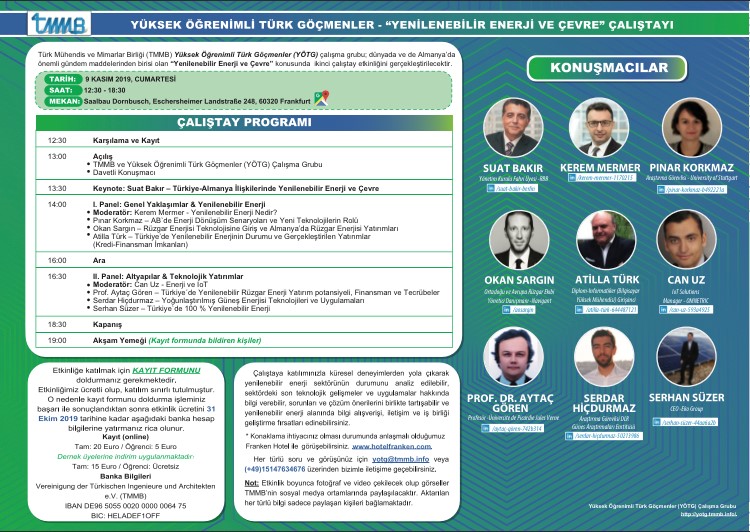
The program began at 1:00 PM, and my panel began around 4:30 PM. The hall was packed. I was the second speaker among the three speakers on our panel. Although it was the last talk of the day, I enjoyed what was said so far and the atmosphere, so I can say that my speech was quite productive. The positive environment and people have a profound impact on me. I was practically on autopilot. The questions and posts I received showed that the audience was engaged with the topic. I delivered my presentation with great pleasure.
My speech was included in the workshop report (you can find the full report at http://yotg.tmmb.info/wp-content/uploads/2020/01/Calistay-2_Rapor_SON_2.pdf ) as follows:
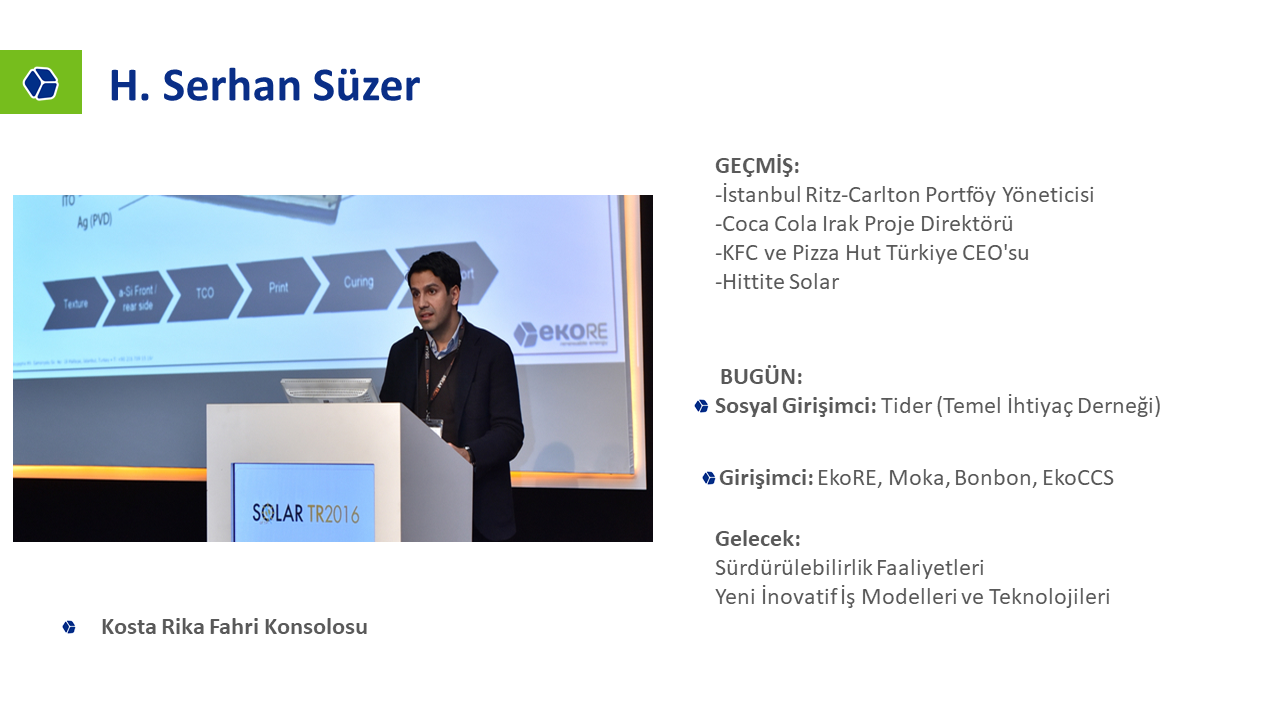
Serhan Süzer: 100% Renewable Energy in Turkey
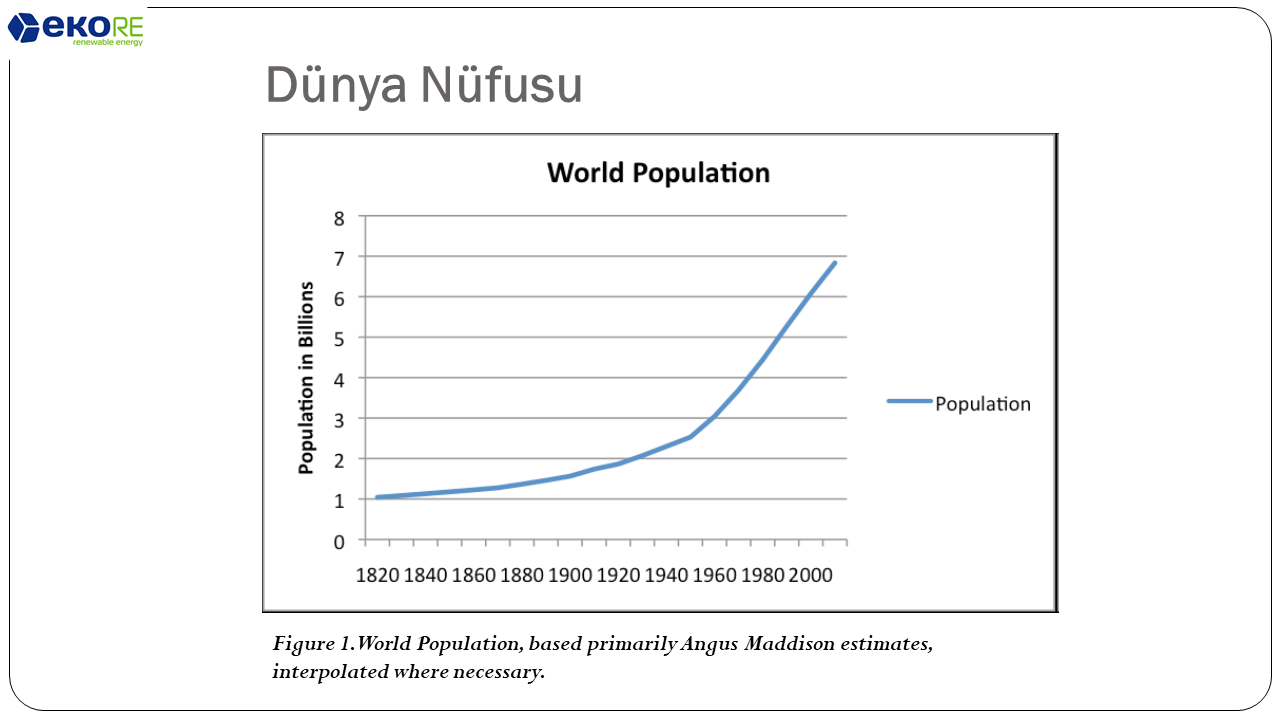
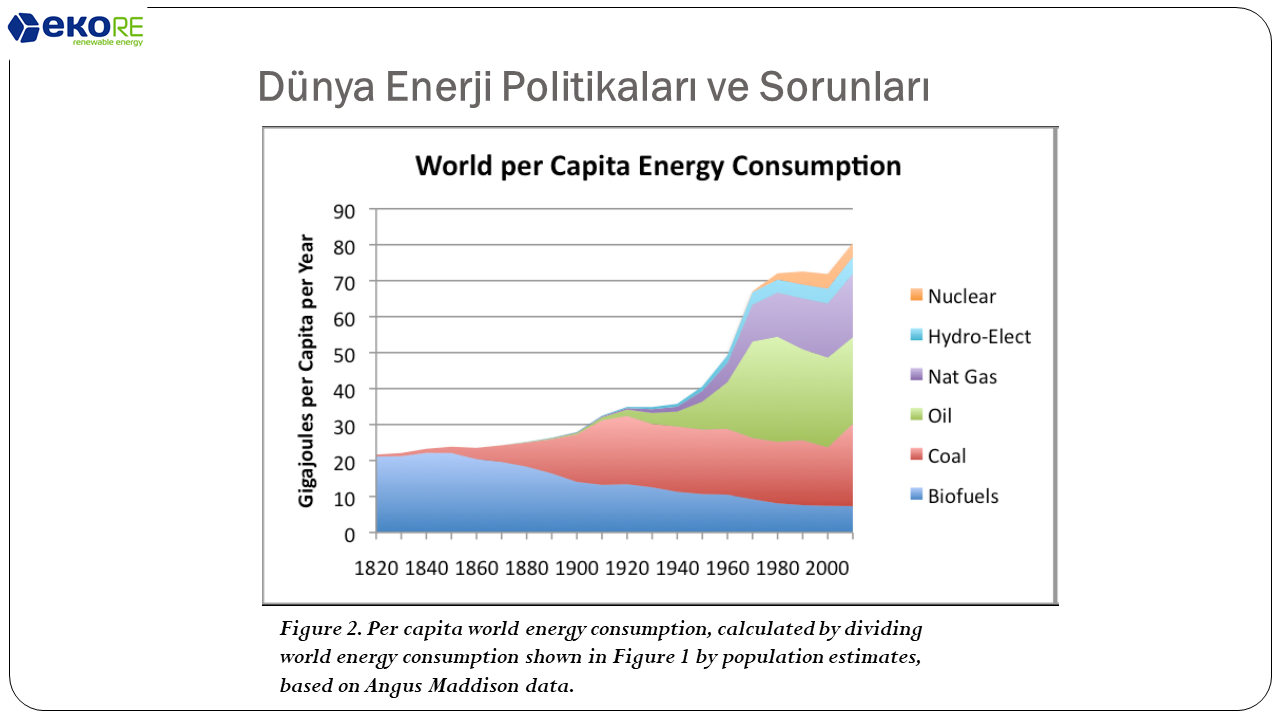
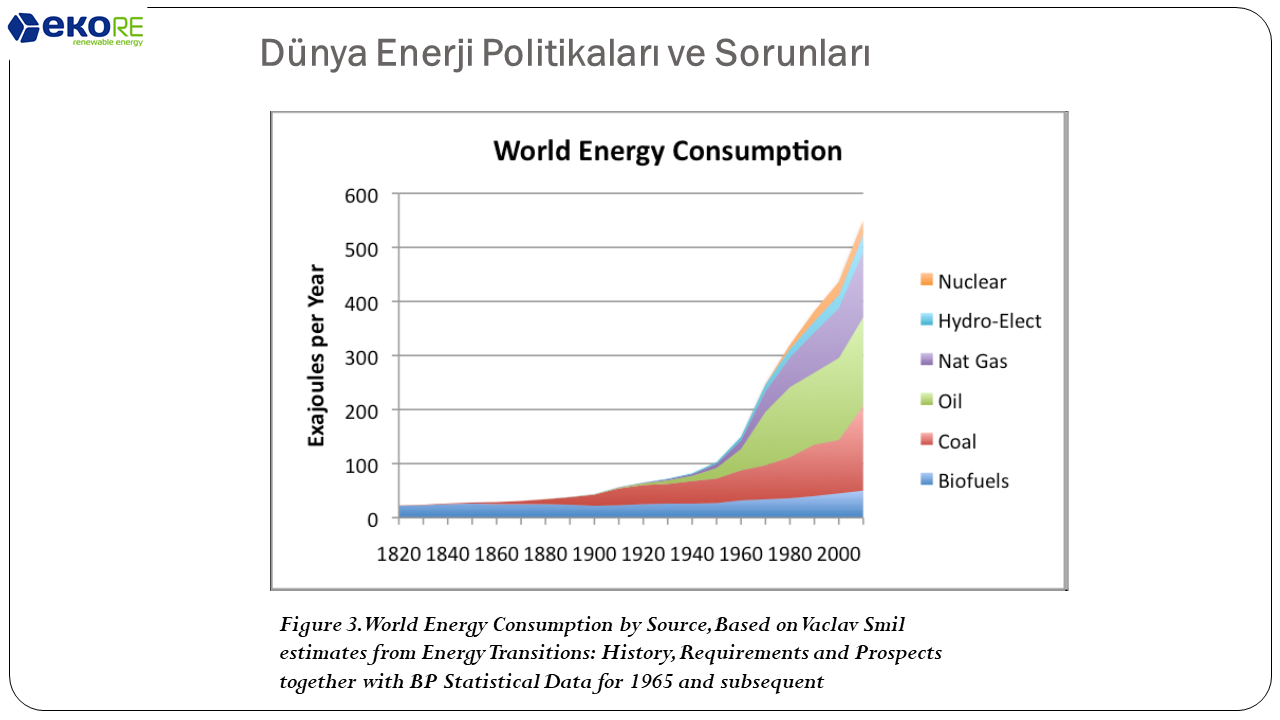
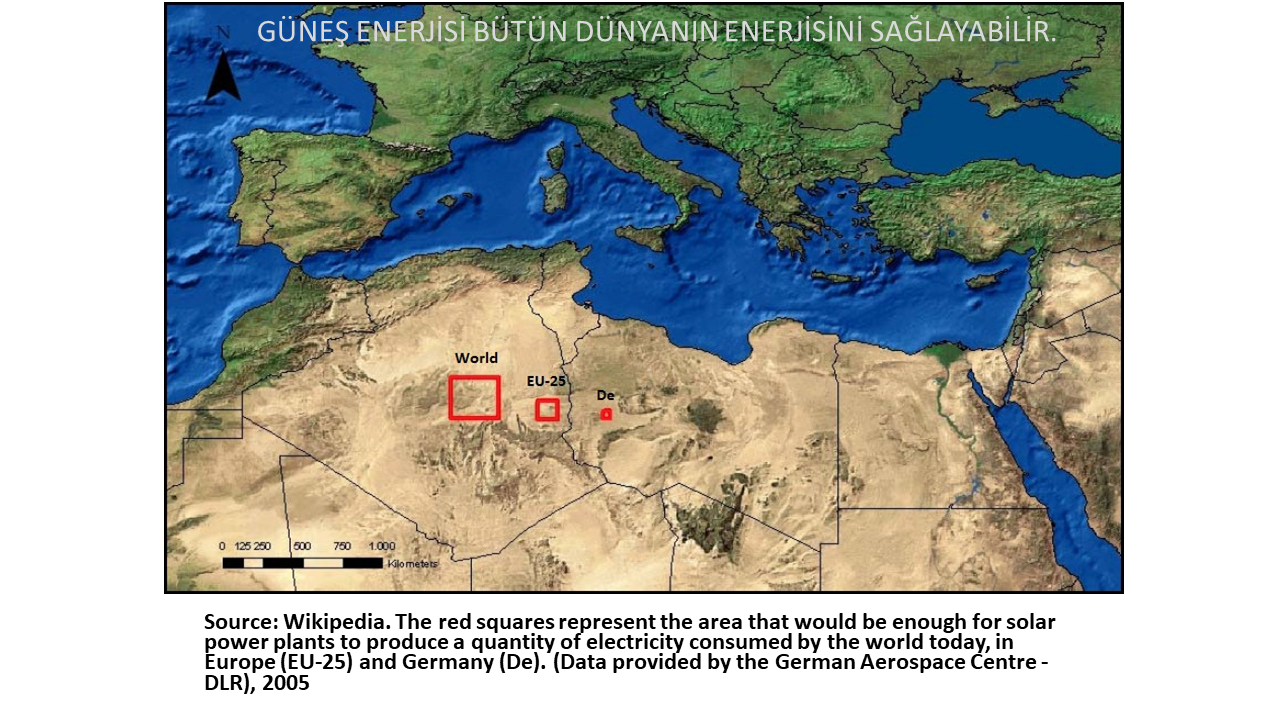
As the final speaker of the second panel, Eko Group General Manager H. Serhan Süzer took the floor. He noted that the world’s population has surpassed 7 billion and that fossil fuels still dominate per capita energy consumption. Süzer explained that for many years there had been a prevailing perception that solar energy was not a viable investment. Over time, however, this has changed, and today, in countries like Turkey where average solar irradiation levels are high, the levelized cost of electricity (LCOE) for solar energy has dropped below that of coal, according to the German Workshop Report of TMMB – the Union of Turkish Engineers and Architects, in cooperation with YÖTG – the Association of Highly Educated Turkish Migrants. Süzer emphasized that it is now possible to generate energy with solar technologies without the need for government incentives.
Global Horizontal Irradiance (GHI) and Direct Normal Irradiance (DNI). He explained that GHI is used for electricity and DHI for heat. Süzer emphasized the high potential of both countries in Turkey, emphasizing that Turkey ranks second in the world after Spain in terms of Global Horizontal Irrediance.
Süzer stated that if Germany and Turkey were to collaborate in solar energy applications, significant value could be created together, noting that Turkey is the China of Europe. However, he added that this potential has not yet been fully realized by either country.
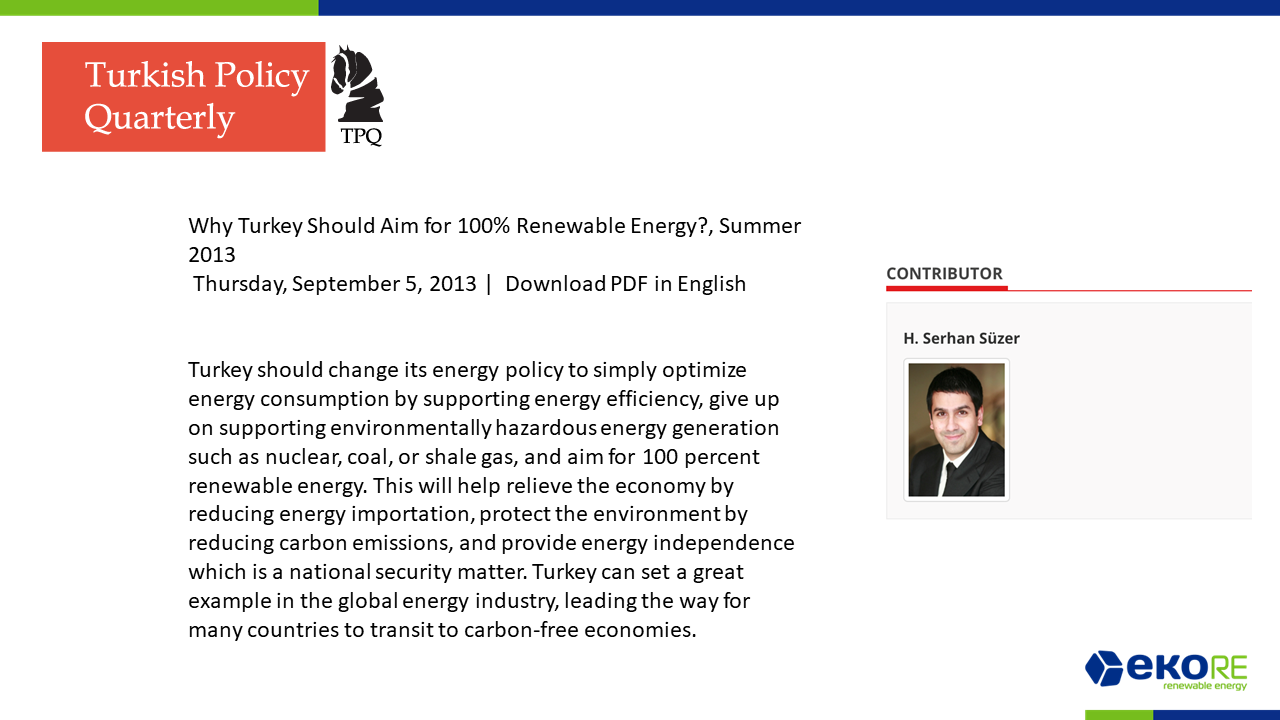
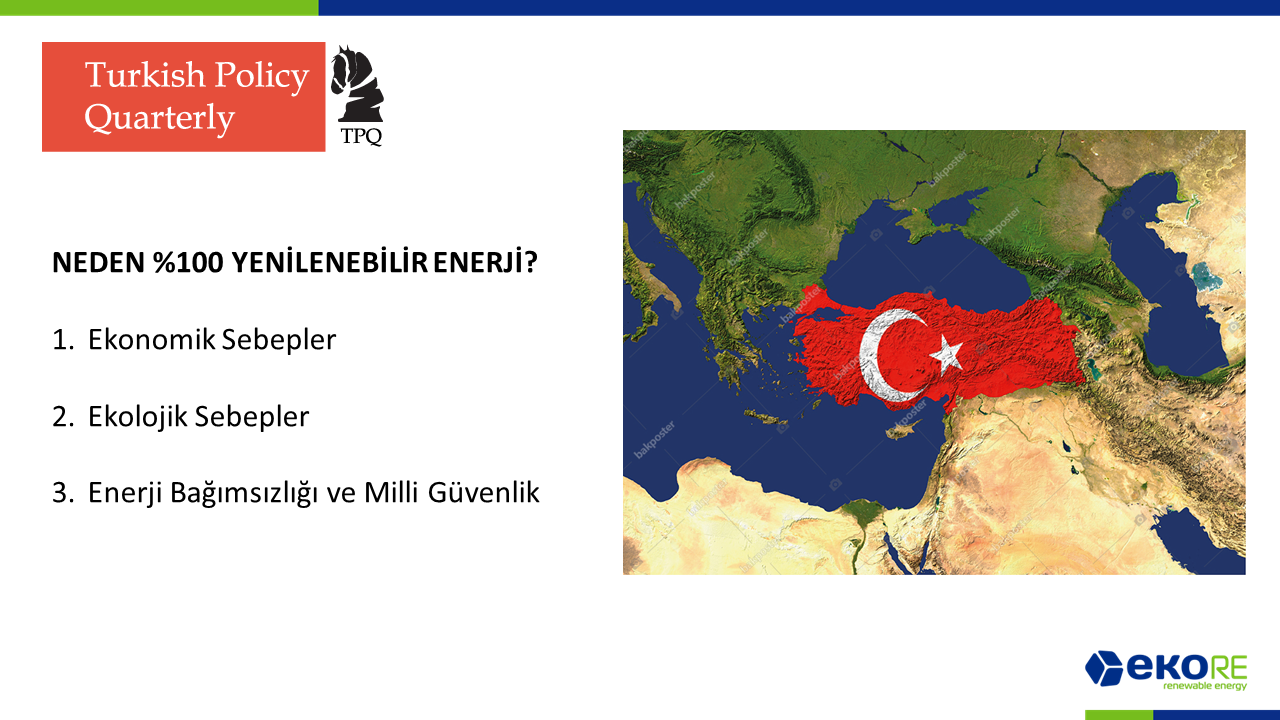
Süzer shared that Turkey should seriously focus on solar energy and listed the following reasons:
- Economic: A significant portion of our current account deficit stems from energy imports. If we generate energy from our own renewable energy resources instead of importing, our country could achieve a current account surplus every year, creating a significant economic advantage.
- Ecological: By burning fossil fuels, we are causing carbon emissions to increase at an ever-increasing rate, thus devastating the environment and contributing to climate change.
- Energy Independence and National Security: We are dependent on countries like Russia, Iran, and Saudi Arabia for resources such as natural gas and oil. Some countries can use our energy supply as a threat. This is a matter of national security. We need to achieve energy independence as soon as possible.
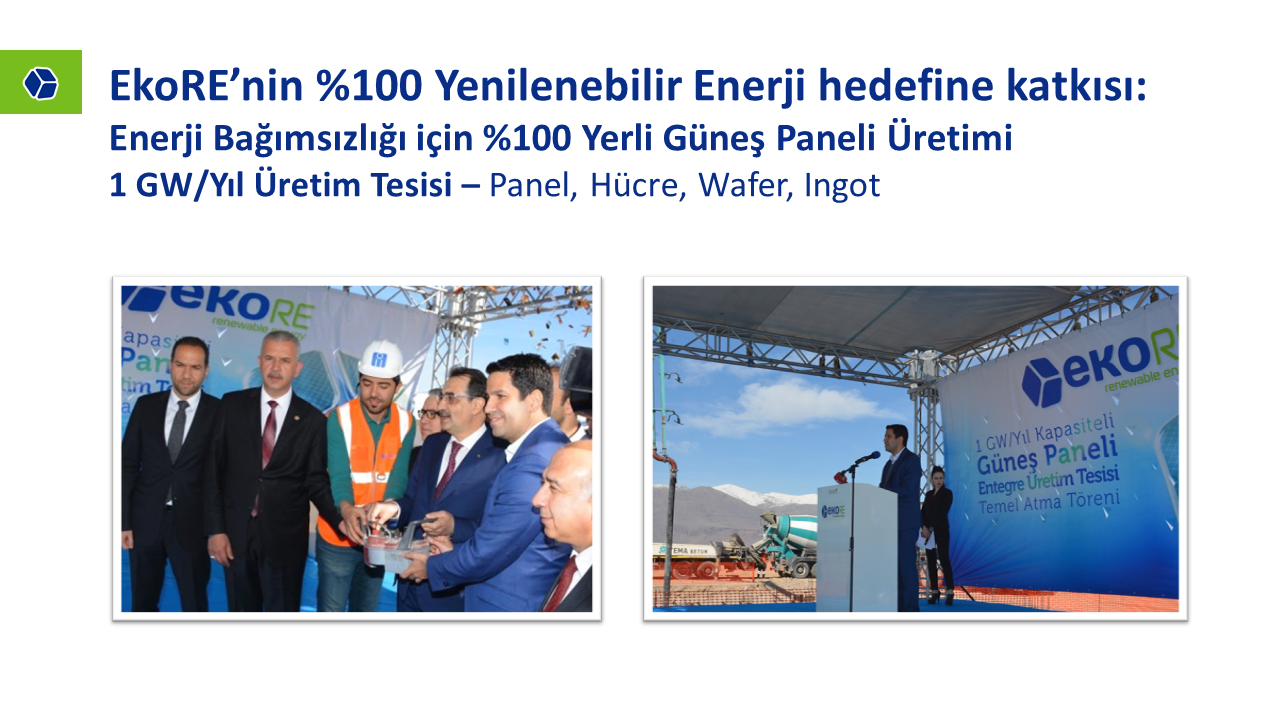
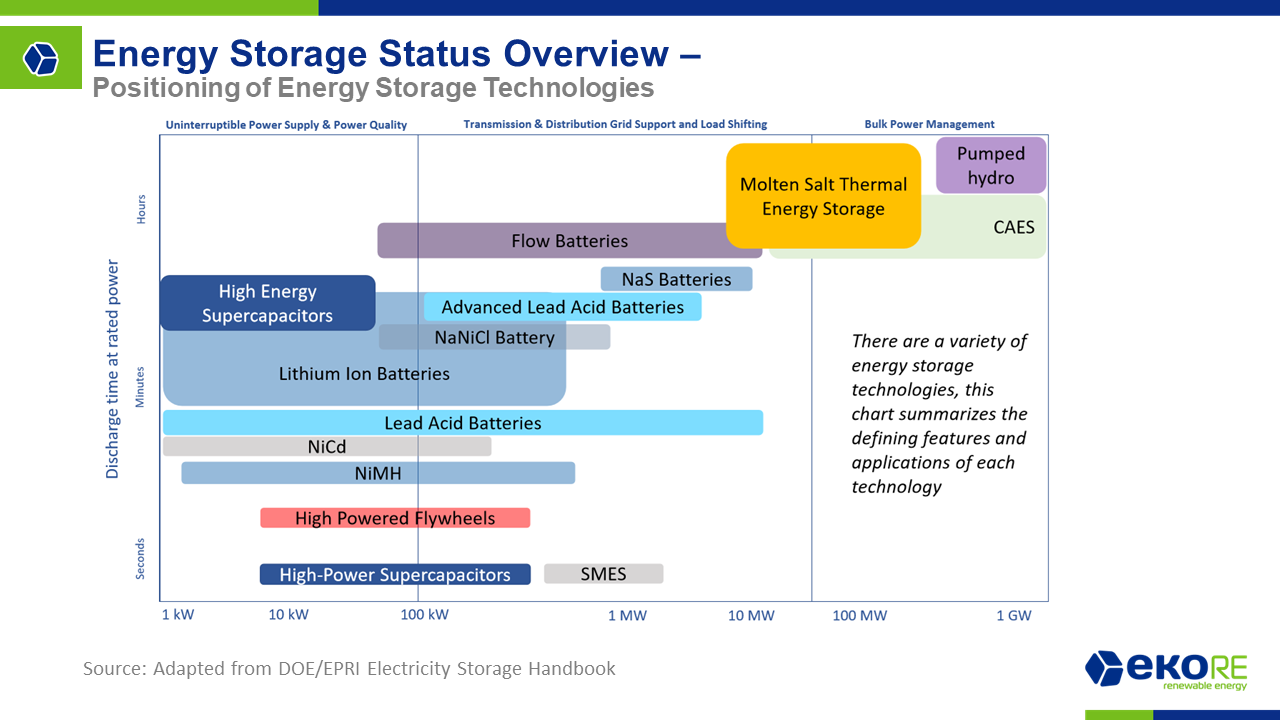
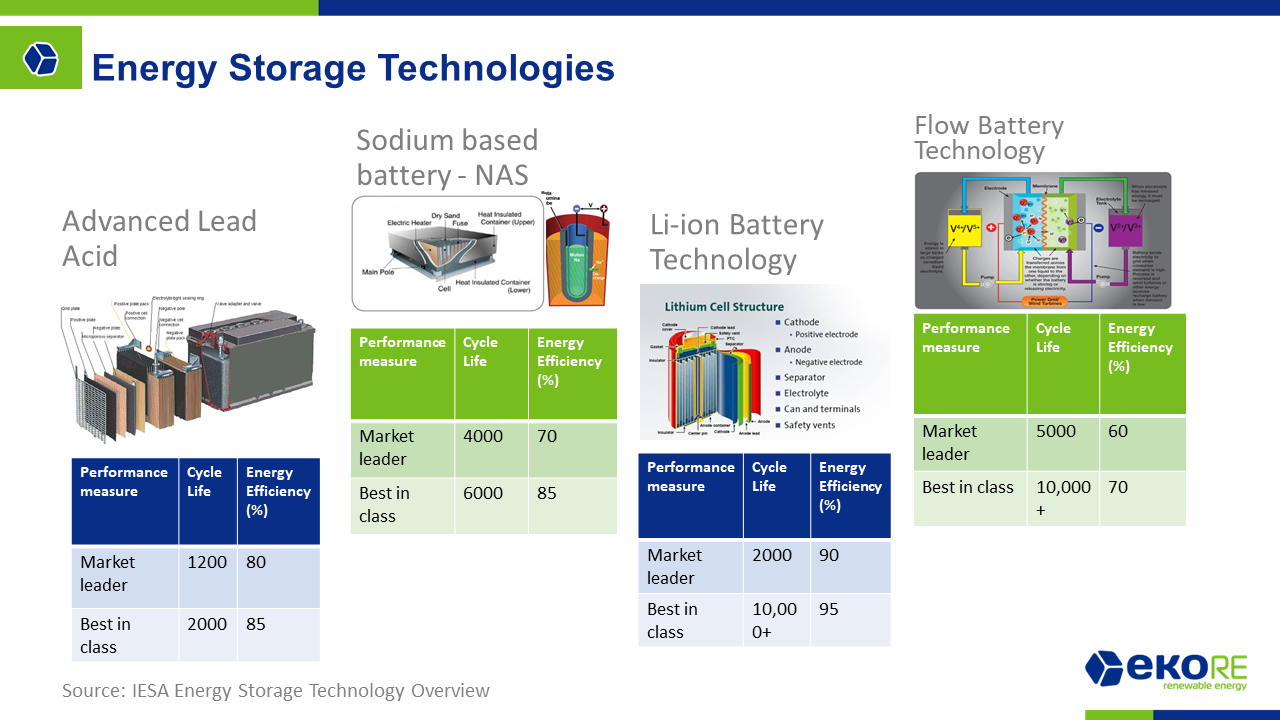
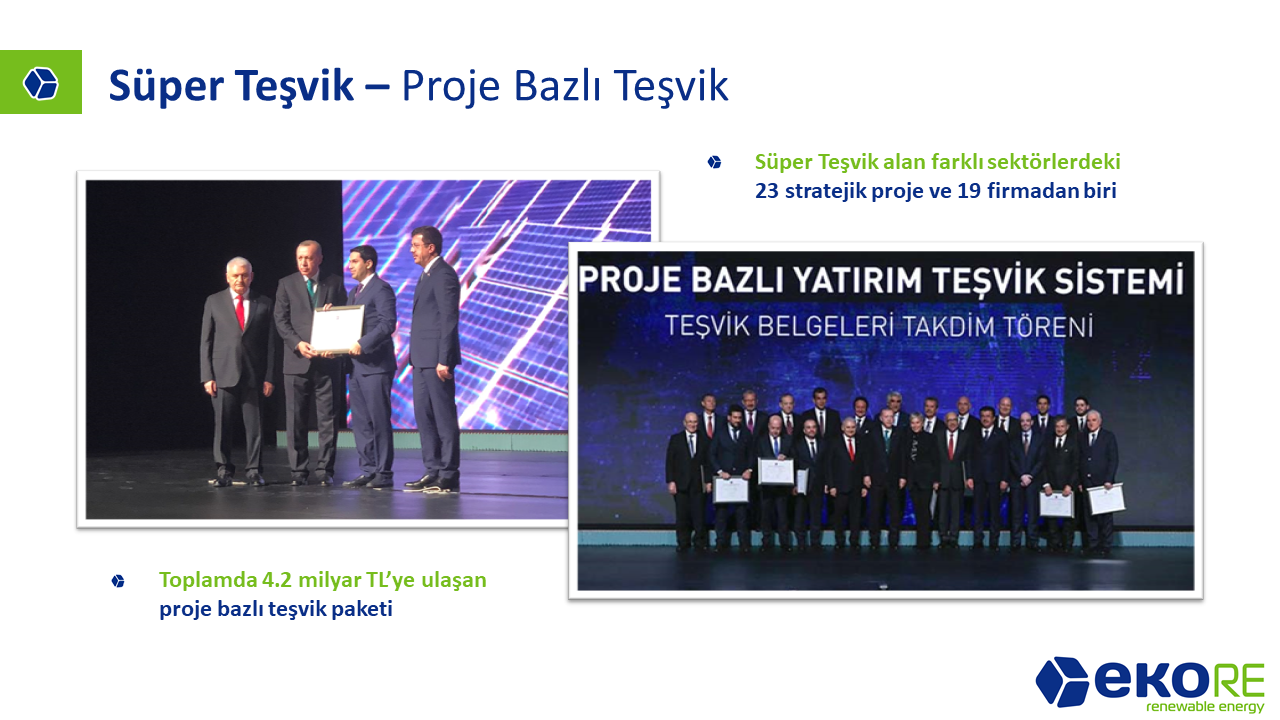
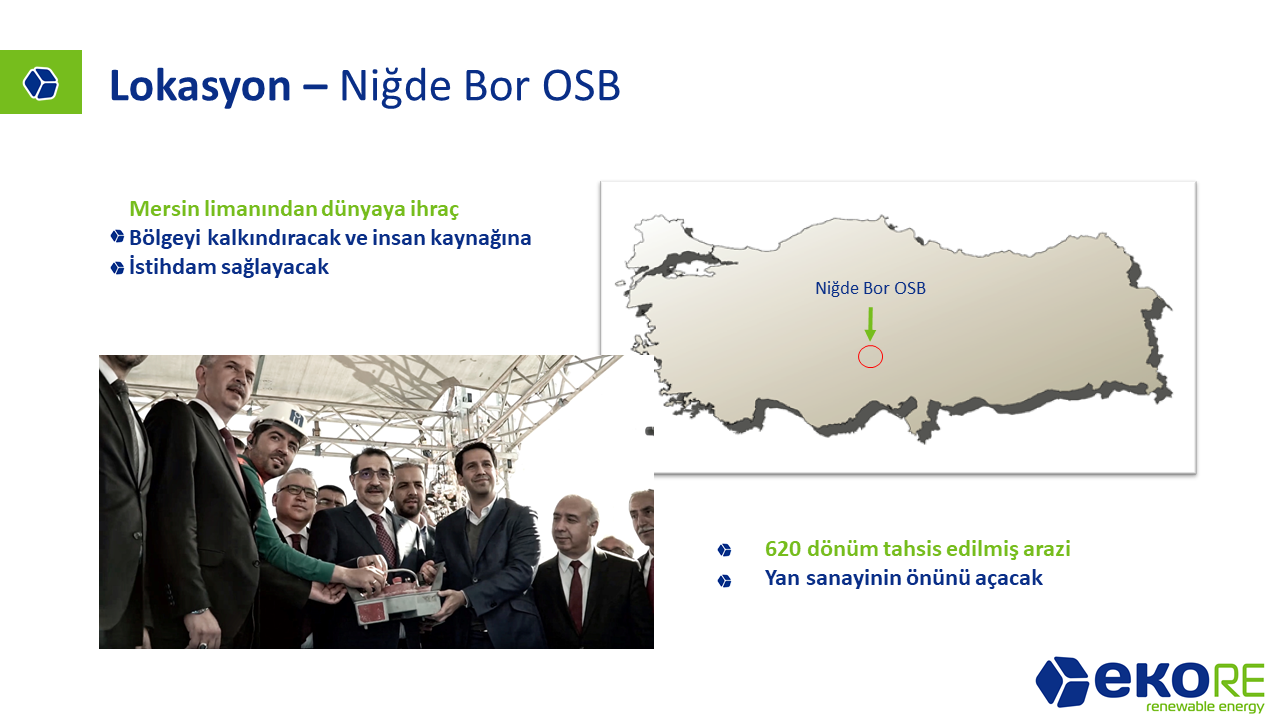
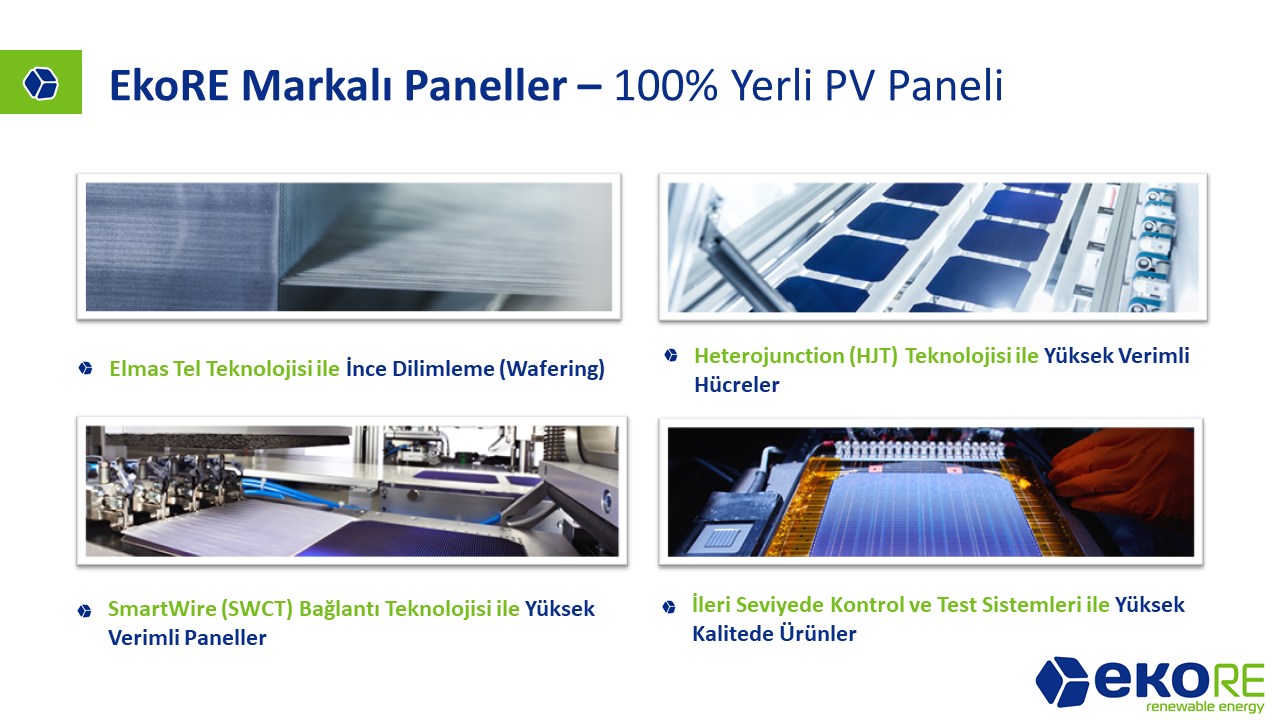
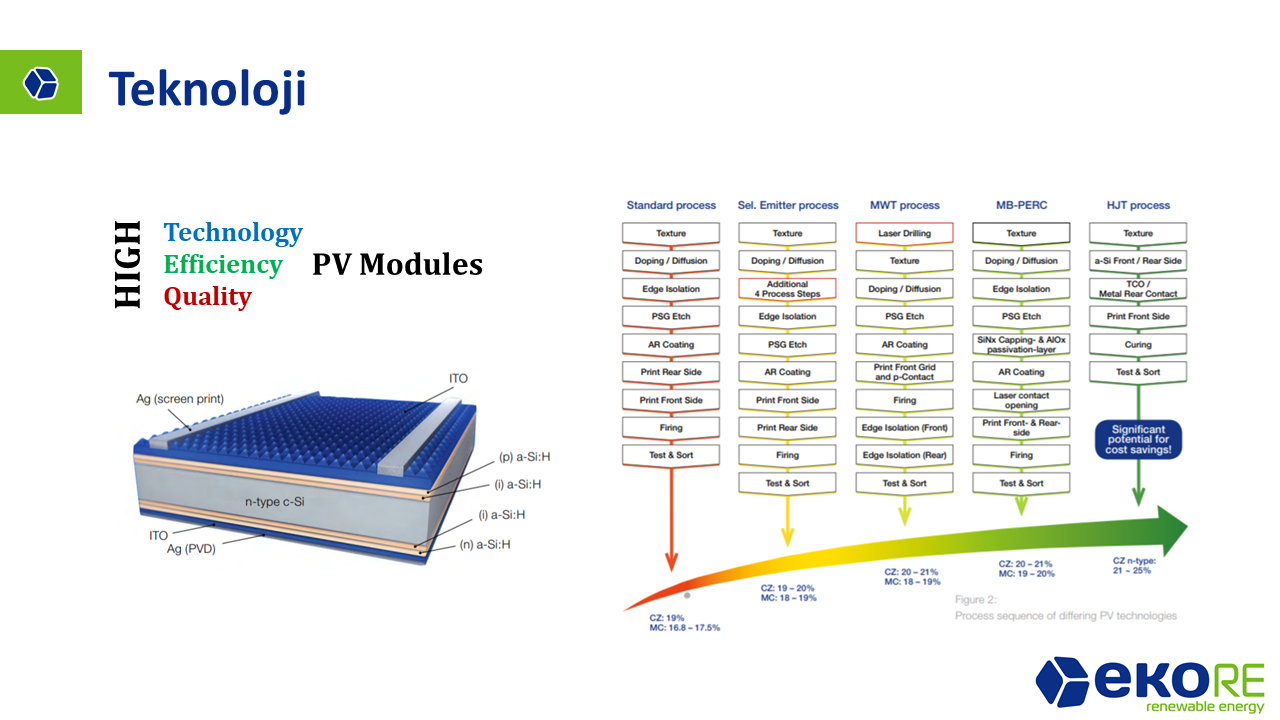
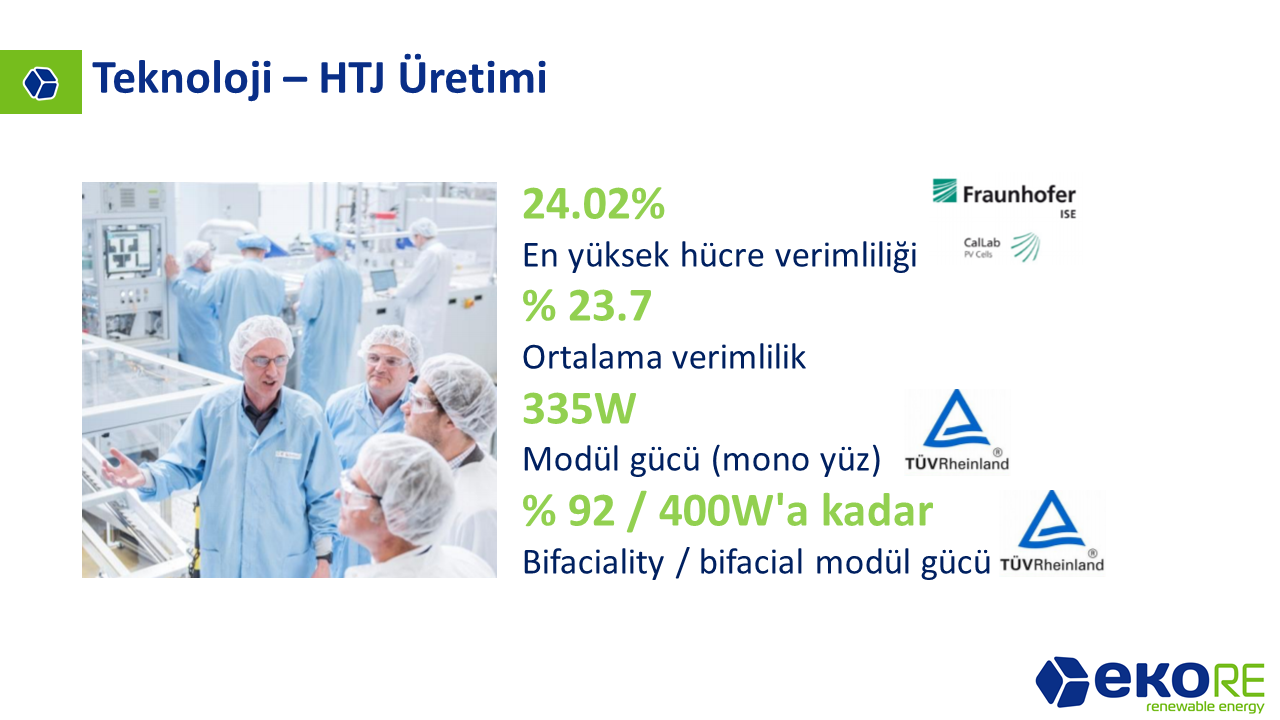
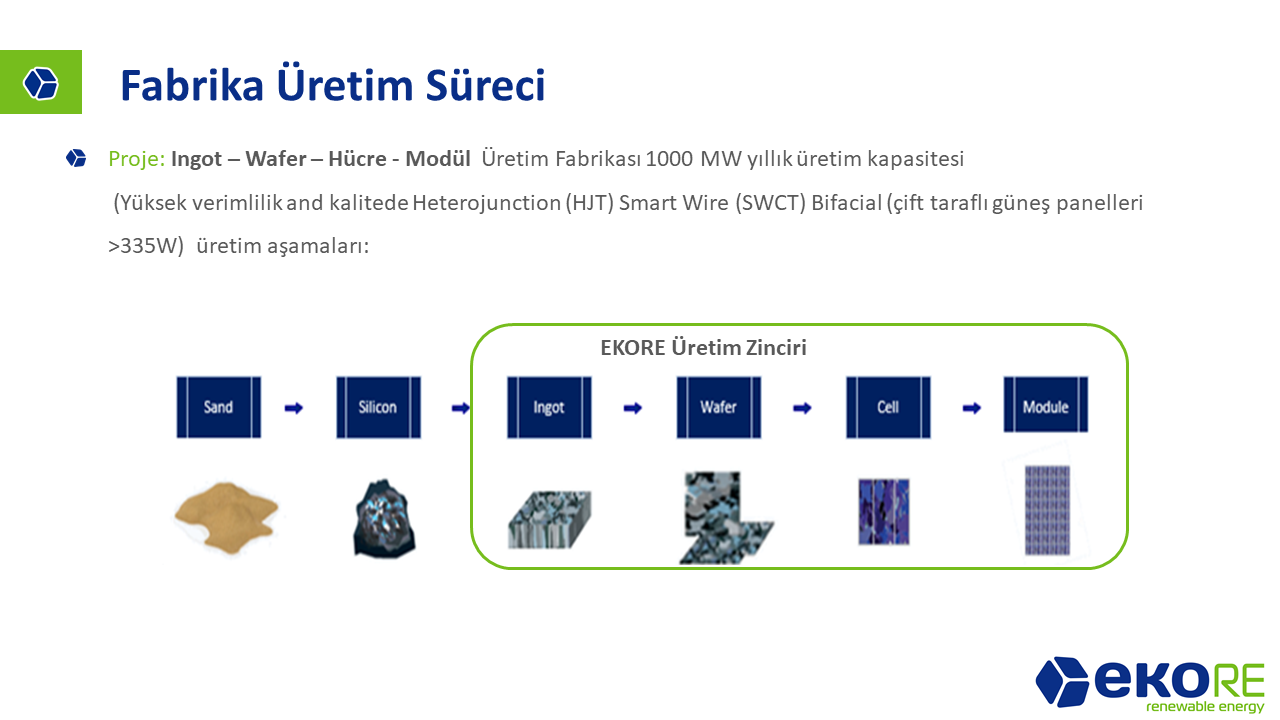
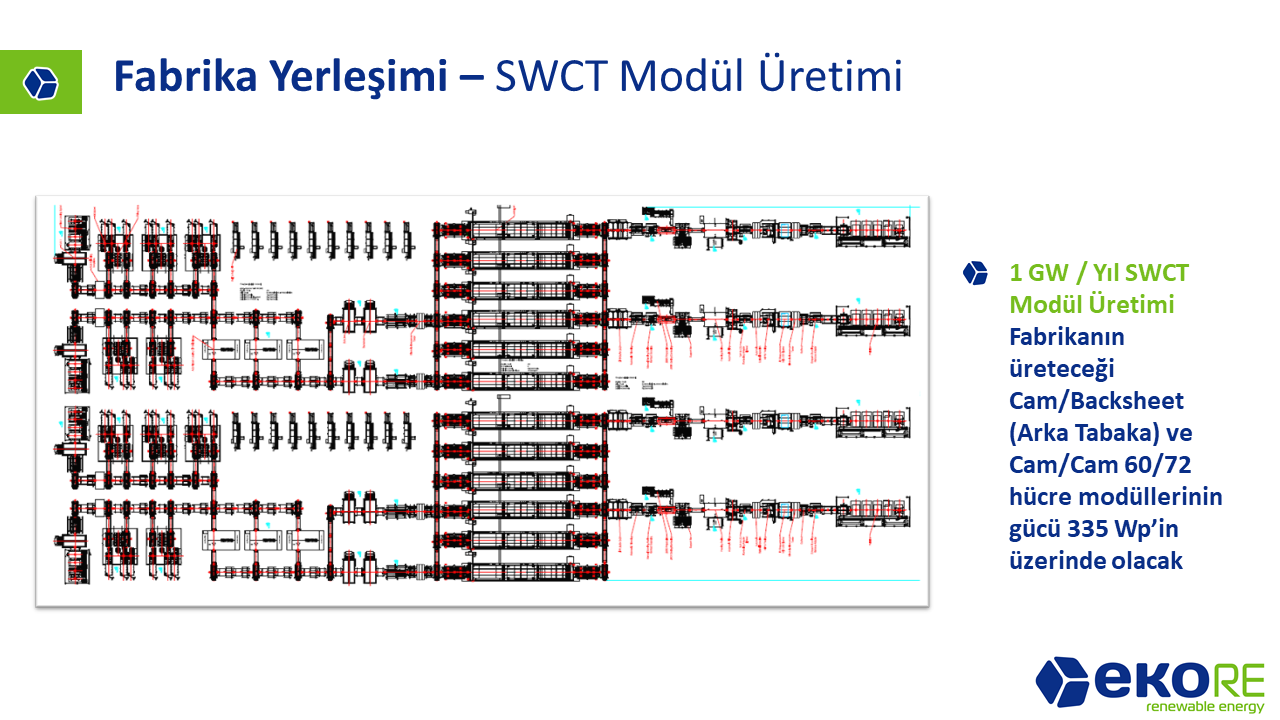
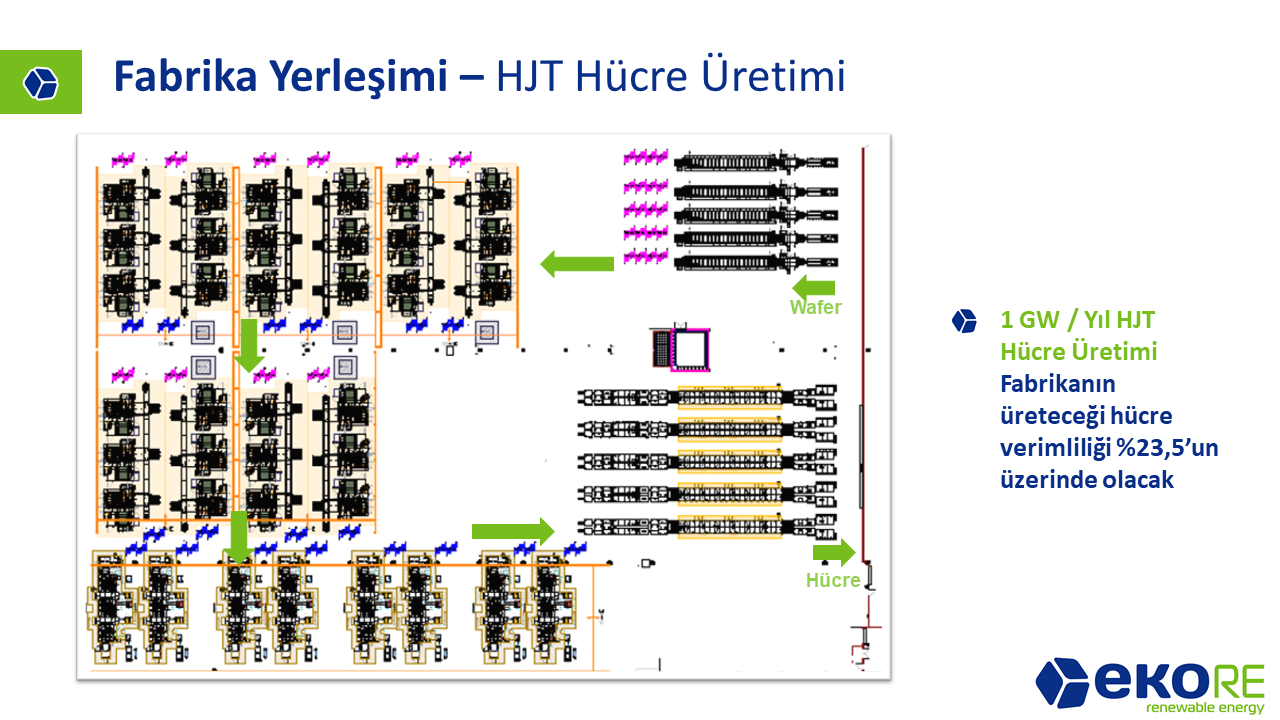
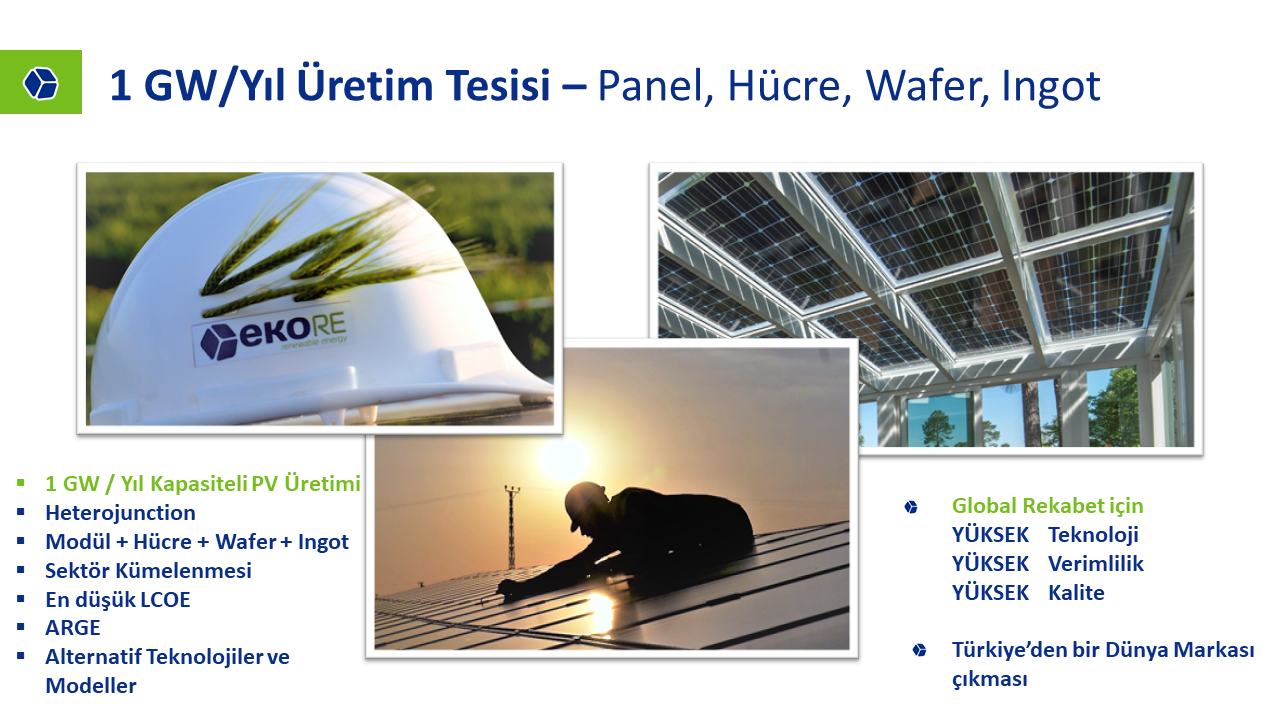
Süzer stated that EkoRE, of which he is CEO, has begun an integrated solar panel production facility in the Niğde Bor Organized Industrial Zone, incorporating all processes. He added that they have become one of 19 companies receiving project-based incentives from the Republic of Turkey. Süzer also stated that they will use Swiss-German technology and emphasized that they will create a cluster of facilities around the factory that will produce both solar panels and other components of solar energy systems. Süzer stated that he is targeting markets in countries such as the US, Canada, and Australia. He added that competition with the Chinese does not intimidate them, but that the Chinese’s greatest strength is that they have undertaken numerous projects in their own country, reducing costs and gaining experience. Conversely, Süzer noted that Turkey has many advantages over China, citing two of these advantages: technological superiority in terms of efficiency, our geography, and the fact that some countries have quotas against China. Serhan Süzer, who called their project “100% domestic solar panels for Energy Independence,” emphasized that their goal is to produce the latest solar cells and panels from silicon mines found in Turkey. He emphasized that by leveraging our own high solar potential and adding electricity storage systems, the country will have no need for anything else in terms of energy.
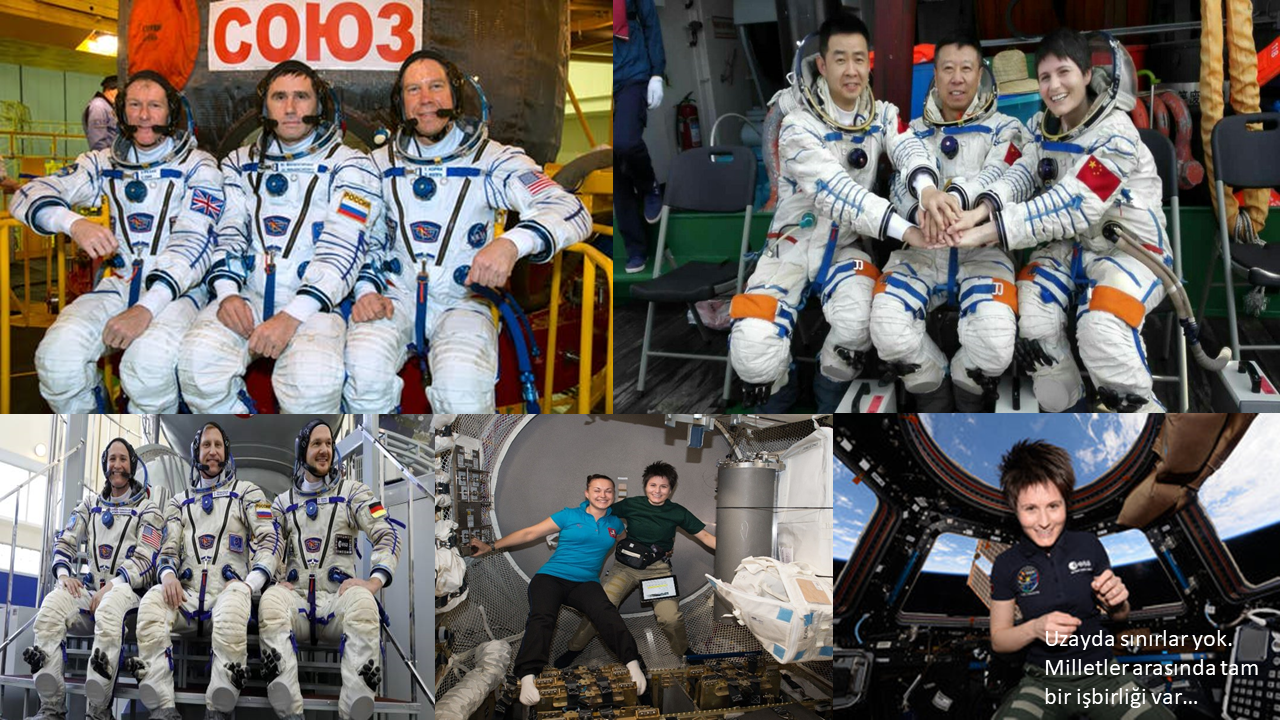
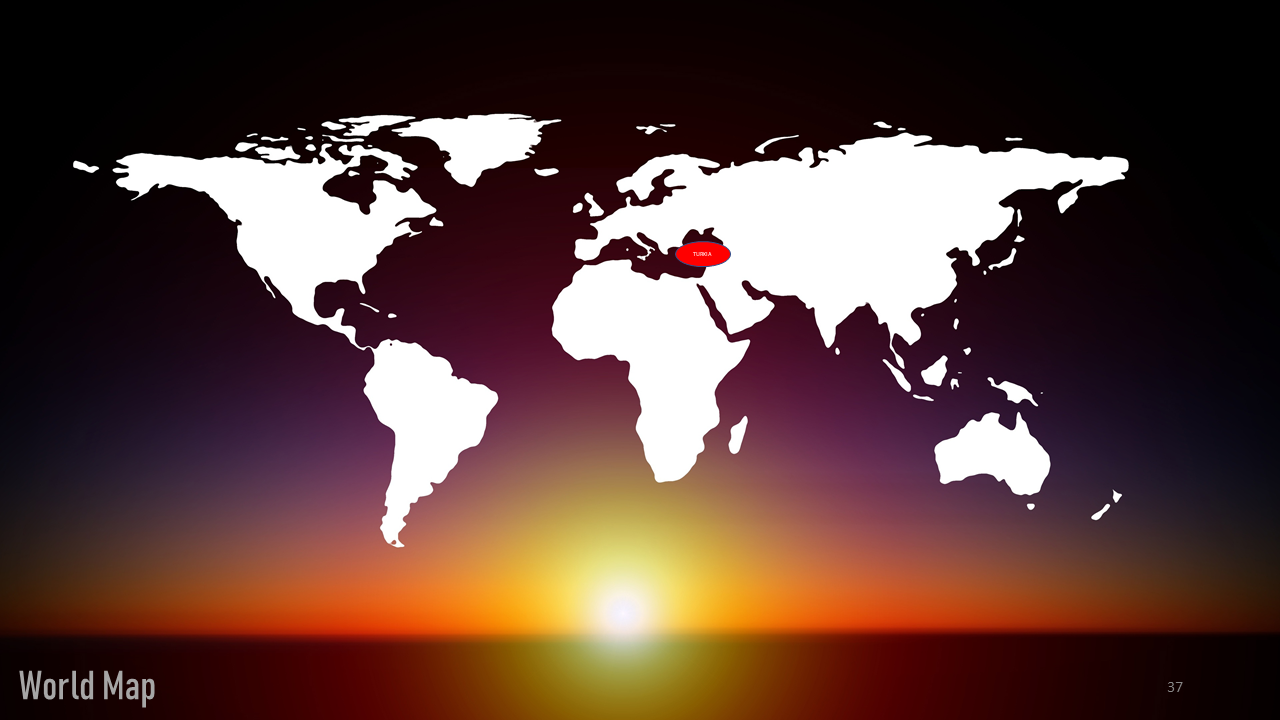
As we discussed all these topics, the following words came out of my mouth without a second thought: We Turks are a synthesis of East and West. The important thing is to embrace the strengths of Eastern and Western cultures, which we are familiar with, and to act accordingly. We can do this. If we manage to discipline ourselves, we can make a difference in any environment with our diverse perspectives.
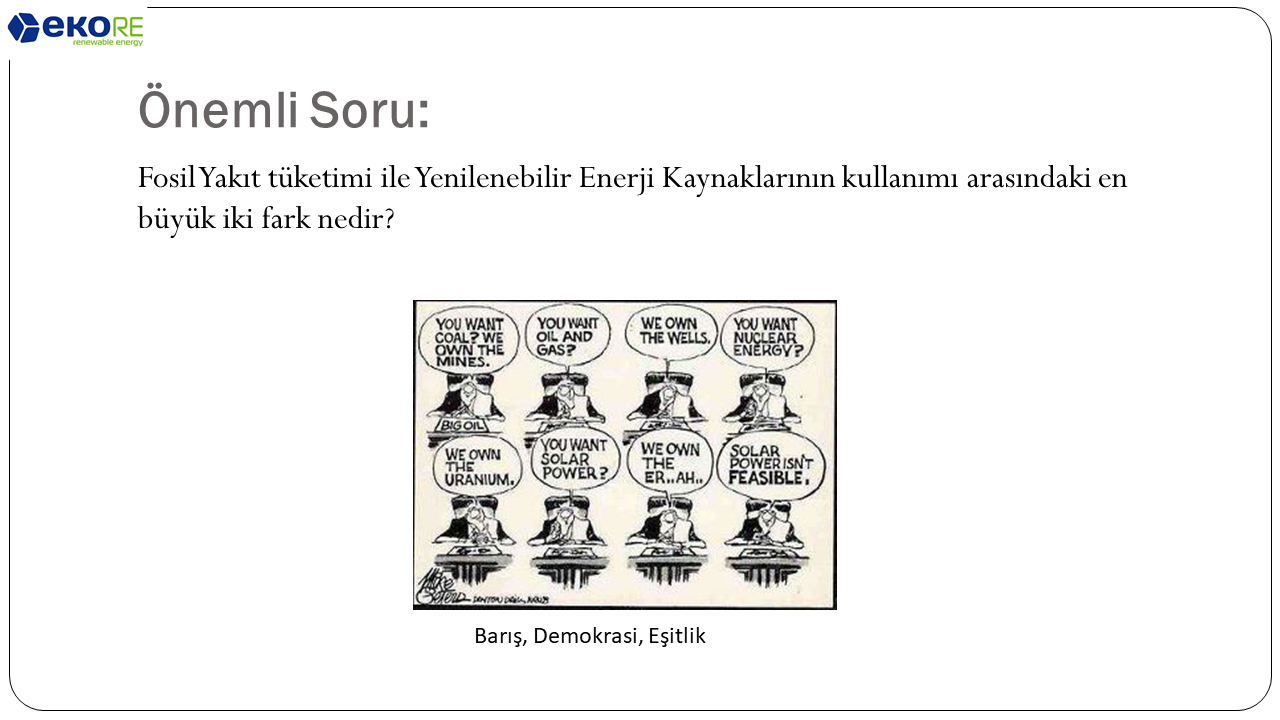
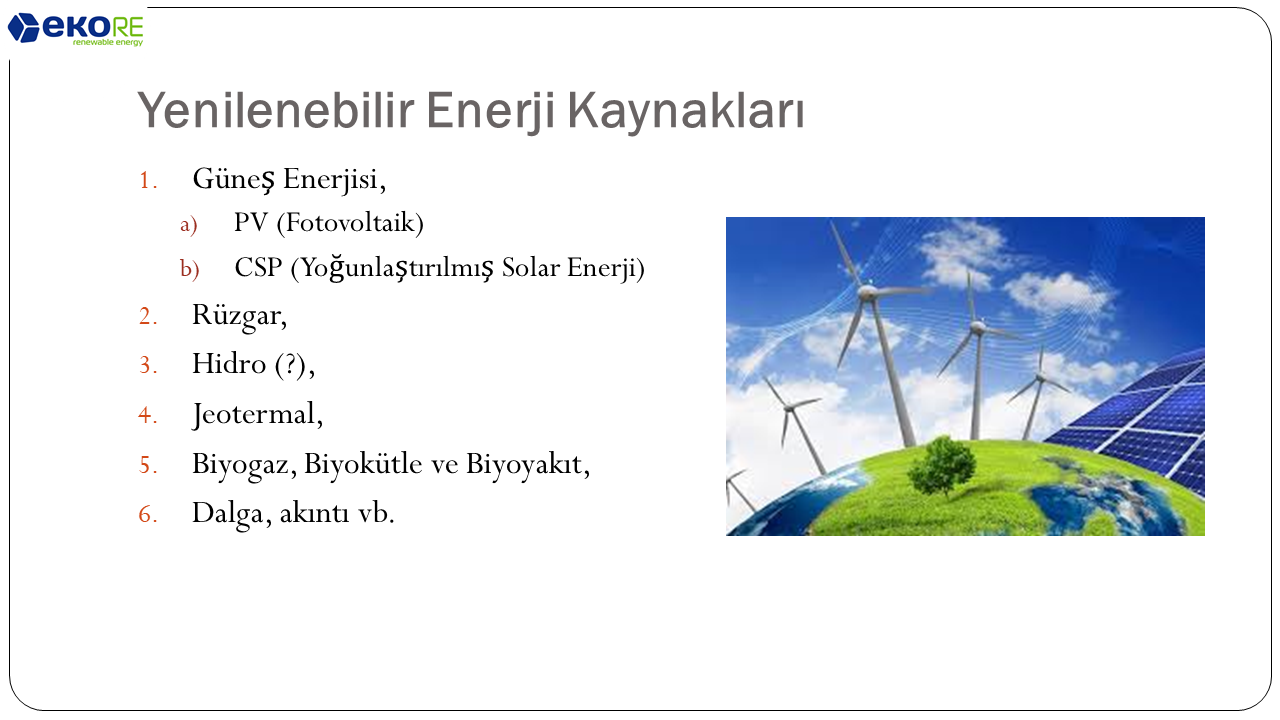
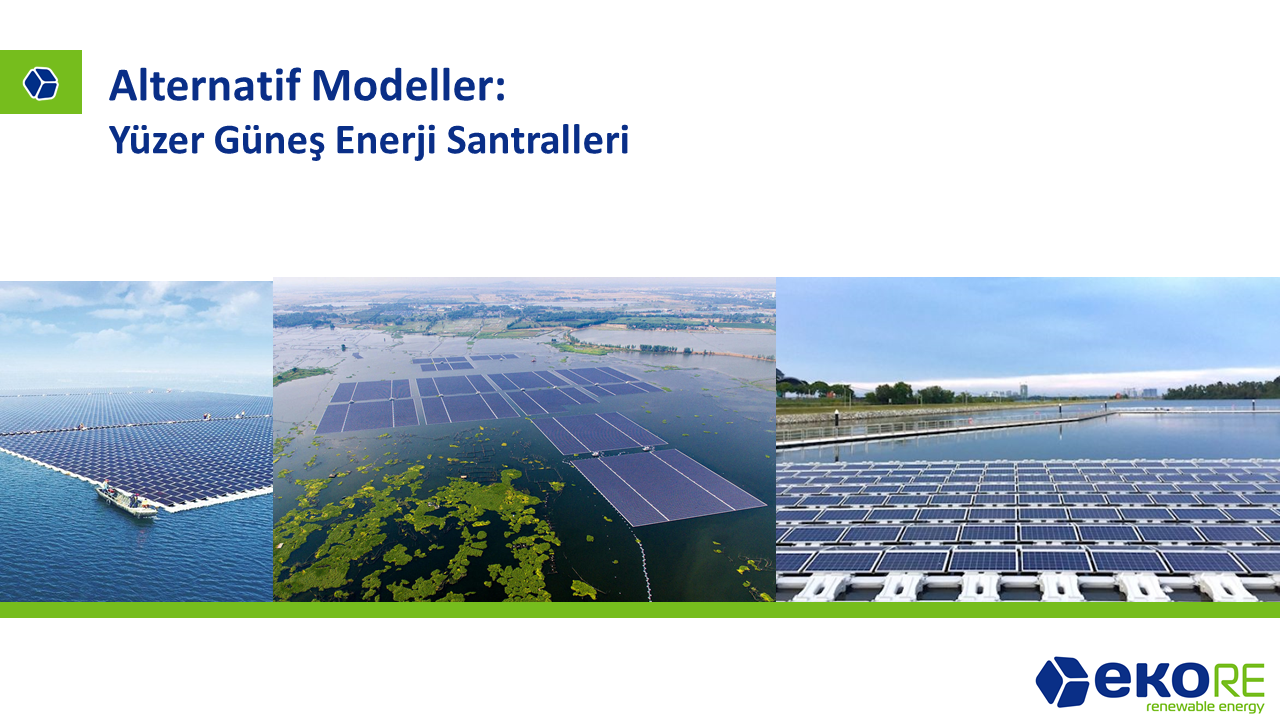
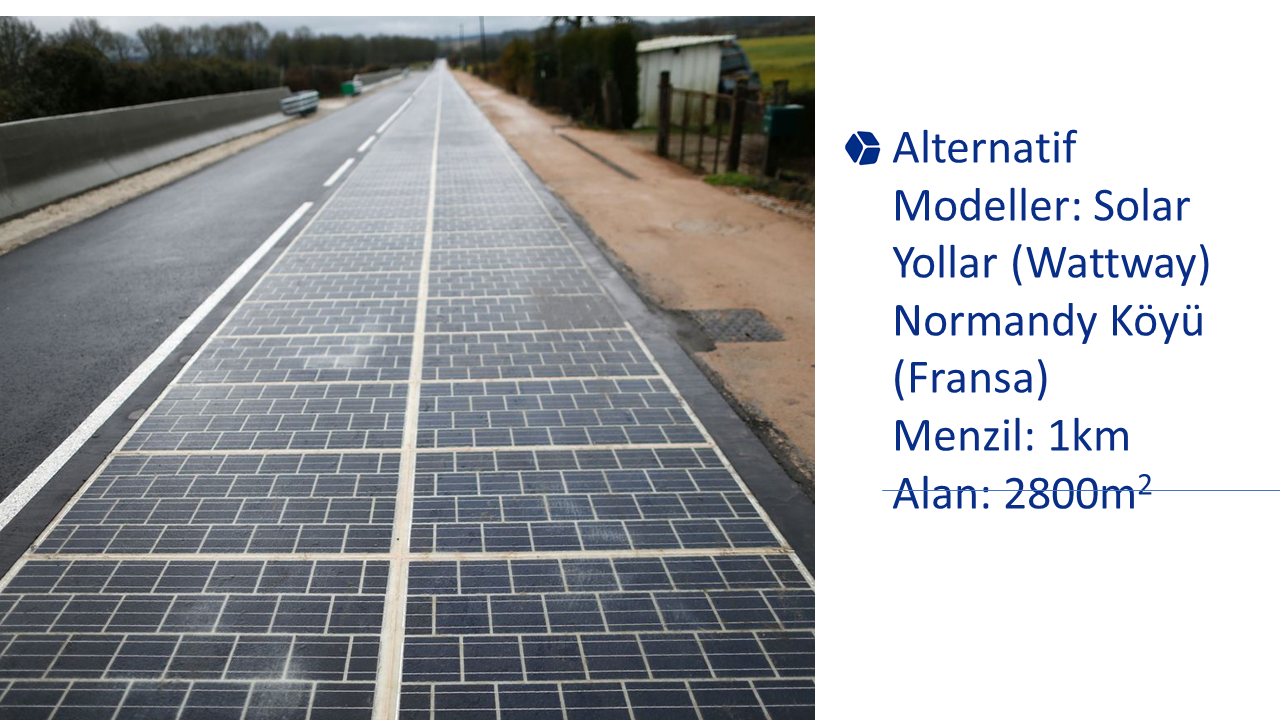
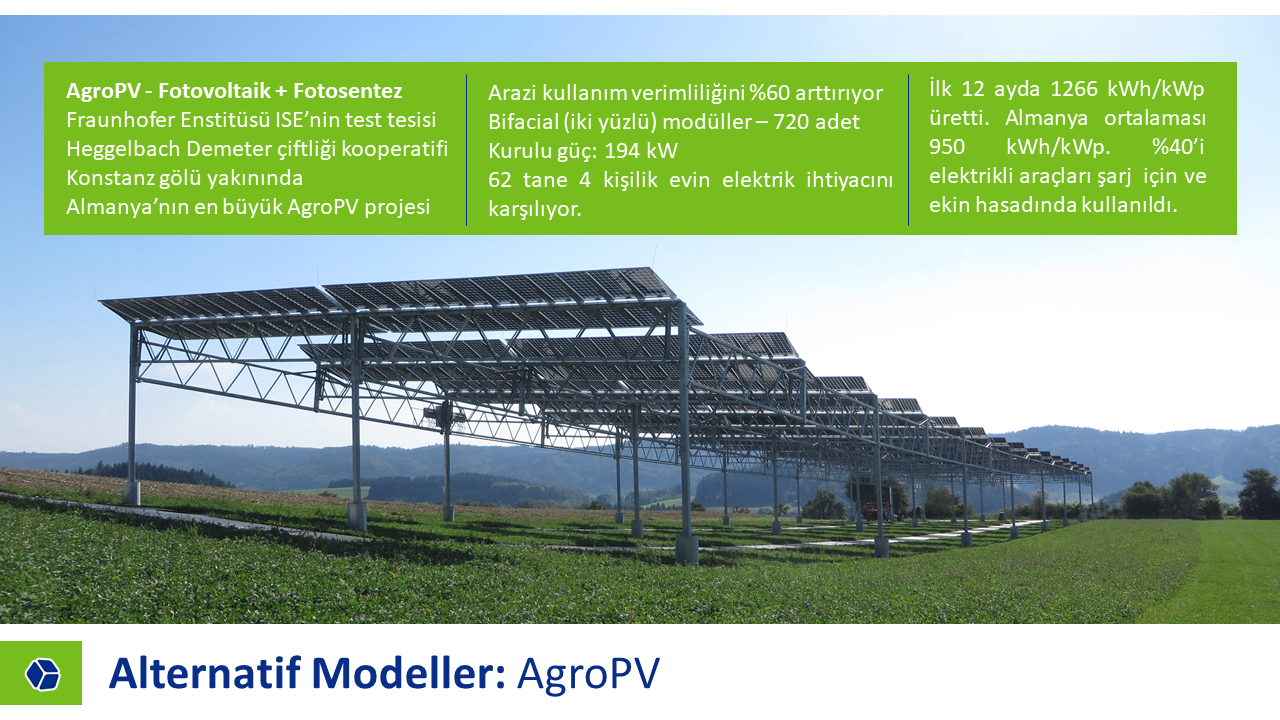
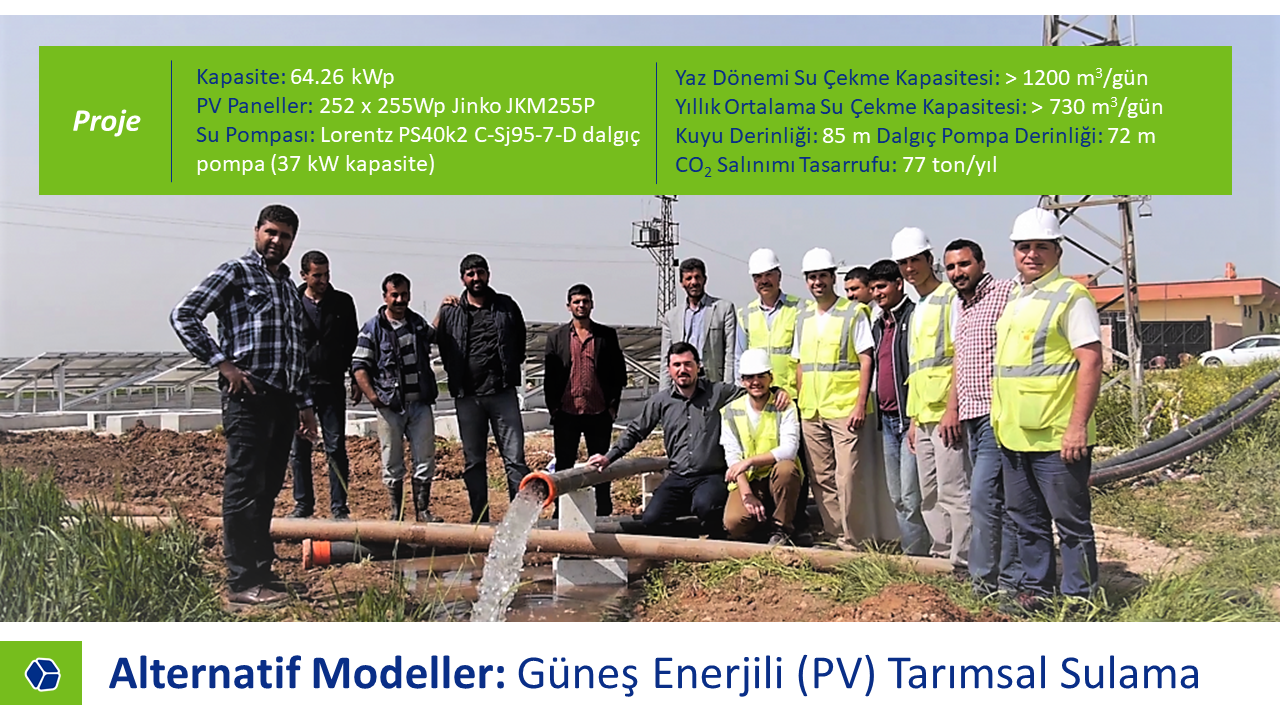
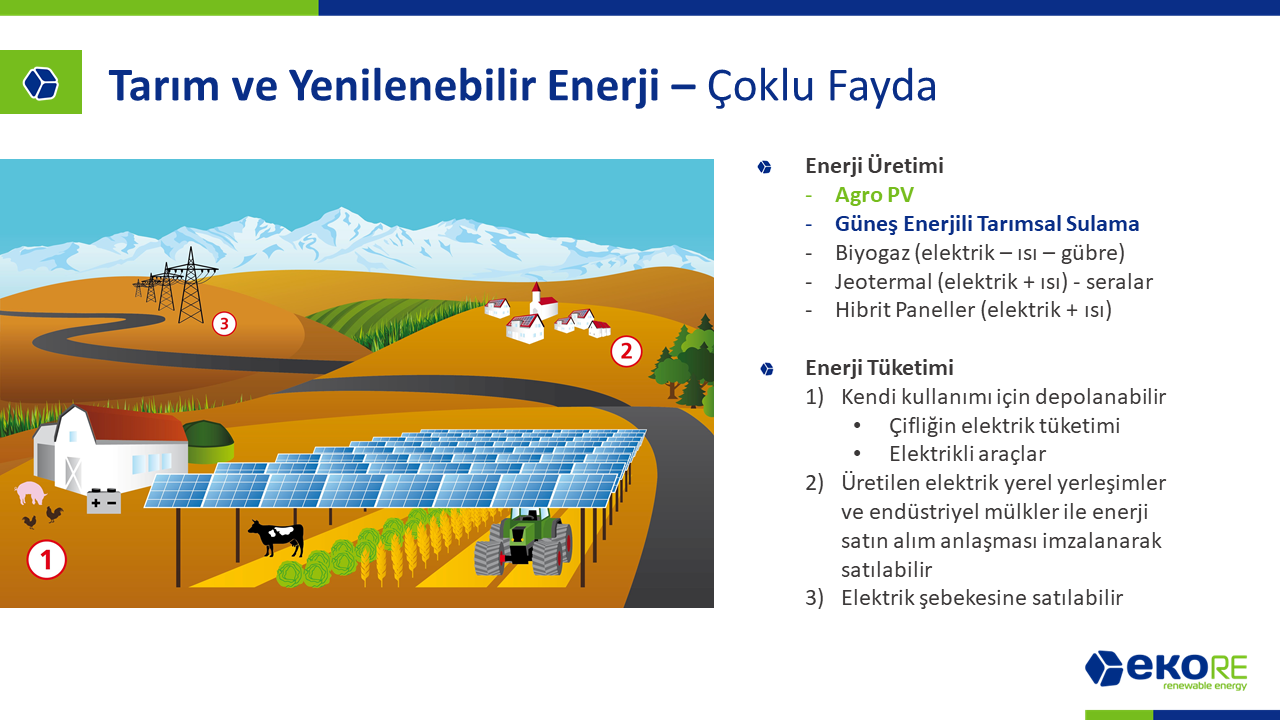
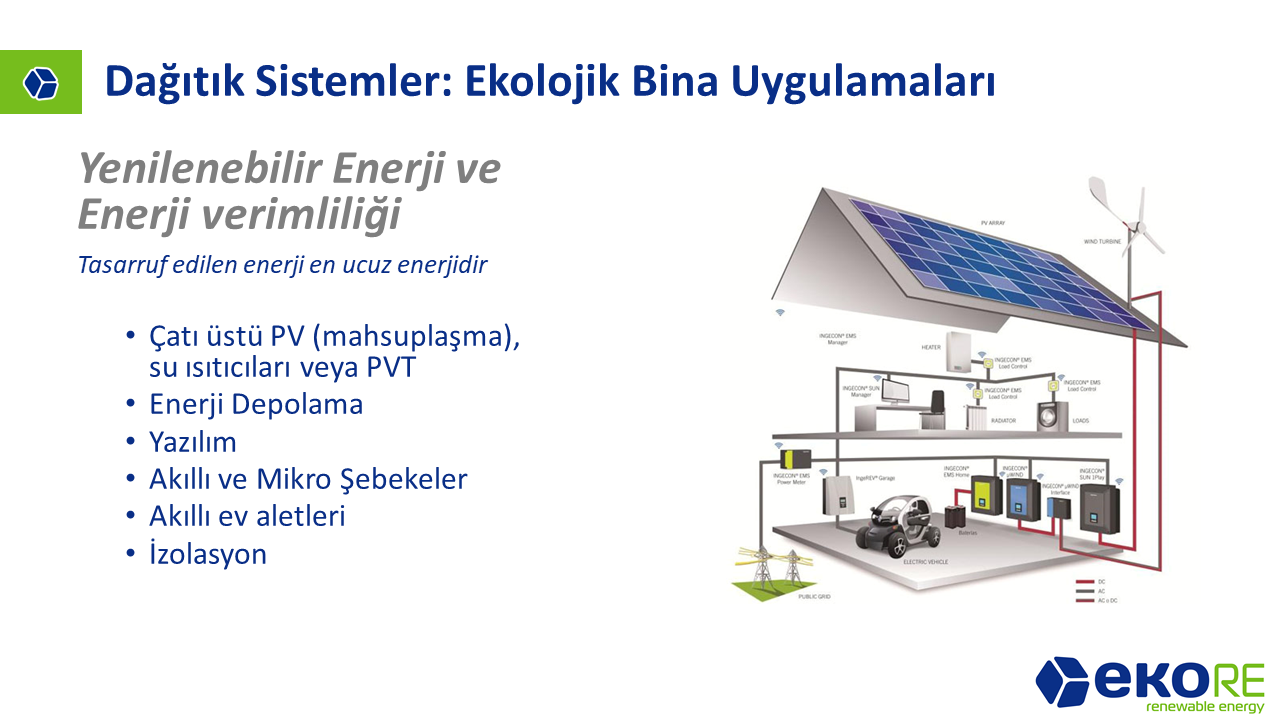
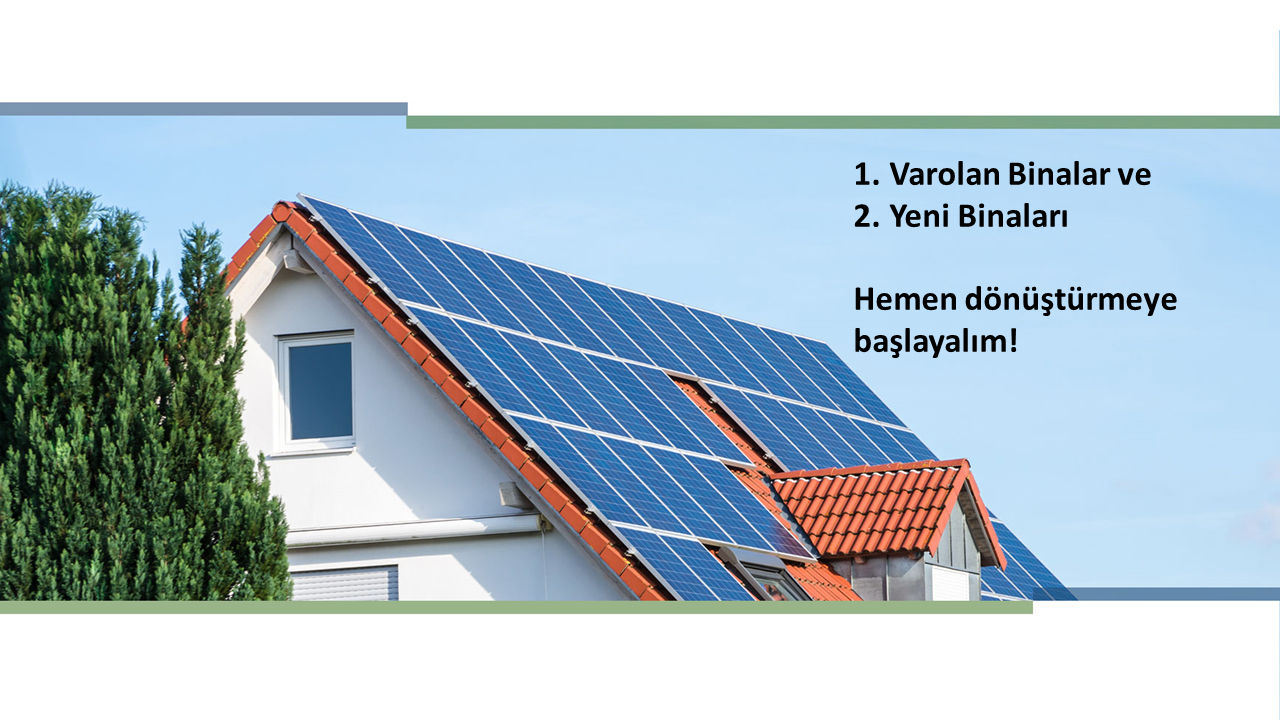
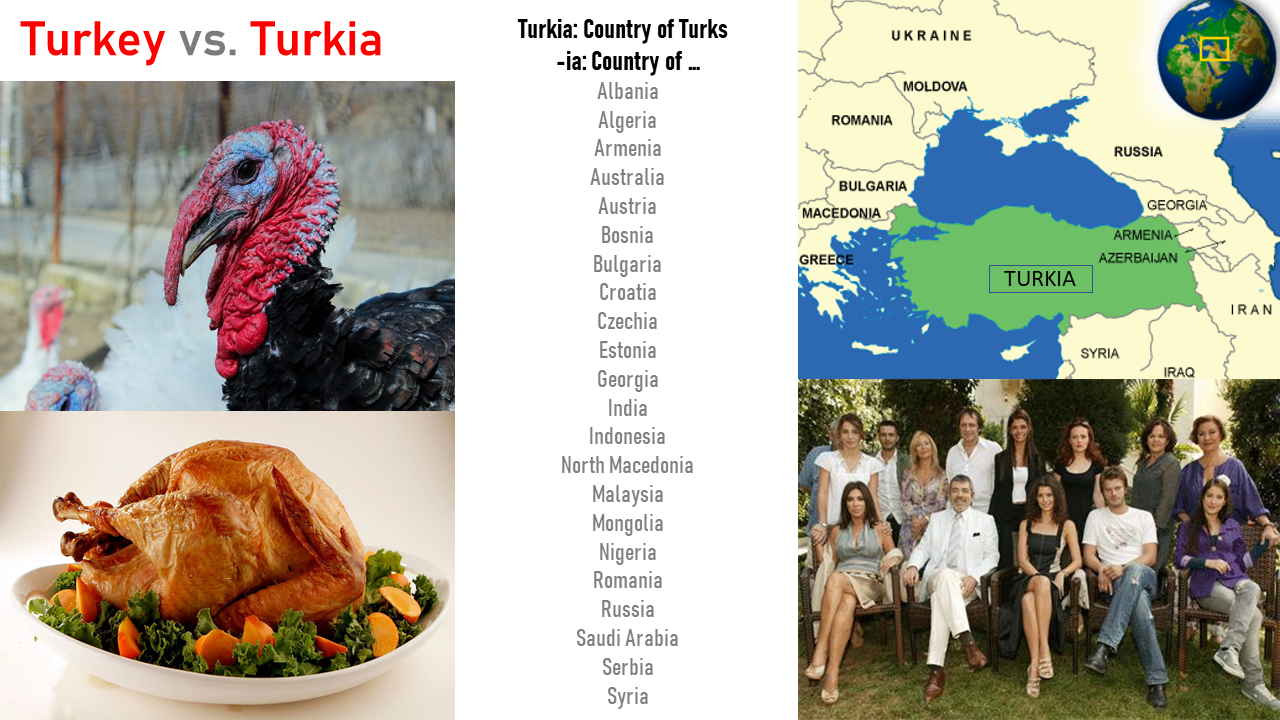
Here’s the presentation I gave to Turkish architects and engineers in Frankfurt:
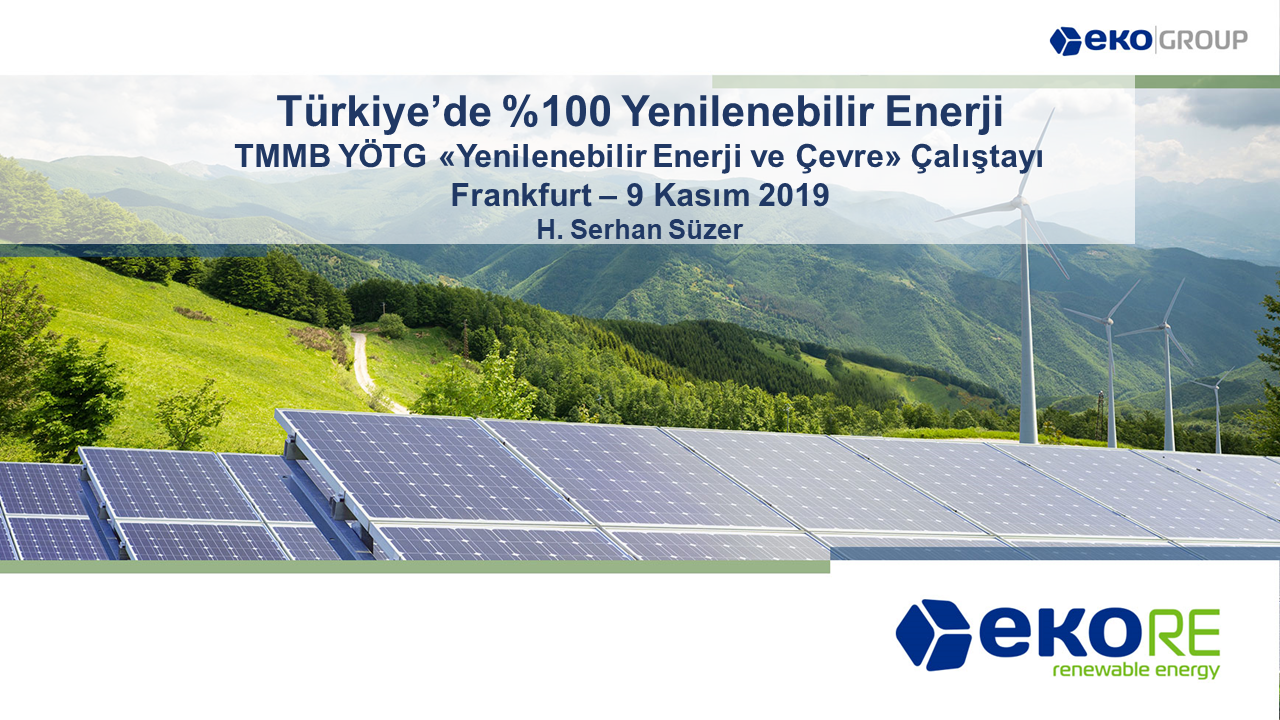
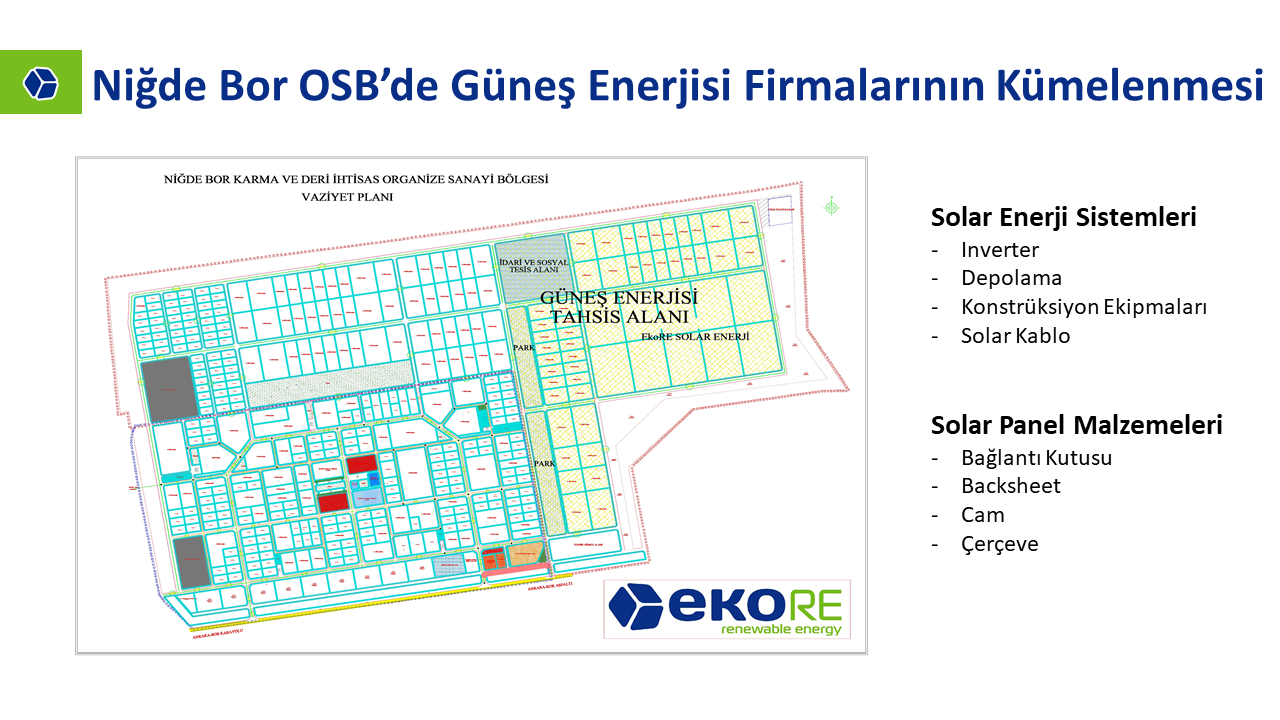
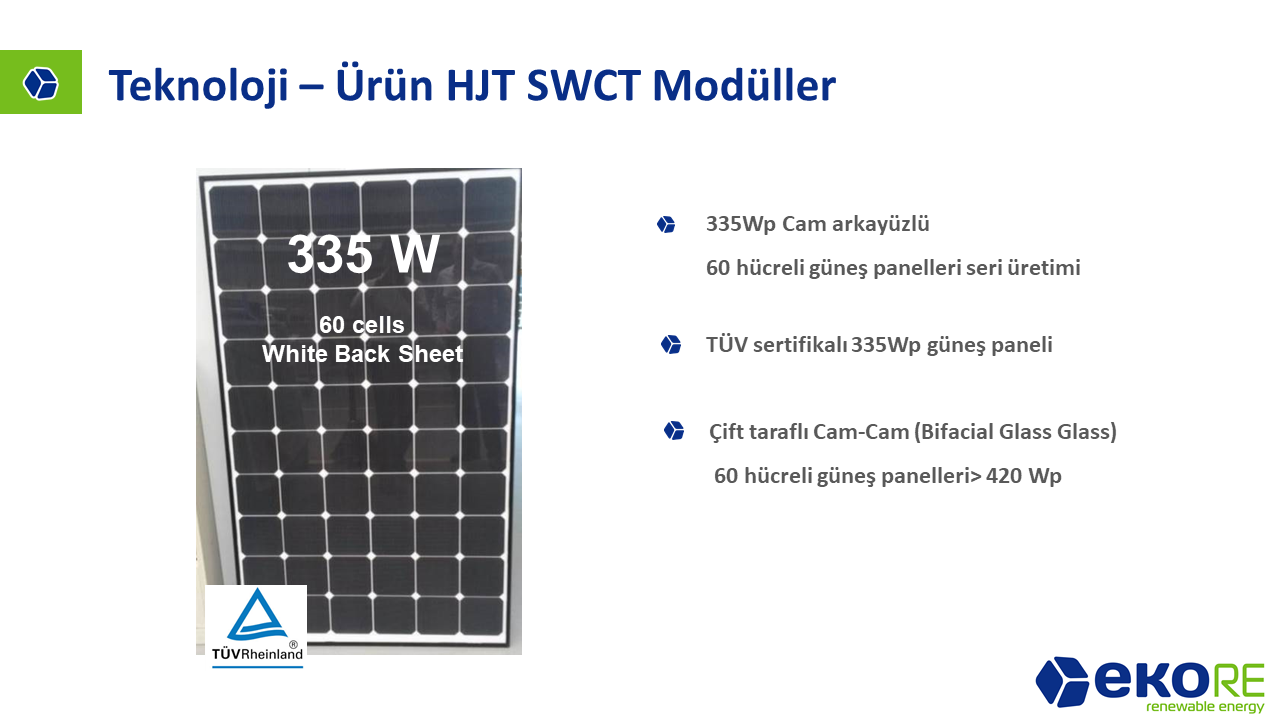
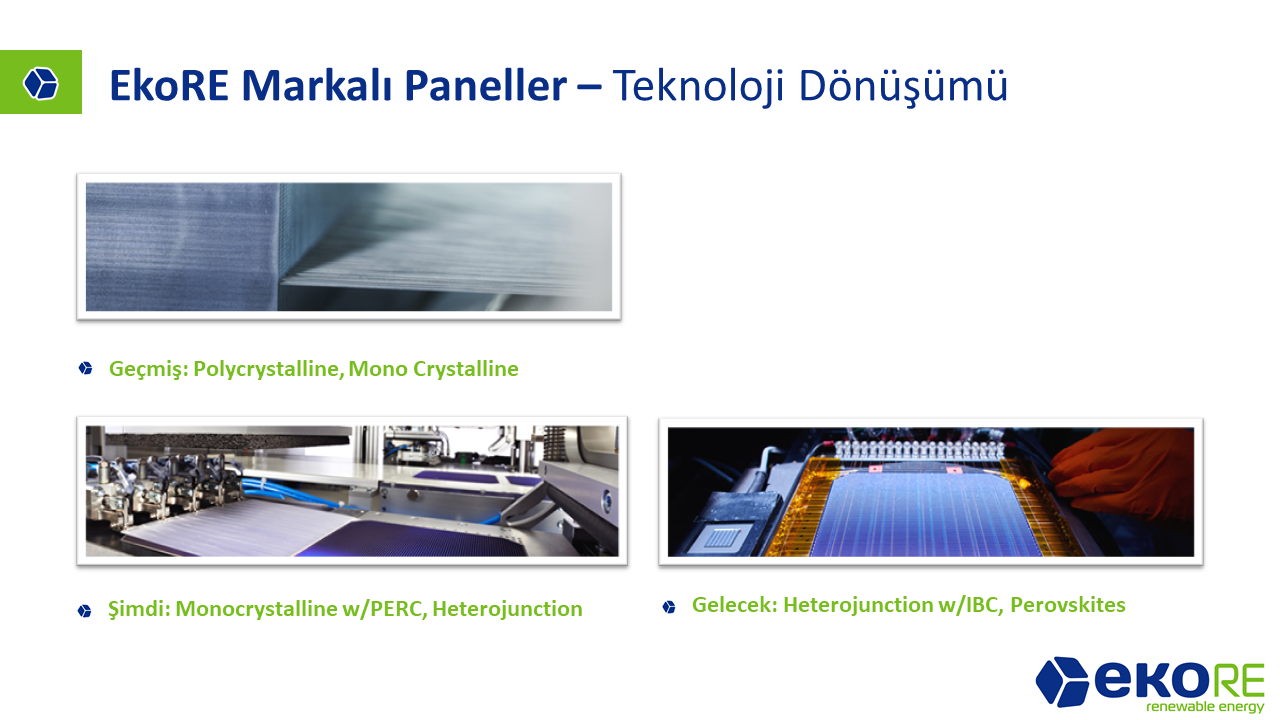
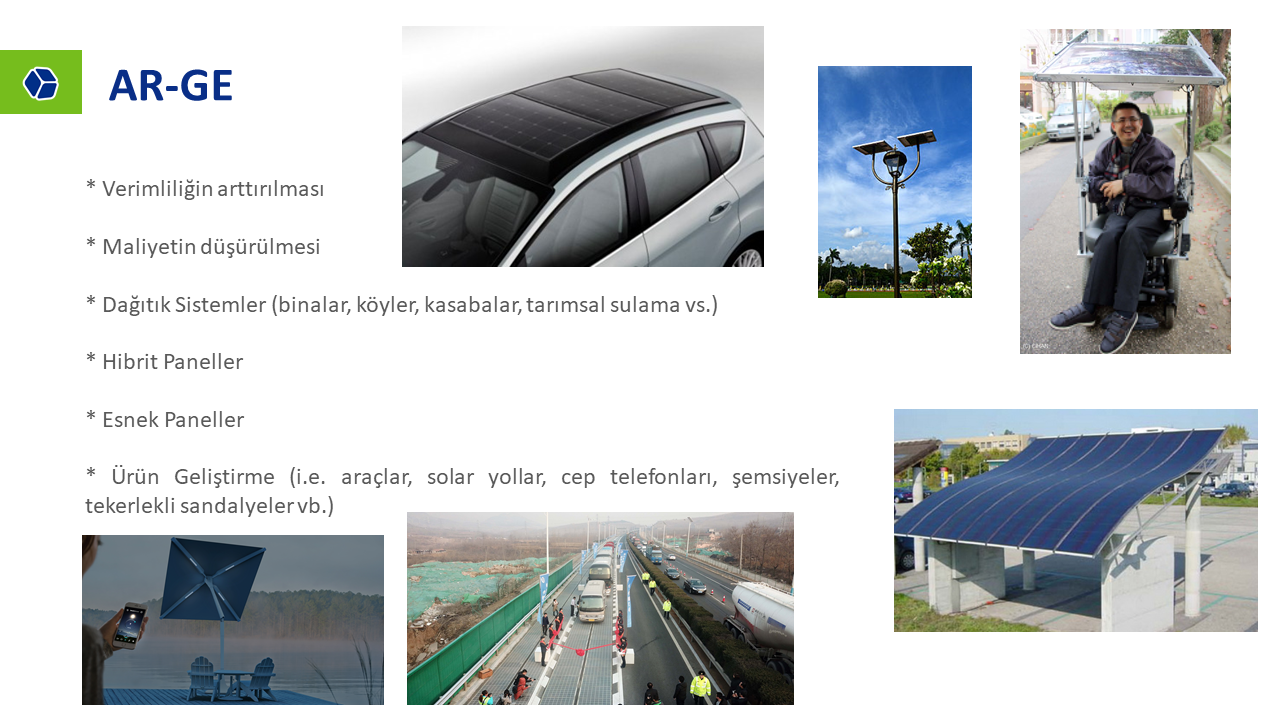


I shared and learned.
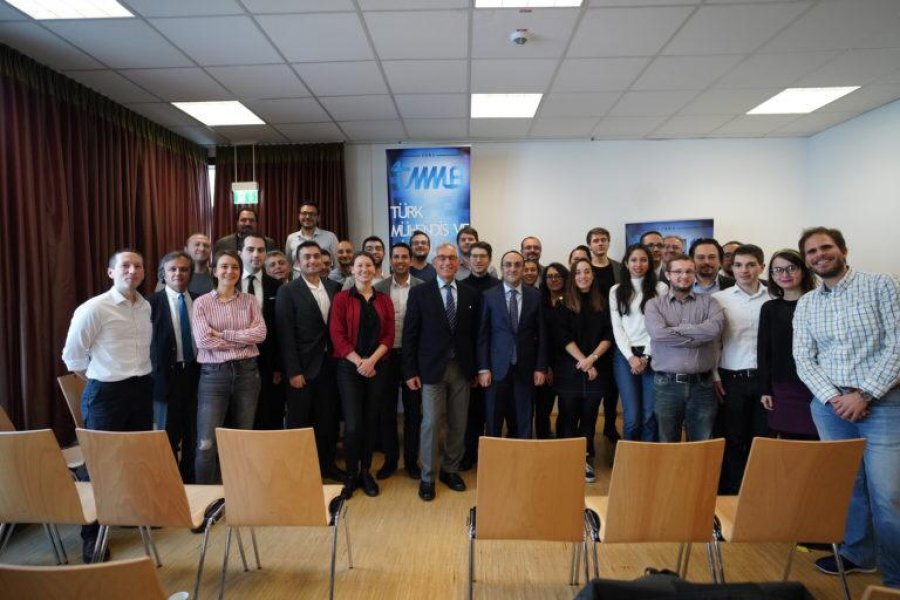
Afterward, we took questions and concluded our talk on a pleasant note. Immediately afterward, they presented us with a certificate of appreciation as speakers and took a photo, concluding the event. After the event, we were organized in a truly Turkish way. We all went to a typical German restaurant. The pleasant conversations continued there. Again, in Turkish style, a group of about 20 people left the restaurant and went to the hotel where they had hosted us. I returned home early Sunday morning. Despite all the fatigue, I felt like a day in Frankfurt and back was worth it. I enjoyed it immensely and learned new things. I especially learned from Suat Bakır’s presentation on Turks in Germany and the conversations that followed.
I remember thinking to myself, “This is it. I wish the caliber of Turkish immigrants living in Europe were as high as here. Then, these issues of whether I’ll fit in wouldn’t even be discussed. We Turks can make significant contributions to our own society, beyond prejudice. They’re still dealing with pointless issues.”
Increasing the number of outstanding Turks in Germany
I’d like to take this opportunity to extend my greetings to three German-Turkish friends. I’d also like to extend my greetings to my dear Selda, who was my neighbor in the same complex where I lived, who worked as a senior manager at a world-renowned German company in her field, and who personally helped me with the necessary work to save our turbines when the German turbine company went bankrupt; to dear İlknur (and her brother), whom I don’t remember how we met, but whose paths crossed in many places, who opened the door to me becoming a founding member of Soho House, and who is a master of networking; and finally, to dear Professor Şahin, Dean of the Technical University of Berlin, whom I enjoy talking with about technology, who is among Germany’s leading experts on artificial intelligence and has initiatives in these areas.
In short, we need to increase the number of outstanding Turks in Germany that I mentioned in this article. In fact, there are many valuable Turks living not only in Germany, but also in other countries of Europe, America, Canada, Australia, Asia, and many other countries around the world. Increasing their numbers is beneficial both to the society they live in and to their communities. They benefit the lands of their origins. We Turks can eliminate the negative aspects of the region we live in and, on the contrary, transform its positive aspects into a force that can benefit humanity. We all have this potential. All we need is a good education and a habit of disciplined work.
References:
https://tr.wikipedia.org/wiki/Almanya%27daki_T%C3%BCrkler
http://sampiy10.gazetevatan.com/turklerin-almanya-sevinci-657329-futbol-sampiy10-haber/
http://www.gultekinparlak.co.uk/2012/01/12/50-yilinda-almanya-turkleri/
https://www.cnnturk.com/dunya/almanya-cifte-vatandas-turkleri-uyardi
https://www.bilim.org/almanyadaki-turklerin-yakin-tarih-kronolojisi/
Tag: ecology