
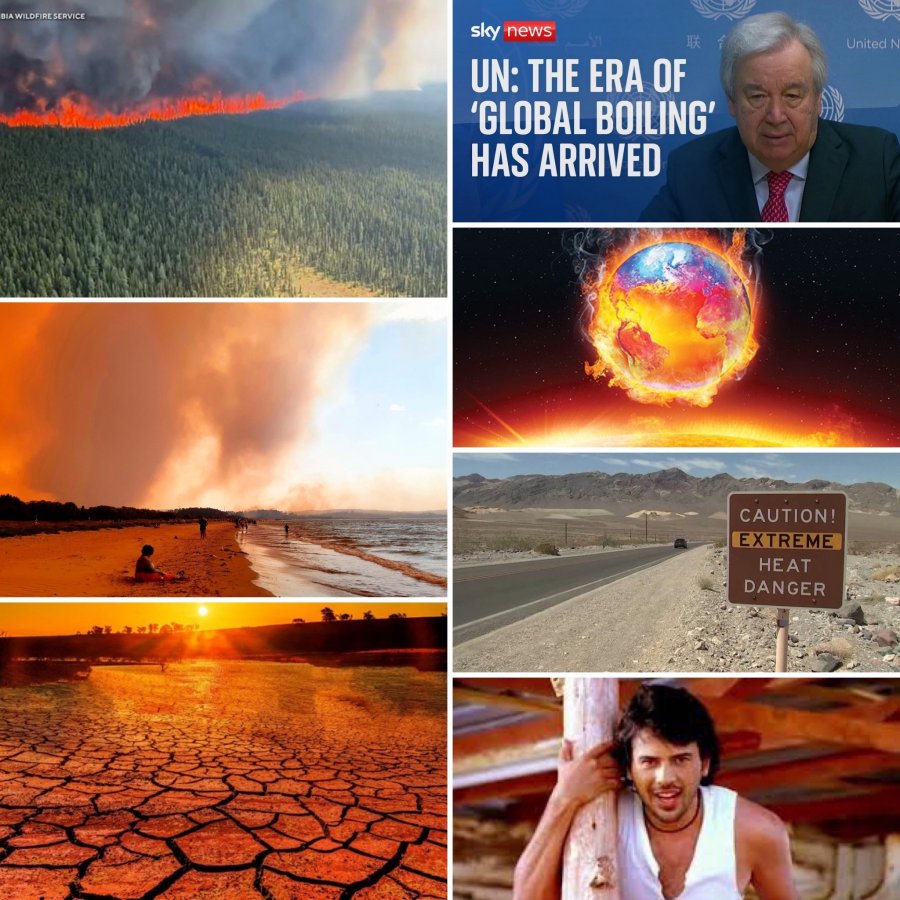
I’ve addressed the issues of climate change and global warming numerous times. However, aside from certain developments, humanity hasn’t made any progress on this issue yet. Ultimately, this season may be the hottest summer of our lives. The bad news is that these temperatures won’t be temporary and will worsen. In fact, to metaphorically illustrate this situation, I’d like to share the song “Sıcak” (Hot), which features the lyrics “Hot, very hot, it’ll get hotter,” sung by Emre Altuğ to describe intimate contact with the opposite sex:
Although Altuğ’s music video explores the attraction between men and women, it’s clear that the hot weather caused by global warming is diminishing people’s vitality.
In this article, I’ll make some observations. In my next article, I’ll share my proposed solutions. Meanwhile, I believe that people like us all over the world need to step up and work harder to solve problems that deeply concern humanity, such as climate change. Therefore, I’d like to share the following information for my regular readers. Normally, I’d always take a break from writing in August. From now on, I’ll continue sharing my writing throughout August. I’ve been writing since 2011, and since 2016, I’ve been writing 50 articles almost every year (except for 2017 and 2019). Starting this year, I’ll be writing 52 articles a year. So, assuming there are 52 weeks in a year, I’ll be posting an article every week on average.
Now, let’s talk about global warming, or the new definition made by United Nations Secretary-General Antonio Guterres: “The era of global warming is over, the era of global boiling has begun.” (See: https://www.instagram.com/p/Cvkfvxbo_4o/?igshid=MTc4MmM1YmI2Ng%3D%3D )
So, let’s look at what this era of global boiling brings:
1) Thirst
I’ve said it many times before: Water is life. Without water, we humans cannot survive. I’ve written about this topic many times. For example, I wrote an article titled “This water problem that makes you say we’ve had better days,” based on the water levels in Istanbul dams in 2020: https://www.serhansuzer.com/tr/bu-daha-iyi-gunlerimiz-dedirten-su-sorunu
Or another blog post I wrote earlier this year, titled “Drought is coming with a bang!” after seeing the Adana Seyhan River dry up 80-90% in January: https://www.serhansuzer.com/tr/kuraklik-gumbur-gumbur-geliyor
Meanwhile, according to Ekosfer, according to research by the World Resources Institute (WRI), Turkey ranks 32nd among the countries most likely to experience water scarcity globally. Türkiye is among the countries in the Middle East and North Africa that are most acutely affected by water scarcity. While water scarcity is expected in all regions except the Eastern Black Sea, this threat is reaching particularly serious levels in the Aegean and Central Anatolia regions (see: https://www.instagram.com/p/Cty7qF4tSoN/?igshid=MTc4MmM1YmI2Ng%3D%3D ).
In fact, the problem of water scarcity is widespread not only in Turkey but throughout the world. Living in this country, we have easier access to information, so we constantly cite Turkey as an example. Now, let’s look again at Turkey and our surrounding region.
Mesopotamia, which includes southeastern provinces like Mardin and Şanlıurfa and was once the cradle of civilization, literally means “land between the rivers.” We are, of course, referring to the Tigris and Euphrates Rivers, which originate in Turkey and have been a source of life for millions of people for thousands of years. Mesopotamia is a historical term used for the land between these two rivers. It was here that the wheel was invented, irrigation developed, and the earliest known writing system emerged. According to some scholars, the rivers here fed the legendary Hanging Gardens of Babylon and converged at the site described in the Bible as the Garden of Eden. Today, much of that land has been reduced to dust.
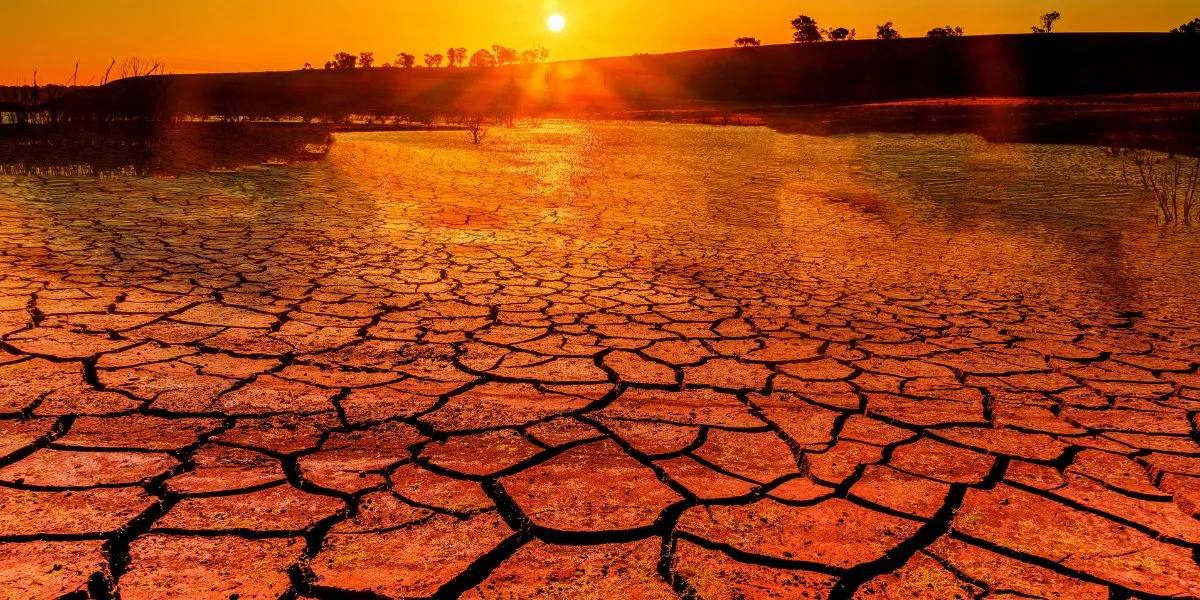
Extreme temperatures and dwindling water are pushing Mesopotamia to the brink. In some villages near the Euphrates River, there is so little water left that families are demolishing their houses brick by brick, piling window frames, doors, and everything else onto pickup trucks and moving away. “There’s no water anywhere,” says Sheikh Adnan al Sahlani, a science teacher in southern Iraq. “Everyone else is suffering a slow death.”
The Fertile Crescent’s abundance is dwindling
The Fertile Crescent (usually defined as encompassing present-day Turkey, Iraq, Israel, Lebanon, Syria, Iran, the West Bank, and Gaza) has experienced no water shortage for most of its history. Spring floods were common, and rice, one of the world’s most water-intensive crops, has been cultivated for more than 2,000 years. But now, in about 40% of Iraq, tens of thousands of acres of arable land have been replaced by desert sands, and the loss continues to increase daily.
Scientists say climate change and desertification are responsible. So is poor governance and the continued reliance on wasteful irrigation techniques dating back millennia to Sumerian times. The conflict over water has exacerbated water scarcity for tens of millions of people across the region. (The New York Times’ Baghdad Bureau Chief Alissa Johannsen Rubin and photographer Bryan Denton spent months reporting from nearly two dozen cities, towns, and villages in Iraq. To read their full report, visit the NY Times’ Instagram page: https://www.instagram.com/p/CvZwwAsLhmT/?img_index=1 )
Now, let’s turn to Istanbul. For years, we’ve been crying out loud that a drought and drought crisis is imminent. Moreover, I was saying that this crisis began in our southern provinces and was shifting northward, and that Istanbulites would soon find themselves amid these drought and drought problems. Last week, I came across the following news: According to İSKİ data, the occupancy rate at dams dropped to 35.94% as of yesterday. This figure is the lowest recorded compared to the same period in the last nine years. Officials, who frequently conserve water, are also searching for a solution to the problem. İSKİ will soon begin distributing faucet aerators. Those using up to 20 m3 of water per month will be fitted with these devices (see: https://www.sozcu.com.tr/2023/gundem/istanbul-icin-harekete-gecliyor-ucretsiz-dagitilacak-7764300/ ).
2) Warming Seawater
Seawater temperatures in Turkey’s Mediterranean, Aegean, and Black Seas are breaking records.
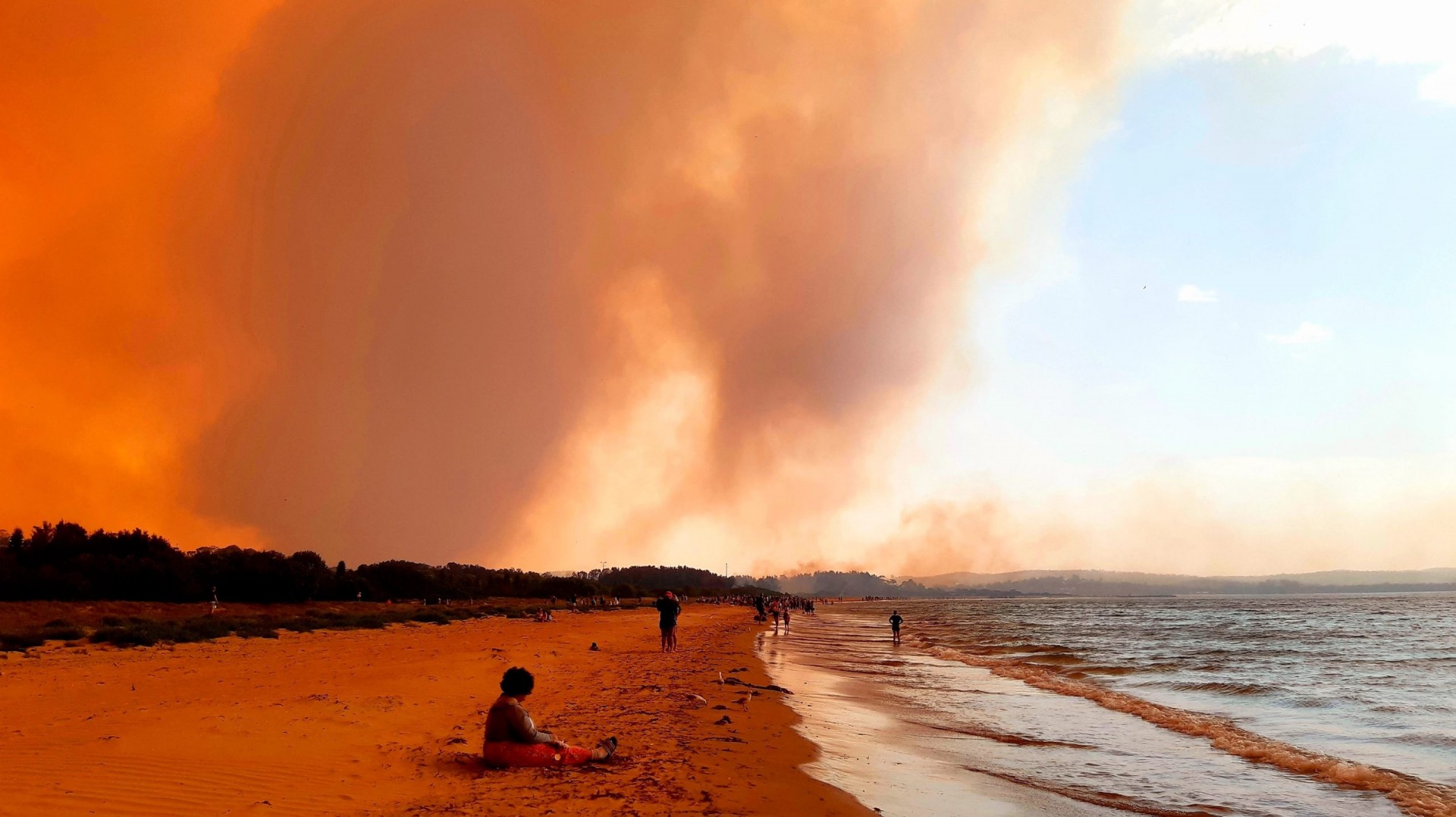
As a result of global climate change, the world is warming daily. Rising temperatures are affecting not only the land but also the seas. The Mediterranean surface temperature hit a record high of 28.4°C. in July. So, what problems are these warming waters causing?
Adil Tek, Head of the Meteorology Laboratory at Boğaziçi University’s Kandilli Observatory, stated, “In the region along the Mediterranean, there is a decrease in precipitation and soil moisture in the inland area. This already tells us that sea temperature is increasing. When we look at the meteorological dynamics of this situation, there are many factors. For example, there are cells that extend all the way to the poles. These cells contain many components, and they are all interconnected. If seawater and air temperatures continue to rise, the working mechanisms of these cells will be more severely affected.” He added:
Meteorological balances will change.
“For example, the seawater temperature in the Eastern Black Sea is always a few degrees higher than in the Western Black Sea. When temperatures are high in the region, the cooler air coming from the north and the high mountains near the sea cause floods in provinces like Trabzon, Rize, and Artvin.
Now, let’s look at the same thing for the Aegean. There are no high mountains in the Aegean, but let’s say the seawater temperature is rising. When the water temperature rises, even the slightest cool air coming from the north will find the warm water below, causing the sea to rise.” This causes intense evaporation. This carries moisture upward. When this happens, changes occur in the precipitation patterns and amount in the Aegean and Mediterranean regions. Short-term heavy rainfalls occur. Hail, lightning, thunder, and thunderstorms are also observed. In short, the gradual rise in sea water temperatures will alter the meteorological balance in our country.
A major threat to fisheries
Dr. Deniz Demirhan, a friend of mine and a significant contributor to the ITU Meteorological Engineering Department with his valuable work, also highlighted a different problem:
“Increasing sea surface temperature is causing significant changes in the Mediterranean ecosystem. For example, the number of harmful algae has increased. It could also cause problems for coral reefs. It’s important to remember that coral-based ecosystems are fish nests that provide food for 1 billion people worldwide. In addition to all this, fishing is also greatly affected by overheating. The impact on fishing, especially in the Mediterranean, has significantly stagnated the tourism sector and led to significant economic losses.”
Record temperature measurements in our seas
Istanbul Aydın University Faculty Member Meteorology Specialist Dr. Güven Özdemir also highlighted the significant warming of our country’s waters, saying, “This year, sea water temperatures reached record highs along the coast of Fethiye: 30°, in Didim, Çeşme: 28°, in Ayvalık, Çanakkale: 26°, in Gökçeada: 28°, in Marmara Island: 28°, in Silivri: 25°, in Sinop, Samsun: 26°, and in Trabzon: 25°.” Dr. Özdemir stated, “The warmer seas this year increase the likelihood of rainy autumn and winter,” adding, “The expansion of heat islands also increases the likelihood of increased sudden rainfall, floods, inundations, and tornadoes.”
The rapid melting of Greenland’s ice sheet in recent years, coupled with the acceleration and increase in freshwater flow from other sources, is thought to lead to the weakening of the Gulf Stream warm water current and its complete disappearance in the coming years. This is caused by greenhouse gases from fossil fuel burning. This will affect the entire global ecosystem, creating disruptions and changes in meteorological systems, and leading to changes in the global hydrological and agricultural systems. As a result, droughts will become more prevalent, global water wars will inevitably occur, and food production will gradually decrease.
Mini ice ages are on the way
ITU Meteorology Department faculty member Dr. Deniz Demirhan stated, “If this cycle stops, it could lead to many consequences, such as much harsher winters affecting parts of Europe and the US (like a mini-ice age), sea level rise, and changes in monsoons in tropical regions.”
ODTÜ Institute of Marine Sciences Director Prof. Dr. Barış Salihoğlu draws attention to the depletion of oxygen levels in the seas: “Besides climate change, pollution and hunting pressure are also harming the ecosystem. Oxygen levels in our seas are also declining. For example, the Marmara Sea is in a very bad state… The bottom waters in Eastern Marmara are almost devoid of oxygen. In recent years, deoxygenation has gradually extended towards the surface, and oxygen levels are below 2 milligrams per liter after 25-30 meters…”
For more details, you can read the news article I quoted while writing this section: http://cuts2.com/kWCRX
There’s another scenario that could lead to the end of humanity. This involves the risk of sea evaporation and the leakage of this vapor from the atmosphere into space. Just as water ran out on Mars, Earth could run out of water in a similar way. This would mean the end of humanity. This might not happen immediately; it might take centuries, millennia, or even millions of years, but we must foresee such a problem and take the necessary action now. We all need to see this problem as a matter of life and death and do everything we can for future generations and the survival of humanity. I will share what we can do in my next article.
3) The Number and Severity of Disasters Are Increasing Every Year
In the previous article, I mentioned that the number and severity of disasters are increasing due to warming seas. Of course, this isn’t just due to warming seas. Because carbon emissions have reached record levels, everything is warming and therefore drying out. Our seas, the soil on land, rocks, rivers, lakes, etc.
The land is drying up and turning from fertile land into a desert, land water resources are completely drying up and depleting, and our seas are warming. Our forests are burning. As a result of all this, the ecosystem is being shaken to its core. Do you still have doubts about the continued warming of the seas and land (land soil and rocks, water resources, living things, etc.)?
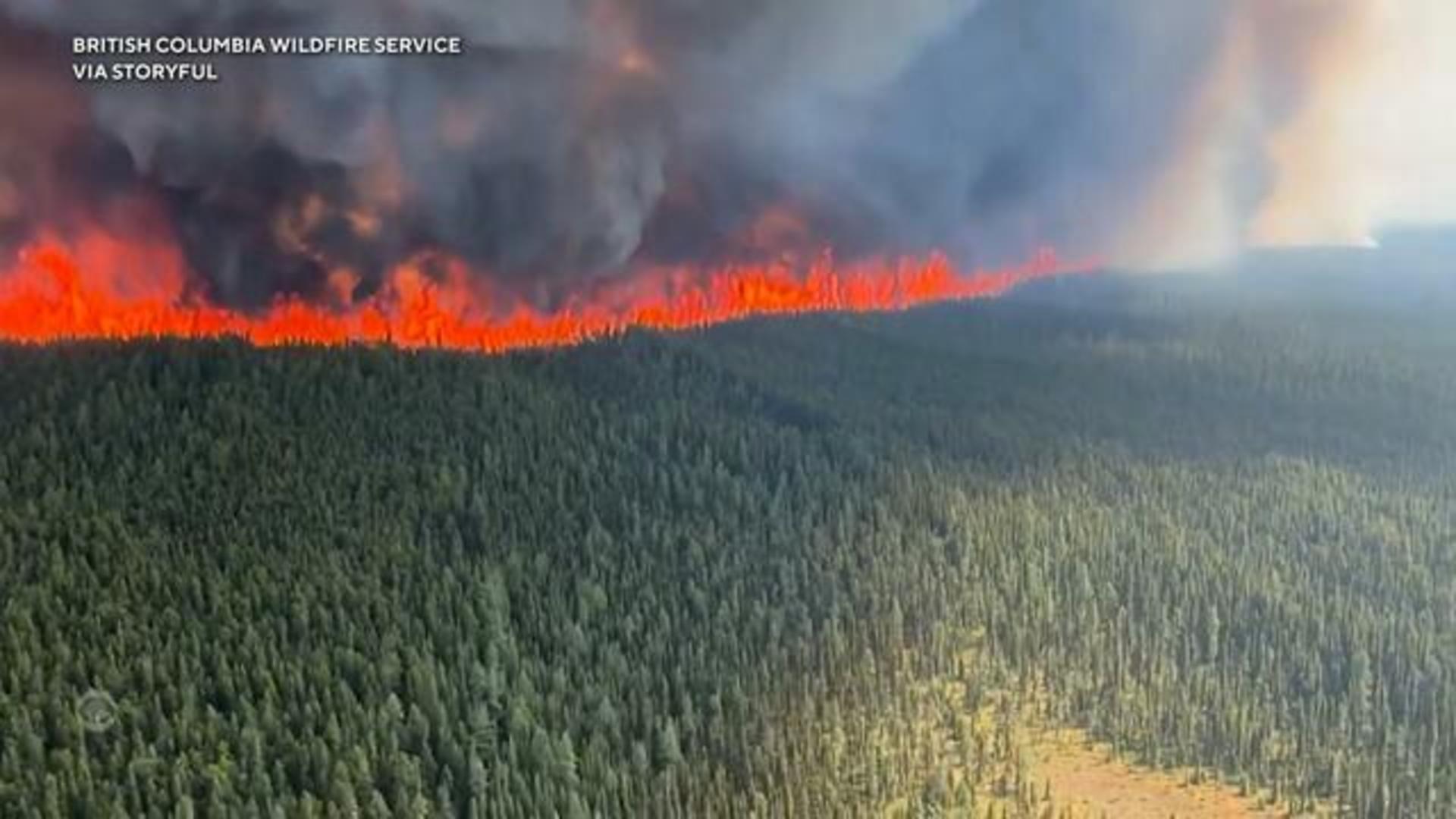
“Extreme heat should be considered a natural disaster”
I recommend reading a news article I read recently on this topic titled, “He warned, ‘These are our better days!’ Prof. Dr. Kurnaz’s statement on the ‘heat wave’: It should be considered a natural disaster”: http://cuts2.com/Hsclf . According to this news, “These are still our better days,” said Prof. Dr. Levent Kurnaz listed the factors causing the climate crisis, saying, “As we burn coal, oil, and natural gas and release carbon dioxide into the atmosphere each year, the atmosphere will warm. Warming of the atmosphere means rising temperatures. According to the laws of the Republic of Turkey, heat is not considered a disaster. First, authorities must meet as soon as possible and recognize high temperatures and these heat waves as a disaster. When they last longer, warnings must be issued. For example, we said it many times yesterday. Workers who physically work outdoors must also be given rest. However, since it is not legally considered a disaster, employers are not obligated to give workers rest. Therefore, the sooner high temperatures are considered a disaster, the better. Agriculture is being severely affected by extreme temperatures. Cacti in Arizona has begun to die. They are dying from the heat. Even they cannot withstand the heat. In other words, all of nature has a limited habitat. The plants around us are not accustomed to 40°; we will need to create a new planting pattern.” “The Southeast has already seen 49.1° in Cizre, so will we see 50°? 50° is nowhere near. If your record is 42°, as it was yesterday in Izmir, seeing 43° or 44° degrees isn’t a big deal. Şile was 44.1°, so next year it’ll be 45°,” he said.
4) Social problems worsening due to climate change
Increased hot weather will exacerbate some existing social problems and make them even more insurmountable. Let’s take a quick look at an example. According to a recent report about the notorious homeless crisis in the US, those experiencing homelessness experienced serious health problems due to the extreme heat. I’d like to share the news about the overlap between the extreme heat and homelessness crises in Florida: http://cuts2.com/ADSoo
This report explains that even homeless people who seek shelter in underpasses and under bridges for shade, especially during the day, are experiencing a range of health problems, from simple fainting to heart attacks, due to the extreme heat.
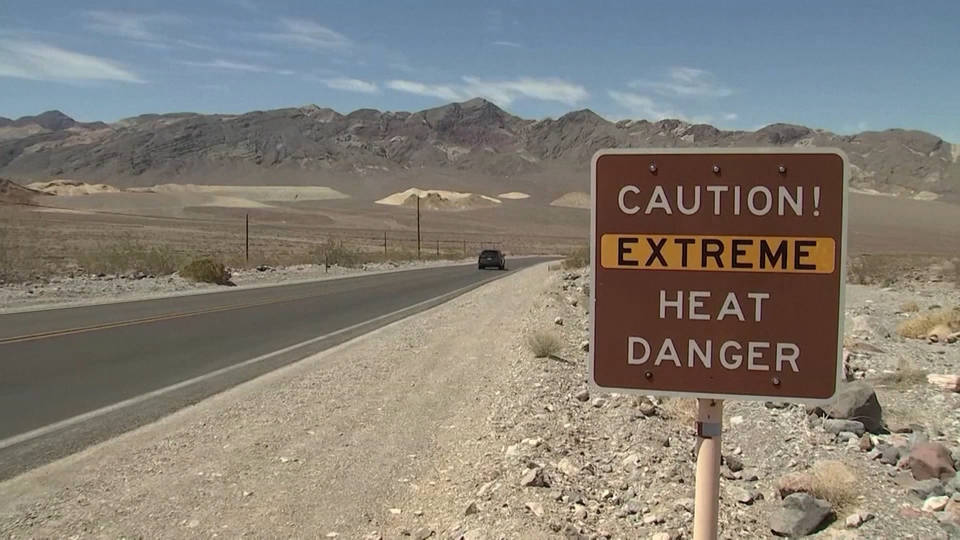
Extreme heat and drought will similarly increase and accelerate the wave of migration. People living in the southern hemisphere will be forced to migrate further north to survive (similarly, people in the southern hemisphere will migrate further south), and this will bring with it many other problems. For example, as we are experiencing today, many countries will view this as a survival issue and resort to inhumane practices to prevent migrants from crossing the border, leading to millions of deaths along the way.
5) Malfunctions in many man-made equipment will increase, and systems will be overloaded.
Let me give an example from my own sector. In the energy sector, many operating equipment will be strained due to excessive heat, putting a strain on systems. This strain will cause temporary system failures, and the efficiency of power plants will decrease. Imagine no energy being produced and there will be power outages. What happens then? People living comfortably in their homes with air conditioning will feel this extreme heat in their bones. In other words, this problem will go from being a problem for homeless people living on the streets to a problem for people sweating profusely and experiencing health problems in their homes.
I could give many similar examples. After all, all man-made tools, equipment, and systems have heat tolerances. When this tolerance is exceeded, human civilization will face many problems. I’ve tried to briefly explain the challenges that “climate change,” “global warming,” or as the UN Secretary General calls it, “Global Boiling,” will cause. In my next article, I’ll share solutions to this nightmarish problem, which has become humanity’s struggle for existence, and how this black hole that engulfs all life can be closed.
Tag: education