
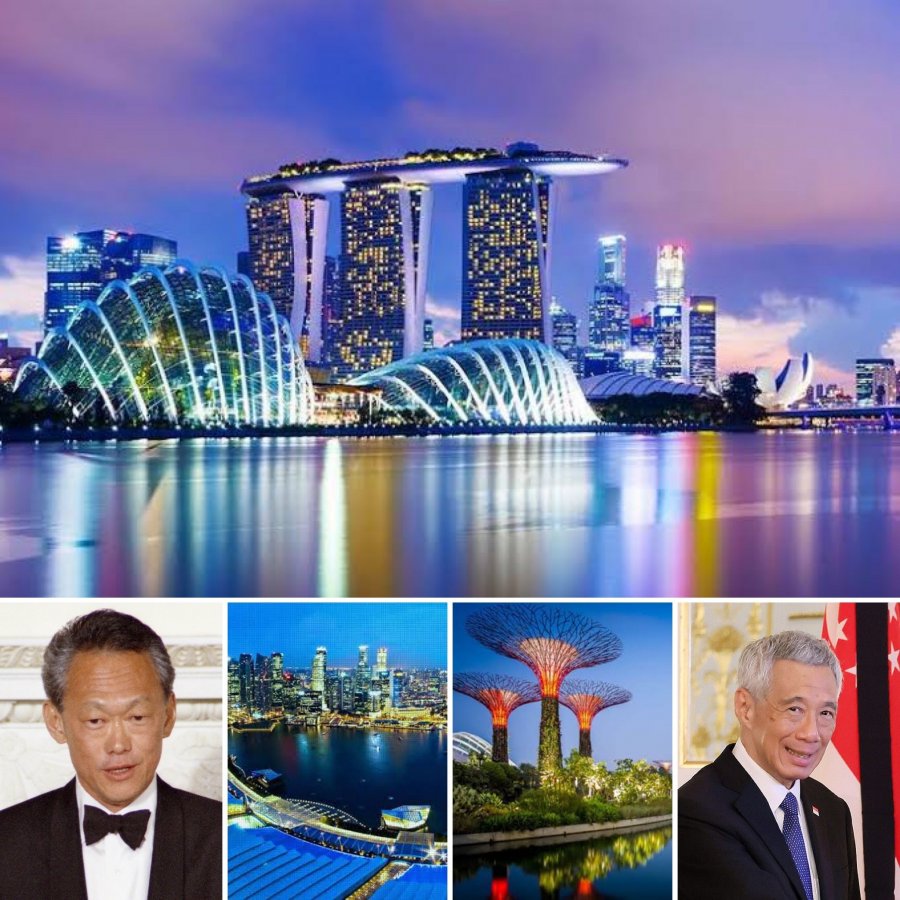
Sometimes it just happens. The very things you want to learn about pop up on social media. From the moment I first set foot in Singapore, a small city, I’ve wondered how it became a first-world financial center.

A user named Akinniyi Akinbamiro shared a short interview with Kishore Mahbubani on LinkedIn, which solved the mystery for me. You can watch this post at https://www.linkedin.com/feed/update/urn:li:activity:7075650636641443840?utm_source=share&utm_medium=member_ios . Let me tell you what they said.
Singapore was a poor country until the mid-20th century
On 24 October 1948, Singapore was a poor country. Its per capita income was the same as Ghana’s: $500. Mahbubani explains that when he first went to school as a child, it was discovered that he was malnourished, and therefore he was placed on a special nutrition program. The school principal would give all malnourished children a spoonful of milk every day. There were no flush toilets in their home. Crime, riots, and gangster fights plagued the neighborhood, and Mahbubani grew up in a typical ‘Third World’ environment. He recounts what happened next and how Singapore rose from this position to become one of the most developed countries in the world. Of course, the biggest credit here goes to Lee Kuan Yew, the first Prime Minister of the Republic of Singapore, who ruled for thirty years (see: Lee Kuan Yew – Wikipedia).
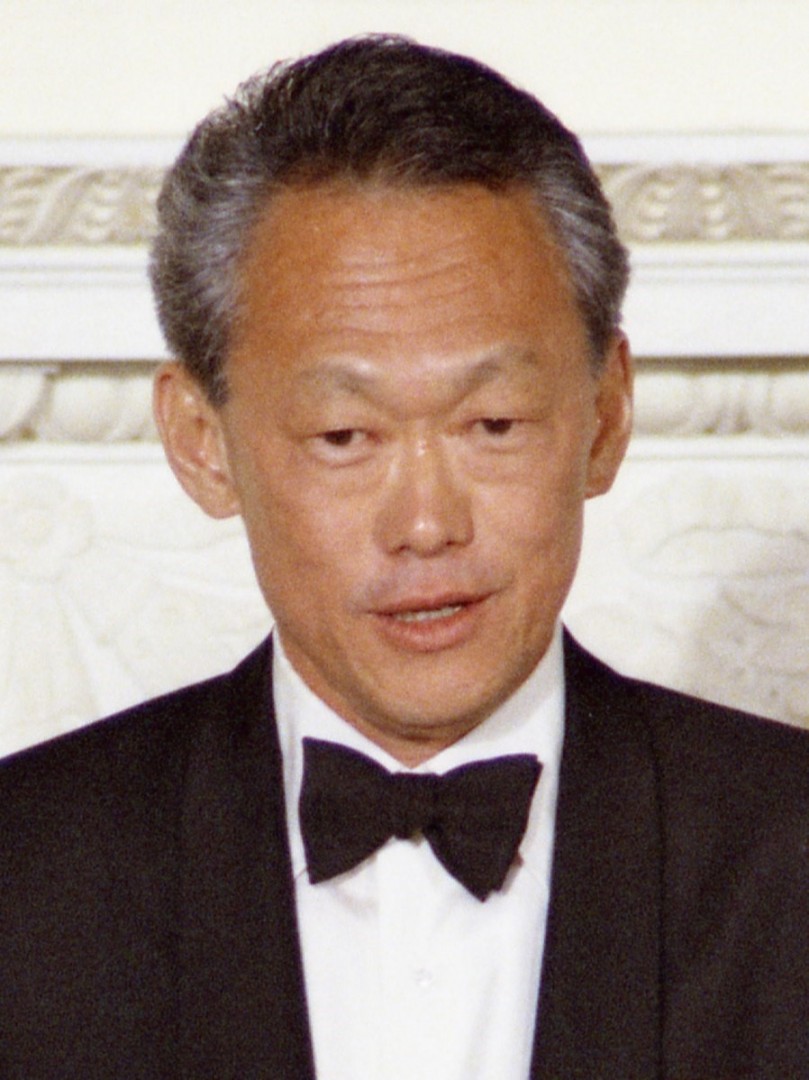
Lee Kuan Yew
Kishore Mahbubani, who shared Lee Kuan Yew’s formula for success, served as dean of the Lee Kuan Yew School of Public Policy for 13 years between 2004 – 2017. He gave the same lesson to every student who came to his university: “I will share with you the secret of Singapore’s success, free of charge. If you apply the secret formula, your country will succeed too.” He offers this important lesson to both Singaporean and international students, which he describes as the MPH, and describes the three pillars that underpin this success:
M – Meritocracy
P – Pragmatism
H – Honesty

3 important pillars
1) Meritocracy
He defines meritocracy, the first pillar of Singapore’s secret formula, as “selecting the best people to govern the country.” He also gives the example of, “What causes the collapse of many Third World countries is that their leaders assign important positions, such as Minister of Finance or Minister of the Economy, to their relatives, not to the best people.” Singapore has done the opposite. In Singapore, the responsibility for running state affairs is entrusted to the best and brightest students in its school, to young people with the brightest minds and good character.
2) Pragmatism
The second pillar that carries the weight of the formula for success is Pragmatism. According to Kishore Mahbubani, “Pragmatism is an English word and concept. However, the best definition of pragmatism is given by Chinese leader Mr. Deng Xiaoping. According to Xiaoping, “It doesn’t matter whether a cat is black or white; if a cat catches a mouse, it’s a good cat.” Mahbubani conveys the Chinese leader’s simple and understandable definition in this way. Similarly, while describing the situation by saying, “It doesn’t matter what your ideology is; if it works, it’s usable,” Mahbubani gives the example of Singapore: The country has pragmatically created its own formula for success, sometimes by combining capitalism, sometimes by socialism, and sometimes by mixing both. Finally, he emphasizes that success shouldn’t be tied to any ideology.
3) Honesty
He states that the third and most difficult pillar to achieve is honesty (Honesty – H). He states that corruption is the biggest obstacle to the development of third world countries, and that radical steps must be taken to radically address this issue. For example, Prime Minister Pew once considered a vice minister’s vacation, financed by a businessman, as corruption, and then dismissed the vacation. He explains that immediately afterward, he had the deputy minister arrested without hesitation. He states that the arrest of such a high-ranking official for vacation financing sent a message to everyone: “Be careful, or you’ll go to jail.” He explains that corruption was eradicated after this incident, and that Singapore’s exceptional success stemmed from this environment of honesty.
After sharing this formula for success, what can we say?
Let us pray that all countries facing serious difficulties in the world can bring their countries to the level of developed nations they deserve through the combination of meritocracy, pragmatism, and honesty (the MPH formula). Amen!

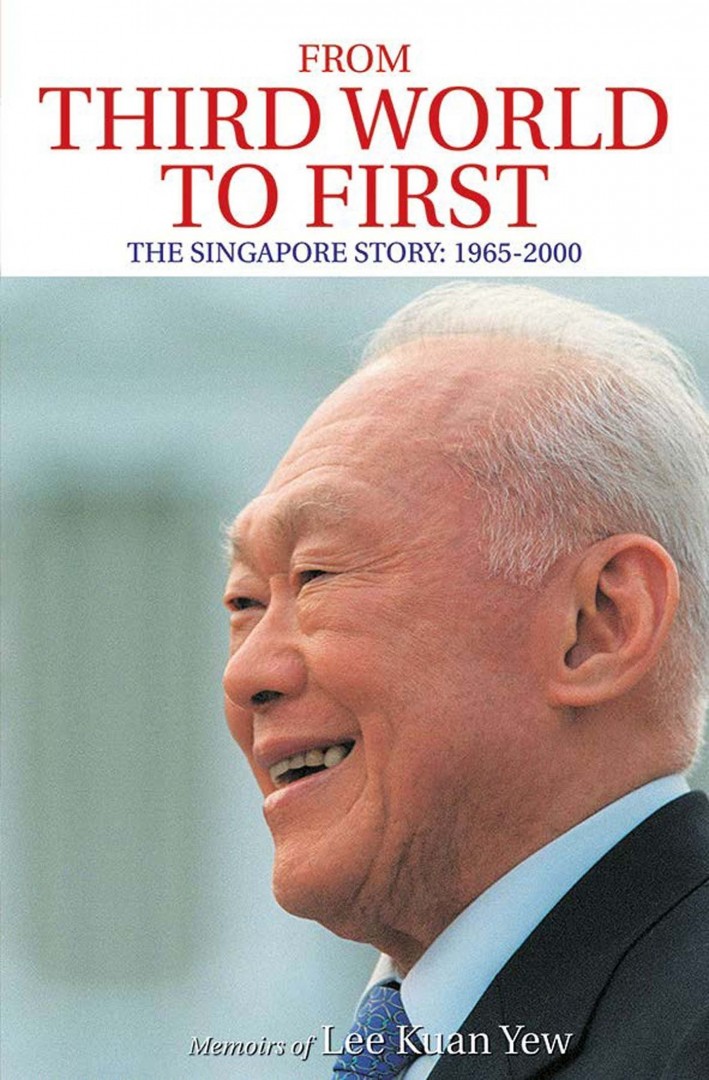
Bonus: If you’re interested in the content of this article, I recommend reading “From the Third World to the First,” a memoir by Lee Kuan Yew, considered the founder of Singapore.
Tag: memoir