Istanbulites don’t explore the city like tourists do. Locals generally stick to their own neighborhoods or a few familiar parts of the city. Out of my lifelong love for the city where I was born and raised, I always tell my friends: “Go out and see Istanbul. Explore it and get to know it. If you have to, tour it as if you were visiting for the very first time.” Of course, Istanbulites can wander around on their own with the help of digital media. But my advice is to find a good guide and go with them—because nothing beats exploring a place through conversation. And if that guide has real depth and solid knowledge, you’ll enjoy it all the more.
Two exceptionally talented guide friends
I say this with pride: Turkey has some truly top-quality guides. All of them have an excellent command of at least one foreign language. They’re knowledgeable about culture, art, politics, economics, everything that’s going on. They know history. And when it comes to human caliber, TÜREB (Turkish Guides Federation) has always stood out among tourism NGOs. That’s why I sometimes just enjoy meeting up with guide friends for a chat.
Since we’re close, I’ll refer to them by their first names. Sedat is one of them. We sometimes get together just to talk. He has an incredible wealth of knowledge in history, art, and culture. Sedat is also a professional translator and one of the best Italian-speaking guides (his English is also excellent). Whenever a top-level figure like the Prime Minister or President of Italy visits, Sedat is always called in as their interpreter. He also holds the Order of Merit of the Italian Republic.
The ‘Old City’ tour
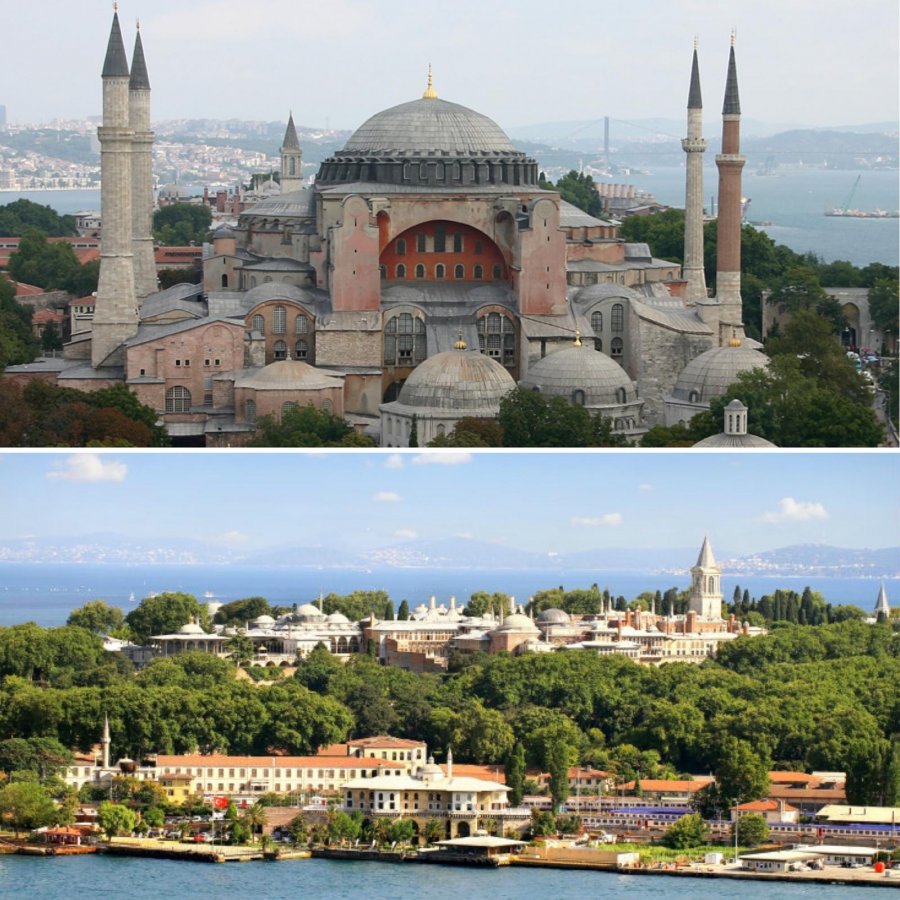
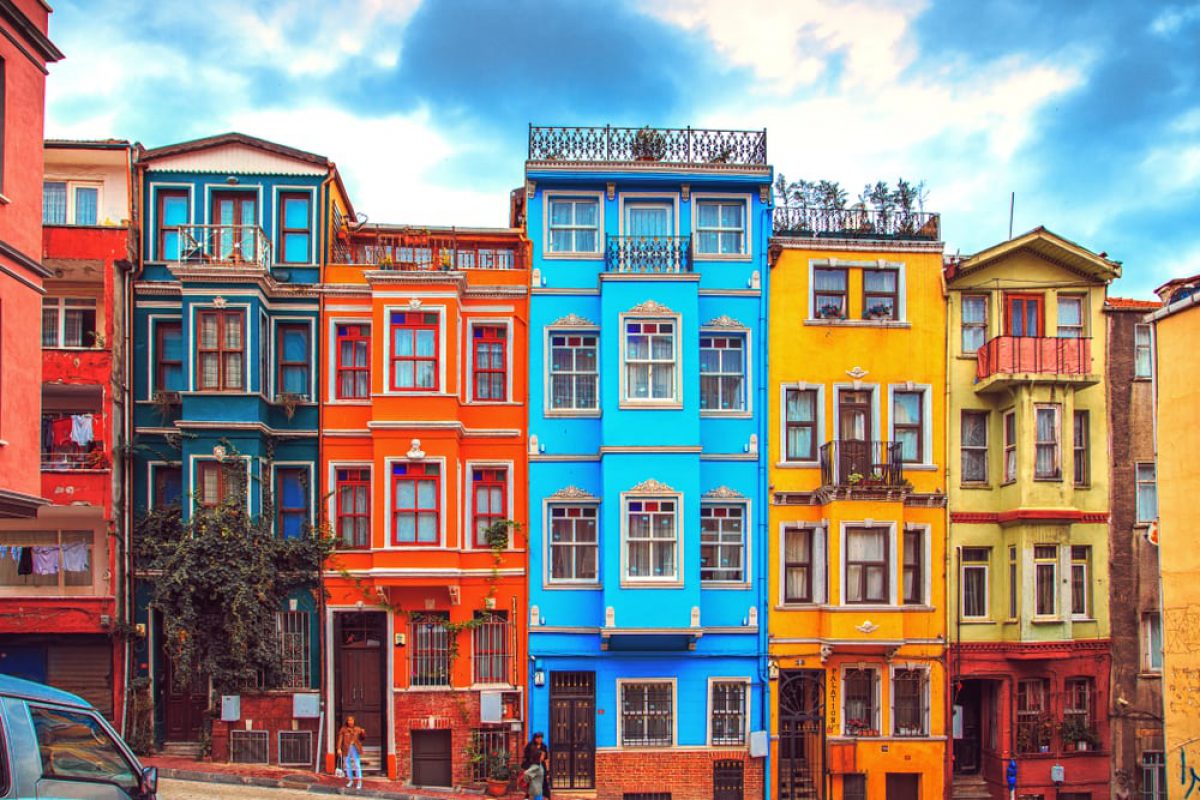
Another outstanding guide in both Italian and English is Yasemin, who often works with Sedat. Everyone I’ve referred to her has come back extremely satisfied. Thanks to her invitation, we recently toured the Old City—the classic destinations like Hagia Sophia, Topkapı Palace, the Hippodrome, the Basilica Cistern—and also Fener-Balat. We had a wonderful time.
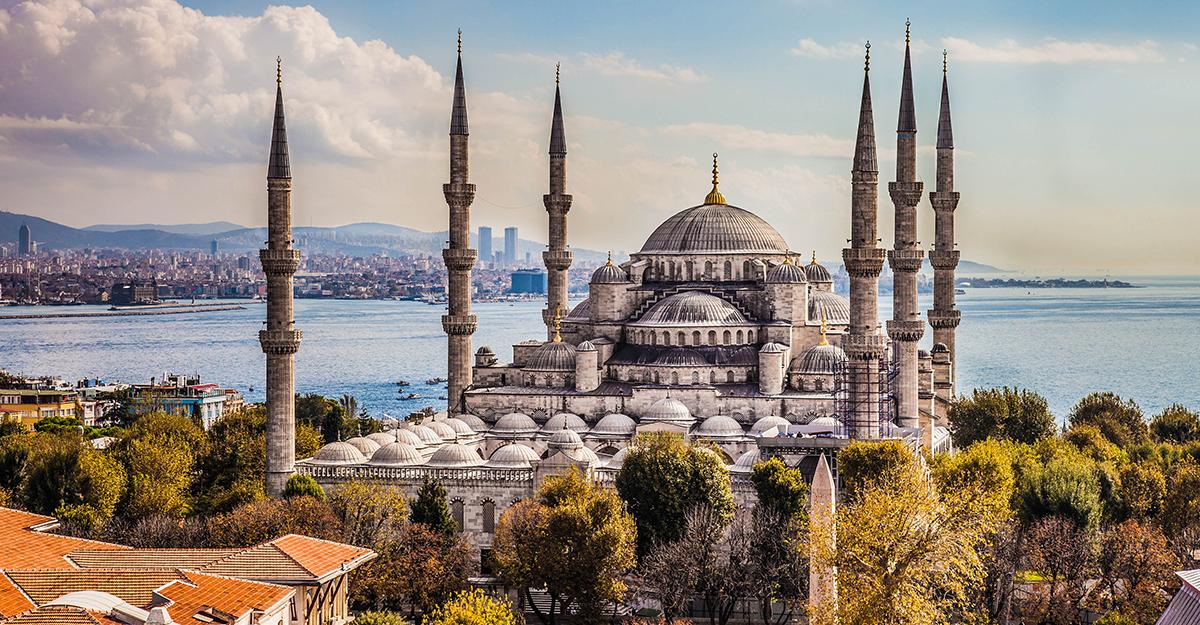
Because my aim in this article is to focus on improving Turkish tourism, I’ll save my thoughts on the places we visited for another time. What I really want to share are the problems in Istanbul’s tourism industry—issues I personally experienced during our tour, which came up naturally in conversation and grew into a deeper discussion.
To help you understand better, let’s start with some basic terms and concepts before moving on to the issues we’re facing.
Professional tour guides in Turkey are affiliated with: the Ministry of Tourism, TÜREB, and local Guide Chambers (Yasemin, for example, is a member of the Istanbul Chamber of Guides). At the start of every year, guides must declare to their chamber whether they will be “active” or “inactive,” and pay dues accordingly. (An “active” guide is one who holds a work card and is authorized to offer guiding services.) Yasemin has worked continuously as an active guide since 2011 and will receive her 15-year plaque next year.
The difference in quality under the old standards
Here’s how the process worked when Yasemin earned her license in 2009—her account in her own words, with my comments in parentheses:
Openings for new guides were announced according to need—specific cities and specific languages. You had to be a graduate of at least a two-year or four-year university program. This enriched the profession (graduates could be doctors, lawyers, archaeologists, theologians—who know religious history extremely well—art historians, tourism/hospitality professionals, teachers, etc.).
After applying, you sat for a general knowledge exam. If you passed, you took both a written and oral exam in the language you had applied for. If you passed that, you went through a face-to-face interview. In that interview, they asked why you wanted to be a guide, what contributions you could make to the profession, and assessed your attire, grooming, and personal care—which I believe is one of the most important points, because the first people foreign visitors meet are us and our drivers; we represent our country (I completely agree).
An intensive training program
Then came six months of classes, six hours a day, six days a week—covering history, mythology, geography, sociology, psychology, first aid, and more.
At the end of those six months, there was a month-long educational tour (still done today) in which we visited nearly all the historical sites and monuments of importance across the country, both east and west, and received training in them.
After the trip, we took two more exams: a multiple-choice test and, in the language we had applied for, a written and oral presentation on a historical site chosen by the instructor. Attendance was mandatory for all stages. Those who passed every stage earned the right to receive their license. If in later years you wanted to add another working language, you only needed to take the language exam (still the case today). Most of my peers added at least two foreign languages. If your badge doesn’t list the language, you can’t work in it, even if you speak it fluently—otherwise, there’s a penalty (and rightly so).
Now: Guides without foreign languages!
Today, anyone who graduates from a two-year guiding program at any public or private university can become a guide (a terrible idea). I don’t know exactly what exams they take after those two years, but under the latest law, the foreign language requirement has been removed (I was stunned—surely this is a joke?). Travel agencies will likely choose guides who only speak Turkish for Turkish tour groups. (How on earth will these guides communicate with foreign tourists?)
We all know how much learning a foreign language broadens one’s cultural perspective, but agencies won’t care (How can someone guide you without knowing a foreign language? It’s absurd! Now do you see why quality is declining? Just as with so many other professions in this country, guiding is being hollowed out.)
A blow to tourism promotion
We fought hard against this new law. At least we managed to preserve the requirement for a licensed Turkish guide to be present on tour buses; otherwise, they would have scrapped that too—allowing foreign tour leaders to tell their groups whatever they liked about our country. Who knows what they would say?
To be fair, the Ministry and the chambers of guides do deserve credit for one thing: their inspectors regularly check for licenses and documents at tourism sites and museums, and they don’t tolerate unlicensed workers—illegal guides, many of them Syrian or Iranian, are fined on the spot.
One personal suggestion: active guides with at least ten years of experience should be granted a green passport, especially those working in outgoing tourism. We must travel abroad far more than lawyers, doctors, or civil servants.
Tourism in Istanbul
Now, let’s move on to tourist guide Yasemin’s opinions on tourism in Istanbul. Again, I’m sharing exactly what she conveyed to me:
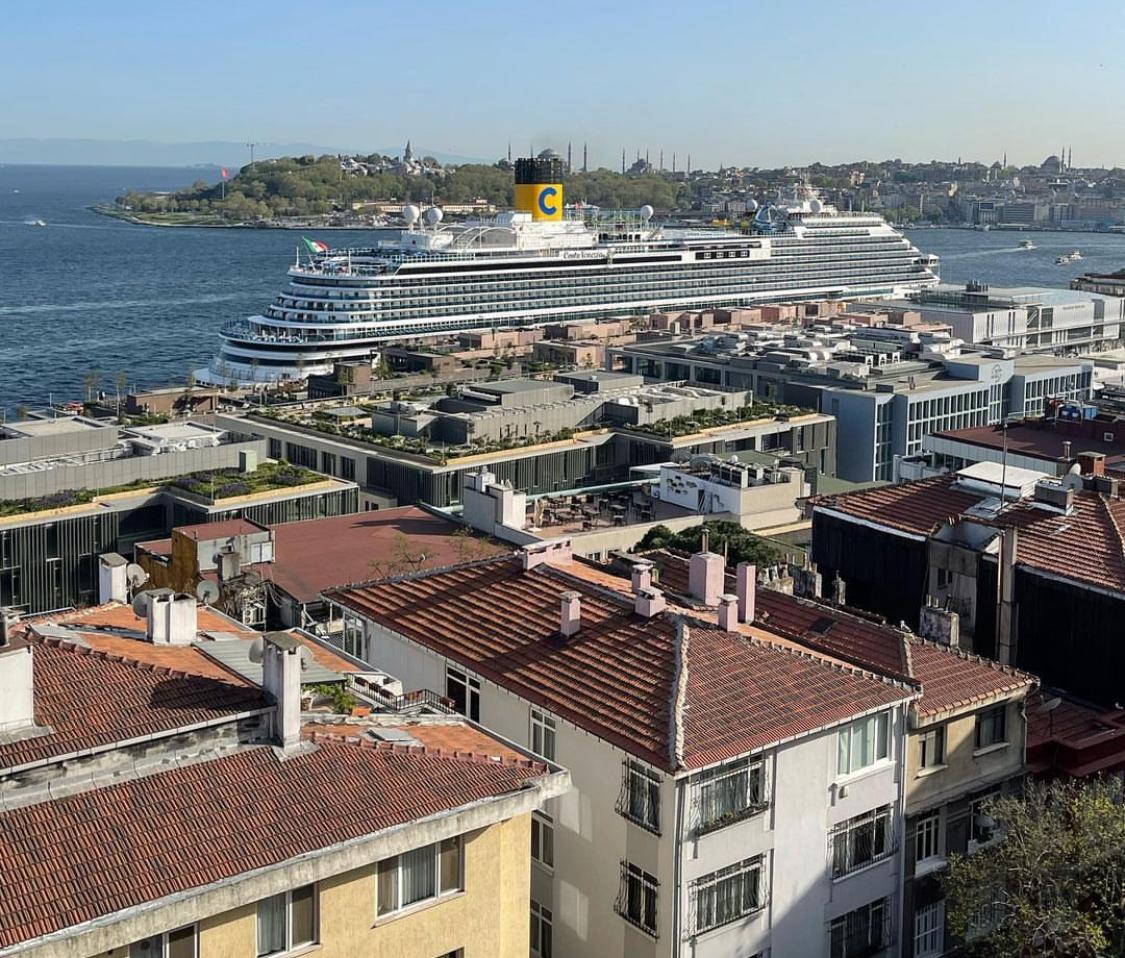
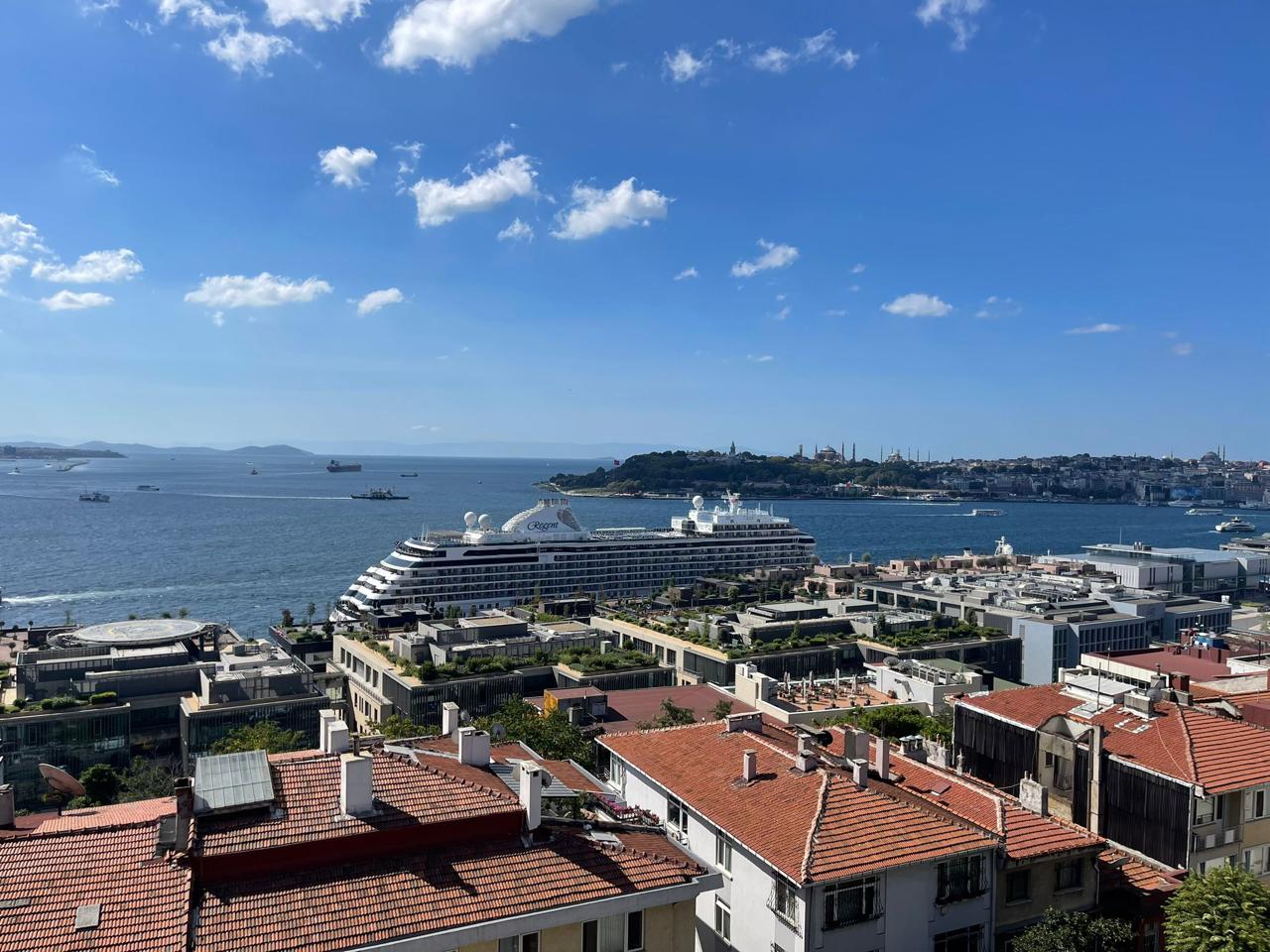
No matter what is said, one of the greatest gains for our city in terms of tourism is Galataport. Those who knew where and under what conditions we used to welcome our cruise guests before will understand exactly what I mean. There wasn’t even a restroom at the port—if it could even be called a port. The current port, with its terminal, tourism vehicle parking, restaurants, shops, museums, and outdoor arrangements, has truly become an extraordinary project. The entry and exit of tourism vehicles to this beautiful port is made by turning the corner of Kılıçali Paşa Mosque. While working with bus groups, because vehicles were parked on both sides of the street where the entrance is located, my bus was often unable to turn or move forward. I don’t think the situation is any different today. For a bus stuck in Istanbul traffic trying to make it to a ship’s departure, even a single minute matters greatly.
Tourists being scammed
These days, we often see tourists—rightfully so—on public transport, thanks to taxi driver terror. The tram stop in front of Galataport is very narrow, and there is occasional overcrowding. They need to open the prepared port stop as soon as possible. At tram stops, tourists trying to buy tickets are sometimes scammed in front of ticket machines. Pickpockets wait around these machines, approaching tourists under the pretense of helping them. Some lose their wallets or money. I know I’ve had to call security officers numerous times.
No one can put a stop to the chaos in front of the Spice Bazaar. Two weeks ago, I waited for a vehicle for 45 minutes. Our drivers were continually fined for dropping off or picking up passengers as if they expect us to drop guests into the square with parachutes. Thankfully, the Istanbul Metropolitan Municipality created a special stop for our vehicles. But even though there’s a traffic police presence, that stop’s entry and exit is now under taxi invasion. We have to argue with taxi drivers every time. They should also have a separate stop—even though we know what they do to tourists and that tourists don’t deserve it. That area should urgently be closed to private vehicles and people directed to public transport, as in Saraçhane. There’s even a rumor that such a project is planned for Eminönü.
The serious problem of no drop-off points
The entrances and exits of the Sultanahmet area should be reorganized for tourist groups. Until 2016, all tourism vehicles, including buses, would enter the square from the corner of Sultanahmet Mosque, pick up or drop off passengers around the fountain or the Fountain of Ahmed III, and then leave the area. Cruise buses even had special permits to use the tramway, and if there was space in the bazaar parking lot, they could park there. Meanwhile, traffic for private vehicles flowed smoothly. Now, however, there’s not even a drop-off bay in the square or the bazaar—let alone a parking lot. Every bus, despite having a line of single-file cars behind it, either stops at Topkapı or at the barriers in Sultanahmet (for 5–10 minutes), and you wait for them. An average cruise ship brings out 20–30 bus groups.
Practices that torment tourists
Groups are made to walk uphill to the bazaar after museum visits. Then they are either taken back to the square or to Sirkeci to board the bus again. Some cruise groups have an average age of 70–80. Many of my clients have said after a museum visit, “We can’t walk to the bazaar, let’s wait for you in the square.” Think about the financial loss for bazaar shopkeepers.
If you decide to return to the square so the bus can come back to where it dropped you off, you’re lucky if it arrives half an hour after you call it (I’ve stopped putting large groups through this stress—waiting customers eventually start to complain. You may have run a fantastic tour, but everything goes upside down at the last minute!). The same applies inside the bazaar. The bazaar parking lot no longer accepts any vehicles. Even Vito vans go down to the shore, to Yenikapı, to park. When you call them, it can take 45 minutes for them to come up from Kadırga slope or Cağaloğlu.
Problems experienced at historical site visits
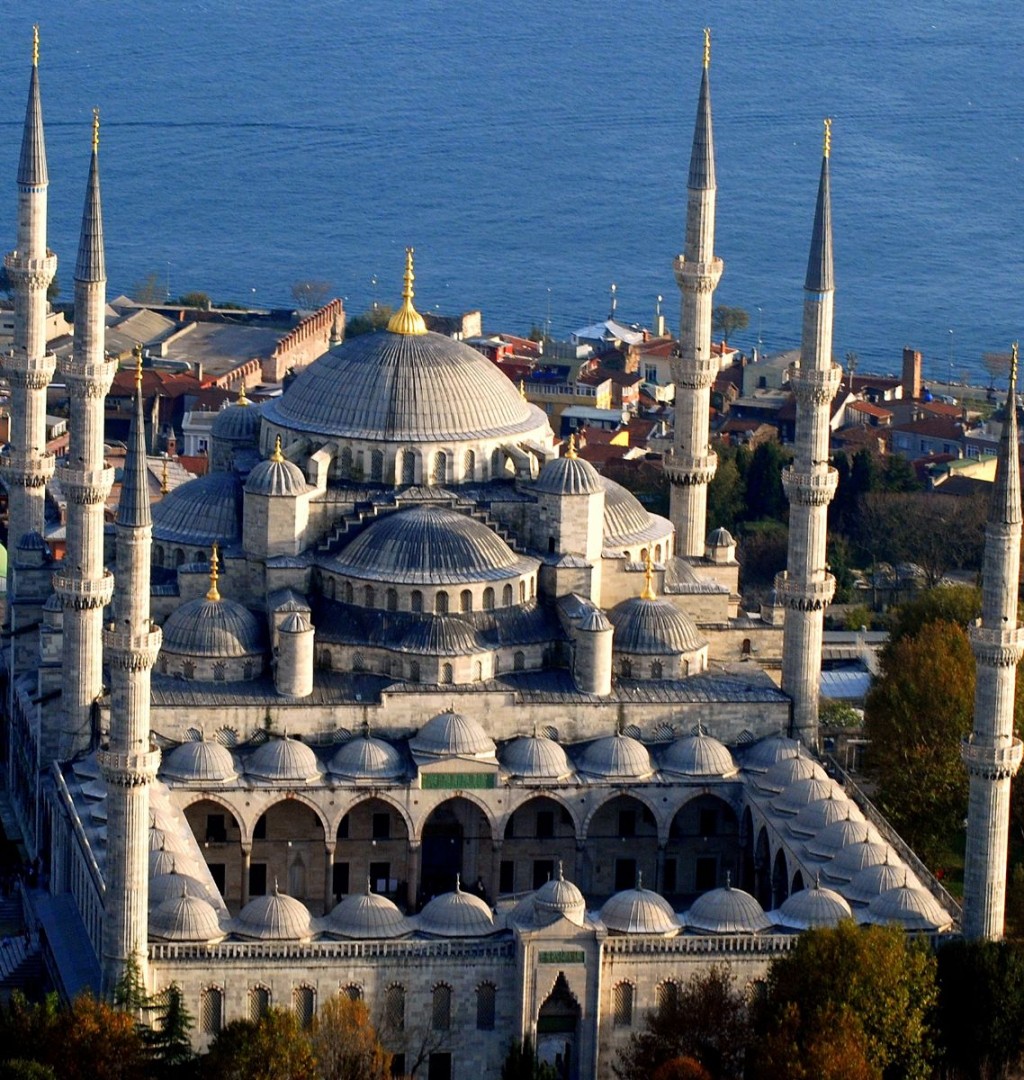
Moving on to historical site visits. After restoration, Sultanahmet Mosque is easier to visit. They arranged the entrances and exits properly. However, I know of cases where, because prayer time was approaching, some members of a colleague’s group were let in but a few at the last moment were left outside. The staff are still more polite than before, but sometimes we have to argue because local tourists try to cut in front of foreign tourists. Headscarves and covers here are free, but they are reused throughout the day. Like in Hagia Sophia, disposable paper covers could be sold.
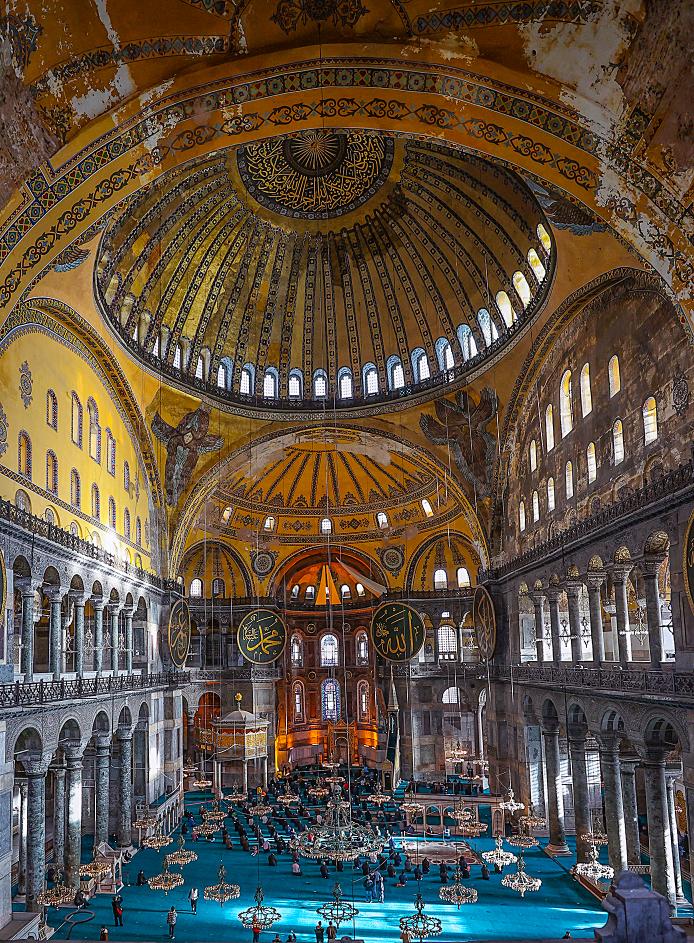
From 2020 to 2024, Hagia Sophia had only one entrance, which caused many problems, especially when prayer time was near—local visitors would jump the line to get in. Everyone could only access the first floor, and foreigners had to cover their heads and take off their shoes. (Here, I will make a comment: there is a heavy smell inside Hagia Sophia. This disgrace needs to be dealt with immediately.) The only advantage was that we were allowed to stay inside during prayer times. During this period of heavy visitation, the lower floor was severely damaged, hundreds-of-years-old original doors were harmed, and people took pieces from the entrance walls thinking they were sacred. Orthodox visitors took plaster from the walls as sacred relics, and this couldn’t be prevented. Now these walls are protected by glass. The damage caused by the vibrations of tens of thousands of people is a matter for scientists. If it were up to me, I would close it completely for five years for both worship and visits and carry out a real restoration—especially since we are expecting a major earthquake.
Nightmare entrance queues
This year, entrances were separated for “those who will worship” and “those who will visit,” which is good, but now tourists are not allowed on the lower floor. If you don’t have an e-ticket from the ministry’s website provided by your agency, you first have to get in the ticket line. A fixed Euro price has been set. Locals and foreigners alike can only access the second floor with this ticket. The TL price changes daily according to the exchange rate. After buying your ticket, you then have to get in the entrance line. All tourists—young, old, guided, or unguided—stand in a single line. Unfortunately, there are various companies on the internet deceiving people by saying “We have priority entry, take our tour.” Even with an agency ticket, you can’t cut in front of anyone. This queue is a nightmare for colleagues doing Anatolia tours (starting from Istanbul for a week-long trip to Ankara, Konya, Cappadocia, Pamukkale, and Ephesus). They are racing against time, and sometimes cruise groups also join the queue, causing long waits. There should be two lines for guided and unguided tourists. Tourists in wheelchairs are not allowed to go up to the second floor (what should handicapped tourists do?). There are no toilets in the tourist section, there is neither space nor infrastructure for them. The existing toilets are in the courtyard used by worshippers. Occasionally, a message comes saying, “There is a meeting today, Hagia Sophia will close at this time.” Good luck explaining that to guests who booked a tour for that day.
Embarrassing toilets at Topkapı
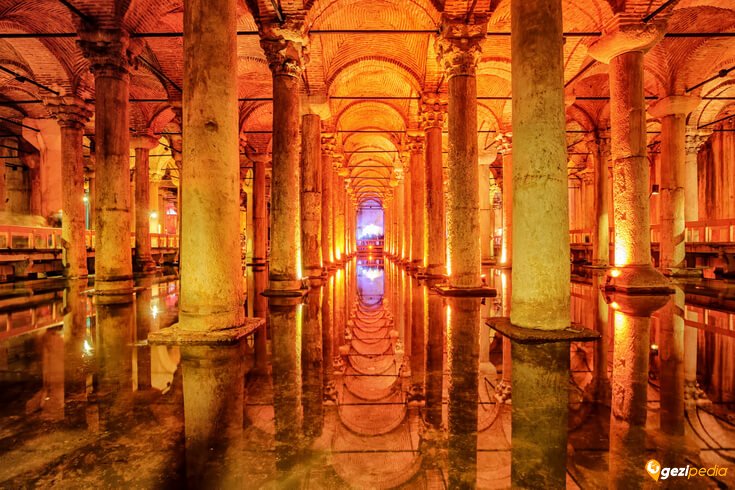
At the Basilica Cistern, guided and unguided entries are separate. But there too, guided group entries should be divided into “large group” and “small group.” Sometimes when large groups arrive, small groups are at risk of being crushed. The existing disabled elevator is very primitive and takes a long time to operate. A real elevator should be installed like in the Theodosius Cistern, and security should ensure it is only used by those who truly need it (elderly, disabled, with children).
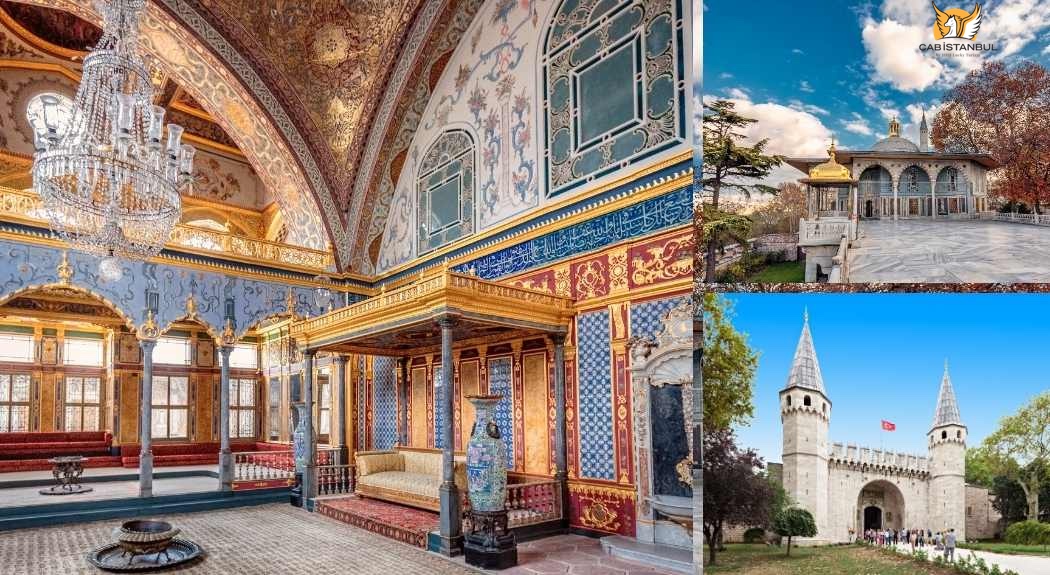
Because the Topkapı Palace has a large area, we don’t have problems with entry and exit. The biggest problem at Topkapı Palace is the infrastructure and cleanliness of the busiest restroom located in the museum shop at the entrance—the floors are constantly wet and dirty. Despite repeatedly complaining to the managers, nothing changes. I’m embarrassed to take guests into the women’s restroom.
It’s sad to regress every year
For now, these are what come to mind. When I started my career, I was proud to tell my groups about many things, but I now feel the sadness of regressing every year (women’s rights, animal rights, etc.). No matter what anyone says, tourism is Turkey’s biggest source of income. From the man selling chestnuts on the street, to the shopkeeper in the bazaar, from the guide to the travel agent, from the driver to the hotel owner, from the restaurateur to the grocer—everyone’s livelihood depends on it. Even our street cats and dogs have contributed more to promoting our country and city worldwide on Instagram than anyone else. Everyone used to talk about Istanbul and share pictures with our cats and dogs. Our pets were the color of our country. You may remember that Hagia Sophia’s famous cat Gli (whom we sadly lost recently) had nearly 10,000 followers on Instagram. Now, one by one, they are all being eliminated. At this point, even if I told guests about the Cats or Stray documentaries, what difference would it make! We’ve become a country that destroys itself (I very much agree with Yasemin’s comment here. As you know, cancer cells in the body destroy themselves—understand from this comparison what state we are in).
Lastly, as I mentioned before, it’s worth following Istanbul Metropolitan Municipality Deputy Secretary General Mahir Polat and his team. I hope one day he becomes our country’s Minister of Tourism and Culture. His knowledge of local and foreign history and art history, and his work on preserving our city’s heritage are invaluable.
While touring the Basilica Cistern, Yasemin spoke about Mahir Polat. When I told her I liked the setting, she said, “For example, the transformation of this place into such a valuable exhibition area is Mr. Mahir’s work, and he has brought to light many other valuable works like this.”
I wholeheartedly thank Yasemin for all this valuable information and observations, and for giving us a lovely tour of Istanbul.
Tüm bu değerli bilgi ve saptamalardan dolayı ve bize güzel bir İstanbul turu attırdığı için Yasemin’e can-ı gönülden teşekkür ederim.
A city of three empires deserves much better
Merit is very important in our country. I personally know the current tourism minister from the industry; he is also a valuable person and a successful entrepreneur in tourism. We even share some similarities—the first that comes to mind is that we are both in the tourism business and both have twin siblings. I hope our current minister Mehmet Nuri Ersoy listens to what we’ve written here and, as Yasemin suggests, takes valuable people like Mahir Polat under his wing, or starts a joint project with the Istanbul Metropolitan Municipality to solve our problems in Istanbul one by one.
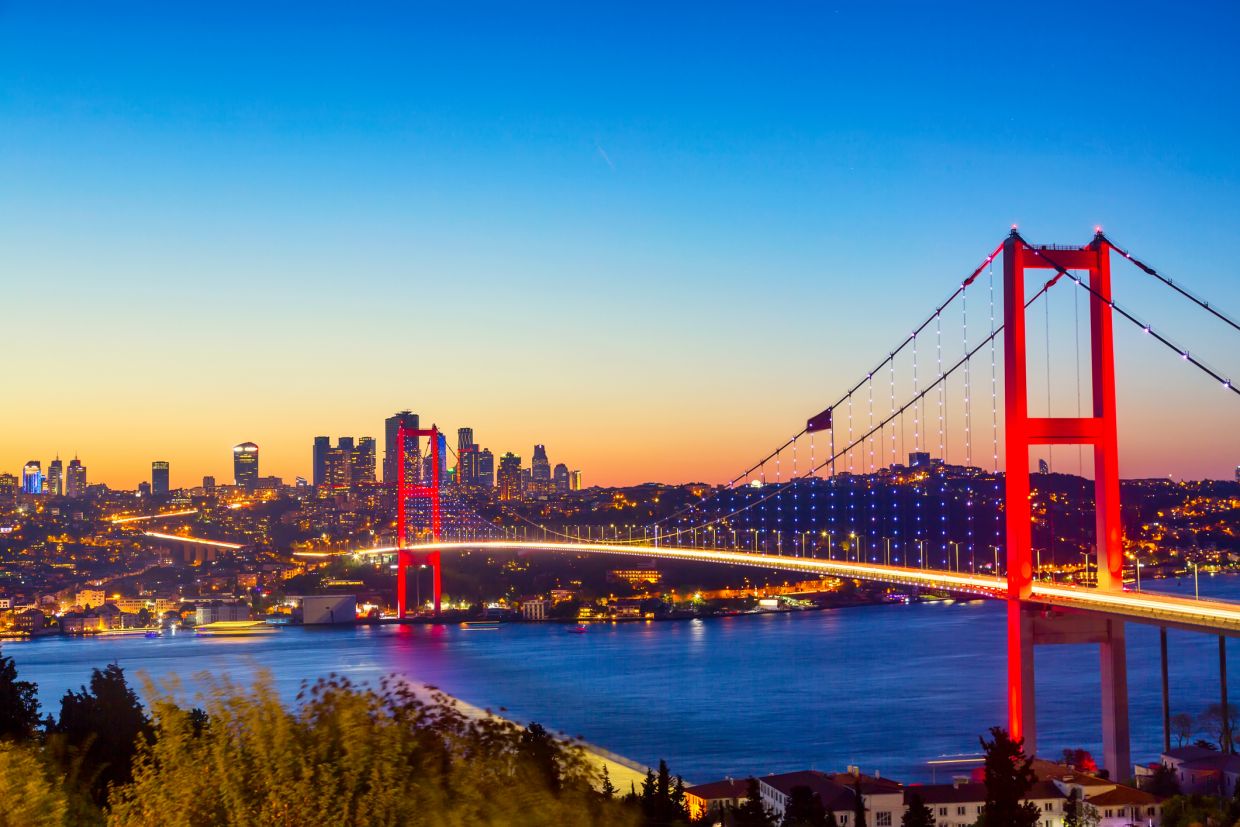
Let’s not forget—tourism in Turkey is neither just Antalya nor just Istanbul. All destinations are valuable. But let’s put special emphasis on Istanbul and remember that it is a city under the watchful eye of the whole world. Such a valuable city that has been the capital of three empires must be cared for like the apple of our eye.
Tag: education