
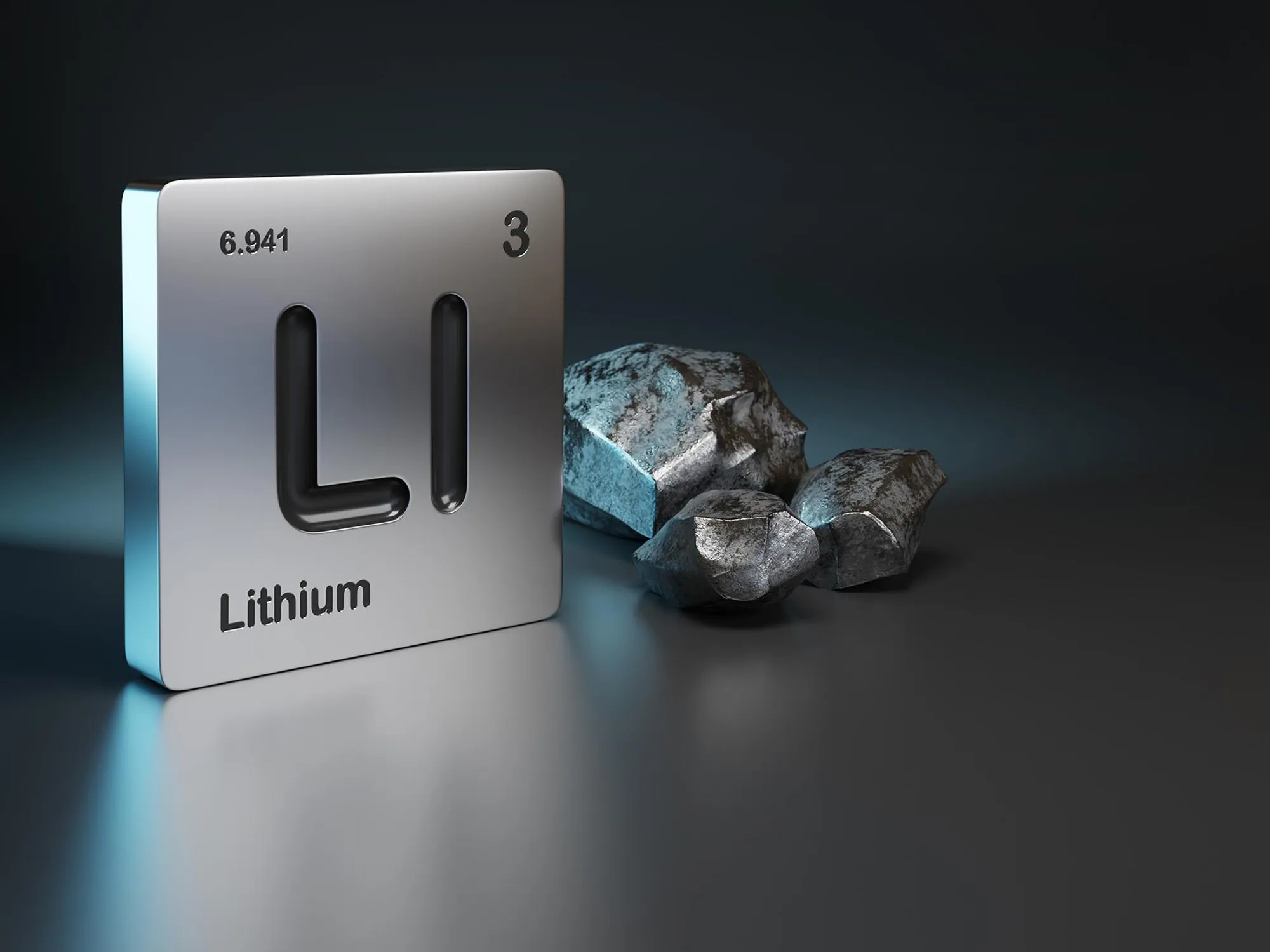
Lithium is one of the most important components of LFPs (Lithium Iron Phosphate) batteries, which have become mainstream. Before discussing the importance of lithium in storage, which we can now describe as the heart of energy systems, let’s briefly understand what kind of element it is.
Starting with the basic material properties of lithium, we will examine its historical development, global reserve distribution, its chemical composition, especially in LFP batteries, and its significant reserves around Türkiye (Serbia as an example). The aim of this article is to highlight the critical role and geopolitical importance of this light and reactive alkali metal in energy storage systems.
Basic Properties of Lithium
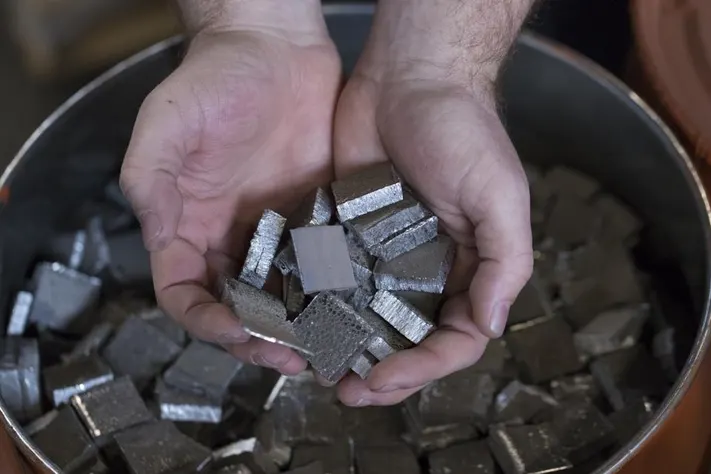
Lithium (Li) is an alkali metal with atomic number 3 in the periodic table. Its unique physical and chemical properties make it one of the most strategic elements of our time.
- Density: At 0.53 g/cm³, it is the lightest known solid metal. It floats in water.
- Reactivity: It is highly reactive; it does not exist in nature in its free metallic form, but is usually found in compounds.
- Electrochemical Potential: Thanks to its high electrode potential (−3.02 V), it is an ideal anode material for rechargeable batteries.
- Applications: In addition to batteries, it is also used in ceramics, glass, lubricating greases, and pharmaceutical products.
History of Lithium-Based Products and Inventions
The scientific discovery of lithium and its transformation into industrial and technological products took place over a long period:
- 1817 – Discovery: Discovered by the Swedish chemist Johan August Arfwedson from the mineral petalite.
- 1949 – Medical Application: Australian psychiatrist John Cade demonstrated that lithium carbonate could be successfully used in the treatment of bipolar disorder.
- 1940s – Industrial Use: High-temperature resistant lithium grease, used in aviation and general industry, was invented.
- 1970s – First Battery Breakthrough: M. Stanley Whittingham developed the first rechargeable battery with a lithium metal anode.
- 1980s – Safety and Efficiency:
– John B. Goodenough replaced the cathode material with Lithium Cobalt Oxide (LiCoO2) for higher voltage.
– Akira Yoshino solved the battery’s flammability problem by using a safer carbon anode instead of a lithium metal anode.
- 1991 – Commercial Launch: Combining these innovations, Sony launched the first commercial Lithium-Ion Battery (LIB), ushering in the era of portable electronics.
Global Lithium Reserves
Lithium has estimated global reserves of approximately 30 million tons (2024 data), and reserves are geographically concentrated in specific regions. Let’s look at the countries with the largest lithium reserves:
Country Estimated Reserves (Tons) Resource Type Key Regions
Chile 9,300,000 Brine Lithium Triangle (Salar de Atacama)
Australia 7,000,000 Hard Rock Western Australia
Argentina 4,000,000 Brine Lithium Triangle
China 3,000,000 Both Hard Rock and Brine –
There are two main methods used in lithium production:
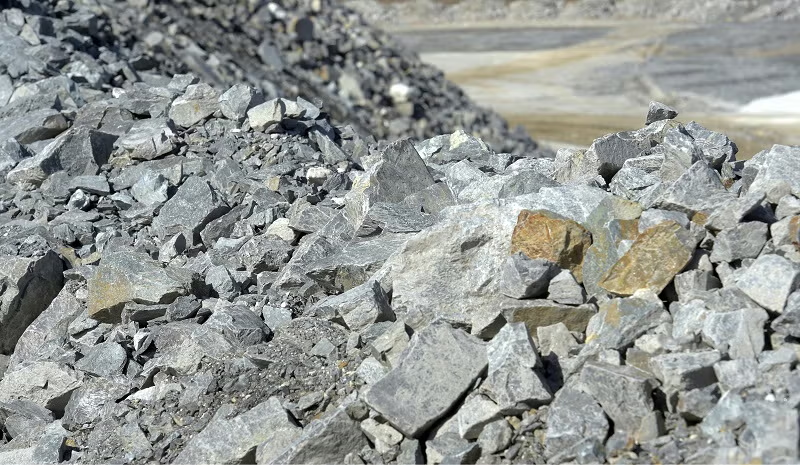
1) Brine Method: Obtained by evaporation from salt lakes in the Lithium Triangle, which consists of Chile, Argentina, and Bolivia.
2) Hard Rock Method (Spodumene): This is obtained by mining and processing minerals such as spodumene (lithium aluminum silicate) in countries like Australia and Zimbabwe.
- Chemical Formula (Cathode): LiFePO4
- Structure: LFP is used as the cathode active material, the positive electrode of the battery.
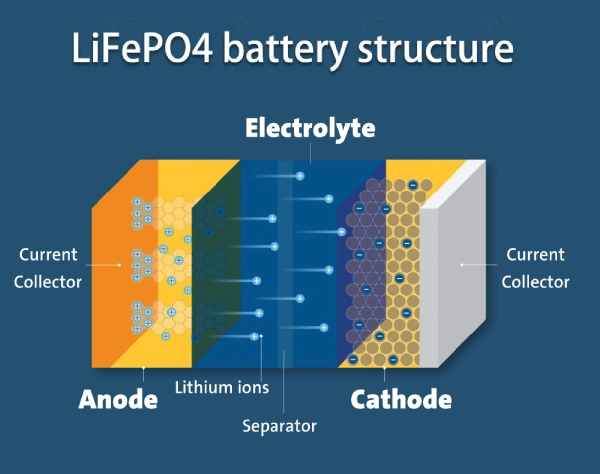
Key Components and Their Functions:
– Lithium (Li): The ion (Li+) that moves between the anode and cathode during charging and discharging.
– Iron (Fe): The redox center that changes its oxidation state (from Fe2+ to Fe3+) to balance ion movement.
– Phosphate (PO4): Forms the olivine crystal structure with strong P-O bonds. This structure provides the material with exceptional thermal and chemical stability.
– Advantages of LFP: Safety (high resistance to thermal escape), long cycle life (>10,000 cycles), and low cost due to the absence of Cobalt or Nickel.
Lithium Reserves Around Türkiye (Serbia Example)
The most strategic lithium reserve of global importance located in the vicinity of Türkiye is found in Serbia.
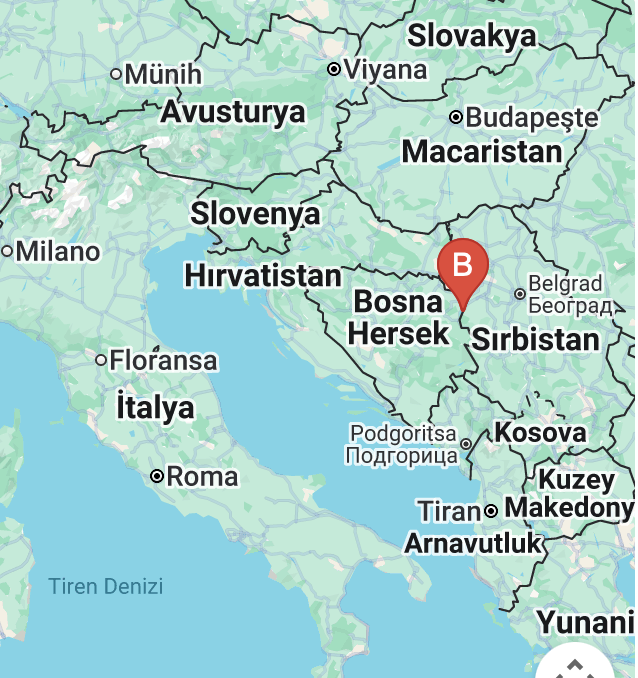
Serbia: Jadar Deposit
- Significance: Ranks among the top 10 global lithium deposits and is considered Europe’s most important lithium source.
- Mineral: The deposit contains jadarite (LiNaSiB3O7(OH)), a unique mineral containing lithium and boron found only in this region (Jadar valley).
- Reserve Quantity: Estimated to contain approximately 1.2 million tons of lithium metal equivalent.
- Location: Located in the Jadar River valley in western Serbia, near the city of Loznica.
- Status: Due to environmental concerns, the project has been the subject of significant debate and protests in Serbia in recent years, but it retains its strategic importance as a resource for Europe.
Lithium Recycling
With the widespread adoption of lithium-ion batteries, lithium recycling has become a critical necessity for both environmental sustainability and raw material supply security. When batteries reach the end of their lifespan, recovering the valuable metals they contain, such as lithium, cobalt, nickel, and manganese, helps conserve natural resources and reduces the environmental impact of mining.
However, lithium recycling presents technological and economic challenges. Because lithium constitutes a relatively small fraction of the battery mass and has a low market price, traditional recycling facilities generally focus on the more valuable cobalt and nickel. Currently, intensive R&D efforts are underway to improve lithium recycling efficiency through pyrometallurgical (high-heat) and, particularly, efficient hydrometallurgical (chemical solutions) methods.
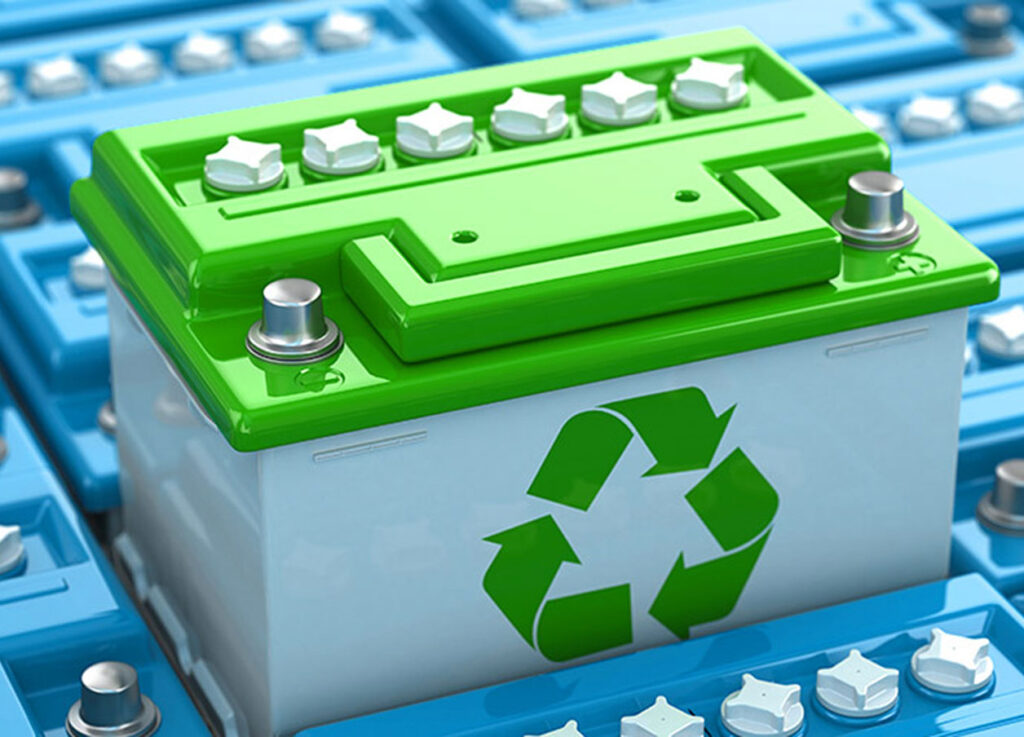
Of course, we also need to mention the trend of integrating recycling facilities within production plants. For example, new generation LFP production facilities are planned with recycling units, as they should be. In this way, no waste from production is wasted, and LFP batteries that have reached the end of their lifespan are recycled and made functional again, preventing them from becoming environmentally polluting waste.
Conclusion
Lithium is a critical element that forms the basis of the transition to clean energy and electrification. The geographical distribution of global reserves is important in terms of supply security and geopolitical dynamics. The development of safe and cost-effective battery chemistries like LFP expands the use of lithium, while regional reserves such as the Jadar field in Serbia offer the potential for Europe to create its own internal supply chain. Lithium research and sustainable extraction methods will continue to be central to the future energy ecosystem.
Although Türkiye does not have sufficient lithium resources, the presence of lithium resources in Serbia in our region will ensure that future investments shift to Eastern Europe, away from China. Türkiye needs to develop strategies to position itself as an energy hub, particularly by securing its supply chain.
Contribution to the 100% Renewable Energy Target
From my perspective, the most important issue here is to make these resources available as soon as possible and to plan for renewable energy, one of the most important tools in the fight against climate change, to meet 100% of the energy needs with energy storage units, i.e., batteries.
Of course, to give an example from Türkiye’s perspective, instead of setting a very distant target like 2053 for 100% renewable energy, it needs to plan for it by 2035 at the latest. Because all technologies, such as energy production, storage, and distribution, have reached a level where they can be catalysts for this change. All the necessary elements are also present.
The only thing missing here is implementation. For a country to implement these policies, politicians have a lot of work to do. With political will behind it, I believe the 100% renewable energy target can be reached by 2030, and the entire country can reduce carbon emissions to zero by 2035. What I’ve said applies not only to Türkiye but to all countries.
Speaking for myself, I can say that I will continue to do everything I can to accelerate the energy transition.