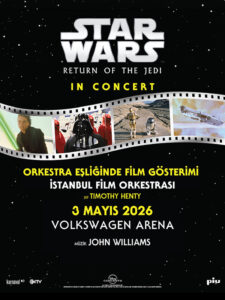
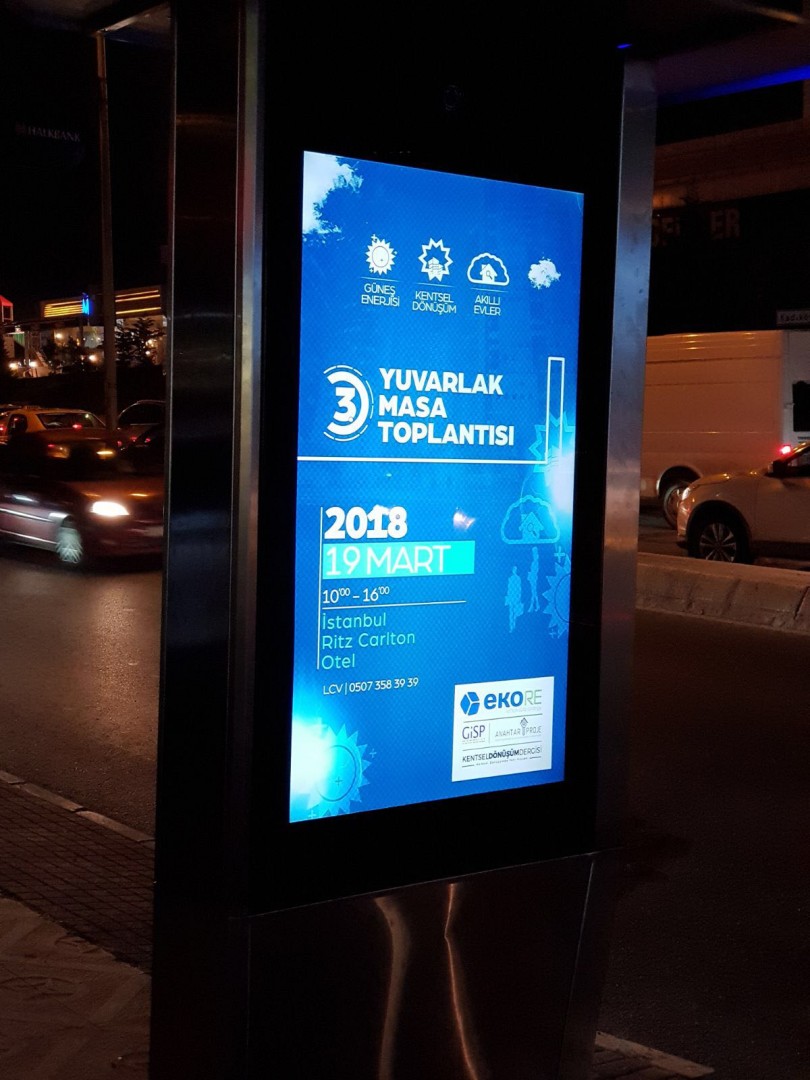
The announcement of this event was posted on billboards in various parts of the city.
In my presentation, I briefly explained the following:
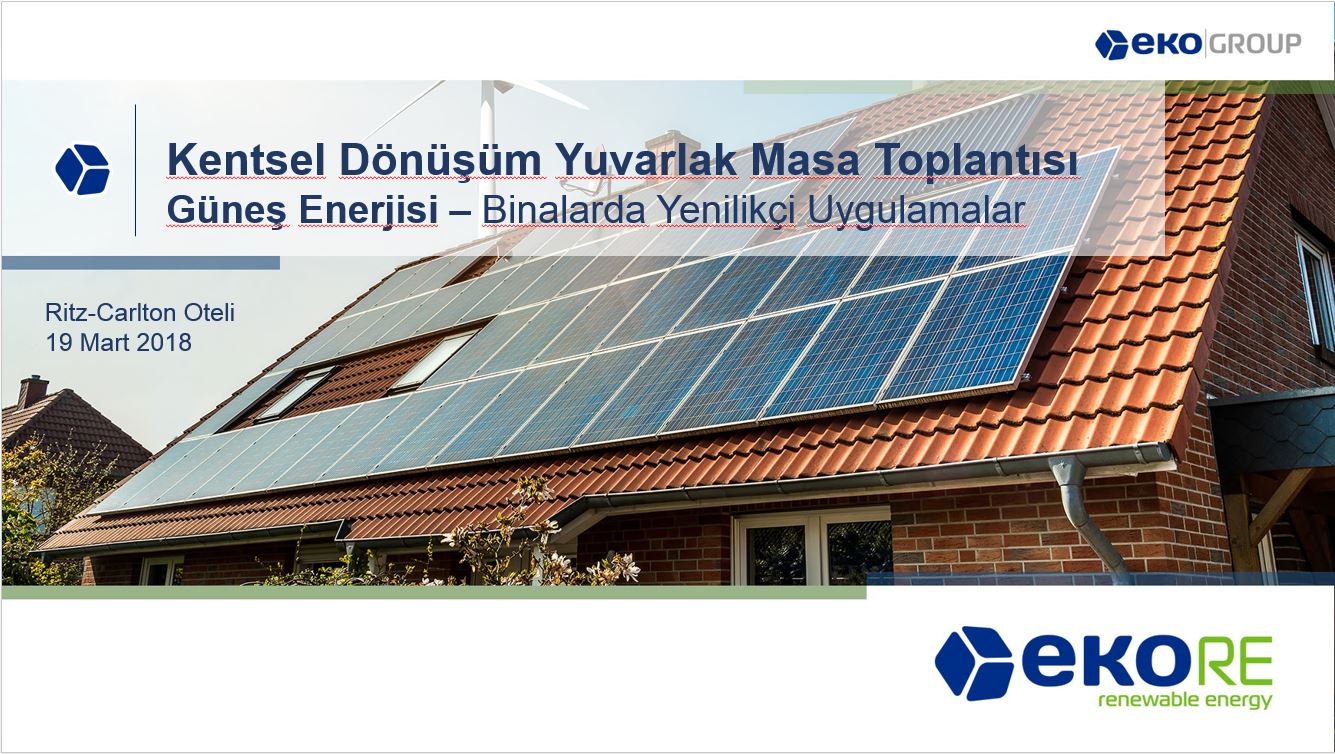
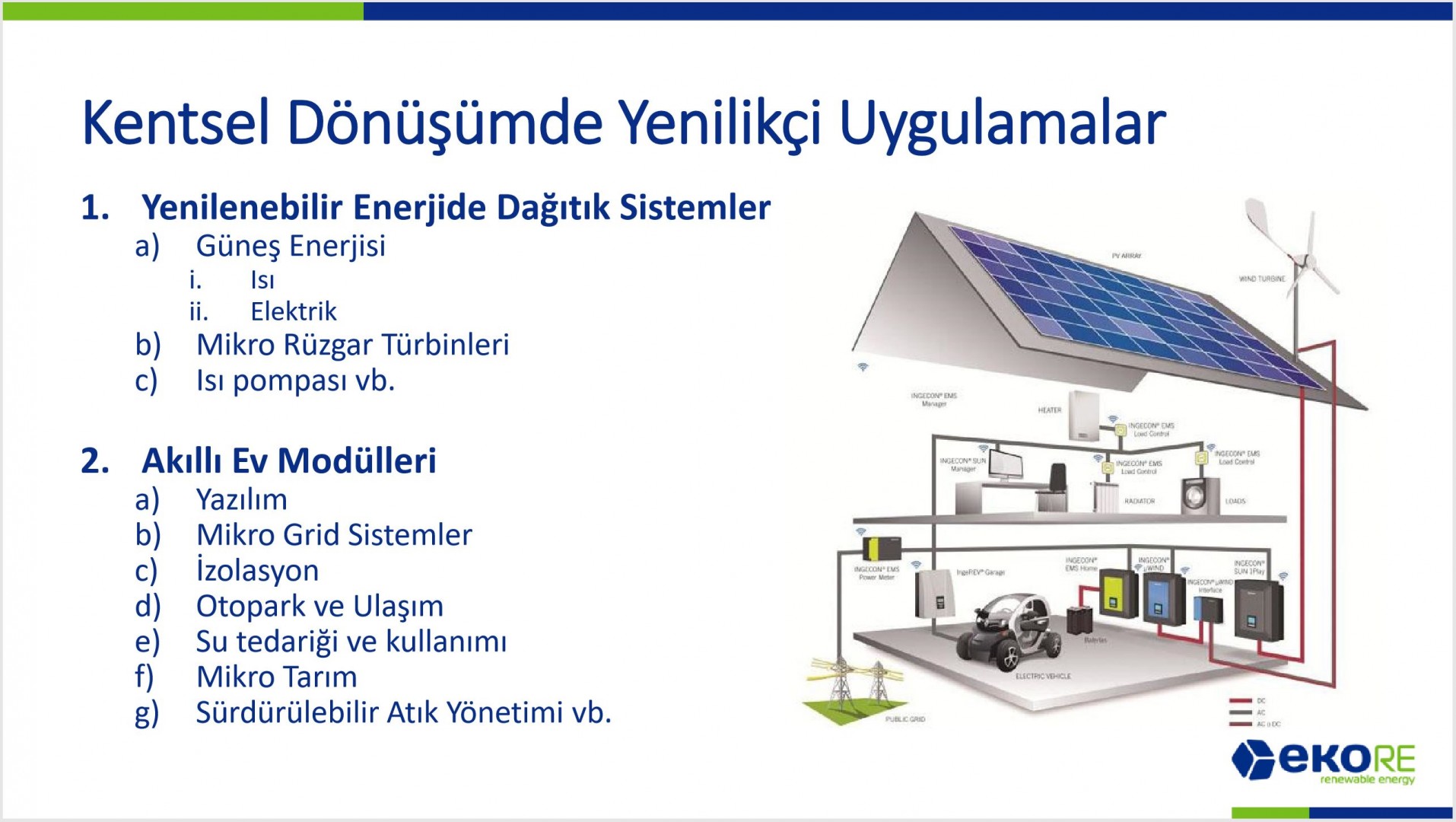
This is the most important slide of the entire presentation. Here, I explain the various elements of building an ecological and smart home. Without delving into too much detail, I can say this: In the future, all homes will generate their own energy. These homes will draw their energy from natural elements, primarily solar energy (which can generate two types of energy from the sun: heat and electricity. There are also hybrid systems that generate both heat and electricity on the same panel), wind, soil (heat pumps), and more. Smart home systems also consist of numerous software and hardware components, from managing where electricity is generated and how it is consumed to ensuring the coordinated operation of smart home appliances.
In the remaining slides, I gave some examples of solar energy applications:
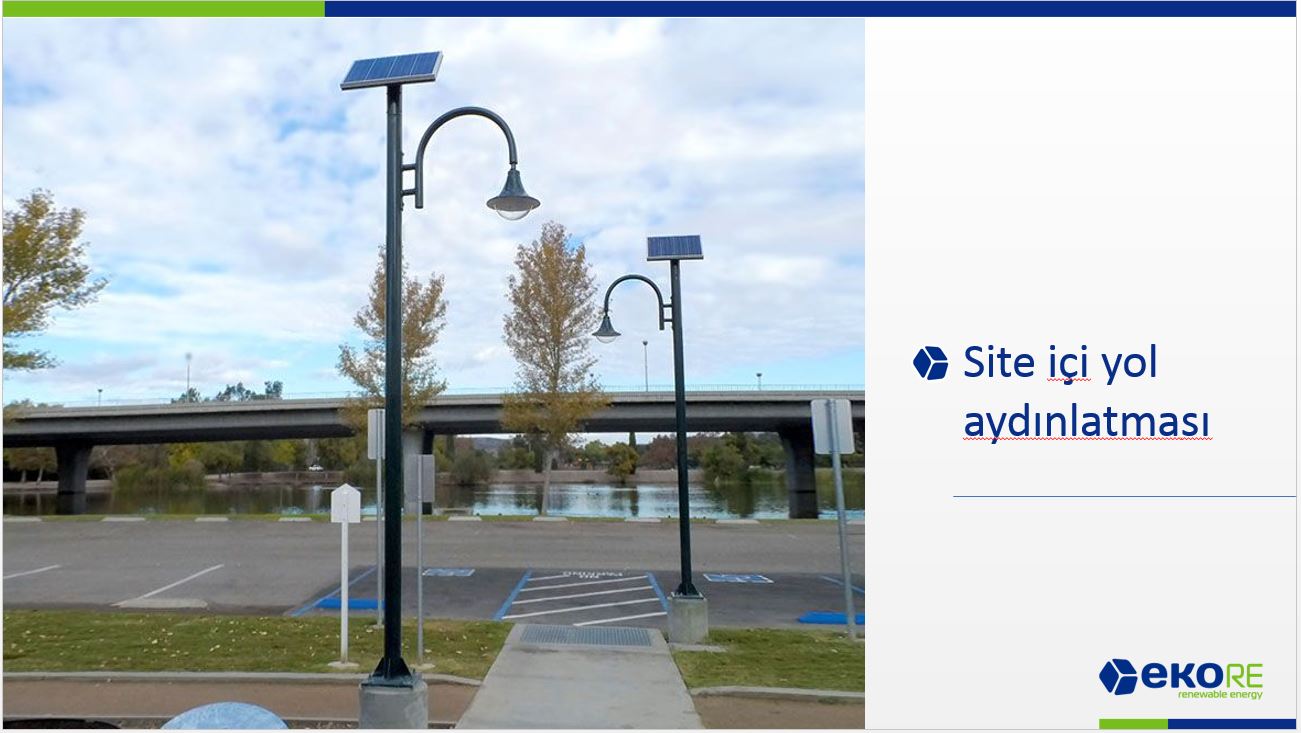
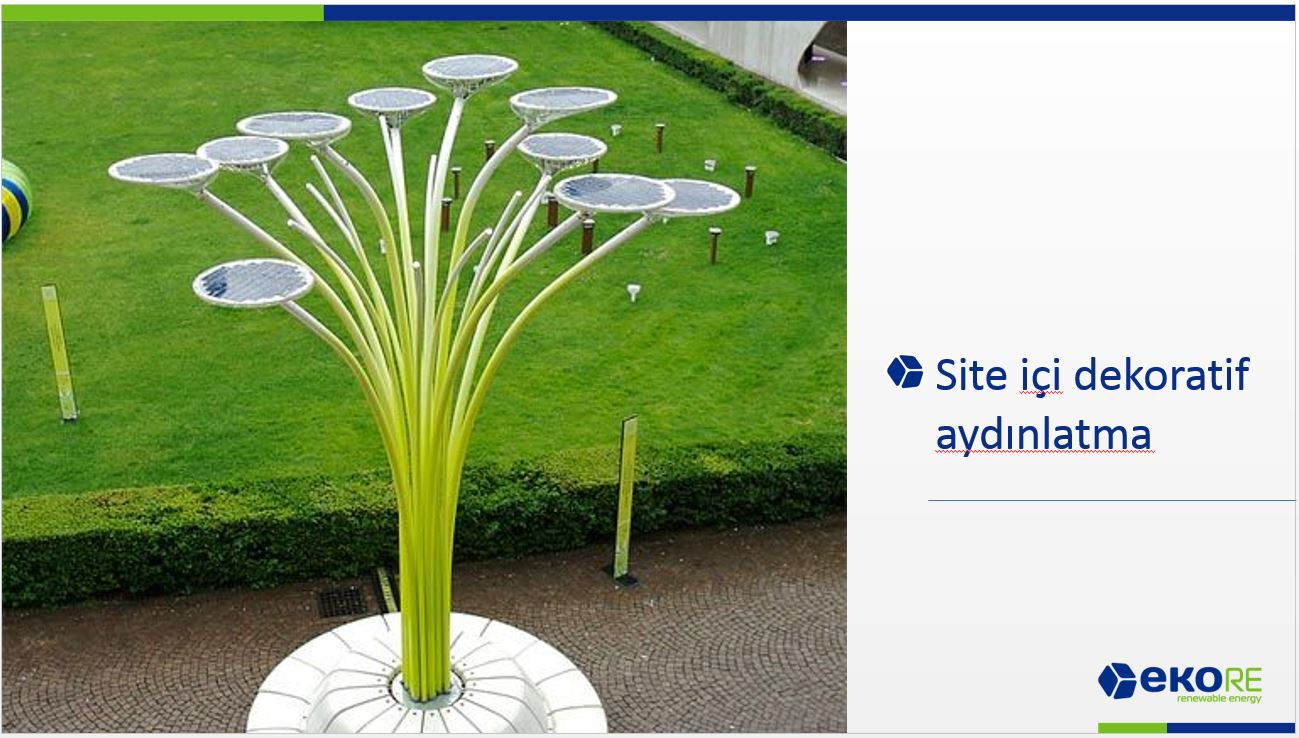
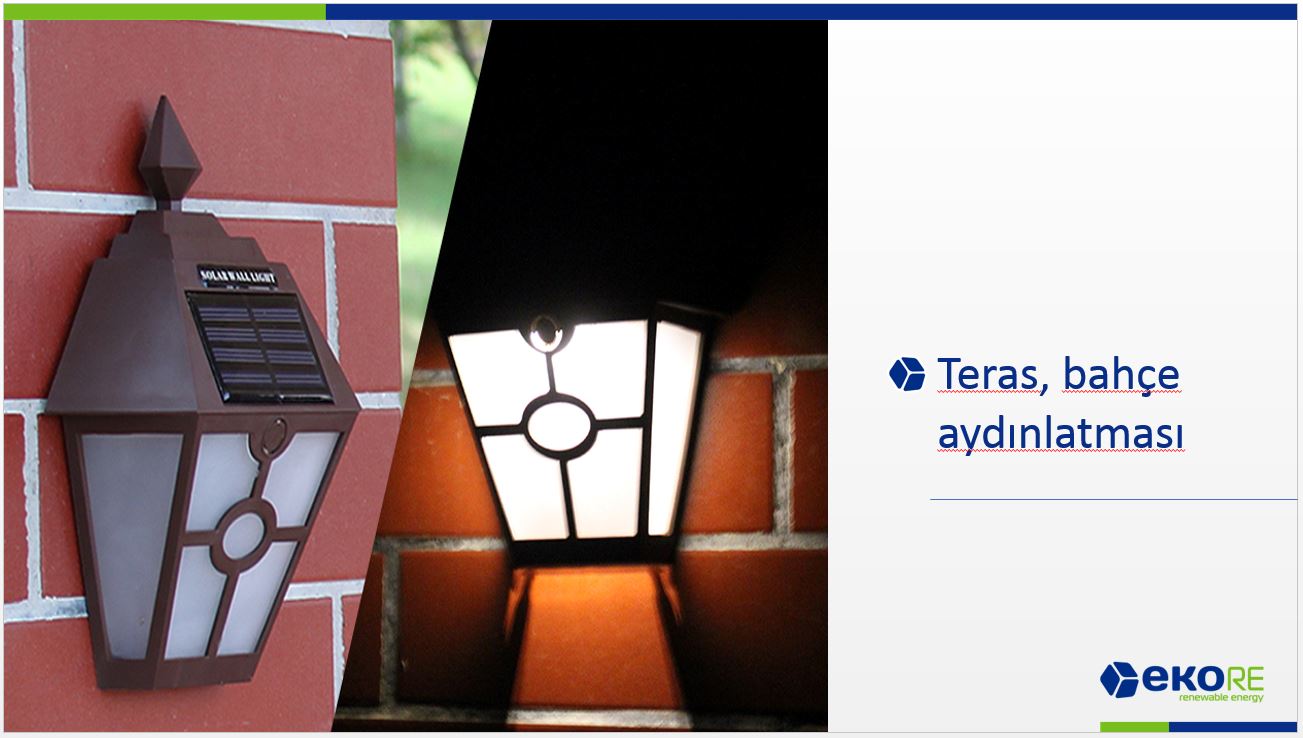
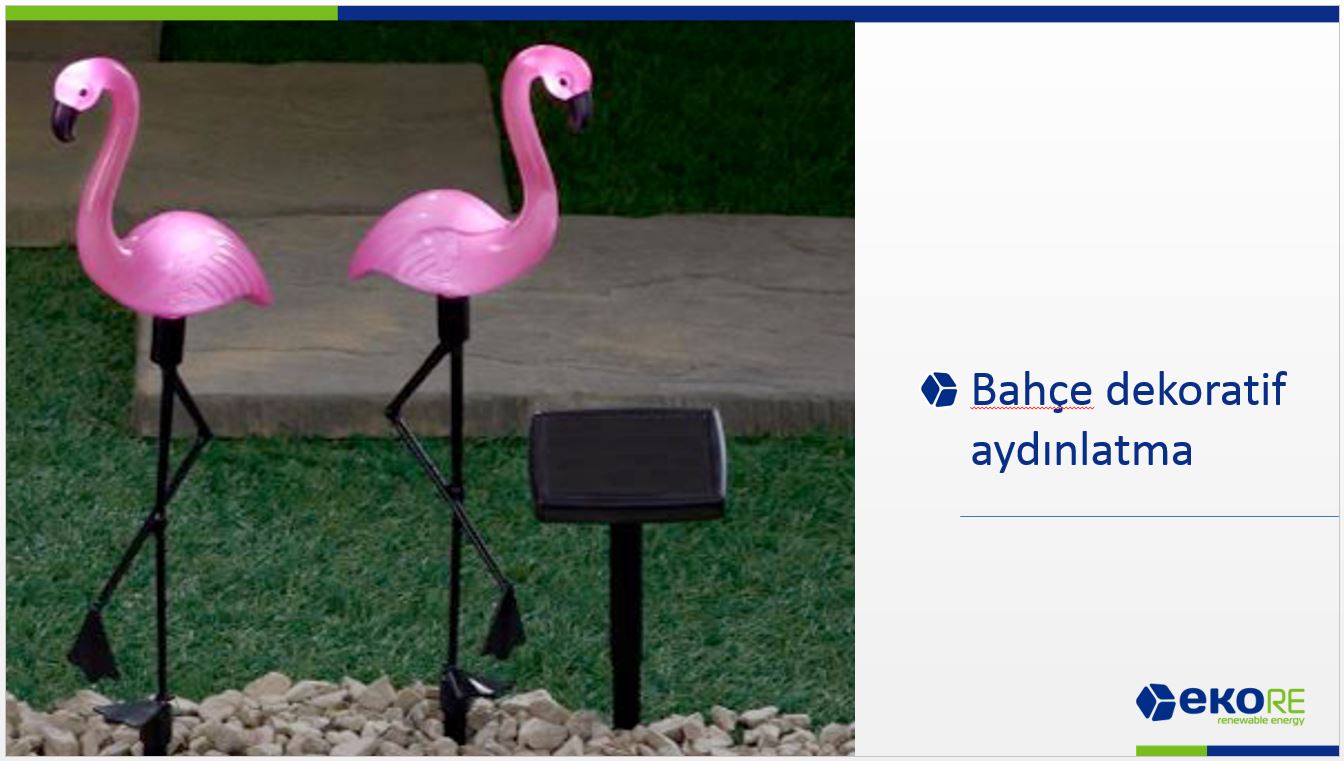
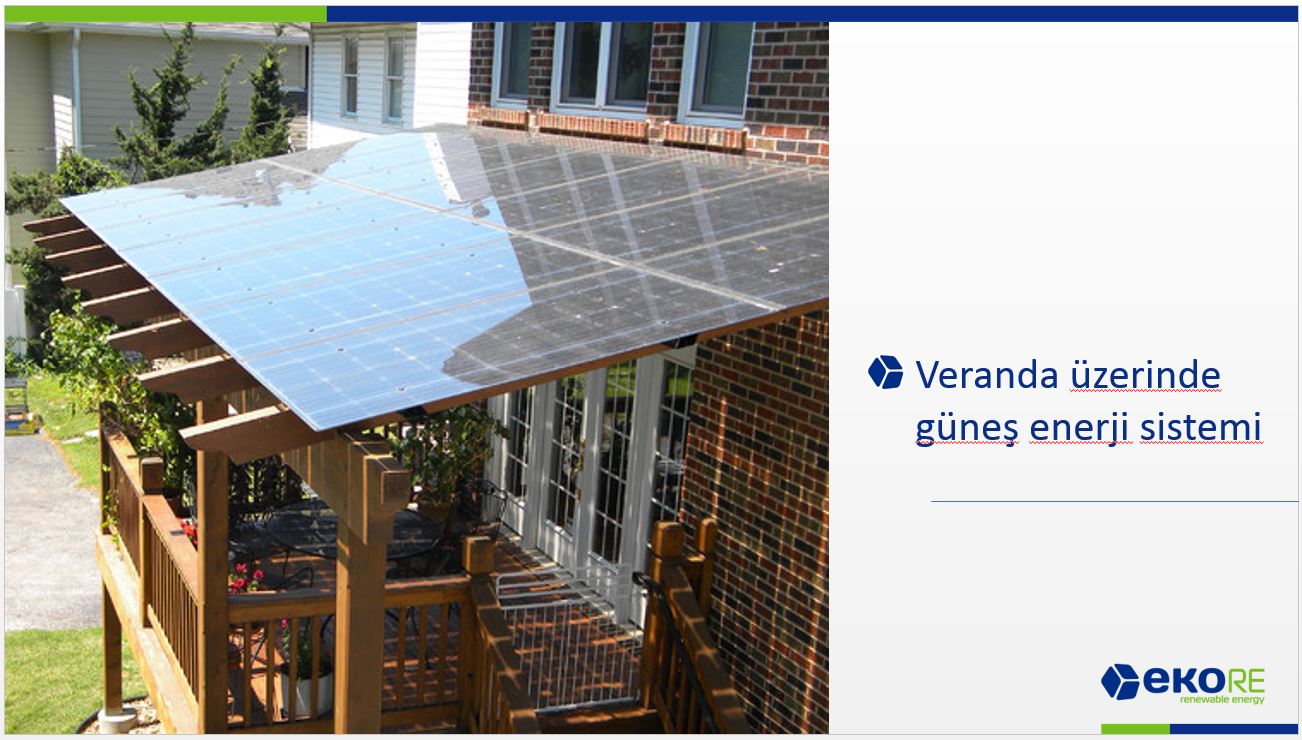
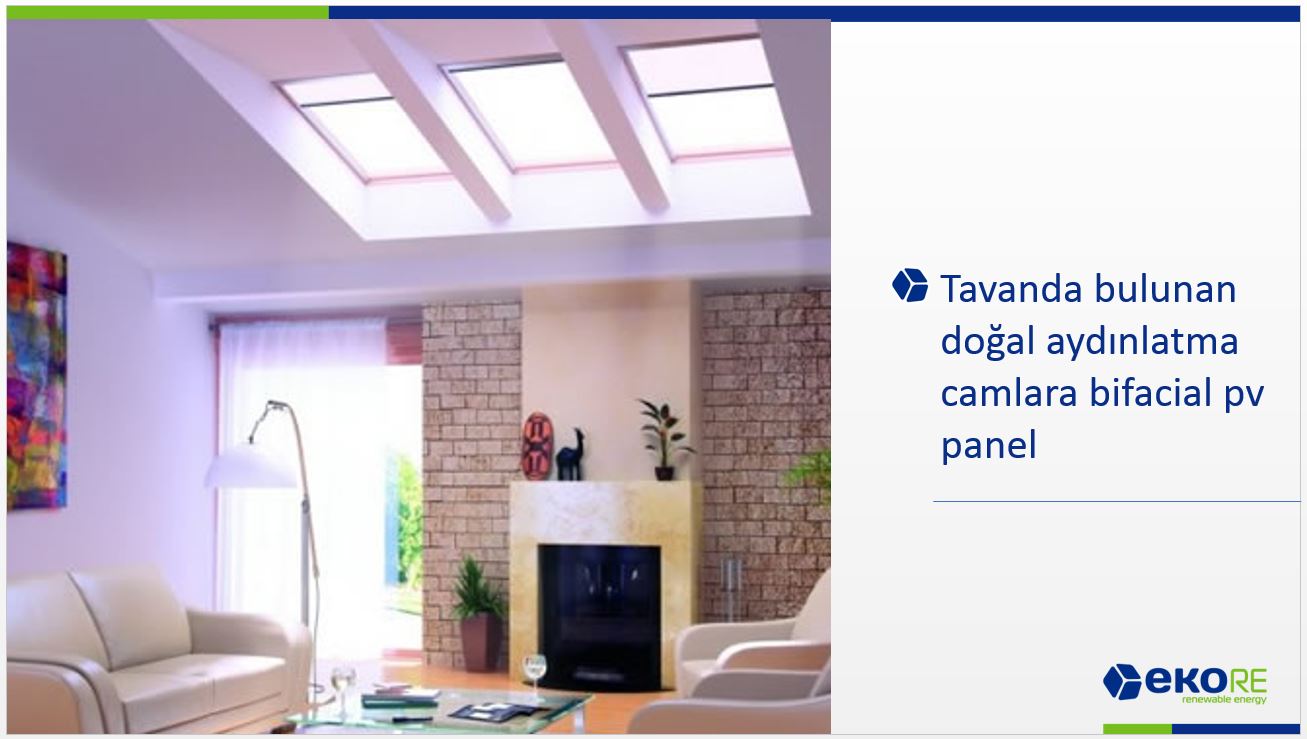
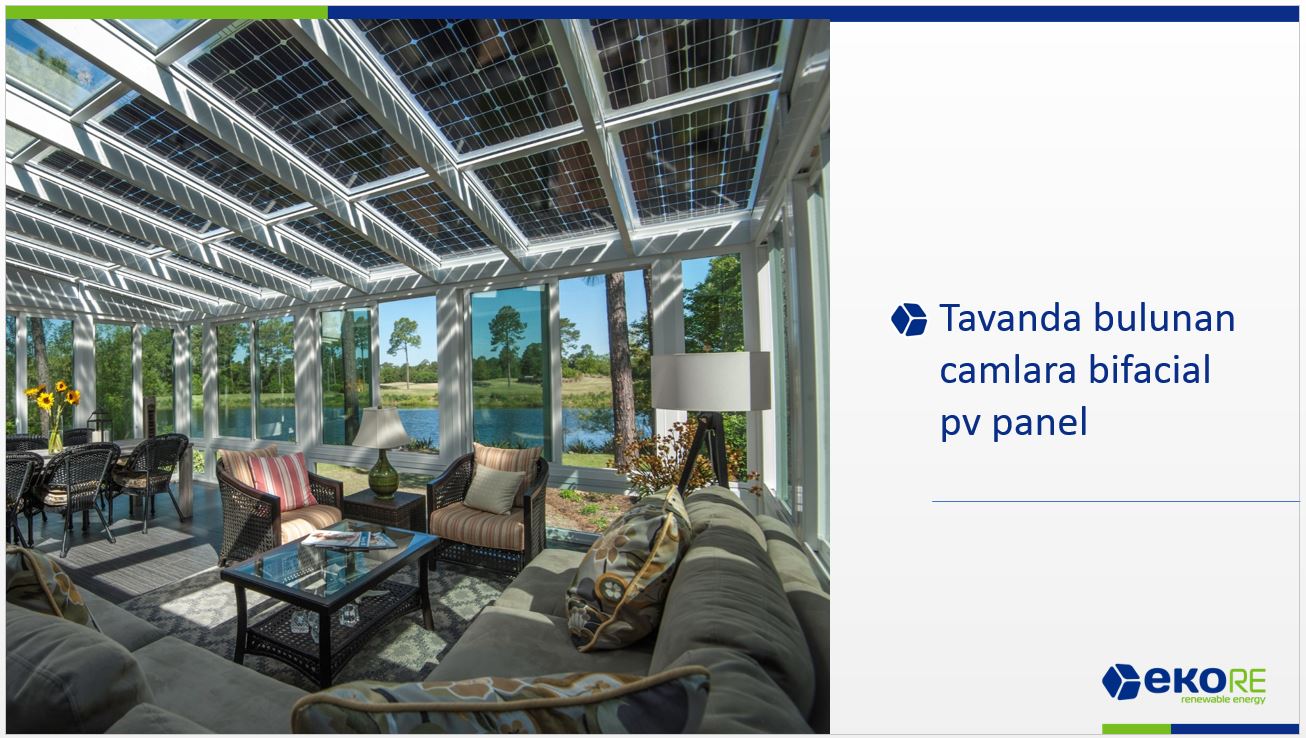
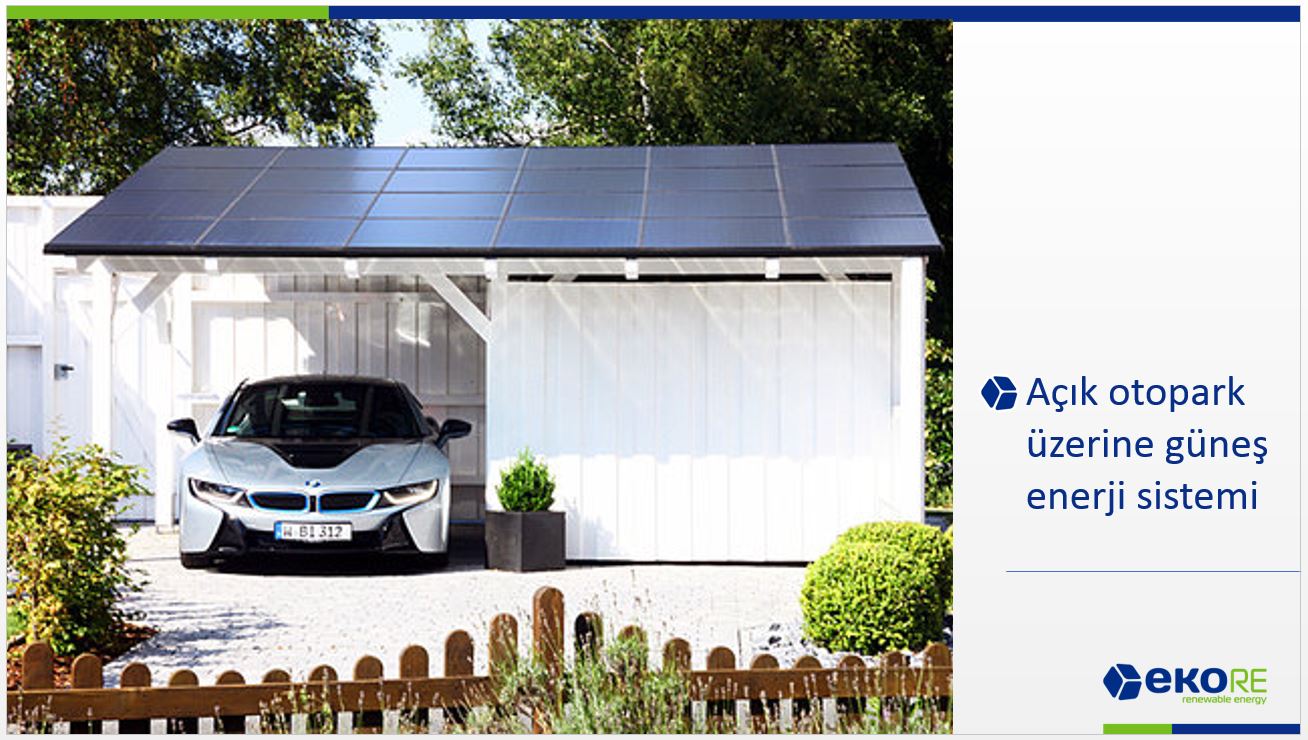
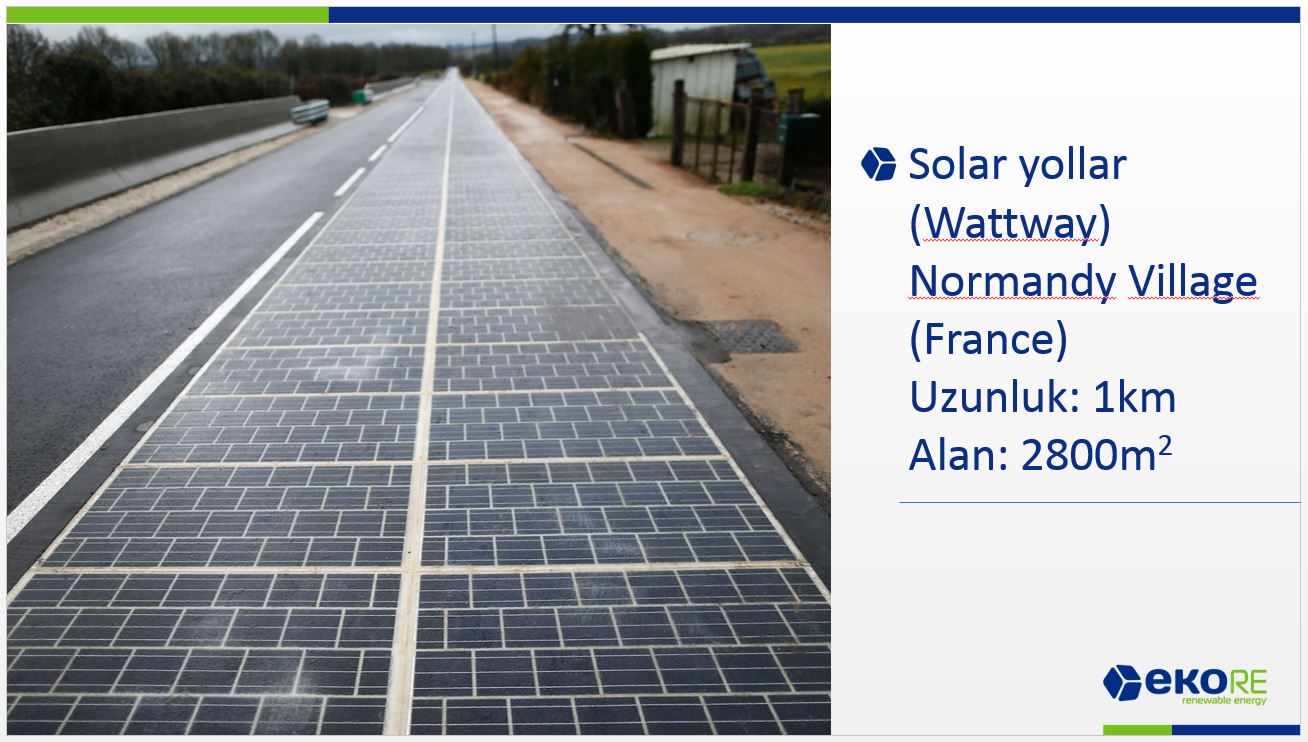
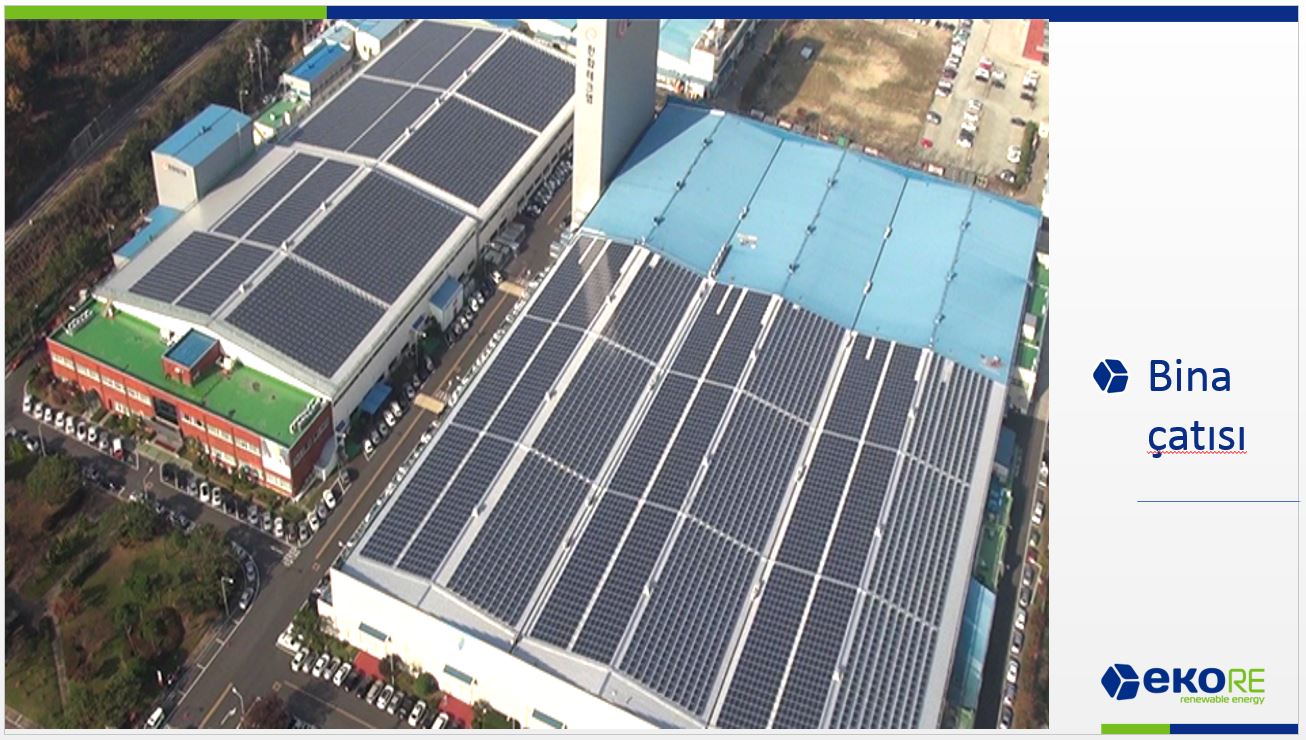
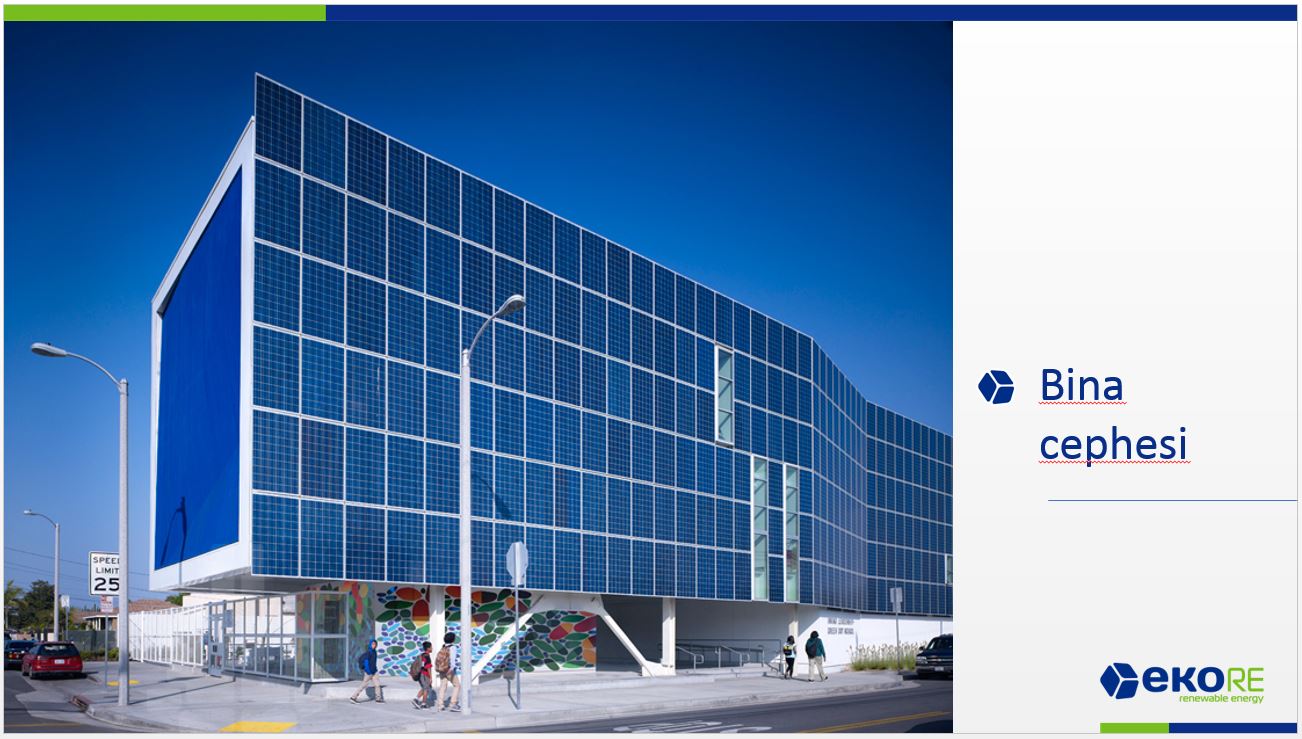
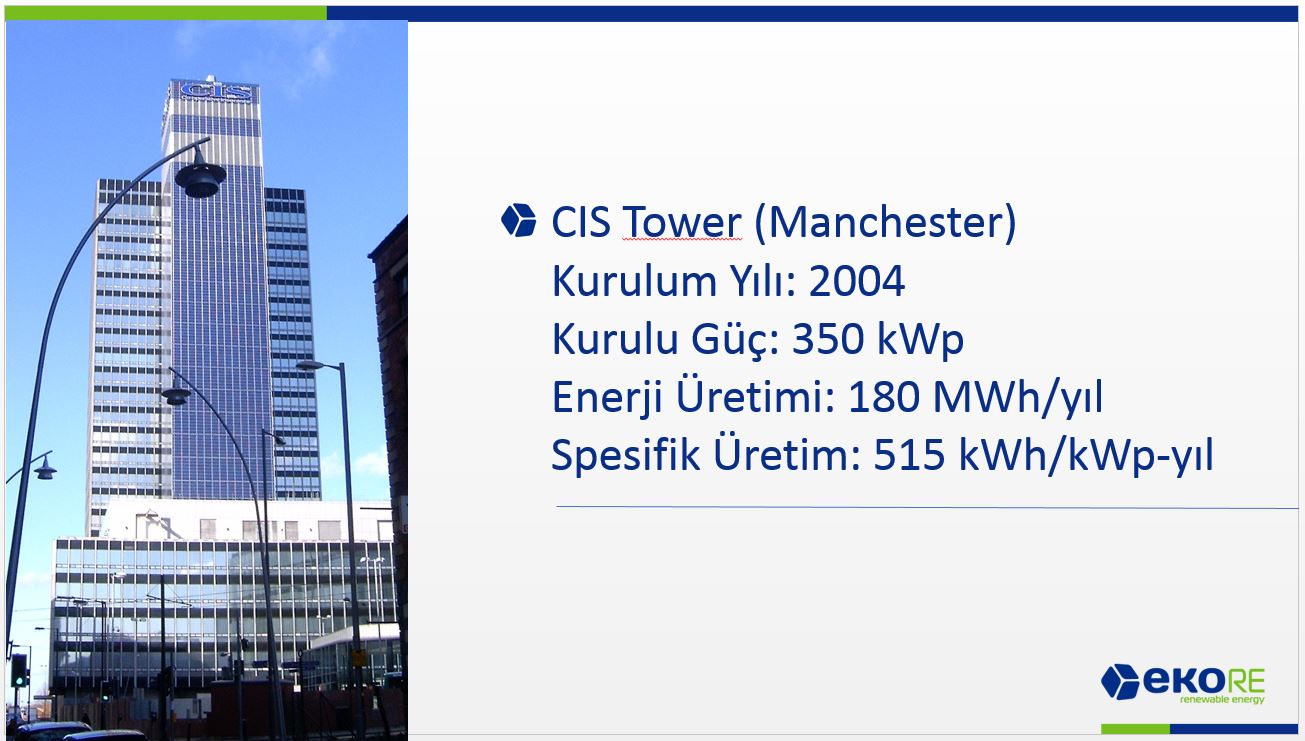
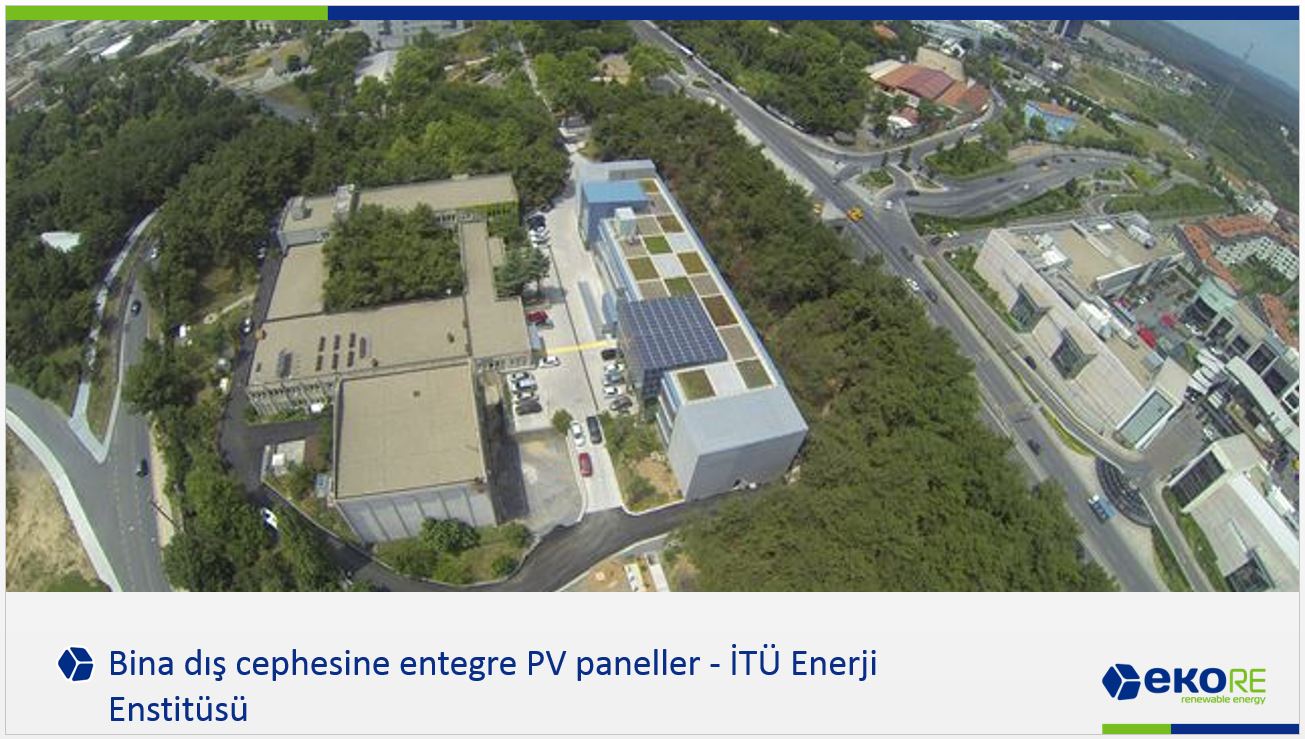
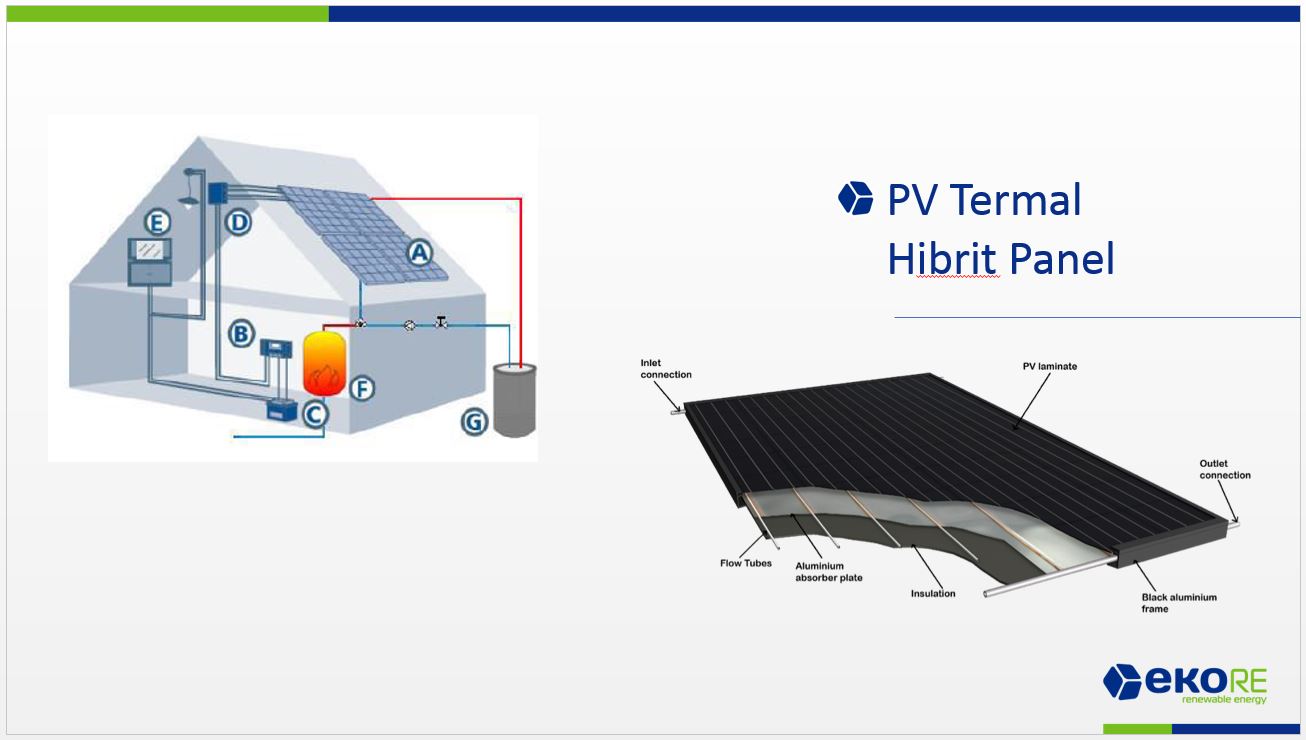
I give the main message on the last slide:
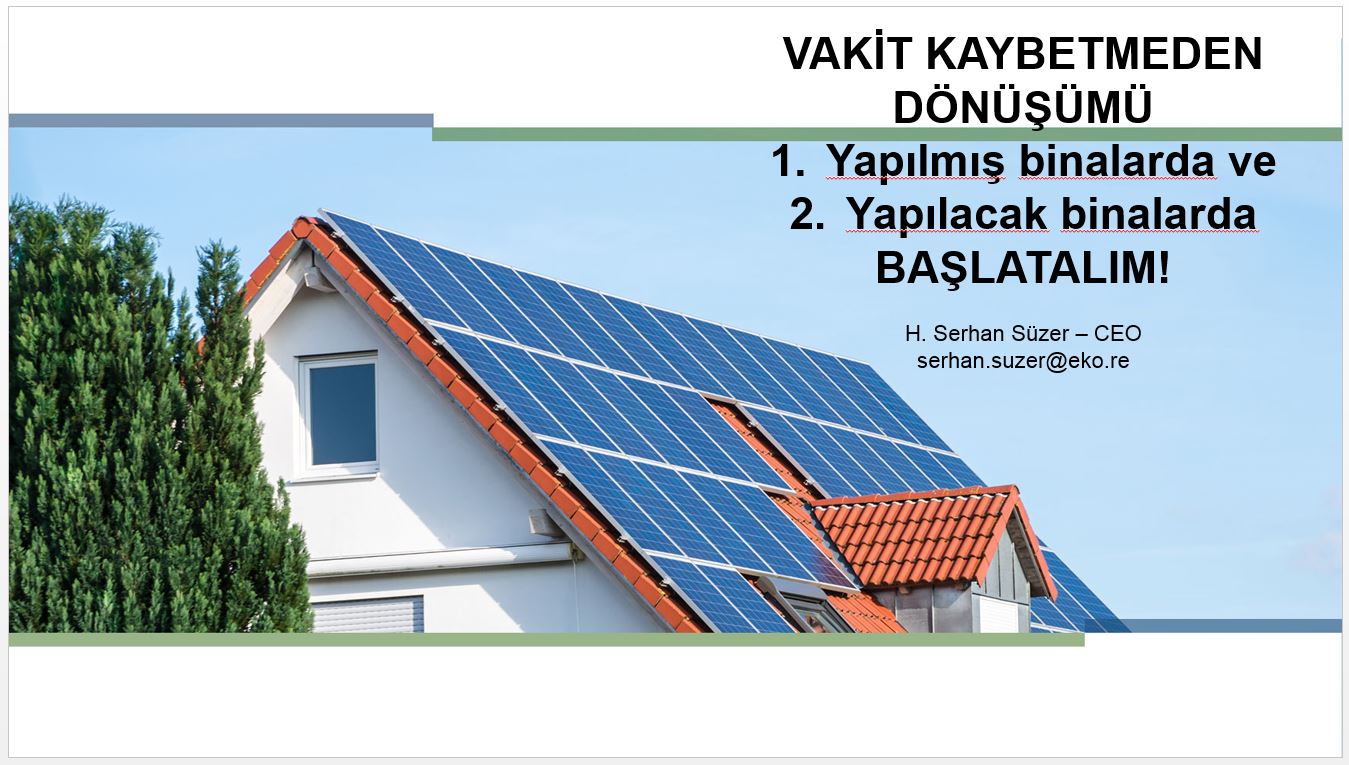
Some might question, “Haven’t we started Urban Transformation?” Officially, Urban Transformation has begun, but it’s not a true transformation. Projects that fuel profiteering and merely increase the height of buildings are not good. The ‘Urban Transformation’ that should take place should contribute to human development in terms of both building technologies and urban planning.
I would like to share some of the photos from the presentation below:
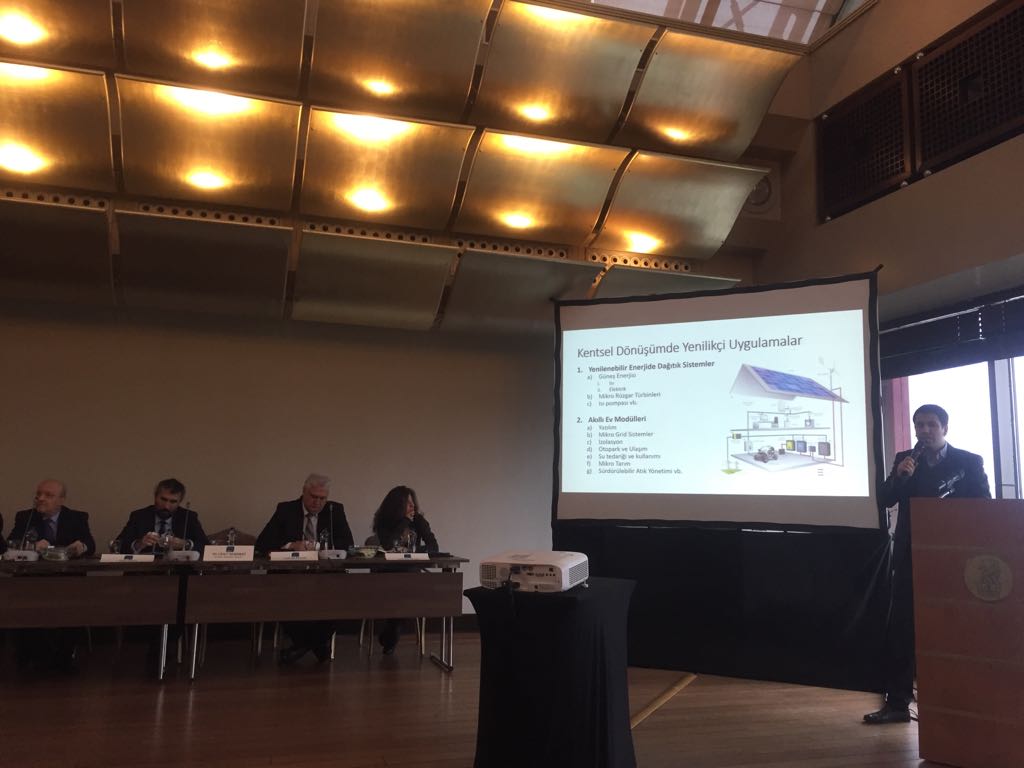
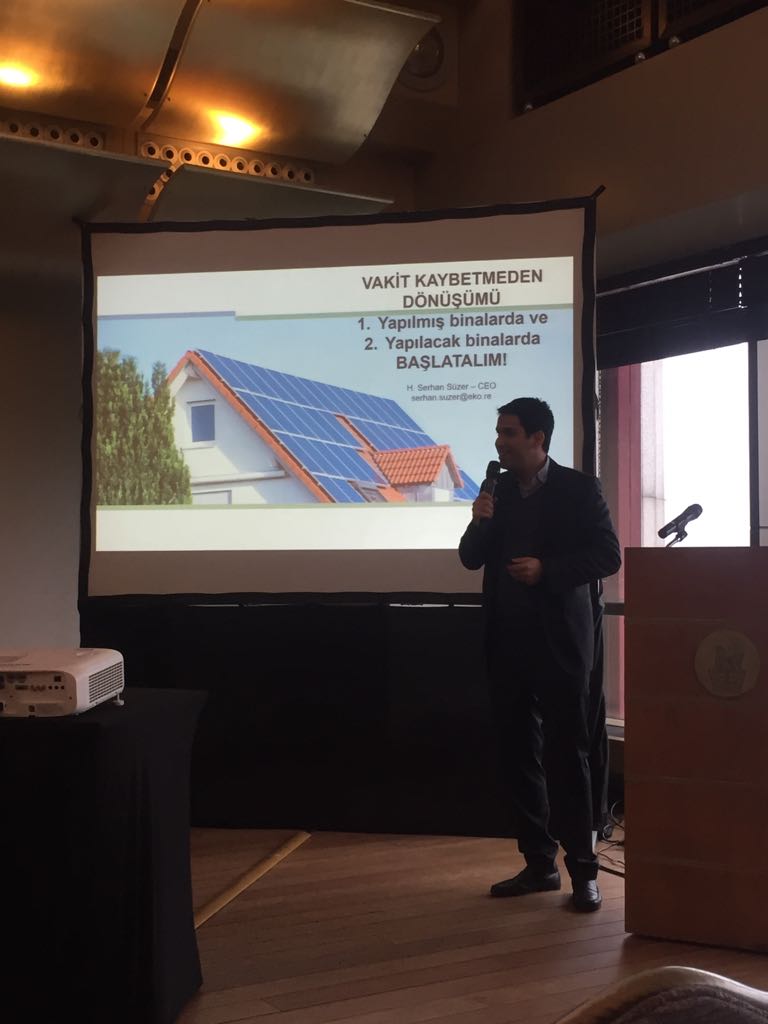
Following my presentation, the urban transformation summit continued with panel discussions. Many distinguished speakers shared their perspectives in their respective fields. The all-day session, moderated by Hakan Gümüş, featured speakers Alper Saydam (EUROSOLAR Turkey Renewable Energy Association), Prof. Dr. Ahmet Vefik Alp (MSc. Engineer, Architect, Urban Scientist, Alp Architects), Dr. Sinan Genim (Architect), Kayhan Çakanel (MSc. Architect, Efekta Architects), Hakan Ertan (GENSED Secretary General), Attorney Cihat Demirbağ (Urban Transformation Law), Attorney Ömer Aykul (Urban Transformation and Energy Law), Assoc. Prof. Dr. Murat Onuk (Yeditepe University – Electrical Engineer – Eurosolar), Nurfeşan Ağra (President of İVKAD), Pınar Şen (PNR Construction), Asuman Sönmez (TurSEFF Business Development Manager), and Arif Ergin (TurEEF Key Expert).
Ecological Buildings and Specially Designed Cities
When I spoke again at the panel, I stated the following:
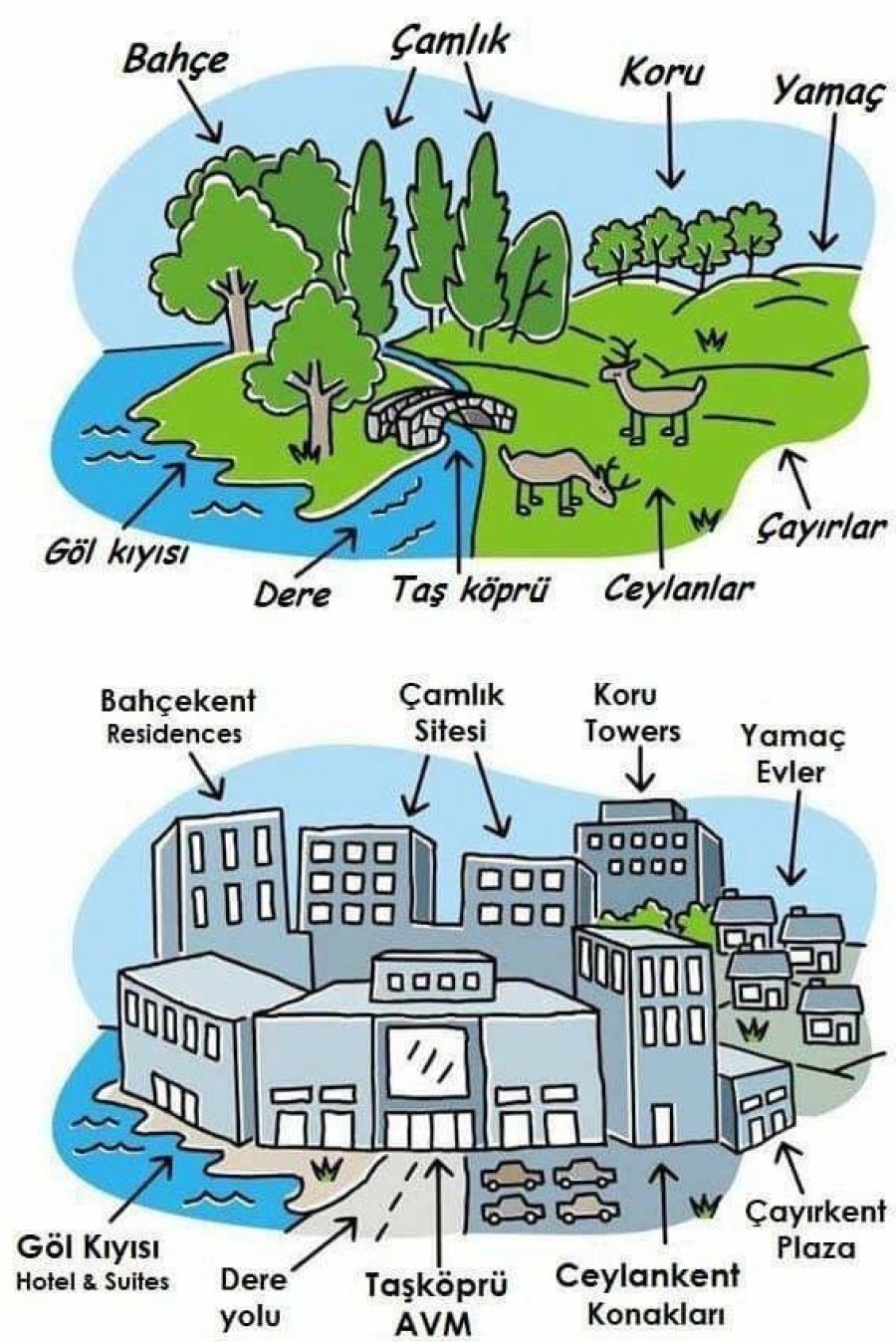
“Essentially, there are two topics to discuss regarding Urban Transformation. The first is buildings. That is, how we can transform existing buildings into more ecological and smart buildings, and how we can design new ones as ecological or smart buildings. I provided some details on this topic in my presentation. The other important topic to discuss in urban transformation is ‘Urban Planning.’ I don’t have expertise in this area, but I would like to share with you what resonates with me. I believe cities need to be planned from scratch. Cities should be designed with the German approach, with everything planned down to the smallest detail, a complete infrastructure, a population of no more than 1 million, easy access, and all the elements needed to meet needs. I am against everything being in and around Istanbul. I have traveled to many rural areas of Turkey for my work in solar energy. I can tell you that we have endless, empty land in Anatolia. Why don’t we build the kind of cities we’re talking about here that will make everyone comfortable and increase prosperity? Why don’t we all just congregate in Istanbul? Are we stuck? Isn’t this unfair to everyone?
I’d like to give a more specific example from Istanbul: Why did textile manufacturers in Istanbul choose Merter as their location? I believe textile factories should be located close to the lands where the raw material, namely cotton, is grown. For example, Adana or Şanlıurfa. Establish a city in the rural areas of Şanlıurfa where textile workers live. The factories would be relatively close to this city, so there would be no transportation problems. People would work with peace of mind, and a positive environment would naturally be created.
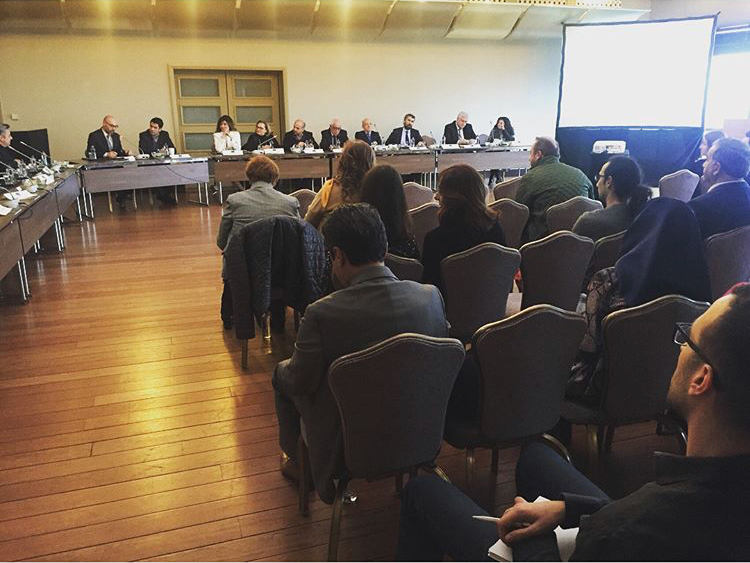
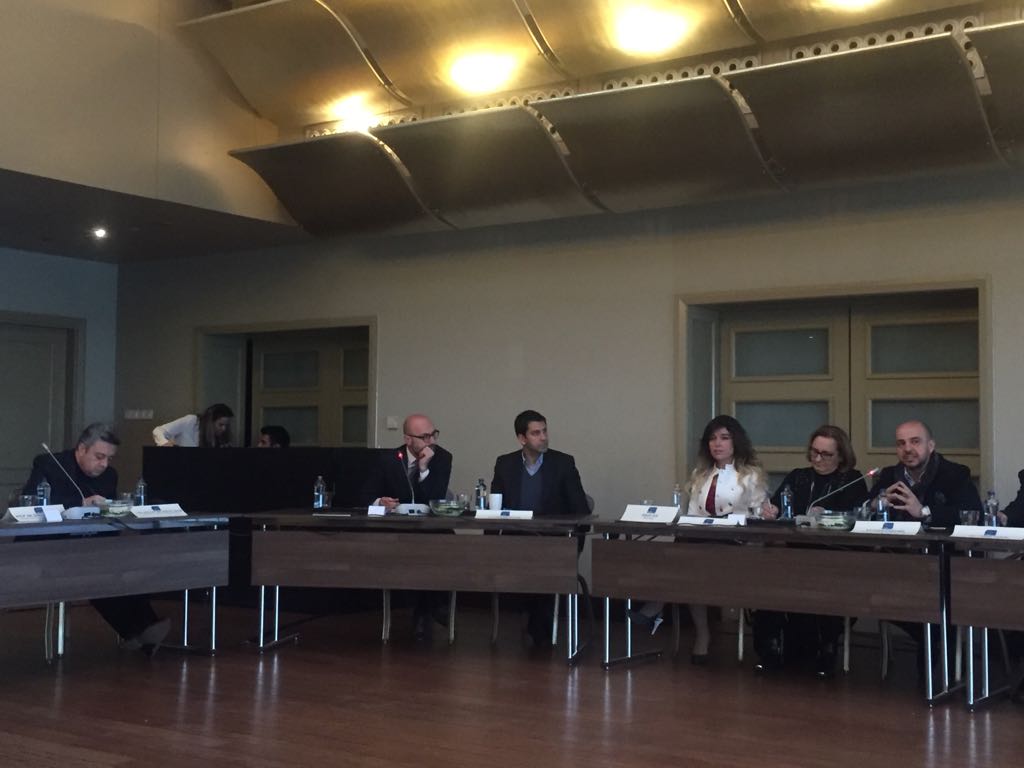
I’d like to share photos from the Round Table Session with you:
Two remarks from a speaker
After I delivered this speech, one of the speakers (whose name I’ll keep) took issue with me on two matters. First, he argued that designing cities with a population of less than 1 million was a utopia, that it was impossible, and that cities should develop on their own. He also stated that immigrants had come to Merter, and that developments there were normal. He also cited the fact that Mercedes established a factory in a Central Anatolian city whose name he couldn’t recall because of Erbakan, and later expressed his deep regret, stating that he opposed the dispersal of such investments across the country.
In response, I pointed out that the Mercedes factory he mentioned was in Aksaray and that they were very pleased with this investment. They had even expanded the factory and that many other significant factory investments had come up around it. Furthermore, I emphasized that despite Aksaray not having an airport, the people I spoke with in that area were satisfied with the quality of life.
The second point the speaker made was, of course, about Süzer Plaza, where the conference was held. He said something like, “The view from here is beautiful, but from the outside, it’s one of Istanbul’s disgraced buildings.” Frankly, I expected this reaction.
Being able to look at the issue from both perspectives
I briefly responded to this architect, whose age and experience I respect, as follows:
“Being here has the advantage of showing you that every story can have two sides.” Frankly, I expected this kind of reaction, so I’ll share some facts from our side without hesitation. First, let’s talk about the building’s history. All the building permits were issued by Mayor Tırtıl Paşa in the early 1980s. My father’s vision at the time was that this area would become the center of tourism in Istanbul, and he wanted to provide the city with a hotel worthy of this. The initial project was a short, thick building, about the same square meter as the building we’re currently in. The mayor who succeeded Tırtıl Paşa aimed to develop this area into Manhattan-style high-rises. We were the first to represent this, and the Park Hotel was the next. He made us change the project. The project, which received permits in ’83, took four years to be amended and re-permitted. We laid the foundation in ’87. I was 10 years old when we finally laid the foundation, but with the intelligence I had at the time, I could follow these developments closely. Then, the foundation of the building was laid (a significant investment was made in that foundation). Just as we were starting to move up, the mayor changed. The new mayor labeled us “representatives of imperialism,” filed more than 40 lawsuits, and launched a full-blown PR war. Ultimately, we won all the cases, based on the principle that “the state has continuity; granted rights cannot be taken away.” So, you may not like this building, you may say it “spoils the skyline,” that’s your right; but you cannot say it was built illegally. On the contrary, this building was built legally.
Then, of course, there’s the urban renewal aspect of the issue. If the city had been properly planned and the mayors hadn’t acted arbitrarily, we wouldn’t be in such a difficult position. We didn’t choose to build a high-rise building here; as I said, the projects were made to change. I want to emphasize this: As a descendant of the Süzer family, I oppose high-rise buildings. In the future, all buildings will be close to the earth, a part of the natural environment. These skyscrapers will not exist. Instead, they will be ecologically sound homes spread across vast plots of land.
Speaking of which, I’ve made my point. As I mentioned, you should hear both sides of every story.
Overall, the roundtable was a success. We’ve covered this news in numerous places. I’d like to share it with you:
National Press – AA
- http://www.haberturk.com/yerel-haberler/14932482-kentler-gunes-enerjisiyle-donusecek
- http://www.star.com.tr/yerel-haberler/kentler-gunes-enerjisiyle-donusecek-3567147/
Trade Press
- Enerji Magazin – http://www.enerjimagazin.com/haber-6289-Kentsel-Donusum-ve-Yenilenebilir-Enerji-Zirvesi-Istanbulda-Gerceklestirildi.html
- Akıllı Binam – http://www.akillibinam.com/kentler-gunes-enerjisiyle-donusecek/
- Güncel Enerji – http://www.guncelenerji.com/kentler-gunes-enerjisiyle-donusecek.html
Others
- http://www.manisakenthaber.com/genel/kentler-gunes-enerjisiyle-donusecek-h42567.html
- https://www.timeturk.com/kentler-gunes-enerjisiyle-donusecek/haber-869438
- https://emlakkulisi.com/kentler-gunes-enerjisiyle-donusecek/566052
- http://www.sivasbulteni.com/kentler-gunes-enerjisiyle-donusecek-65766h.htm
- http://petroturk.com/yenilenebilir/kentler-gunes-enerjisiyle-donusecek
- http://www.hukukihaber.net/genel/kentler-gunes-enerjisiyle-donusecek-h165243.html
- http://www.haberturk.com/yerel-haberler/14932482-kentler-gunes-enerjisiyle-donusecek
- https://www.haberege.com.tr/genel/kentler-gunes-enerjisiyle-donusecek-h21437.html
- http://www.konyaolay.com/kentler-gunes-enerjisiyle-donusecek/23908/
- https://www.emlaktasondakika.com/haber/kentsel-donusum/kentler-gunes-enerjisiyle-donusecek/135358
- http://beyazgazete.com/haber/2018/3/22/kentler-gunes-enerjisiyle-donusecek-4393500.html
- https://www.sondakika.com/haber/haber-kentler-gunes-enerjisiyle-donusecek-10681965/
- http://www.dikgazete.com/genel/kentler-gunes-enerjisiyle-donusecek-h339865.html
- https://www.manisadabirgun.com/genel/kentler-gunes-enerjisiyle-donusecek-h72286.html
- https://www.61saat.com/genel/kentler-gunes-enerjisiyle-donusecek-h524869.html
There’s much work to be done regarding urban transformation in our country. However, to truly initiate urban transformation, we need to change our mindset in every sense.
- We prioritize planning,
- We uncompromisingly implement the planned concept and implement it to the letter,
- We strive for every opportunity to build ecological homes,
- We embrace an approach that respects and respects nature,
- We keep up with technology and innovations,
- We value and care for our city,
- We can truly initiate urban transformation with a mindset that prioritizes ecology over profit.
In other words, mental transformation is essential for urban transformation. I’m sorry to say this won’t happen immediately. Perhaps it might take a generational shift to achieve what I’m saying. However, we can ignite this spark in our own time and initiate all these positive initiatives within our own generation. This is one of my personal life goals: to initiate the necessary steps in my own time so that future generations can live in a better world. Then, well-educated generations will take over this banner and do even better.
Tag: culture