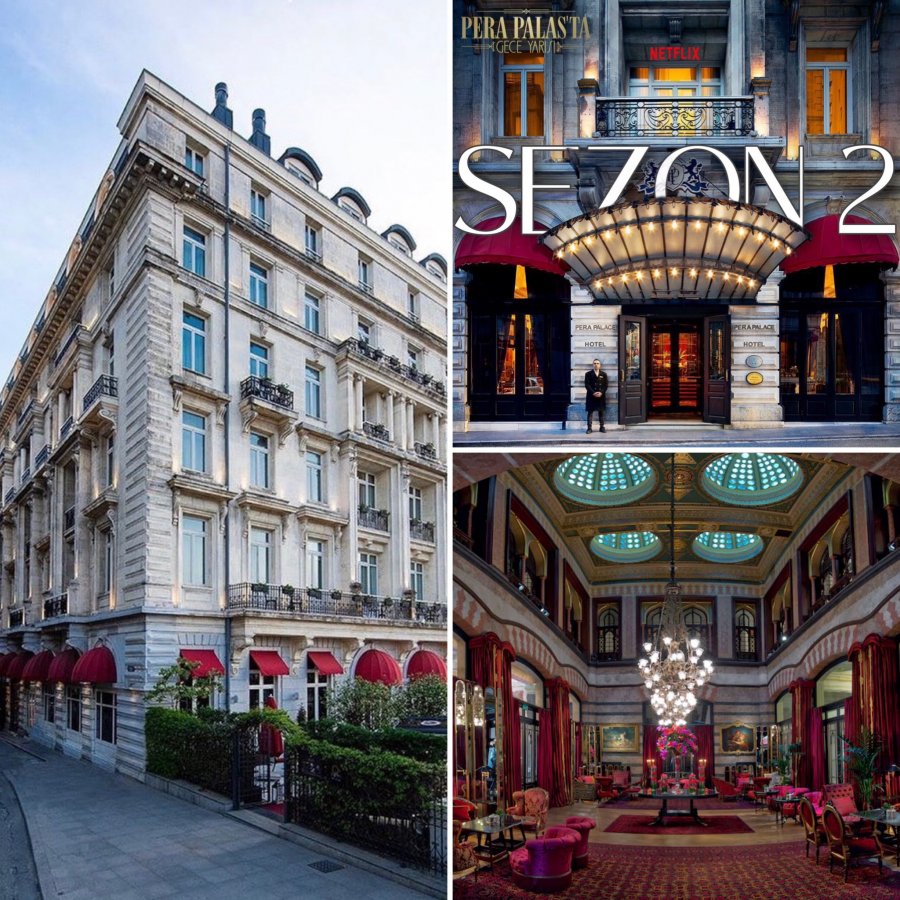
Everyone has childhood memories. Mine, especially those I shared with my twin brother at the Pera Palas, are as vivid in my mind as if they happened yesterday. I remember riding Turkey’s very first elevator in this hotel, which was built in 1892, and exploring different floors; visiting the room where Mustafa Kemal Atatürk, founder of the Turkish Republic, once stayed—later turned into a museum on the centennial of his birth—each time a new historic item was added; attending events in the hotel’s famous ballroom; and running through the hidden areas no guest ever saw. Every memory still feels alive. Each time I step into the Pera Palas, it stirs something different in me.
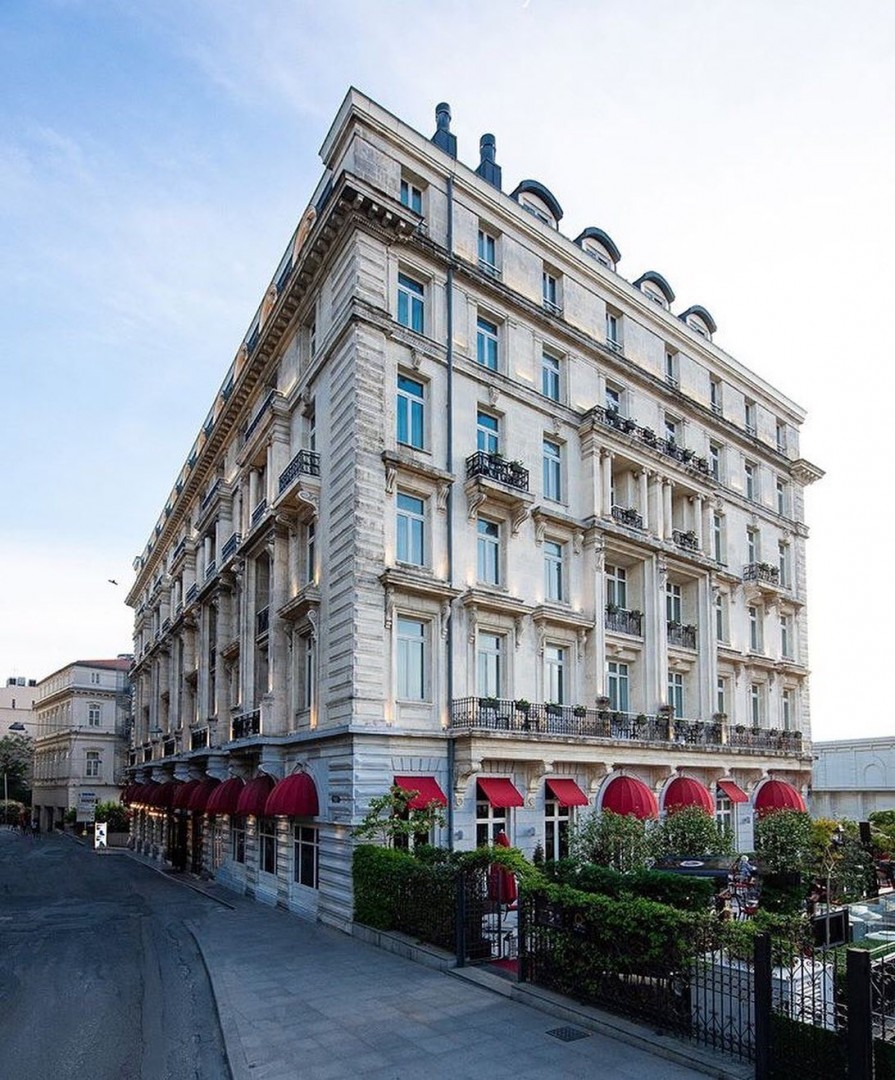
For more on the Pera Palas, you can read its Wikipedia page: https://tr.wikipedia.org/wiki/Pera_Palas
Of course, among all those cherished memories, there are some that sadden me. For instance, I remember my grandfather, Hasan Süzer, who passed away in 2005. The piece I wrote about him— https://www.serhansuzer.com/tr/dedem-hasan-suzerle-anilar-gecidi became the most-read article on my blog.
First I resisted, then I watched
Because I knew it would bring back bittersweet memories, I resisted watching the Netflix series Midnight at the Pera Palas—which now has a second season—for quite some time. But one day I came across the trailer, and as soon as I watched it, I gave in to that inner voice and started the show. I ended up watching both seasons back-to-back, whenever I could find the time. When I finished, I decided to put my mixed feelings into words.
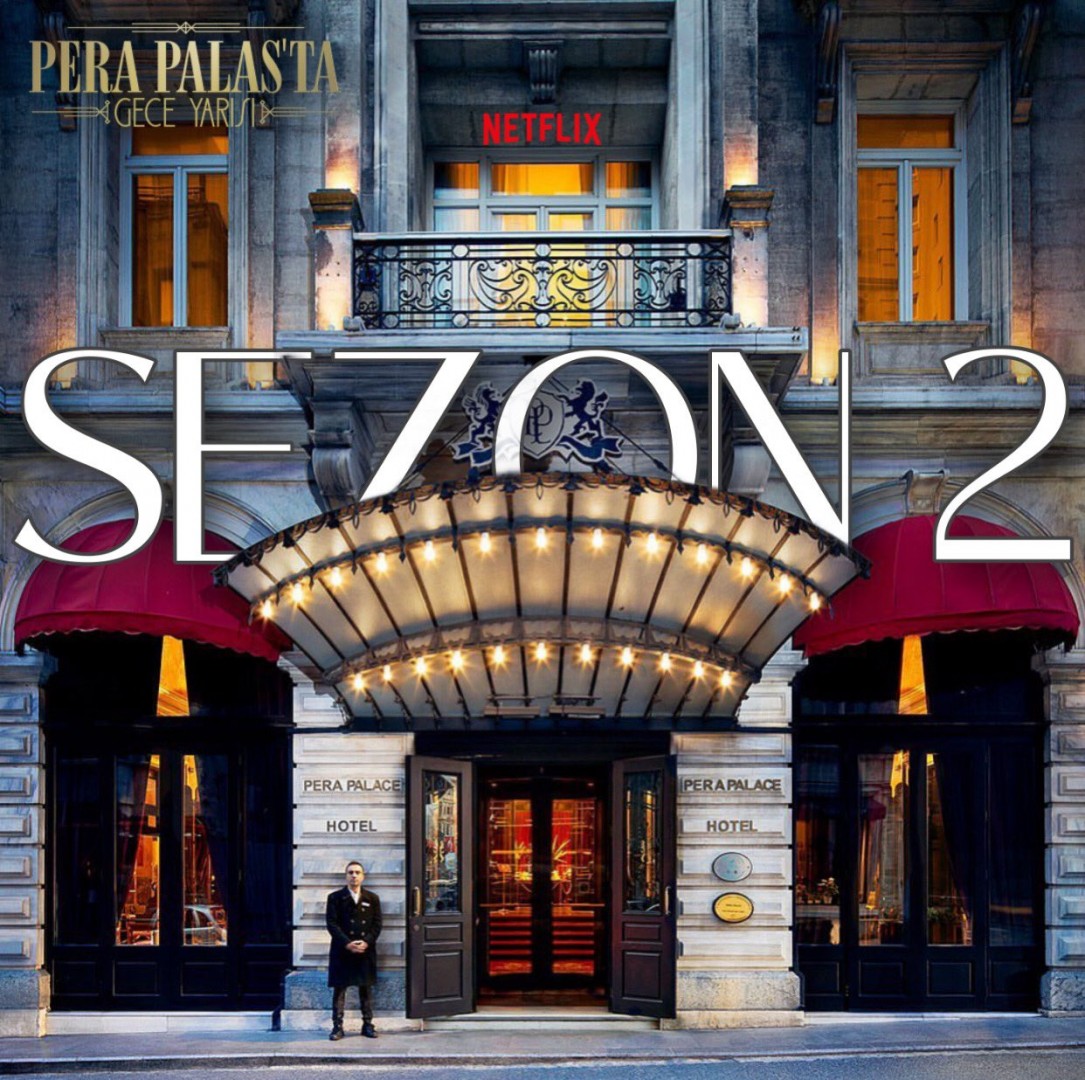
Before I share my own thoughts, let me pass along what ChatGPT told me when I asked, “What do you think of the series Midnight at the Pera Palas?” (Of course, ChatGPT draws from various online sources):
Midnight at the Pera Palas, inspired by Charles King’s book of the same name, is a Turkish drama blending historical and fantastical elements. It follows young journalist Esra (Hazal Kaya), who time-travels from modern-day Istanbul to 1919 while staying at the historic Pera Palas Hotel. There, she tries to thwart an assassination plot against Mustafa Kemal Atatürk (at least in the early episodes).
Positive Aspects
- Historical Atmosphere: The series convincingly recreates the mood of 1919 Istanbul, drawing the audience into the period. The hotel’s historic charm and the period costumes make for a visually striking experience.
- Acting Performances: Hazal Kaya portrays both Esra and Peride, capturing two women from different eras with skill. Selahattin Paşalı’s performance as Halit has also been praised by viewers. (ref: Alem: https://www.alem.com.tr/dizi-film/pera-palasta-gece-yarisi-dizi-incelemesi-1077583)
- Engaging Storyline: The time-travel concept interwoven with historical events keeps viewers hooked. The assassination plot against Atatürk maintains tension throughout.
Critiques
- Dialogue and Language: Some viewers have criticized the use of modern Turkish in the 1919 scenes, saying that period-appropriate language would have strengthened the historical feel. (ref.obelde: https://obelde.com/dizi/netflix-pera-palasta-gece-yarisi/)
- Script and Plot: Certain critics point to plot holes and structural weaknesses, particularly inconsistencies in how the time-travel element is handled. (ref. yıldızsız: https://www.yildizsiz.net/pera-palasta-bir-inceleme-yazisi-osmanlica-degil/)
- Character Development: Esra’s reactions and behavior at times seem implausible, especially her overly casual attitude toward the dangers of the past. (ref. The Magger: https://www.themagger.com/pera-palasta-gece-yarisi-netflix-inceleme/)
Conclusion
Midnight at the Pera Palas offers viewers a unique experience by blending history and fantasy. Despite criticisms about its dialogue and some plot elements, its visuals and performances make it a production worth watching.
My own take
Overall, I liked the series—mainly because, from my own perspective, it brought back the feeling of the Pera Palas. Here’s how I saw it through a few specific lenses:
- Acting: I found Selahattin Paşalı and Tansu Biçer outstanding. I hadn’t seen either actor before, but I’m confident they’ll continue to shine in future projects. They have a bright future ahead. As for the female lead, Hazal Kaya, I admit I have a soft spot for her—her mother’s side is from Gaziantep, and I feel she carries some of that warmth and energy in her performance. She has a certain glow. That said, there were moments when I thought, “This doesn’t quite work.” I can’t put my finger on it, but some of the dialogue, gestures, and expressions didn’t fully reflect the period.
- Script: Season one was solid, with fewer inconsistencies. But in season two, it felt as though the writers were forcing the story forward, leading to more lapses in logic. The constant jumping between past and future only made the inconsistencies more noticeable.
- Overall Impression: In general, I enjoyed it. Certain scenes made me feel the essence of the Pera Palas and its historic aura. Some episodes stood out for their acting, costumes, and emotional impact, while others fell short and never rose above average. Even so, I appreciated the way the series delved into history through an unusual lens. Yes, the time-travel element makes it less realistic, but it still left me with a pleasant aftertaste.
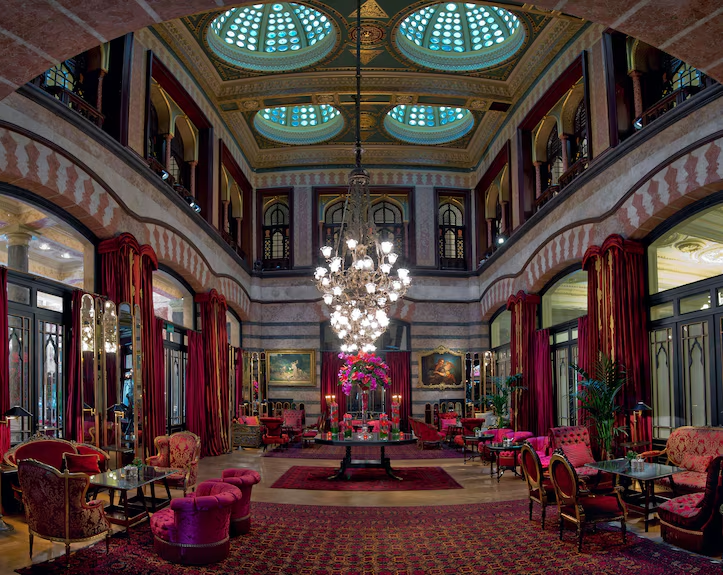
The irresistible atmosphere of the Pera Palas In the end, I liked the series enough that I’d watch a third season if they make one. I hope the creators pay more attention to detail and cut down on the inconsistencies. I also relish the chance to experience the Pera Palas itself, a hotel that feels as much like a museum as a place to stay. For visitors to Istanbul, I highly recommend setting aside time to see it. Even if you don’t stay overnight, have tea or coffee there. In this unique space—where you truly feel part of history—make sure to visit Atatürk’s Room 101 and Agatha Christie’s Room 411. Also take time to enjoy the magnificent grand hall, the side hall with its lofty, specially designed ceiling, the inviting bar, and the historic patisserie at the entrance.
Tag: Culture