
In 2016, I wrote an article about the founding of Moka, which you can read here: https://www.serhansuzer.com/tr/mokadan-bonbona-rotadan-sasmayan-manevralar. This piece is essentially a continuation of that story. In it, I’ll share what happened to Moka, which at the time was moving forward as a successful venture.
First, I’d like to briefly summarize Moka’s founding with excerpts from that earlier article. Then I’ll explain what happened afterward.
When we first designed our company, the core idea we based it on—an “application that would make shopping easier”—quickly proved to be unviable. I realized this quite clearly after a while. In my career, I managed KFC and Pizza Hut restaurants, so I knew both the players in the sector and the customer base well. Unfortunately, our shopping app at the time failed to gain acceptance either from retailers or from retail customers.
The sector and users weren’t ready
The main problem was that, in Turkey, the industry wasn’t open to this kind of innovation, and psychologically, users weren’t yet ready to make payments through an app. It didn’t take me long to realize this. Still, even though things weren’t going well, I gave the company some time.
We also had some managerial issues. The company’s first general manager, İlker Uzkan, knew the sector very well—he was on top of every detail. Above all, he had a great character and was an honest man. But he had difficulty adapting to the country (he was born and raised in Germany) and particularly struggled when it came to managing professionals in Turkey.
The search for a new general manager
So we began looking for a new general manager. The HR Director of Eko Group—of which I was the founder, and which oversaw all our ventures—was Gamze Tulpar. After a successful process in which she reviewed the CVs of many candidates and met with some of them, she found Selim Güsar, who matched the qualifications I had outlined, and arranged an interview with us. Following all the interviews, Selim Güsar started as our second general manager. After a long and successful career in banking, Selim had worked at BKM (the Interbank Card Center), a major player in the sector co-owned by Turkey’s most important banks, as assistant general manager in charge of marketing and fraud prevention. In addition to his sector experience, his managerial skills helped rally the team. Meanwhile, we didn’t lose our first GM, İlker. His international experience was personally important to me because in both fintech and renewable energy, my main fields of operation, my primary goal was to create a global brand. So, we spoke with him, and thankfully, he agreed to stay on for a while as a board member at Moka. But the fundamental problem was still our business model.
Being both determined and flexible
A year had passed since the company’s founding, and it was still burning through cash. By then, it was crystal clear to me that our business model didn’t work, and I needed to do something about it. I called a meeting with the board and Selim one Saturday at Juno, a restaurant in Nişantaşı where I lived at the time. We needed to make radical decisions to save the company’s future. My goal was to have an open conversation in a relaxed setting, share my thoughts with the co-founders and Selim, and reach consensus on the necessary steps. At that meeting, I said:
“Fintech is a vast ocean with many subsegments. We can’t keep losing money insisting on something the market isn’t ready for. Either we quit this line of work, or we find another niche within fintech and continue from a different angle. My position is to keep investing in this sector no matter what.” I wanted to continue in fintech because I believed in the sector.
Two new areas with a new business model
After discussing different business models, we decided to enter two areas: Virtual POS / Web POS and Bill Payment.
We revised our model and began preparing to enter the traditional bill payment business—an entirely different model. We purchased the bill payment software from another company, had our own team adapt it to meet our needs, and after completing all the necessary preparations, launched quickly into the market. We started with the most basic model, rapidly building a dealer network. Within a year and a half, we had 5,000 dealers. Through them, we provided bill payment services in various parts of Anatolia.
In parallel, we also began offering virtual POS services. As with bill payment, we acquired the software, adapted it with our own team, and launched operations. Various organizations began using our Virtual POS to process payments. As a follow-up, we also began offering POS services for sales made via some companies’ websites (Web POS).
Meanwhile, we obtained our “Payment Institution” license from the Banking Regulation and Supervision Agency (BDDK), which put everything into place. Being among the first to receive this license gave us an advantage. Now the only thing left to do was improve our service and rapidly increase market penetration.
A rise that attracted investors
After 2016, despite all the sectoral challenges, Moka became a rapidly growing, well-structured, and promising company.
Our growth rates increased year after year thanks to the software and technologies we developed in various industries. Our revenues snowballed annually.
In the Virtual POS field, Iyzico was the dominant player, constantly growing through investments. We managed to secure a place among the best in that space as well. I believe we used our resources more efficiently than Iyzico, but their strategic advantage came from securing continuous investment. They received funding four times before their eventual major sale, and they successfully used those funds to finance growth.
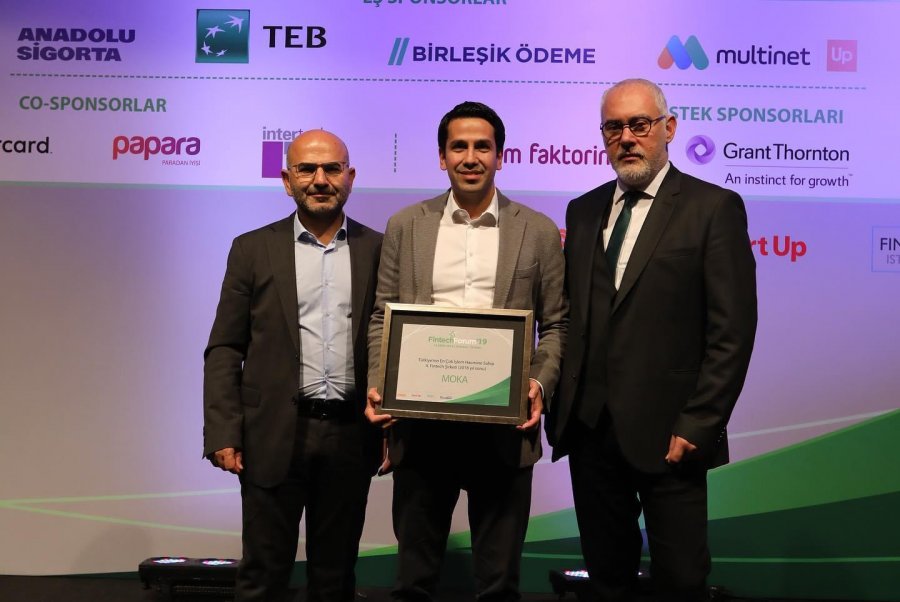
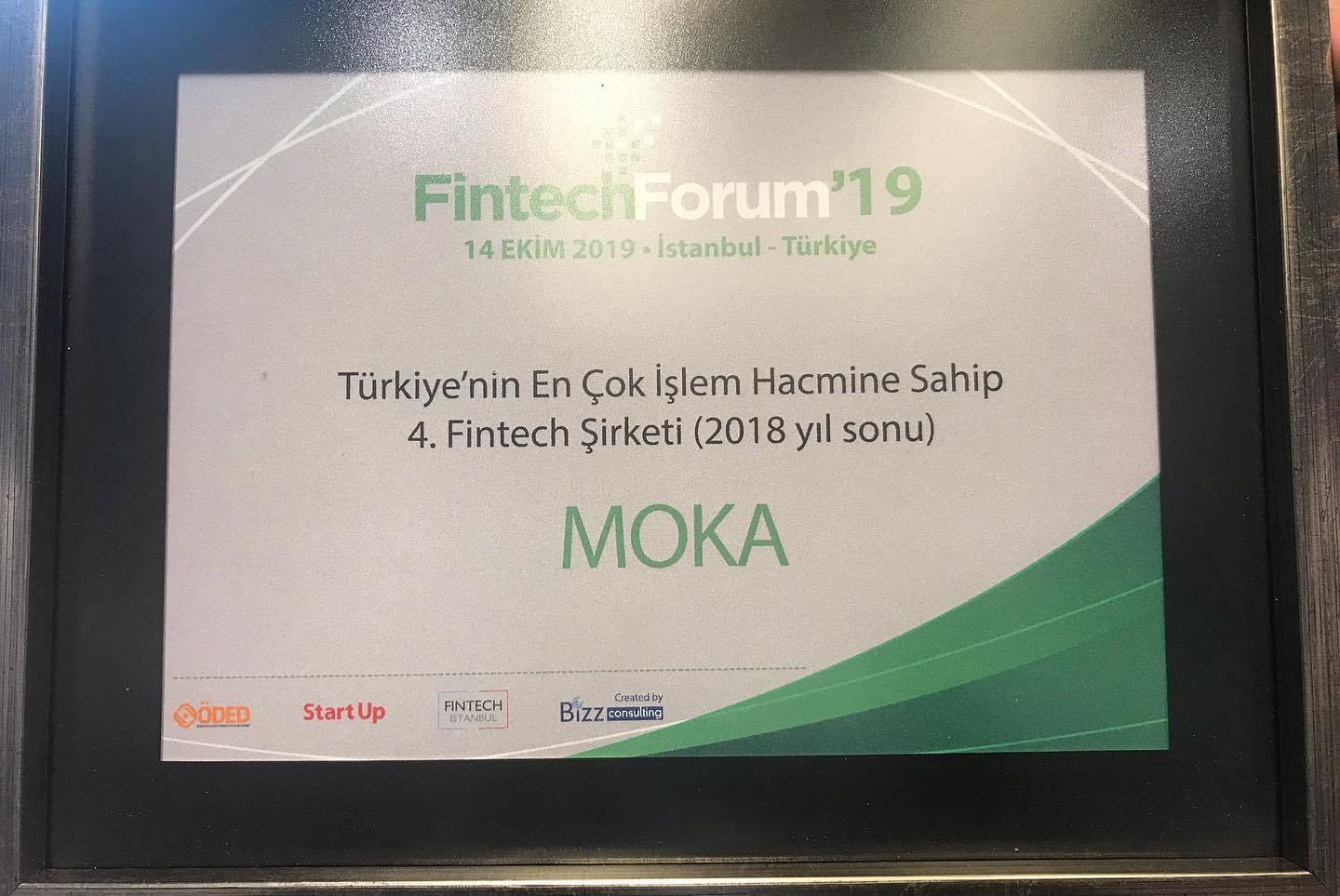
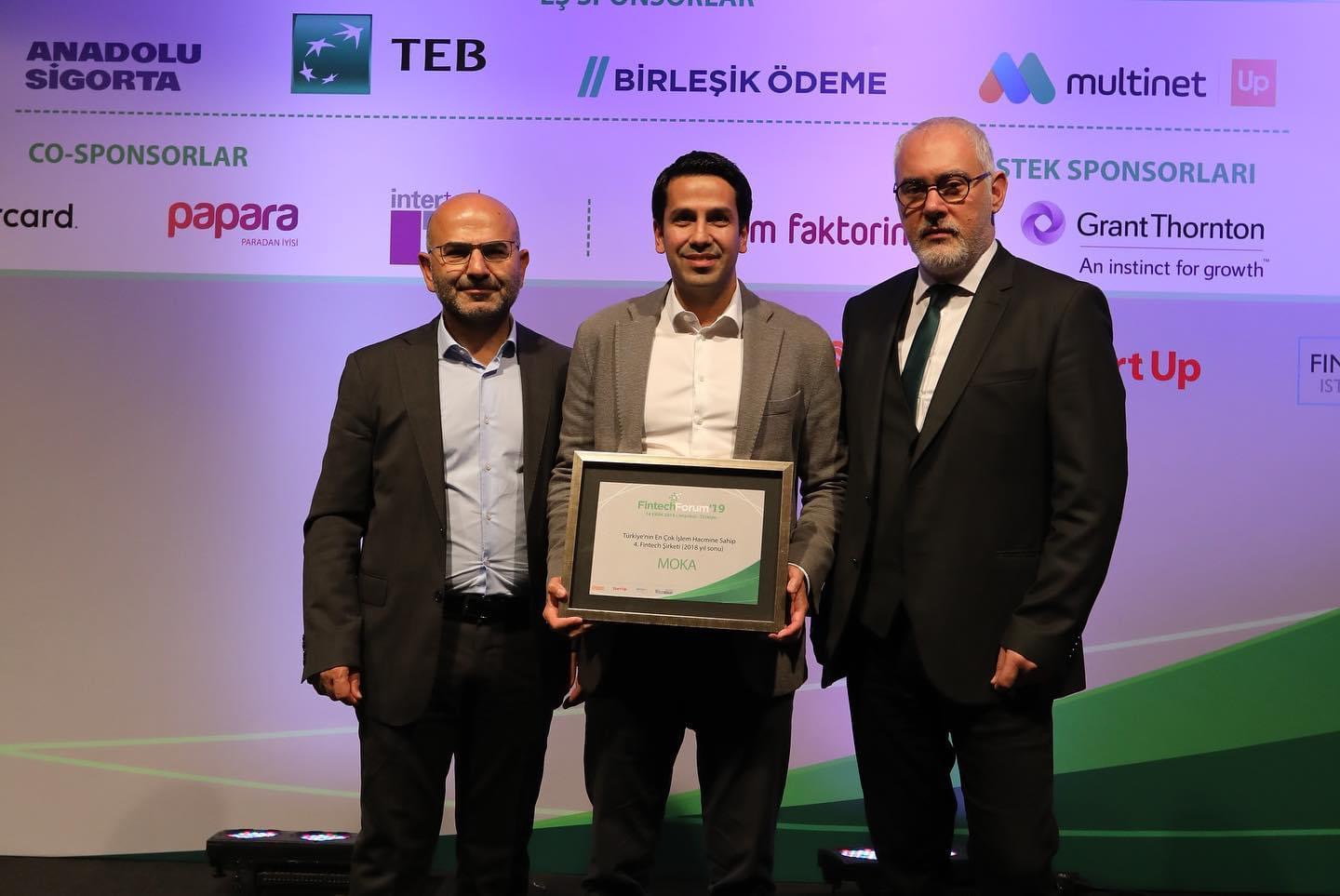
In terms of transaction volume, we were in third or fourth place. Despite all the difficulties and the fact that I personally provided 75% of the company’s capital, Moka exceeded expectations. Imagine: on one side, Iyzico, which grew thanks to four rounds of investment, and on the other, Moka, growing on its own resources—yet still carving out a strong position in the market.
Naturally, this caught investors’ attention.
While most interested parties were local investors, some from the Middle East and Azerbaijan also reached out. But most seemed to be just testing the water. They were clearly watching us but unsure of their next move.
The offer from İş Yatırım
The first investor to engage with us seriously was İş Bank. At the start, they weren’t even on the radar. The first direct contact came from İş Yatırım in mid-2020. After a brief exchange, we began meeting, and since they were a high-quality brokerage firm, I assumed their investor would also be of the caliber we sought. They told us they were representing an investor, and after we signed an NDA, they examined our company in detail without revealing the investor’s name. Following their evaluation, they gave Moka a valuation and made a preliminary offer. As the majority shareholder (owning 65% of the company), I reviewed it with the minority shareholders, and we agreed to move forward.
It turned out that the investor behind İş Yatırım was İş Bank. Personally, I was delighted—İş Bank, founded by Atatürk, is in my view the pride of the Turkish banking sector. Since my main goal in all my ventures is to ensure continuity and sustainability, I was happy to sell Moka to them. For me, it’s not essential that the companies I create remain under my management—what matters is that they remain productive, innovative institutions contributing to the countries they operate in for generations. I believed İş Bank could make Moka the best it could be and ensure its longevity.
İş Bank’s further due diligence
After İş Yatırım, İş Bank conducted its own detailed legal, technical, and financial due diligence. Following months of review, they made a final offer, slightly higher than the first. This was a positive sign, showing they had confirmed there were no structural problems and that we were operating within a growing model. We accepted their offer, and after weeks of legal work to structure the sale, we signed all the agreements in January 2021, officially selling Moka to İş Bank.
A success story forged in a tough process
Multiplying our investment and selling to a major institution like İş Bank was a success story. But it was by no means easy. Two factors made it challenging: first, the sale took place during the pandemic. As you’ll recall, the pandemic began in Turkey in March 2020. İş Yatırım reached out to me just a few months later—a bold move.
Managing such a critical process in the difficult year of 2020 was meaningful. And frankly, I won’t be modest here overcoming the challenges was partly thanks to my “ability to make the impossible happen.” The other factor was the attitude of the other shareholders, which made things harder. I won’t get into that, but I will offer one piece of advice to entrepreneurs or aspiring entrepreneurs: be very careful when choosing partners. The partners who share your fate in a company will directly affect your success. Choose those who will always lift you up both financially and morally.
The four strategic moves behind our success
Looking back from the founding to the exit, I want to emphasize that our success came from making the right strategic moves. In my view, we owe it to four key decisions:
1. Radically changing the business model – I saw clearly within three months that things weren’t working, but I waited a year before acting. Then I called a meeting and led the shift to a completely new model. We started over from scratch, left the past behind without ego, and grew revenue exponentially every year.
2. Changing the general manager – Selim Güsar’s leadership both unified the team and leveraged his BKM experience to implement the right strategy.
3. Applying the “disruptive technology theory” successfully – Without consciously planning it, we avoided provoking banks by targeting underserved, low-margin customer segments they largely ignored. This instinct matched Clayton Christensen’s theory: start in overlooked markets, improve your offering, and move into more profitable segments over time. That’s exactly what we did with Virtual POS, Web POS, and bill payment—making life easier for millions of people and creating significant volume in the process.
4. Managing the İş Yatırım process well – From first contact to sale completion, the process was well-handled thanks to capable, principled people on both the İş Yatırım and İş Bank teams. A process that starts well often ends well, even with obstacles, and that’s what happened here.
I hope this account is useful to those who already have ventures or are thinking of starting one. May your path be clear.
From my perspective, I hope my past successes will continue to shed light on the future.
Tag: memoir