The emergence of groups of people from the forest and unauthorized entry to our power plant first came to our attention last year.
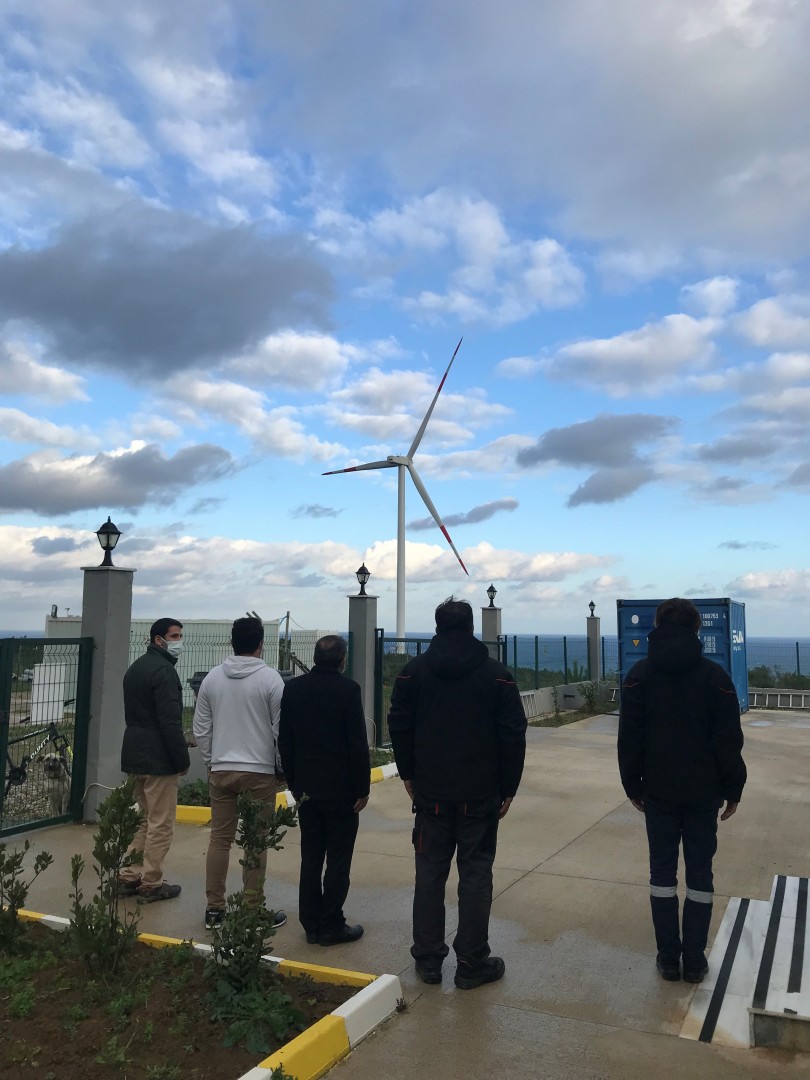
This is a photo we took with our team at our wind power plant. Here, on 10 November, we were all preparing to observe a moment of silence for the Great Leader Atatürk, the founder of our Republic, before 9:05 a.m.
I remember asking the team the following questions and the answers given by Özgür Bey, a former member of our technical team and a resident of the neighborhood where the power plant is located:
S: What’s the reason for so many people entering the field without permission, especially during this time?
Ö: These are mushroom pickers, Mr. Serhan. They come here every year to pick mushrooms in the fall. They harvest mostly in October.
S: Will there be any security issues?
Ö: We know the mushroom pickers; most of them are from our village. There won’t be any security issues. However, we warn them to stay away from the power plant area. If our villagers don’t cause any problems, but someone from outside comes, we need to intervene immediately.
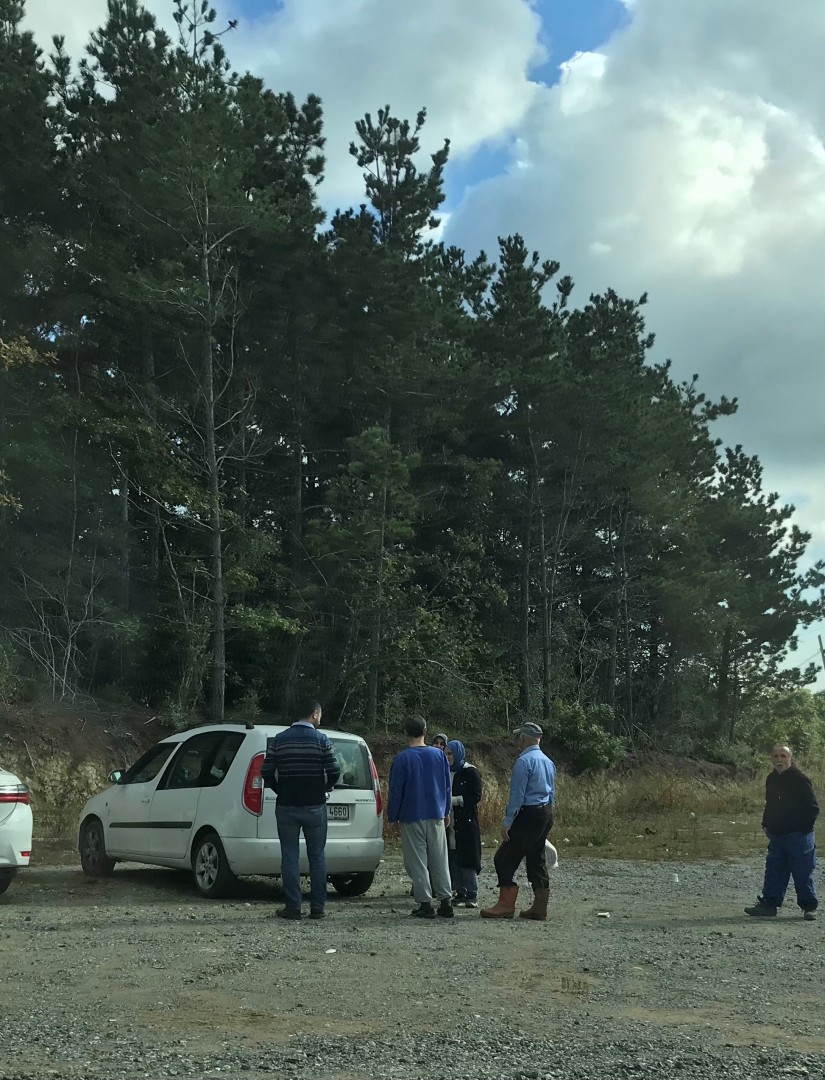
A photo of the mushroom farmers we photographed at the entrance to our wind energy field.
Shortly after this speech, I visited the Kandıra District Governor and one of the many topics we discussed was the security of the electricity supply. Kandıra District Governor Mehmet Ünal, a highly experienced bureaucrat with extensive knowledge of these matters, had the following conversation:
S: There are people entering the field from the forest without permission, especially in the fall. What do you recommend we do to prevent this?
K: They’re mushroom farmers, Mr. Serhan. They won’t cause any problems. They’ll just pick their mushrooms from the forest you’re in.
S: There won’t be any problems with the neighborhood; our team knows most of them. Occasionally, some people come in from outside. Our security intervenes, but how can you assist if there’s a problem?
K: The gendarmerie is nearby. We’ll intervene immediately if necessary, but I don’t think there will be any problems.
Entering the world of mushrooms
After thanking the District Governor for his support, I left the meeting. As I left the building, my curiosity led me to investigate the mushroom issue. I remember thinking to myself, “What is this mushroom?”
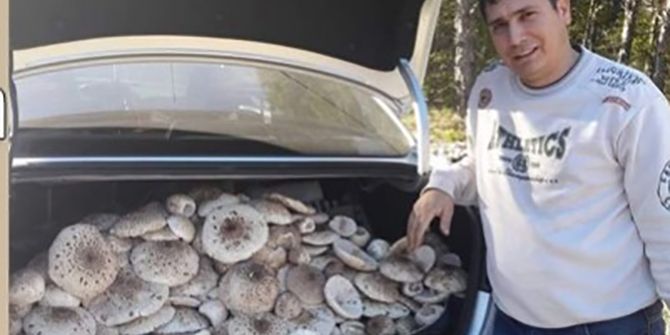
In this photo taken in Kandıra, the district of our power plant, a mushroom picker proudly shows off the mushrooms he’s collected.
I had no other information, other than knowing that most of us, due to the dilemma of “poisonous or not,” generally avoid mushroom picking just in case, and that some people have an obsessive habit of collecting mushrooms.
In this article, my goal is to open the door to the world of mushrooms for you, the reader, at a beginner level. I’ll leave the rest to your curiosity and the experts.
First, let’s define ‘fungus.’ Fungi (Latin: fungi, singular: fungus) is the name of a biological kingdom encompassing numerous multicellular and single-celled eukaryotic organisms. This group of organisms, which includes many members, from microorganisms like yeast to molds and mushrooms, is often used colloquially to describe mushrooms alone. The branch of biology that studies fungi is called mycology. All living things in the fungi kingdom share certain common characteristics, and because of these characteristics, they cannot be classified as either animals or plants (this is very interesting; just knowing that fungi are neither animals nor plants, but having their own class, increases my curiosity about the fungal kingdom). All living things within the fungi group are heterotrophs, like animals, meaning they must obtain their nutrients from external sources. This distinguishes them from plants, which produce their own food through photosynthesis. However, just like plant cells, fungal cells also have a cell wall in addition to a cell membrane. Instead of cellulose, the building blocks of plant cell walls, these cells contain chitin. Chitin is a carbohydrate unique to animals and is used as a structural material in the exoskeletons of insects and crustaceans.
Highlights of Over a Million Species
Fungi are found almost everywhere in the world. They are more abundant in moist areas. While it is estimated that there are approximately 1.5 million species of fungi on Earth, only about 69,000 have been identified to date. Fungi are ecologically important organisms because they are important decomposers that facilitate nutrient cycling in nature. Additionally, the role of yeasts in the fermentation of products like bread, beer, and wine, and the consumption of capped mushrooms as a food source, make these organisms economically important. (Source: Wikipedia)
In my opinion, the most important function of mushrooms is that they manage our world’s organic waste, completing the natural cycle in nature. In other words, they ingest any organic waste, including animal carcasses, and perform many functions to enrich the soil and forest. Therefore, I cannot imagine a forest without mushrooms.
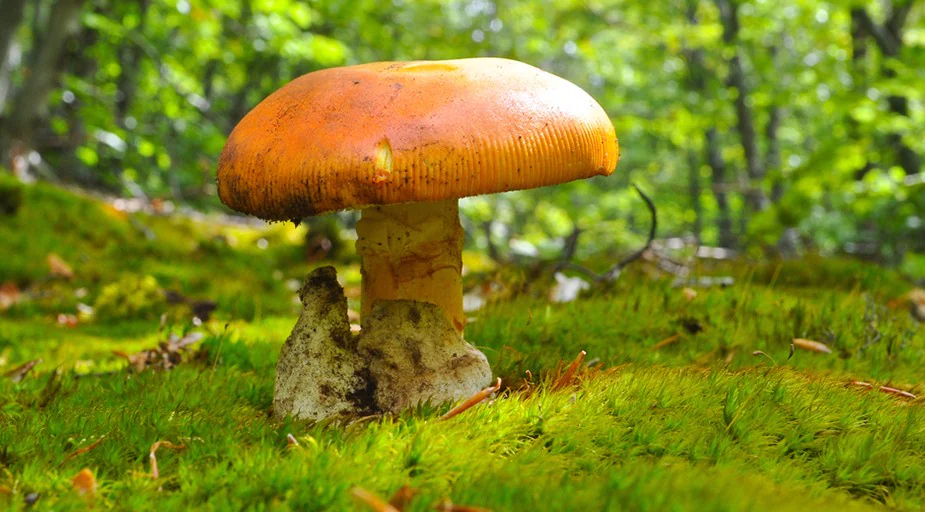
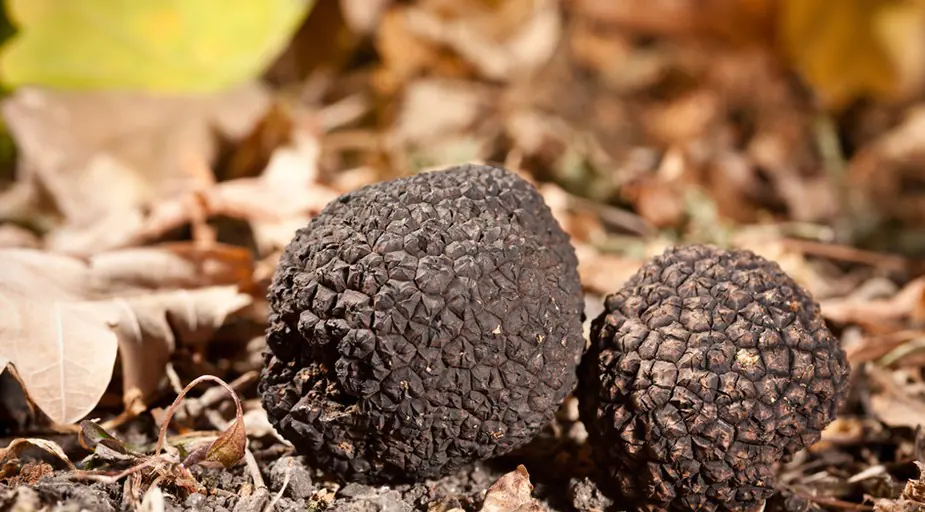
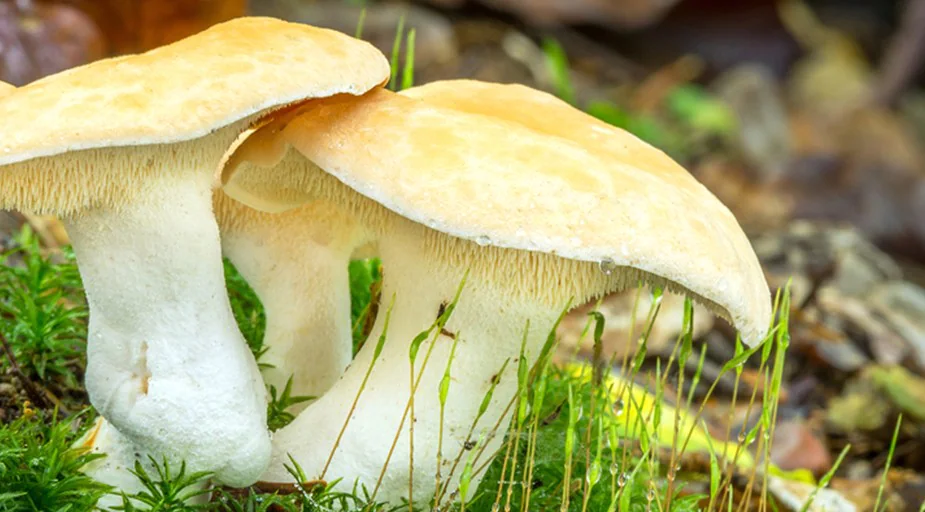
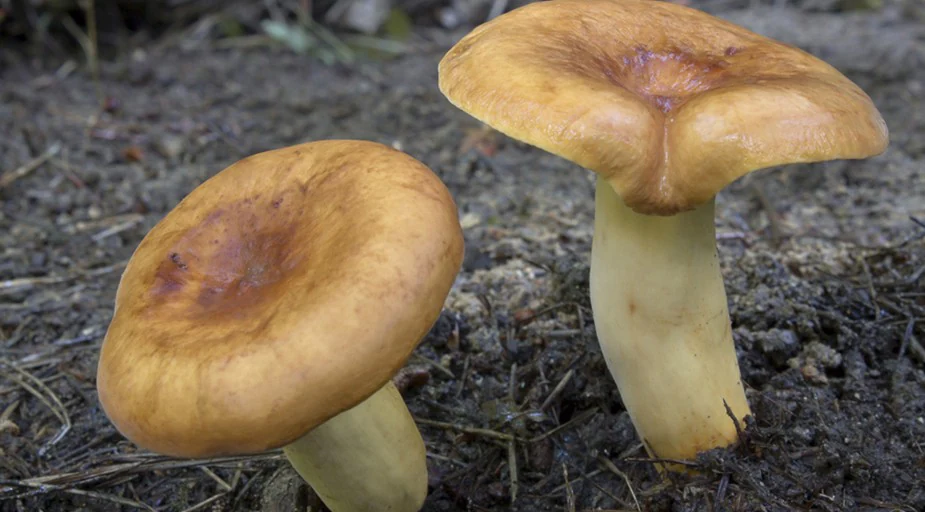
Let’s talk about the mushroom species grown in Turkey. Unilever has a good summary on this topic on its website. You can read it at https://www.unileverfoodsolutions.com.tr/konsept-uygulamalarimiz/karsi-konulamaz-malzemeler/mantar-cesitleri-yenebilir-mantar-turleri.html To help you visualize, I’m sharing the classification resulting from this study (of course, there are many more varieties of mushrooms in Turkey; after all, we’re talking about thousands of mushroom species, so please consider this as a primer):
1) Cultivated Mushroom
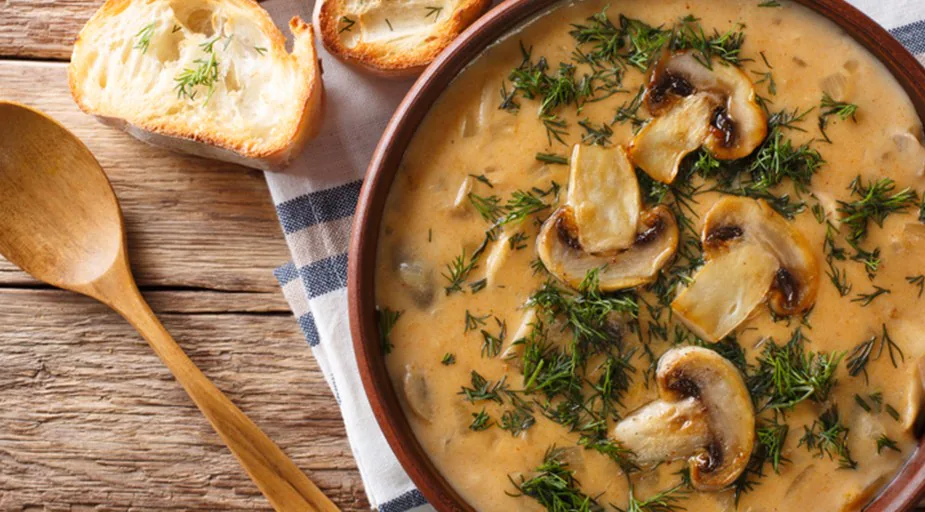
2) Oyster Mushroom
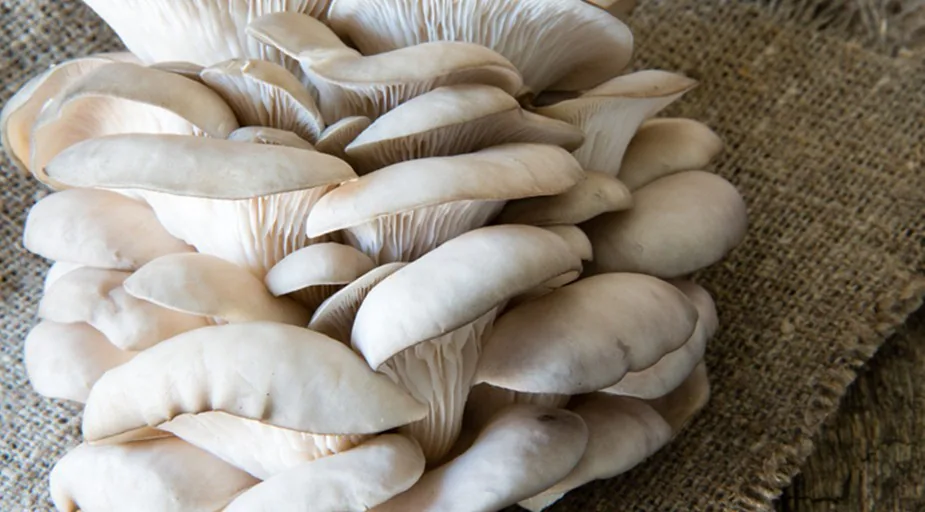
3) Kanlıca Mushroom
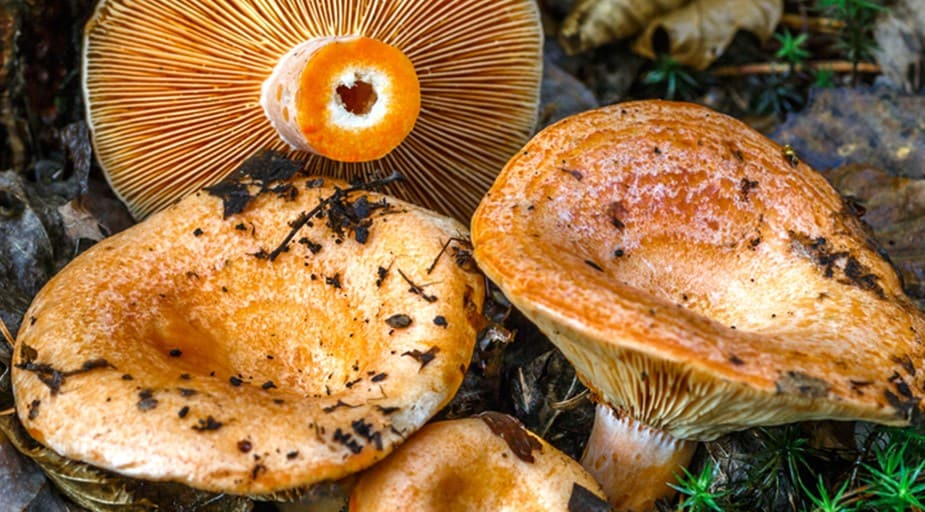
4) Egg Mushroom
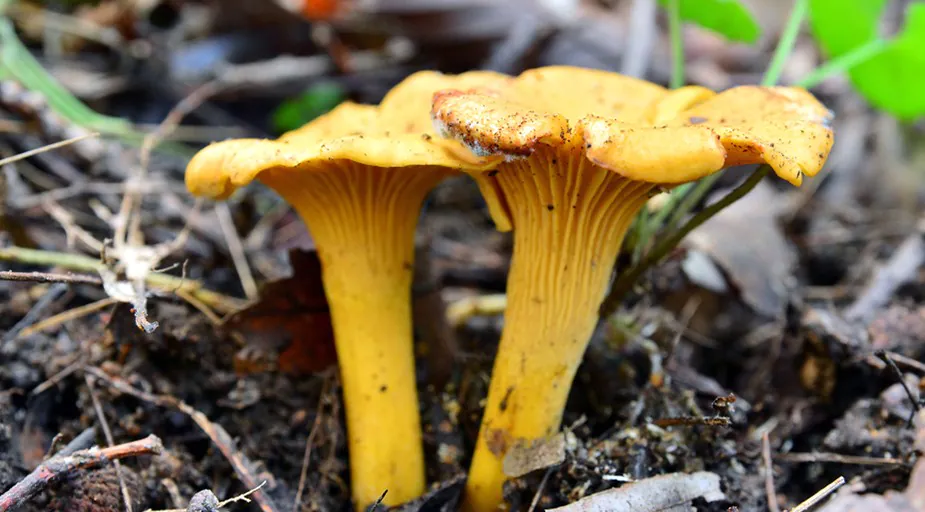
5) Bear Mushroom
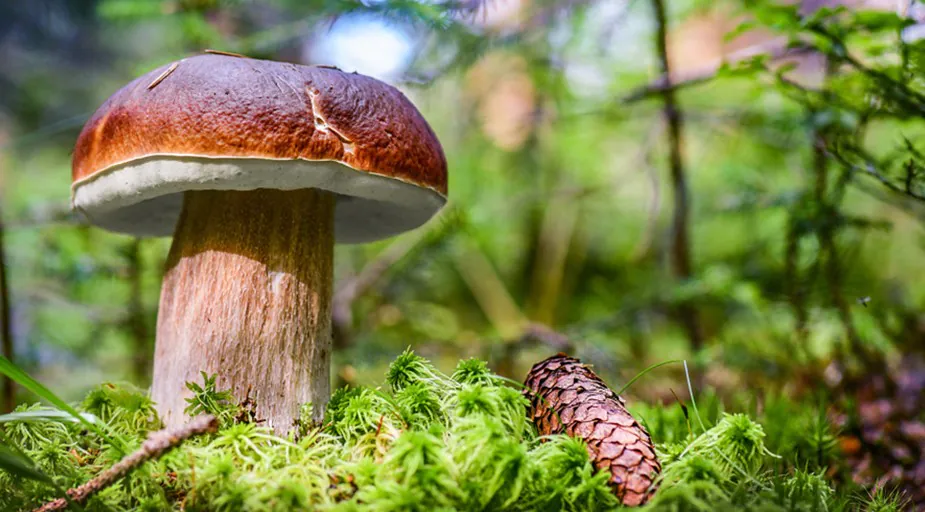
6) Morel Mushroom
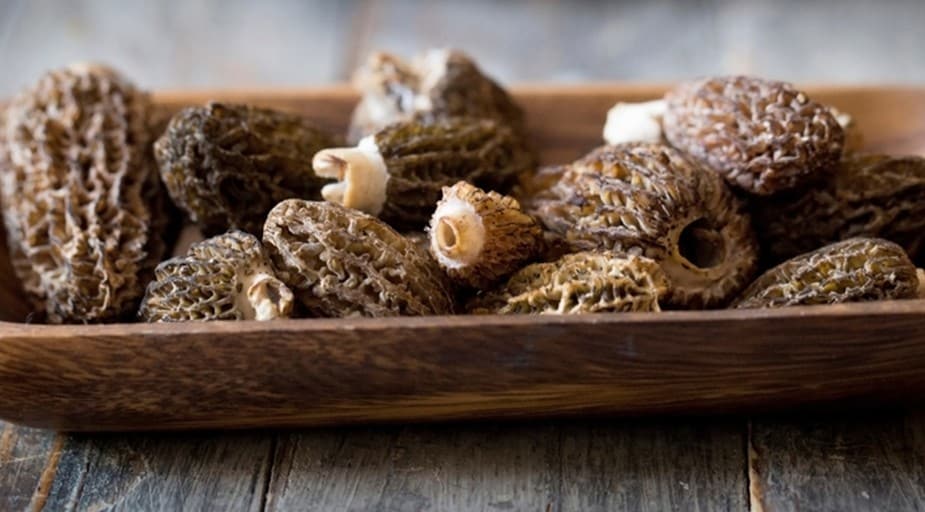
7) Keme Mushroom (as my father’s side is from Gaziantep, they spend the May keme season eating Keme Kebab. I personally love keme kebab, which tastes like potato.)
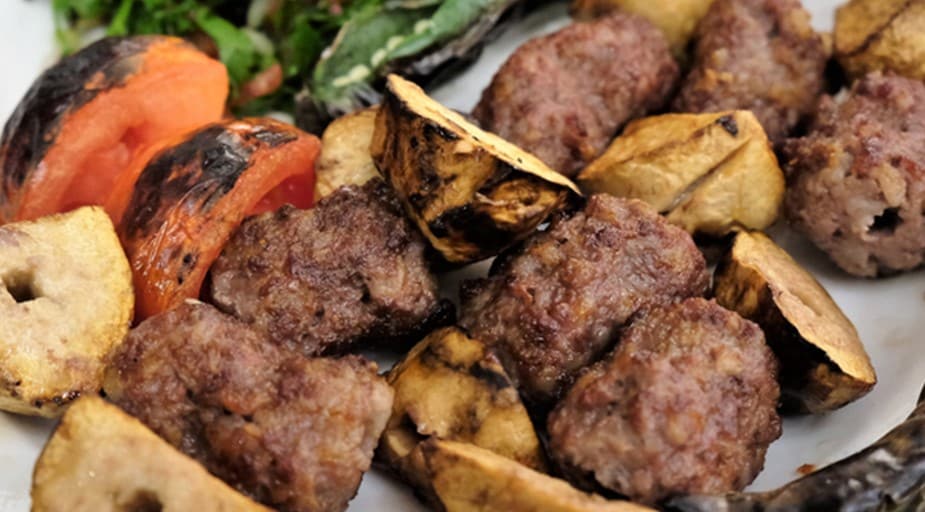
8) Emperor Mushroom
9) Truffle Mushroom (known as Domalan in Turkey)
10) Beef Tongue Mushroom
11) Tirmit Mushroom
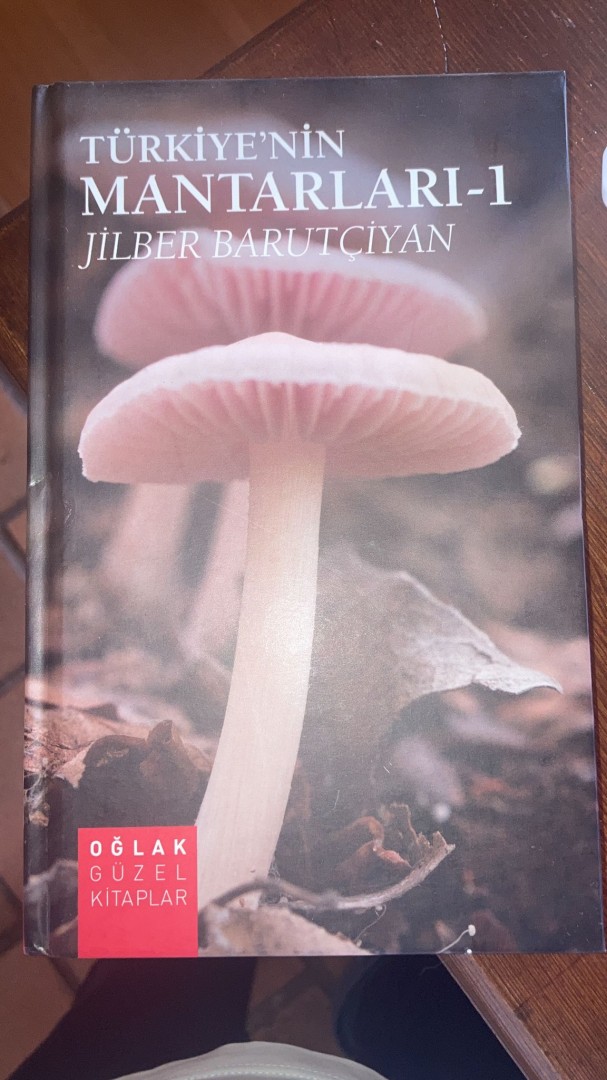
I recommend following the advice of Jilber Barutçiyan, a prominent mycologist in Turkey, about mushroom varieties in Turkey. If you’re curious, I recommend reading his book series, Mushrooms of Turkey.
Here’s one of the videos he shot for his mushroom training:
Fantastic and dramatic mushroom stories
Turkey boasts an incredible variety of mushrooms. While we’re talking about mushrooms, the types and sizes of which vary from region to region, we occasionally encounter giant mushrooms. Here’s a recent news report about giant mushrooms: https://www.hurriyet.com.tr/gundem/mersinde-dev-mantar-bulundu-ilk-defa-bu-kadar-buyuguyle-karsilastim-41910326
Speaking of which, during mushroom season, Hürriyet Newspaper also reported on poisonous mushrooms seen and collected in Belgrade Forest: https://www.hurriyet.com.tr/gundem/goruntusu-istah-acici-ama-yiyeni-olduruyor-ayirt-etmek-mumkun-degil-41930435
Following this news report about poisonous mushrooms, another news report followed. It turns out there’s a sad story behind the poisonous mushroom collected in Belgrad Forest: https://www.hurriyet.com.tr/gundem/onlari-ben-topladim-kaybolan-zehirli-mantarlarin-ardindan-25-yillik-aci-bir-hikaye-cikti-41932620
From these reports, we learned that the toxin in the mushroom causes liver failure. The last resort is a liver transplant. Be careful.
Mushrooms Speak Out in a Documentary
Finally, beyond searching thousands of online resources about mushrooms, you can also watch documentaries on the subject. I recently came across a fun documentary about mushrooms on Netflix: “Fantastic Fungi: The Magic Beneath Us,” which I’m sharing its intro as a conclusion to my article (they translated the Turkish title as “The Mysterious World of Mushrooms”):
“There’s a feeling. The pulse of infinite knowledge. When you feel that unity, you’re with us. We brought life to Earth. You can’t see us, but we thrive all around you. Everywhere. In everything. Even inside you. Whether you believe in us or not. From your first breath to your last. In the dark and in the light. We are the oldest and the youngest. We are the largest and the smallest. We are the wisdom of a billion years. We are creation. We are resurrection, expropriation, and renewal. We are mushrooms.”
I welcome my readers interested in mushrooms, and those new to this topic like me, to the world of mushrooms.
Tag: ecology