- You say you’ve done so much work, and I’d do anything if my dad had money. Are you showing off to us with your dad’s money?
This question is one of my favorites to answer. The people of our country have a habit of tearing each other down. That’s why, despite all your well-intentioned efforts, you often receive messages that try to belittle you or demotivate you, rather than supportive ones.
I’ve thought a lot about this negative psychology. My conclusion is this: Our people are unhappy and try to feel good by putting others down. I believe this behavioral trend needs to change. Otherwise, this atmosphere of unhappiness, weariness, and conflict in our country will continue to limit the country’s development, making this paradise an uninhabitable place. I continue to fight the necessary battle to improve this situation. For example, I’m trying to instill the Pura Vida culture in our country. (See http://www.serhansuzer.com/2014/02/26/pura-vida/#more-2. )
Returning to the question, I answer those who ask me this with a big smile: I’ve been running my own business since 2011. Yes, I initially took out a small loan from my father for a company of our size (which I’m currently repaying), and I initially invested in solar energy. I then sold shares of this company to a foreign investor and continued on my path. Currently, I manage my own ventures, working in solar, wind, and biogas energy, as well as mobile payments and software. I also manage social enterprise projects through the Basic Needs Association (TIDER). Those who know me know that I work tirelessly, day or night, and weekends, to achieve all of this, doing my best.
So, those who try to belittle me by saying, “You’re taking my father’s money,” should look elsewhere. They won’t find anything down that rabbit hole.
- Why are you building solar energy projects on land? Isn’t it a sin to harm the land or agricultural land? Is there no room on the roofs?
In a previous reply, I mentioned that I no longer use Twitter because it’s become a place where everyone rants and insults. It turns out LinkedIn has become like Twitter, and we were unaware of it. It turns out everyone can see posts I thought were for my own network. When I shared the picture below of the completed construction (with the panels not yet installed) to share the progress of our Konya Kulu project, people I don’t even know and aren’t my friends started writing interesting comments. Here’s the picture:
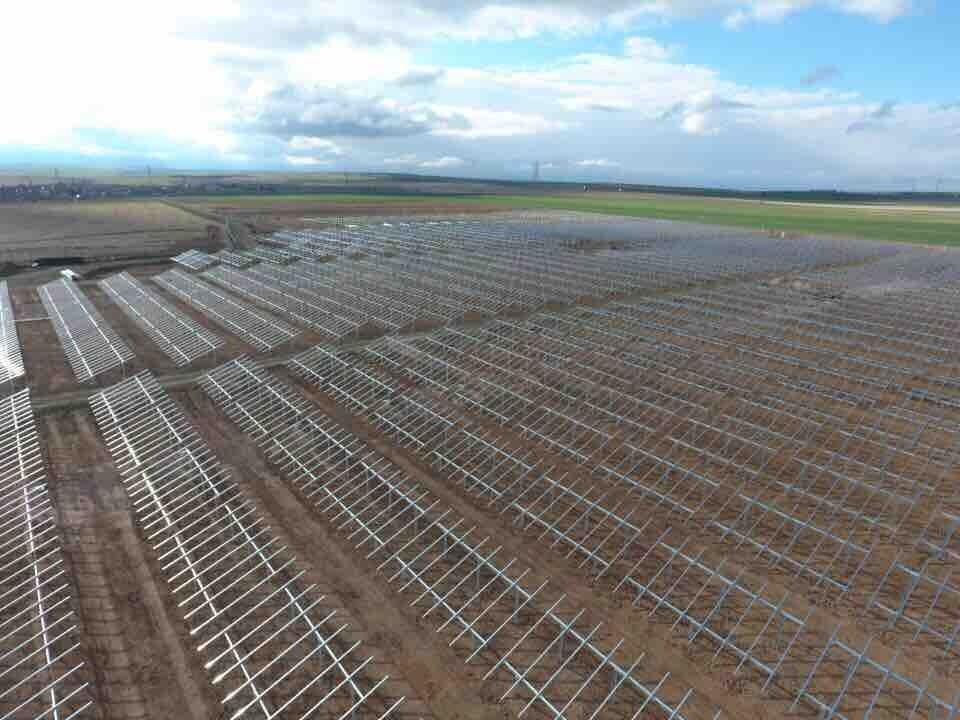
These negative comments came from people not in the renewable energy sector. These misleading comments questioned why I was using agricultural land for solar power plant projects. I shared the following comments in response:
“In ventures like our solar power plant in Konya, which generates electricity without a license, you cannot begin a project without obtaining a ‘marginal agriculture’ certificate—in other words, without proving that the land is ‘non-agricultural.’ It wouldn’t be appropriate to comment on a bird’s eye view of the land taken by a drone, because the location of this land is not suitable for agriculture. We are very sensitive to these matters.”
Later, I was dissatisfied (they’re going to have to cover it anyway), and I received comments like, “Let the soil remain, why not utilize the roofs?” I answered them as follows:
“First, there is a lot of usable land in Türkiye that doesn’t qualify as agricultural land. There are vacant lots of unused areas in many parts of Türkiye. It’s only natural that areas like mountains, hills, and rocky areas that aren’t agricultural land be utilized.
Second, there are problems with the legislation regarding roofs. The entire industry is struggling to figure out how to minimize the bureaucratic procedures associated with roof installations. I’m the vice president of the Unlicensed Electricity Generation Association. I personally manage roof installation projects in organized industrial zones. We’re working hard to develop these projects, but progress isn’t easy (it’s easy to say and criticize, but it’s not so easy to do).
Third, those in the industry know very well that we don’t take up the space where we build solar power plants (solar power plants) or cause any damage. Unlike the fixed, generally concrete structures like residences, factories, hotels, and hospitals built on many lands, the systems we install are modular. If those areas are to be used for another purpose, they can be easily converted, and the solar powerplant can be easily removed. In fact, while the solar power plant is in operation, Even the spaces left under the panels can be used simultaneously for different purposes. The Fraunhofer Institute has conducted studies on this. Considering all this and knowing how desperately Türkiye needs solar energy for economic, ecological, and national security (energy independence), I would be suspicious of anyone who still criticizes the solar energy sector.
Messages of support followed. I would like to thank all my friends who are sensible and support constructive initiatives.
Finally, we are primarily carrying out projects in non-agricultural areas (as I mentioned above, we must obtain a ‘marginal agriculture’ certificate; otherwise, we cannot begin the project), and we will continue to do so. However, I believe there is a misconception here. As I mentioned above, I will prove to everyone that agriculture can also be done under solar panels in the future. I know that science and technology can break all prejudices. When the time comes, EkoRE will conduct R&D on this topic and share the results with the public.
- Did you really carry out the rural development project in Yırca?
Of course, our association, TIDER, did. While some may dismiss the TIDER team’s efforts and their contributions to transforming this into a beautiful social project, or some may try to embrace this initiative beyond the women of Yırca, nothing can change this reality.
I previously wrote about the project we conducted in the village of Yırca in Soma. You can access it at http://www.serhansuzer.com/2016/03/02/soma-faciasi-ve-ilk-kalkinma-projemiz/#more-1709.
For those who don’t have time to read it, I can summarize it as follows: Entitled Coal Smut, Soap Mis, this project is a rural development project we developed to help the women of Yırca become self-sufficient. Dozens of people have contributed significantly to this project. As the TIDER team, we shared the results of our work in Soma with all civil society organizations. Afterward, we organized a workshop in Izmir, attended by numerous NGOs, professional organizations, and volunteers working in Soma. The soap project grew out of the ideas raised there. Over a year of work, we brought the project to a successful conclusion with financial and moral support, training, communication, marketing, and social media support. In addition to the hard work of our association’s staff, we also received significant contributions from the İnci Foundation and numerous other NGOs, professional organizations, and volunteers. A few months ago, we handed over the work to the women of Yırca, the true owners of the project.
Women were also the most dedicated contributors to this project, which we launched to uplift the women of Yırca. Many women, including Selen Gökdeniz, Yasemin Tutal, and Yasemin Mürsaloğlu, as well as Berkin Yarar, Çiğdem Yumbul, Nigar Uçar, and Sare Feyza Alaybeyi, took part in this project with great dedication. Of course, we should also include the many men in Yırca who worked tirelessly, day and night, even on weekends.
I would like to take this opportunity to thank everyone who contributed to this development project and share the videos below:
- You look young, what’s your secret?
I don’t know if the person who asked this question was serious or just joking around, but I get told on various occasions that I look younger than my age. I’m 38, and people who don’t know me might think I’m still getting my master’s degree. The other day, I went to a high school friend’s 40th birthday celebration. Many of my high school friends were also there. Since over 20 years have passed, people naturally started comparing who’s changed and who hasn’t. Naturally, many people’s looks have changed. I barely even recognized anyone. I’ve been told that I still maintain my high school look.
I don’t do anything special for this. I don’t even use any conditioner regularly. I’m a bit lucky genetically. I remember my paternal grandfather looking quite young for his age. So far, my skin and hair haven’t changed. If they do, it’s not a big deal; every age has its own unique beauty.
- Where do you call home?
My father’s side is from Gaziantep, and my mother’s side is from Trabzon.
I was born in Nişantaşı, spent my primary school years on Çiftehavuzlar, Bağdat Avenue, and my middle and high school years in Bebek. I went to university in Canada and worked in the US for a while. I know where we come from, even the family histories of both my mother and father, and I’m proud of both sides of my family. Our roots are in Anatolia, and I will never lose my essence. That’s why I can easily communicate with everyone in Anatolia.
I encounter this question of ‘homeland’ everywhere. Frankly, I don’t particularly enjoy it. It feels like micro-nationalism to me. We should all know where we come from, but the important thing is to be a ‘good person.’ There are good people and bad people everywhere, not just in our country, but all over the world. I would never favor someone who is bad just because they’re from my country. I treat people accordingly, depending on what they deserve. Due to the way I was raised, I do not have any communication problems when traveling abroad, because I see myself as a World Citizen.
- Would you enter the oil and gas business?
Even if I knew the potential billion-dollar profits, I wouldn’t, as a matter of principle. I believe fossil fuels should be used as raw materials. Oil can be used in the petrochemical industry (recyclable plastic), and natural gas can be used in fertilizer production. By burning these resources, we are both polluting nature and destroying a resource that could be used as a raw material. Future generations will be angry at us, saying, “How stupid was humanity in the past? They burned and wasted so many resources that could have been raw materials, and on top of that, they’ve disrupted the entire balance of nature, and now it’ll take centuries to recover.” Renewable energy is more than enough for us. I’m happy and proud of my current sector. I will never enter any other energy field other than renewable energy. Perhaps in the future, I can add other renewable energy fields like biofuels, geothermal, wave, and current to renewable energy branches like solar, wind, and biogas. In 2013, I wrote an article in Turkish Policy Quarterly that reflects my thoughts on energy entitled, Why Should Türkiye Aim for 100% Renewable Energy? You can read it at this link:
http://www.turkishpolicy.com/article/632/why-Türkiye-should-aim-for-100-renewable-energy-summer-2013
- How often do you regard your siblings?
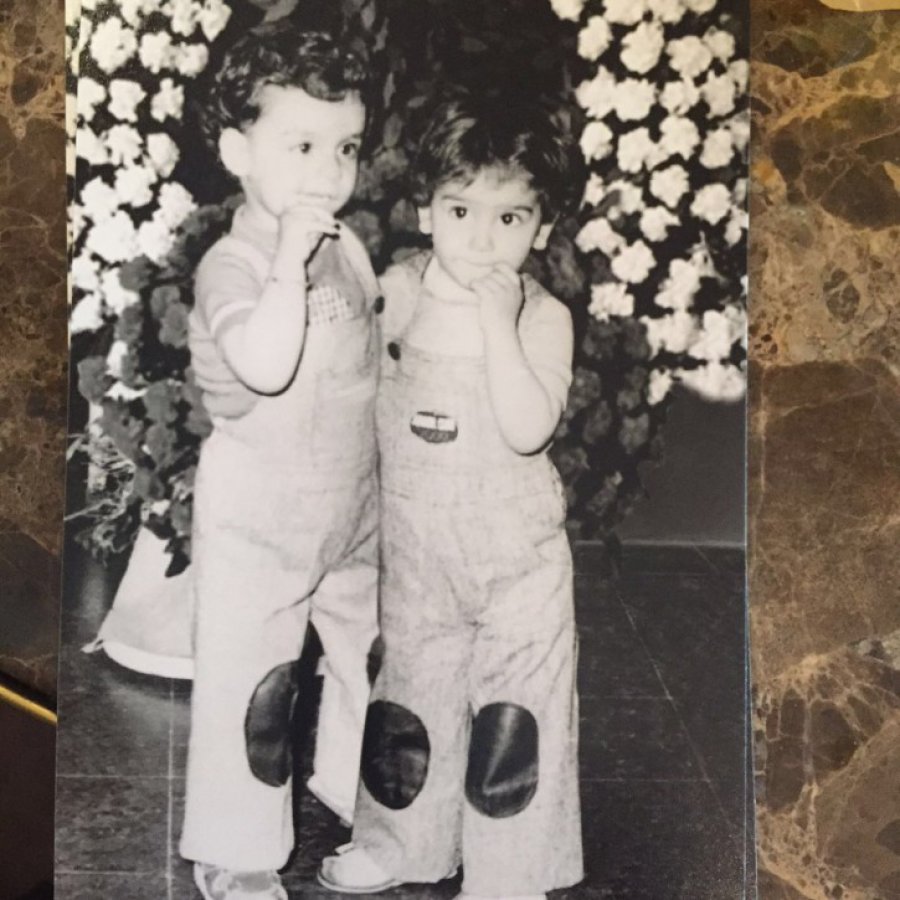
My twin brother Baran and I were always together until I went to university abroad. Then our countries separated. I studied in Canada, while he studied in England. Then we met again at the family business. Currently, Baran lives abroad for work, and my sister Nazlı lives abroad for her studies. So, we don’t see each other much.
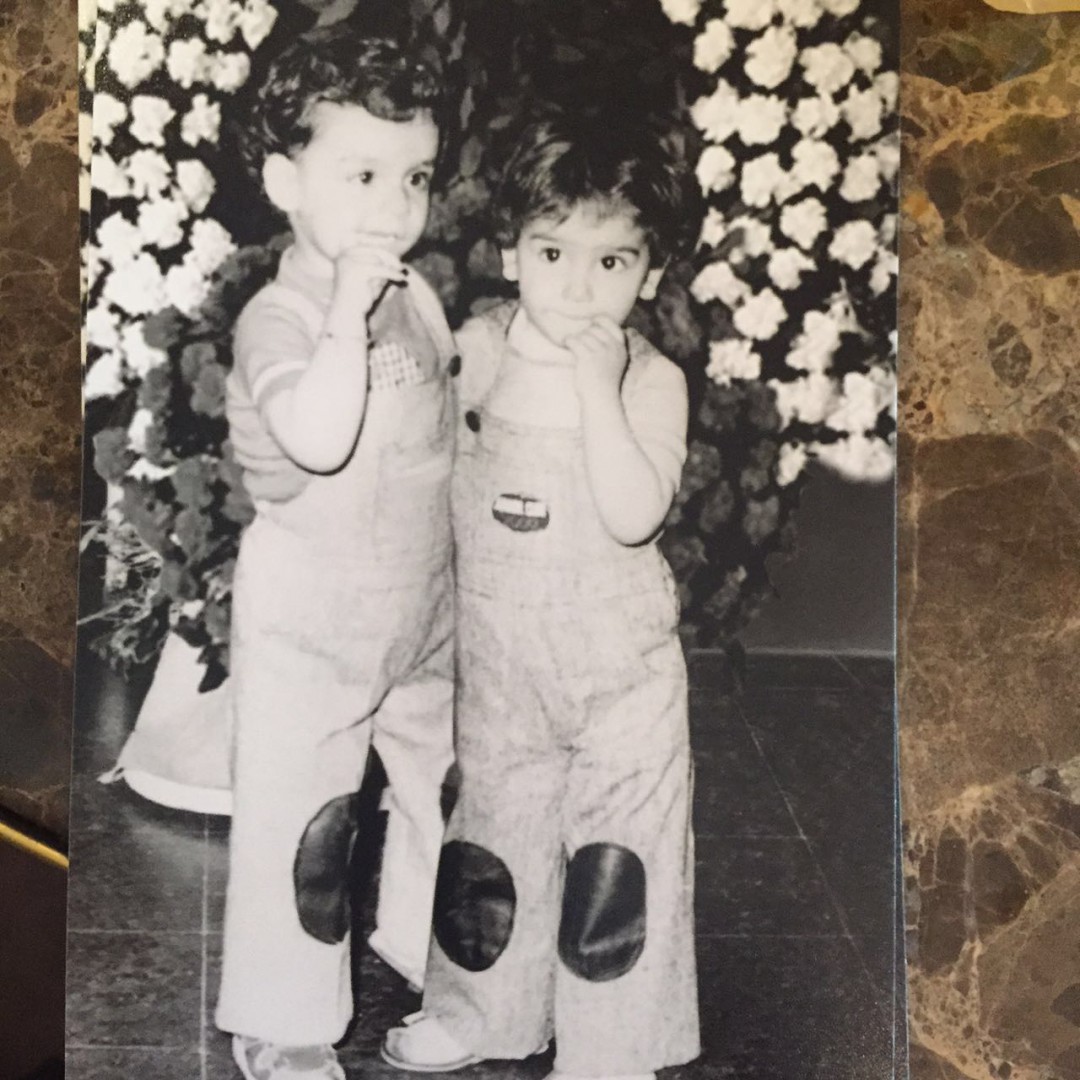
A picture of Baran and me from our childhood. Baran is the tall one on the left, and I’m the little one on the right.
Until two years ago, I personally handled everything for Nazlı. I’ve contributed so much to her. It makes me happy that she’s now living her own life. I hope she finishes school soon and begins the career she’s longed for.
- How are you and sports?
Pretty good. If I weren’t a businessman, I could have been a professional athlete (especially in tennis and skiing). Being able to use both hands and feet has always been an advantage in sports. Besides skiing and tennis, I also play soccer, basketball, volleyball, swimming, water skiing (mono, wakeboarding), tennis, squash, table tennis, water polo, running, cycling, and trekking. My level in all of these is above average.
I’ve always been lucky when it comes to sports. Having a twin brother always by my side, having a professional athlete in the family (my aunt’s husband; I’ll write about him in a future post), and the fact that my university (McGill University, Canada) prioritizes sports and is full of activities have always motivated me and kept me engaged. I try to continue this tradition now.
https://www.facebook.com/serhan.suzer.10/videos/10152366496360757/
- Do you have a Costa Rican visa?
There is no visa requirement for Turkish citizens to enter Costa Rica. A visa-independent stamp is applied upon entry. This acts as a one-month tourist visa, allowing you to enter the country. Therefore, as an honorary consulate, we primarily serve citizens of other countries. We have processed visas for citizens of over 30 countries at our honorary consulate. Details regarding visas are available on our honorary consulate website: http://www.costaricaconsulistanbul.com/VisaEntryRequirements.aspx
- What is there to see in Costa Rica?
Costa Rica could be described as a corner of paradise in Central America. Neighboring Nicaragua to the north and Panama to the south, this country borders the Pacific Ocean to the east and the Atlantic Ocean to the west. Every corner of this small country, covering approximately 52,000 km 2, is uniquely beautiful. The Pacific coast has a diverse climate, its seas and beaches are uniquely beautiful, and the Atlantic coast is delightful with its white sand and turquoise waters, just like the ones you’ll see on postcards. Most of the country is covered by tropical forests. Although the country covers 0.3% of the world’s land area, it contains 6% of its biodiversity. Explore its tropical forests, volcanoes, beaches, seas, and major cities, participate in activities, and participate in sports. Here are some pictures from Costa Rica:
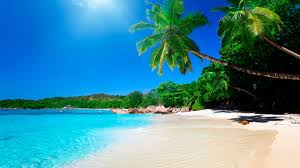
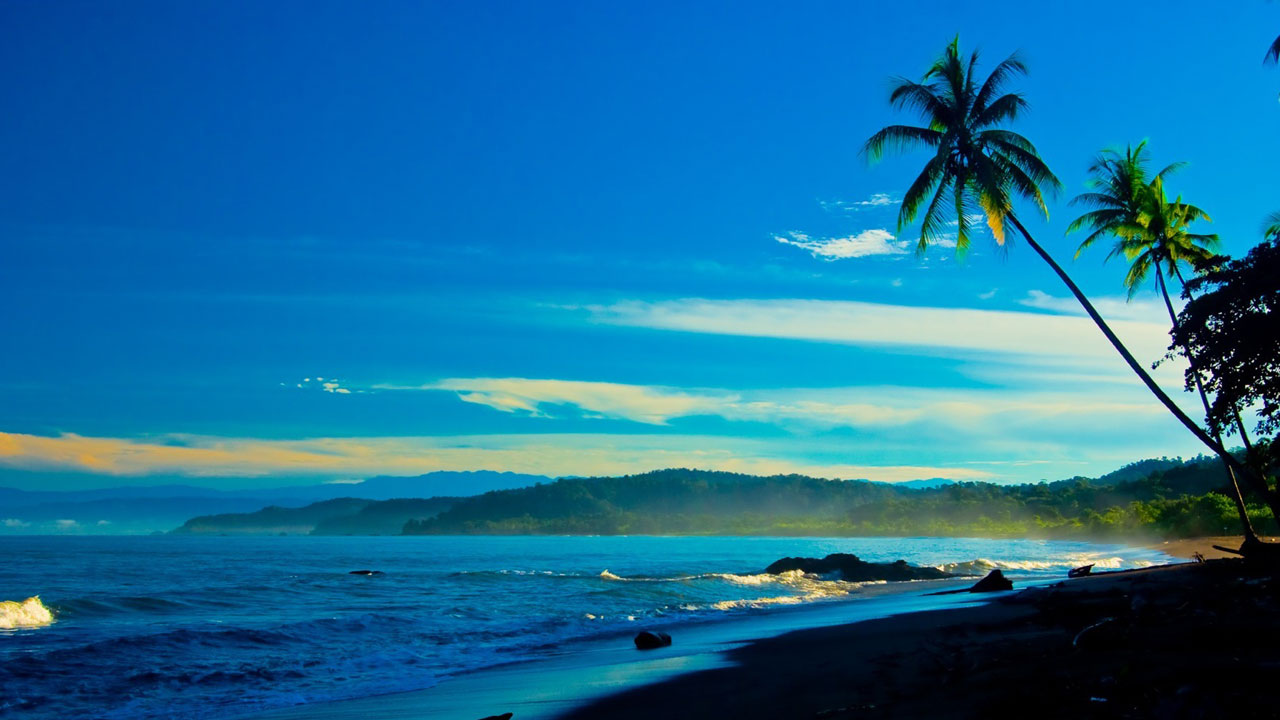
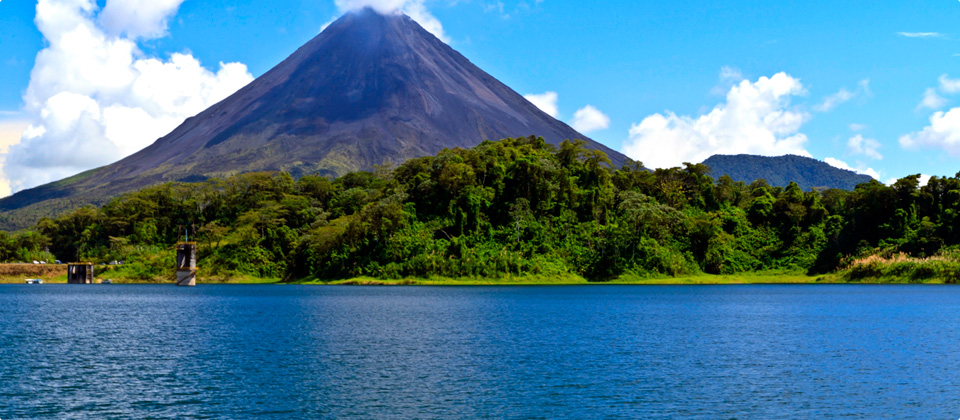
For more detailed information, please refer to the links below:
http://www.visitcostarica.com
http://mytanfeet.com/activities/50-activities-things-to-do-in-costa-rica/
http://costaricaexperts.com/things-to-do-in-costa-rica/
https://www.tripadvisor.com.tr/Attractions-g291982-Activities-Costa_Rica.html
http://travel.usnews.com/Costa_Rica/Things_To_Do/
Tag: lifestyle