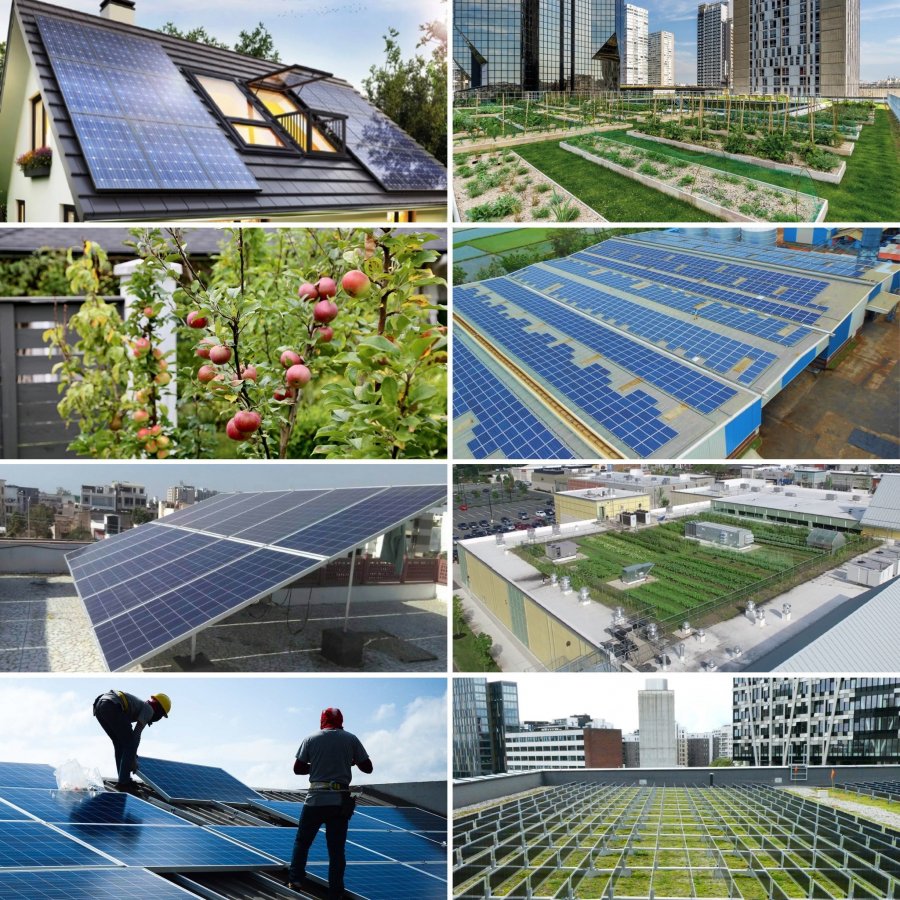
First, I should clarify that this is an introductory article to the topic; to avoid boring my readers, I will address the question, “What can we produce on our roofs?” in simple and understandable language, without delving into too much technical detail. If your goal isn’t to transform your roof into a terrace and create a social space, but rather to produce something in this potentially productive area of your building, there are essentially four things you can produce on your roofs. I’ll share them with you, along with their explanations:
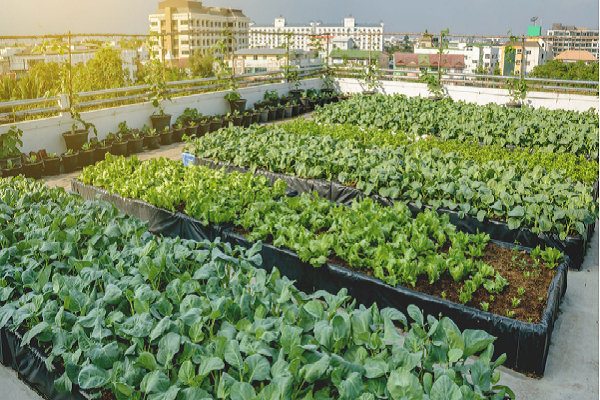
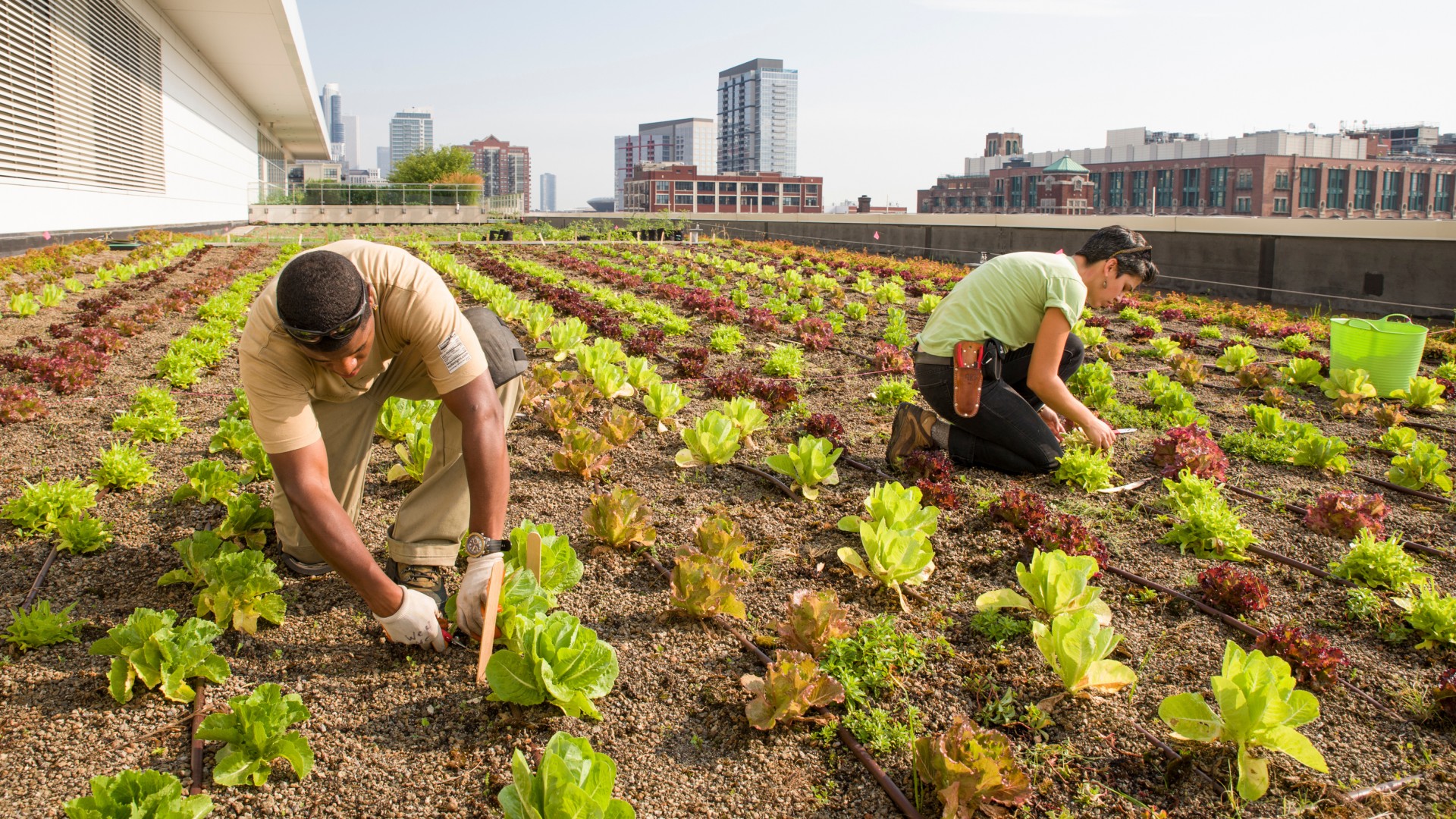
1) Agricultural products: All kinds of vegetables and fruits can be grown on the roof.
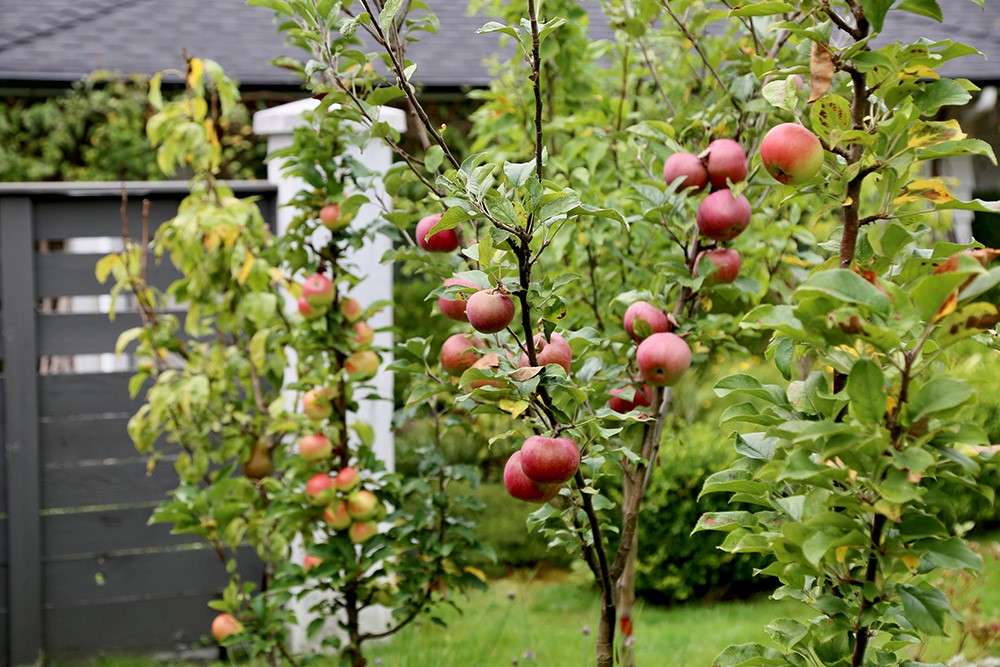
2) Botanical garden and fruit trees: A garden built on the roof or trees planted will meet the need and help reduce carbon emissions.
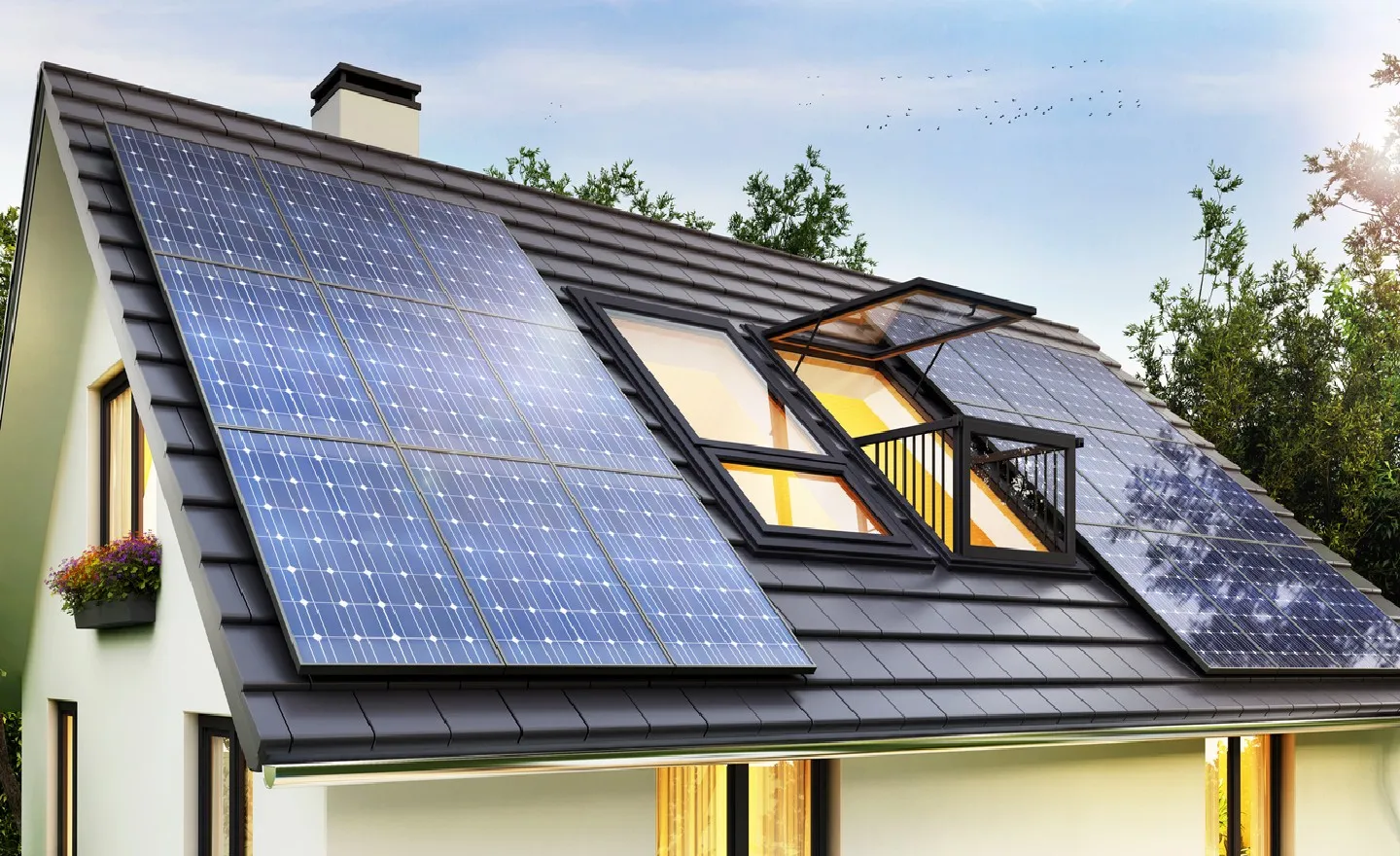
3) Energy: Energy can be generated to meet the building’s current consumption needs or to store excess electricity for consumption at a later time. Alternatively, a microgrid model can be installed, allowing you to transfer unused excess electricity to neighbors to meet their needs (though this can be managed for a fee or through offsetting).
4) Water: In rainy regions, rainwater harvesting units can be installed on rooftops to collect this water most efficiently. If properly filtered, this collected rainwater can even be used for drinking. Depending on the level of filtration, it can also be used for hygiene purposes (showers, dishes, and toilets), agricultural products, botanical gardens, and fruit trees on the roof. The collected rainwater can also be heated by rooftop water heater collectors to produce hot water. This hot water can then be used to air condition the building and greenhouse.
The methods for utilizing agricultural products, botanical gardens, and fruit trees can be divided into two basic categories:
1) Outdoors: You can set up agricultural fields, botanical gardens or fruit trees on your roofs in open spaces without covering them.
2) Greenhouses: You can build a greenhouse on your roof and cover it, providing additional protection for both the food products you produce and the building itself. Temperature regulation is crucial, especially for food production. Even in unstable climate conditions, greenhouse farming is a logical and highly efficient alternative.
Different Energy Production from Different Irradiance
Energy can be divided into two types. The sun has two types of irradiance: Global Horizontal Irradiance (GHI) and Direct Normal Irradiance (DNI). Each has different maps for the entire world.
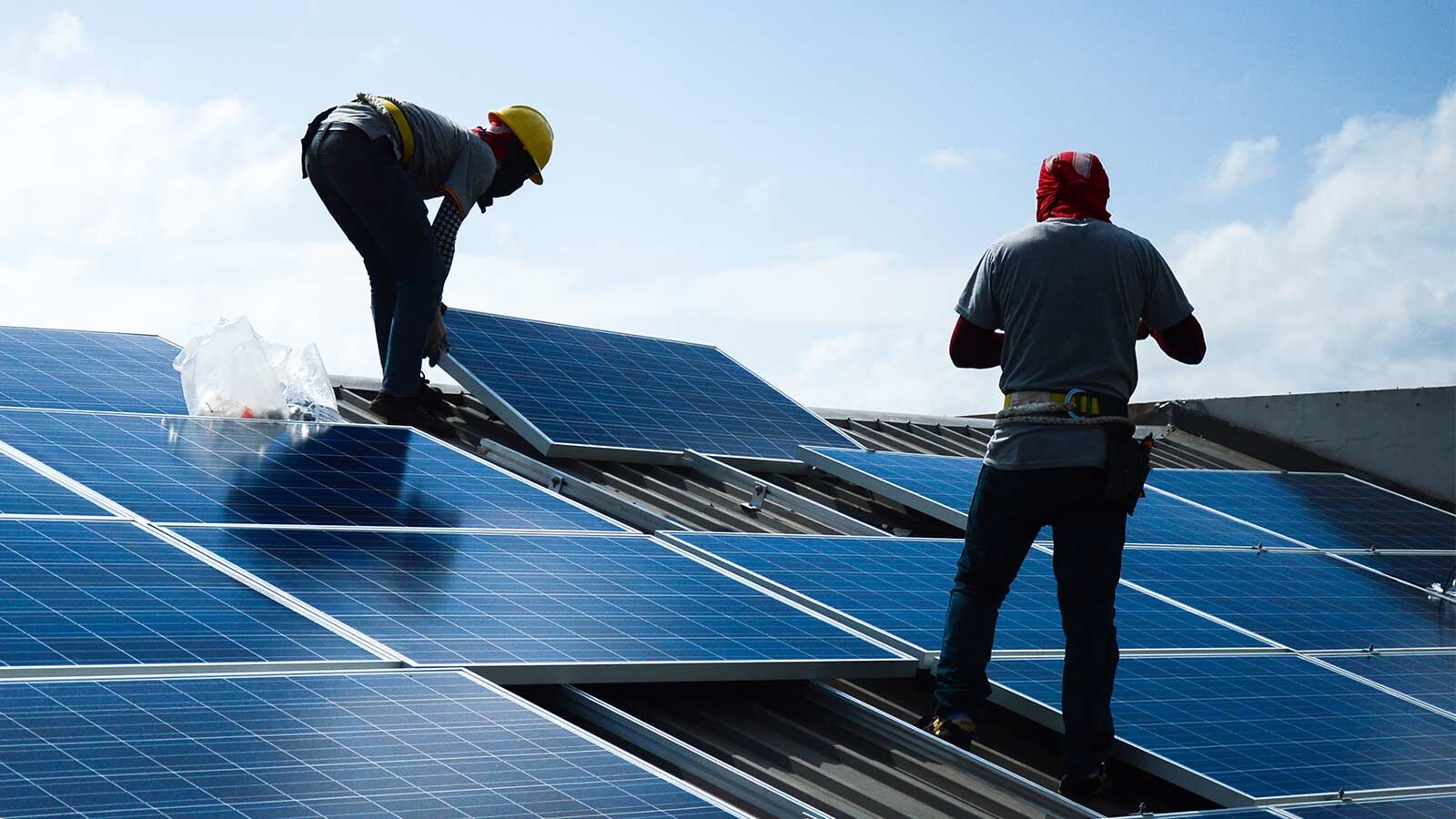
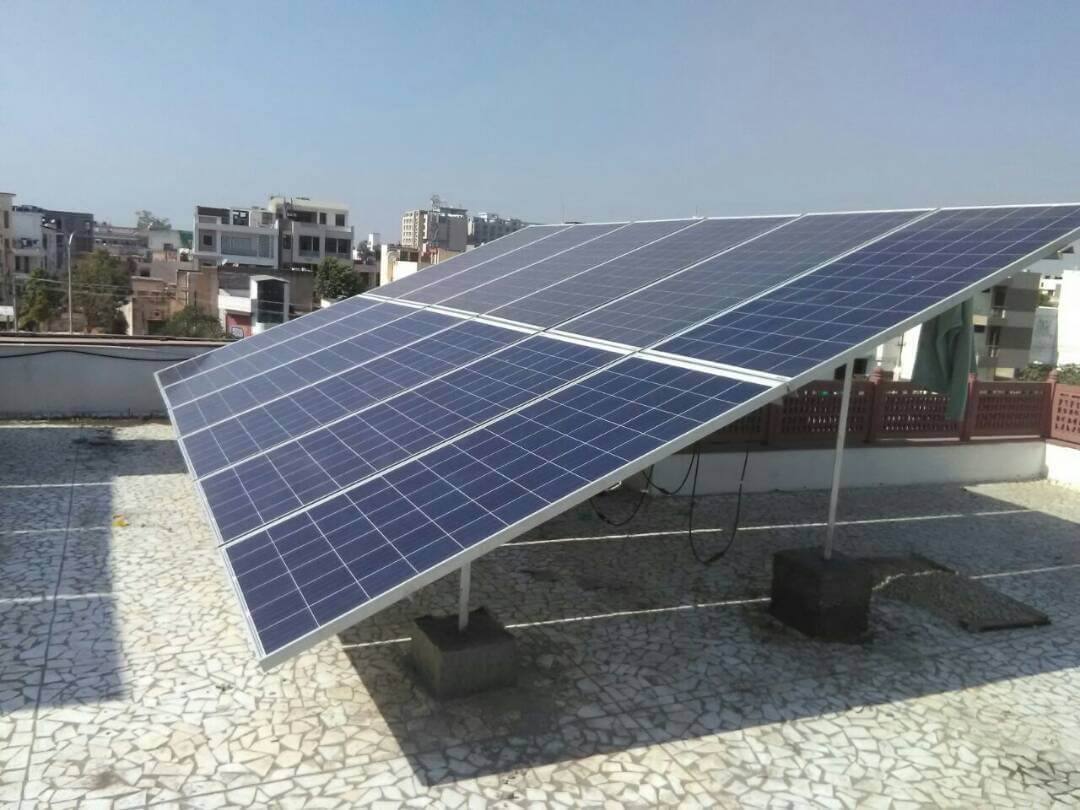
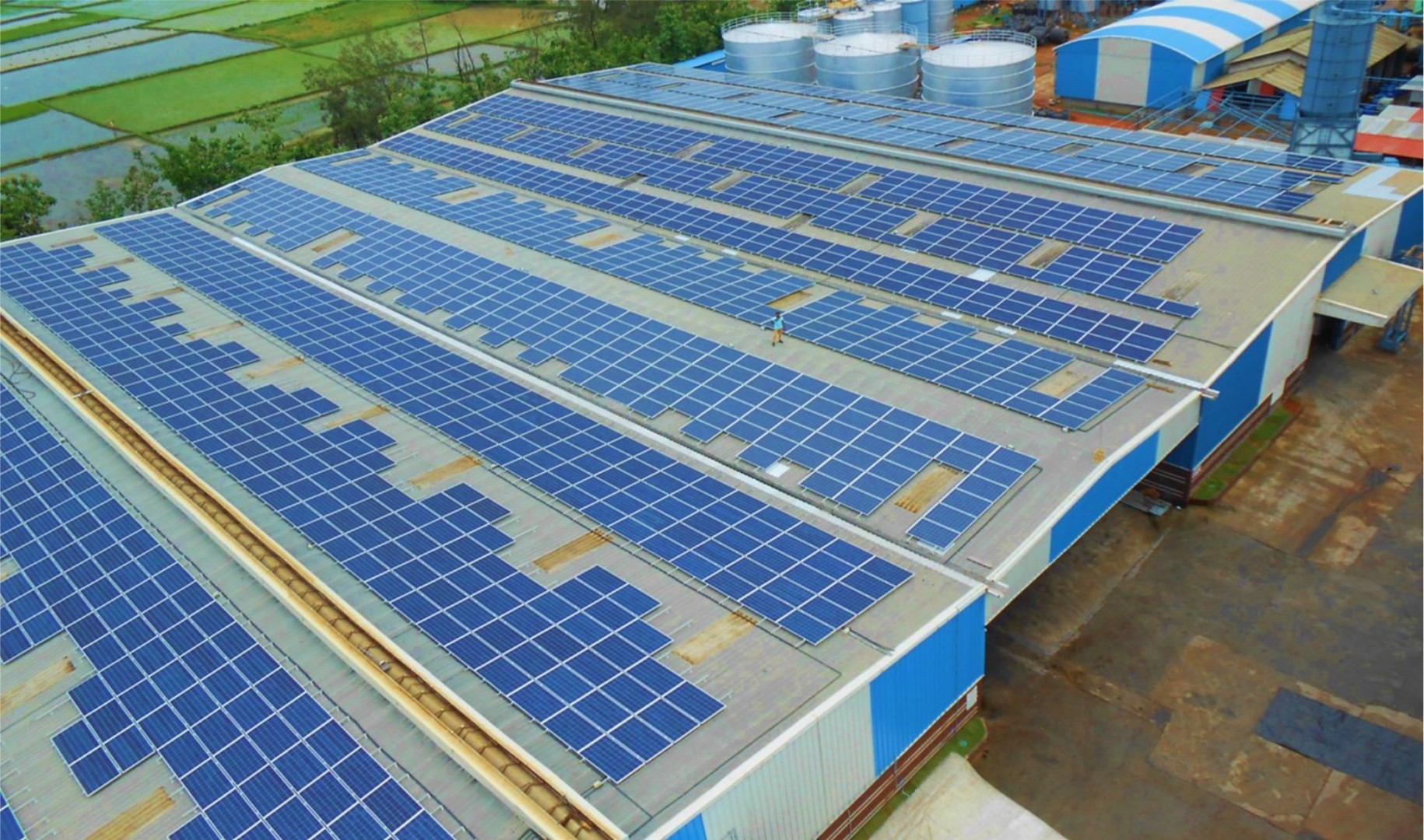
1) Electricity: Electricity is generated from GHI solar irradiance using photovoltaic (PV) solar panels. If the roof is flat (terrace roof), a solar power plant can be installed with single-sided solar panels by fixing the legs of the structure at a certain angle. Alternatively, white pebbles can be placed on the ground and double-sided (bifacial) solar panels can be used to increase rooftop electricity production. If the roof is sloped, there are two options. The first option is to install solar panels on the existing roof using construction materials suitable for different roof types (standing seam roof, sandwich panel, tile roof, etc.). Another option for tile roofs is to solve the problem directly by using solar tiles instead of installing solar panels with these construction materials, thus preserving the aesthetic integrity.
2) Heat: DNI generates heat from solar radiation. Here, heat can be generated using conventional solar collectors (colloquially known as “water heaters”). These collectors can be purchased and installed according to different roof types. For example, different collectors can be used for flat or sloped roofs. While not particularly aesthetically pleasing, they are the most affordable way to generate energy (i.e., heat) from the sun.
Combined Solutions
Combinations such as the following are also possible:
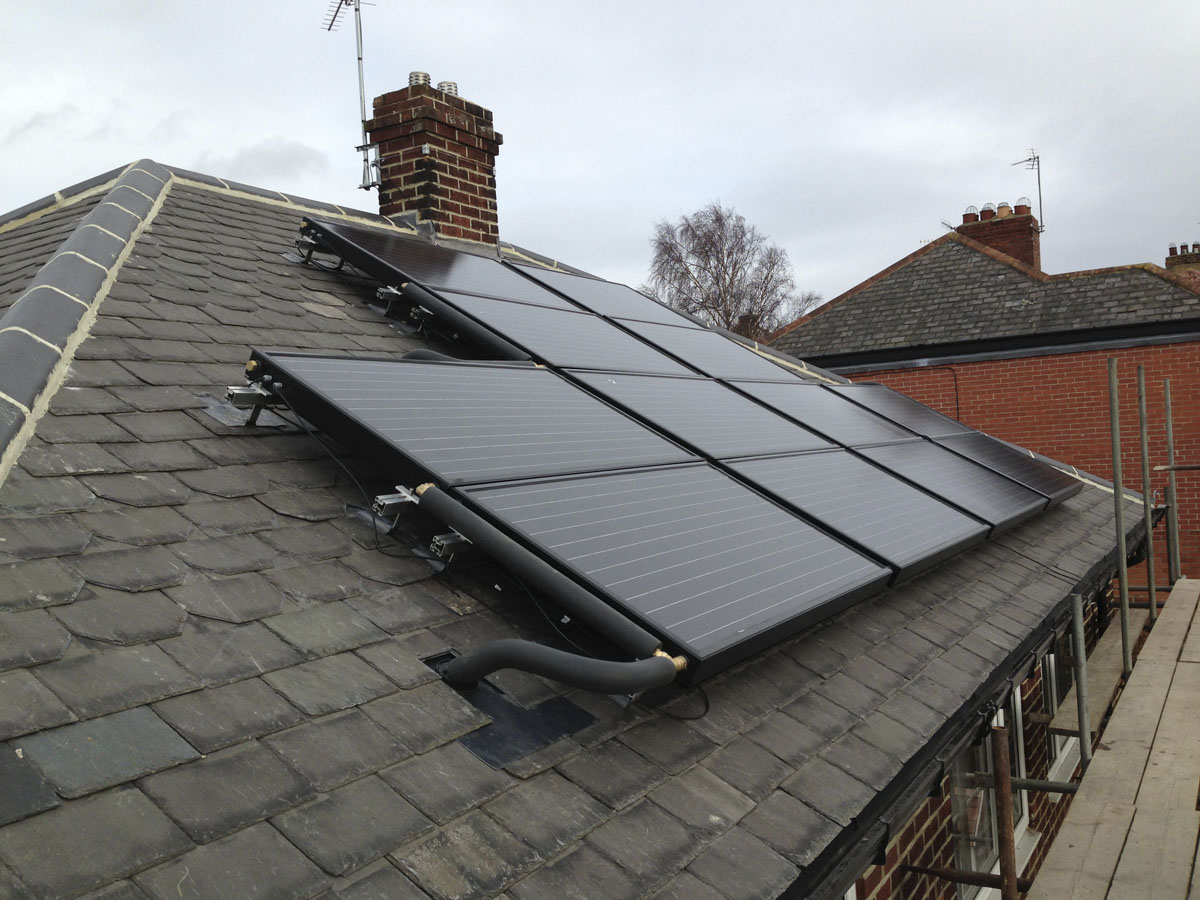
1) Hybrid Panel: Both electricity and heat can be generated on the same panel. We call these hybrid panels. The panel features solar cells on the front, and special alloy pipes behind the panels. Water flows through these panels, and the water is heated in the same panel. Some companies specifically produce this product. It’s relatively more expensive than both PV panels and water heaters, but it’s a good alternative for generating both electricity and heat on a limited roof area. In the industry, this type of hybrid panel is called PV-Thermal, or PV-T for short, a combination of PV (Photovoltaic) and Solar Thermal.
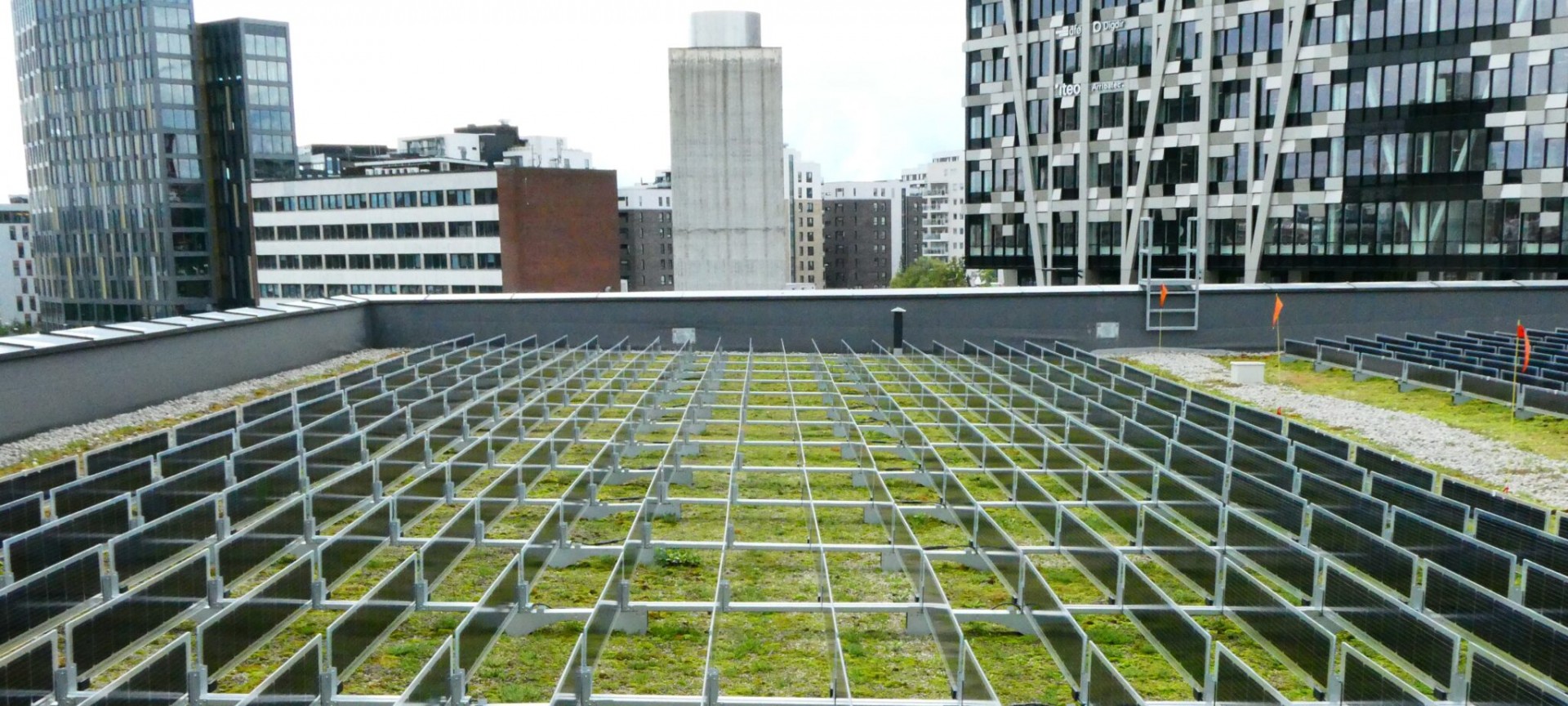
2) Open-field agricultural products and energy production: When agricultural products are grown on the ground, solar panels can be placed on the ground or to the sides (defining boundaries). This allows for both electricity and agricultural products to be produced on the roof. This is called agriPV in the industry. In other words, it’s possible to both farm and generate electricity in the same area. This application is most commonly used in open fields, but it also applies to similar alternative roofs (where soil, construction, etc. are placed on the roof). In fact, if a hybrid panel is used, heat can be produced in addition.
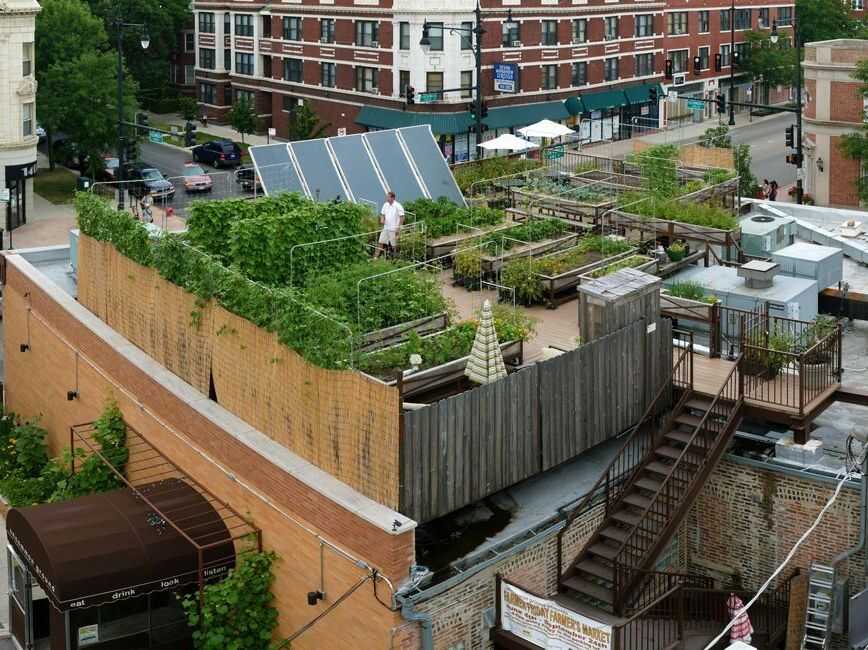
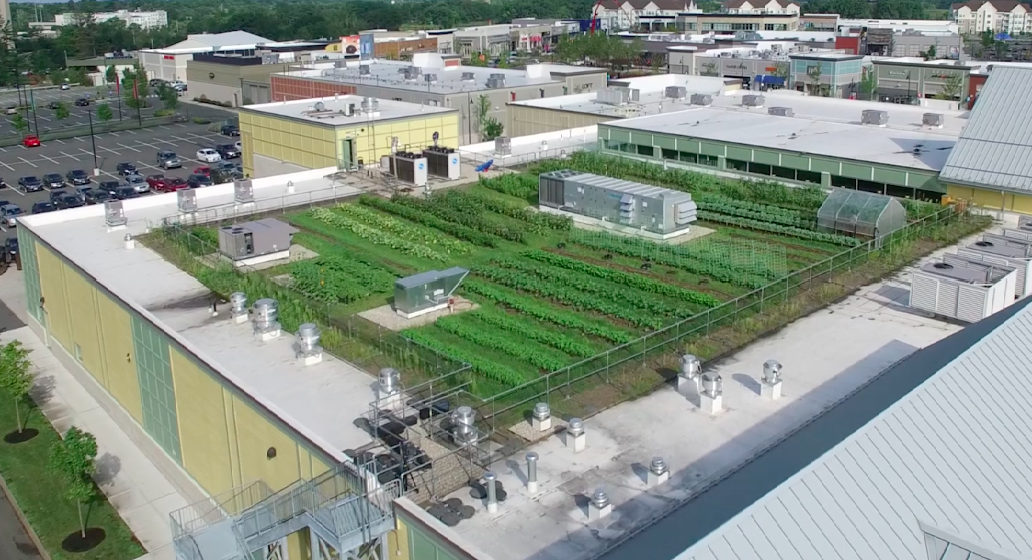
3) Greenhouse and energy production: You can install a greenhouse on the roof, and a solar power system on or next to it. This way, you can generate both agricultural products and electricity in an enclosed space and even heat with hybrid panels. You can also use the heat you generate from the sun to regulate the greenhouse temperature, which is invaluable for food production efficiency.
Main Criteria
Of course, you need to pay attention to some key criteria when doing all this. Let’s list them:
1) Building Static: The building’s structural characteristics must be suitable for these tasks on the roof. This is essential. The appropriate weight for the roof must be selected and manufactured accordingly. For example, if the roof cannot support the weight of typical solar panels, then you can either use solar tiles instead of existing tiles or utilize very lightweight products rolled out and adhered to roofs using thin-film technology instead of silicon-based panels. Of course, the efficiency of such a product will be much lower, but if the structural integrity is unsuitable, it’s better than nothing.
If the roof is fragile and cannot support any weight you place on it, it may be necessary to replace the entire fragile roof. Of course, the best approach is to design and build the roof from the outset with these systems.
2) Prioritizing: What you want to produce on the roof can change the design of the house. For example, if you want to produce food, you absolutely need a flat roof. If you’re confident that energy alone is enough for you and prioritize aesthetics, then you can generate electricity on a sloped roof using solar tiles, while remaining true to the aesthetics of architecture.
3) Flat versus sloped roof: You should also consider this issue from an architectural perspective. You should question the appropriateness of a flat roof in a village or town that generally has sloped roofs. While I personally prioritize function, harmony, aesthetics, and regional architecture are also important criteria. In fact, regional architecture often varies depending on the regional climate. This is the result of centuries of cultural heritage.
4) The crops grown can be used for both the building’s and the region’s needs: You can produce electricity, heat, or food for your own needs, or you can share the surplus with your neighbors. While you can decide this yourself, there are also technologies that can make these adjustments in the energy sector. With smart and/or microgrids, you can balance production with consumption within the home and sell the surplus to your surroundings. Of course, I would also like to emphasize the need to establish a system that covers your own living area for food. So, you need to be able to meet all your needs in your destination. Similarly, you can contribute to your destination by providing more of your production.
I’ve tried to outline what and how you can produce on a roof. I’ve written this article about roofs because the roof is the most unused area of a building for production. Beyond the roof, we can use the building’s facade, interior spaces (rooms, etc.), and, if applicable, its garden as production areas. Future models will be built on the distributed systems that form the basis of this article. In other words, in the near future, everything, especially basic necessities like water, food, and energy, will return to on-site production and consumption. Be prepared for this.
Tag: education