
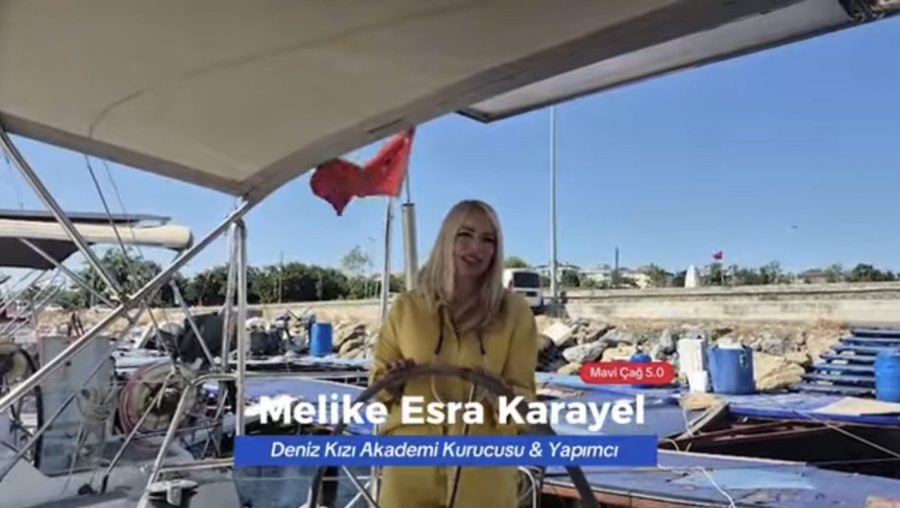
First, I want to thank Ms. Karayel for the wonderful interview. Here is the link to our sustainability-themed discussion related to the oceans or maritime sector:
Now, let’s move on to the topics I addressed in that conversation. Below are the sustainability themes I covered:
100% Renewable Energy
This is the primary emphasis and starting point: our energy needs must be fully supplied by renewable sources. These include solar energy, wind power, bioenergies (biogas, biofuels, biomass), geothermal, and—if done in a sustainable way that doesn’t deplete the source but replenishes it—hydroelectric power.
Beyond those, we can also harness renewable sources like hydrogen, wave energy, and tidal or current energy.
Stopping the Use of Fossil Fuels as Energy
We absolutely must not use fossil fuels to generate energy by burning them, as that drastically increases carbon emissions. Instead, we should use fossil fuels as raw materials, for instance, using petroleum in the petrochemical industry. This means producing long-lasting, recyclable plastics with petroleum, turning it into raw material for other products. That plastic should be recycled and reused repeatedly.
Another application is using natural gas in fertilizer production or splitting natural gas to produce hydrogen and carbon. Hydrogen can be burned to meet our baseload energy needs—when combusted, it produces water vapor and does not increase carbon emissions. The carbon extracted can be used in beverages like soda or in carbon fiber production.
Because we’ve burned fossil fuels for over a century to meet energy needs, future generations will say we misused these vital resources. Our reliance on fossil fuel combustion not only accelerated climate change but also depleted irreplaceable resources.
The Importance of Energy Efficiency
Energy efficiency is critical in sustainability. We must minimize our energy demand and meet what’s left with 100% renewables. Efficiency technologies must be utilized to reduce consumption. For example, proper insulation dramatically lowers heating needs by retaining heat inside the home during cold months, reducing dependency on HVAC systems.
Powering Cities
Since many cities have tightly packed, multi-story buildings, retrofitting them may not be feasible. Instead, we can build renewable energy plants—like solar or wind farms with storage—near cities to meet their energy demands.
In newly constructed towns or neighborhoods, decentralized systems can be used: buildings or clusters (e.g., villages, townships) could generate and consume their own power. Rooftops, building facades, even windows can host solar cells. On-site storage systems (batteries, hydrogen fuel cells) can help make these buildings self-sufficient.
Marine Vehicles
We can categorize marine vessels into small and large types. Small boats or yachts can be covered with solar panels and include batteries—allowing them to fully power themselves from solar energy. Other renewable sources such as wind, wave, or current energy can also be harnessed.
Larger vessels and ships—similarly to planes in aviation—will require hydrogen systems. Hydrogen storage and fuel cells will become essential components. Being able to store hydrogen and convert it into electricity on demand makes it a critical fuel choice. Zero-carbon emissions mean that future shipping and aviation will move away from fossil fuel derivatives like ammonia or jet fuel, which are major contributors to carbon emissions and climate change.
Moreover, ships have a significant strategic advantage: they can desalinate seawater while sailing—processing salt and hydrogen/oxygen separation—potentially producing their own hydrogen fuel at sea. Technically, this is fully feasible. Additionally, oxygen and salt would emerge as byproducts.
Waste Management
Effective waste management is vital to clean oceans and restore marine ecosystems. Industrial chemical waste and municipal sewage must be properly rehabilitated before being released into the sea—ideally converted into harmless liquids or even nutrients for marine flora. In Turkey, unfortunately, we often witness waste entering the sea with minimal or no treatment, leading to phenomena like sea snot (mucilage). Release of untreated waste into marine environments must be banned—especially for critical industries—and violators should face strict penalties. If necessary, polluting factories should be shut down to protect our seas.
Preventing Overfishing
We must halt excessive fishing. By learning from how our neighbor, Greece, manages this, we can establish quotas and ensure strict enforcement. Unregulated fishing has nearly depleted our fisheries. These rules must be implemented with enforcement—even prison terms if needed—to preserve our fish stocks.
Preventing Ocean Warming
Some industries use seawater for cooling—for example, nuclear power plants like the one proposed in Mersin, which would intake seawater and discharge heated water back into the sea. This increases seawater temperatures and can kill marine life. We’ve seen nuclear plants in the U.S. shut down for this reason. In Turkey, the Mersin plant should be permanently closed—not only for this reason but others as well (which I discussed in detail in my blog post: Questions to Ask About Nuclear Power).
Cleaning Marine Debris
Trash in the oceans must be cleaned up through well-planned efforts. Countries need to take responsibility for safeguarding their own waters, and the UN should adopt enforceable resolutions requiring proactive cleanup. But first and foremost, pollution must be halted. Cleaning efforts must run parallel to—if not before—enforcing anti-pollution regulations.
Final Word
I hope humanity finds the right path and adopts the right technologies. I wish that we can leave future generations a clean, livable, climate-resilient world.
Note:
Below is the information under the YouTube video for the interview.
Title:
Sustainability in Maritime Affairs and the Blue Economy | Serhan Süzer on Mavi Çağ Deniz 5.0
Description:
In this episode, we talk about the importance of sustainability in the maritime industry and the opportunities offered by the blue economy. My guest is Serhan Süzer, Founder and CEO of Eko Group, a leading voice in corporate environmental transformation.
Topics Discussed:
– How can sustainability be achieved in maritime transport?
– What is the blue economy and why does it matter?
– How can renewable energy investments be integrated into the sector?
– How can the business world respond to environmental crises?
Mavi Çağ Deniz 5.0 with Melike Esra Karayel isn’t just for the industry, it’s an inspiring dialogue for anyone who wants to shape the future.
Let’s think and create together for a blue future.
Tags:
#MaviÇağDeniz5_0 #SerhanSüzer #SustainableShipping #BlueEconomy #SustainableFuture #RenewableEnergy #GreenTransformation #BluePlanet #MelikeEsraKarayel #BlueEconomy #SustainableShipping #GreenTransformation #Maritime2025 #Inspiration