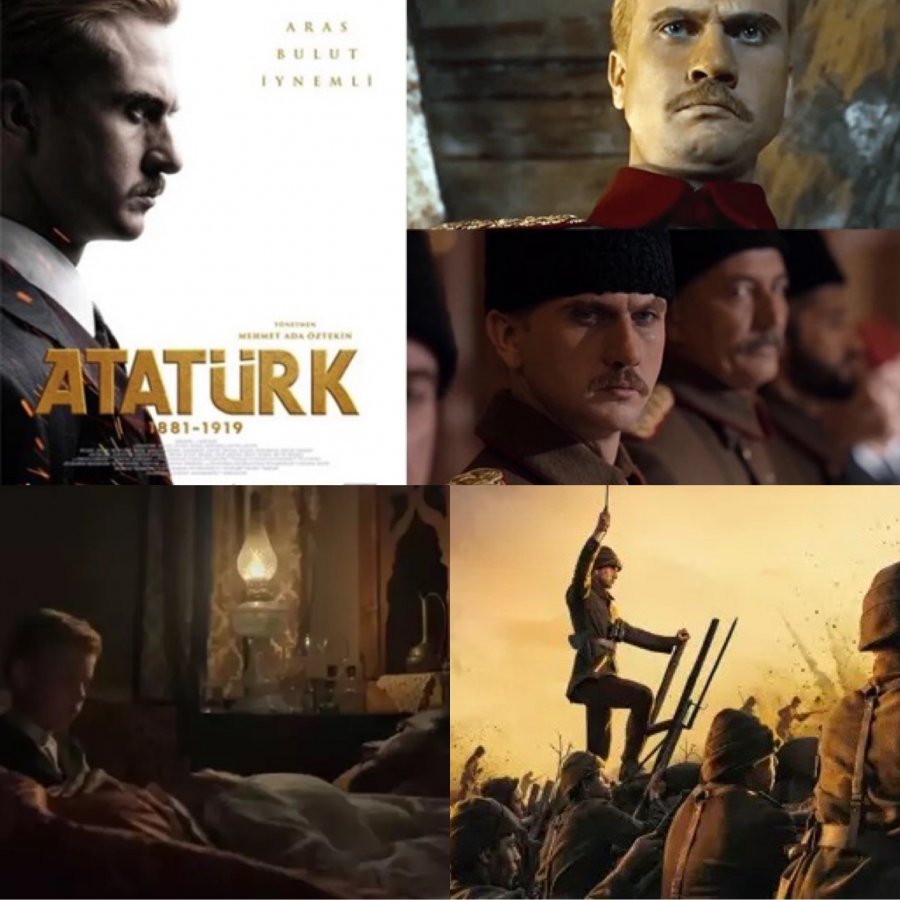
Before I begin my review of the film “Atatürk 1881-1919,” I recommend watching the trailer:
I finally had the chance to watch the eagerly awaited film about the life of the Great Leader Atatürk. Frankly, after the scandal of Disney initially supporting the film and then removing it from its digital media, I wasn’t really planning on watching it. However, after seeing the trailer and the effort put into it, I decided to go.
First of all, I can’t help but think about the immense responsibility of writing and acting in a film about the life of someone so important to us as a nation. Every project requires meticulous attention, but when it comes to Atatürk, every word, every costume, every minute detail of the story must be meticulously crafted and reflect historical truths.
A long-overdue start
The lives of many iconic figures throughout history are the subject of films; Diana, Gandhi, Lincoln, Martin Luther King, and many other kings and queens are examples of this. While Atatürk is remembered worldwide as the most visionary and genius statesman of the 20th century, it’s truly unbelievable that a proper film about him hasn’t been made and shown internationally. An international film that would portray Atatürk’s story in the most accurate and striking way would be highly impactful today. A successful Atatürk film screened worldwide would instill a love for Atatürk not only in Turkey but also in many other countries. Therefore, I’m delighted that this film was made, and that it was released in Turkey, even though it wasn’t shown much internationally due to Disney’s decision. Let’s call it a start.
Regarding the Film’s Casting
Let’s move on to my discussions about the film. The first thing I want to touch on is the casting choices. Emre Mete Sönmez, born in 2014, portrays Atatürk’s childhood, with the intelligent light in his eyes, successfully portrays the disappointment of losing his father at a young age, his interest in guns and shooting, his small rebellions, his questioning of what he finds irrational, and, in general, some of Atatürk’s main character traits evident in his childhood. I really liked the character. Of course, I must also congratulate the director of the film, Mehmet Ada Öztekin, for choosing him and bringing him to this level of maturity.
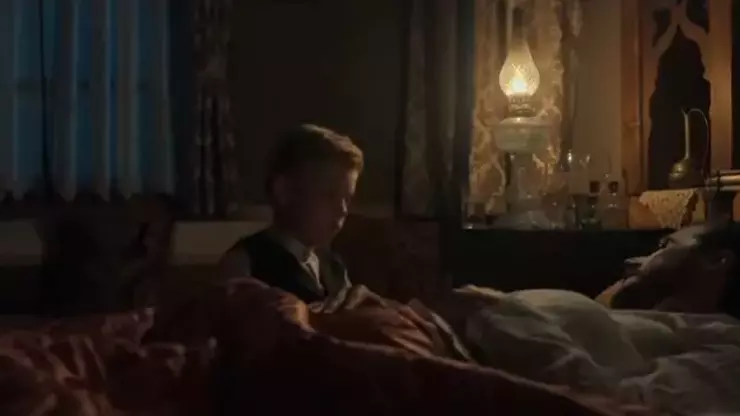
The second actor I found successful and admired was Mehmet Günsür, who plays Atatürk’s father, Ali Rıza Efendi. Mehmet Günsür is a talent who has already proven his acting and versatility in many projects, and he carries his role very well in this film. From the expression in his eyes when he meets his son’s eyes while his belongings are being burned during a bandit attack to the emotional conversation he has with his son on his deathbed, he conveys the emotions beautifully and truly brings the character to life. This scene touched me deeply. He gives one of the best pieces of advice a father can give his son: “Promise me, son. You will go to school so that you won’t be oppressed by anyone, and you won’t suffer what I suffered.” Making a promise to his father, young Mustafa Kemal decides to study there and become a soldier, perhaps changing the fate of a nation.
The character of Zübeyde Hanım didn’t quite fit.
However, I can’t say Songül Öden, who plays Atatürk’s mother, was a particularly good choice. I expected Zübeyde Hanım to be more natural; however, both her portrayal of Zübeyde Hanım and her physical appearance were unnatural, so I didn’t find her a good fit for the role. I don’t know if she had fillers in her lips. I don’t think Zübeyde Hanım looked like that at the time. I don’t think Songül Öden fully embraced the role; she didn’t quite nail it.
Another key issue with the film concerns its chronological order. I found the sequence a bit confusing. During the film, we experience flashbacks to Atatürk’s childhood, then a moment on the battlefield, then a moment in exile. I’m sure these sequences were designed this way for a reason, but they still made the flow a bit tedious for the viewer. I was able to follow it, but if you stray from the movie for a bit, you might get confused.
The portrayal of his love for Dimitrina
Another topic I’d like to touch upon is Atatürk’s Bulgarian love affair with Dimitrina. While a young officer in his early thirties, Atatürk was appointed Military Attaché in Sofia, where he and the daughter of Bulgarian General Stilian Kovachev fell in love. However, because the general didn’t want his daughter to marry a Turk, this relationship ended in disappointment, and they separated. This incident, which Atatürk himself described as “I left my youth behind in Sofia,” was captured in the film. However, they staged Atatürk’s departure from his girlfriend, Dimitrina, in a style completely unbecoming of him. Whether this is true or not, we don’t know, but the fact that he overheard the Bulgarian General’s comments about him while listening at the door, then entered his room, stole confidential information, and left without saying a word to Dimitrina, who was waiting for him in another room within the house, lends a somewhat fictional feel.
“I miss your eyes.”
Similarly, when Esra Bilgiç, who successfully portrayed Atatürk’s friend Madame Corinne, says, “I miss your eyes. We can go, we’ll find a place where there’s no war,” Aras Bulut İynemli, who plays Atatürk, says the following:
“My homeland isn’t a piece of land I can abandon, my love.”
These words alone demonstrate that Atatürk was a man who sacrificed his life for his country.
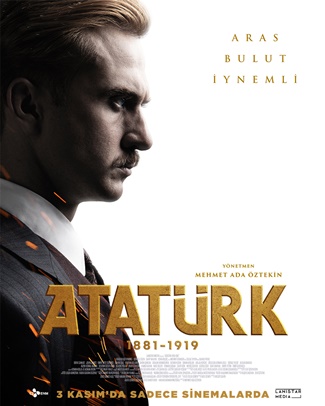
Finally, I’d like to mention two more actors who truly nailed their roles. First, Sarp Akkaya, who plays Enver Pasha, truly succeeded in bringing him to life on screen. Second, Aras Bulut İynemli portrayed Atatürk very successfully, but unfortunately, I’d say it was a bit forced because he didn’t look much like Atatürk. The makeup artist who did the film’s makeup decided on a look reminiscent of Atatürk, but I don’t think the resemblance was enough: https://www.instagram.com/reel/C0HRvuoo2lp/
Little resemblance, lots of effort
I think they made this decision to preserve the facial expressions. However, it would have been more effective if they had found someone who naturally resembled Atatürk and could successfully inhabit the role like İynemli. Frankly, at the beginning of the film, we had a hard time visualizing Atatürk, having convinced ourselves that he was Atatürk. Still, I congratulate Aras Bulut İynemli on his successful portrayal of Atatürk. It’s a great effort. Here’s İynemli’s statement about the books she read before preparing for the role, along with İlber Ortaylı’s recommendations for Atatürk books: https://www.instagram.com/reel/CzbGnRvs7SZ/?igshid=MTc4MmM1YmI2Ng%3D%3D
Finally, the film ends at such a point that, if we were on a digital platform, I would immediately want to watch the second part without hesitation. The next part of this film, which has left the audience intrigued and eager, will be released on 5 January. I’m eagerly awaiting it. You can be sure that I will be watching the Atatürk film series, which will consist of three films in total, without skipping a beat.
Atatürk’s historic words
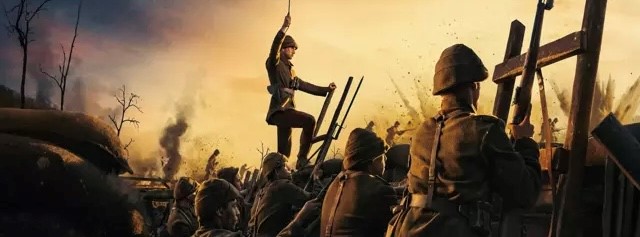
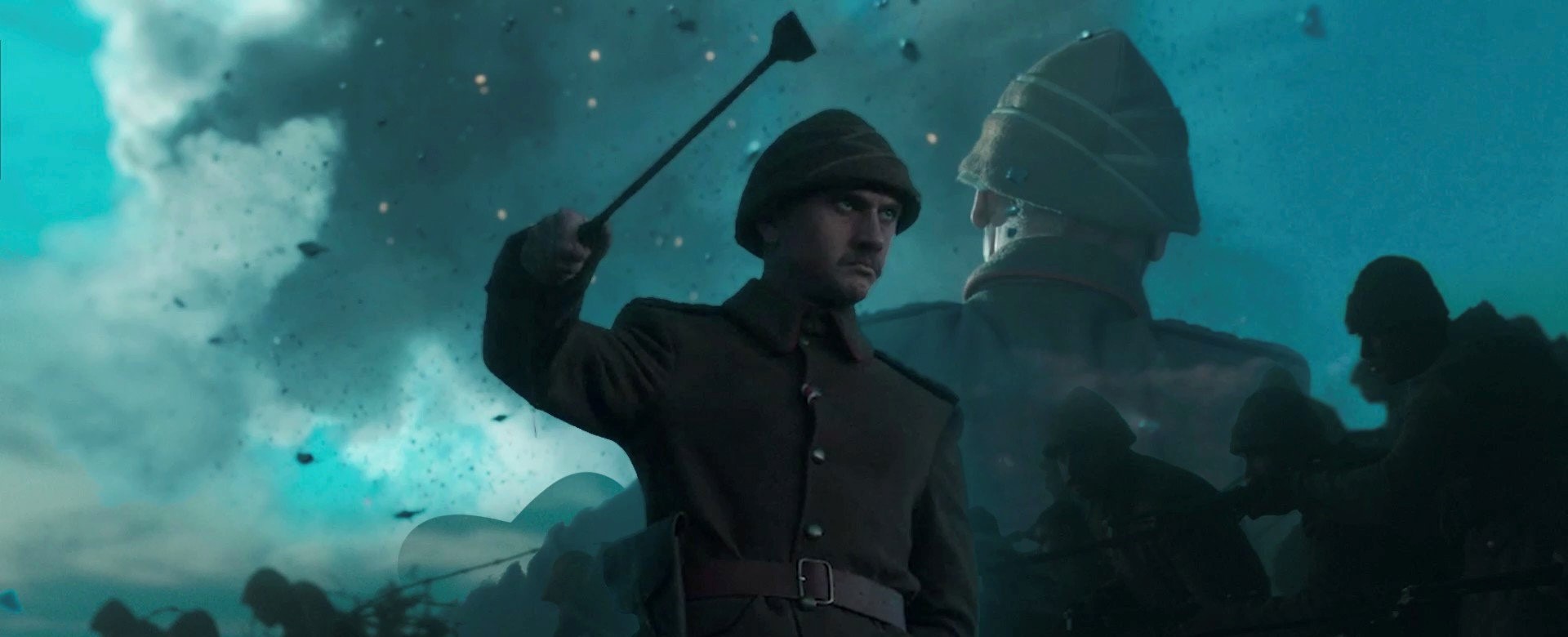
At the end of the film, Mustafa Kemal Atatürk, who won the Gallipoli Victory, a momentous event in Turkish history, tells the 57th Regiment at Yerçeşme, Tekirdağ, that they fought this war so that “the hearth of mother and father would not be extinguished.” He then utters these historic words:
“I promise you cold. I promise you hunger. I promise you devastation. I, Lieutenant Colonel Mustafa Kemal! I do not order you to attack, I order you to die.”
On this occasion, on the 85th anniversary of his passing, I commemorate the Great Leader Atatürk with mercy, respect, and love.