In my previous article (https://www.serhansuzer.com/tr/latin-amerikali-kuzenlerimiz-karizmatik-ulkesi-peru-cusco ), I wrote about how we went to a French restaurant on our first evening in Cusco. This wasn’t your typical French restaurant. This restaurant, which draws on Peru’s natural resources and creates a kind of fusion cuisine, was delicious and unique.
However, among the delicious dishes we sampled, I think we got food poisoning from the steamed fish we ate.
Since we had a trip to Machu Pichu early the next morning, we ate early and returned to the hotel.
We were supposed to wake up at 3 a.m. to join the Machu Pichu tour, which started at 5 a.m. But, strangely enough, I couldn’t get out of bed that morning. The ground felt like it was slipping away from my feet, I felt dizzy, and I felt like throwing up. It’s truly unsettling to be so nauseous and not be able to throw up. Add to that the cold sweats, and I realized I had been poisoned. My friend traveling with me was in the same situation.
A journey that started off with illness
We had to decide. So, we decided to go to Machu Picchu no matter what. It was a real struggle to get out of the hotel. While it was still dark, a taxi took us to the tour agency’s headquarters. We bought our tickets and boarded the bus. The 3-4 hour journey, which started at 5 a.m. and the constant zigzagging of the bus, left us feeling quite nauseous. We mostly tried to sleep our way through this ordeal.
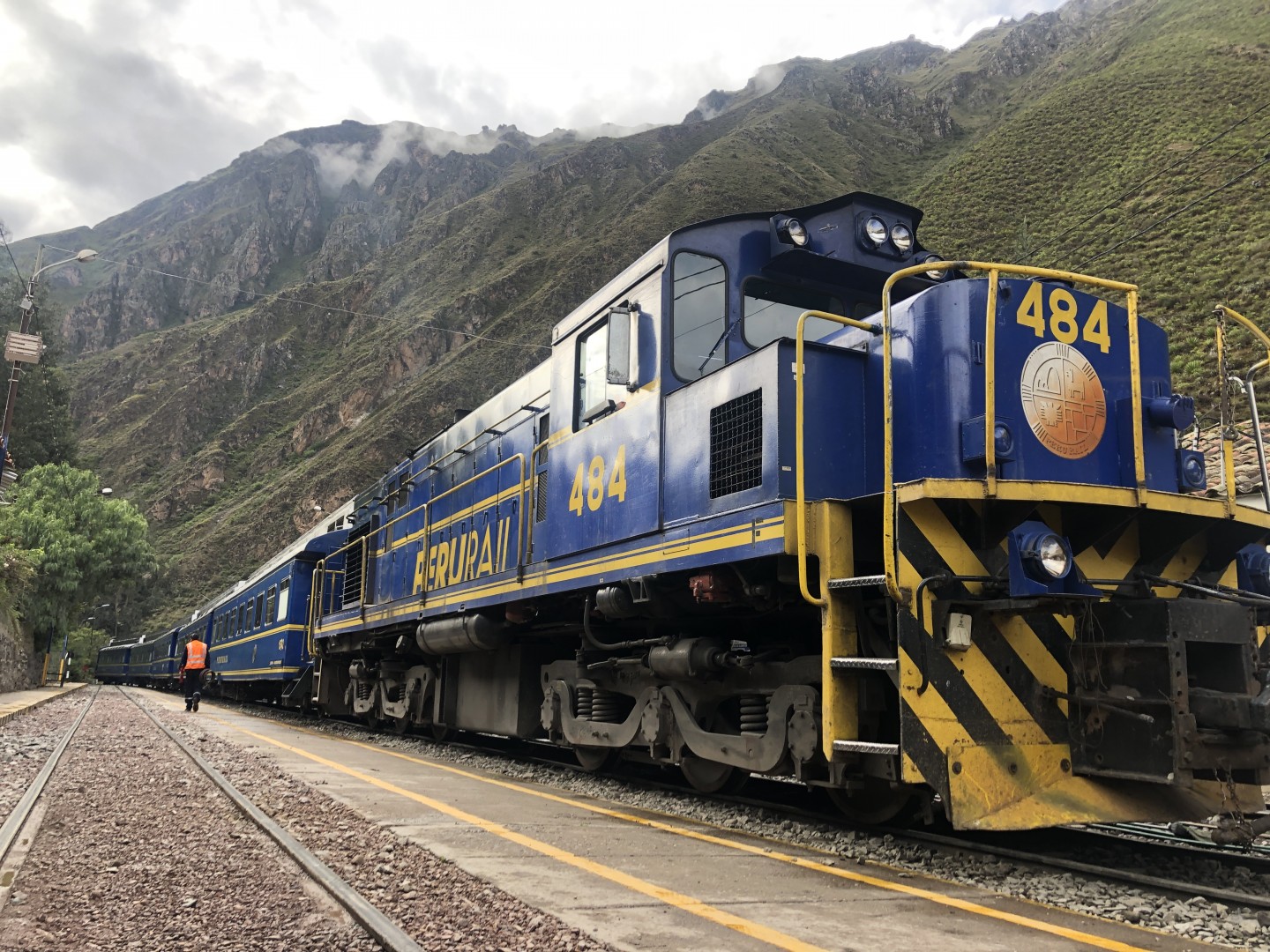
Finally, we arrived in Ollantaytambo, where the train line connects. From there, we took the Inca Rail to Aguas Calientes. I’d completely lost my appetite, so I forced myself to eat something on the train, but to no avail! Even though I felt terrible, the view I saw when I looked out of this authentic, glass-topped train lifted my spirits. You’d feel like you’re riding on the Harry Potter train in Alice in Wonderland.
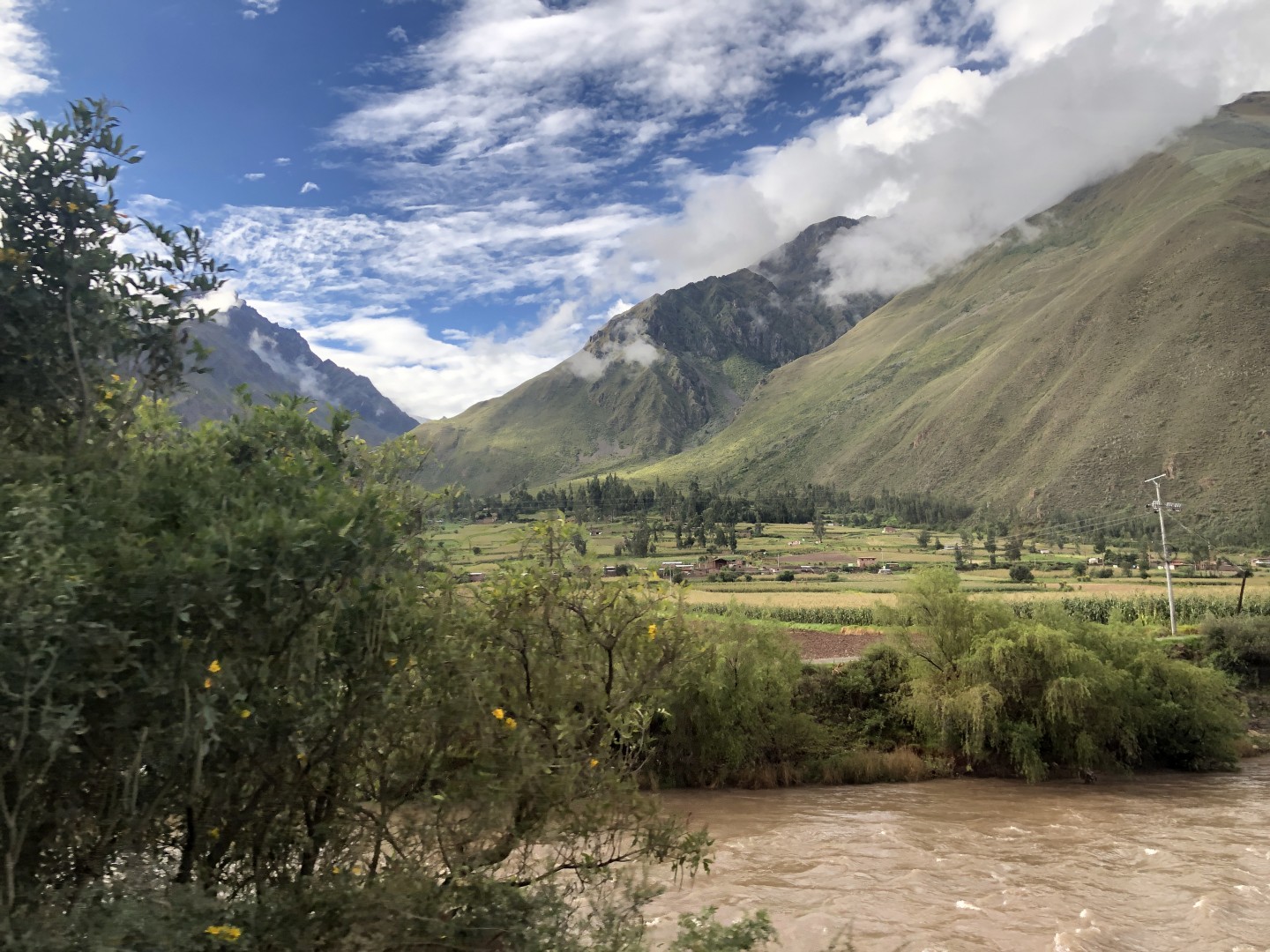
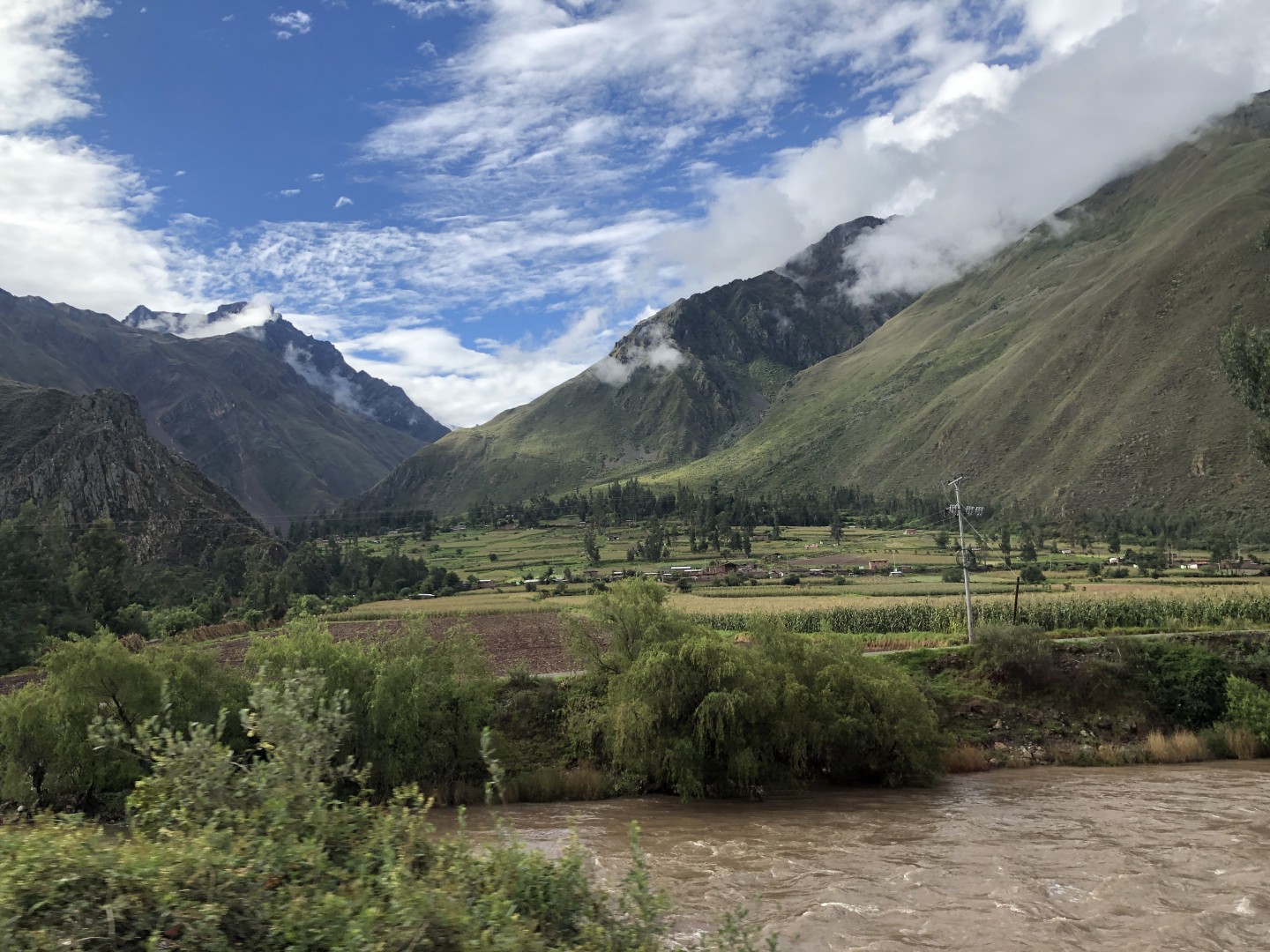
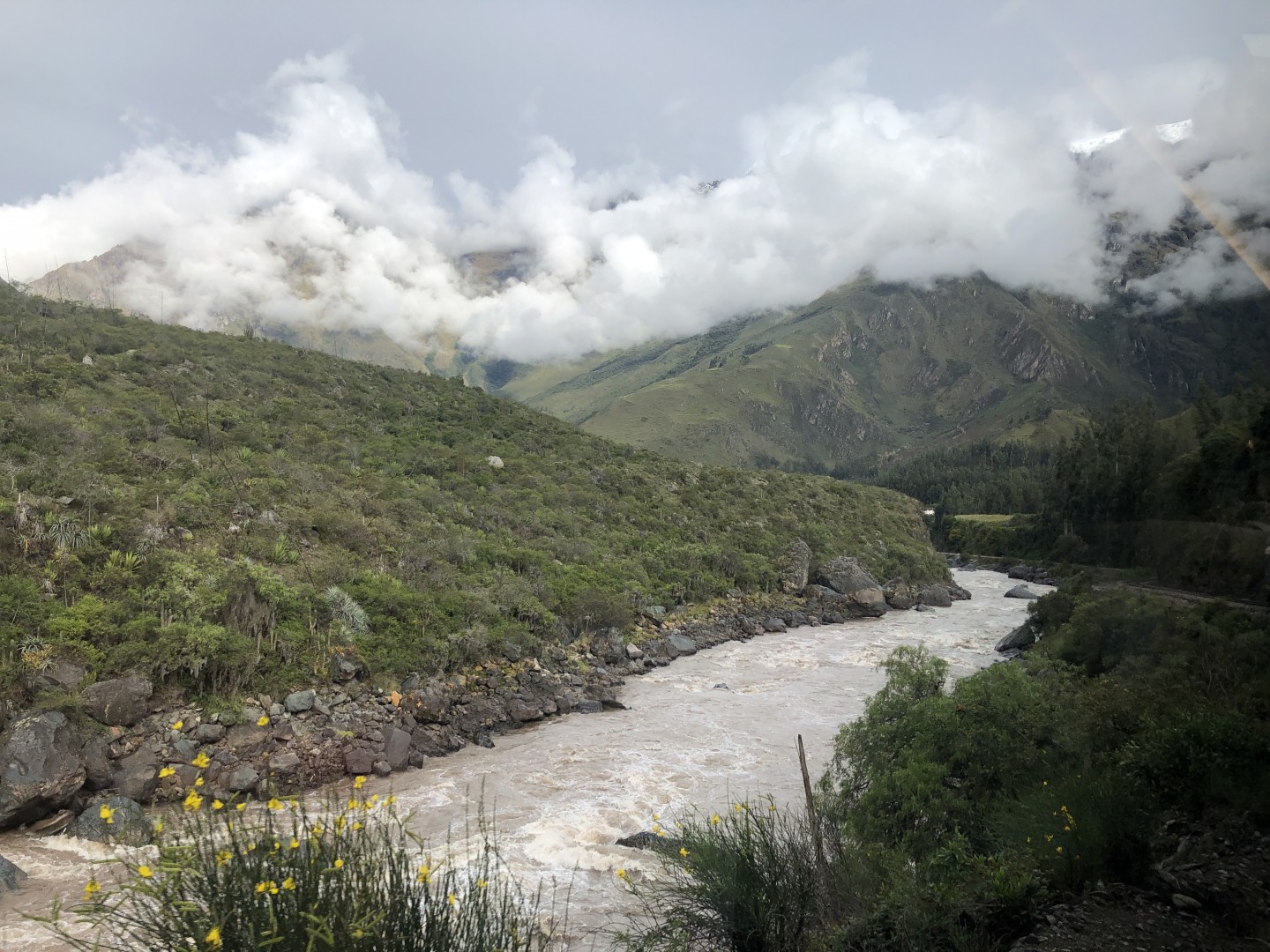
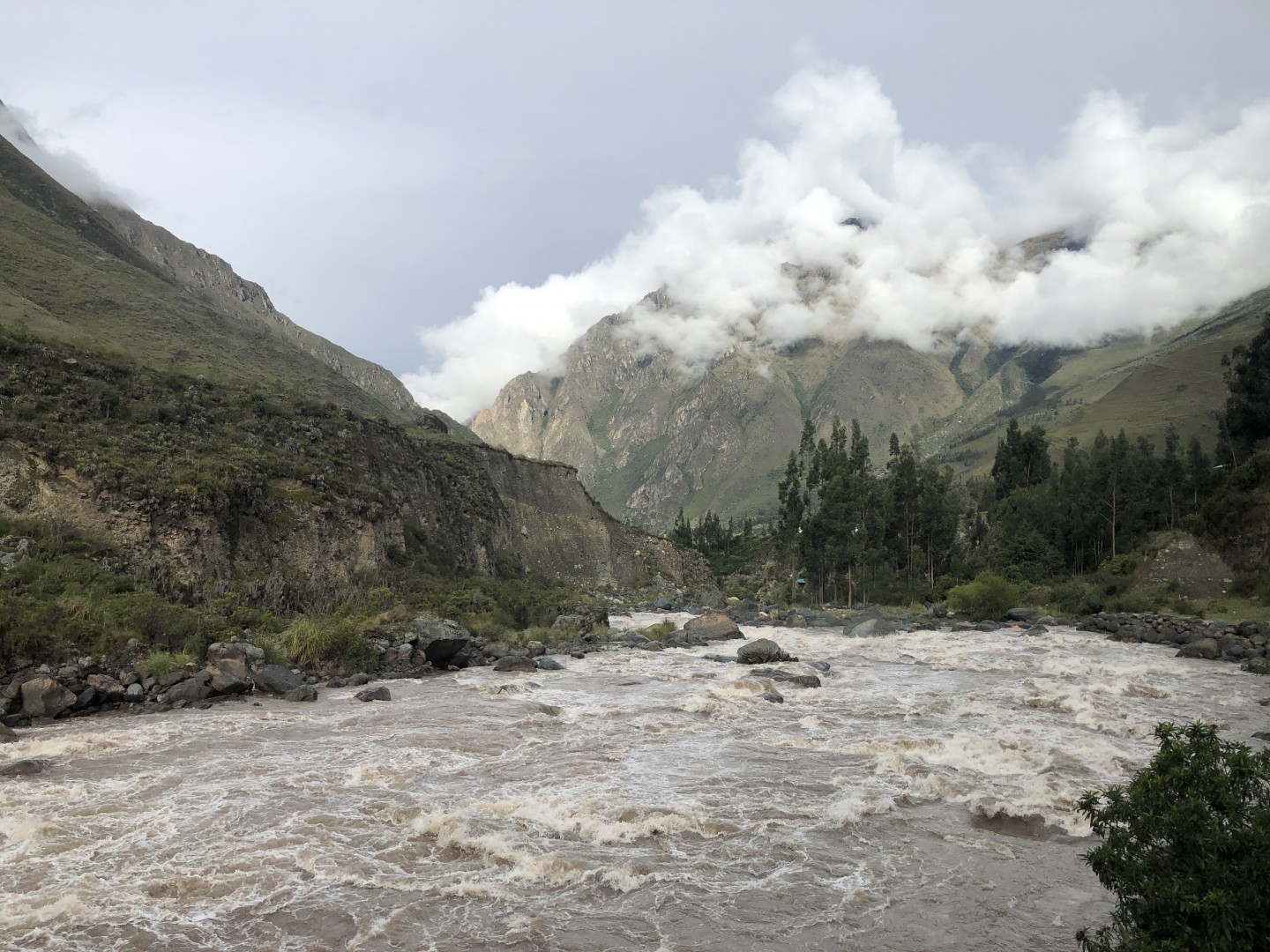
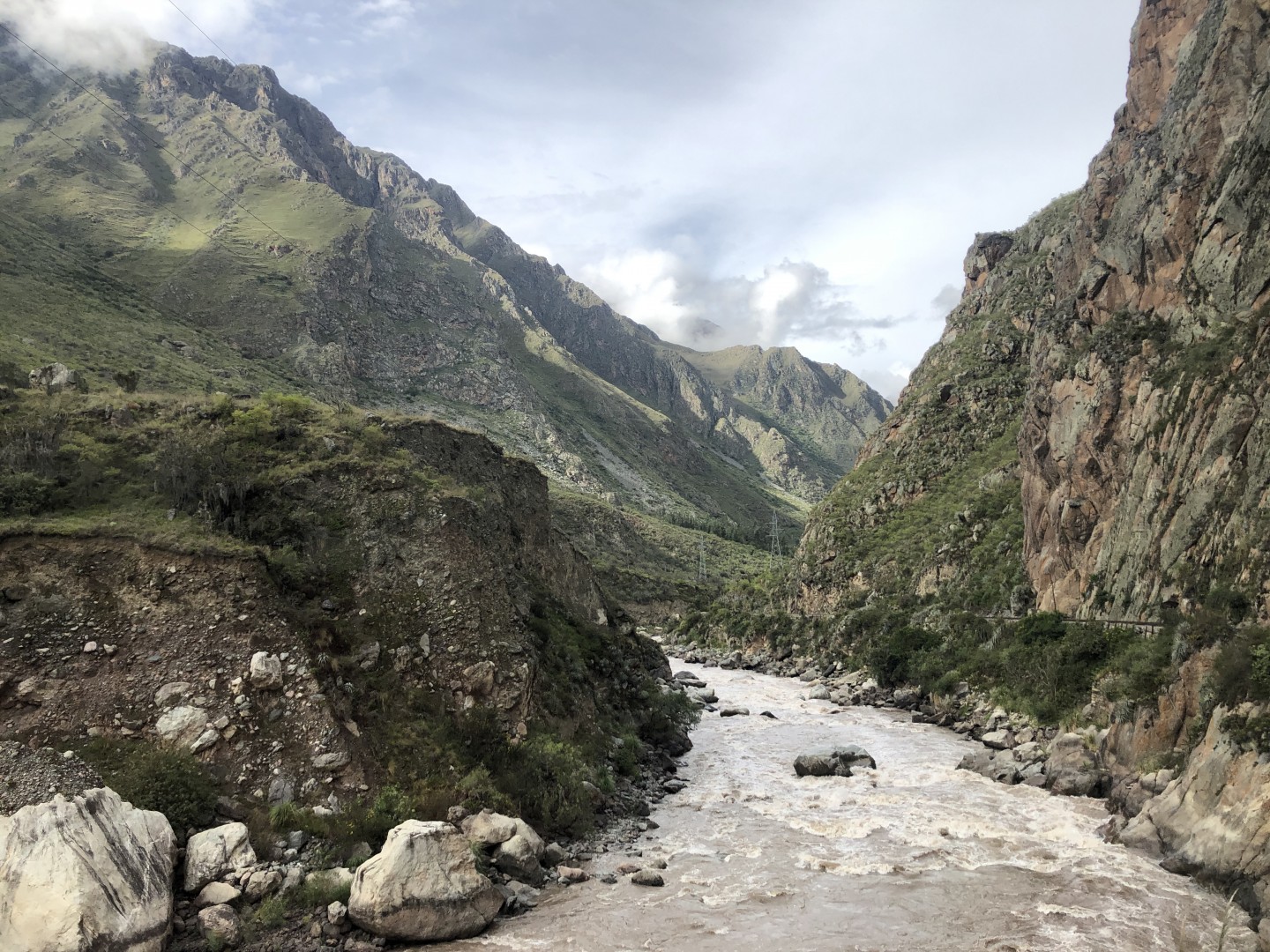
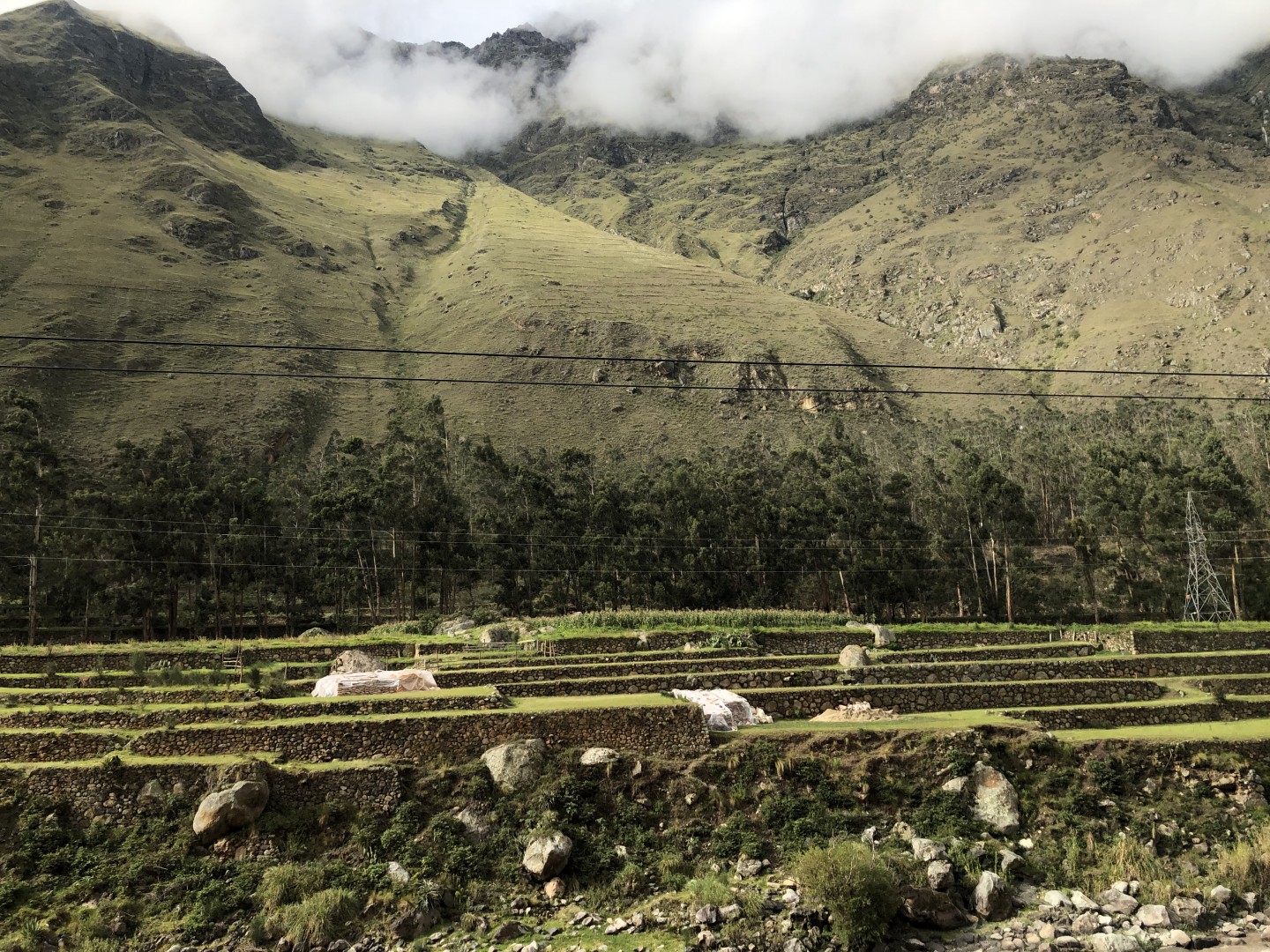
As the train wound through the meandering Urrubamba River, amidst the high Andes, amidst lush, untouched nature, the natural beauty I witnessed made me once again grateful for living in this beautiful world. It further motivated me to contribute to sustainability, renewable energy, and recycling with all my might, so that future generations can experience these beauties.
We got off the train, stopped for a while at a restaurant, and then boarded the bus for Machu Picchu. Of course, the aftereffects of the poisoning made for another extremely uncomfortable journey. I continued to break out in a cold sweat. We arrived at Machu Picchu around 12:00.
Going vertical, despite everything
When the guide Jesus had recommended was unavailable, he recommended another, and we met him, and he gave us this tour. At the end of the arduous journey, we arrived at this incredible place, sweating and nauseous. I explained to the guide that we weren’t feeling well. We managed to drink plenty of water.
Before the tour began, my friend noticed she didn’t have a cell phone. This added to our discomfort. We asked where the lost-and-found were located, but they refused. Trying to ignore it, we began our tour.
We began our tour by climbing the stairs with the crowd. As the illness was taking its toll, our guide offered us two options: “We can climb those steep stairs and get to the top. The view from there is incredible. Or, we can take the more horizontal route and enjoy another beautiful view. Which one should we choose?”
I looked my friend in the eye, and as always, I chose the difficult option. I said, “Since we’ve come this far, let’s not let this illness stop us. I say let’s do this place justice. Let’s take the steep route. Is that okay with you?”
Utopia Reflected from the Past to the Present
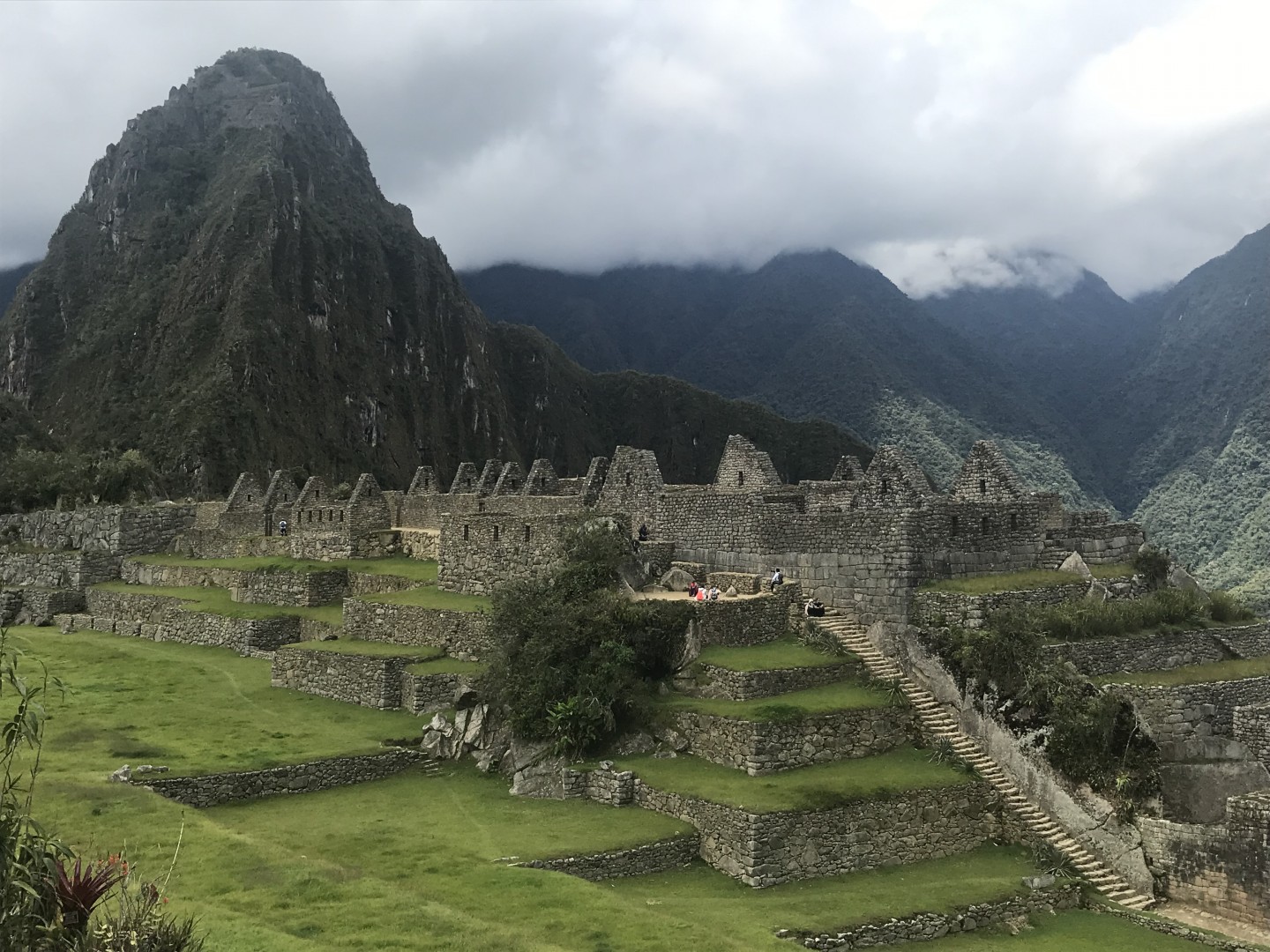
When my friend agreed, I turned to the guide, “Let’s climb those stairs, but since we’re not feeling well, let’s go slow.” The guide smiled sympathetically and said, “Understood, then follow me.” As we began to ascend the steep stairs, I remember thinking to myself, “This is an incredible place!” I’ve travelled many places around the world, but I’ve never seen a place with such iconic and unique energy. When you look at this Inca city, nestled in magnificent nature, high atop the mountains, high above the clouds, you feel as if you’re in a utopian city where everyone lives in peace, health, and prosperity, a civilization respectful of one another, ethical, modern, and scientifically conscious.
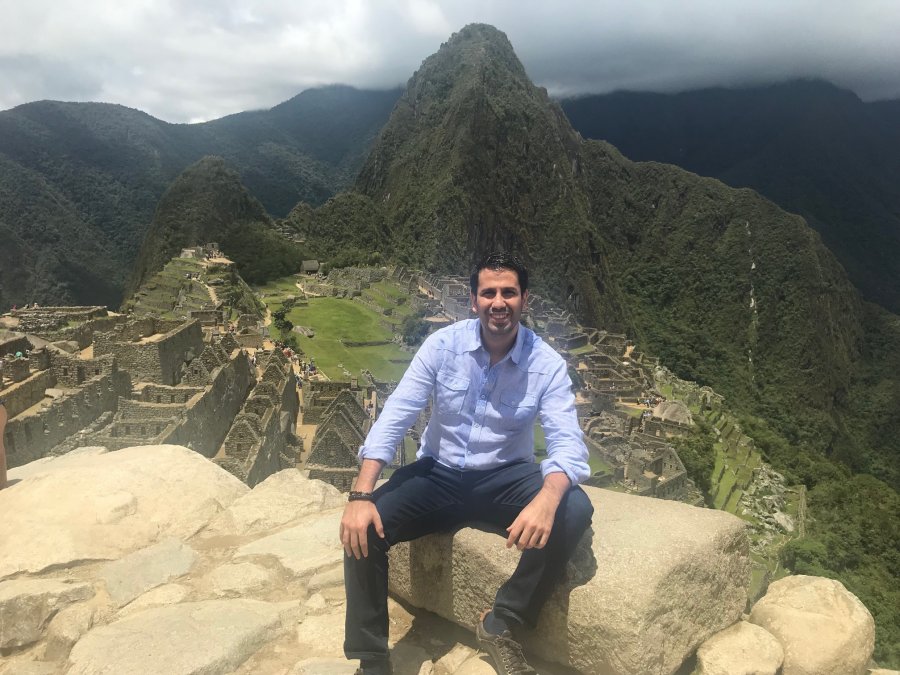
Looking at that view, I realized I’d forgotten my illness. Then, at the first place I sat down to take photos, the following images appeared. Do you see anything interesting in these photos?
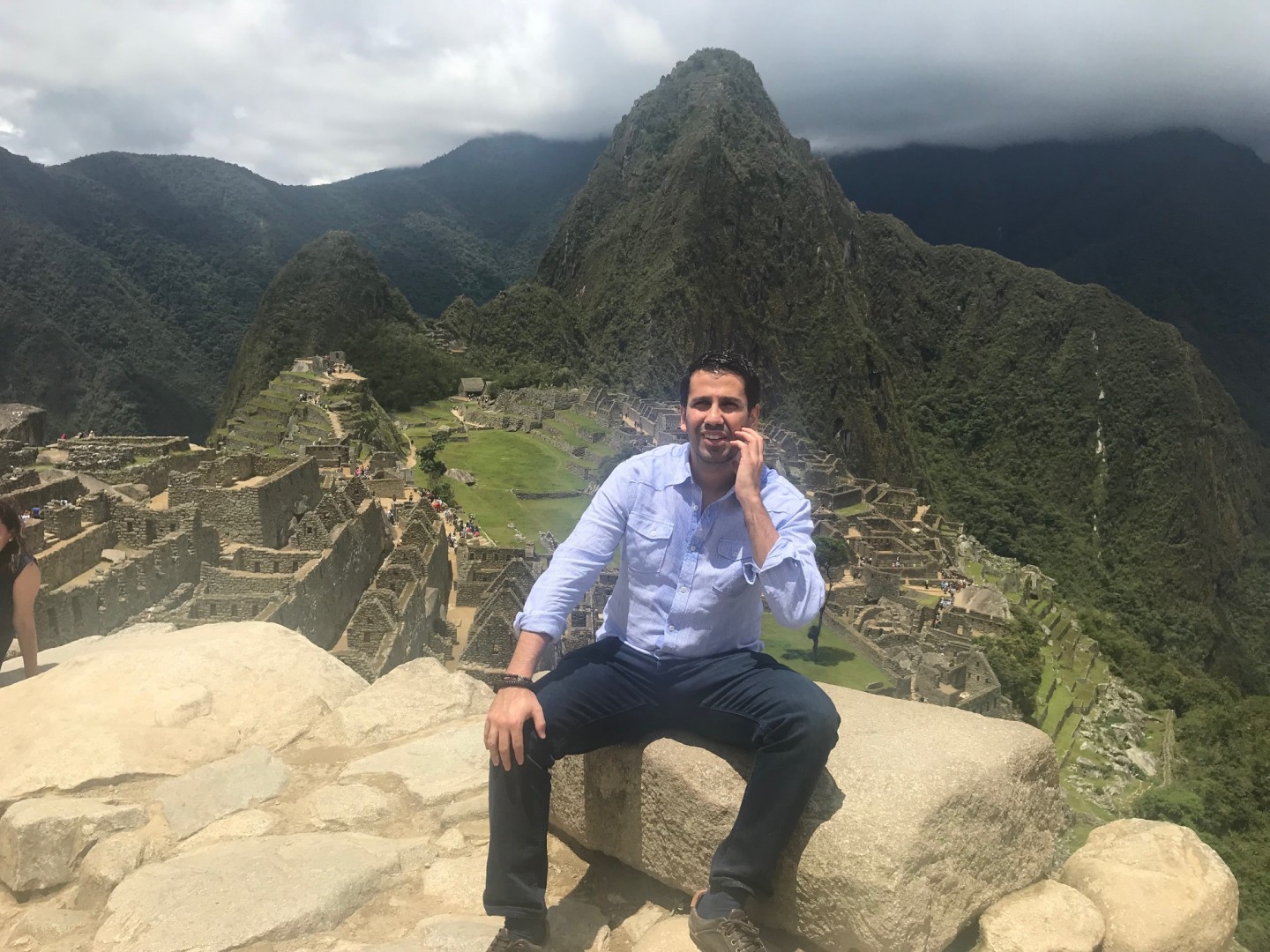
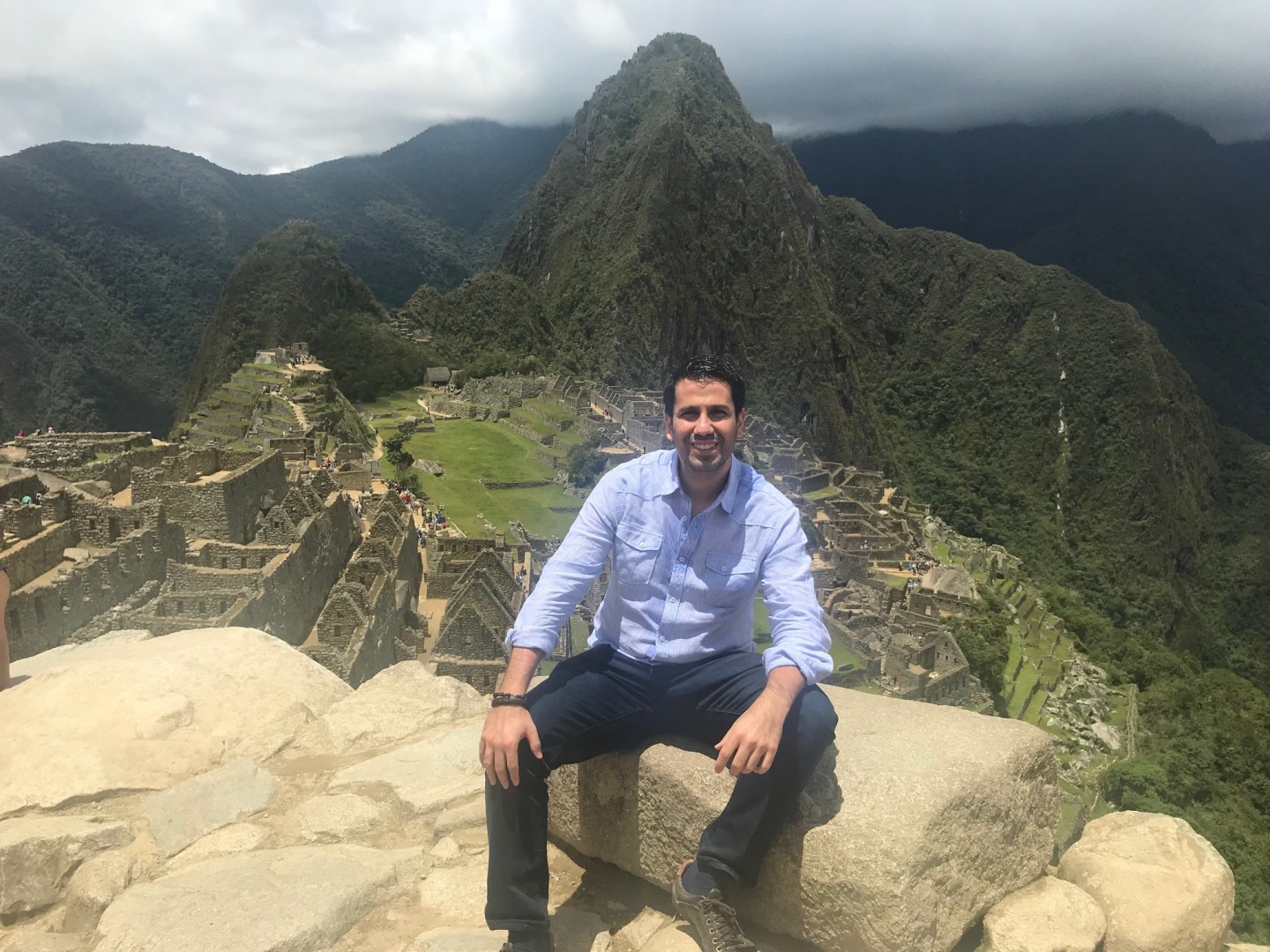
I had arrived at the place I’d been most curious about during my Peru trip. Whether I was ill or well, I forced myself to mentally record what the tour guide was telling me. It would be beneficial for you to learn about this incredible civilization as well.
On this occasion, I’d like to share some information about Machu Picchu:
Machu Picchu is an ancient Inca city that has survived to this day in exceptionally good prservation. It was named one of the “New Seven Wonders” of the World on July 7, 2007. Perched on a mountaintop in the Andes, at an altitude of 2,360 meters, it lies in the Urubamba Valley, 88 km from Cusco, Peru. (Source: Wikipedia)
Machu Picchu, the ancient city of the Incas, was built by the Inca ruler Pachacutec Yupanqui in the 1450s. It is believed that many of the inhabitants of this abandoned ancient city died 100 years later from smallpox brought by travelers. Although the city lies just 80 kilometers from the Inca capital of Cusco, the Spanish never found Machu Picchu. This city, unharmed and undestroyed, remained hidden for years. Its name means “Old Peak” in the Quechua language. For centuries, its existence, surrounded by dense forest, remained unknown except to those very nearby. In 1911, American historian and explorer Hiram Bingham, a scholar at Yale University, discovered Machu Picchu with the help of a local farmer during his trip to the ancient Inca capital. Bingham attracted international attention and organized major excavations in 1912 to reveal the entire city. There are rumors that others had discovered Machu Picchu before Bingham, but they had not announced it to the world. In 1983, UNESCO inscribed the site on its World Heritage List, describing it as “an absolute masterpiece of architecture and a unique witness to Incan civilization.”
The city is divided into urban and agricultural areas. The upper city contains temples, while the lower city contains warehouses. Its architecture is designed according to the mountainside on which it stands. Approximately 200 structures consist of wide terraces running east-west. The stone structures, interconnected by a system of more than 200 staircases and 3,000 steps, have survived to the present day in remarkably good preservation. While many theories have been put forward regarding the purpose of Machu Picchu’s construction, the most accepted theory is that the city hosted more than 700 Inca nobles and priests.
Previously, the city saw approximately 2,000 visitors daily, but UNESCO has set a daily quota of 800 to prevent damage to the ruins. (Source: Gezimanya)
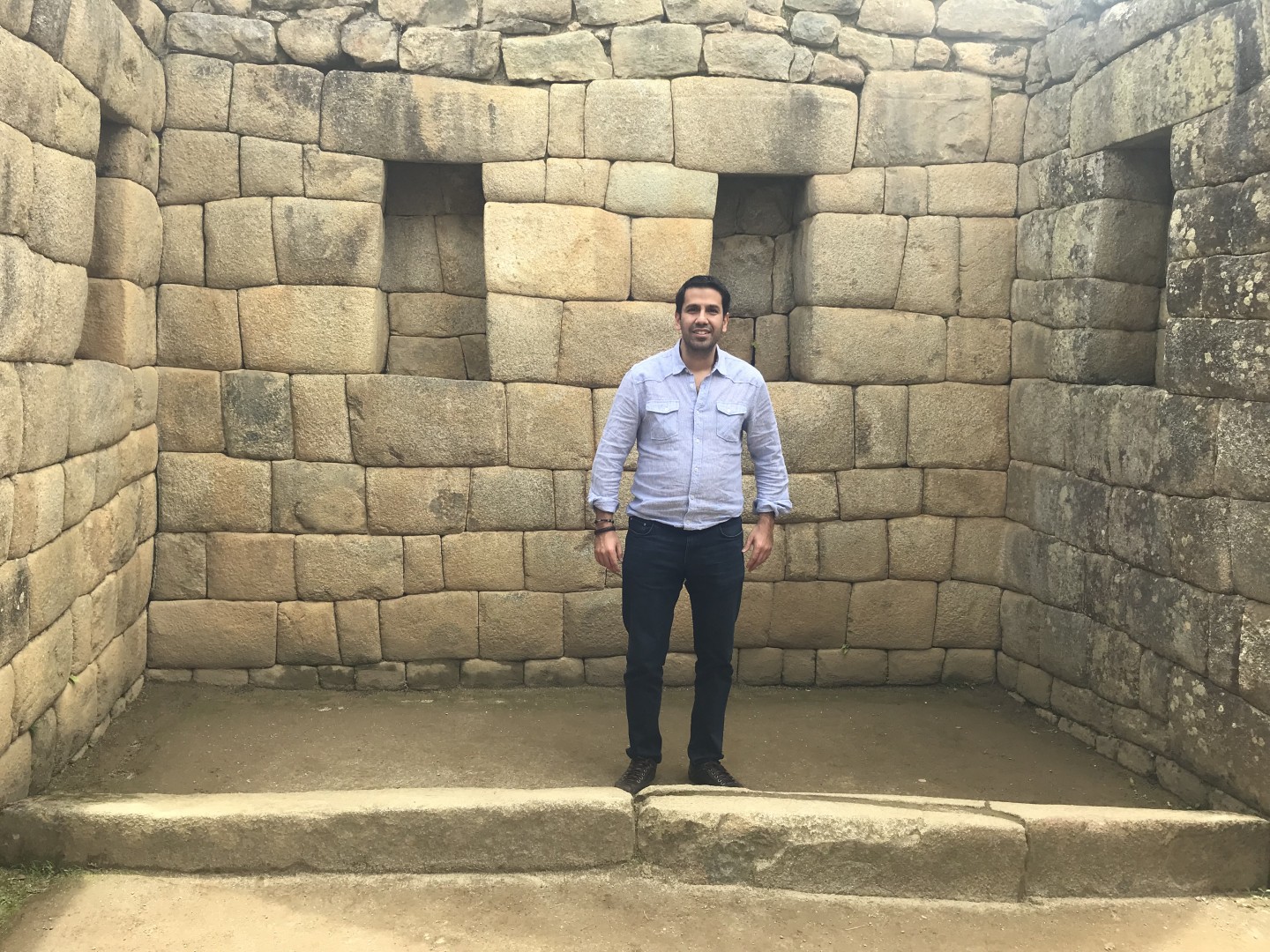
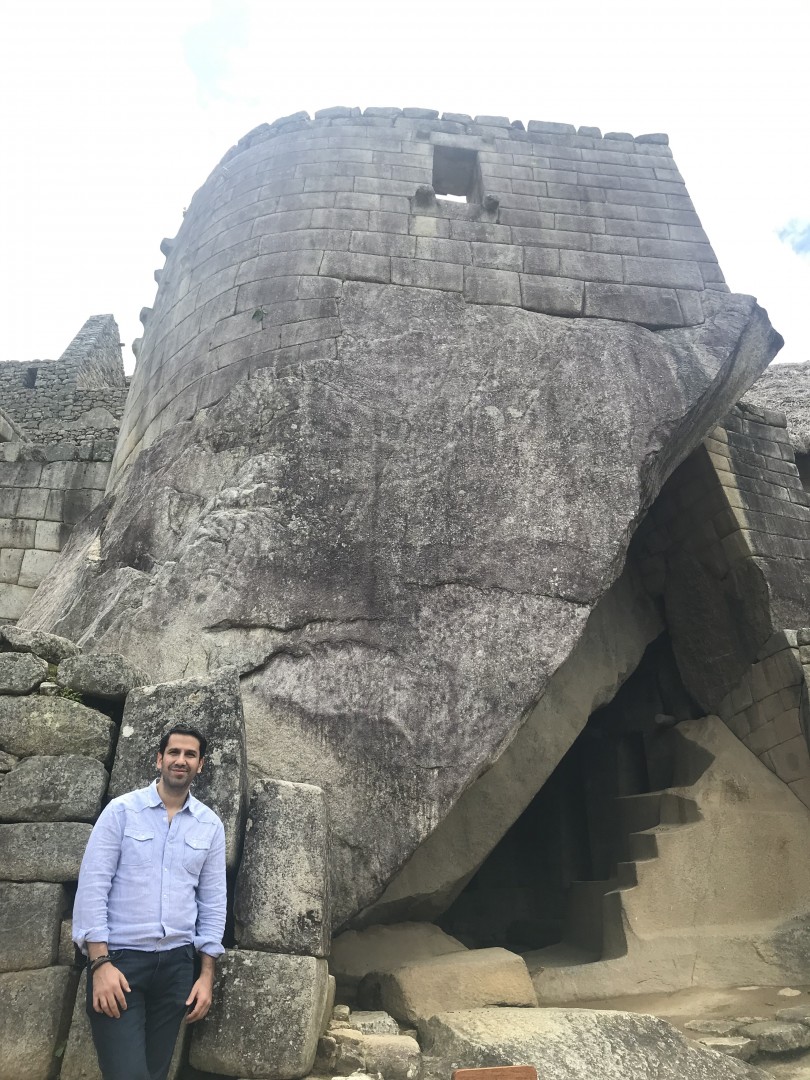
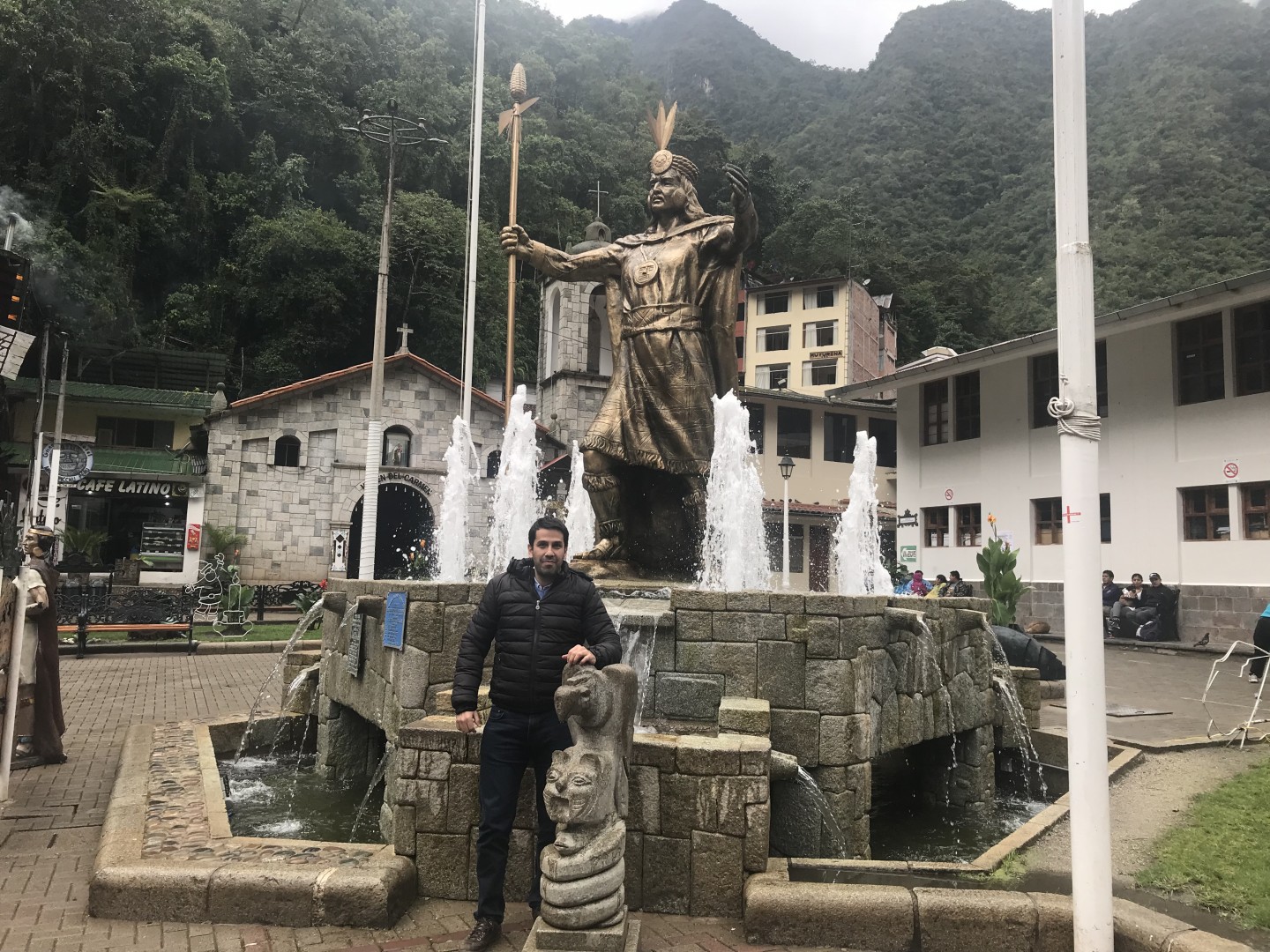
I’d like to share the photos we took during the tour:
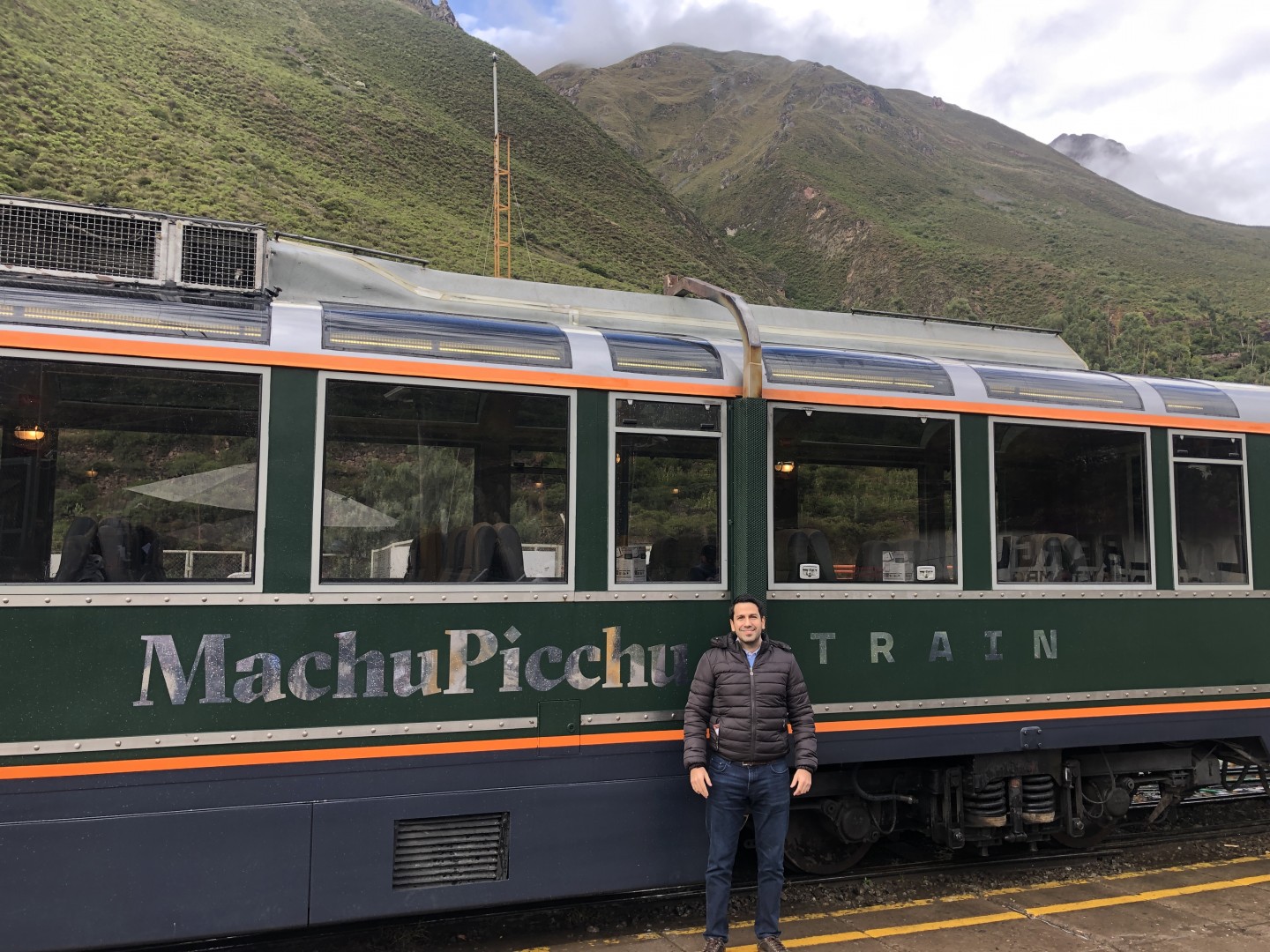
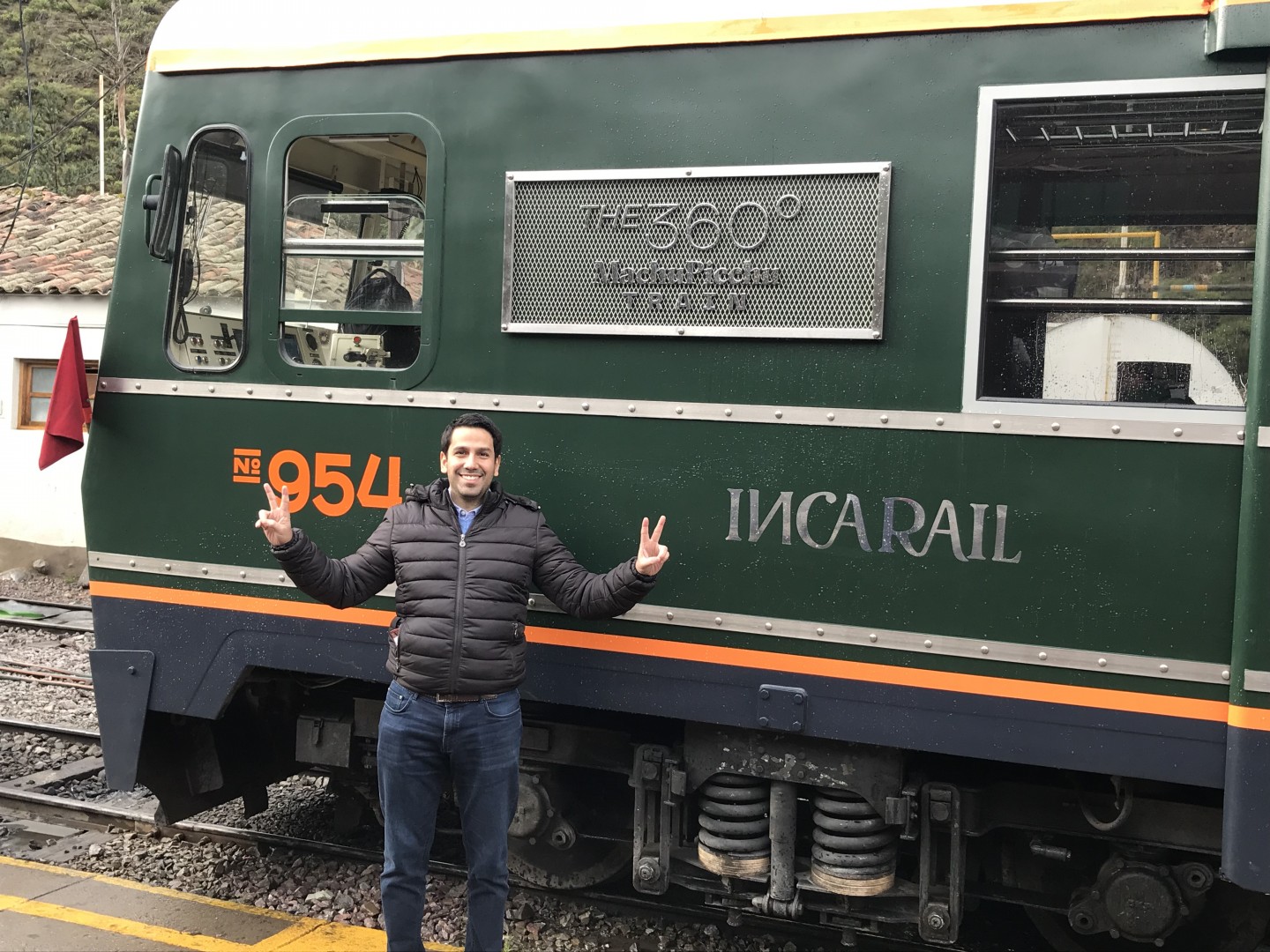
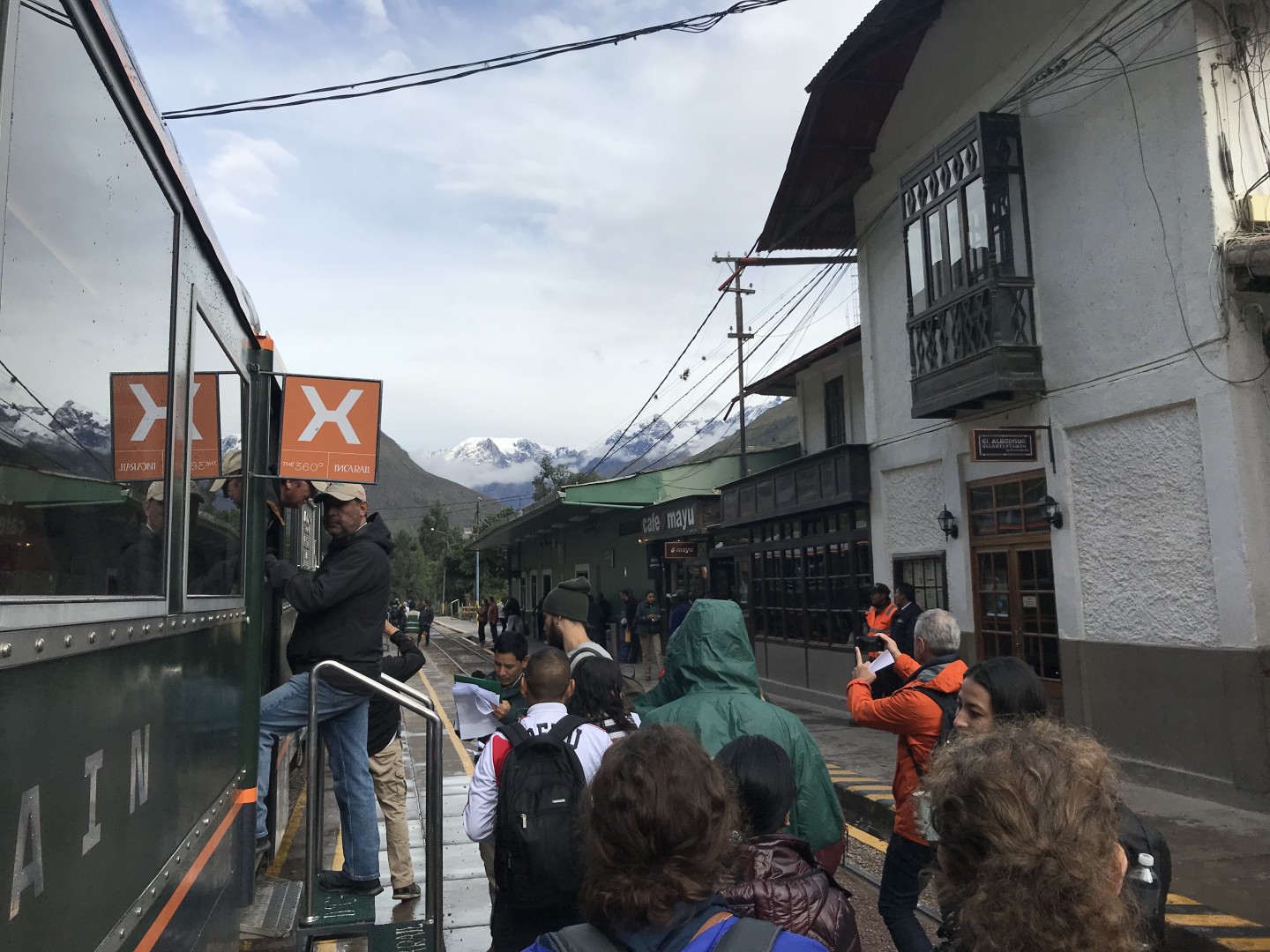
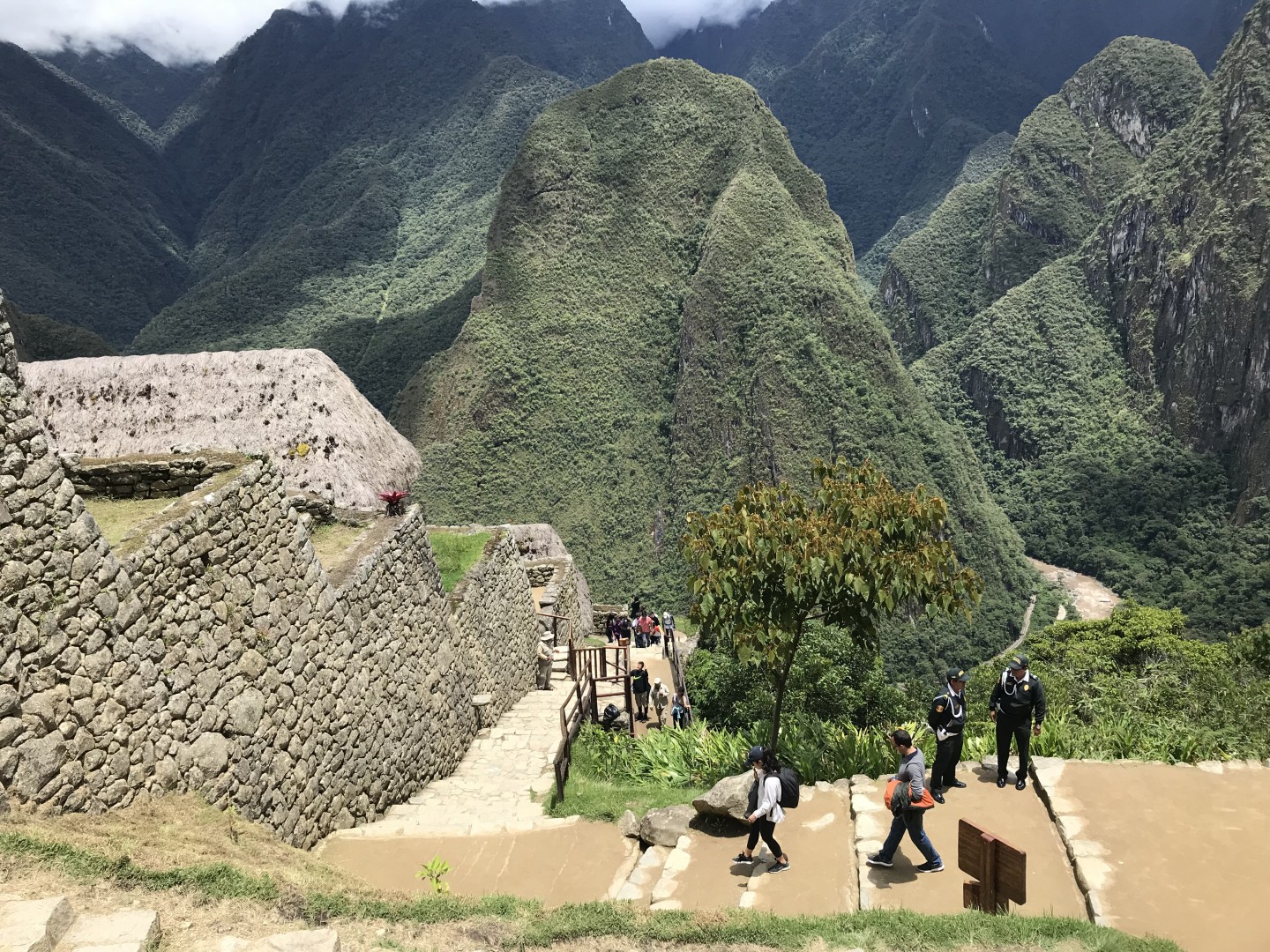
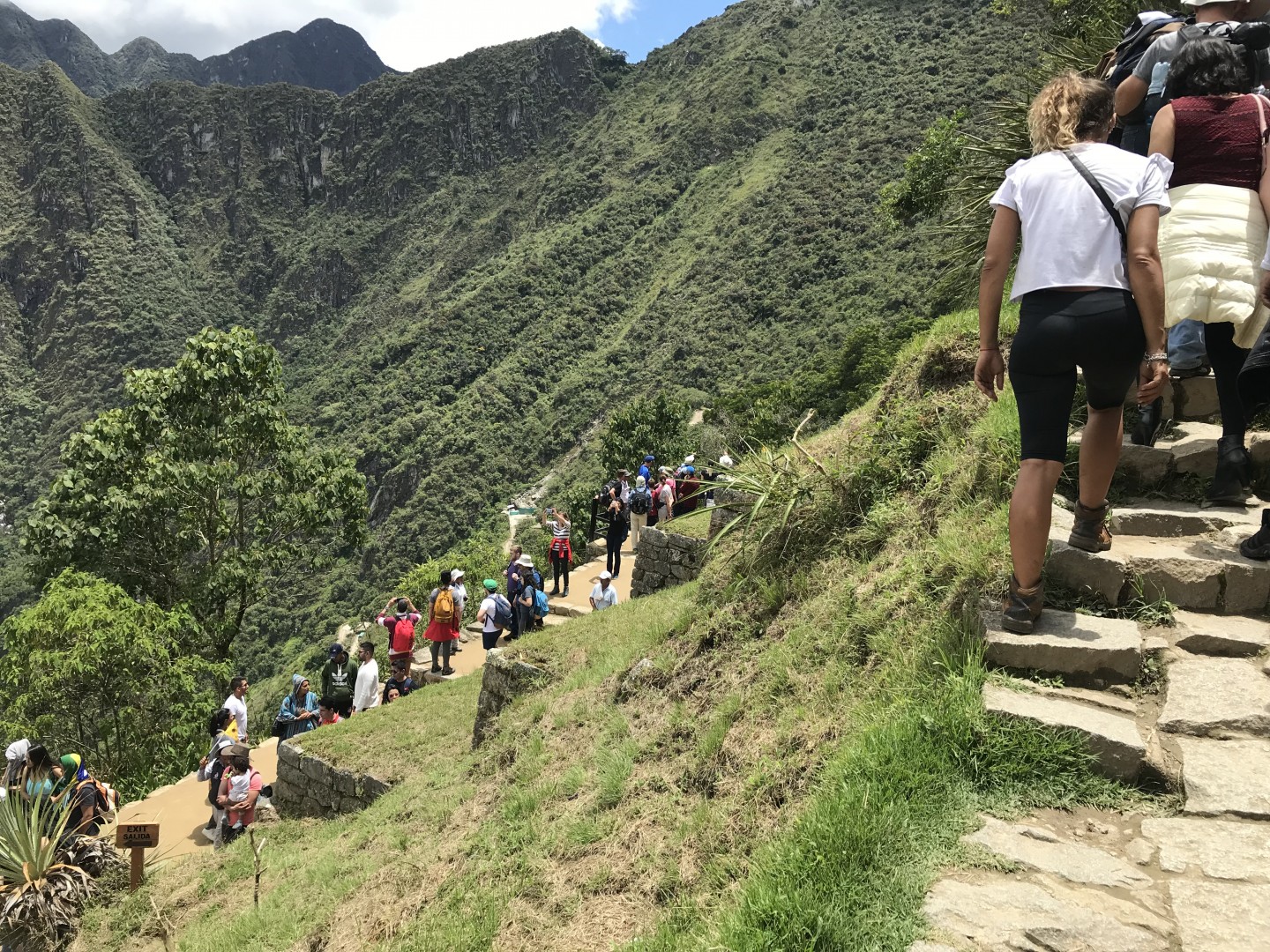
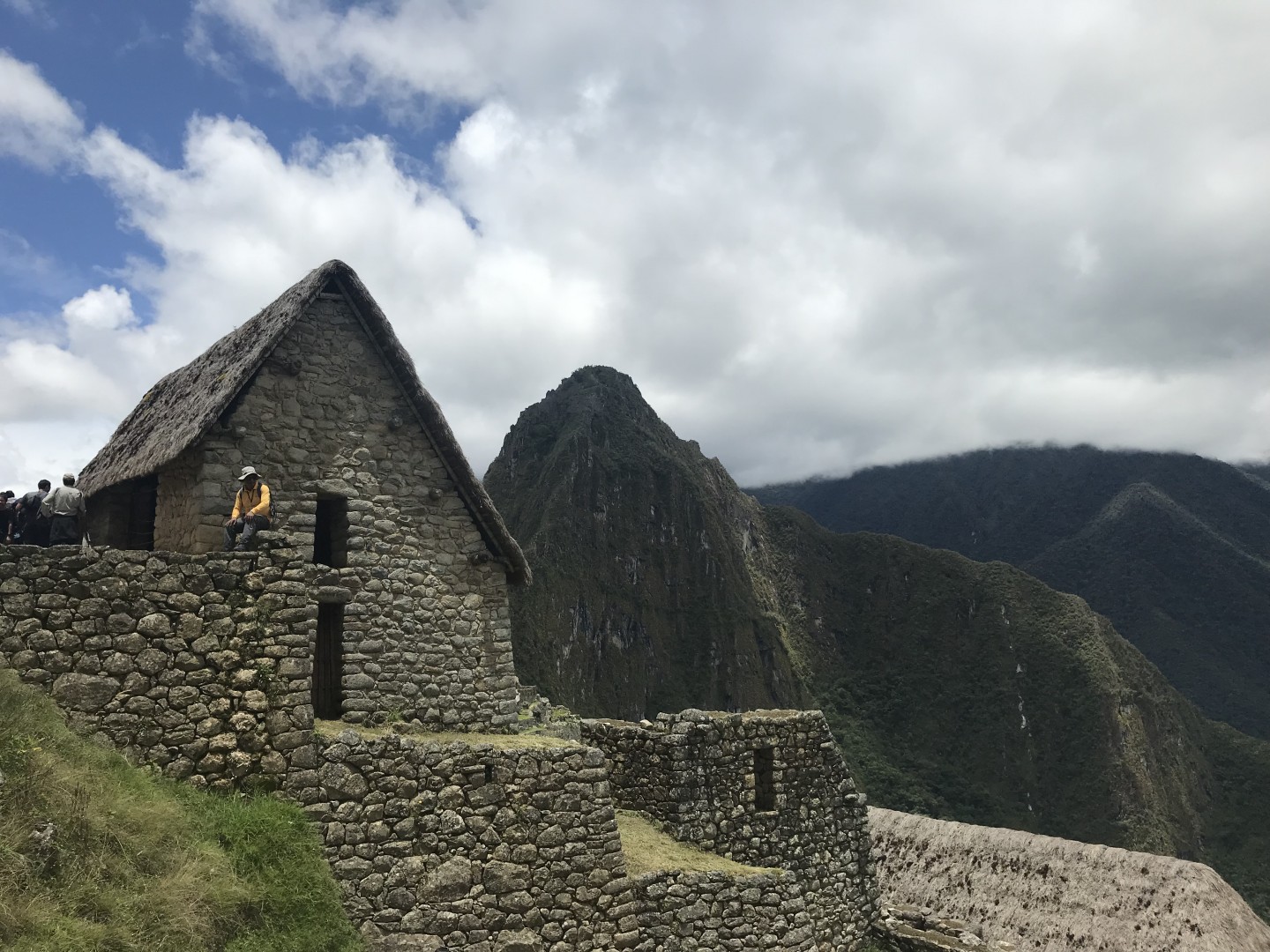
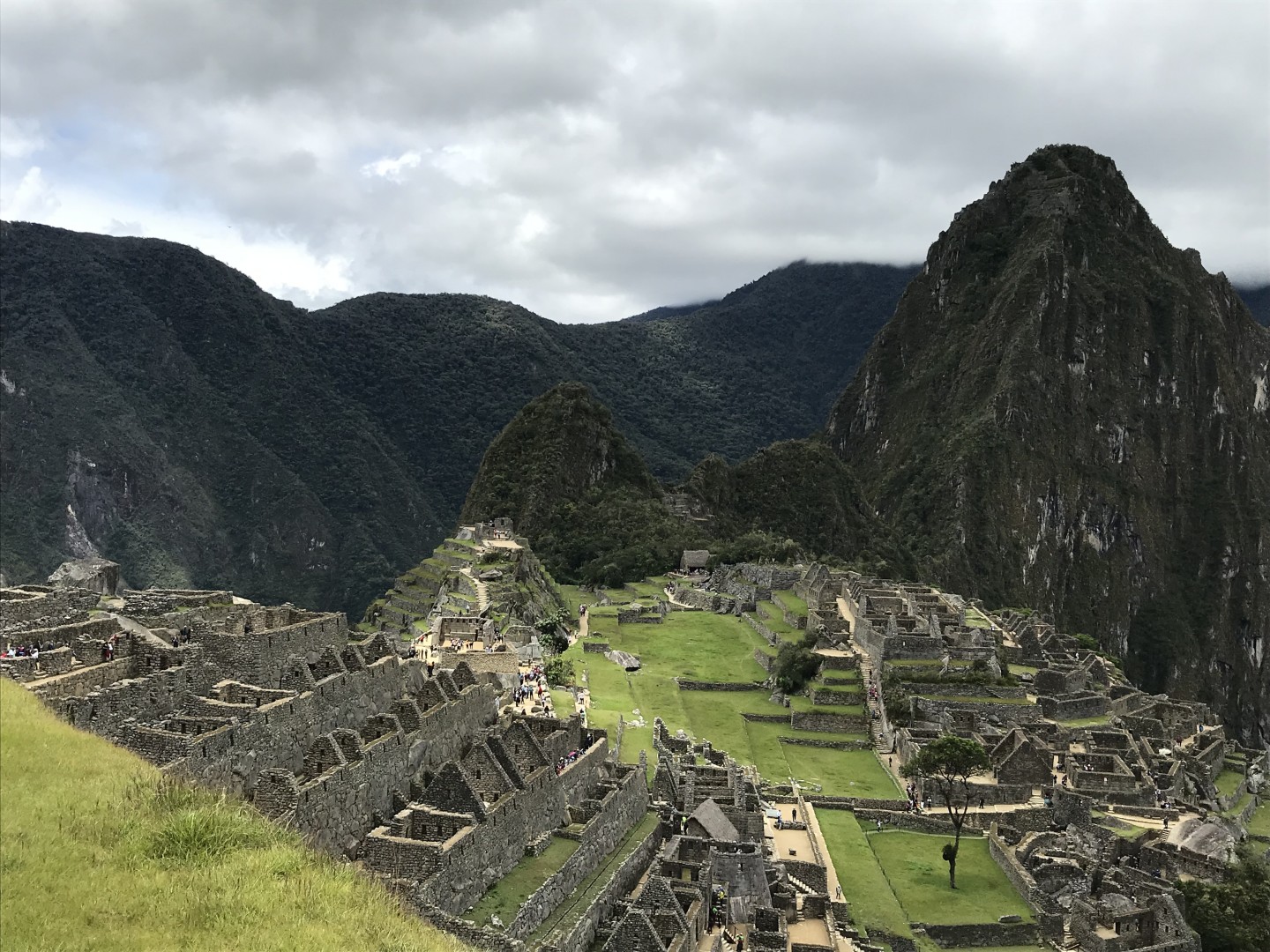
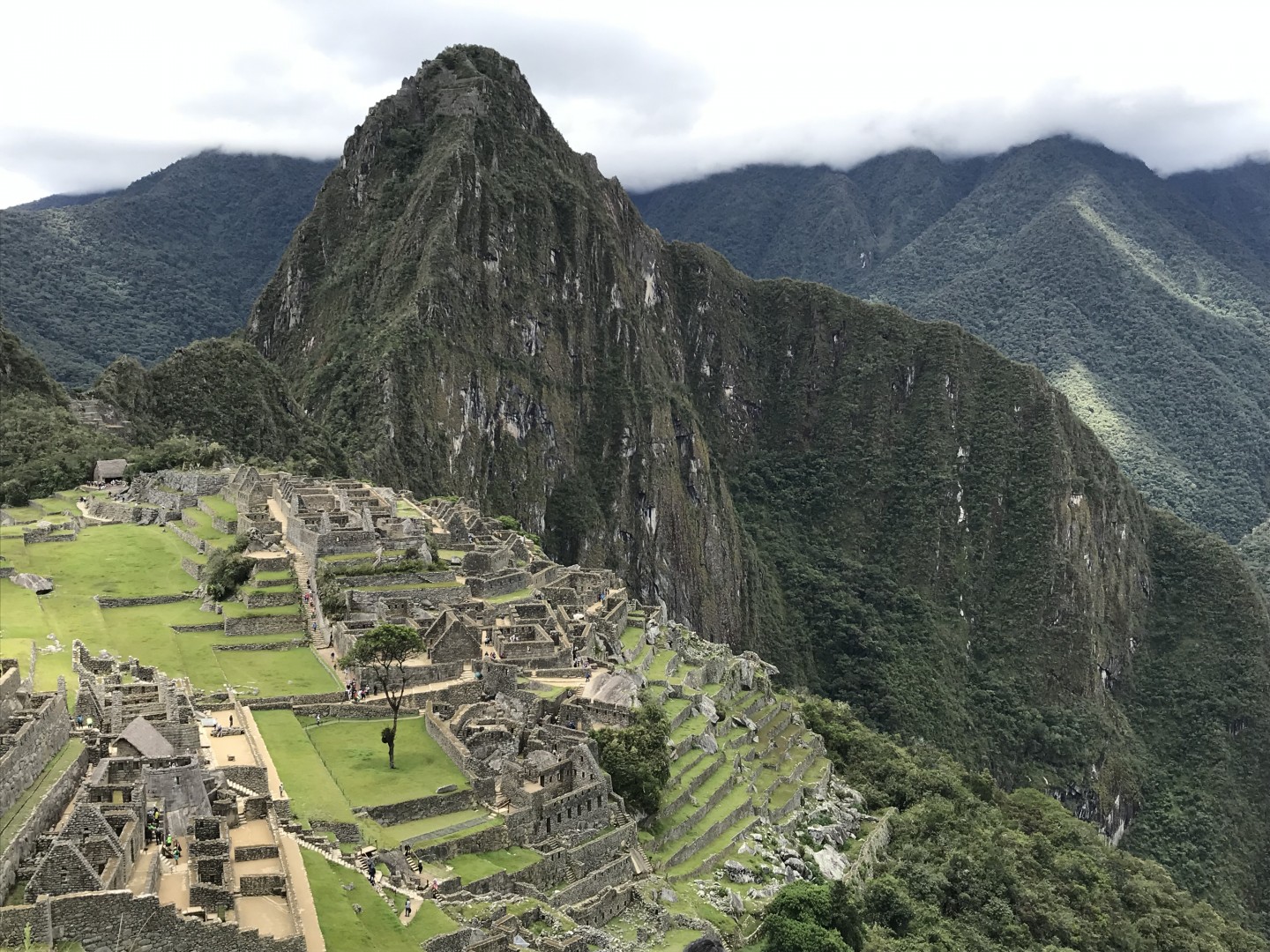
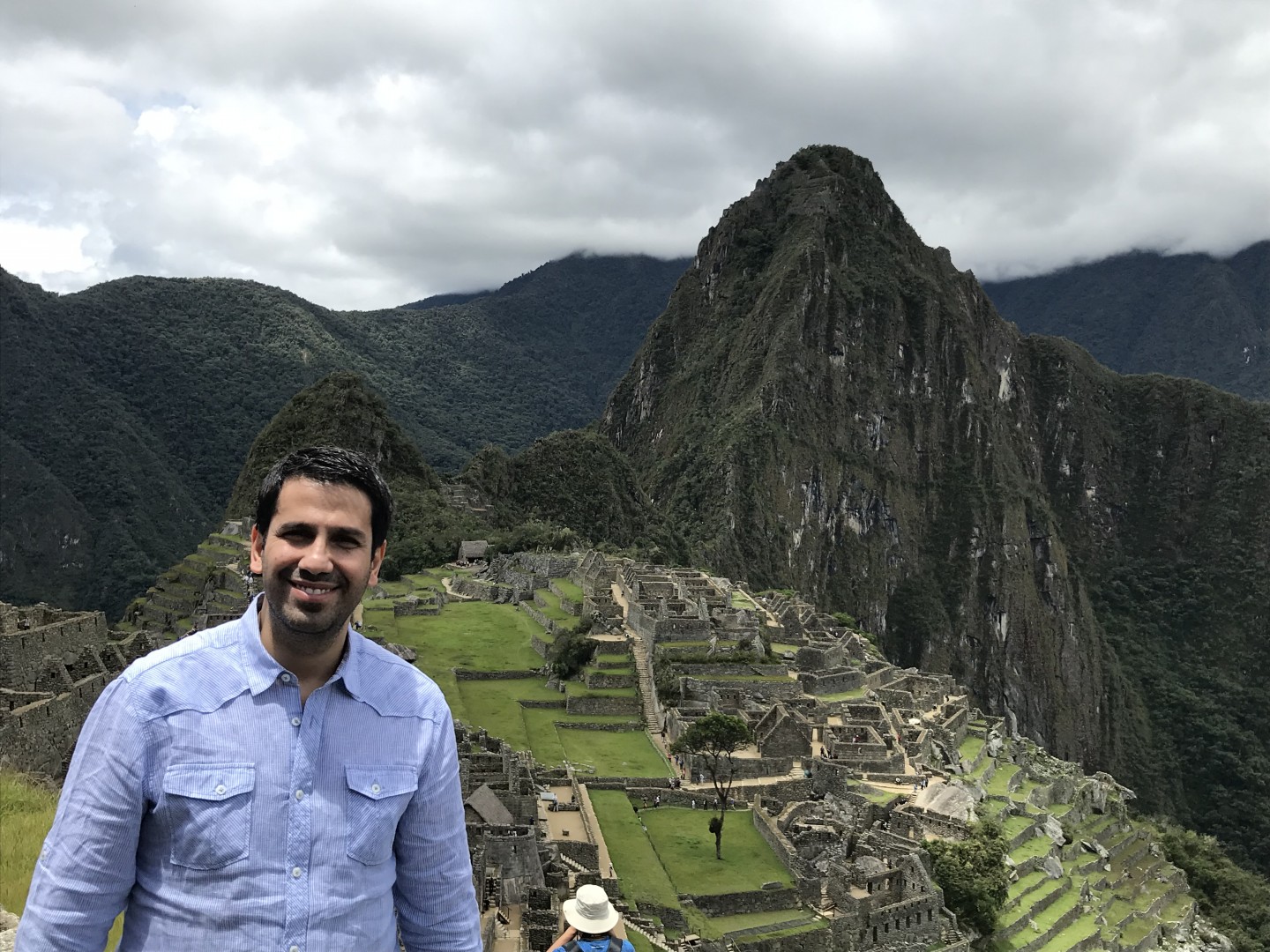
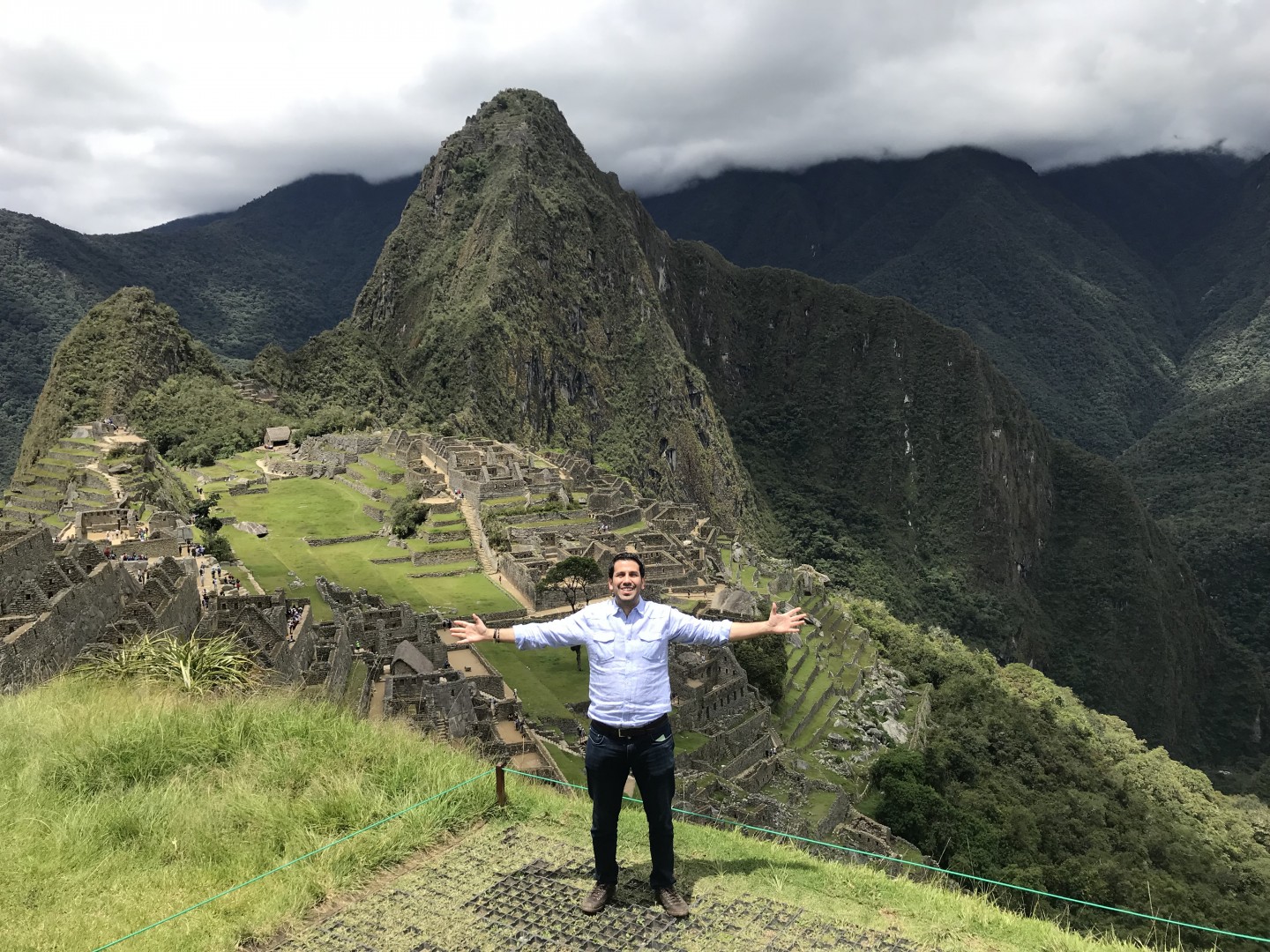
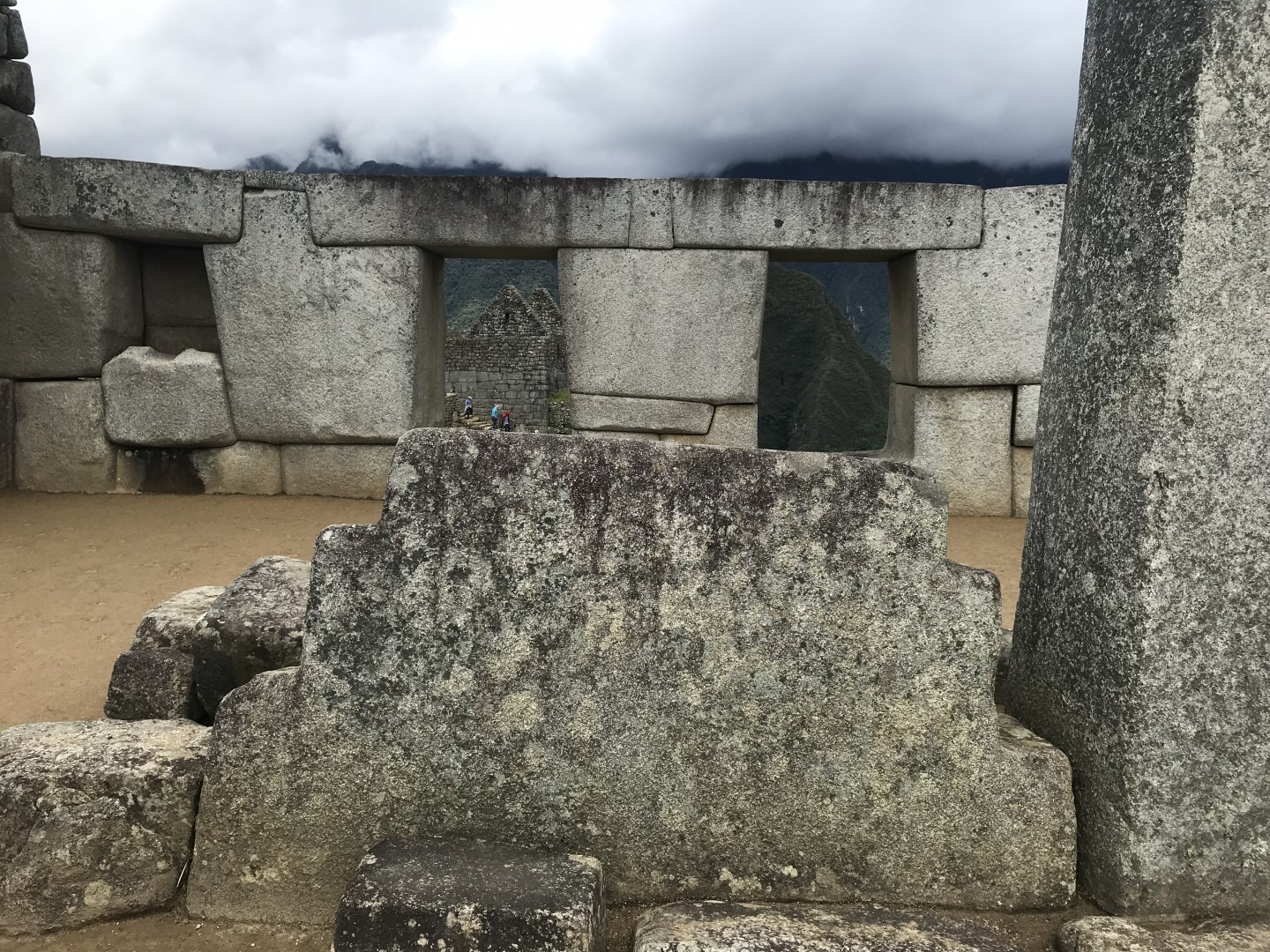
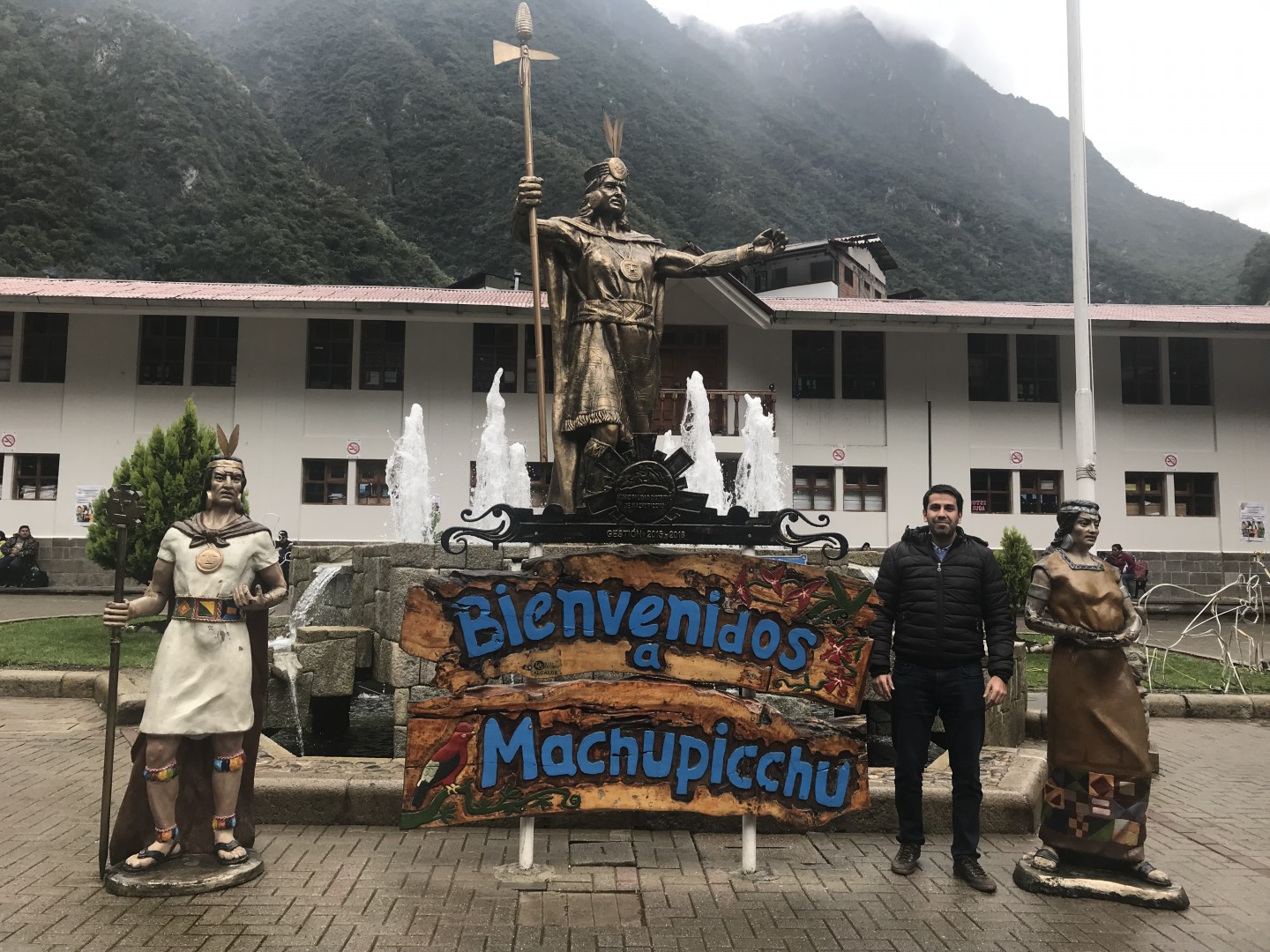
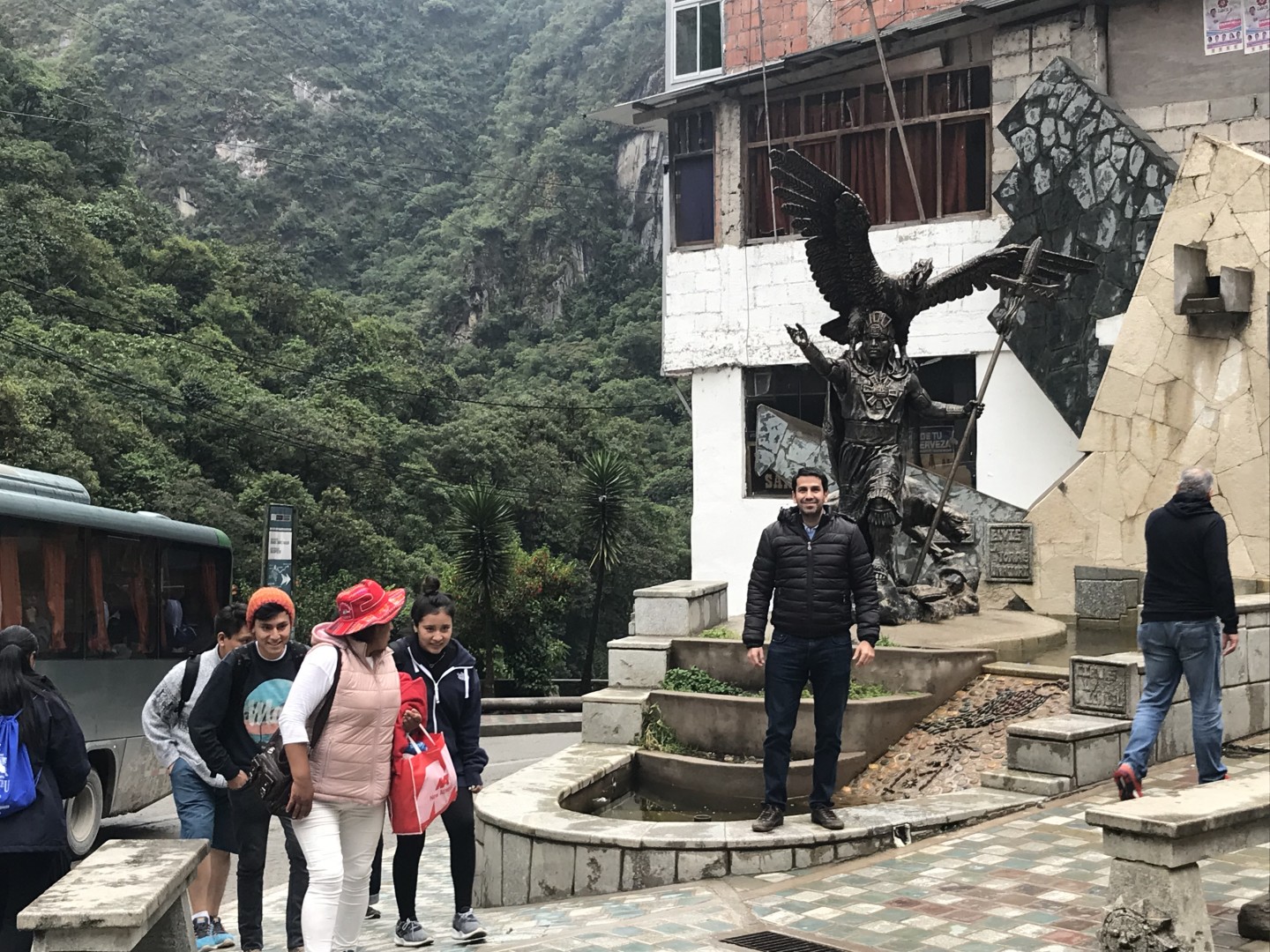
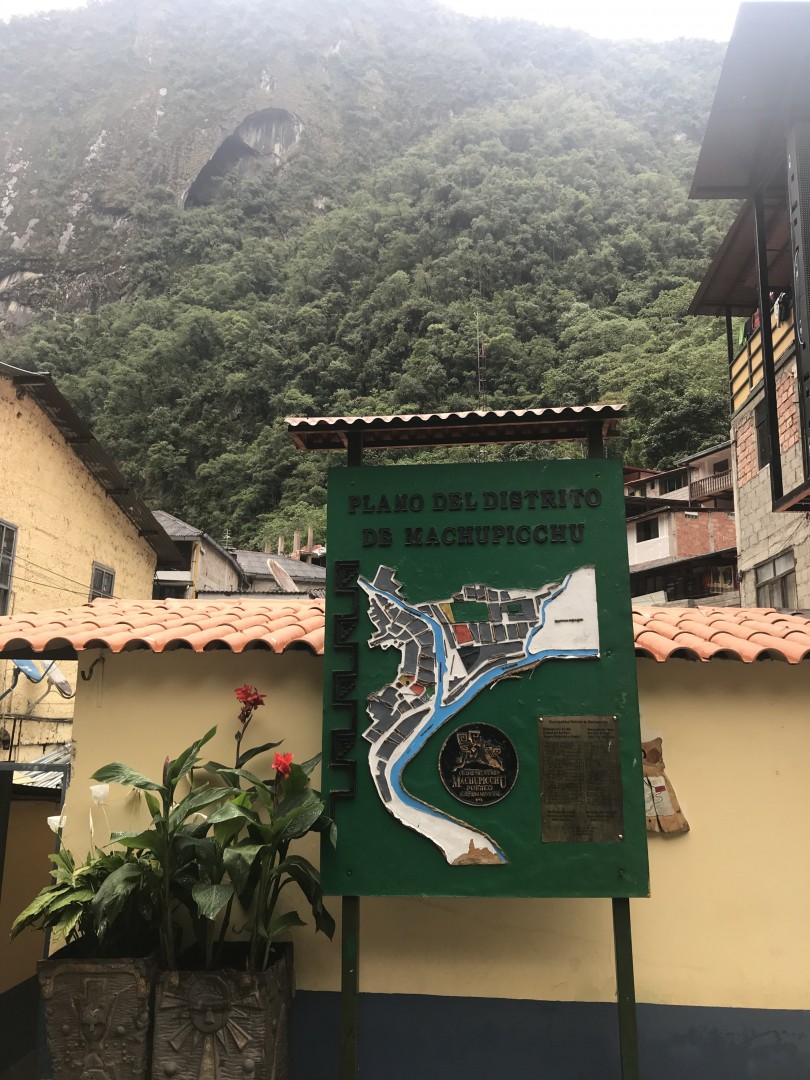
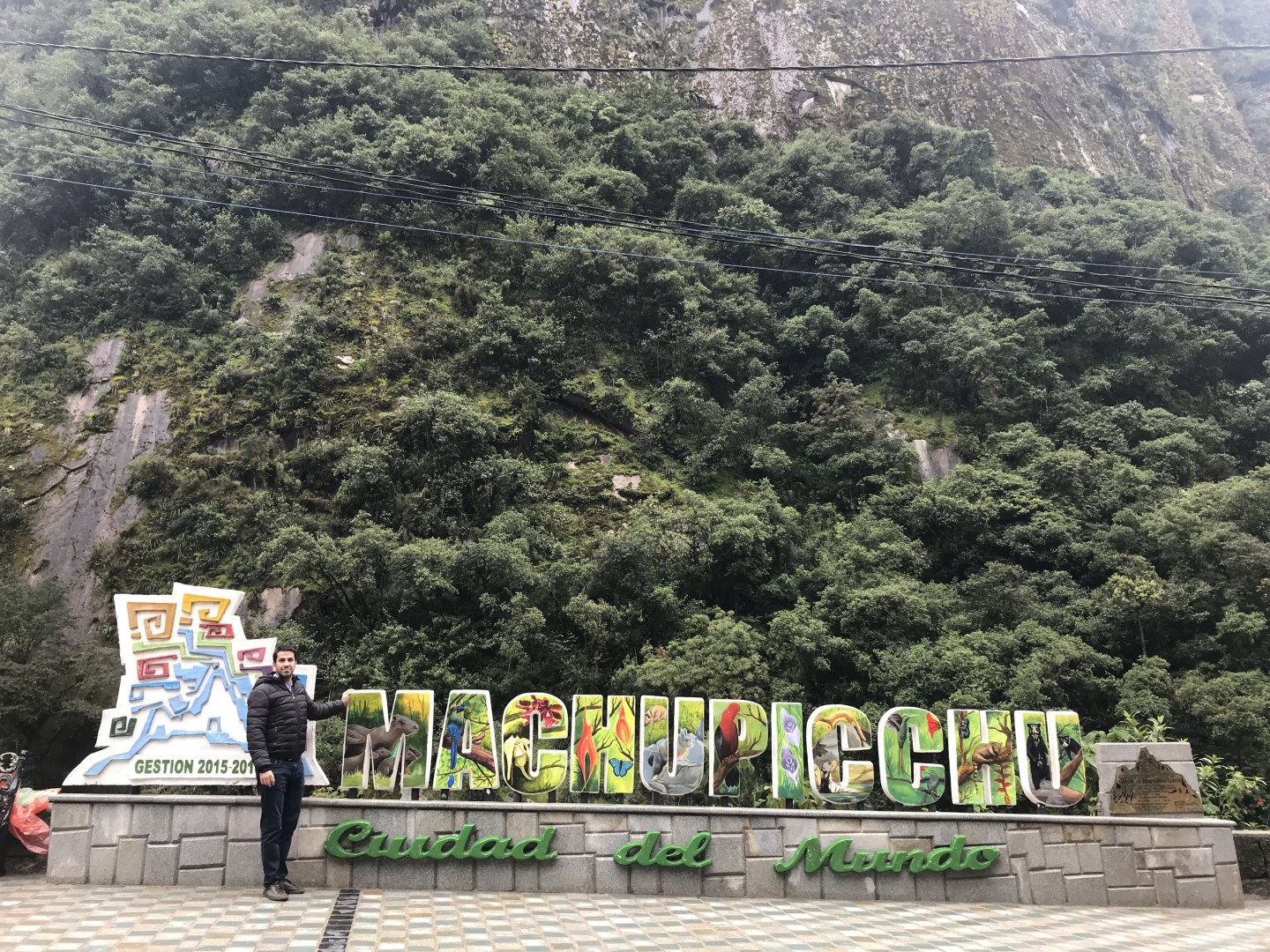
In addition to this information, I’d like to share some interesting information our tour guide shared with us:
– The Incan king and the nobles lived in the upper section of Machu Picchu, while the general public stayed in the lower section of the city.
– The king’s residence is in a section built in the style of a villa at the time. The system of the period, which divided the city into ‘nobility’ and ‘commoners,’ included a large room in the king’s house where he received guests, in addition to his own chambers, and a courtyard overlooking the city. Yet, upon entering, one can tell he lived a relatively modest life, as he didn’t live in a lavish palace.
– Like our harem, there were numerous women who served and kept the king company.
– The Incas created the concept of a self-sufficient city. Agricultural areas were located on terraces on the outskirts of the city, and they cultivated and consumed a wide variety of crops, including hundreds of varieties of potatoes and legumes.
– Humanity discovered agriculture long before the Incas, and many pre-Inca civilizations developed and expanded agricultural practices. Today, agriculture remains our most important source of food. The Incas’ contribution to humanity stems from their advanced civilization and continuous R&D in agriculture, perfecting agricultural techniques over time, significantly increasing productivity and diversity.
– They were very committed to living in harmony with nature. That’s why they built Machu Picchu in harmony with nature, taking into account the position of the mountain and the sun. The city even has a sundial.
– Its temples were also relatively modestly constructed and positioned according to the sun. The most important deity supported and worshipped by the Inca dynasty was Inti (the Sun God). The Incas also had other important deities, such as “Pachamama,” the Earth Goddess, or Mother Earth as we call her. They also had other deities they particularly associated with nature, such as Copacati, the goddess of the lake.
– The Sun Temple is worth seeing. While spending time at this temple, the following conversation occurred with my friend (I started the topic):
Like our Hittite civilization or the culture of our ancestors in Central Asia, the Incas viewed the sun as the source of life and considered it sacred. In fact, we share many commonalities with the Incas; I even see elements of shamanism in their beliefs (I’ll delve into this in my next article).
Many ancient cultural sites around the world chose their locations within the Earth’s high energy fields using geodesic lines (the shortest distances on the surface of the globe). For example, the Egyptian pyramids, the Lost City of Angkor Wat in Cambodia, and Mayan settlements.
Among these energy centers, the most powerful is Kundalini energy (Mother Earth), and there are only four such sites in the world. These include the Himalayas, some regions in India, Tibet, and Machu Picchu, known as ‘Pachamama’ in the Incan language.
This energy is not unlike the chakras in the human body.
According to another source (http://outertravelsinnerjourneys.com/the-seven-most-powerful-places-on-the-planet/ ), the Earth has its own chakra system, just like our own, and seven settlements on Earth correspond to these seven chakras. This source also associates Machu Picchu with the energy of the second chakra (Sacral Chakra). The characteristics of the second chakra correspond to emotional functions such as emotions, creativity, and relationships (https://www.chakras.info/sacral-chakra/ ).
According to another source (https://www.spiritualbizmagazine.com/machu/), Machu Picchu boasts a quartz-rich terrain. According to many holistic philosophies, crystals have natural healing, calming, and balancing properties for the body’s chakras. After taking the lesson on these natural energies, and to reflect my own feelings, I turned to the guide next to me and said, “This place is special; its energy is high.” He concluded, “That’s what they usually say.”
The guide then asked me:
- What do you do?
- Solar energy
- How beautiful.
I personally loved that the Incas centered their lives around the sun and shaped their lives. Because that’s my job.
- So you’re in the right place.
- I’m doing the same R&D they did in agriculture today in the field of sustainability. My goal in life is to constantly develop sustainable models and technologies for humanity. That’s why I place great importance on R&D.
- I’m glad to know that people like you exist.
- Thank you. We will continue to do our best…
Happy Trails to You, Until We Meet Again…
We were about to head back. We said goodbye to our guide.
Meanwhile, we discussed how we could search for the phone again, asking around, and as we were about to queue at the bus terminal, the attendant there asked us for a description. We did, and he pulled out a phone that perfectly matched the description. My friend had lost his phone on the bus, dropped it on the bus, and it had been found by passengers and returned to the authorities. It was a great joy.
Then we set off back. After a hectic journey, taking bus after bus, train after train, and bus again, we arrived in Cusco in the evening.
We were feeling much better by the time we arrived at the hotel, but we still had some signs of illness. Jesus prepared us a delicious vegetable soup, which we ate and went to bed early. I hadn’t slept for eight hours straight in a long time. The next morning, I woke up feeling reborn. I was so happy. The Incan language, Quechua, doesn’t have a word for “goodbye” (though the vast majority of the local population still speaks it). Instead, they use the phrase “Tupananchikkama” (“Until we meet again”). We didn’t feel like saying goodbye to this adventurous yet unforgettable Inca civilization. Until we meet again, Incas…
Note: In my next article, I’ll also touch on pre- and post-Inca civilizations and Shamanism, a common denominator with Latin Americans.
Tag: excursion