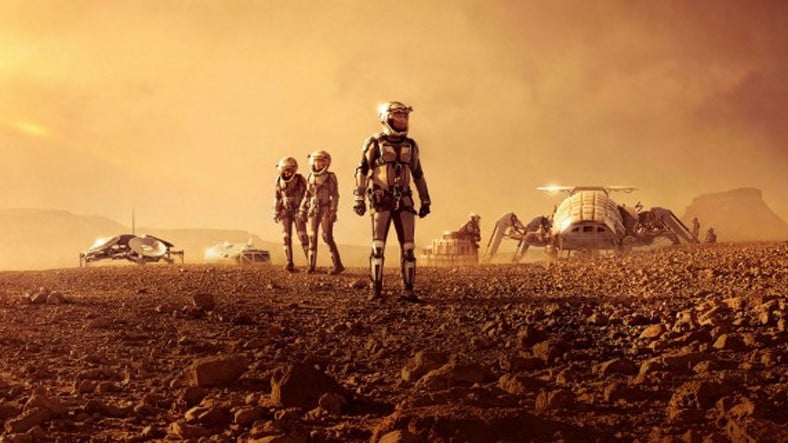
While the recent explosion of Elon Musk’s SpaceX spaceship, which was conducting a test flight on behalf of NASA, the US government’s space agency, is a tragic development for the goal of human spaceflight, everyone must continue to stand behind this goal and do everything in their power to achieve it.
From ancient times to the present day, humans have looked up at the sky every night and dreamed of space. Perhaps because their dreams couldn’t be confined to Earth, humanity’s idea of space travel began in the late 19th century with Jules Verne’s novel A Trip to the Moon. Indeed, cinema’s first science fiction work was H.G. Wells’ The First Men in the Moon and Georges Méliès’ adaptation of Jules Verne’s books, Le Voyage Dans La Lune (1902).
Space Technology Emerging from Warfare
Thanks to World War II spurring the arms industry, humanity invented the rocket. The development of ballistic missiles, first used by Germany towards the end of World War II, fueled a space race between the Soviet Union and the United States, paving the way for launch vehicles. Following the war and influenced by the Cold War that continued until the collapse of the Soviet Union, humanity made significant strides in space exploration. After World War II, both countries established their own missile programs. In the second half of the 20th century, rockets powerful enough to overcome gravity to reach orbital speeds were developed, paving the way for space exploration.
Humanity’s first contact with space began with the launch of the first artificial satellite, Sputnik-1, by the Soviets on 4 October 1957. The first US satellite, Explorer-1, entered orbit on 31 January 1958. On 12 April 1961, Russian Lieutenant Yuri Gagarin made history by becoming the first human to fly into space and orbit the Earth aboard Vostok 1. That same year, American Alan Shepard became the first American to fly into space, and American President John F. Kennedy announced the start of efforts to send humans to the Moon in the near future. John F. Kennedy’s national goal was to launch a lunar lander and return it to Earth. John Glenn’s historic flight on 20 February 1962, made him the first American and second human to fly into space and orbit the Earth. These efforts were not without their failures. America’s Apollo project failed in 1967 while still in its experimental phase, and tragically, three astronauts lost their lives in an explosion.
First Step on the Moon
On 20 July 1969, Astronaut Neil Armstrong made history as the first human to travel and walk on a celestial body other than Earth. As he famously said at the beginning of his lunar walk, he took “One small step for a man, One giant leap for mankind” and set foot on our satellite.
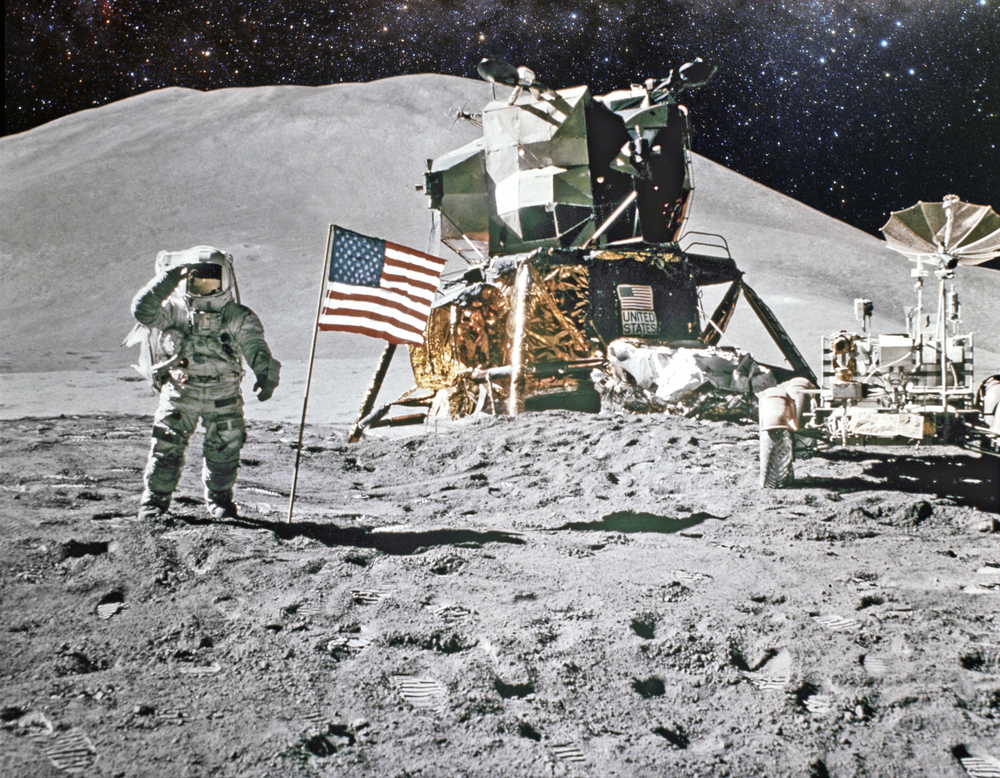
Approximately 19 minutes after Armstrong’s first step, Astronaut Buzz Aldrin joined him, becoming the second human to walk on the Moon. This mission, dubbed Apollo 11, became one of the greatest achievements in human space history. Later, the United States Between 1969 and 1972, it sent eight separate manned missions to the Moon, achieving a total of 24 people to return to the Moon.
Setting aside all the rumors surrounding the reality of this event, the fact that humans were able to travel to the Moon was truly miraculous, especially considering that Galileo was sentenced to death by the Church four centuries earlier for claiming the Earth was round.
A Time of Acceleration in the Space Race
In the 1960s, before astronauts landed on the lunar surface, unmanned spacecraft photographed and explored the Moon. By the early 1970s, orbiting communication and navigation satellites were in daily use. The Mariner spacecraft was orbiting and mapping the surface of Mars. The Voyager spacecraft was on its way to Jupiter and Saturn, even sending back detailed images of the rings and moons of these two planets.
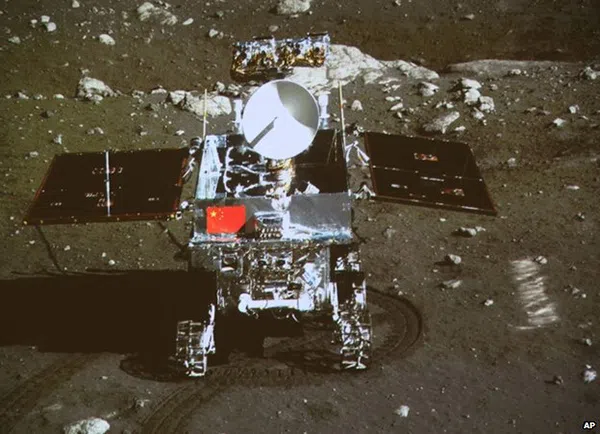
Since humanity began to gaze down upon our home planet from above, space exploration has progressed rapidly. By 1970, China joined the race and launched its first satellite into space.
In the 1980s, satellite communications expanded to carry television programs, and people could receive satellite signals via satellite dishes. Satellites also discovered an ozone hole over Antarctica, detected forest fires, and provided us with images of the Chernobyl nuclear power plant disaster in 1986. Astronomical satellites have discovered new stars and provided us with new images of the center of our galaxy.
Joint Space Station
In 1998, the first segment of the International Space Station, a research laboratory in low Earth orbit, was launched into orbit. This station was designed to reduce the costs and increase the safety of space launch systems. With many different partners contributing to its design and construction, this high-flying laboratory has become a symbol of cooperation in space exploration. Former rivals the United States and Russia now work together on this laboratory. The laboratory has been visited by astronauts, cosmonauts, and space tourists from 17 different countries.
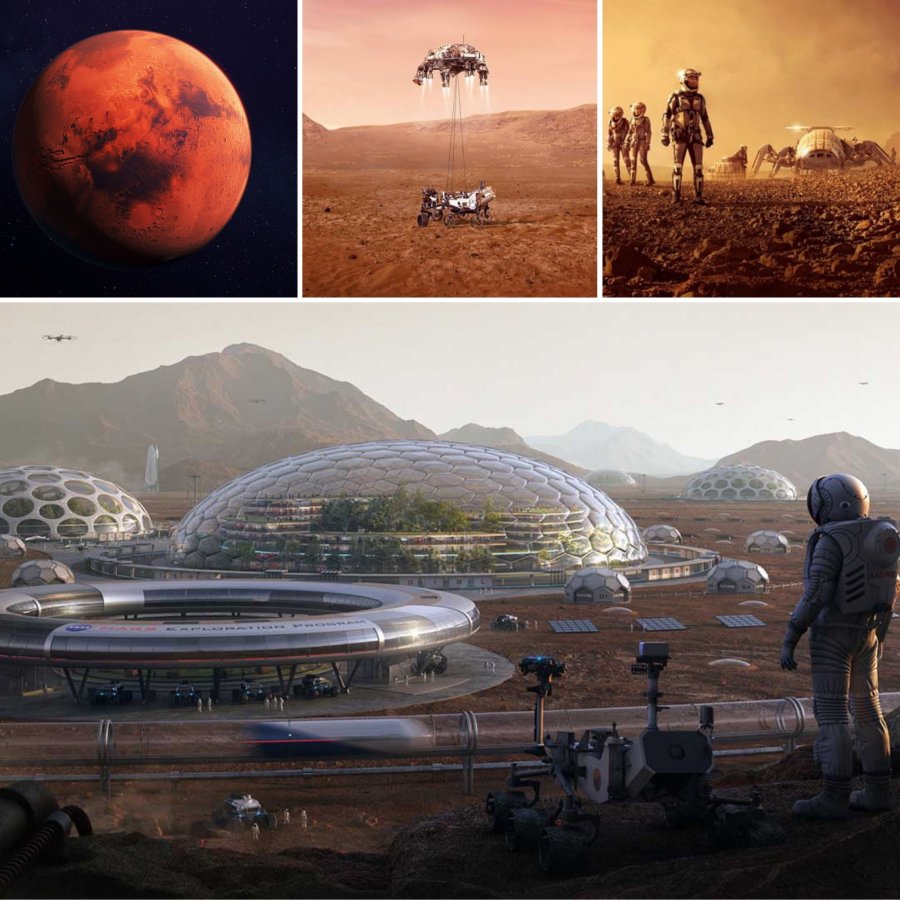
Following the manned landing on the Moon, Mars became the next target in space exploration. Mars, which has become a focal point of modern space exploration, is currently underway with numerous projects related to it. In early-2018, the Falcon Heavy rocket developed by SpaceX successfully launched a Tesla Roadster into space. In a statement, SpaceX announced that the Tesla Roadster had completed its Mars-passage trajectory. SpaceX launched the Crew Dragon spacecraft, which carried NASA astronauts Doug Hurley and Bob Behnken to the International Space Station (ISS), on 30 May 2020. This marked the first time a private sector spacecraft has sent a manned vehicle into space.
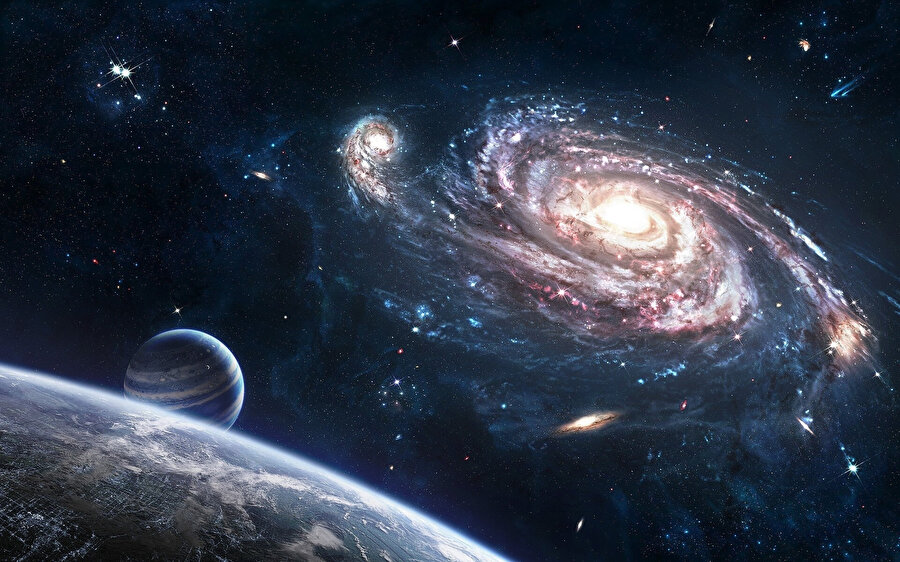
As humanity photographs black holes and prepares to land on Mars, we are increasingly realizing, in the words of Carl Sagan, that we live on “a tiny Earth, lost in the vastness and infinity, whose center and purpose are not us, but a cosmic ocean adorned with hundreds of billions of galaxies and billions of trillions of stars.” (Source: Sky Road – Ceyda Demirci https://www.gzt.com/skyroad/insanligin-uzayla-imtihani-3595379 and iyihisset.com: https://www.iyihisset.com/yasa/teknoloji/dunyanin-uzayla-imtihani-gunumuze-kadar-hangi-calismalar-yapildi)

Journey to Mars
Countries with space programs that set their sights on Mars after landing on the Moon are continuing to make history on Mars, gradually approaching the goal of humans setting foot on another planet.
On this occasion, I’d like to share predictions about the formation of Mars, from its form billions of years ago to the present day and 100,000 years from now (Source:https://www.instagram.com/p/CrjR_S5hTUm/?igshid=MDJmNzVkMjY%3D):
4.5 Billion Years Ago: Due to the creation of the solar system, Mars’ rotation and energy were so high that its surface was thousands of degrees Kelvin hot.
3.8 Billion Years Ago: Life began on Mars. (Incidentally, life began on Earth at the same time.) Mars’ molten core cooled. It began to lose its air. Mars began to lose its water and atmosphere. The remaining water condensed to form ice.
2.1 Billion to 400,000 Years Ago: Mars became a dead and cold planet. (Life died out.)
Today: Mars appears to be a completely dead planet. There may have been some life forms below the surface, but we’re not sure. The atmosphere is 0.6% of Earth’s.
100 Years Ago: Humans have already landed on the planet and released genetically modified bacteria that can survive and thrive in the Martian environment, consuming atmospheric CO2 to grow and create oxygen.
1000 Years Later: Within 1000 years, the entire planet was covered by these bacteria, and the planet is also warming from other efforts to melt frozen water ice and CO2 to increase pressure and water volume.
10,000 Years Later: Over 10,000 years, competition among plants created a hierarchy, with larger plants moving closer to water sources, while smaller plants, which survive better without water, moved further away from the water.
100,000 Years Later: The resumption of life on Mars will be a natural process, and humans will contribute to creating sufficient bacterial species for survival.
To date, numerous spacecraft have been sent to Mars, primarily from the United States, the European Space Agency, and Russia, as well as from India, the United Arab Emirates, and China. Some of these missions, the vast majority of which failed, reached Mars but were terminated shortly thereafter because they lost contact with Earth.
Let’s briefly discuss the successful Mars missions that returned important data, and how the landing sites for the rovers were selected.
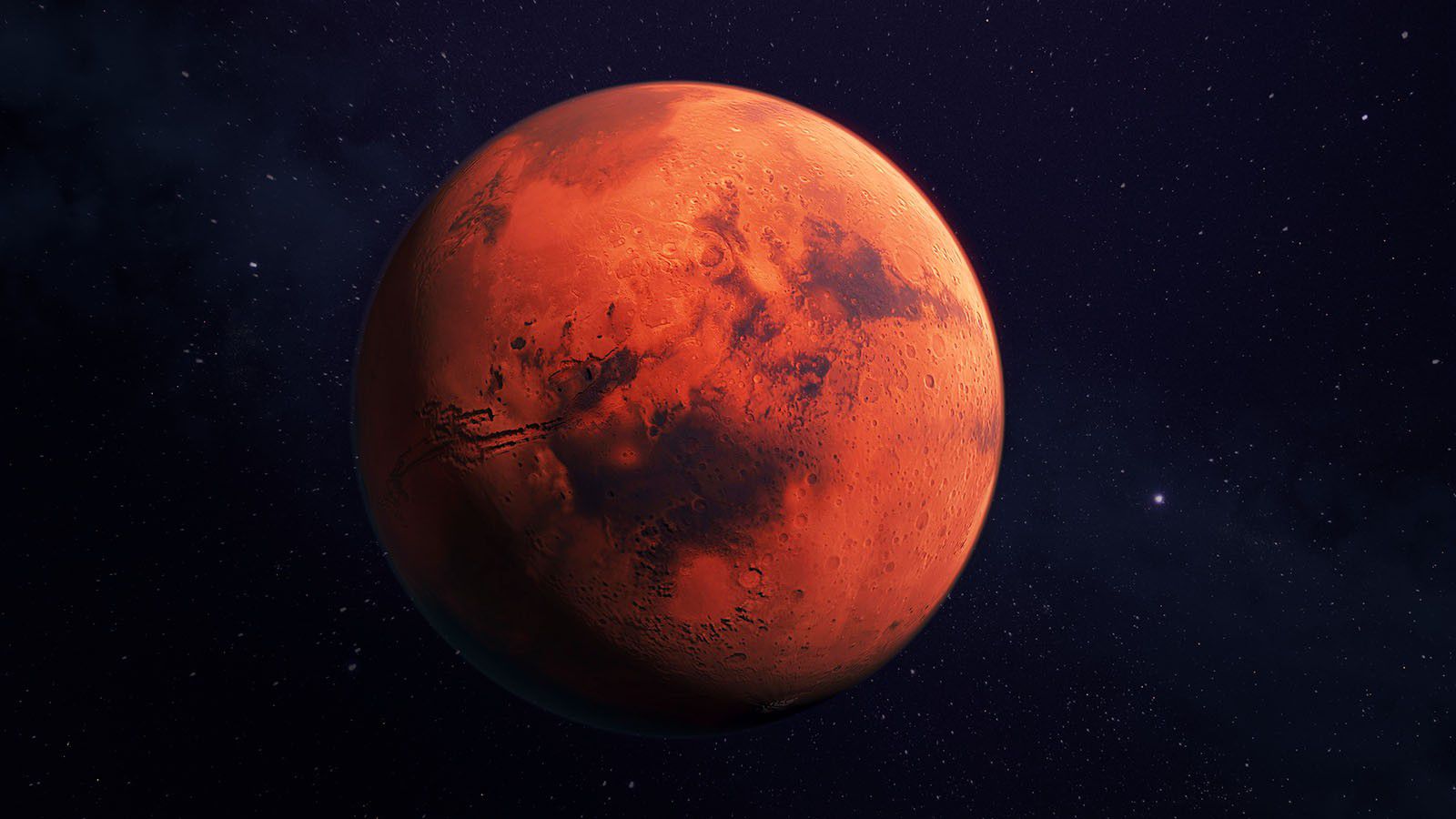
To date, numerous spacecraft have been sent to Mars, primarily from the United States, the European Space Agency, and Russia, as well as from India, the United Arab Emirates, and China. Some of these missions, the vast majority of which failed, reached Mars but were terminated shortly thereafter because they lost contact with Earth.
Let’s briefly discuss the successful Mars missions that returned important data, and how the landing sites for the rovers were selected.
Mariner 4
Launched by NASA in November 1964, the rover was the first to reach Mars and sent us the first close-up photographs of the Red Planet’s surface.
Viking 1 and Viking 2
The Viking 1 and Viking 2 rovers were launched by NASA in 1975. Both consisted of an orbiter and a rover. This mission was the first successful US Mars mission to land on the surface.
The rovers landed at two different locations on Mars. They were sent to better understand the Red Planet and search for signs of life. They found no signs of life, but they did find all the essential elements necessary for life, including carbon, nitrogen, hydrogen, oxygen, and phosphorus.
Scientists believe that the Sun’s ultraviolet radiation and the soil’s extreme dryness prevent the formation of living organisms. Therefore, we must search for life much deeper, underground. The Viking orbiters and landers operated much longer than their design life thanks to their radioisotope thermoelectric generators.
Mars-2 and Mars-3
After years of unsuccessful attempts by the Soviet Union, the Mars-2 orbiter, launched in 1971, finally reached Mars successfully. However, because the descent module entered the atmosphere at a steeper angle than planned, the landing system malfunctioned, and the rover crashed.
The Mars-3 rover, despite successfully landing on the surface, lasted only a few seconds. Although the rovers failed to achieve the desired results, the orbiters obtained important data on the Martian atmosphere, surface temperature, and pressure, and sent 60 photographs back to Earth.
Mars Pathfinder and Sojourner Rover
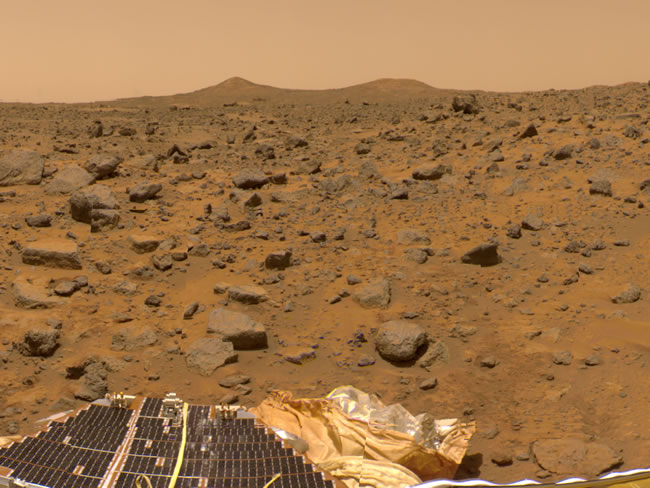
Launched in December 1996, the rover achieved many firsts with its innovative design and the rover Sojourner it carried. Pathfinder achieved the first soft landing on Mars with airbags, and Sojourner became the first wheeled vehicle used on a planet other than Earth. Sojourner, known as the “father of rovers,” conducted research for 83 days, exceeding its one-week mission.
Spirit and Opportunity
Twin rovers landed on Mars in 2004. They examined the chemical and mineral makeup of the soil. They eroded the rocks with specialized instruments, yielding unique information. The data obtained indicated that Mars once had a wet past. Spirit and Opportunity found the first evidence of a wet past on the Red Planet, which may have hosted microbial life
Curiosity
Launched in 2011, the Curiosity rover is one of the largest and heaviest rovers ever landed on the Martian surface. It landed in Gale Crater, where it is searching for traces of microbial life that Mars may have once hosted.
The selection of Gale Crater for the study is no coincidence. As with other landing sites, months of examination and selection are conducted to select areas that could yield the most productive results and that formerly hosted streams and lakes. The minerals and debris that may have accumulated on the shoreline of this crater could be the strongest evidence of life.
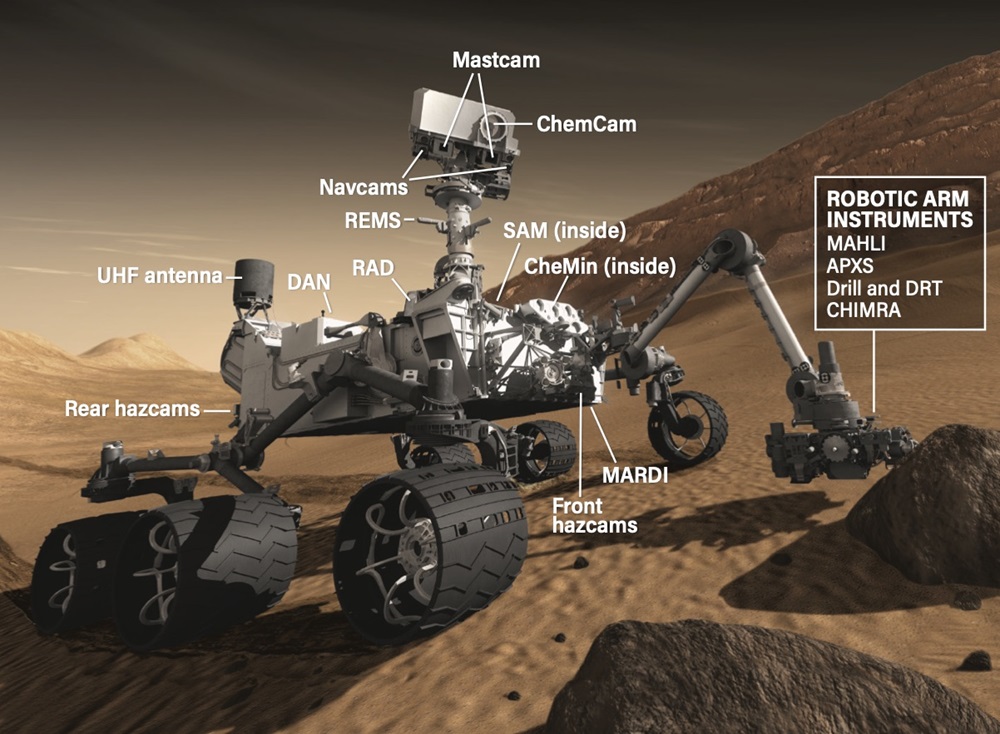
The Curiosity Rover’s research is still ongoing. According to a report published in June 2020, it helped solve the mystery of methane on the Red Planet. Curiosity detected methane gas on Mars. This is truly exciting because most methane on Earth is produced by microbes. Similarly, methane on Mars may be the strongest evidence of microbial life, but we also know that methane doesn’t have to be produced by a biological process. It can also be formed by geological processes.
Following this exciting news, scientists were confused by the fact that the European Space Agency’s (ESA) ExoMars Trace Gas Orbiter didn’t detect methane in the high atmosphere. Separate measurements taken during the day and night revealed that the methane concentration in Gale Crater fluctuates throughout the day. However, research continues to investigate why methane hasn’t been detected in the high atmosphere globally.
Perseverance
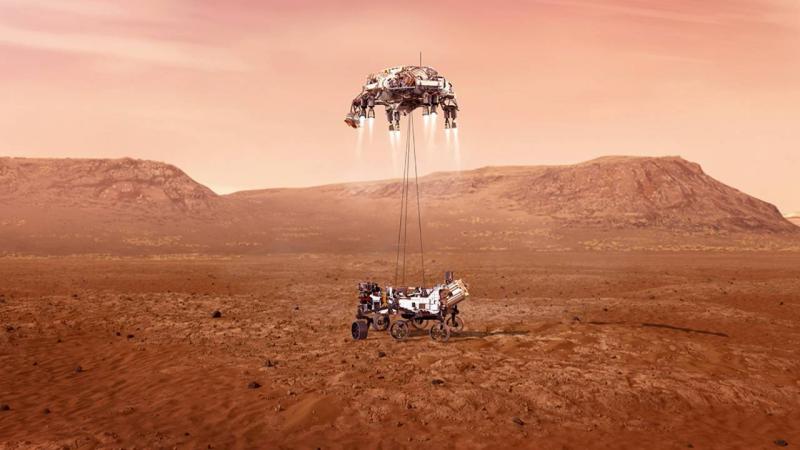
Most of us have closely followed the Mars 2020 mission. You may have at least sent your name to Mars. The spacecraft, launched in July 2020, landed on the Martian surface in February 2021. It continues its research in Jezero Crater, collecting rock and sediment samples.
As mentioned before, the landing sites for the rovers are meticulously selected. Jezero Crater was chosen because it once (3.5 billion years ago) was a large lake where river channels flowed. The clay and carbonate minerals found along the shoreline of this lake, which require water to form, have properties that can preserve microbial remains.
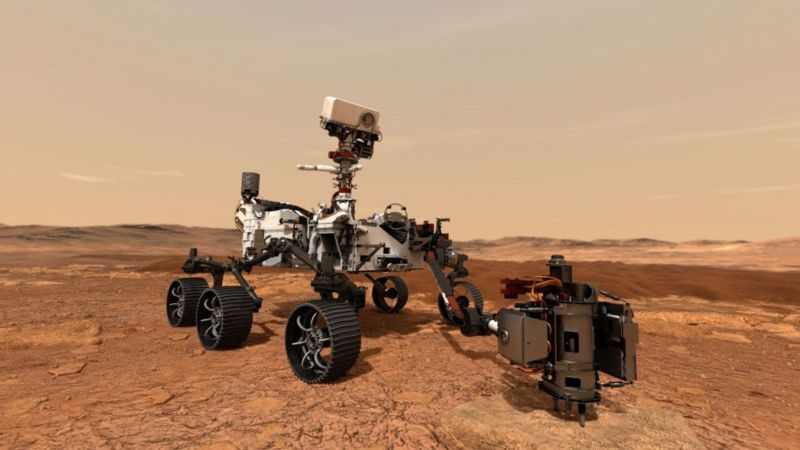
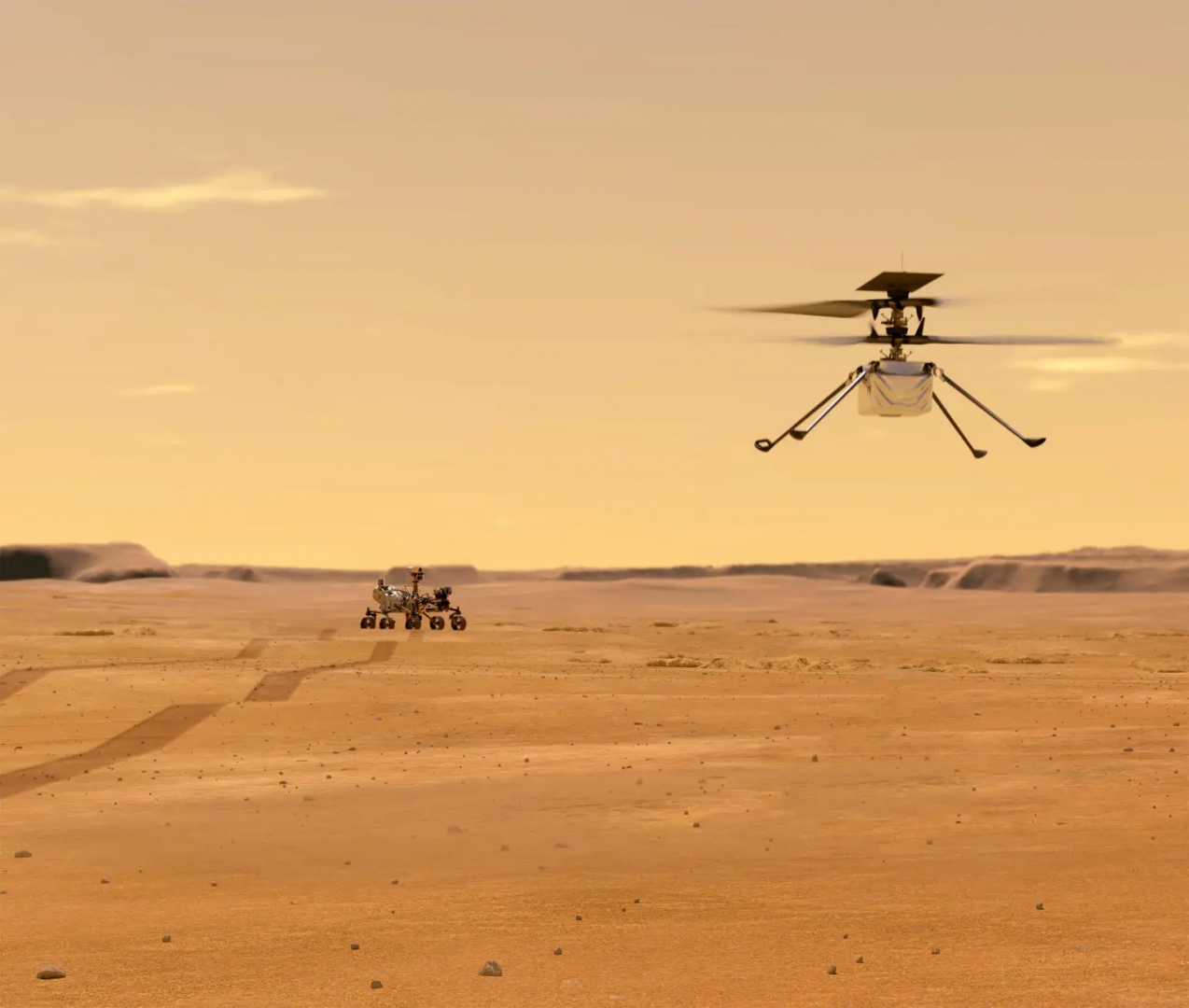
Lake Salda, where tests and experiments were conducted before Perseverance was sent to Mars, shares a similar geological structure. Lake Salda offers a unique opportunity to understand what the biosignatures (residues of life) preserved in the region will look like to Perseverance. In addition to all the important data obtained, NASA achieved another first: for the first time, a helicopter (Ingenuity) was launched from an extraterrestrial planet. This was an experimental mission and was conducted to test the first powered flight on Mars.
I would also like to share the video of the first helicopter to fly on Mars: https://www.youtube.com/watch?v=M6dv0fOWgvs
Let’s also take a look at other countries’ Mars missions:
Hope
This is the first Mars mission of the United Arab Emirates. The vehicle sent as part of the Emirates Mars Mission reached Mars in February 2021. It is conducting a detailed study of the Martian atmosphere and climate by orbiting.
Zhurong
China became the second country to successfully land on Mars (contact with the Soviet Union-sent vehicle was lost shortly after landing). The vehicle, sent as part of the Tianwen-1 Mars mission in July 2020, will conduct research on the planet’s atmosphere and geology.
Conclusion
The growing interest in the Red Planet in recent years has opened up brand new avenues of discovery. Even during challenging times like the pandemic, the successful expeditions to Mars by three different countries are the greatest testament to this love and care. Each new Mars expedition marks a first, and this is truly exciting. (Source: Evrim Ağacı – https://evrimagaci.org/marsa-gonderilen-araclar-ve-bize-mars-hakkinda-ogrettikleri-10903 ). Of course, a special mention should be made here for Elon Musk, who restarted the space revolution and designated the settlement of Mars as a mission.
Elon Musk, SpaceX, and Mars
First, let’s recall Elon Musk’s vision for space and Mars (Source: SpaceX Website: https://www.spacex.com/human-spaceflight/mars/ ):
“When you wake up in the morning, you want to think the future is going to be amazing, and that’s what a spacefaring civilization requires: to believe in the future and to think it will be better than the past. I can’t think of anything more exciting than going to space and being there among the stars.”
Let’s remember why they chose Mars as their destination:
At an average distance of 225 million kilometers, Mars is one of Earth’s closest habitable neighbors. Mars is about one and a half times farther from the Sun than Earth is, so it receives quite a bit of sunlight. It’s a bit cold, of course, but we can warm it up. Its atmosphere is mostly CO₂, some nitrogen and argon, and some trace elements, meaning we could grow plants on Mars just by compressing its atmosphere. Mars’ gravity is 38% that of Earth’s, meaning we can lift very heavy objects and bounce around. The length of a day is also very similar to Earth’s.
Basic Information Pertaining to Mars
Diameter: 6,791 km
Day length: 24 hours 37 minutes
Gravity: 38% of Earth
Average distance from Earth: 225 million km
Age: 4.5 billion years
Starship and the firsts that await us
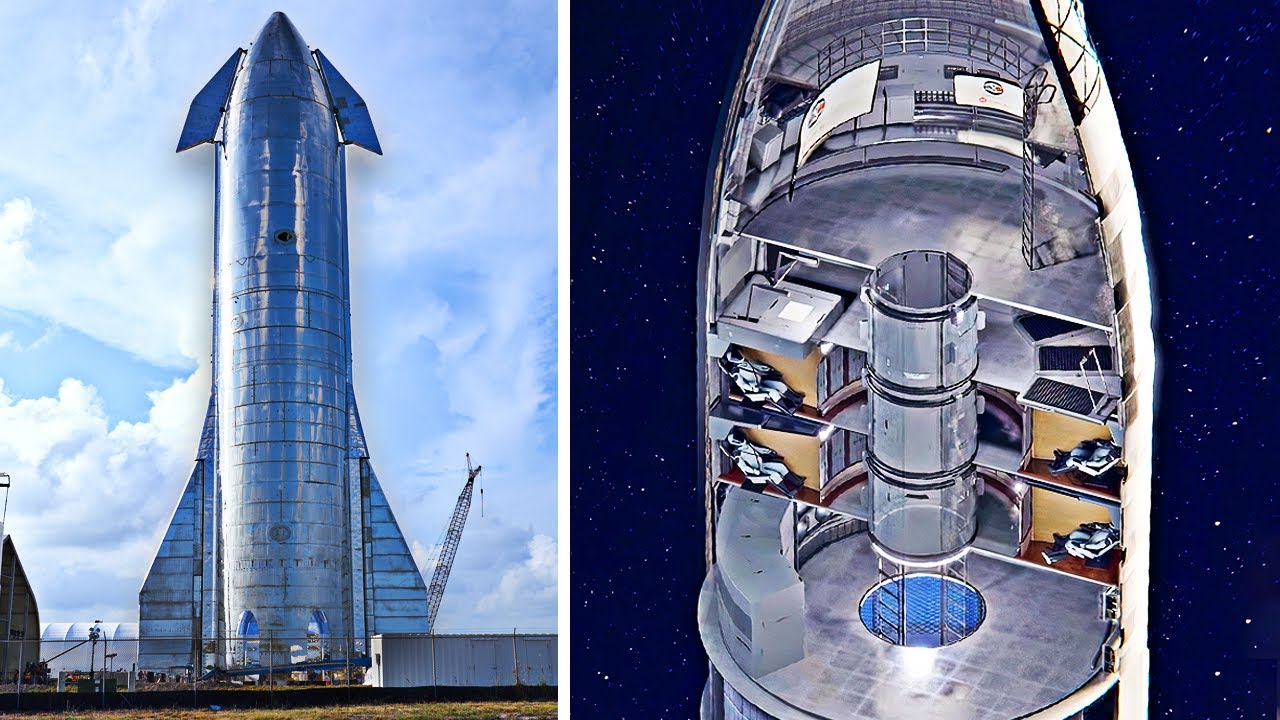
SpaceX estimates they will be able to travel 250 million kilometers from Earth in six months. They plan to do this with the vehicle they call Starship. SpaceX’s Starship spacecraft and superheavy rocket (both simply called Starship) are space transportation systems designed for repeated use, carrying people and cargo from Earth orbit to the Moon, Mars, and beyond. Starship, the world’s most powerful launch vehicle ever developed, has a payload capacity of 150 tons of reusable payload and 250 tons of expendable payload.
For more information about Starship, please visit https://www.spacex.com/vehicles/starship/index.htm l You can also watch a video showing how Starship is built: https://www.youtube.com/watch?v=KQBVOQ79G2s
The plan is to send Starship to Mars, refuel there, and return to Earth. Initial tests with Starship have already begun. According to Musk’s statement, sending humans to Mars will be possible by 2028, and the likelihood of this happening will increase even further by 2033. Elon Musk previously promised to build the first city of 1 million on Mars by 2050. (See: https://www.ensonhaber.com/teknoloji/elon-musk-marsa-insan-gondermek-icin-tarih-verdi )
The explosion didn’t dampen Musk’s spirits.
However, Starship, the largest and most powerful rocket ever built, exploded just a few days ago (20 April), four minutes after its first attempt to reach space. SpaceX’s 119-meter-tall rocket flipped and exploded after its upper stage failed to separate from its booster after soaring into the sky above Boca Chica, Texas.
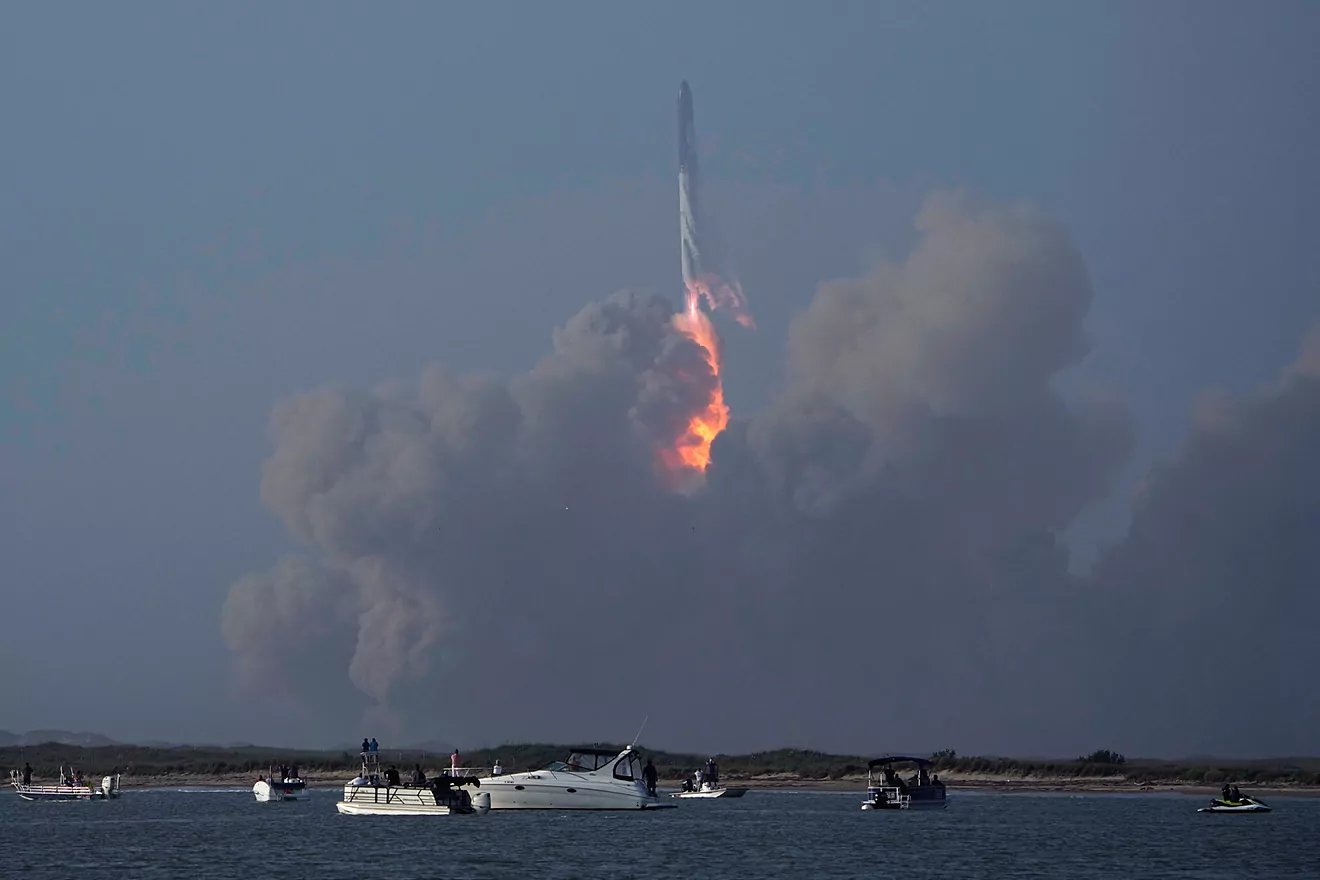
Despite this setback, CEO Elon Musk remained cheerful on Twitter, saying he looked forward to another attempt in a few months. Success, whenever it comes, would represent a major leap forward for SpaceX, which has already transformed the space industry with cheap and frequent launches of its smaller Falcon 9 rocket. Starship is expected to carry at least 100 tons to low-Earth orbit, on par with the Saturn V rocket that carried humans to the Moon during NASA’s Apollo program. Musk said he hopes to eventually fly Starship three times a day for less than $1 million per launch.
“Starship is unparalleled”
Such expectations have whetted the appetite not only of explorers and entrepreneurs but also of space scientists. “Starship’s capabilities are unparalleled,” says Jennifer Heldmann, a planetary scientist at NASA’s Ames Research Center, who believes the giant rocket could accelerate exploration of the Moon and Mars. Laura Forczyk, owner of space consulting firm Astralytical, says Starship is “the first step toward reinventing science payloads.” You can read more at http://cuts2.com/rollR .
You can also read Futurist’s commentary on this failure at https://www.instagram.com/p/CrcQuoMNt1p/?img_index=1 .
First helicopter flown beyond Earth
Meanwhile, NASA’s Ingenuity helicopter recently completed its 50th flight on Mars. The small helicopter, which is operating on the Red Planet, traveled 1,057.09 feet (322.2 meters) in 145.7 seconds on 13 April. It also set a new altitude record of approximately 60 feet (18 meters). https://tr.mashable.com/mars/9633/nasa-ilk-goruntuleri-yayinladi-marsta-tarihi-anlar
Scientists recently released the most detailed images ever obtained of the Martian moon Deimos. The images were taken by the Hope probe, part of the United Arab Emirates Space Agency’s Mars Mission (EMM). In another first, the probe came within 100 km of Deimos, where it recorded the images. Researchers have limited information about the Martian moons Deimos and Phobos, and they believe that with new observations, they can learn more about Deimos’ atmosphere, composition, and origin. You can read the related news at http://cuts2.com/jDwSQ .
In conclusion, it can be said that Elon Musk’s contributions to the space vision have accelerated humanity’s efforts to reach Mars after the Moon. Other countries are also contributing to this space vision, for which NASA is shouldering a significant burden.
My personal predictions about the Mars adventure
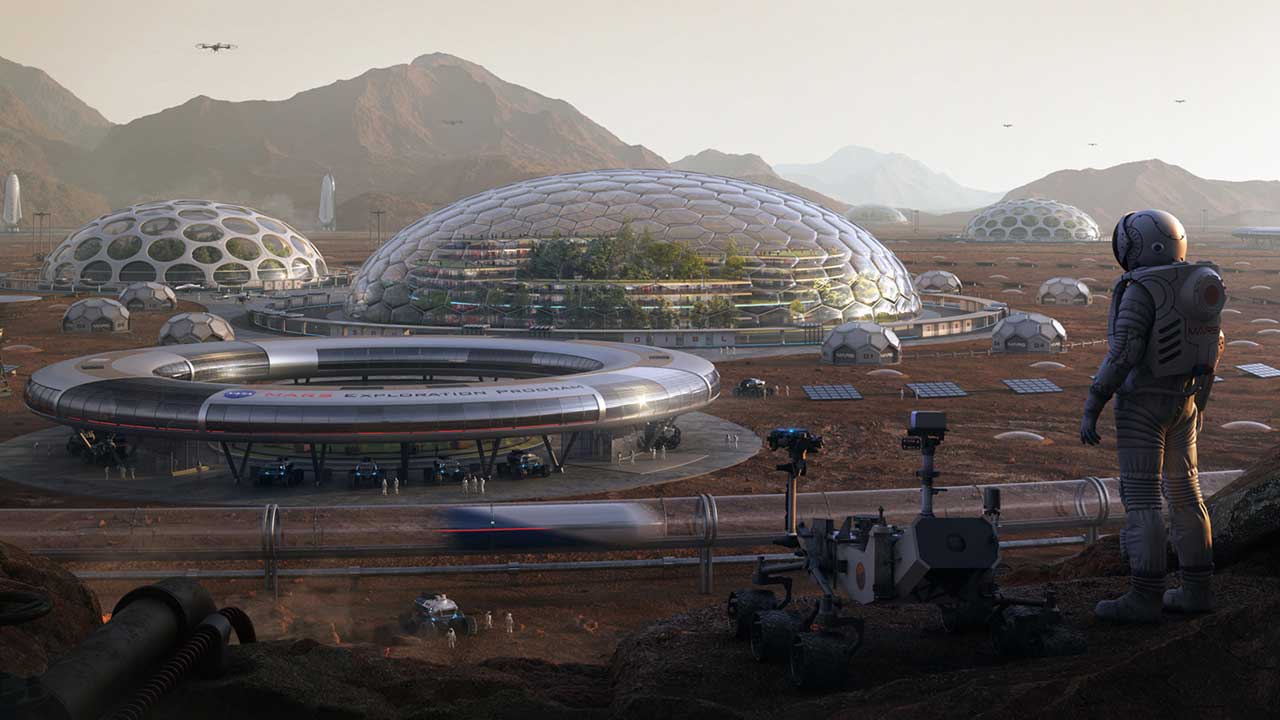
I’d like to make a personal prediction. As Musk said, humans will set foot on Mars not in 2028, but in my opinion, in the 2030s. So, I think this goal will be achieved in 10-15 years. He also promised to build the first city on Mars with a population of 1 million by 2050, but I think this is overly optimistic. I think such a city will be built, but it will have a population in the thousands (like 3-5,000) by 2050. A population of 1 million is overly ambitious. Of course, in the meantime, we will witness the first baby born on Mars. But even achieving this will be a huge step for humanity. Seeing that day, or even establishing a civilization on Mars, is a great step forward.
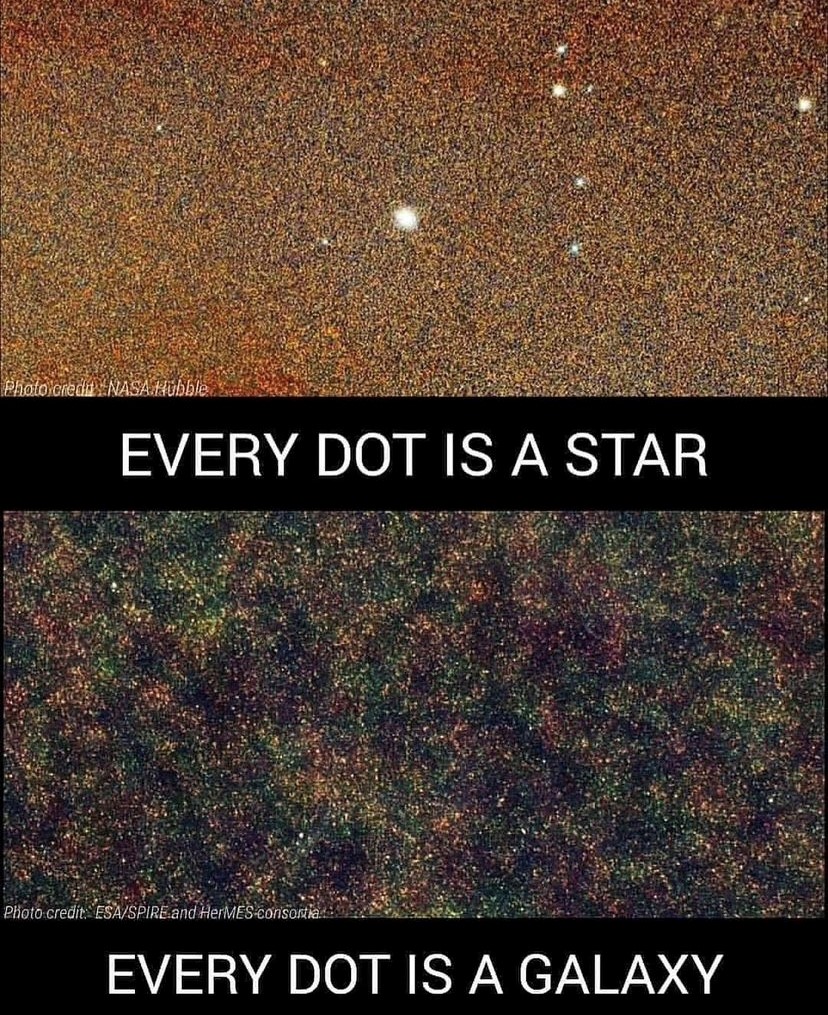
With today’s technology, as observed by humans through the Hubble Telescope, we’re talking about 2 trillion galaxies. Imagine, there are 2 trillion more galaxies like our own Milky Way, which contains 400 billion stars. Of course, it’s thought to be much further out, which is why space is often compared to infinity (see: https://www.instagram.com/reel/Cq0JTUbArIU/?img_index=1).
I’d like to share the image below to help you visualize it. The image above shows stars taken from NASA’s Hubble Space Telescope, and the image below shows galaxies taken from the European Space Agency’s Herschel Space Observatory. The red dots in the galaxy image represent the most distant galaxies.
I’m personally very excited by the vision of humans venturing out to different planets, stars, galaxies, and all kinds of different systems in space. The fact that the foundations for such a future are being laid in my generation and that space exploration is gaining momentum makes our situation special, and I know I can contribute to this effort.
I want to achieve more than we can imagine, expand our vision, and dream even further.