For over 10 years, we’ve been tearing ourselves apart, drawing attention to climate change and saying we need to transition to 100% renewable energy as quickly as possible. We’ve made significant progress, but there are still fools who remain skeptical of climate change.
Every day, we encounter a different example, and some provide us with a stark picture. The truth hits us hard. We encountered a similar situation during our trip to Adana.
The Tragedy of the Seyhan River Drying Up During Winter
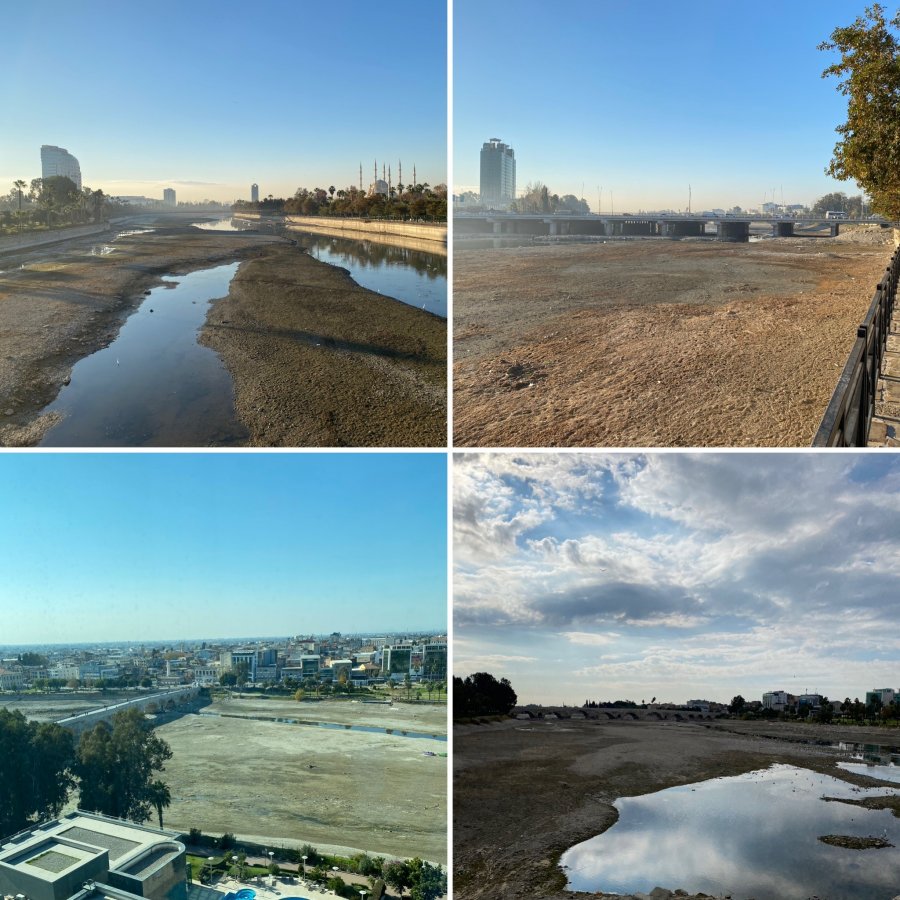
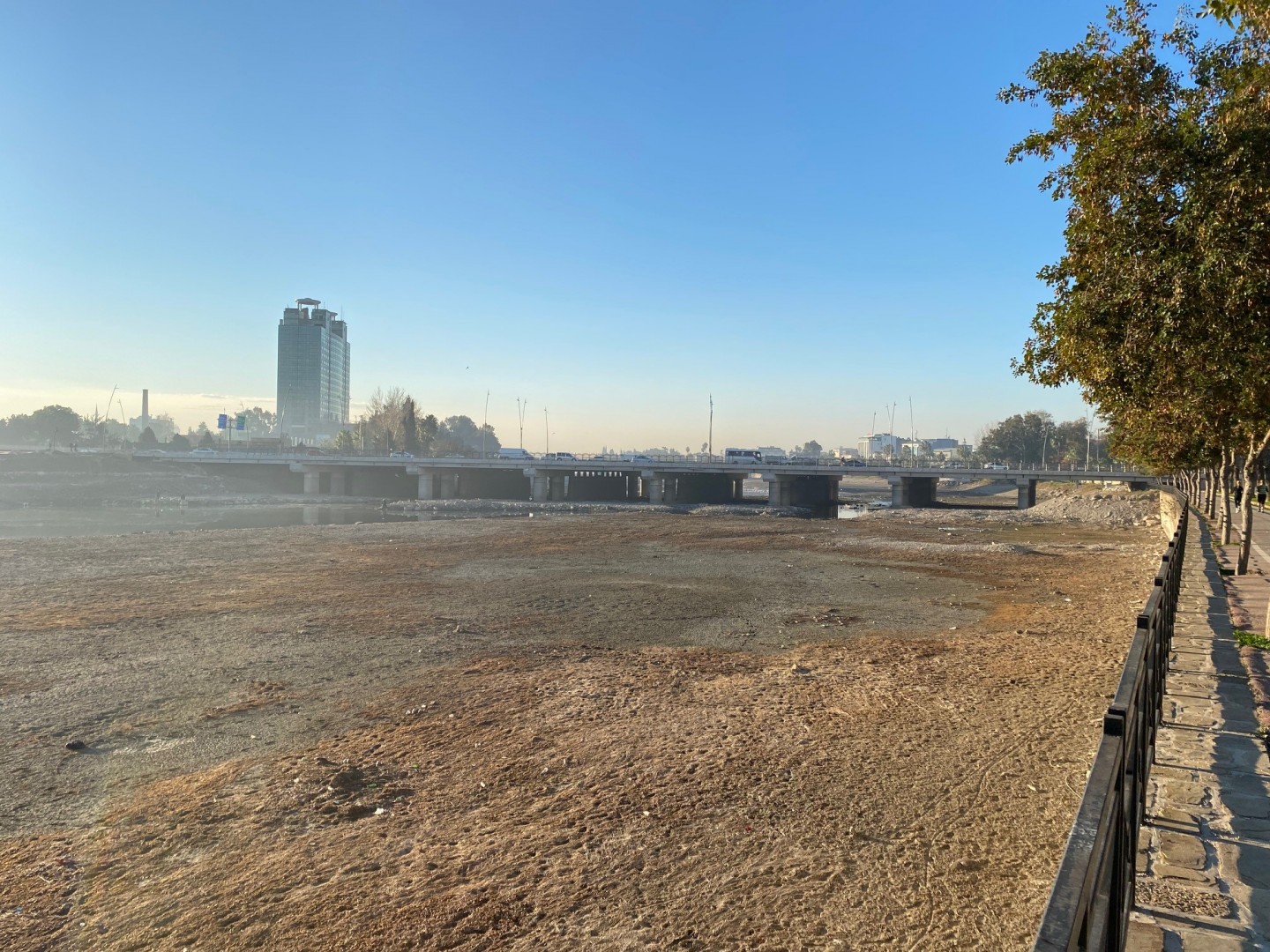
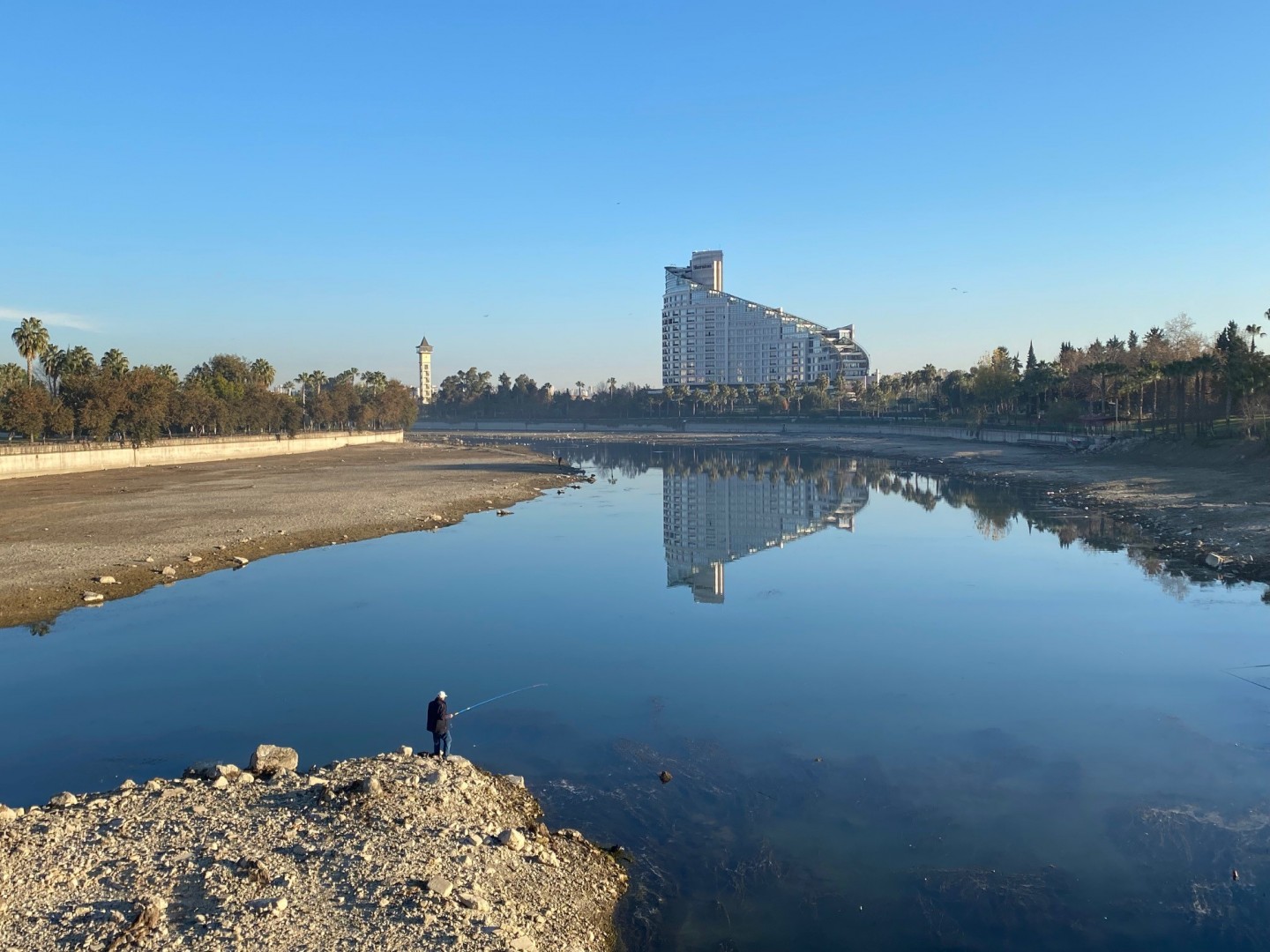
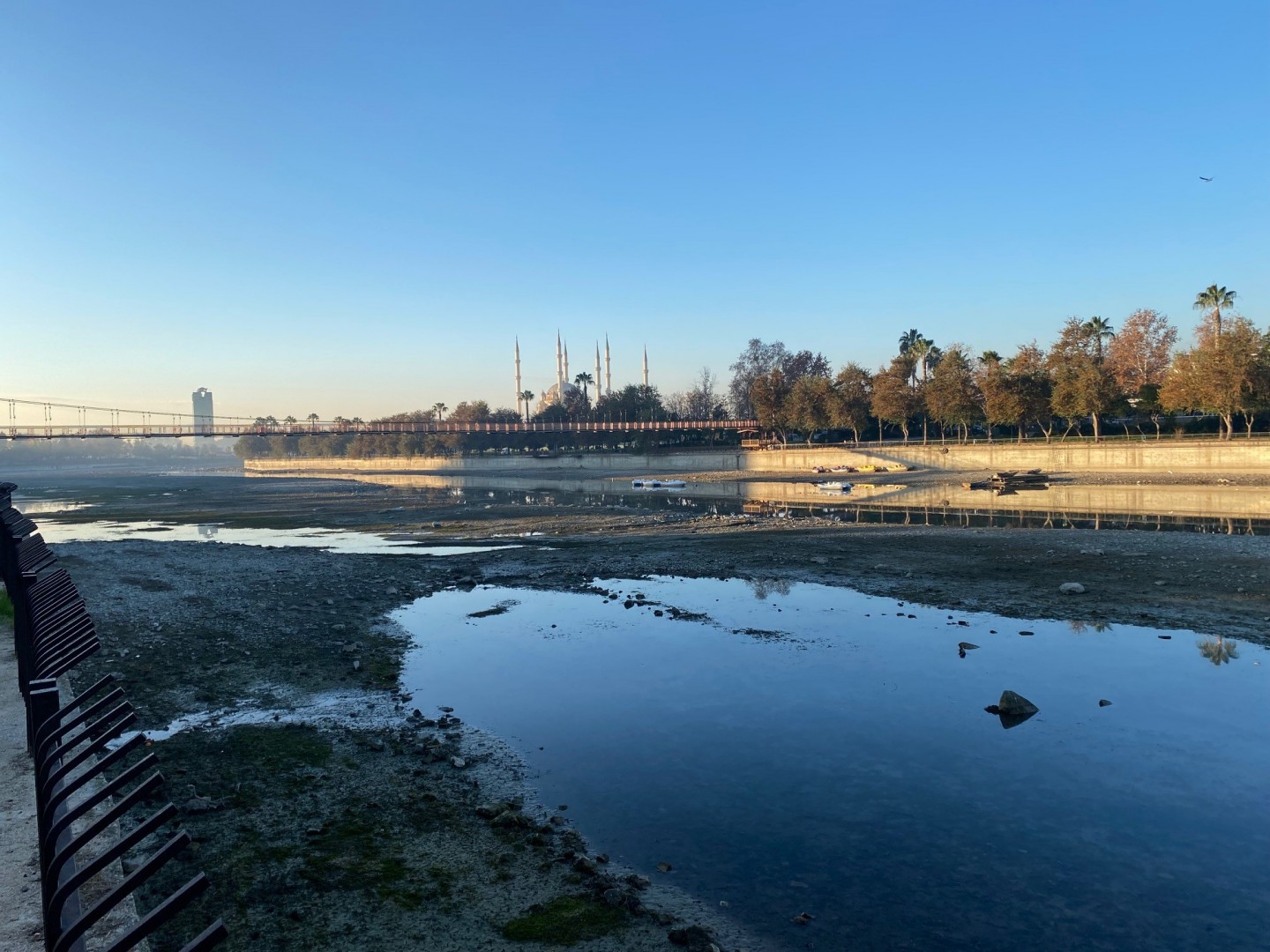
A year ago, when we arrived in Adana in the first week of January, the Seyhan River was almost completely filled. When we arrived last week, the riverbed was almost empty. Approximately 80% of the river had dried up. To help you better visualize the situation, I’d like to share with you the images of the Seyhan River, which shapes Adana’s entire character, when it was dry in the middle of winter, in January (the year is 2023, the Centenary of the Republic):
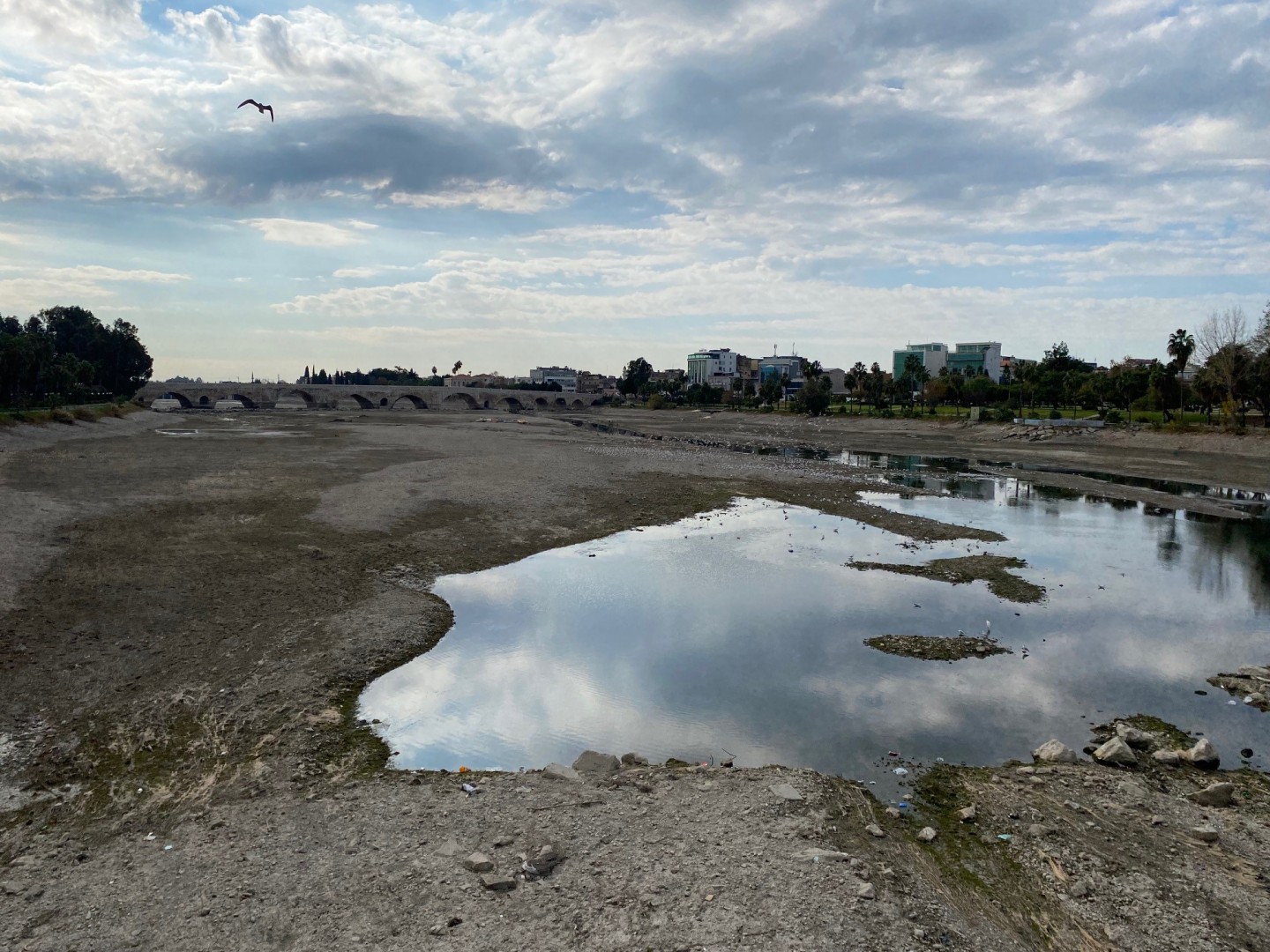
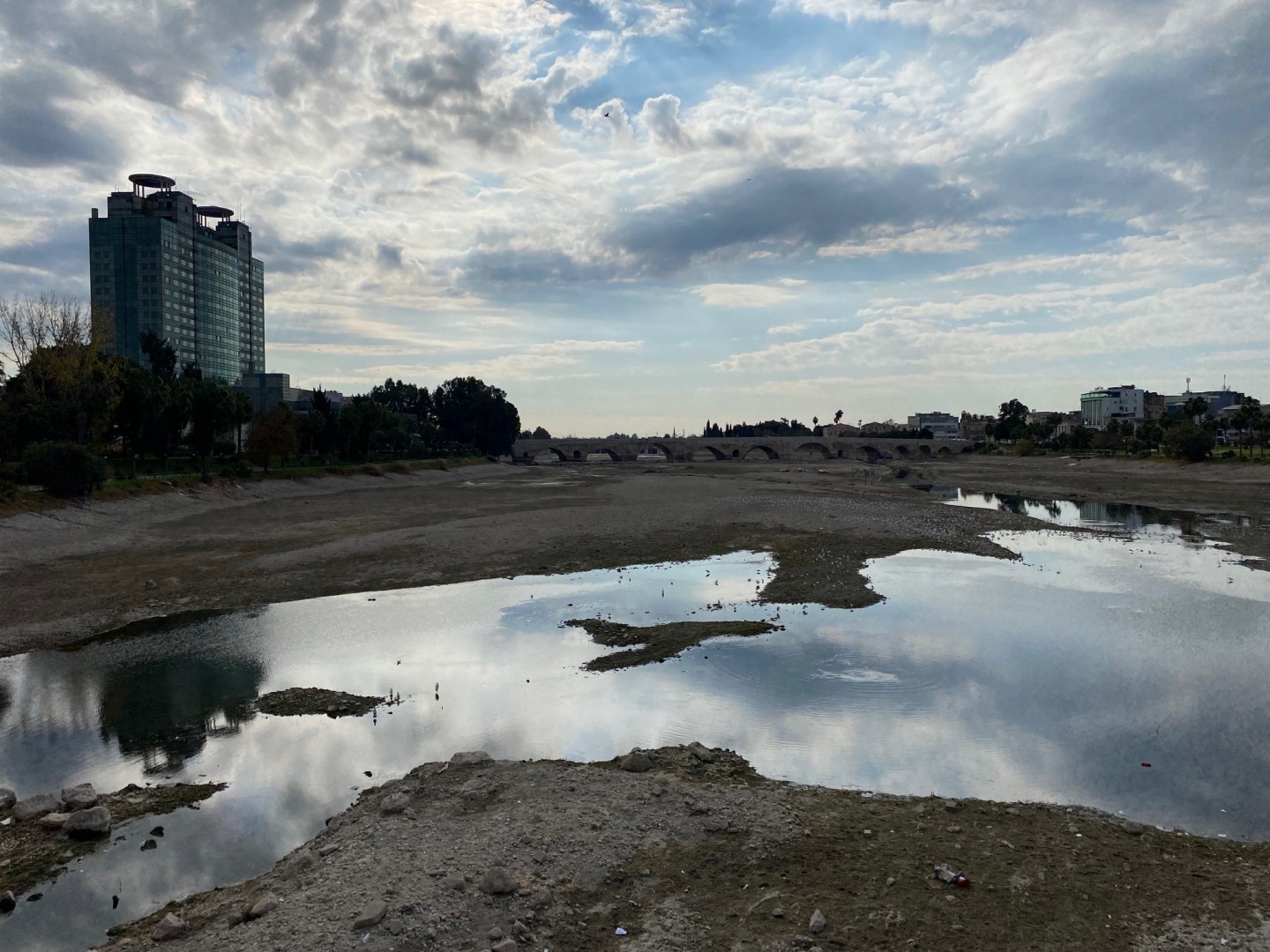
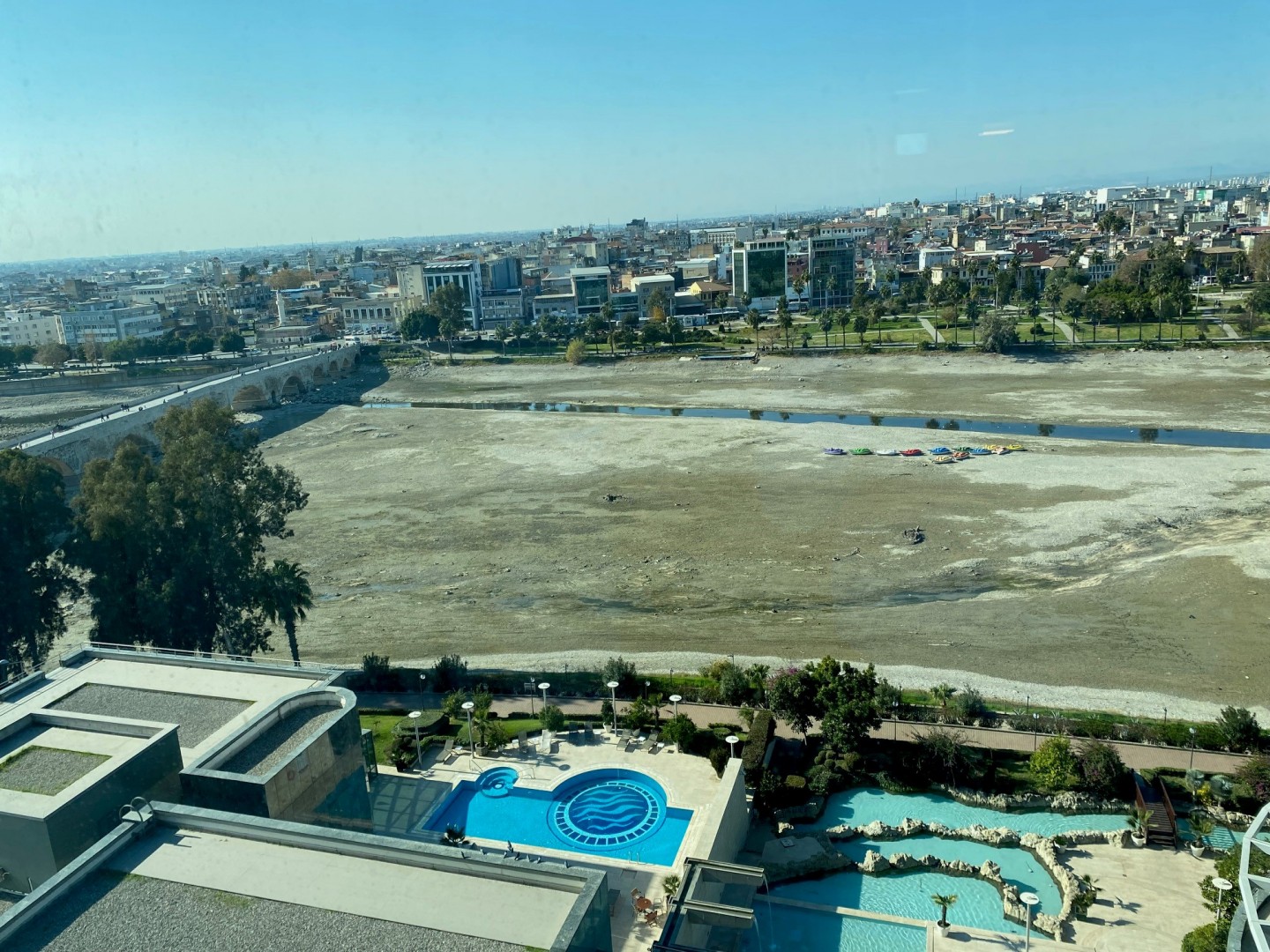
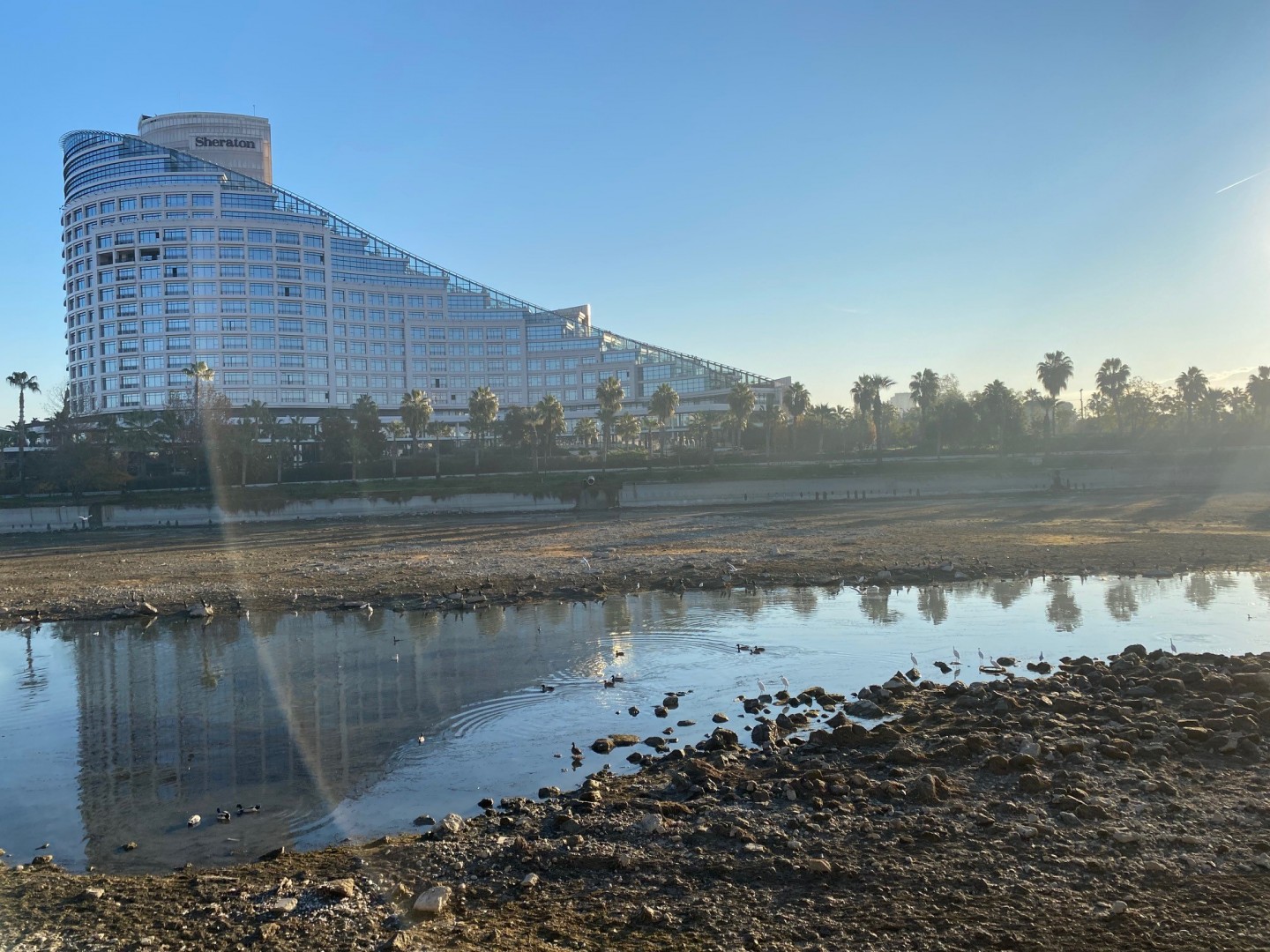
Opinions on the drying up
I asked as many people as I could in Adana about the situation of the Seyhan River, trying to understand their perceptions from different perspectives and rationalize how such a radical drying up occurred in just one year. The opinions conveyed to me were as follows:
– There was a severe drought this year; there was no rain at all; there was significant evaporation; there wasn’t as much water as before.
– They didn’t open the dam gates to meet the city’s water needs; they’re holding the water up, and because it’s not feeding the riverbed, there’s no water left.
– They’re building a large bridge over the river. The abutments are quite thick, obstructing the flow of water.
There’s some truth to all the claims, but the most striking one was that there was drought and, consequently, severe evaporation, and that water resources were depleted.
The ecological balance is being completely disrupted.
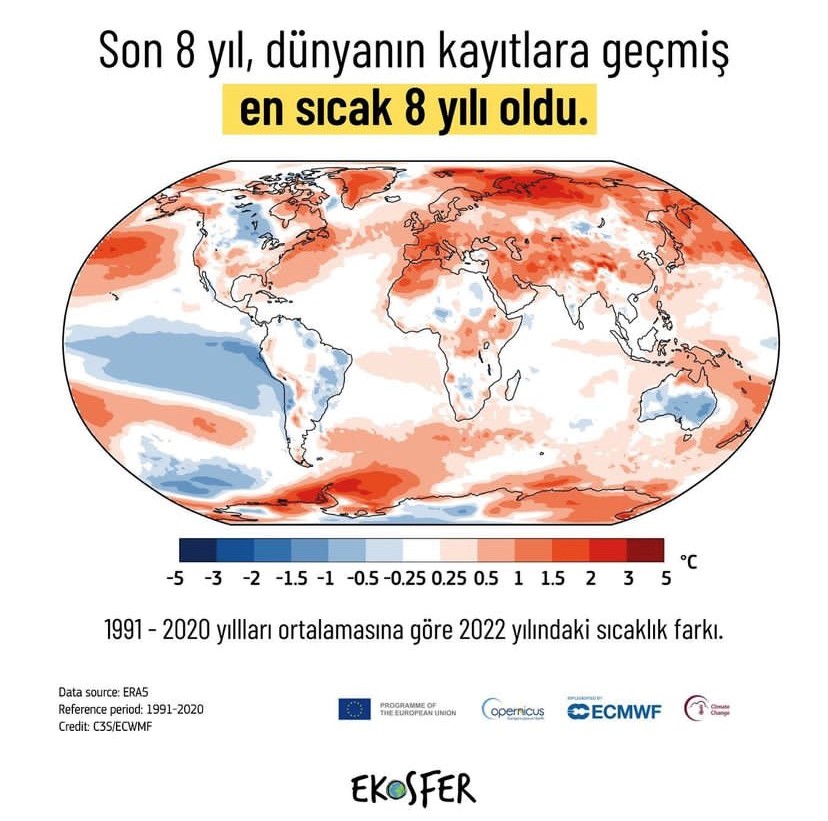
Let me tell you. The drying up of the Seyhan River in Adana in the middle of winter is a sign of disaster. And this is just the beginning. The situation will worsen every year. Our clear answer to those who ask why this has happened is this: The answer is that carbon emissions are increasing at an ever-increasing rate each year due to the growing population and human needs, and temperatures are also rising every year due to the complete disruption of the world’s ecological balance. In addition to the drought and water shortage we eye witnessed in Adana, let’s give examples from around the world and our country. The main problem here is the marginal annual rise in temperatures and the decrease in rainfall:
Yeşilist – Rainfall has decreased by 40% in the last three months:
https://www.instagram.com/reel/CnZfufLjevo/?igshid=ZDFmNTE4Nzc%3D
2022 is the 5th hottest year on Earth:
https://www.instagram.com/p/CnXZX2Xr6kp/?igshid=ZDFmNTE4Nzc=
Yeşilist – Ski slopes are closing due to decreasing snowfall:
https://www.instagram.com/reel/CncDo-CN5BJ/?igshid=ZDFmNTE4Nzc%3D
Professor warns: “The hottest year in 30 years could be experienced”
https://www.sozcu.com.tr/2023/gundem/son-dakika-profesor-hava-durumu-icin-uyardi-30-yilin-rekoru-kirilabilir-7557750/?utm_source=anasayfa&utm_medium=free&utm_campaign=alt_surmanset
The Sources of the Problem
I can summarize the sources of the problem under the following headings:
– Incorrect urban planning,
– The reckless use and significant waste of water in cities and rural areas (agricultural irrigation, etc.),
– While we need to reduce carbon emissions to zero, we are still far from this goal. We have been arguing for years that we need to meet all our energy needs from renewable energy. (My 2013 blog post in Turkish Policy Quarterly, “Why Turkey Should Aim for 100% Renewable Energy?”, is an example of this:http://turkishpolicy.com/article/632/why-turkey-should-aim-for-100-renewable-energy-summer-2013)
In fact, I’ve written dozens of articles about climate change. I’d like to share the links to 10 of them below:
https://www.serhansuzer.com/tr/turkiyede-yesil-hidrojen
https://www.serhansuzer.com/tr/dunyamizin-insanlarin-coplugune-donusmemesi-icin
https://www.serhansuzer.com/tr/turkiyede-ve-dunyada-gunes-enerjisi
https://www.serhansuzer.com/tr/yeniden-ve-erken-baslayan-yangin-kbusu
https://www.serhansuzer.com/tr/cop26-zirvesi-ve-gelecegimize-dair-dusundurdukleri
https://www.serhansuzer.com/tr/cevre-felaketlerinin-riskini-nasil-azaltabiliriz
https://www.serhansuzer.com/tr/sel-felaketleri-icin-risk-azaltma
https://www.serhansuzer.com/tr/dunyadaki-enerji-devriminin-turkiyeye-yansimalari
https://www.serhansuzer.com/tr/avustralyadaki-yangin-dunyayi-goreve-cagiriyor
https://www.serhansuzer.com/tr/insanoglu-dogadaki-dengeyi-yeniden-nasil-saglayip-gelecegini-teminat-altina-alabilir
What needs to be done in 10 points
Since we’ve stated the problem, let’s also address the solution. Now, let’s discuss what needs to be done in Adana (I’ll summarize it in 10 points):
1) 100% renewable energy: Adana needs to meet all its energy needs from renewable energy. This region is one of the richest regions in Turkey in terms of solar energy. We can start by installing solar energy systems (SPPs) on the roofs of all buildings (homes, offices, factories, shopping malls, hospitals, etc.). In addition to rooftops, we can also install SPPs in the gardens of these buildings. Furthermore, if rooftops are insufficient, large-capacity SPPs and wind power plants (Wind Power Plants) can be installed in rural areas. Centralized systems will be necessary, especially to meet the city’s current needs. In newly established cities, only distributed systems will suffice.
2) Energy and water efficiency: It is necessary to equip all energy and water consuming areas with the most efficient systems, reducing demand and optimizing it.
3) Urban planning: City planning should be designed to make life easier and reduce consumption. In my opinion, every part of Adana, except for a few key areas, is practically a shantytown. It’s ugly, completely aesthetically pleasing, primitive, everything is made up of makeshift structures designed to be cheap and serve our needs and completely unprotected in the event of a disaster. I believe 90% of Adana needs to be demolished and rebuilt. This is essential for energy efficiency, disaster resilience, aesthetic appeal, and creating an environment where living is easy (for example, for smooth transportation).
Furthermore, new cities with a population of up to 1 million could be built in the unurbanized areas of Adana. For example, textile factories could be relocated near cotton production, and a new city could be designed to accommodate textile workers.
Finally, by meeting the energy needs of all the city’s common areas with solar panels and battery systems, we could eliminate the need for external electricity imports. In other words, whether it’s homes or highways, solar energy could be used everywhere through a distributed system.
4) Using fossil fuels as raw materials: The petrochemical facilities in Adana are a prime example. The burning of oil, which increases carbon emissions, must be prevented. Instead, petrochemical facilities should produce long-lasting and recyclable plastic. Petrochemical facilities in Adana should also have a similar mission.
5) Solar-electric and hydrogen-powered vehicles: Light vehicles (cars, minibuses, buses, trucks, etc.) used in Adana should be converted to solar-electric, and all heavy vehicles (lorries, ships, trains, etc.) should be hydrogen-powered.
6) Environmental awareness education: Environmental awareness needs to be raised in all Adana residents, from age 7 to 70. Schools are not enough for this. Everyone needs to be educated. I have no doubt that our quick-witted fellow citizens of Adana will quickly grasp this issue and become more environmentally conscious than anyone else. I am especially hopeful for the young people.
7) Everything used should be integrated into the natural cycle and made sustainable: All systems in Adana must be integrated into the natural cycle and made sustainable. I can give examples of this: generating electricity from the city’s waste or establishing biogas plants in areas where livestock are farmed.
8) Population control: Adana, like many other provinces, is experiencing a population explosion due to both its growing population and its constant influx of migrants. If we want to provide our citizens with a comfortable and pleasant life and contribute to the fight against climate change, population control is essential. In other words, we need to ensure, if possible, halt, or even reduce the population growth in Adana’s central areas in a controlled manner. This can be explained by reducing the city’s population and relocating people living on the Adana provincial border to new settlements in rural areas.
9) Reducing paper use as much as possible and increasing plantations (planting trees): Adana’s soil is fertile, especially the northern regions, which are often referred to as plateaus, are rich in greenery and trees. Still, it’s our duty to control tree cutting, minimize paper use, and even plant millions of trees in the region.
10) Full support for R&D from both the public and private sectors: I know many entrepreneurs and technologists from Adana. According to my observations, the average IQ in the region is above the national average. Of course, as is the case everywhere, there are those who misuse their intelligence, but it’s a fact that the region’s genetic makeup is rich in high and practical intelligence. This needs to be considered. To ensure technological development, we need to support R&D in Adana and throughout the country. Whether this is private, public, or foreign participation is irrelevant. If we develop technologies that can ensure sustainability.
We are late to reverse climate change, but we must not give up the fight. The examples I’ve provided, specifically to Adana, apply to all provinces. I hope these suggestions are helpful and come to fruition soon.
Note: We’ve used Adana as an example, but drought news is coming from all over the country. I’d like to take this opportunity to share with you the drought news from various provinces across Turkey that has been released recently.
- Mardin: https://www.instagram.com/p/Cno6d7boZKC/?igshid=ZDFmNTE4Nzc=
- Muğla: En fazla yağış alan illerden Muğla’da tablo vahim – Son dakika haberleri – Sözcü (sozcu.com.tr)
- Gümüşhane, Kocaeli, Eskişehir, Antalya, Mersin: Ocak ortasında ağaçlar çiçek açtı – Son Dakika Milliyet
Tag: ecology