
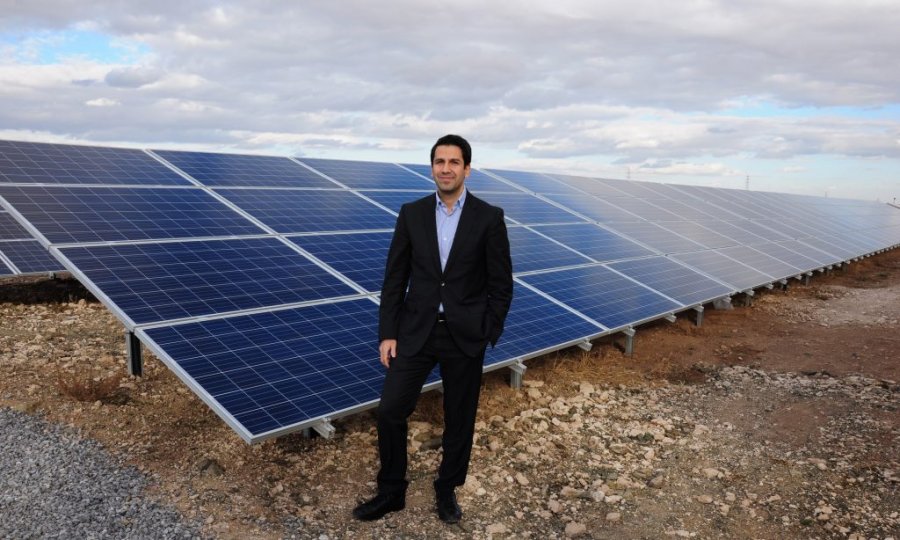
We can observe radical changes in the energy sector around the world. Speaking of the energy revolution, let me explain exactly what I’m talking about:
1) 100% renewable energy
The trend toward meeting all our energy needs from renewable energy sources has become widely accepted. In almost all countries, fossil fuel power plants are rapidly being replaced by renewable energy sources such as solar, wind, bioenergy (biogas, biofuel, biomass, etc.), geothermal, wave, and current.
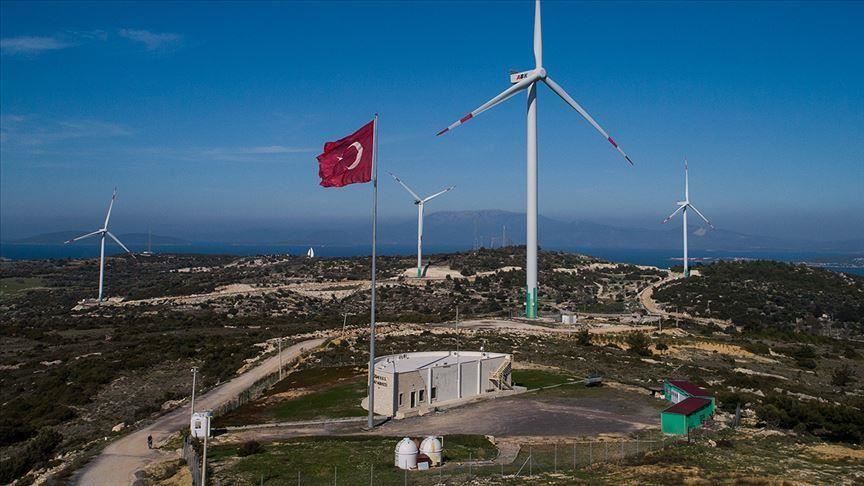
In Turkey, wind energy is one of the renewable energy sources with the largest installed capacity.
In 2020, global renewable energy capacity increased by 4%, with the US and China leading the way, and a capacity increase of 200 GW was expected for 2020. This year, more than 90% of the global energy capacity increase came from renewable energy sources ((2020 Yenilenebilir Enerji Raporu – Dünya Enerji Konseyi | Türk Milli Komitesi (dunyaenerji.org.tr).
The IEA (International Energy Agency) report estimates that, according to the main scenario, total installed wind and solar capacity will double between 2020 – 2025, reaching 1,123 GW. With this growth rate, wind and solar energy are reaching two important milestones. First, the total installed capacity of wind and solar will surpass the installed capacity of natural gas combined cycle power plants in 2023 and coal-fired power plants in 2024. Renewable energy is estimated to account for 95% of capacity increases in energy by 2025 ((Renewable electricity – Renewables 2020 – Analysis – IEA). In other words, almost all new power plants built worldwide will be renewable energy.
In Turkey, the 2019 figure is as follows: A total installed capacity of approximately 91 GW Solar energy (6.6%) with an installed capacity of approximately 6 GW, wind (8.3%) with an installed capacity of 7.6 GW, bioenergy (0.9%) with an installed capacity of 802 MW, and geothermal (1.7%) with an installed capacity of 1,515 MW, constitute 17.5% of the total installed capacity. Even looking at these figures, you can see how far behind we are (5.pdf (setav.org))
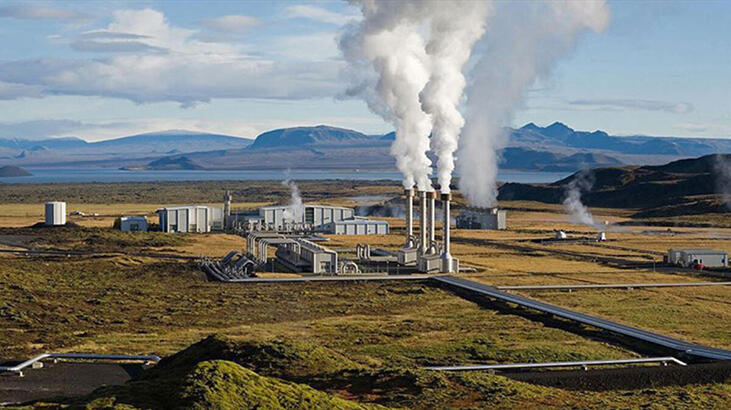
One of Turkey’s geothermal facilities
Incidentally, I would like to point out that I do not count the 28.5 GW installed capacity of hydroelectric power plants in Turkey, which have been built without respect for nature, far beyond their capacity, and deplete water resources, as a renewable energy source. To be considered renewable energy, as the name suggests, the energy type must be able to continuously renew its source.
2) Using fossil fuels as raw materials
Fossil fuels are, in fact, an important raw material. In other words, oil should be used in petrochemicals (i.e., the production of recyclable plastics, etc.) and natural gas in fertilizer production. Burning and consuming fossil fuels for energy not only significantly increases carbon emissions, but also contributes to climate change, depleting this vital resource. Therefore, oil companies have begun investing more in petrochemical facilities. Furthermore, the supply of oil used for petrochemicals is constantly increasing.
The importance of petrochemicals, a key element of the global energy system, continues to grow. Demand for plastic, the most widely known product of petrochemicals, has surpassed that of all bulky materials such as steel, aluminum, and cement, and its use has nearly doubled since 2000. Developed economies like the US and Europe use 20 times more plastic and 10 times more fertilizer on a per capita basis than developing economies like India and Indonesia. This reveals the high growth potential of the petrochemical sector (The Future of Petrochemicals – Analysis – IEA).
Having provided this information, I would also like to emphasize the following: Single-use plastics must be minimized, rigid plastic materials must be used more, and all petrochemical products must be recycled. Otherwise, if we do not materialize and continuously recycle them, as we do when using fossil fuels as an energy source, we will be causing other environmental disasters.
In Turkey, in addition to the capacity increases of TÜPRAŞ and PETKİM, the most well-known companies, in recent years, we have also observed investments in this area from various investors.
3) Energy Efficiency
There is a famous saying, “The cheapest energy source is the one that is saved.” This saying is true. We need to reduce our energy consumption to optimal levels and meet our energy needs with renewable energy. We are observing that investments in energy efficiency are increasing globally. Furthermore, by raising awareness, energy efficiency can be achieved without investment.
Meanwhile, energy efficiency isn’t just a consideration for buildings. Energy efficiency needs to be achieved in vehicles and every area where energy is needed.
Furthermore, energy efficiency isn’t just about efficiency in electricity. The insulation used to maintain a building’s temperature is also a component of energy efficiency. We can all see how energy efficient technologies are taking shape in different areas.
Significant progress has been made in Turkey in recent years regarding energy efficiency. However, it’s certainly not enough. There are many steps to be taken in this area. Energy efficiency needs to be considered at home, at work, and in short, in every aspect of our lives.
4) Electricity as the Main Energy Source to Meet Every Need
There’s a trend toward meeting our energy needs with electricity in every aspect of our lives, including heating and cooling buildings, converting our cars to electric or even solar power, and using electricity to power all our appliances. Of course, there’s nothing wrong with that. The source of electricity is important here.
Otherwise, if we’re getting electricity for our electric vehicle from a coal-fired power plant, we’re essentially burning coal in the car. Therefore, we need to source our electricity from 100% renewable energy.
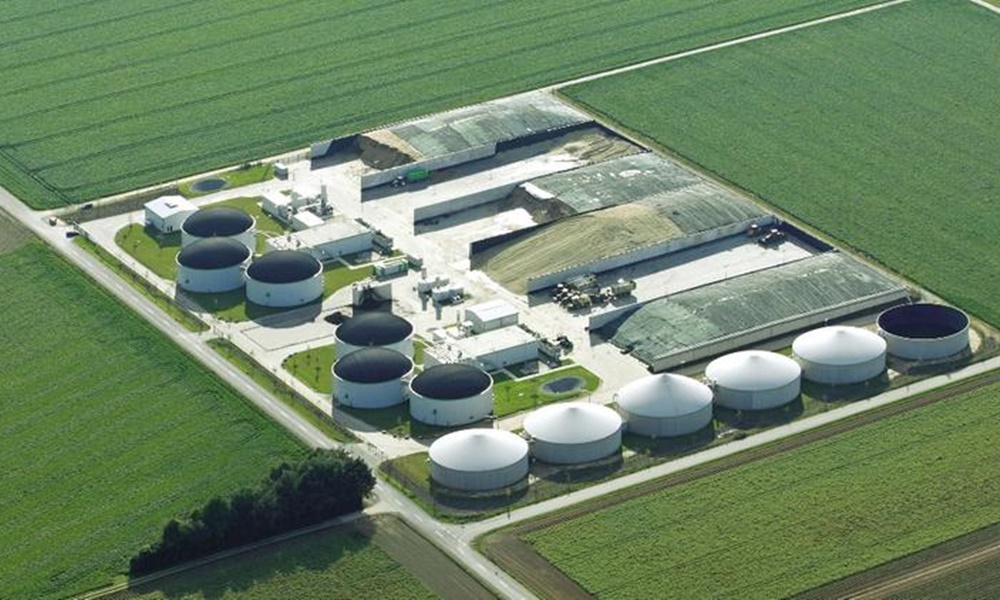
A bird’s eye view of a biogas plant
The progress of electricity in Turkey is relatively slow compared to developed countries. For example, the tax incentive previously given to electric vehicles was recently withdrawn. We are back to square one. All vehicles in Turkey must be converted to solar-electric vehicles.
The ubiquitous use of electricity and the use of 100% renewable energy will contribute to the national economy in an incredible way. It will undoubtedly contribute significantly, from turning the current account balance into a positive one to helping markets recover from this crisis.
5) Distributed Systems
Across the world, instead of distributing electricity generated by large power plants through national grids, the trend toward the use of micro and smart grids, based on the principle of “on-site production and on-site consumption,” has begun to grow. Now, everyone is turning to obtaining the energy they need from their immediate surroundings.
The development of rooftop solar energy systems in Turkey is very slow. There’s currently increasing demand in the industrial sector, but even here, I believe installations are progressing slowly. Solar energy systems should be installed on the roofs of all factories, hospitals, shopping malls, public institutions, and so on. In the near future, solar energy systems should be mandatory on the roofs of all new buildings. The US state of California has taken the first step in this regard, enacting a law stipulating that newly constructed homes can obtain permits if they are designed with solar energy systems.
Installing solar energy systems in places where the sun shines, especially on rooftops, will also reduce our country’s dependence on foreign energy sources.
It’s no dream for us to be at the forefront of the energy revolution.
In conclusion, while the energy revolution has gained such momentum globally, its slow progress in a dynamic and adaptable country like Turkey is concerning. Of course, tenders are held, timetables are set, and renewable energy capacity is increased every year, but this is simply not enough. We still fall far short of our potential. With our government’s support, it’s not a dream for us to reach the 100% renewable energy target within five years and become one of the leading countries in the energy revolution. We have human resources, potential investors, and all kinds of renewable energy sources (solar, wind, geothermal, etc.) abundantly at our disposal to achieve this goal. So, what are we waiting for?
Note:
- I would like to thank Mr. Feyzi Köfteoğlu, publisher of Ekonomi Dünyası Magazine, for inspiring me to write this article. This article will also appear in the first issue of Ekonomi Dünya Magazine, which will be published soon.
- I also recommend reading the article I wrote in Turkish Policy Quarterly in 2013, entitled Why Should Turkey Aim for 100% Renewable Energy?: H. Serhan Süzer – Turkish Policy Quarterly
I was one of the first to voice the 100% renewable energy target in Turkey. I’ve been speaking widely on this issue for a long time. While I find the growth rate of renewable energy slow in the current period, I would like to state that I welcome the developments.
Tag: ecology