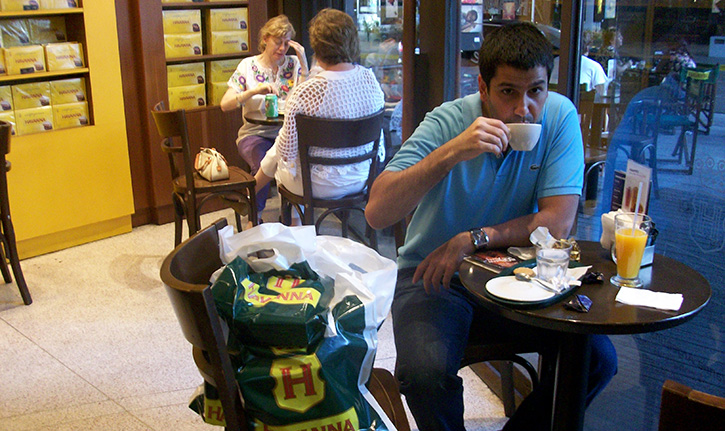
Once we were done with the concierge, we decided to go outside and explore the surroundings. Our hotel was in one of Buenos Aires’ most upscale neighborhoods: Recoleta. Soon enough, we found ourselves inside a Havanna shop near the hotel. Havanna is Argentina’s most famous “dulce de leche” brand. Dulce de leche means “milk sweet” in Spanish. It’s somewhat like caramel — but instead of being made from sugar like caramel, it’s made from milk. It’s incredibly delicious. Sold in jars like Nutella, and simply irresistible. In the photo below, you can see us having coffee at a Havanna shop that has branched into retail. I remember buying seven jars of dulce de leche and finishing them all within a month after returning to Türkiye. Just writing about it now is making me crave it again.
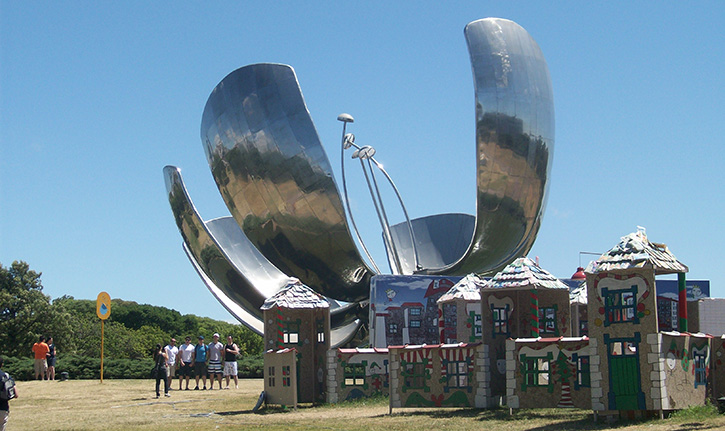
After that break, we discovered the Patio Bullrich shopping mall, located in a beautiful old stone building within walking distance. While Türkiye certainly has some of the best shopping malls, the Argentinians have created a truly unique boutique experience with Patio Bullrich — combining a historic building, elegant interior/exterior architecture, and a well-curated mix of brands. After a quick walkthrough, we continued our walk toward the more coastal areas of Recoleta. Along the way, we came across a mechanical flower sculpture in a park, pictured below. According to what we were told, this mechanical flower operates on solar energy and opens and closes. We didn’t witness it in motion, but the structure itself piqued my interest. (I tried to study it to understand how it works, but there was no one around to explain the technical details.)
After wandering through the park, we headed back toward the hotel. On the way, we discovered Calle Junín, a smaller version of Istanbul’s İstiklal Avenue. After a short stroll there, we returned to our hotel — the Grand Hyatt, located in the historic Duhau Palace.
My professional career began in the tourism industry, and my first job was helping to open The Ritz-Carlton, Istanbul. Since then, I’ve dedicated many years to the field. That’s why I’m particular about hotels. I personally chose the Grand Hyatt in Buenos Aires — and once we arrived, I knew I had made the right decision. The hotel is situated in a beautiful old palace and is tastefully decorated inside. In fact, the corridor that connects the hotel’s two buildings looks like an art gallery, with paintings on the walls that fit the palace perfectly. But what interests me more than a hotel’s facade is its operational philosophy — the soul of the hotel. In this regard, I was pleasantly surprised by the Grand Hyatt’s high standards.
One morning during breakfast, I even said that the hotel felt like it was being run with a Ritz-Carlton mindset. At that moment, I noticed a tall, well-dressed man in his 40s — clearly someone in management — speaking with both staff and guests. I called a waiter over and asked, “Is that man the general manager?” The waiter replied, “Yes,” and I asked if I could speak with him. Two minutes later, the GM came to our table. I complimented him on the service quality and told him how impressed I was with the operation. After introducing myself, I remarked, “You’re running this hotel like it’s a Ritz-Carlton.” He smiled and said he had transferred from Ritz-Carlton to the Hyatt group a few years ago. We ended up having a great conversation about the industry and discovered several mutual acquaintances from our time in the sector. After that enjoyable chat, we began our 3-day Buenos Aires adventure.
Day 1: City Tour
Our first stop was La Boca. This vibrant neighborhood at the mouth of the Riachuelo River is famous for its colorful houses, cafés, restaurants, and art. Paintings and sculptures by local artists line the sidewalks and balconies of El Caminito street.
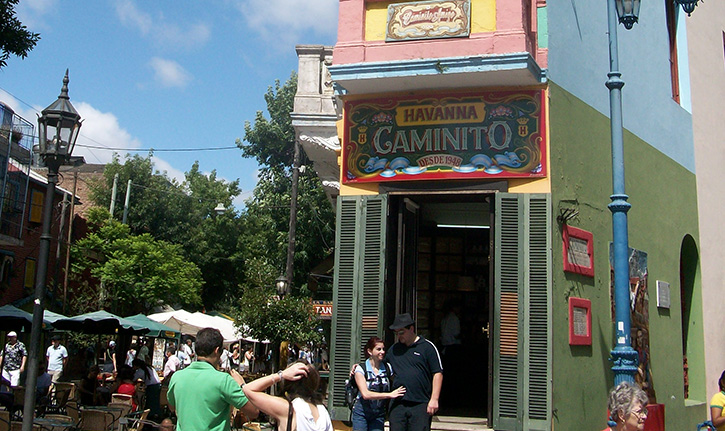
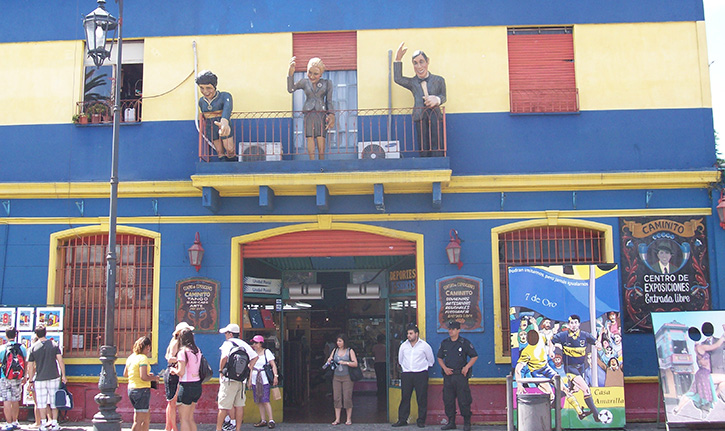
You can feel the tango spirit everywhere — from the street musicians to the dancers in cafés, to the performers dressed as tango dancers posing for photos with tourists.
La Boca is also home to La Bombonera, the stadium of the Boca Juniors football club. The rivalry between Boca Juniors and River Plate is like Türkiye’s Galatasaray vs. Fenerbahçe — everything stops for derby matches. Boca Juniors fans even forced Coca-Cola, the stadium sponsor, to change its red-and-white branding to black-and-white, just like Fenerbahçe fans did with McDonald’s.
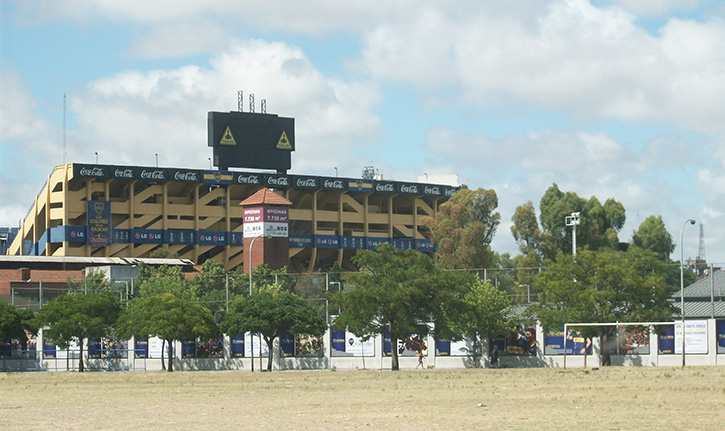
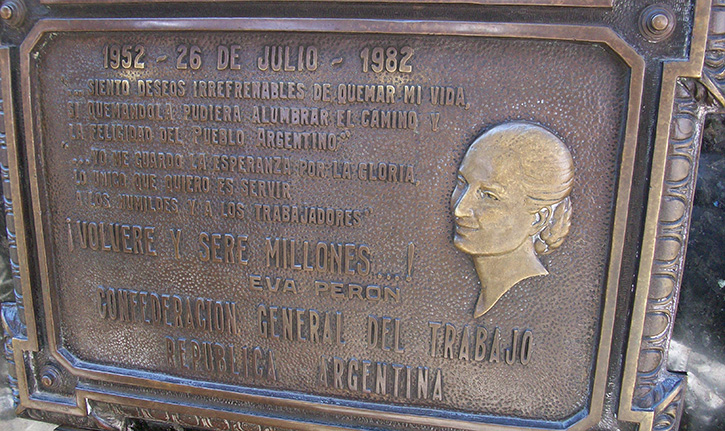
After La Boca, we visited the famous Recoleta Cemetery, where Eva Perón is buried. This is no ordinary cemetery — the tombs are built like monuments. Some are family mausoleums, others are elaborate solo memorials.
For those unfamiliar: María Eva Duarte de Perón (7 May 1919 – 26 July 1952) was the second wife of Argentine President Juan Domingo Perón. Beloved by the Argentine people, Eva Perón championed women’s rights and was deeply involved with the people, even without holding political office. She helped organize labor unions and was instrumental in winning women the right to vote in 1947. She also provided aid to the poor and launched children’s welfare campaigns. Eva Perón died of cancer at 33. Her global fame was boosted by Madonna, who portrayed her in the film Evita, featuring the iconic song “Don’t Cry for Me Argentina.”
Don’t be surprised that a cemetery is a tourist attraction — this one is bucket list. The architecture of some tombs is truly breathtaking. Below, you’ll see a photo of the entrance and Eva Perón’s memorial plaque.
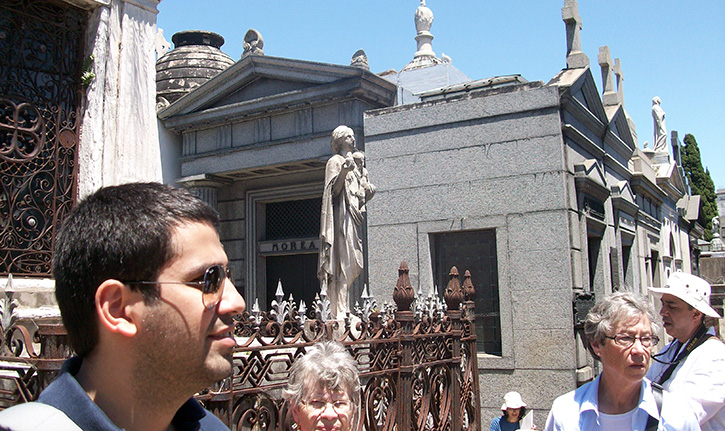
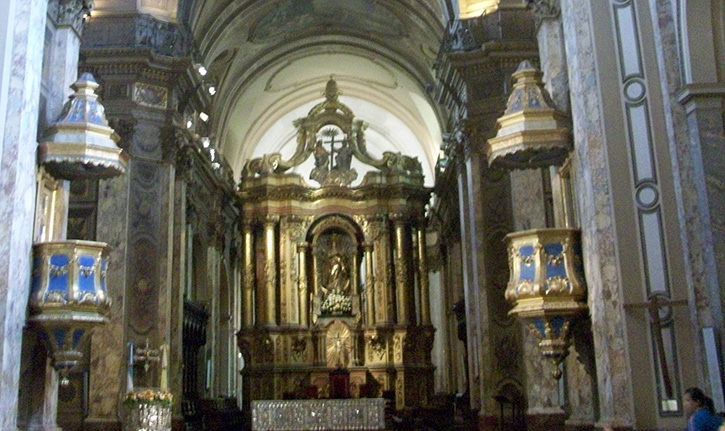
After the cemetery, we visited Plaza de Mayo, the Casa Rosada (Presidential Palace), and the Metropolitan Cathedral.
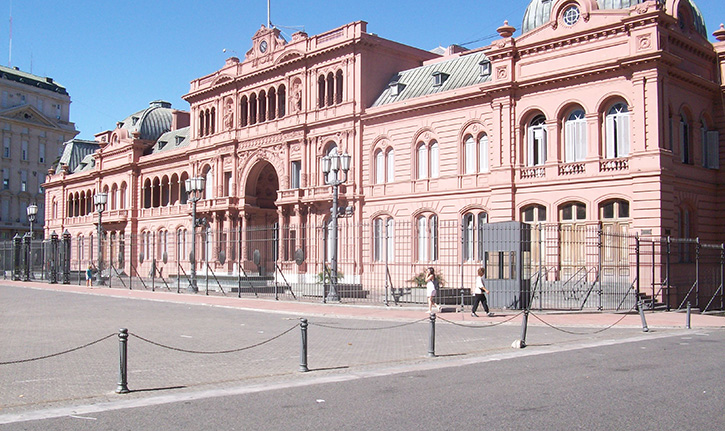
Casa Rosada
New Year’s Eve
That was enough activity for the last day of the year. In the evening, we celebrated New Year’s at a lovely Argentinian restaurant with live music. The waiters’ humorous performances, the guests singing and dancing, and the joyful atmosphere made for a perfect New Year’s celebration.
New Year’s Day: Dakar Rally
The Dakar Rally, which had moved to Argentina and Chile, kicked off like a major festival. The next day, we walked to the square where the rally started. We witnessed all kinds of vehicles and drivers ready to take on harsh desert conditions.
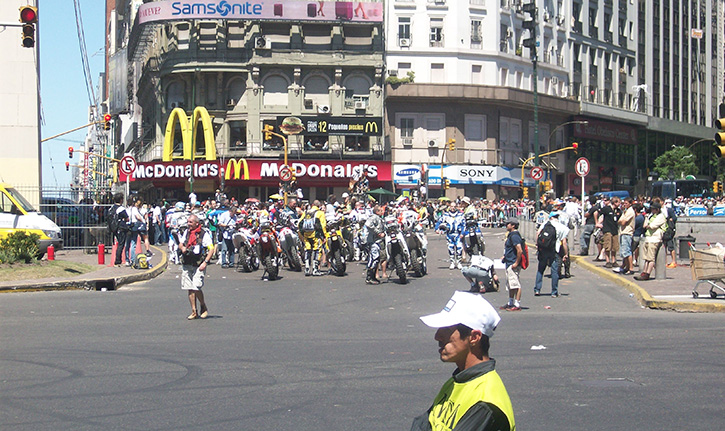
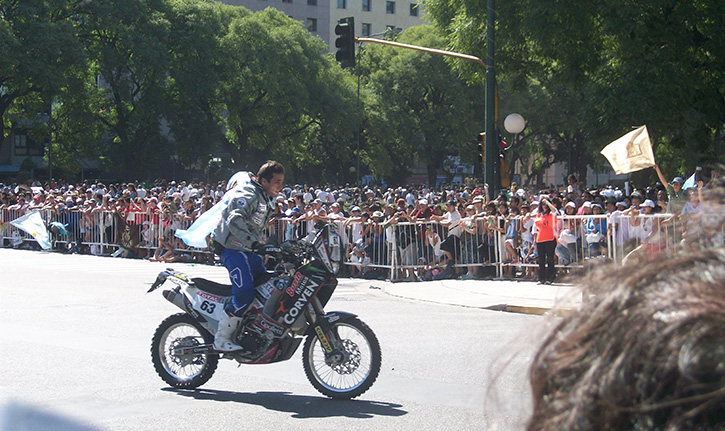
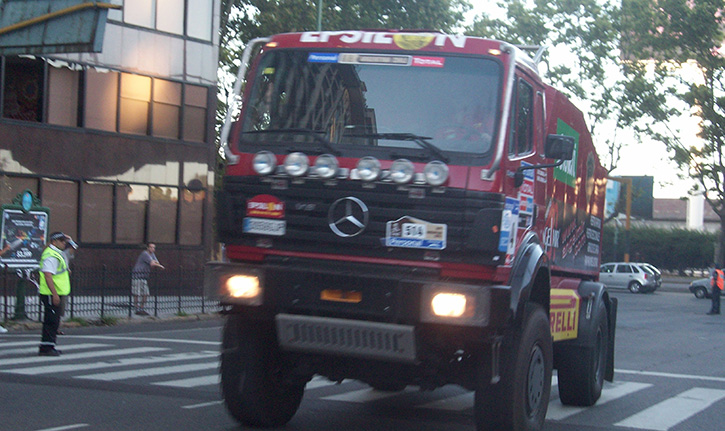
After this amazing parade, we visited San Telmo, another famous neighborhood. After shopping at its market, enjoying some coffee, and listening to music, we returned to the hotel.
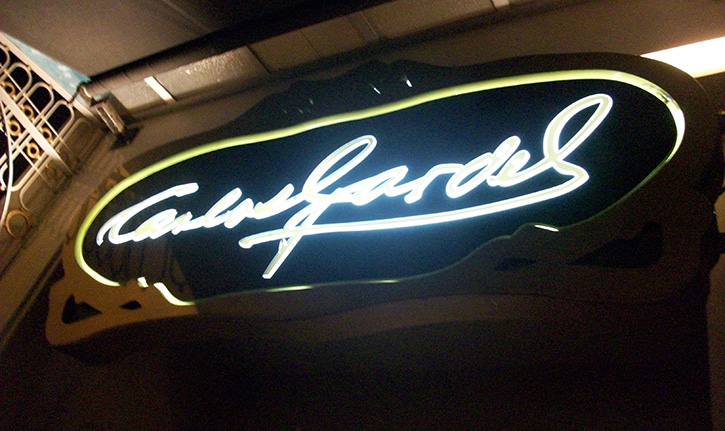
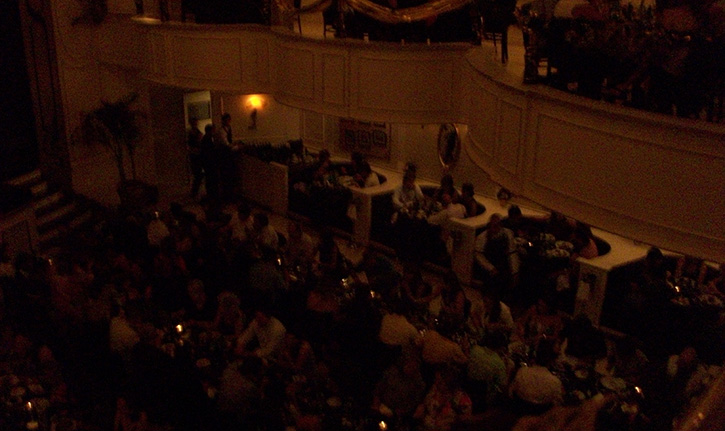
That evening, we attended a tango show I had been eagerly waiting for. Held at the Carlos Gardel tango venue, we enjoyed dinner while watching a stunning tango performance. I’ve seen good tango dancers in Türkiye, but nothing like this. Their speed was mesmerizing; it was hard to follow their footwork.
The biggest applause of the night went to two couples in their 80s who danced spectacularly. The audience gave them a standing ovation. That’s the beauty of dance — it’s universal. You can do it at any age and still enjoy it. What moved us most was the passionate connection between the elderly dancers and the joy they radiated. May everyone experience that kind of zest for life.
The Ranch Day
The next day was one of the most memorable. We visited a ranch in the Estancia region just outside the city. After a brief introduction, the show began with Argentina’s cowboys — Gauchos. You can see the opening scenes in the photos below.
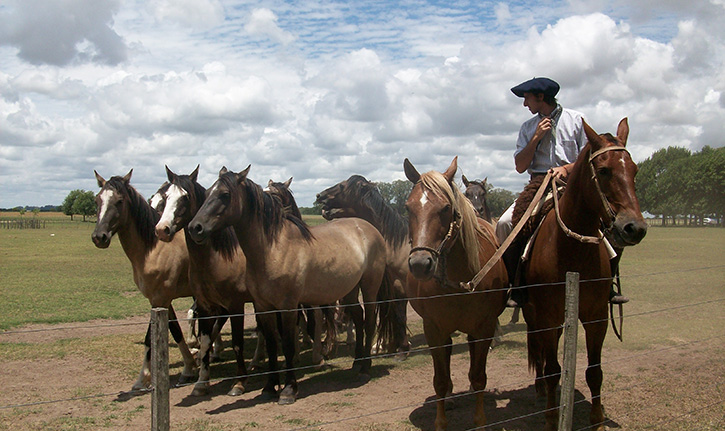
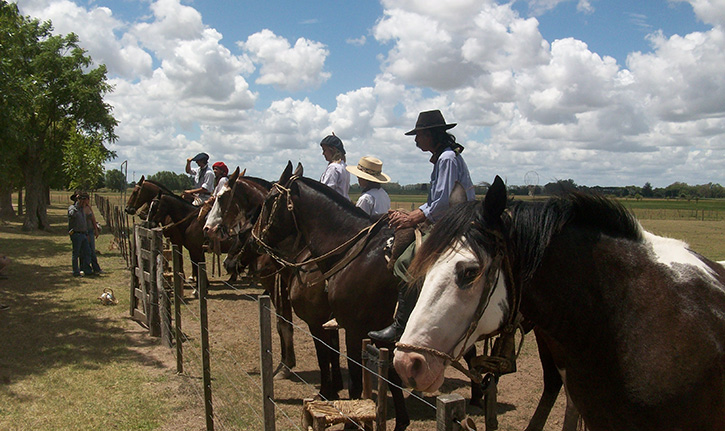
The show started with Pato, a traditional Argentine sport resembling basketball on horseback. Pato means “duck” in Spanish — in the 17th century, real ducks were used instead of balls. Due to the violence this caused, the game was banned until the 1930s when rancher Alberto del Castillo Posse modernized the rules and introduced a ball. In 1953, President Juan Perón declared Pato the national sport
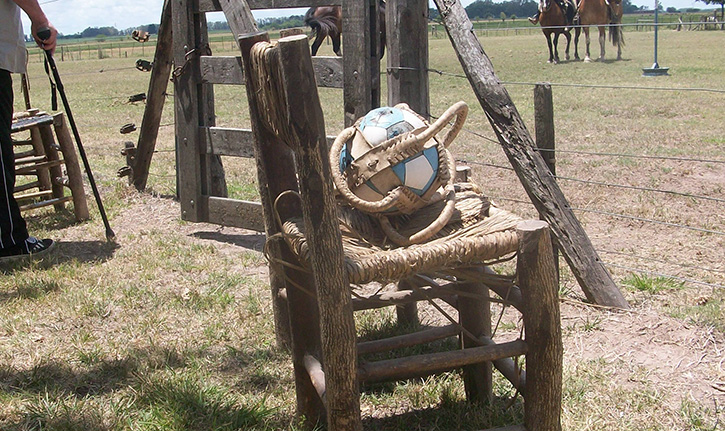
(You can watch videos here and here).
https://www.youtube.com/watch?v=edS4C3zRFkM
Later, we watched a game where riders had to snatch a small hook from a wooden arch at full gallop, followed by a game like musical chairs — but on horseback! (Video: here).
https://www.youtube.com/watch?v=cQZ0LXQ9IHk
https://www.youtube.com/watch?v=_sRz2UZW8rA
After all the fun came the most anticipated part: lunch. Argentina is world-renowned for its meat culture. Even Nusret, the famous Turkish chef, studied in Argentina before opening his now-famous steakhouse in Türkiye. Though I don’t usually eat much meat, the flavor here was incredible. We enjoyed our meal accompanied by Gaucho Juan Carlos playing the guitar. Here are some photos:
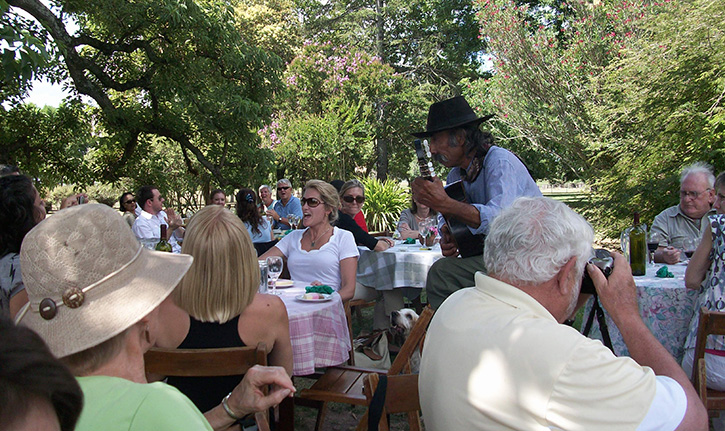
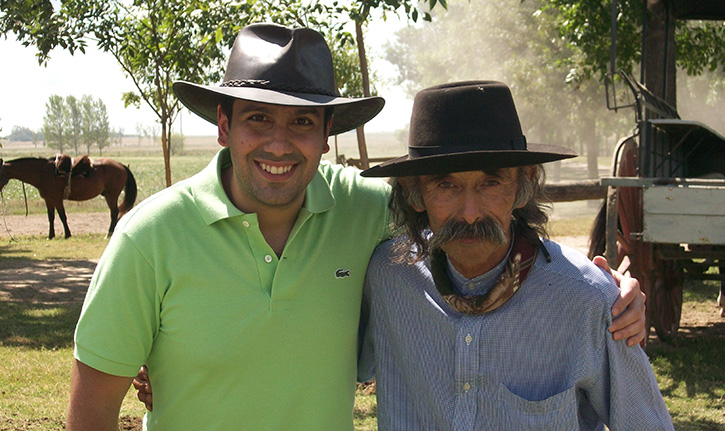
Juan Carlos and me.
On our last day, we visited El Tigre, a neighborhood north of Buenos Aires in the Paraná Delta. Imagine a mini-Venice — houses built on small river islands, accessible only by boat. Groceries are delivered by floating markets.
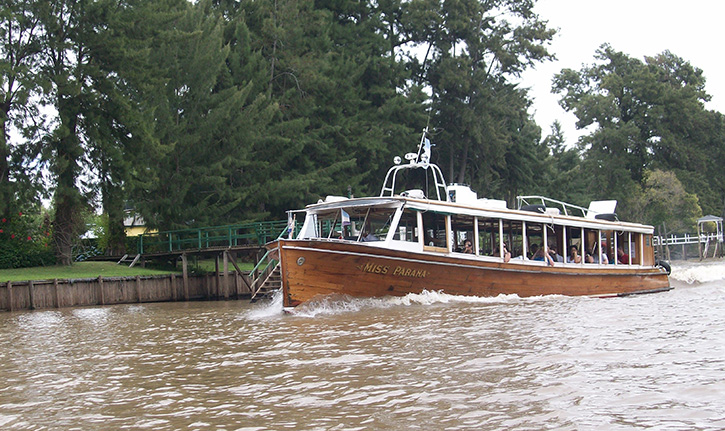
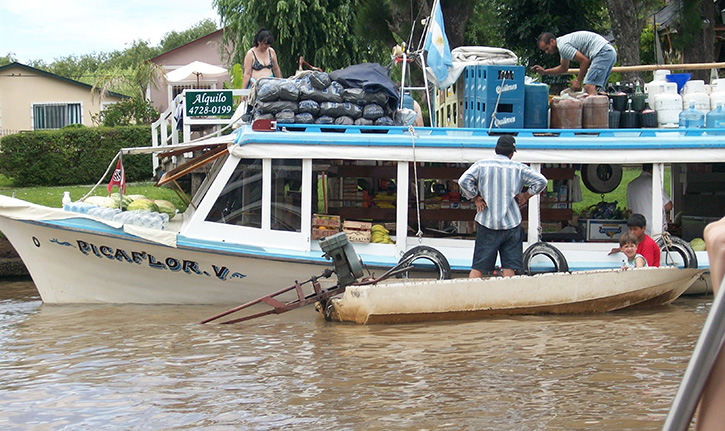
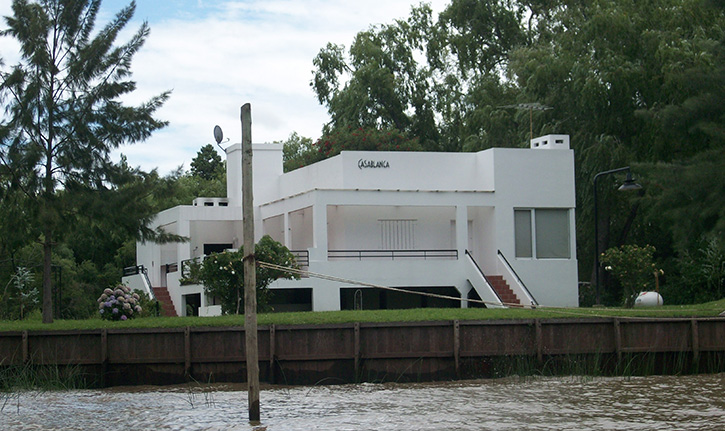
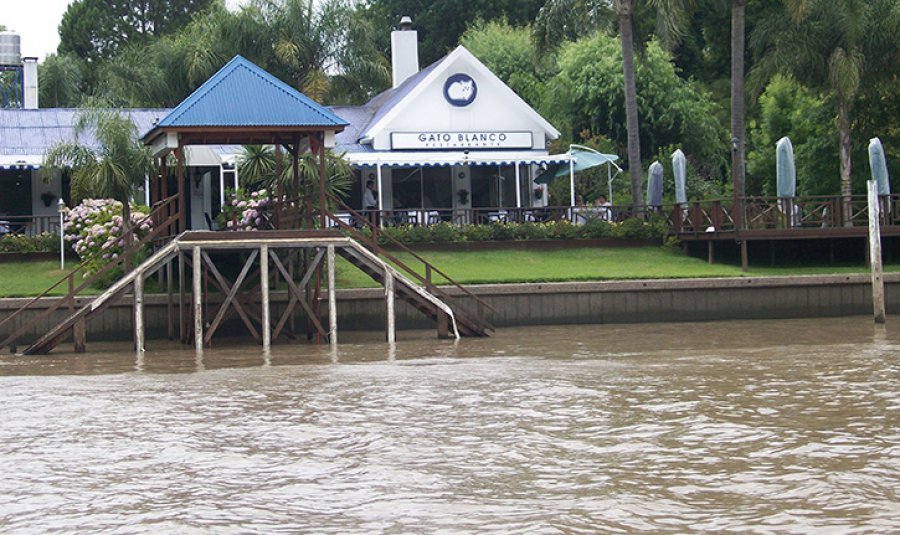
After cruising the river, we had lunch at Gato Blanco (“White Cat”) — a riverside restaurant where we enjoyed delicious fish. On the way back, we passed by stunning buildings, including a magnificent Art Museum.
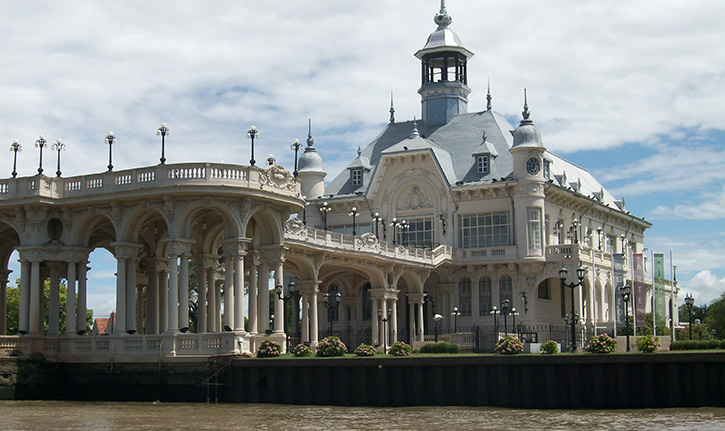
The Municipal Art Museum is a magnificent building
Our last dinner was in Palermo; a trendy neighborhood often compared to SoHo in New York. I remember having a great pizza on Costa Rica Street.
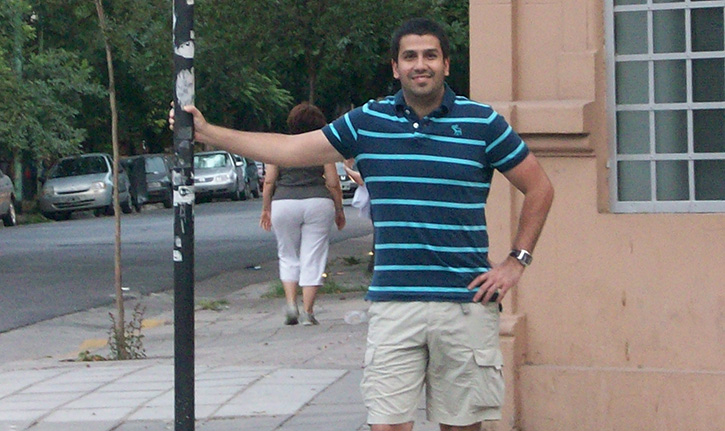
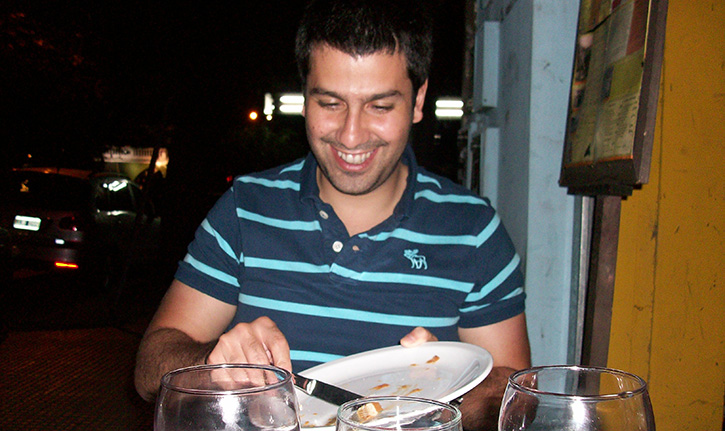
Final Dinner: Palermo
We returned home the next day via Brazil — with unforgettable memories. I’ve been telling my friends about Argentina for two years now, and I’m so glad I finally got to share it with you. If you ever get the chance, I highly recommend visiting Argentina.
Tag: excursion