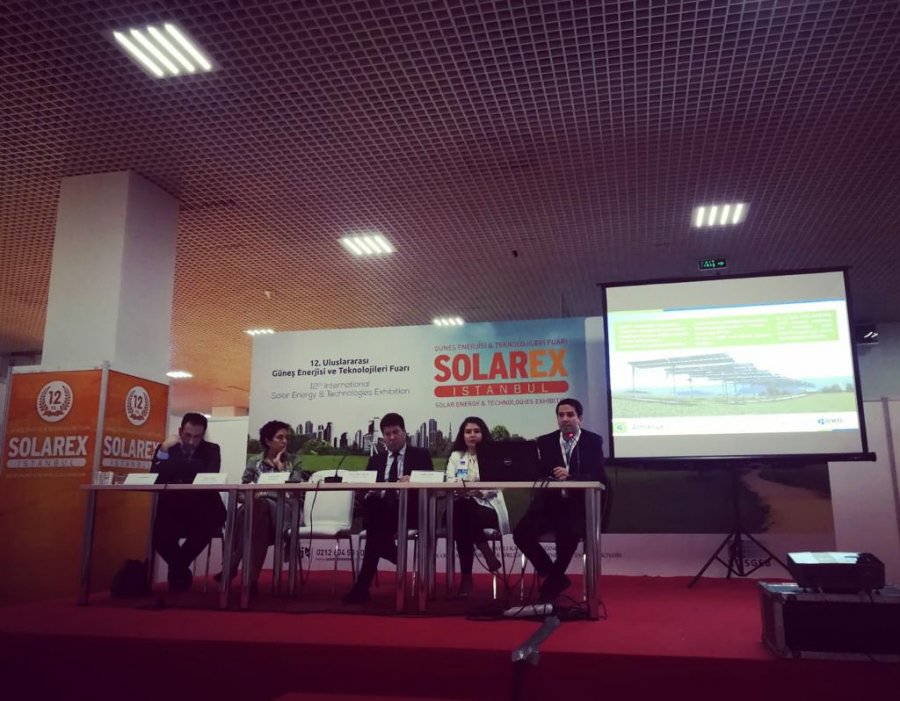
The first of the three talks I gave at these events was on finance, the second on technology, and the third on innovation. I gave both talks at SOLAREX in Hall 11, the conference area. It was interesting to give two talks in this hall, created by makingshift partitions around an empty space.
The talk I gave at the panel, held on Thursday, 4 April, between 4:30 PM – 6:30 PM, was a special session of GÜNDER. For those unfamiliar with GÜNDER, I can briefly say that they are one of the few associations in Türkiye dedicated to solar energy. Headquartered in Ankara, GÜNDER continues its work to advance science and technology in the application of solar energy, encourage basic and applied research and development in solar energy, expand the use of solar energy, and encourage education in solar energy-related fields. For more details, please visit their website: https://www.gunder.org.tr/
Sustainability of Solar Energy
“Ensuring the Sustainability of Solar Energy: Future Projections (Legislation, Production Technologies, Financing, Rooftop Applications)” was the title of this special session.
The session was moderated by Mehmet KARA, a columnist for Dünya Newspaper’s Energy Diary. Participants included Dilan KAVRUK (General Directorate of Energy Affairs), Seyran HATİPOĞLU (TurSEFF Bank Relations Manager), Başar YILMAZ (Deniz Leasing Project Finance Department Manager), Deniz Selkan POLATKAN (Founder, Photoelectron), and myself.
I gave three talks at these events: the first on finance, the second on technology, and the third on innovation. I gave both talks at SOLAREX in Hall 11, the conference area. It was interesting to give two talks in this hall, created by making shift partitions around an empty space.The talk I gave at the panel, held on Thursday, 4 April from 4:30 PM to 6:30 PM, was a special session of GÜNDER. For those unfamiliar with GÜNDER, it is one of the few associations in Türkiye dedicated to solar energy. Headquartered in Ankara, GÜNDER continues its work with the goals of advancing science and technology in the application of solar energy, encouraging basic and applied research and development in solar energy, expanding the use of solar energy, and encouraging education in solar energy-related fields. For more details, please visit the website: https://www.gunder.org.tr/
Sustainability of Solar Energy
“Ensuring the Sustainability of Solar Energy: Future Projections (Legislation, Production Technologies, Financing, Rooftop Applications)” was the title of this special session.
The session was moderated by Mehmet KARA, a columnist for Dünya Newspaper’s Energy Diary. Dilan KAVRUK (General Directorate of Energy Affairs), Seyran HATİPOĞLU (TurSEFF Bank Relations Manager), Başar YILMAZ (Deniz Leasing Project Finance Department Manager), Deniz Selkan POLATKAN (Fotoelektron, Founder), and myself participated in the session.
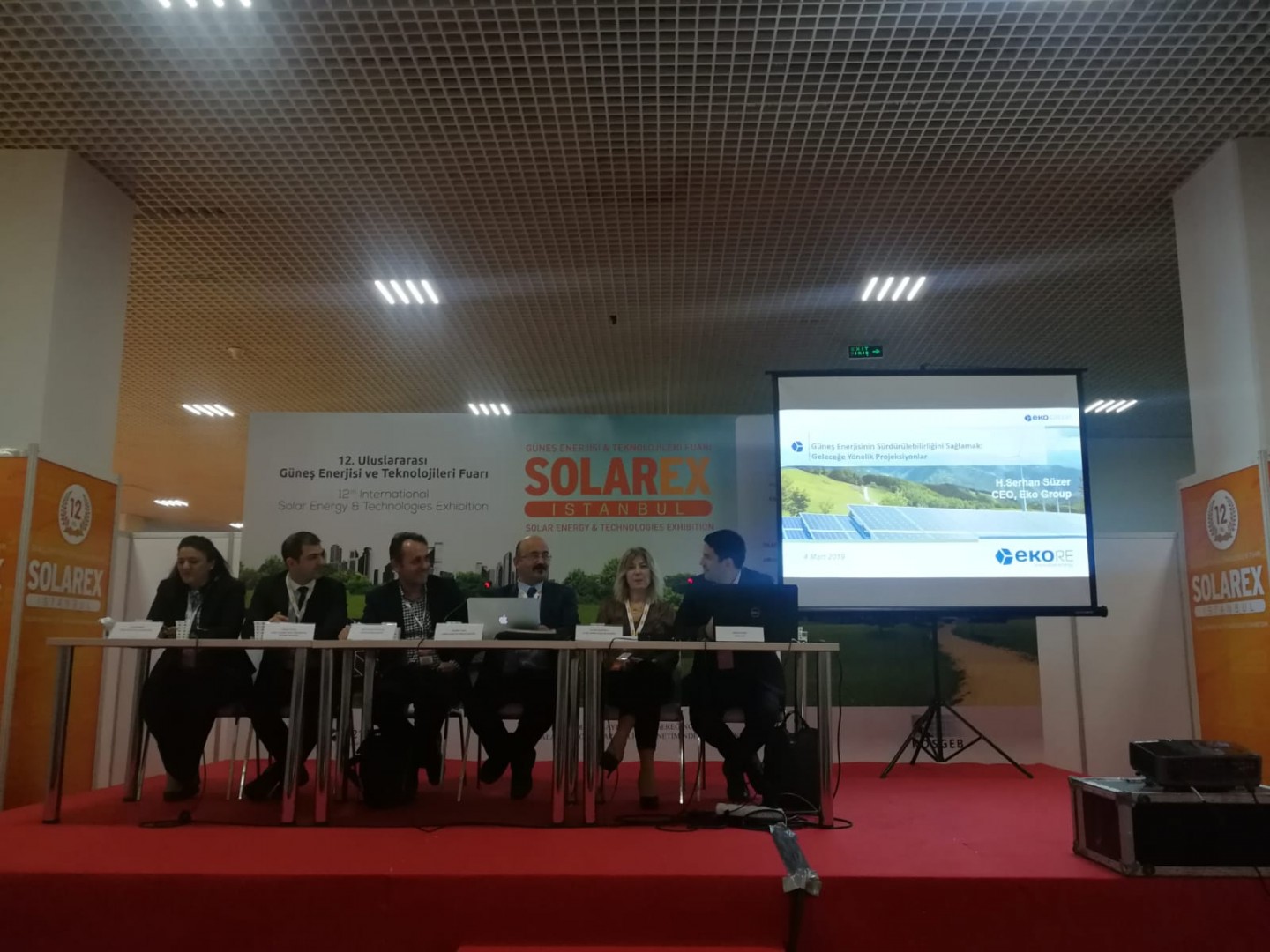
In this session, everyone introduced themselves at the beginning and talked about their work. We then discussed the financial aspects of the business, the challenges faced by the sector, and the current regulatory requirements. Both financial institutions, TURSEFF and Deniz Leasing, explained how they manage risk and the importance of preparing financial statements, particularly cash flow statements.
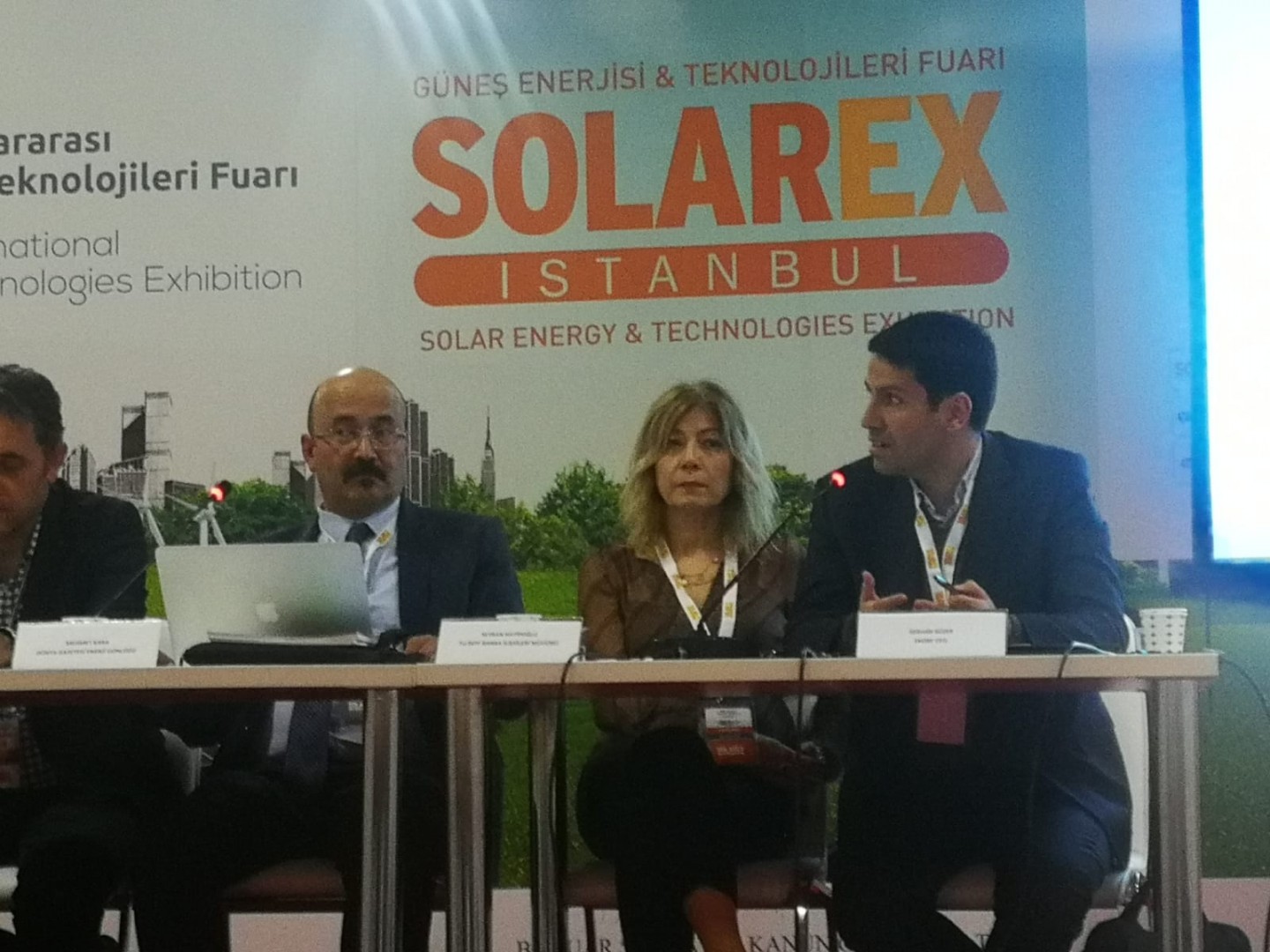
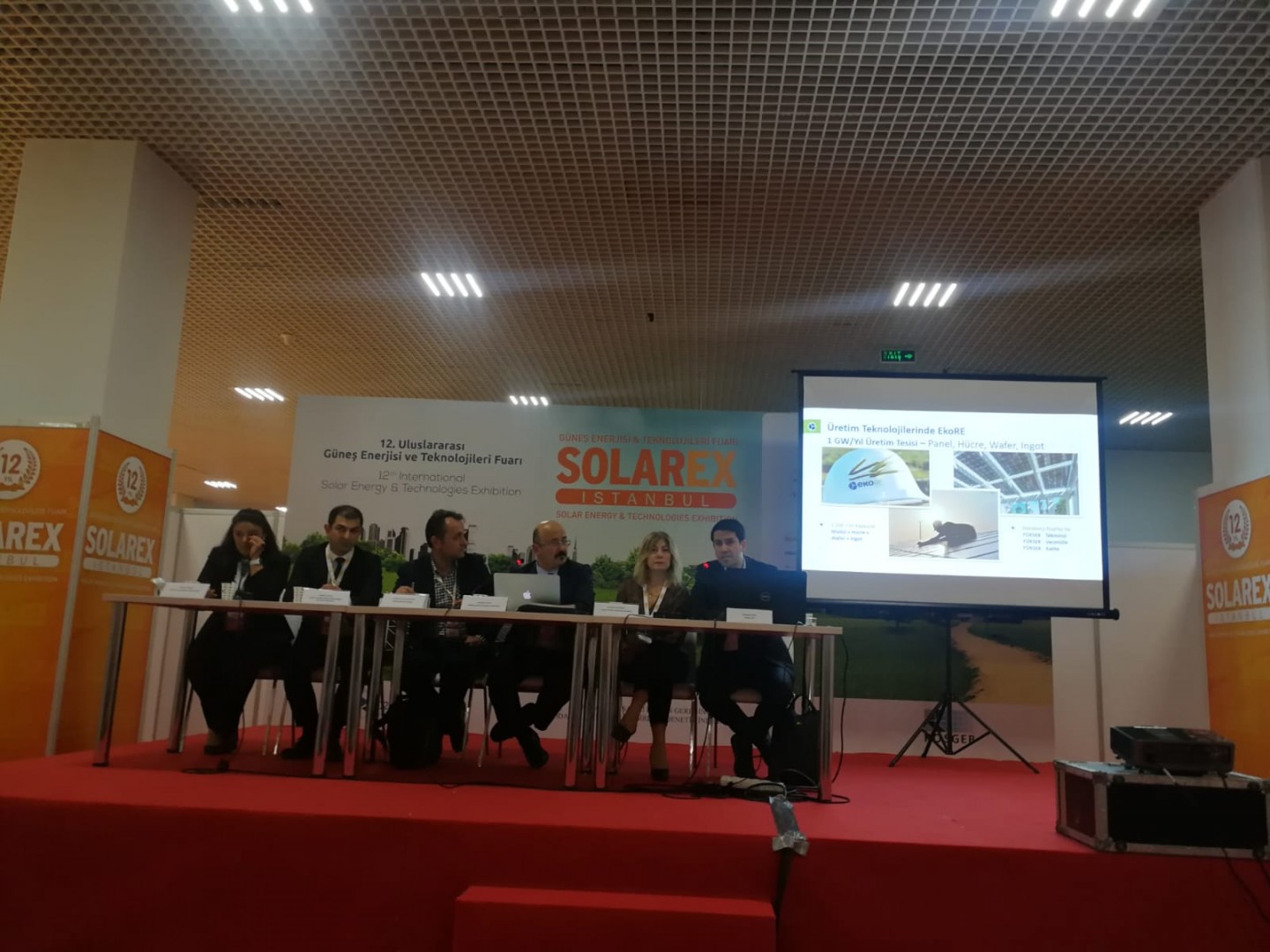
Key Points in My Speech
When I took the floor, I emphasized that project financing in Türkiye is not genuine project financing. In Turkish project financing, simply receiving the project’s return as collateral is never sufficient, and all sorts of guarantees and collateral are obtained from companies and their shareholders in the sector.
I understand banks’ drive to secure themselves, but I believe they are disrupting the balance with their excessive demands on investors. Sometimes they speak in such a way that I get the impression they’re fixated on all investors’ assets. This is truly disturbing. It’s a shame that many projects that could be easily financed and without causing problems if banking were implemented with this mentality are not realized. This mentality needs to change.
In my speech at the conference, I emphasized the need to change this structure to increase solar energy projects. I also stated that simply providing easy access to loans is not enough; it also requires facilitating the attraction of foreign capital, ensuring stability and trust in the country. In short, I emphasized the need for certain regulations to ensure foreigners feel secure.
In addition, I stated that the PPA (Power Purchase Agreement) format should be legalized and paved the way for attracting capital in the rooftop market. I also emphasized that supplier loans are also a viable method in addition to financing from banks, and that diversification should be increased. I stated that tenders should be streamlined and financially attractive to encourage IPPs (Independent Power Producers) to invest more in the country
The “On-site production, on-site consumption” mentality
Finally, it was discussed that the ‘netting’ regulation, eagerly awaited by the entire sector to revitalize the rooftop market, is expected to be enacted soon. I would like to share a news report on this topic: https://www.aa.com.tr/tr/turkiye/enerjide-catilari-gunese-dondurecek-duzenleme-hazir/1446469
Some commented that monthly netting is a welcome but insufficient development and that annual netting is necessary for the sector’s true development.
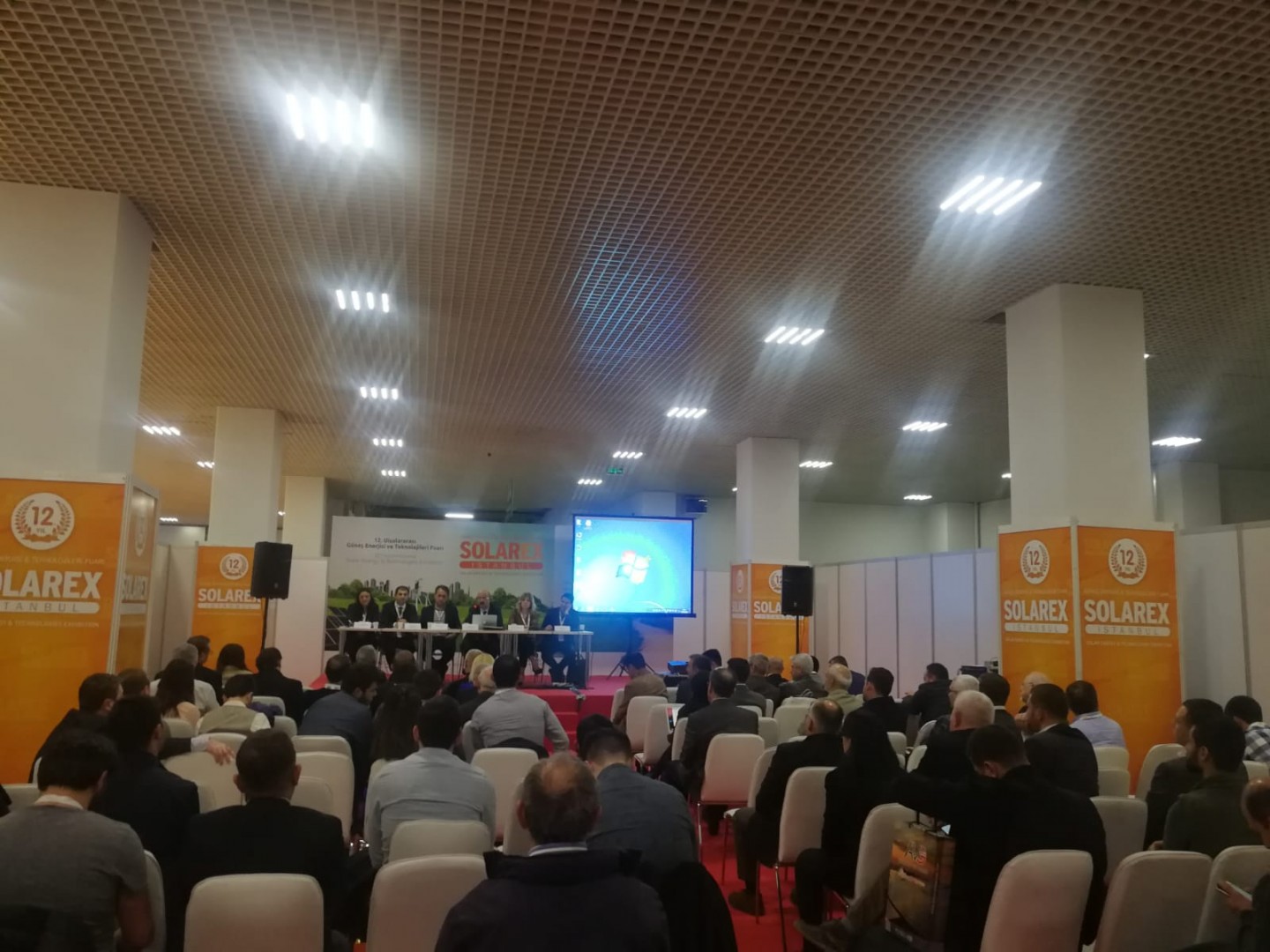
During the Q&A session, I stated that distribution companies are not standing in the way of the rooftop market, which is being created with the “on-site production, on-site consumption” mentality; on the contrary, they can be pioneers and drive the transformation themselves. I praised EnerjiSA for its pioneering work in this area and stated that all distribution companies should implement the model adopted from EnerjiSA’s German partner, Eon.
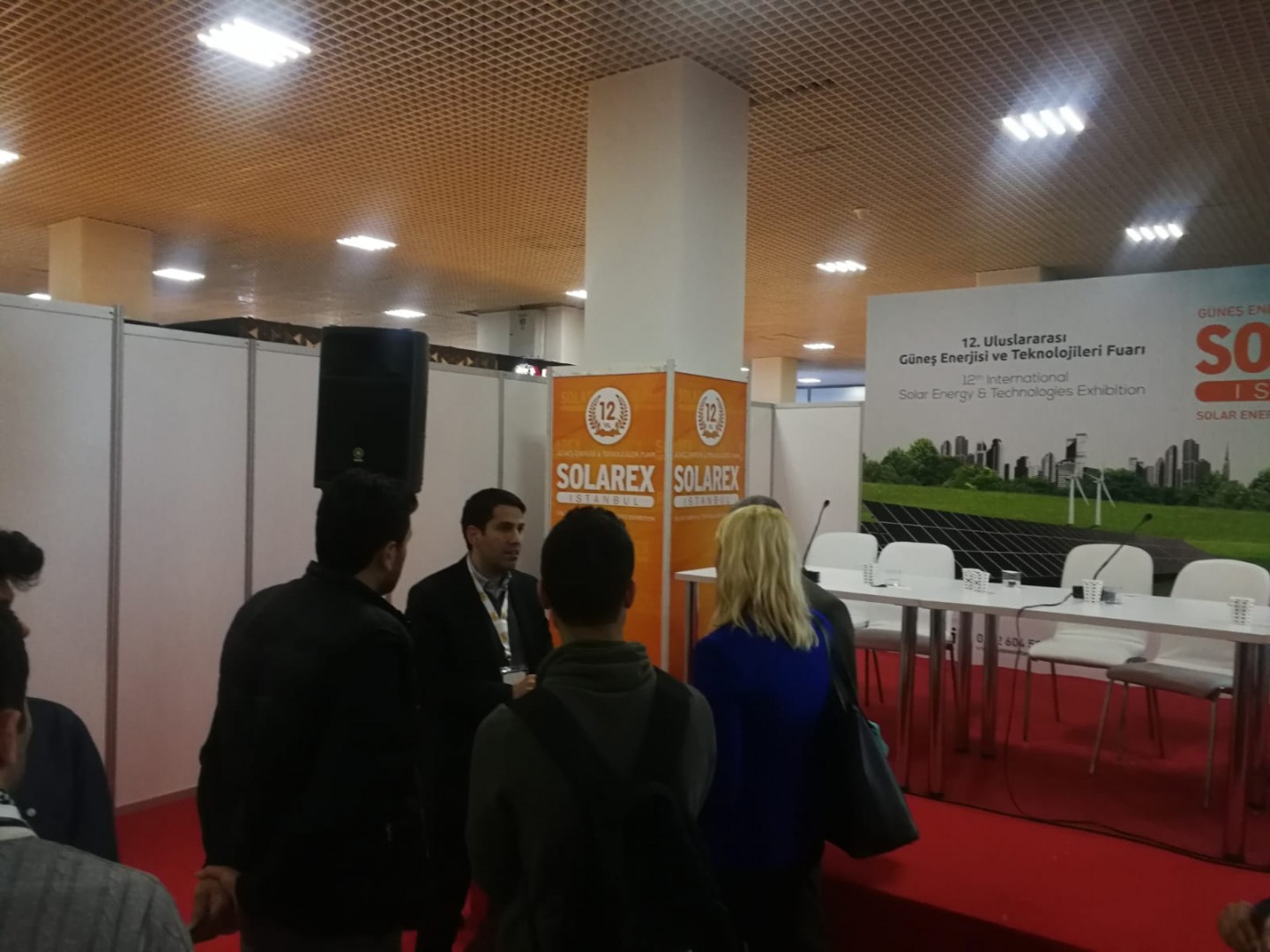
I don’t know why, but at all conferences, I usually get a significant portion of the questions. In fact, after the speeches are over, I often get approached by people asking questions and engaging in conversation. I’m not complaining; on the contrary, I enjoy it.
My second speech and report presented to the panel
Held on Friday, 5 April, between 2:00 – 4:00 PM, my second speech took place on a panel organized by the Shura Energy Transition Center. For those unfamiliar, the SHURA Energy Transition Center, established in partnership with the European Climate Foundation (ECF), Agora Energiewende, and the Istanbul Policy Center (IPC) at Sabancı University, aims to contribute to the decarbonization of the energy sector as an innovative energy transition platform. You can find details at https://www.shura.org.tr/
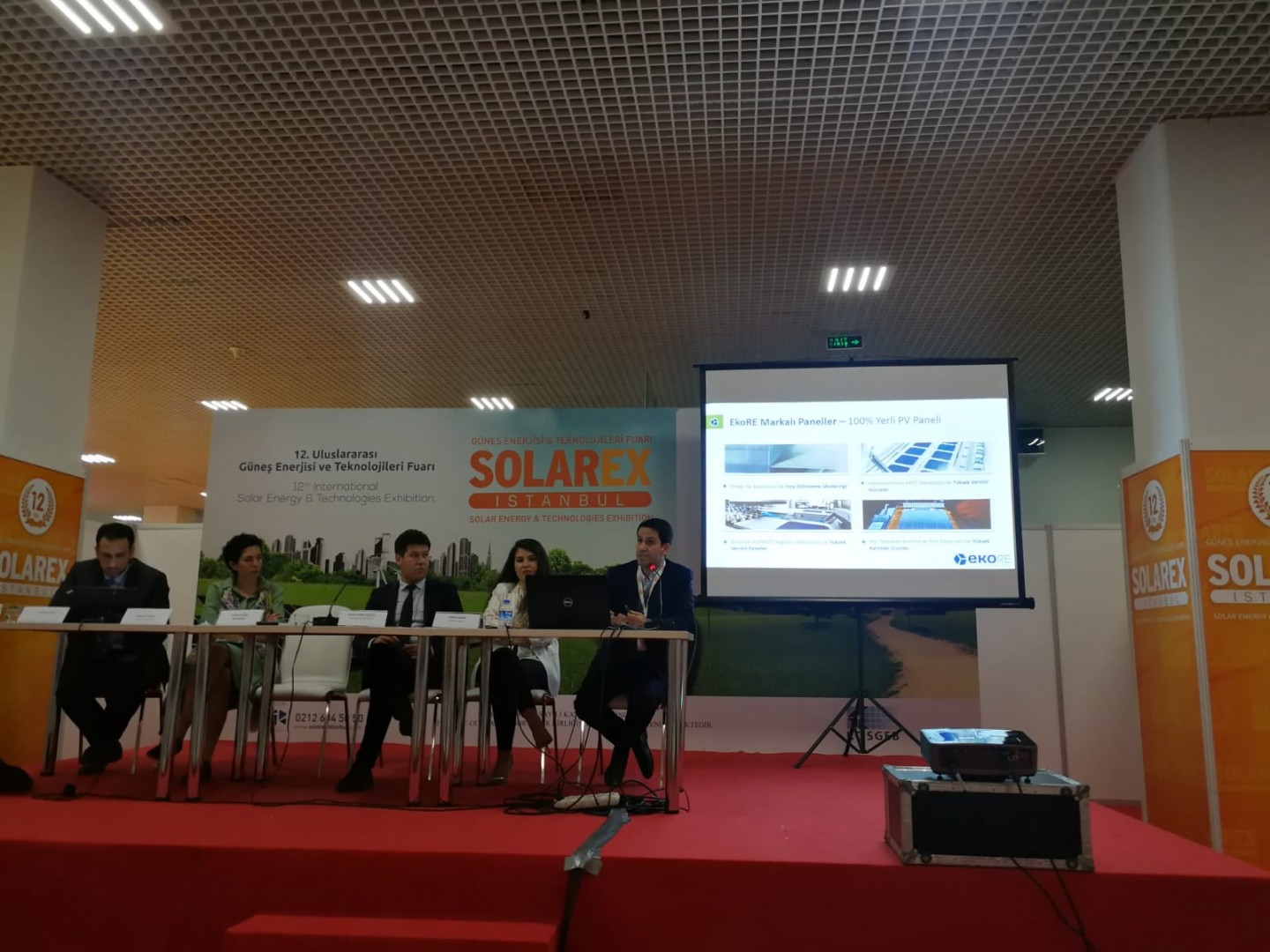
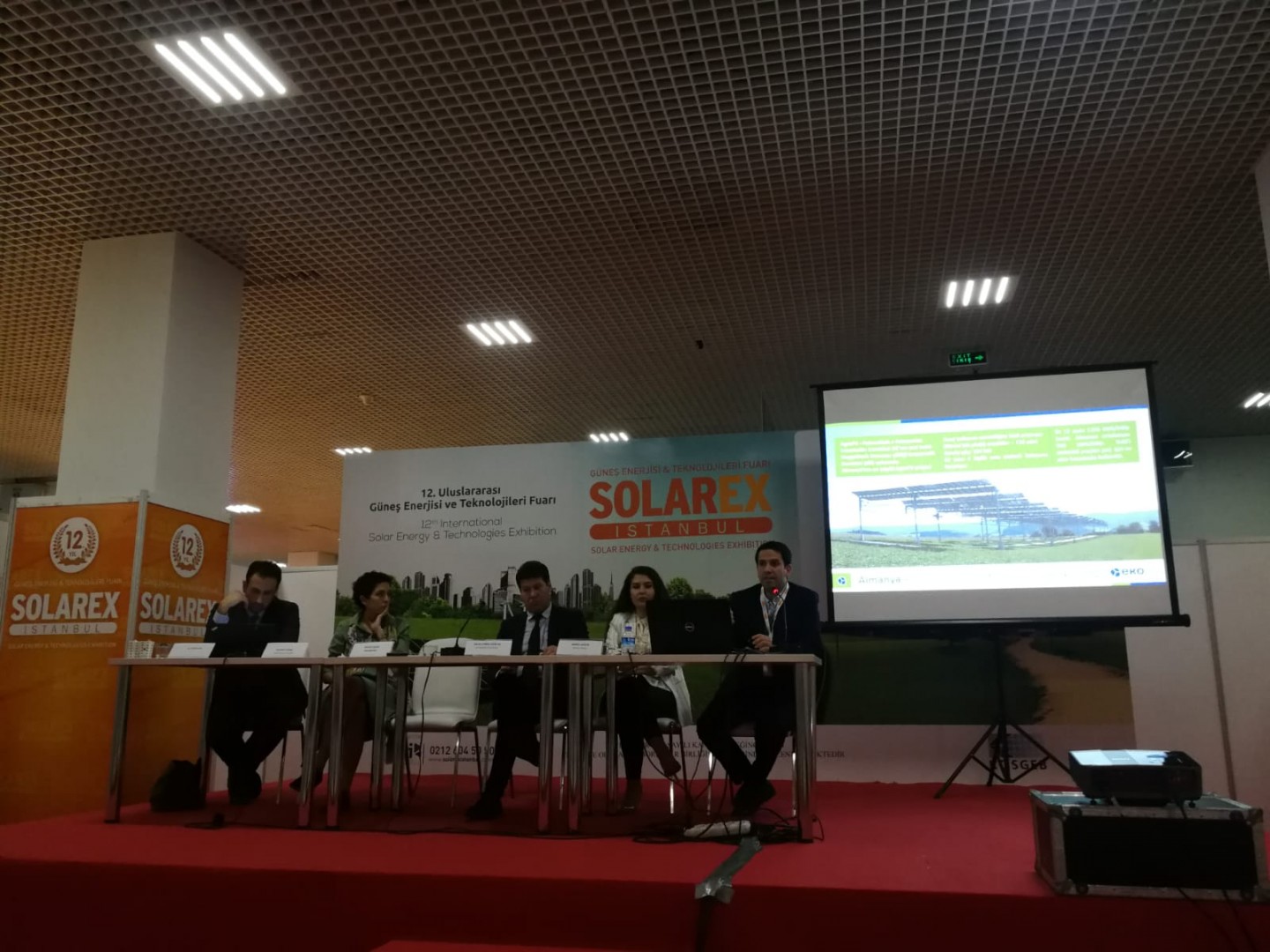
The following people attended the session entitled R&D and Innovation in the Transition to Value-Added Production in Central Renewable Energy: Moderator Dr. Değer Saygın, Bengisu Özenç (Economist, Consultant), Melih Soner Çeliktaş (Ege University, Associate Professor), Serhan Süzer (Chairman of the Board, EkoRE CEO), Gamze Akgün Bereket (Energy Solar Power Plant Purchasing and Logistics Manager).
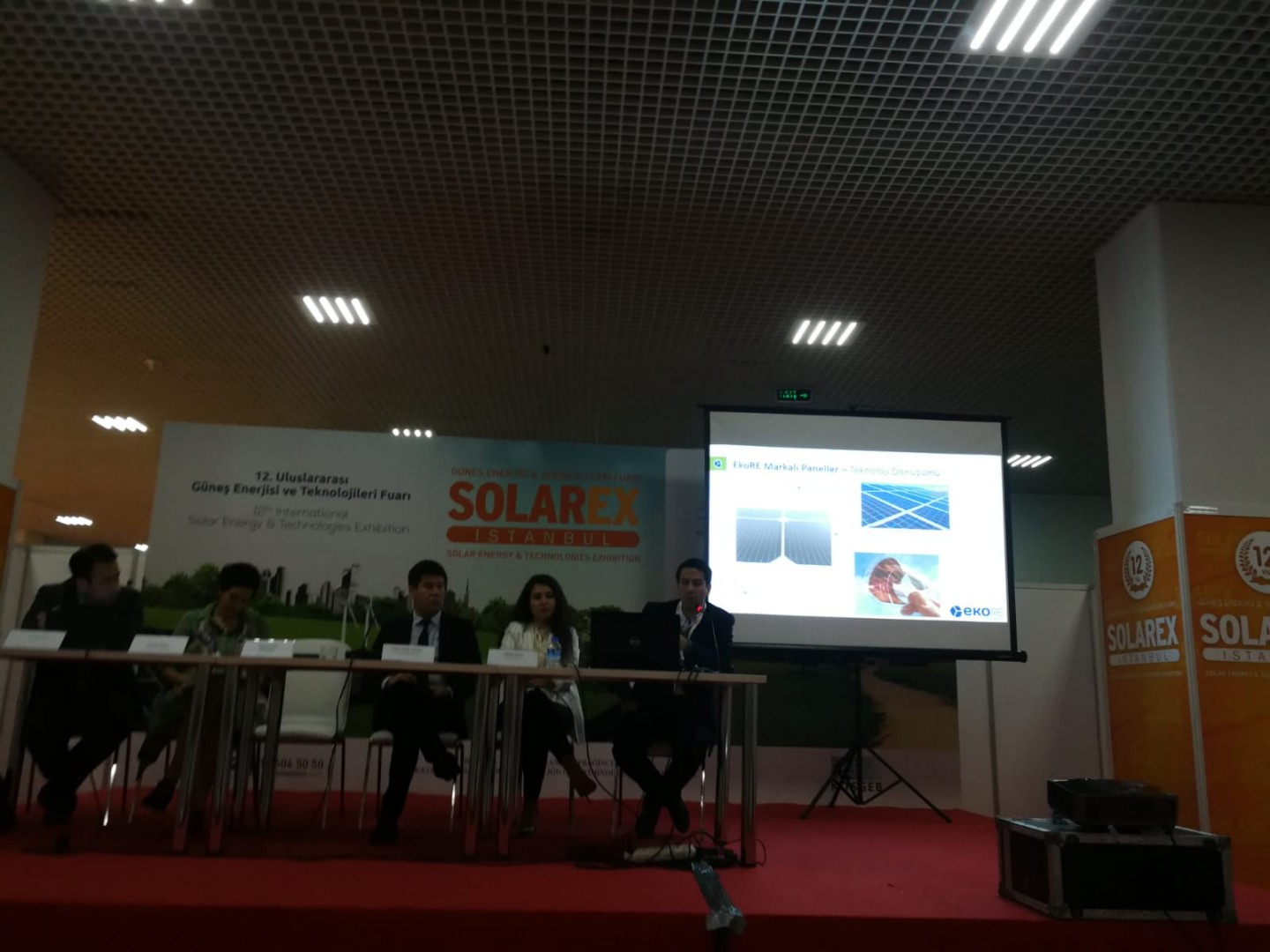
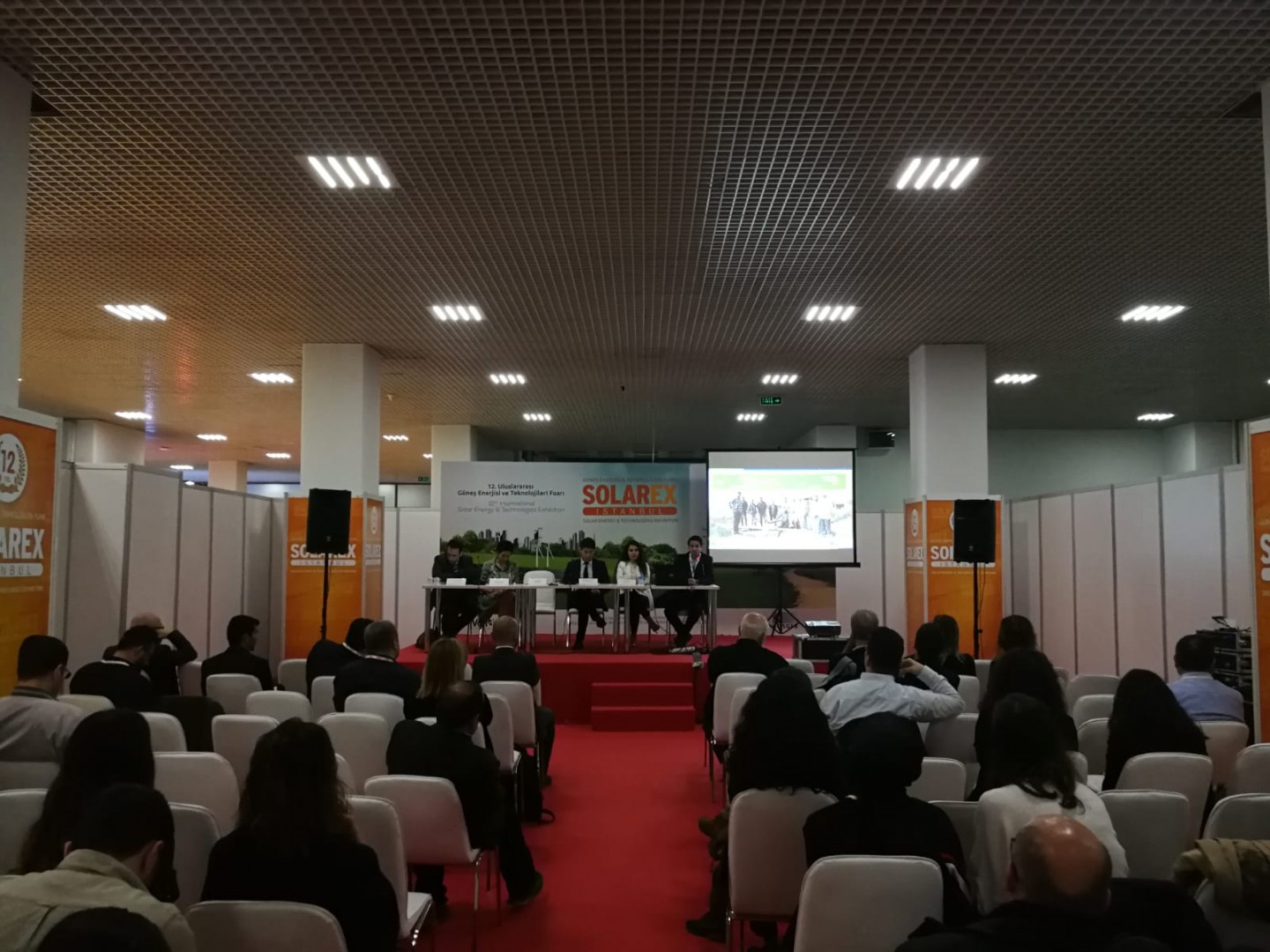
Moderator Mr. Değer compiled the discussions in this panel into a report. I am sharing it verbatim:
In 2018, the 12-month foreign trade deficit reached $45 billion. 75% of this amount was related to energy imports. One of the less discussed but important aspects of the foreign trade deficit is foreign trade in energy equipment. Equipment accounts for 5% of global trade. In 2017, Türkiye had net imports of $2 billion in solar energy equipment. Meanwhile, we are experiencing a foreign trade surplus in wind energy equipment.
Renewable energy equipment has a high added value. Therefore, it presents a significant opportunity for countries to develop their own technologies. Türkiye’s R&D budget in this area is increasing, and R&D expenditures and patents are expected to increase accordingly. Opening the domestic market and making export markets accessible are crucial for increasing competitiveness in the solar energy sector. To this end, Türkiye can assess its strengths and act in these areas. It appears that niche products and markets have a wide potential for developing new technologies.
In addition to industrialization, capturing technology and innovation is also crucial. When we look at Türkiye’s R&D and technology history, we see that it has been a technology importer for the last 30-40 years. Türkiye has employment and R&D targets in renewable energy, but these have not yet been fully achieved. Despite Türkiye’s low ranking in the OECD’s competitiveness and talent indices, there are exciting developments in the private sector. The number of patents in renewable energy is higher than in other sectors, and startups are crucial in this innovative environment. Startups contribute to the economy by growing exponentially in technology development and creating new, qualified employment opportunities for the young population.
Long-term policy and planning are crucial for ensuring the transfer of new technologies to Türkiye. Human resources play a special role in this planning. Talent and skill development aspects of the entire process must also be considered. To achieve the goal of rapidly evolving technologies, it is necessary to create environments where international experts can work. For this, financing is essential, primarily by generating revenue by creating demand for the product to be produced, and enabling a certain percentage of this revenue to be invested in R&D. Furthermore, it is crucial to recognize the complementarities between sectors and technologies and to work on the integration of R&D not only with energy efficiency but also with other product groups beyond the energy sector (e.g., transportation, buildings, agriculture, and storage).
In the renewable energy sector, the importance of bringing cell production technology to Türkiye, as well as ensuring technology transfer through a regulatory framework, is paramount. To achieve this, overcoming financing challenges in the sector and supporting teamwork among universities and various sector players are crucial.
MAIN TOPICS HIGHLY PROMINENT IN THE SESSION
– Developing a comprehensive roadmap for domestic production, innovation, and R&D is crucial.
– Long-term policy and planning are necessary to ensure the transfer of new technologies to Türkiye.
– Opening the domestic market and making export markets accessible are crucial for increasing competitiveness in the solar energy sector.
– The importance of technology transfer and innovation in bringing cell production technology to Türkiye in the renewable energy sector is highlighted.
– The number of patents in the renewable energy field is higher than in other sectors.
– Startups contribute to the economy by growing exponentially in technology development and creating new qualified employment opportunities for the young population.
– Recognizing the complementarities between sectors and technologies.
– Considering the human resources development aspect of this entire process.
– Creating environments where international experts can work is essential to achieve the goal of rapidly changing technologies.
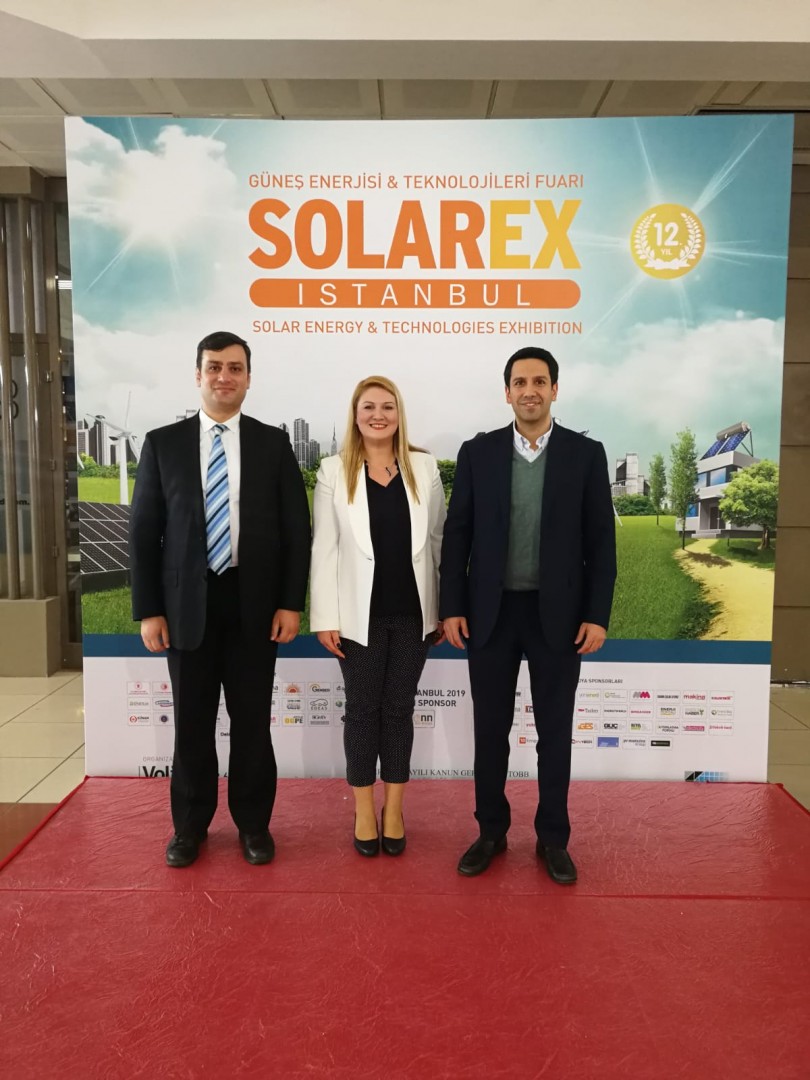
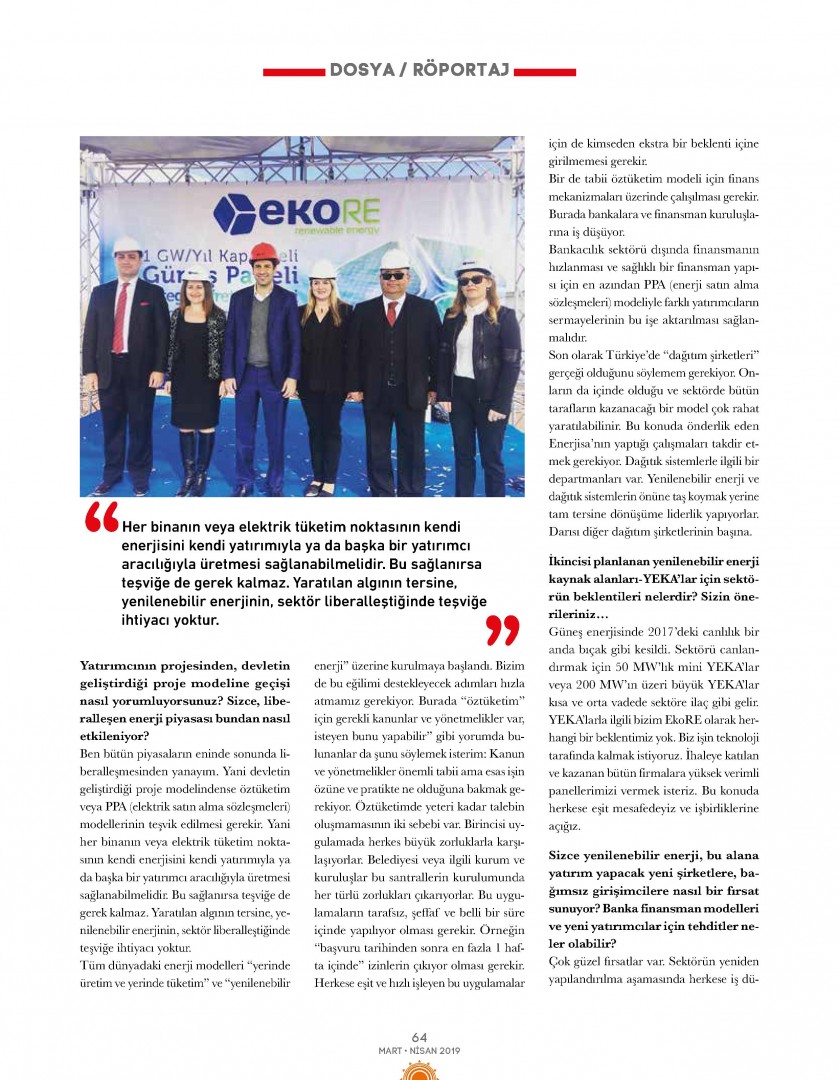
We took this photo with our factory manager, Mr. Murat, and our Sales & Marketing Director, Ms. Simay, at the end of the Solarex fair.
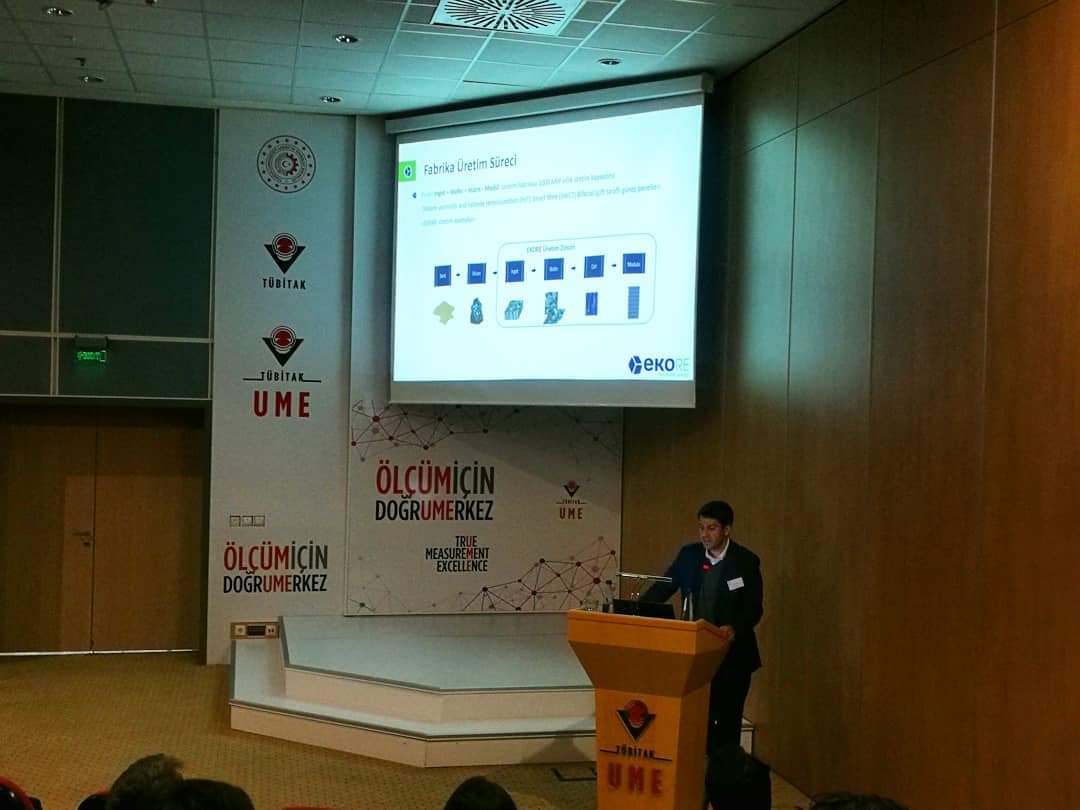
On Friday, 12 April 2019, the Photovoltaic (PV) Performance and Safety Testing Services Workshop was held at the TÜBİTAK National Metrology Institute (TÜBİTAK UME), with the participation of managers, academics, researchers, manufacturers, and users interested in solar energy technologies.
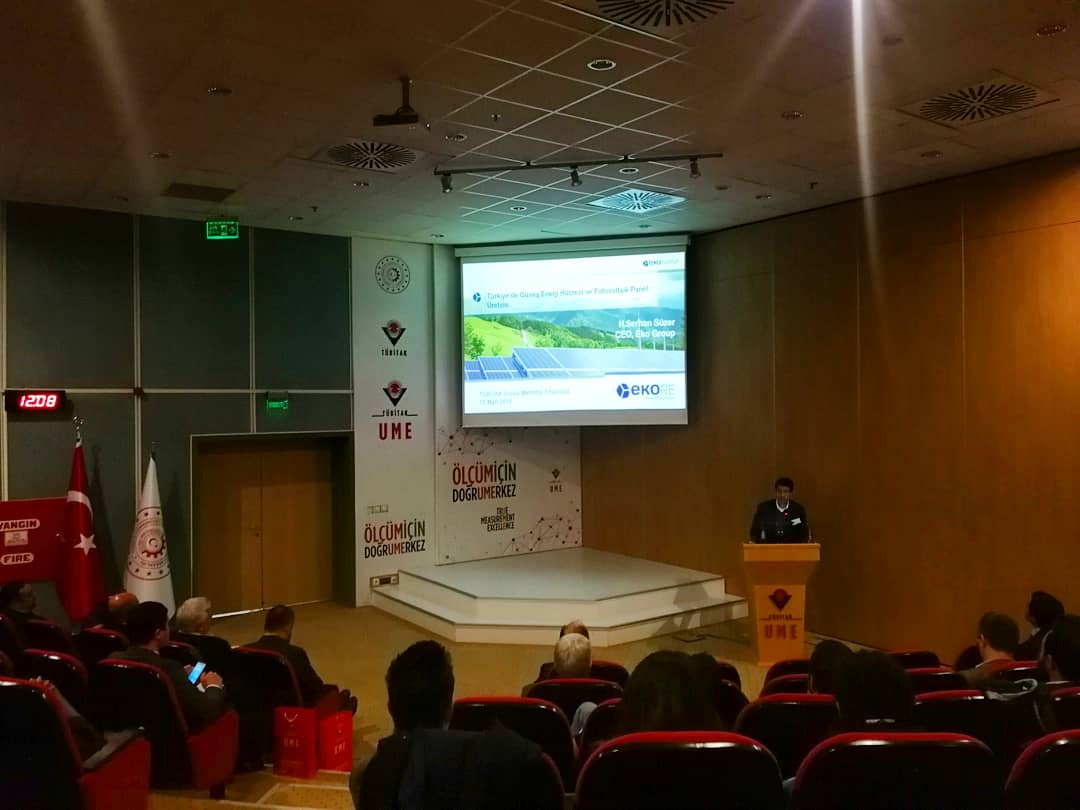
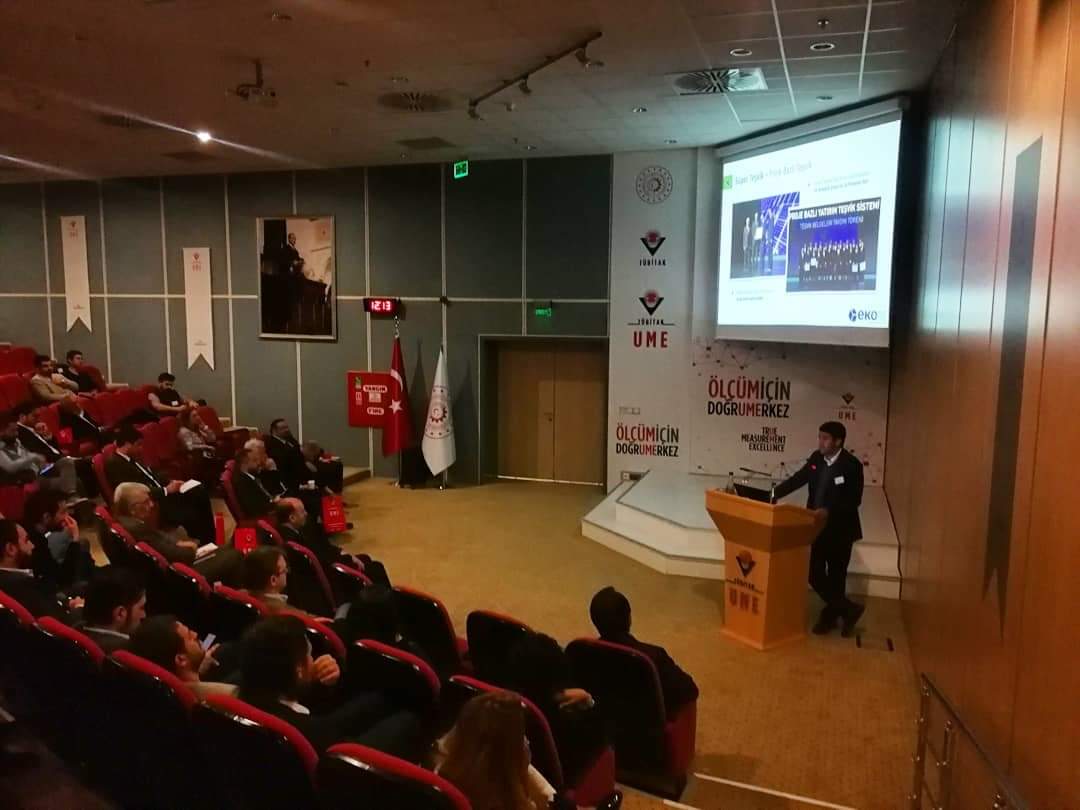
I would like to share the slides of the presentation I made at noon below:
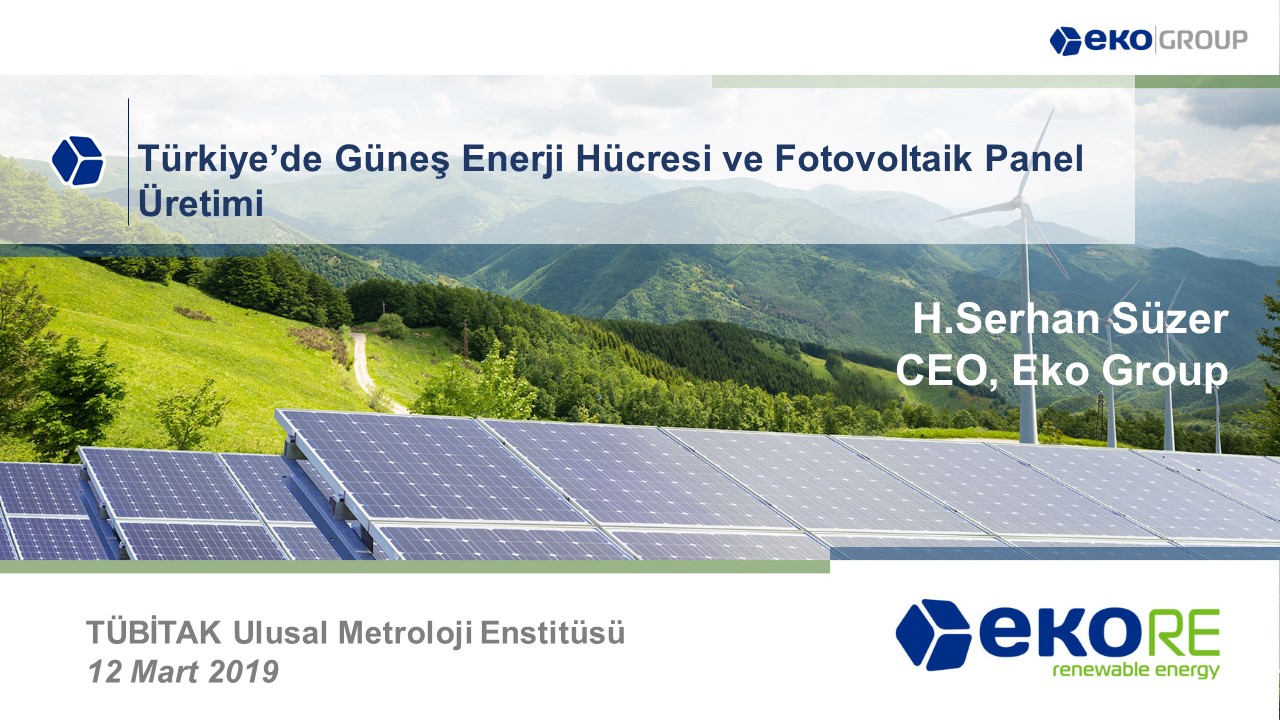
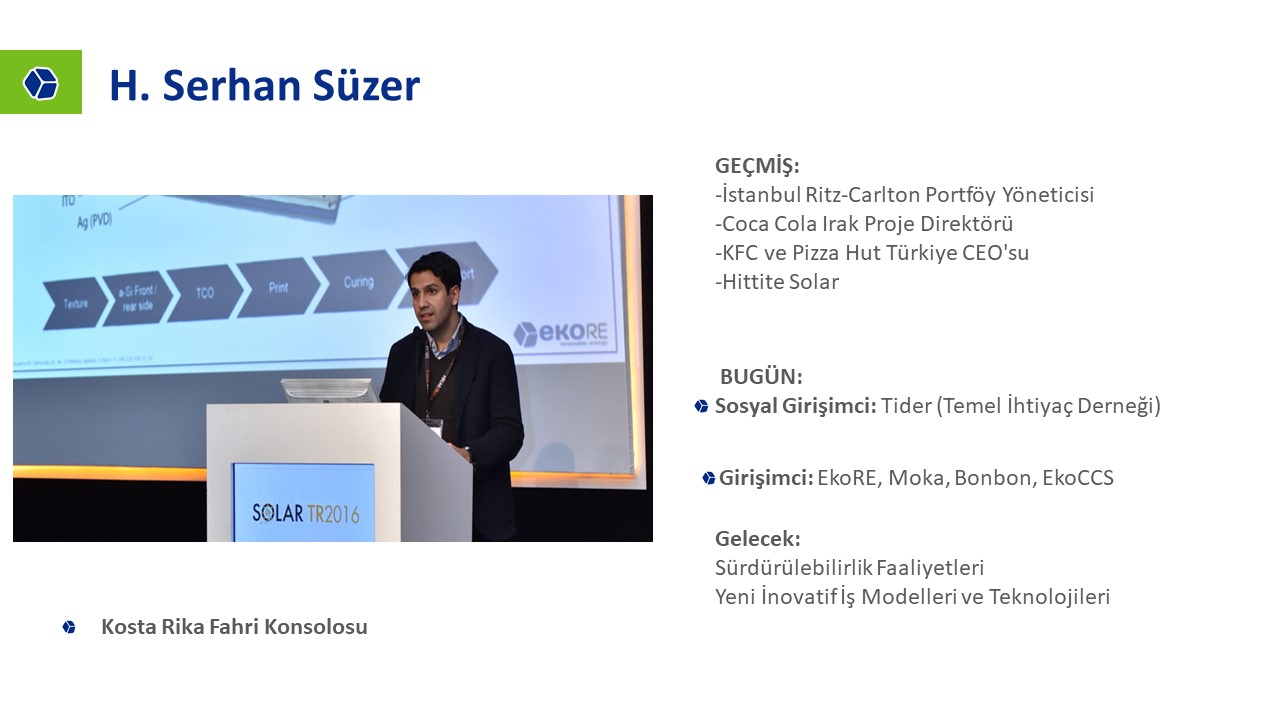
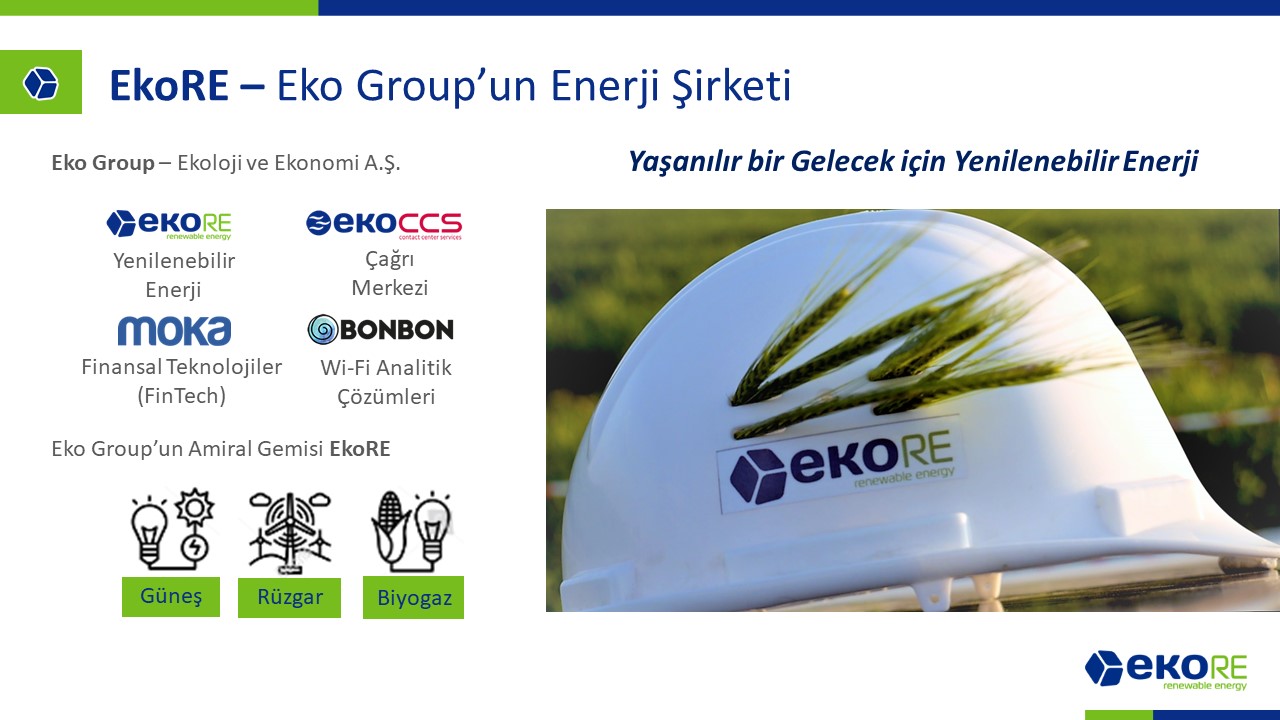
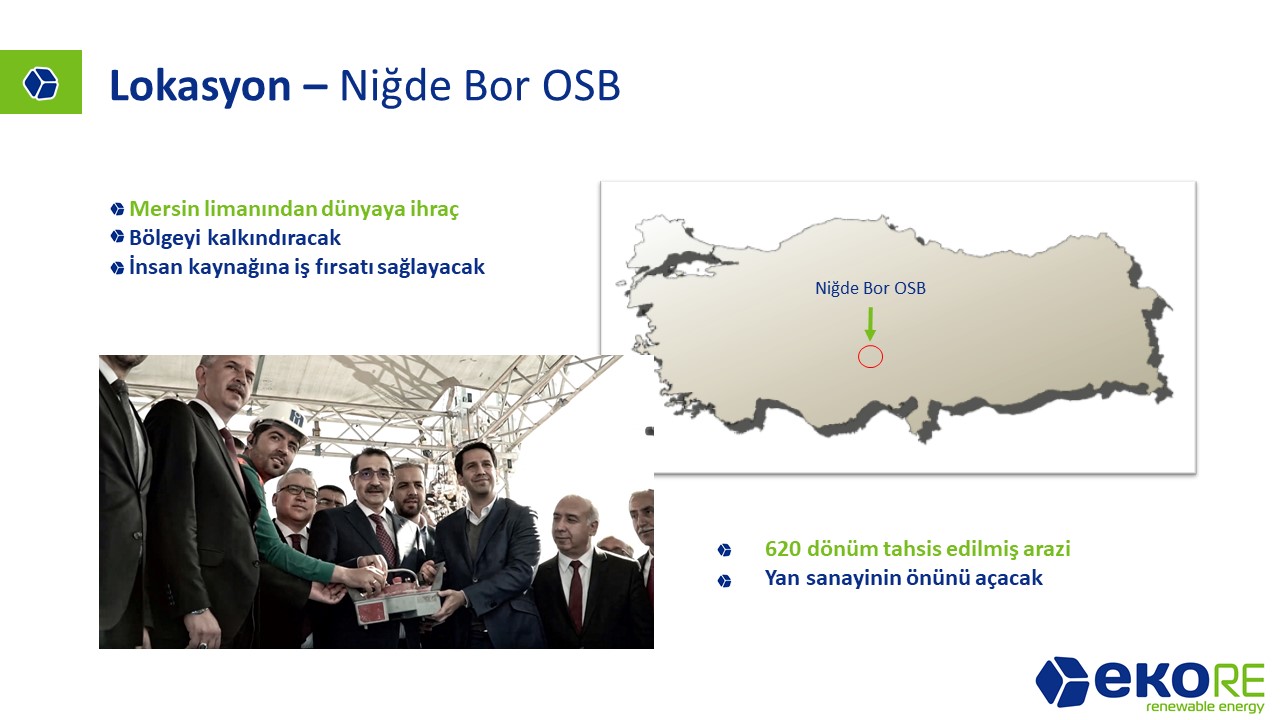
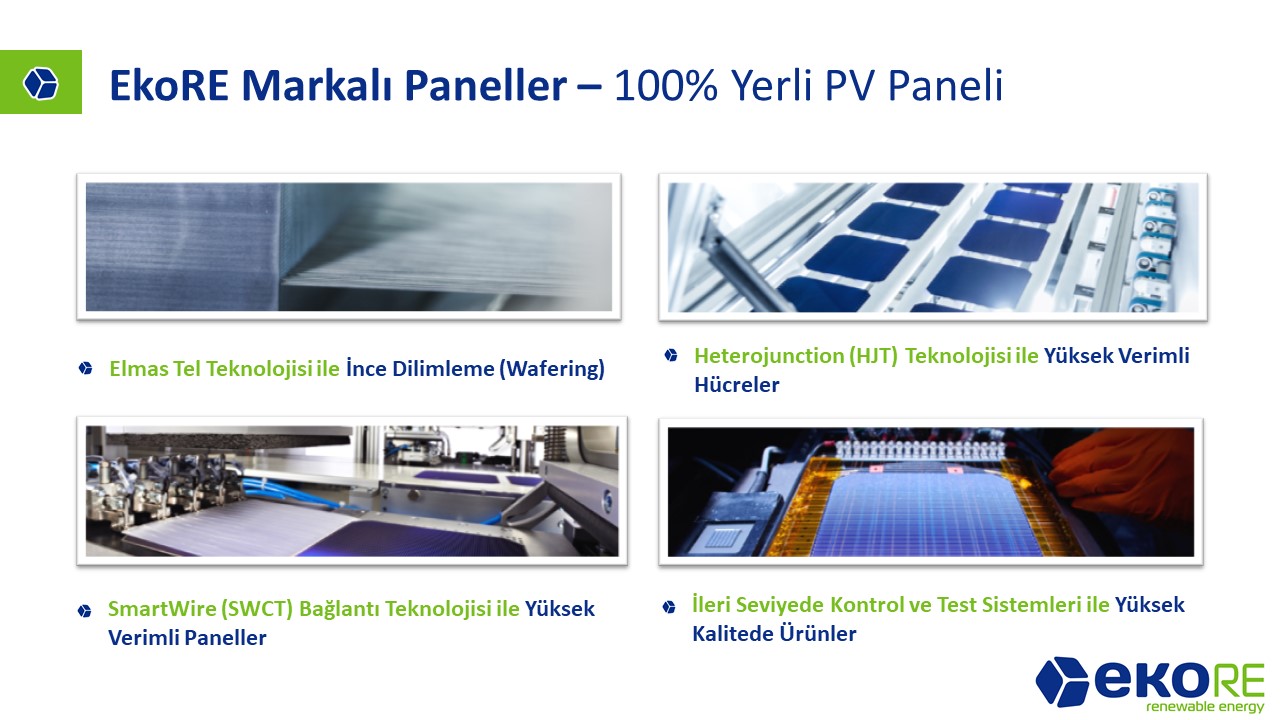
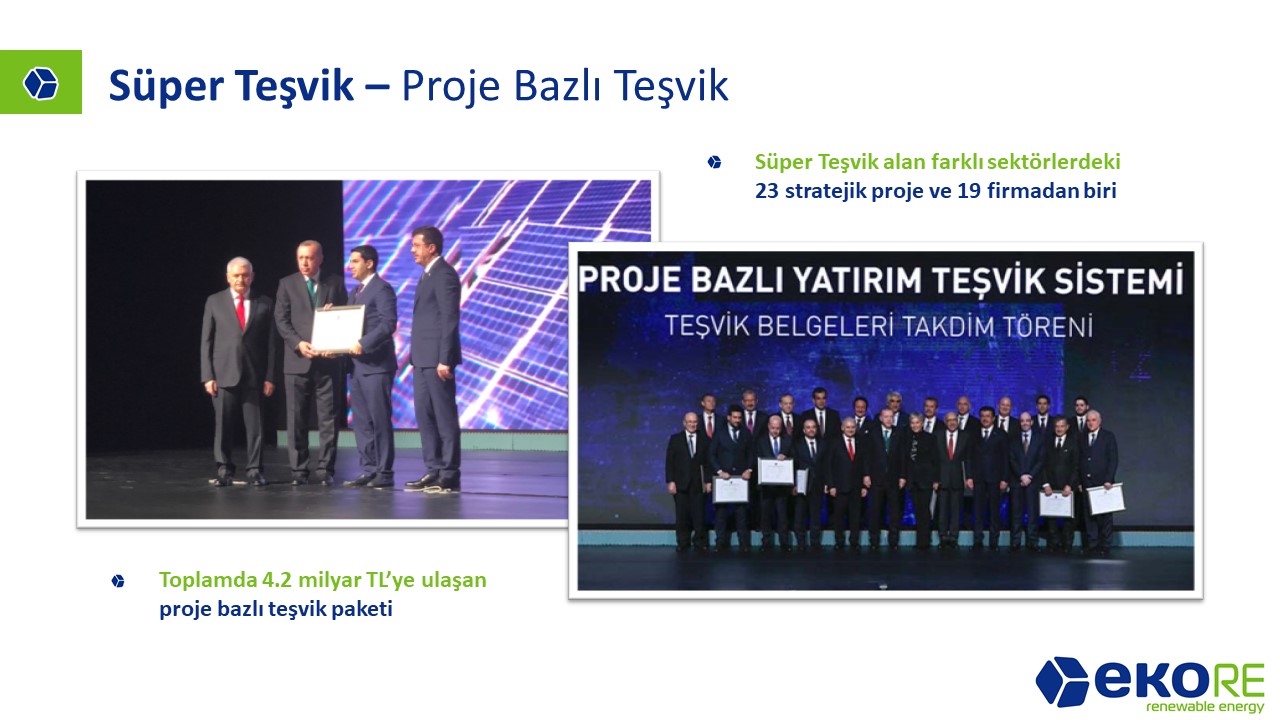
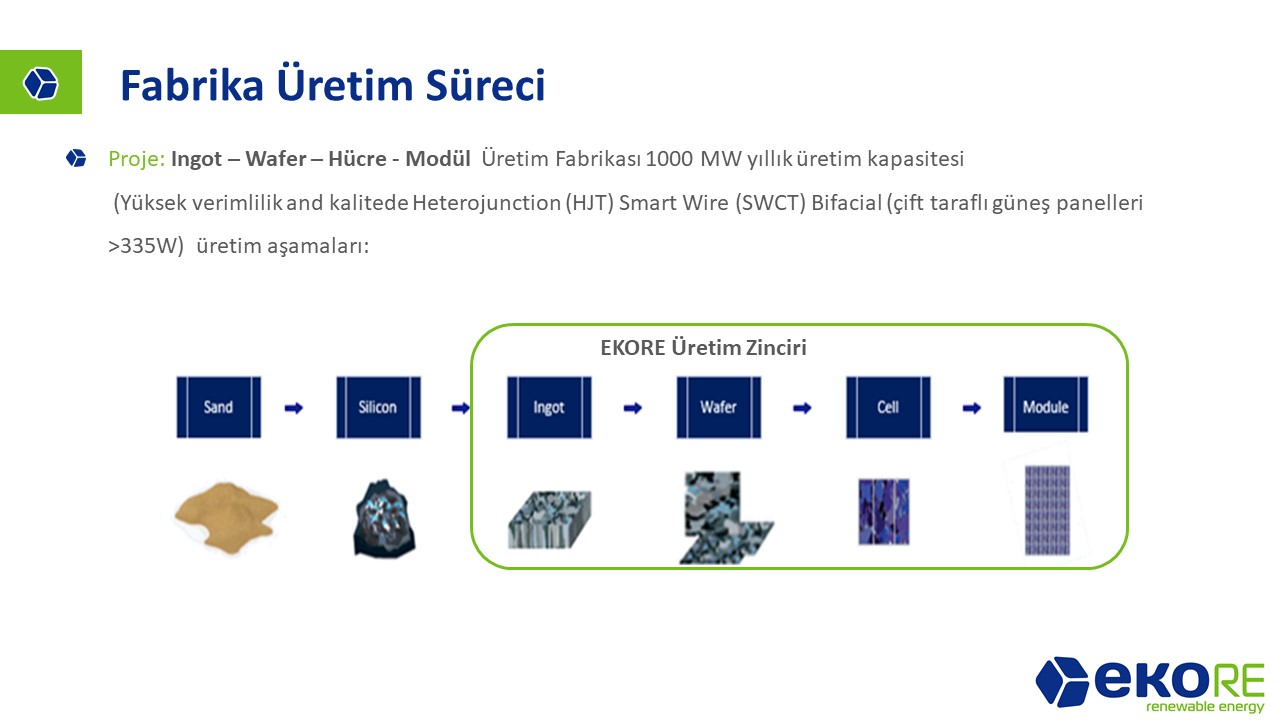
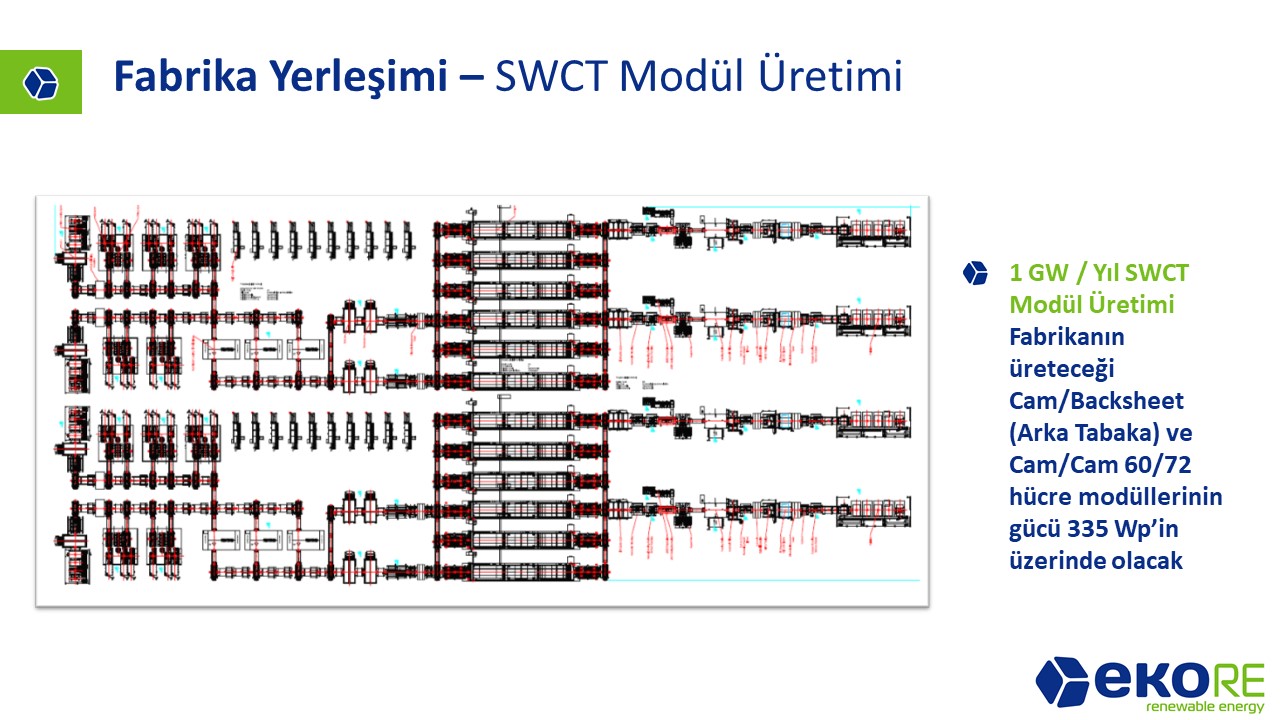
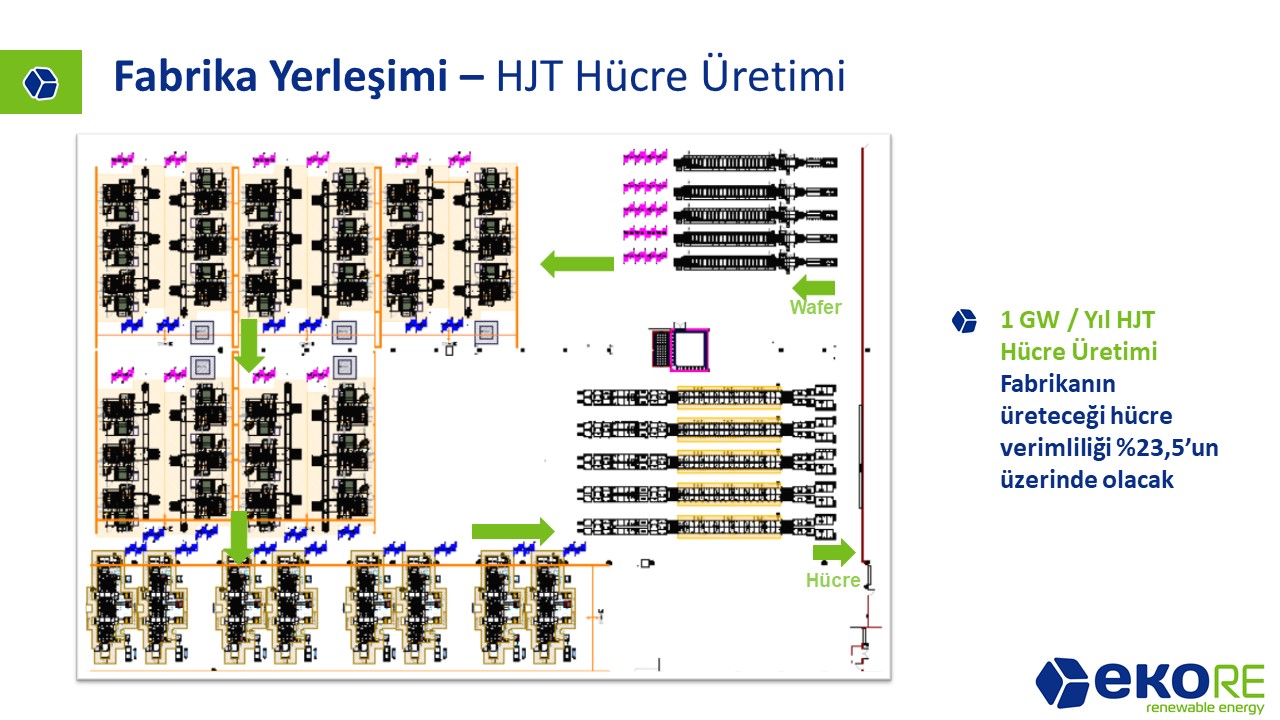
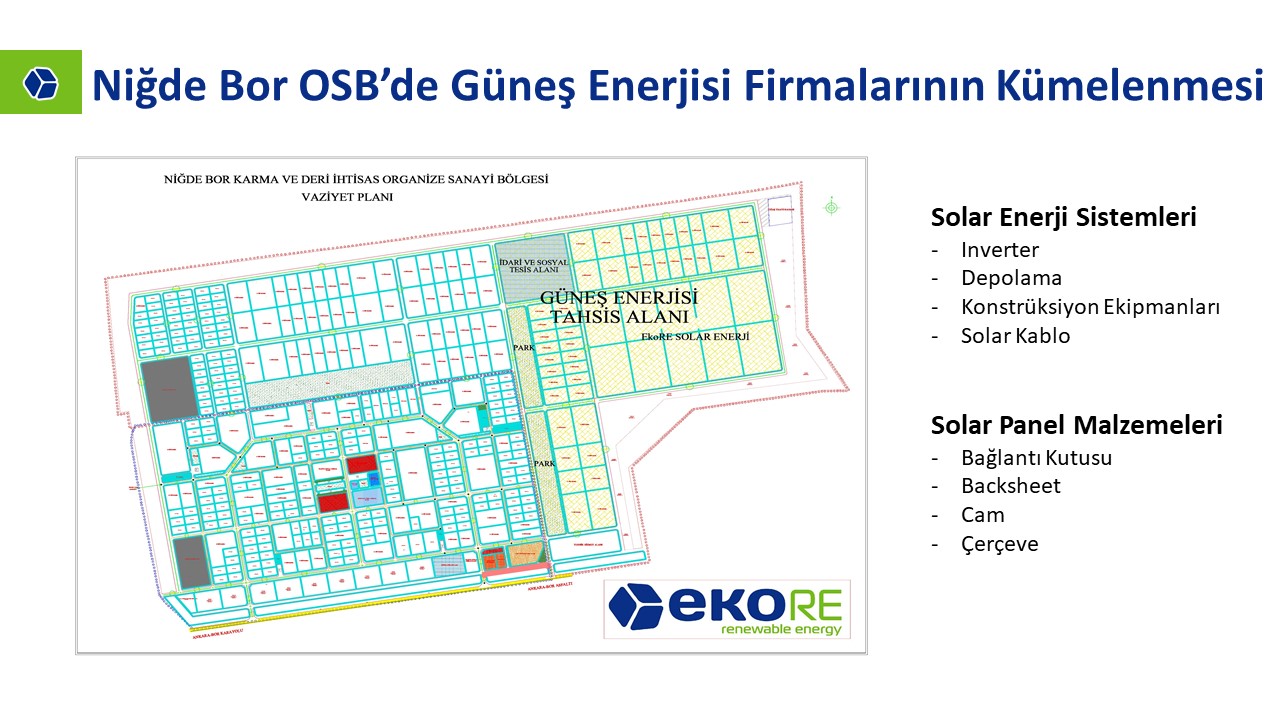
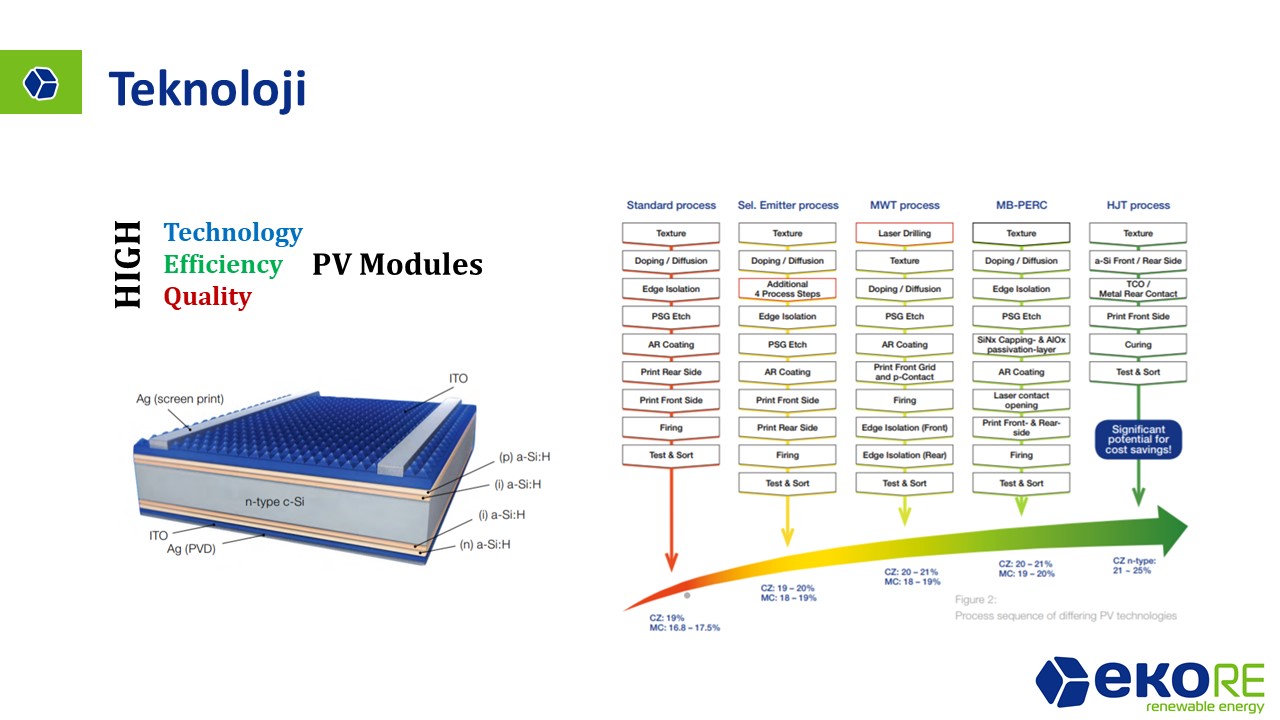
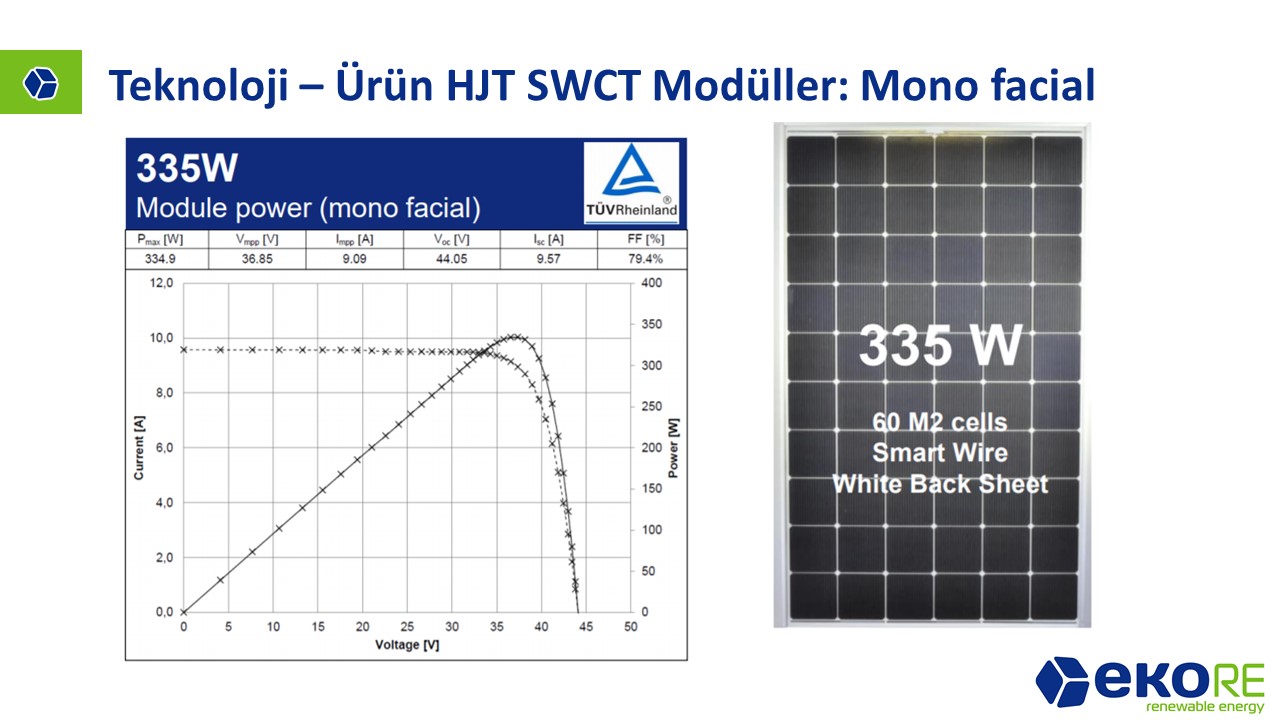
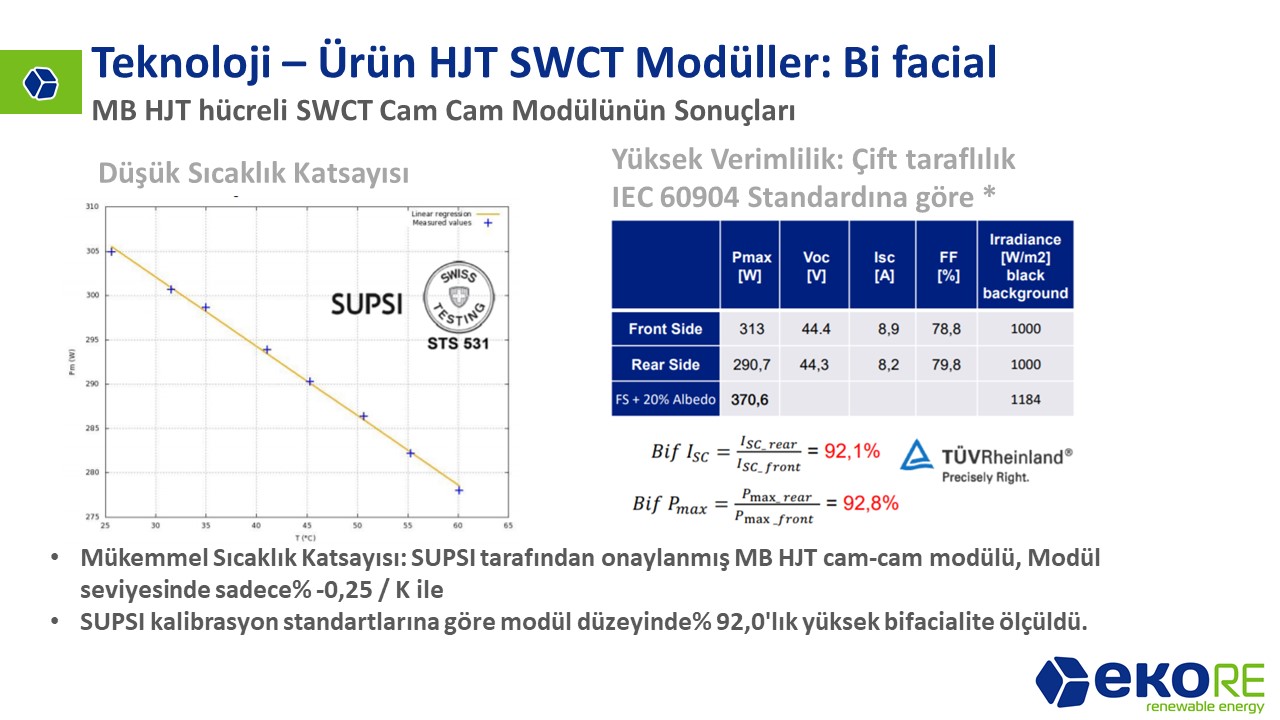
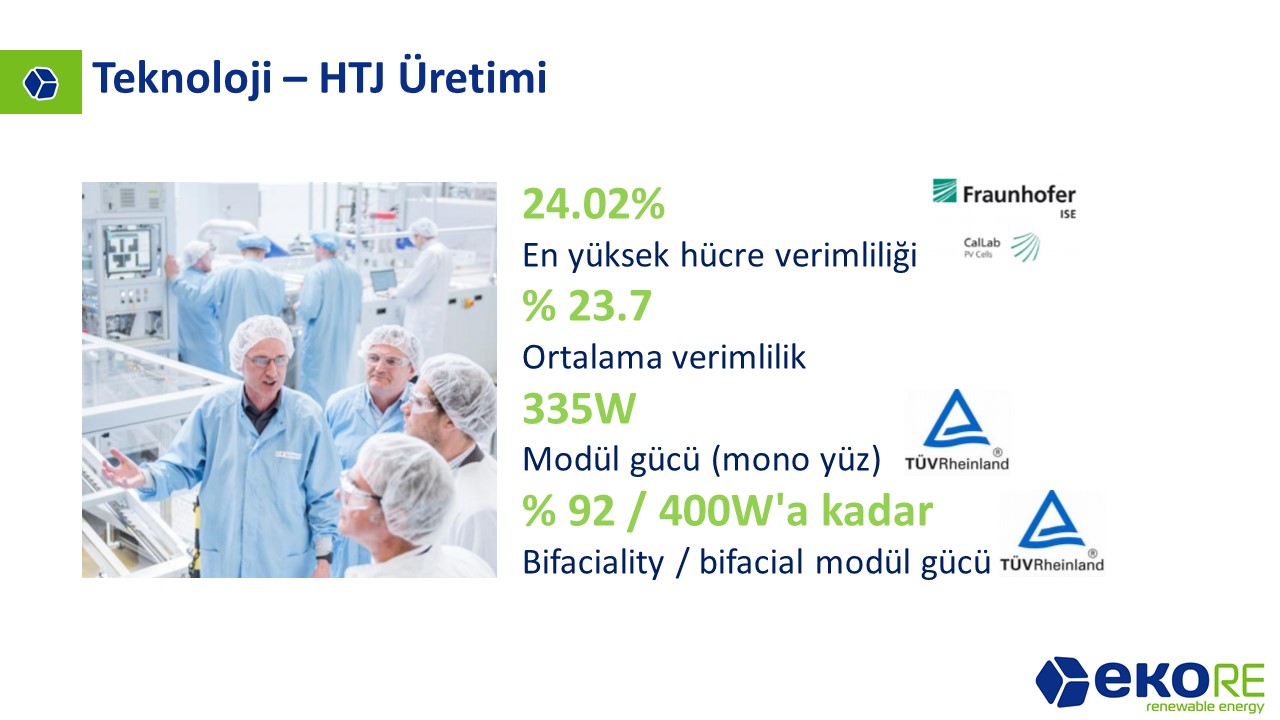
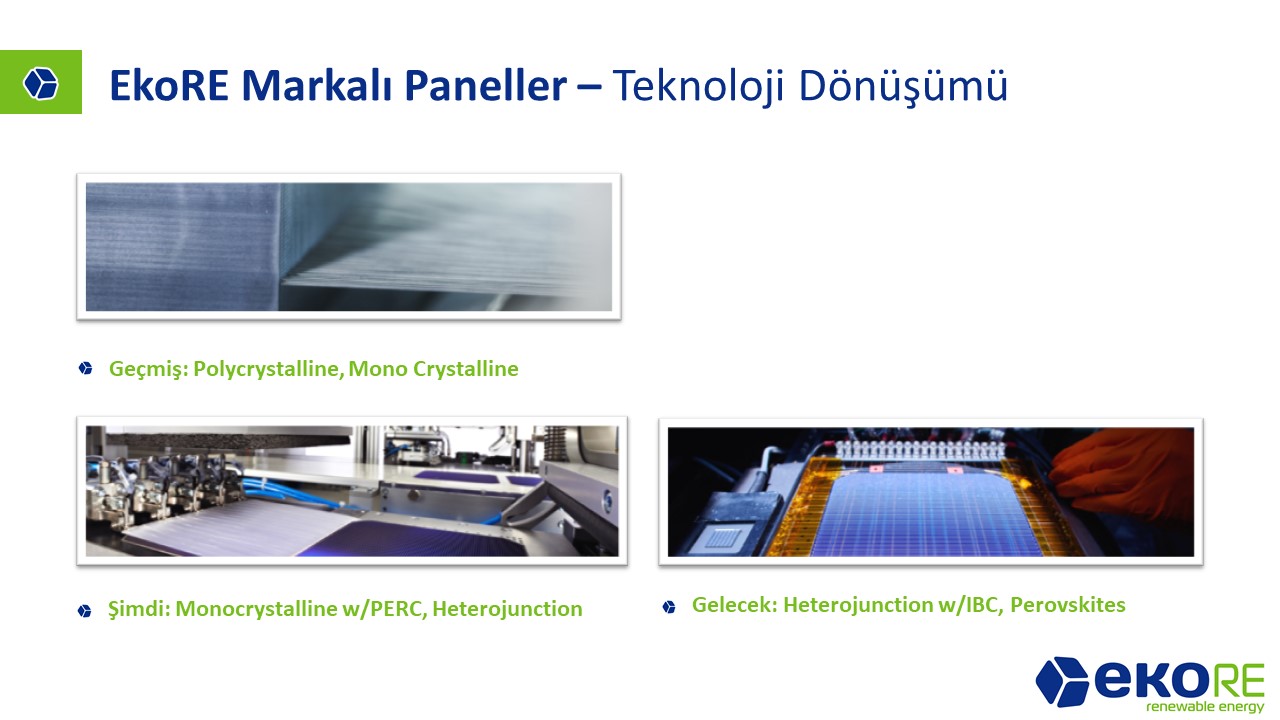
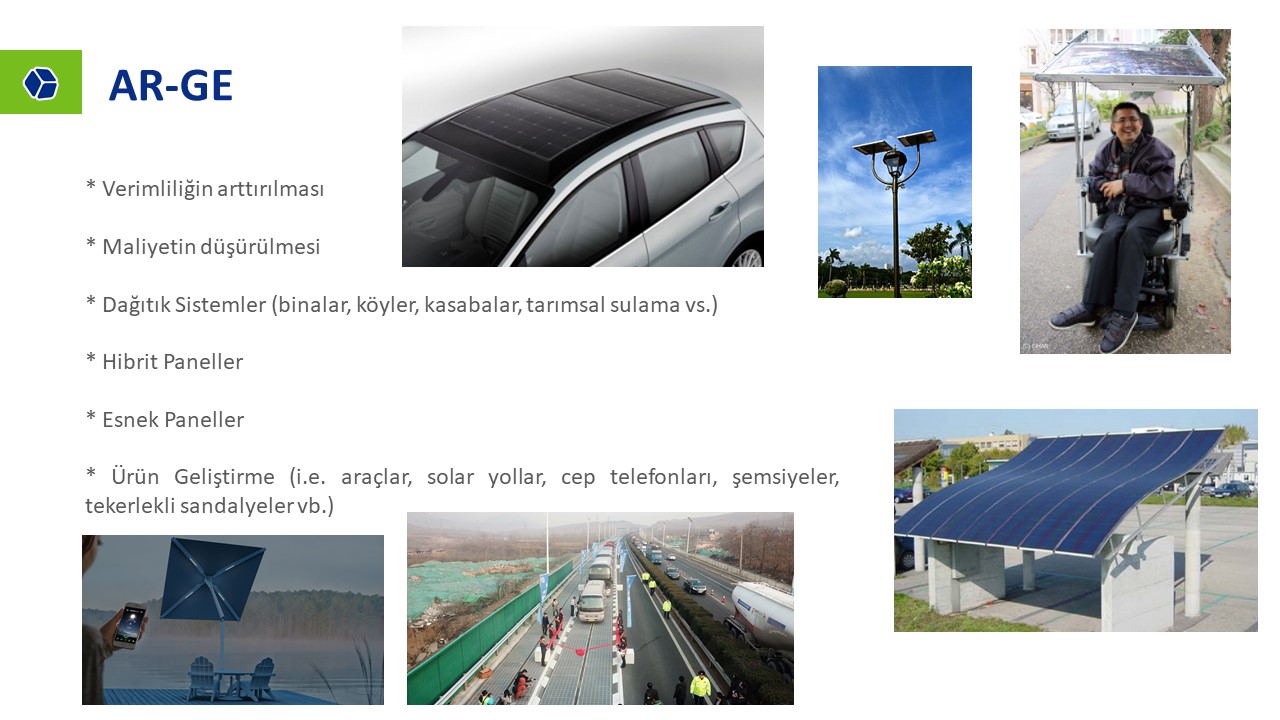
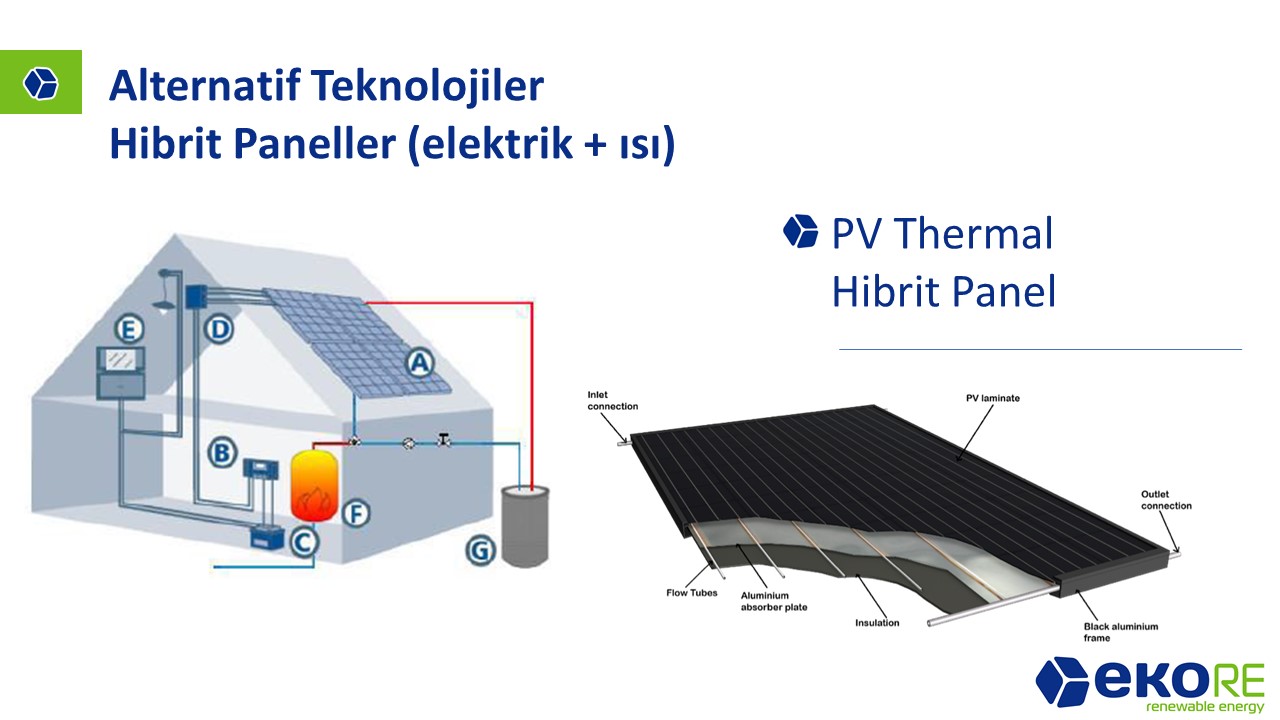
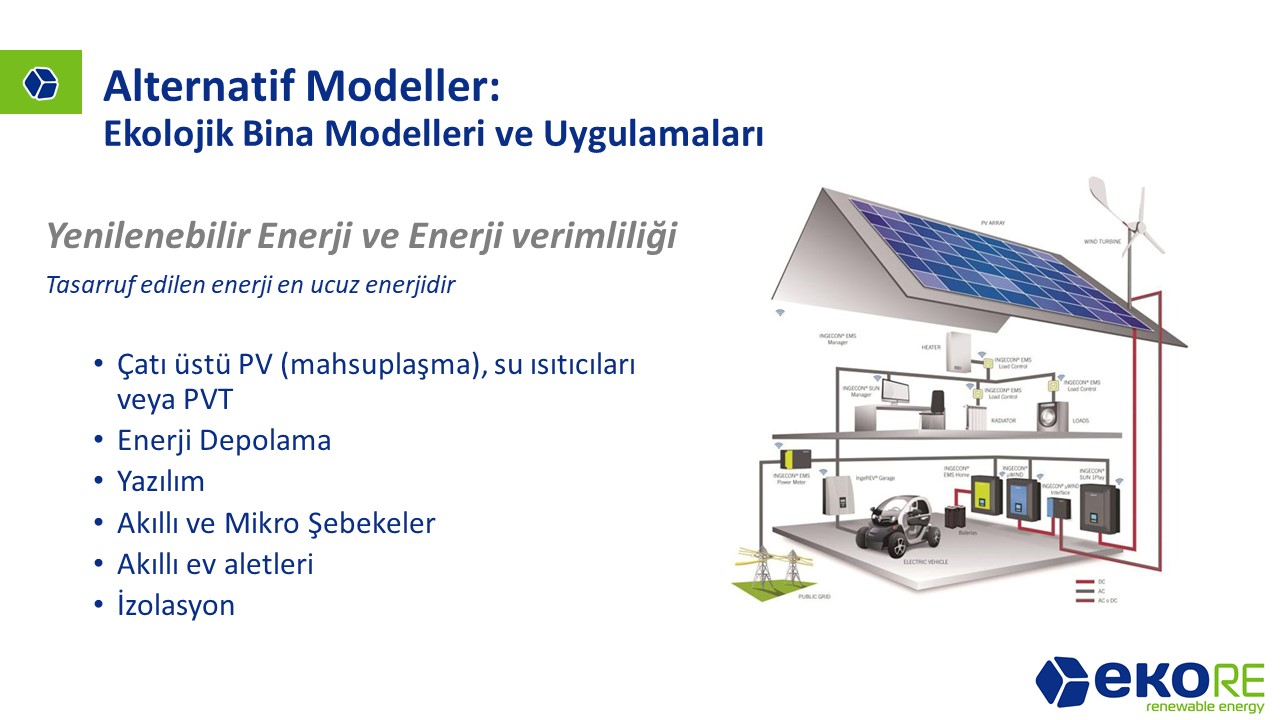
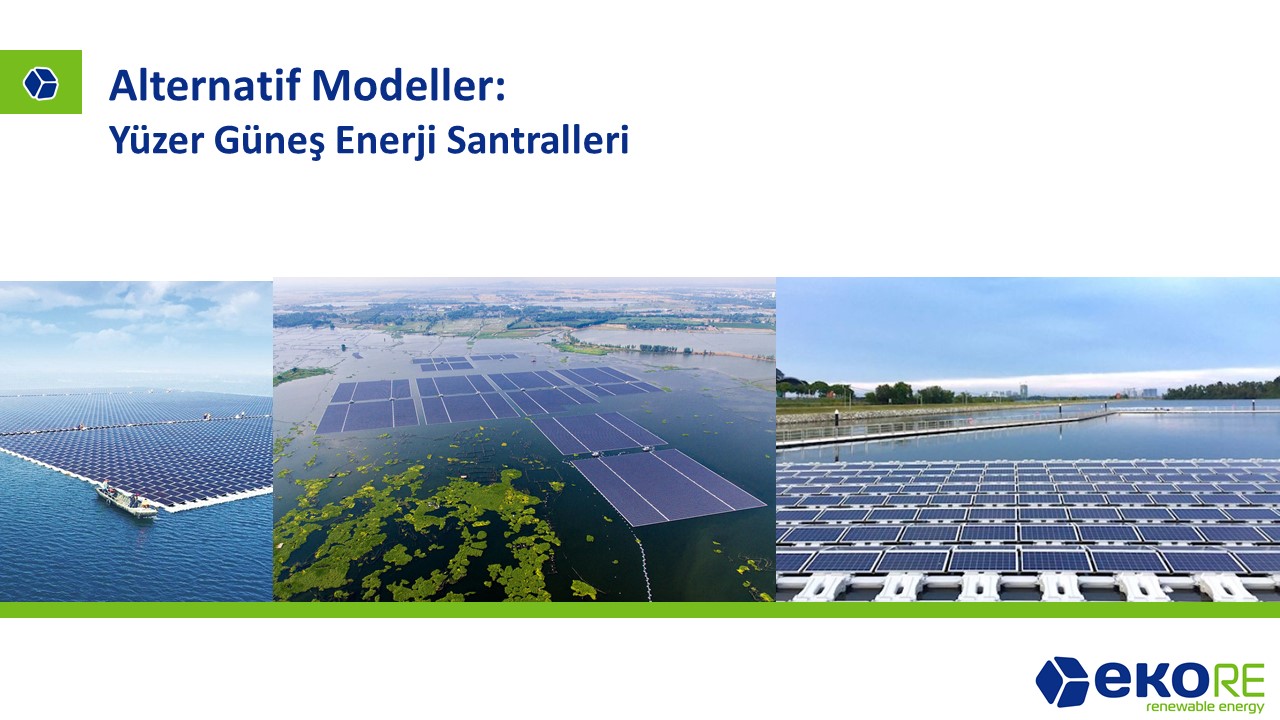
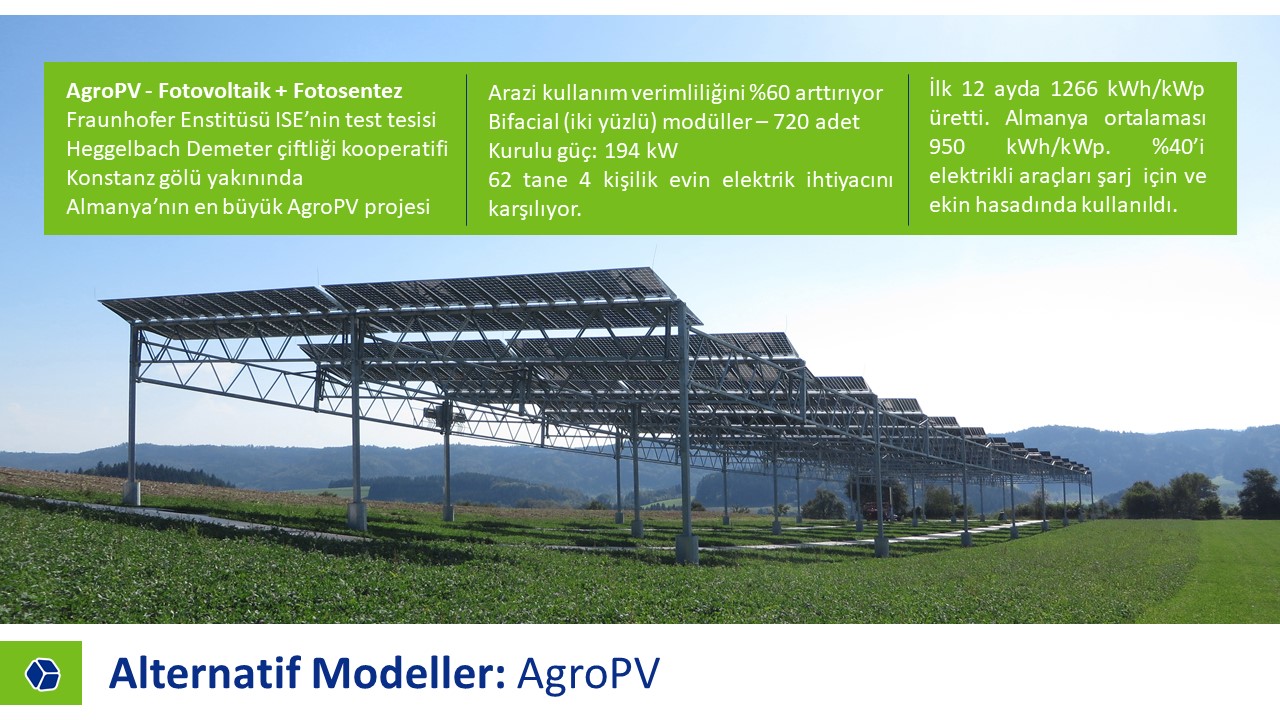
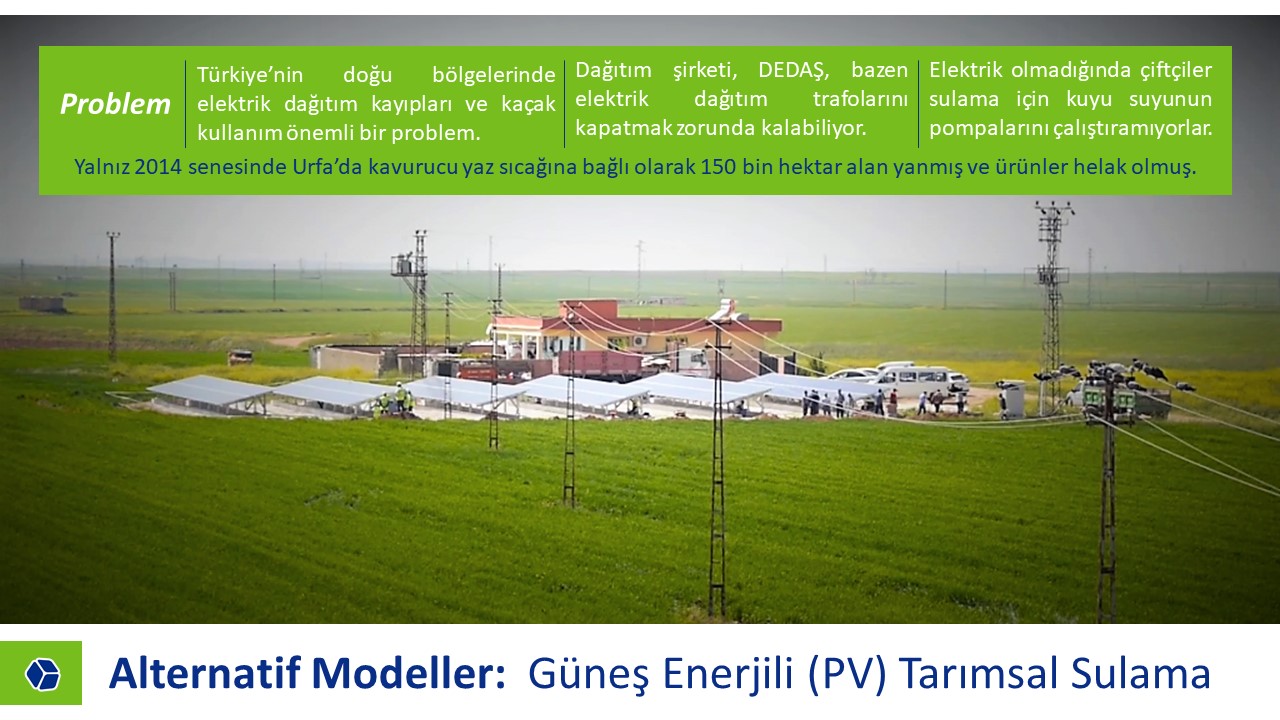
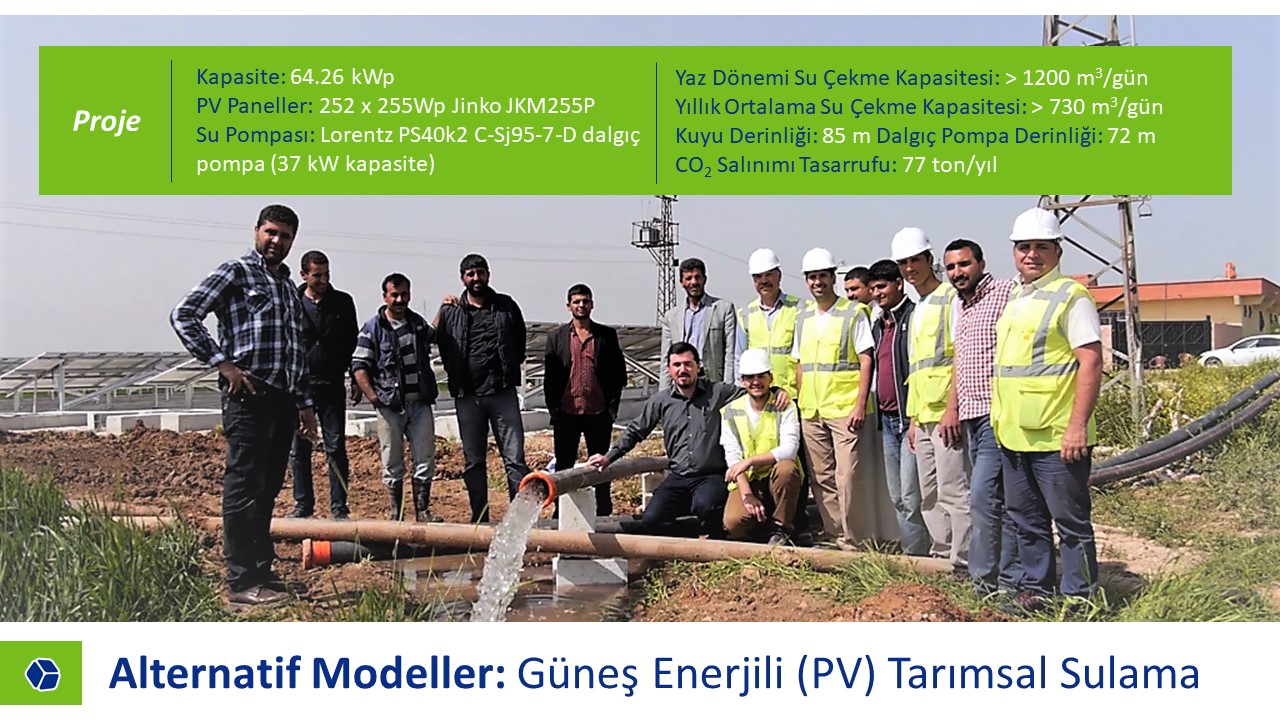
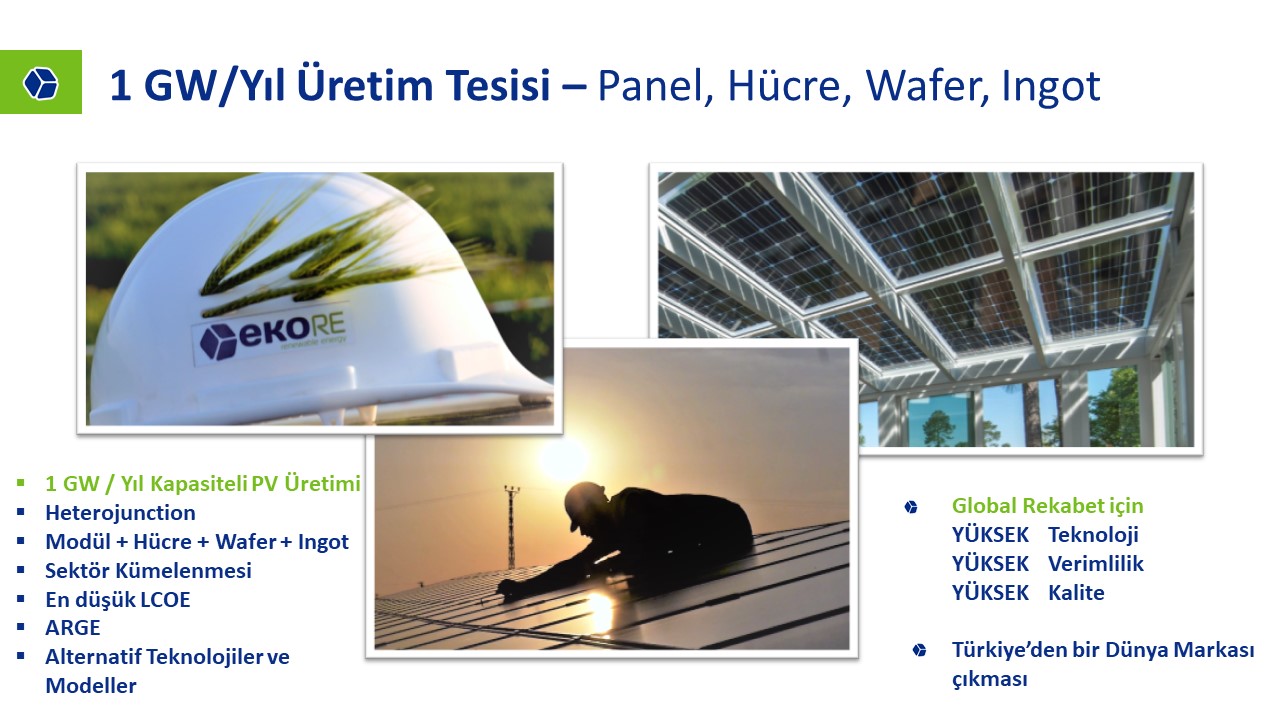
During the presentation, I noticed a significant portion of the audience’s eyes sparkling, especially when discussing alternative models and technologies. Ultimately, I emphasized that we, as an industry, shouldn’t stand still, and that EkoRE, as a company, will be a leader of change and transformation.
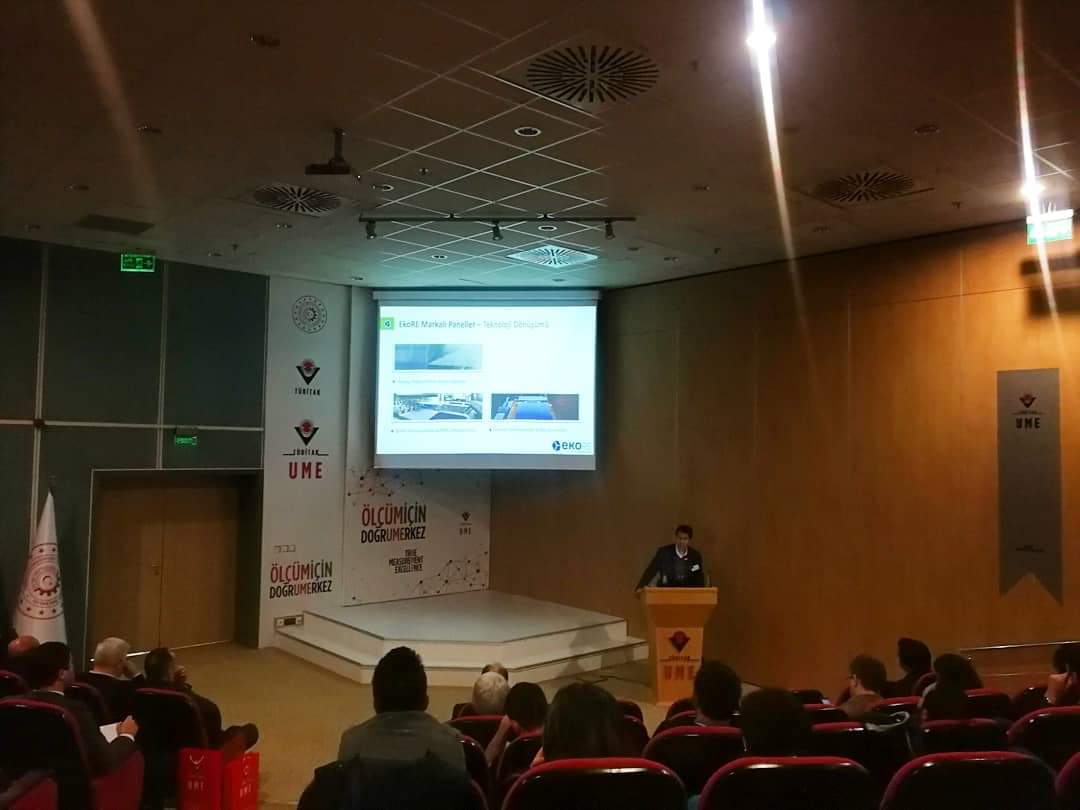
Our goal of becoming a global brand in innovation
There was also a point that caught my attention in some of the speeches given before me. I want to emphasize that we shouldn’t be as tech-savvy as we are about football, but rather that everything should be discussed based on science and research. No matter how prominent the speakers are with their careers, we mustn’t forget universal values like honesty, sincerity, and openness.
I will share the final report of this workshop in the ‘Note’ section at the end of this article when it’s officially published. For now, I want to emphasize that we’re far behind in innovation and that our mindset needs to change for us to have a say in this field.
It’s crucial to support, rather than hinder, those like me who have their hands full, not the hard work. If you can’t do this, just don’t overshadow them. We’ll take care of the rest.
Contrary to popular belief, I want to break some taboos and show our own citizens, who say “it’s impossible,” and the entire world, that innovation can create a global brand from this country.
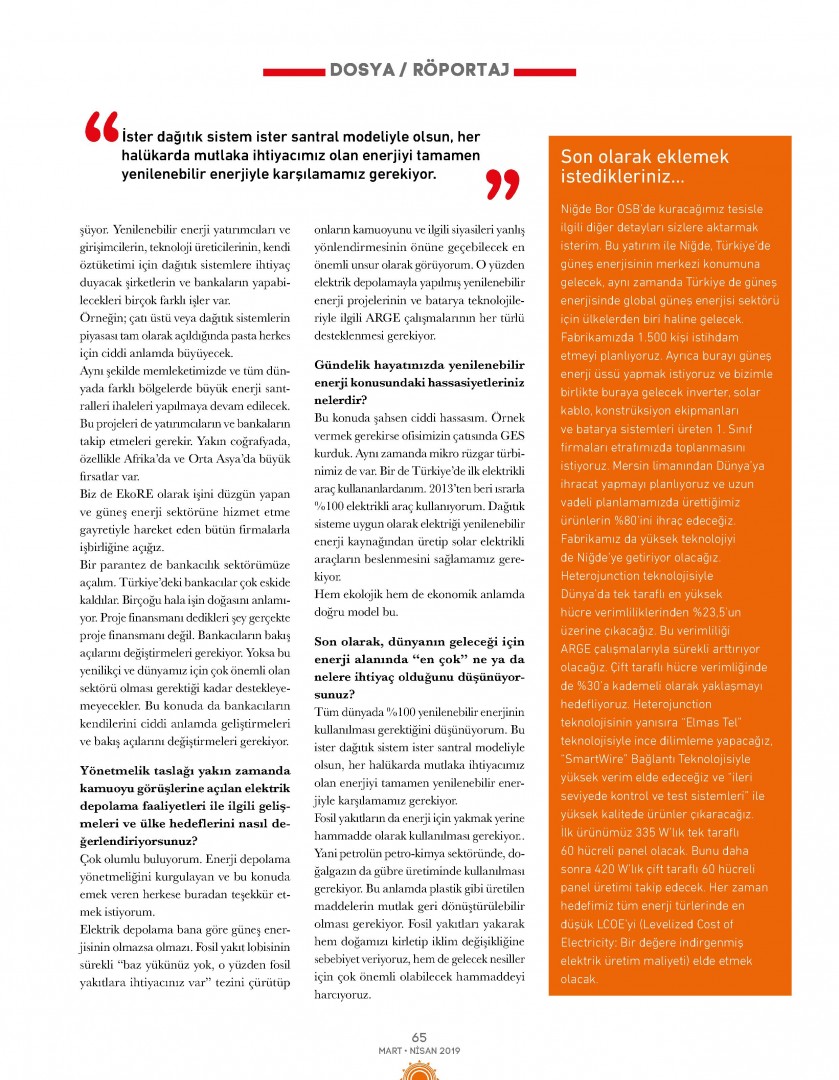
Bonus: As a bonus to this article, I’d like to share with you my interview with GÜNDER, the official magazine of the solar energy sector’s NGO, where I explained my views on the sector. Stay well.
Tag: business world