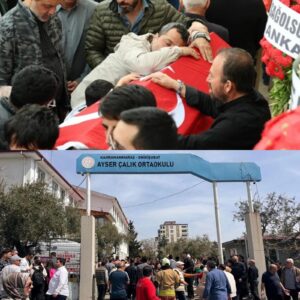
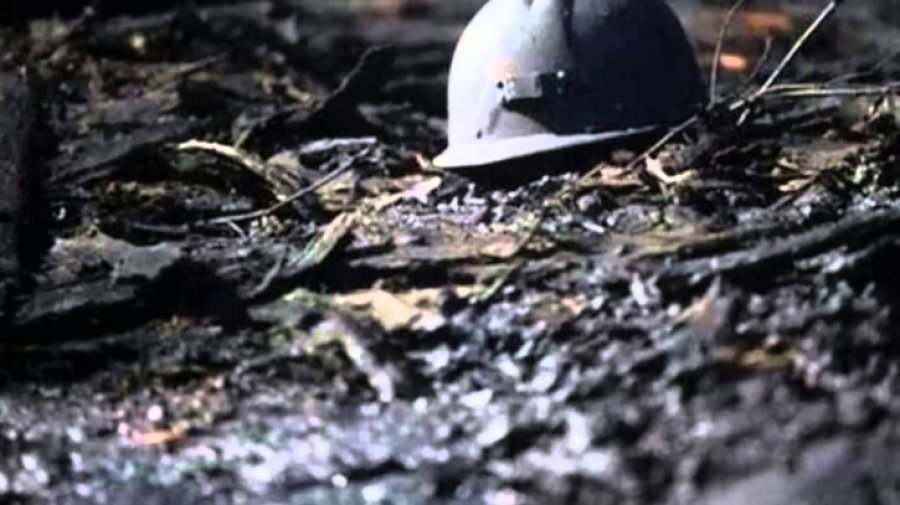
It was May 2014. At the association, we had just completed our restructuring process, held the general assembly, and passed our new bylaws. Two days later, on 13 May 2014, a fire broke out in a coal mine in Soma, a district of Manisa province, claiming the lives of 301 miners. It was recorded as the deadliest occupational and mining accident in the history of the Republic of Turkey. Following an explosion and fire that occurred during a shift change, 787 miners were trapped underground. On 17 May, Energy and Natural Resources Minister Taner Yıldız announced that a total of 301 people had lost their lives, and that with no one left inside, rescue operations had come to an end.
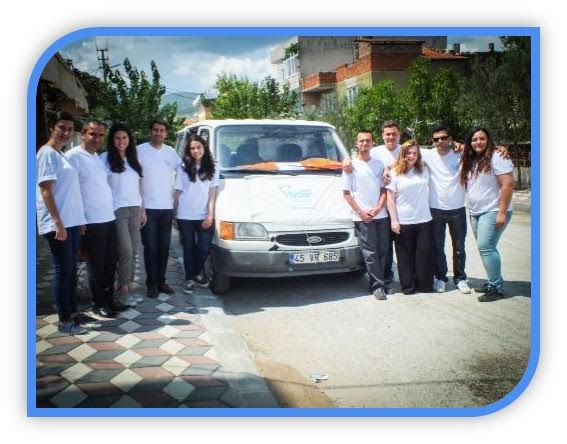
And where were we at that moment? Like everyone else, we were in shock. We immediately set aside the association’s regular work and began discussing what we could do. We had several resources at our disposal and were eager to start relief efforts as soon as possible. Finally, we mobilized and headed to Soma on 15 May. The first team included Selen, one of the association’s managers; Ezgi, a dedicated volunteer who had always supported us and with whom we hoped to work long term; my friend Alp, whom I had trusted for years and who also served on our board of directors; and two of his friends.
Getting into Soma was no easy task. The gendarmerie had blocked all entry points, and they stopped us as well. When six people emerged from a car with Istanbul license plates, they grew even more suspicious. We explained that we knew people in Soma and wanted to support the families of our miner brothers. From there, we called Kenan, a wind energy technician from Soma we knew. He kindly came to meet us, and together we explained our intentions once more to the gendarmerie commander: we wanted to help our Soma brothers. At last, with Kenan’s endorsement, we were granted permission to enter—but were told, “Don’t go into Soma itself. Go to Kınık instead.” So, we began our work in Köseler Village, in the Kınık district, following the security vehicle that guided us there.
Even during the drive, we kept debating what we could do. Eventually, we settled on a model that made sense to all of us: first, visit the families of the miners who had died to determine their needs, and then deliver those items to them as quickly as possible. We divided our needs assessment list into three categories: in-kind aid, scholarships for children and youth, and vocational training.
In-kind aid was already our specialty. Since our association was founded by food companies, we had a wide range of food products at our disposal. However, because we wanted to send only what was truly needed to Soma, we decided to first ask what was required and then meet those needs. This proved to be the right strategy, because the people we spoke to said they had already received far more food than they needed from many different organizations and didn’t want more. Instead, what they needed most were baby diapers for the infants of our miner brothers who had passed away at such young ages. We delivered the requested items to them within a week.
For school-age children and youth, we got in touch with relevant organizations like Darüşşafaka and TOG, sharing the information we had and acting as intermediaries to help secure scholarships for the children of these families. We also took other steps to support children in school. For example, thanks to computers donated by Amadeus, we set up computer labs in two schools in Soma.
Lastly, we helped relatives of miners who were looking for jobs connect with nearby factories. For instance, we provided Keskinoğlu Poultry Factory—a company in need of blue-collar workers—with a list of those willing to work and arranged interviews for them.
By the time we were nearing the end of the work we had started in May, one day in August, Selen from the association came to me and said, “We’re almost done with our efforts, but I can’t shake the feeling that we still need to do something for the women there.”
“Yes,” I replied, “the situation of the women we saw in the villages is far from encouraging. What could we do?”
“I’m not sure,” said Selen. “Maybe we could develop a rural development project.”
“In what area, and in which village?” I asked.
“I don’t know,” she said. “Do you have any ideas?”
I didn’t either. “If you want,” I suggested, “we could put this question to all the institutions and organizations involved with Soma. How about organizing a workshop?”
Selen liked the idea. Following our conversation, we got to work, sending letters to all the organizations and institutions we knew in the Manisa and Izmir regions. We also reached out to NGOs in Istanbul. On 5 September 2014, we organized a workshop at Izmir University of Economics with the participation of about 15–20 institutions and organizations. The district governor of Soma also attended.
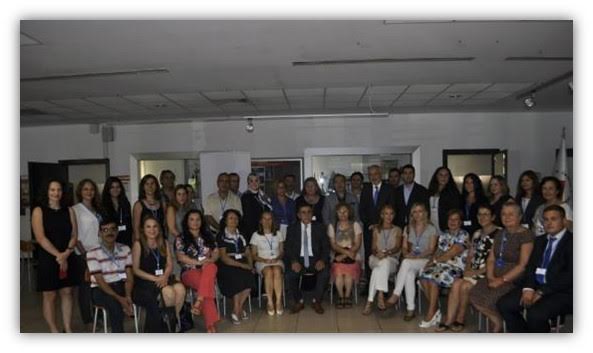
After the general discussions, we broke into working groups to brainstorm what could be done in Soma’s villages. Once the group sessions concluded, we brought everyone back together, narrowed down the suggestions, and voted to prioritize them into five main areas of focus.
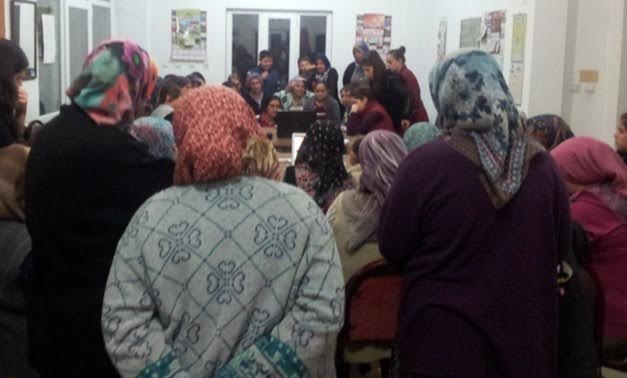
After the workshop, we carried out fieldwork in the villages and conducted a survey among the women. This survey was carried out in person by Selen and our volunteer, Yasemin (Mürsaloğlu). According to them, the village most eager to have a rural development project and absolutely determined to act was Yırca, a village in Soma. In fact, the women there were so determined that they told the men to vacate the coffeehouse, saying, “We’re holding a meeting here.”
At that coffeehouse meeting, the women’s top request was to learn how to make soap. The women of Yırca are truly high-energy, generally cheerful, and very self-confident. Early in the project, while joking around, one of the women quipped, “Coal’s soot, soap’s scent,” and just like that, we had our project slogan.
When it came time to think about branding, we wanted to give the project a woman’s name. Since two of the three women who had contributed the most to the project were named Yasemin, I looked up the meaning of “Yasemin” and discovered it was a plant from the olive family—bingo! Yırca’s main livelihood is olives, and, as I said, two of our key contributors shared that name, so I proposed we call the project “Yasemin.” Everyone agreed, and “Yasemin” became our corporate identity.
I should add that our new general secretary, who just joined the association last month, is also named Yasemin (Uyar). Looks like luck is always on our side when it comes to Yasemins…
Our corporate identity is Yasemin
As a result of all this work, we decided to launch soap production in Yırca, Soma. The İnci Foundation—established by İnci Battery—took ownership of the project under the leadership of its General Secretary, Berkin Yarar, and provided the grant needed for the initial capital. Yasemin Tutal volunteered as the trainer and bless her, taught the women every detail of the craft. Finally, our volunteer Yasemin Mürsaloğlu stayed in the village for two and a half months, setting up the system and ensuring everything ran smoothly. Selen and the rest of the Tider team came from Istanbul to support her.
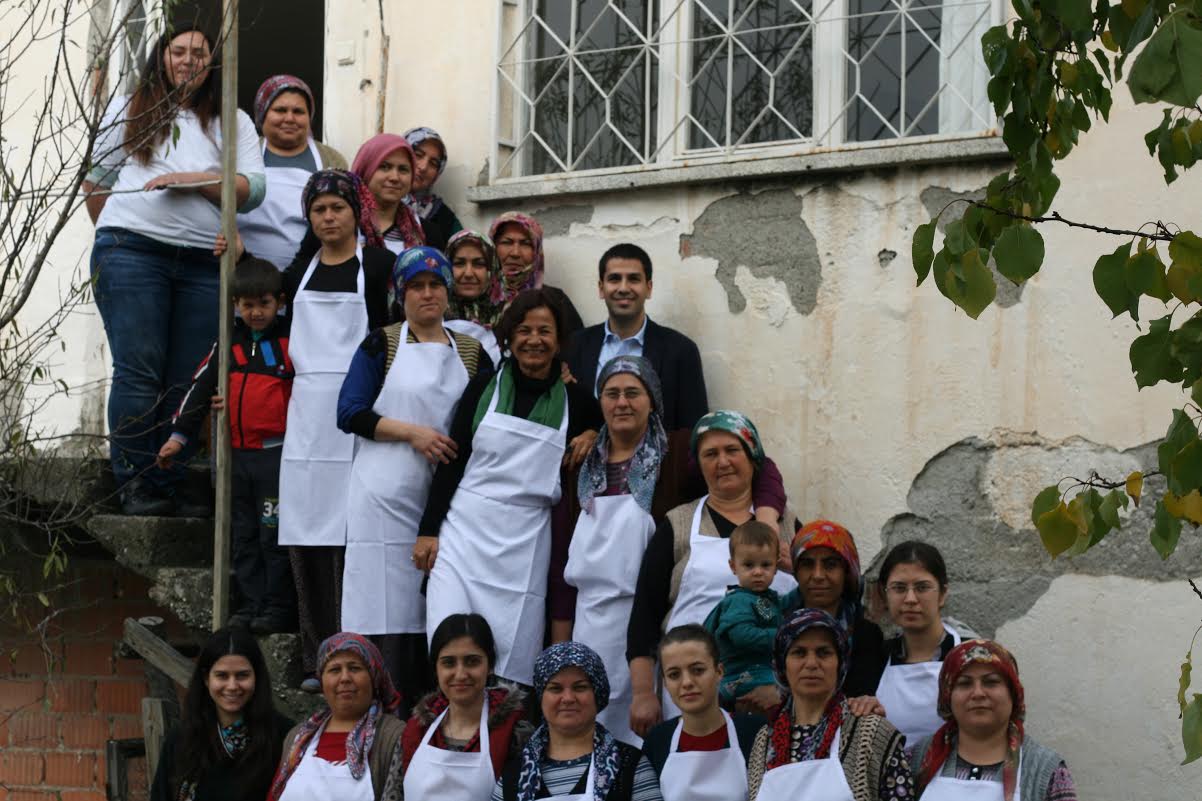
The first photo we took with the women of Yırca at the beginning of the project.
Thanks to our association’s connections with commercial enterprises, we achieved high sales volumes through organizations such as the Hoteliers Association of Turkey (TÜROB), Morhipo, and Unifree (operator of Duty Free). The project attracted significant attention in print and broadcast media, and support poured in from all directions.
Here’s an example from the visual media—you can watch the CNN Türk coverage.
Within the span of a year, we sold 42,000 bars of soap, enabling 34 women from Yırca to earn over 200,000 TL in total income. The Turkish Psychologists Association also supported our efforts. Under the leadership of psychologist Çiğdem Yumbul, they conducted interviews with the women of Yırca in the field. Their findings were extremely positive. Thanks to our soap project, the women were able to overcome the trauma of losing their olive trees in just a few months.
Starting with the workshop in September 2014 and moving into production in November, we reached the one-year mark—and it was time to hand over the entire operation to the women of Yırca. We finalized this handover in February 2016.
Here’s our video telling the story of the project:
With this project, we have fulfilled our part. Will we take on another development project in the future? Why not? But as an association, we’ve decided to give priority to the “Support Project,” because our cities need it. The Support Project consists of Support Market and Support HR, and I’ll be writing about it in March. However, my immediate priority is to address an issue that has been bothering me, in a piece that in some ways ties into Atatürk’s words: “I like athletes who are intelligent, agile, and, above all, moral.” See you in the next article…
Tag: social responsibility