Those in the know know that Red Bull is derived from a similar drink called Krating Daeng, created by Thai pharmacist Chaleo Yoovidhya in 1976 and popular among Thai truck drivers and laborers. Its story begins in 1982, when Red Bull founder Dietrich Mateschitz purchased and drank a can of Krating Daeng while working at Blendax (later acquired by Procter & Gamble) in Thailand. Believing the drink would help with jet lag (the time difference caused by flights causing sleep disturbances), he contacted Yoovidhya and formed a partnership. And then history took hold. They carbonated this Thai beverage, making it more suitable for Western tastes.
As a result of all these discussions and efforts, in 1984, the duo founded Red Bull GmbH in Fuschl am See, a village of 1,500 people near Salzburg. Each partner invested $500,000 in savings to fund the company. Yoovidhya and Mateschitz each held a 49% stake in the new company. They gave the remaining 2% to Yoovidhya’s son, Chalerm, but it was agreed that Mateschitz would manage the company. The product launched in Austria on 1 April 1987, beginning its journey.
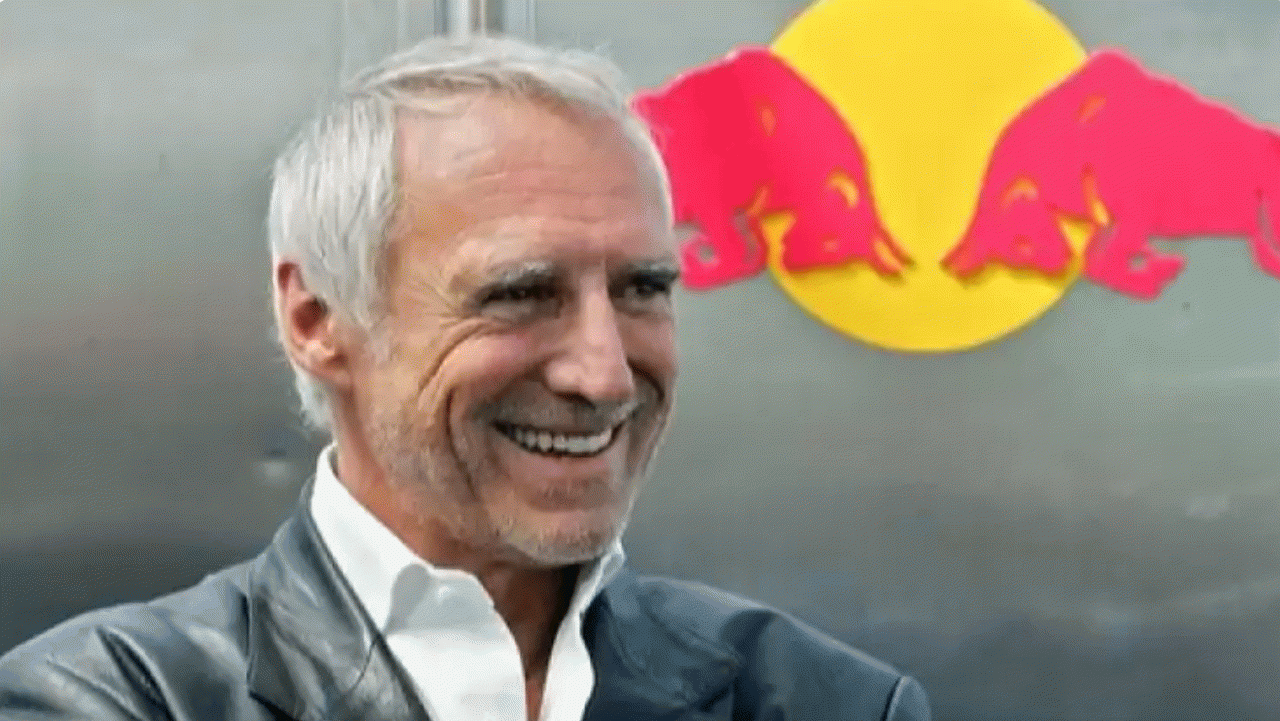
Red Bull’s originator, founder, and first CEO was Austrian Dietrich Mateschitz.
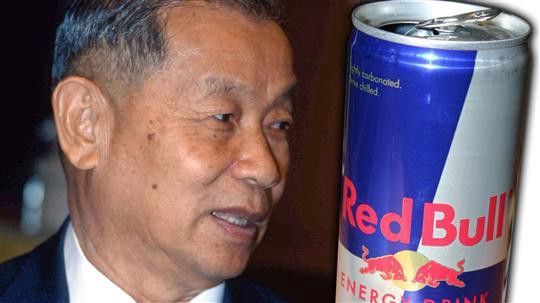
Red Bull’s other founder, and pharmacist Chaleo Yoovidhya, inventor of the famous Thai drink Krating Daeng, which formed the basis of the original Red Bull product.
The name and symbol remain faithful to the original product.
When branding his new product, Mateschitz referenced the name Krating Daeng: daeng means red in Thai, whereas krating is known in English as gaur, or Indian bison. Gaur is a large species of wild cattle native to the Indian subcontinent. In 1987, the company sold its first can of Red Bull in Austria. In 1996, Red Bull launched in the United States and has seen steady growth ever since. Both Red Bull and Kraeting Daeng continue to market their drinks separately in Thai and Western markets, using the same red bull symbol in their yellow sun logo. The flavor used for Red Bull is still produced in Bangkok and exported worldwide.
Astounding Figures Reached
With a 43% market share, as of 2020, it is the most popular energy drink brand and the third most valuable soft drink brand after Coca-Cola and Pepsi. Since its launch in 1987, over 100 billion cans of Red Bull have been sold worldwide, with 11.5 billion expected by 2022.
In 2008, Forbes magazine listed both Chaleo and Mateschitz as the 250th richest people in the world, with an estimated net worth of $4 billion. Mateschitz’s net worth, as estimated in April 2022, was $27.4 billion. Mateschitz passed away on 22 October 2022, at the age of 78, after a long illness. Gary Smith has been appointed co-CEO.
Authentic Flavors Growing with Variety
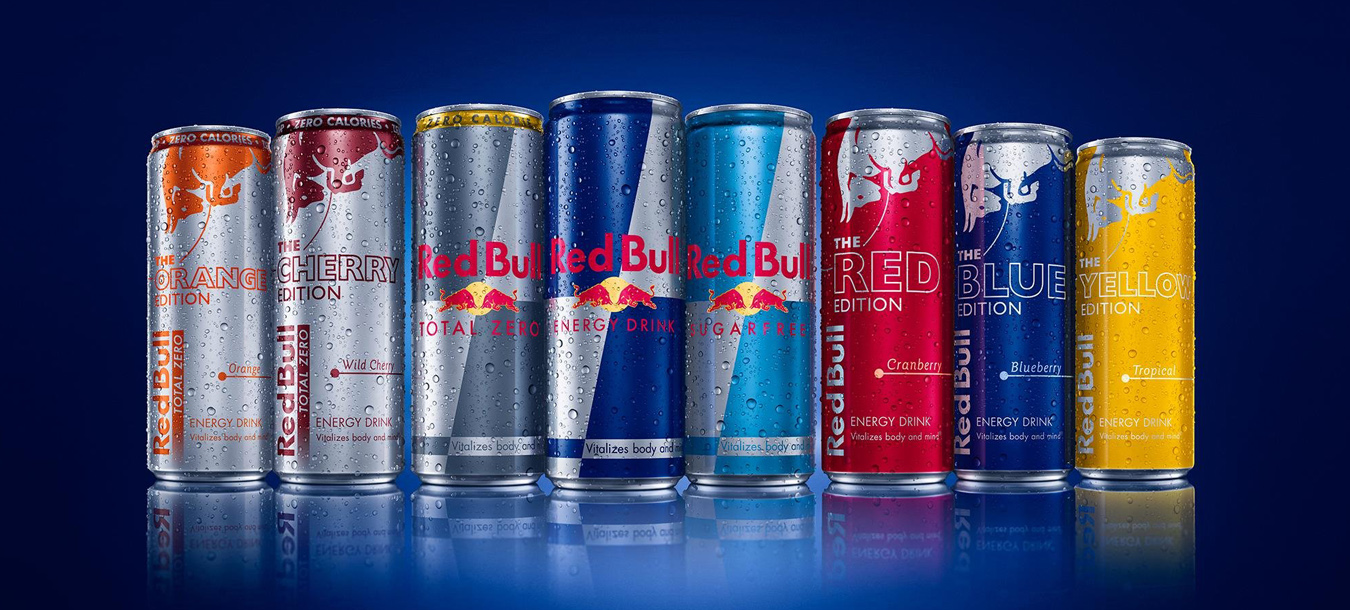
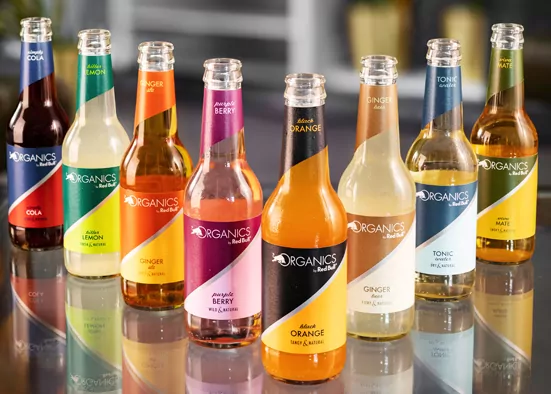
Initially, there was only one Red Bull energy drink, Red Bull Energy Drink, sold in a tall, thin silver-blue can, but over time, they’ve expanded their selection. In fact, I recently tasted their newly launched Organics by Red Bull drink in Salzburg. The purple berry version was especially delicious. Here’s a photo of the Purple Berry Organics I drank in Salzburg:
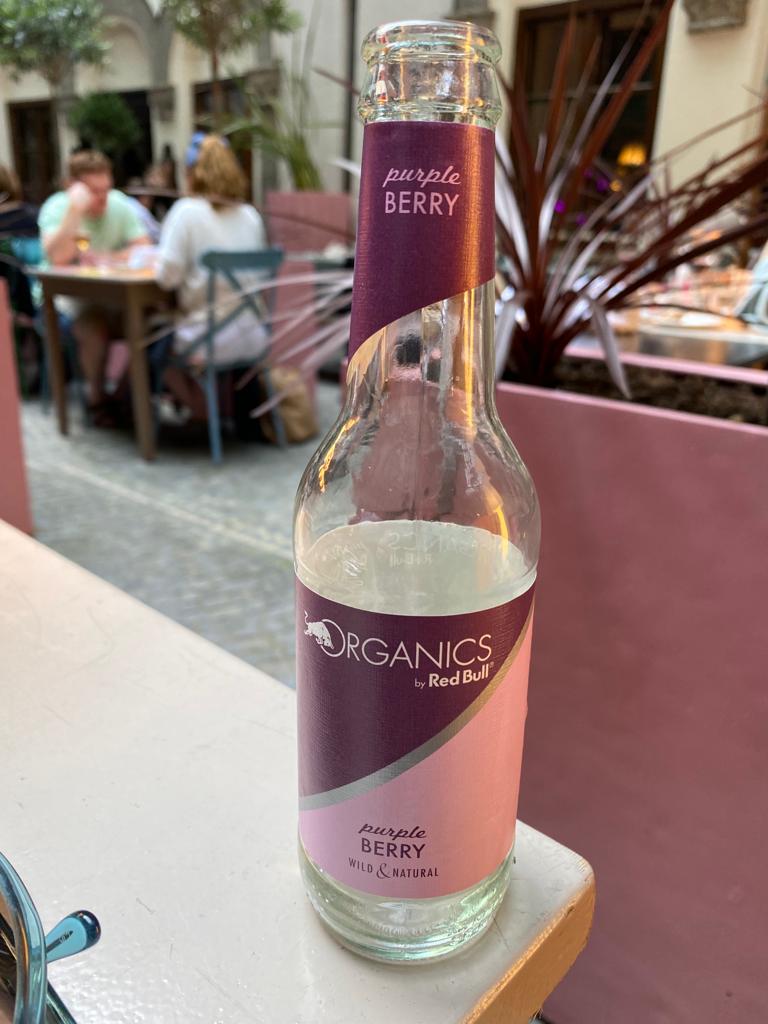
Among sodas, this will be a product I enjoy as much as Schweppes Tangerine, perhaps even more because it’s more authentic. This is the product range of Red Bull’s relatively new beverage, Organics:
“Red Bull Gives You Wings”
The phrase “Red Bull Gives You Wings,” or “Red Bull Kanıtlandırır” as it’s used in Turkey, has practically become Red Bull’s slogan. Beyond the original Red Bull and all its subsequent diversified drinks being delicious, Red Bull’s success story stems from its incredible marketing skills. Wherever there’s a fun, adrenaline-pumping, and enjoyable extreme sports competition, or a challenge, Red Bull is there.
The brand generates special recognition in such areas through its registered extreme sports event series such as the Red Bull Cliff Diving World Series, Red Bull Air Race, Red Bull Crashed Ice. To better illustrate, let’s list current and past Red Bull events: ACF Nationals (2009), Air Race World Championship (2003–2019), Argentine Motorcycle Grand Prix, Art of Motion, BC One, Big Wave Africa, Cape Fear, Cliff Diving World Series, Crashed Ice, Dolomitenmann, Drifting World Championship, Flugtag, Frozen Rush, Indianapolis Motorcycle Grand Prix, King of the Air, King of the Rock Tournament, Last Man Standing, MotoGP Rookies Cup, American Motorcycle Grand Prix, New Year No Limit, Paper Wings, Rampage, Red Bull 400, Red Bull Joyride, Road Rage, Romaniacs Hard Enduro Rallye, Soapbox Race, Spanish Motorcycle Grand Prix, Stratos, Street Freestyle World Champions (2019), Trolley Grand Prix, Unleashed (2015), Wings for Life World Run, X-Alps, Xcbusa, and X-Fighters.
Pushing the boundaries, even to the point of a space jump
Red Bull is a true “brand legend.” The primary goal of all their activities is to have fun and to push human limits. For example, we can see them pushing the boundaries with their Red Bull Stratos space dive, a parachute jump from space to Earth, conducted by Felix Baumgartner. Now, let’s revisit this incredible jump, a great achievement for humanity (and we also extend our respects to Felix Baumgartner):
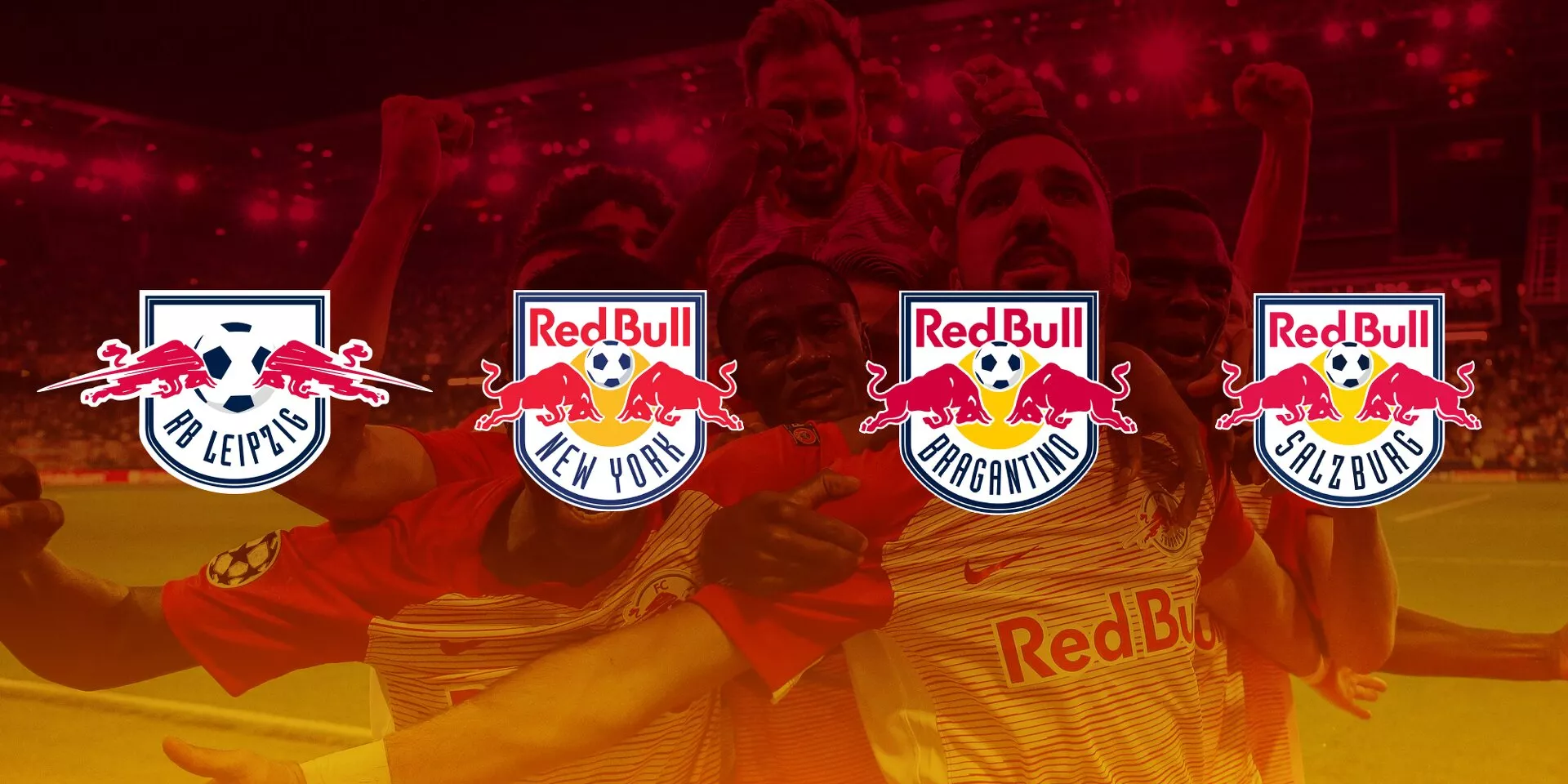
Beyond sponsoring sports activities and even founding and managing some of them themselves, they also own and manage several sports clubs. Red Bull Salzburg in Austria and Red Bull Leipzig in Germany are two football clubs they own and successfully manage. Both teams, challenging for the top spots in Germany’s and Austria’s top leagues, stand out with their management style, emphasizing youth development and youth development. This is demonstrated not only by their investments in the clubs’ youth academy but also by their investments in the second division. In addition to these top-tier clubs, Red Bull also owns FC Liefering, a club that plays in Austria’s second division. In this league, they develop and transfer numerous players to the higher leagues.
Similarly, Red Bull later expanded their portfolio of football clubs beyond continental Europe, adding Red Bull New York in the US and Red Bull Bragantino in Brazil. It’s known that in addition to owning teams in the top divisions in the US and Brazil, they also own football teams in the second and third divisions to develop players.It’s known that in addition to owning teams in the top divisions in the US and Brazil, they also own football teams in the second and third divisions to develop players.
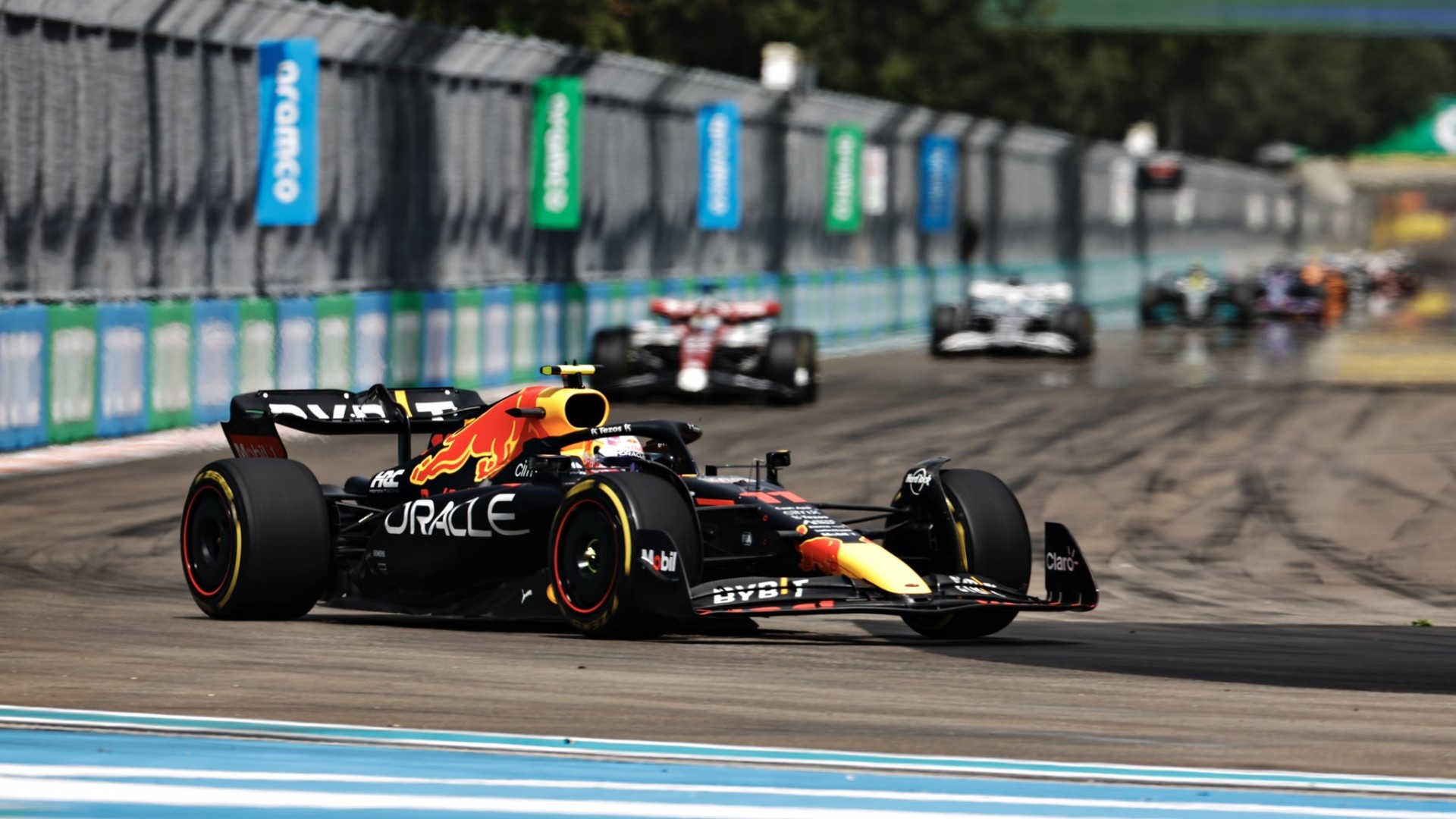
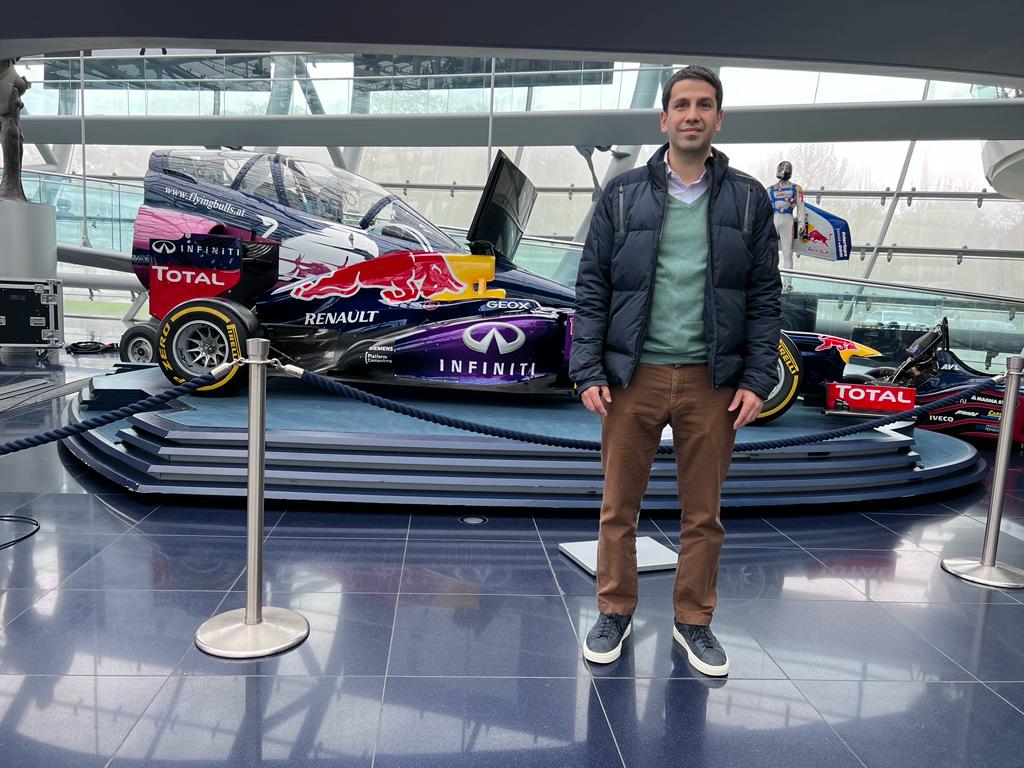
In addition to this, they also own Red Bull, one of the top teams in Formula 1, the world’s largest car racing organization.
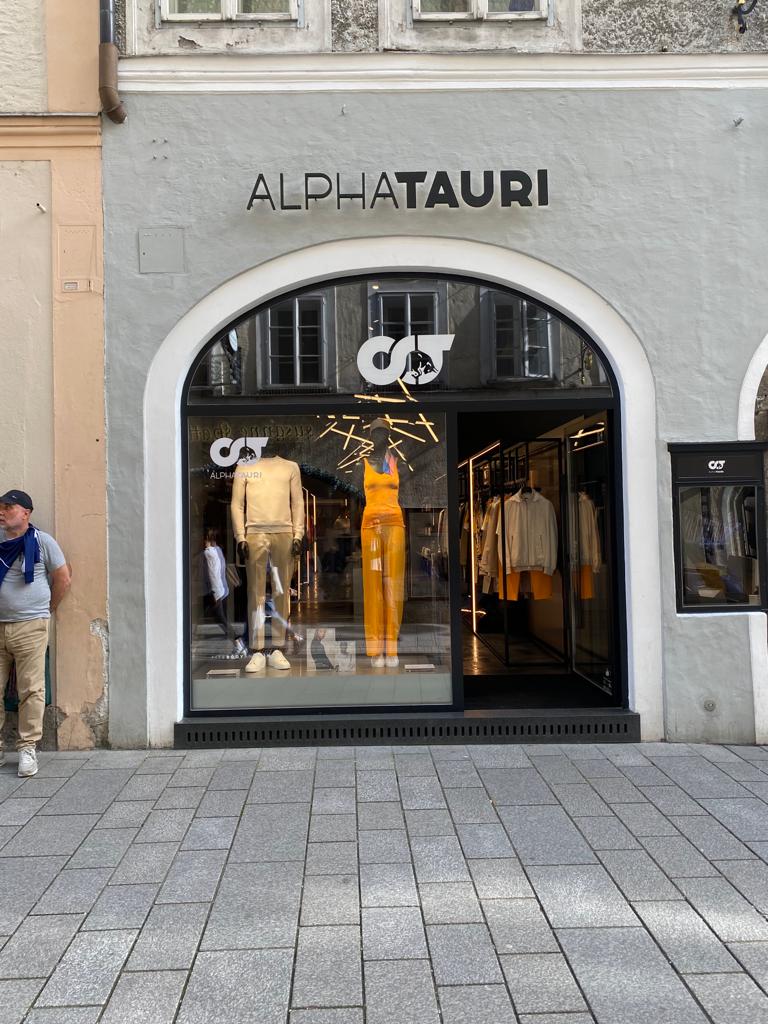
A distinctive clothing store
Finally, they’re doing good business in retail. As I mentioned in my article last month, “Salzburg, the City of Mozart and Red Bull,” I was intrigued by two Red Bull stores while strolling along Salzburg’s Getreidegasse, which can be called İstiklal Street. I visited both. The first was a classic store selling Formula 1 and sports goods, but what really surprised me was the other store, Alpha Tauri, which sold very stylish, casual men’s and women’s clothing. I can say that both stores set themselves apart with their product range, variety, and quality (I say this as a former retail professional).
A museum tour like a kid in a candy store
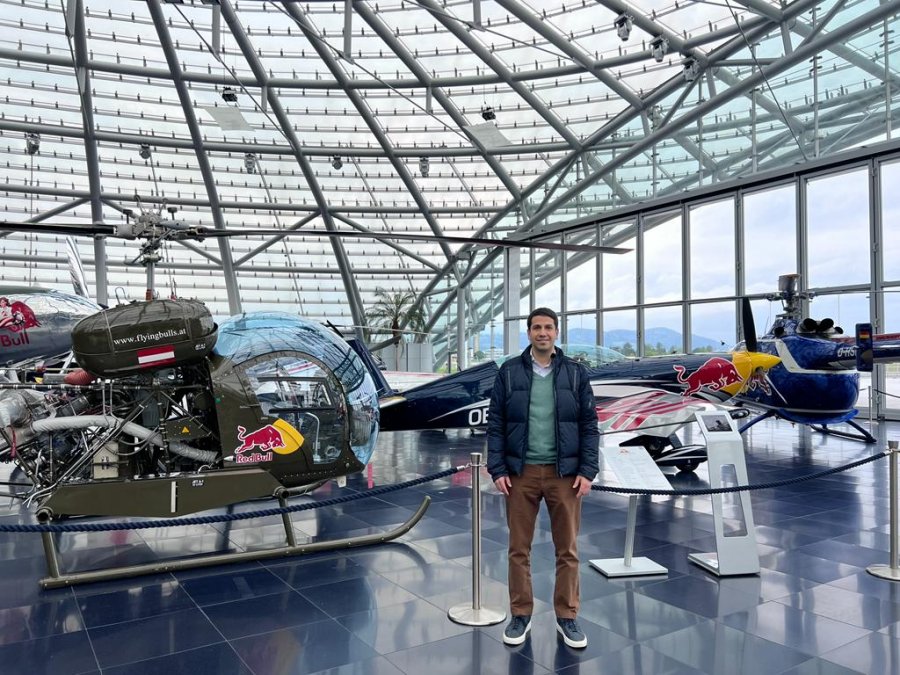
I personally admire Red Bull, a great example of good governance and branding. That’s why, after the European Entrepreneurs Forum, on our way from Kitzbühel to Salzburg Airport, we visited the Red Bull Museum, located very close to the airport. I didn’t want to be disappointed.
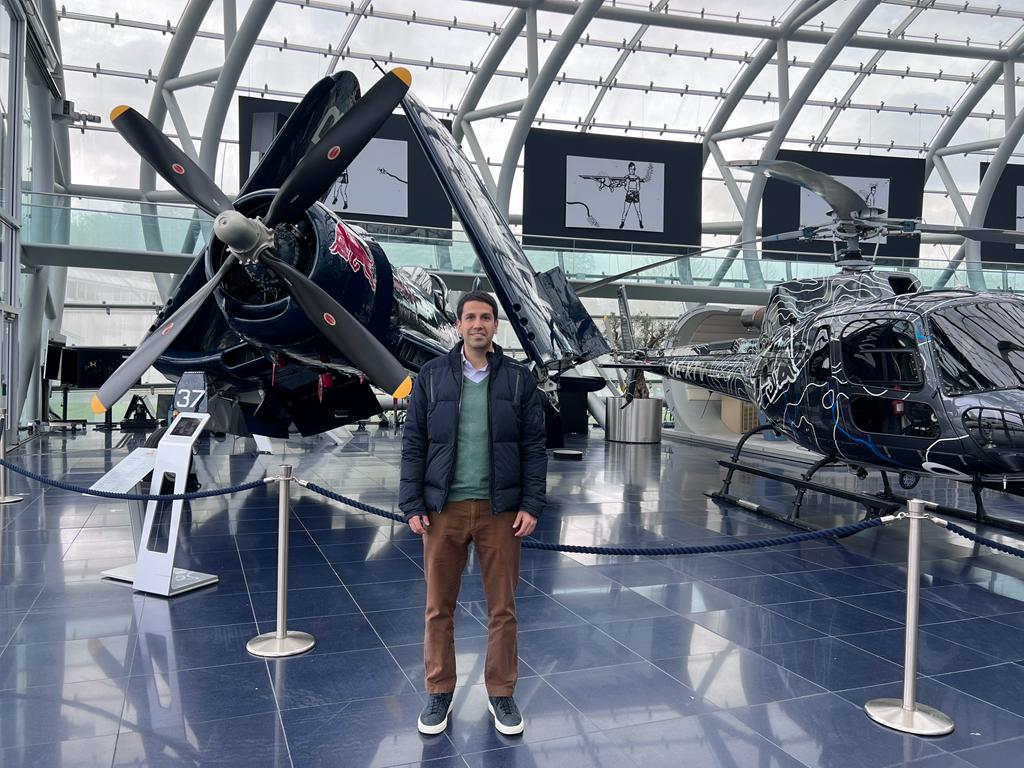
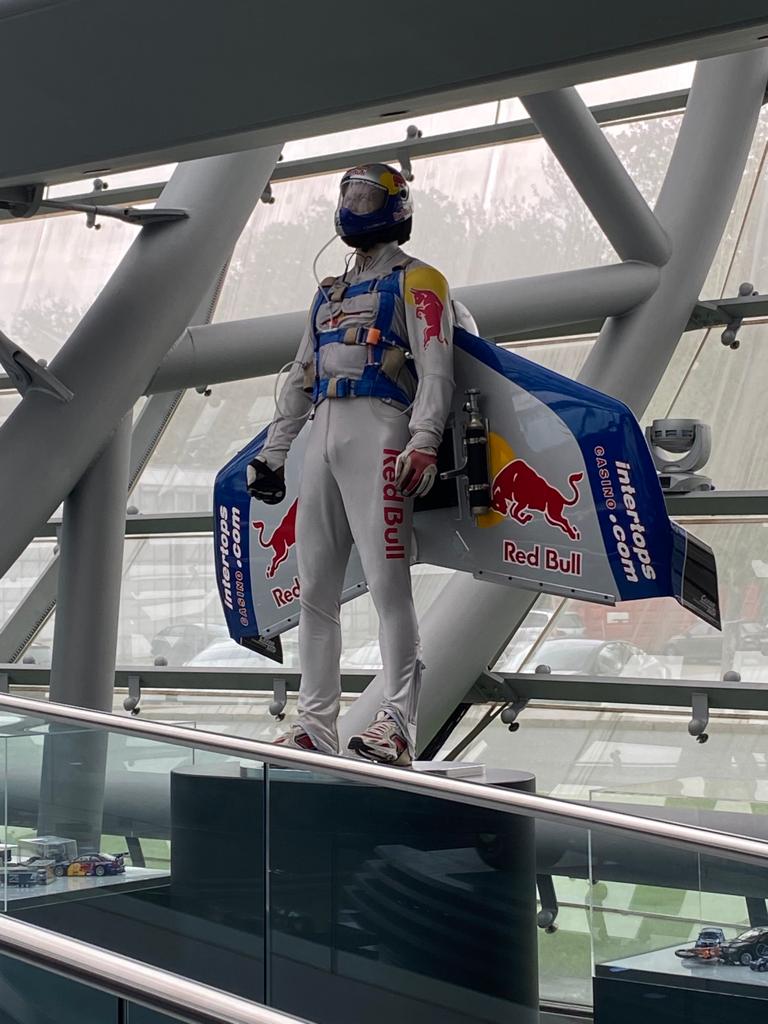
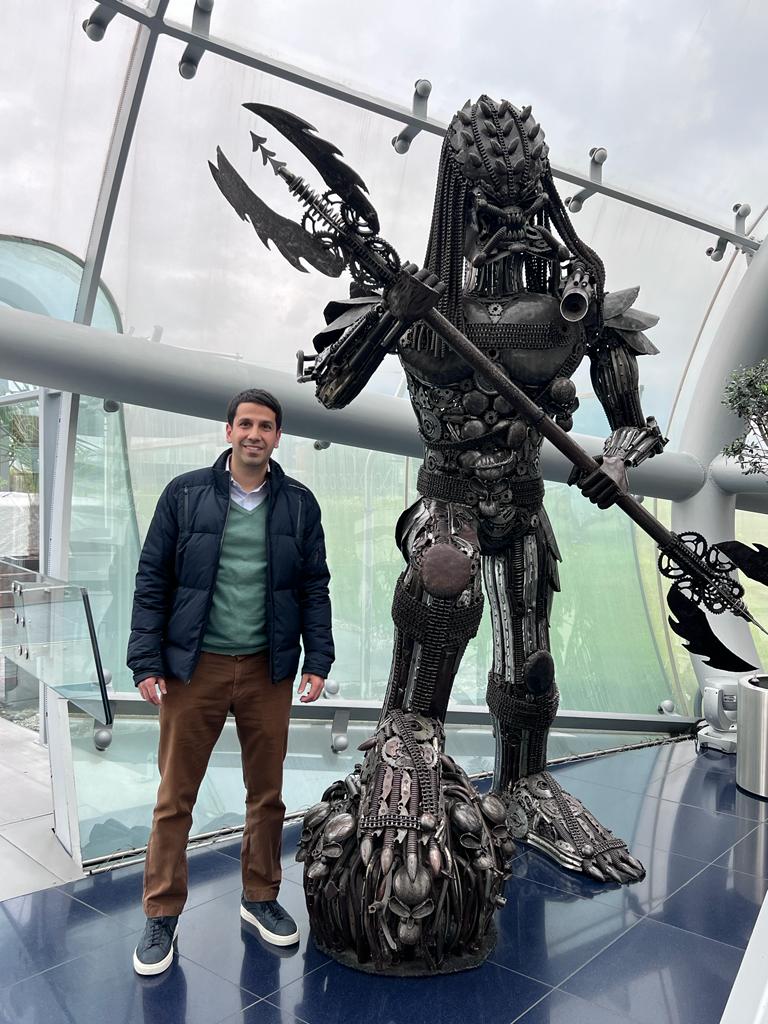
I’ll conclude my article with the photos we took at this museum, which is “worthy of Red Bull.” I want to emphasize that I personally felt like a kid in a candy store when I visited the museum. I had a blast. Although we didn’t spend enough time there due to time constraints, visiting the Red Bull Museum was one of the highlights of my trip.
Note: In this article, I used the information at https://en.wikipedia.org/wiki/Red_Bull .
Tag: memoir