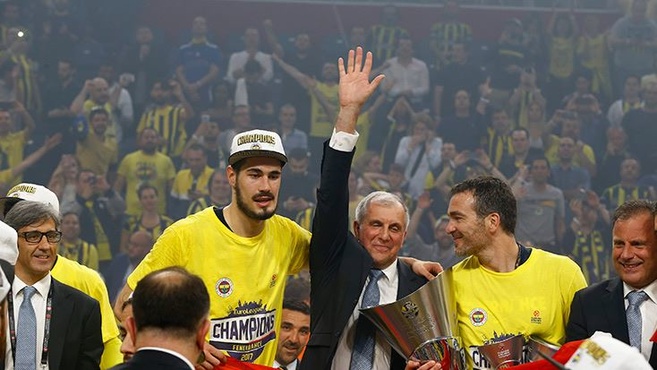
Following Beşiktaş’s elimination from the European Cup, those who controlled social media on behalf of Galatasaray tweeted about our UEFA Cup victory. In my previous article, “How can Galatasaray’s unstoppable decline be reversed?”, I urged them to “May God grant them wisdom!” and emphasized the need to show those with this mindset the door. As a reminder, I’m sharing the link: http://www.serhansuzer.com/tr/galatasarayimizin-onlenmeyen-cokusu-nasil-tersine-cevrilir.
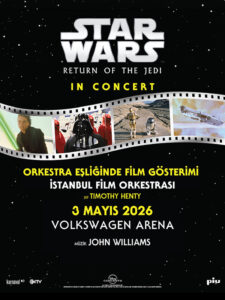
Last week, on 17 May, Galatasaray Sports Club organized an event to Türkiye, inviting the legendary players of the UEFA Cup we won 17 years ago.
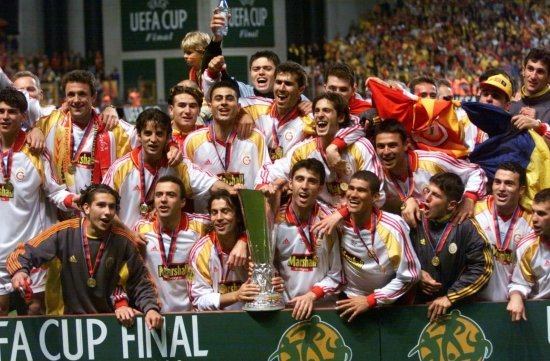
The UEFA Cup we won 17 years ago
Galatasaray fans celebrated Galatasaray’s UEFA Cup win 17 years ago on social media. It always delights me when veterans return to Galatasaray and participate in events. I especially enjoy seeing Galatasaray legends like Prekazi, Turgay, and Hasan Şaş everywhere. However, as a die-hard Galatasaray fan, these celebrations, which seem to be akin to “Happy Holiday,” personally bothered me. Here are some photos from these celebrations:
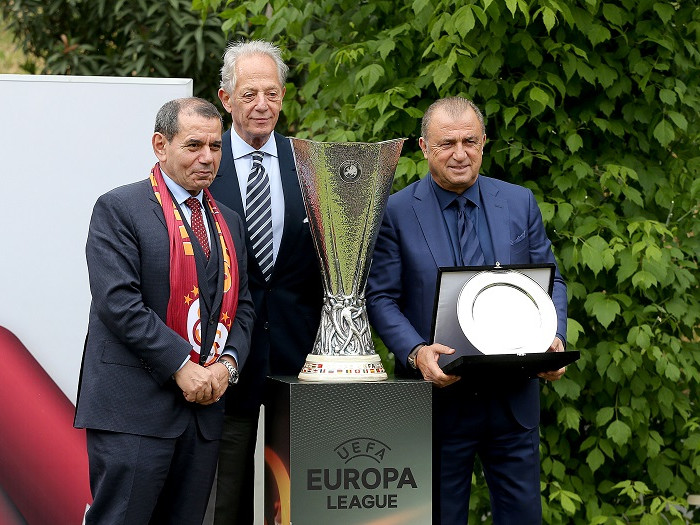
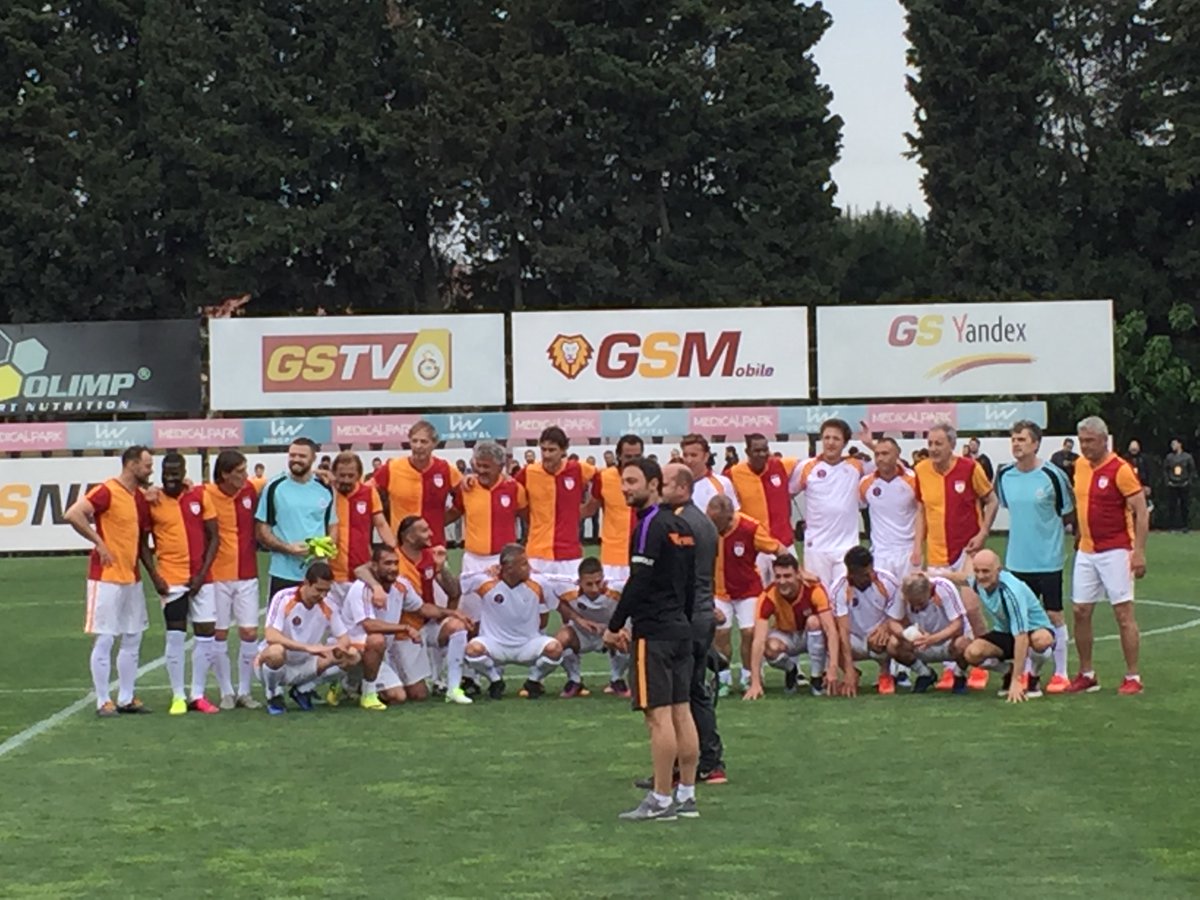
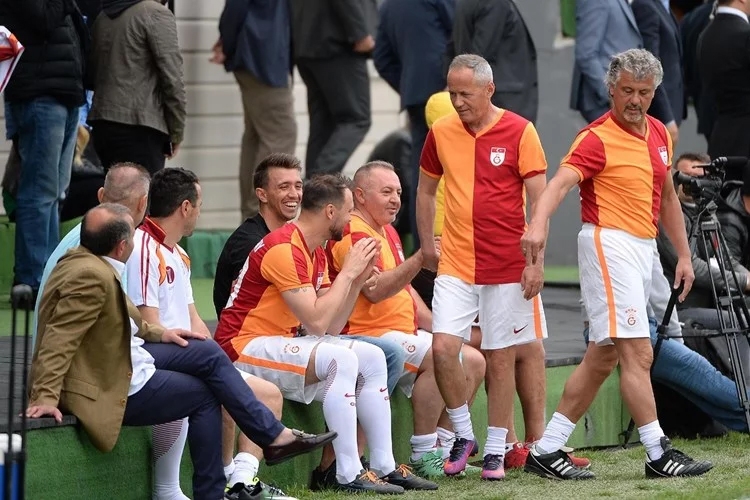
Of course, any success should continue to be a source of joy for us. However, by making it a holiday and celebrating so much without adding anything to it, I think we’re starting to spoil the fun. I want to talk about our soccer, our economic situation, and our success statistics, which have been declining since then. Again, on 19 May, Commemoration of Atatürk, Youth and Sports Day, I read the following headlines in a prominent newspaper like Hürriyet: “Here’s the 2018 Model Galatasaray. The Earth will tremble.” http://www.hurriyet.com.tr/sporarena/galeri-iste-4-buyuklerin-yeni-sezondaki-kadrolari-40462697#page-15
Given the significance and meaning of the day, I was deeply disturbed by this news. I’d like to share my thoughts with you:
Every year, we witness the same routine. In an environment where the Big Three are conditioned to win the championship, when only one of them wins (and this is rare, but sometimes it’s not even among the Big Three), the presidents or relevant executives of the other clubs start rants. The press either mirrors them, or reporters from the Big Three, who have given up hope of winning the championship, start shaking up the ratings to keep the ratings alive. They start trying to get all the top players in the world transferred to Galatasaray, Fenerbahçe, and Beşiktaş. They’re not just focusing on players like Messi and Ronaldo. One comes, the other goes. When one club tries to sign a breakout player, the managers of the other two major clubs often sign another player from the same country to avoid pressure.
The “Anelka bonus” statement…
The incident that made me laugh the most was the transfer of the famous French striker Nicolas Anelka. Fenerbahçe made some really good signings during that period. For example, they managed to bring another world star, Roberto Carlos, to Türkiye. Anelka’s arrival at Fenerbahçe, even though he was nearing the end of his career, while he was still a legend, was particularly pleasing to Fenerbahçe fans. In return, while everyone was expecting a big transfer from Galatasaray, they landed another player from the same country, one who was unknown, considered physically inadequate, and perceived as unattractive: Franck Ribery.
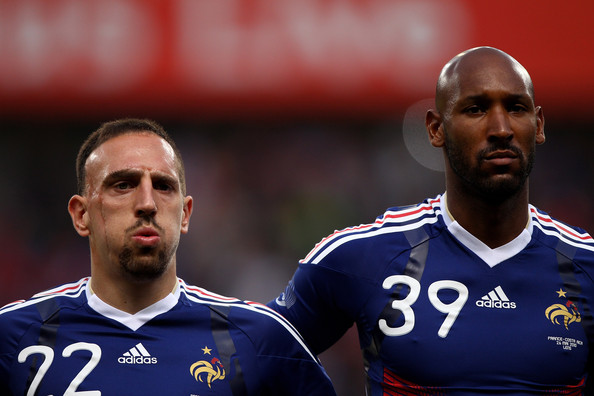
Playing together in the French national team, respectively from left to right: Ribery and Anelka
When Ribery first joined Galatasaray, all the Fenerbahçe fans mocked us, referencing a commercial that played on television at the time. They said Anelka had received a bonus. We saw that bonus later. Ribery, who arrived as a young but high-potential player, subsequently achieved incredible success. I can say that Ribery, who still plays top-tier soccer for Bayern Munich today, has surpassed Anelka’s. The way he left after a fantastic season with us was simply heartbreaking for all Galatasaray fans. Our serious managerial weaknesses were also clearly exposed.
Following and imitating instead of leading
The managers of the Big Three, who follow, imitate, and strive to keep pace, aim to avoid falling behind. Look at their vision. They act by looking to others and trying to avoid being told, “Why didn’t you?”
There’s no master plan, nor are there professional managers qualified to implement it. All they have is constant bickering, flashy announcements to appease the fans, and so on. The result: Turkish soccer clubs that are slumping, acting like overlords within themselves, and taking stock of their status when they reach European competitions.
Yet, significant progress has been made in Turkish soccer during our generation. I previously wrote about this in my article, “The ego that won’t end until we say it’s over” (http://www.serhansuzer.com/tr/biz-bitti-demeden-bityecek-ego). I’d like to quote from that article and recall an experience I once experienced:
… (Until the 1990s), we, as a country, were in a mood to rejoice when we lost by a narrow margin. Thankfully, we were able to shed the “lost but not crushed” inferiority complex of my generation. I remember those times vividly.
For example, I attended summer schools in England from the age of 11 to 16. I can say that I had the most enjoyable time of my youth every summer at the schools I attended. I remember Türkiye losing 8-0 in international games against England during those years. The Europeans we played against, especially the Italians and Spanish, would mock us, saying, “The Turks are here, let’s see how many you’ll win in this match!” These jokes inevitably affected our self-confidence, fueling our passion and making us even more eager to participate in sports. I vividly remember winning every match we played, and even the ones we played with the jokers ended with a 4-5 lead.
From two-man passing to a major tournament…
In fact, my generation has made significant strides in many areas, including sports, in Türkiye since the founding of the Republic. Let me give another example from my school life. During my university years, I took microeconomics and algebra courses at Harvard University one summer. I even had these courses count towards my university credits in Canada. I had two roommates at Harvard at the time. Peter, a computer engineer, was a nice guy. However, he never left the computer lab, so we rarely saw him. When we did, we would chat a lot with this charming friend with his slanted eyes and southern accent. My other roommate, Austin, was a tall, handsome friend of ours who played professionally for the Colorado State soccer team. Austin and I always hung out together. The first day we met, we discovered both of us were interested in soccer, so we immediately found a soccer and started playing soccer together in Harvard Yard. People who saw us passing the ball back and forth joined us and started playing together. By the end of practice, we had grown to six or seven players from the first day. The next day, we were even more crowded, and our numbers steadily increased in the following days. Austin and I had become famous at school. People who wanted to play soccer were calling us. When we finished our first month of two months at Harvard, we couldn’t fit in at Harvard Yard anymore and started organizing tournaments on a real soccer field on the other side of the river in Boston. It was really fun. One day, Austin asked me, “Serhan, we’ve been playing soccer for a month. I told you where I play, but you never told me about your career. Where do you play?” Being in a playful mood, I told Austin I played for Galatasaray’s PAF team. He replied, “You can tell.” I just smiled. However, I had no professional soccer background. My twin brother and I mostly played at home, and occasionally, we played with the neighborhood kids on the streets of Bebek, where we spent our childhoods. We joined the high school soccer team purely for fun. I had no interest in professional soccer. But even as amateurs, we played soccer with great passion and dedication.
My generation’s soccer success
That summer in America, I became an instant star with this level of soccer. For example, despite playing defense for my high school team, I’d switch directly to central midfield and direct the entire team in American games. Of course, I must admit that this was the first time I’d ever trained consistently, which allowed me to improve my game. At Harvard summer school, everyone knew me as a Turk who played soccer well. Three days after this conversation with Austin, I brought it up again, and he initially didn’t believe me when I told him I wasn’t a professional at all, that I was joking about Galatasaray, and that I simply enjoyed playing soccer. After emphasizing several times that I was truly right, he asked me, “Well, how can an amateur play soccer at this level? The level of soccer in Türkiye is very high, that’s not even true, because your tournament results are clear.” I instinctively replied, “Yes, it’s true that the Turkish national team hasn’t been successful in any tournament to date, but we can’t say it will be like this in the future. You’ve seen my soccer; I play mediocre soccer in Türkiye compared to my generation. It would be beneficial for you to watch others my age. We will be successful in the upcoming tournaments.” Those words I told Austin about my generation back then, in response, were literally true. Galatasaray’s European UEFA Cup win, then the Super Cup, and the Turkish national team’s third-place finish at the World Cup, all thanks to my generation, as I mentioned to Austin.
After these successes in the late-90s and early-2000s, we haven’t had any significant success in soccer. This isn’t just about Galatasaray. I’m talking about all of Turkish soccer. We experienced a vivid example of this again last week.
The festive atmosphere created by winning the trophy 17 years ago brought the following questions to my mind:
- I wonder if teams like Real Madrid, Barcelona, Manchester United, Chelsea, and Bayern Munich, which have won this trophy several times, will declare these days as holidays several times a year (all in May) and hold similar celebrations?
- How do these teams manage to build on their successes instead of resting on their laurels?
I’ve written this many times before. I’ll write it again now. The steps to be taken for Turkish soccer to reach the level of other major European clubs are clear. This is a long-term endeavor. Everyone needs to be patient and respectful of the process. I’ll briefly list these below:
- Master Plan: All soccer clubs in Turkish soccer need to develop a master plan and take all necessary steps in accordance with this plan. Instead of immediately aiming for success, they need to spread the process over 5 to 10 years and continuously build on it throughout this process.
- Communications: This master plan needs to be explained very well to all stakeholders, especially the fans. We are a nation that is genetically impatient. However, if the intended objectives and all processes are explained in detail, I believe that fans, club members, press members, and all other relevant stakeholders will be patient and contribute to assisting in this process. It’s also necessary to utilize print and broadcast media, social media, and internal club communication channels effectively during this process.
- Infrastructure: It’s crucial to invest the most in infrastructure, both in time and money, without delay. The biggest reason infrastructure isn’t a priority is that investments don’t yield immediate results. In other words, if you make a significant investment in time and money today, you might start seeing results five years later. Unfortunately, no club manager (even though some have been managing sports clubs for 20 years) is this patient. They might spend twice as much on the transfer of a star player to get immediate results. This is a shame. There’s no telling what will happen tomorrow; we need to declare infrastructure a top priority and start investing without delay.
- Economic Situation: The economic situation absolutely must be improved. This means making ends meet. The steps are clear. Revenue-boosting solutions must be developed. In addition to traditional revenue-generating models, creative new models must also be implemented. Furthermore, expenses must be reduced as much as possible and vested interests must be eliminated. All of these must be implemented with a master plan and without compromise. Let’s not forget that in today’s sports, which has become a significant sector, there can be no sporting success without economic success.
- Merit: Managers and staff of sports clubs and federations, referees, and employees of all relevant institutions and organizations must be selected or appointed based on merit. Whatever happens to a country always stems from the “my man, your man” mentality. The key should be handed over to those who are good and capable of performing their job properly. It’s that simple.
- Education: From what I’ve observed from the outside, the vast majority of Turkish soccer players are illiterate. They can’t handle so much fame and money at such a young age. They shine for a while, but then can’t maintain the same performance. They don’t speak a foreign language. That’s why they struggle to play in a country other than Türkiye (Turkish players from Germany or the Netherlands are an exception. Because they grew up in Europe, they speak a foreign language and play with an affinity for Western culture). However, if all soccer players want to improve their game, experience abroad is invaluable. In short, all soccer players need to prioritize education. While playing soccer, they should be encouraged to attend high school or even university, similar to the one in America. They should all learn a foreign language. Most importantly, they need to be taught about life from a very young age. They need to be taught valuable life skills like being humble, managing budgets, etiquette, and proper communication. Otherwise, almost all of them are doomed to disappear in the turmoil of Türkiye.
- The Spectator: The spectator also needs to be rehabilitated. We no longer want spectators who swear, start fights, insult the opposing team, and accept nothing but the championship as success in soccer, or indeed in any sport. Those who exhibit such behavior should be barred from stadiums, their club memberships terminated, and instead, spectators who attend games with their families and demonstrate exemplary behavior should be included. Let’s not forget that soccer is essentially a stage. Having exemplary individuals on this stage is in the country’s best interest.
- Club and federation executives serving a fixed term as president: The late İlhan Cavcav probably holds the record in this regard. He served for nearly 40 years. He could have owned the club, but he could have handed it over to his son after a while. Change of heart is needed everywhere. İlhan Bey managed the club very well in its early years, but in recent years, he has consistently managed it, and he made mistakes like constantly changing managers. Fenerbahçe’s president, Aziz Yıldırım, has probably gone down in history as the person who served the most presidency among the Big Three. Of course, the important thing is to have your name written in golden letters; otherwise, there will be many people in history who are remembered with a wince. What matters is not the length of your service, but how successful and contributed you were during that time. The more you make your mark and make progress during that time, the more successful you will be considered. The rhetoric of “If I leave, the club will dissolve” or “they’ll take over” is also outdated, in my opinion. I know at least five people who are capable of presiding over Fenerbahçe after Aziz Yıldırım. All of them have the potential to carry the club’s flag even further. Essentially, this transfer applies to all sports clubs and federations. This should be for a specific period. I believe this is a maximum of 10 years, and can be extended to 15 years if a compelling reason arises. To think otherwise would mean handing over historically public clubs to a single person. This is absolutely wrong.
- Correct transfers: As I’ve mentioned in previous articles, it’s absolutely essential to sign players under the age of 25 with significant potential. We should no longer be signing players who are overdue for retirement. By signing young players with significant potential, you not only bring in players who will contribute more to the team (because in today’s soccer, you can’t win a match without running and fighting), but you can also generate significant financial returns in the future with high transfer fees.
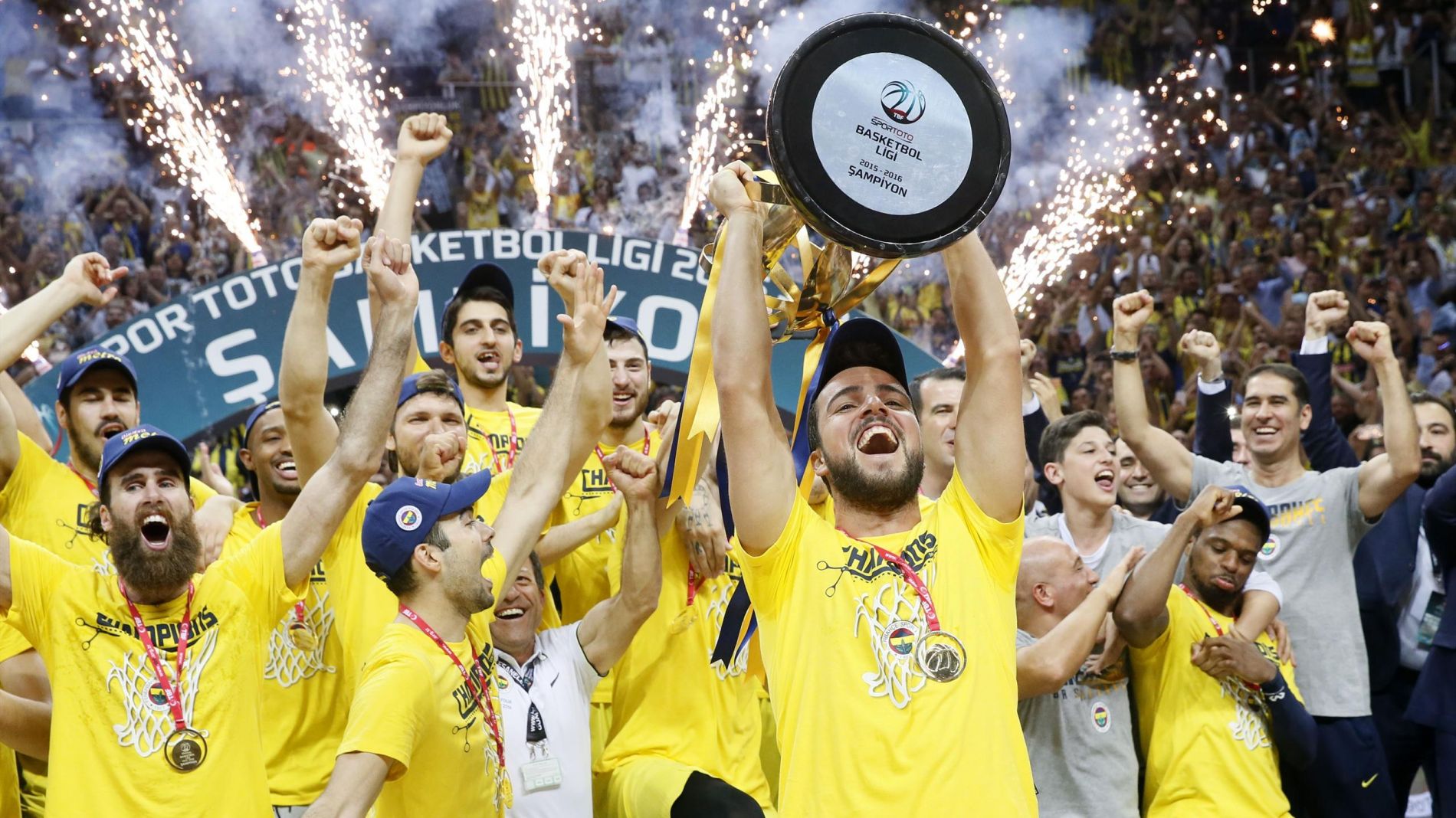
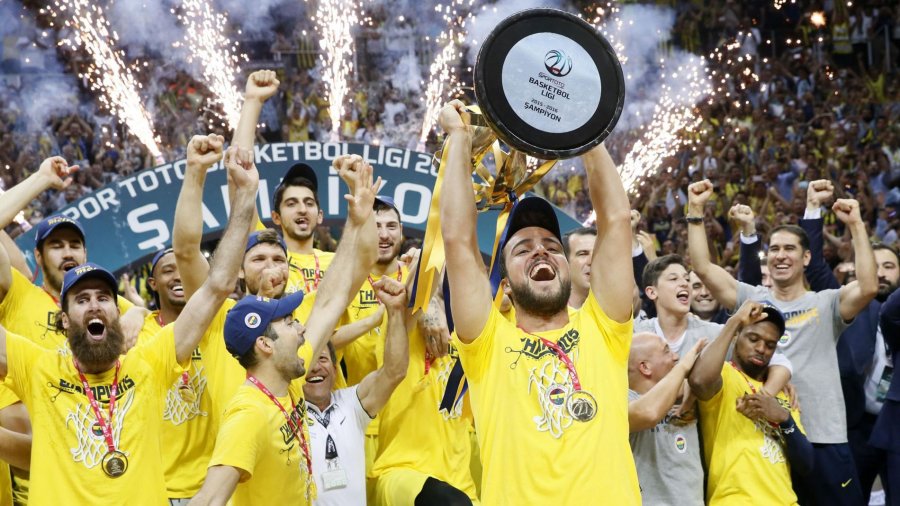
- Manager: Achieving success in basketball is relatively easier than in soccer. You can play for the top of Europe with budgets of €25-30 million. In soccer, however, with such budgets, you can only play to avoid relegation in the Turkish league. Since this article is about soccer, I must mention this. However, we must not ignore Fenerbahçe’s tremendous success. We have all witnessed the legend of Obradović. He has created wonders with timely transfers and young players. We need very good managers to manage a team that will be strengthened by investing in infrastructure and the transfer of young players with significant potential. I have three candidates who can make a similar impact for my own team, Galatasaray. Moreover, the “We didn’t win the championship this year, the fans are starting to whine, so bye-bye” approach has severely damaged our soccer. We need to maintain highly successful coaches who will be responsible for everything within the team, with long-term planning. Success can be planned.
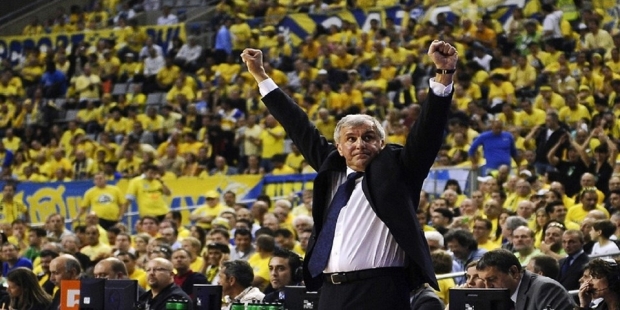
On this occasion, I hope that sports, which mirrors all countries, will continue to develop in our country. I hope that Fenerbahçe’s success in basketball will be replicated in soccer, the most popular of sports, and that Turkish soccer will reach its peak.
Sincerely.